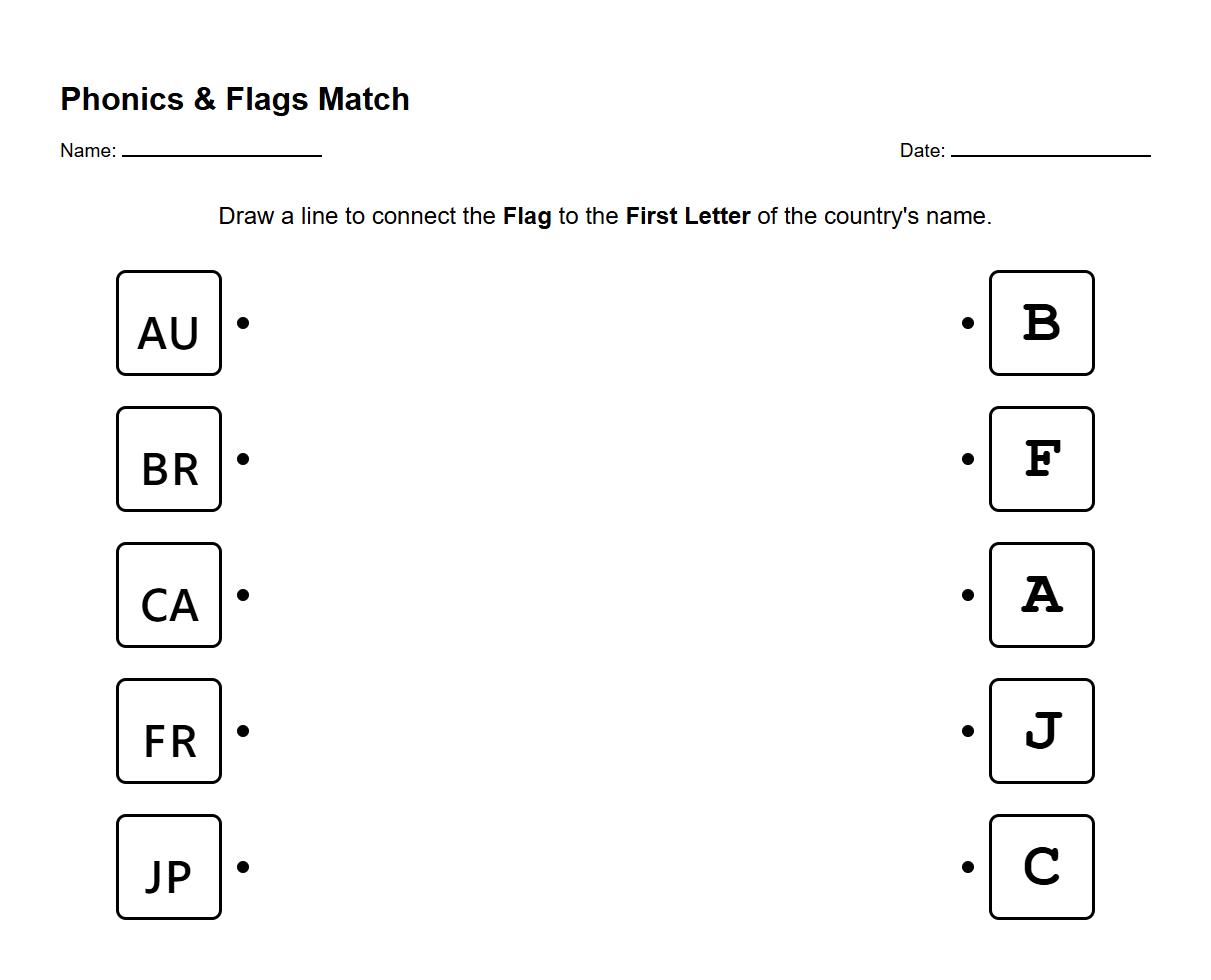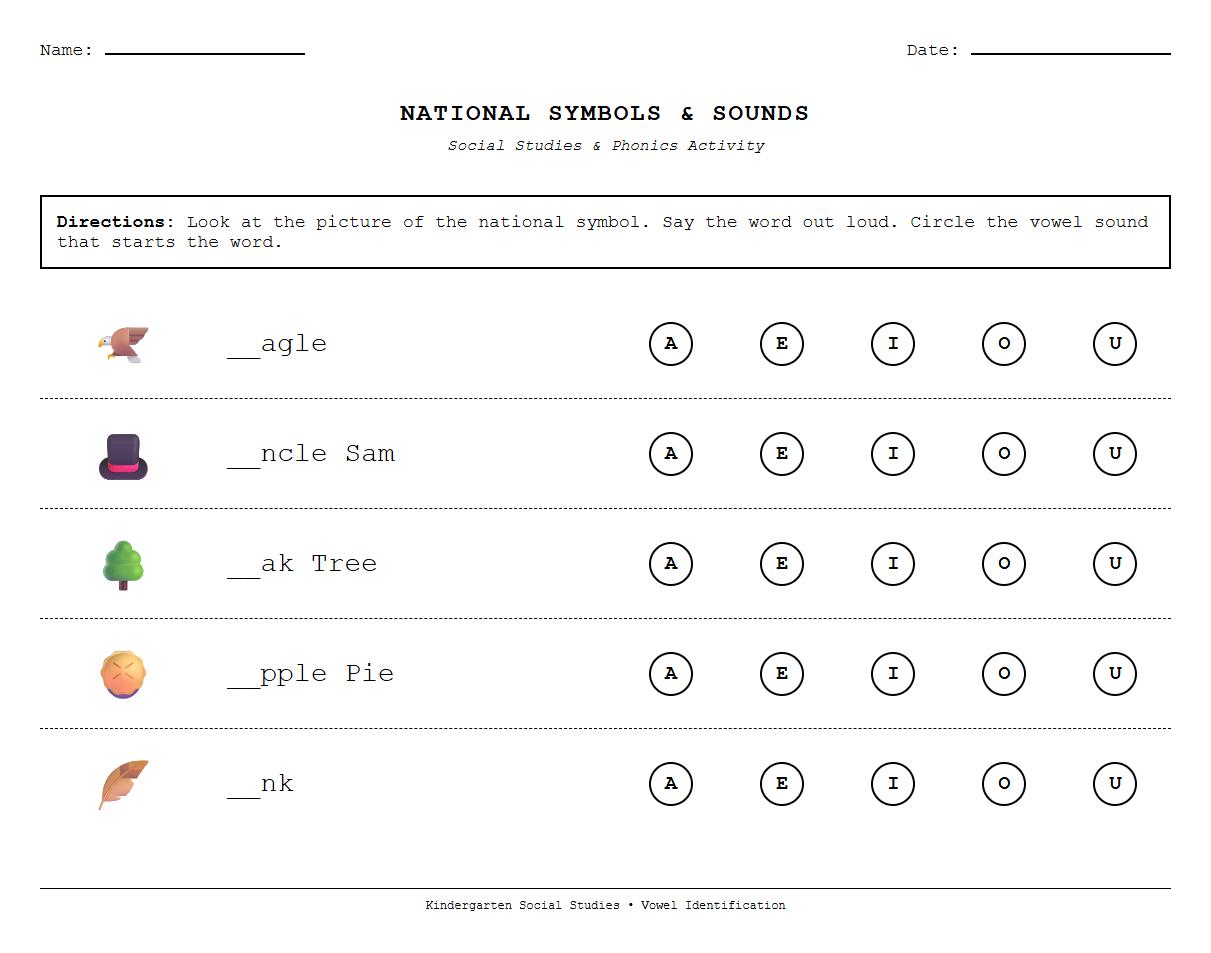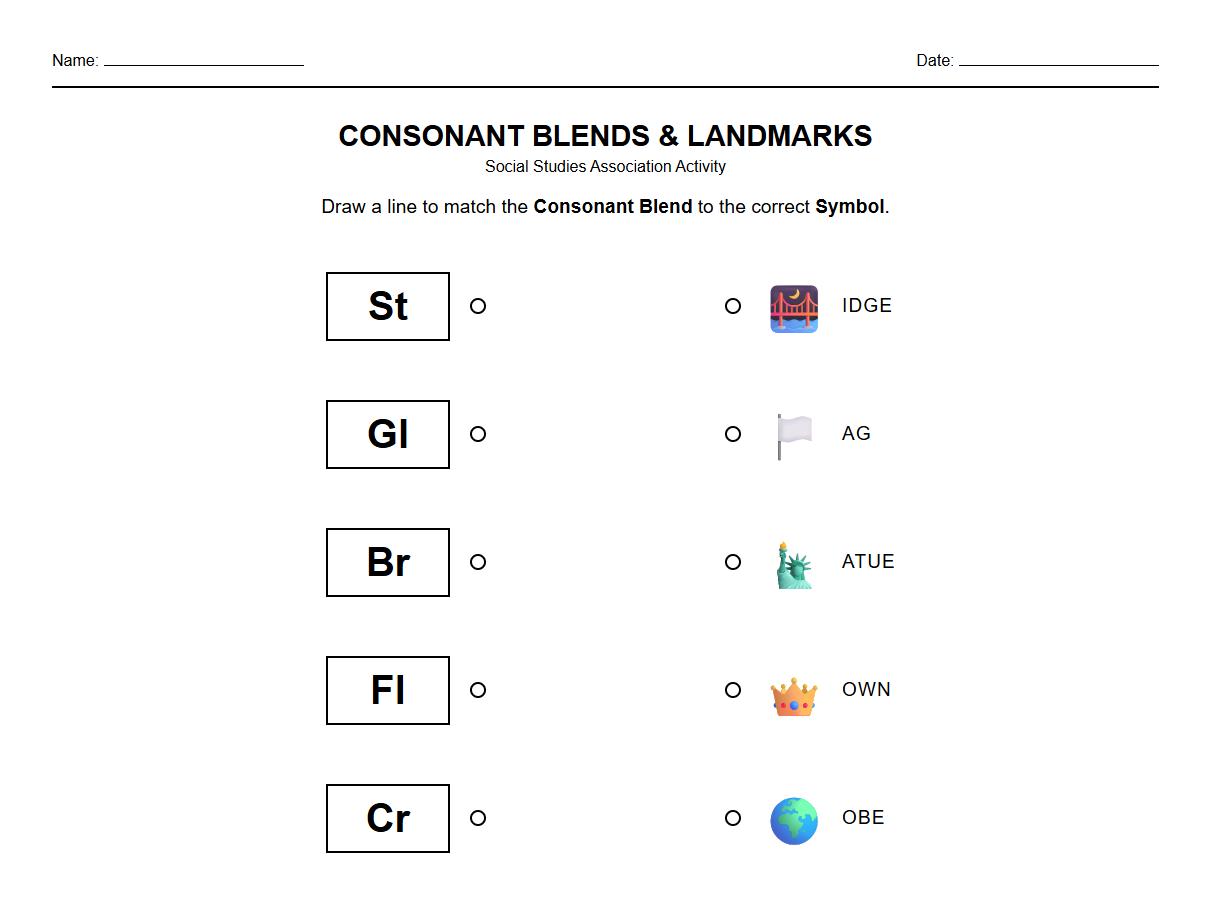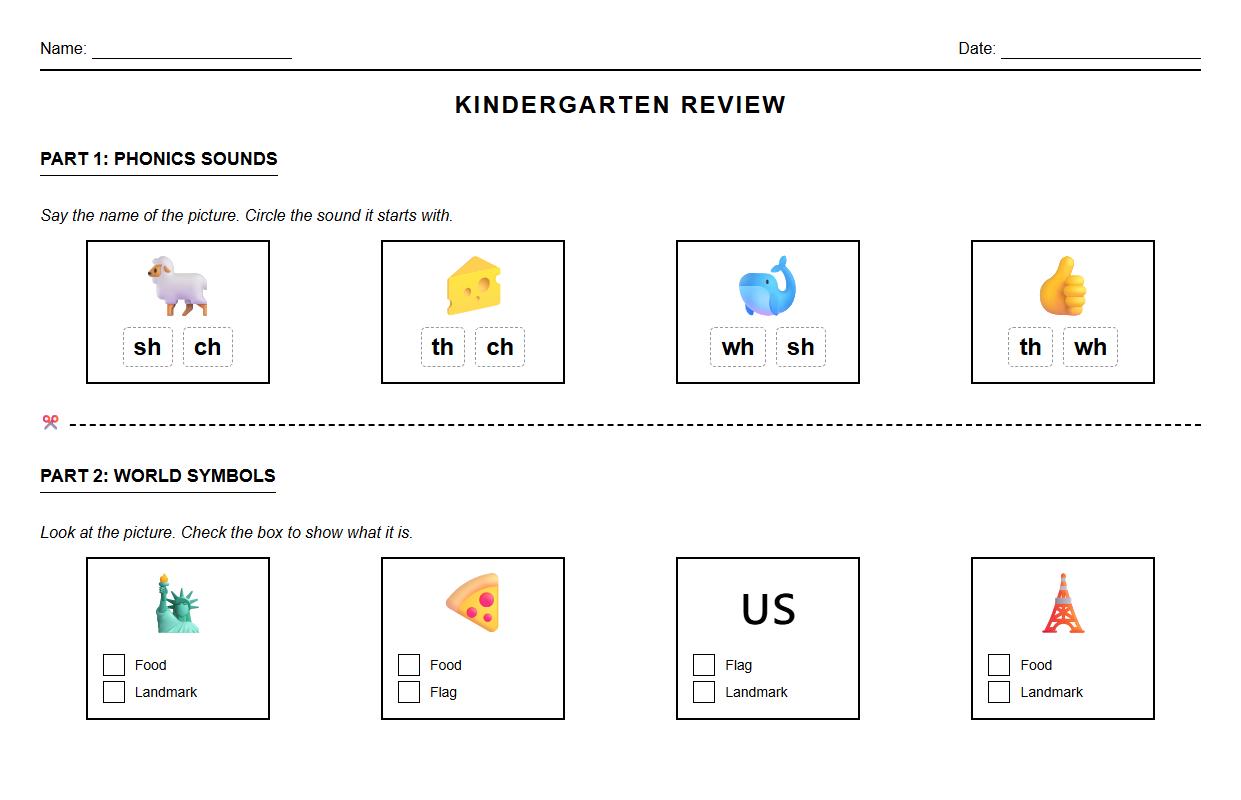
Kindergarten phonics skills develop through engaging activities that connect sounds with visual symbols, enhancing early literacy and cultural awareness. This matching activity helps young learners associate country names with their corresponding flags and phonetic sounds, reinforcing sound recognition and global knowledge. Explore our available worksheets to support your child's phonics and geography learning journey.
Letter Recognition: "Flag"
Ask children to identify which letter the word "flag" begins with. This activity encourages letter and word association early in literacy learning. Use visual aids such as flashcards to reinforce the connection between letter shapes and sounds. This helps students develop strong foundational reading skills.
Match Symbols with Countries
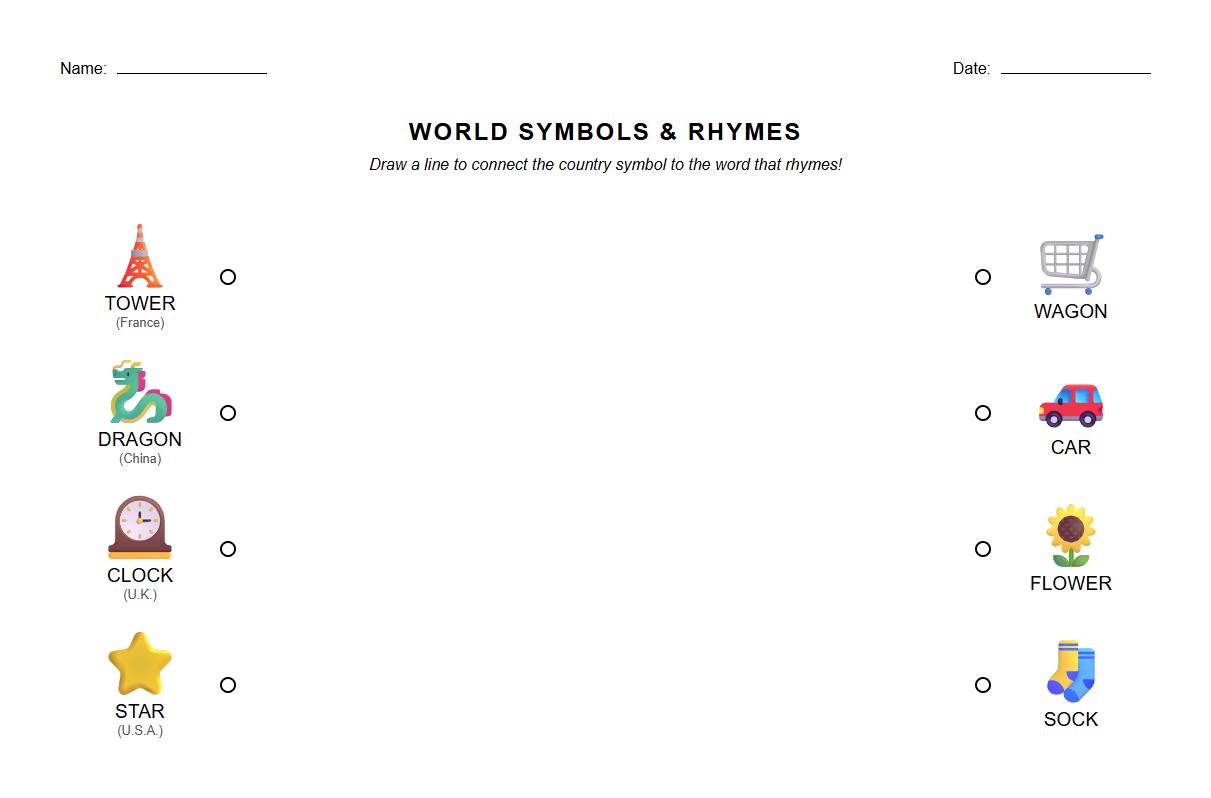
Provide images of various national symbols alongside country names, encouraging children to make correct matches. This activity builds geographical awareness and cultural knowledge. Teachers and parents can create engaging games that promote memory and recognition. It supports understanding of global diversity in a fun way.
Sounds of the Letter "L"
Explore the sound the letter "L" makes in the word "liberty" by emphasizing phonemic awareness. Encourage children to repeat the sound aloud and identify other words starting with the same "L" sound. This strengthens their ability to decode new words independently. Phonetic exercises are crucial for early reading success.
Identify the Symbol of Freedom
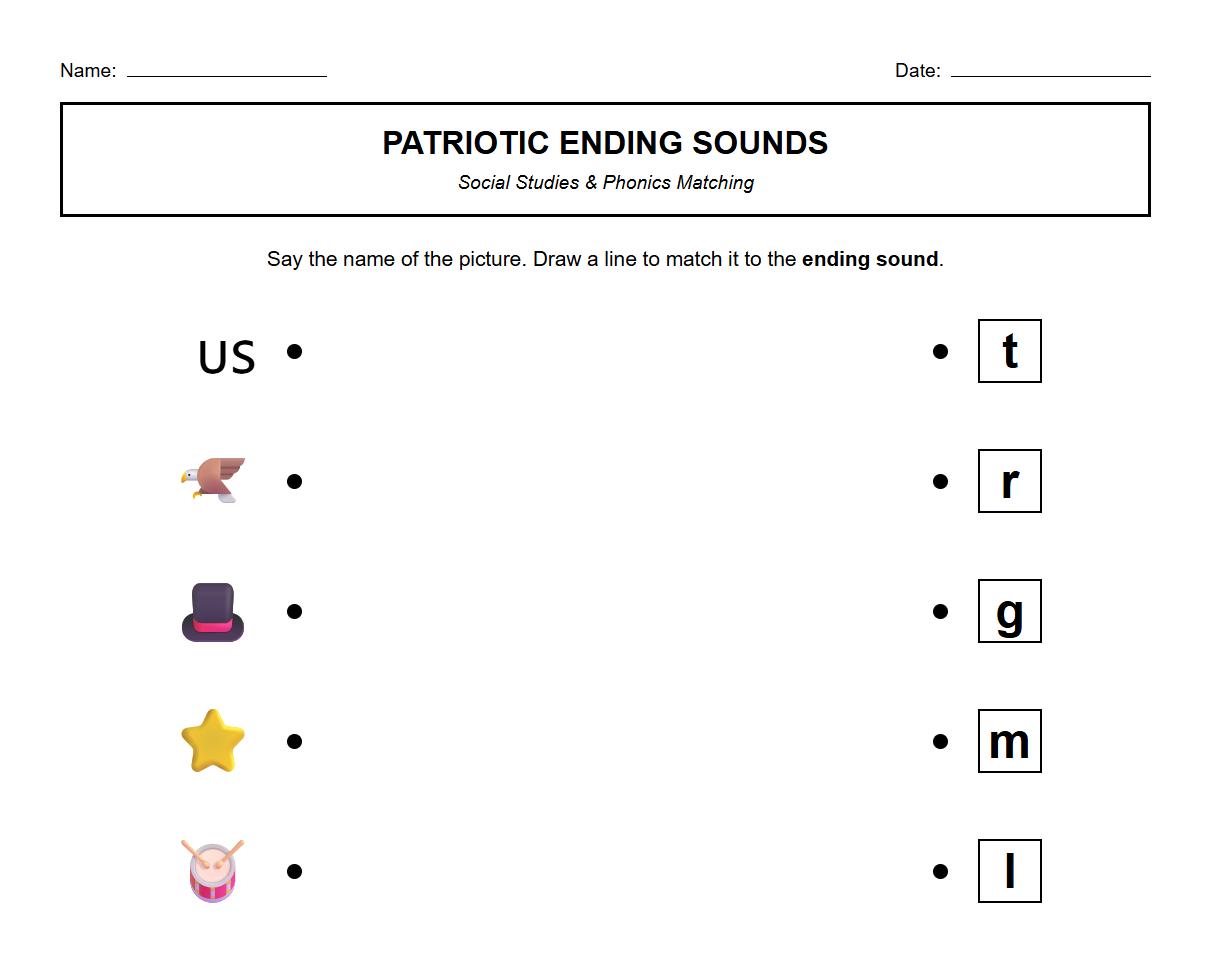
Guide the children in recognizing which symbol represents a country's freedom, such as an eagle or a liberty torch. Discuss the meaning behind national symbols to deepen their understanding. This also touches on history and cultural values connected to the symbols. Such knowledge fosters patriotism and curiosity about national identity.
Beginning Letter of "Statue"
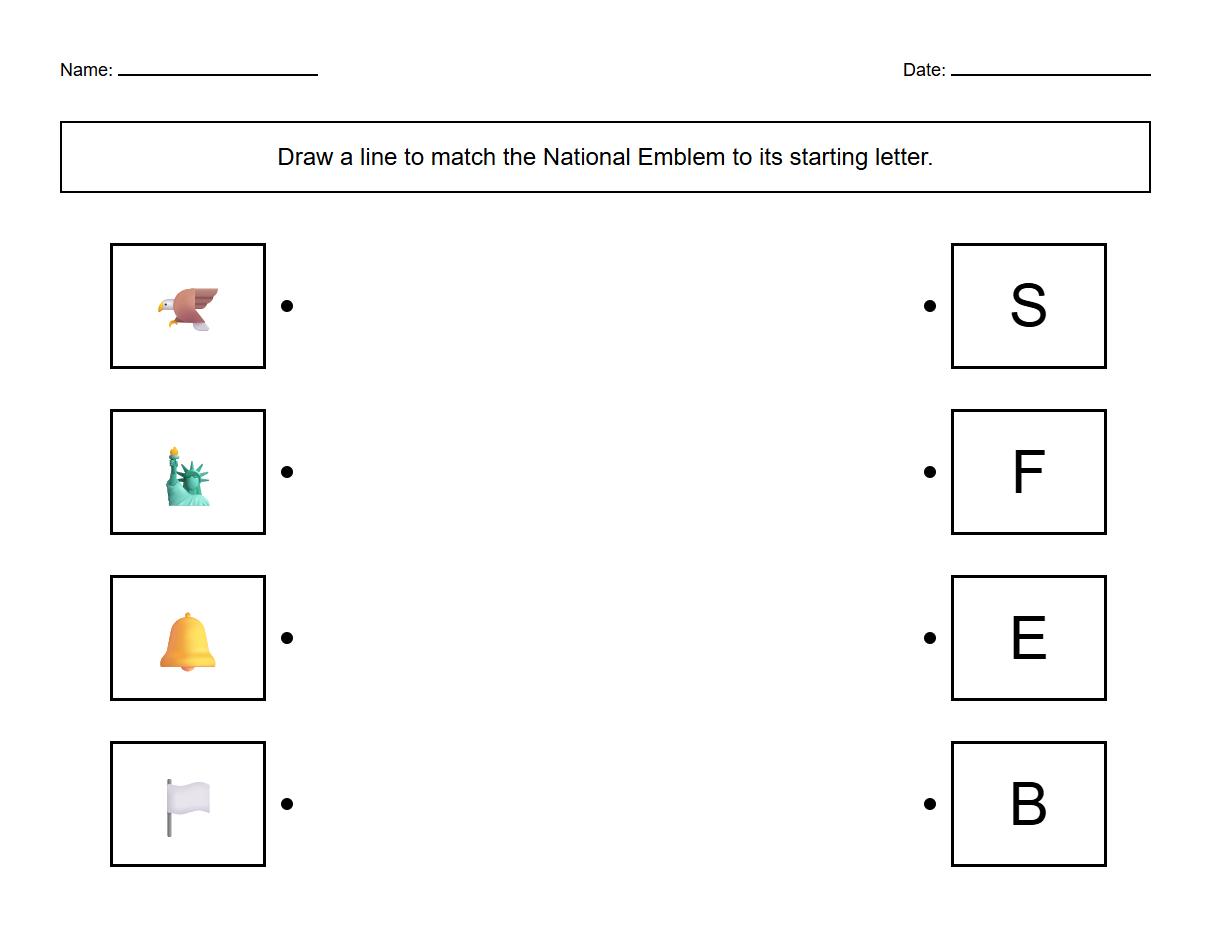
Help students find the letter that begins the word "statue," focusing on letter recognition. Use pictures of famous statues to make the activity more engaging. Reinforcing initial sounds in words supports early literacy and vocabulary development. Parents can extend this by pointing out statues during outings or storytime.
Country's Symbol: The Eagle
Show images of eagles and explain which country uses the eagle as a national symbol. Connect this to lessons about government, patriotism, and cultural icons. Visual identification with symbols aids memory and global understanding. This fosters a greater appreciation of how symbols represent nations.
Beginning Sound: "Map"
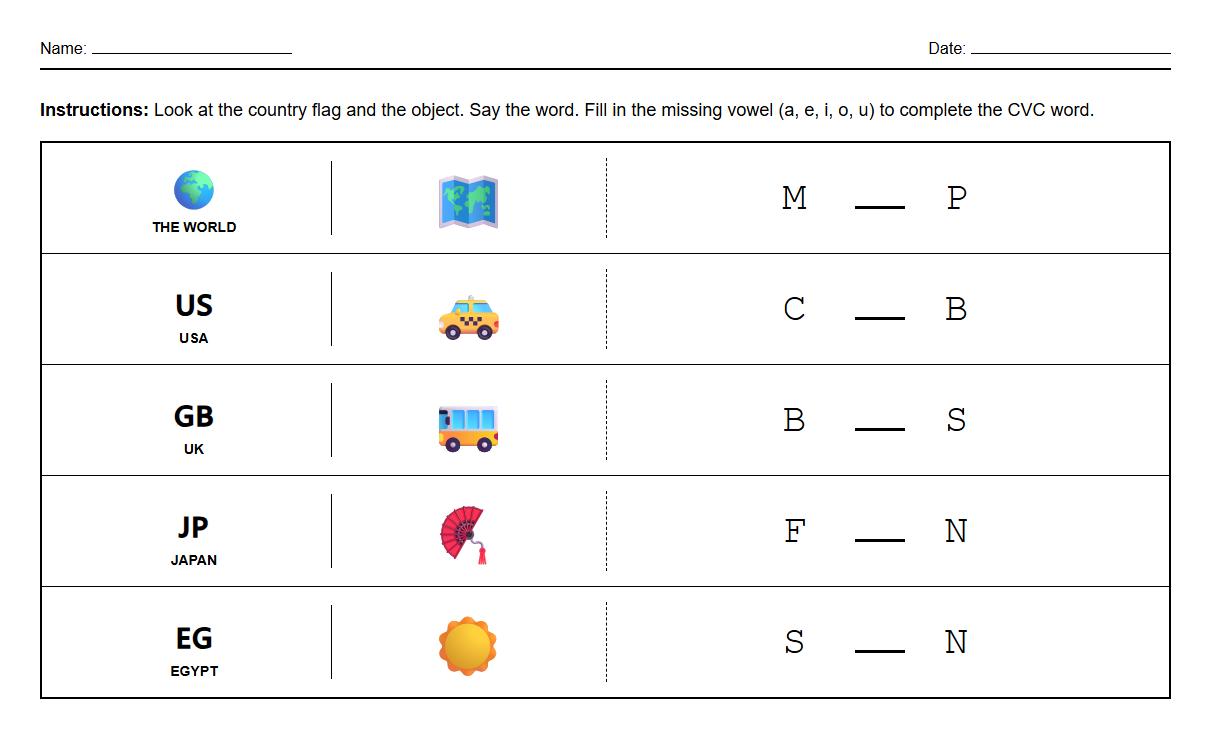
Focus on the beginning sound of the word "map" to enhance phonemic skills. Help children isolate the "m" sound and find other words with similar beginnings. This practice supports reading fluency and sound recognition. Engaging in such phonics activities builds a strong language foundation.
Match Letter "C" to Country
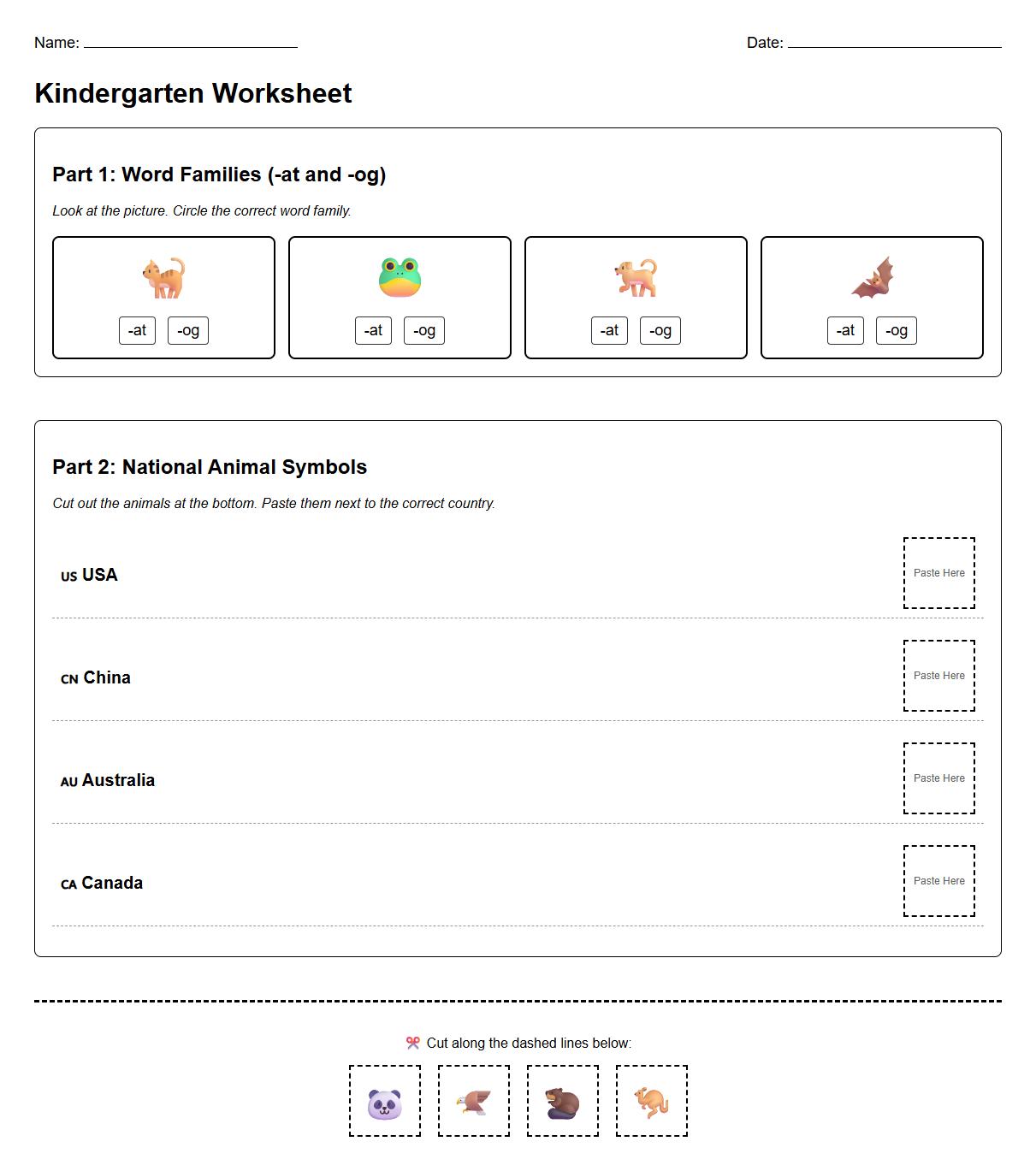
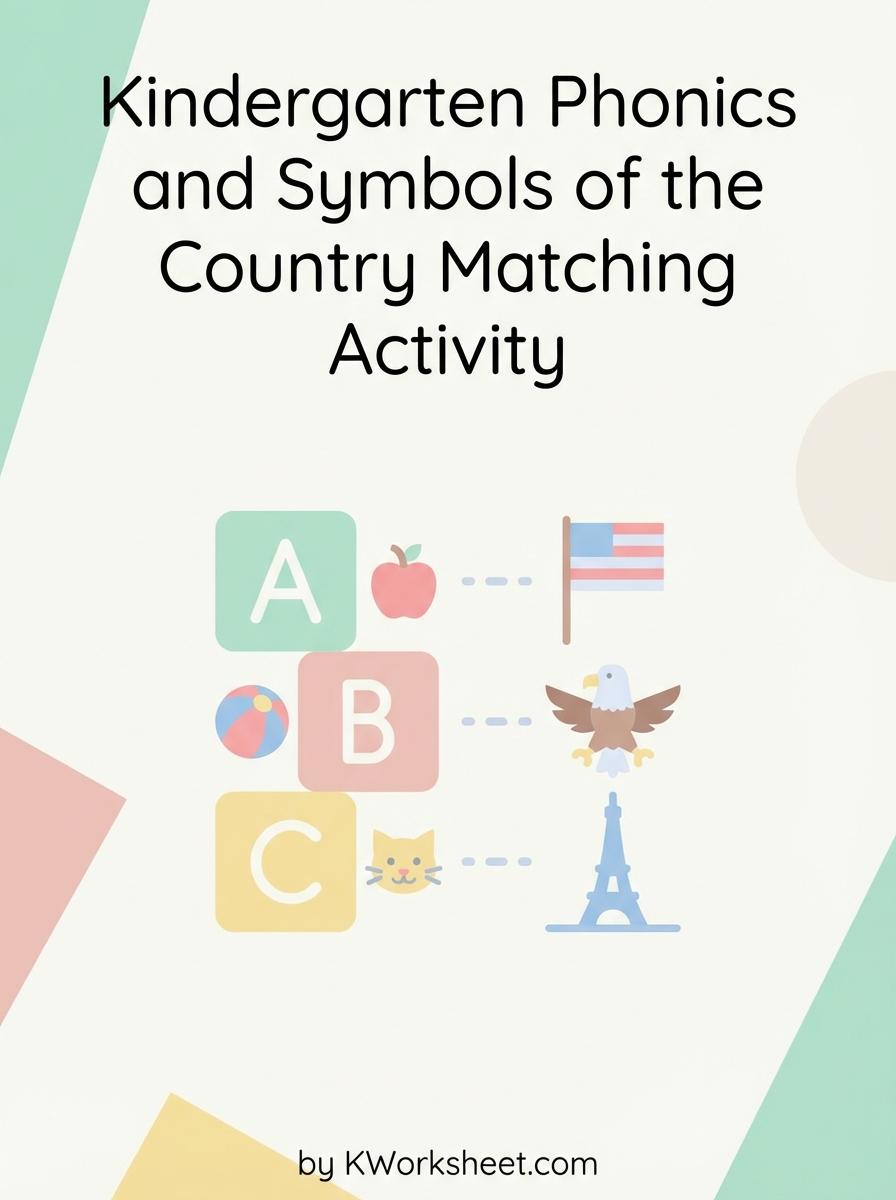
Encourage children to match the letter "C" with country names that start with that letter, like Canada or China. This activity combines letter recognition with world geography. Use colorful visuals to capture interest and improve retention. It's an effective way to combine literacy and social studies learning.
National Symbol with Stripes
Identify which national symbol features stripes, such as certain flags. Discuss the symbolism behind the stripes to connect concepts of history and culture. This helps children learn the significance of design elements in national emblems. Visual storytelling enhances comprehension and engagement.
Point to the Country's Landmark
Present pictures of various world landmarks and ask children to point to the one related to a specific country. This activity connects visual memory with geographic knowledge. It encourages exploration and curiosity about global cultures and history. Interactive learning supports long-term knowledge retention.


National Symbols Cut and Paste Worksheet for Kindergarten