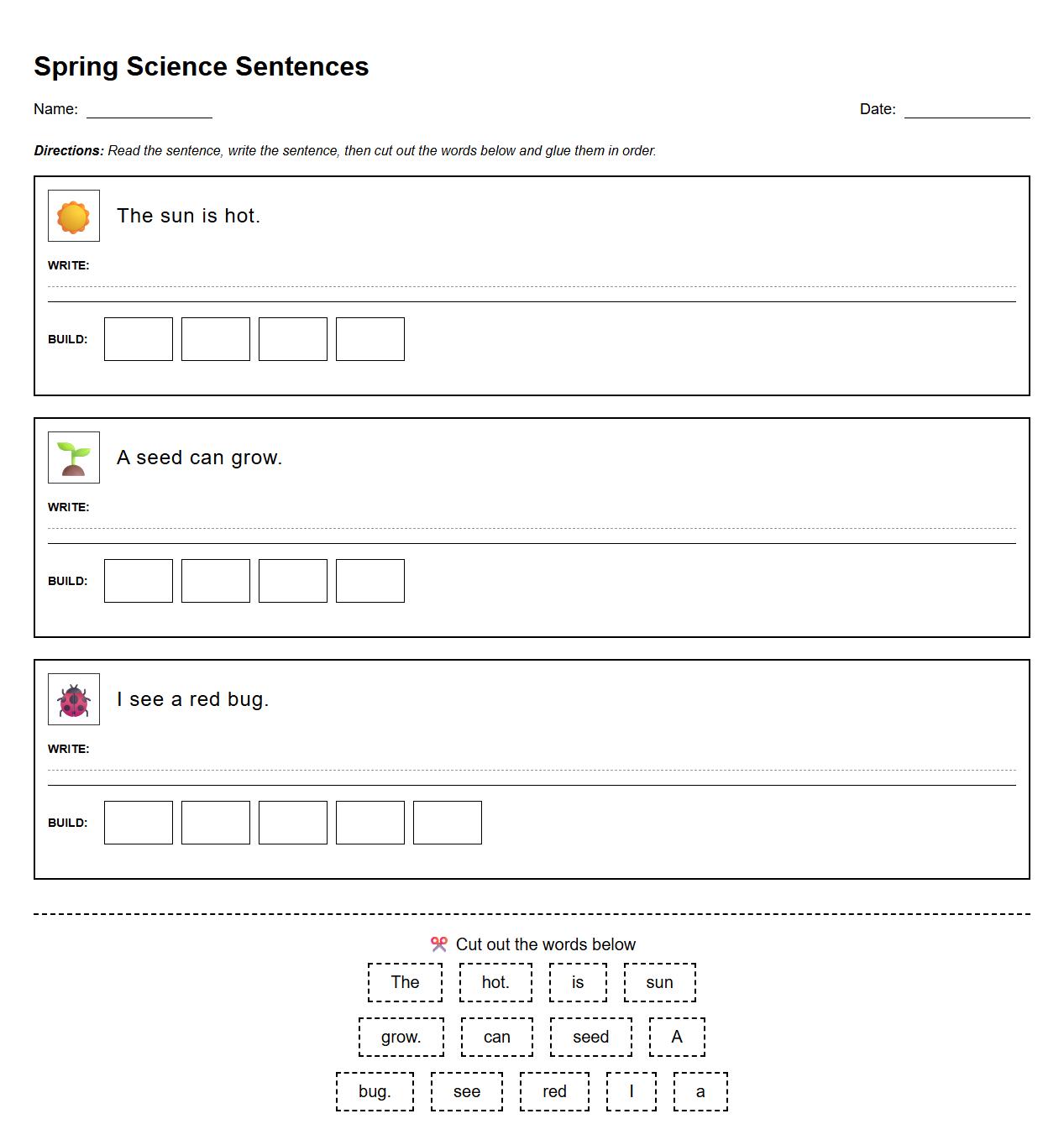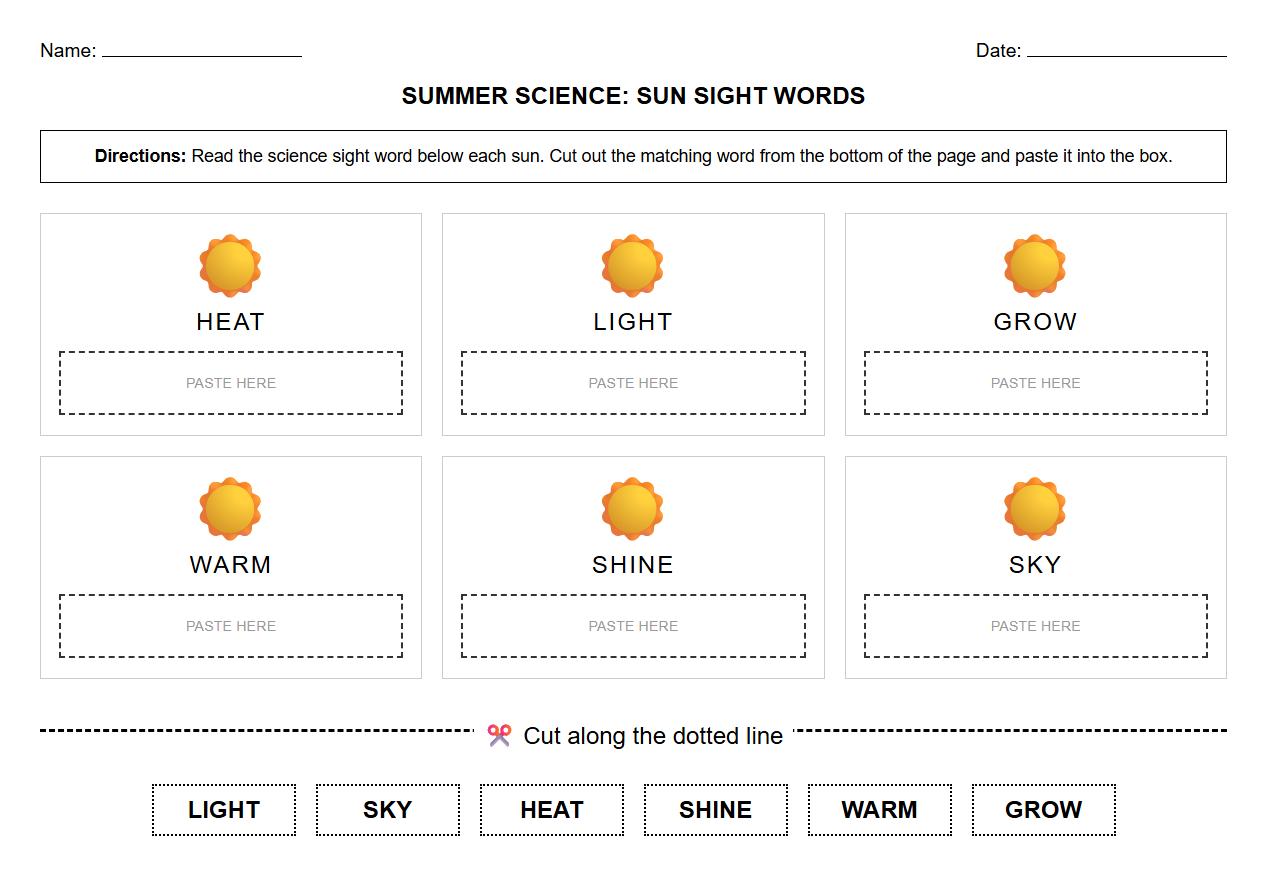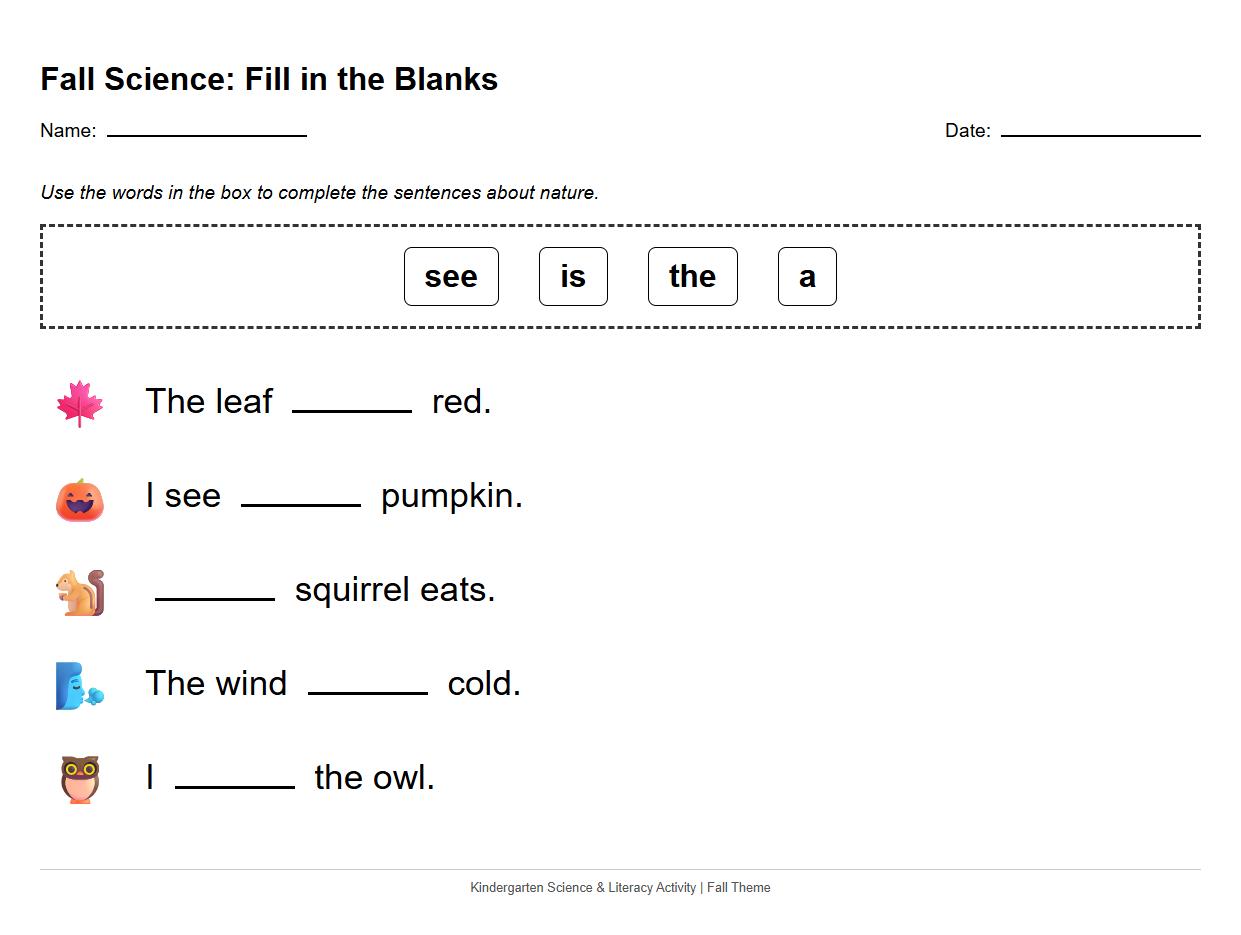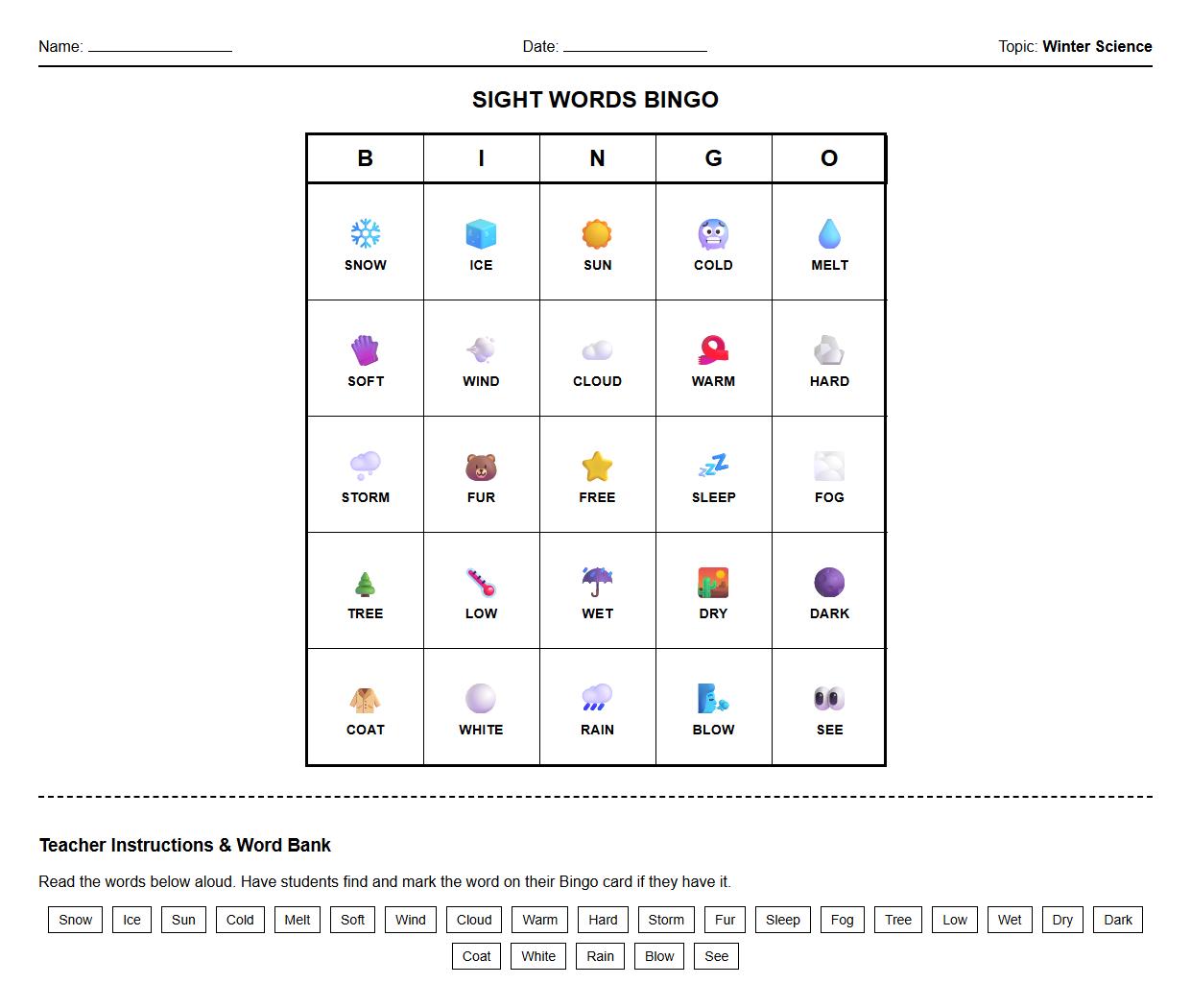
Sight words for spring, summer, fall, and winter help children recognize high-frequency words linked to each season, enhancing reading fluency and vocabulary. Seasonal sight word practice engages young learners by connecting language skills to familiar contexts throughout the year. Explore the available worksheets to support your child's seasonal sight word development.
What Are Sight Words and Why Are They Important for Kindergarten Students?
Sight words are common words that children are encouraged to recognize instantly without sounding them out. These words form the foundation of reading fluency by enabling young learners to read smoothly and confidently. Mastering sight words helps kindergarten students improve their vocabulary, comprehension, and literacy skills. They are essential for early reading success and build a strong base for more complex texts.
How Can Seasonal Themes Like Spring Help Children Engage with Sight Word Worksheets?
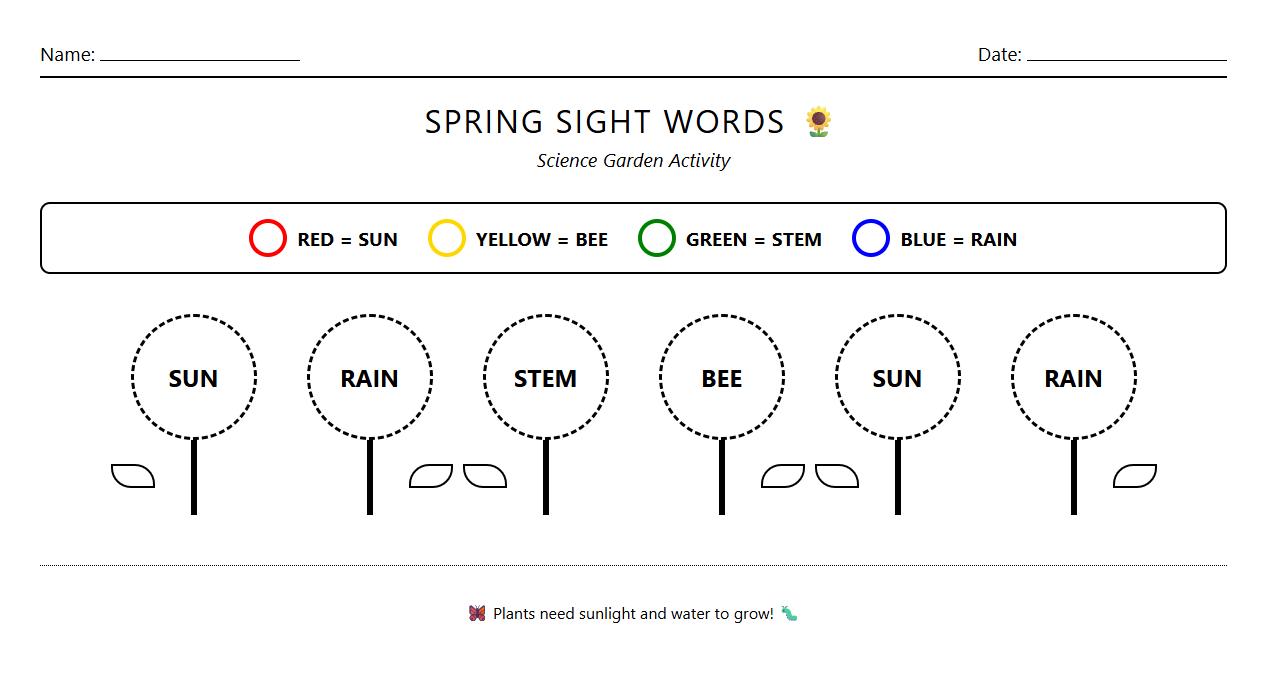
Seasonal themes like spring make sight word worksheets more engaging and relatable by connecting learning to the world around children. Incorporating colorful images of flowers, animals, and weather changes creates a playful context that maintains student interest. These themes also help teachers and parents tailor activities to the time of year, making lessons feel fresh and meaningful. Seasonal relevance encourages motivation and deeper learning.
Five Common Sight Words Suitable for Summer-Themed Worksheets
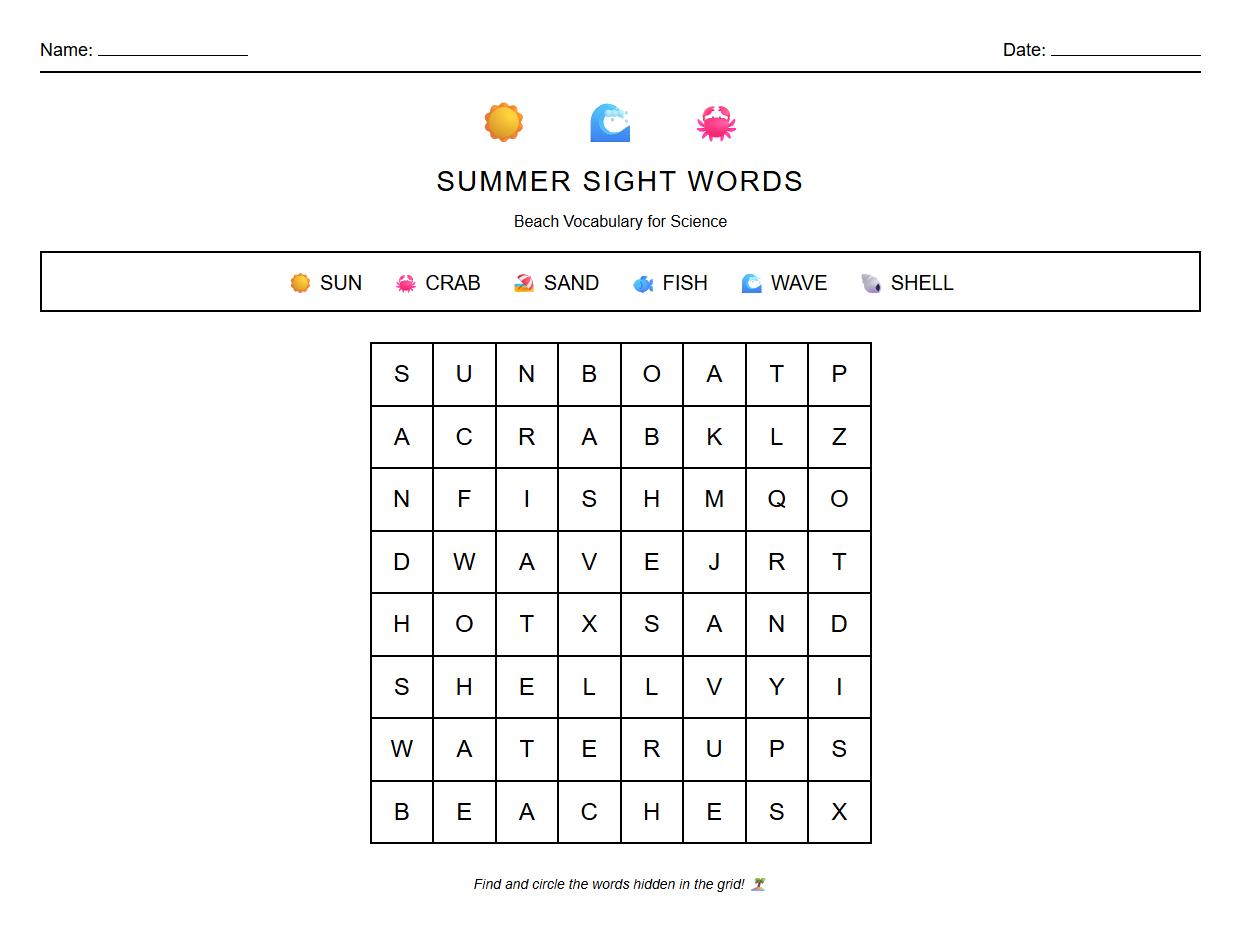
Popular summer sight words include: sun, play, swim, hot, and fun. These words are easy to associate with summer activities and help children link language with their daily experiences. Using these words in worksheets promotes vocabulary development tied to the season's vocabulary. Their familiarity helps students quickly recognize and remember them.
Effective Activities to Introduce New Sight Words in Fall
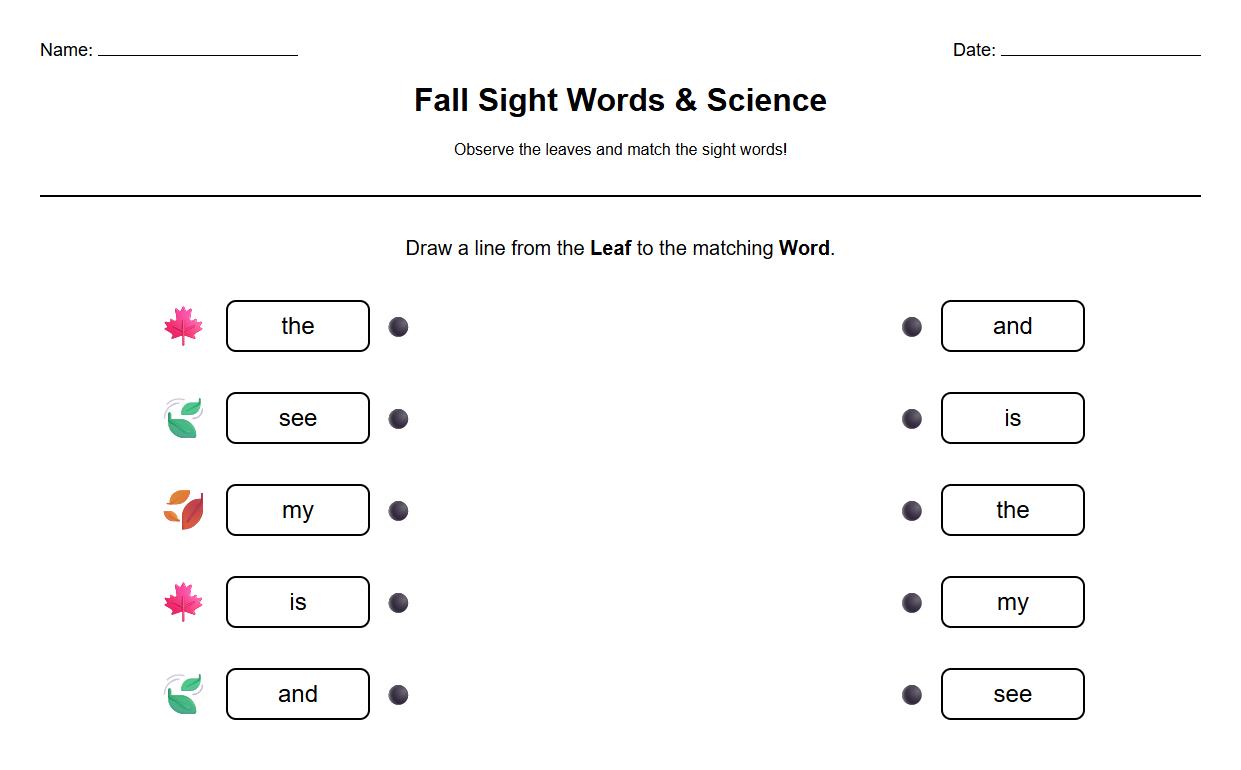
Introducing new sight words in fall can be done through interactive activities like leaf matching games, storytelling with harvest themes, and writing words on pumpkin-shaped cards. These hands-on approaches connect words to tangible objects and seasonal events. Group reading sessions using fall-themed books can also reinforce recognition. Such activities encourage curiosity and active participation.
How Does Incorporating Winter Visuals Support Sight Word Recognition?
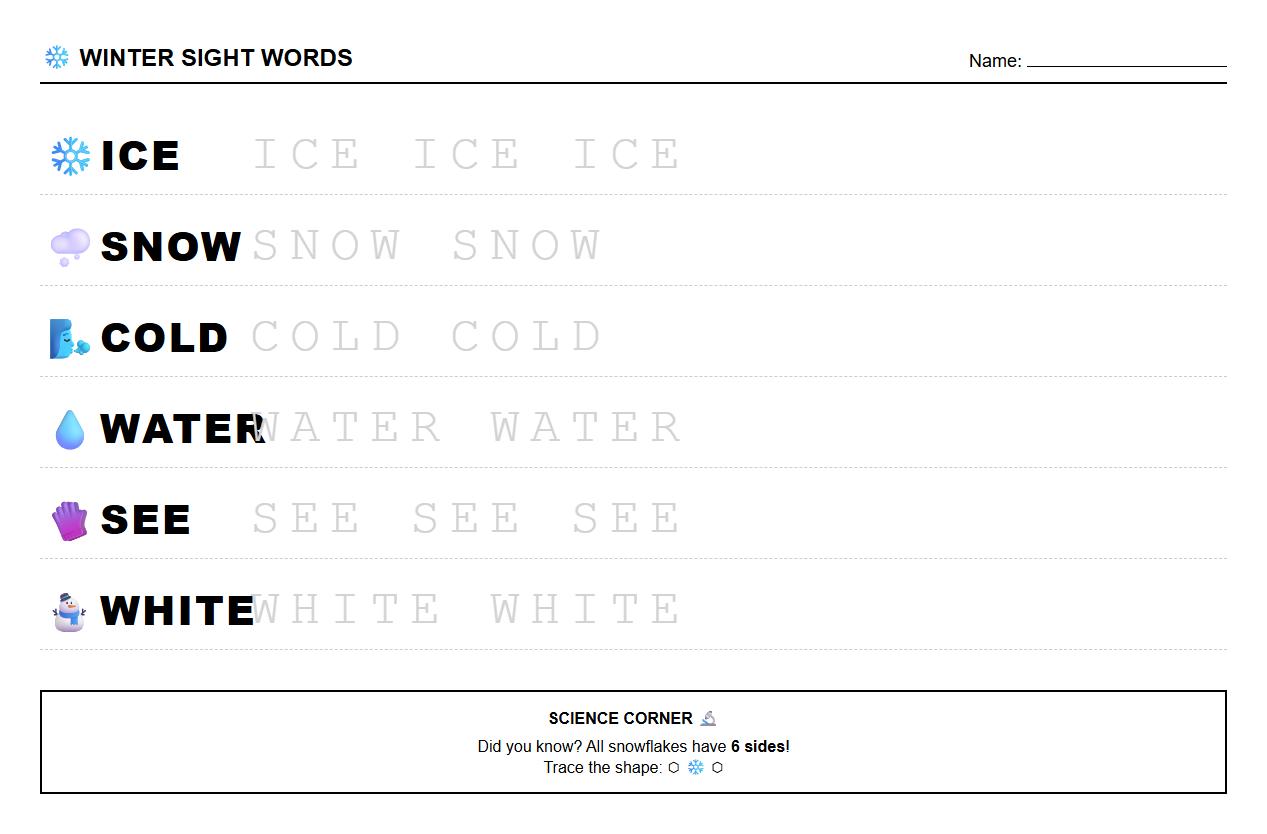
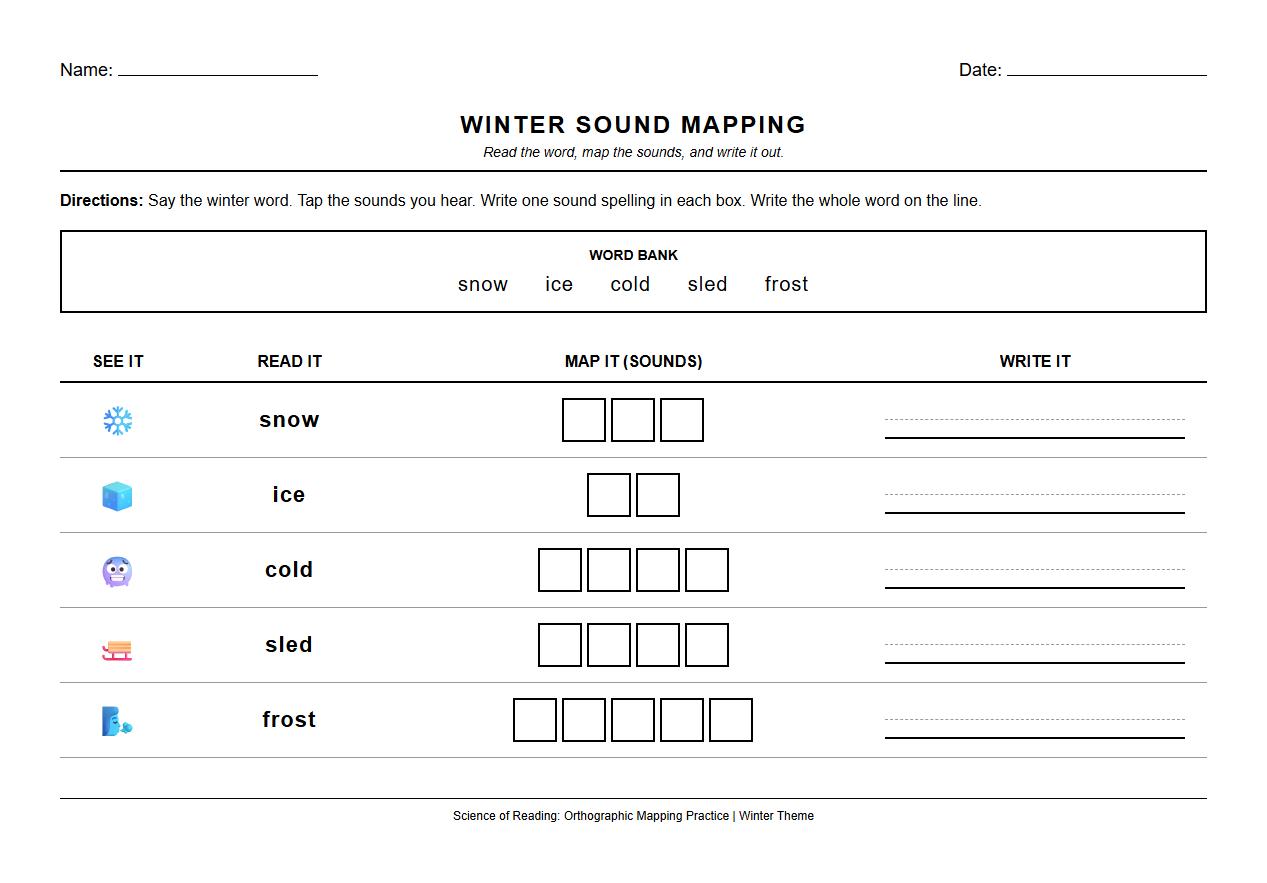
Winter visuals like snowflakes, mittens, and holiday decorations create a strong visual connection to sight words. These images provide contextual clues that help children remember words more effectively. Visual aids stimulate memory and decoding skills by associating words with familiar objects. This method enhances retention and makes learning enjoyable during the winter season.
Multi-Sensory Strategies to Enhance Learning of Sight Words in Each Season
Using multi-sensory learning approaches--such as tracing words in sand, tossing bean bags to letters, or singing seasonal sight word songs--engages multiple senses at once. These strategies improve memory retention by activating visual, auditory, and kinesthetic pathways in the brain. Seasonal adaptations keep activities exciting and contextually relevant. Multi-sensory techniques cater to diverse learning styles for better success.
How to Assess Student Progress Using Seasonal Sight Word Worksheets
Assessment can be carried out by monitoring reading fluency, word recognition accuracy, and writing ability through timed readings and worksheet exercises. Comparing performance over different seasons shows growth and areas needing reinforcement. Teachers and parents can use checklists and observation notes to track mastery levels. Regular assessment ensures that sight word learning stays on course.
Sight Words to Prioritize for Kindergarteners During Spring
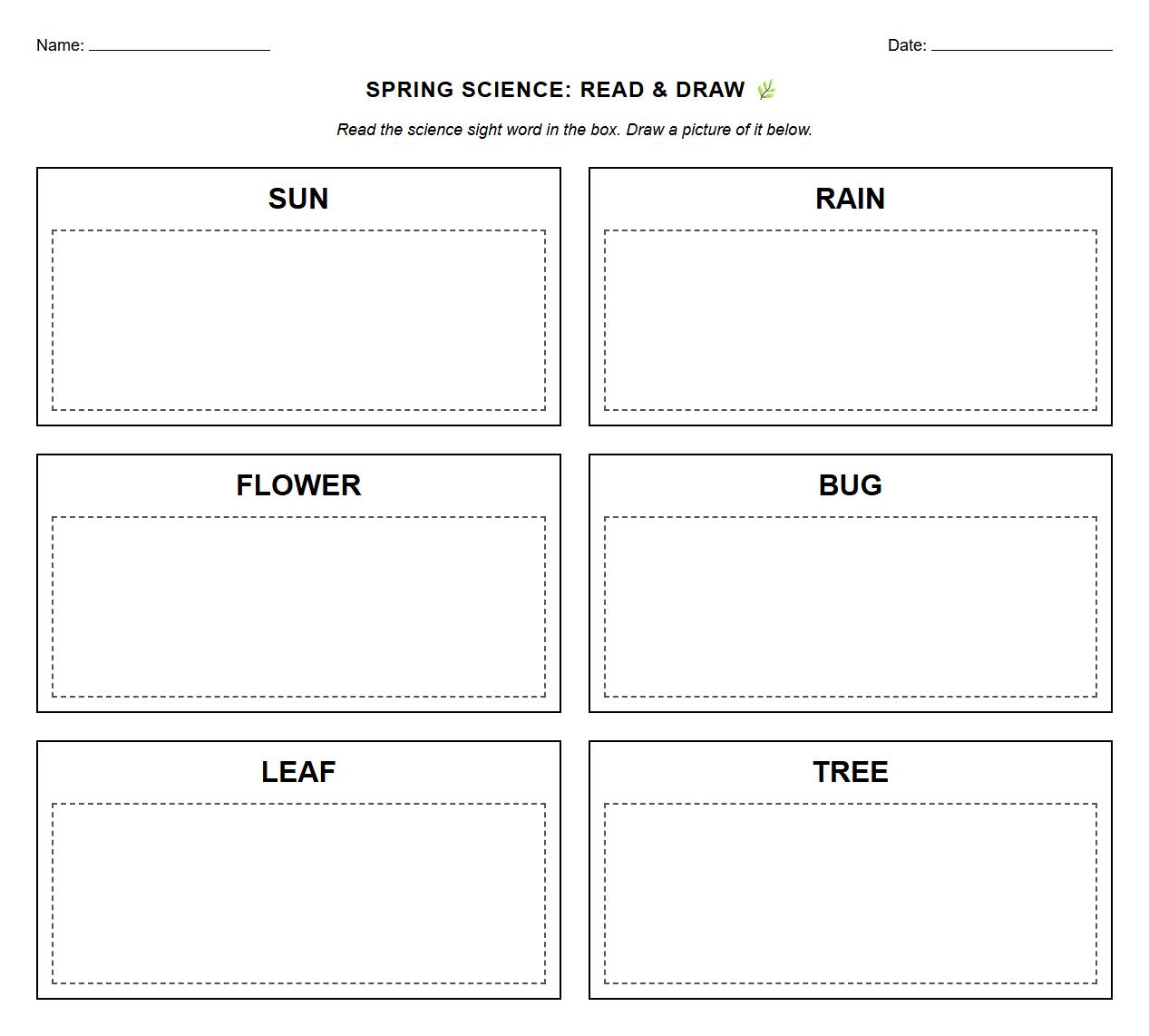
Focus on spring-related sight words like bloom, rain, green, grow, and flower as they align with the season's themes. These words support transitional vocabulary to describe nature and daily changes children notice. Prioritizing these words nurtures both reading skills and environmental awareness. Integrating seasonal sight words boosts engagement and comprehension.
Adapting Summer Sight Word Activities for Remote or Outdoor Learning
Summer sight word activities can be adapted for remote or outdoor learning by using digital flashcards, nature scavenger hunts with word prompts, or water-based writing games. Parents and teachers can encourage students to find items matching sight words in their surroundings. Outdoor settings promote physical movement along with language practice. Technology and environment combine to make learning flexible and fun.
Fun Games to Reinforce Sight Words During the Winter Season
Winter-themed games like sight word bingo, snowball toss spelling, and "freeze" tag calling out words help reinforce recognition in an entertaining way. These activities foster social interaction and friendly competition while practicing sight words. Using holiday motifs and snowy imagery keeps children motivated. Game-based learning supports retention and builds positive associations with reading.


Weather Graphing Worksheet for Kindergarten Math Integration