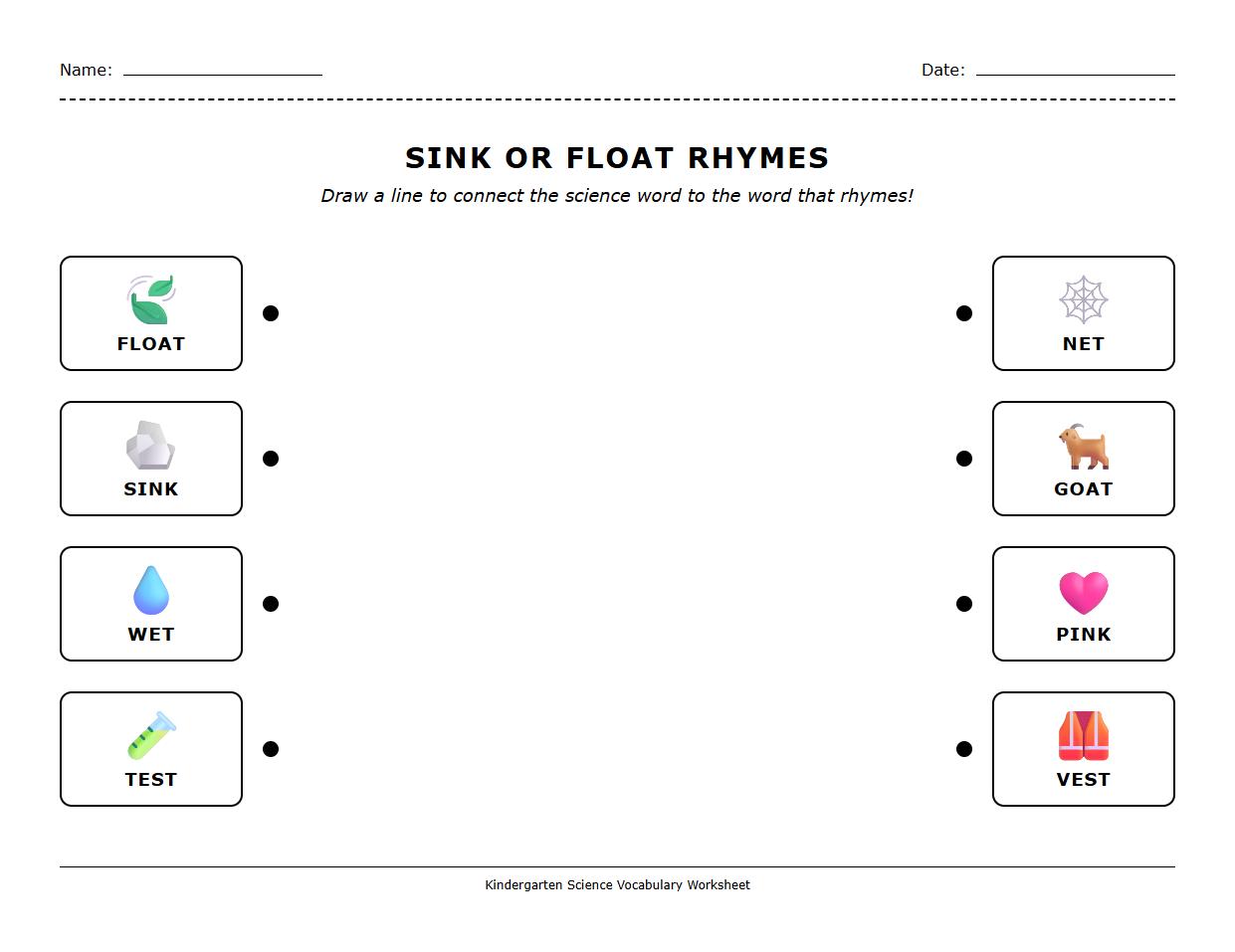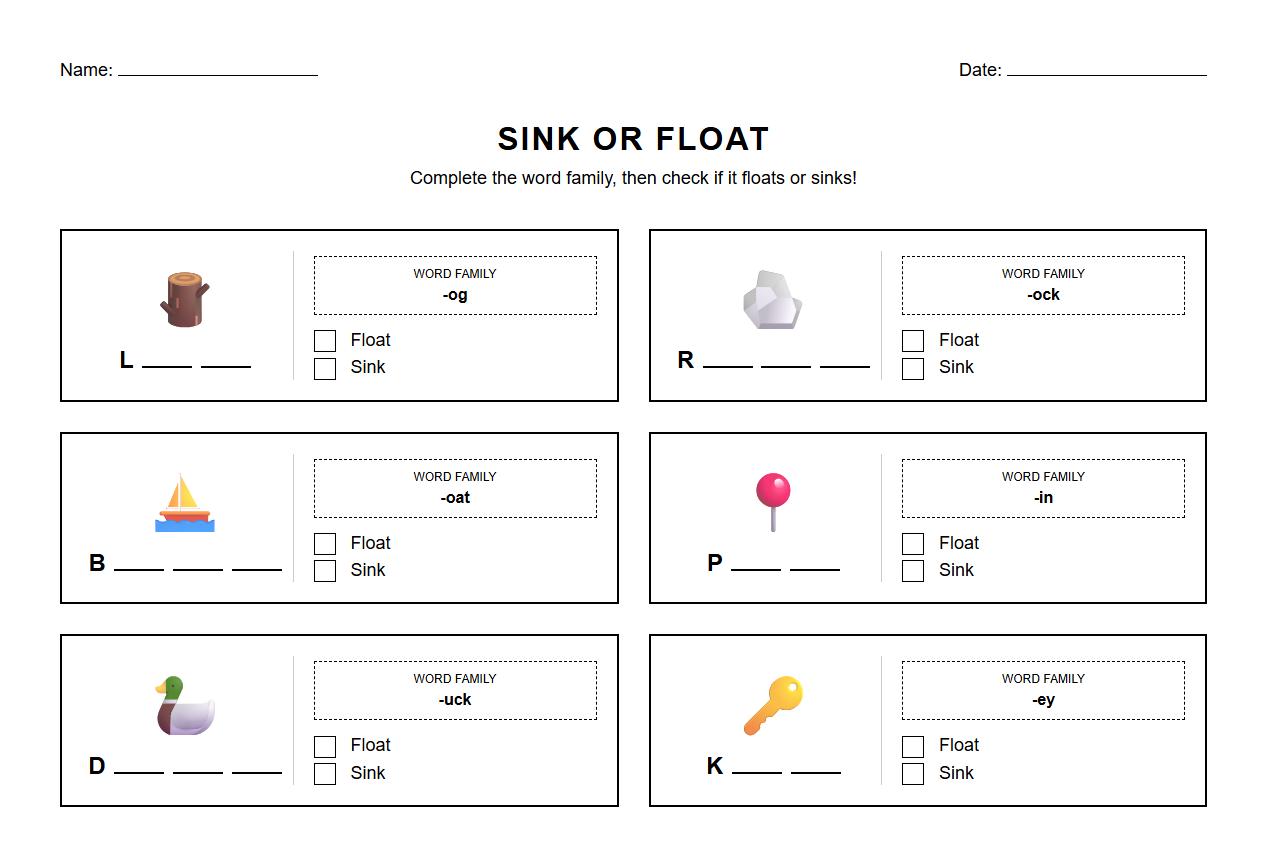
Early learners develop critical thinking and foundational science skills by exploring the concepts of sinking and floating through interactive phonics activities. This worksheet combines hands-on experiments with engaging phonics practice to reinforce vocabulary and comprehension. Check out the available worksheets to spark curiosity and learning in young students.
Predicting Floating and Sinking Objects
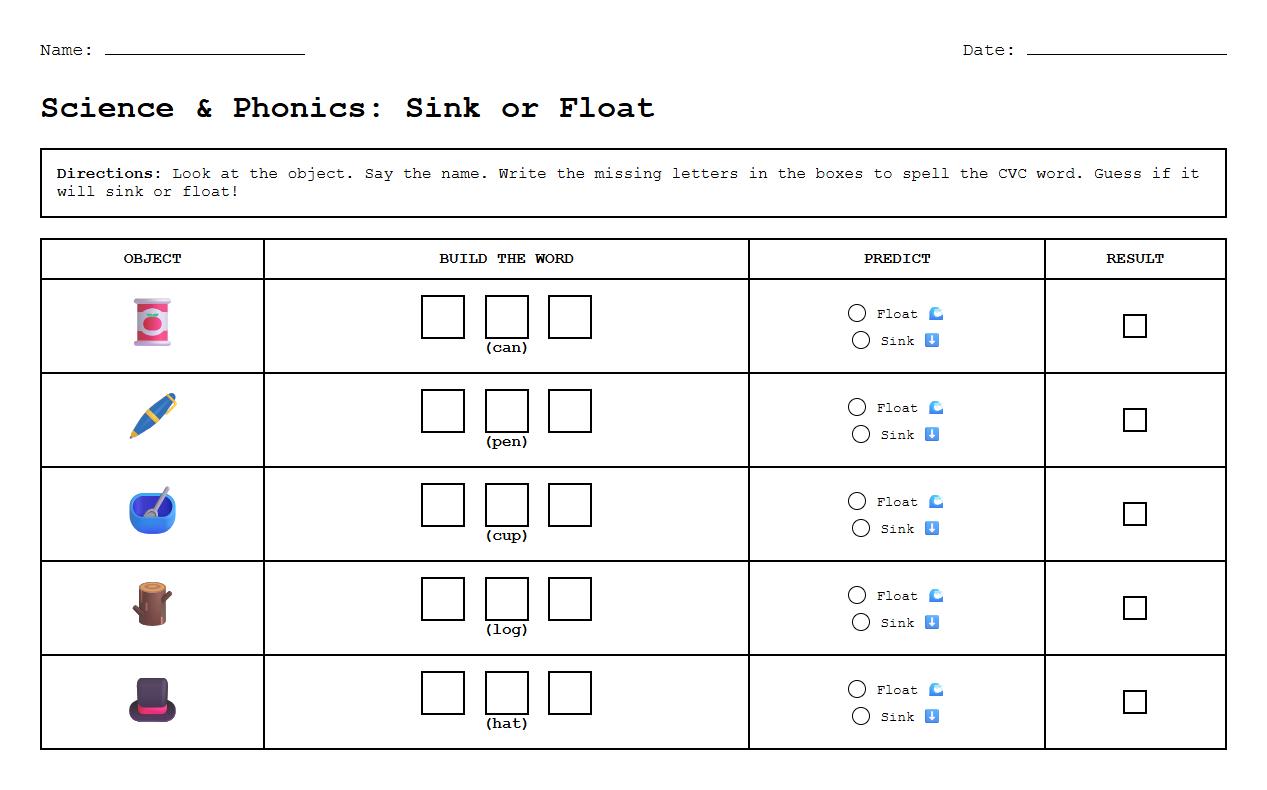
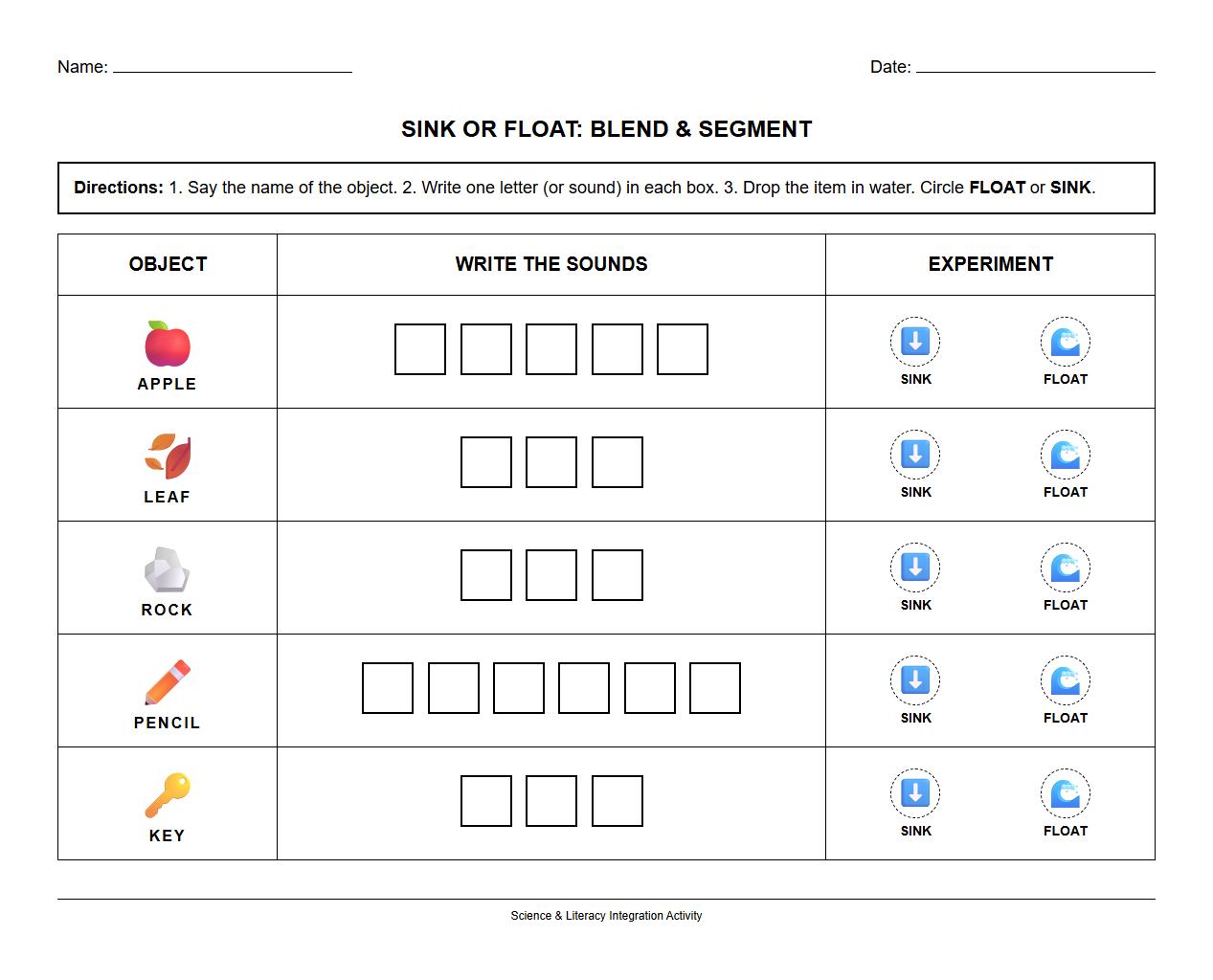
Engage children by asking them which objects they predict will float in water. This encourages critical thinking and observation skills. Predictions help students connect their experiences with scientific concepts. Use everyday items to make the activity relatable.
Identifying Sinking Items
Invite children to think about which items they believe will sink when placed in water. Discussing these ideas builds vocabulary and understanding of material properties. This activity also promotes hypothesis-making in a fun way. Use diverse objects to keep students interested.
Phonemic Awareness: Sound of 'Sink'
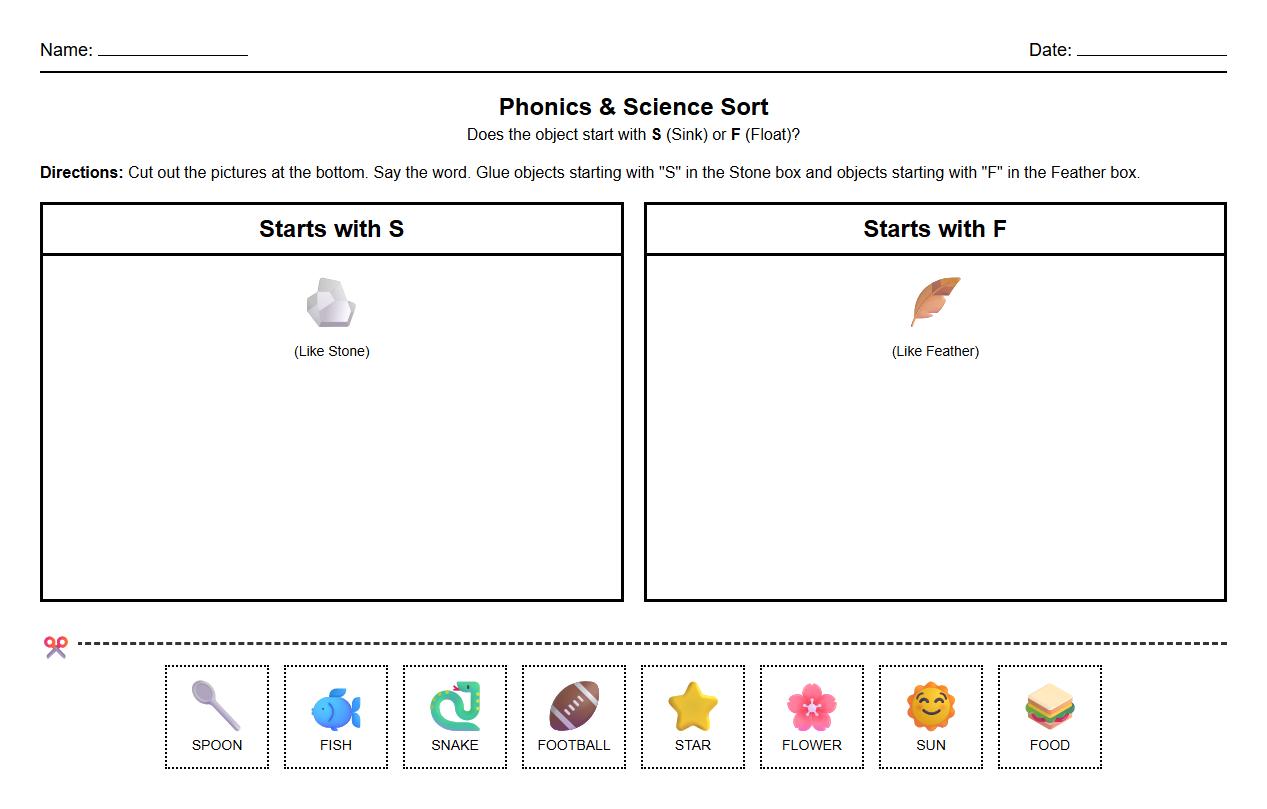
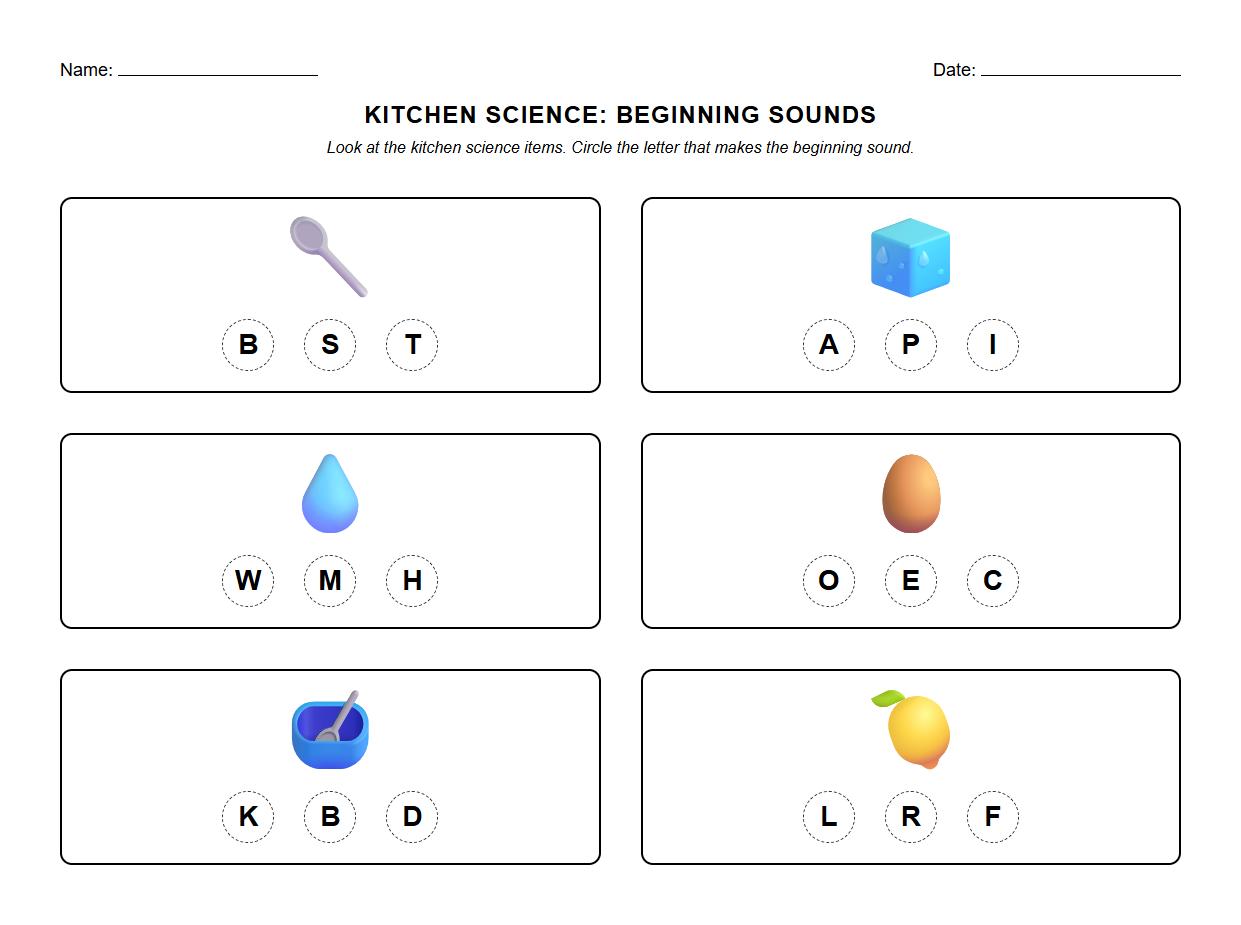
Focus on the sound the word "sink" starts with to develop early phonemic awareness. Ask children to say the word slowly and emphasize the beginning sound. This practice strengthens phonological skills necessary for reading. Integrate clapping or tapping for multisensory learning.
Floating Objects in the Classroom
Encourage children to identify items in the classroom that might float. This activity connects learning to their environment and sparks curiosity. Use the opportunity to discuss why some objects float while others sink. Hands-on exploration fosters deeper understanding.
Syllable Clapping for 'Water'
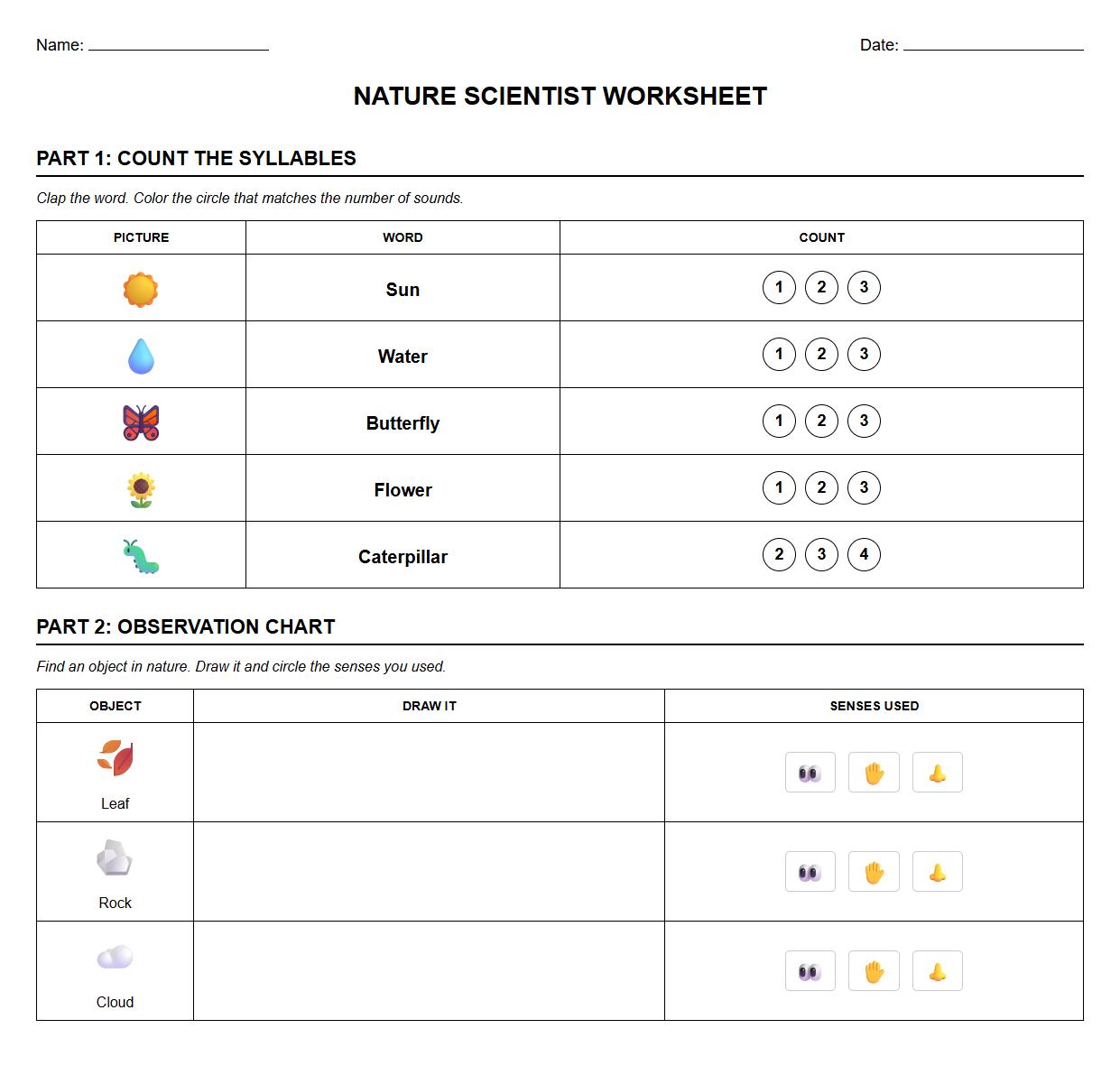
Practice clapping out the syllables in the word "water" to enhance phonological awareness. Clap twice to represent the two syllables: wa-ter. This fun activity aids in word segmentation skills important for literacy. Encourage children to clap along with you.
Beginning Letter of 'Float'
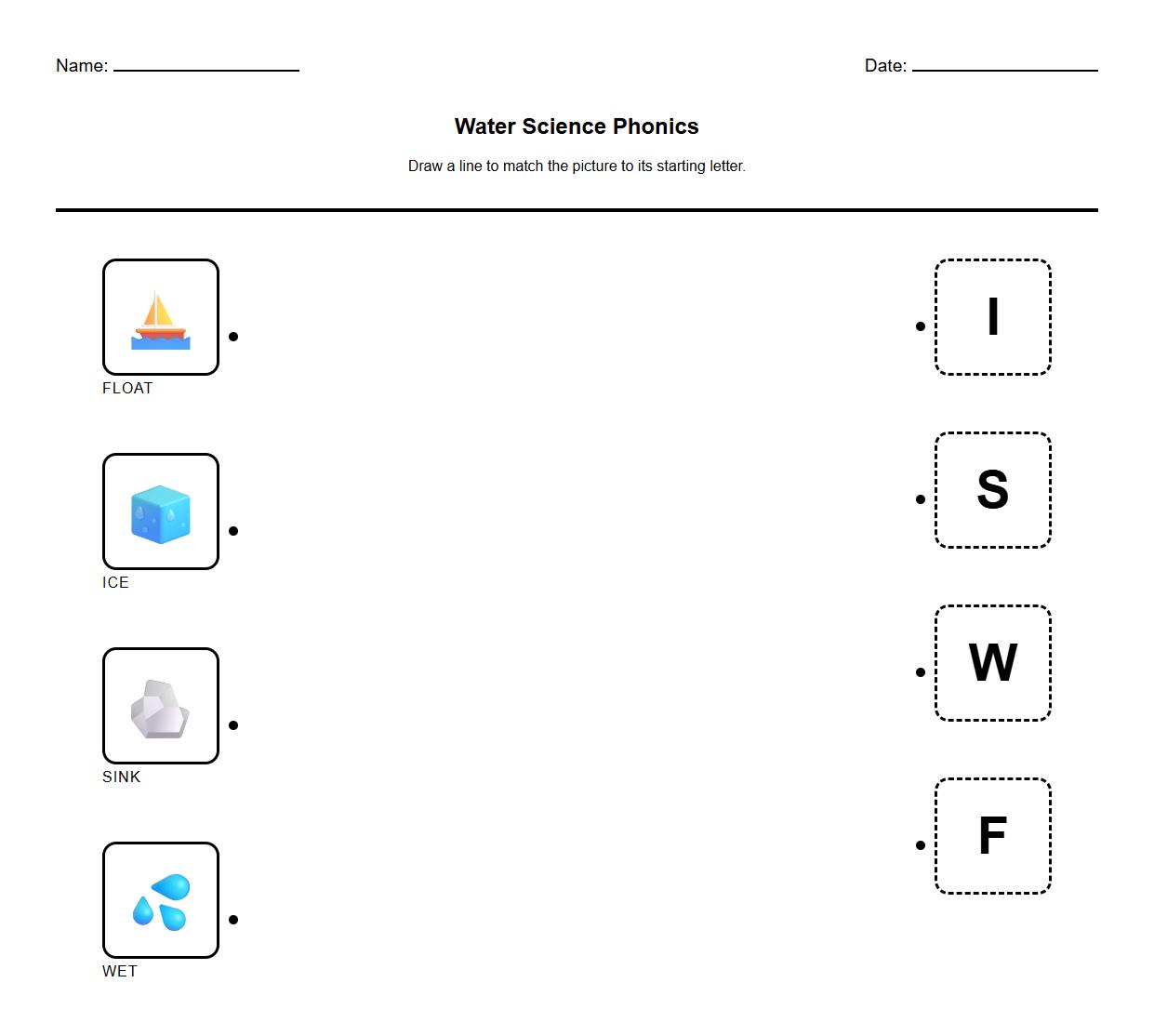
Ask children which letter the word "float" begins with to support letter recognition. Highlight the initial letter 'F' using visual aids or letter cards. This reinforces alphabet knowledge in context. Pair this with related vocabulary for stronger retention.
Unexpected Sinking Results
After testing objects, discuss if anything sank that surprised the children. Reflection helps develop critical thinking and scientific inquiry. It also teaches that predictions can change based on new evidence. Celebrate their curiosity and learning process.
Heaviest Floating Object
Ask children which object was the heaviest that still floated to explore concepts of density. Comparing objects promotes analytical thinking and understanding of physics basics. Visual demonstrations enhance comprehension. Use a variety of objects for a richer lesson.
Pushing Objects Under Water
Explore what happens if you push a floating object under the water to illustrate buoyancy. Discuss how the object returns to the surface due to water's force. This hands-on activity makes abstract concepts concrete for young learners. Encourage children to predict and observe carefully.
Sorting Picture Cards by Beginning Sounds
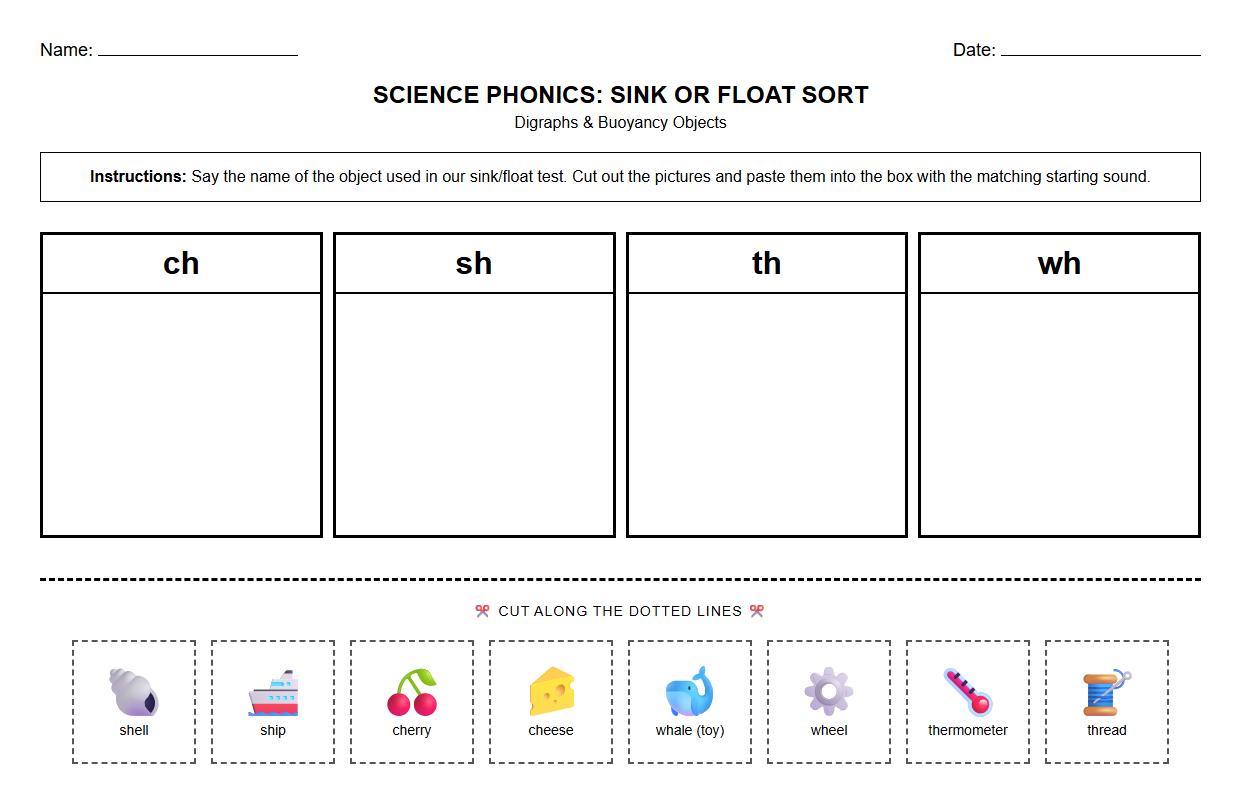
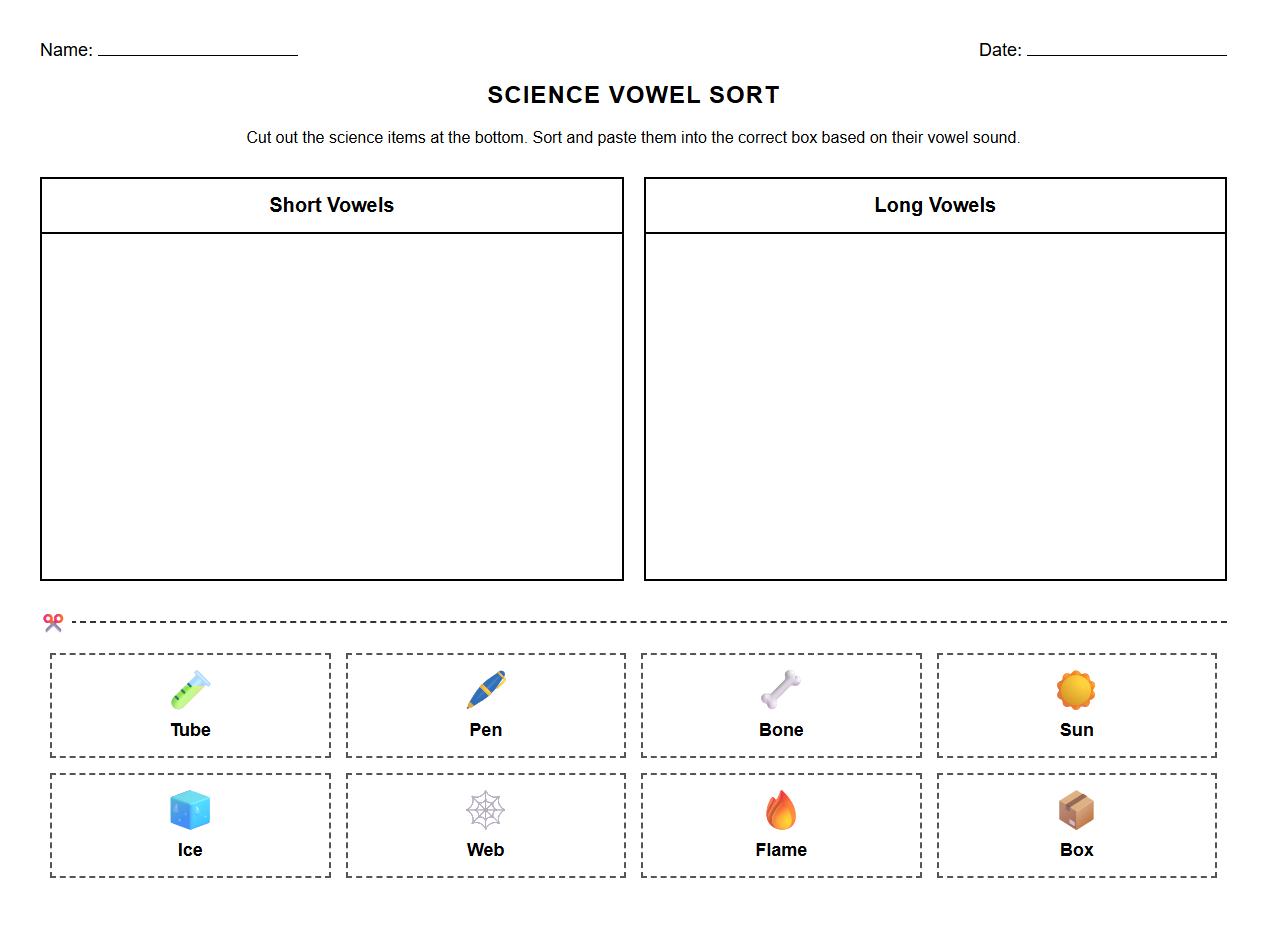
Have children sort picture cards by their beginning sounds to develop phonological and categorization skills. Sorting helps reinforce sound-letter relationships crucial for reading. Use clear, engaging images to maintain interest. This interactive task supports early literacy development.


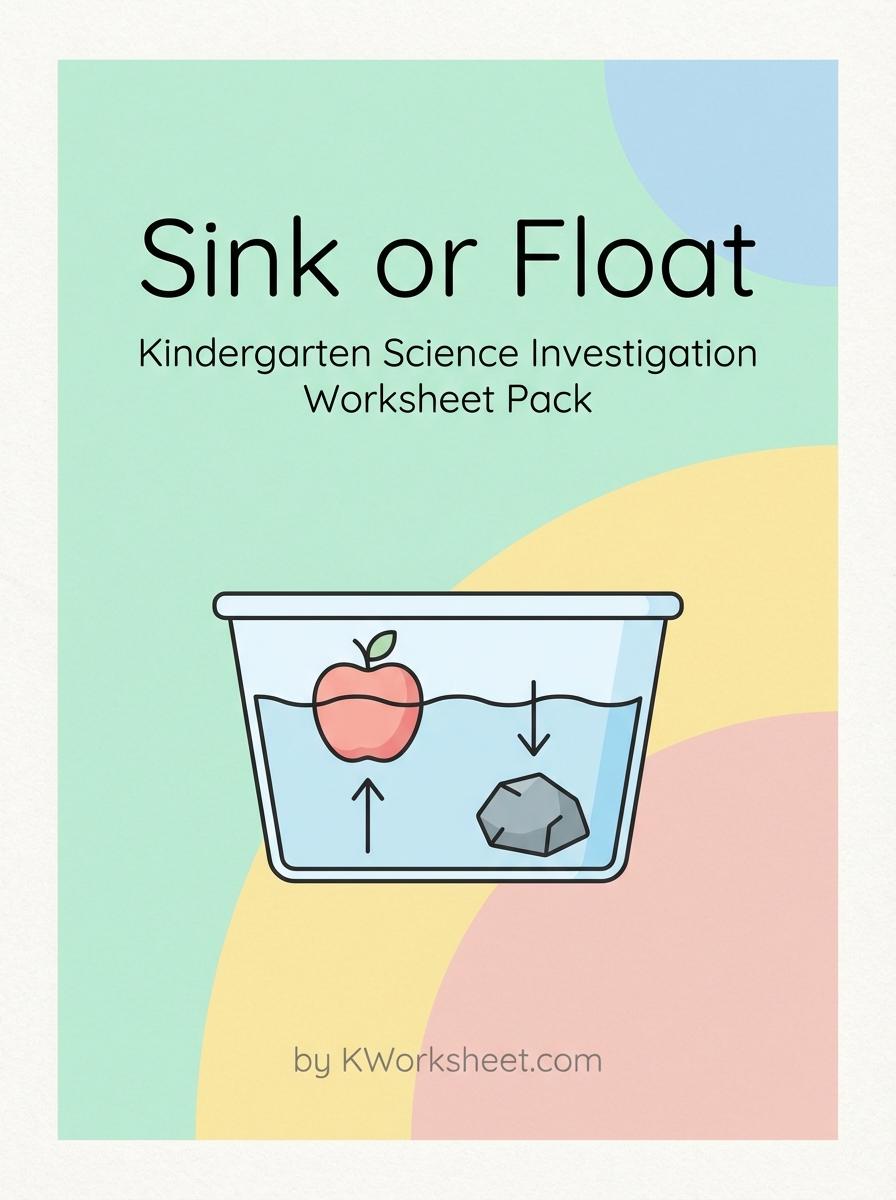
Sink or Float Kindergarten Science Investigation Worksheet Pack