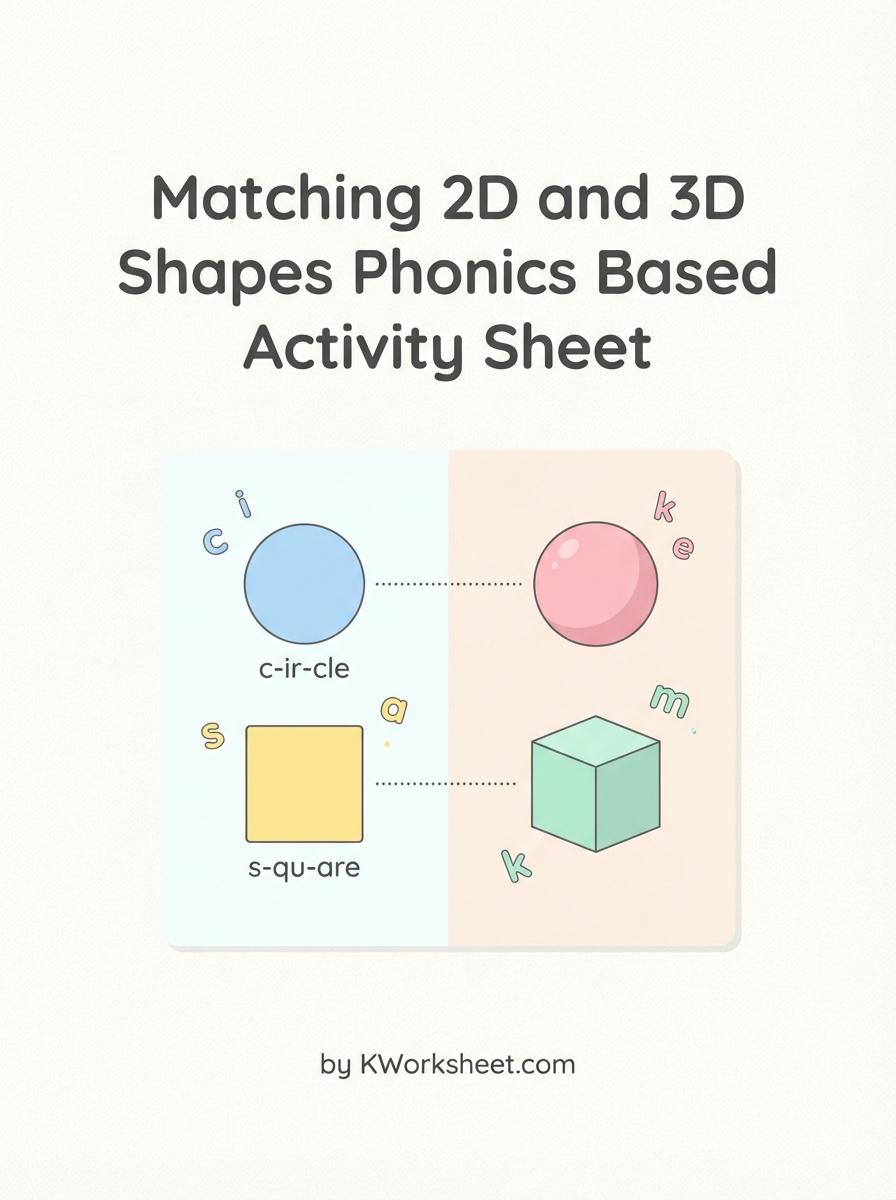
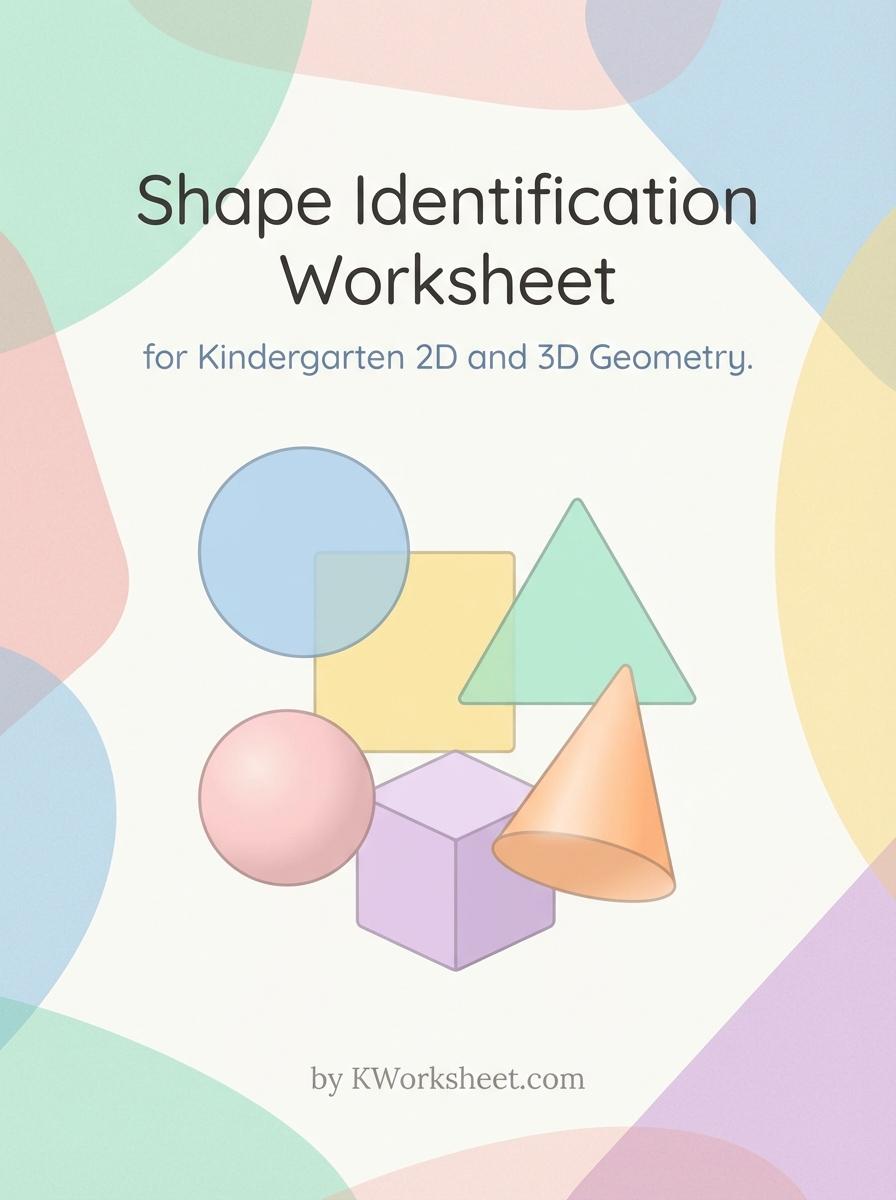
Shape Identification Worksheet for Kindergarten 2D and 3D Geometry

📅 Mar 12, 2025 👤 Nylen Smith

Kindergarten students develop crucial spatial awareness through engaging activities focused on identifying 2D and 3D shapes. These worksheets enhance recognition and understanding of basic geometric figures like circles, squares, cubes, and spheres. Explore our collection of worksheets designed to make shape identification both fun and educational.

2D Shape Sorting Worksheet with Circles Squares and Triangles
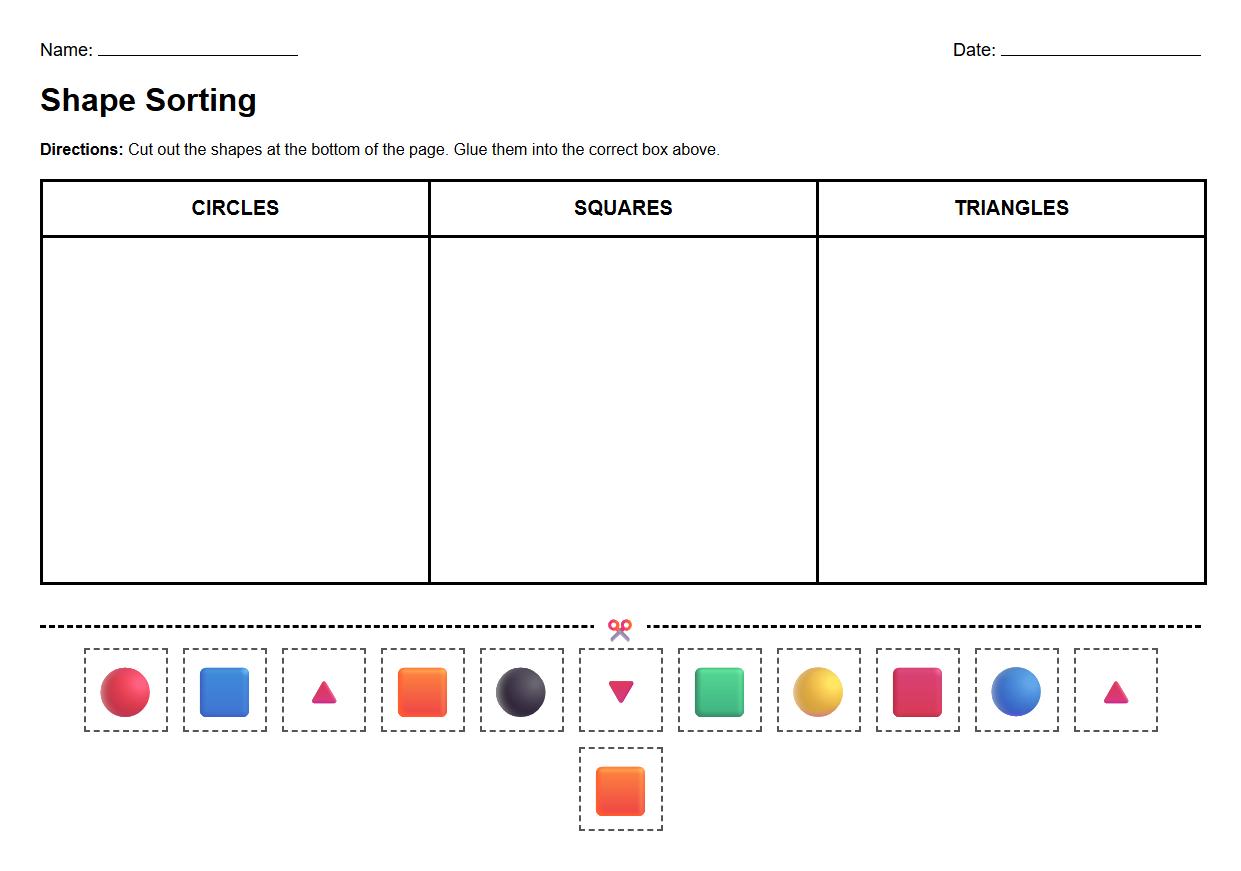
2D Shape Sorting Worksheet with Circles Squares and Triangles

Download PDF     Pin it

3D Shape Recognition Worksheet using Cubes Spheres and Cones
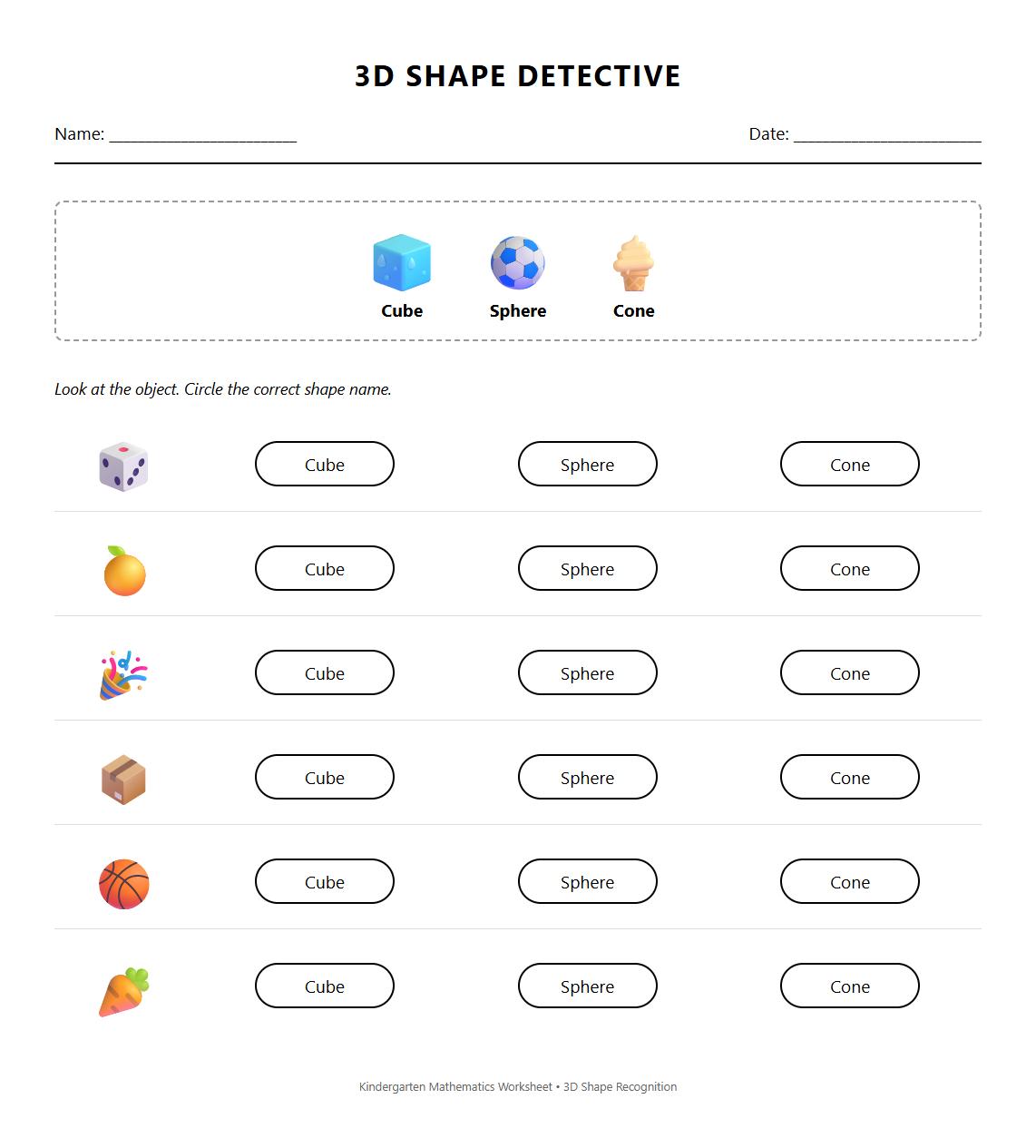
3D Shape Recognition Worksheet using Cubes Spheres and Cones

Download PDF     Pin it

Shape Tracing Worksheet for Geometric Patterns
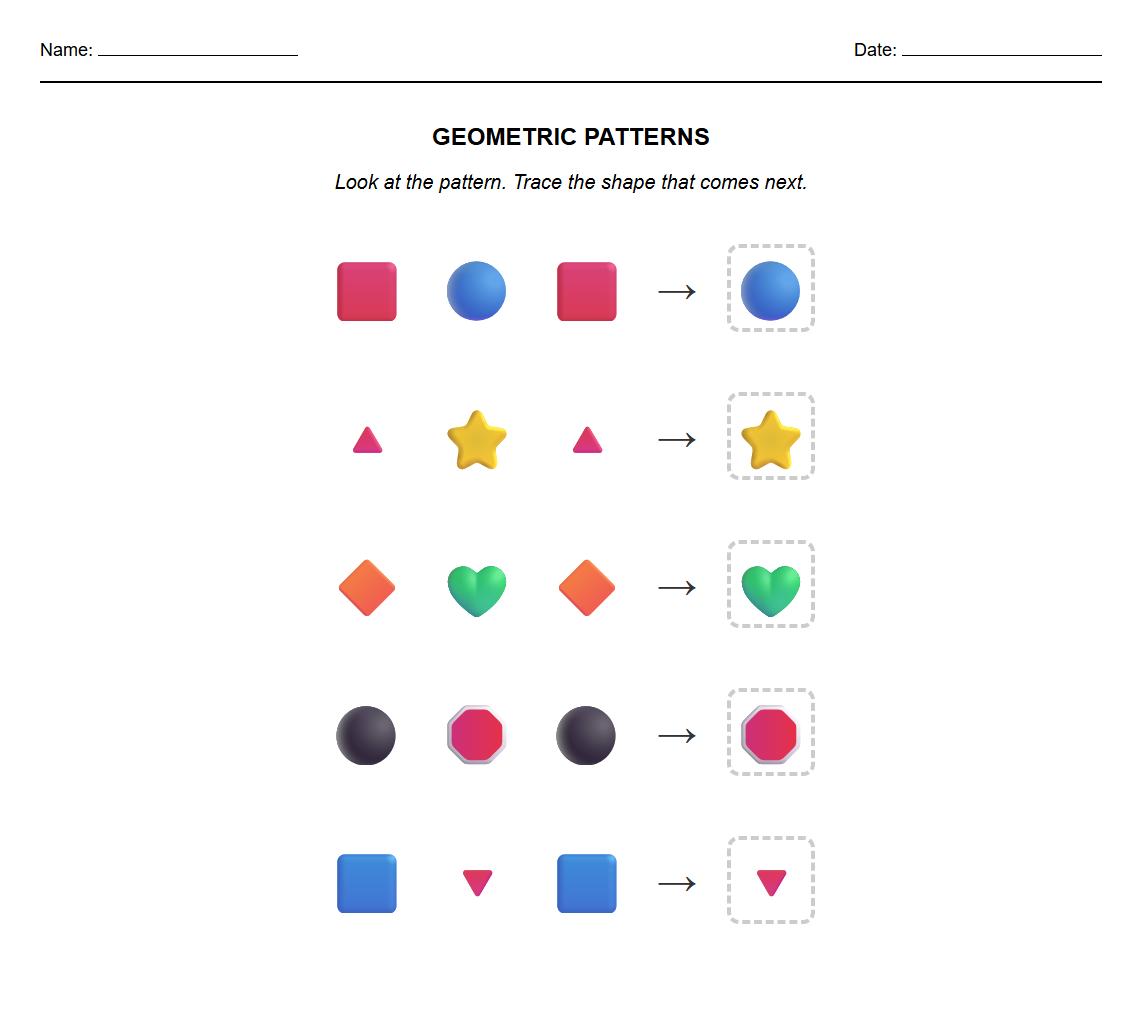
Shape Tracing Worksheet for Geometric Patterns

Download PDF     Pin it

Shape Matching Worksheet for Flat and Solid Figures
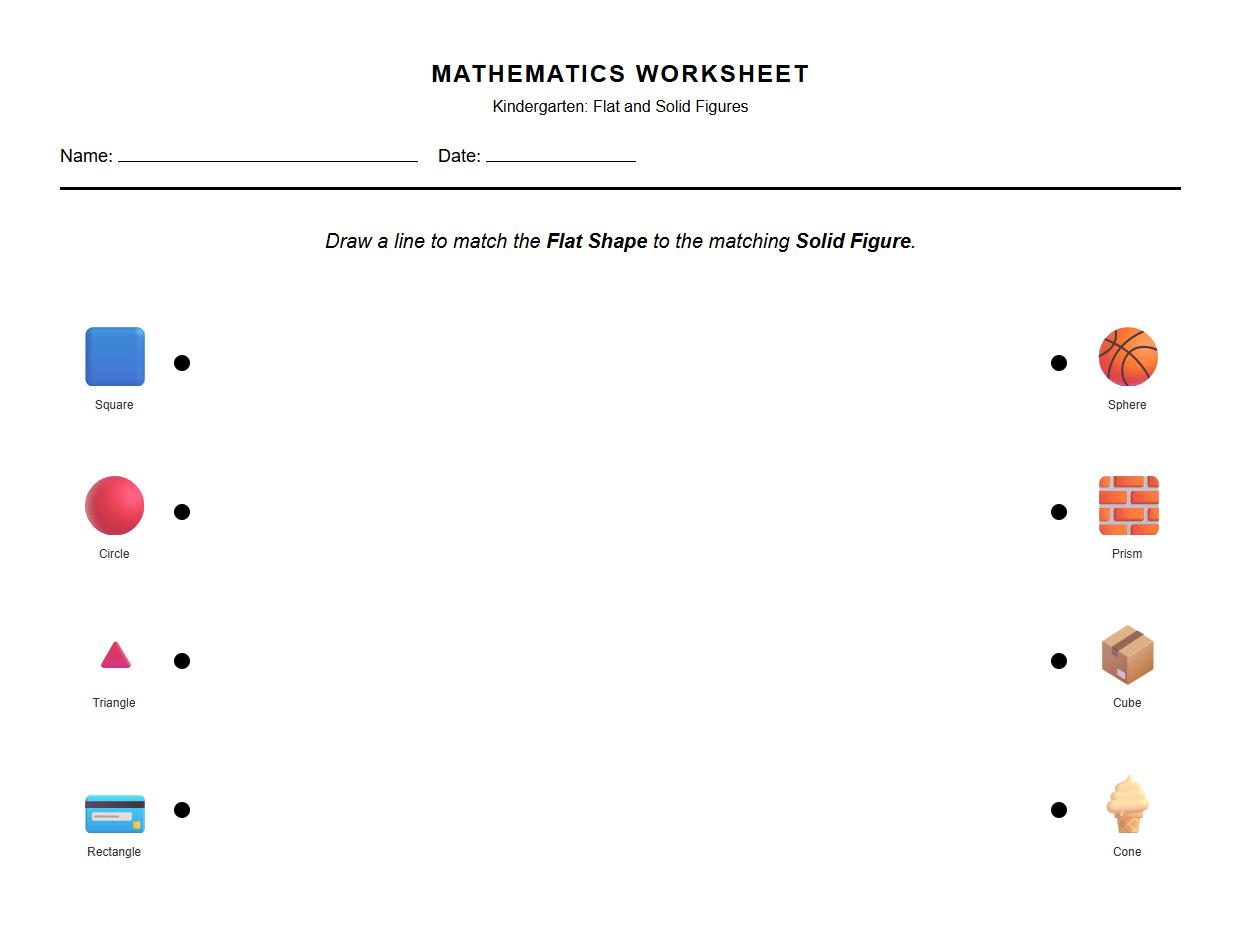
Shape Matching Worksheet for Flat and Solid Figures

Download PDF     Pin it

Shape Coloring Worksheet for Identifying Geometry Vocabulary
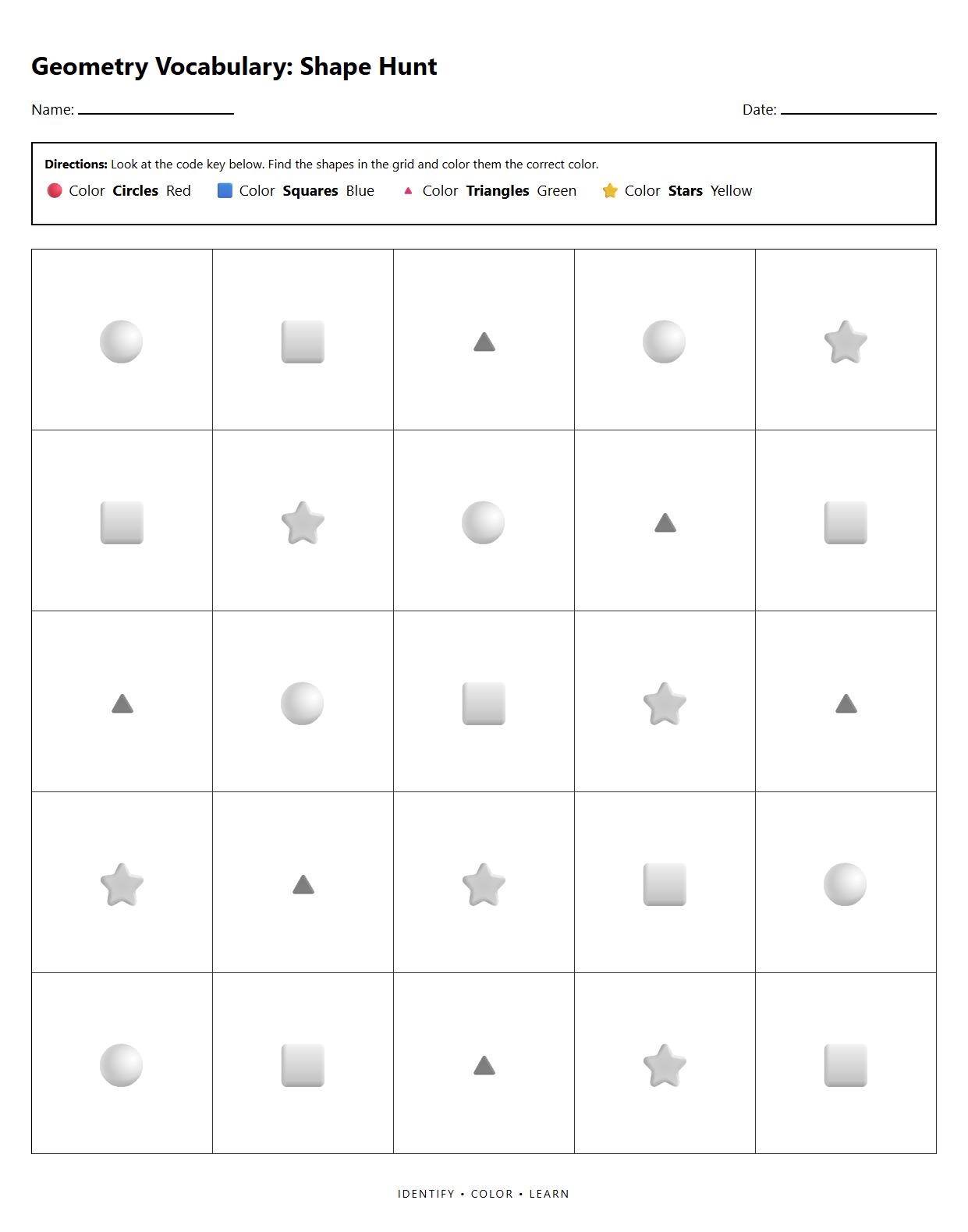
Shape Coloring Worksheet for Identifying Geometry Vocabulary

Download PDF     Pin it

Shape Counting Worksheet with Real World Phonics Connections
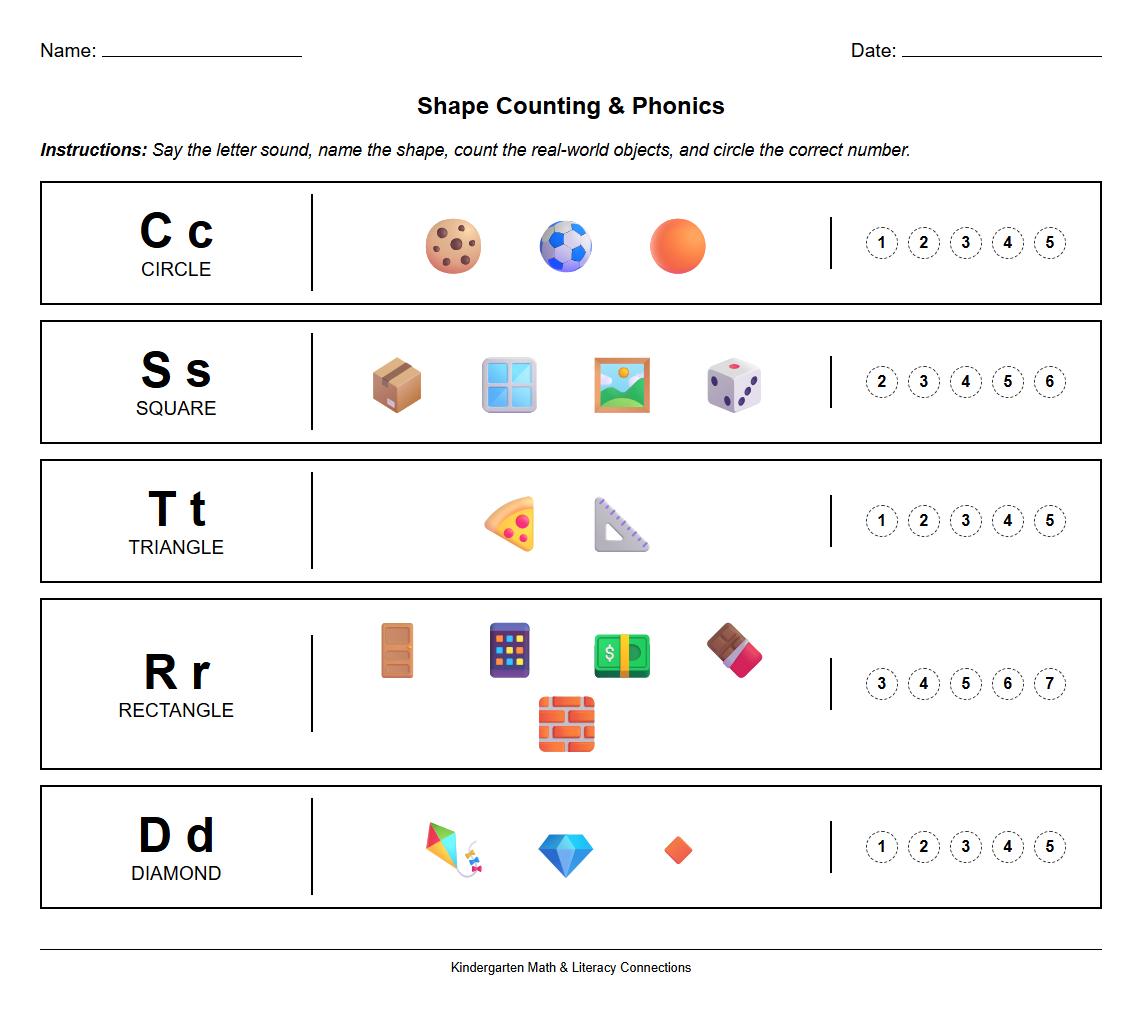
Shape Counting Worksheet with Real World Phonics Connections

Download PDF     Pin it

Shape Comparison Worksheet between 2D and 3D Properties
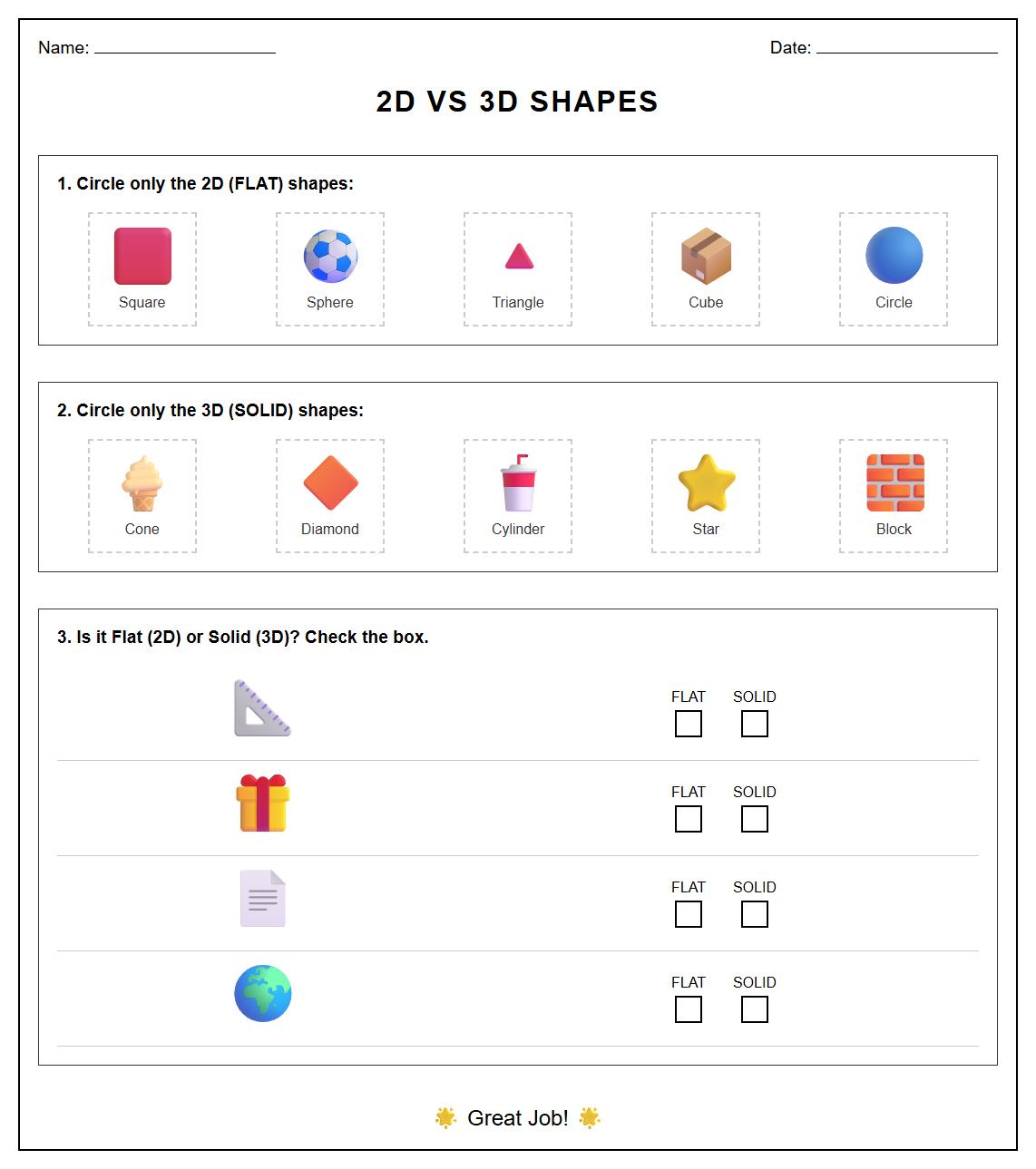
Shape Comparison Worksheet between 2D and 3D Properties

Download PDF     Pin it

Shape Puzzle Worksheet for Visual Spatial Reasoning
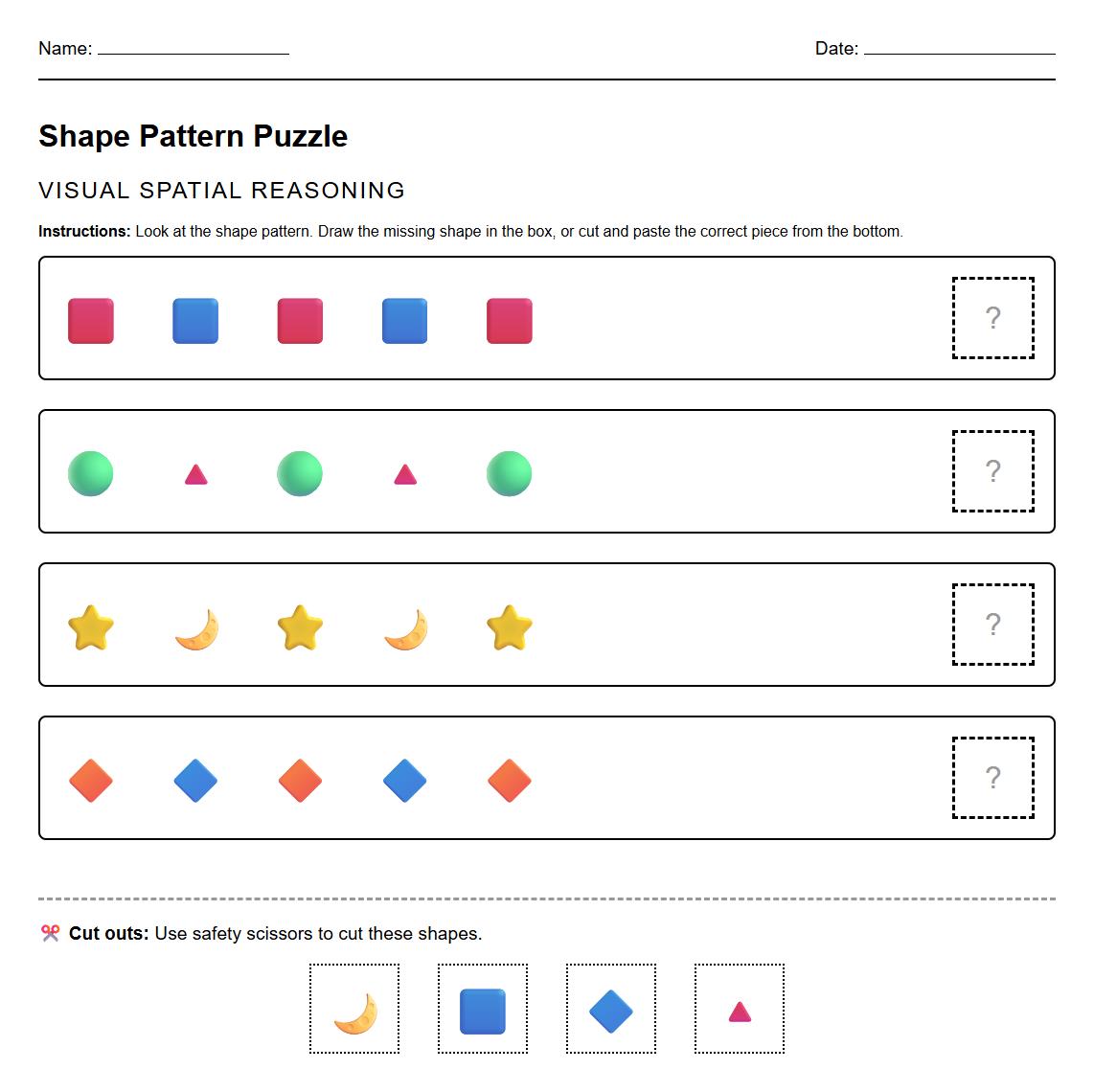
Shape Puzzle Worksheet for Visual Spatial Reasoning

Download PDF     Pin it

Shape Labeling Worksheet with Technical Terms like Edge Vertex and Face
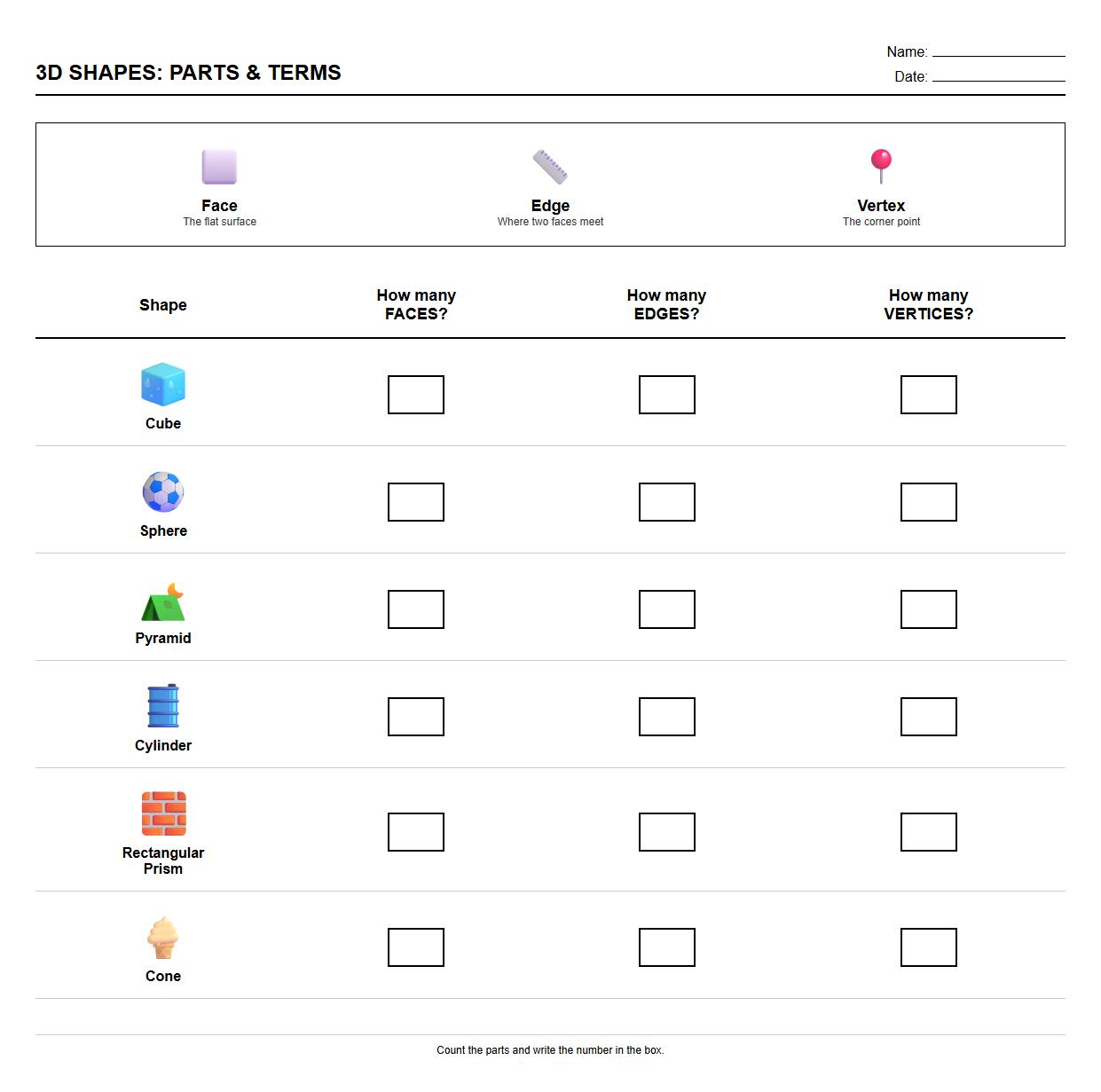
Shape Labeling Worksheet with Technical Terms like Edge Vertex and Face

Download PDF     Pin it

Shape Classification Worksheet for Regular and Irregular Figures
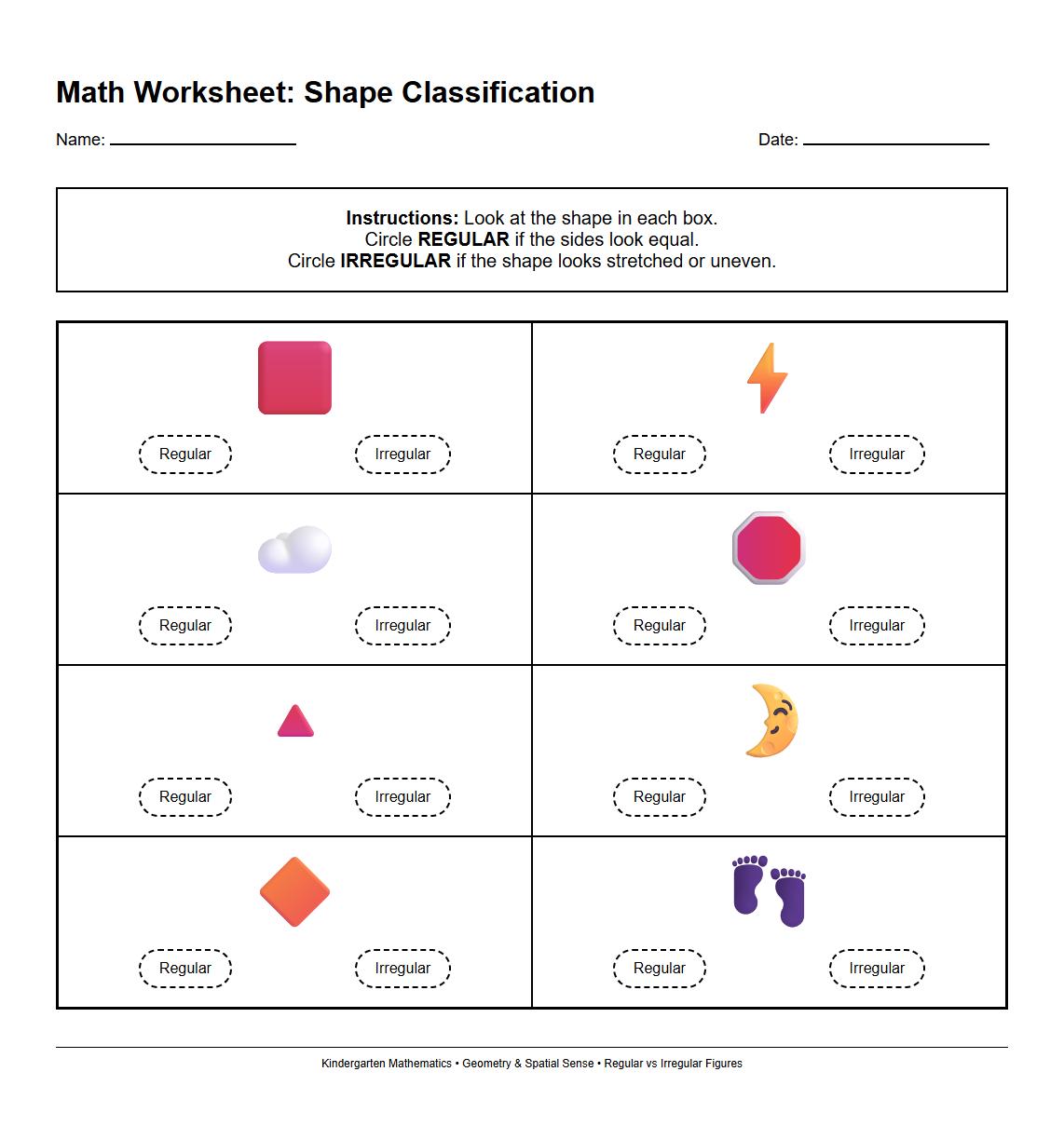
Shape Classification Worksheet for Regular and Irregular Figures

Download PDF     Pin it

Identifying Shapes: Triangle

The triangle is a shape that has three sides and three corners. Teaching children about the triangle helps them understand basic geometric concepts. Encourage them to count the sides and corners to reinforce their learning. Use various examples to make it engaging and interactive.

Finding the Circle on the Worksheet

Ask your child to point to the circle on their worksheet. Circles have no edges or corners, making them unique among shapes. This activity sharpens their observation skills and helps differentiate shapes easily. Use real-world objects to connect the concept with everyday life.

Counting Corners on a Rectangle

A rectangle has four corners. Counting corners helps children recognize and compare different shapes. Discuss how rectangles have opposite sides that are equal in length as a next step. Encouraging hands-on practice makes this concept clearer and more fun.

Shape That Looks Like a Ball

The shape that looks like a ball is the sphere. Spheres are round and have no edges or corners, similar to a circle in 3D form. Introduce this 3D shape to expand their understanding beyond flat shapes. Using toys or balls can make the learning tangible and exciting.

Coloring the Square Blue

Find the square on your worksheet and color it blue. Squares have four equal sides and four corners, which makes them easy to identify. Coloring activities help children with shape recognition and motor skills. Encourage neat coloring to combine creativity with learning.

Naming Shapes in the First Row

Look at the first row of shapes and name each one. This practice boosts vocabulary and shape recognition skills. Reinforce learning by discussing the characteristics of each shape. Mixing familiar and new shapes keeps children engaged and curious.

Shape with No Straight Sides

The shape with no straight sides is the circle. Circles are smooth and round without any corners, making them distinct. Teaching this helps children appreciate different shapes and their attributes. Use various examples to solidify the concept.

Matching 3D Shapes to Their Names

Help children match 3D shapes to their correct names like cube, sphere, cylinder, and cone. This enhances spatial awareness and vocabulary. Use visual aids and physical models for better understanding. Engaging activities like matching games make learning fun and effective.

Number of Sides on a Triangle

A triangle has three sides. Counting sides is a fundamental skill for shape recognition. Practice by drawing triangles and identifying their sides to reinforce this concept. Simple repetition helps young learners grasp shapes quickly.

3D Shape with Six Faces

The 3D shape with six faces is a cube. Each face of a cube is a square, and it has equal edges. Introducing cubes prepares children for understanding complex geometry concepts later. Use blocks or toys shaped like cubes to demonstrate this effectively.


More in Mathematics Category


About the author. Nylen Smith is a dedicated educator and cofounder of KWorksheet.com, a popular platform specializing in high-quality kindergarten worksheets and printable activities.

Disclaimer. The information provided in this document is for general informational purposes and/or document sample only and is not guaranteed to be factually right or complete. Please report to us via contact-us page if you find and error in this page, thanks.

Comments

No comment yet