Early Childhood Occupational Therapy Scissor Cutting Skills Worksheets

📅 Jun 21, 2025 👤 Nylen Smith

Early Childhood Occupational Therapy scissor cutting skills worksheets focus on developing fine motor coordination and hand strength, essential for young children's independence and school readiness. These activities promote safe scissor handling and improve bilateral hand use, crucial for mastering cutting tasks. Explore the available worksheets to support skill-building in your child or student.

Simple Line Cutting Phonics Worksheet
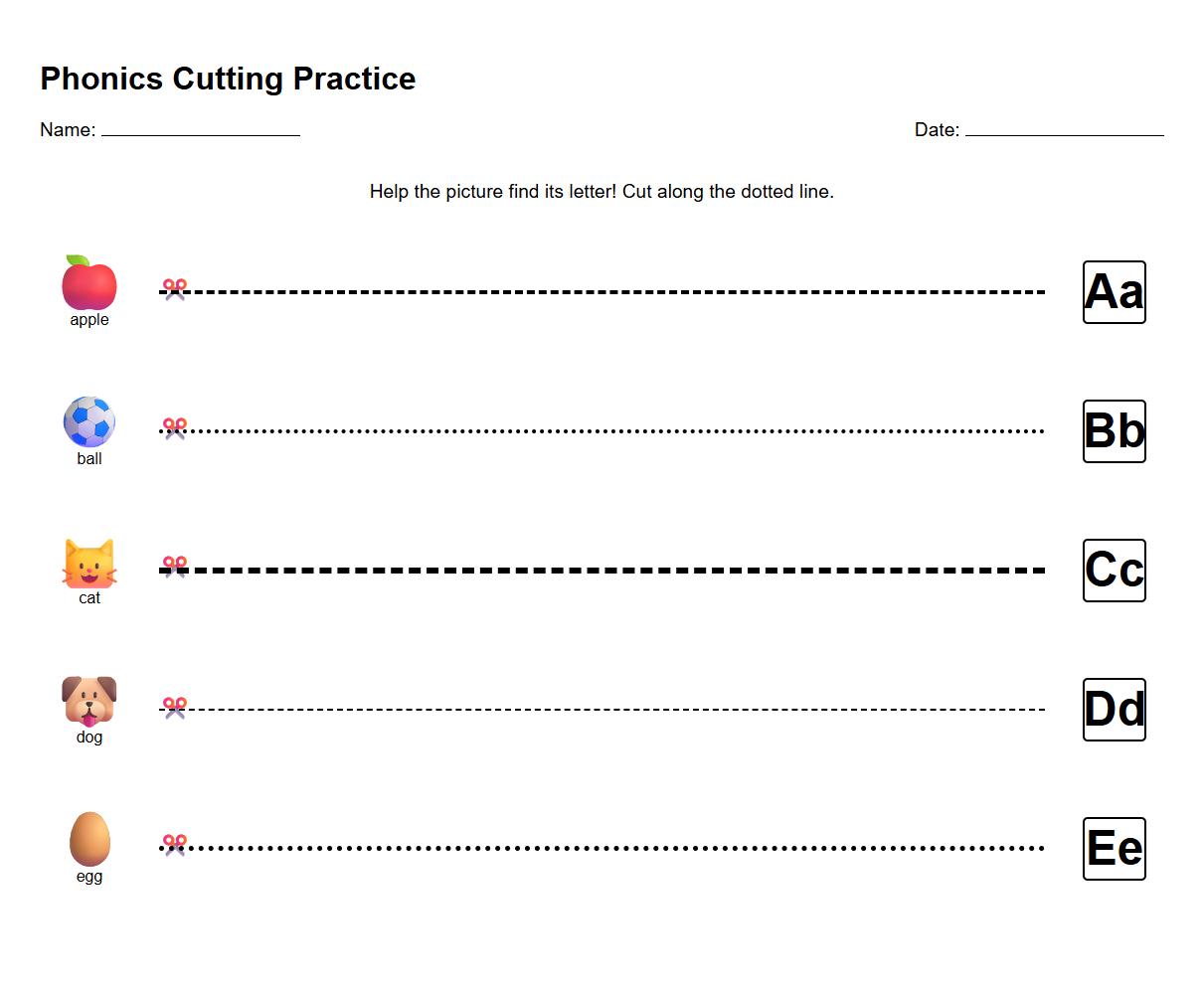
Simple Line Cutting Phonics Worksheet

Download PDF     Pin it

Curved Shape Scissor Control Worksheet
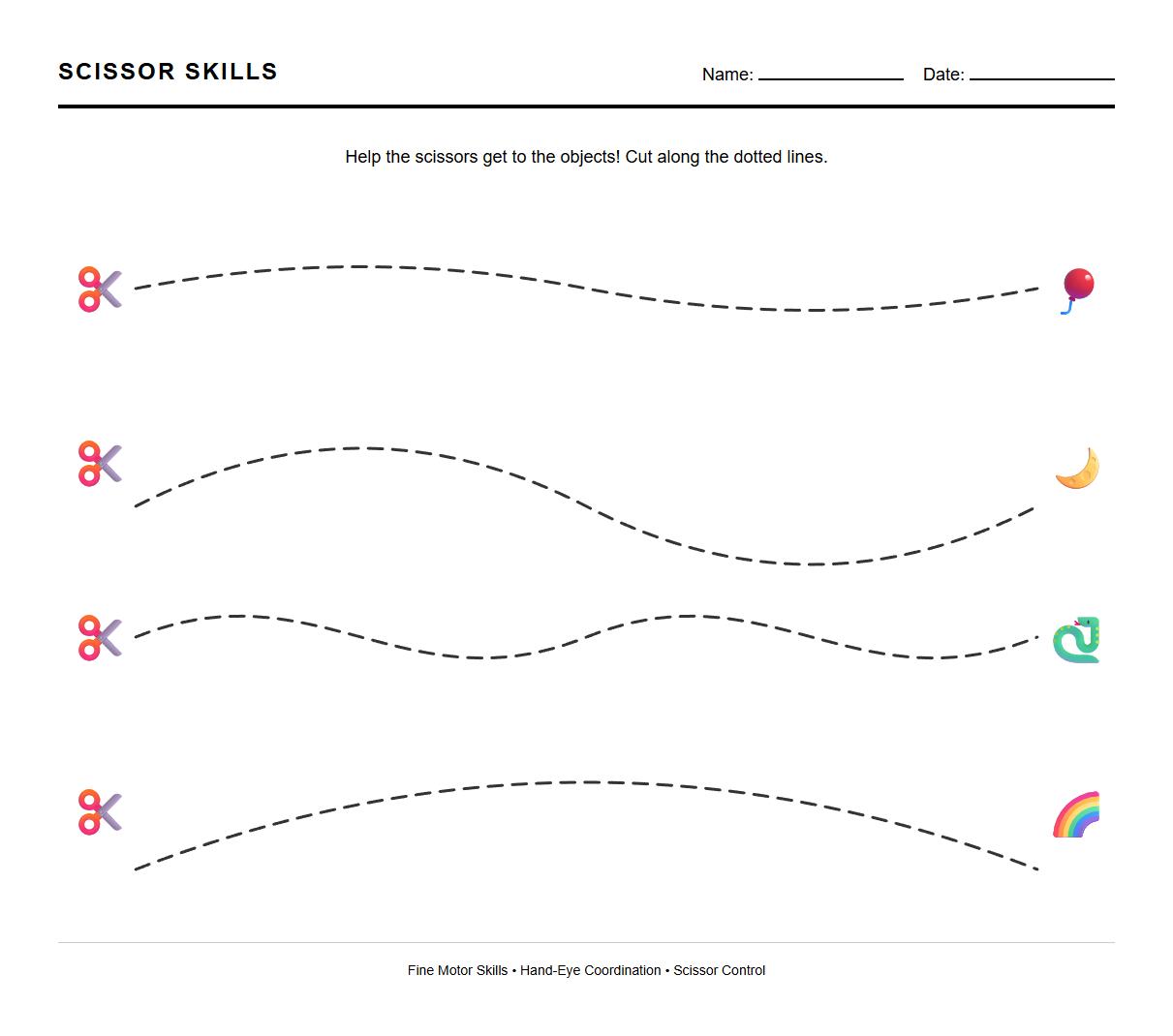
Curved Shape Scissor Control Worksheet

Download PDF     Pin it

Zigzag Fine Motor Cutting Practice Sheet
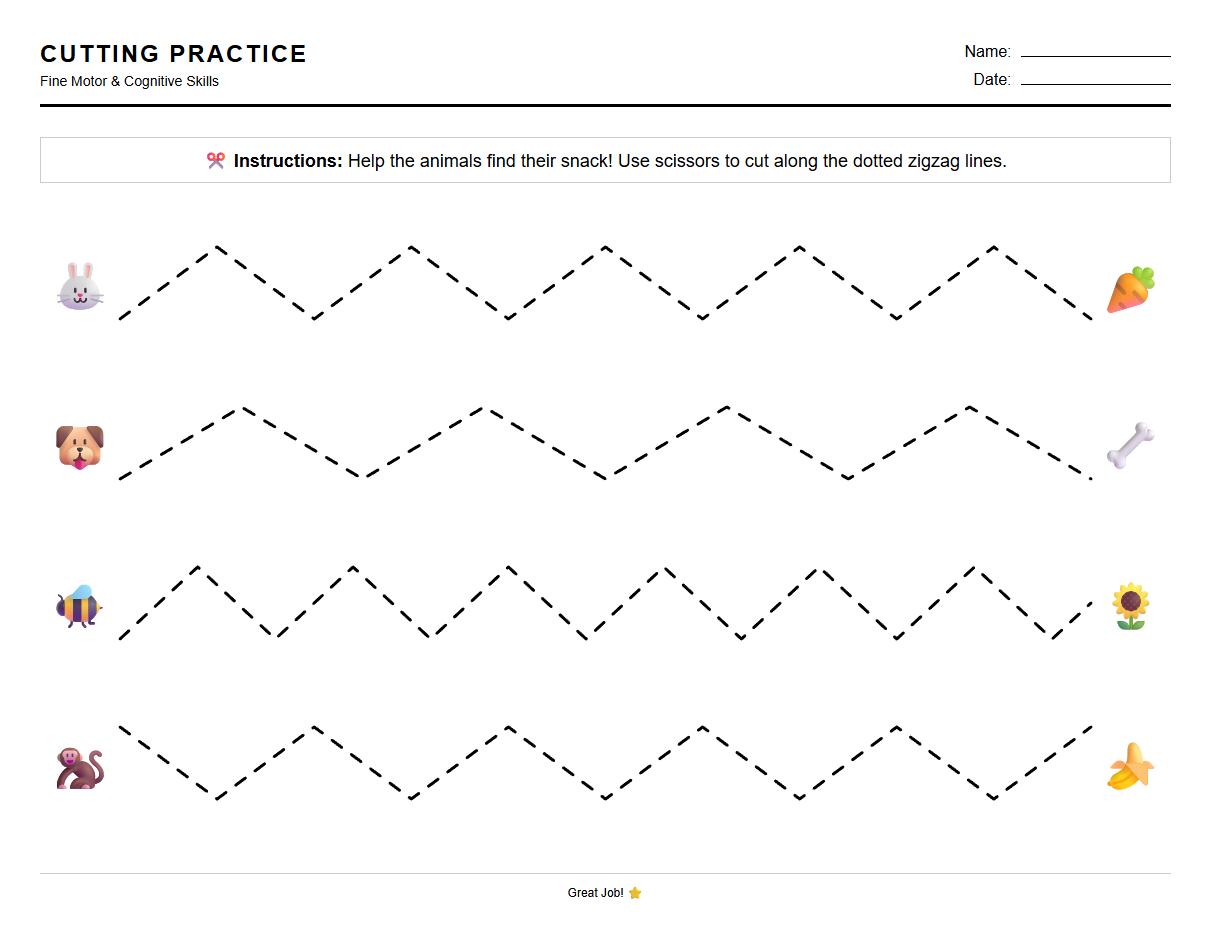
Zigzag Fine Motor Cutting Practice Sheet

Download PDF     Pin it

Scissor Path Visual Motor Integration Sheet
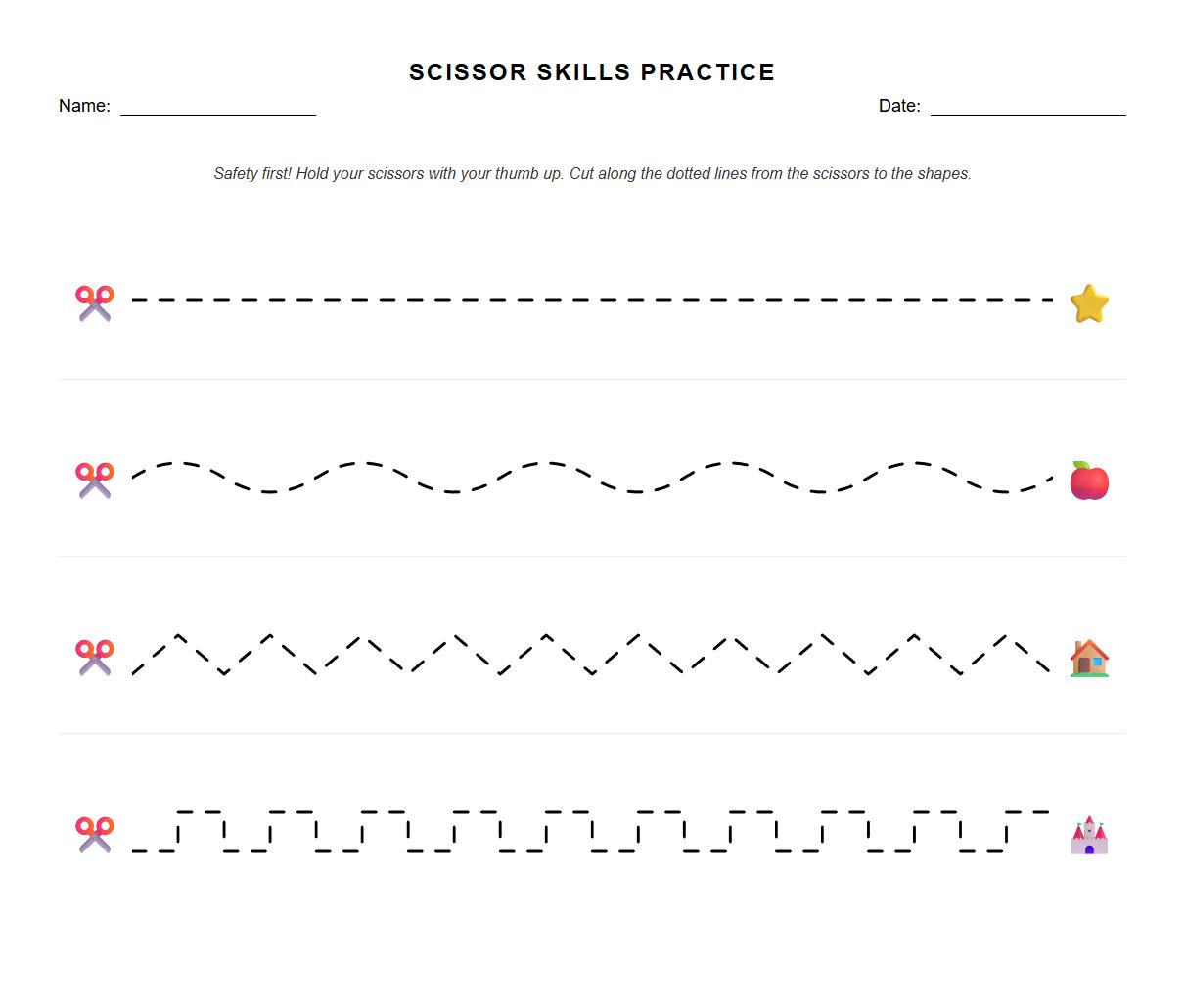
Scissor Path Visual Motor Integration Sheet

Download PDF     Pin it

Multi Step Cutting Sequence Worksheet
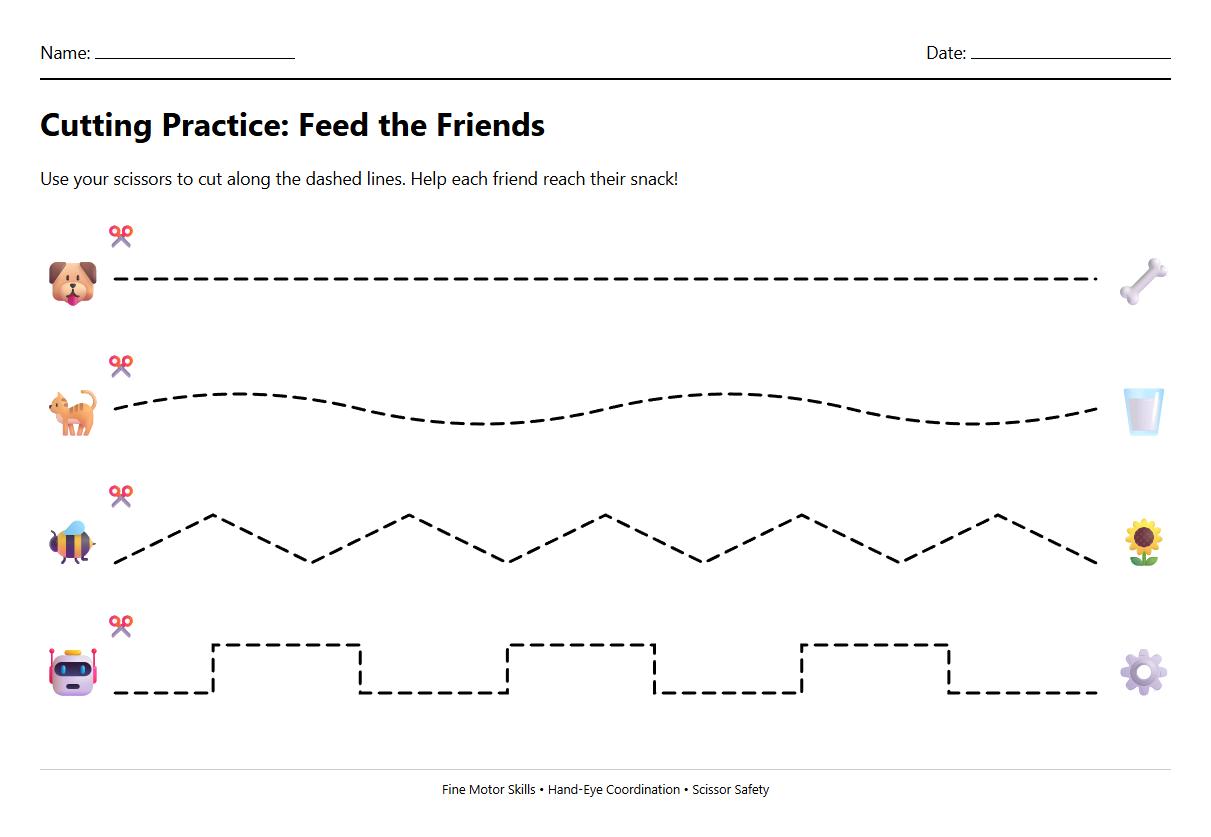
Multi Step Cutting Sequence Worksheet

Download PDF     Pin it

Patterned Line Bilateral Coordination Worksheet
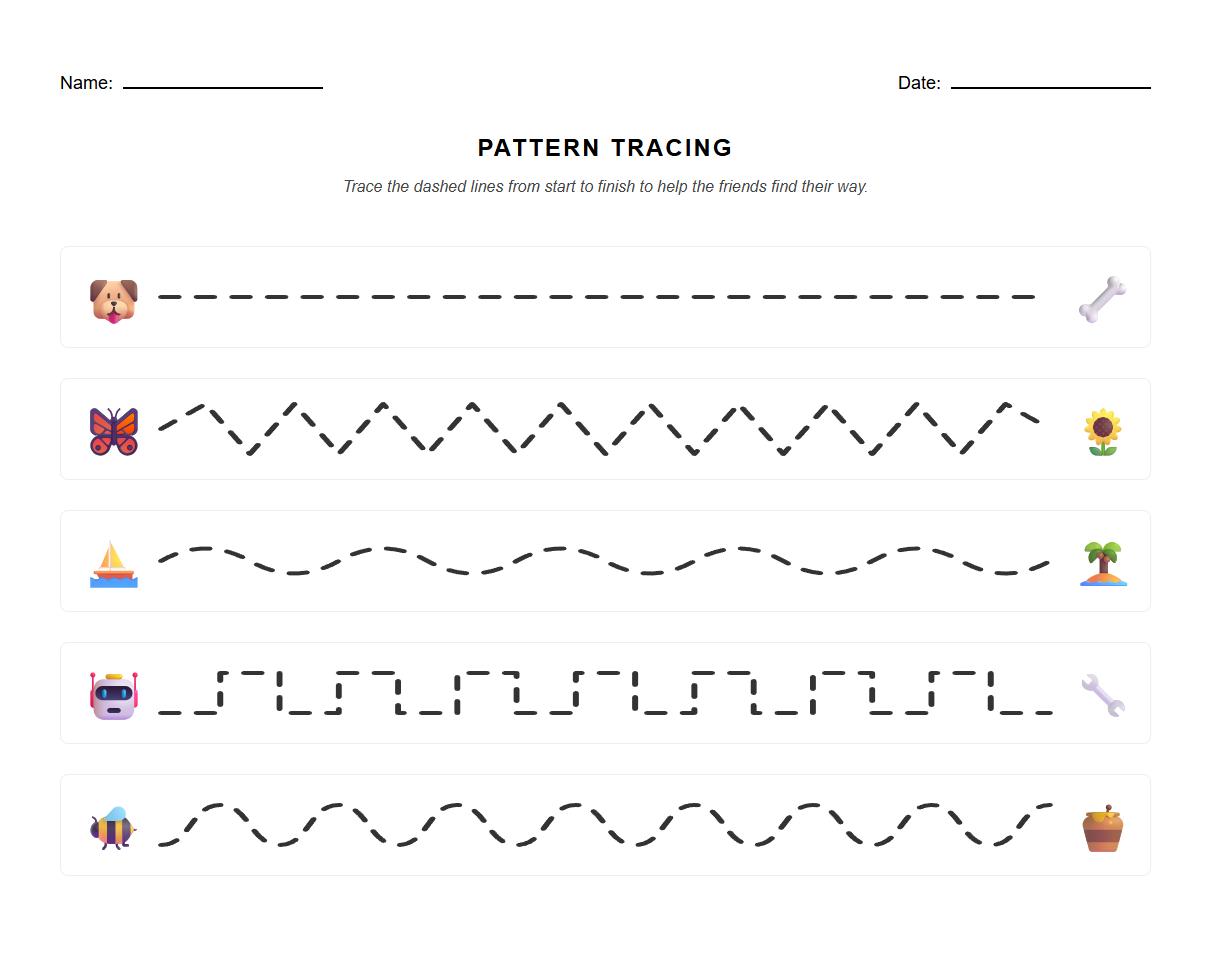
Patterned Line Bilateral Coordination Worksheet

Download PDF     Pin it

Picture Sorting Task with Cutout Borders
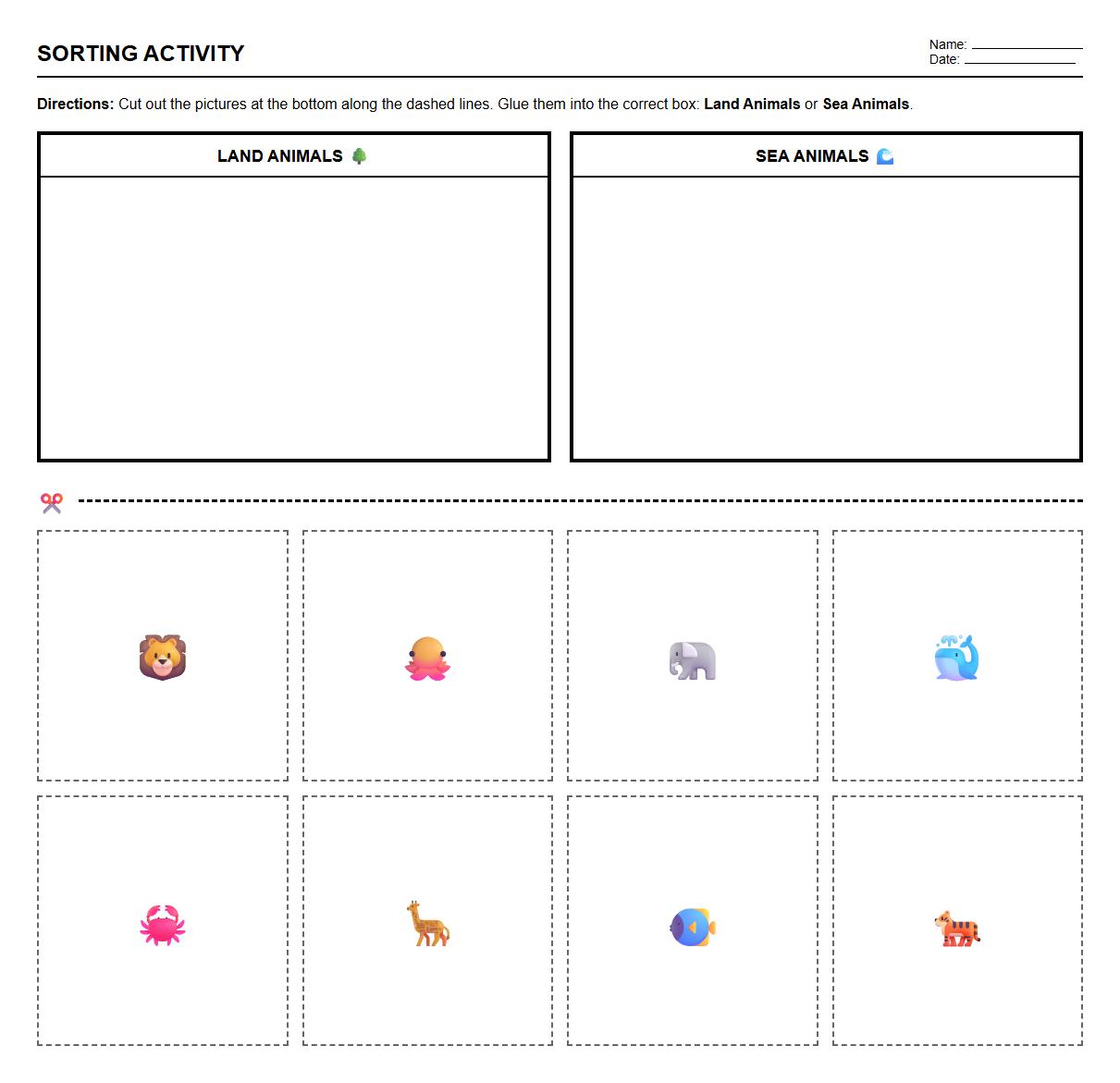
Picture Sorting Task with Cutout Borders

Download PDF     Pin it

Cut and Match Object Silhouette Activity
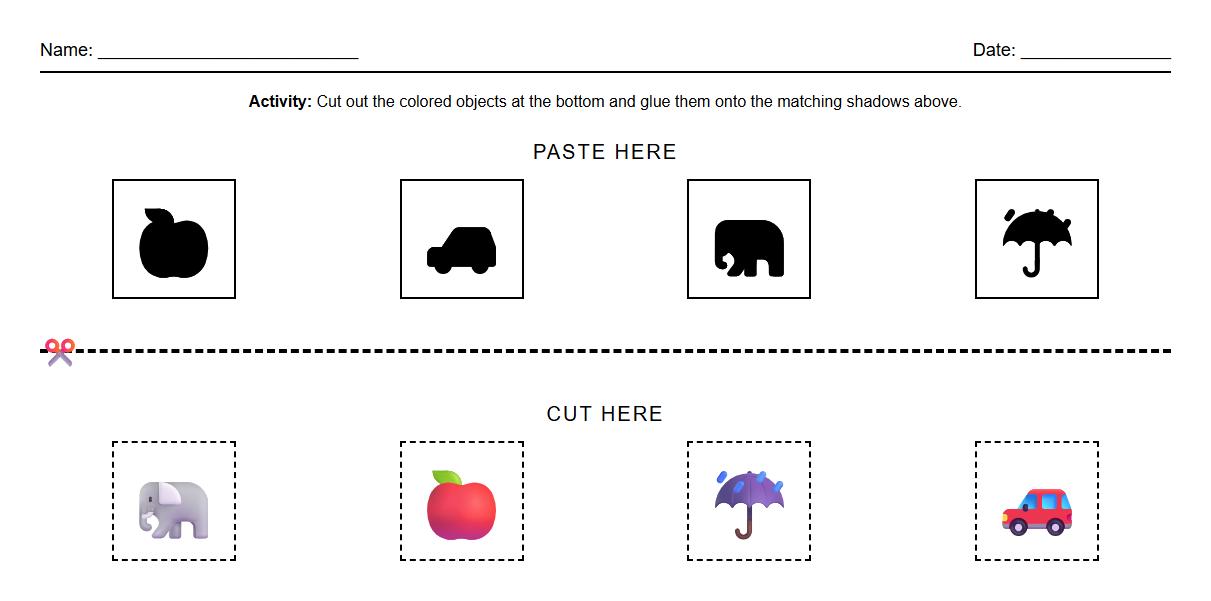
Cut and Match Object Silhouette Activity

Download PDF     Pin it

Basic Animal Shape Scissor Skills Worksheet
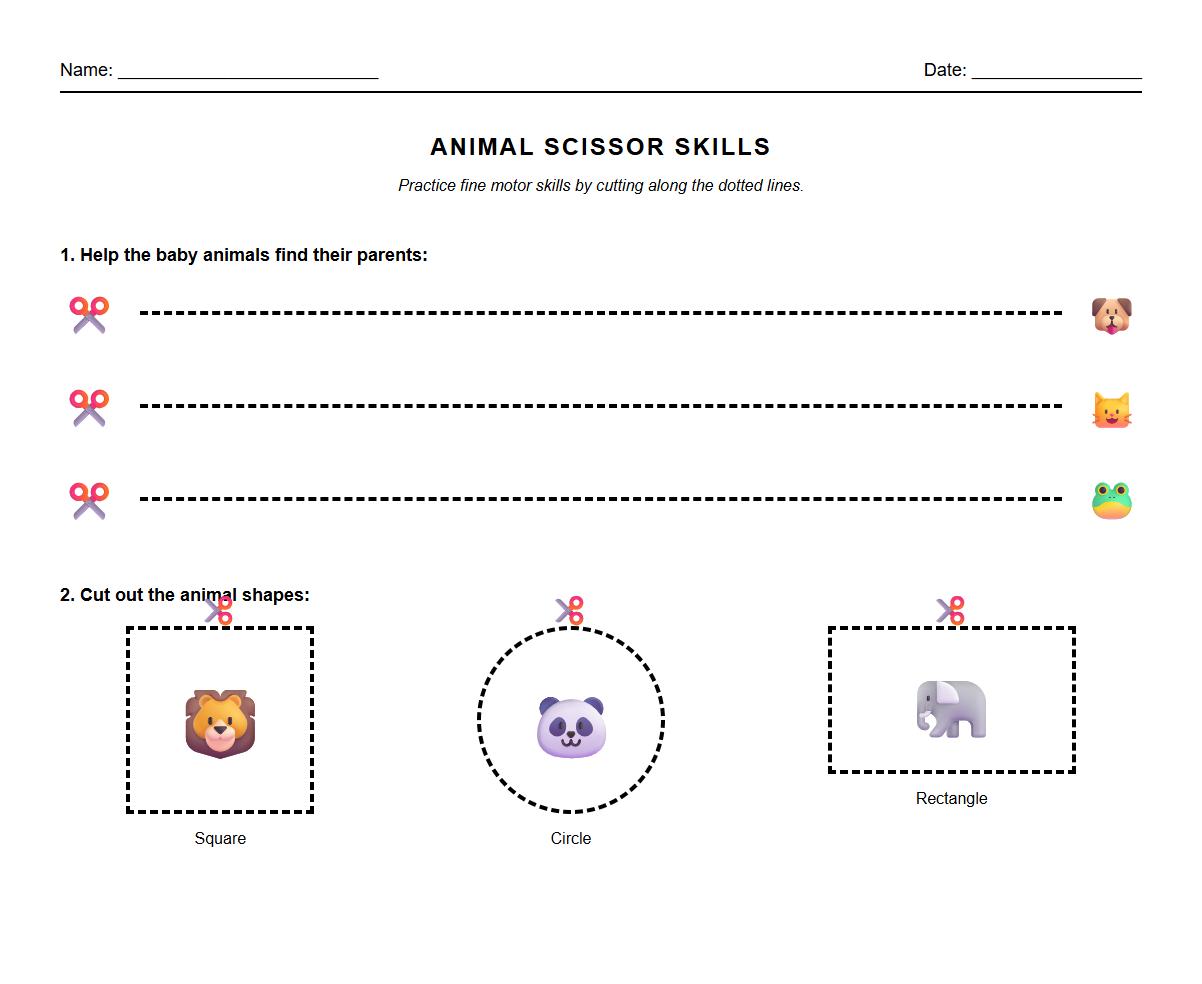
Basic Animal Shape Scissor Skills Worksheet

Download PDF     Pin it

Vertical and Horizontal Prewriting Stroke Cutting Sheet
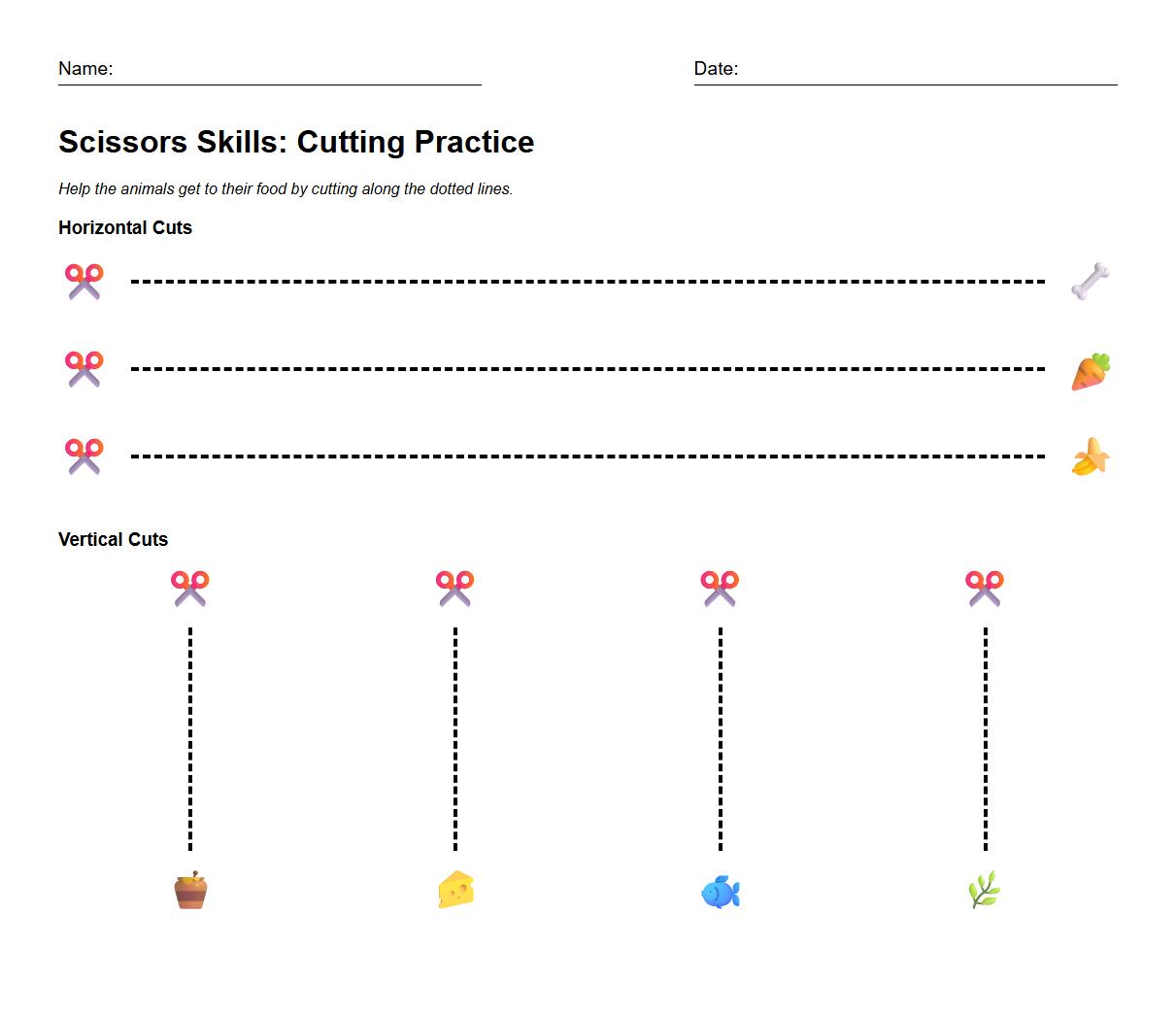
Vertical and Horizontal Prewriting Stroke Cutting Sheet

Download PDF     Pin it

Key Benefits of Scissor Cutting Skills Worksheets for Kindergarten Students

Scissor cutting skills worksheets enhance fine motor development and hand-eye coordination in young learners. They promote hand strength and dexterity, which are crucial for writing readiness. These worksheets also foster concentration and patience through structured activities. Additionally, they provide a fun and engaging way for children to practice essential life skills.

Occupational Therapists' Assessment of Scissor Skills Development

Occupational therapists evaluate scissor skills by observing a child's hand posture, grip, and cutting accuracy. They assess bilateral coordination and the ability to follow lines or shapes. Therapists may use standardized tests and informal play-based assessments. This comprehensive approach helps identify areas needing targeted intervention.

Fine Motor Skills Strengthened by Scissor Cutting Activities

Cutting activities strengthen hand-eye coordination, bilateral coordination, and fine hand muscle control. They improve the pincer grasp, wrist stabilization, and finger separation. These motor skills are essential for tasks like writing, buttoning, and using utensils. Regular practice supports overall manual dexterity development.

Recommended Adaptive Scissors for Children with Limited Hand Strength

Adaptive scissors with spring mechanisms, enlarged handles, or easy-grip features are ideal for children with limited hand strength. These scissors reduce the effort required to open and close the blades. Some models come with loop handles to support finger placement. Using adaptive scissors encourages independence and skill development.

Supporting Left-Handed Children in Developing Scissor Cutting Skills

Teachers should provide left-handed scissors and demonstrate cutting techniques from a left-handed perspective. Seating arrangements that minimize hand collisions and encourage comfortable wrist positioning help. Offering individualized guidance ensures left-handed learners build confidence. Encouraging regular practice also supports skill acquisition.

Safety Guidelines for Scissor Cutting Practice

Children should be taught to hold scissors safely with their thumb in the smaller handle and fingers in the larger handle. Scissor blades must always point away from the body while cutting. Teachers should supervise closely to prevent running or horseplay during activities. Clear instructions on passing scissors safely reduce injury risks.

Common Challenges Children Face When Learning to Use Scissors

Many children struggle with grip strength, coordination, and controlling scissor movement. Some find it difficult to cut along lines or change directions smoothly. Fatigue from prolonged cutting tasks can also hinder progress. Addressing these challenges with tailored support improves success rates.

Frequency of Scissor Cutting Practice in the Kindergarten Curriculum

Scissor cutting should be included 3-4 times per week to build and reinforce skills. Short, consistent practice sessions yield better motor development than infrequent longer ones. Integrating cutting activities into various subject areas enhances engagement. Regular practice supports mastery and confidence.

Creative Worksheet Ideas to Engage Children in Scissor Skill Activities

Worksheets featuring simple shapes, animals, and themed patterns encourage imaginative cutting practice. Incorporating cutting along dotted lines, cutting out puzzles, or creating collages adds fun. Worksheets that combine coloring and cutting promote multi-skill development. Interactive and colorful designs maintain children's interest.

Documenting and Tracking Progress in Scissor Cutting Skills

Teachers can use checklists, photo documentation, and progress charts to monitor skill development. Regular observations noting grip, coordination, and accuracy help tailor instruction. Sharing progress with parents fosters collaborative support. Digital portfolios can provide a comprehensive record of growth over time.


More in Fine Motor and Cognitive Skills Category


About the author. Nylen Smith is a dedicated educator and cofounder of KWorksheet.com, a popular platform specializing in high-quality kindergarten worksheets and printable activities.

Disclaimer. The information provided in this document is for general informational purposes and/or document sample only and is not guaranteed to be factually right or complete. Please report to us via contact-us page if you find and error in this page, thanks.

Comments

No comment yet