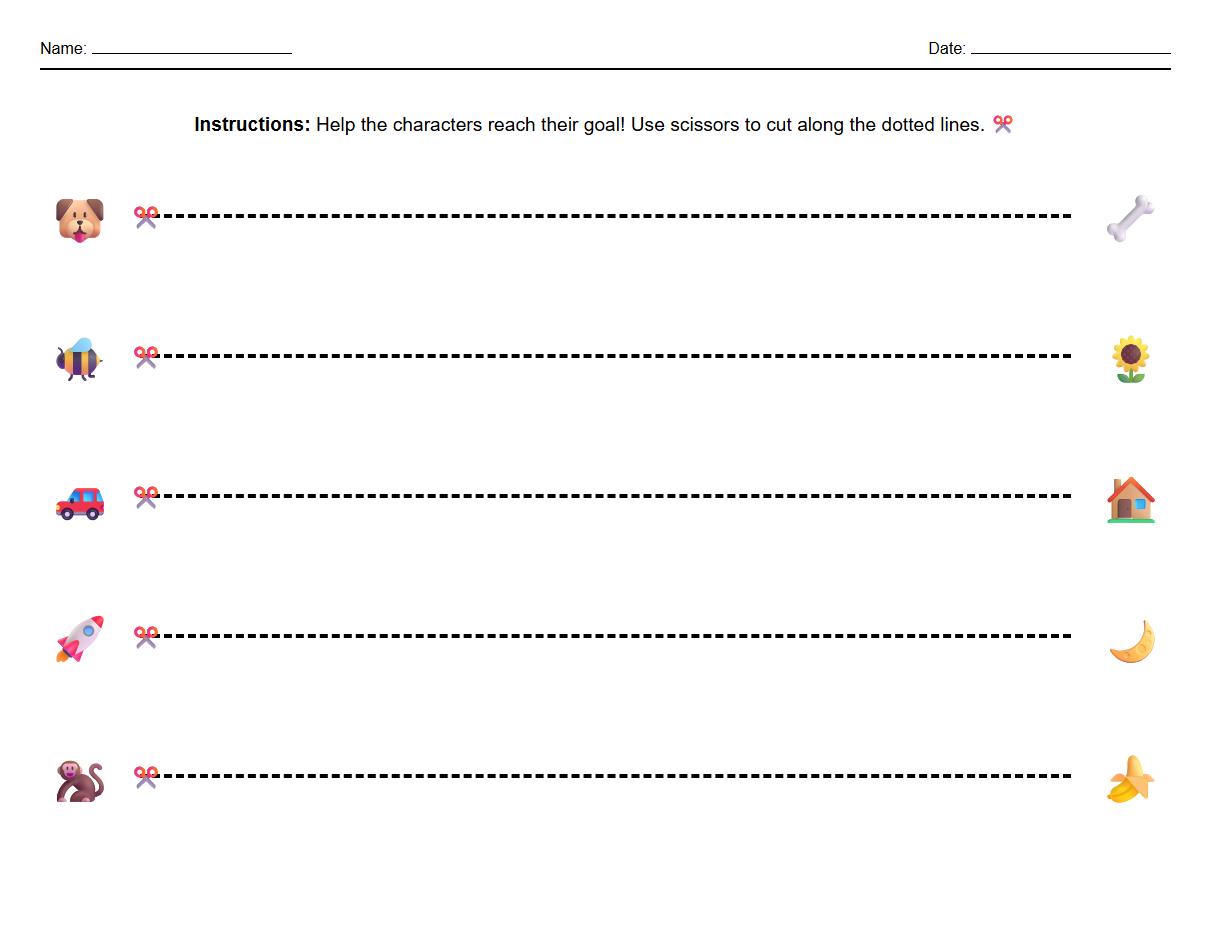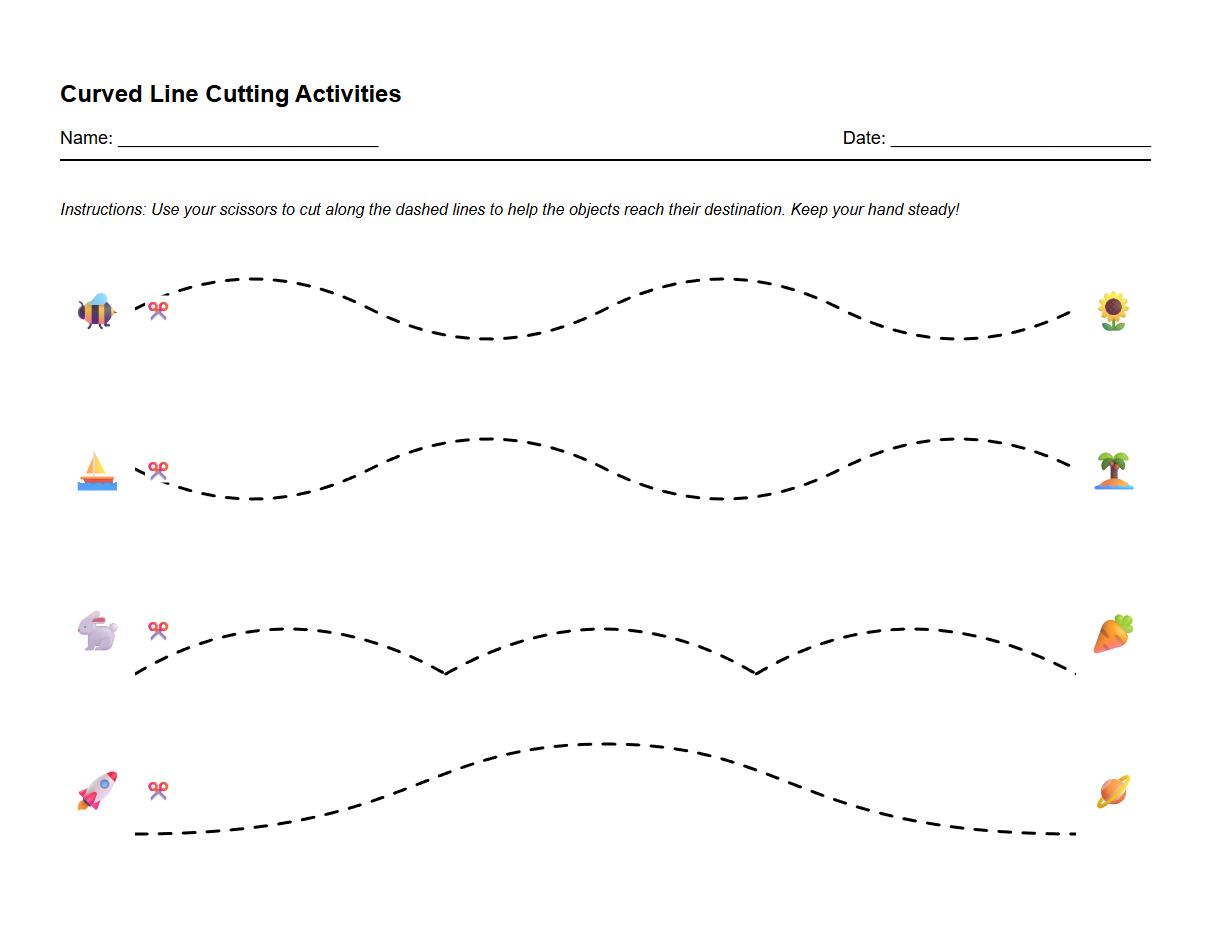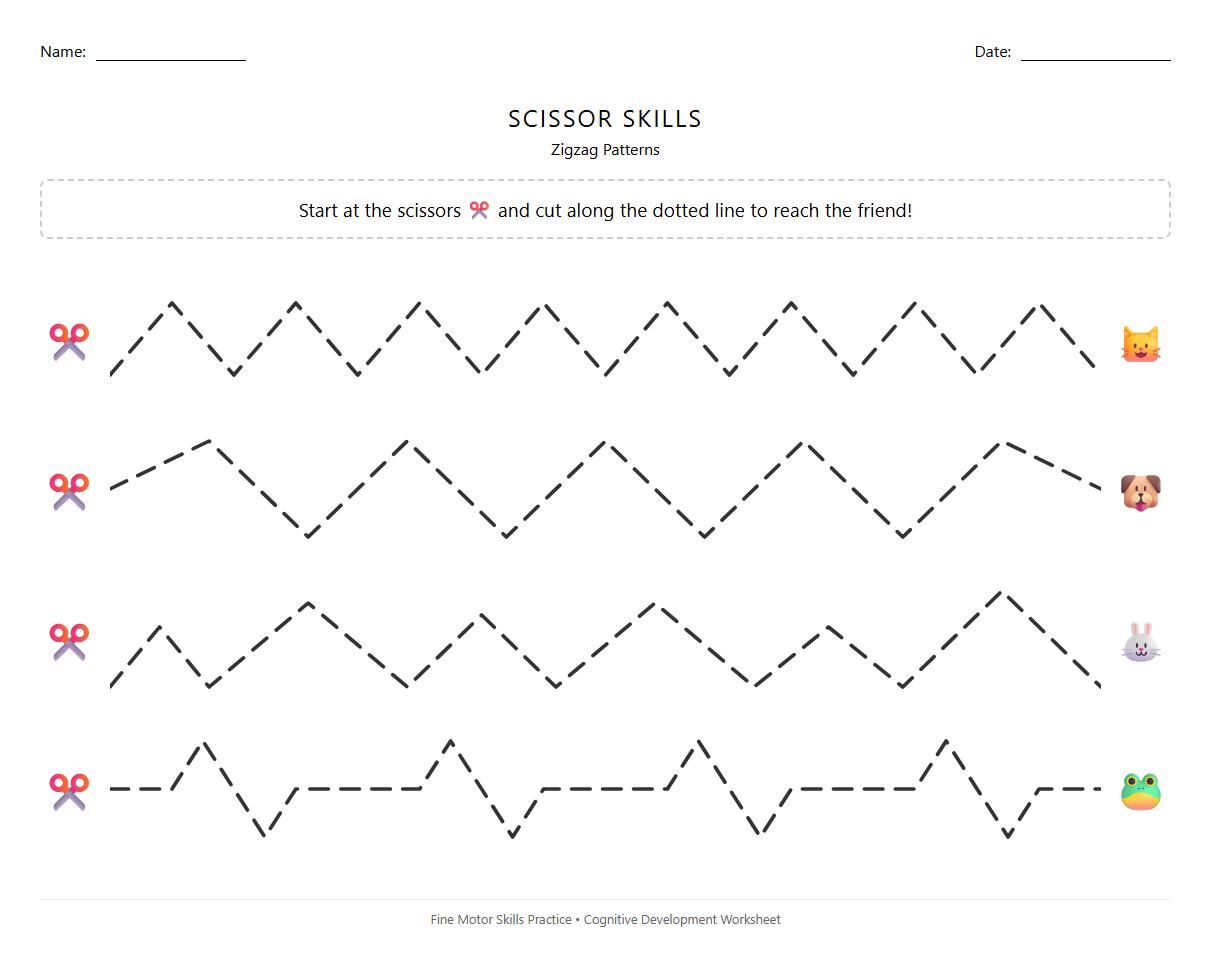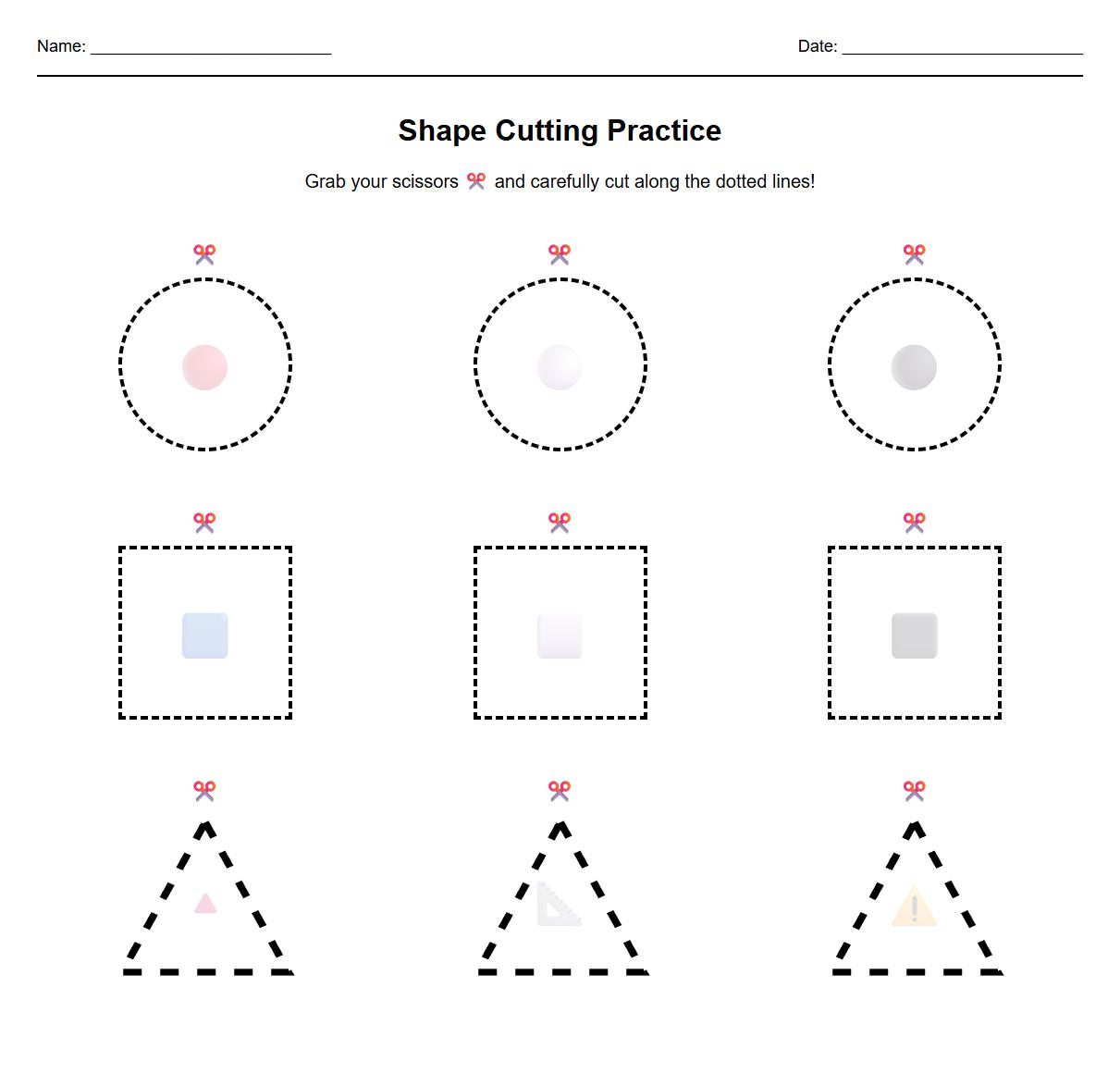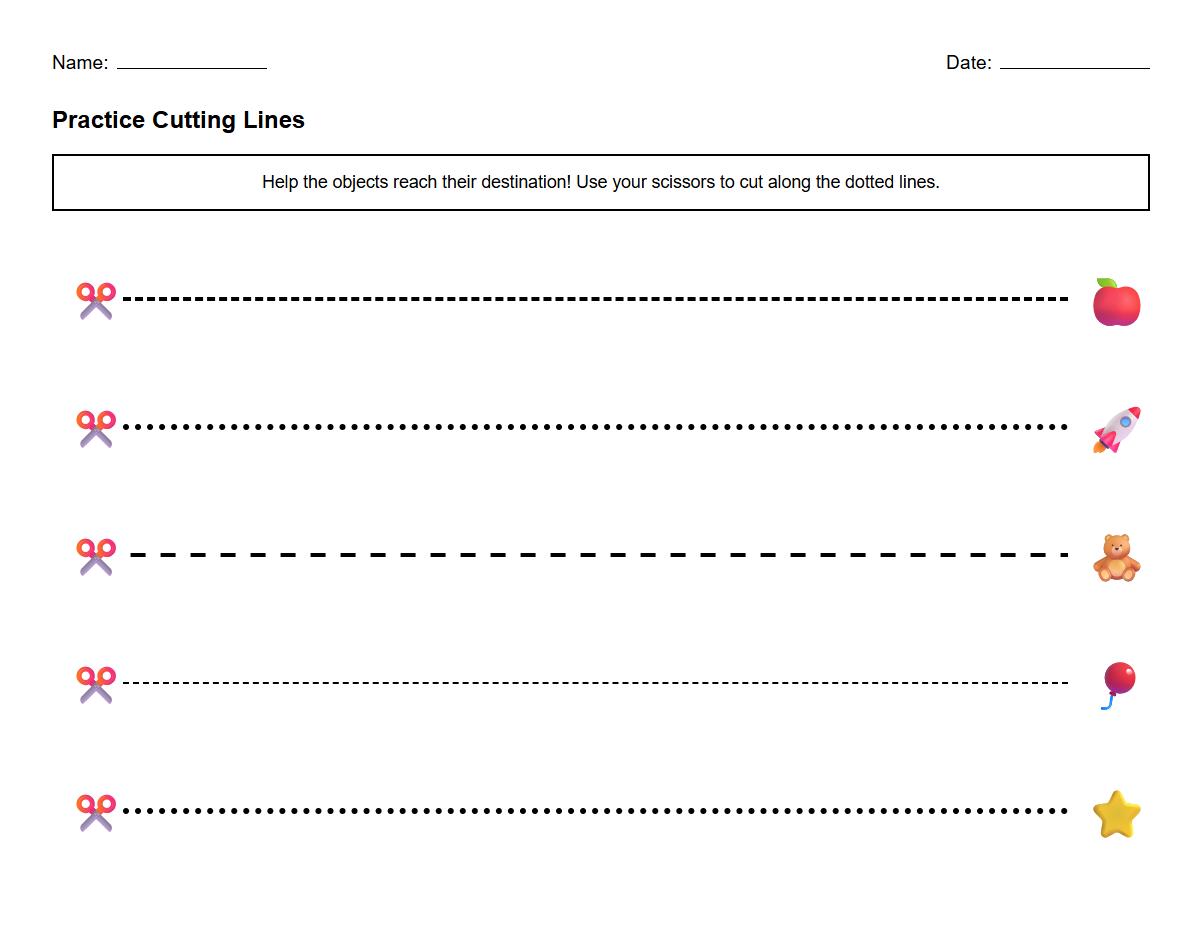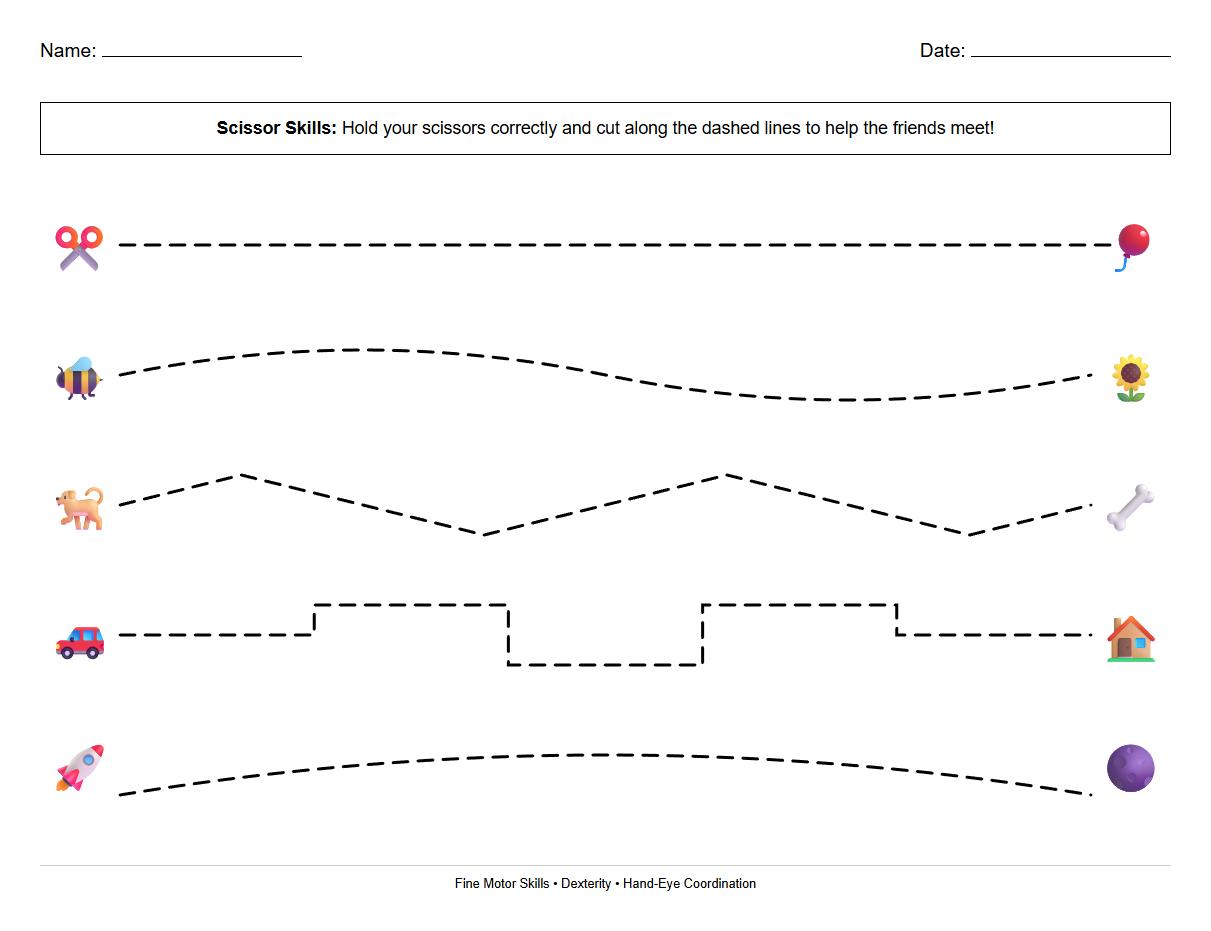
Hand-eye coordination scissor cutting skills activities for kindergarten enhance fine motor development and improve precision in young learners. These exercises help children build muscle control necessary for safe and effective scissor use. Explore the available worksheets to support your child's cutting skills progress.
Fun Activities to Improve Hand-Eye Coordination for Scissor Cutting
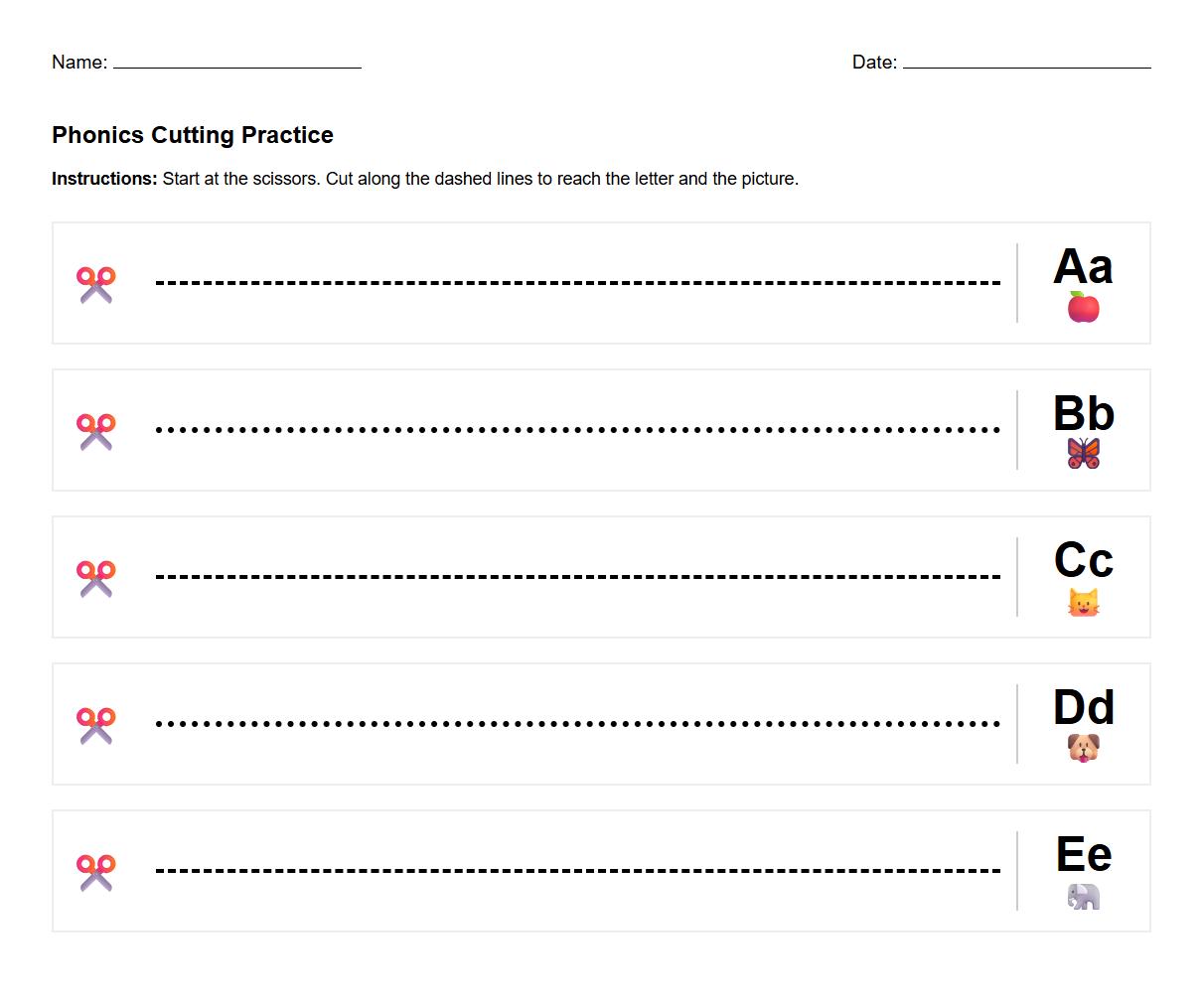
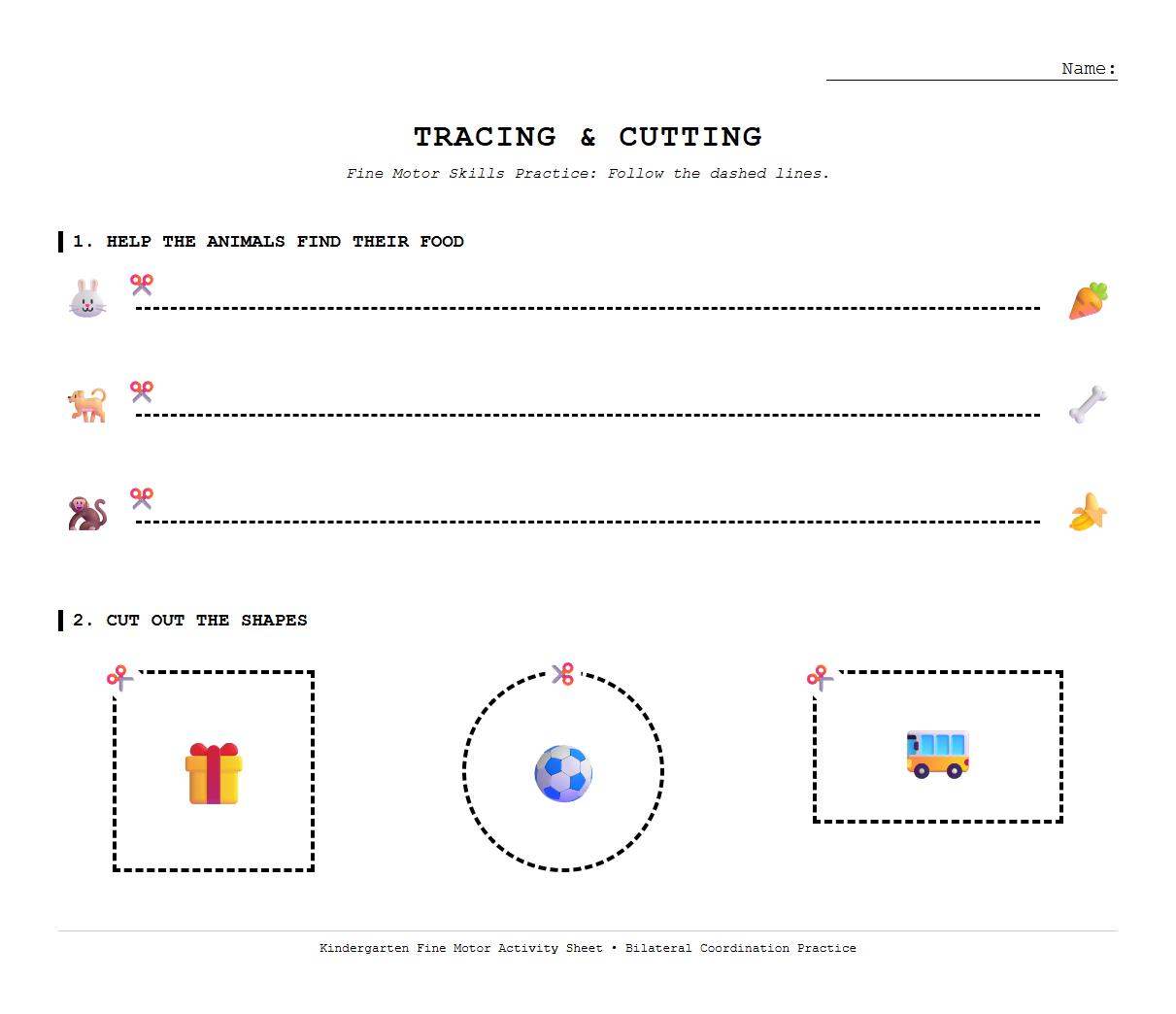
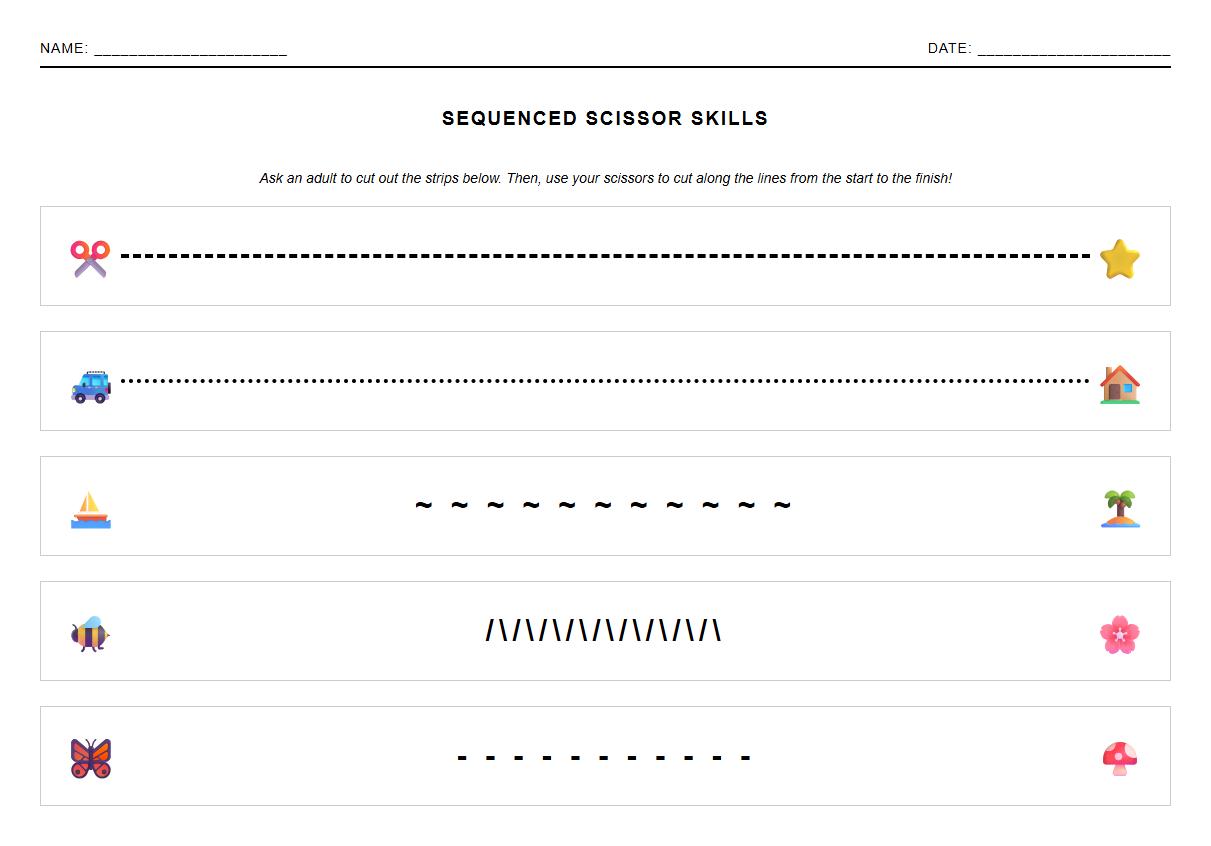
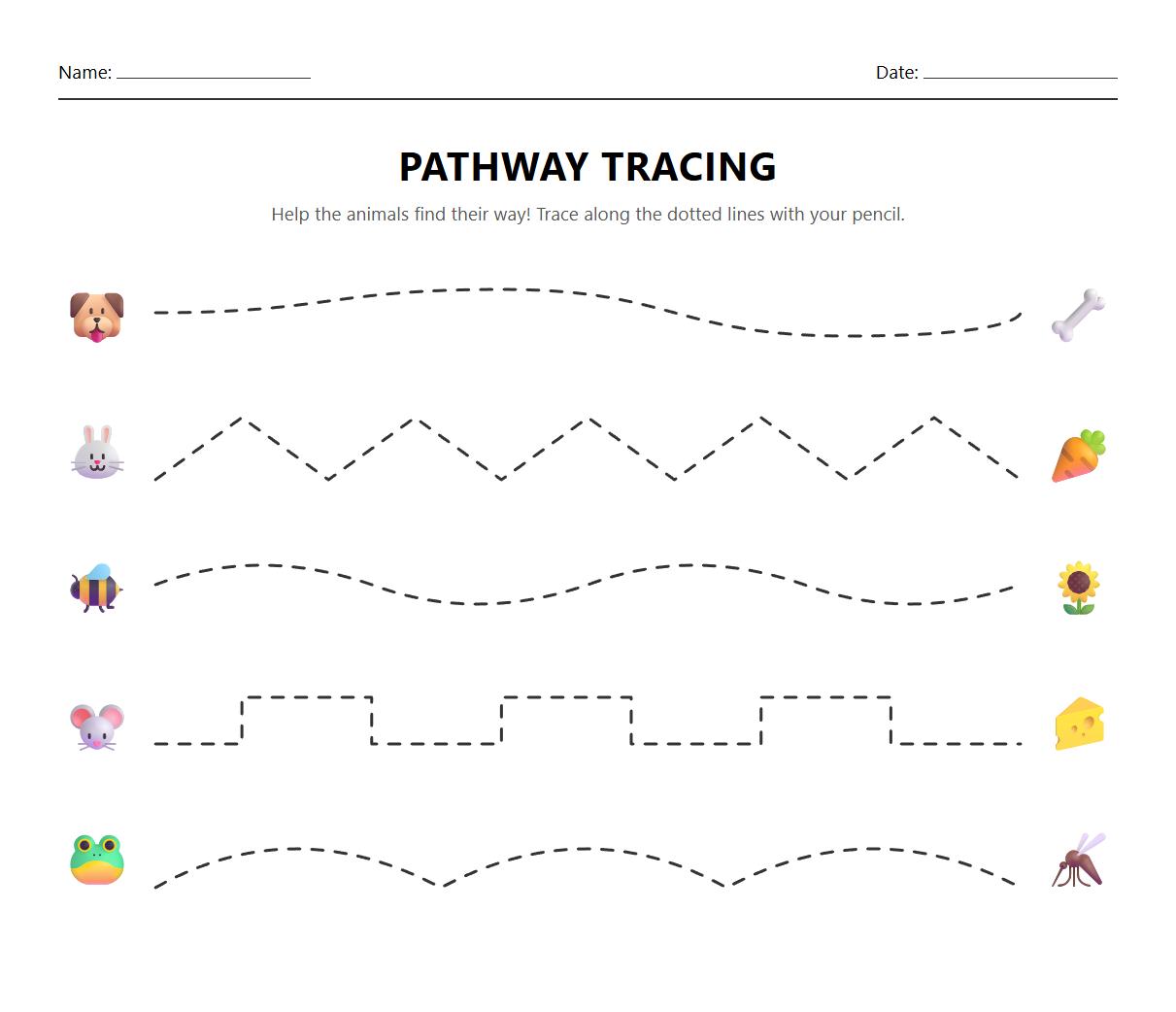
Engage children in cutting along straight, curved, and zigzag lines on colorful paper to boost their hand-eye coordination. Use simple crafts like cutting out shapes or making paper chains to make the practice enjoyable. Incorporate games that involve cutting around pictures or following dotted lines to enhance precision. These activities help children develop control and confidence with scissors.
How Teachers Can Assess Scissor Cutting Skills
Teachers can observe children's ability to hold and open scissors correctly, noting their accuracy in cutting along lines and control over the paper. Assess progress by evaluating the smoothness of cuts and the child's comfort level with the scissors. Use checklists focusing on hand positioning, coordination, and ability to cut simple shapes. Regular informal assessments during activities provide valuable insights for tailored support.
Best Types of Safe Scissors for Kindergarten Students
Blunt-tip safety scissors with ergonomic handles are ideal for young children learning to cut. Choose scissors with small-sized grips suitable for little hands to promote proper hold. Scissors made from durable plastic with embedded blades reduce the risk of injury. These safe tools encourage independence and reduce hesitation during cutting practice.
Simple Materials for Scissor Cutting Practice
Use lightweight materials such as colored construction paper, old magazines, and cardstock for cutting exercises. Introduce textured papers like felt or thin foam sheets for sensory variation. Recycled materials like cardboard scraps also provide fun challenges for beginners. These accessible items stimulate creativity while enhancing fine motor skills.
Frequency of Scissor Cutting Activities in Curriculum
Incorporate scissor cutting activities at least twice a week to build and reinforce skills steadily. Consistent practice helps children develop muscle memory and confidence with the tool. Short, frequent sessions of 10-15 minutes are effective and keep learners engaged. Integrate these activities within broader art and craft lessons for meaningful practice.
Creative Shapes or Patterns for Beginner Cutting
Start with basic shapes like straight lines, squares, and triangles to help children grasp the cutting motion. Progress to wavy lines, circles, and simple animal silhouettes as skills improve. Encourage cutting out familiar objects like leaves or stars to spark interest. These varied patterns challenge coordination and promote skill development.
Helping Left-Handed Children Develop Scissor Skills
Provide left-handed scissors designed for natural hand positioning to support comfort and effectiveness. Offer tailored guidance on hand placement and paper holding techniques specific to left-handed needs. Allow extra practice time and one-on-one support to build confidence. Celebrate their progress to motivate continued improvement.
Signs a Kindergartener is Ready to Learn Scissor Cutting
Readiness is shown when children can follow simple instructions, coordinate hand and eye movements, and manipulate objects with both hands. They should demonstrate sufficient hand strength to open and close scissors and show interest in cutting activities. Early practice with tearing paper or holding pencils correctly also indicates readiness. Observing these signs helps ensure a positive learning experience.
Adapting Scissor Cutting for Children with Special Needs
Modify scissors by adding grips or using spring-loaded variants to ease cutting for children with motor challenges. Simplify tasks by using larger shapes and thicker materials for better control. Provide additional verbal cues, one-on-one assistance, and sensory supports as needed. These adaptations foster inclusion and skill acquisition at an individualized pace.
Role of Scissor Cutting in Developing Fine Motor Skills
Scissor cutting activities strengthen hand muscles, coordination, and bilateral hand use, which are foundational for writing and self-care tasks. Engaging in cutting refines precision and dexterity, enhancing overall fine motor development. These skills contribute to academic readiness and independence in daily activities. Regular cutting practice supports holistic growth in kindergarten students.


Kindergarten Classroom Scissor Cutting Skills Worksheet Bundle