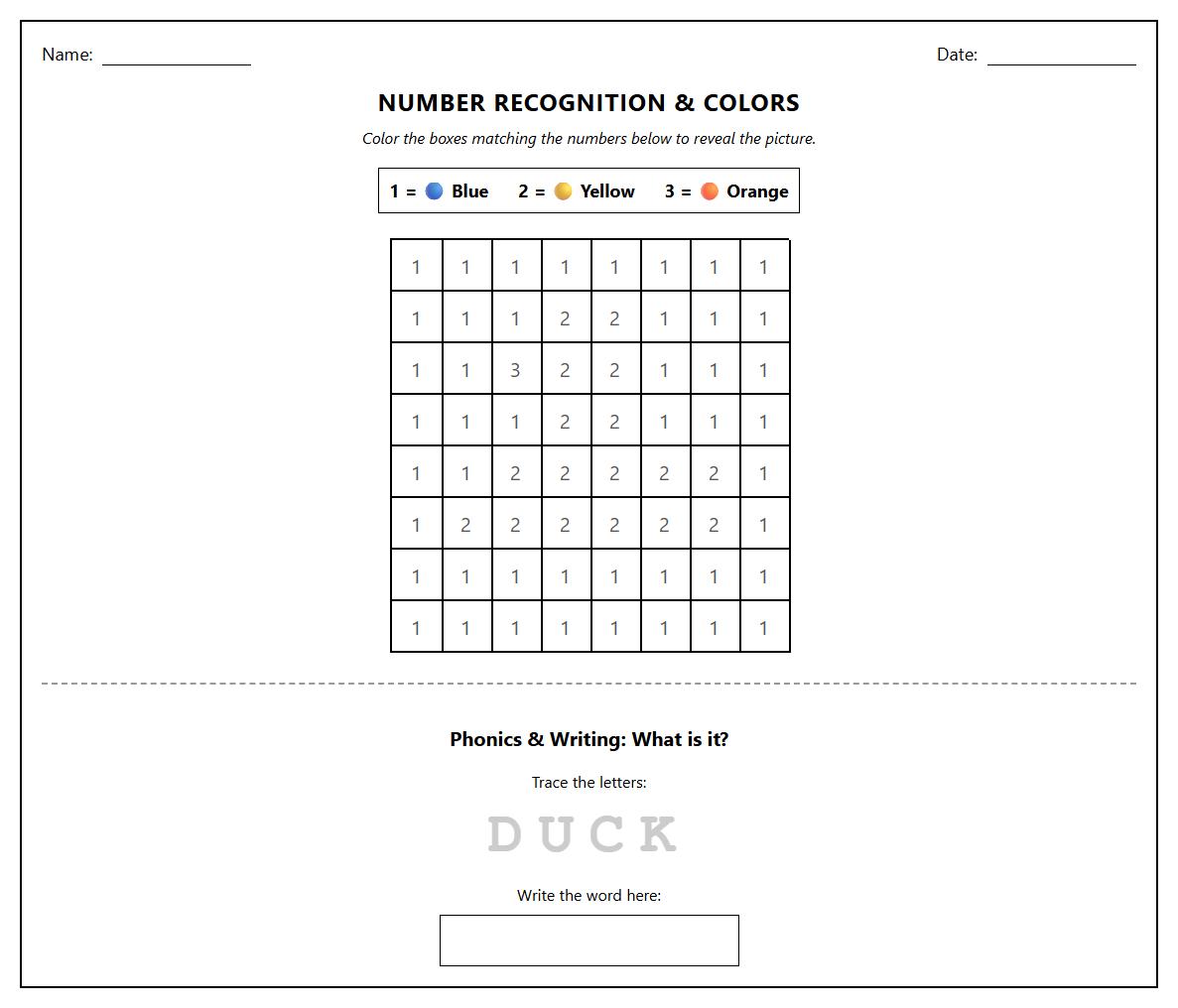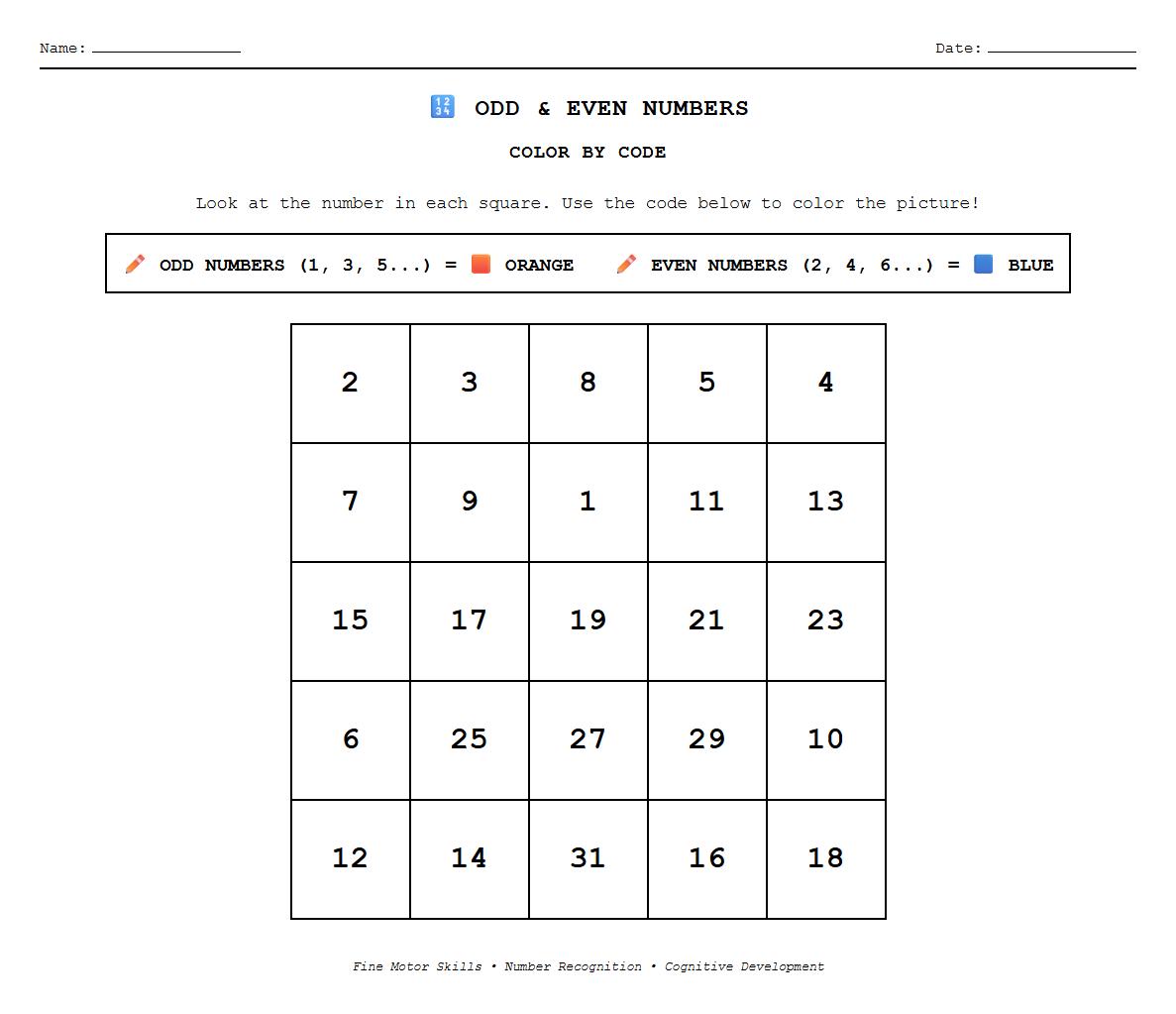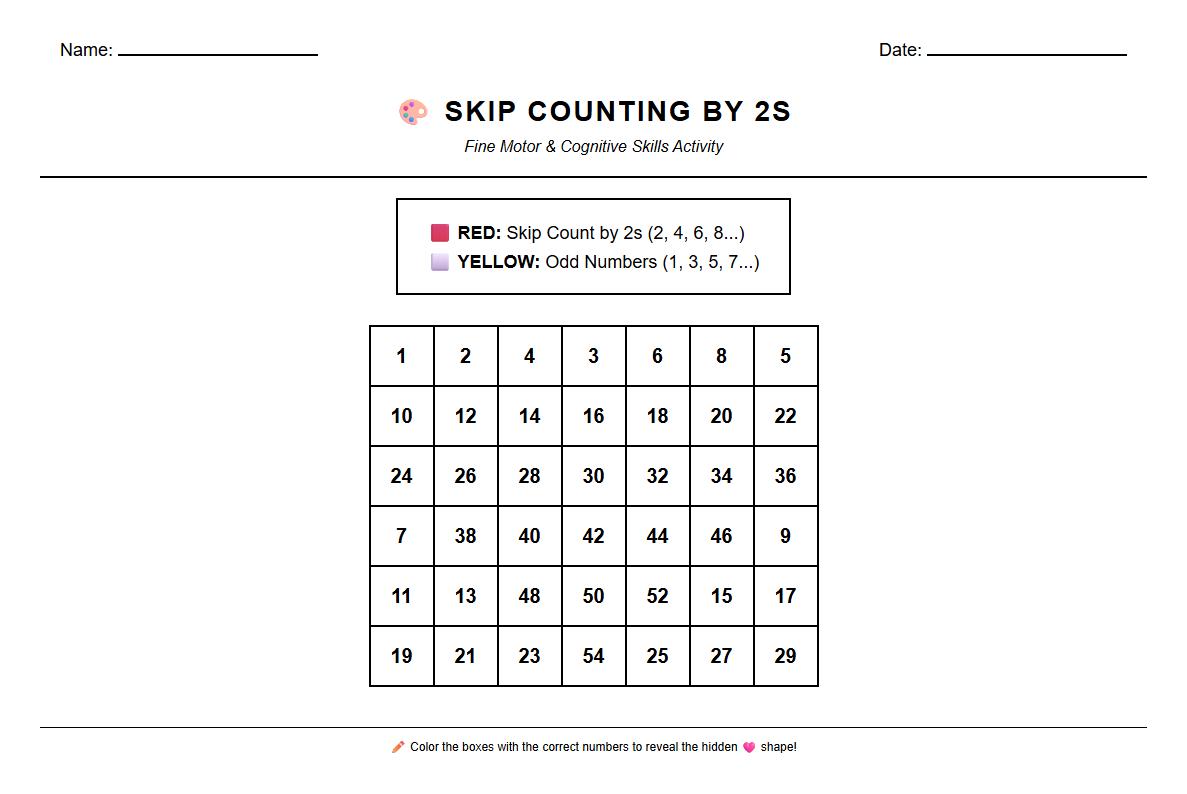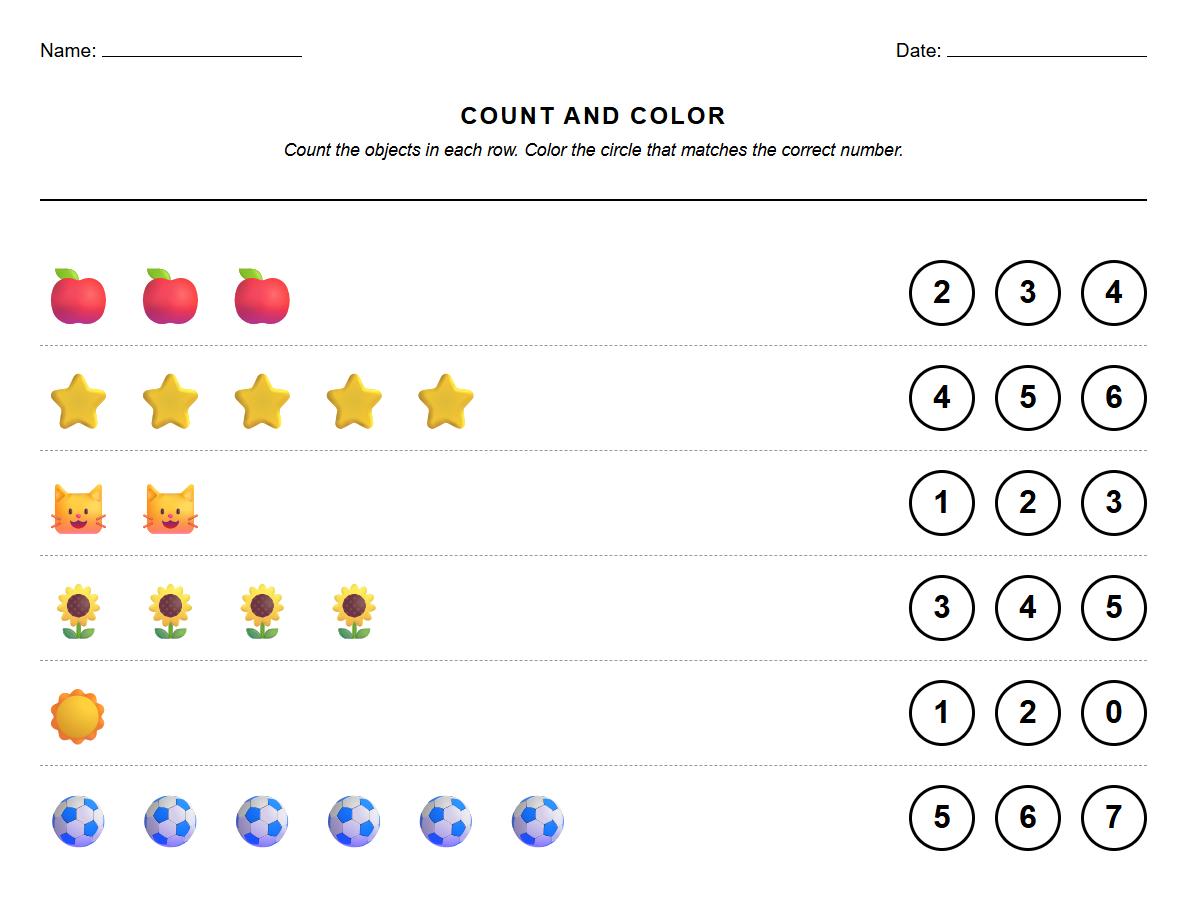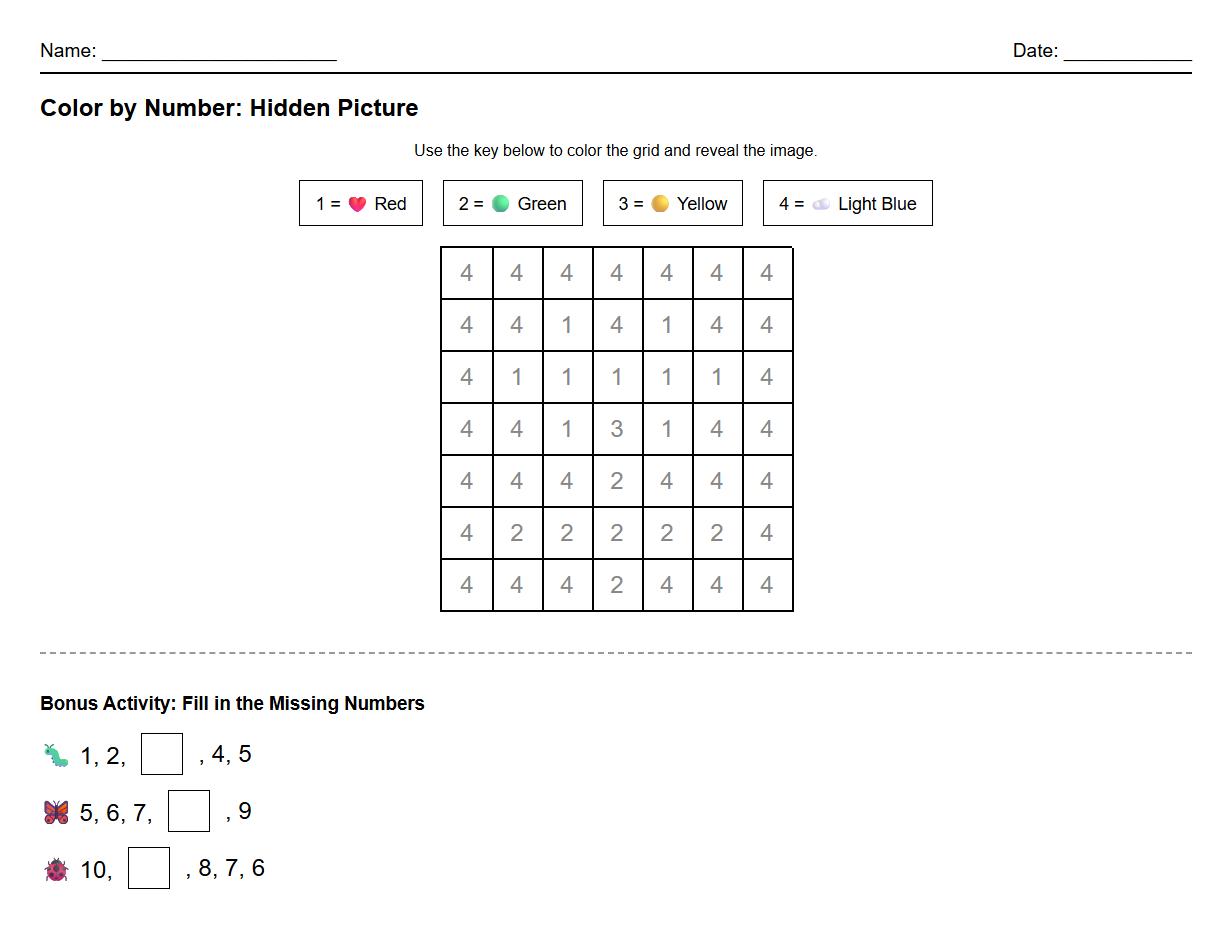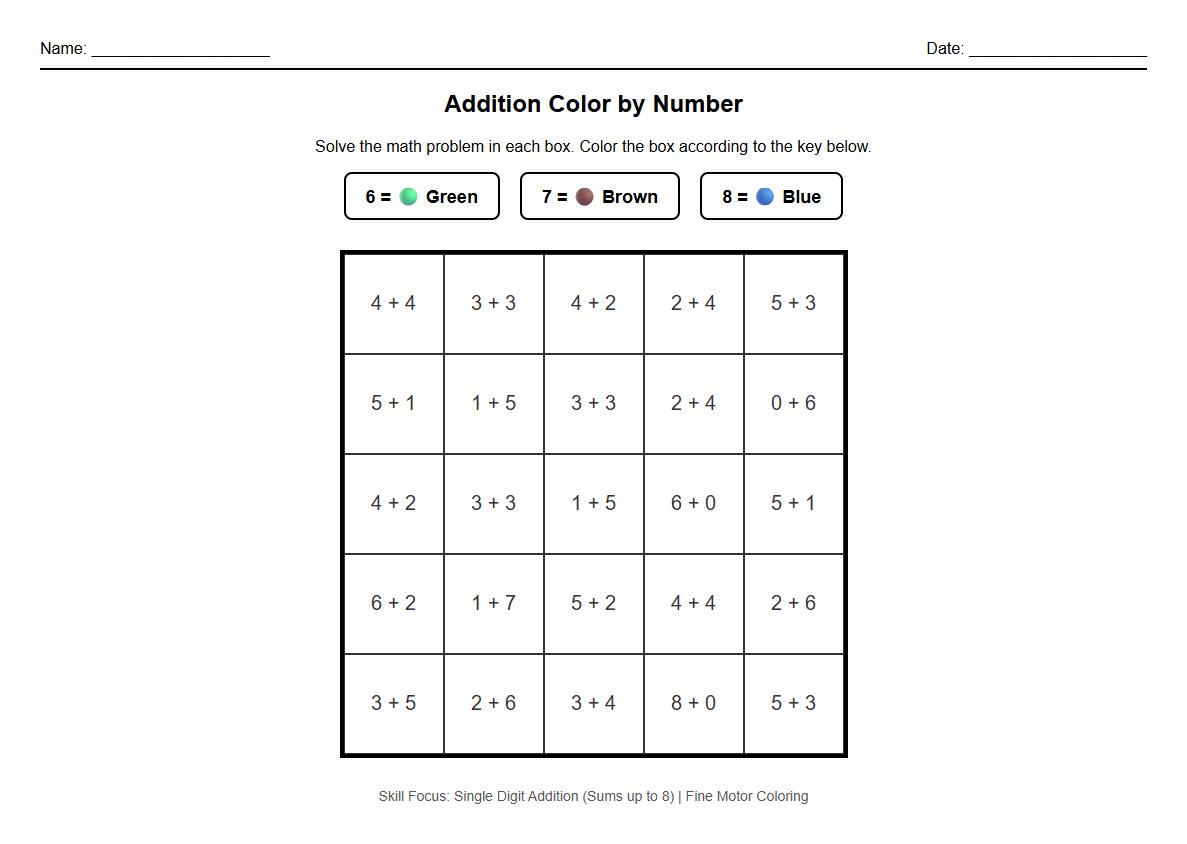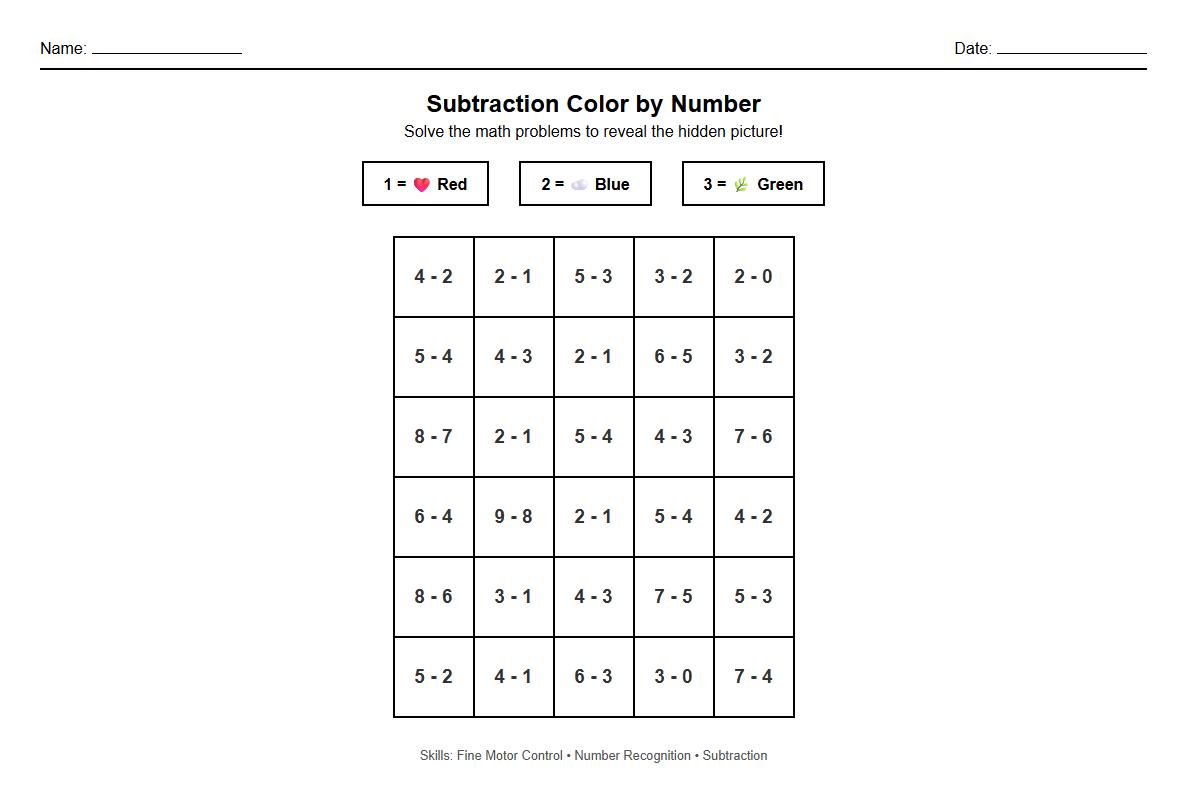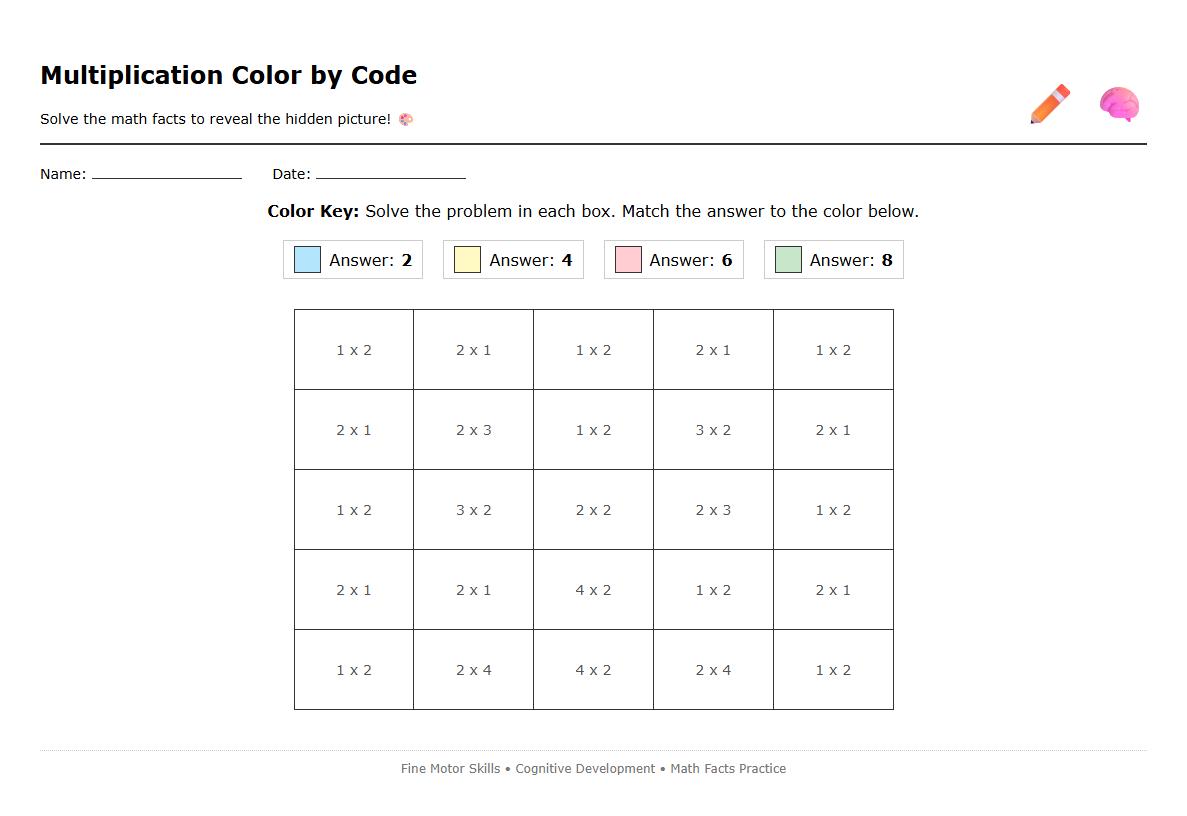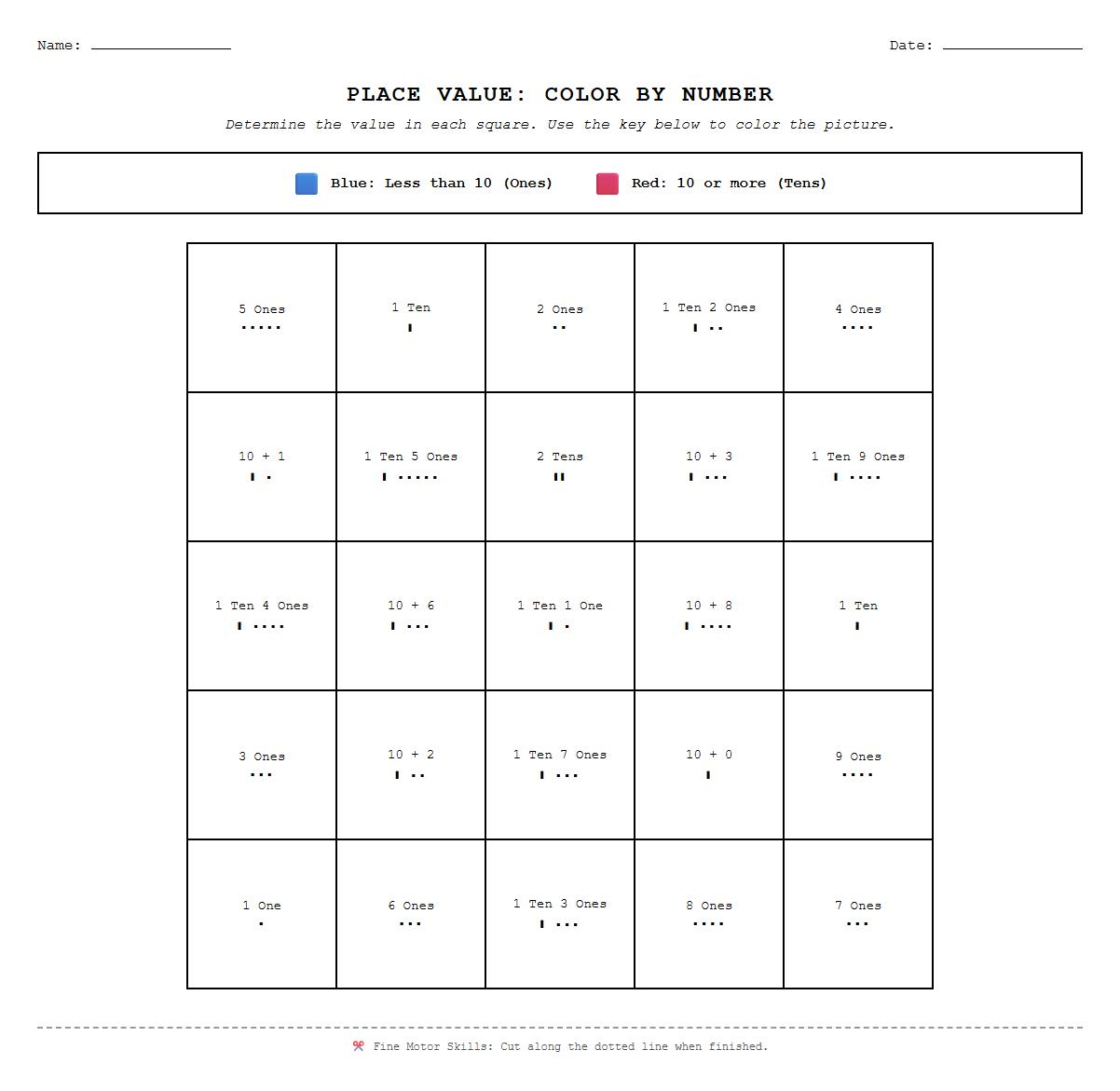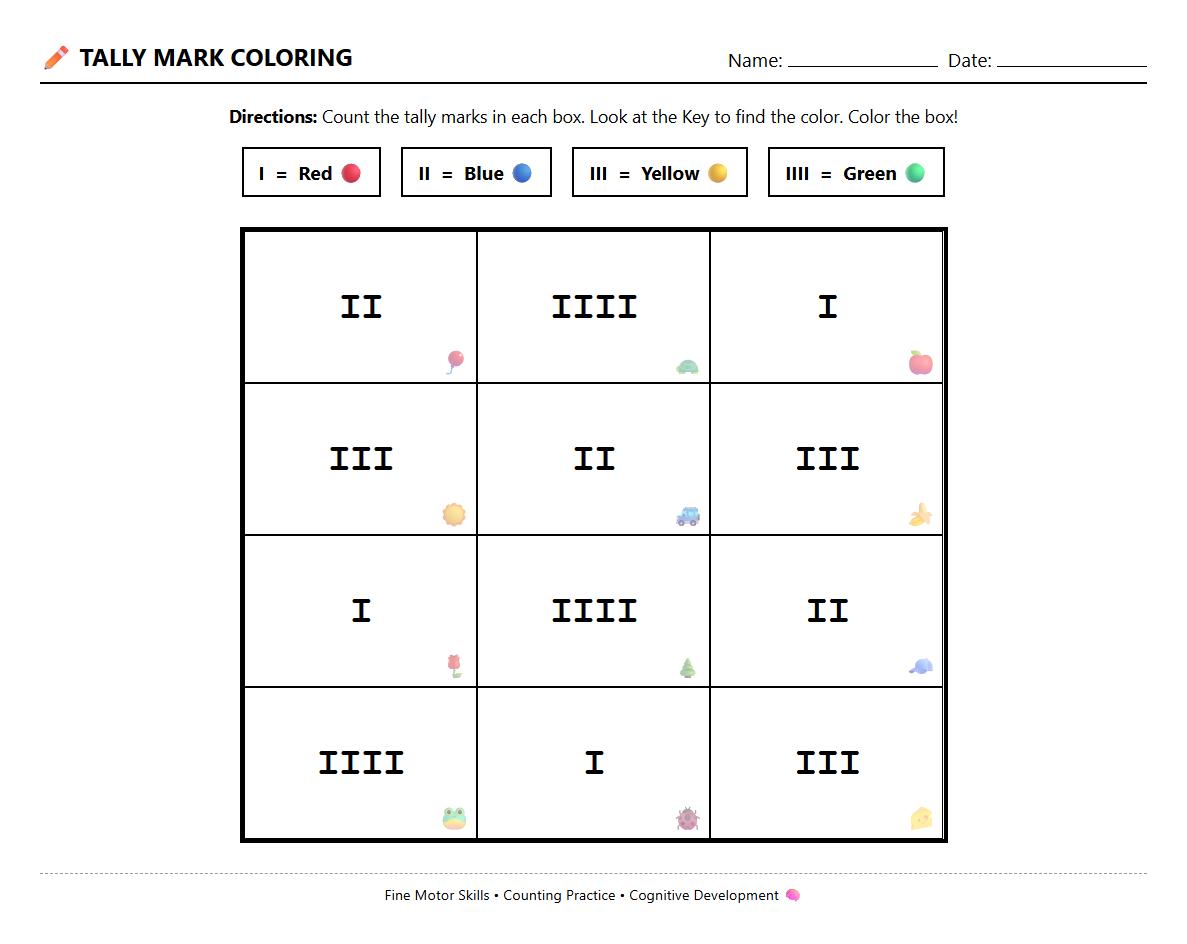
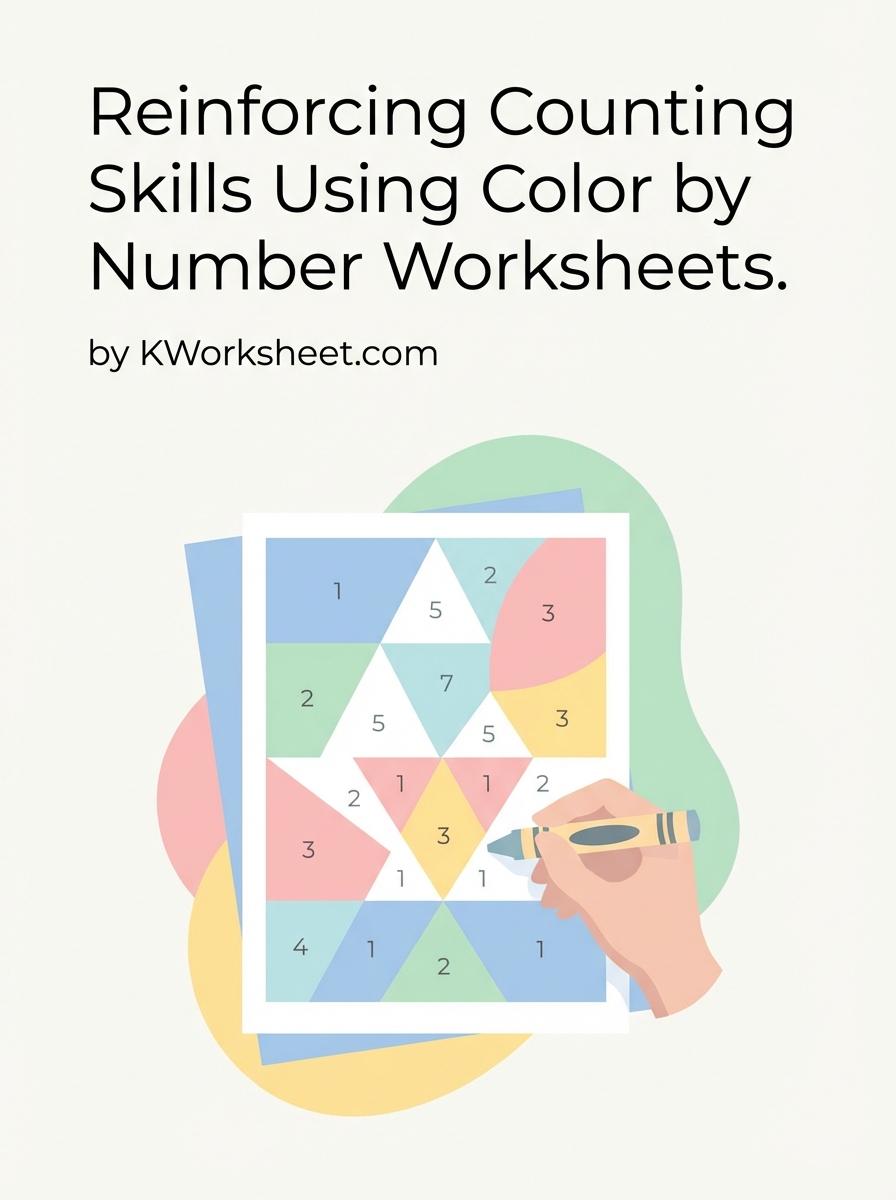
Color by number worksheets enhance counting skills by combining number recognition with engaging color identification activities. These worksheets support practice in number sequencing and improve fine motor skills through precise coloring tasks. Explore our selection of color by number worksheets to reinforce counting abilities in a fun and interactive way.
How Do Color by Number Worksheets Make Counting More Engaging for Kindergarteners?
Color by number worksheets make counting interactive and fun by combining coloring with number recognition. These activities help children focus on identifying numbers while associating them with colors, turning learning into an enjoyable task. The visual reward of seeing a colorful picture emerge motivates students to complete counting exercises. This engagement enhances attention and encourages repeated practice.
What Counting Strategies Can Be Strengthened Through Color by Number Activities?
Color by number worksheets strengthen key counting strategies such as one-to-one correspondence and number recognition. Children practice matching numbers to colors, reinforcing their ability to count objects accurately. These activities also help develop skip counting and grouping skills by requiring students to identify and color sets systematically. Overall, these worksheets promote deeper understanding of numeric concepts in a hands-on manner.
How Can Teachers Assess Counting Skills Using Color by Number Worksheets?
Teachers can assess counting skills by observing how accurately students identify and color corresponding numbers. Reviewing completed worksheets provides insight into a child's ability to recognize numbers and apply counting strategies. Errors in color selection can highlight misconceptions, while speed and confidence indicate counting fluency. This informal assessment guides subsequent instruction based on individual student needs.
What Types of Numbers Should Be Included for Effective Counting Practice?
Effective counting practice should include both small numbers (1-10) and gradually introduce larger numbers to challenge learners. Including a mix of sequential and non-sequential numbers promotes flexibility in counting skills. Incorporating ordinal numbers and basic number patterns supports comprehension of numeric order and relationships. Such variety ensures comprehensive counting development tailored to kindergarten levels.
How Does Color Recognition Support the Learning of Counting?
Color recognition acts as a visual cue that enhances number association and recall during counting activities. Pairing numbers with specific colors helps kindergarteners create mental links between numeric symbols and their quantities. This multisensory approach supports memory retention and makes abstract concepts more concrete. Additionally, it aids in distinguishing numbers, reducing counting errors.
Can Color by Number Worksheets Help Students with Number Sequencing?
Color by number worksheets encourage logical thinking by requiring students to follow a numeric sequence to complete the picture. This activity reinforces the order of numbers and helps children internalize counting progression. Sequencing practice through coloring supports skills such as skip counting and number pattern recognition. It cultivates an understanding of numeric relationships in an engaging format.
What Classroom Routines Can Incorporate Color by Number Counting Practice?
Color by number counting practice can be integrated into morning warm-ups, math centers, or quiet time activities. These routines provide consistent opportunities for students to refine their counting skills in a structured setting. Teachers can use these worksheets as part of small group instruction or homework to extend learning beyond the classroom. Regular use encourages habitual practice and skill reinforcement.
How Can Worksheets Be Differentiated for Various Counting Skill Levels?
Worksheets can be differentiated by adjusting number ranges, complexity, and instructions to meet diverse learning needs. Beginners might focus on numbers 1-5 with simple color associations, while advanced learners work with higher numbers or mixed sequences. Including visual aids or reducing distractions can support struggling students, while challenge extensions promote critical thinking. This tailored approach ensures inclusive engagement for all skill levels.
What Are Typical Misconceptions Noticed While Using Color by Number Worksheets?
Common misconceptions include confusing number symbols, miscounting objects, or associating the wrong colors with numbers. Some children may rush and skip numbers, leading to inaccurate coloring and counting. Teachers often observe difficulty in maintaining one-to-one correspondence during the activity. Addressing these errors through guided practice helps clarify concepts and improve accuracy.
How Do Color by Number Activities Support Memory Retention in Counting?
Color by number activities enhance memory retention by combining visual, kinesthetic, and cognitive learning processes. Repeated exposure to numbers paired with colors strengthens neural pathways associated with numeric recall. The engaging format encourages active participation, which boosts long-term retention of counting skills. This multisensory approach supports sustained learning and confidence in early math abilities.


Kindergarten Color Matching Practice with Color by Number Activities