Phonics and Measurement Worksheet Exploring Length for Kindergarten

📅 Jun 28, 2025 👤 Nylen Smith

Kindergarten students develop essential early literacy and math skills through phonics and measurement activities focused on exploring length. These worksheets engage young learners in identifying sounds while comparing and measuring objects, fostering both language and quantitative understanding. Explore the available worksheets to support your child's foundational learning journey.

Phonics initial sounds recognition with picture matching
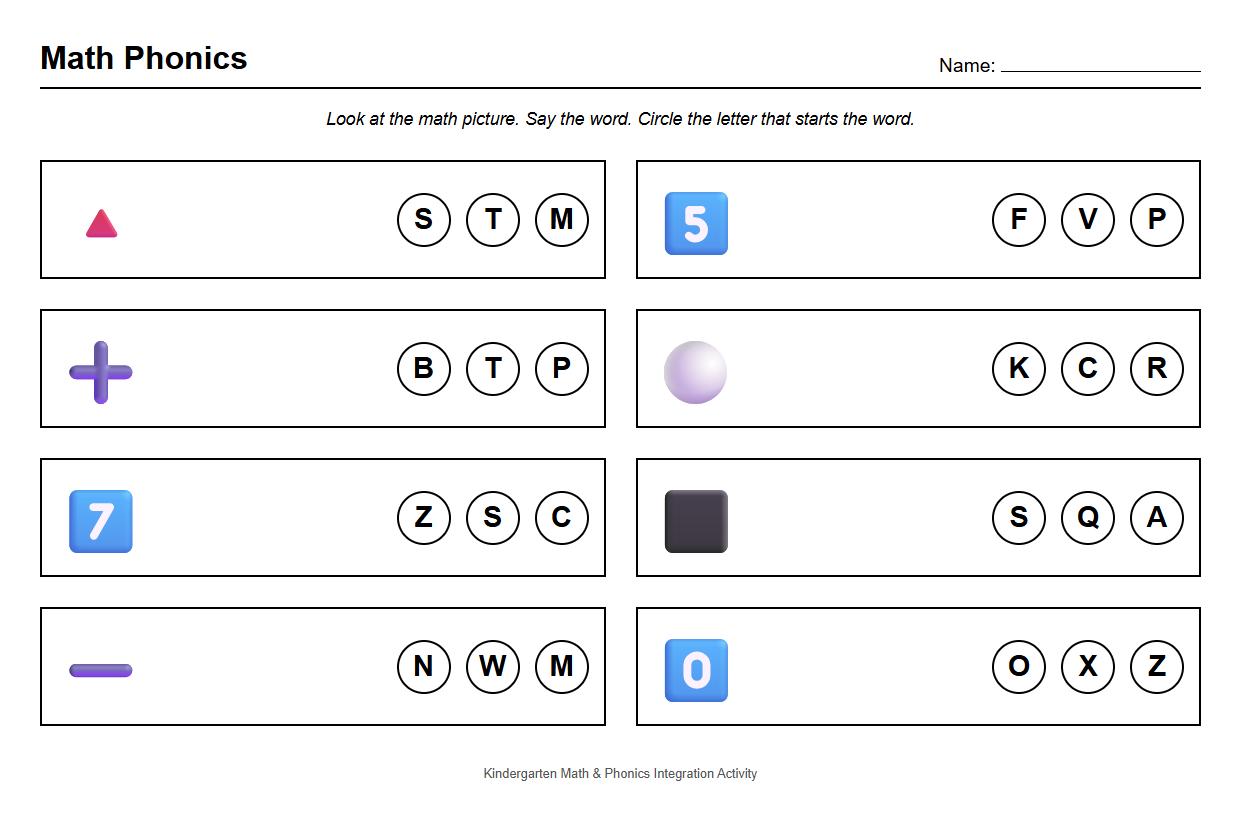
Phonics initial sounds recognition with picture matching

Download PDF     Pin it

Measurement worksheet comparing object lengths using nonstandard units
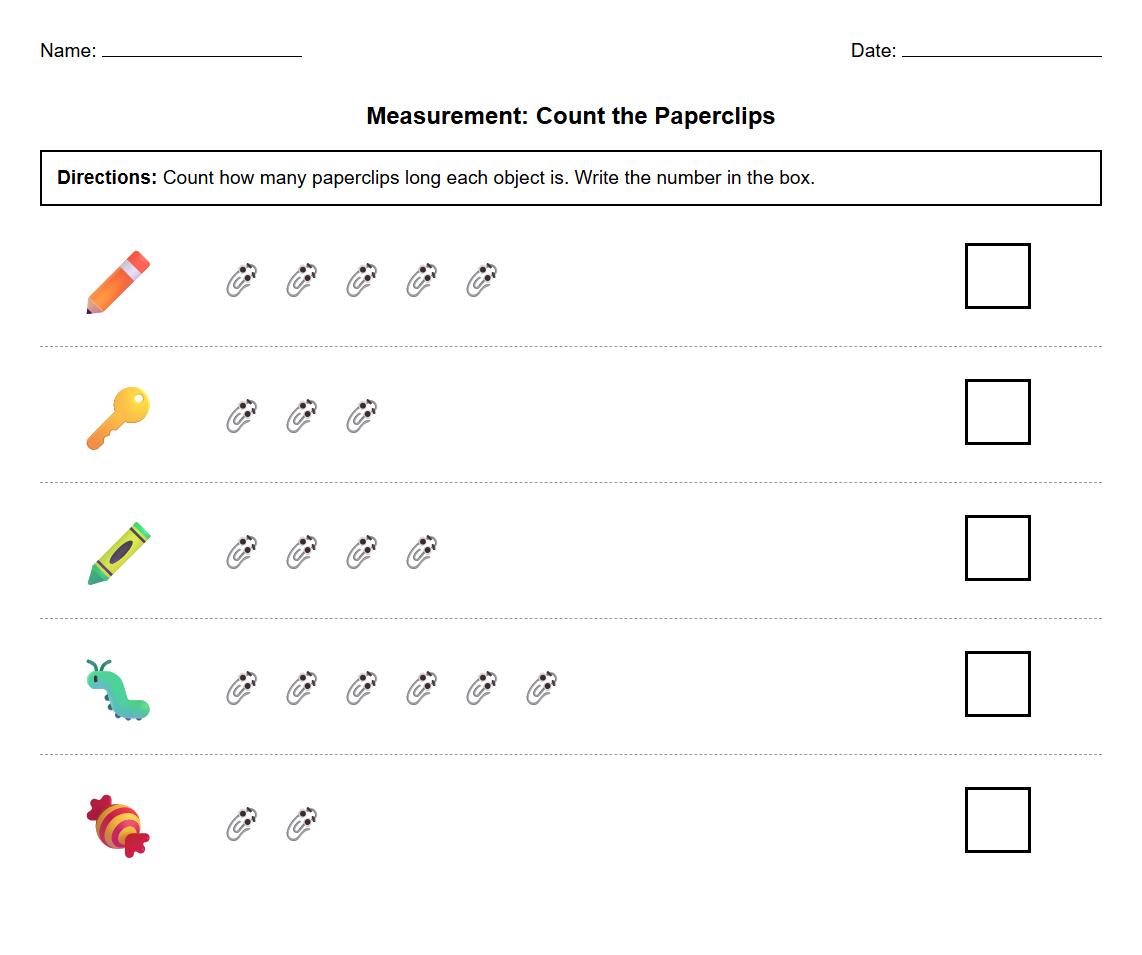
Measurement worksheet comparing object lengths using nonstandard units

Download PDF     Pin it

Phonics CVC word building and segmenting activity
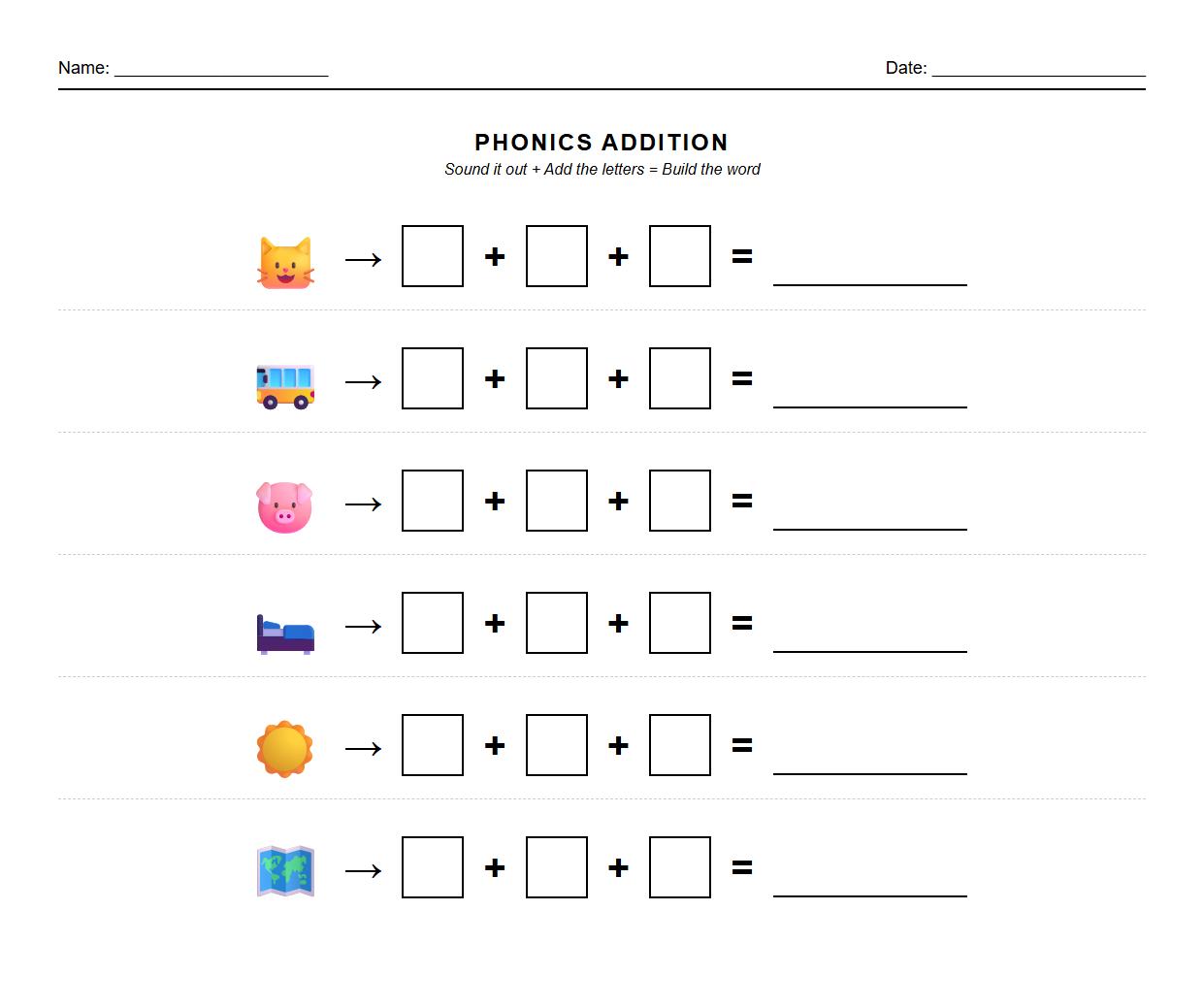
Phonics CVC word building and segmenting activity

Download PDF     Pin it

Length ordering task with cut and paste measurement strips
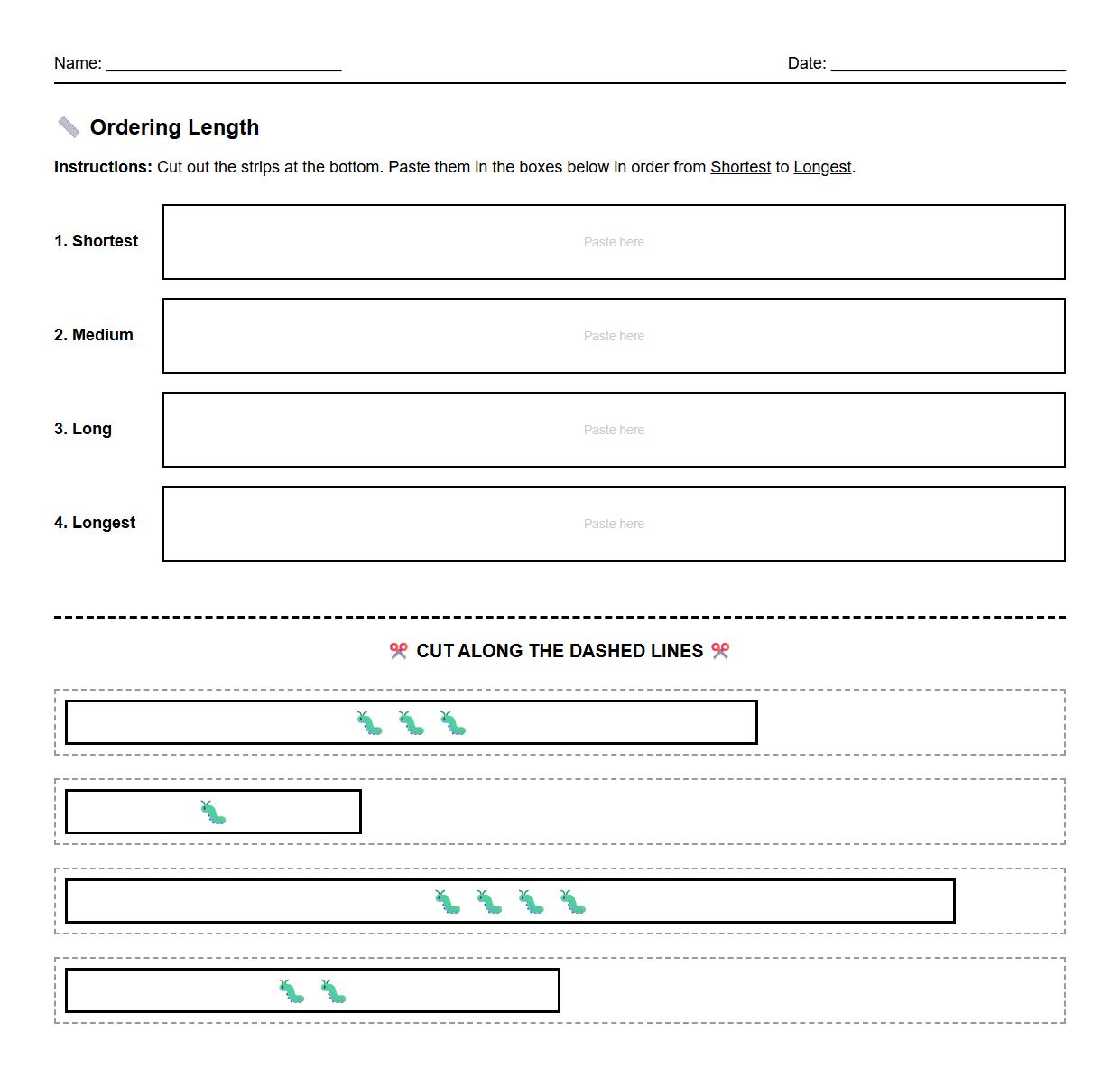
Length ordering task with cut and paste measurement strips

Download PDF     Pin it

Phonics vowel sound identification sorting sheet
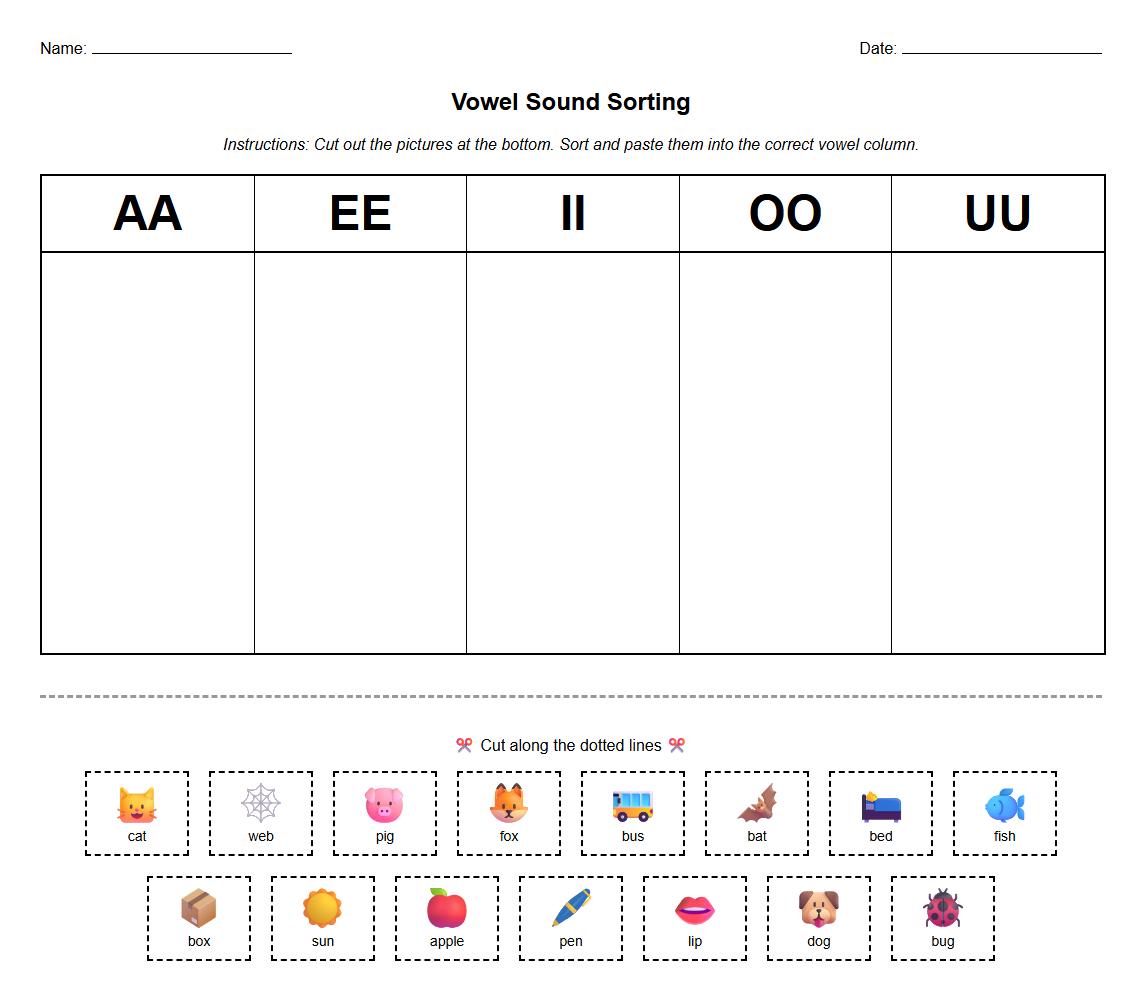
Phonics vowel sound identification sorting sheet

Download PDF     Pin it

Measurement worksheet estimating and recording lengths of classroom items
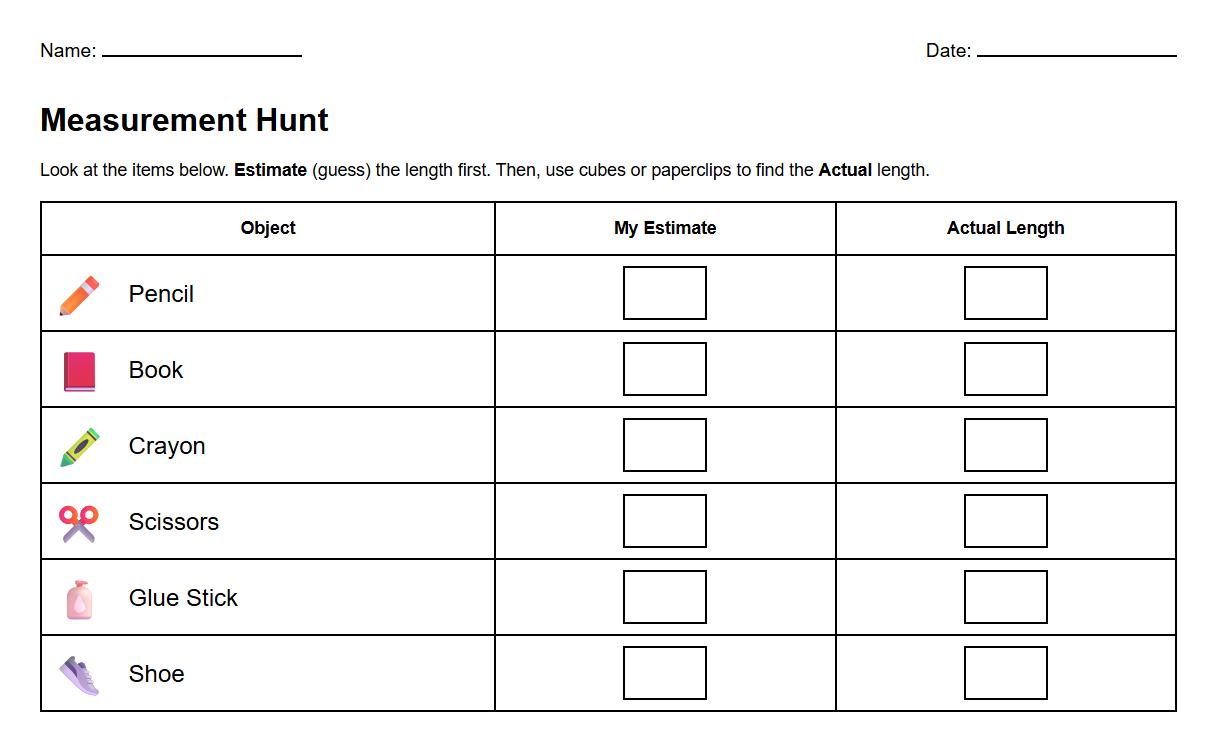
Measurement worksheet estimating and recording lengths of classroom items

Download PDF     Pin it

Phonics consonant blend matching with visual prompts
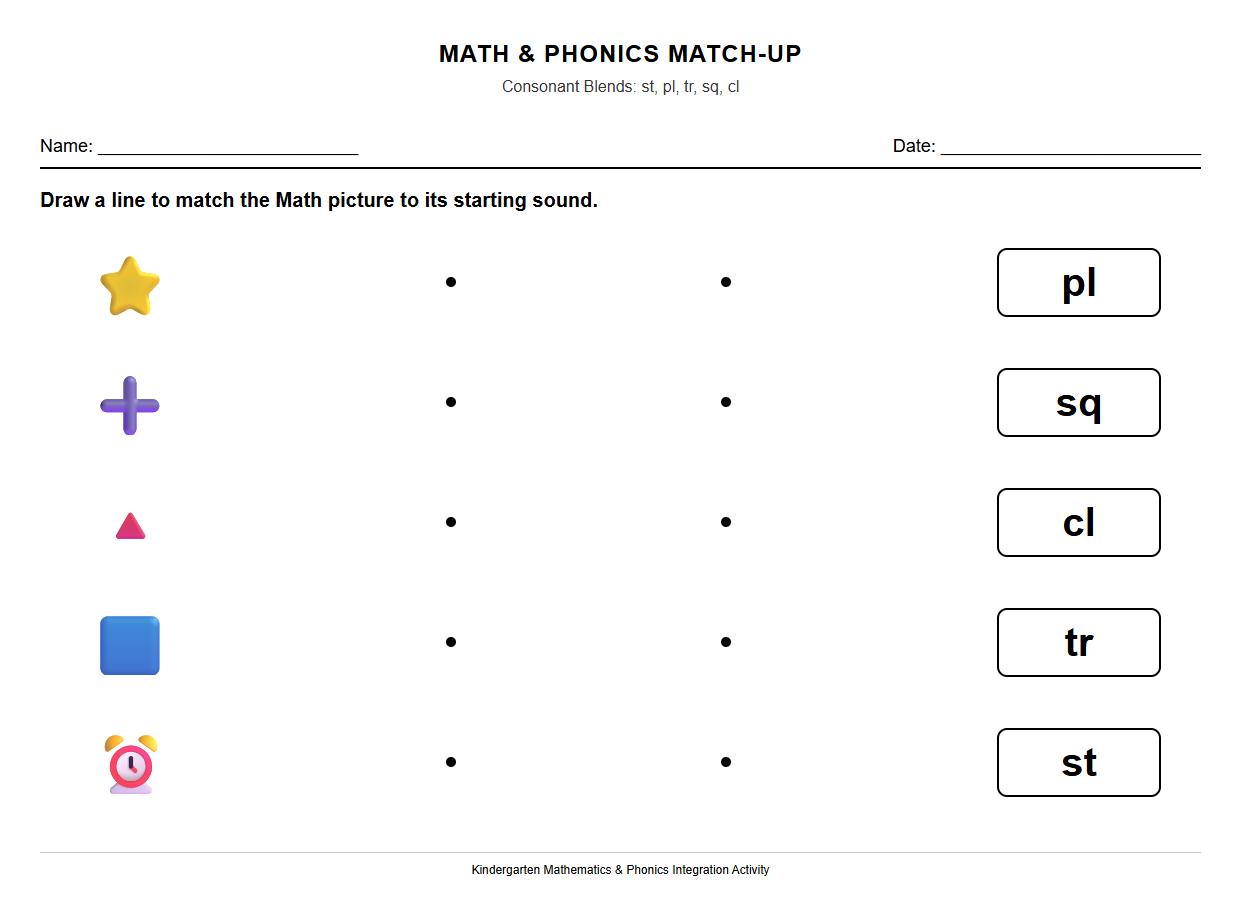
Phonics consonant blend matching with visual prompts

Download PDF     Pin it

Direct comparison worksheet measuring two items side by side
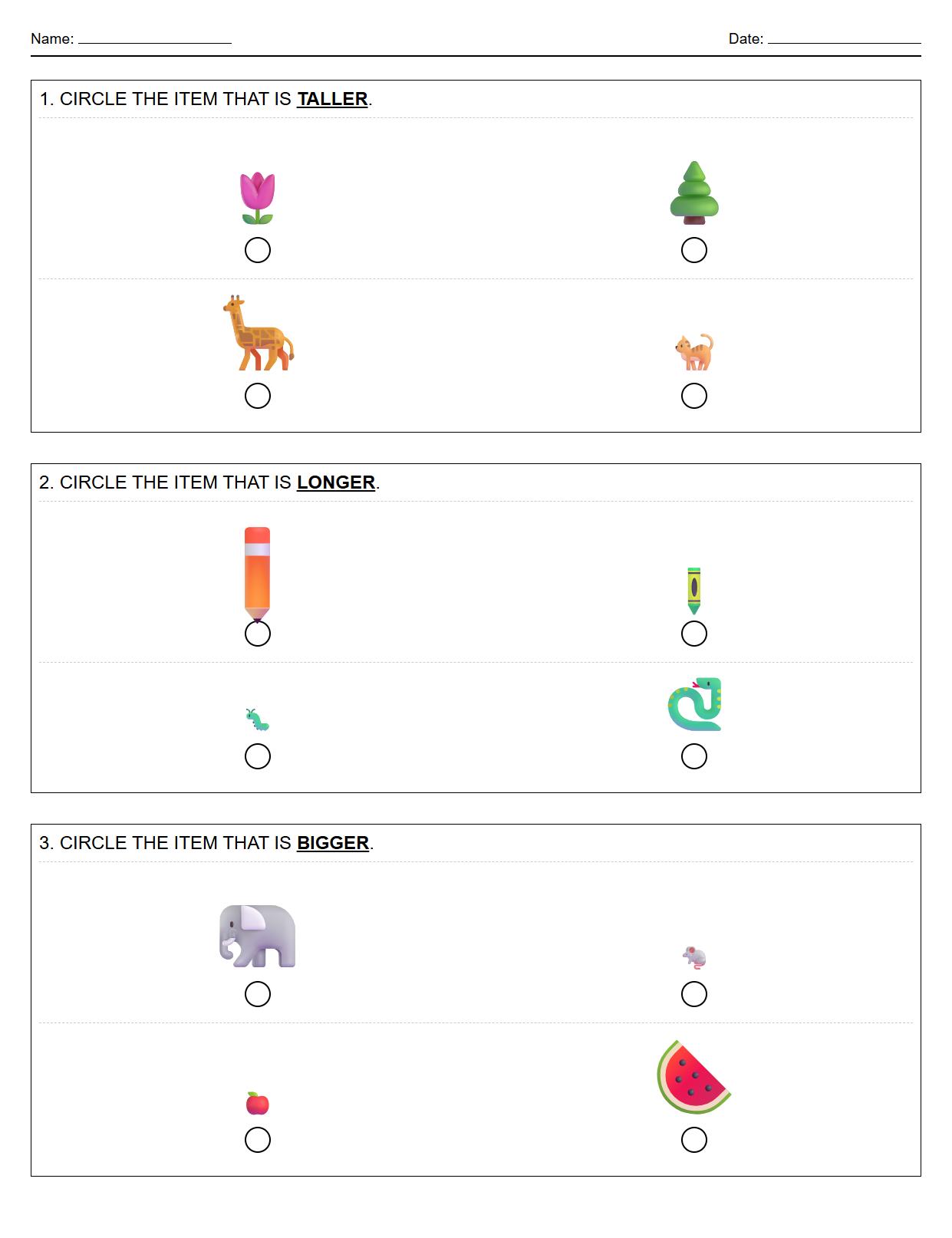
Direct comparison worksheet measuring two items side by side

Download PDF     Pin it

Phonics digraph sound sorting with interactive images
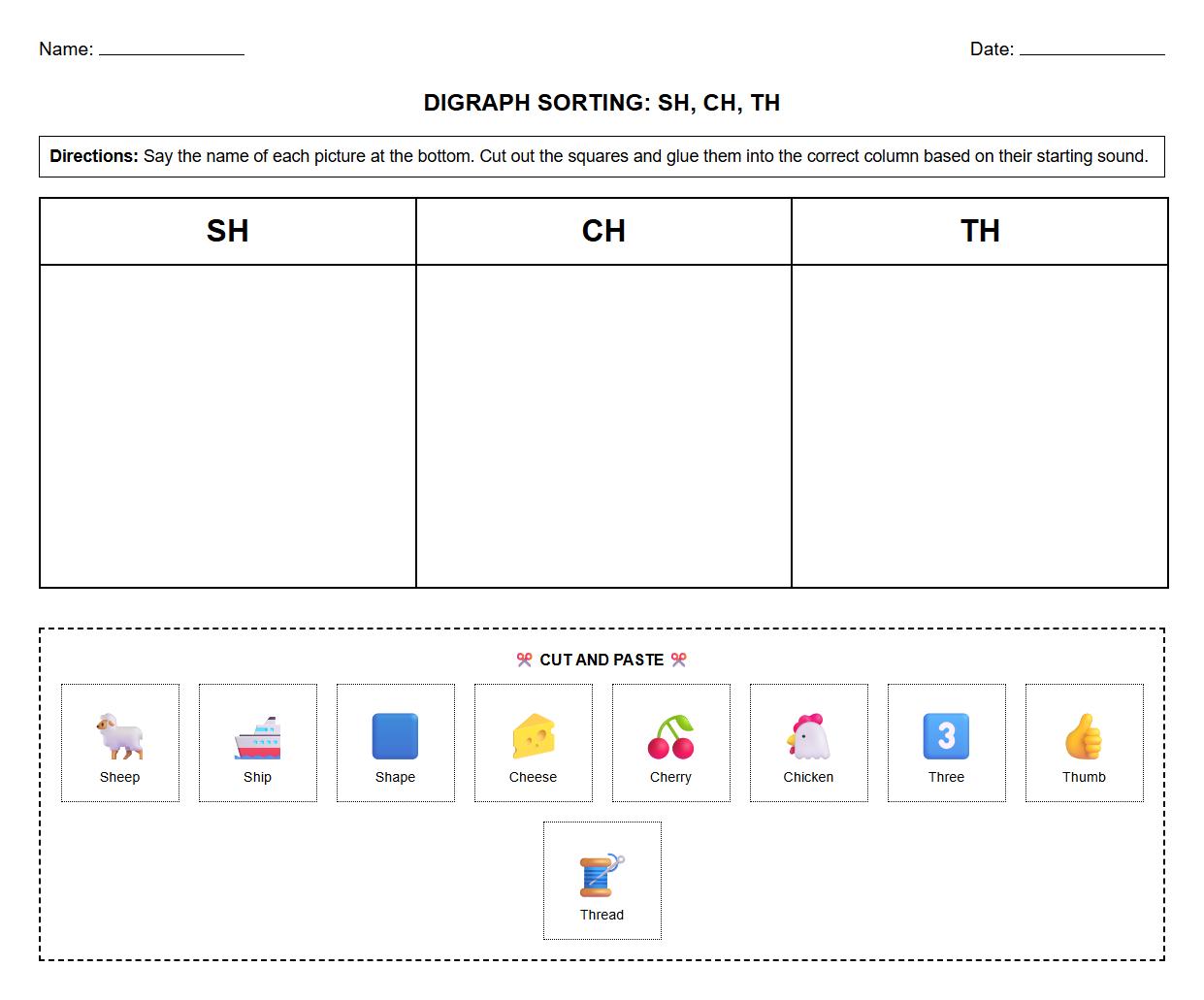
Phonics digraph sound sorting with interactive images

Download PDF     Pin it

Measurement worksheet drawing lines to specified lengths using a ruler
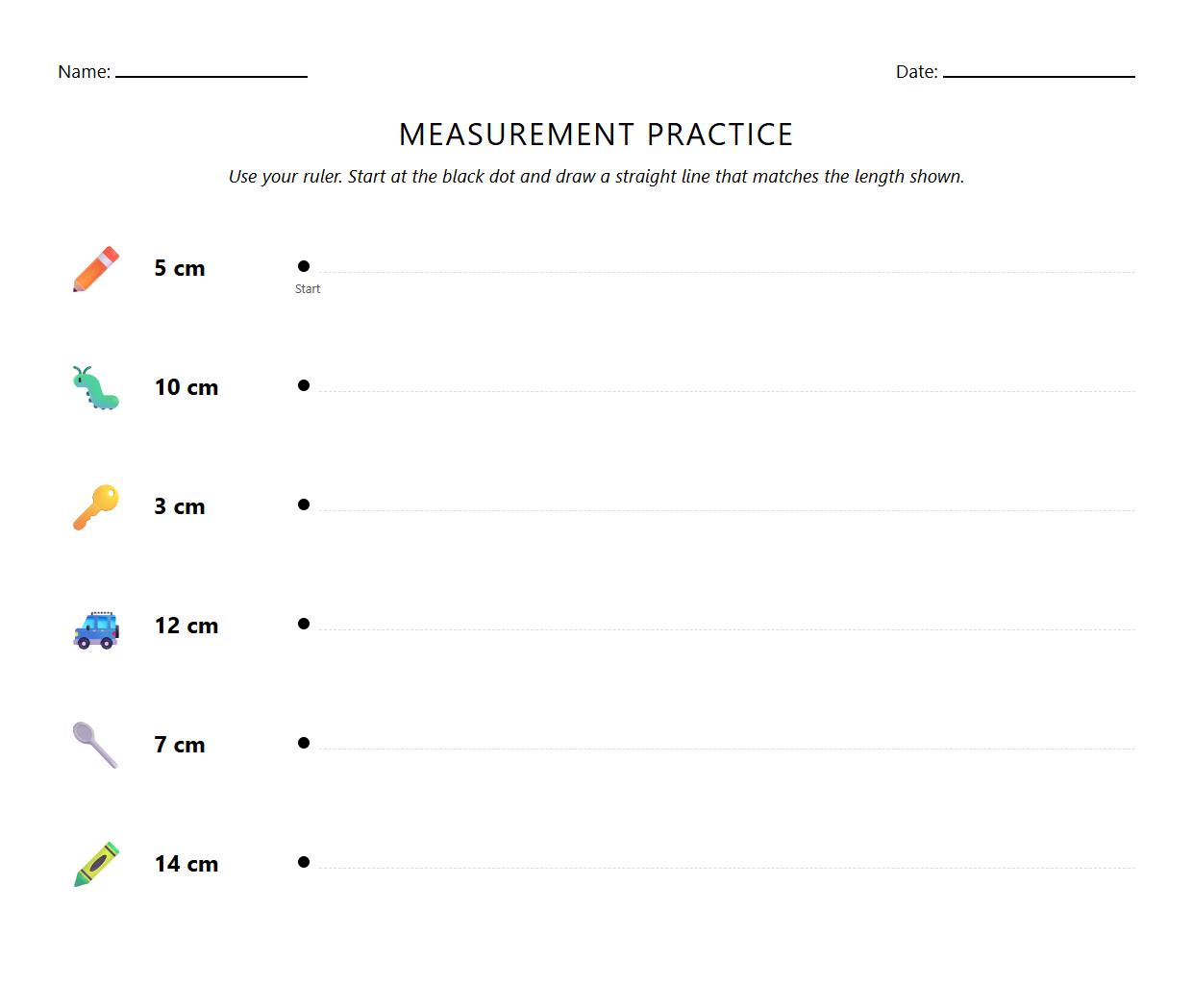
Measurement worksheet drawing lines to specified lengths using a ruler

Download PDF     Pin it

What Sound Does the Letter M Make in the Word Mat?

Help your child recognize the sound of the letter M in the word "mat." The letter M makes the /m/ sound, which is the first sound in "mat." Encourage your child to say the sound out loud to reinforce phonemic awareness. This activity strengthens early reading skills by focusing on letter-sound relationships.

Circle the Word That Starts with the Letter S

Choose the word that begins with the letter S from the given options: sun, dog, cat. Help your child identify the initial sound and recognize the letter S in each word. This task enhances letter recognition and sound-letter association. Circling the correct word helps develop fine motor skills and visual discrimination.

Find and Color the Object That Is the Longest

Ask your child to look carefully and identify the longest object in the worksheet. Then, have them color the object to reinforce shape and size recognition. This activity promotes observation skills and understanding of comparative concepts such as size. It also develops hand-eye coordination through coloring.

Which Word Has the Same Ending Sound as Bat?

Focus on the ending sound of the word "bat" and find the word with the matching sound from hat, dog, and pen. The correct answer is "hat," sharing the /at/ sound at the end. This exercise teaches rhyme recognition and phonological awareness. Recognizing rhyming words builds foundational reading skills.

Draw a Line to Match the Item with the Correct Beginning Sound

Encourage your child to match items like fan and fish to their correct beginning sounds. Drawing lines between pictures and letters strengthens phoneme identification. This activity supports auditory discrimination and sound-letter matching. It also enhances fine motor control through drawing.

Which Pencil Is Shorter?

Ask your child to observe two pencils and identify the shorter pencil. Comparing lengths helps develop measurement skills and visual analysis. This task promotes cognitive skills related to size comparison and attention to detail. Discussing the choice encourages verbal reasoning.

Say the Sounds in the Word Top and Clap Once For Each Sound

Help your child break down the word "top" into individual sounds: /t/ /o/ /p/. Clap once for each sound to combine auditory and physical learning. This technique enhances phonemic segmentation and reinforces sound awareness. Clapping makes learning engaging and interactive.

Trace the Word Pig and Say Each Letter Sound

Invite your child to trace the letters in the word "pig" while saying each sound aloud: /p/ /i/ /g/. Tracing letters supports handwriting development and letter recognition. Saying each sound promotes phonics skills and sound-letter correspondence. This multisensory approach boosts early literacy.

Point to the Object That Is Taller Than the Cup

Guide your child to identify and point to the object that is taller than the cup. This activity reinforces comparative vocabulary such as taller and shorter. It develops observation skills and understanding of relative sizes. Encouraging pointing increases focus and participation.

Which Picture Starts with the Sound You Hear at the Beginning of the Word Goat?

Ask your child to listen to the beginning sound of "goat" (/g/) and select the picture that starts with the same sound. Matching sounds to pictures strengthens phonemic awareness and vocabulary building. This practice supports initial sound recognition important for reading readiness. It also helps children connect sounds to real-world objects.


More in Mathematics Category


About the author. Nylen Smith is a dedicated educator and cofounder of KWorksheet.com, a popular platform specializing in high-quality kindergarten worksheets and printable activities.

Disclaimer. The information provided in this document is for general informational purposes and/or document sample only and is not guaranteed to be factually right or complete. Please report to us via contact-us page if you find and error in this page, thanks.

Comments

No comment yet