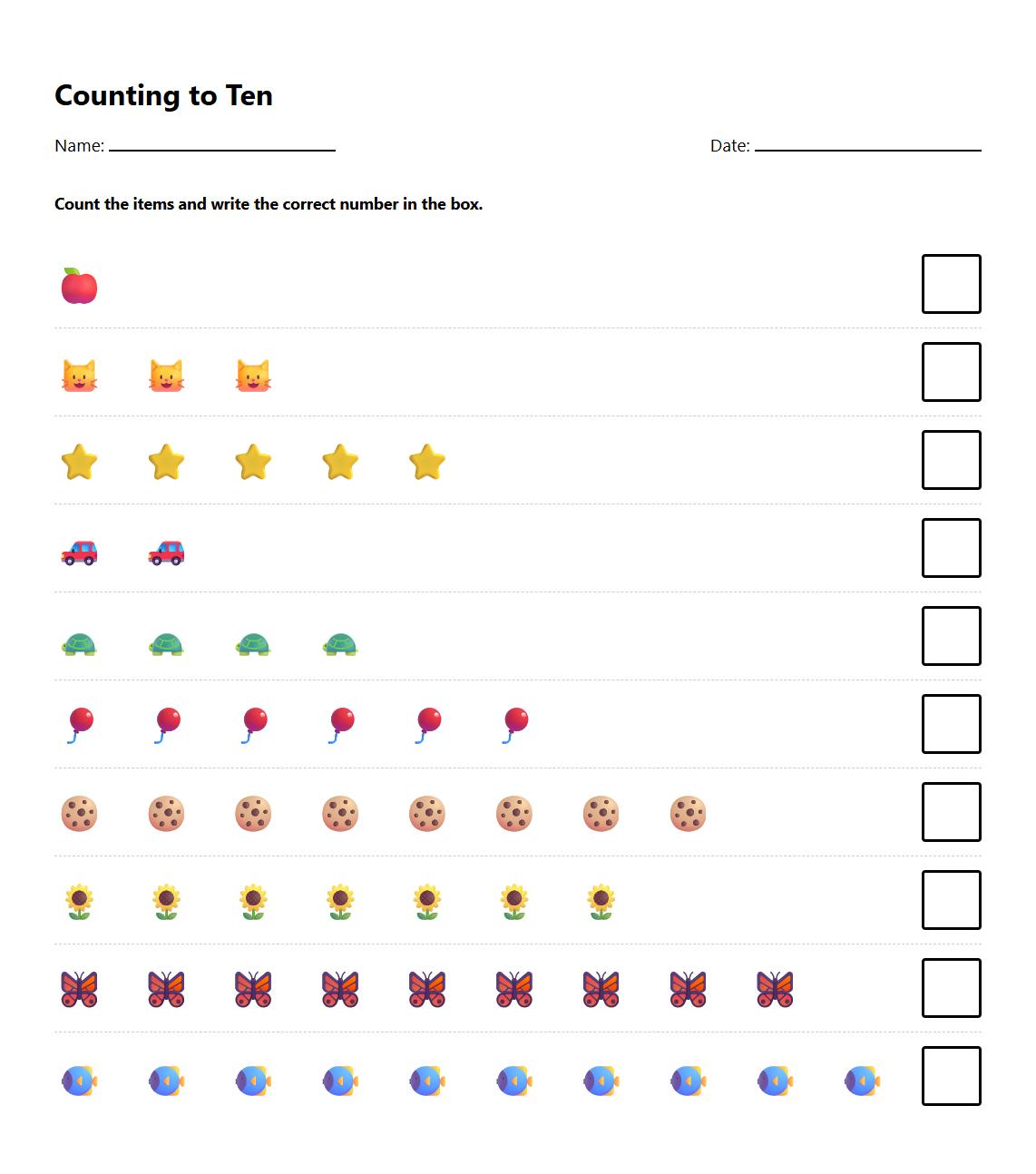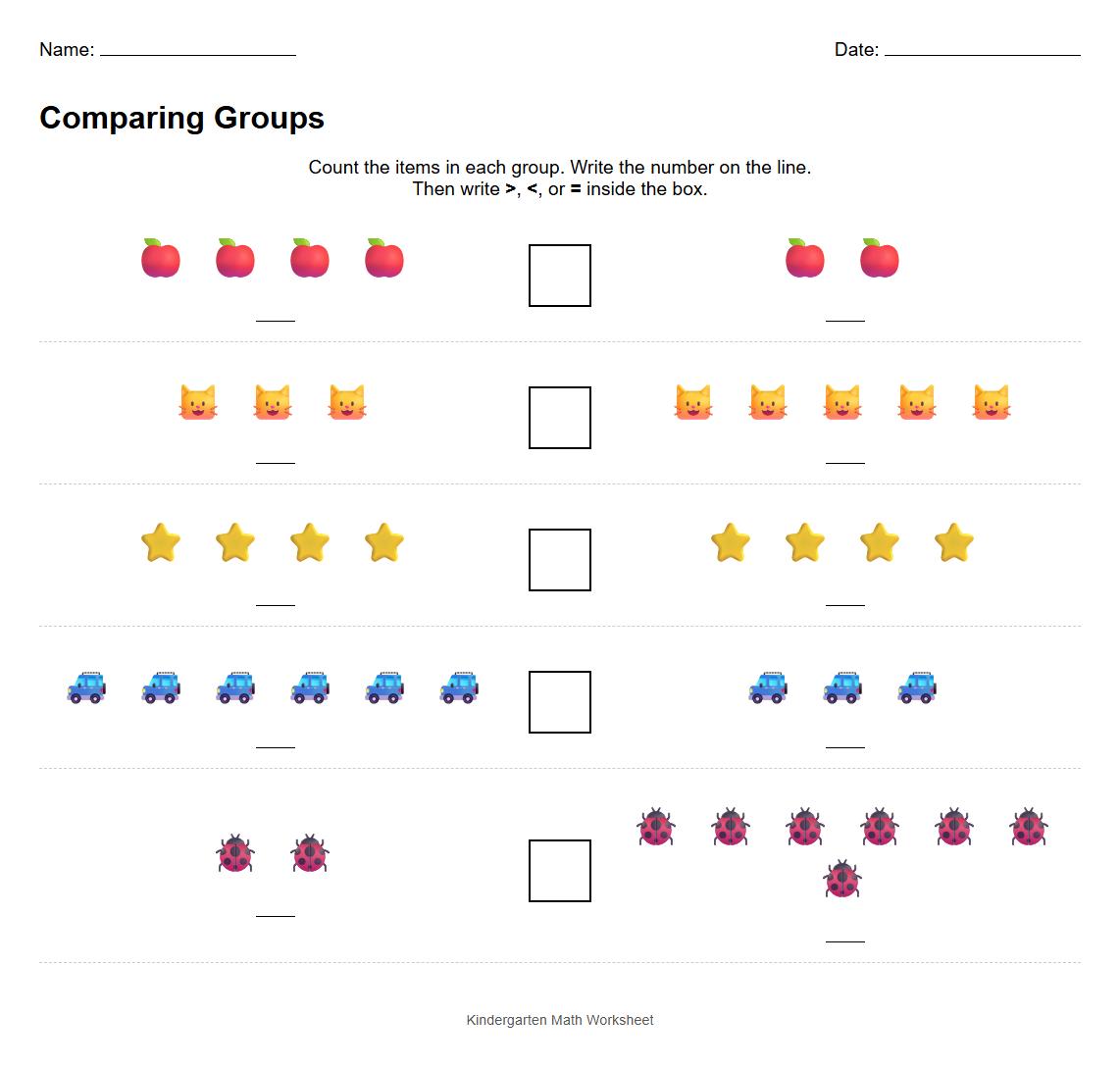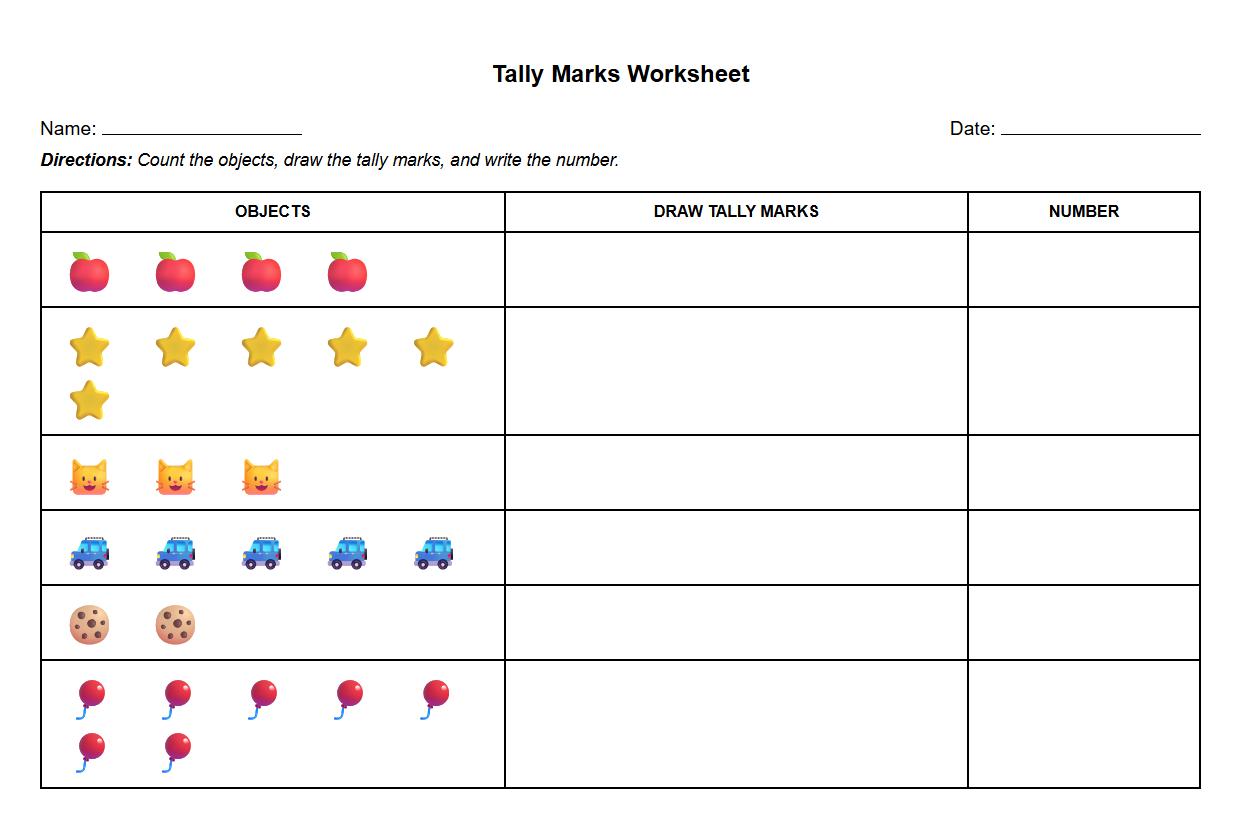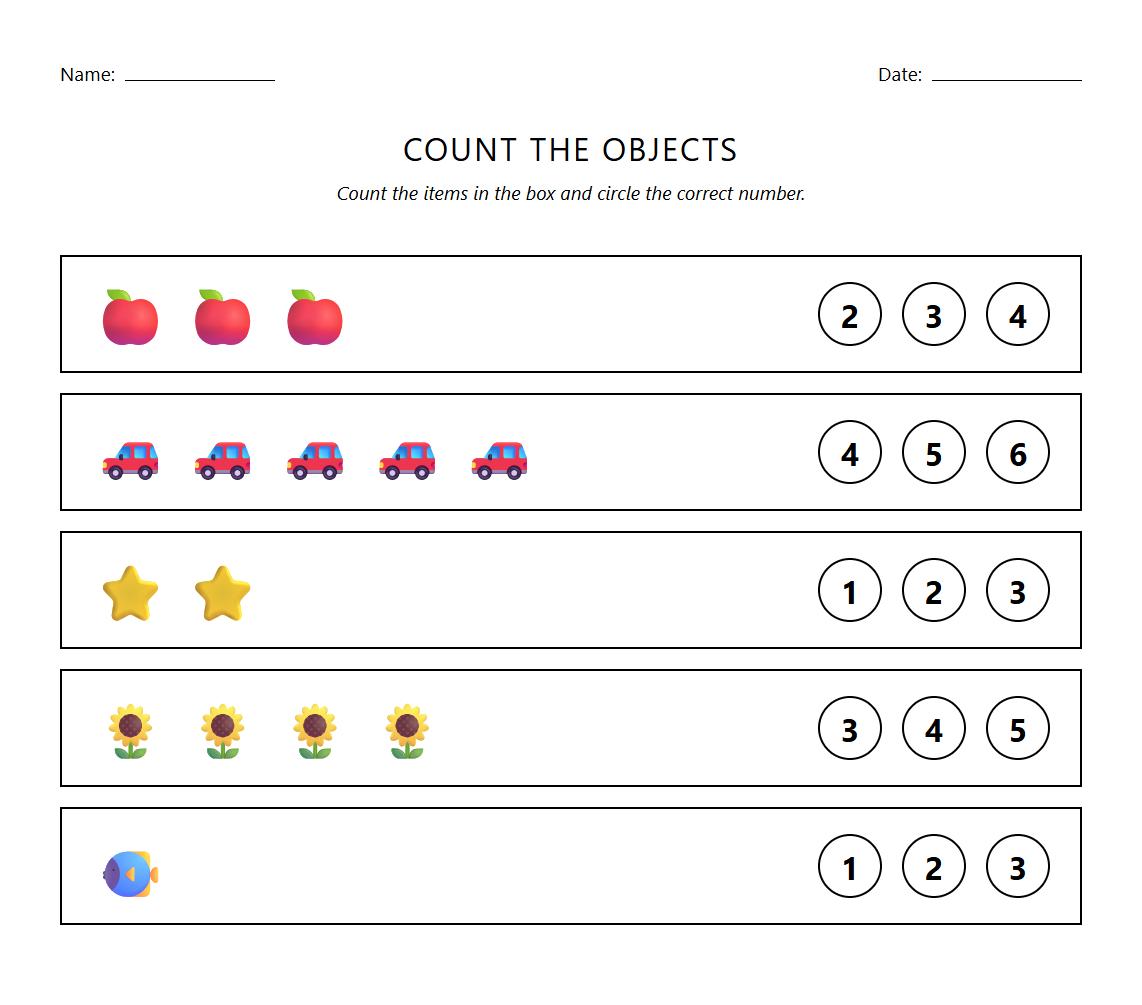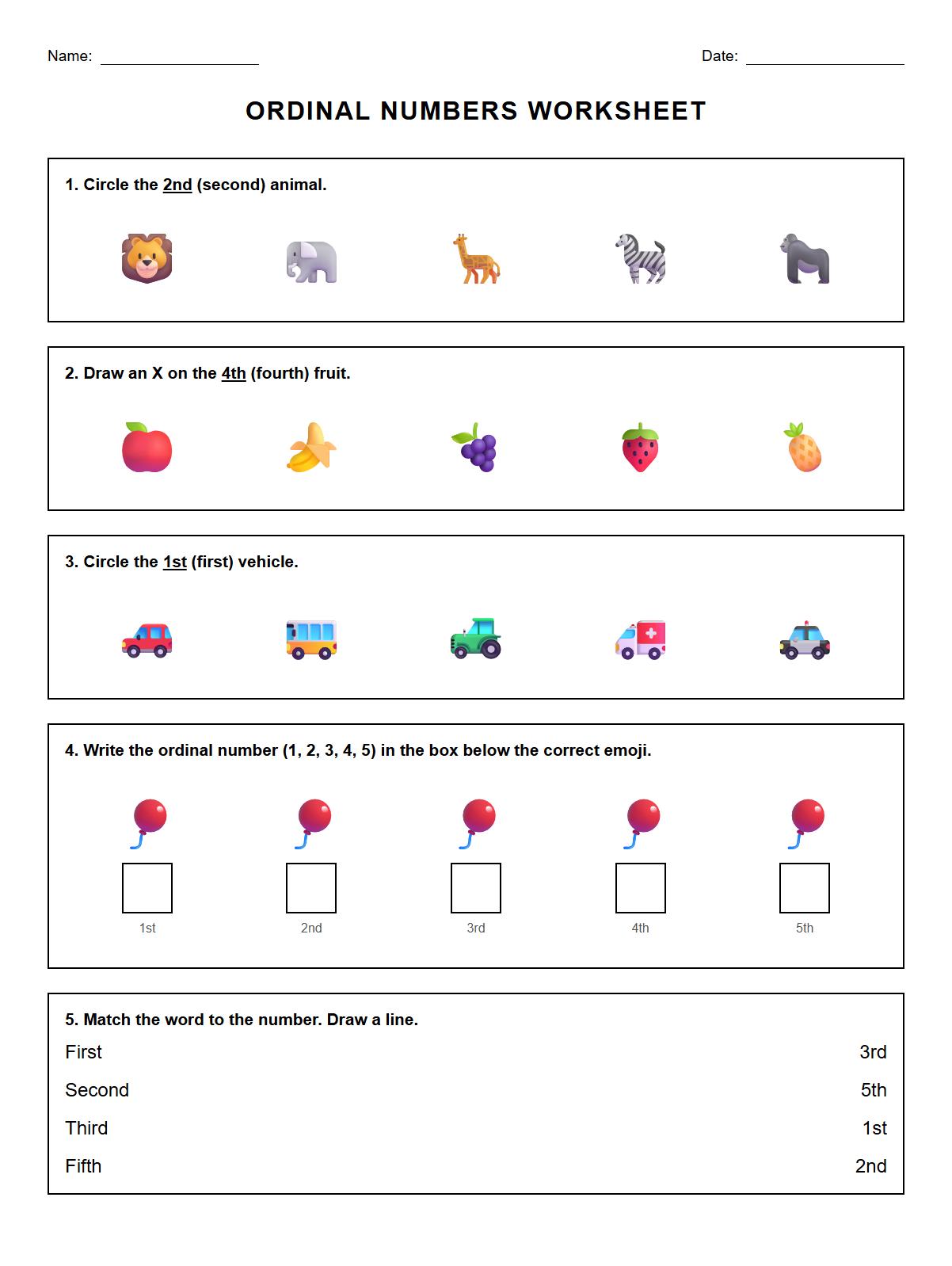
Interactive kindergarten worksheets for counting and comparing quantities engage young learners in hands-on activities that build foundational math skills. These worksheets use vibrant visuals and simple exercises to help children recognize numbers, count objects accurately, and understand quantity relationships. Explore our collection of worksheets designed to make learning numbers fun and effective for early childhood education.
Benefits of Using Interactive Worksheets for Teaching Counting in Kindergarten
Interactive worksheets engage young learners by incorporating touch and movement, which enhances retention and understanding. They provide immediate feedback, allowing students to self-correct and build confidence. These worksheets make abstract concepts like counting more concrete through dynamic visuals and activities. This interactivity motivates children to participate actively in lessons, making learning enjoyable.
How Interactive Worksheets Help Students Compare Quantities Effectively
Interactive worksheets use visual aids such as number lines, objects, and symbols to help students grasp differences in quantity. They encourage hands-on manipulation, enabling children to physically compare group sizes. Immediate feedback highlights correct or incorrect comparisons, reinforcing learning. This approach builds critical thinking skills by allowing students to experiment with quantities.
Best Digital Tools for Creating Interactive Kindergarten Math Worksheets
Popular tools like Seesaw, Boom Learning, and Google Slides provide customizable templates ideal for young learners. These platforms offer drag-and-drop features, audio support, and instant feedback to enrich worksheet interactivity. They are user-friendly for both teachers and parents, facilitating easy integration into various learning environments. Additionally, they support accessibility, ensuring all students can participate.
Types of Activities Included in Worksheets for Comparing Numbers
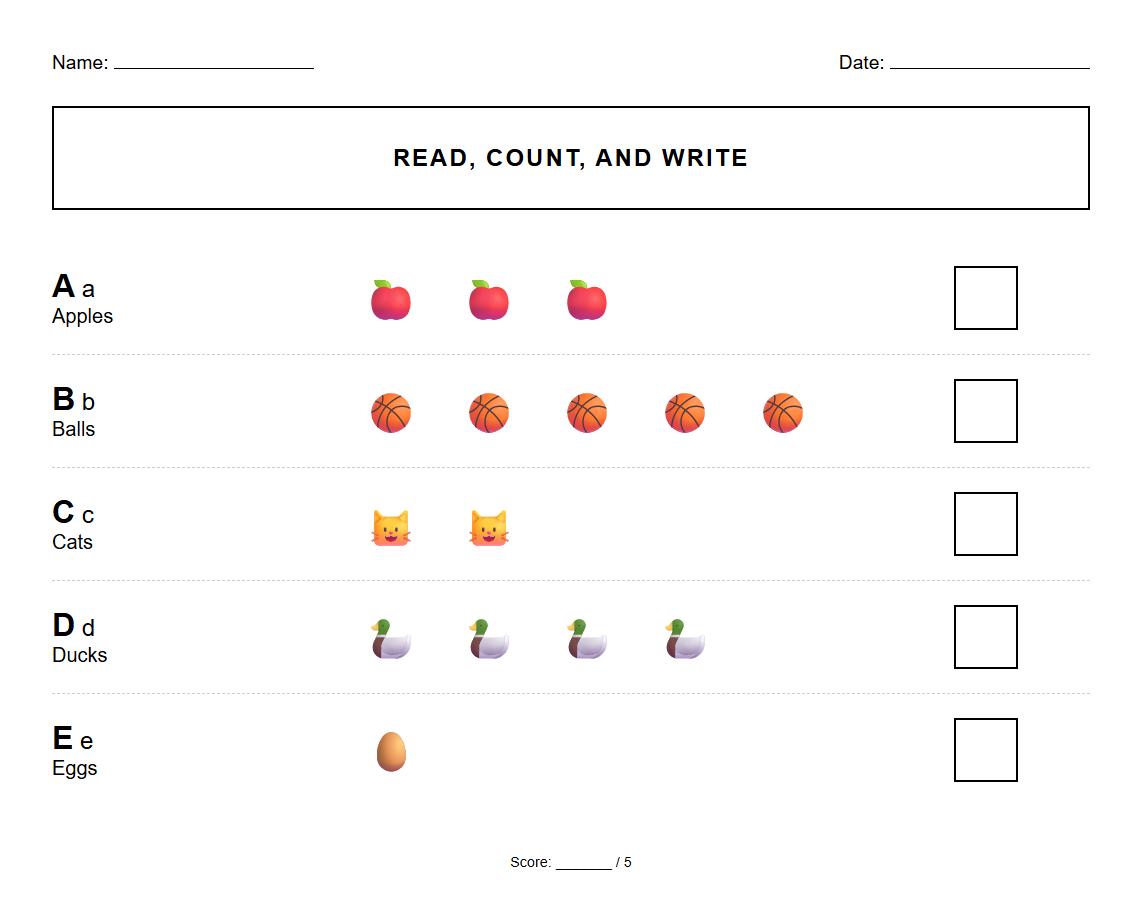
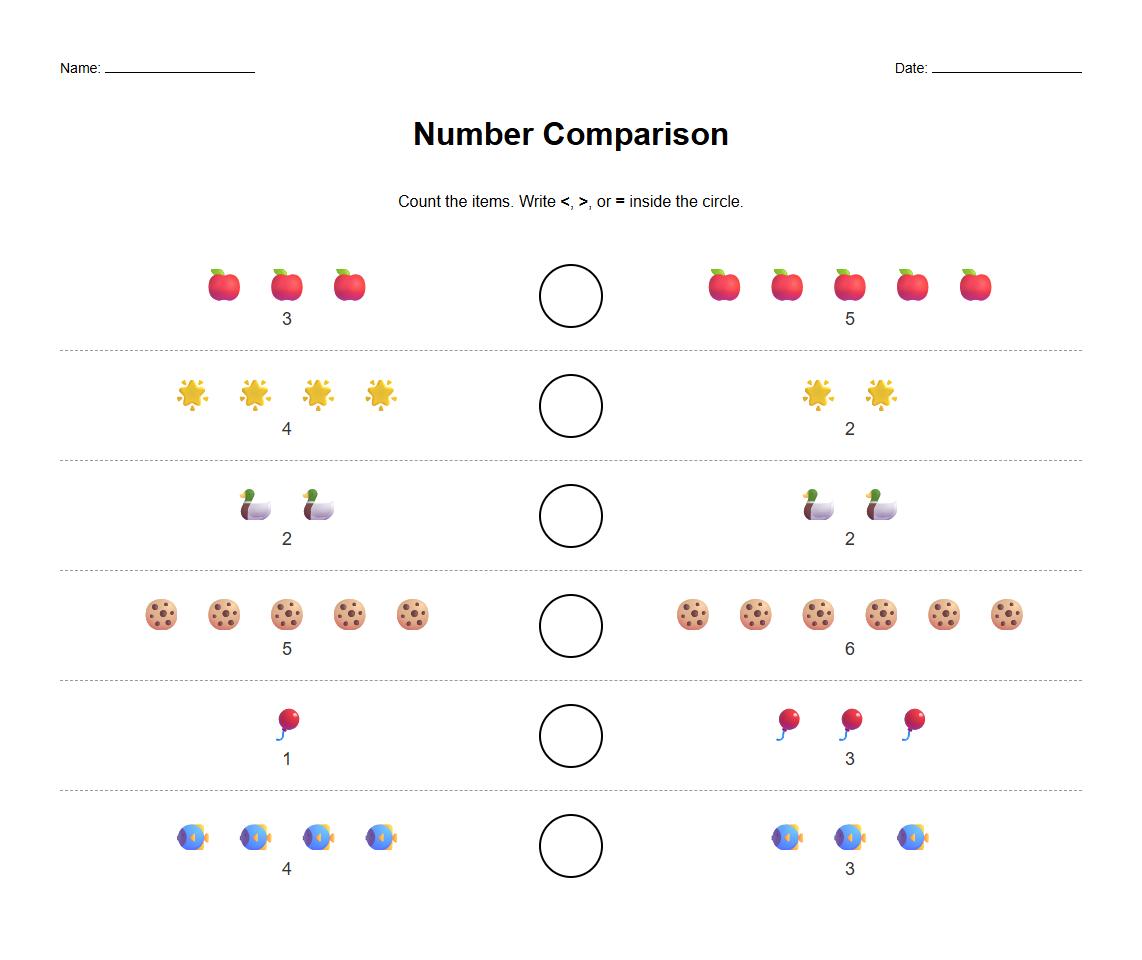
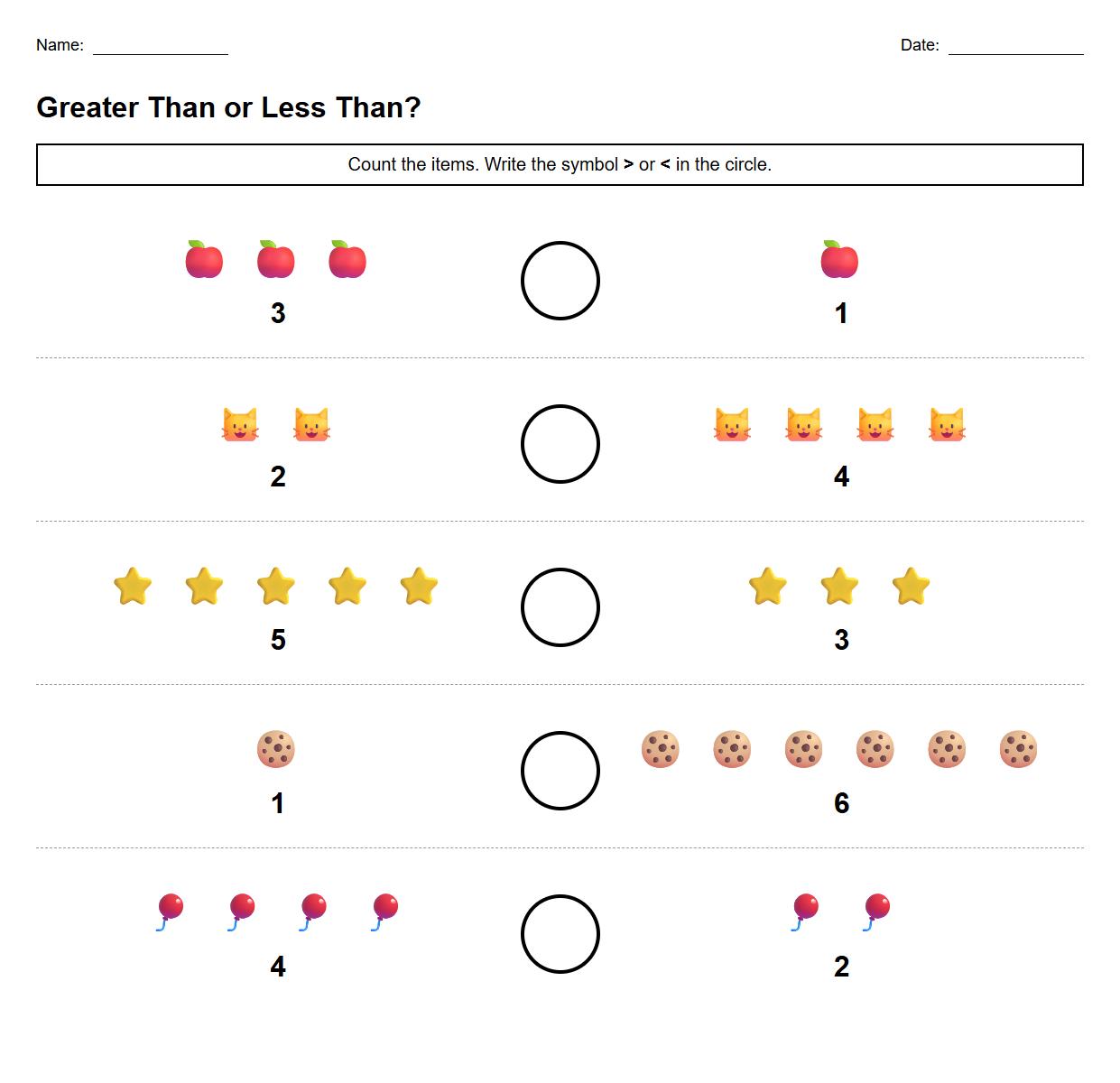
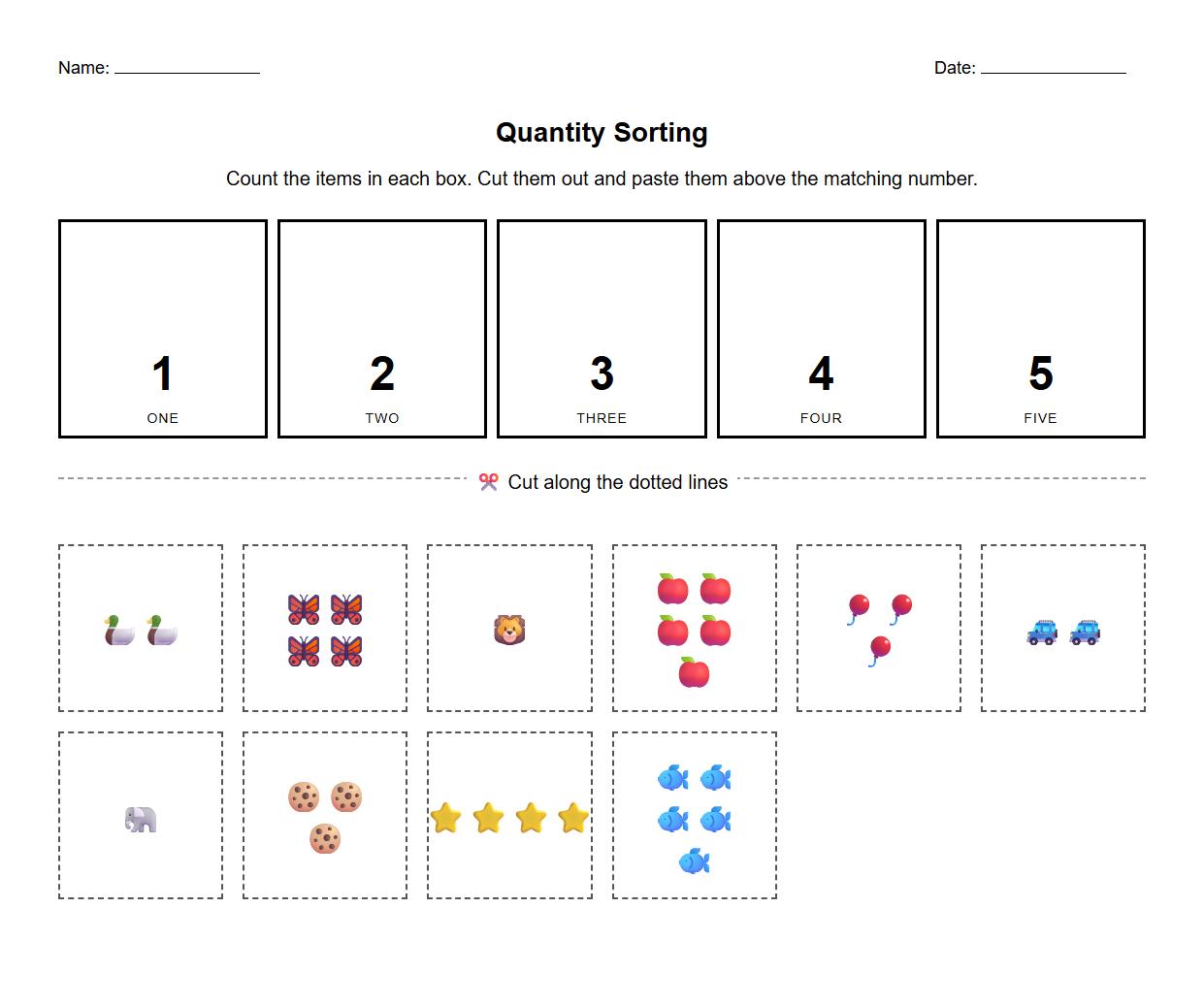
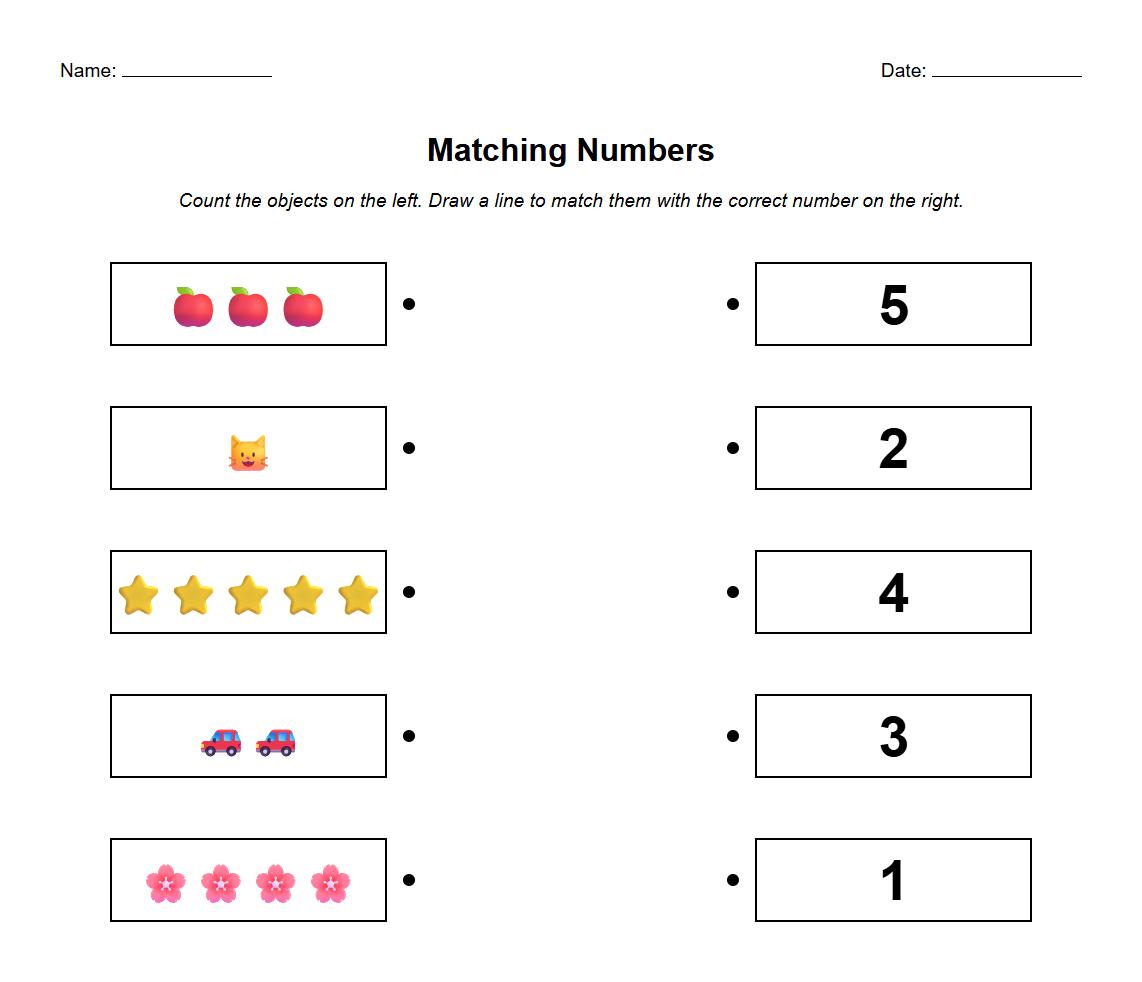
Effective activities include matching, sorting, greater-than/less-than identification, and counting objects. Worksheets might also involve filling in missing numbers or using visual cues like pictures and charts. For example, comparison worksheets promote number sense by encouraging children to evaluate and discriminate quantities. Incorporating games and puzzles adds engagement and reinforces skills.
How Interactive Worksheets Accommodate Different Learning Styles in Kindergarten
They support visual, auditory, and kinesthetic learners by combining pictures, sounds, and interactive touch elements. For example, visuals illustrate concepts, audio instructions guide learners, and drag-and-drop tasks engage motor skills. This multi-sensory approach ensures that each child can access the content in a way that suits them best. Flexible pacing allows students to work at their own speed.
Common Mistakes to Avoid When Designing Counting Worksheets for Young Children
Avoid overcrowding worksheets with too many tasks or complex instructions that confuse learners. Use clear, simple language and age-appropriate visuals to maintain focus. Neglecting to provide feedback or interactive elements can reduce engagement and learning effectiveness. Ensure the content progresses in difficulty gradually to scaffold skills properly, as seen in resources on number formation.
How Interactive Worksheets Support Hands-On Learning in Early Math Education
Interactive worksheets transform passive practice into active discovery by requiring students to manipulate objects and respond directly. They simulate real-world counting experiences through digital manipulatives like counters and sliders. This hands-on approach deepens conceptual understanding and retention. It encourages experimentation, which is essential for math growth in young children, as featured in hands-on activities.
Best Visual Aids for Worksheets on Counting and Comparing Quantities
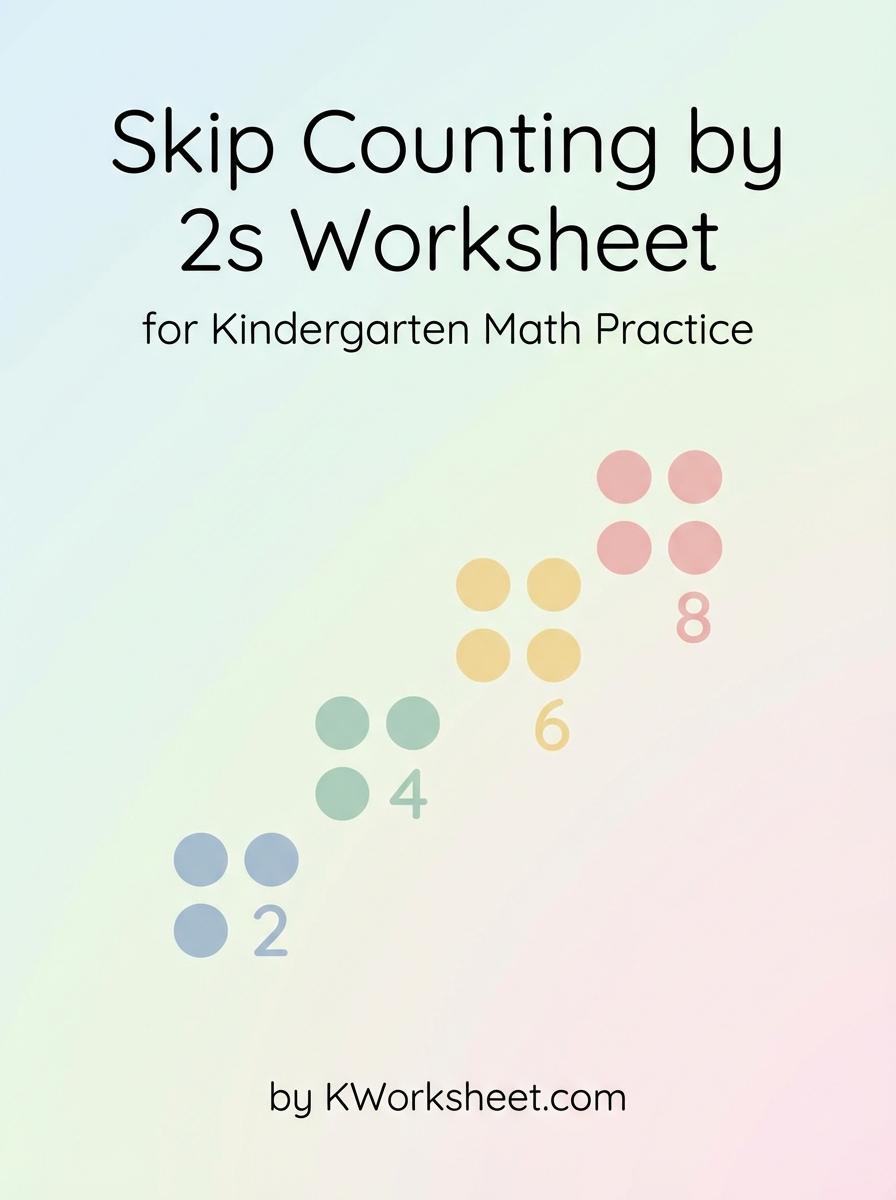
Use colorful objects, number lines, dot patterns, and pictographs to illustrate quantities clearly. Visual aids should be simple and familiar to children to promote quick recognition, such as those in visual skip counting. Animations or interactive elements can highlight changes in quantity dynamically. Consistent use of these visuals supports pattern recognition and number comprehension.
How Teachers Can Assess Student Progress Using Interactive Kindergarten Worksheets
Teachers can track completion rates, accuracy, and the time taken to respond on digital platforms. Many interactive worksheets offer real-time analytics that highlight areas of strength and difficulty. Observing students' choices and responses helps tailor instruction to individual needs. Incorporating periodic reviews ensures mastery of concepts before progressing, much like assessment worksheets do.
Fun Themes to Include in Counting and Comparing Quantity Worksheets for Kindergartners
Themes like animals, food, nature, and holiday celebrations capture children's interests and make learning relatable. Story-based contexts encourage engagement and imagination while practicing math skills. Seasonal themes or favorite characters can create a joyful learning atmosphere. Diverse themes maintain novelty and prevent boredom during repetitive practice, as shown in pattern sequencing worksheets.


Skip Counting by 2s Worksheet for Kindergarten Math Practice