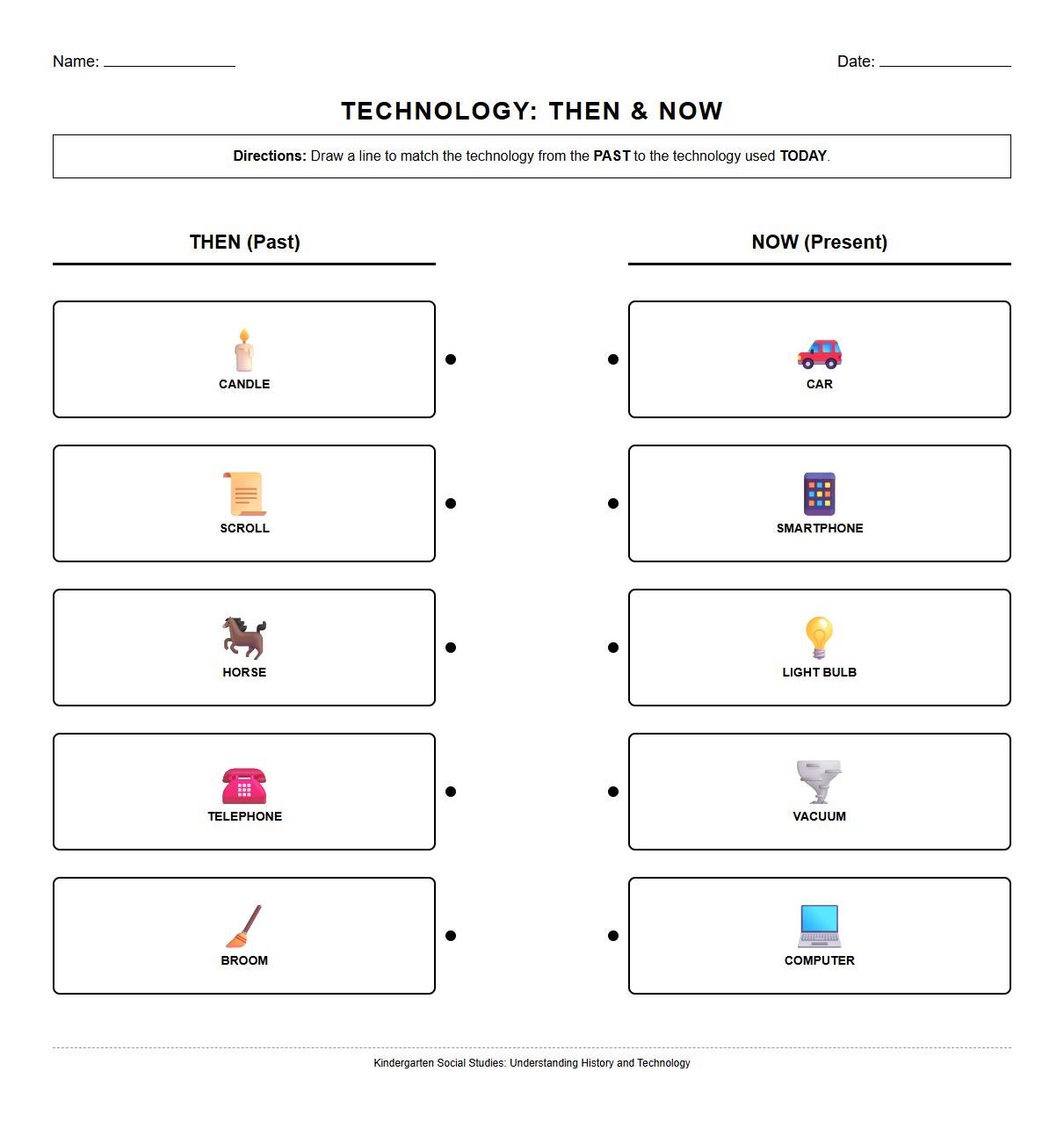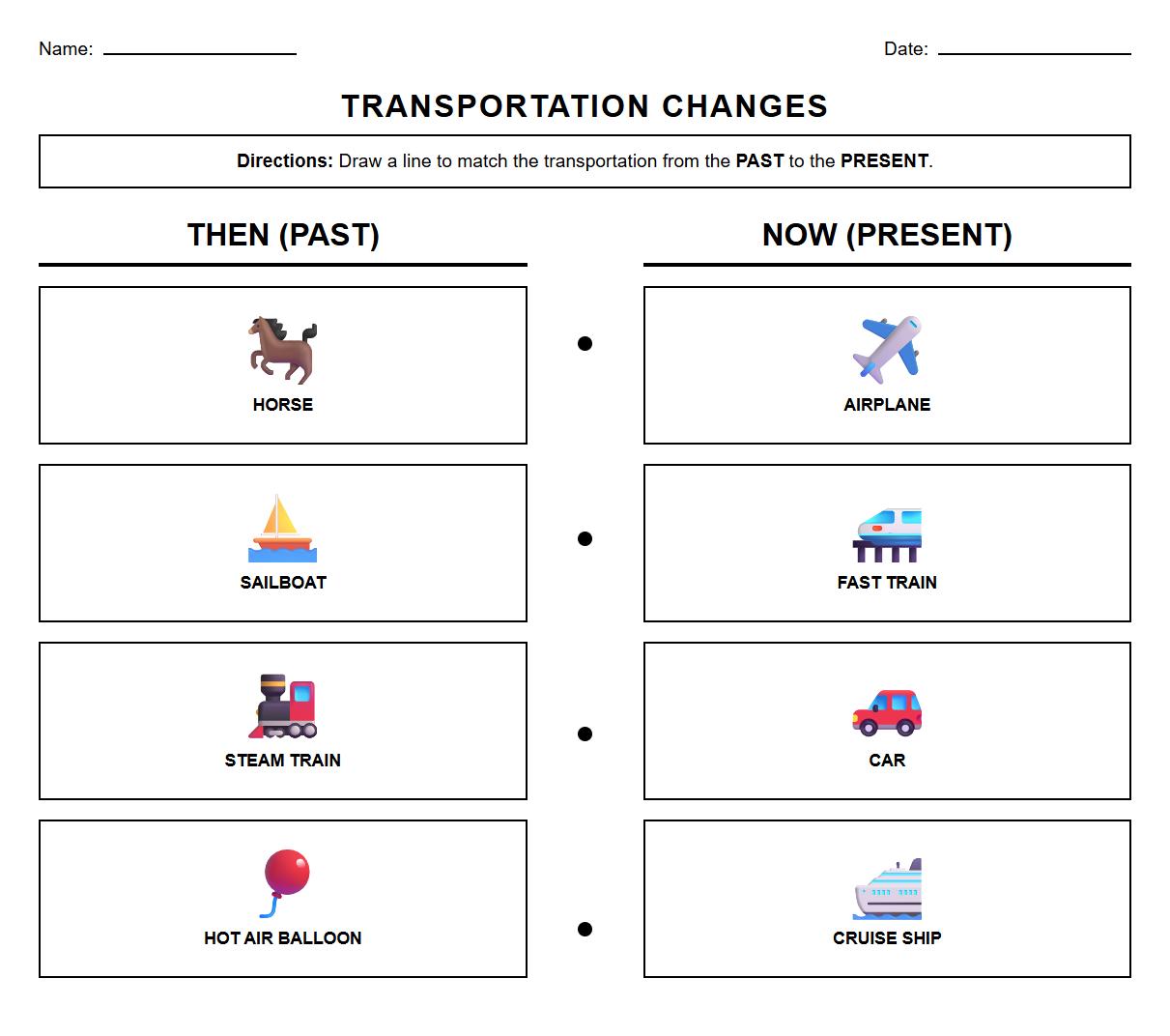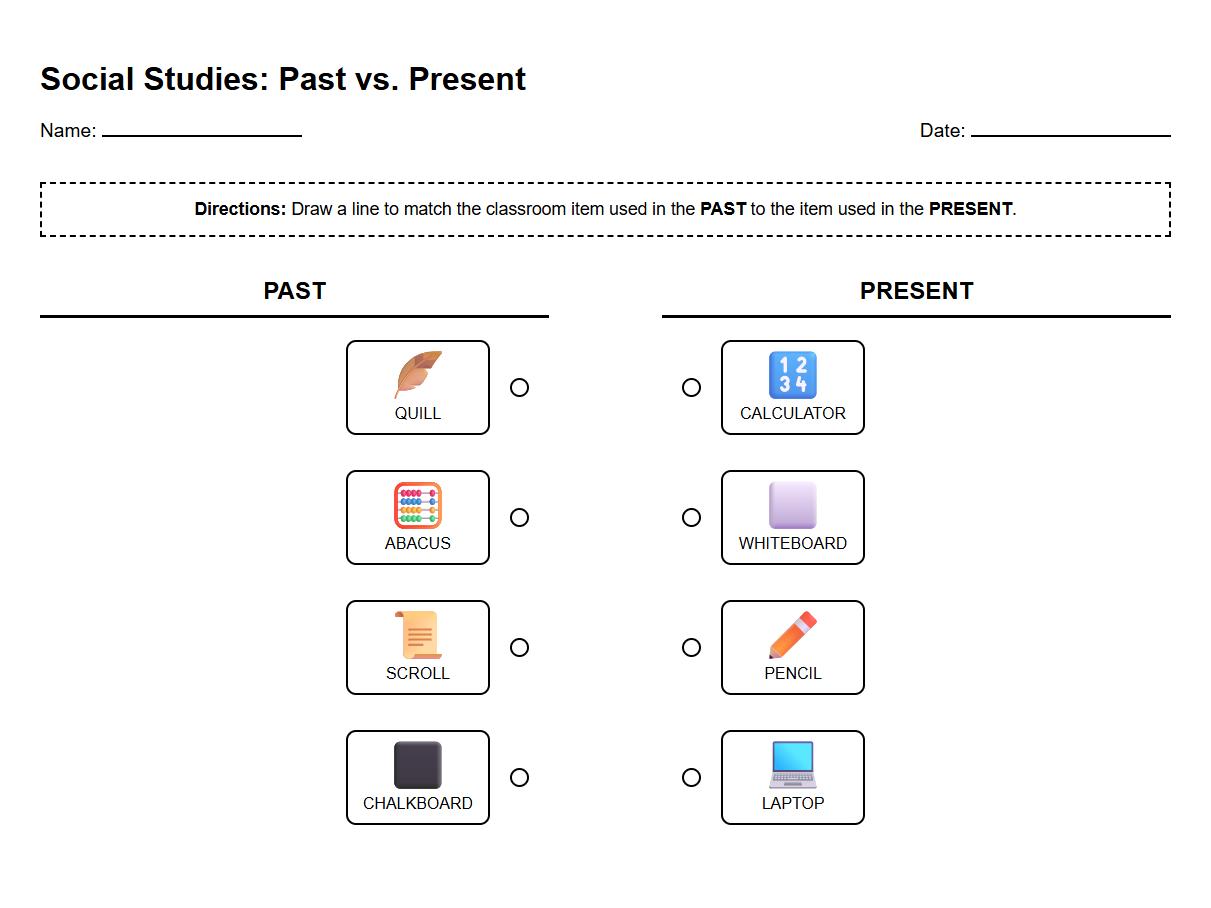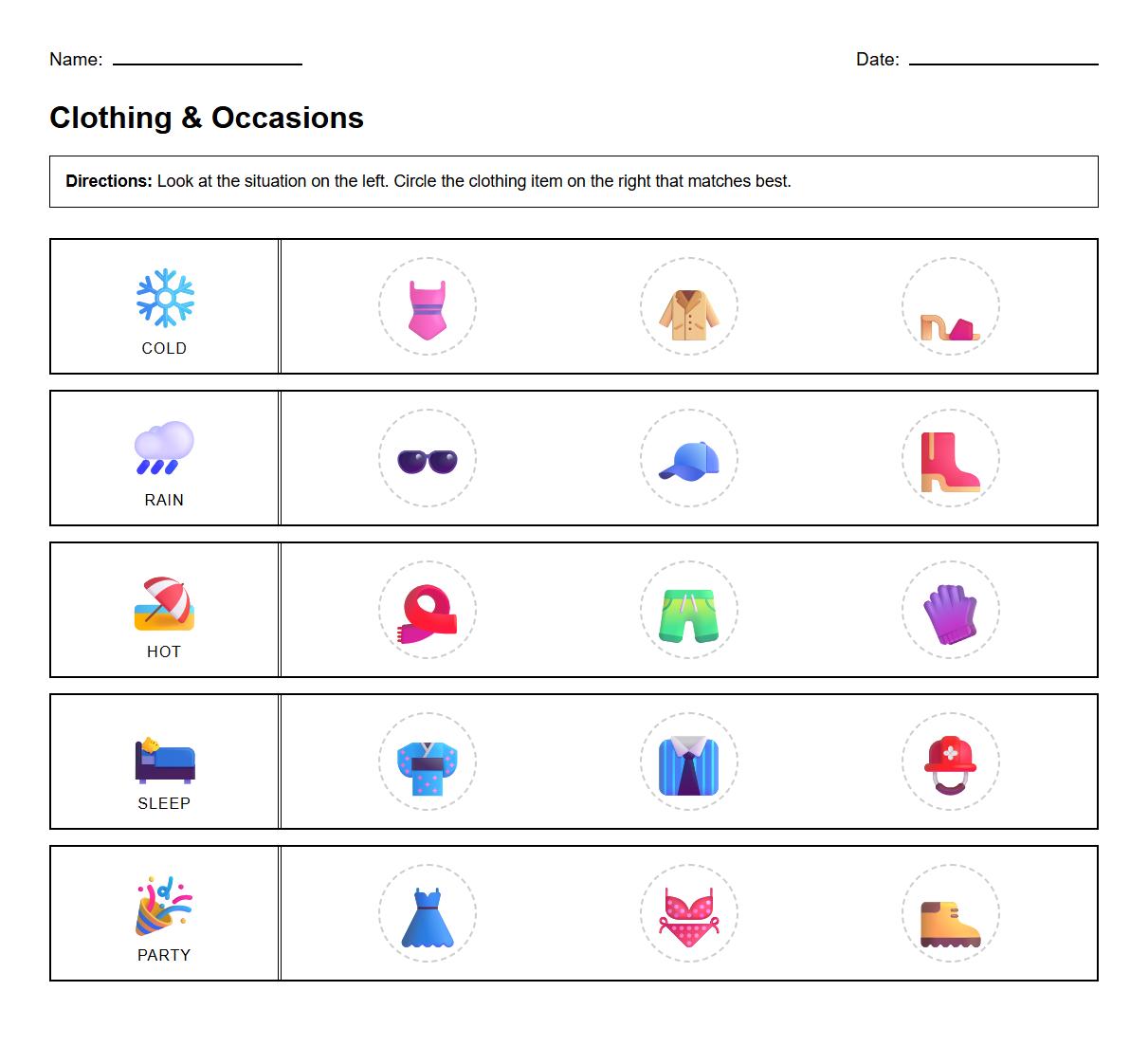
Visual discrimination skills help kindergarten students recognize differences and similarities in historical objects, images, and events. These worksheets engage young learners in identifying patterns, shapes, and details from various time periods to build foundational observation abilities. Explore our collection of Visual Discrimination in History: Then and Now Worksheets to support your child's early learning journey.
What is Visual Discrimination and Why Is It Important for Kindergarten Students to Learn?
Visual discrimination is the ability to notice and compare details in pictures, shapes, and symbols. This skill helps kindergarten students recognize differences and similarities, aiding in the development of critical thinking. Learning visual discrimination early supports reading readiness and cognitive growth. It is essential for students to engage actively with their environment and educational content.
How Do Visual Discrimination Skills Help Children Understand History in Kindergarten?
Visual discrimination enables children to distinguish between objects from different time periods, such as old and new tools or clothing. This skill helps young learners grasp basic historical concepts by comparing and contrasting visuals. It fosters a deeper understanding of changes over time, which is foundational in history education. Visual comparison builds connections between past and present experiences.
What Are Common Examples of Visual Discrimination Activities in Historical Worksheets?
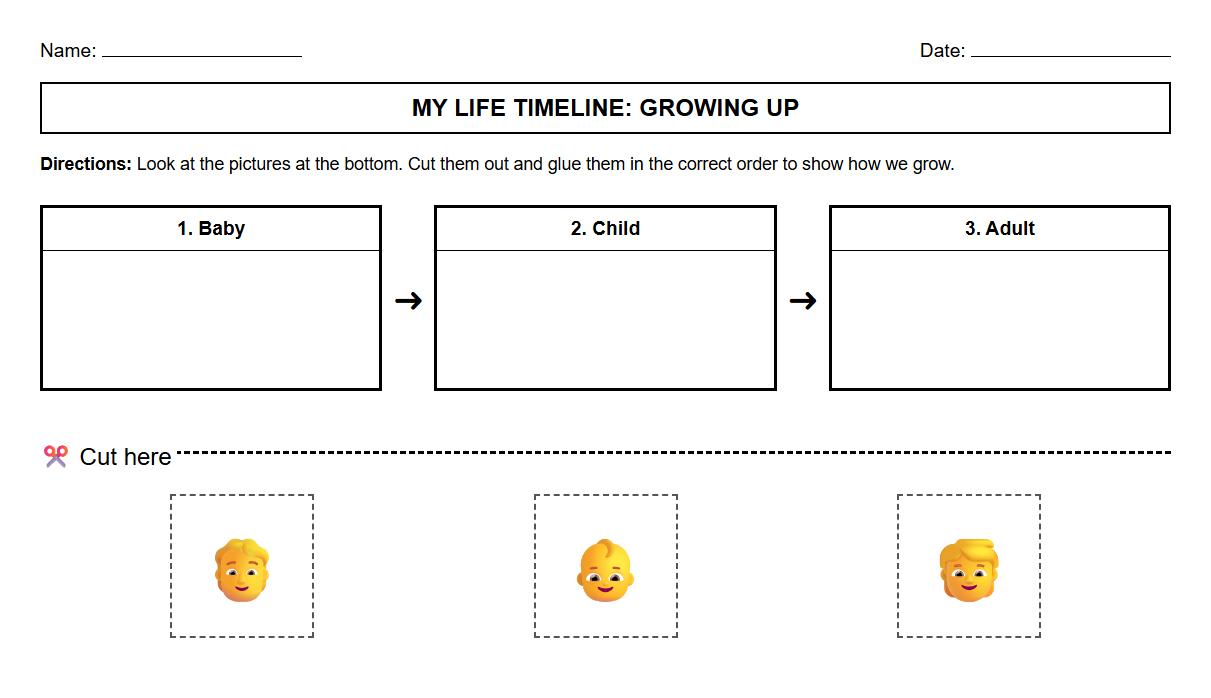
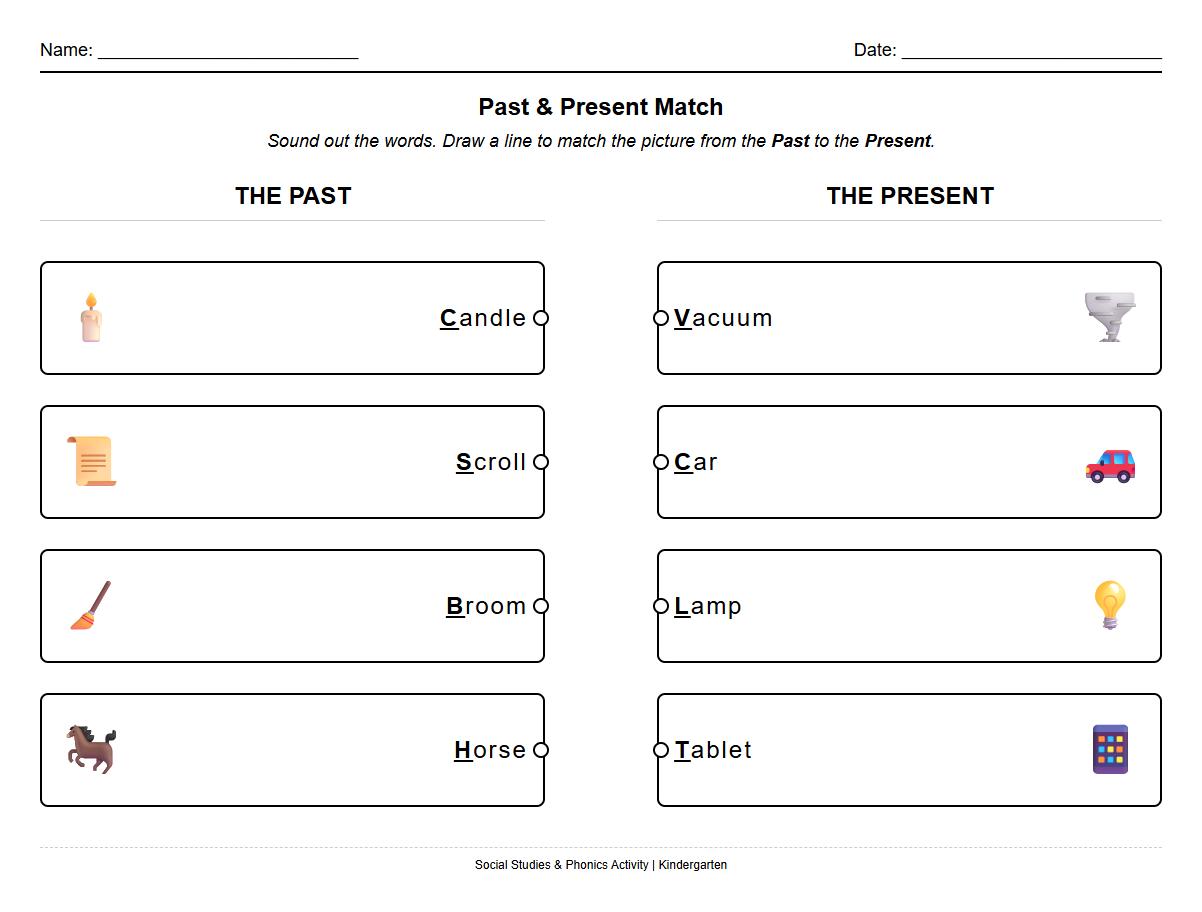
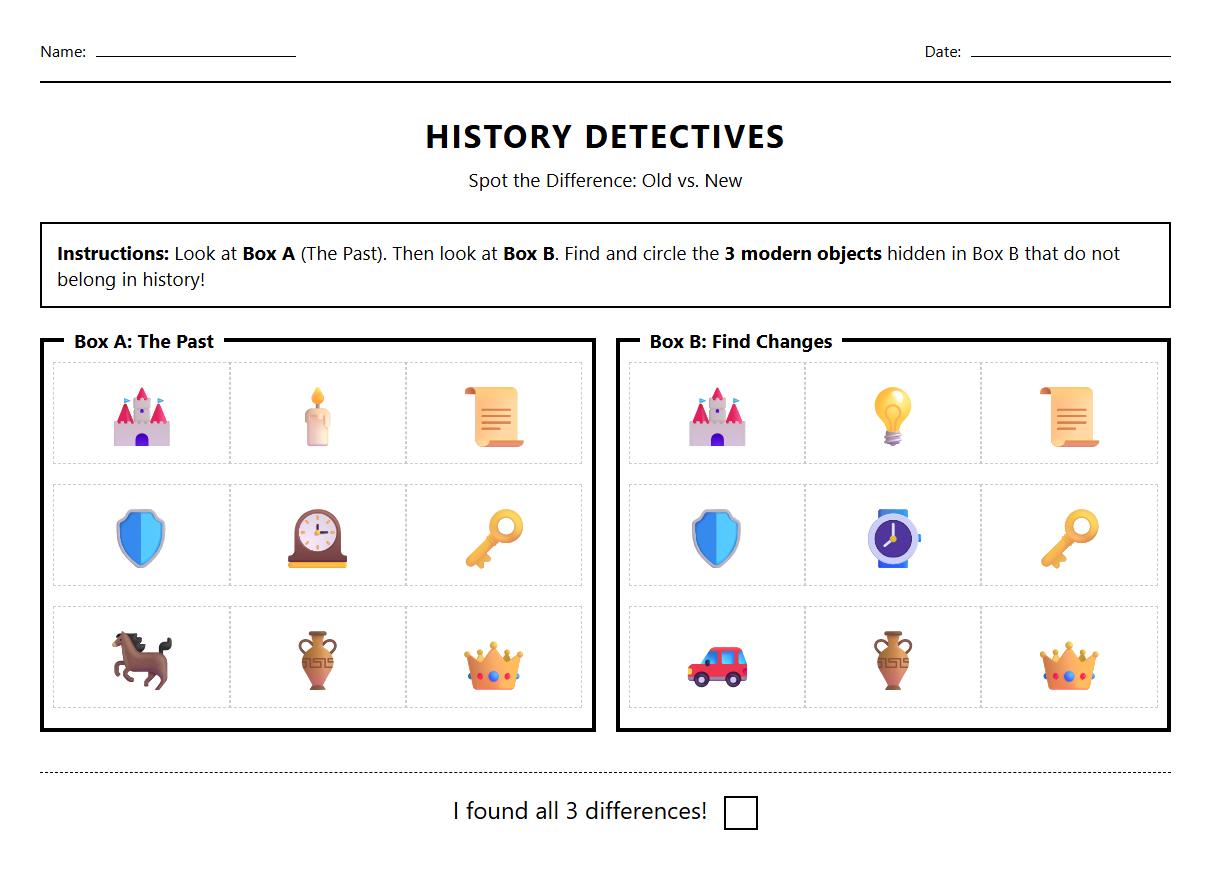
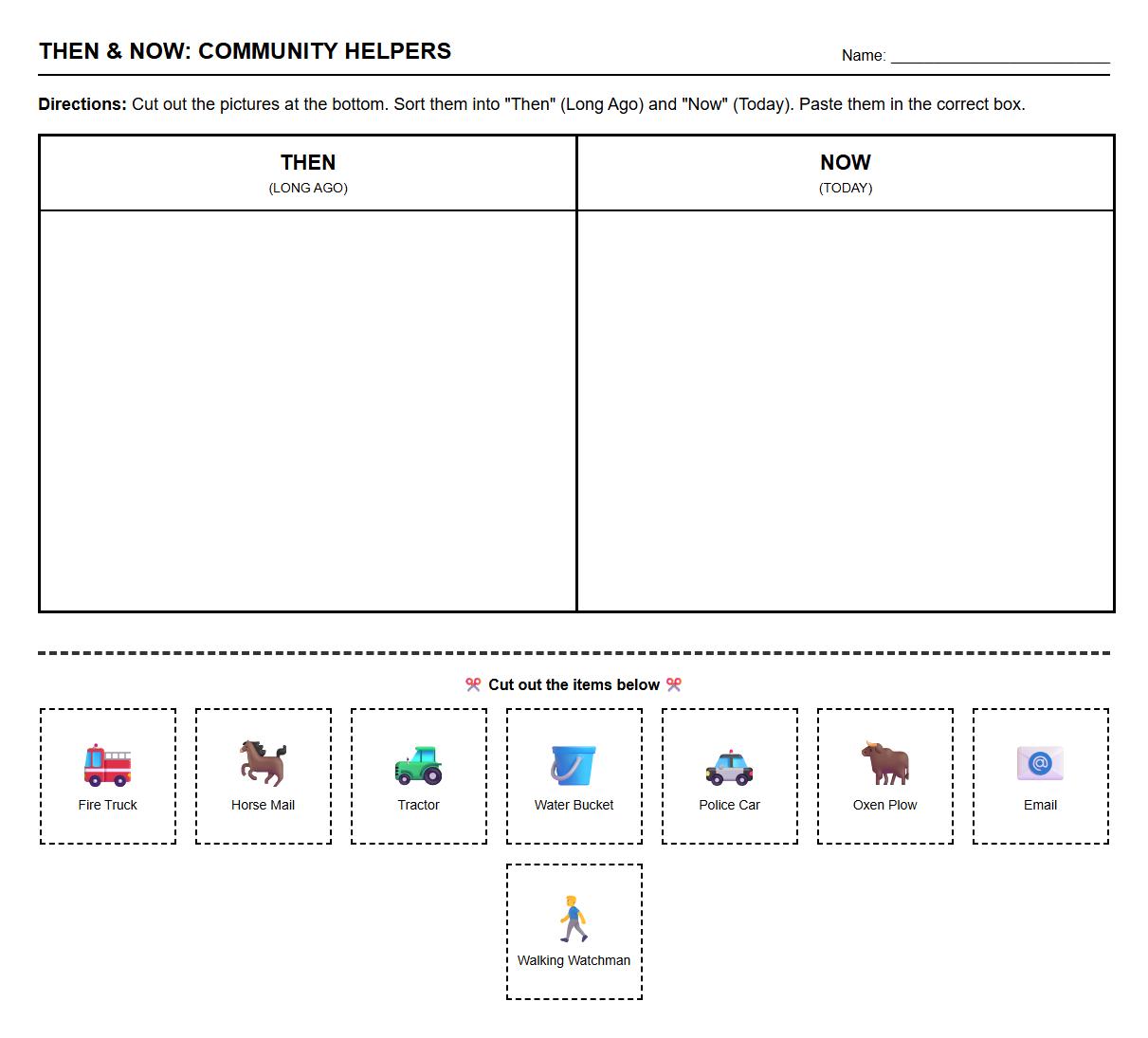
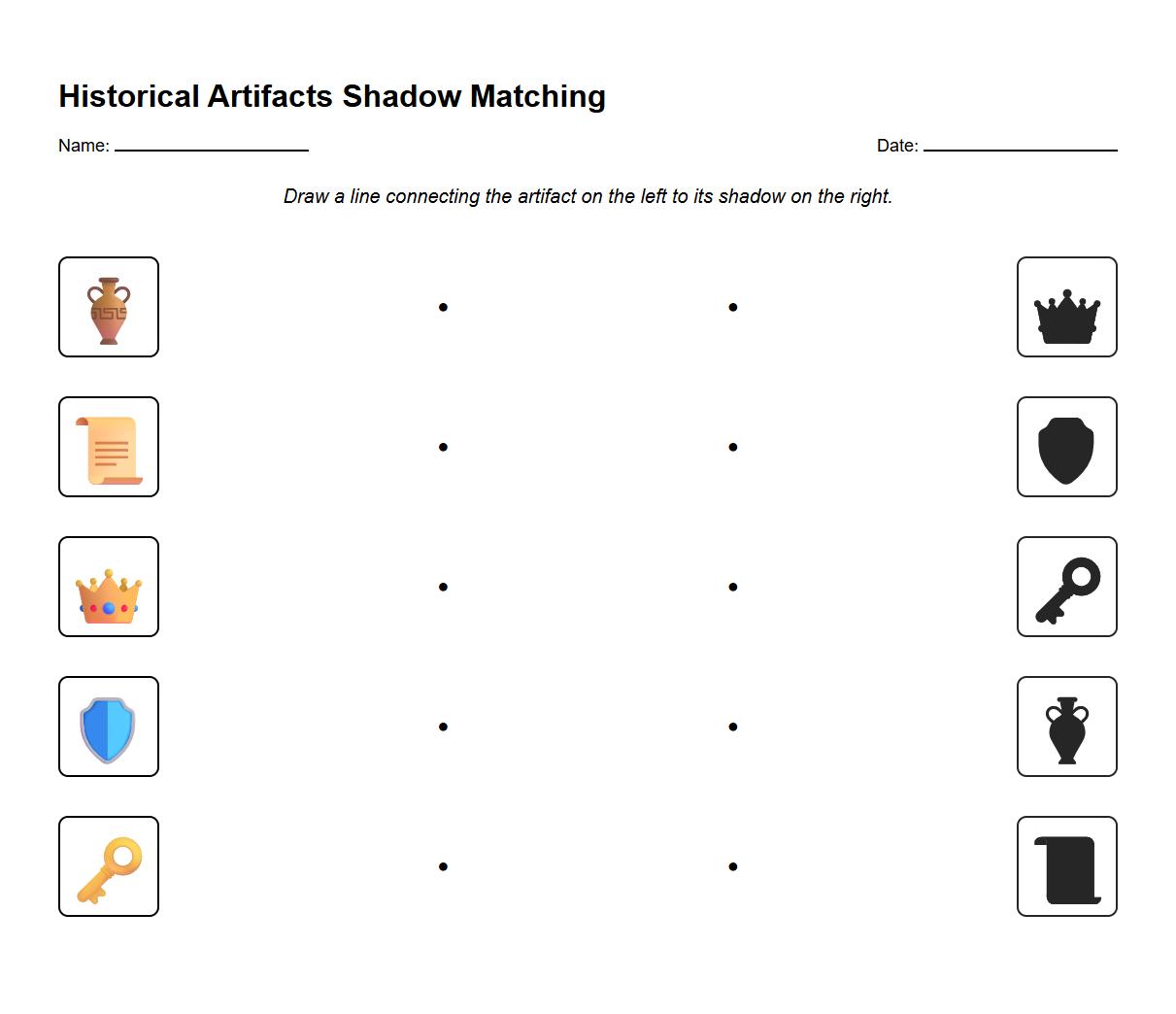
Typical activities include matching pictures from different eras, spotting differences between then and now images, and sequencing historic events visually. Worksheets may feature side-by-side comparisons of artifacts, clothing, or transportation methods. These exercises improve observation and analytical skills. They make history tangible and engaging for young learners.
How Has the Approach to Teaching Visual Discrimination in History Changed Over Time?
Teaching methods have shifted from rote memorization to interactive and visually rich activities. Modern approaches emphasize hands-on learning with diverse images and technology integration. Educators now focus on critical thinking by encouraging students to discuss visual differences and their meanings. This evolution supports deeper understanding and retention of historical content.
What Types of Images or Symbols Are Typically Used in History Worksheets for Visual Comparison?
Worksheets often use photographs, drawings, icons, and simple symbols representing historical objects or events. Common visuals include old versus new transportation, clothing styles, tools, and homes. These images are clear and familiar to kindergarten students for effective comparison. Symbols like clocks, calendars, or maps help illustrate time and place.
How Can Teachers Assess Visual Discrimination Skills Using Then and Now Worksheets?
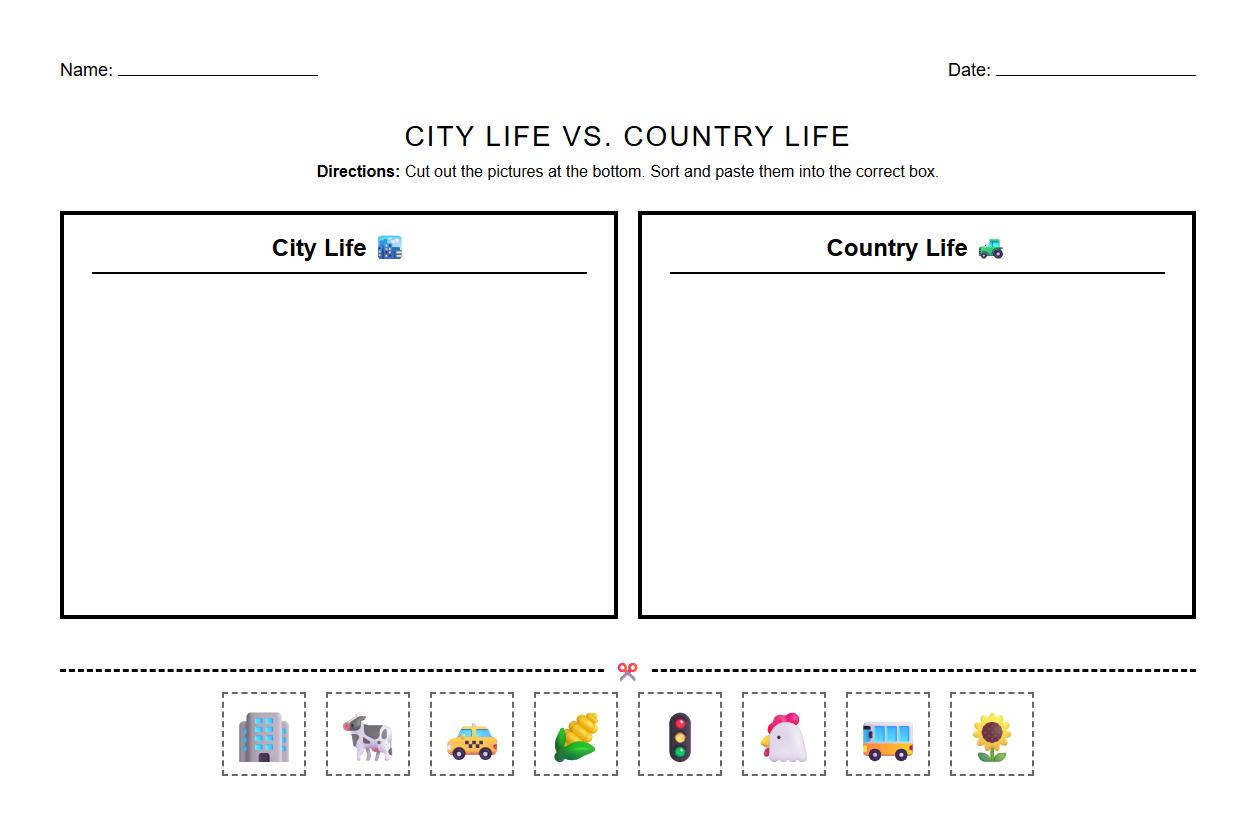
Teachers can evaluate students' ability to spot differences, make comparisons, and describe changes in then and now images. Observation of task completion, verbal responses, and accuracy in matching tasks provides assessment data. Follow-up questions encourage critical thinking and articulation of observations. Consistent use of these worksheets helps track progress over time.
What Are the Benefits of Using Then and Now Worksheets in Developing Observation Skills?
Then and now worksheets sharpen students' attention to detail and enhance memory by requiring careful examination of images. They promote understanding of continuity and change, vital history concepts. These activities support visual learning and help children articulate observations. They also build patience and focus during learning tasks.
How Do Visual Discrimination Worksheets Support Early Reading and Comprehension?
Recognizing differences in letters, words, and pictures boosts phonemic awareness and word recognition. Visual discrimination skills assist in decoding text and understanding story sequences. Worksheets combining images with simple sentences link visuals and vocabulary effectively. This dual engagement strengthens early literacy development.
What Challenges Might Kindergarten Students Face with Visual Discrimination Activities in History?
Young learners may struggle with subtle differences or become overwhelmed by complex images. Limited attention spans and developing fine motor skills can affect worksheet completion. Some students might find abstract historical concepts difficult to grasp through visuals alone. Supportive guidance and tailored activities help overcome these challenges.
How Can Parents Reinforce Visual Discrimination Skills at Home with Historical Themes?
Parents can encourage comparison games using family photos, old toys, or household items to highlight changes over time. Reading storybooks with historical illustrations and discussing differences in pictures supports learning. Simple at-home activities like sorting objects or matching pictures enhance visual discrimination. Engaging conversations about past and present experiences make history relatable.


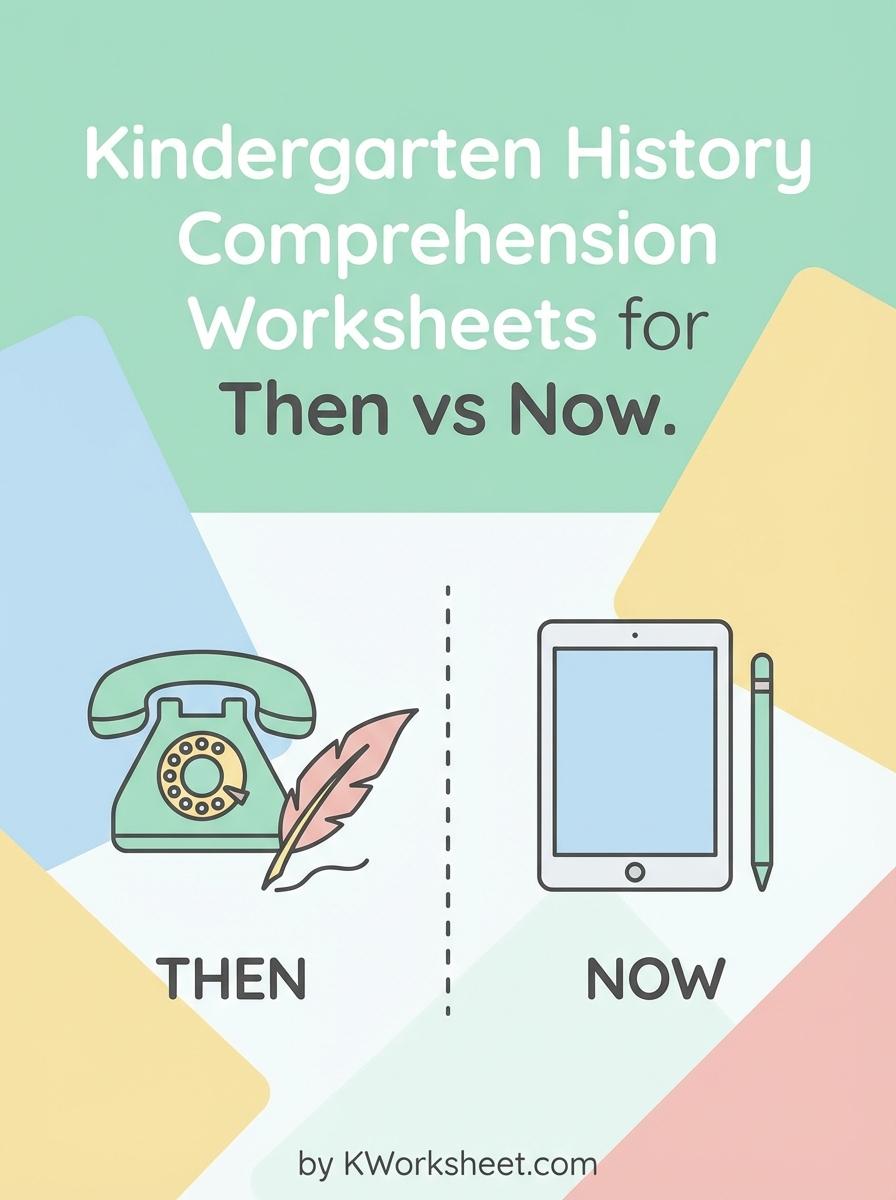
Kindergarten History Comprehension Worksheets for Then vs Now