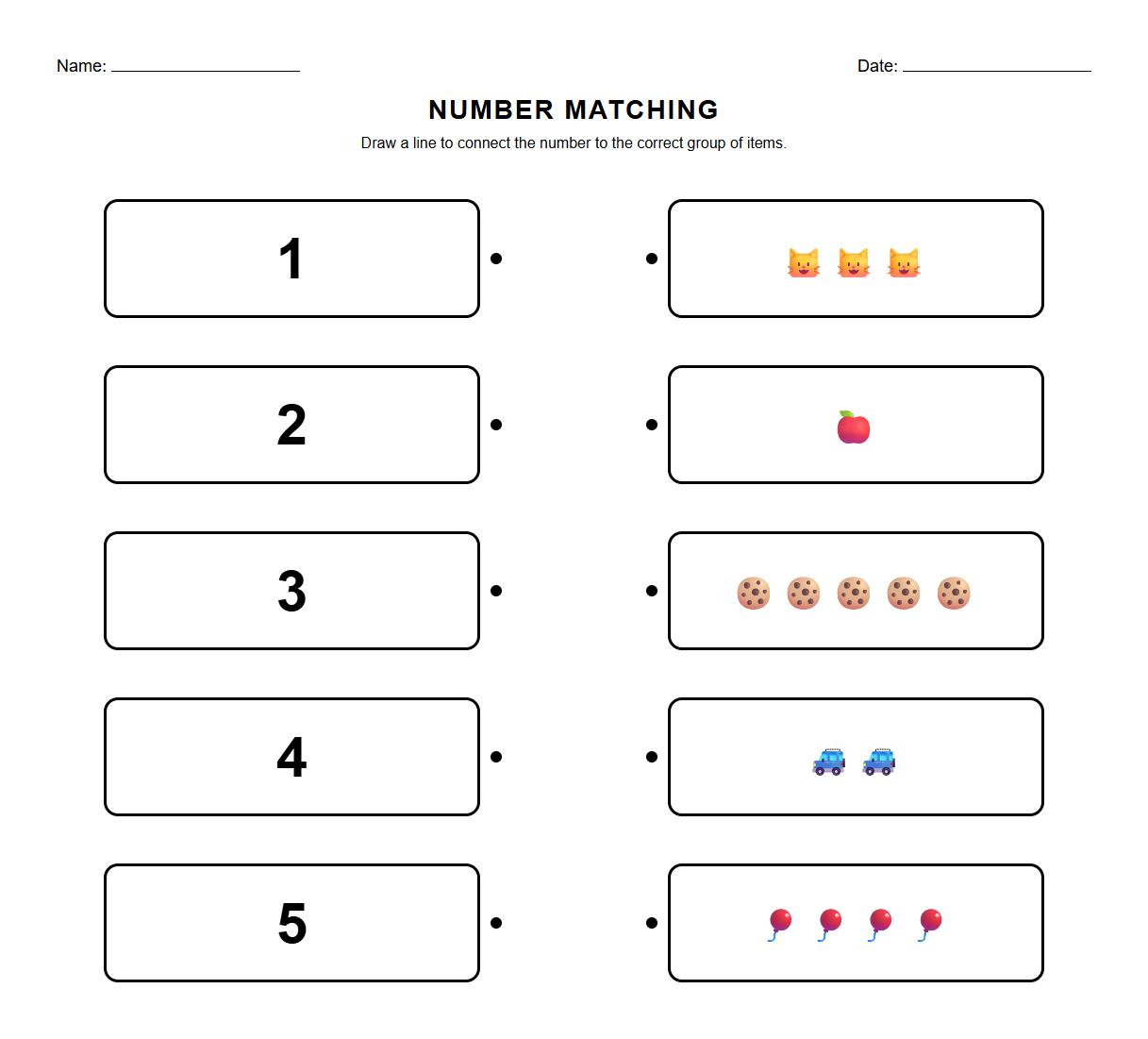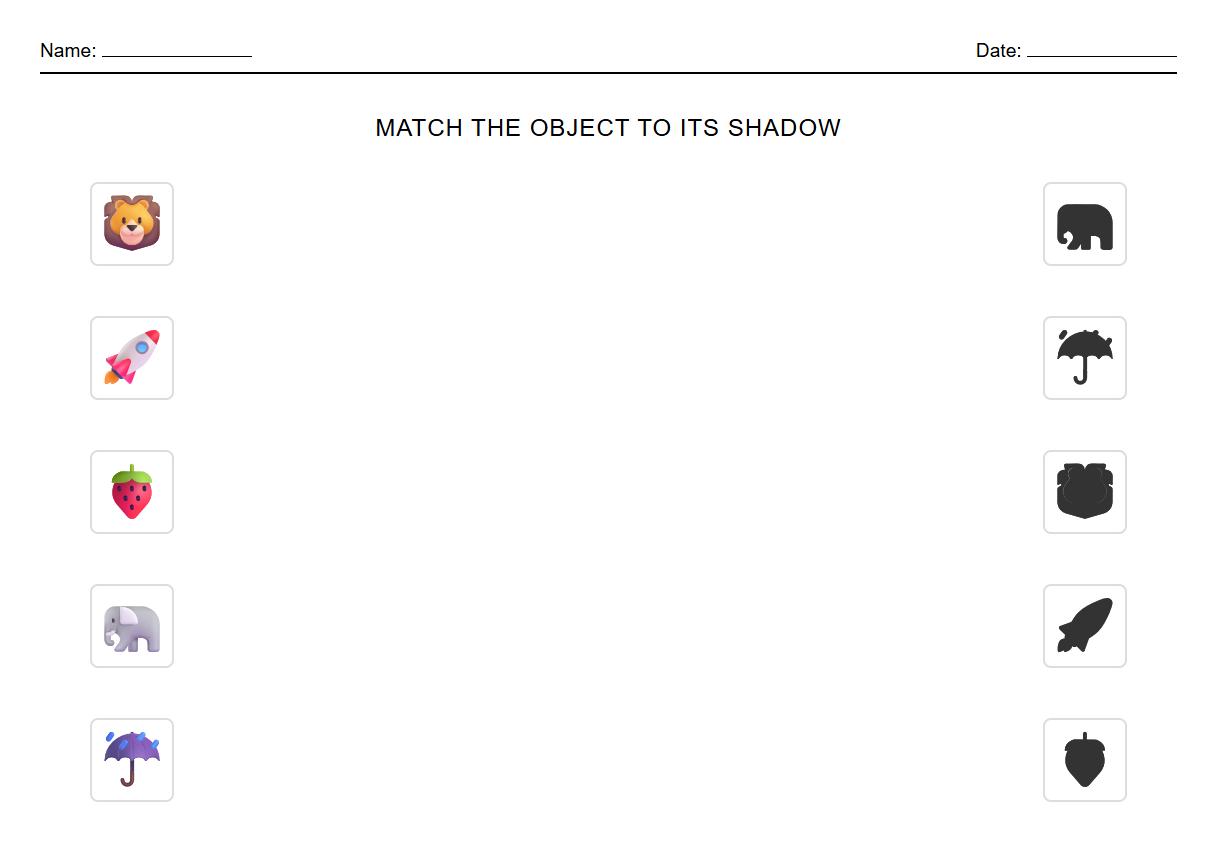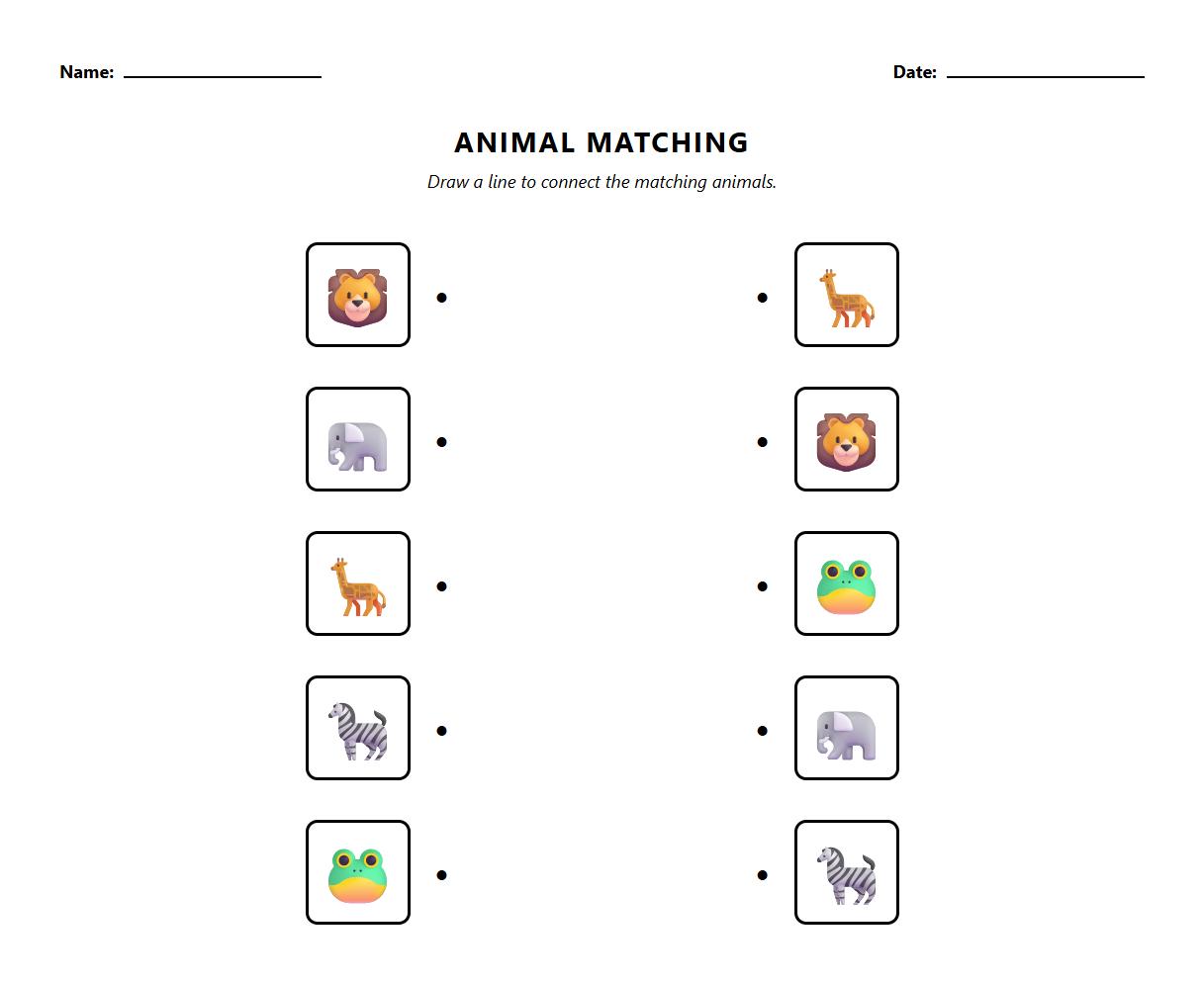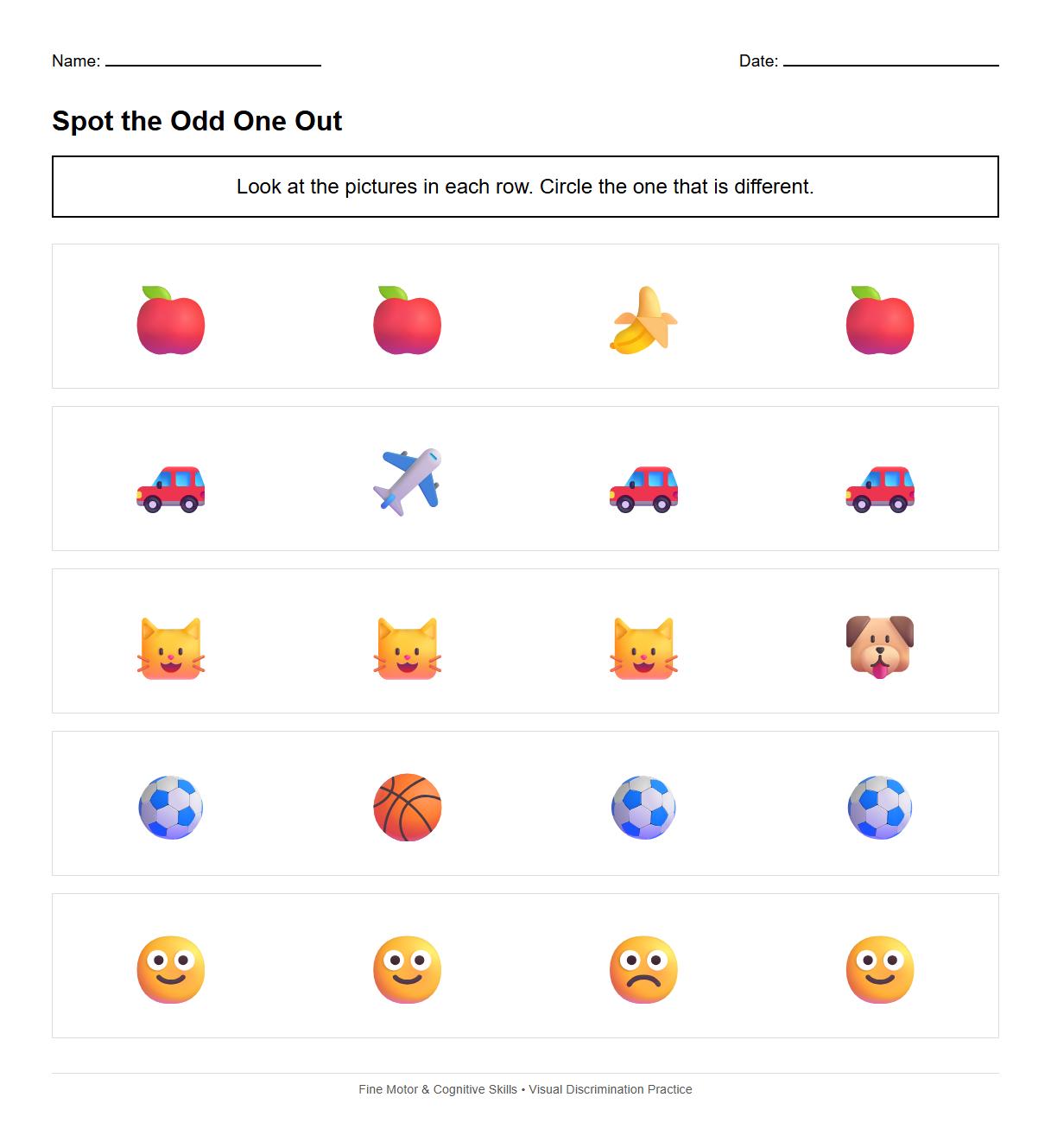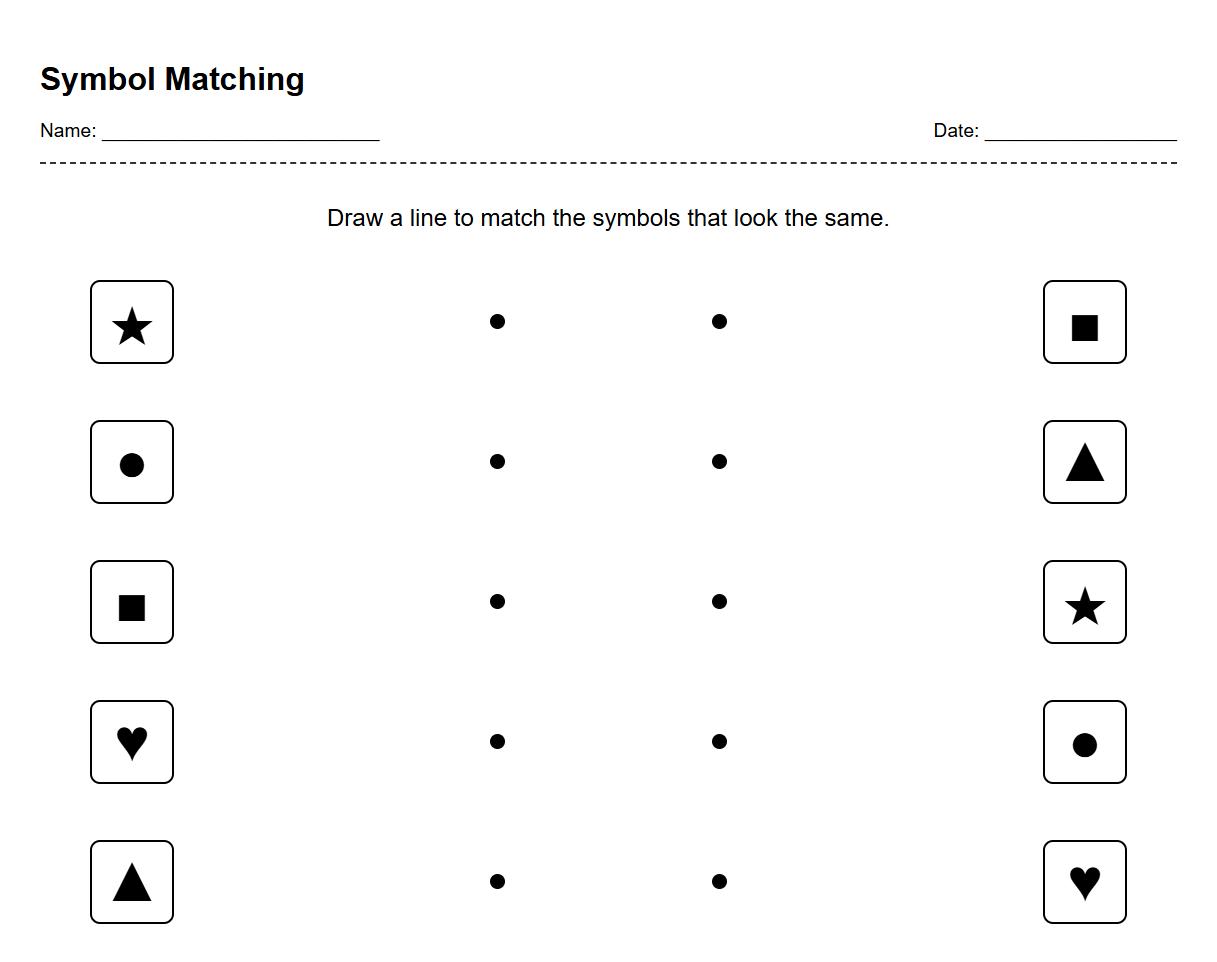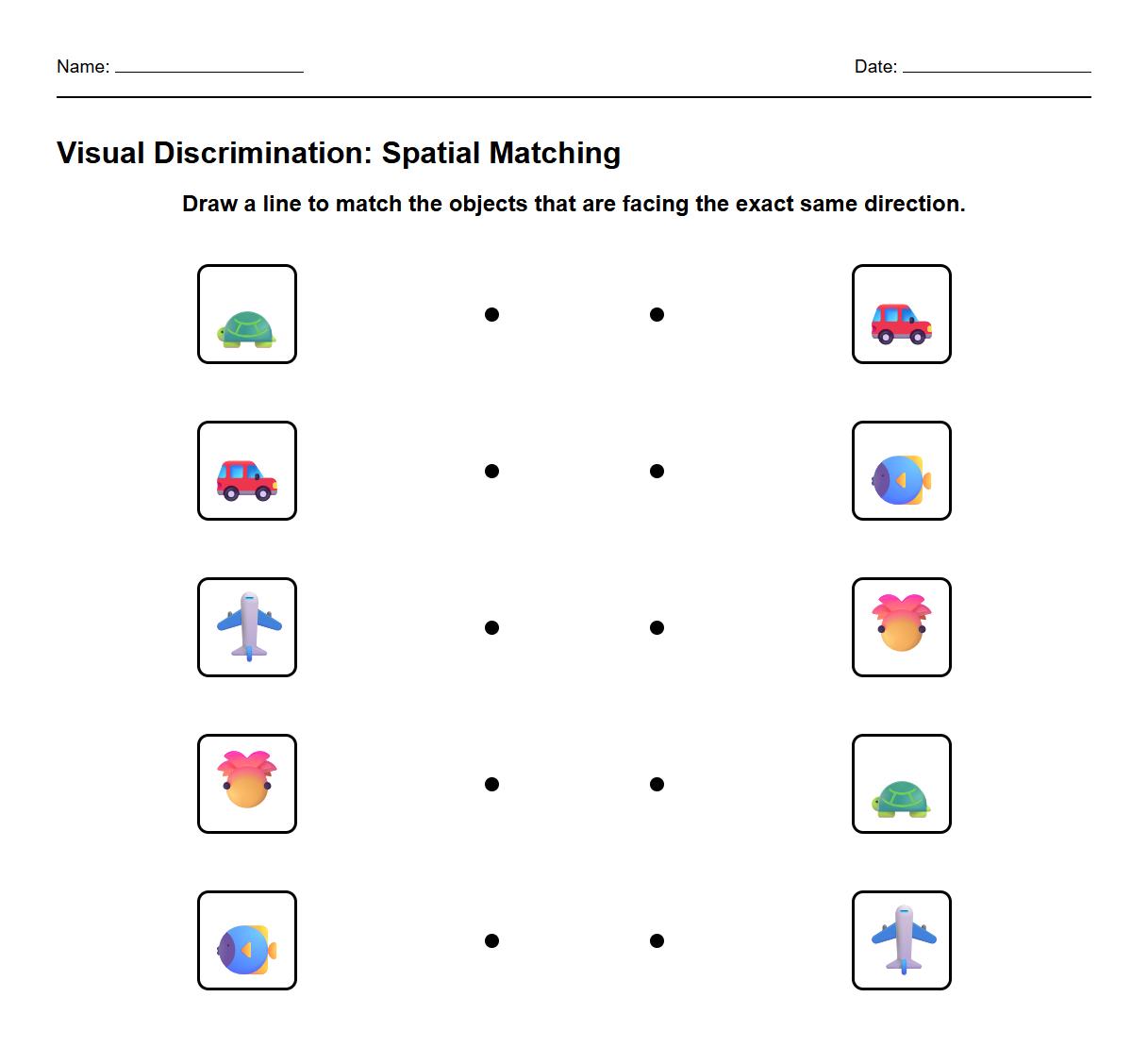
Enhance children's attention to detail and critical thinking skills through Identifying Differences with Visual Discrimination Matching Worksheets. These activities challenge learners to spot subtle distinctions between images, fostering sharper observation and cognitive development. Explore the diverse range of worksheets available to support visual learning and accuracy.
Which Picture is Different from the Others in This Row?
This activity helps children develop strong visual discrimination skills by identifying the unique image among a group. Teachers and parents can encourage kids to carefully observe details such as shape, color, or size. This enhances their ability to focus on important differences, an essential skill for early learning. Use colorful, engaging images to keep children interested and motivated.
Can You Find the Item That Does Not Belong?
This exercise promotes critical thinking by asking children to spot the odd item in a set. It develops categorization skills, helping children understand similarities and differences within groups. Parents and teachers should encourage explanations of why an item doesn't fit, supporting language and reasoning development. Using familiar objects or toys makes the task more relatable and fun.
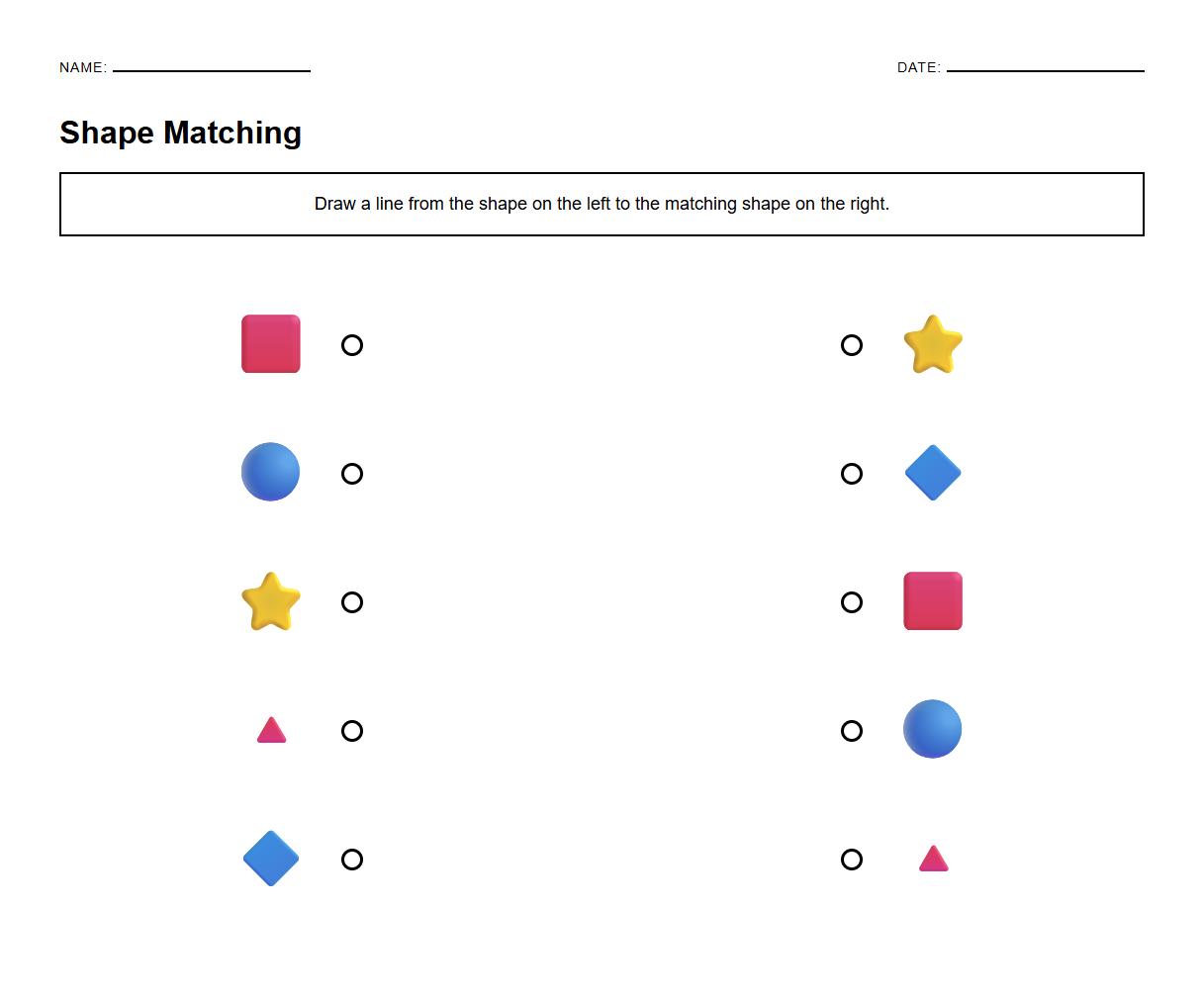
Which Shape Does Not Match with the Rest?
Identifying the unmatched shape strengthens shape recognition and visual analysis abilities. Children learn to compare attributes like edges and angles, improving their spatial understanding. Guide kids to articulate their observations to enhance communication skills alongside cognitive growth. Simple shapes like circles, squares, and triangles work best for this age.
Point to the Animal That Looks Different from the Group
Spotting the odd animal teaches children to notice distinct features like size, color, or pattern variations. This activity supports attention to detail and classification skills. Parents and teachers can use animal pictures from storybooks or nature, making the task educational and engaging. Encouraging descriptive language helps boost vocabulary development.
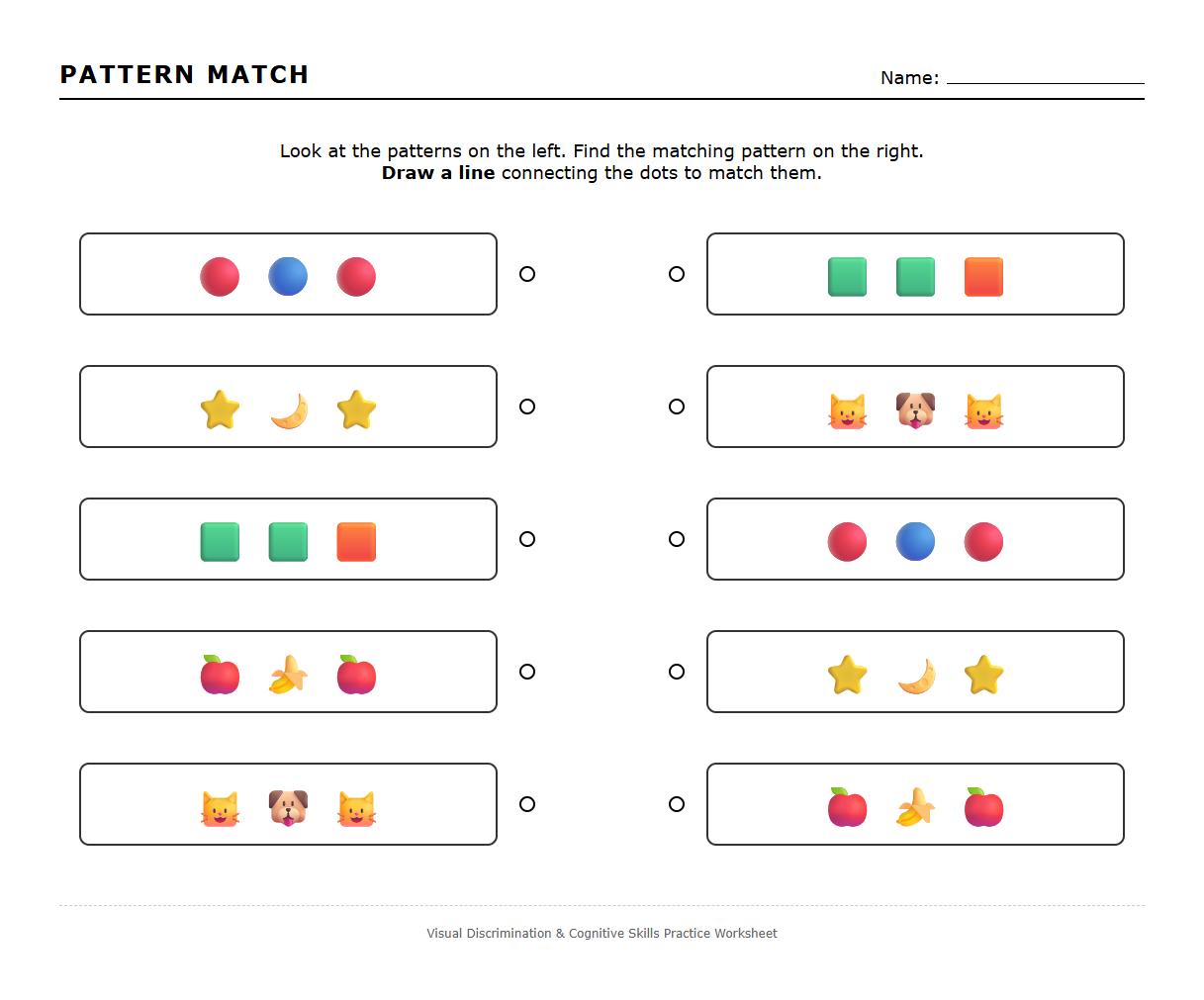
Which Two Pictures Are the Same?
Matching identical pictures strengthens memory and visual matching skills. It also helps children improve concentration and pattern recognition. Use pairs of colorful, simple images to maintain attention and enjoyment. Consistent practice with this task supports foundational sorting and matching competencies.
Circle the Object That is Missing Something
This task develops observation skills as children identify incomplete or missing parts in objects. It promotes problem-solving and attention to detail, essential for early cognitive development. Engaging images with clear differences help children succeed and build confidence. Parents and teachers should encourage discussion about what is missing and why.
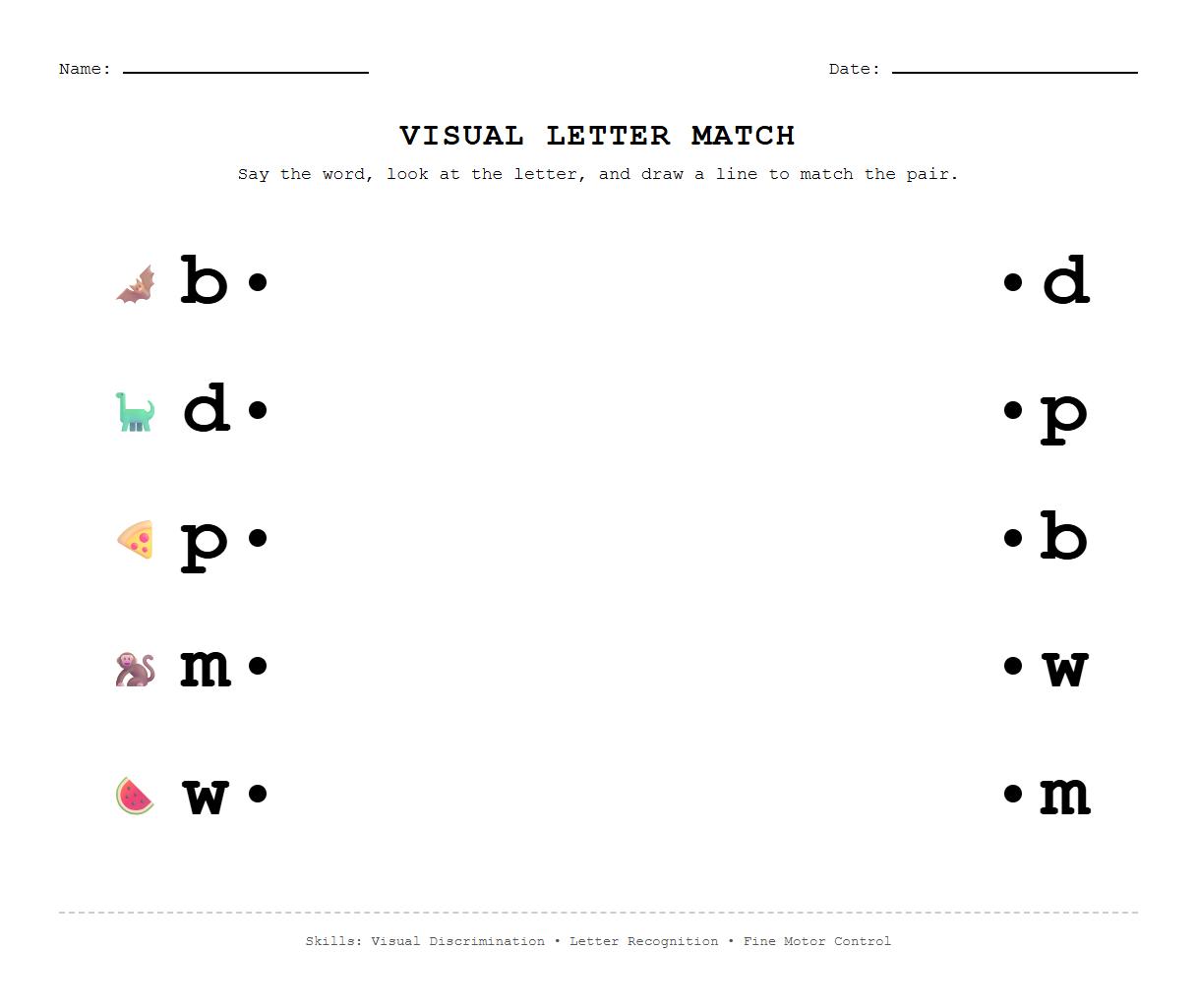
Find the Letter That Does Not Fit with the Others
This letter-based activity enhances alphabet recognition and early literacy skills by highlighting non-matching letters. It helps children become familiar with letter shapes and sounds in a playful context. Teachers and parents can use this opportunity to reinforce phonics and letter names. Using letters in various colors and fonts adds excitement and challenge.
Which Object Has a Different Color?
Identifying the differently colored object boosts color recognition and visual discrimination abilities. This is vital for children's understanding of colors and their variations. Use bright, contrasting colors to make differences more noticeable and engaging. Support learning by naming colors as children respond to the activity.
Match the Pictures That Look Exactly Alike
Matching identical images improves visual memory and helps with categorization skills. It also encourages attention to detail in recognizing shapes, colors, and patterns. Use pairs of simple, familiar images suitable for young learners. Regular practice supports foundational cognitive skills critical for reading readiness.
Show the Image That Has a Different Pattern
This activity sharpens children's ability to detect pattern differences by comparing textures or designs among images. It fosters visual analysis and critical thinking in an engaging way. Teachers and parents can use patterned objects like clothing, animals, or natural elements. Discussing patterns helps enhance descriptive language and observation skills.


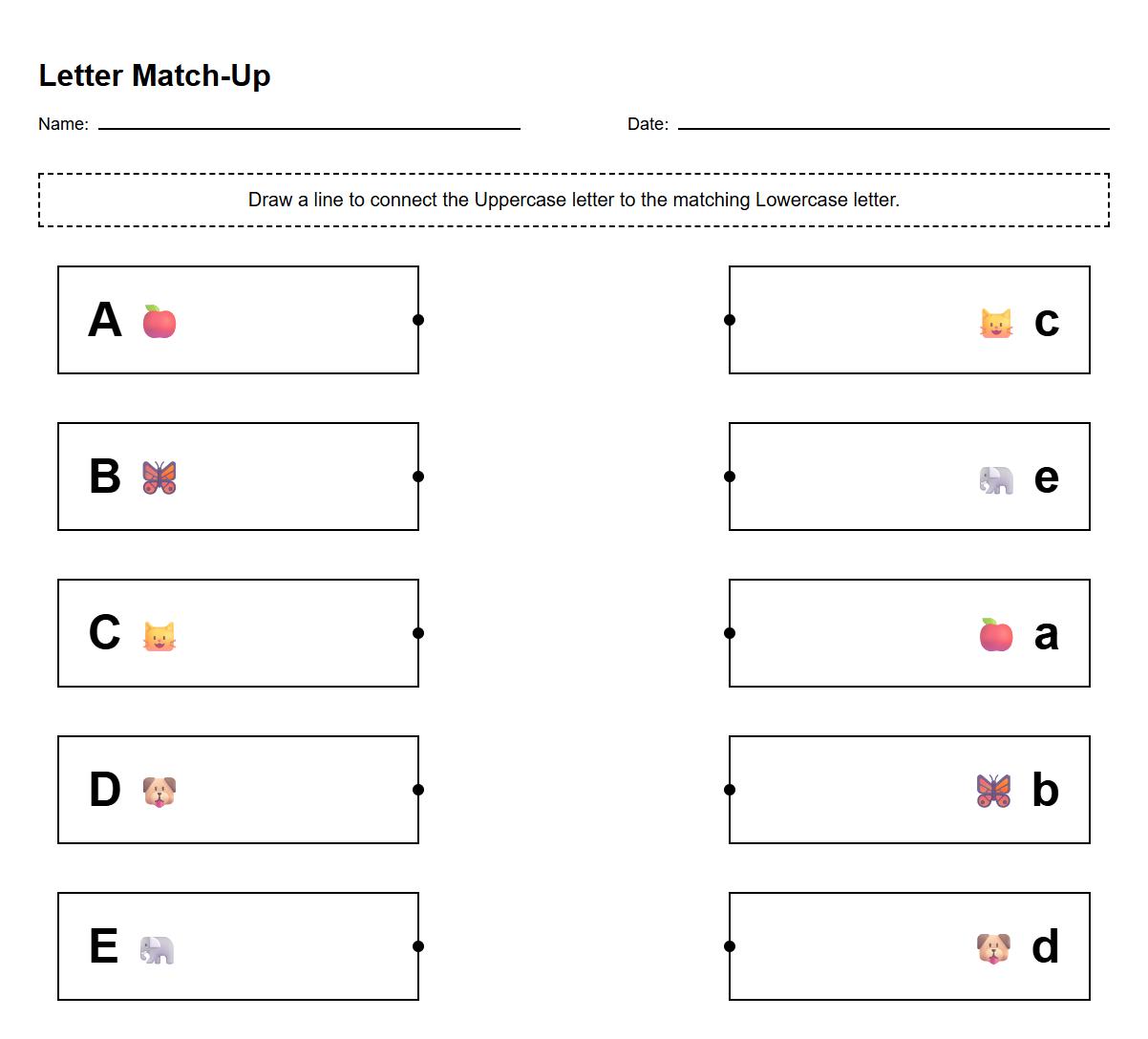
Alphabet Matching Visual Discrimination Activities for Kindergarten Grade