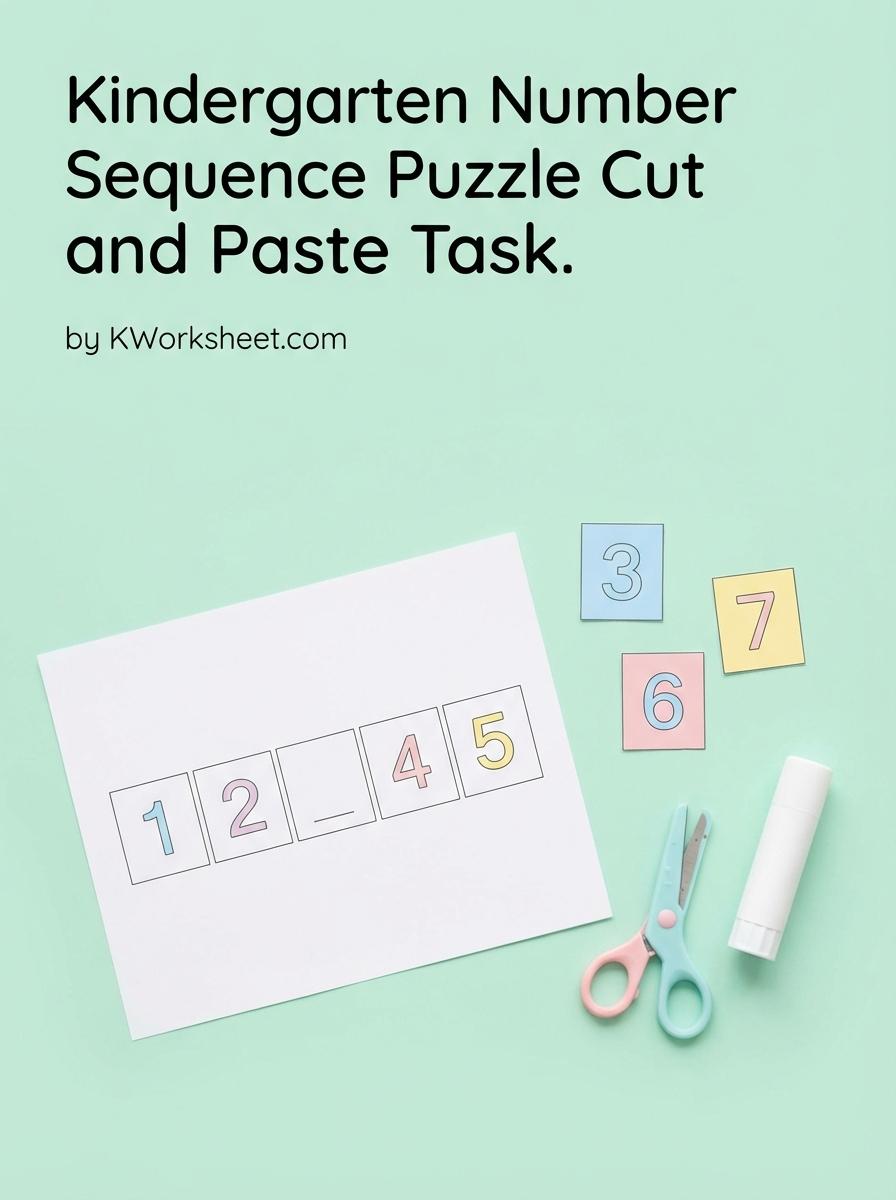
Kindergarten Number Sequence Puzzle Cut and Paste Task

📅 Apr 26, 2025 👤 Nylen Smith

Kindergarten number sequence puzzles help develop early math skills by encouraging children to recognize patterns and arrange numbers in the correct order. These cut and paste activities enhance fine motor skills and promote hands-on learning through interactive play. Explore our collection of engaging number sequence worksheets to support your child's math development.

Fill in the Missing Numbers Phonics Worksheet
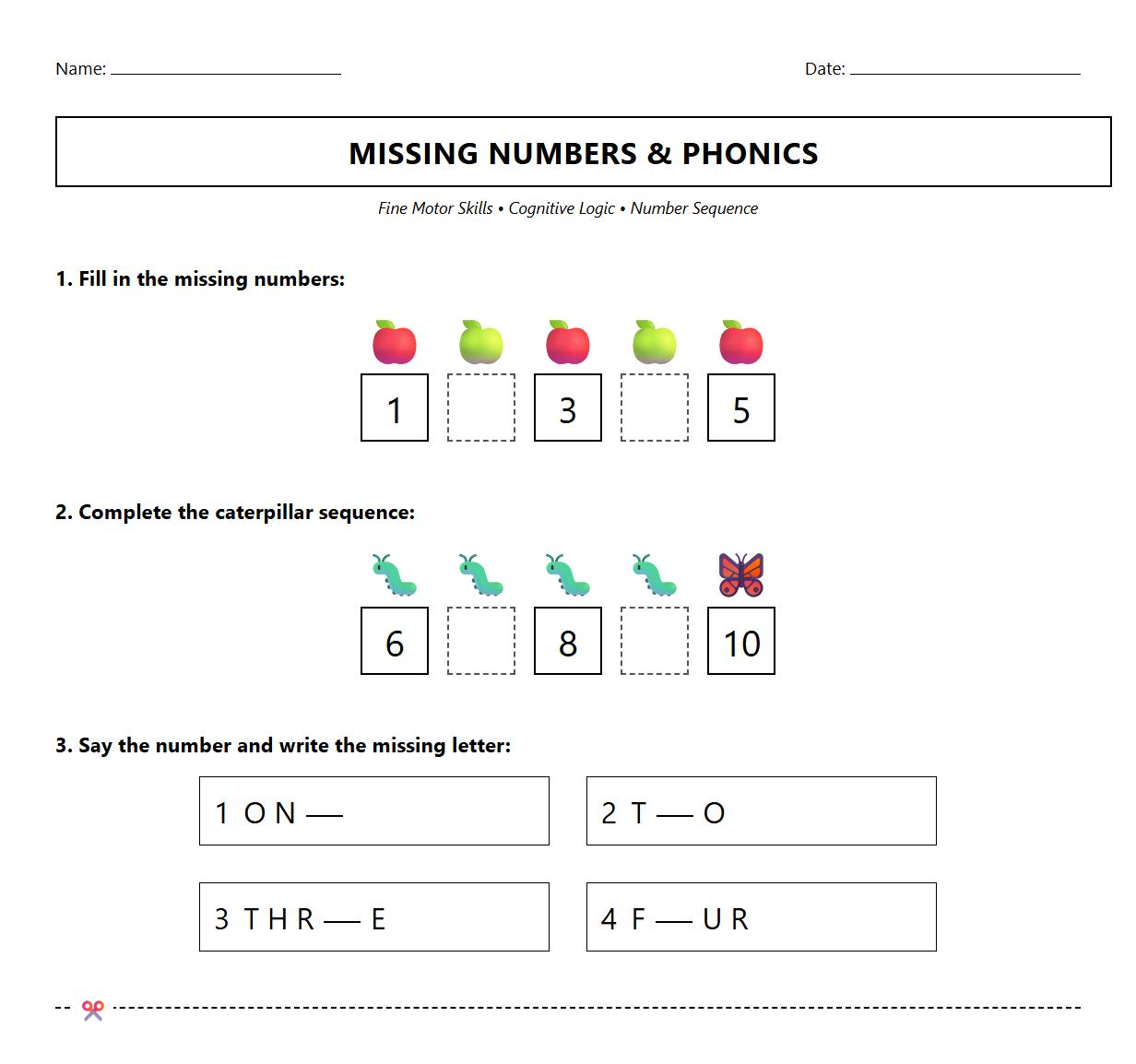
Fill in the Missing Numbers Phonics Worksheet

Download PDF     Pin it

Odd and Even Numbers Cut and Paste Activity
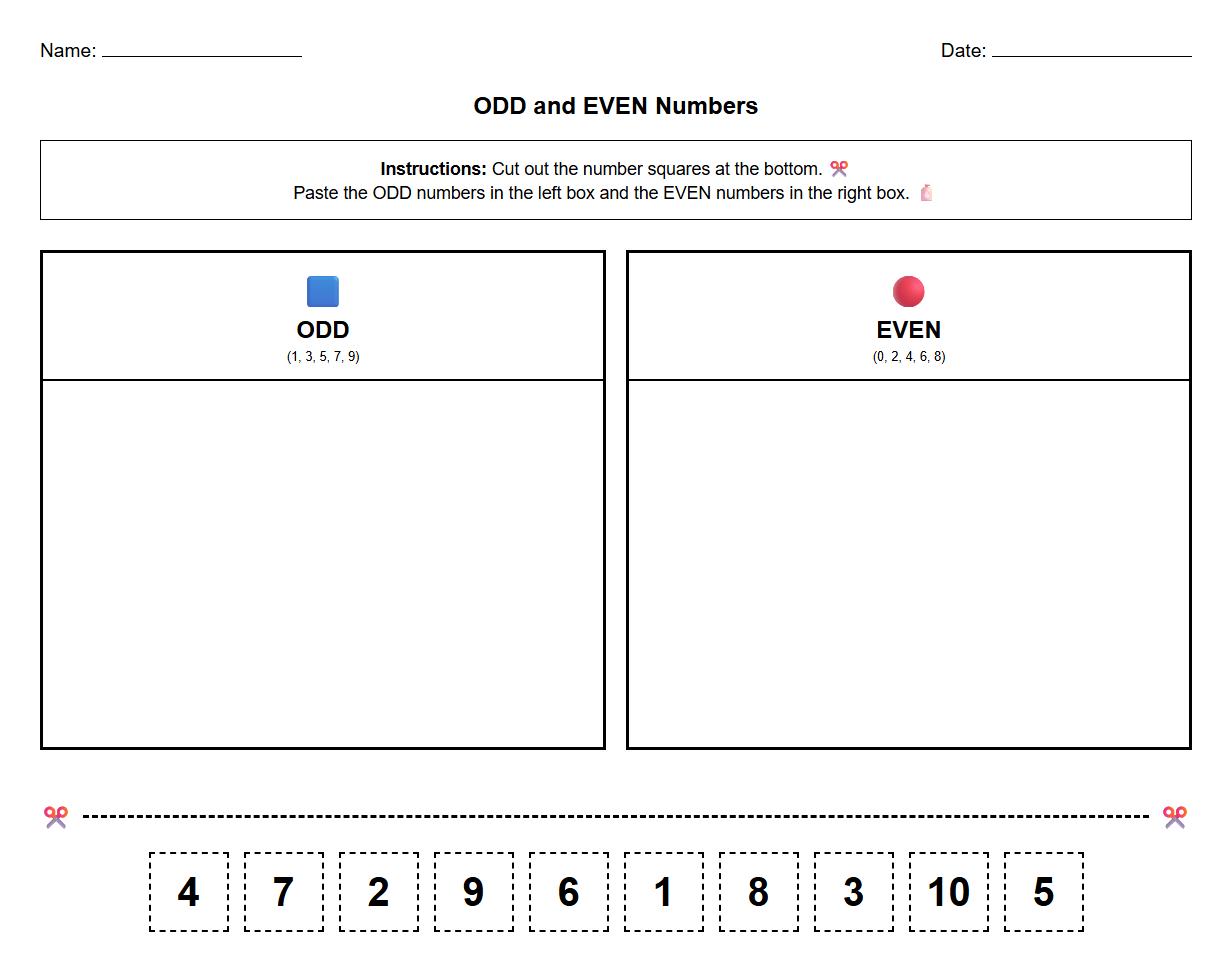
Odd and Even Numbers Cut and Paste Activity

Download PDF     Pin it

Skip Counting Number Sequence Puzzle
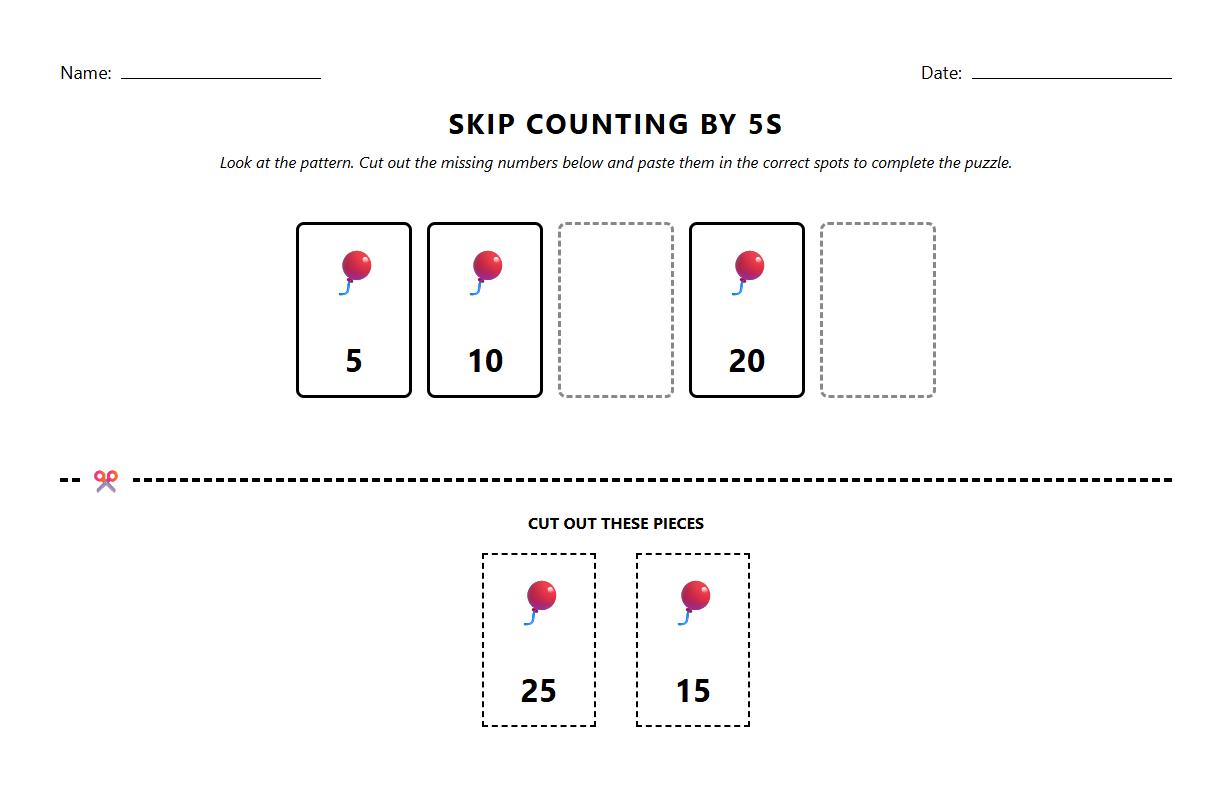
Skip Counting Number Sequence Puzzle

Download PDF     Pin it

Ascending Order Sequencing Task Sheet
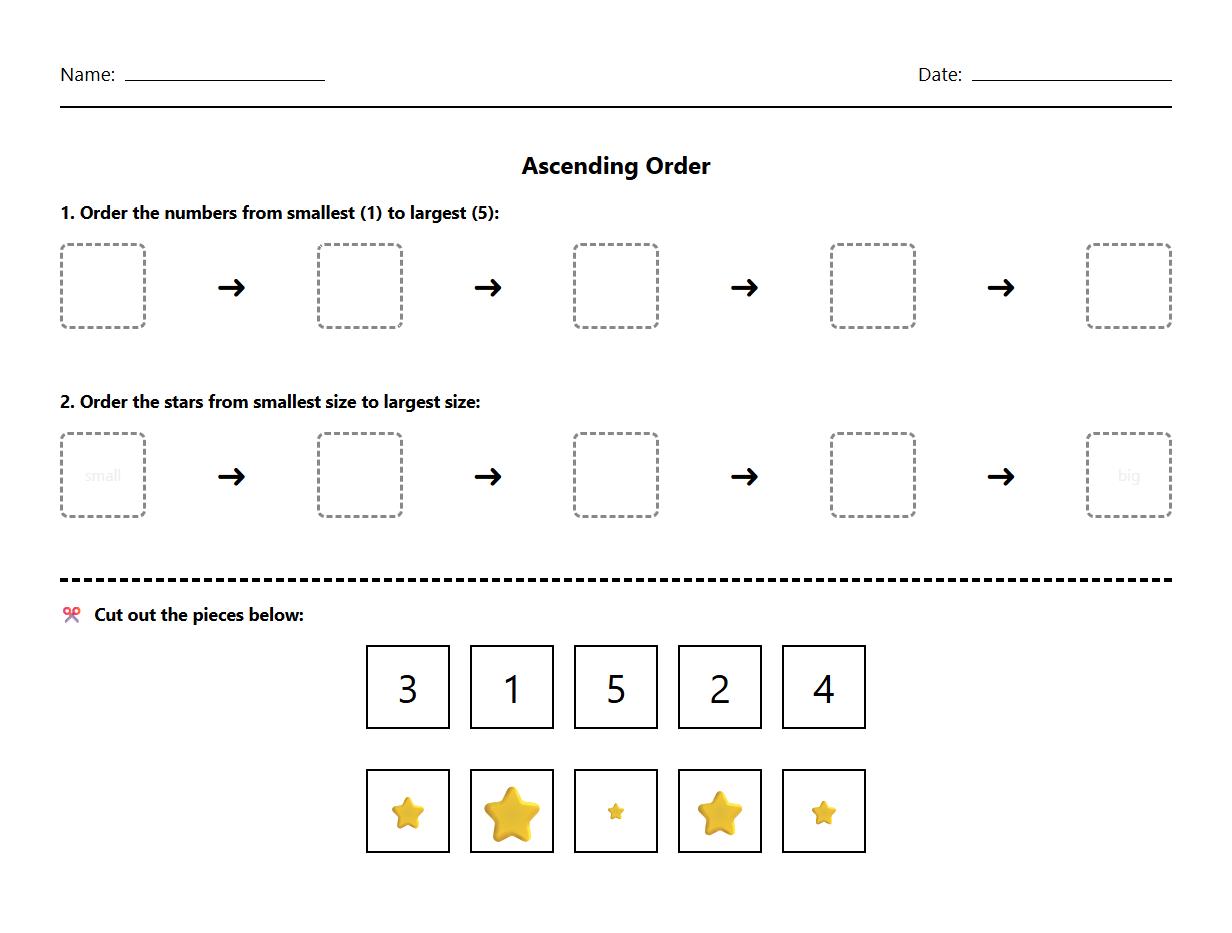
Ascending Order Sequencing Task Sheet

Download PDF     Pin it

Number Line Puzzle Cut and Paste Exercise
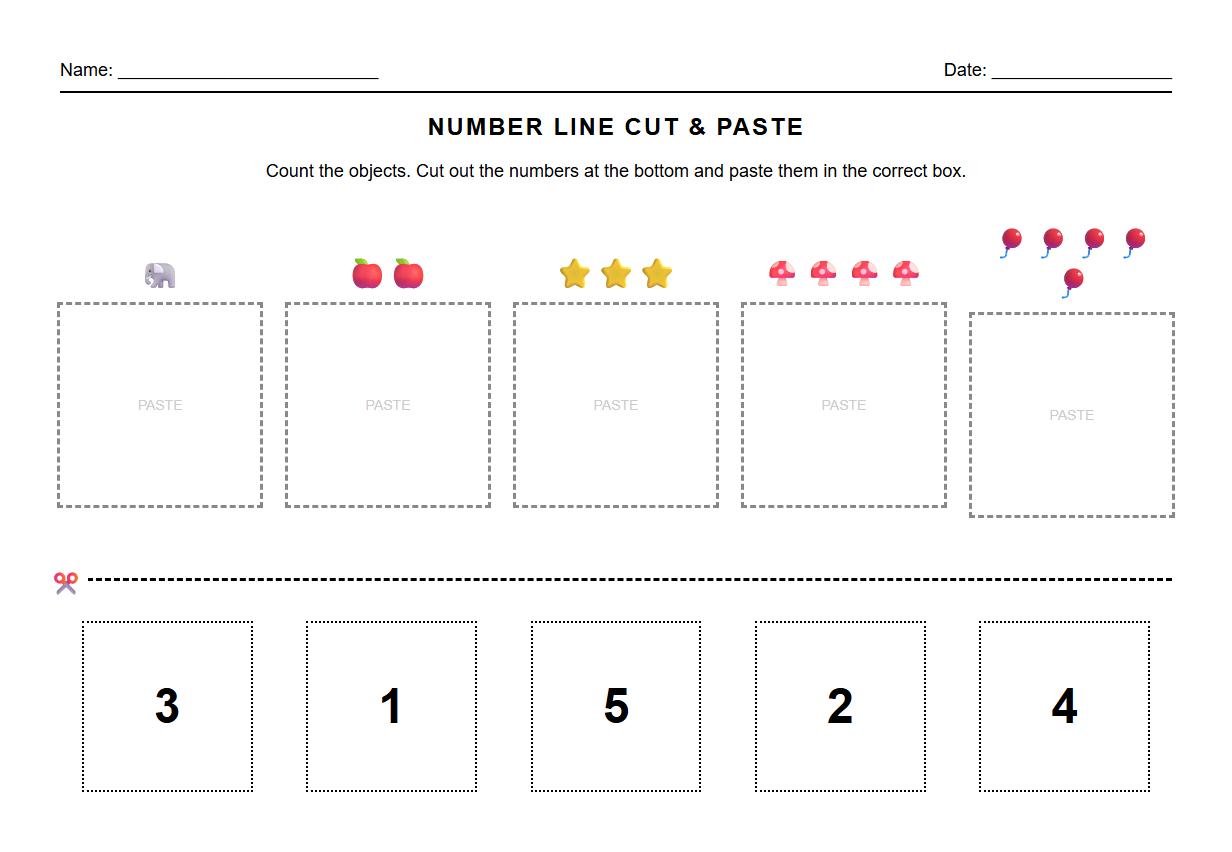
Number Line Puzzle Cut and Paste Exercise

Download PDF     Pin it

Sequencing by Twos Phonics Worksheet
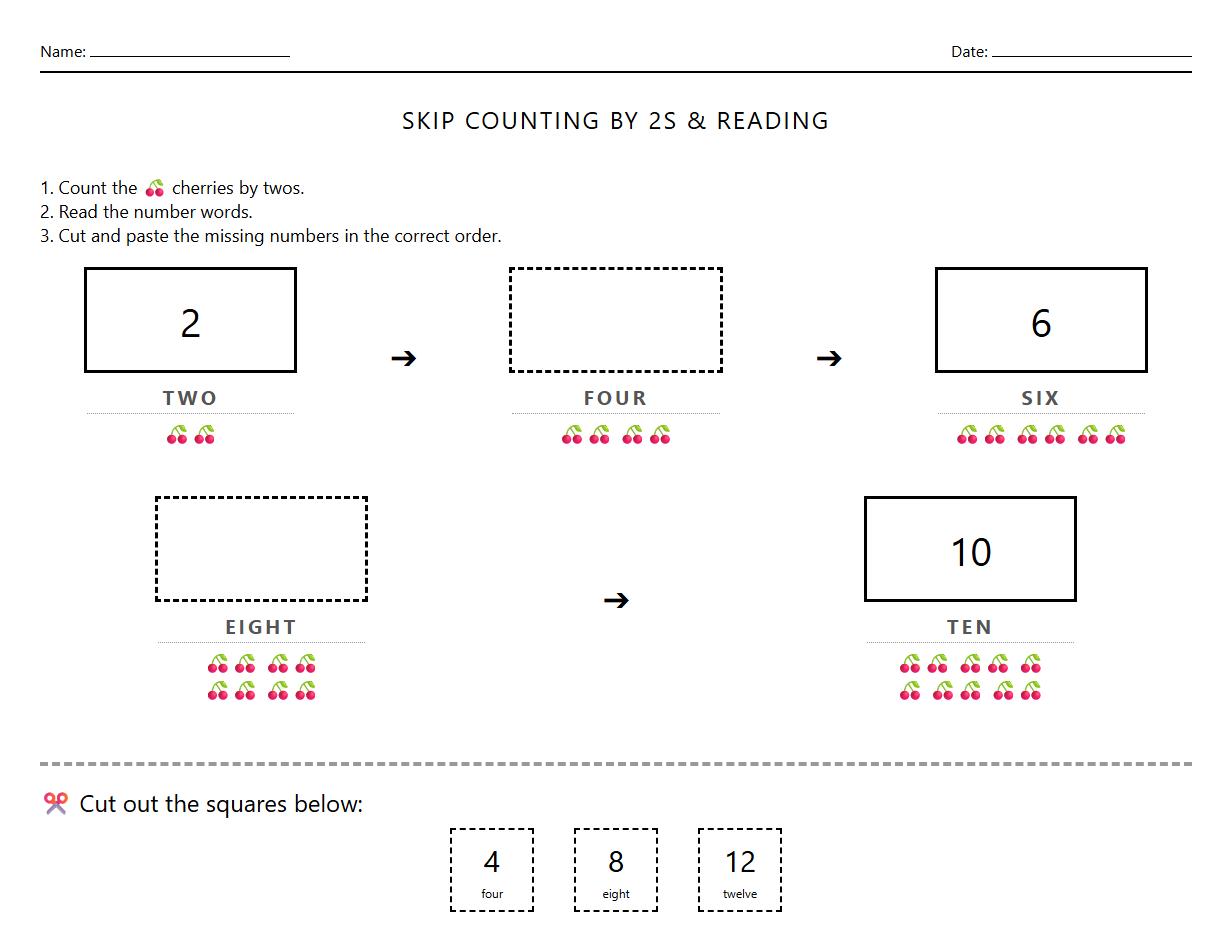
Sequencing by Twos Phonics Worksheet

Download PDF     Pin it

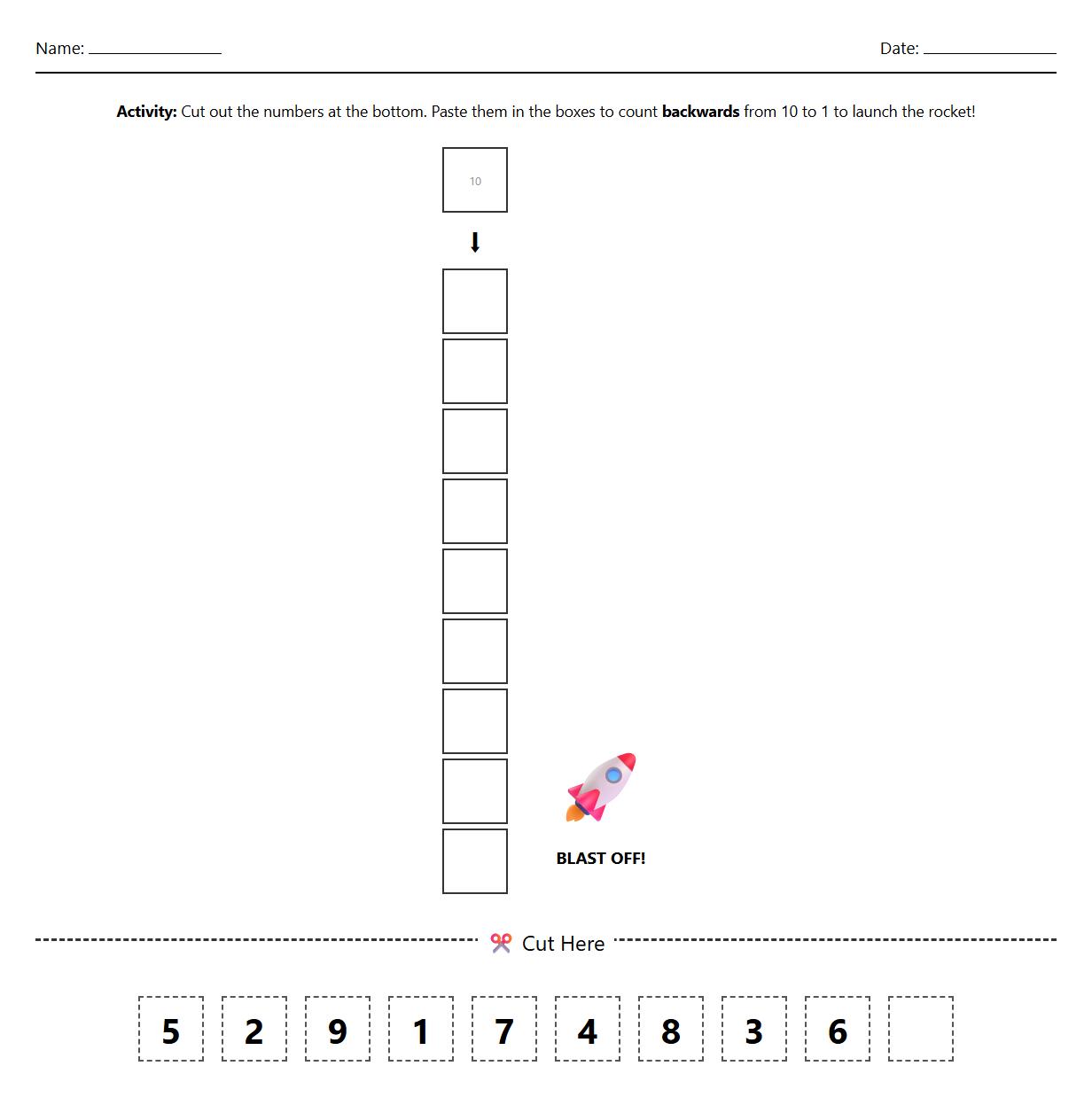
Backward Counting Sequence Cut Out

Backward Counting Sequence Cut Out

Download PDF     Pin it

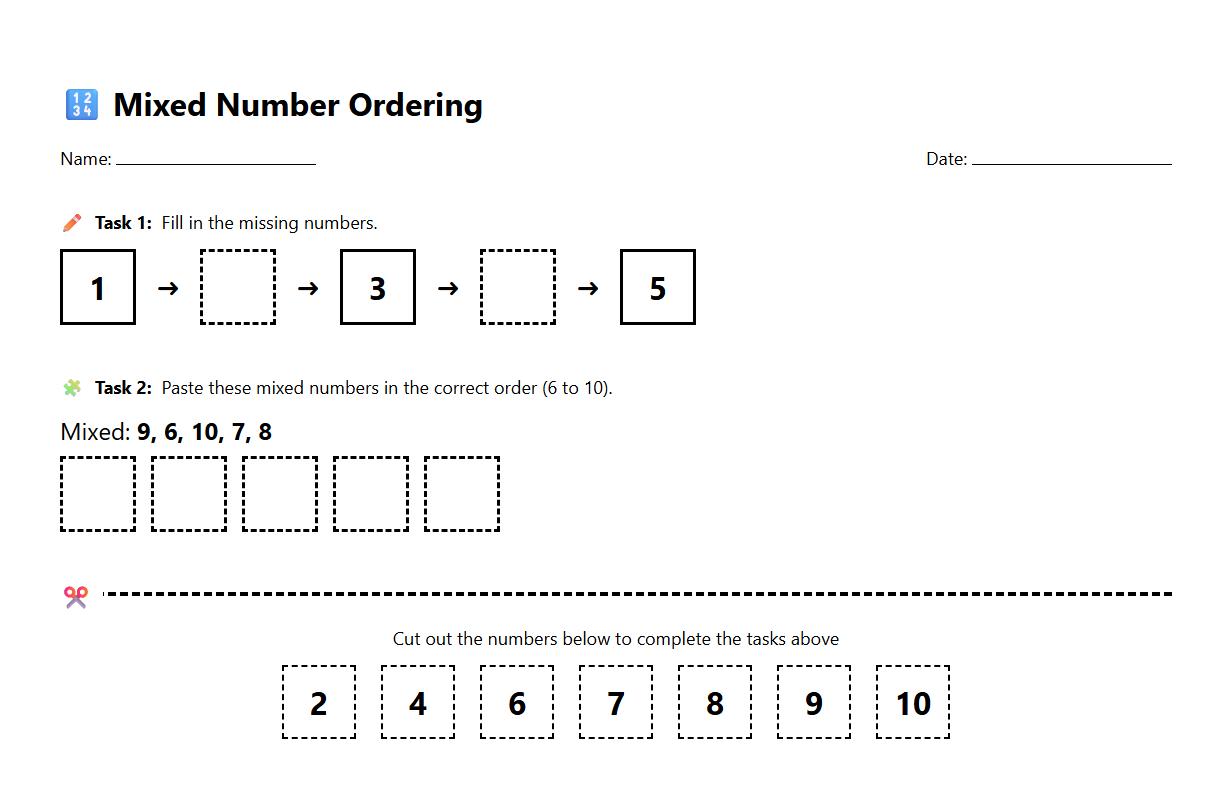
Mixed Order Number Sequencing Task

Mixed Order Number Sequencing Task

Download PDF     Pin it

Count and Match Number Sequence Puzzle
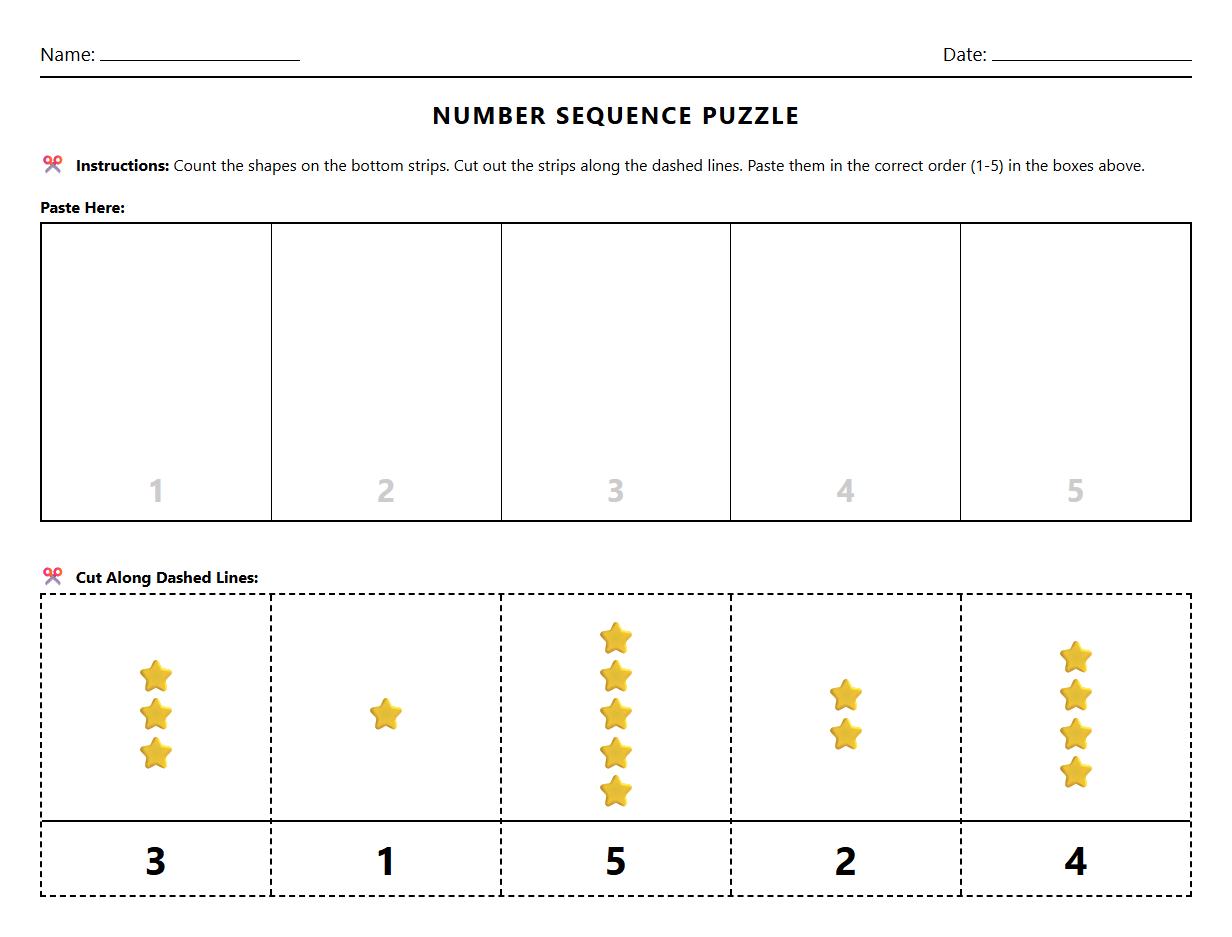
Count and Match Number Sequence Puzzle

Download PDF     Pin it

Number Sequencing with Visual Clues Worksheet
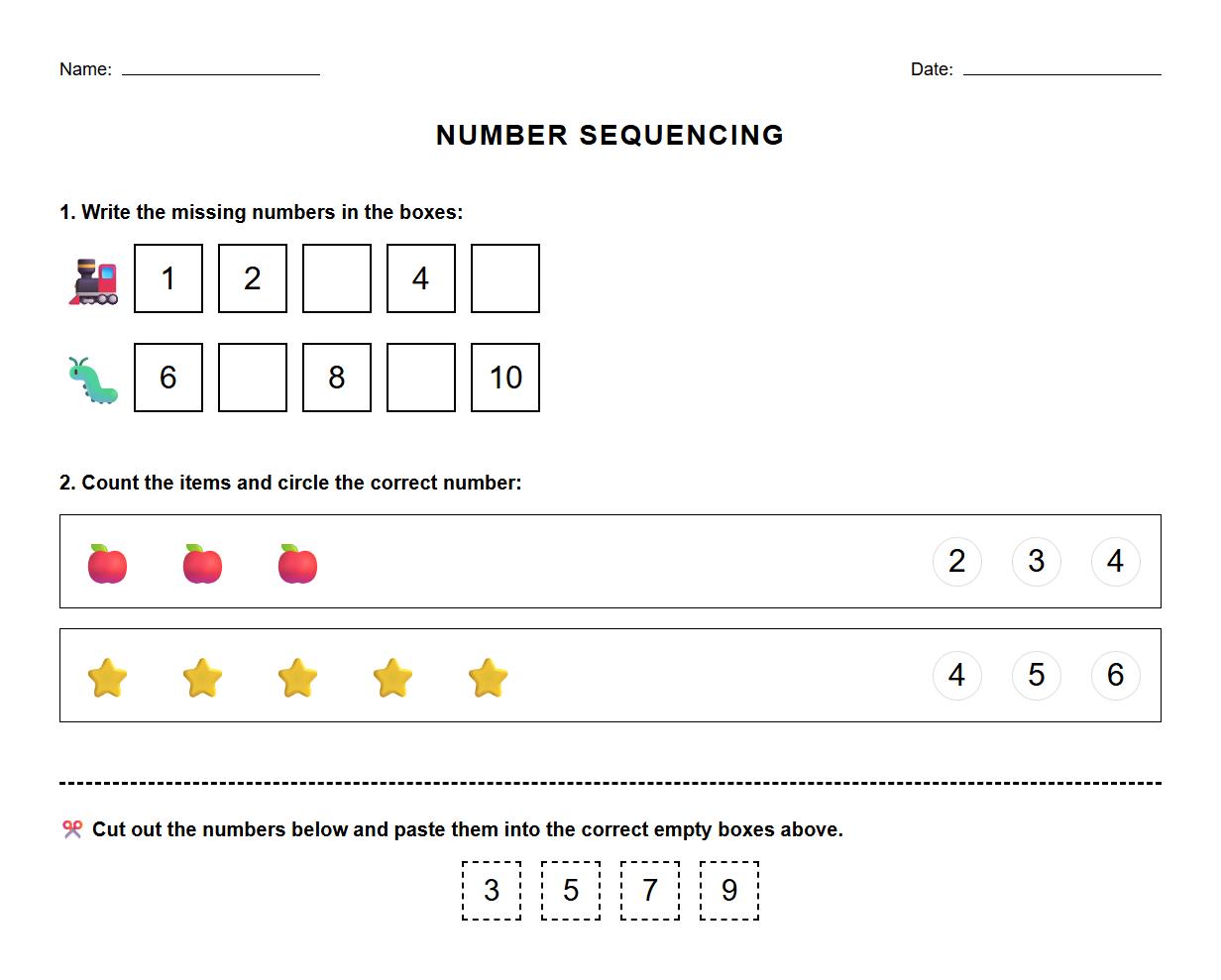
Number Sequencing with Visual Clues Worksheet

Download PDF     Pin it

Understanding Number Sequences

Teaching young children to recognize number sequences is fundamental for their early math skills. The number that comes after five in the sequence is six. Encouraging children to identify the next number helps build their numerical order understanding and counting abilities. Using simple questions like these supports cognitive development in a fun way.

Identifying Missing Numbers

Helping children place the missing number between three and five reinforces their knowledge of number order. It trains their ability to recognize gaps in patterns and enhances problem-solving skills. Parents and teachers can guide children to see that the missing number is four. This activity is key for developing logical thinking and attention to detail.

Sequences and Number Position

Ask children to find which number is first in a given sequence to strengthen their understanding of beginning points and order. Similarly, identifying the last number in a puzzle teaches them about completion and end points in sequences. These exercises support sequential thinking essential for math learning and daily routines.

Hands-On Number Activities

Cut and paste activities allow children to physically manipulate numbers, making abstract concepts more concrete. By arranging numbers in the correct order, children improve both fine motor skills and number sense. This interactive approach captivates young learners and boosts their confidence in recognizing number patterns.

Number Order and Patterns

Asking which number should come before four encourages kids to think backwards in sequences, developing flexible thinking. Finding the missing number from a pattern nurtures observation and analytical skills. These prompts help children become more attentive to details and improve their pattern recognition abilities.

Sorting and Positioning Numbers

When children arrange numbers from smallest to largest, they learn the crucial math skill of ordering. Questions like where number six should be placed in a sequence aid spatial and numerical understanding. Similarly, determining the number to be pasted after seven builds anticipation and reinforces counting forward.


More in Fine Motor and Cognitive Skills Category


About the author. Nylen Smith is a dedicated educator and cofounder of KWorksheet.com, a popular platform specializing in high-quality kindergarten worksheets and printable activities.

Disclaimer. The information provided in this document is for general informational purposes and/or document sample only and is not guaranteed to be factually right or complete. Please report to us via contact-us page if you find and error in this page, thanks.

Comments

No comment yet