Kindergarten Worksheet for Pencil Control: Line and Curve Tracing Practice

📅 Jan 3, 2025 👤 Nylen Smith

Developing fine motor skills is essential for young learners, and pencil control exercises play a crucial role in this process. Tracing lines and curves helps kindergarten children improve hand-eye coordination and prepare for writing letters and numbers. Explore our collection of worksheets designed to make pencil control practice engaging and effective.

Phonics Pencil Control Worksheet Straight Line Tracing
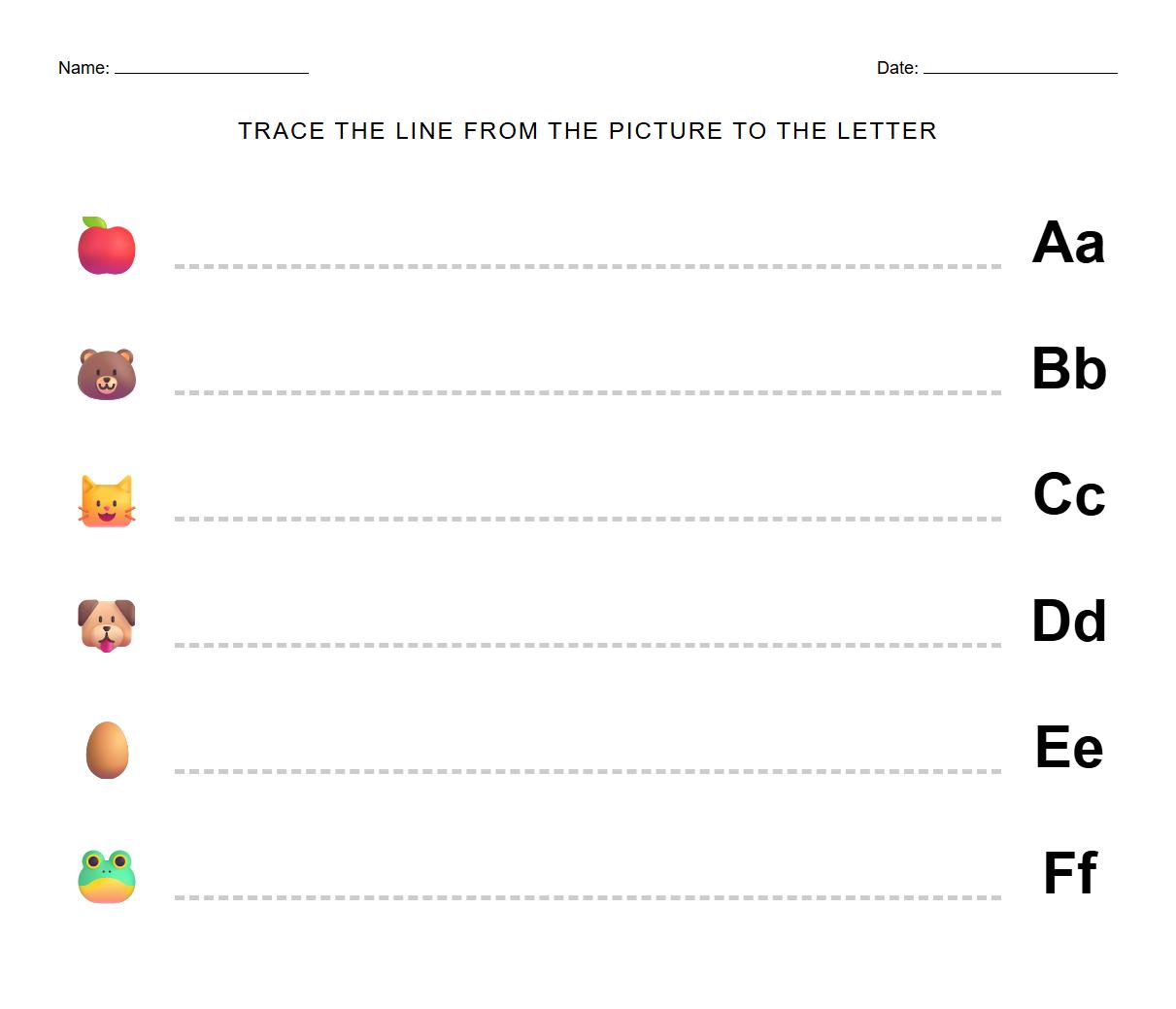
Phonics Pencil Control Worksheet Straight Line Tracing

Download PDF     Pin it

Visual Motor Skills Curve Tracing Worksheet for Kindergarten
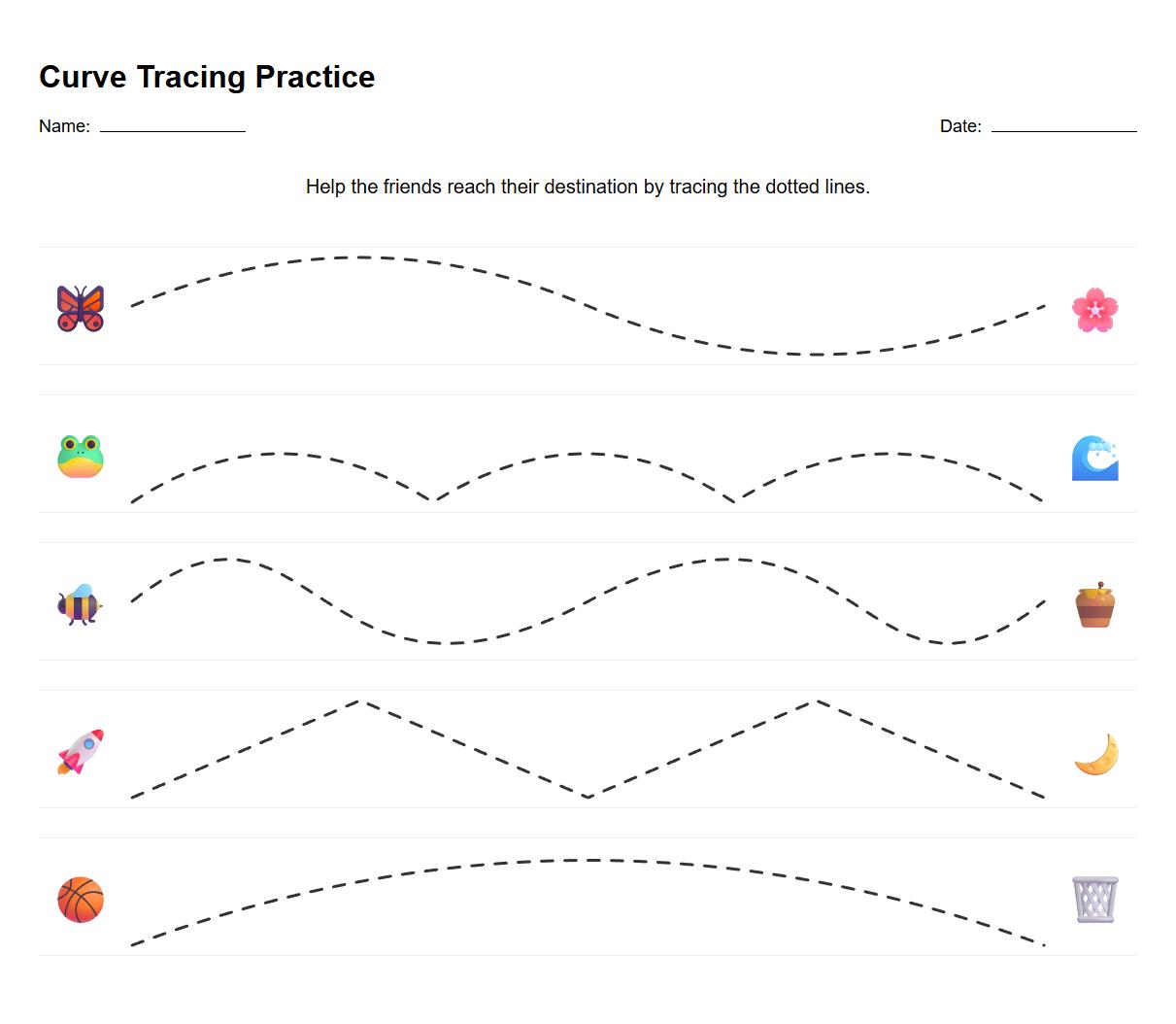
Visual Motor Skills Curve Tracing Worksheet for Kindergarten

Download PDF     Pin it

Fine Motor Development Zigzag Pattern Line Tracing Activity
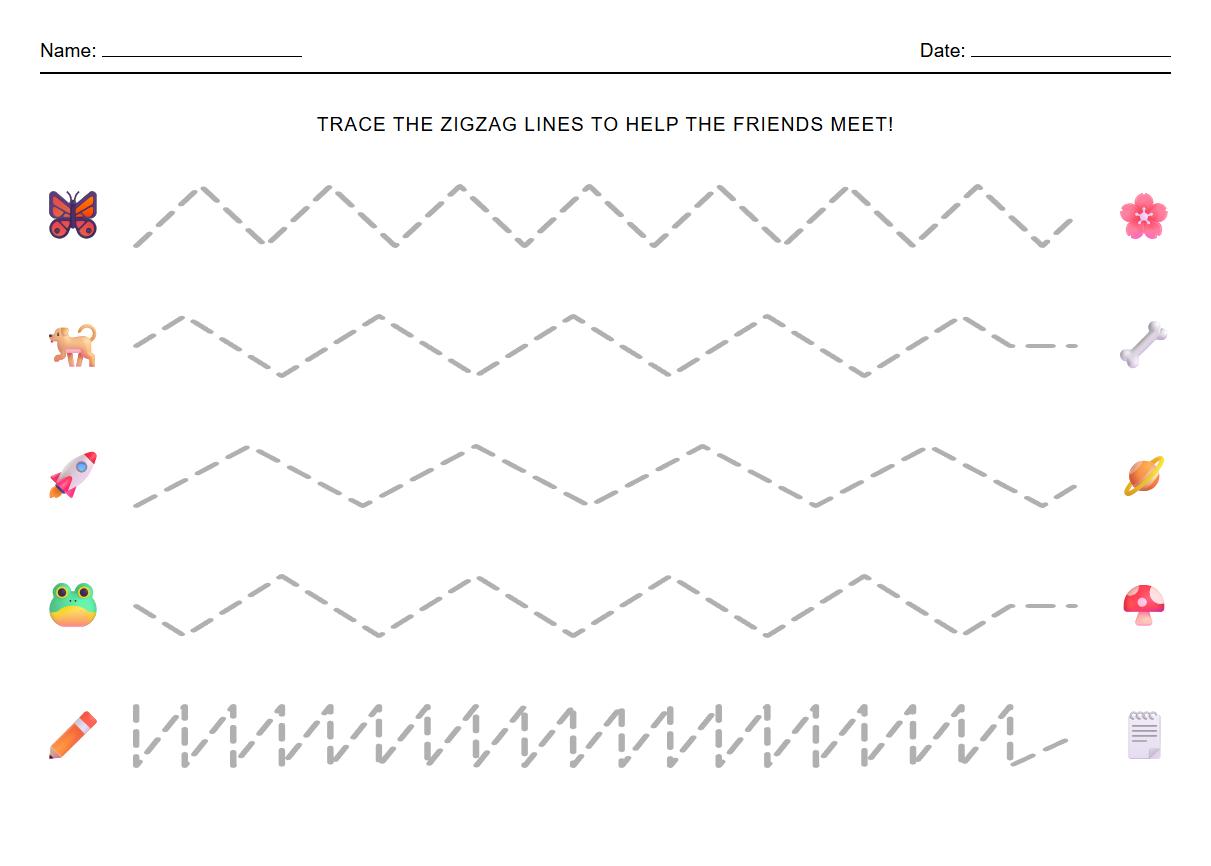
Fine Motor Development Zigzag Pattern Line Tracing Activity

Download PDF     Pin it

Pre Writing Skills Wavy Line Tracing Worksheet
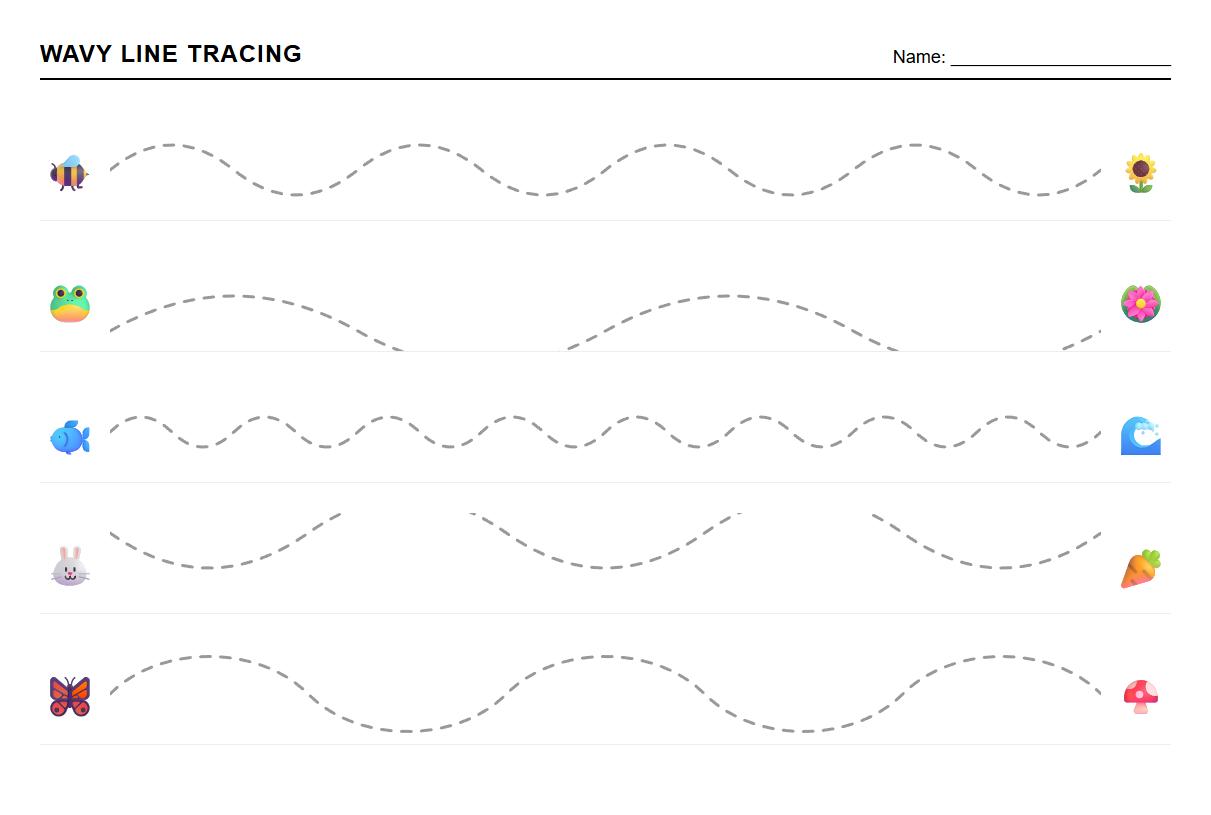
Pre Writing Skills Wavy Line Tracing Worksheet

Download PDF     Pin it

Letter Formation Curved and Straight Line Tracing Worksheet
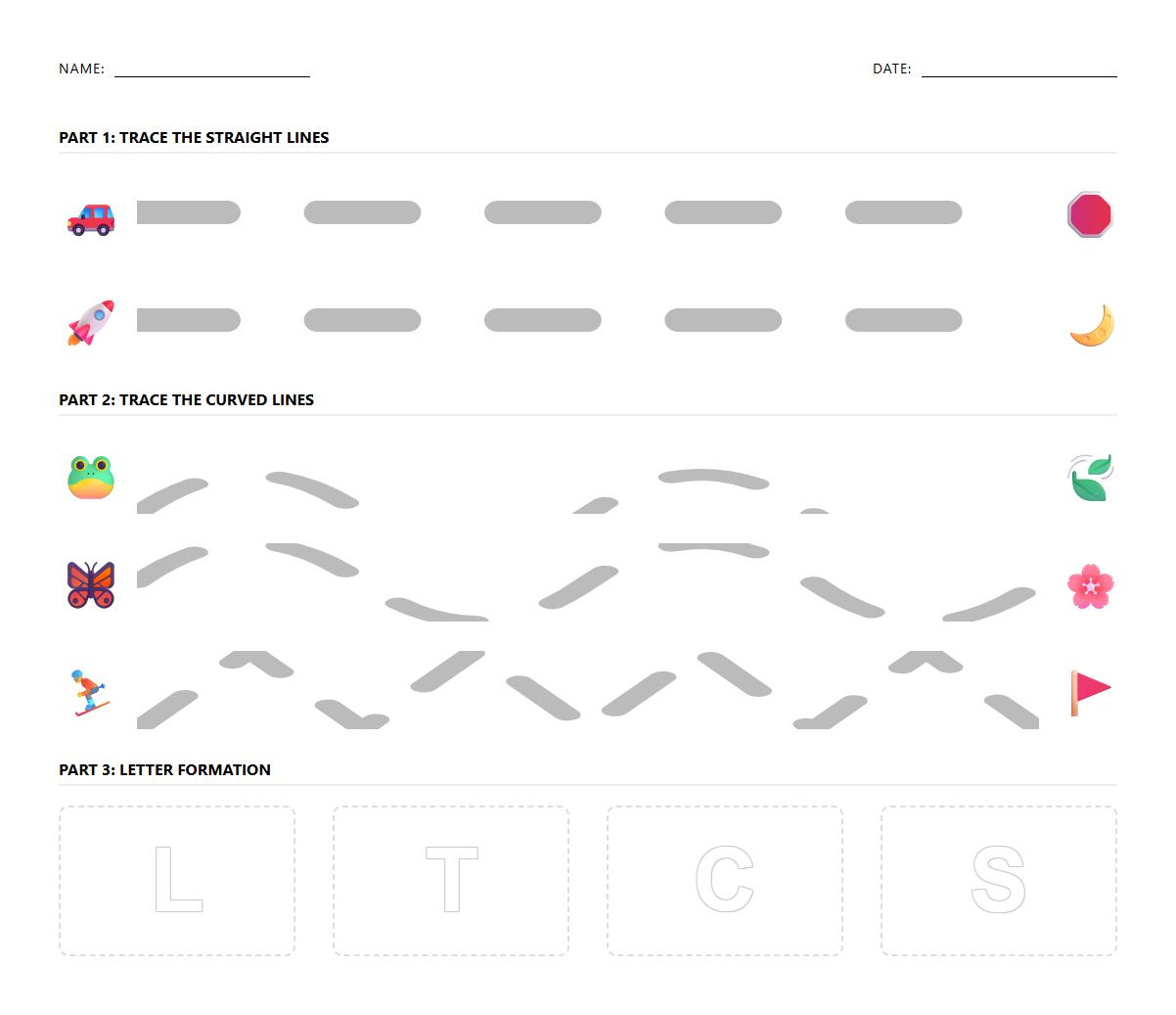
Letter Formation Curved and Straight Line Tracing Worksheet

Download PDF     Pin it

Graphomotor Skills Spiral Curve Tracing Practice Sheet
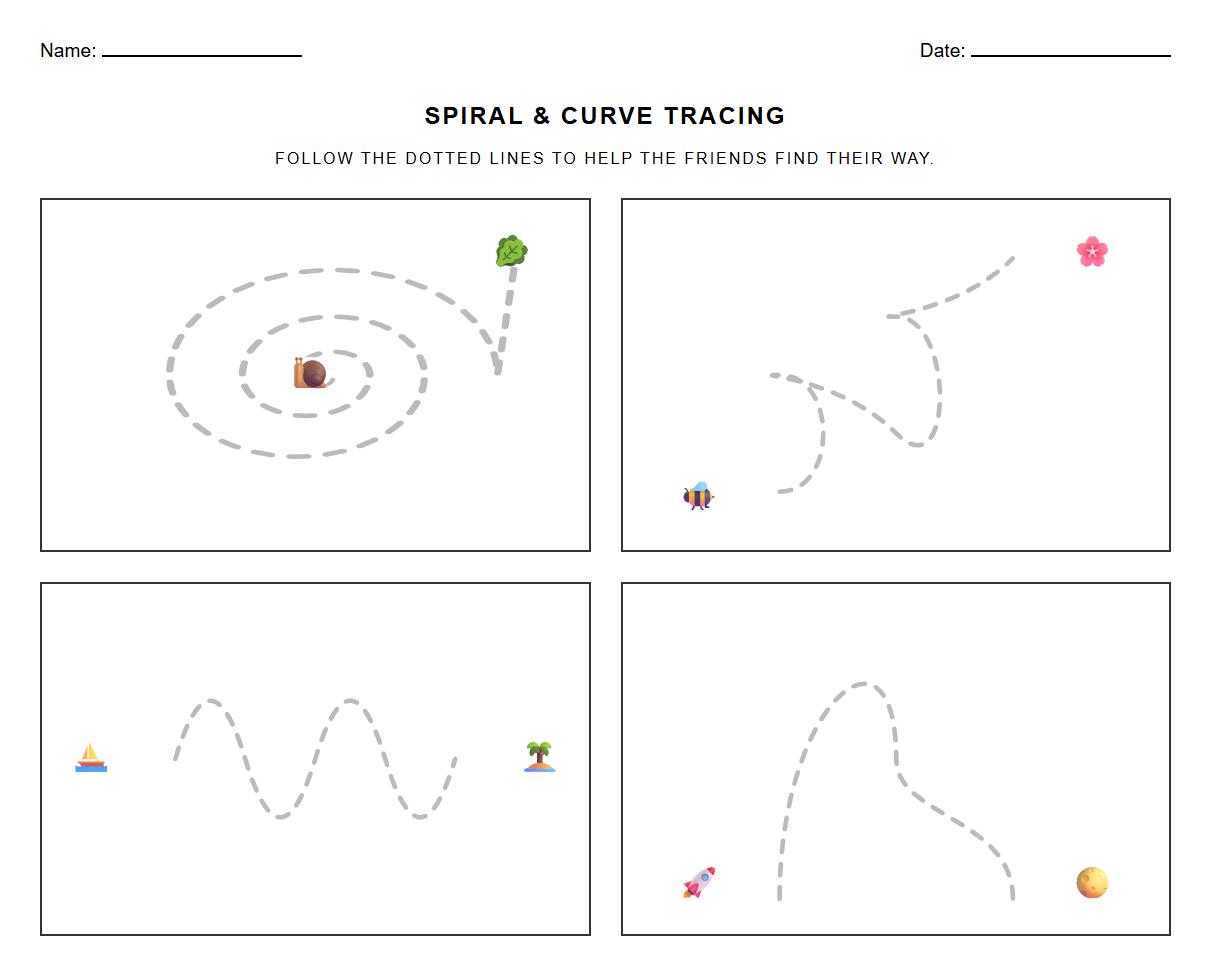
Graphomotor Skills Spiral Curve Tracing Practice Sheet

Download PDF     Pin it

Pencil Grip Enhancement Vertical and Horizontal Line Tracing
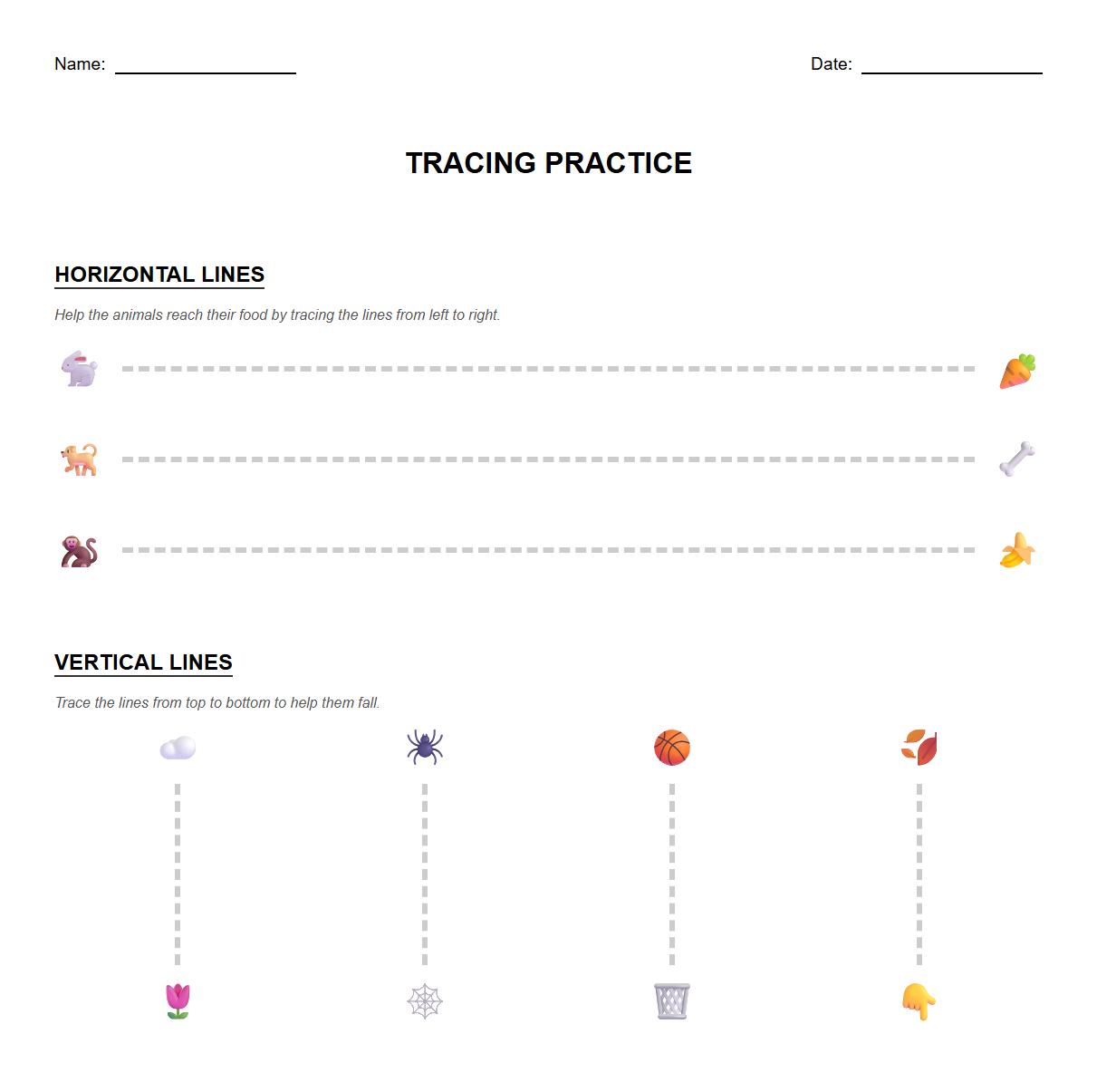
Pencil Grip Enhancement Vertical and Horizontal Line Tracing

Download PDF     Pin it

Visual Perception Dashed Curve and Line Tracing Exercise
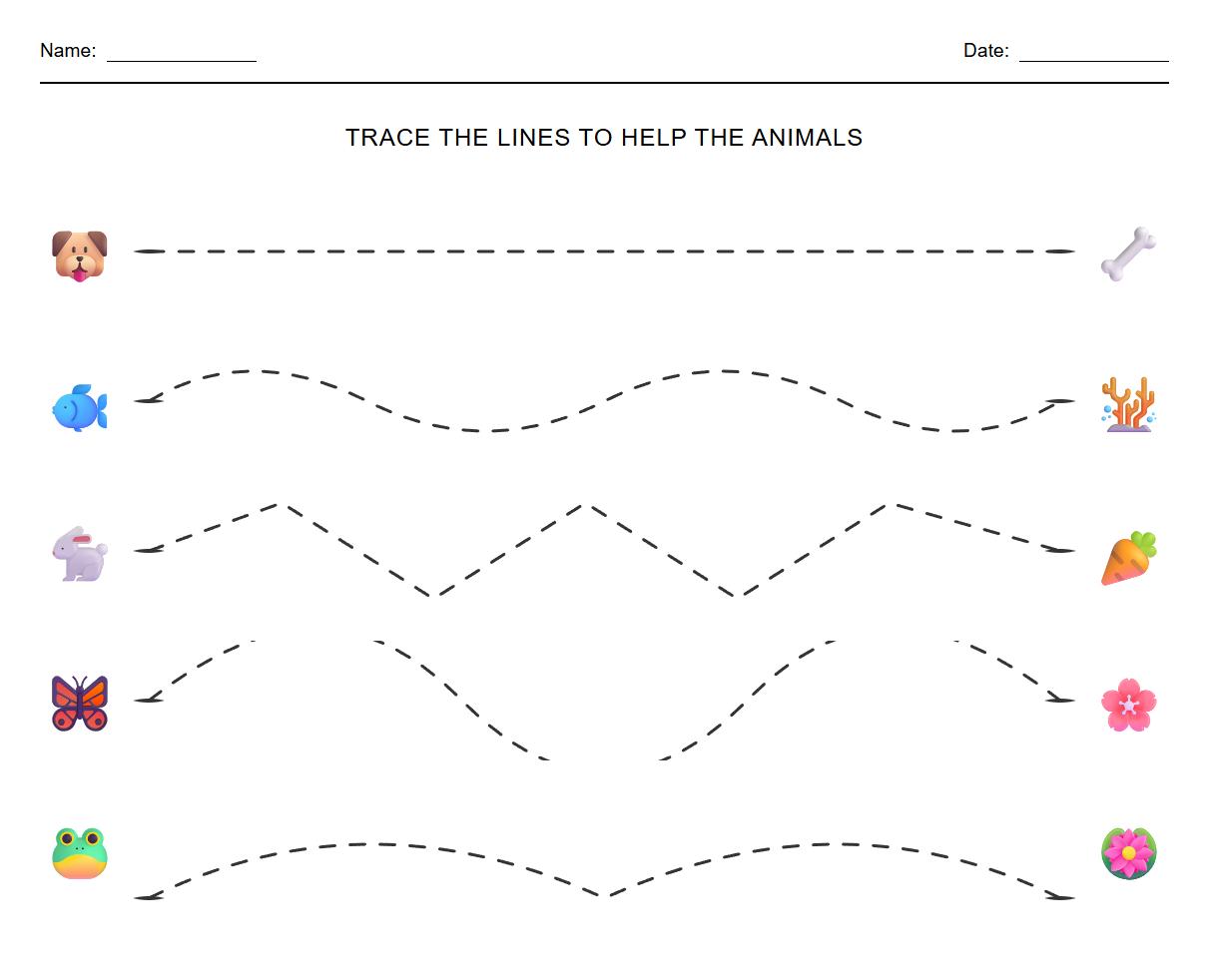
Visual Perception Dashed Curve and Line Tracing Exercise

Download PDF     Pin it

Directionality Skills Diagonal Line Tracing Worksheet
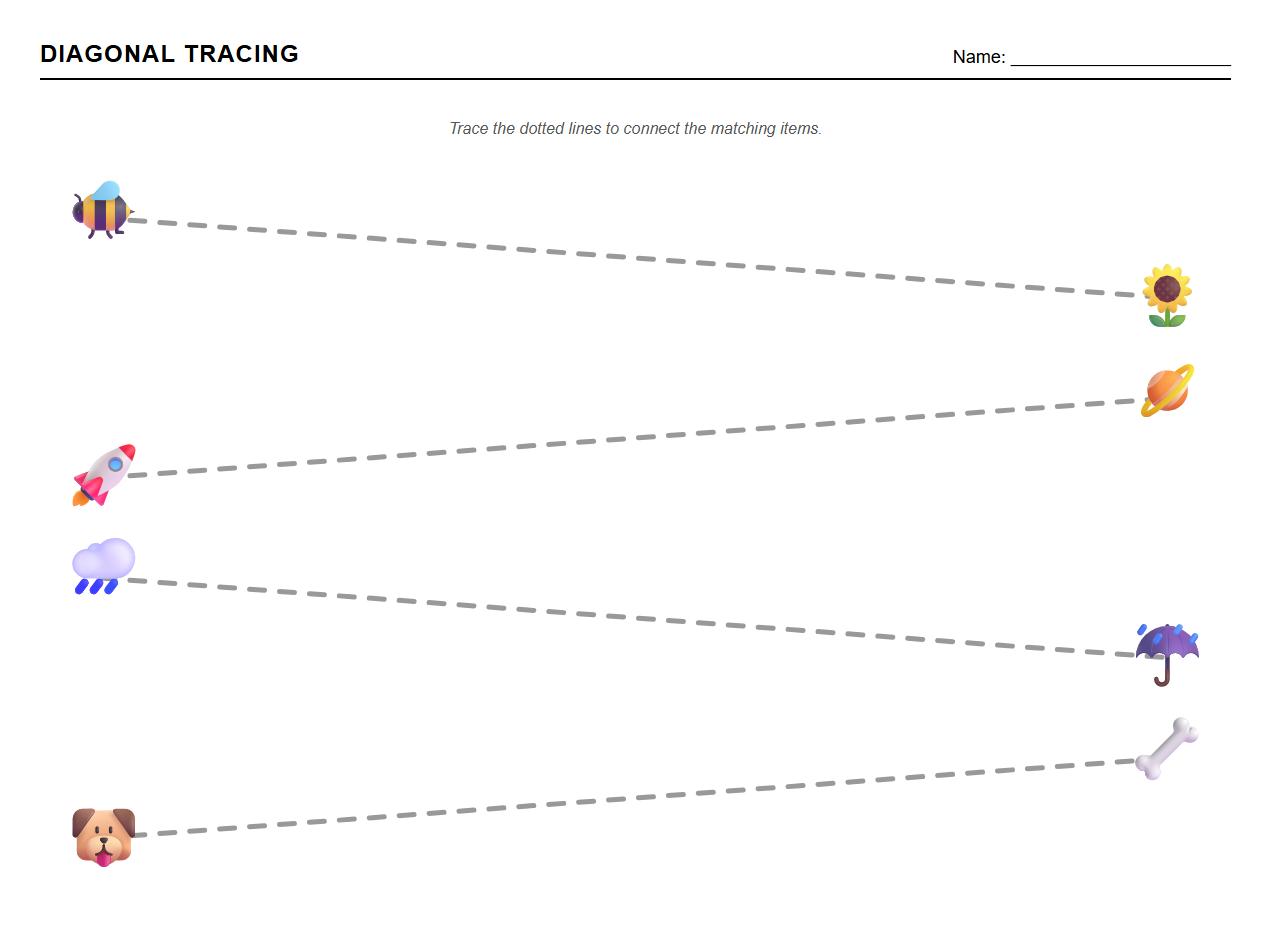
Directionality Skills Diagonal Line Tracing Worksheet

Download PDF     Pin it

Occupational Therapy Loop and Swirl Line Tracing Task
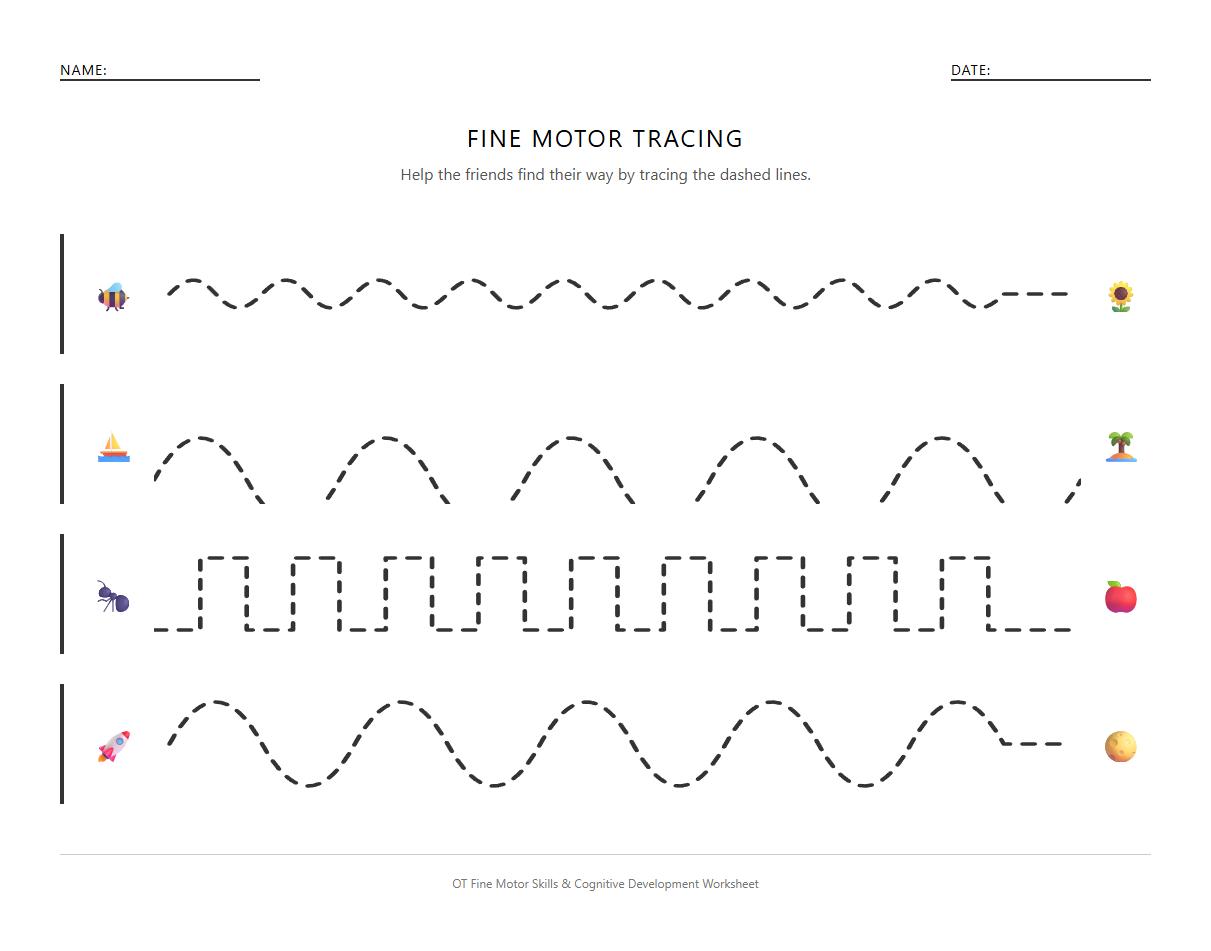
Occupational Therapy Loop and Swirl Line Tracing Task

Download PDF     Pin it

Skills Developed Through Line and Curve Tracing Worksheets

Line and curve tracing worksheets primarily enhance fine motor skills and hand-eye coordination. These activities also foster early visual-motor integration, laying the foundation for writing. Moreover, tracing promotes concentration and patience, key skills for young learners. It supports the gradual mastery of pencil control essential for future academic tasks.

Tracing Activities and Pencil Control Support

Tracing helps kindergarten students gain better pencil grip and control by guiding their movements along defined paths. This practice strengthens the small muscles of the hand critical for writing precision. It also encourages consistent pressure application and smooth strokes. Regular tracing builds confidence in handwriting skills through repetitive, structured practice.

Common Types of Lines in Tracing Worksheets

Tracing worksheets often include straight, vertical, horizontal, diagonal lines, and curves. Some may feature zigzag and wavy lines to increase complexity gradually. These line variations challenge different motor skills and improve directional awareness. Diverse line types prepare children for the variety of strokes in letter formation.

Importance of Curve Tracing for Early Writing

Curve tracing is crucial as many letters and numbers involve curved strokes. Practicing curves helps children understand fluid motion and control, which are necessary for legible handwriting. It enhances wrist flexibility and the ability to transition smoothly between strokes. Curve tracing supports the cognitive mapping of letter shapes in writing development.

Assessing Progress with Pencil Control Worksheets

Teachers can assess progress by monitoring the accuracy and consistency of traced lines. Observations focus on the ability to stay within boundaries and apply even pressure. Tracking improvements in speed and confidence over time is also effective. Anecdotal notes and completed worksheet reviews help tailor individual support.

Materials Needed for Effective Tracing Practice

Essential materials include high-quality worksheets with clear lines and curves, pencils with appropriate grip, and erasers. Using colored pencils or markers can increase engagement and visual feedback. A comfortable writing surface and proper lighting enhance the tracing experience. Optional tools include tracing paper overlays to extend the variety of practice.

Optimal Frequency for Kindergarten Tracing Practice

Kindergarteners benefit from daily short sessions of about 10-15 minutes to develop pencil control effectively. Consistent practice reinforces muscle memory and fine motor coordination. Overloading sessions can reduce focus, so balance with other activities is key. Regular, incremental practice yields the best skill retention.

Strategies for Engaging Tracing Exercises

Incorporate colorful visuals and themes that interest children to maintain enthusiasm. Use games, rewards, and varied line patterns to keep tracing enjoyable. Integrating technology, such as interactive tracing apps, can also motivate learners. Encouraging peer collaboration fosters social learning and engagement.

How Tracing Prepares for Writing Letters and Numbers

Tracing lines and curves builds foundational muscle memory and directional awareness needed for letter and number formation. It teaches children to control pencil pressure and stroke order. These skills translate directly into improved handwriting accuracy and speed. Tracing simplifies complex writing tasks into manageable steps for young learners.

Common Challenges in Pencil Control Activities

Children may struggle with inconsistent pressure, unsteady hands, or difficulty staying within lines. Fatigue and lack of focus can also hinder performance during tracing. Some learners face sensory processing issues affecting grip and movement. Identifying these challenges early allows for targeted support and intervention.


More in Fine Motor and Cognitive Skills Category


About the author. Nylen Smith is a dedicated educator and cofounder of KWorksheet.com, a popular platform specializing in high-quality kindergarten worksheets and printable activities.

Disclaimer. The information provided in this document is for general informational purposes and/or document sample only and is not guaranteed to be factually right or complete. Please report to us via contact-us page if you find and error in this page, thanks.

Comments

No comment yet