Alphabet Matching Visual Discrimination Activities for Kindergarten Grade

📅 Jan 9, 2025 👤 Nylen Smith

Alphabet matching activities enhance kindergarteners' visual discrimination skills by encouraging them to identify and pair corresponding letters. These exercises support early literacy development by reinforcing letter recognition and promoting cognitive connections between letter shapes. Explore our collection of alphabet matching worksheets designed to engage young learners and boost their reading readiness.

Uppercase and Lowercase Alphabet Matching Phonics Worksheet
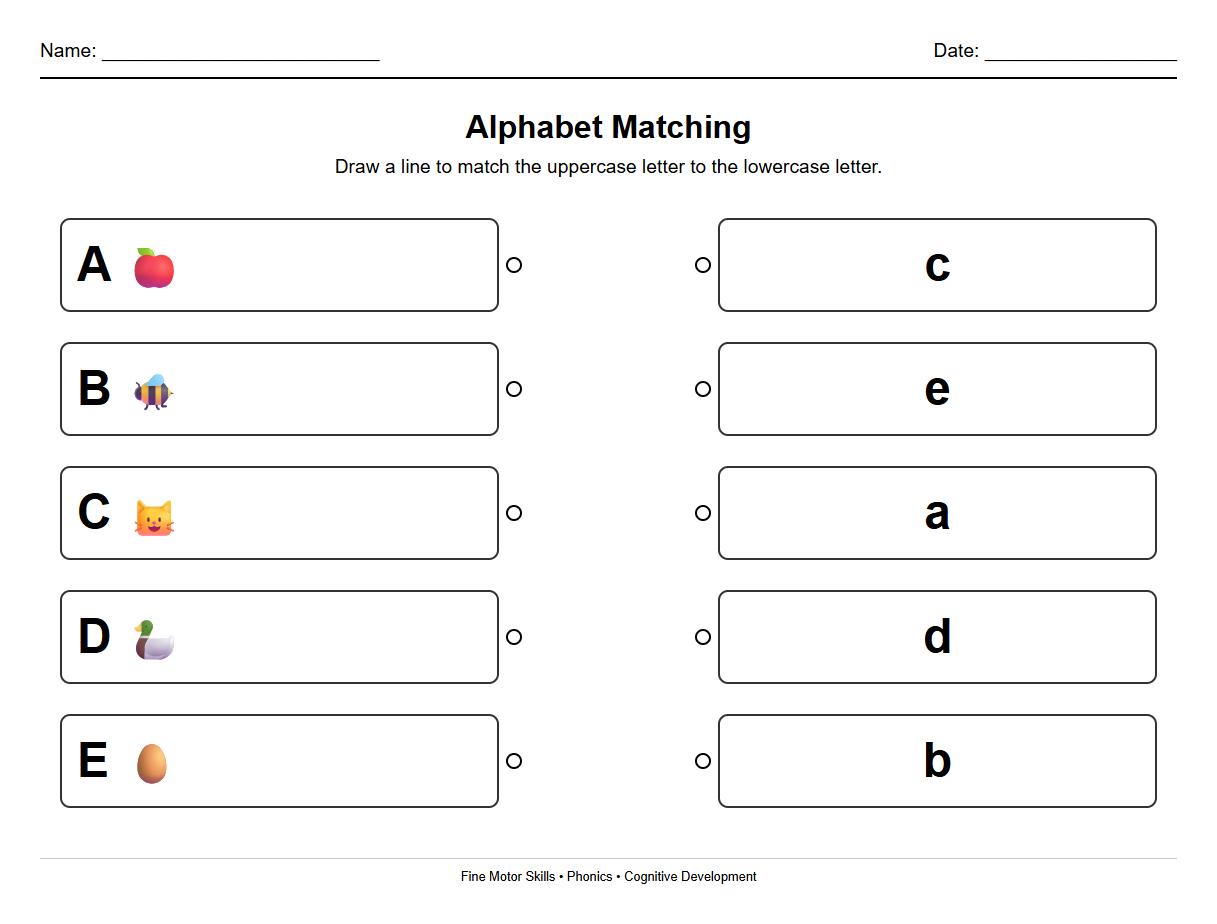
Uppercase and Lowercase Alphabet Matching Phonics Worksheet

Download PDF     Pin it

Visual Discrimination Letter Pair Identification Activity
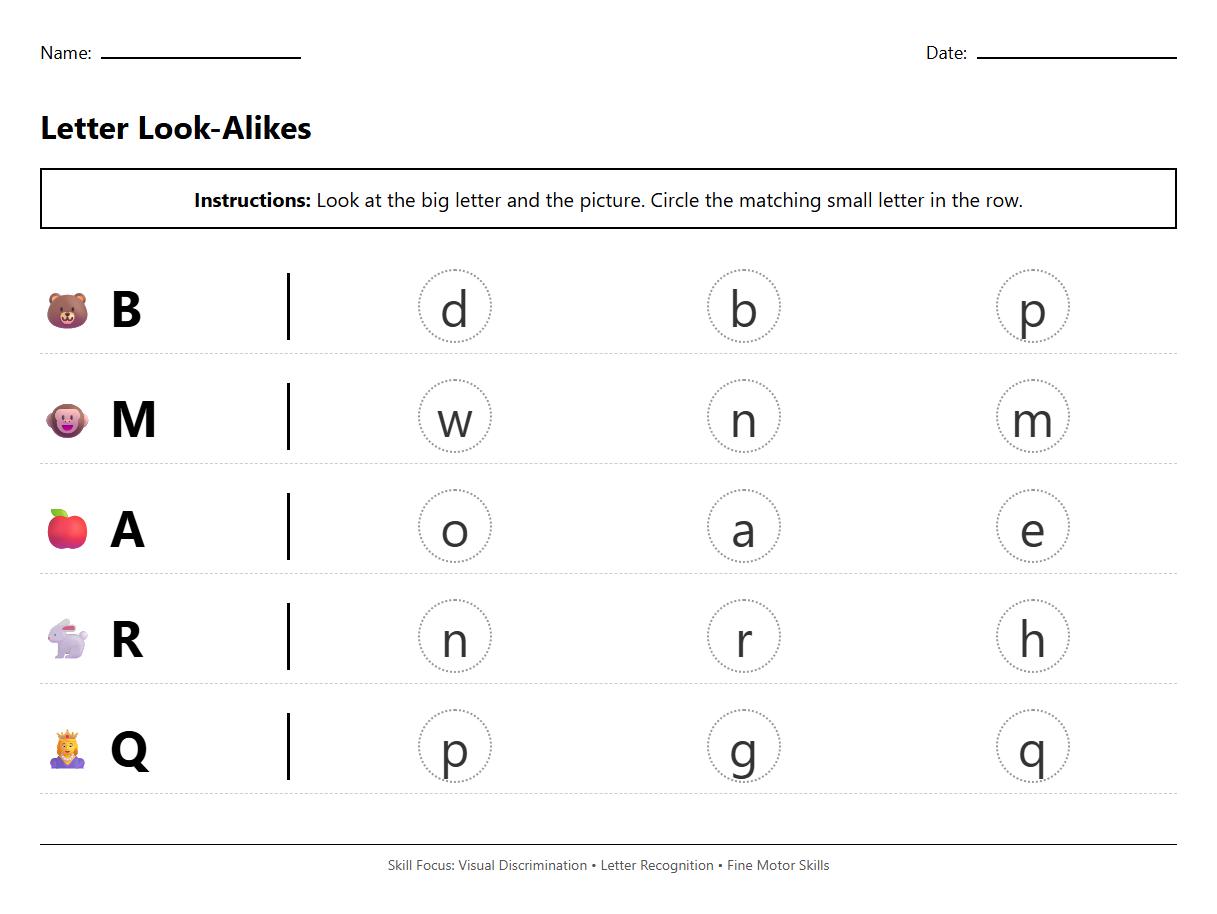
Visual Discrimination Letter Pair Identification Activity

Download PDF     Pin it

Alphabet Sequencing and Matching Cut and Paste Exercise
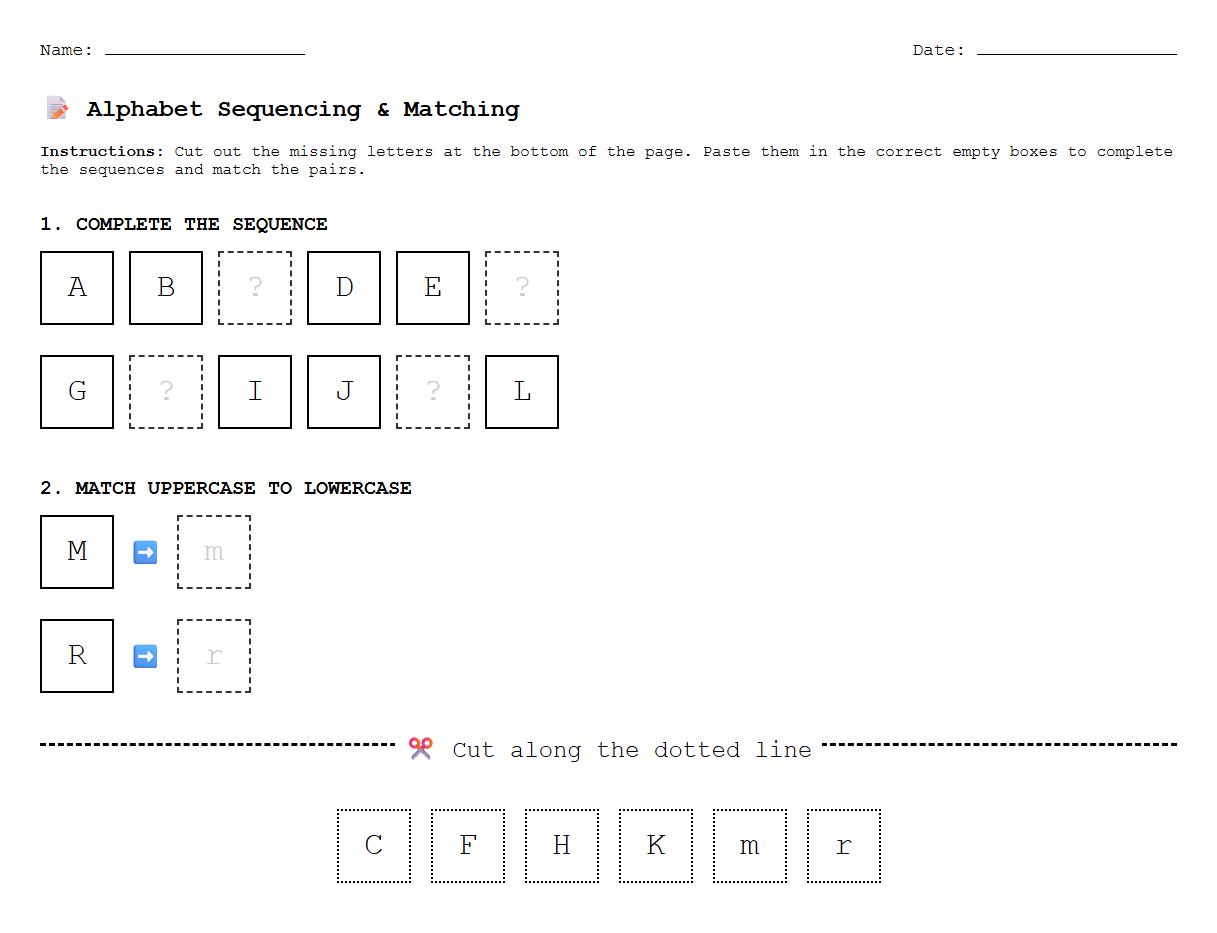
Alphabet Sequencing and Matching Cut and Paste Exercise

Download PDF     Pin it

Letter Shape Recognition and Matching Task
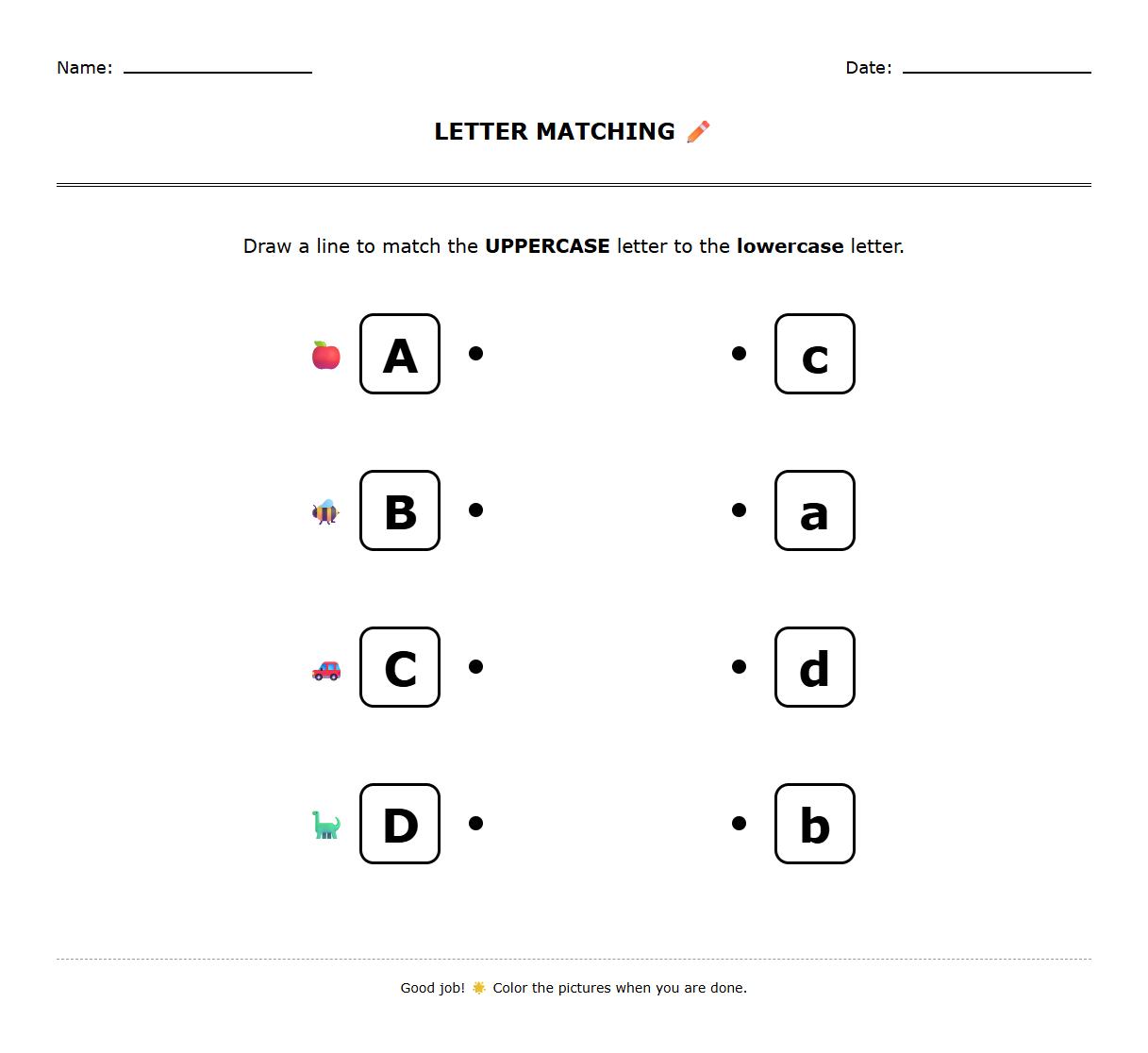
Letter Shape Recognition and Matching Task

Download PDF     Pin it

Initial Sounds Phonic Matching with Alphabet Cards
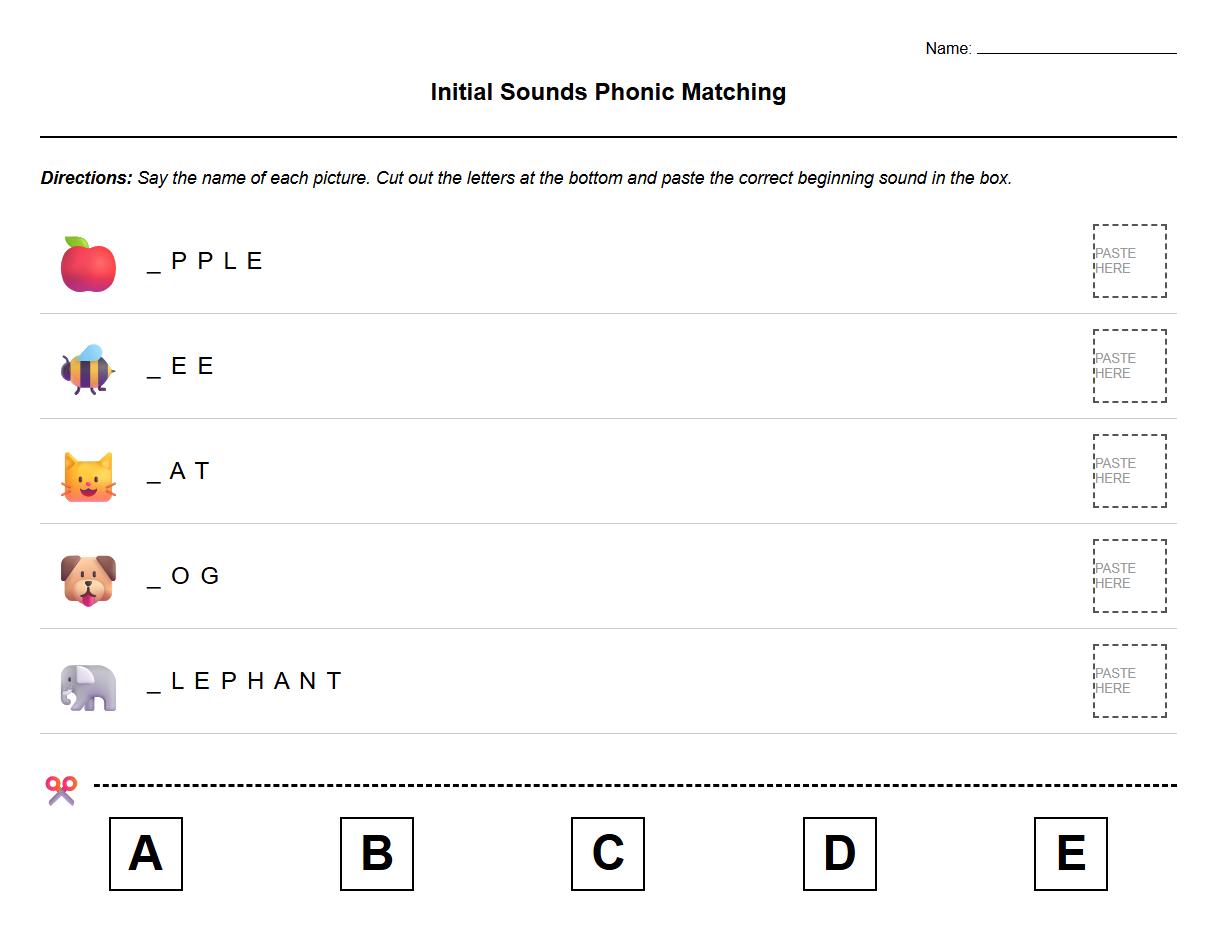
Initial Sounds Phonic Matching with Alphabet Cards

Download PDF     Pin it

Visual Similarity Letter Differentiation Worksheet
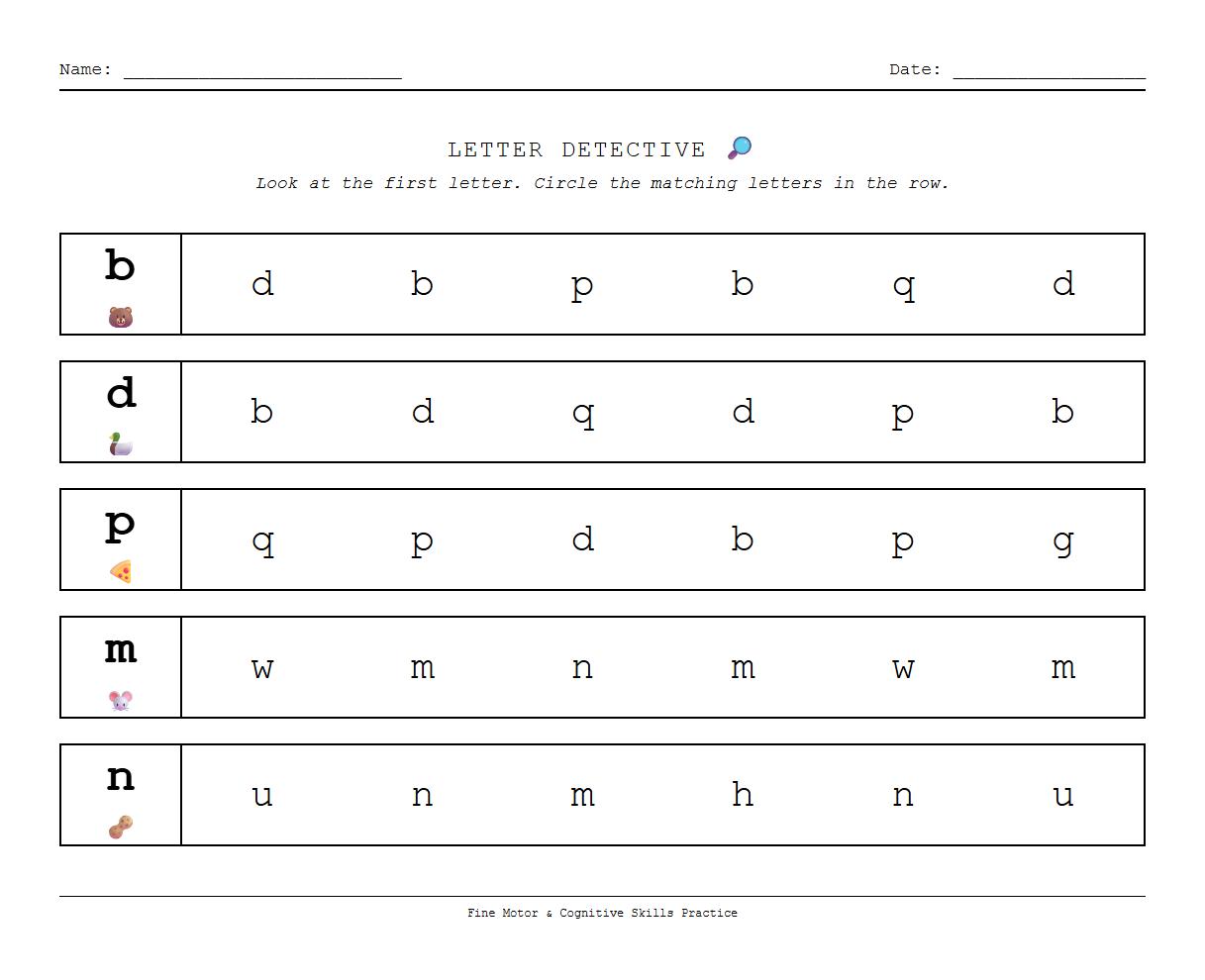
Visual Similarity Letter Differentiation Worksheet

Download PDF     Pin it

Alphabet Letter Shadow Matching Visual Exercise
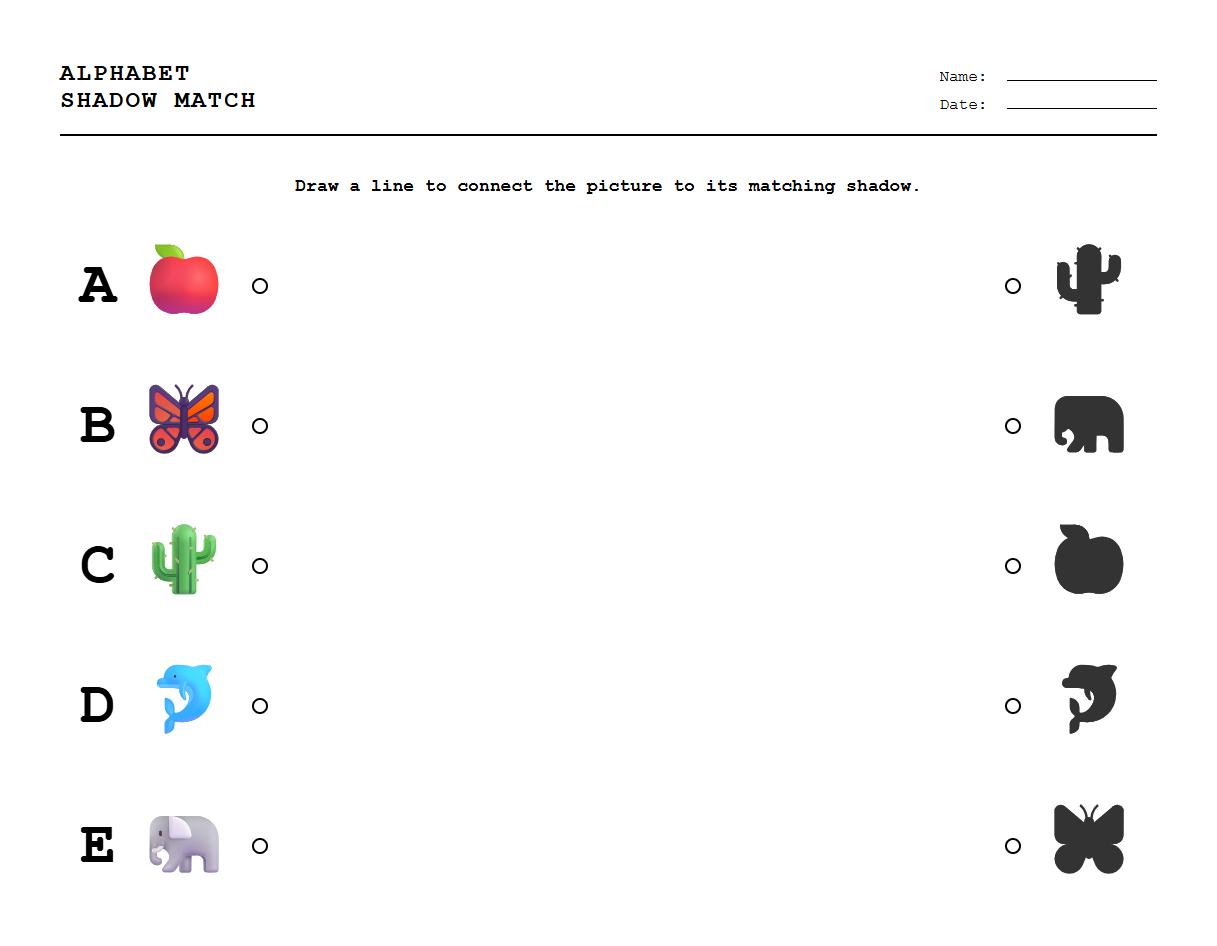
Alphabet Letter Shadow Matching Visual Exercise

Download PDF     Pin it

Phonemic Awareness Letter to Picture Matching Sheet
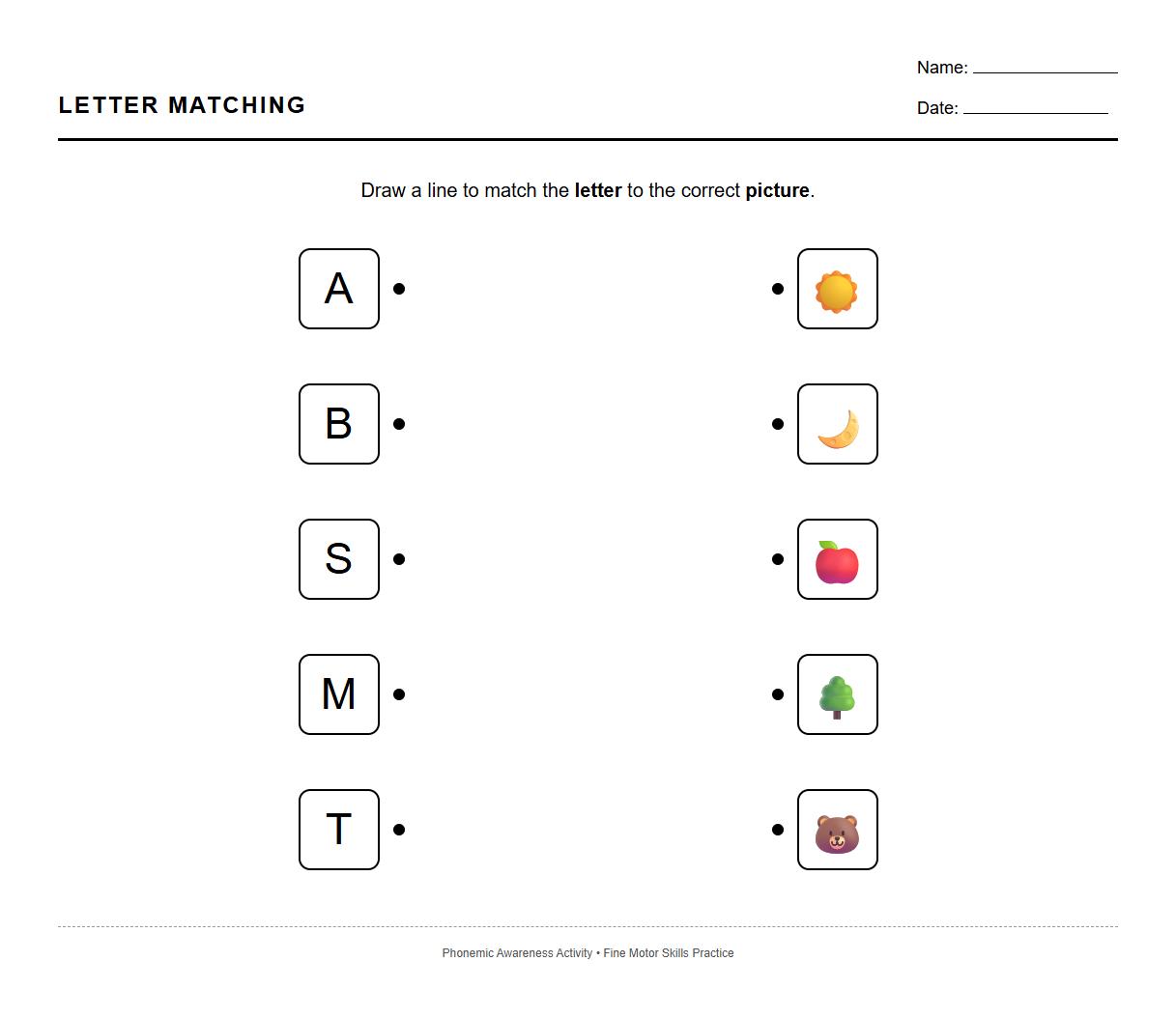
Phonemic Awareness Letter to Picture Matching Sheet

Download PDF     Pin it

Letter Case Sorting and Visual Categorization Activity
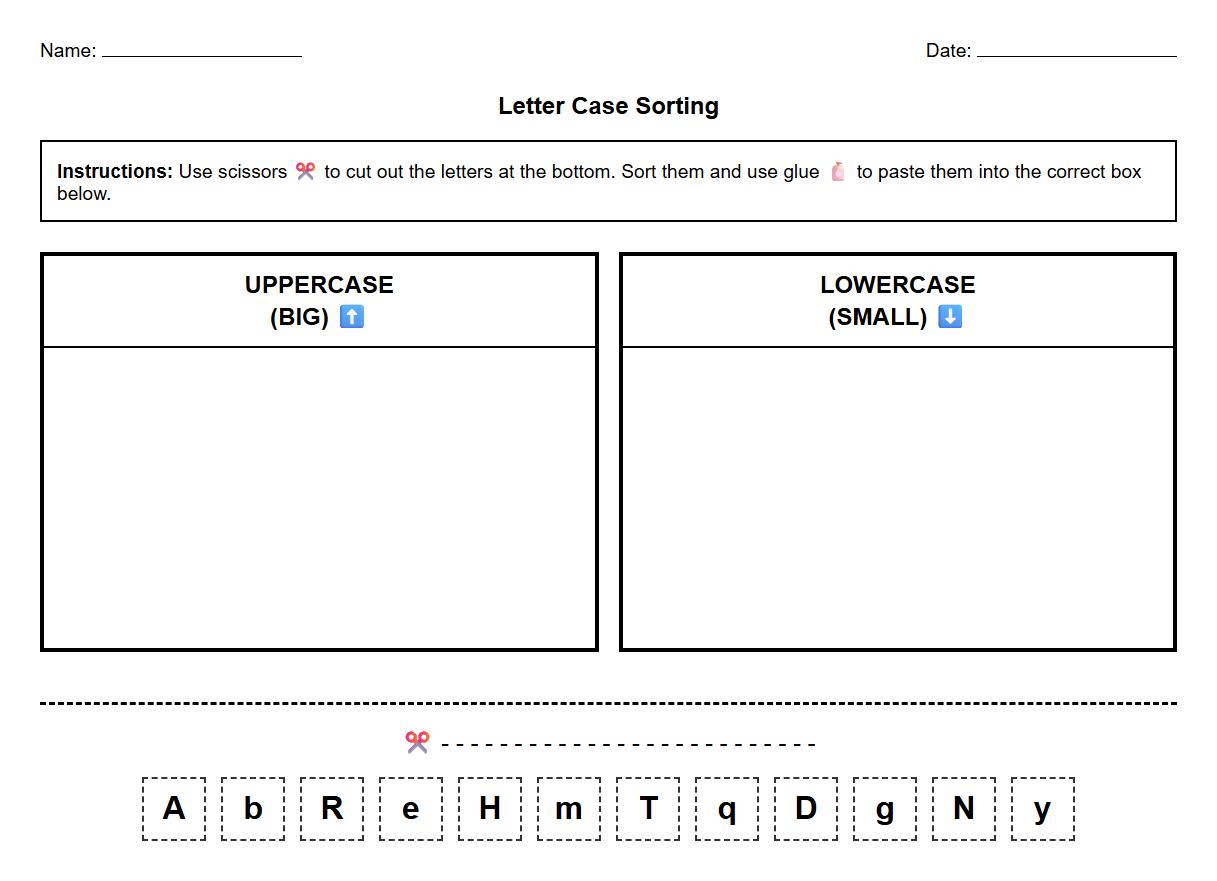
Letter Case Sorting and Visual Categorization Activity

Download PDF     Pin it

Alphabet Maze Visual Discrimination Challenge
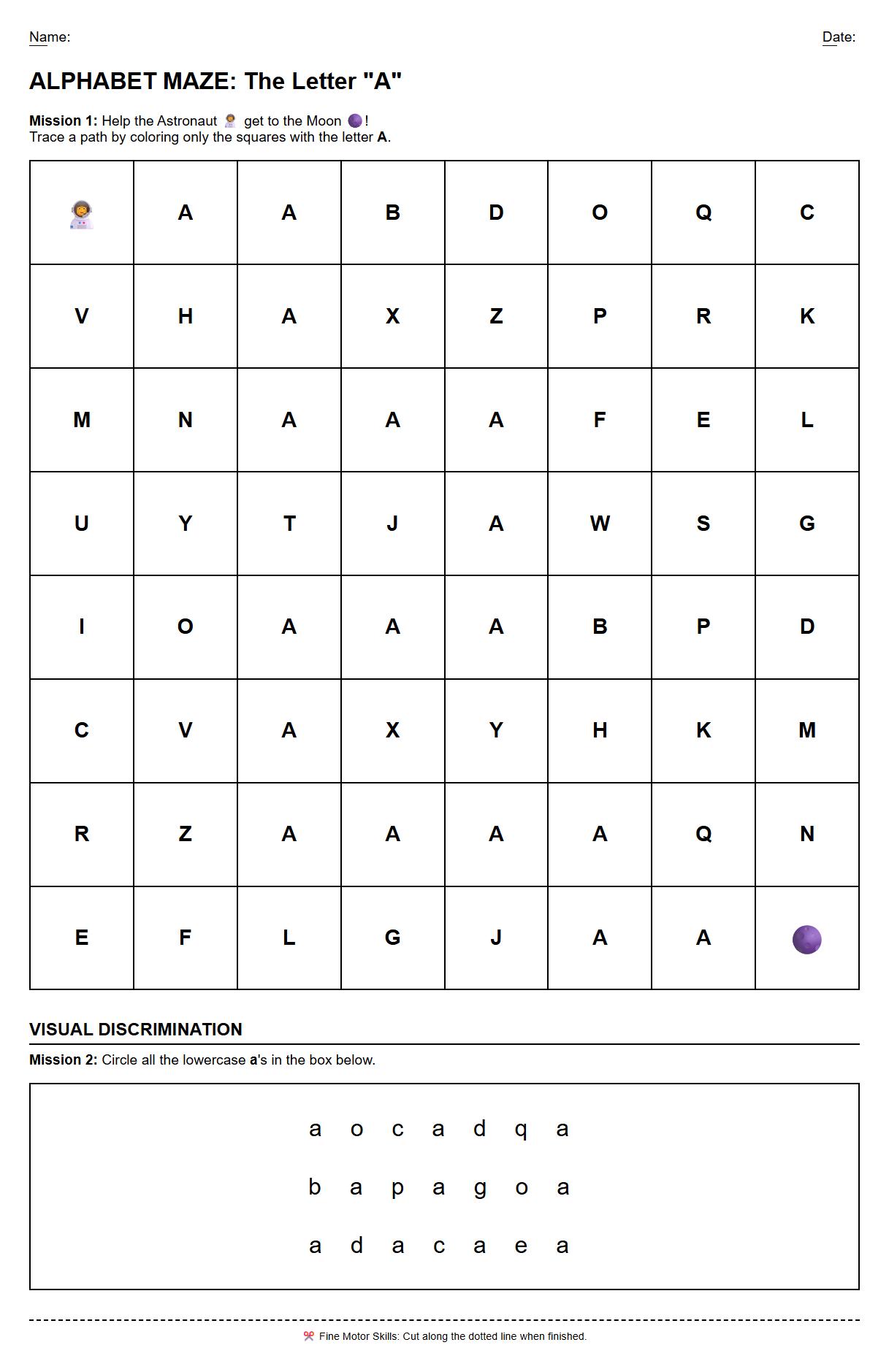
Alphabet Maze Visual Discrimination Challenge

Download PDF     Pin it

Effective Alphabet Matching Activities for Kindergarten Students

Effective alphabet matching activities involve pairing uppercase and lowercase letters to reinforce letter recognition. Using flashcards, magnetic letters, or interactive worksheets helps students engage actively with the alphabet. Sorting games and matching puzzles promote memory and reinforce alphabet sequence. Incorporate multisensory elements to deepen learning and retention.

How Visual Discrimination Supports Letter Recognition in Young Children

Visual discrimination enables children to distinguish subtle differences between similar letters, such as 'b' and 'd'. This skill is essential for accurate reading and writing. By sharpening visual discrimination, children develop the ability to decode words and recognize letter patterns swiftly. It forms the foundation for successful early literacy development.

Best Materials for Creating Engaging Alphabet Matching Games

Durable materials such as laminated flashcards, magnetic letters, and foam alphabets are ideal for hands-on alphabet matching games. Bright colors and clear, large fonts capture children's attention and aid in letter recognition. Incorporating tactile elements like textures and raised surfaces adds a sensory dimension. Digital apps and interactive boards also offer engaging options.

Assessing Students' Progress in Alphabet Matching Skills

Teachers can assess progress through regular observation of students' ability to correctly match uppercase and lowercase letters. Use checklists and informal quizzes to track mastery over time. Performance can also be evaluated through interactive games that provide instant feedback. Documenting these assessments helps tailor instruction to individual needs.

Fun Classroom Games for Practicing Visual Discrimination of Letters

Games such as "Letter Bingo," "Alphabet Memory Match," and "Find the Difference" are excellent for practicing visual discrimination. These activities require children to identify and differentiate letters in a playful context. Incorporating movement, like "Letter Hopscotch," adds physical engagement. Such games strengthen letter recognition while making learning enjoyable.

How Alphabet Matching Activities Improve Early Reading Skills

Alphabet matching activities build foundational skills for reading by reinforcing letter-sound associations. They support phonemic awareness by helping children connect visual symbols with sounds. Mastery of matching letters improves decoding and fluency. These skills facilitate smoother transitions into reading simple words and sentences.

Challenges Kindergarteners Face in Letter Visual Discrimination

Young learners may struggle to differentiate letters that look similar or are easily confused, such as 'p' and 'q' or 'm' and 'n'. Inconsistent letter formation and poor fine motor skills can also hinder recognition. Some children may have difficulty focusing attention for extended periods, impacting visual processing. These challenges require targeted support and practice.

How Technology Enhances Alphabet Matching Activities for Kindergartners

Technology offers interactive and adaptive alphabet matching tools that engage young learners effectively. Educational apps provide instant feedback, rewards, and varying levels of difficulty to cater to individual progress. Digital games can include animations and sounds to reinforce learning. Technology also allows for remote learning and parental participation.

The Role of Sensory Activities in Visual Discrimination of Alphabets

Sensory activities like tracing letters in sand, using playdough, or finger painting support kinesthetic learning and improve visual discrimination. These hands-on experiences enhance memory by involving multiple senses. Sensory play also aids children in understanding letter shapes and forms. It encourages exploration and reduces frustration during early literacy tasks.

How Parents Can Support Alphabet Matching at Home for Kindergarten Children

Parents can reinforce alphabet matching by incorporating simple games like letter hunts, matching cards, or cooking alphabet-shaped snacks. Reading aloud and pointing out letters in everyday contexts strengthens recognition. Creating a print-rich environment with visible alphabet charts supports constant review. Encouraging patience and praise boosts children's confidence and interest.


More in Fine Motor and Cognitive Skills Category


About the author. Nylen Smith is a dedicated educator and cofounder of KWorksheet.com, a popular platform specializing in high-quality kindergarten worksheets and printable activities.

Disclaimer. The information provided in this document is for general informational purposes and/or document sample only and is not guaranteed to be factually right or complete. Please report to us via contact-us page if you find and error in this page, thanks.

Comments

No comment yet