Map Symbols and Legend Recognition Phonics Activity

📅 Feb 14, 2025 👤 Nylen Smith

Map symbols and legends play a crucial role in understanding geographic information by representing various physical features and landmarks. Recognizing these symbols enhances spatial awareness and aids in interpreting maps accurately. Explore our range of engaging worksheets to master map symbols and legends through fun phonics activities.

Map Symbols Identification Worksheet with Phonics Clues
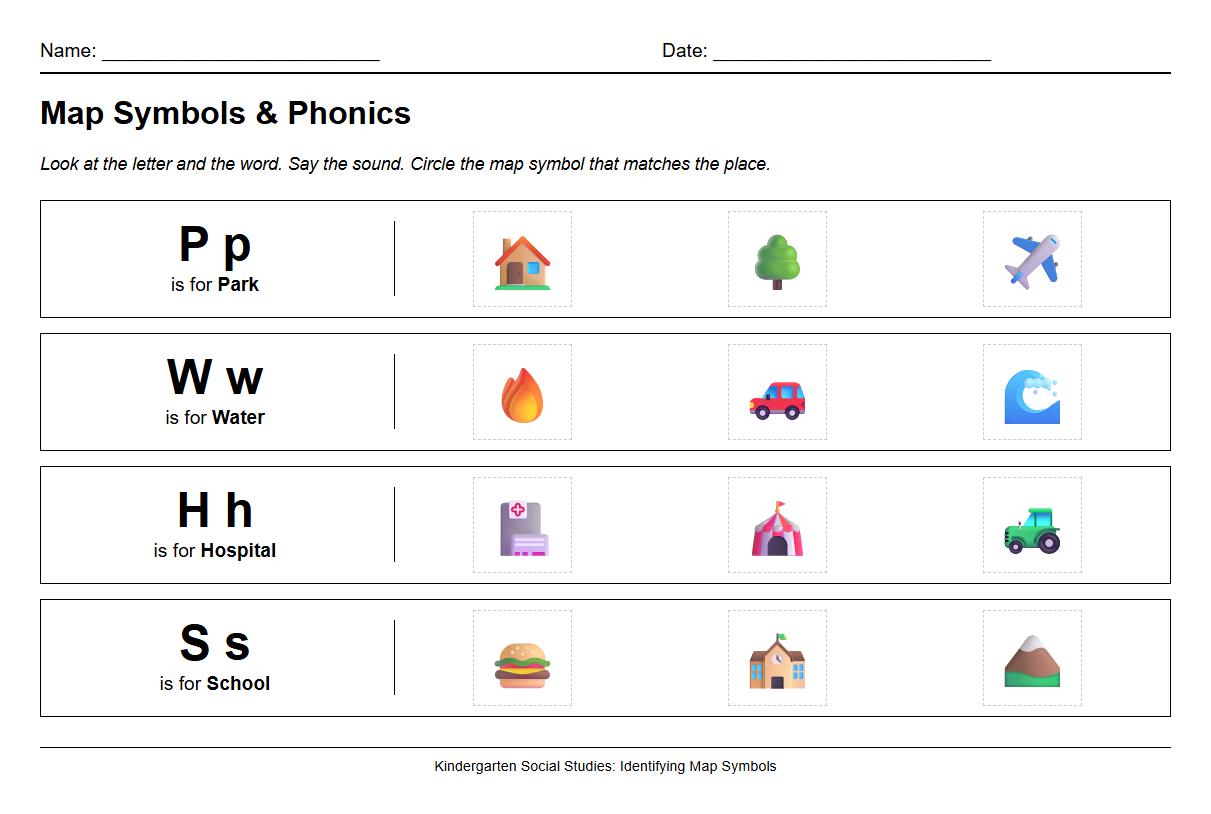
Map Symbols Identification Worksheet with Phonics Clues

Download PDF     Pin it

Legend Recognition Guided Phonics Practice Sheet
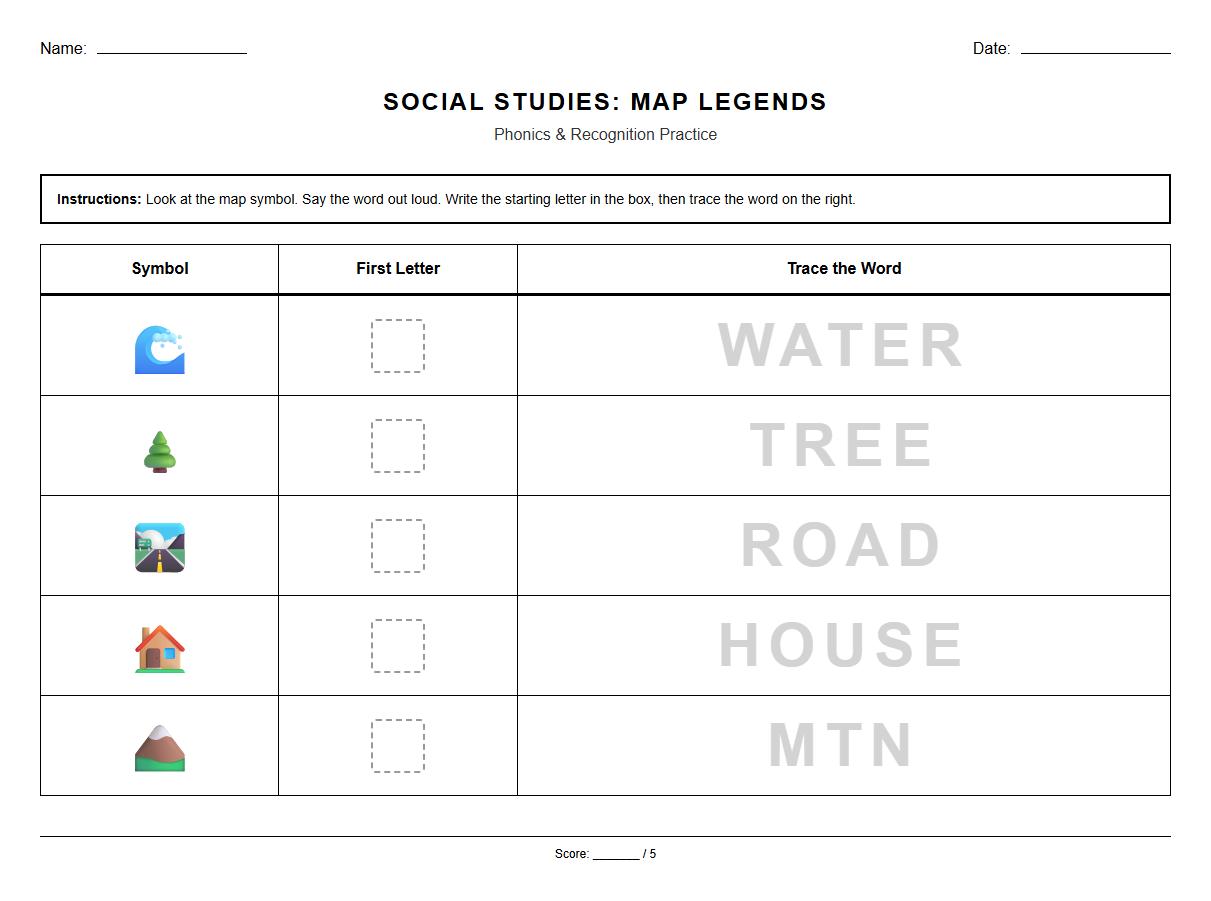
Legend Recognition Guided Phonics Practice Sheet

Download PDF     Pin it

Symbol Matching Phonics Sound Activity
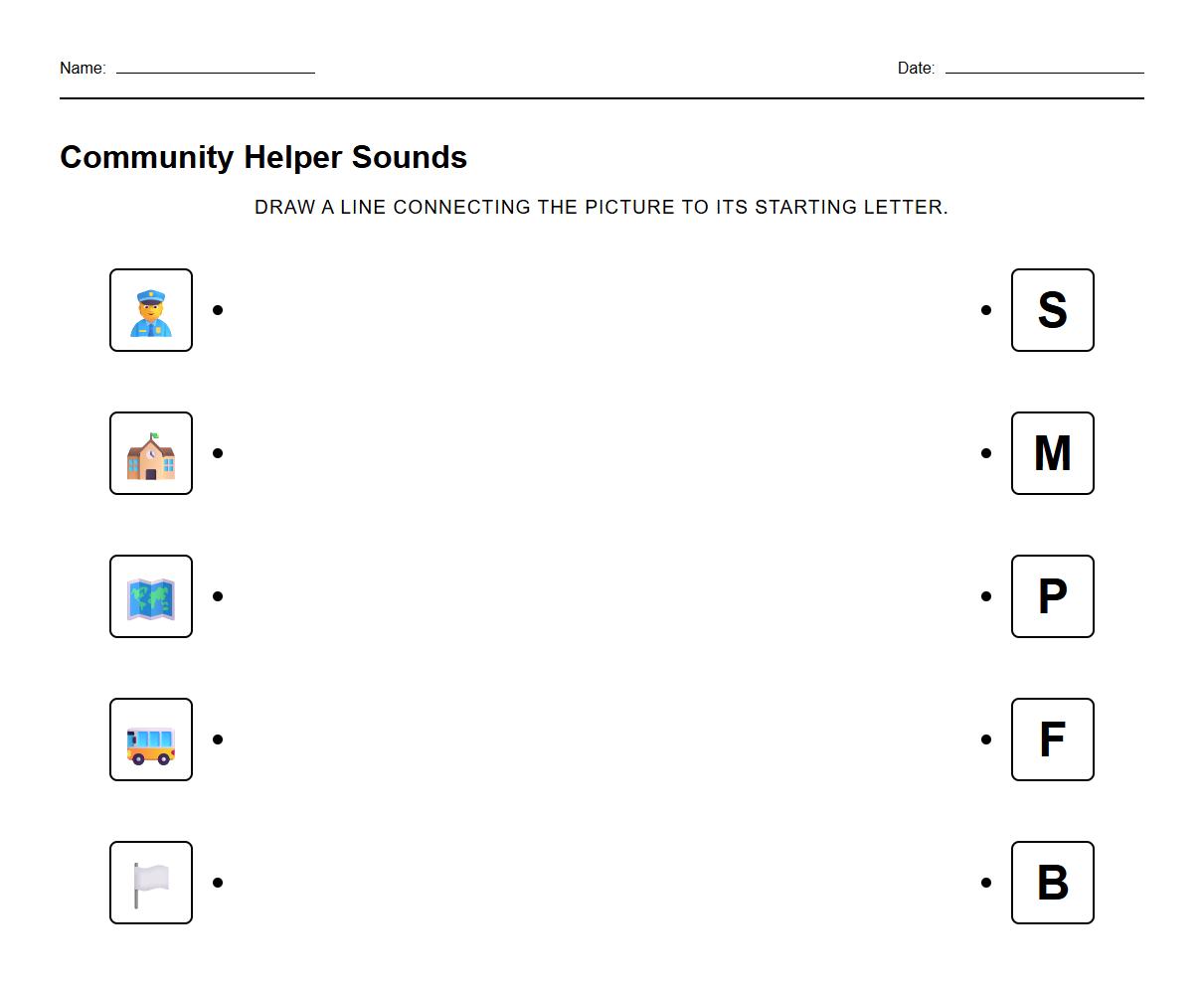
Symbol Matching Phonics Sound Activity

Download PDF     Pin it

Map Legend Phonics Sorting Exercise

Map Legend Phonics Sorting Exercise

Download PDF     Pin it

Decoding Map Symbols with Initial Phonics Sounds
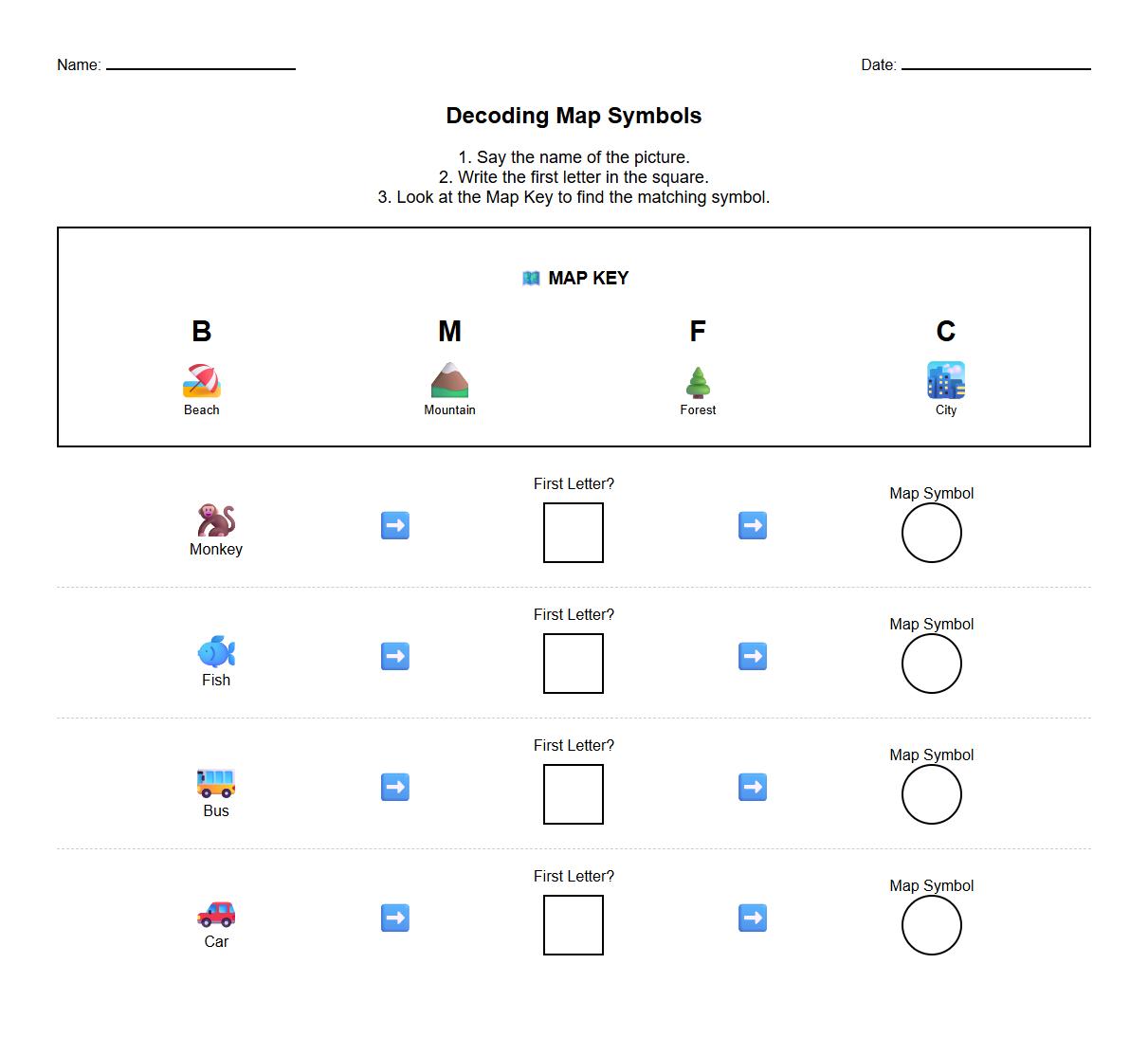
Decoding Map Symbols with Initial Phonics Sounds

Download PDF     Pin it

Map Legend Symbol Phonics Word Builder
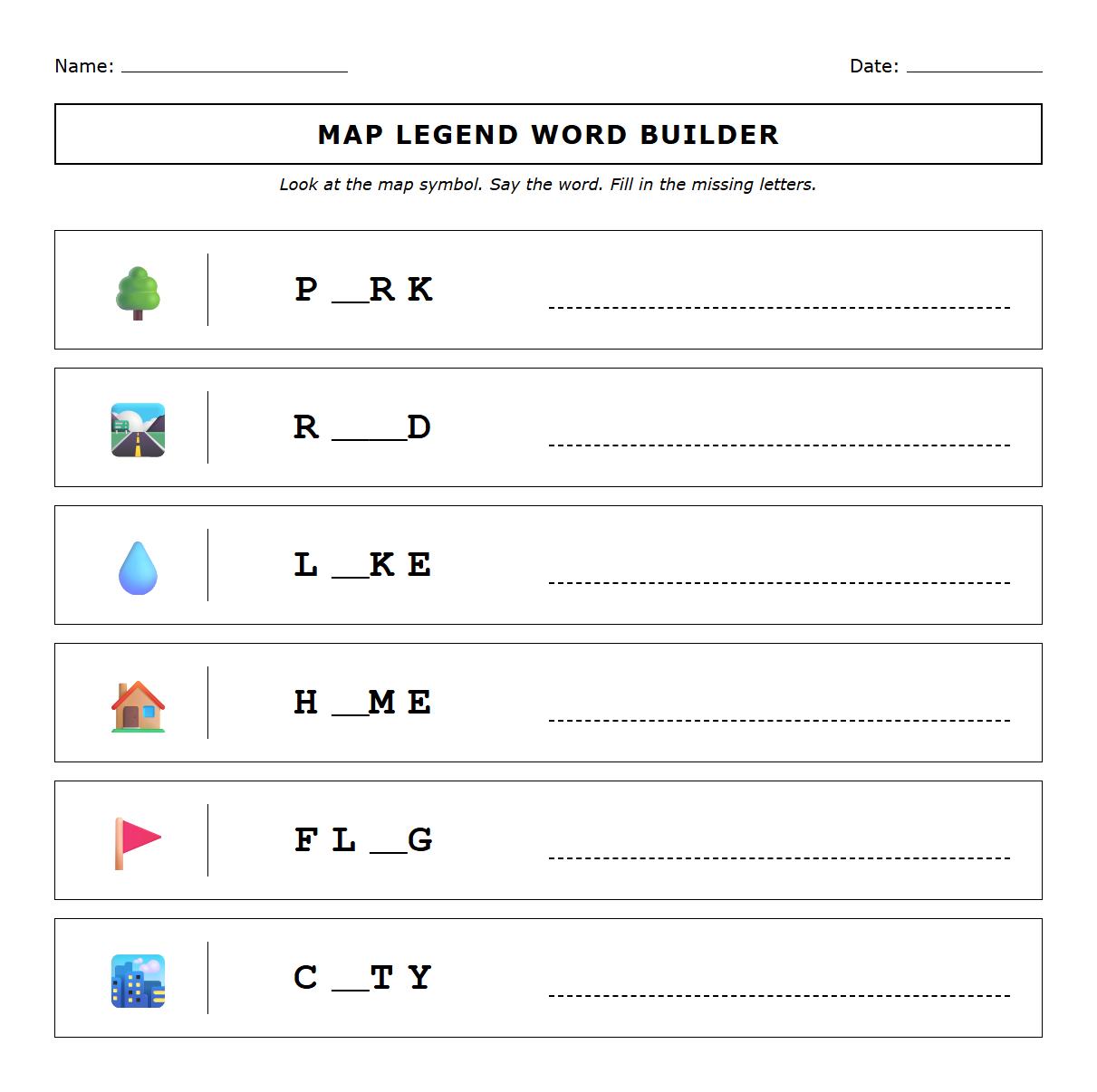
Map Legend Symbol Phonics Word Builder

Download PDF     Pin it

Phonics-Based Map Symbol Differentiation Task
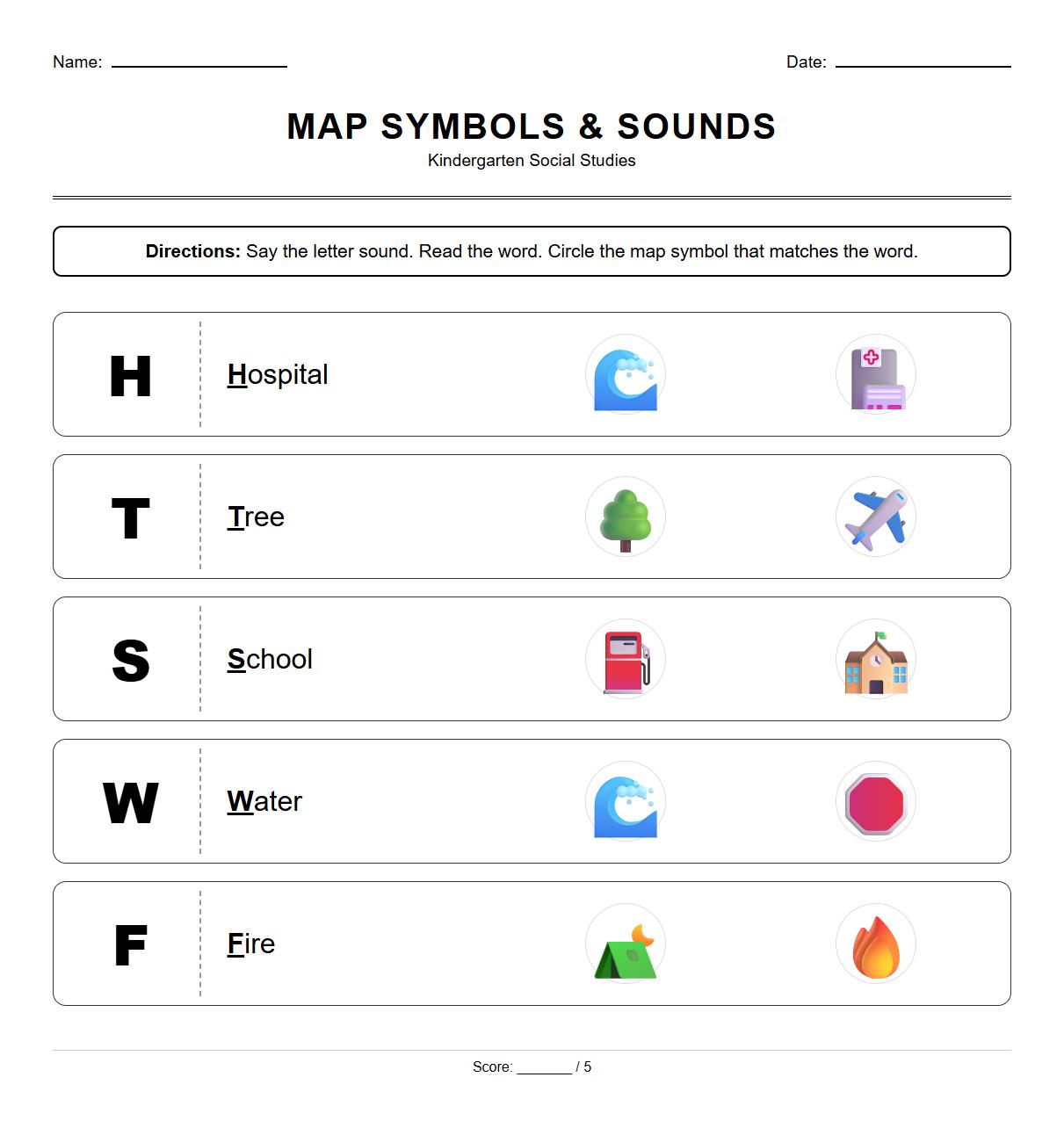
Phonics-Based Map Symbol Differentiation Task

Download PDF     Pin it

Map Symbols and Legend Phonics Blending Worksheet
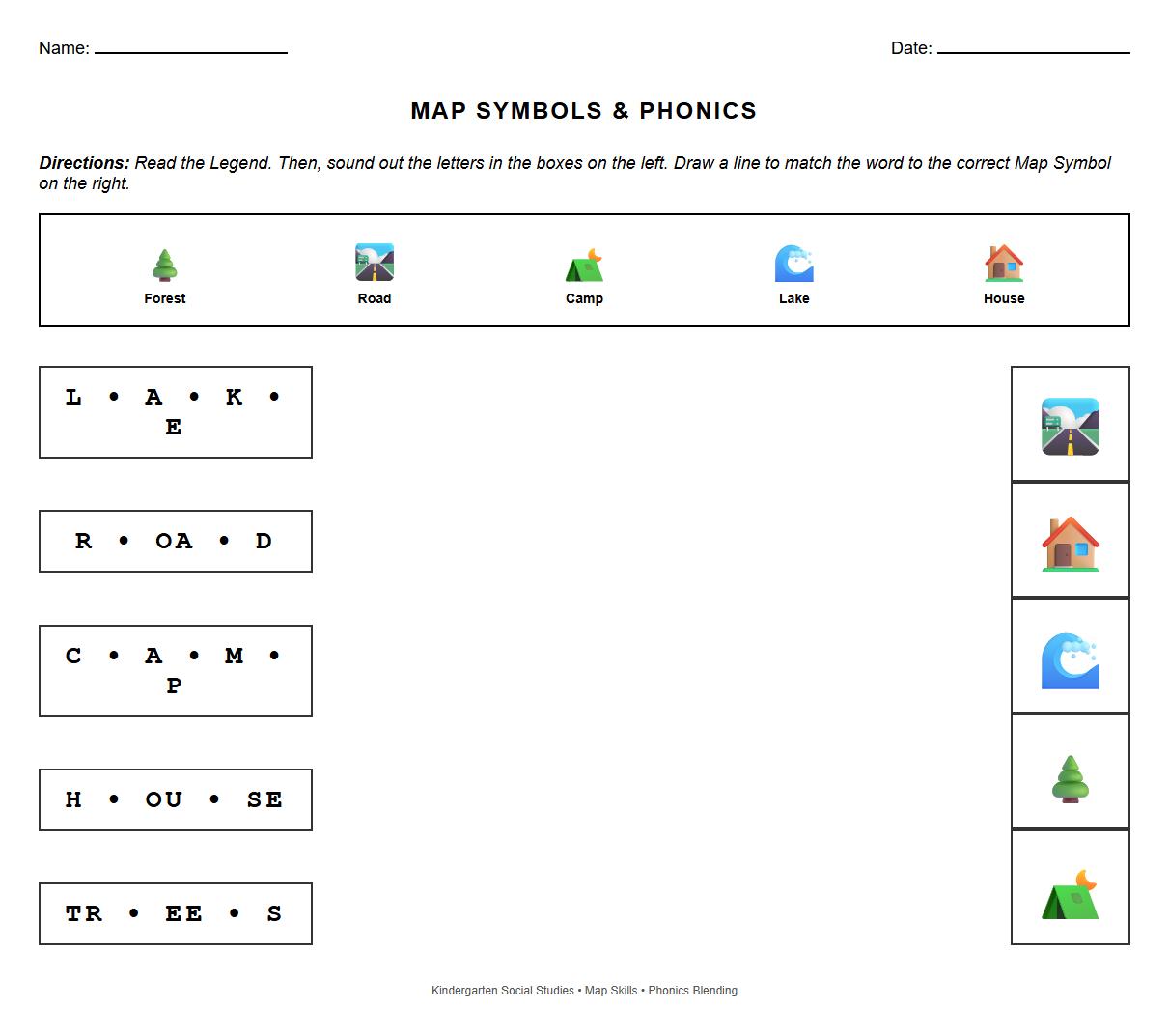
Map Symbols and Legend Phonics Blending Worksheet

Download PDF     Pin it

Symbol and Legend Vocabulary Phonics Segmenting Drill
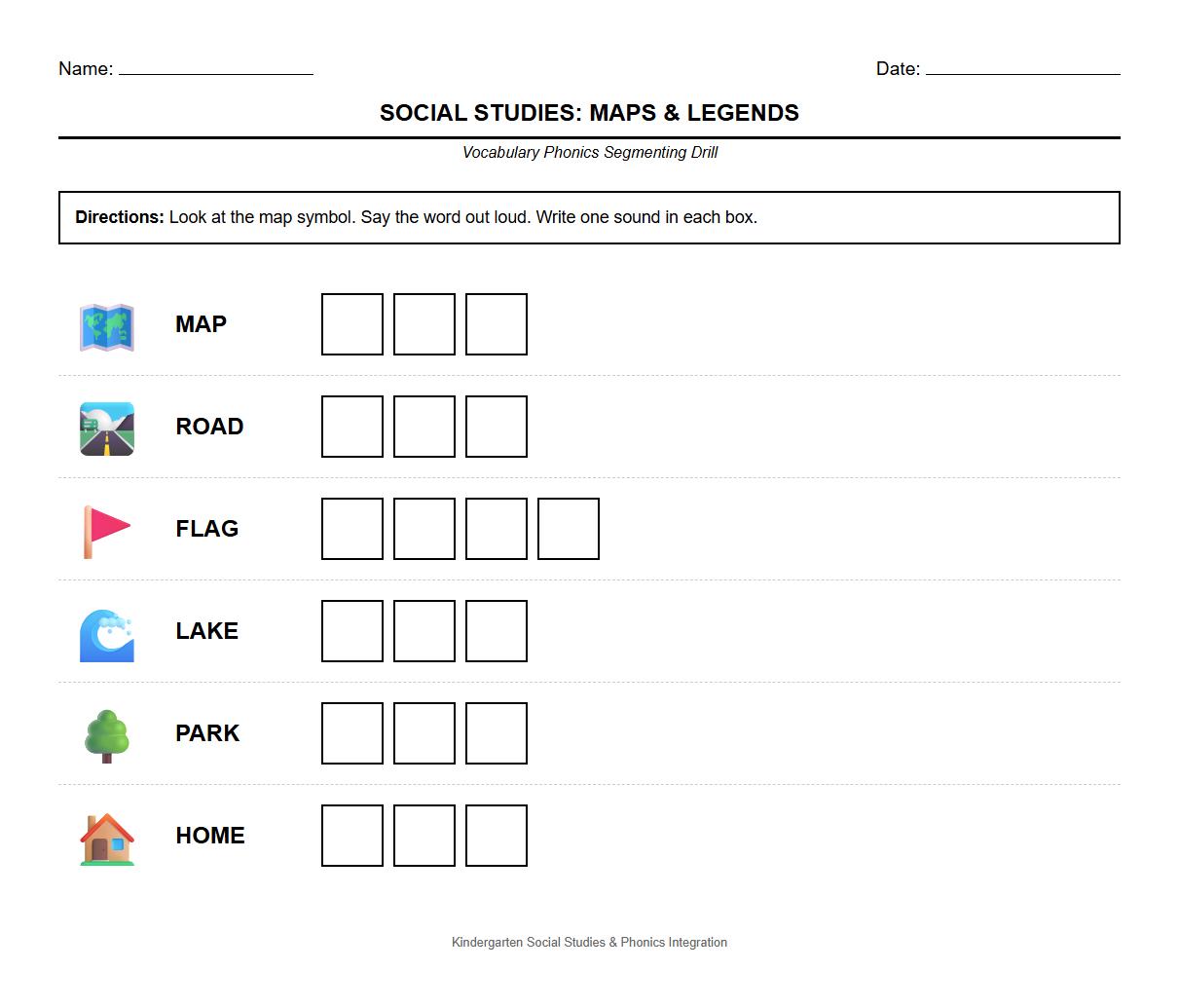
Symbol and Legend Vocabulary Phonics Segmenting Drill

Download PDF     Pin it

Map Key Phonics Rhyming Symbol Activity
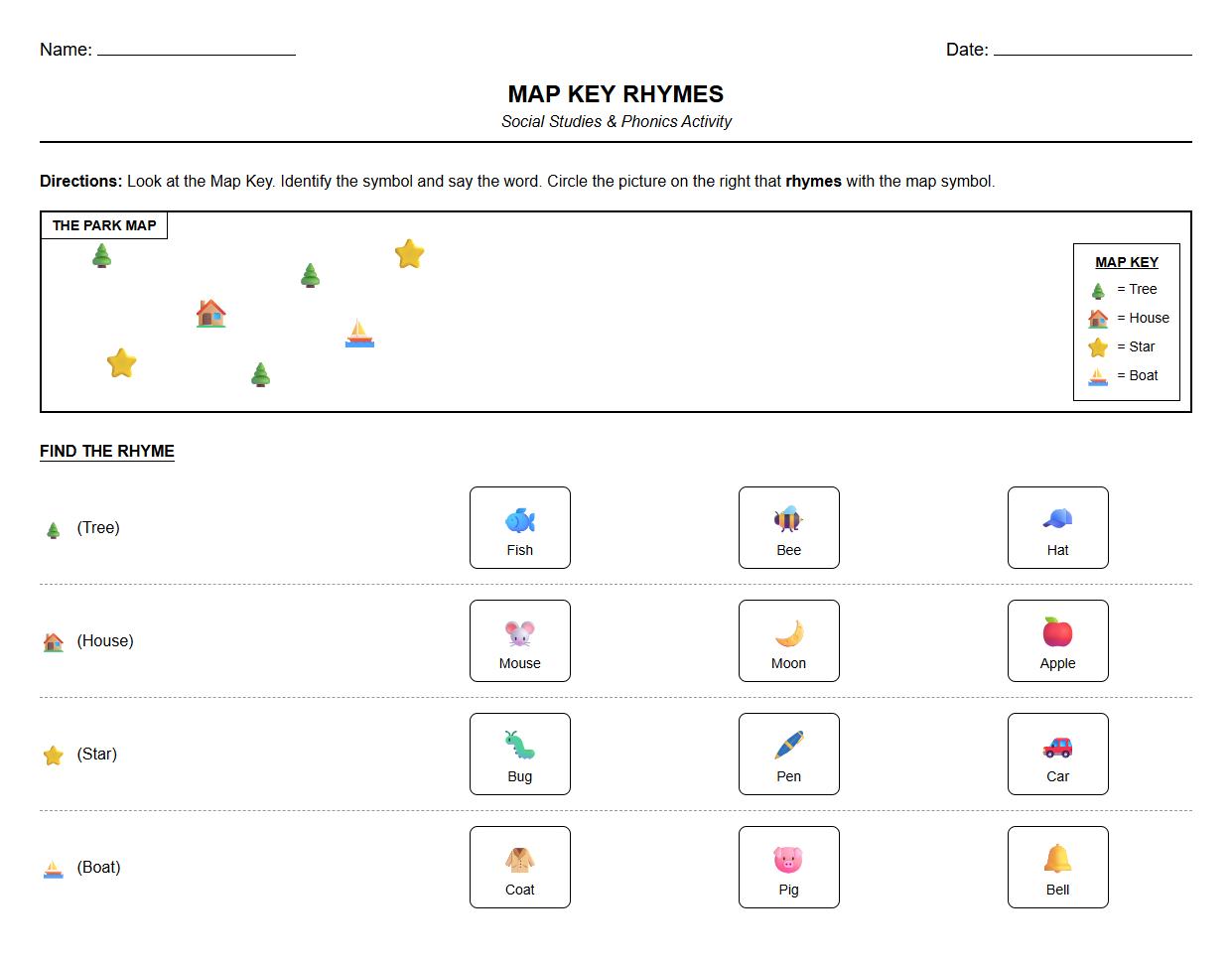
Map Key Phonics Rhyming Symbol Activity

Download PDF     Pin it

Understanding the Tree Symbol on the Map

The tree symbol on the map represents areas with natural green spaces or outdoor play zones. This icon helps children and adults identify places where nature and fresh air can be enjoyed. It encourages exploration beyond the indoor learning spaces, supporting outdoor activities. Knowing this symbol is essential for teaching children about their environment.

Identifying the Playground Symbol

The picture that matches the playground symbol usually shows slides, swings, or children playing. This symbol is designed to be easily recognizable for young learners. Parents and teachers can use this to guide children to safe, fun play areas. Associating pictures with symbols strengthens map-reading skills.

Finding Bathrooms Using the Map Legend

Bathrooms are indicated by a specific symbol, often a toilet icon or a figure of a person. By referring to the map legend, teachers and parents can locate these symbols quickly. This helps children find restrooms when needed during school hours or events. It fosters independence and confidence in navigating the space.

Locating the Classroom Symbol

The symbol showing where the classroom is located is often illustrated with a small school building or a chalkboard icon. Recognizing this symbol helps children know where their learning takes place. It also assists visitors in navigating the school layout. Clear symbols reduce confusion and support smooth transitions between activities.

Sound of the Letter S on the Map

Pointing to the letter S on the map, you can say its sound as /s/, like in "sun" or "snake." Teaching this sound helps children link letters to their phonetic values, crucial for early reading skills. Repeating the sound reinforces their memory and recognition. Using the map as a fun learning tool connects literacy with everyday experiences.

Sound of the Letter at the Library Symbol

The letter at the library symbol likely makes the sound /l/ as in "library." This sound introduction supports children's literacy development through practical examples. Associating letters with familiar places helps cement letter-sound relationships. It also encourages children to explore reading and learning spaces.

Circling the Snack Area Symbol

You can find the snack area symbol and circle it to highlight where children can eat or have refreshments. This symbol may depict food items like an apple or a plate. Teaching children to recognize this symbol ensures they know where to go during snack time. It supports routine and helps prevent confusion.

Matching Sounds to Map Symbols

Matching a sound to the correct map symbol enhances phonemic awareness and symbol recognition. For example, hearing /b/ and matching it with a bus symbol develops auditory and visual connections. This activity improves early decoding skills important for reading success. It also makes learning interactive and engaging.

Photo on the Legend Starting with Letter B

The photo on the legend starting with the letter B might show a bus, ball, or bird. Identifying this image helps children associate the letter B with real-world objects. This association is a key early literacy skill. It provides a meaningful context for letter recognition.

Adding a Symbol for the Art Room and Its Purpose

A good symbol to add for the art room could be a paintbrush or palette. This symbol clearly communicates creativity and artistic activities. Adding it helps children and adults easily identify the space dedicated to art projects. It fosters excitement and organization within the school environment.


More in Social Studies Category


About the author. Nylen Smith is a dedicated educator and cofounder of KWorksheet.com, a popular platform specializing in high-quality kindergarten worksheets and printable activities.

Disclaimer. The information provided in this document is for general informational purposes and/or document sample only and is not guaranteed to be factually right or complete. Please report to us via contact-us page if you find and error in this page, thanks.

Comments

No comment yet