Recognizing Map Features Phonics and Language Worksheet

📅 Feb 14, 2025 👤 Nylen Smith

Recognizing map features enhances spatial awareness and supports language development by familiarizing learners with key terms such as legend, scale, and compass rose. This worksheet combines phonics practice with map reading skills to reinforce vocabulary and comprehension. Explore the available worksheets to deepen understanding of map features through engaging activities.

Map Symbols Identification Phonics Worksheet
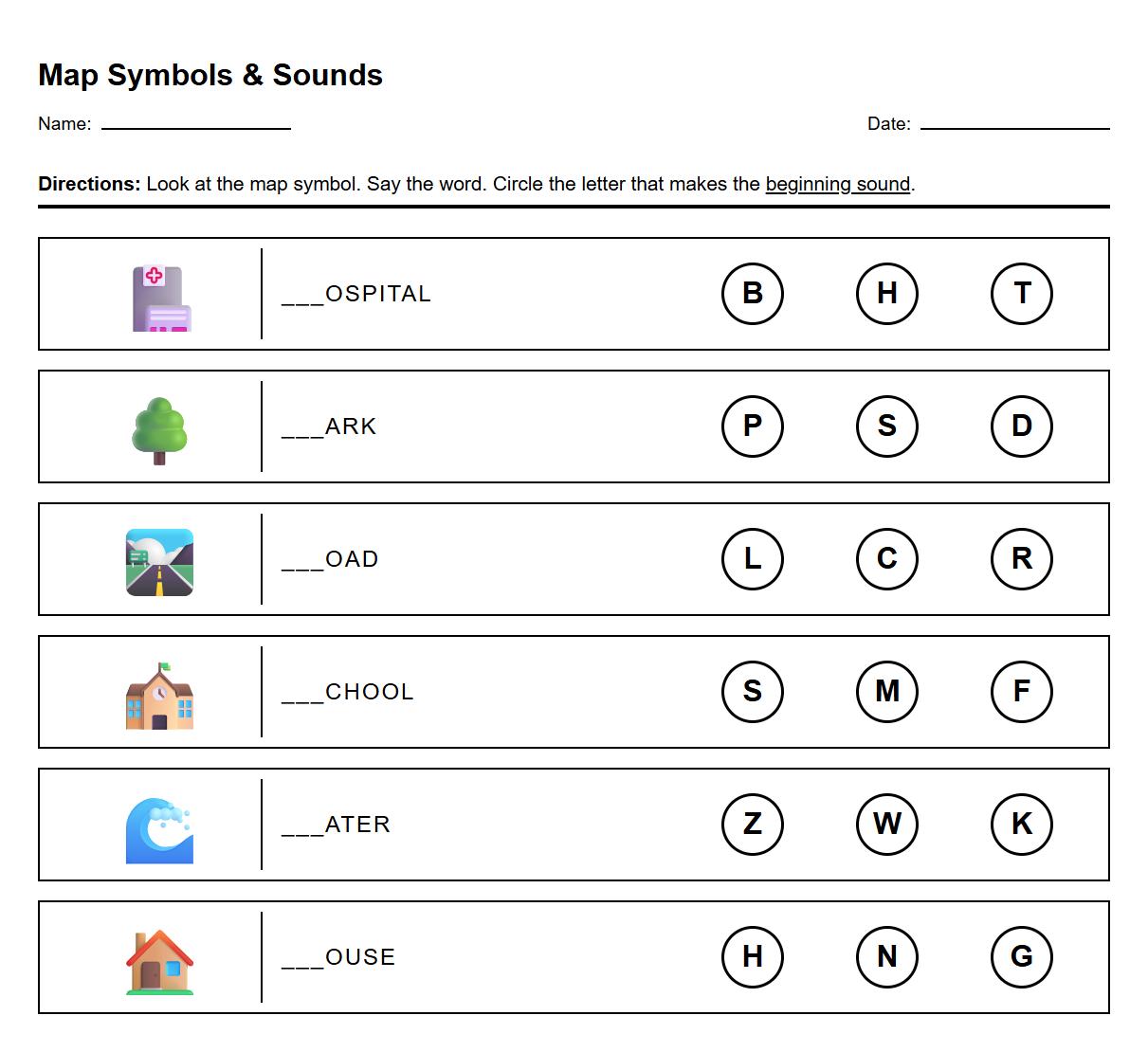
Map Symbols Identification Phonics Worksheet

Download PDF     Pin it

Compass Rose Directional Language Worksheet
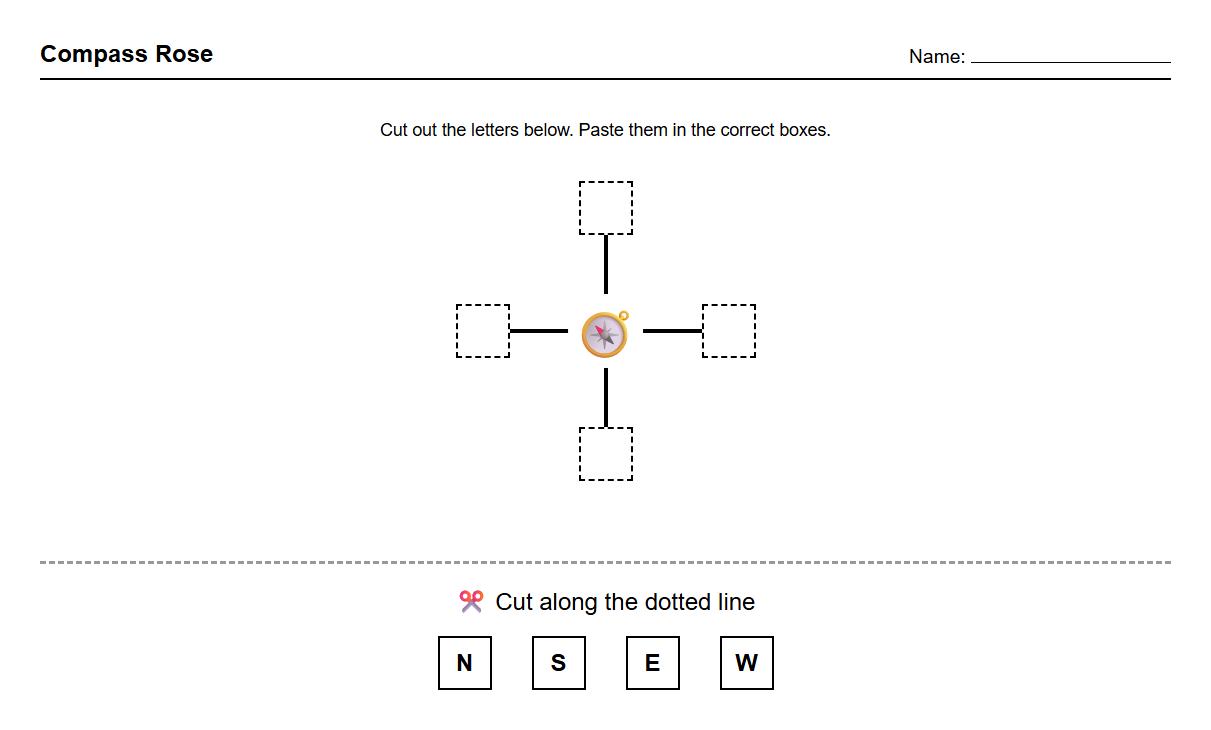
Compass Rose Directional Language Worksheet

Download PDF     Pin it

Landmark Vocabulary Phonics Practice Sheet
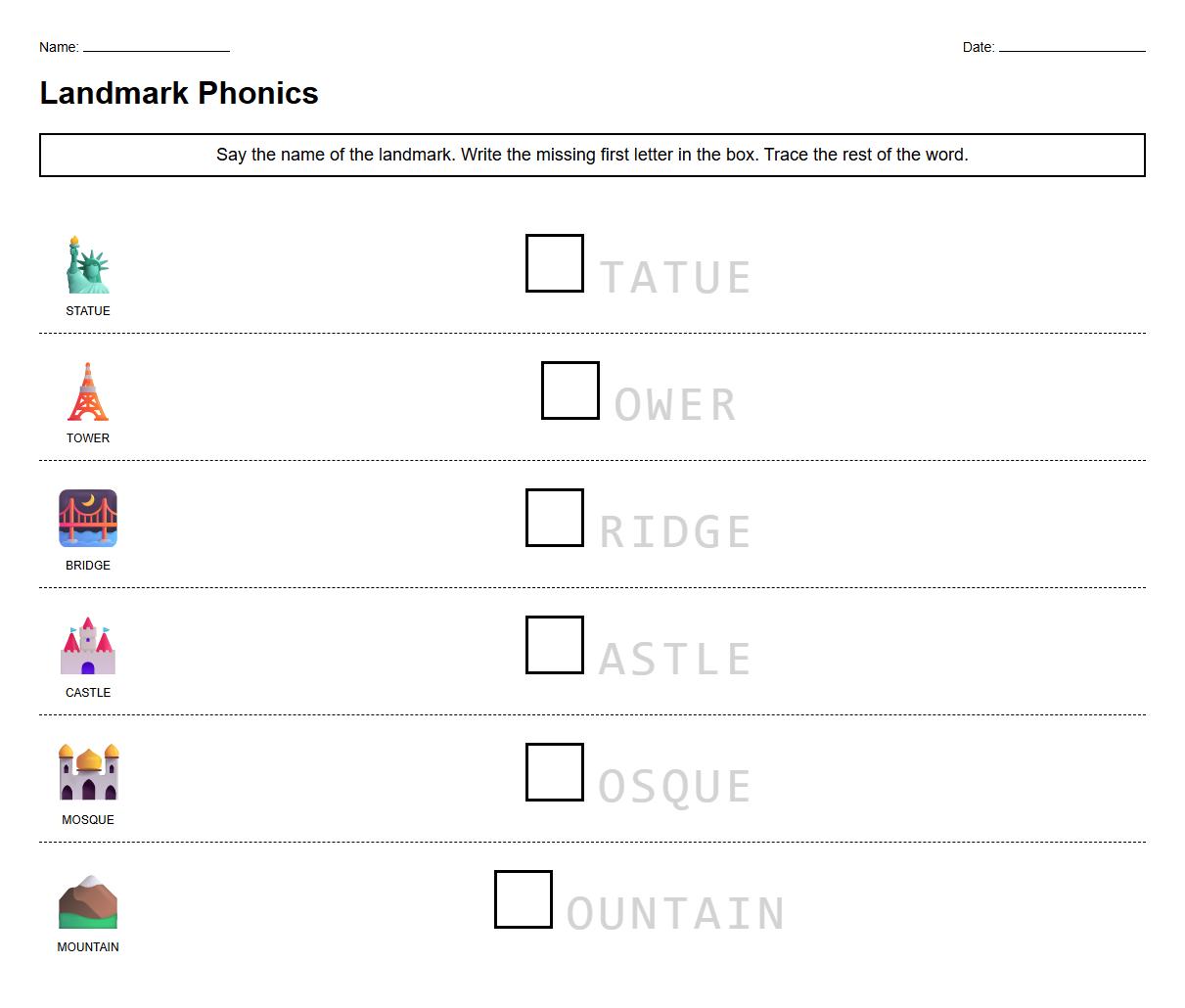
Landmark Vocabulary Phonics Practice Sheet

Download PDF     Pin it

Map Key and Legend Matching Language Exercise
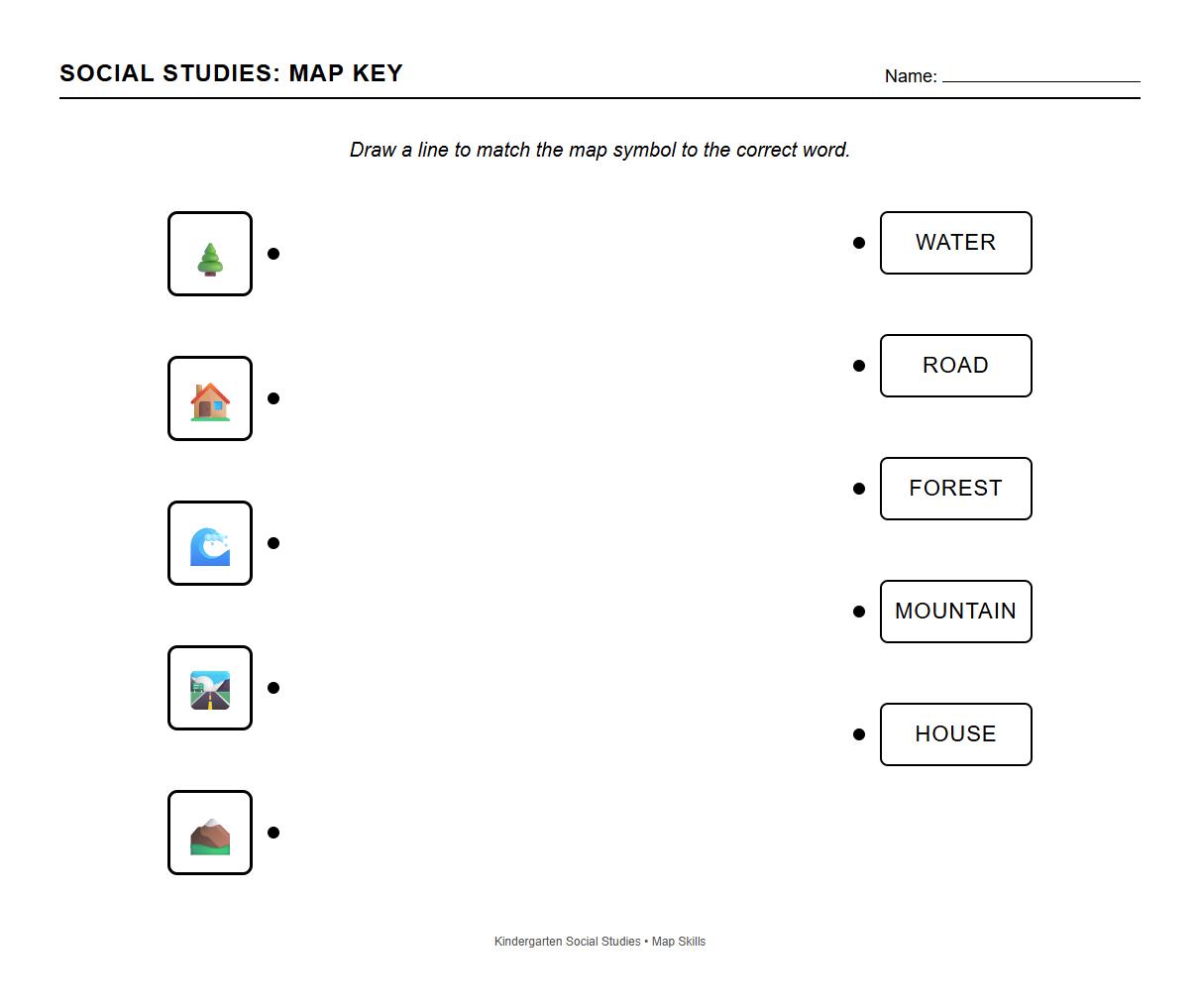
Map Key and Legend Matching Language Exercise

Download PDF     Pin it

Cardinal Directions Word Recognition Phonics Worksheet
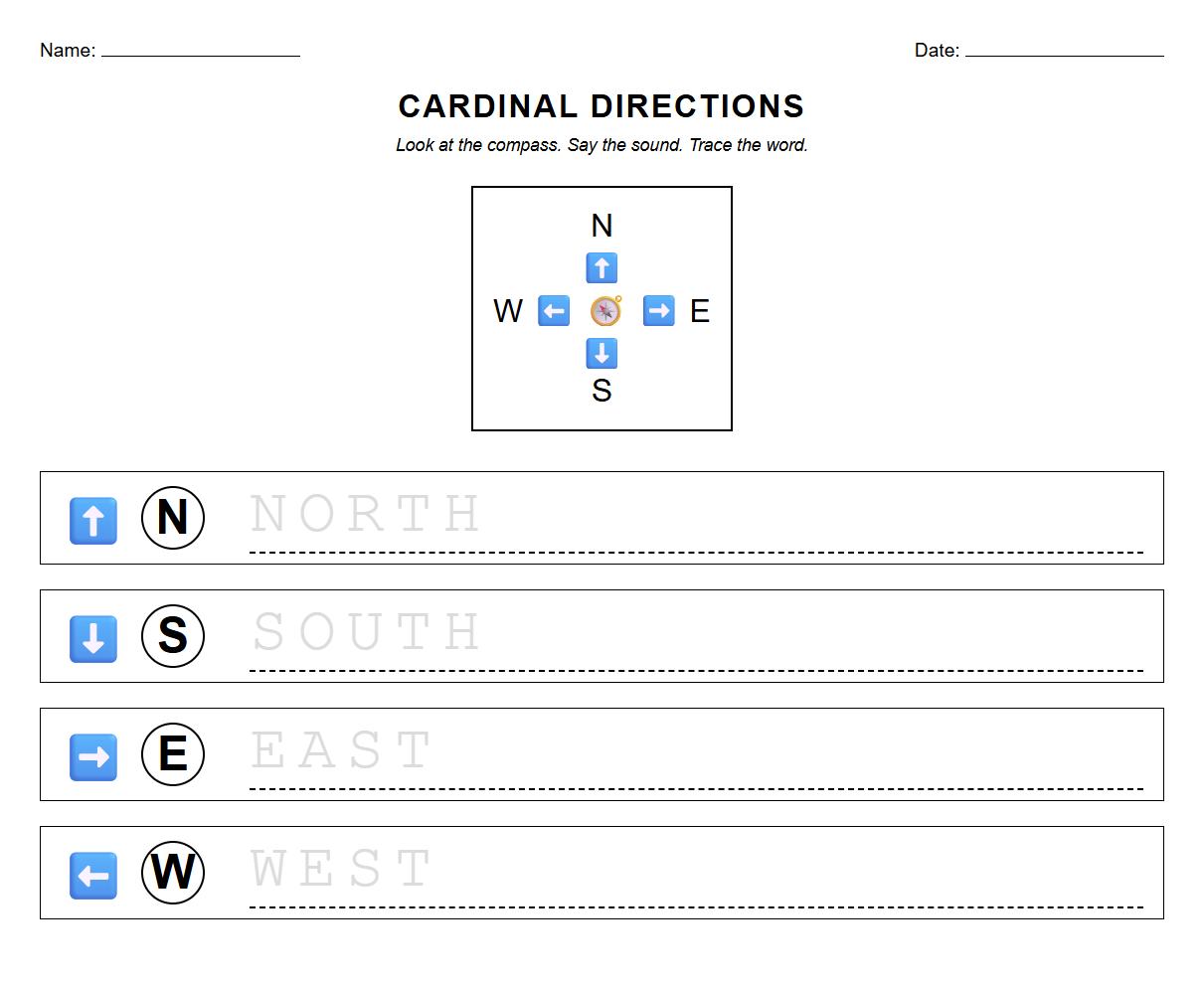
Cardinal Directions Word Recognition Phonics Worksheet

Download PDF     Pin it

Reading Map Labels Phoneme Segmentation Worksheet
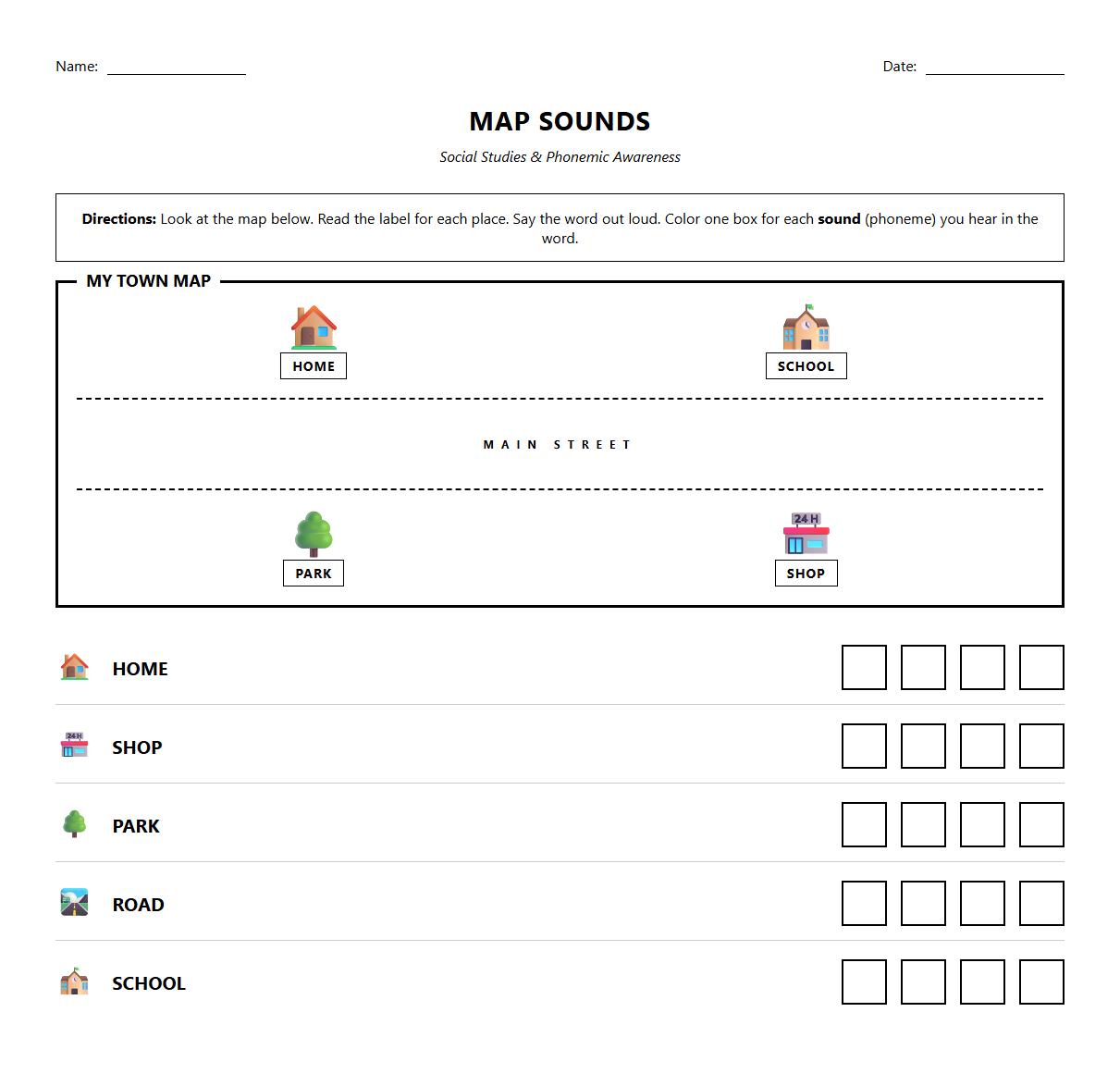
Reading Map Labels Phoneme Segmentation Worksheet

Download PDF     Pin it

Map Feature Sorting Vocabulary Worksheet
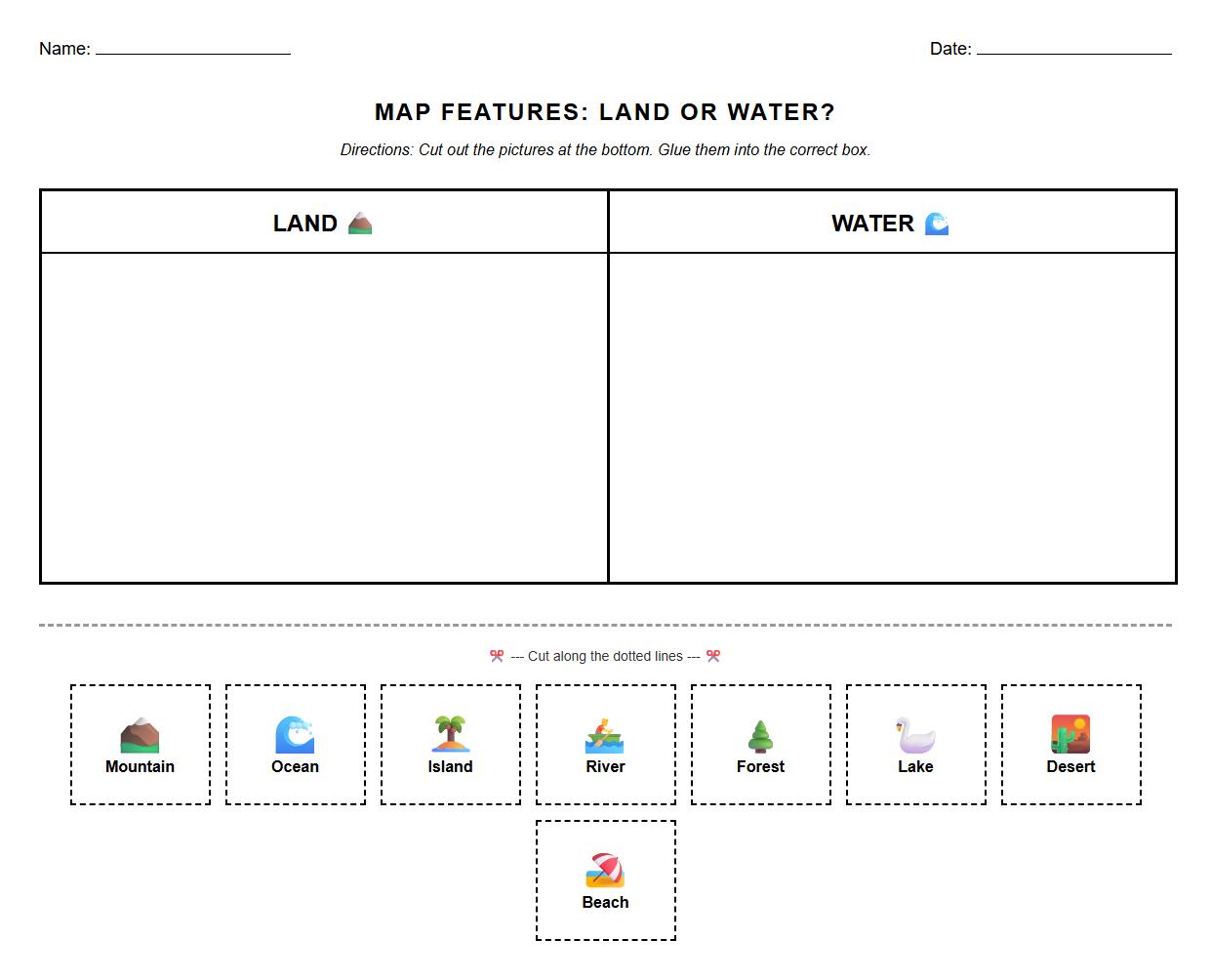
Map Feature Sorting Vocabulary Worksheet

Download PDF     Pin it

Location Words Rhyming Phonics Activity
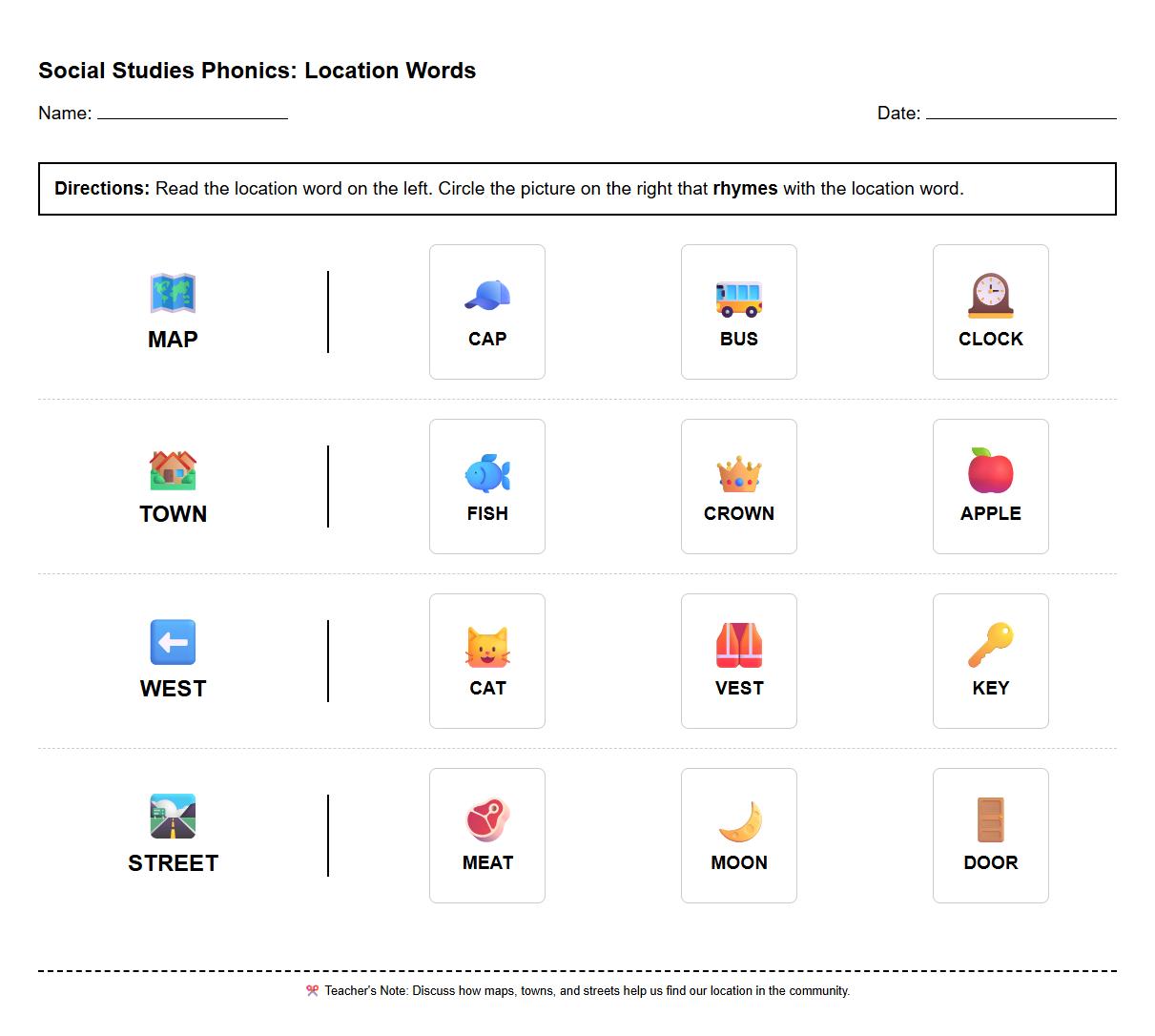
Location Words Rhyming Phonics Activity

Download PDF     Pin it

Map Elements Spelling and Blending Worksheet
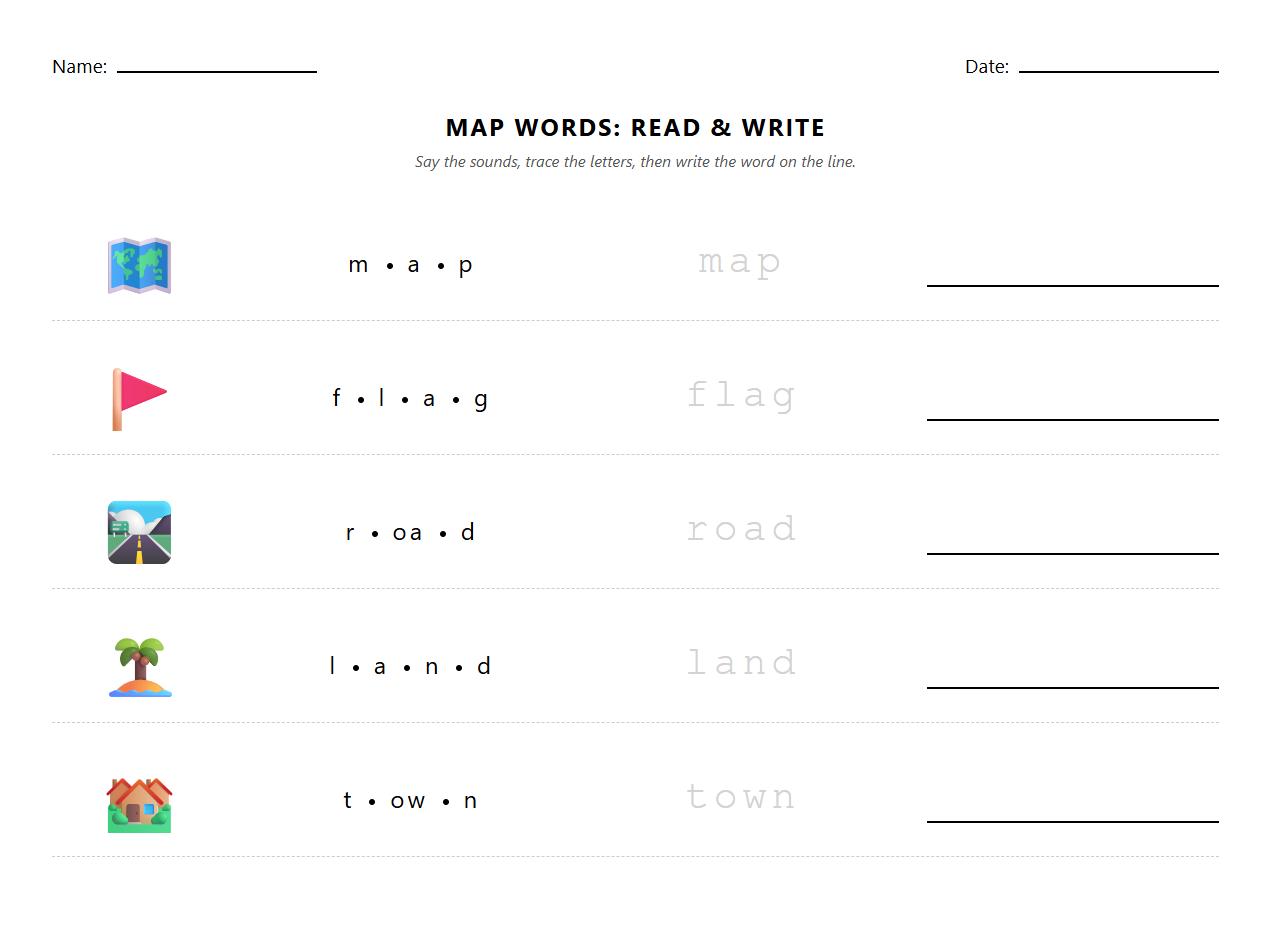
Map Elements Spelling and Blending Worksheet

Download PDF     Pin it

Reading and Writing Map Terms Language Practice Sheet
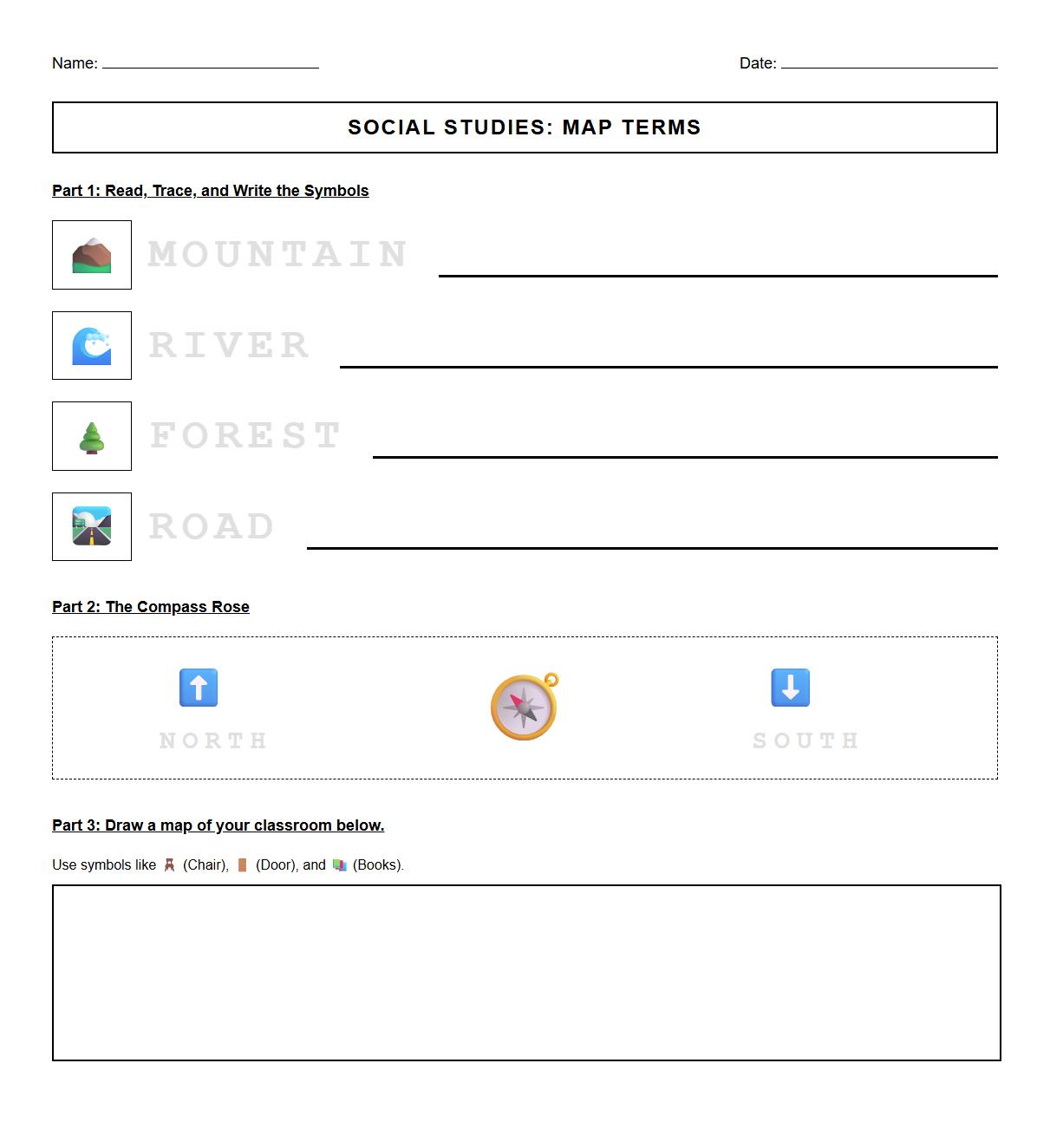
Reading and Writing Map Terms Language Practice Sheet

Download PDF     Pin it

Understanding the Compass Rose

The compass rose on a map shows directions, helping you find north, south, east, and west. It is a useful tool for navigation. Teachers and parents can use it to teach children about orientation and map reading. This skill helps young learners understand how to use maps effectively.

Playground Symbol on a Map

On most maps, the playground is represented by a specific symbol, often a swing or slide icon. Identifying this symbol helps children recognize recreational areas easily. Teachers and parents should guide children to look for these symbols to enhance their map-reading skills. Understanding symbols makes maps more interactive and fun for kids.

Locating the School on the Map

To find the school on the map, look for the icon that typically represents a building with a flag or a similar school symbol. It's important to help children notice landmarks and match symbols to real-life places. This activity encourages spatial awareness and recognition of community locations. Parents and teachers can make this a fun learning experience.

Beginning Letter Sound of the Word "Map"

The word map begins with the letter sound /m/. Teaching children to identify beginning sounds strengthens phonics and early reading skills. Parents and teachers can prompt kids to say the sound and find other words starting with the same letter. This reinforces letter recognition in a practical context.

Circling Places Starting with Letter S

Ask children to look closely at the map and circle all places starting with the letter S. This activity enhances letter identification and connects reading with real-world objects. It's a simple way to build vocabulary and observation skills. Encourage parents and teachers to guide kids through this interactive task.

Water Color on the Map

On most maps, water is represented using the color blue. Recognizing color coding helps children understand map features quickly. Teachers and parents can explain why colors are used to represent different elements. This visual learning supports better comprehension of map details.

Finding an Object That Starts with T

Look for objects on the map starting with the letter T, such as trees or trucks. Naming these items improves vocabulary and letter recognition. Parents and teachers can ask children to point out and say the names of these objects aloud. This encourages active engagement with the map.

Rhyming Word With Map

A word that rhymes with map is "cap." Rhyming activities develop phonemic awareness and early reading skills. Teachers and parents can use rhymes to make learning sounds enjoyable. This also builds a foundation for spelling and pronunciation.

Counting the Houses on the Map

Identify and count the number of houses shown on the map. This counting activity aids in number recognition and visual discrimination. Parents and teachers should encourage children to point and count each house carefully. It's a fun way to combine math with map skills.

Direction to Reach the Park

To reach the park, check the map and follow the direction indicated by the compass rose, such as north or east. Teaching children to use directions enhances their navigational skills. Parents and teachers can guide kids step-by-step using these clues. This practical exercise builds confidence in using maps.


More in Social Studies Category


About the author. Nylen Smith is a dedicated educator and cofounder of KWorksheet.com, a popular platform specializing in high-quality kindergarten worksheets and printable activities.

Disclaimer. The information provided in this document is for general informational purposes and/or document sample only and is not guaranteed to be factually right or complete. Please report to us via contact-us page if you find and error in this page, thanks.

Comments

No comment yet