Phonics and Vocabulary Worksheet for Kindergarten Maps and Geography Basics

📅 Jan 13, 2025 👤 Nylen Smith

Kindergarten students will develop essential phonics skills and expand their vocabulary through engaging activities focused on maps and geography basics. These worksheets introduce key terms like continents, oceans, and directions while reinforcing letter sounds and word recognition. Explore the available worksheets to support early learning in both phonics and geographic literacy.

Phonics Matching Words with Map Symbols Activity
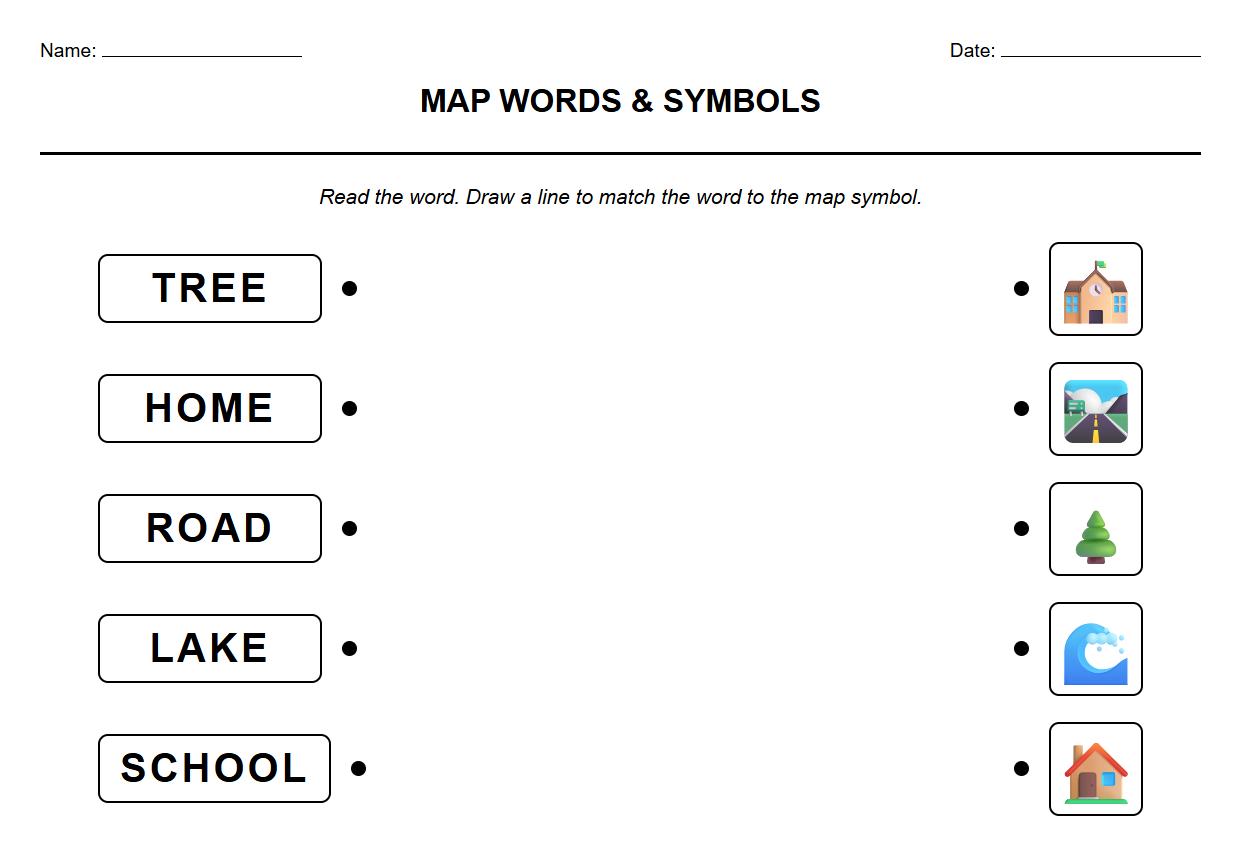
Phonics Matching Words with Map Symbols Activity

Download PDF     Pin it

Vocabulary Flashcards for Geography Terms Worksheet
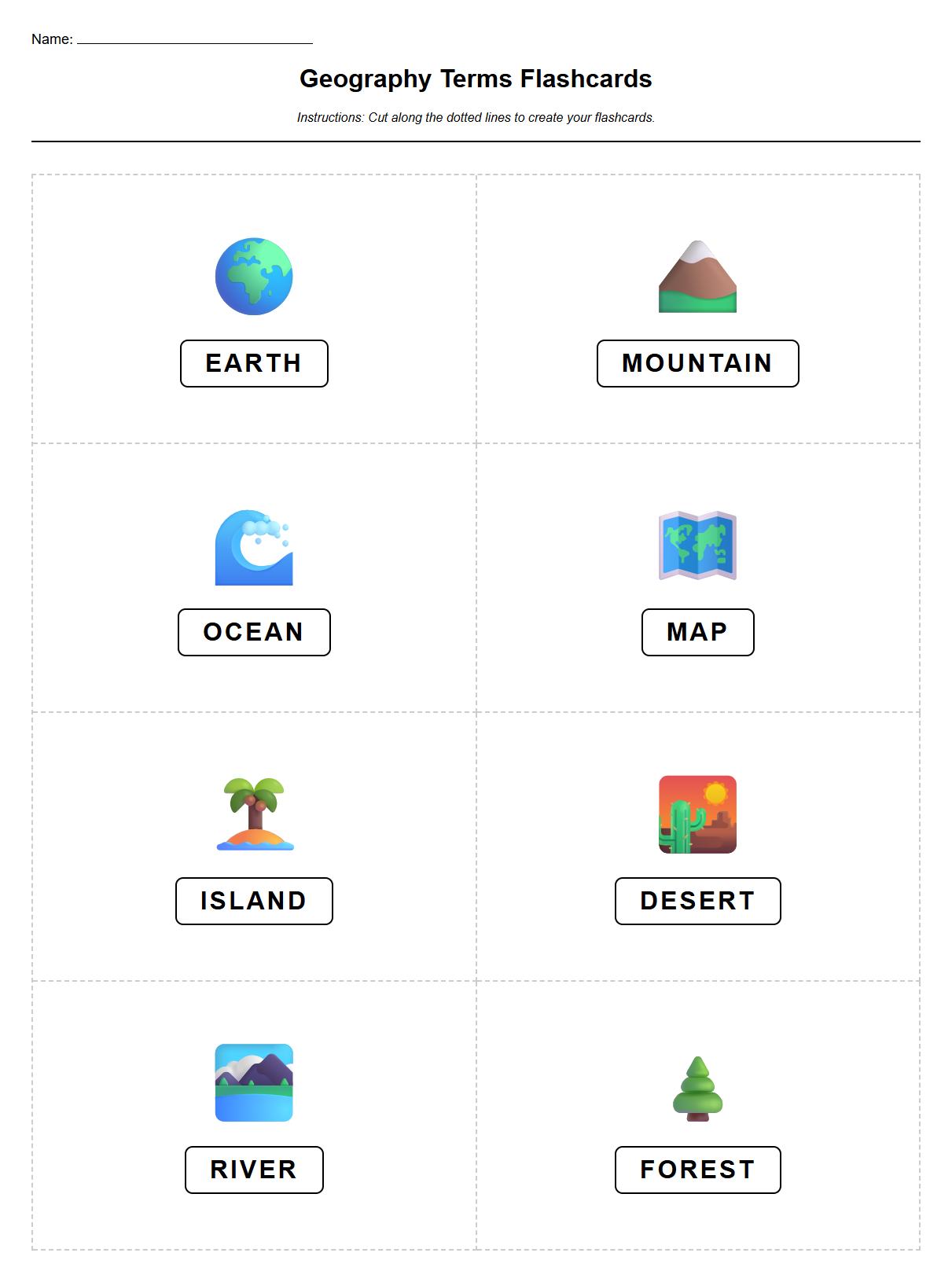
Vocabulary Flashcards for Geography Terms Worksheet

Download PDF     Pin it

Beginning Sounds Sorting with Map Objects Worksheet
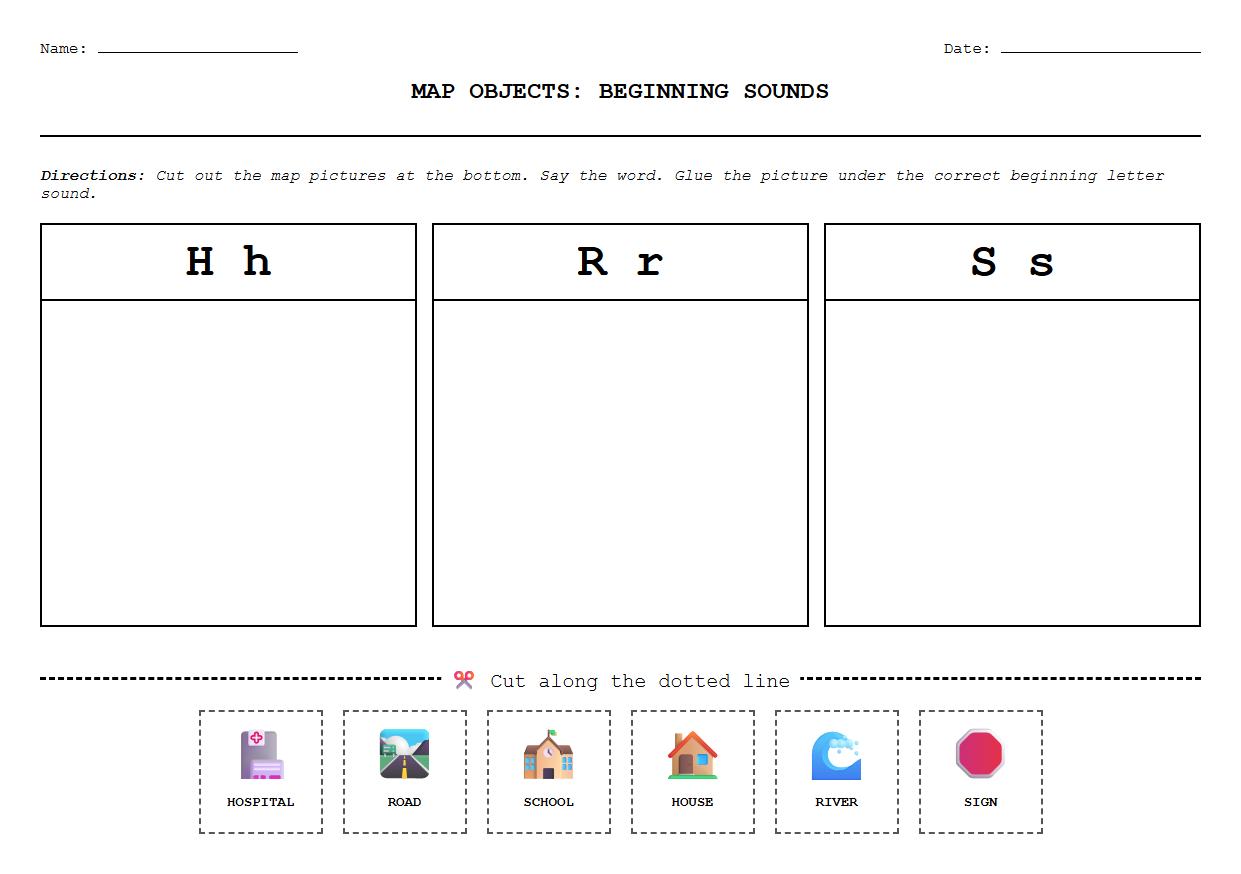
Beginning Sounds Sorting with Map Objects Worksheet

Download PDF     Pin it

Label the Map with Geography Vocabulary Exercise
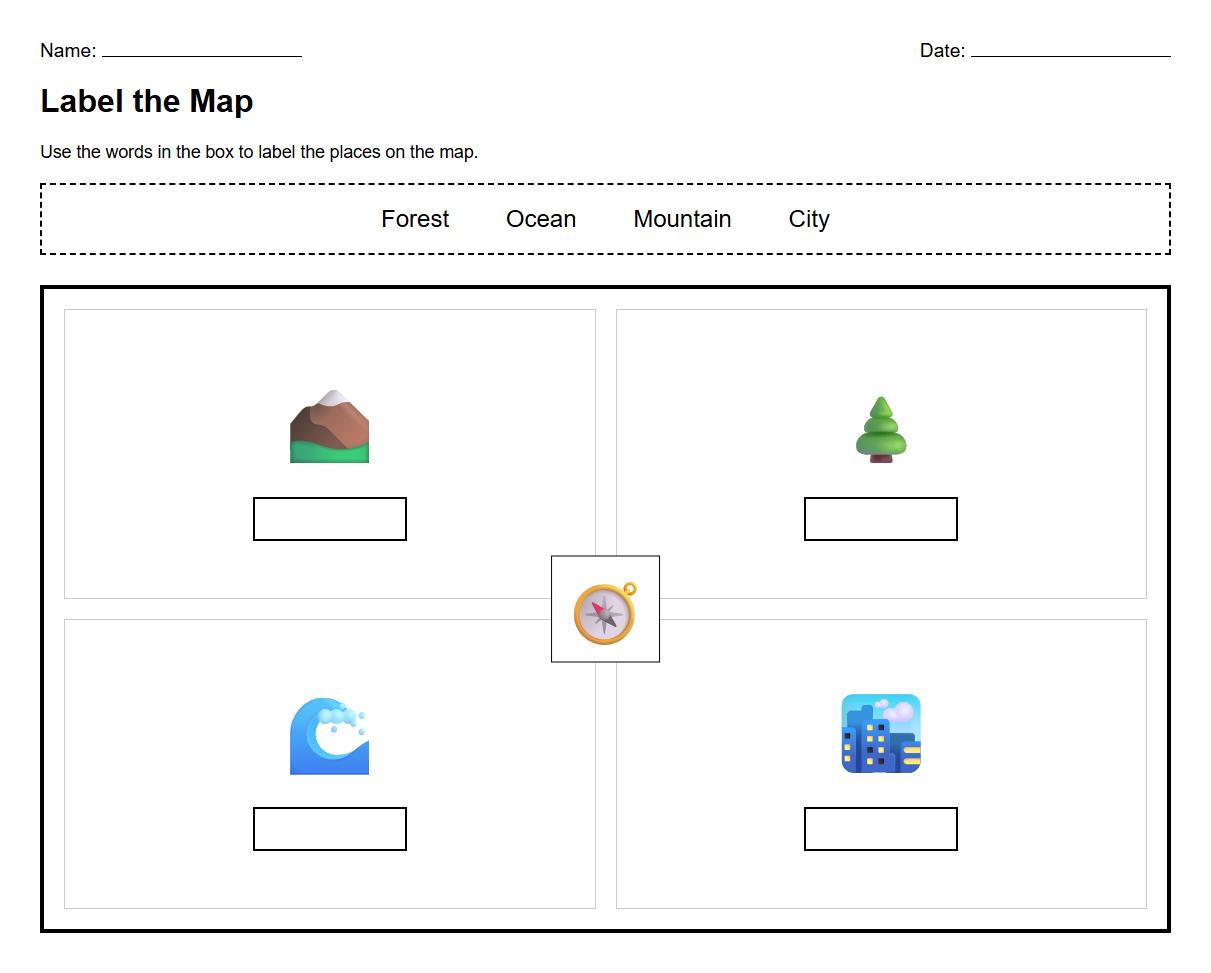
Label the Map with Geography Vocabulary Exercise

Download PDF     Pin it

Fill in the Blanks with Phonics Based Map Words
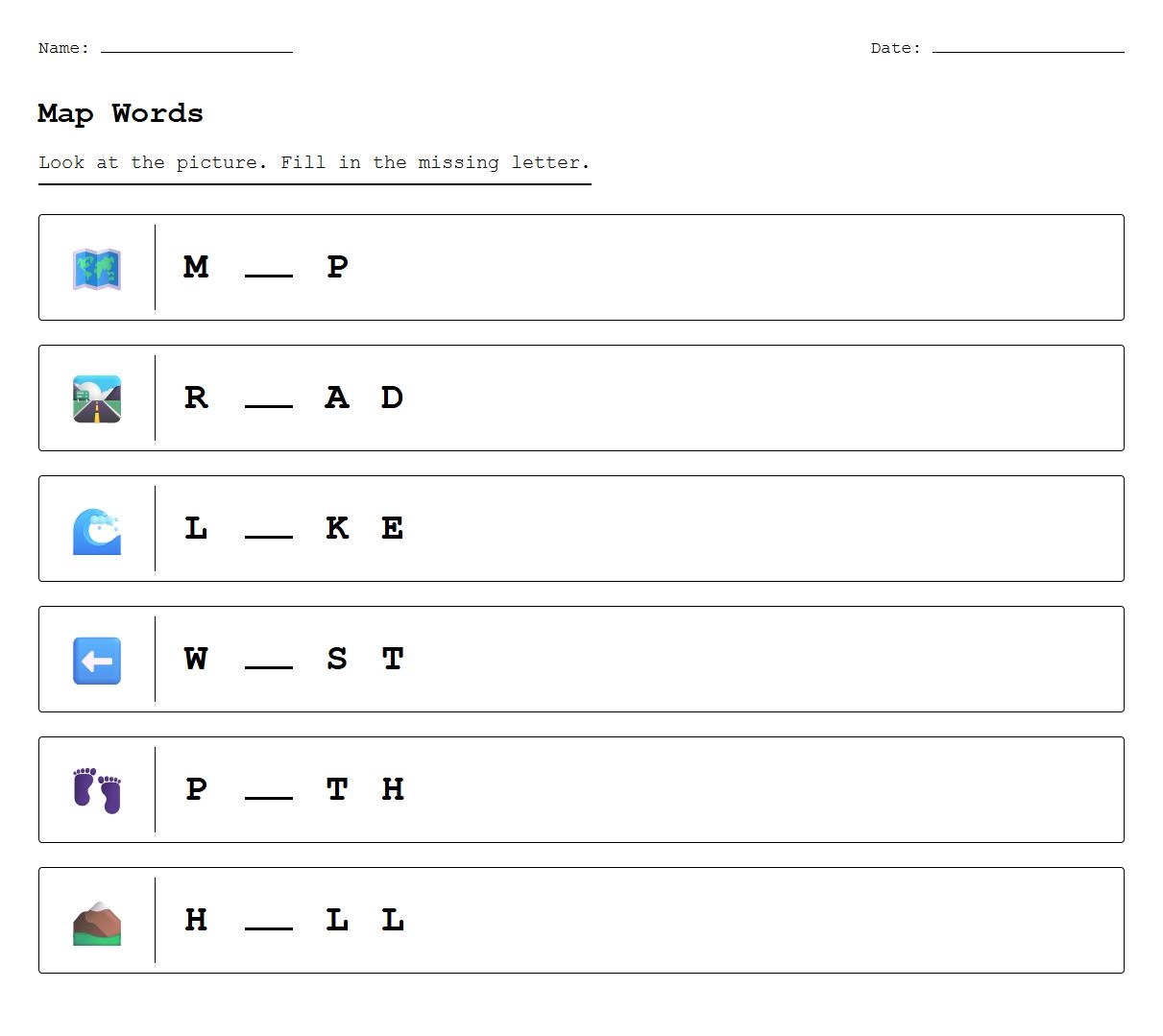
Fill in the Blanks with Phonics Based Map Words

Download PDF     Pin it

Cut and Paste Phoneme Map Landforms Worksheet
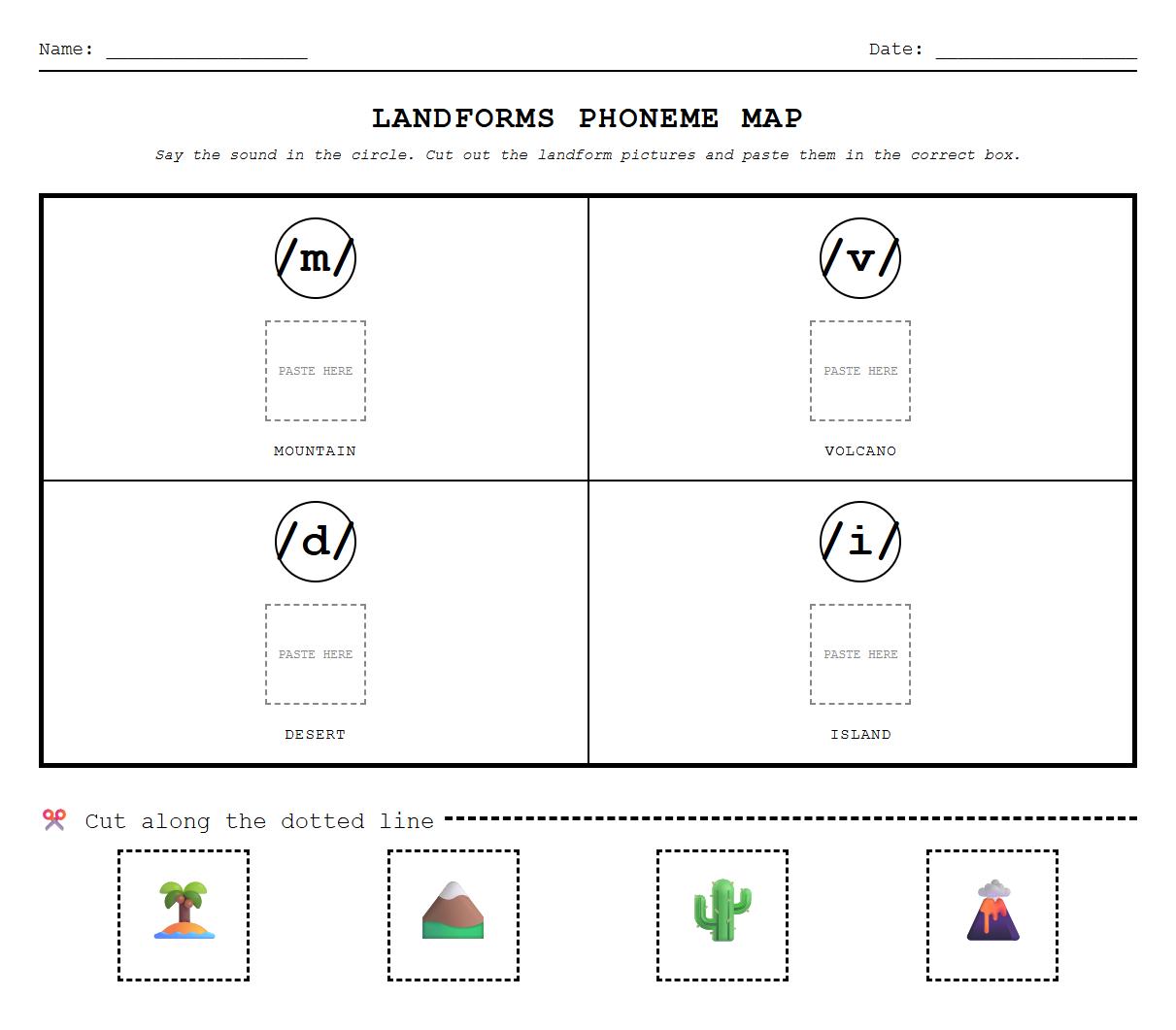
Cut and Paste Phoneme Map Landforms Worksheet

Download PDF     Pin it

Rhyming Words in Geography Vocabulary Worksheet
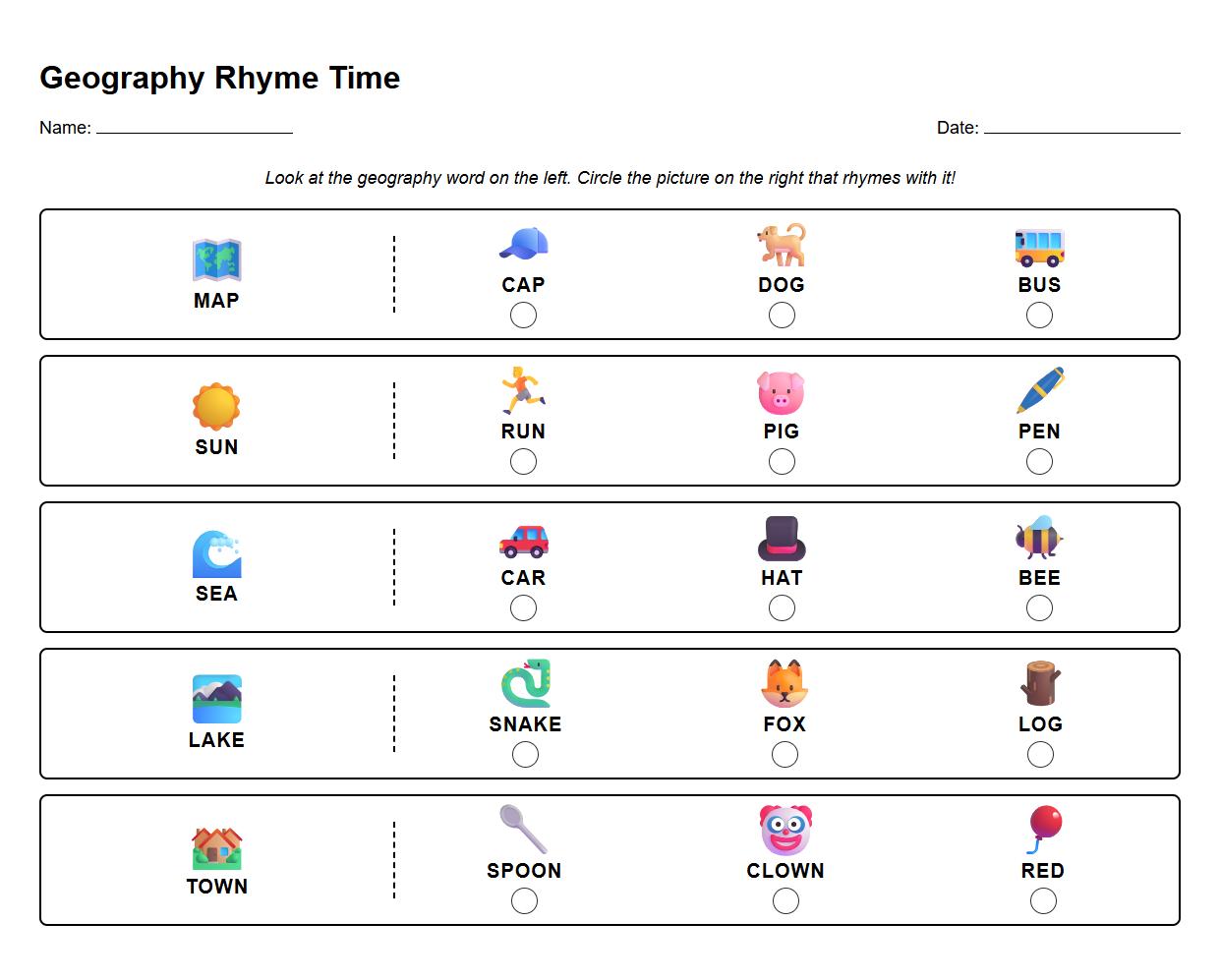
Rhyming Words in Geography Vocabulary Worksheet

Download PDF     Pin it

Map Direction Words Phonemic Awareness Activity
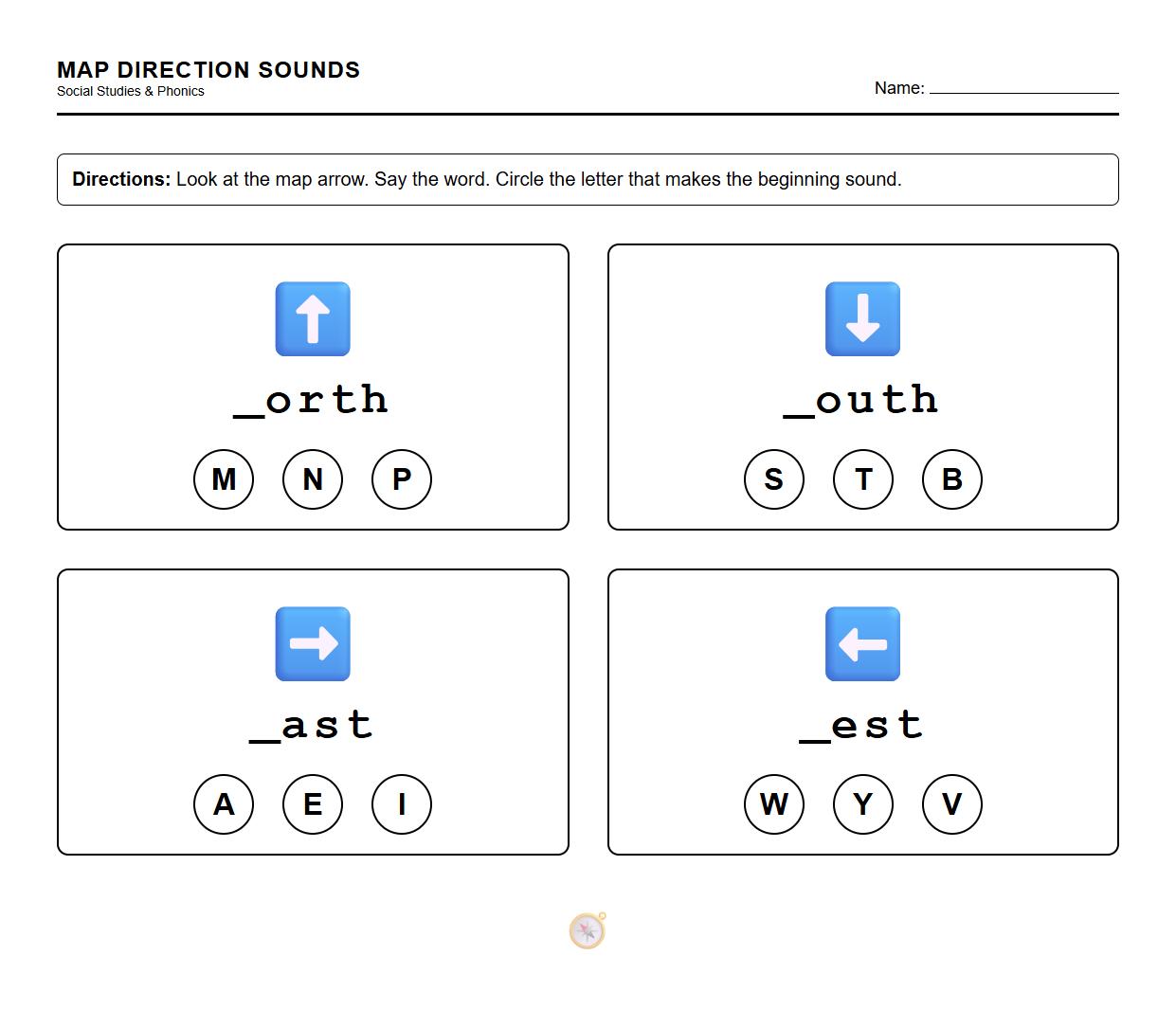
Map Direction Words Phonemic Awareness Activity

Download PDF     Pin it

Identify and Circle Geography Words by Ending Sounds
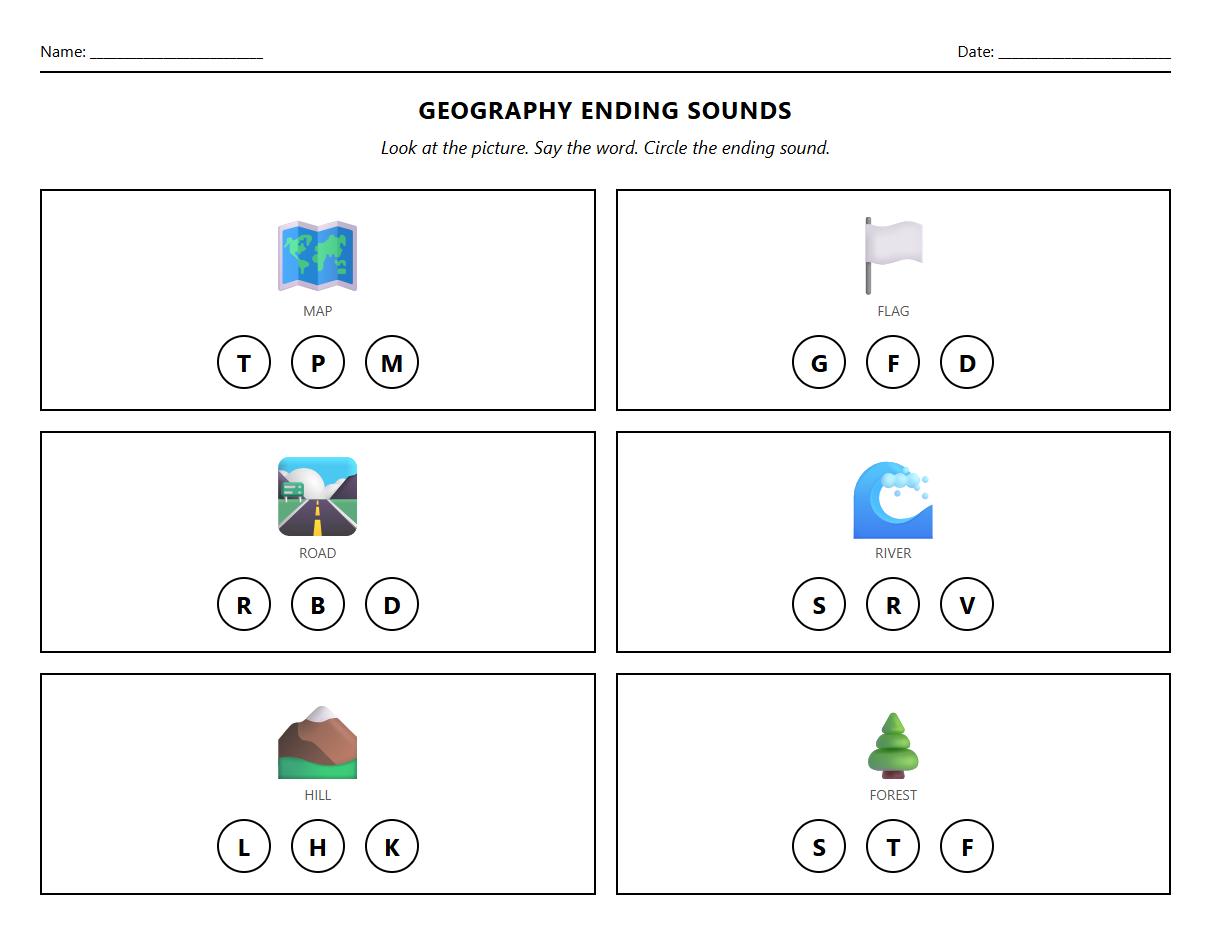
Identify and Circle Geography Words by Ending Sounds

Download PDF     Pin it

Syllable Counting with Map Features Vocabulary Worksheet
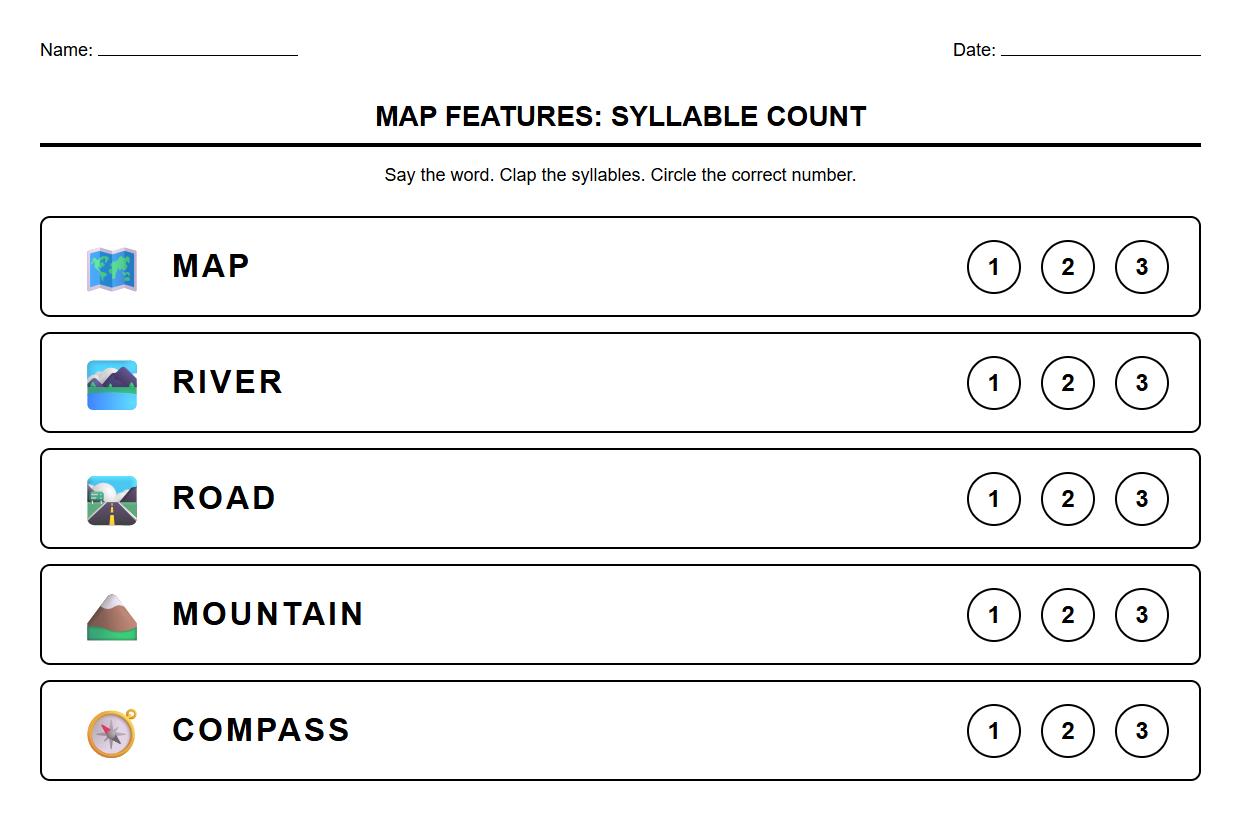
Syllable Counting with Map Features Vocabulary Worksheet

Download PDF     Pin it

Understanding the Sound of the Letter M

The letter M makes the sound /m/ as in the word map. This sound is a soft humming noise made by closing the lips. Teachers and parents can help children practice this sound by repeating it several times. Encourage kids to identify objects that start with the letter M to strengthen their phonics skills.

Identifying the G Sound

Ask children to circle the picture that begins with the G sound to build their initial phoneme awareness. Pictures might include objects like goat, gate, or gum. This exercise helps young learners distinguish between different beginning sounds. Phonemic recognition is key for early reading skills.

Rhyming Words Practice

To find which word rhymes with cap, children should listen for words that end with the same sound, such as nap or map. Rhyming is a fun way to develop phonological awareness. Support children by saying pairs aloud and having them repeat the words. This strengthens their ability to recognize word families.

Matching Vocabulary to Pictures

Help children match vocabulary words like map, hill, and river to their correct pictures. This visual connection reinforces word meaning and vocabulary development. Use clear, colorful images to engage children and enhance understanding. Matching words to pictures supports language comprehension and retention.

Understanding Directions

Teach children to identify directions by choosing between options like north, south, or yellow. Emphasize that north and south are directions, while yellow is a color. Learning basic directions builds spatial awareness and map skills. Use simple activities like pointing or drawing compass roses to make it fun.

Identifying Large Bodies of Water

Ask children to find and color the word that means a large body of water, such as lake. This activity encourages word recognition and understanding of geography-related vocabulary. Use pictures and words together for a stronger learning impact. Coloring makes the exercise interactive and enjoyable.

Completing the Sentence: Maps and Location

Fill in the blank: The map shows where things are. This simple sentence helps children grasp the purpose of maps. Discuss how maps represent places and locations visually. Reinforce this concept through hands-on map activities.

Understanding Community Terms

Discuss the word we use for where you live, such as city or town. These terms help children learn about different types of communities. Exploring where they live encourages a sense of belonging and place. Use pictures and stories to illustrate differences between a city and a town.

Matching Mountains to Pictures

Have children draw a line to the picture that shows a mountain. This activity enhances their ability to identify natural features. Using clear images helps children associate words with real-world objects. It also supports early geography skills.

Learning Direction Opposites

Ask children what is the opposite of east. The correct answer is west. Understanding opposite directions builds spatial awareness and map-reading ability. Use simple games to reinforce the concept of directional opposites.


More in Social Studies Category


About the author. Nylen Smith is a dedicated educator and cofounder of KWorksheet.com, a popular platform specializing in high-quality kindergarten worksheets and printable activities.

Disclaimer. The information provided in this document is for general informational purposes and/or document sample only and is not guaranteed to be factually right or complete. Please report to us via contact-us page if you find and error in this page, thanks.

Comments

No comment yet