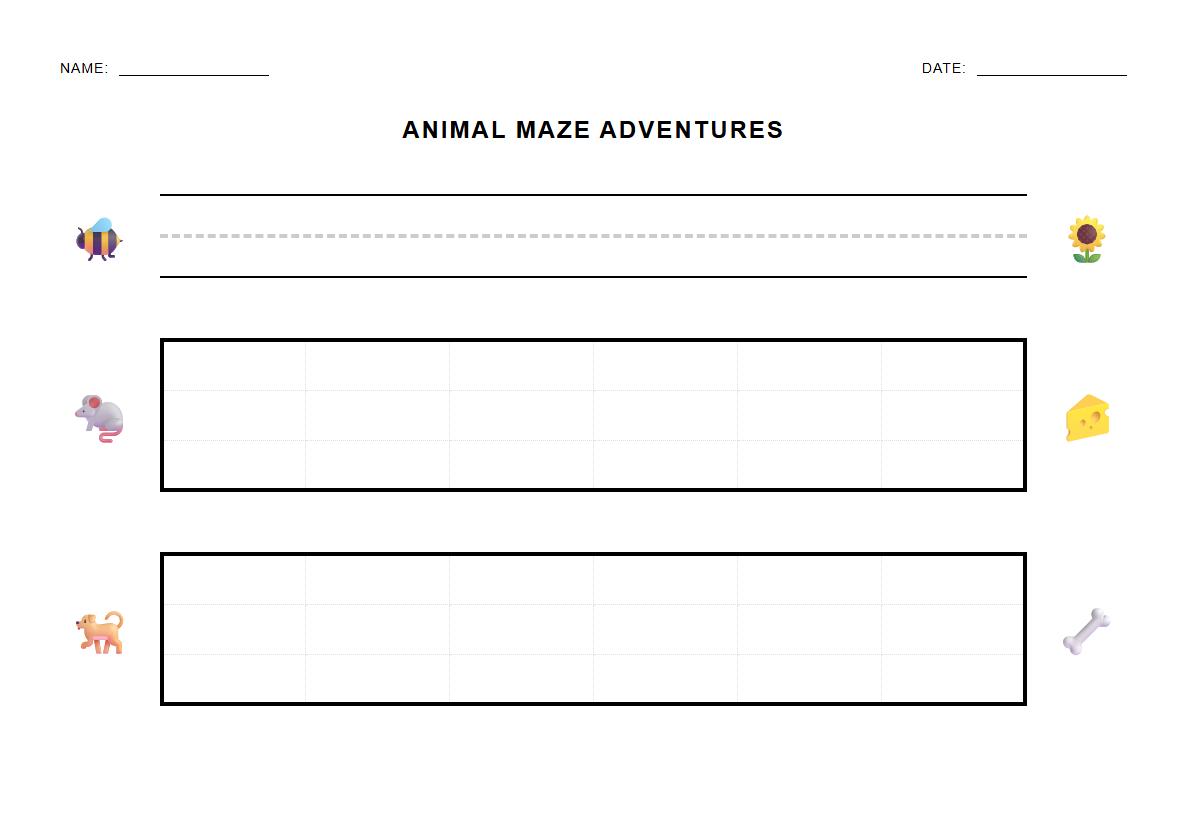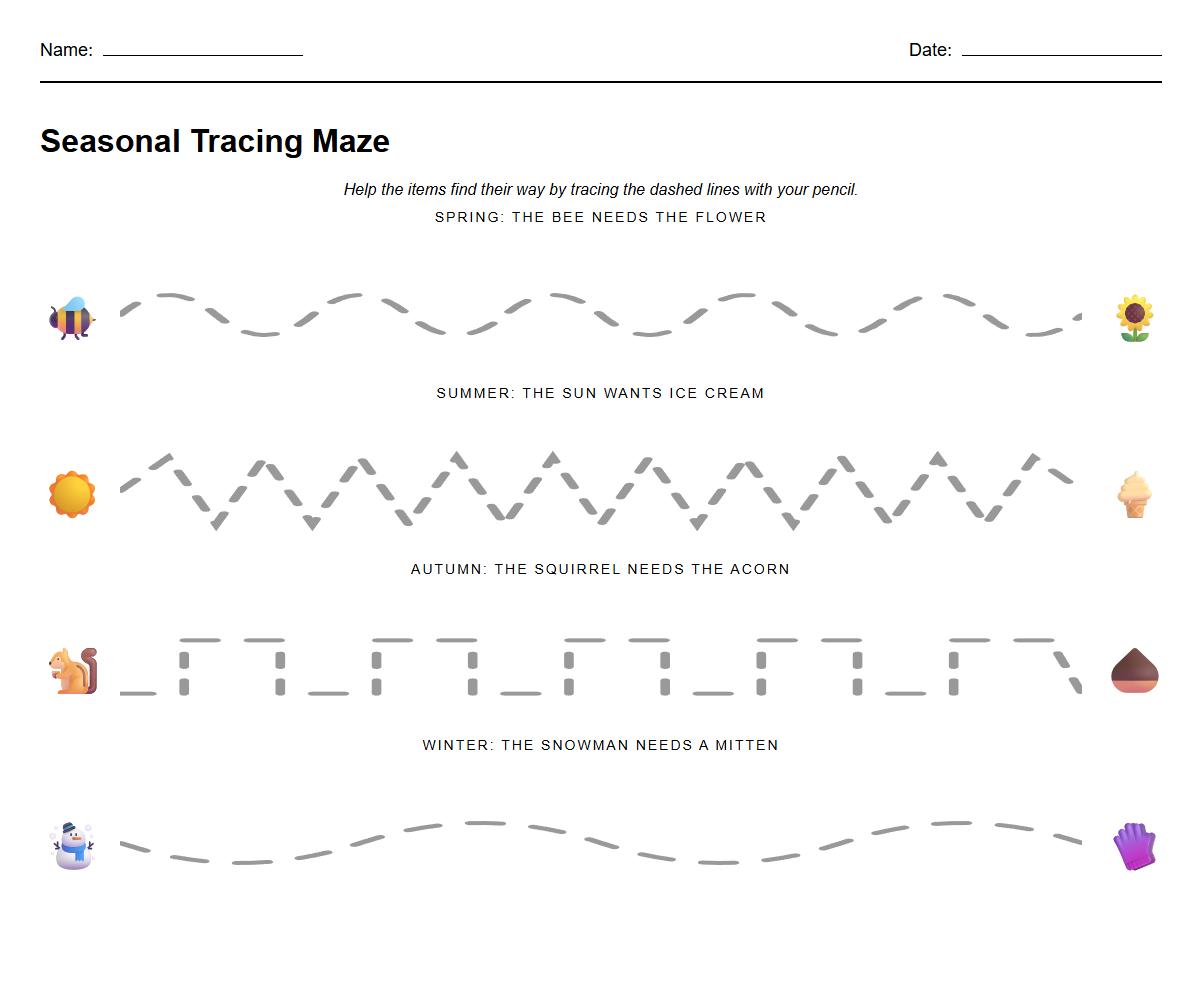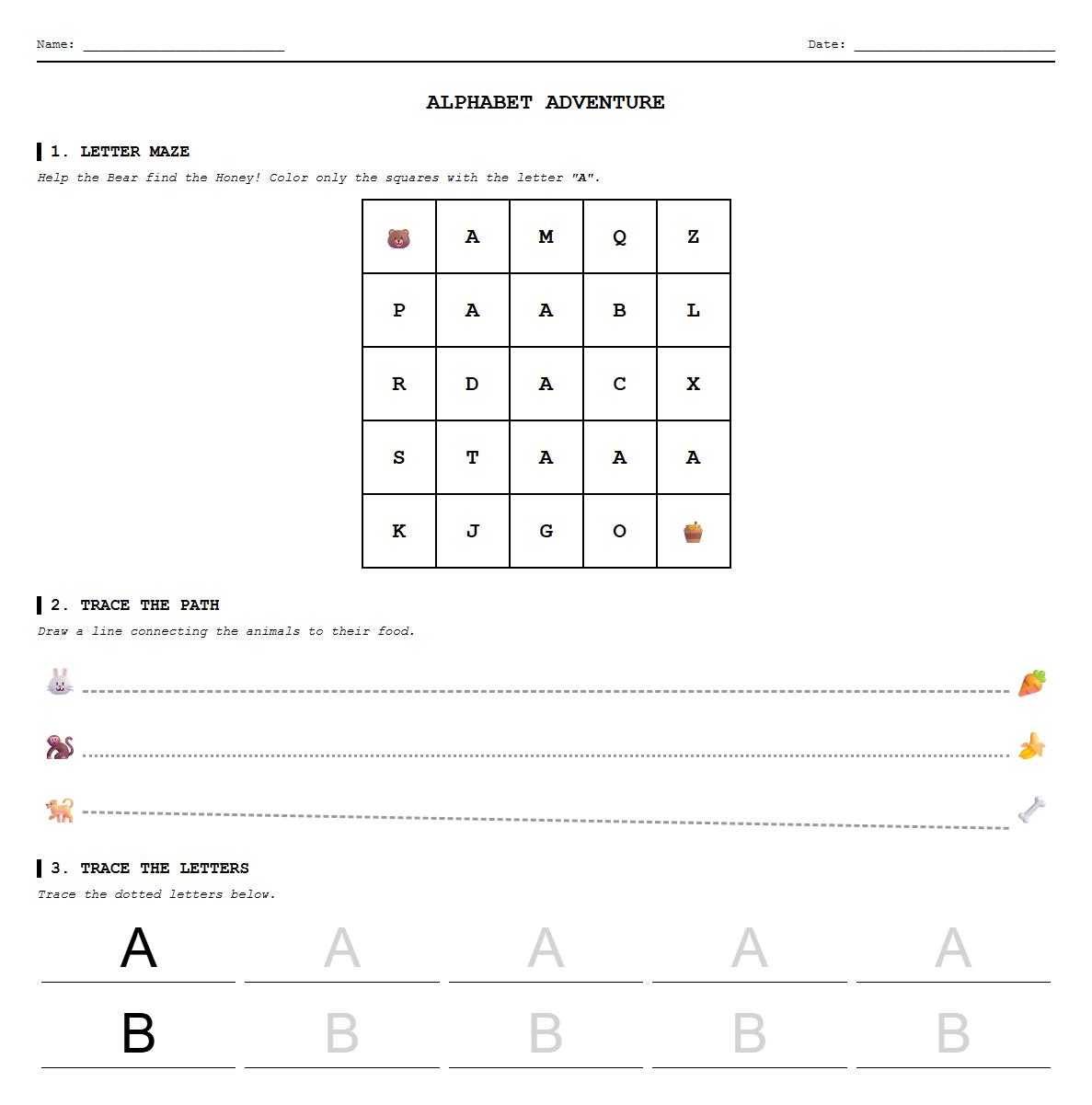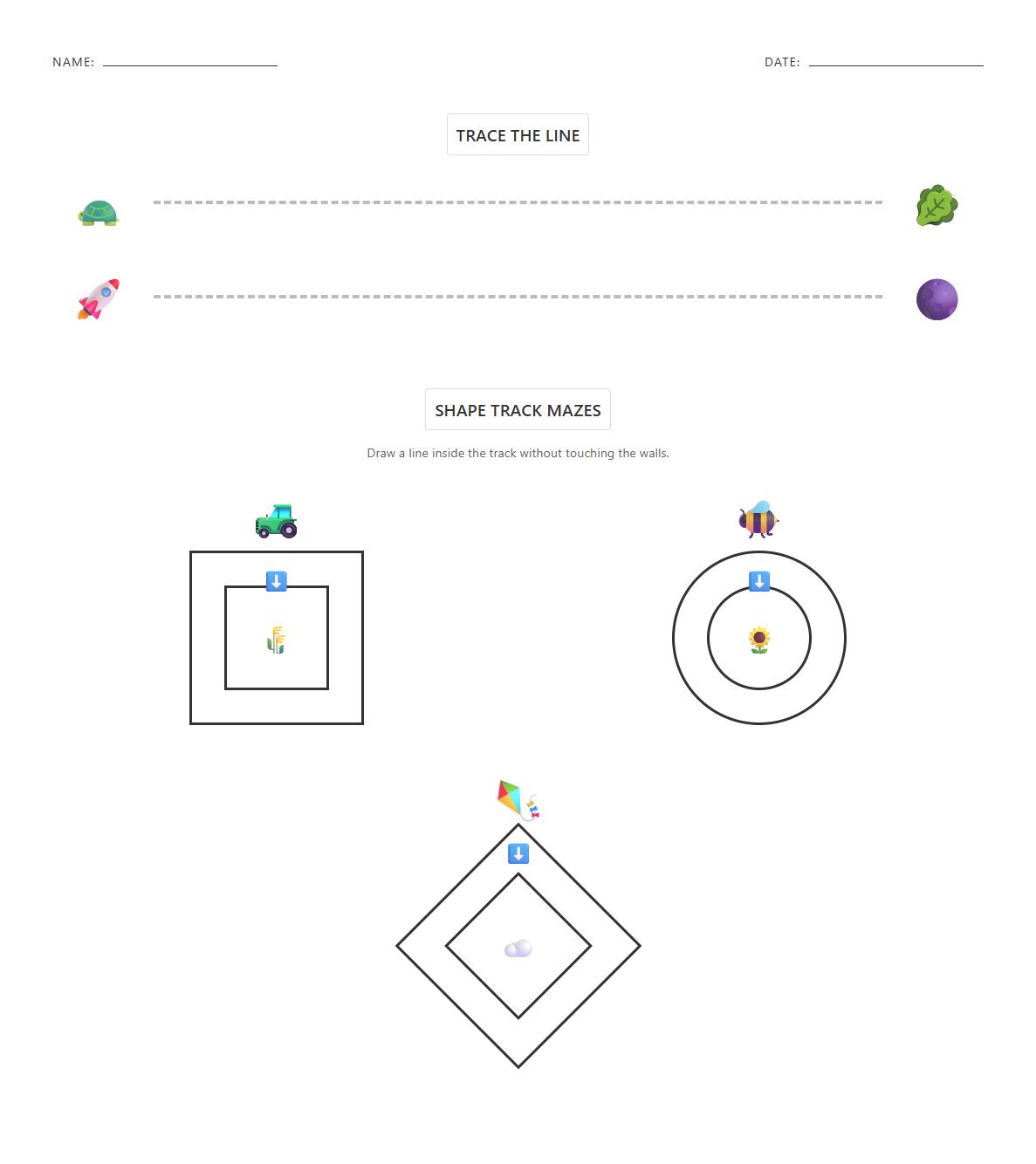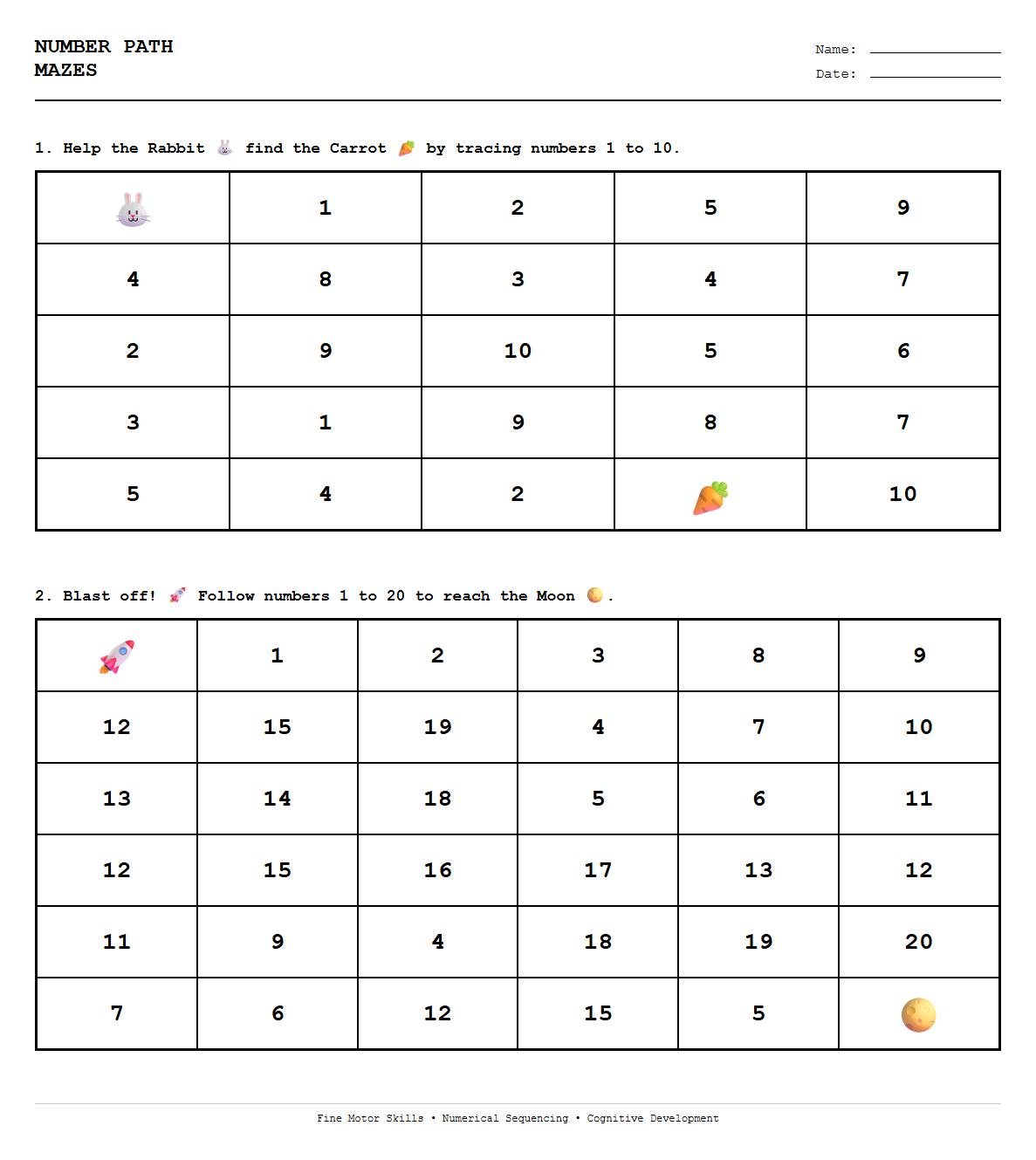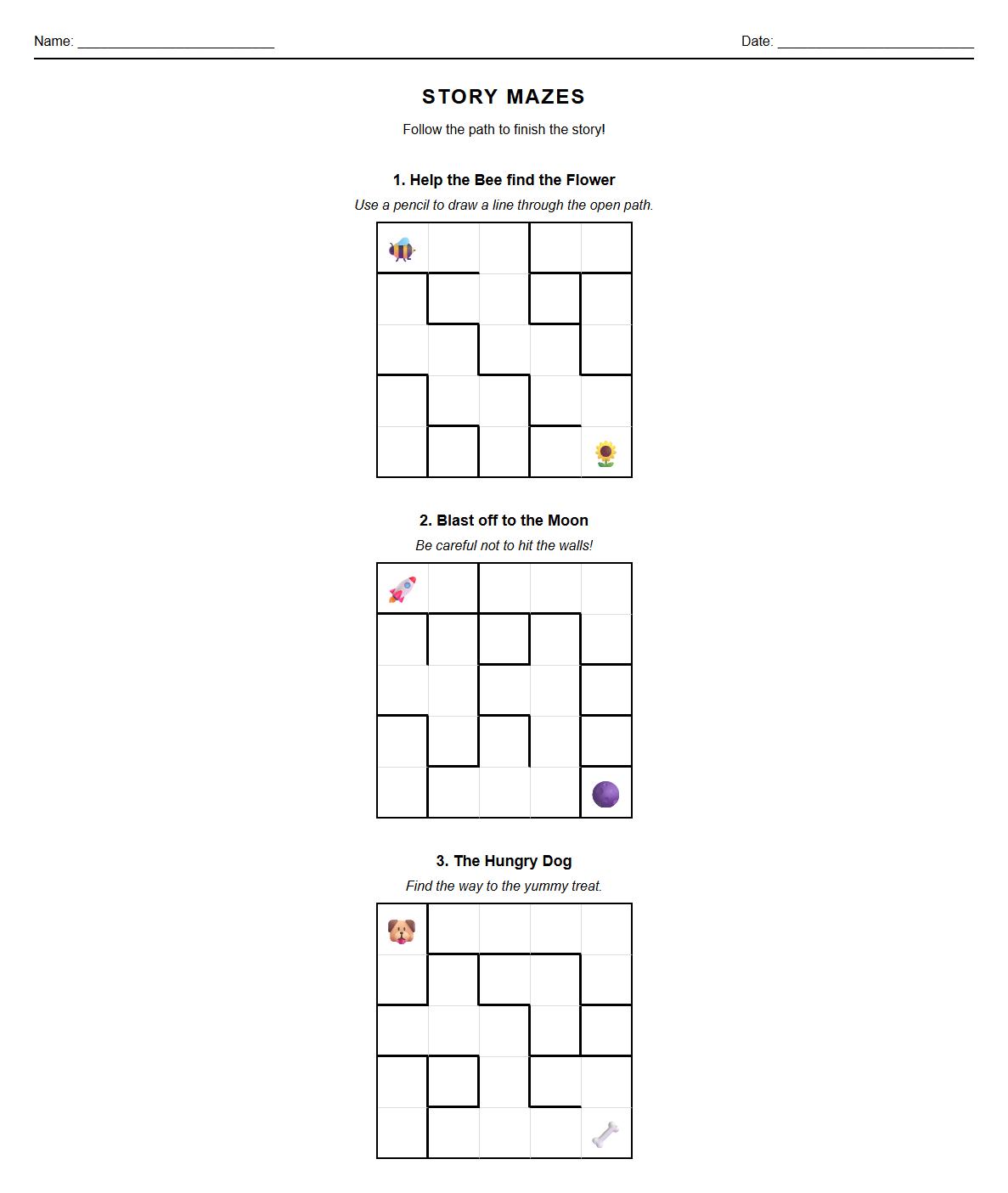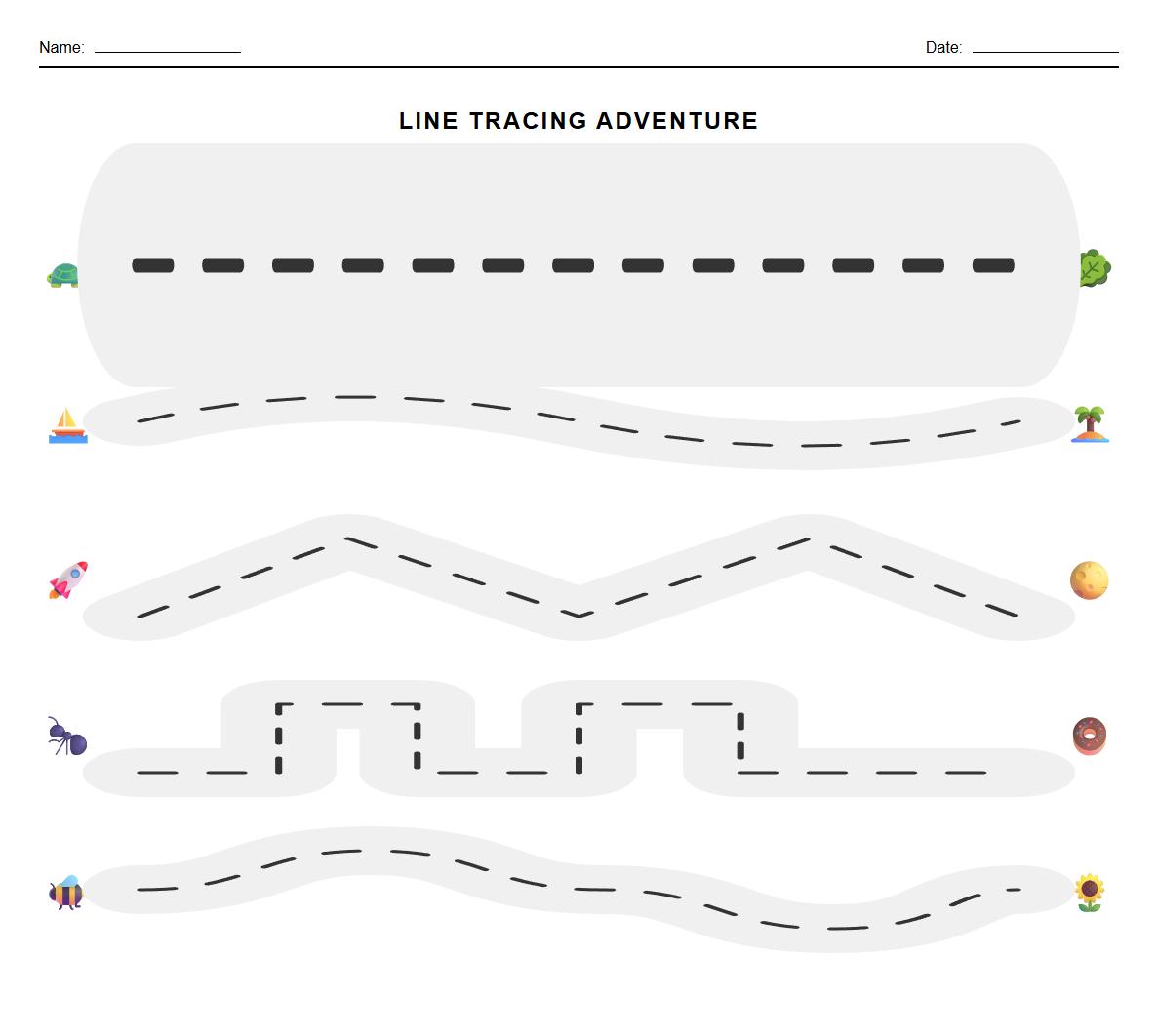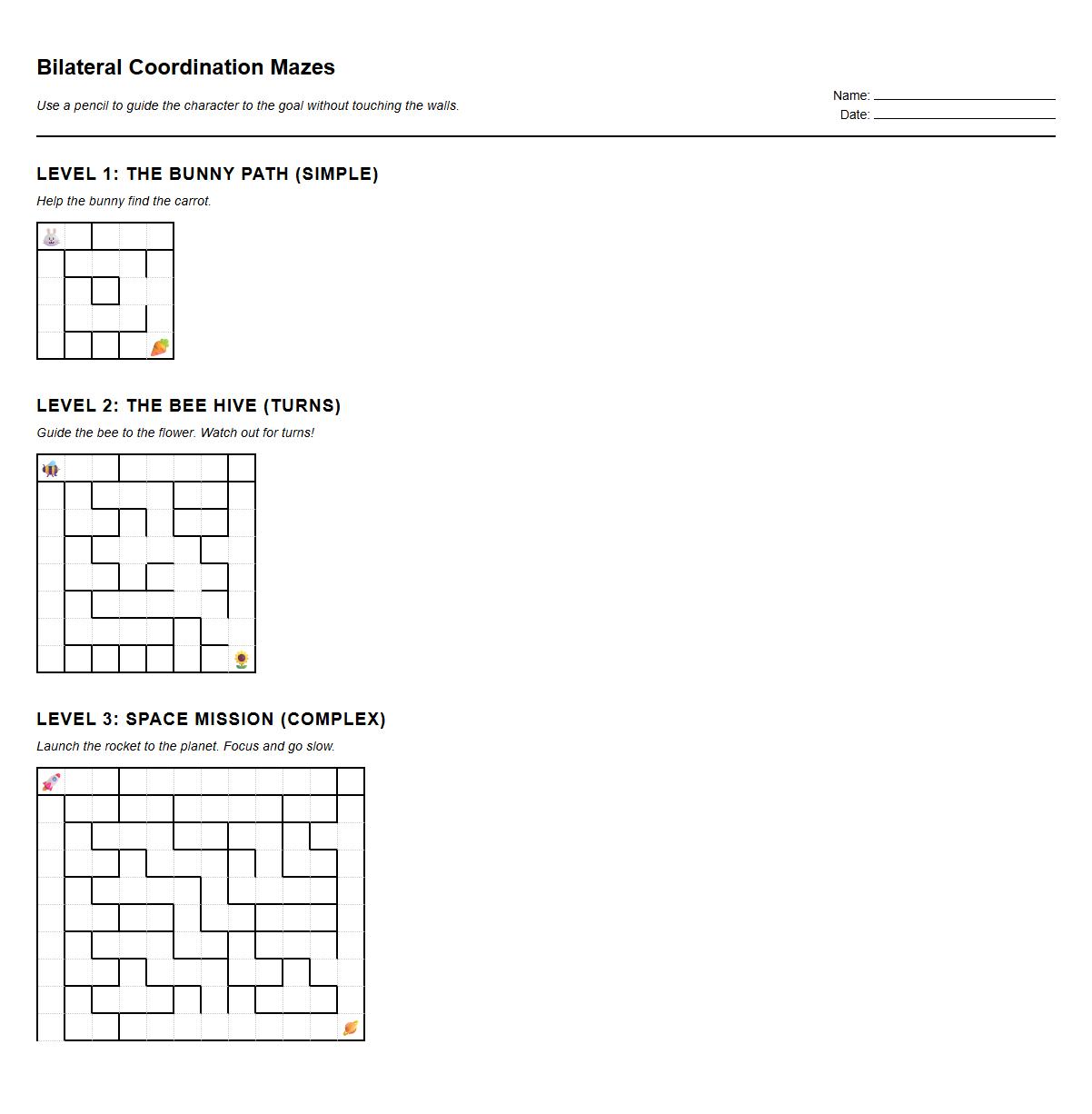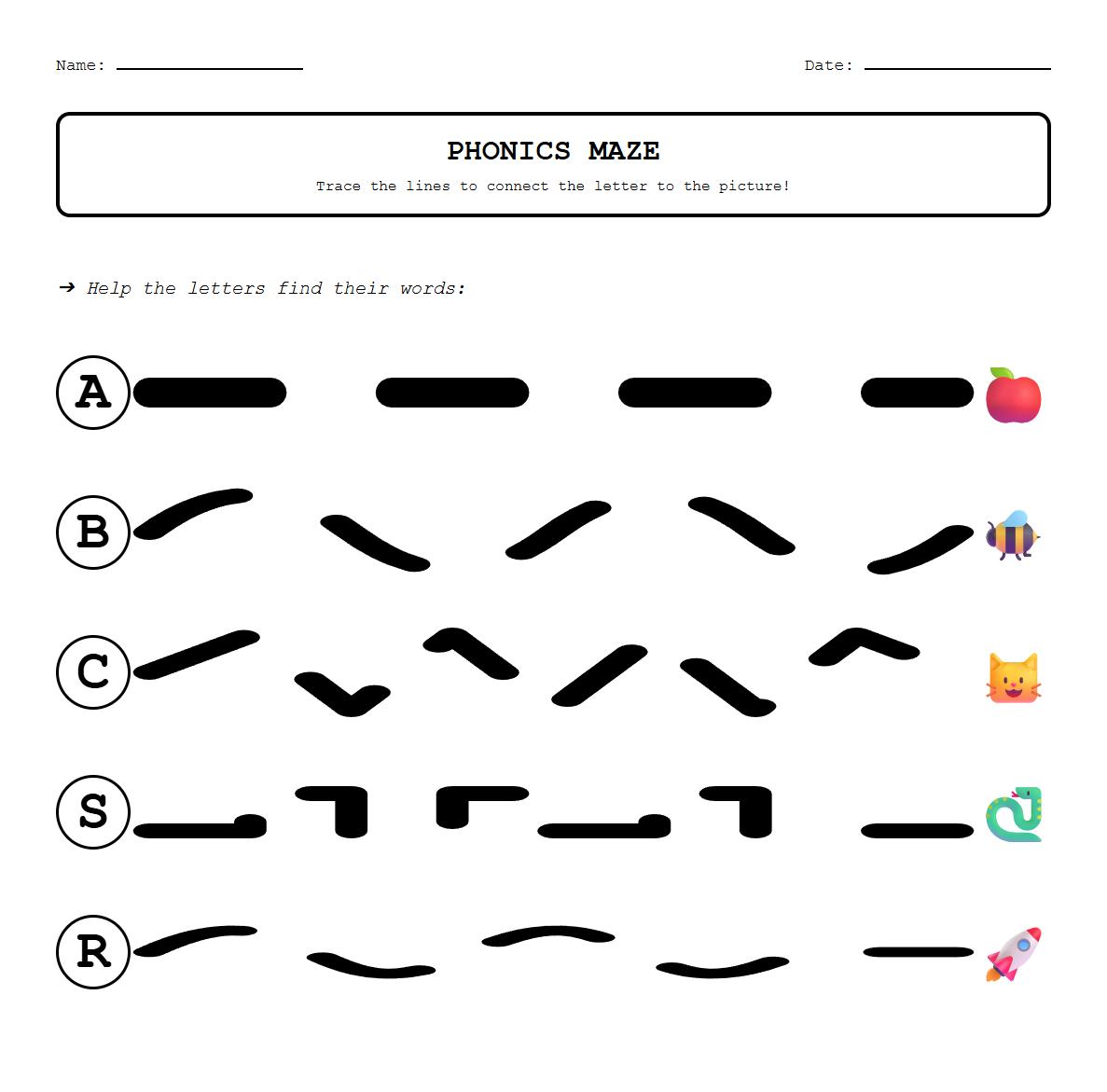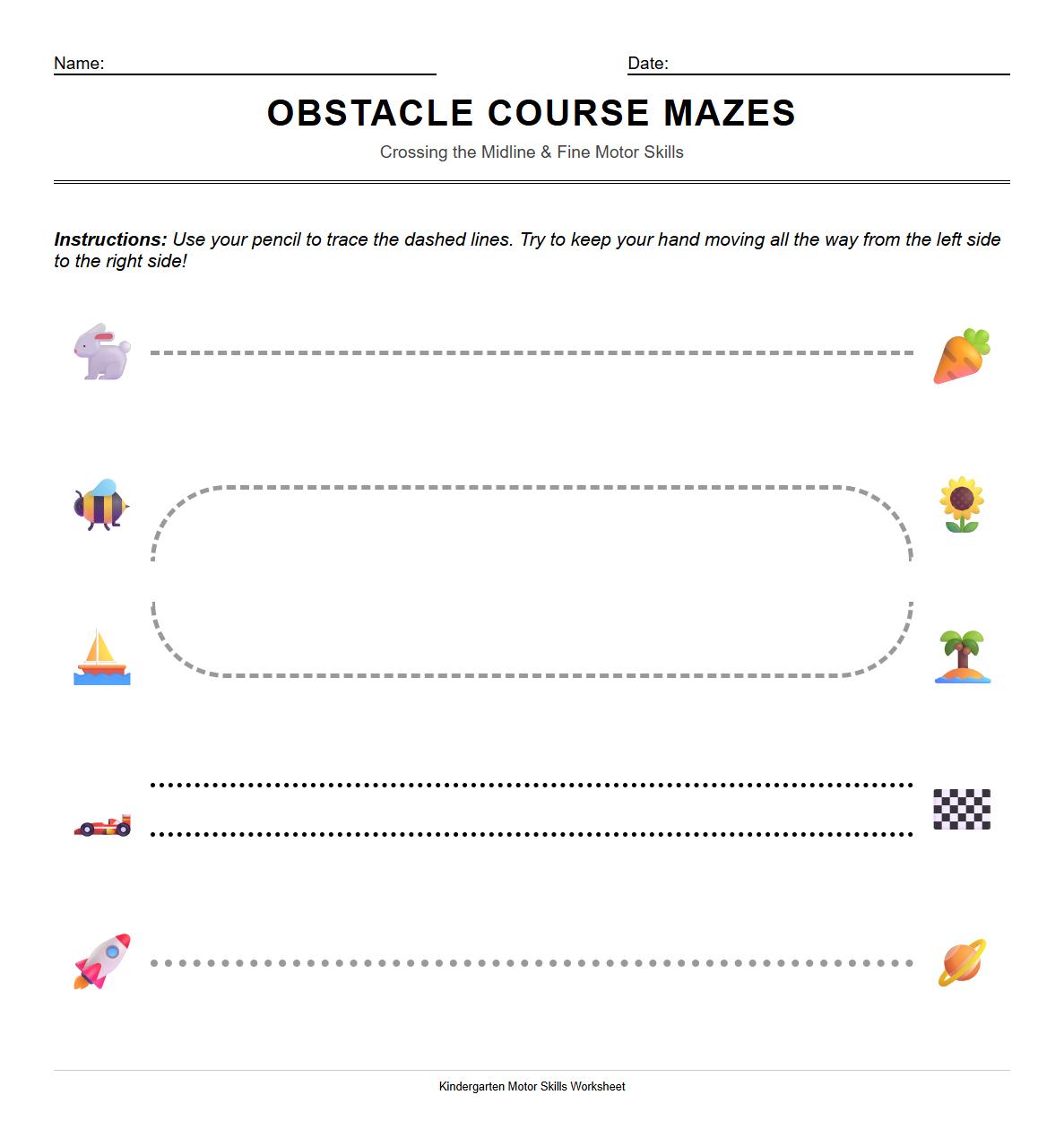
Kindergarten maze activities enhance fine motor skills by encouraging children to practice precision and control as they trace paths. These exercises improve hand-eye coordination and strengthen small muscle movements essential for writing. Explore our collection of engaging worksheets designed to support your child's fine motor development.
How Do Kindergarten Maze Activities Support Fine Motor Skills Development?
Maze activities help children develop hand-eye coordination and precise finger movements necessary for fine motor skills. As they trace paths, kids practice controlled hand movements essential for tasks like writing and cutting. These activities also enhance problem-solving and spatial awareness, which contribute to overall motor planning. Regular engagement with mazes builds strength and dexterity in small hand muscles.
What Materials Are Best for Creating Mazes to Strengthen Fine Motor Abilities in Young Children?
Durable materials such as laminated cardstock or plastic sheets work well for reusable maze templates. Using colorful markers or dry erase pens encourages engagement and allows easy correction. Textured materials like sandpaper or felt can add sensory input to support tactile development. Incorporating manipulatives like small erasers or beads can make tracing more interactive and improve grip.
How Often Should Maze Activities Be Incorporated into the Kindergarten Classroom for Optimal Fine Motor Progress?
Incorporating maze activities at least 2-3 times per week offers consistent practice to enhance fine motor skills. Frequent short sessions maintain children's interest without causing fatigue. Integrating mazes into daily routines supports gradual improvement and reinforcement of motor control. Balance maze work with other fine motor exercises for a comprehensive approach.
In What Ways Do Maze Activities Improve Pencil Grip and Handwriting in Kindergarten?
Tracing maze paths encourages children to hold writing tools with appropriate pressure and control, promoting a proper pencil grip. The focus on careful movement enhances finger isolation and endurance for handwriting tasks. By developing steadiness through maze challenges, kids gain confidence in letter formation and drawing. This foundation transfers to smoother, clearer penmanship.
How Can Teachers Assess Fine Motor Improvements Through Maze Activities?
Teachers can observe increased accuracy, speed, and consistency when children complete mazes over time. Monitoring grip stability and pencil control during activities provides insight into motor development. Comparing early maze attempts with later ones shows progress in coordination and problem-solving. Teachers may also use checklists or simple rating scales aligned with fine motor benchmarks.
What Are Some Creative Maze Activity Ideas to Engage Kindergartners in Developing Fine Motor Skills?
Incorporate themes like animal trails, treasure hunts, or garden paths to make mazes visually appealing and relate to children's interests. Use stickers or stamps as rewards for completing maze challenges, adding motivation. Create three-dimensional mazes with string or pipe cleaners to explore different textures and strengthen hand muscles. Collaborative maze drawing encourages social interaction and peer learning.
How Do Maze Activities Compare with Other Fine Motor Skill Exercises for Kindergarten Students?
Mazes uniquely combine cognitive problem-solving with precise hand movements, offering dual benefits not always present in other fine motor tasks. Unlike repetitive drills, mazes provide variety and engagement through visual and spatial challenges. They complement activities like bead threading or cutting by focusing on guided movement and spatial planning. Together, they form a well-rounded fine motor skill curriculum.
What Challenges Do Children Face When Completing Mazes, and How Can Educators Provide Support?
Children may experience frustration due to difficulty in controlling pencil movements or navigating complex paths. Educators can offer simplified mazes and use step-by-step guidance to build confidence. Using adaptive tools like thicker crayons or grip aids helps reduce strain. Encouraging patience and celebrating small successes keeps children motivated and resilient.
How Can Parents Reinforce Maze Activities at Home to Enhance Fine Motor Skills?
Parents can provide printable or homemade maze worksheets for regular practice in a relaxed environment. Engaging in maze games together strengthens skills and encourages positive parent-child interaction. Offering a variety of writing tools and surfaces maintains interest and supports diverse motor experiences. Consistent praise and establishing routine maze time reinforce skill development.
What Are the Signs That a Kindergarten Student Is Benefiting from Maze Activities for Fine Motor Development?
Teachers and parents might notice steadier pencil control and improved accuracy in completing maze paths. Enhanced endurance when writing or drawing and better grip management indicate progress. Positive changes in other tasks requiring fine motor skills, such as buttoning clothes or using scissors, reflect benefits. Increased confidence and eagerness to try challenging tasks are also strong signs of success.


Visual Discrimination Mazes for Early Literacy Practice