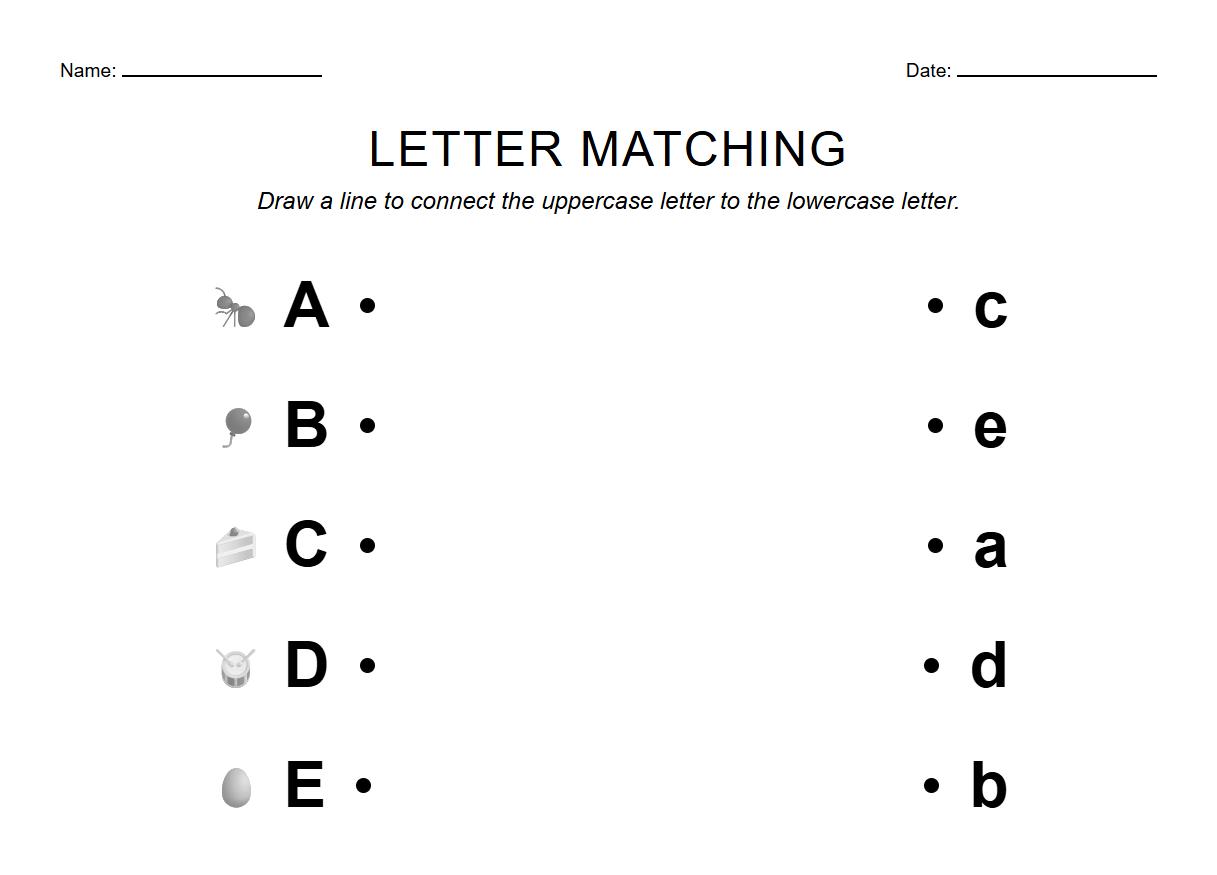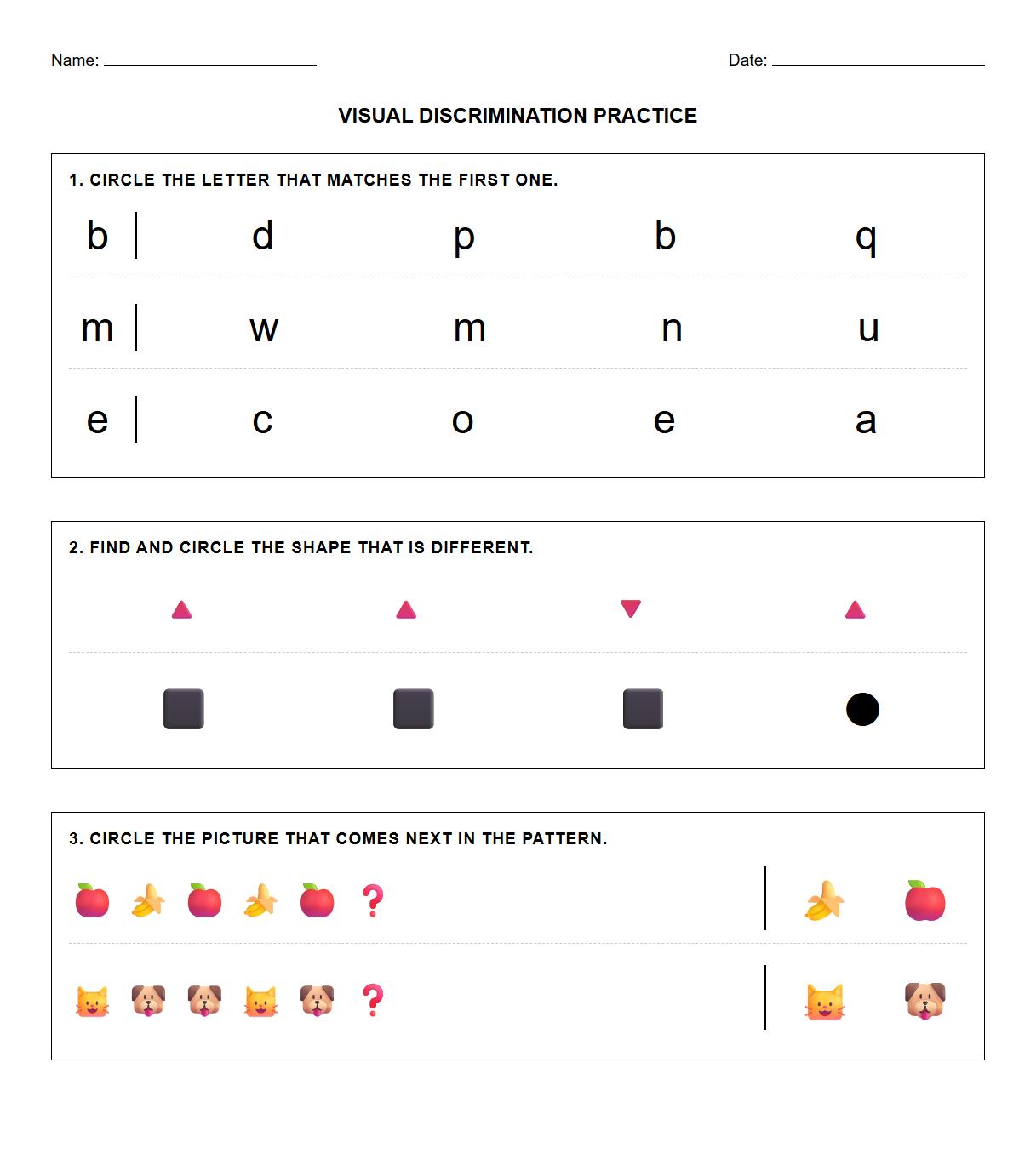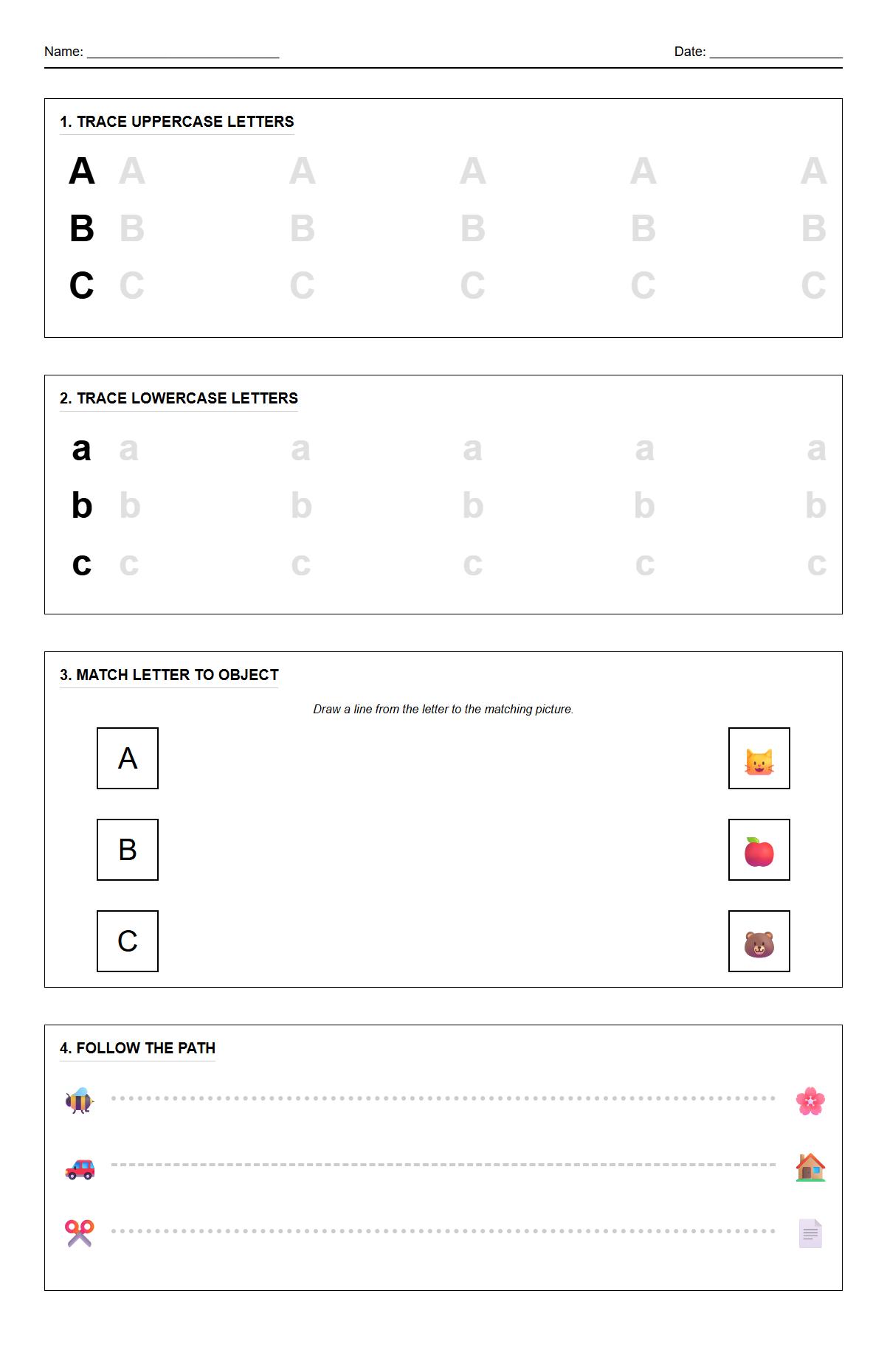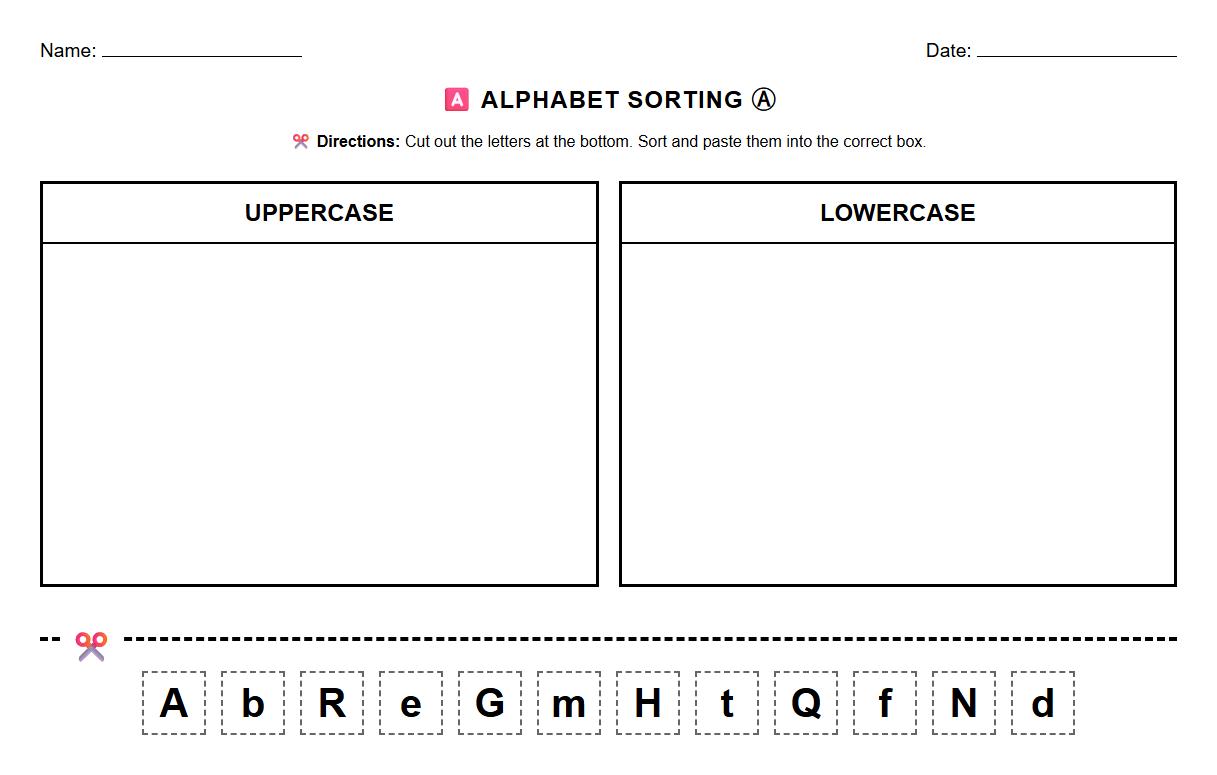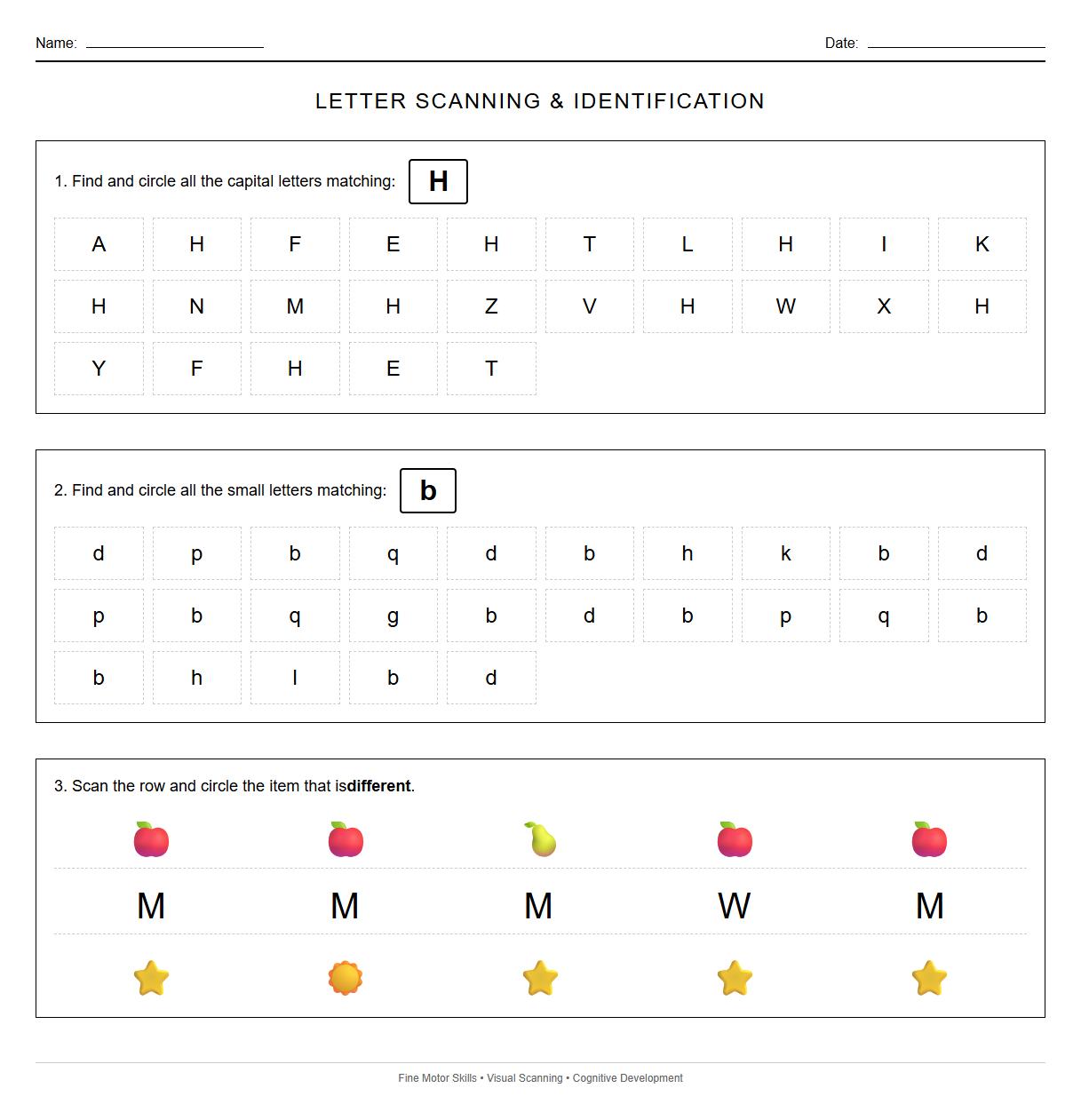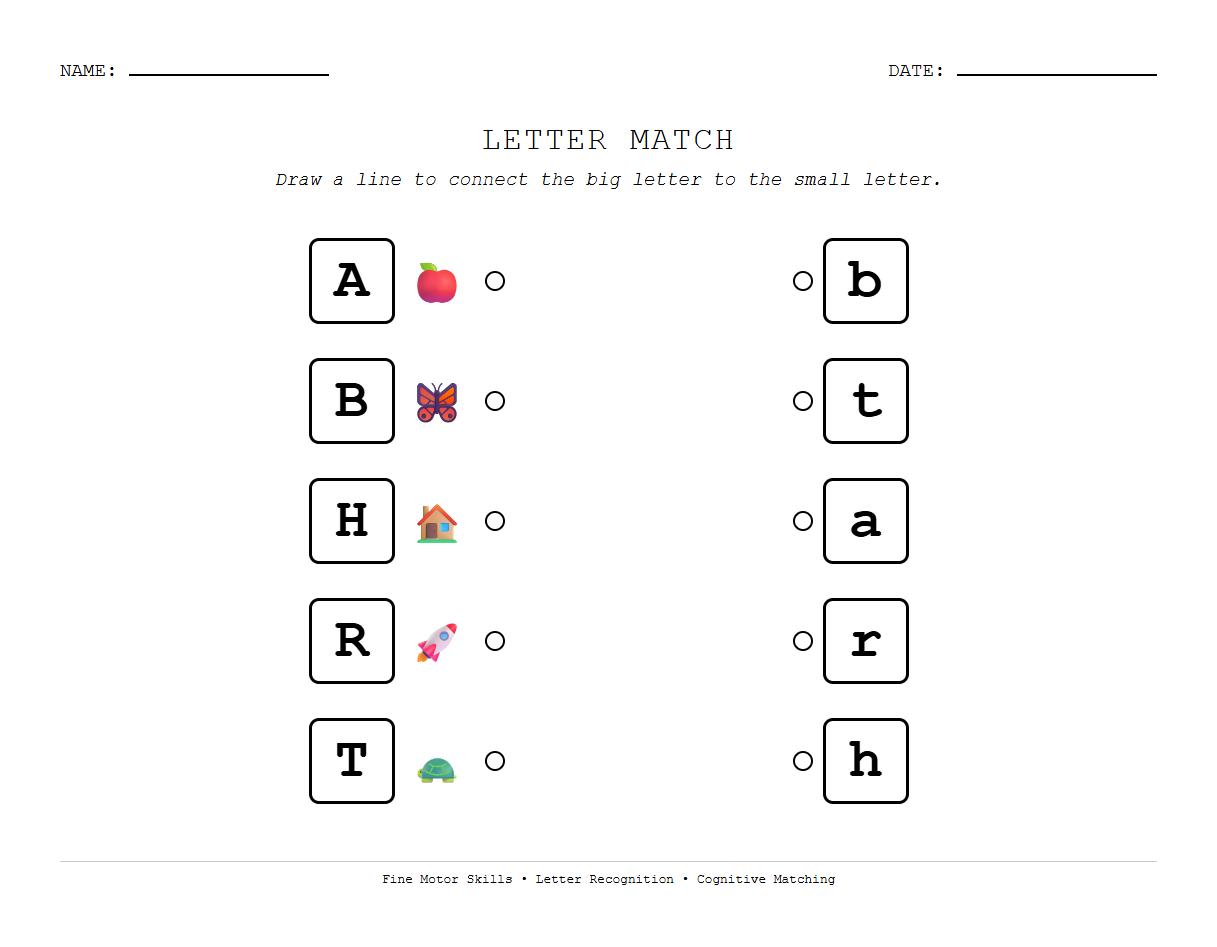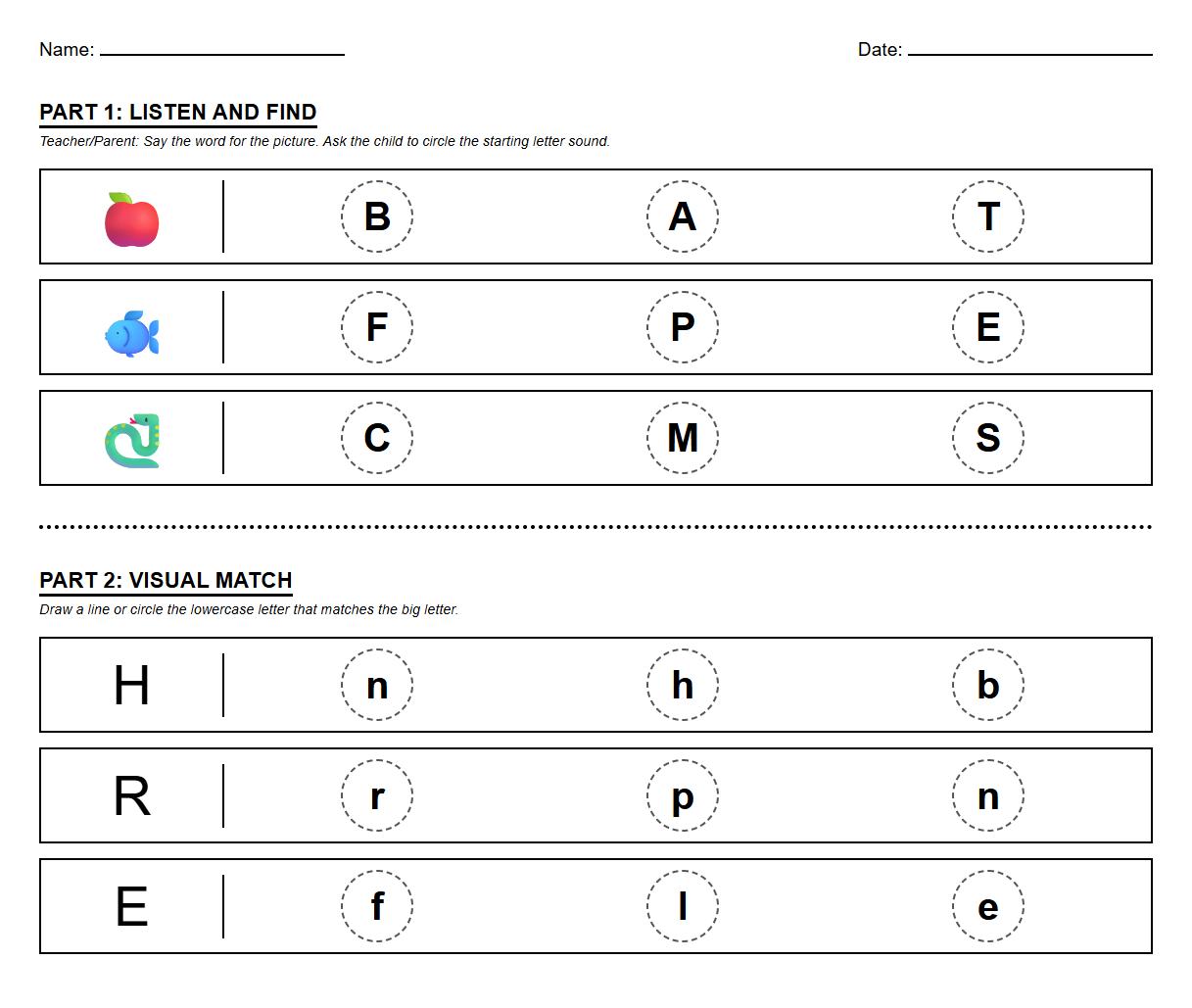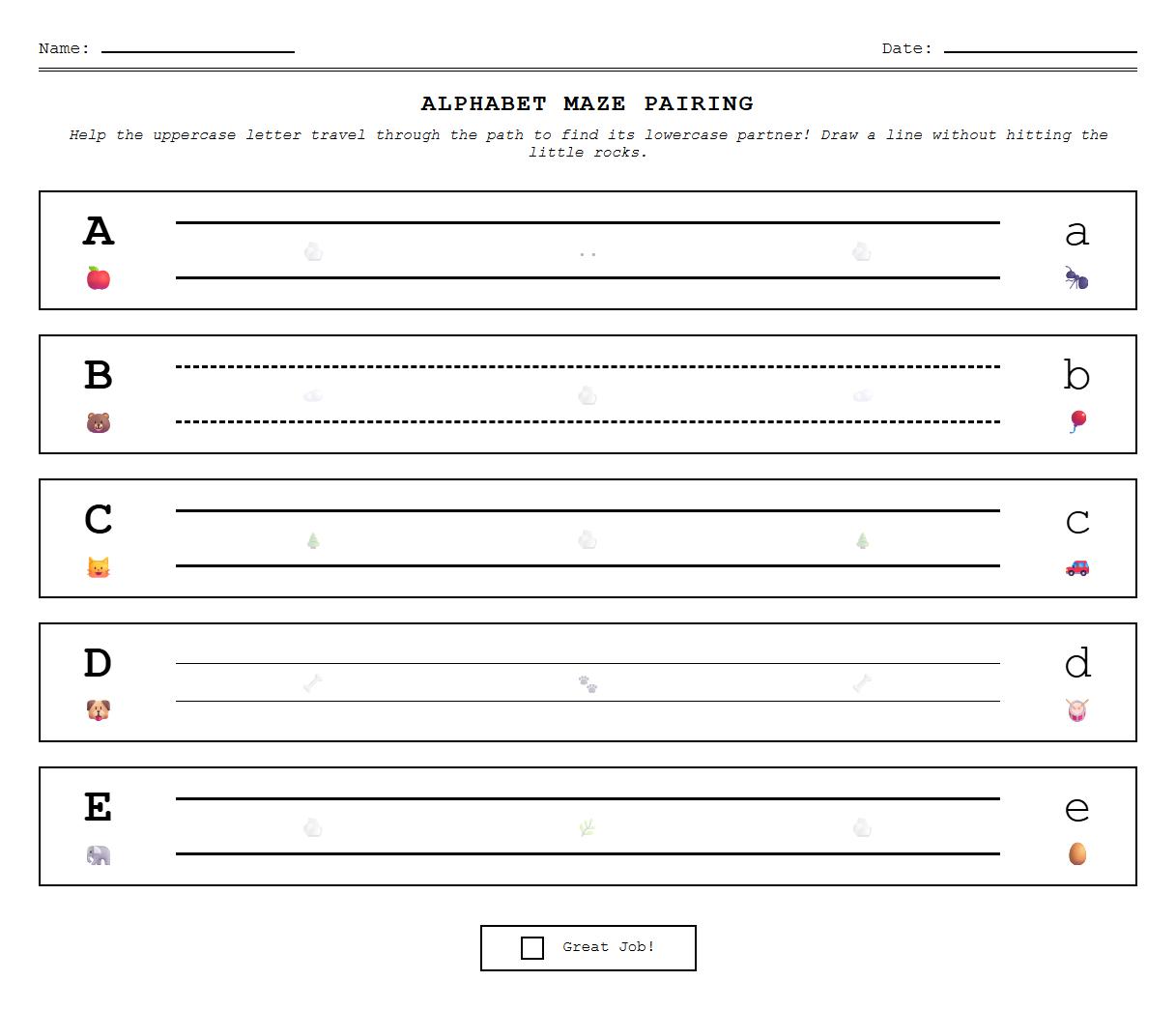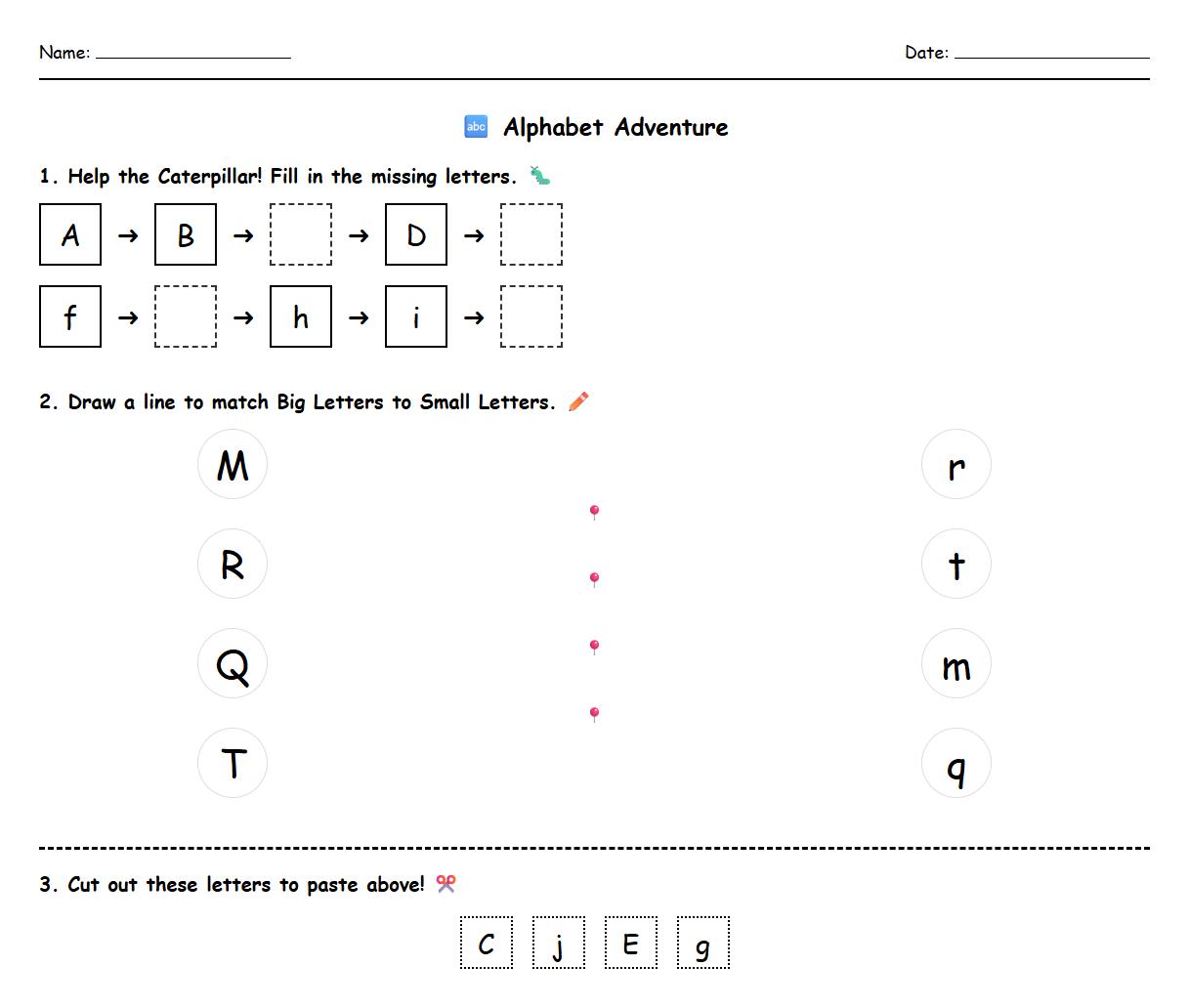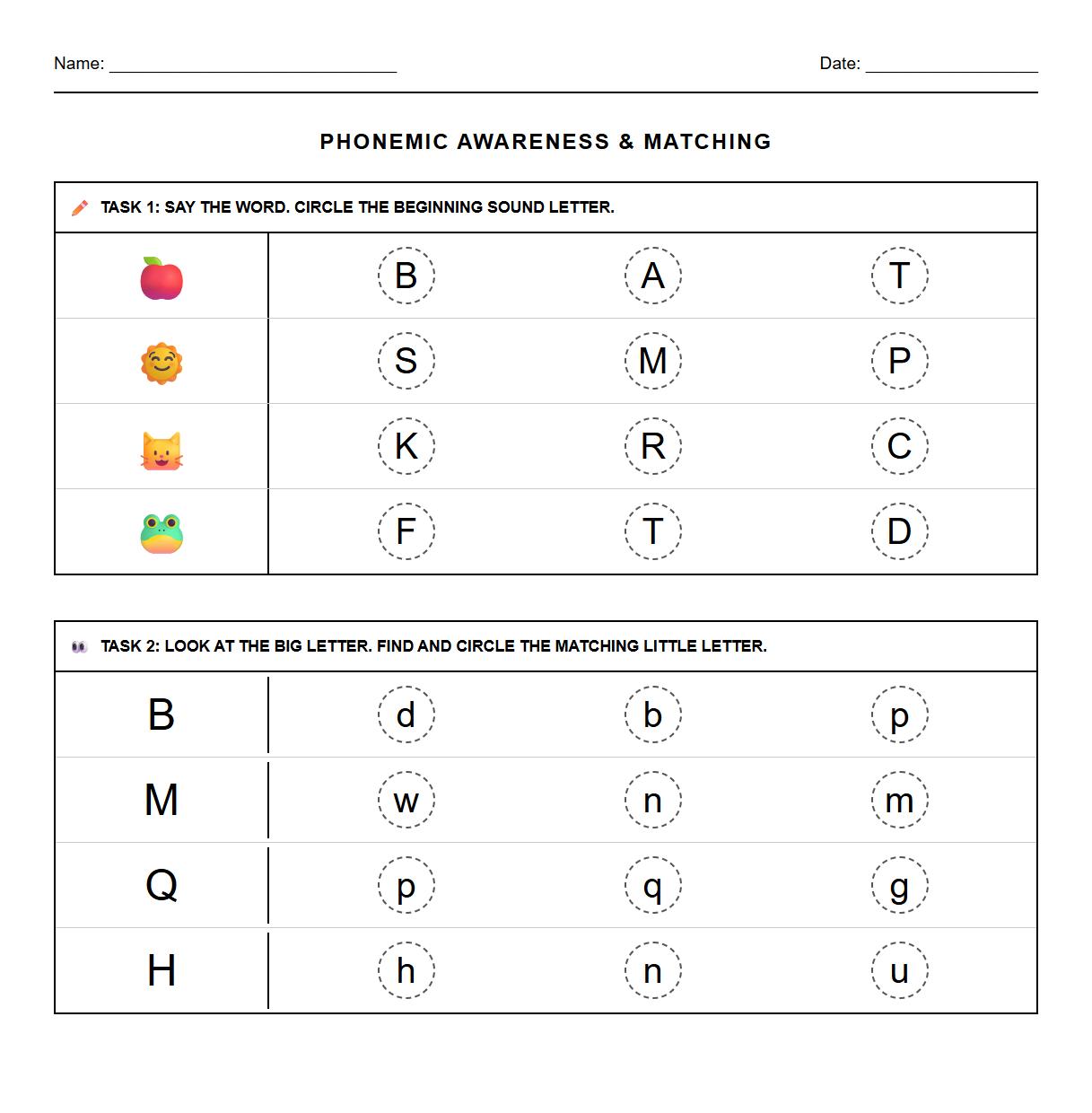
Visual discrimination skills are essential for recognizing differences and similarities between uppercase and lowercase letters, which supports early literacy development. These worksheets engage children in matching letters accurately, enhancing their letter recognition and cognitive abilities. Explore the available worksheets to boost letter matching skills effectively.
How Visual Discrimination Worksheets Support Letter Recognition in Kindergarten
Visual Discrimination Worksheets enhance letter recognition by helping children differentiate between similar shapes and symbols. These worksheets train young learners to notice subtle variations in letters, which is critical for early literacy skills. By repeatedly practicing, children become more confident in identifying both uppercase and lowercase letters. This targeted practice supports the foundation for reading and writing.
Effective Activities for Matching Uppercase and Lowercase Letters
Activities like letter matching games, flashcard pairs, and interactive sorting exercises are highly effective. Children can engage in hands-on matching tasks, such as pairing magnetic letters or using digital apps that visually link uppercase and lowercase forms. These activities make learning dynamic and reinforce recognition through repetition. Incorporating multisensory elements further supports memory retention.
Recommended Frequency of Visual Discrimination Worksheets in Weekly Lesson Plans
Ideally, Visual Discrimination Worksheets should be used 2-3 times a week to maintain consistent practice without overwhelming students. Regular but varied exposure helps reinforce skills progressively. Teachers and parents can integrate these worksheets alongside other literacy activities to balance learning. Frequency can be adjusted based on individual student needs and progress.
Visual Cues to Assist with Matching Letters
Including color coding, arrows, and shaded backgrounds can guide children's attention to important letter features. Visual markers like dotted lines or highlight boxes emphasize letter shape distinctions. Using engaging images or associating letters with objects (e.g., A with apple) also aids in memory and recognition. These cues help young learners connect visual forms with letter names.
Benefits of Worksheets for Students with Learning Difficulties
For children with learning difficulties, these worksheets offer structured and focused practice to improve letter recognition skills at their own pace. The repetitive nature and visual clarity reduce confusion and build confidence. Customizable worksheet formats can accommodate different learning styles, providing success through targeted support. These tools complement specialized interventions effectively.
Engaging Ways to Reinforce Uppercase and Lowercase Matching Outside Worksheets
Teachers and parents can use playful methods like letter scavenger hunts, alphabet puzzles, and singing letter songs to reinforce letter matching. Creating tactile activities, such as forming letters with clay or tracing in sand, engages multiple senses. Role-playing or storytelling involving letter characters makes learning fun and memorable. These activities encourage natural, joyful letter recognition practice.
Assessing Progress Using Letter Matching Worksheets
Progress can be monitored by tracking accuracy and speed in letter matching tasks over time. Teachers can note improvements in identifying both uppercase and lowercase letters correctly and independently. Using checklists, anecdotal records, or timed activities helps to assess growth effectively. These assessments guide instructional adjustments to meet each child's needs.
Common Challenges Kindergartners Face with Letter Discrimination Activities
Young learners often struggle with confusing similarly shaped letters such as b/d and p/q. Maintaining attention during repetitive tasks can also be difficult. Additionally, visual processing delays may impact their ability to distinguish fine details. Awareness of these challenges helps adults provide appropriate support and patience.
Integrating Technology with Visual Discrimination Letter Matching Exercises
Digital tools and apps featuring interactive letter matching games enhance engagement through animation and instant feedback. Technology allows for personalized learning paths and adaptive difficulty levels tailored to each child's abilities. Using tablets or smartboards can make practice more appealing and accessible. Combining tech with traditional worksheets offers a balanced learning experience.
Creative Themes to Make Letter Matching Worksheets More Appealing
Incorporating themes like animals, space adventures, seasons, or favorite storybook characters captivates children's interest. Themed worksheets with vibrant graphics and relatable contexts motivate students to participate willingly. Seasonal and holiday motifs can tie literacy learning to real-world events. Creative themes transform routine exercises into exciting learning journeys.


Color and Object Matching Visual Discrimination Phonics Worksheets for Kindergarten