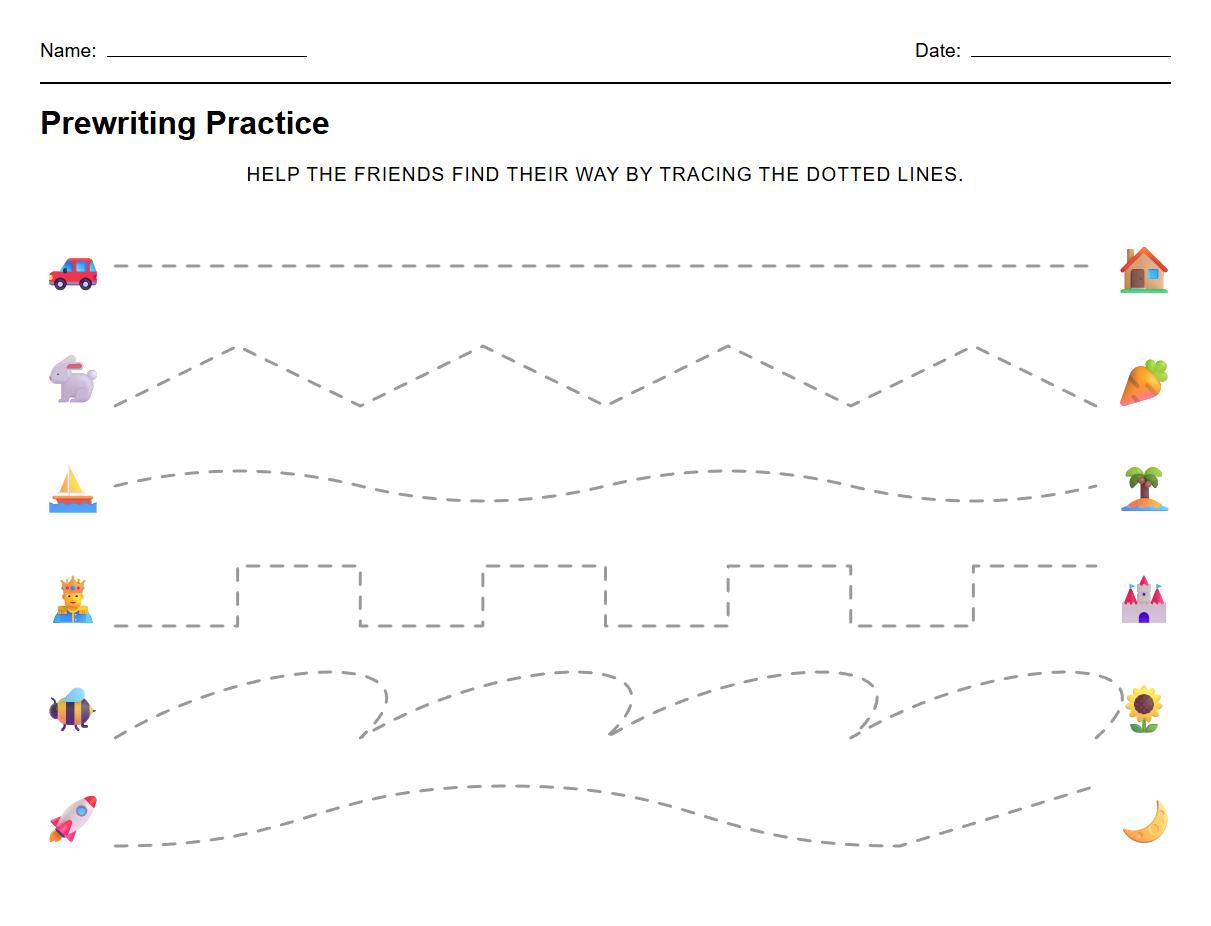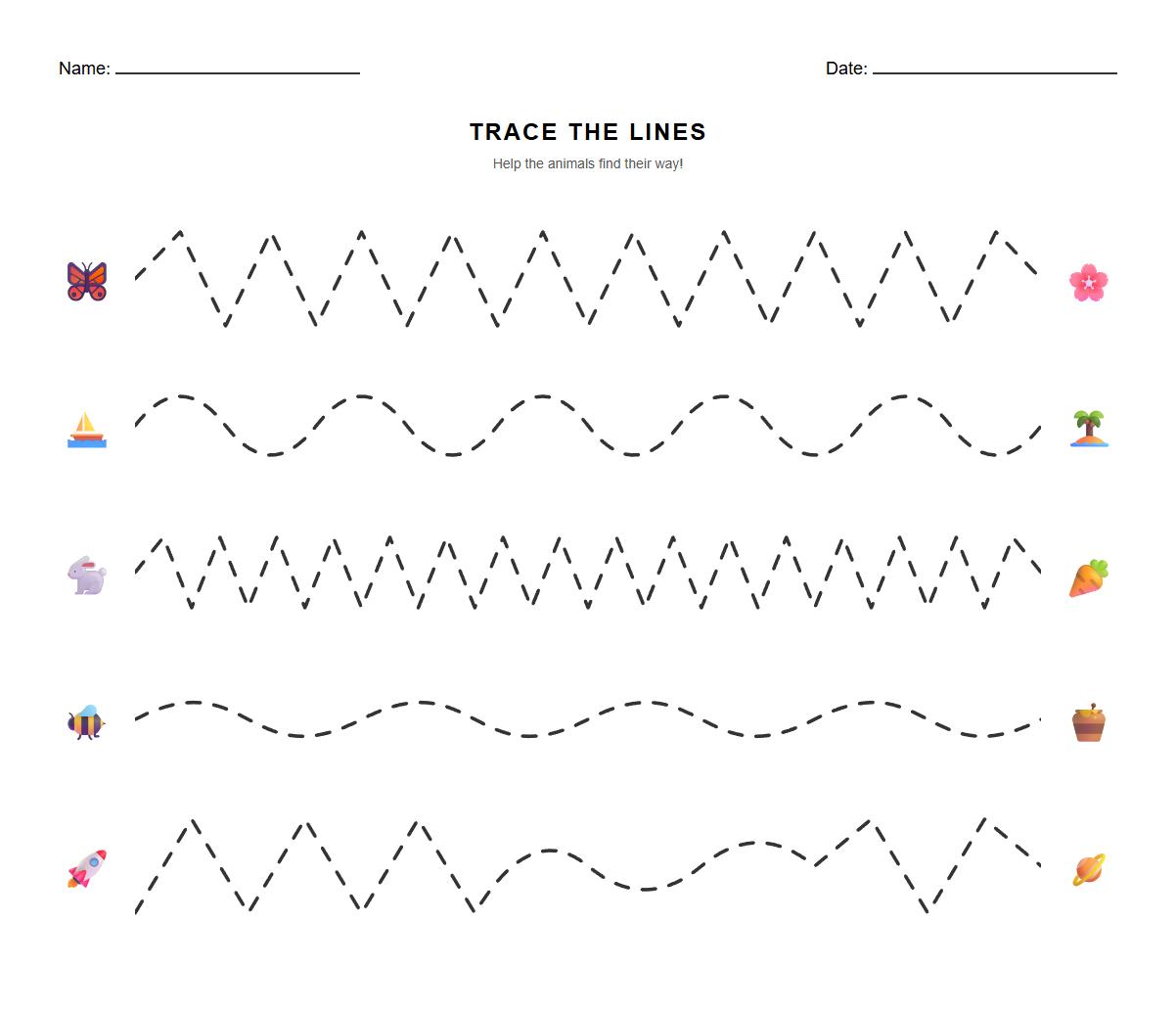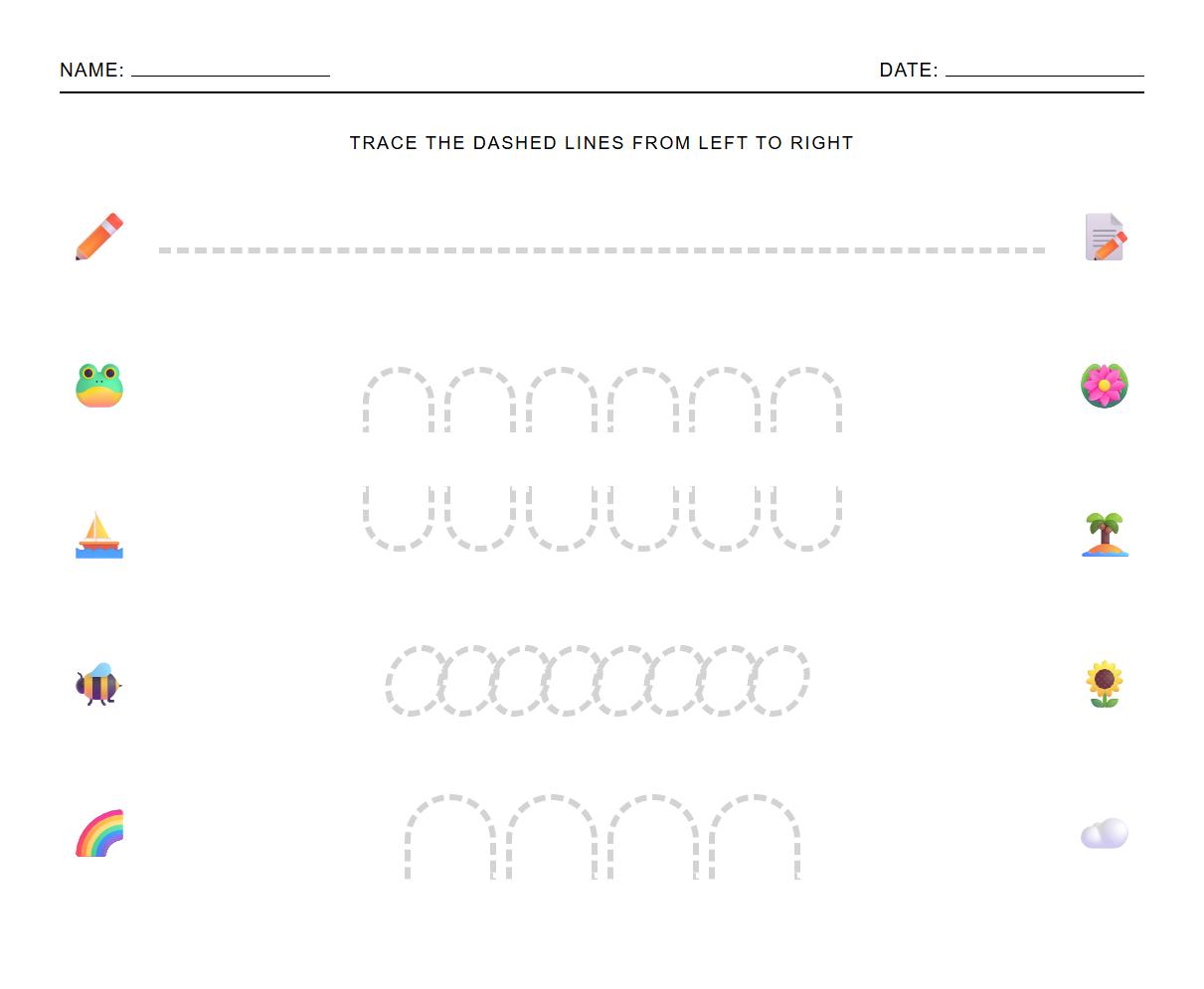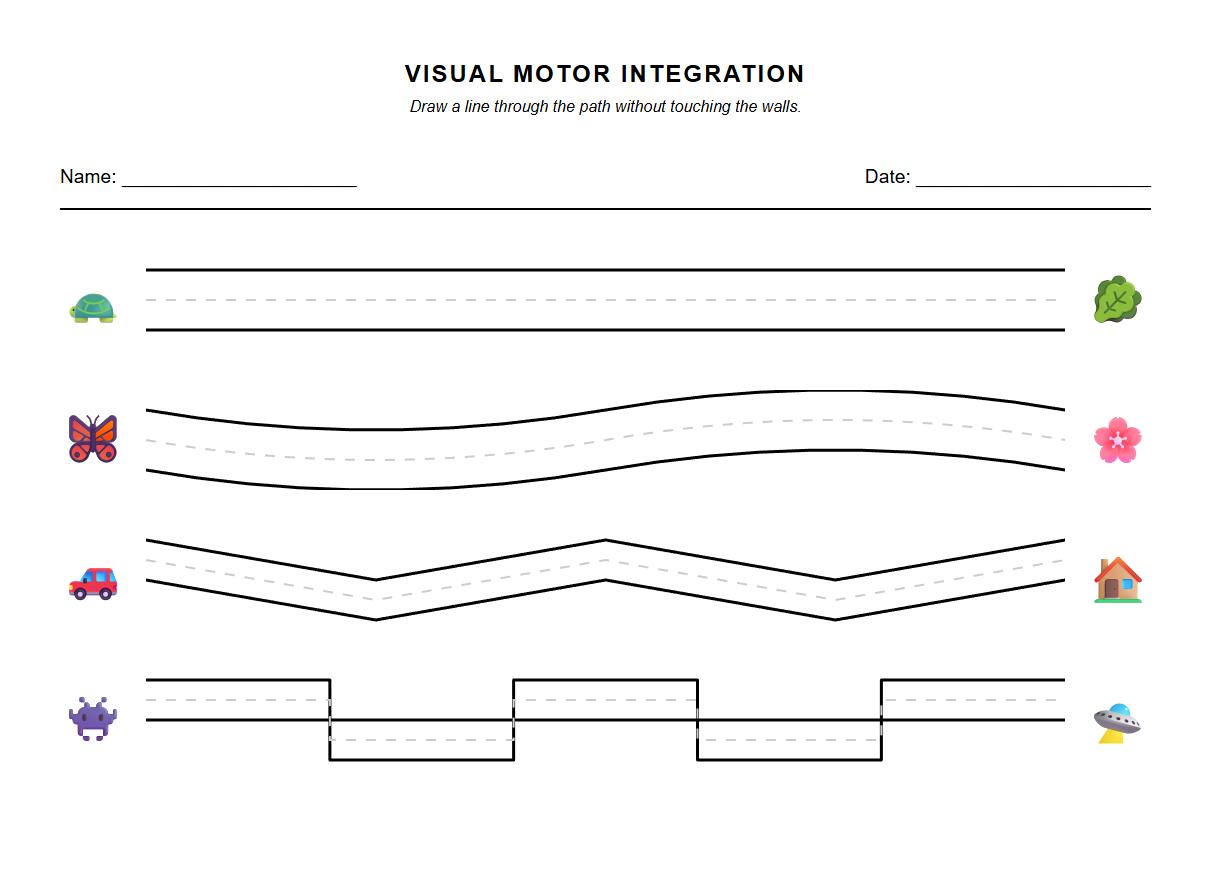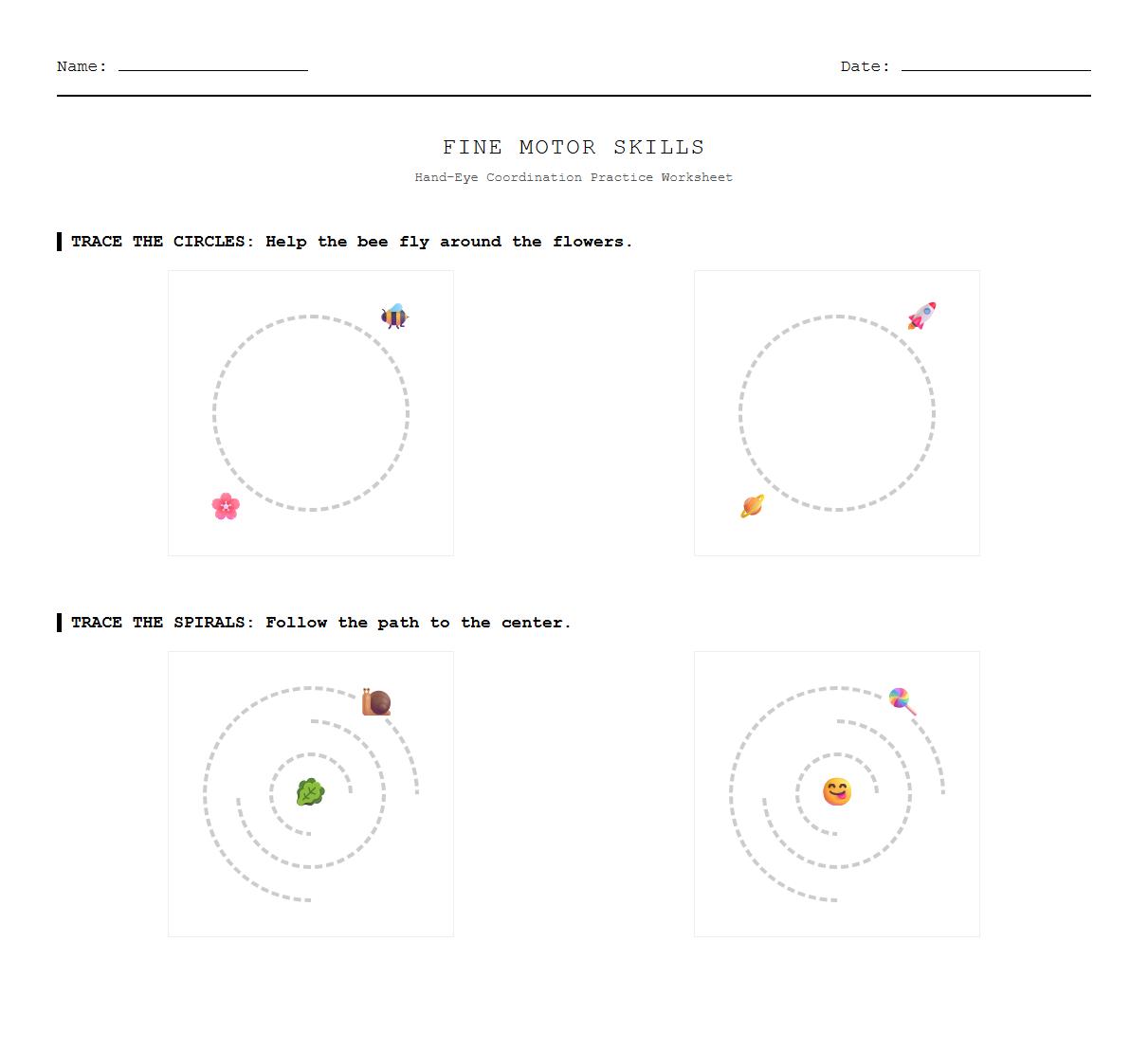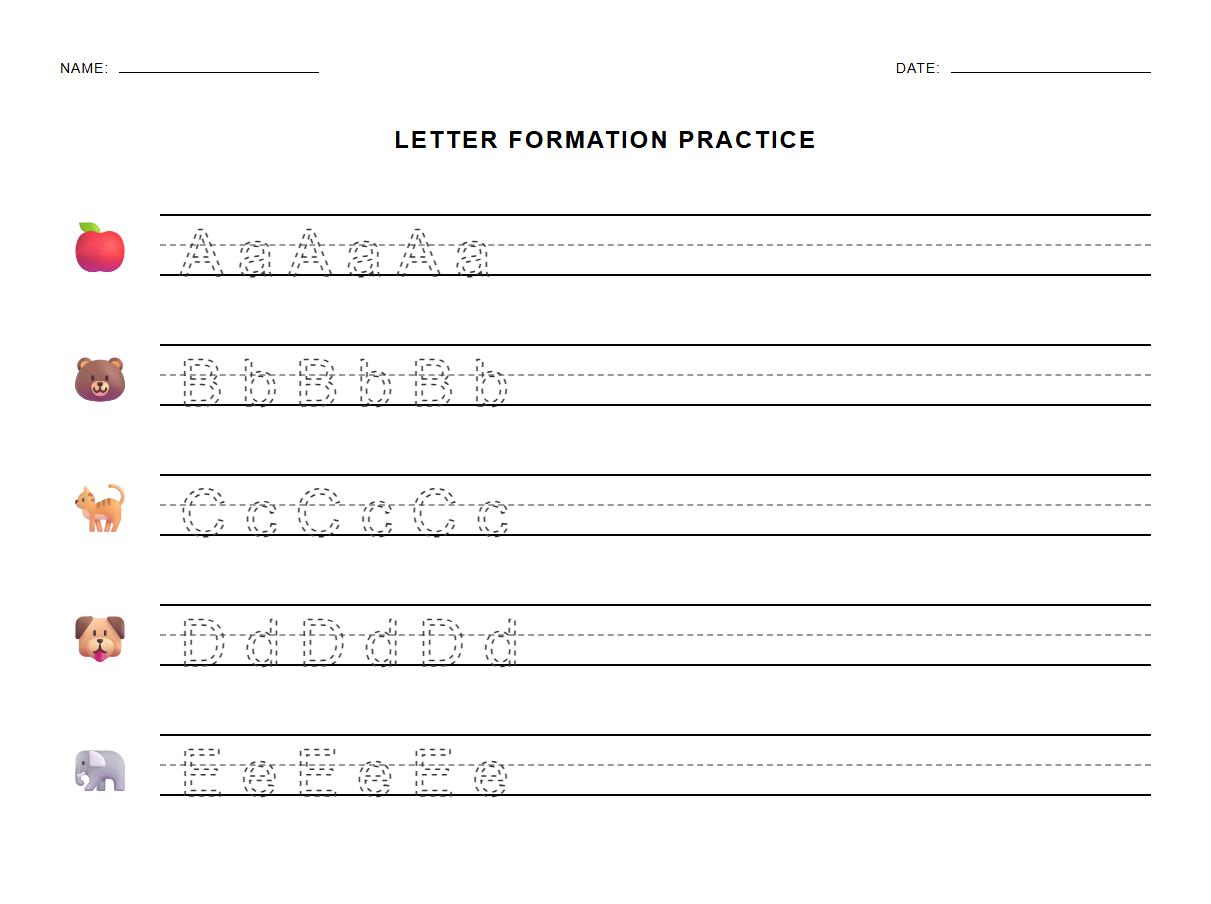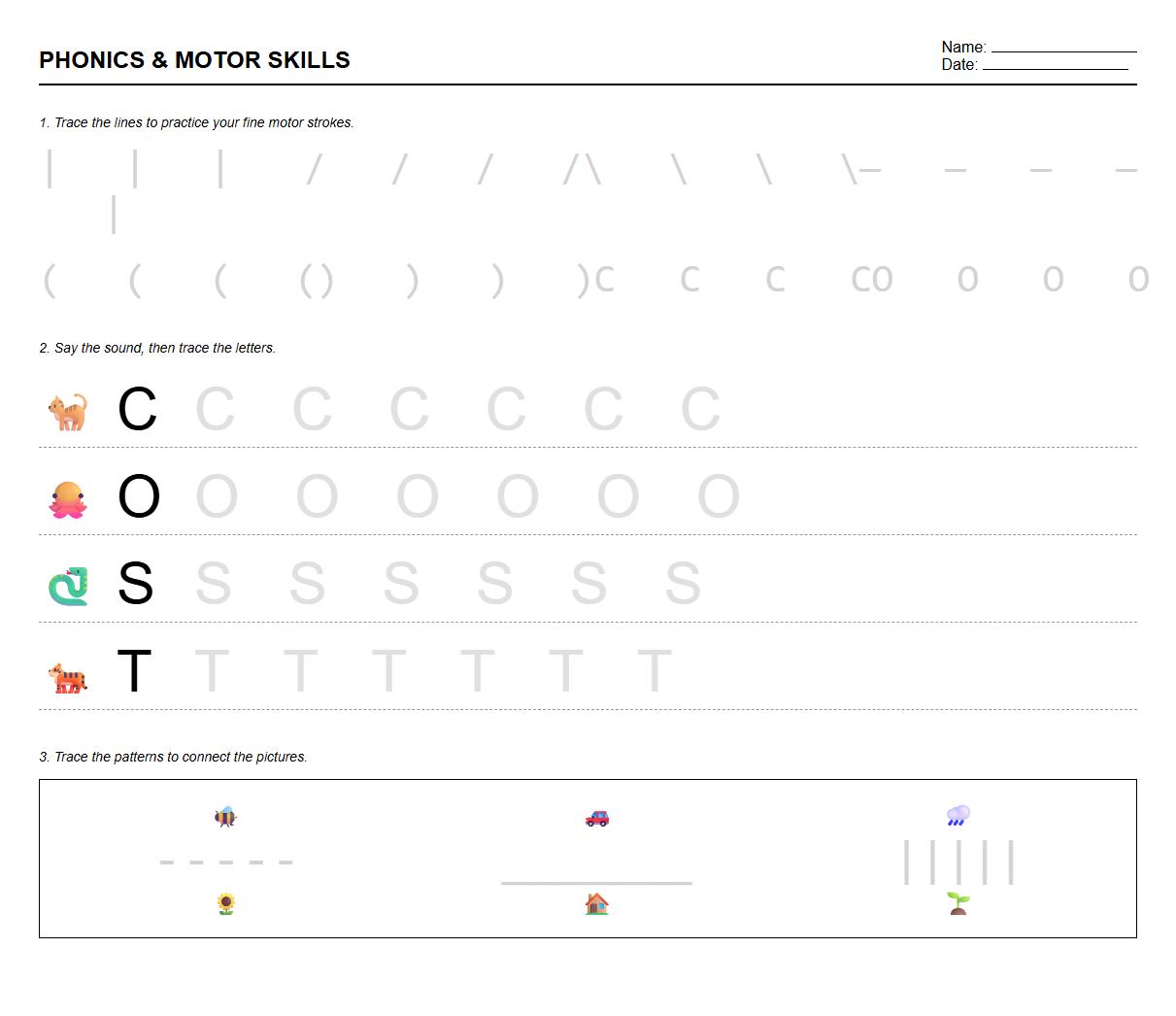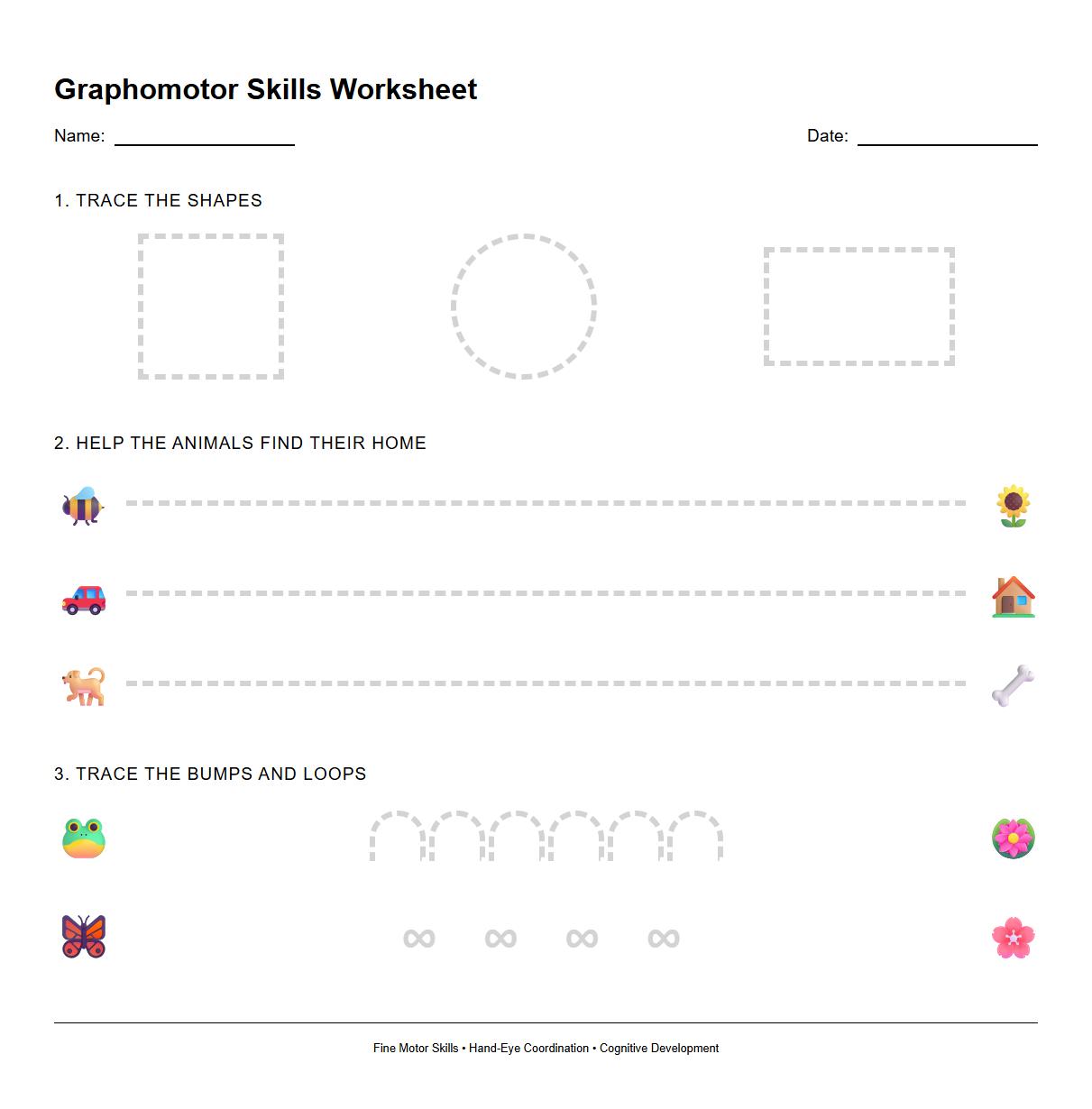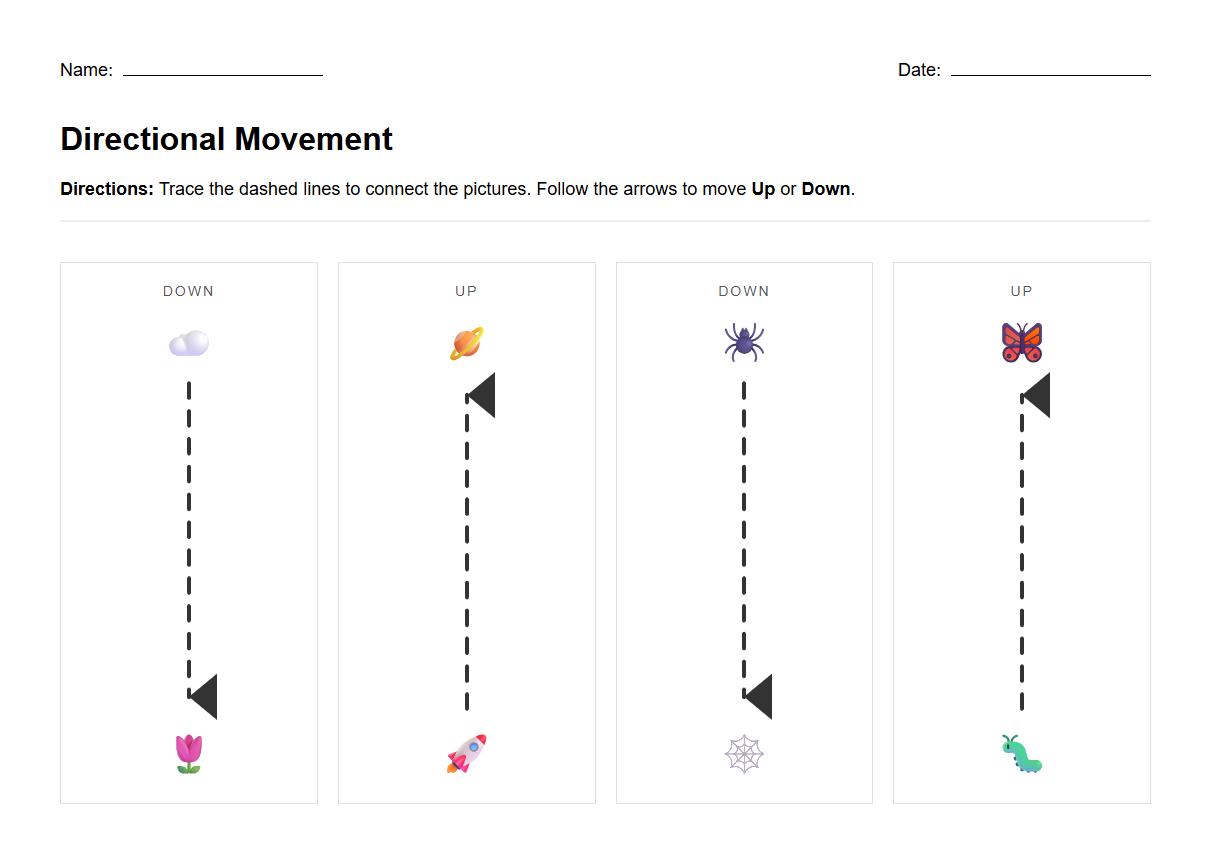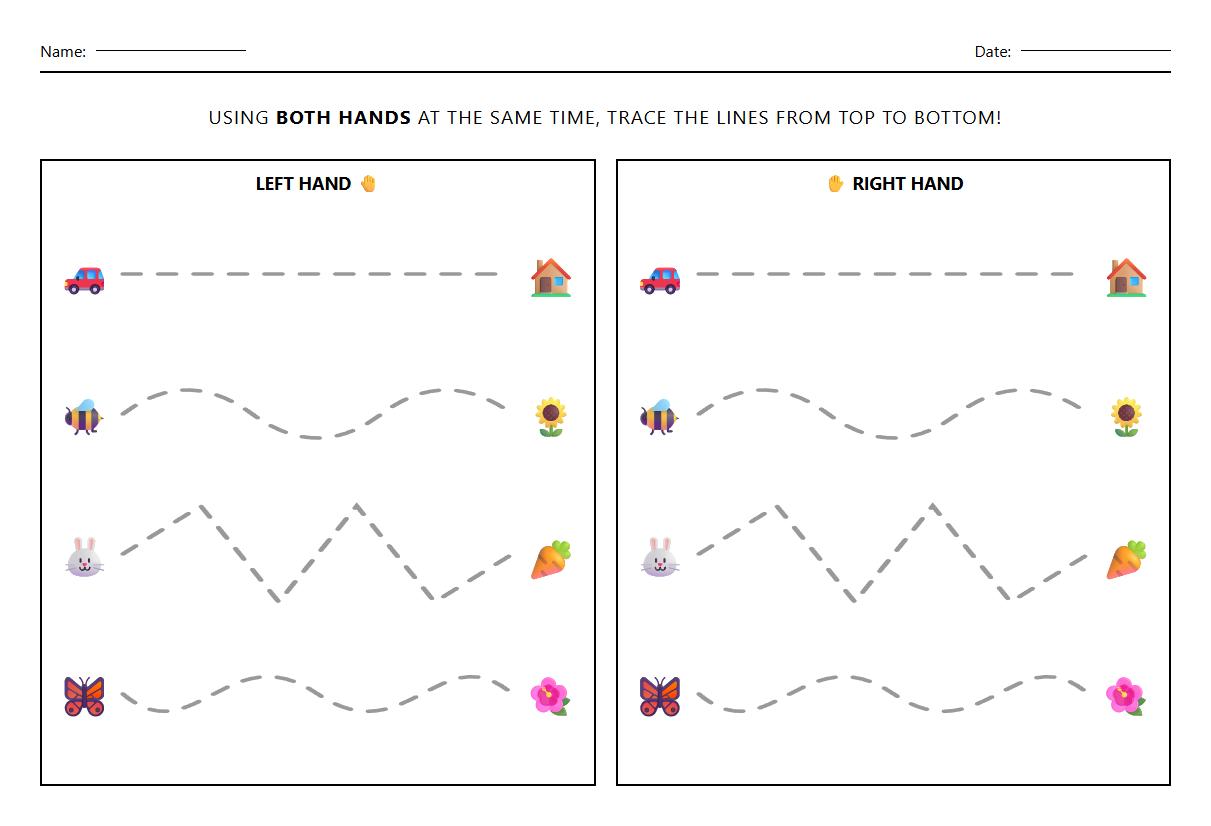
Handwriting foundation worksheets focusing on line and curve tracing help kindergarten students develop fine motor skills and hand-eye coordination essential for writing. These exercises build muscle memory by guiding young learners through various patterns that form the basis of letter formation. Explore the collection of available worksheets designed to strengthen early handwriting skills effectively.
Skills Developed by Line Tracing in Kindergarten
Line tracing helps develop essential fine motor skills in young learners. It enhances hand-eye coordination and spatial awareness, which are critical for early writing. This activity also strengthens the muscles used for holding a pencil. Cultivating these skills sets a foundation for fluent handwriting.
Improvement of Fine Motor Coordination through Curve Tracing
Curve tracing refines finger dexterity and control, improving children's ability to manage pencil pressure and direction. It encourages smooth, continuous hand movements, vital for writing rounded letters. Practicing curves also aids in developing wrist flexibility. These factors collectively boost overall fine motor coordination.
Importance of Practicing Both Straight and Curved Lines
Mastering both straight and curved lines is crucial for balanced handwriting development. Straight lines build skills necessary for letters like "L" and "T," while curves prepare children for letters such as "C" and "O." Combining both forms enhances versatility and precision in writing. This holistic practice supports fluid letter formation.
Best Tools for Tracing Worksheets in Kindergarten
Kindergarten students benefit most from using thick crayons, markers, or pencil grips designed for small hands. These tools provide better grasp and control during tracing activities. Using colorful, non-toxic materials also keeps children engaged. Selecting appropriate tools ensures safe and effective practice.
Frequency of Using Handwriting Foundation Worksheets in Class
Handwriting foundation worksheets should be used regularly, ideally 3-4 times per week. Consistent practice reinforces motor skills and handwriting patterns. However, sessions should be brief to maintain focus and prevent fatigue. Balanced use keeps learning effective and enjoyable.
Common Challenges Children Face with Line Tracing
Children often struggle with maintaining pencil pressure and staying within the traced lines. Difficulty in coordinating hand movements can cause frustration. Some may also experience fatigue due to weak hand muscles. Recognizing these challenges helps tailor supportive interventions.
Making Handwriting Practice More Engaging
Teachers can boost engagement by incorporating colorful tracing worksheets and interactive games. Using varied activities like tracing in sand or with finger paint adds sensory appeal. Encouraging peer collaboration and positive reinforcement also motivates children. Creative approaches make handwriting fun and meaningful.
Signs of Progress in Tracing Skills
Indicators of tracing skill progress include improved line accuracy, smoother hand movements, and better pencil control. Children begin completing sheets faster and with less guidance. They demonstrate increased confidence and enjoyment during practice. These signs reflect growing fine motor abilities.
Support of Letter Formation through Tracing Lines and Curves
Tracing lines and curves directly supports letter formation by familiarizing children with letter shapes. This practice builds muscle memory needed for writing letters independently. It also aids in recognizing letter components such as straight lines and loops. Ultimately, it contributes to clear and legible handwriting.
Activities to Reinforce Tracing Skills Outside Worksheets
Engaging children in activities like drawing shapes in sand, using playdough to form letters, and tracing with finger paints can reinforce tracing skills. Outdoor sidewalk chalk tracing and digital tracing apps offer additional practice opportunities. Family involvement in these fun exercises strengthens learning. Diverse activities help solidify fine motor development.


Kindergarten Tracing Worksheet: Developing Prewriting Skills with Lines and Curves