Scissor Safety and Cutting Skills Worksheets for Kindergarten Learners

📅 May 11, 2025 👤 Nylen Smith

Teaching scissor safety and cutting skills enhances fine motor development and hand-eye coordination in kindergarten learners. Emphasizing proper handling and cutting techniques prevents injuries and builds confidence in young children. Explore our collection of scissor safety and cutting skills worksheets designed to make learning these essential abilities fun and effective.

Scissor Safety Rule Matching Worksheet
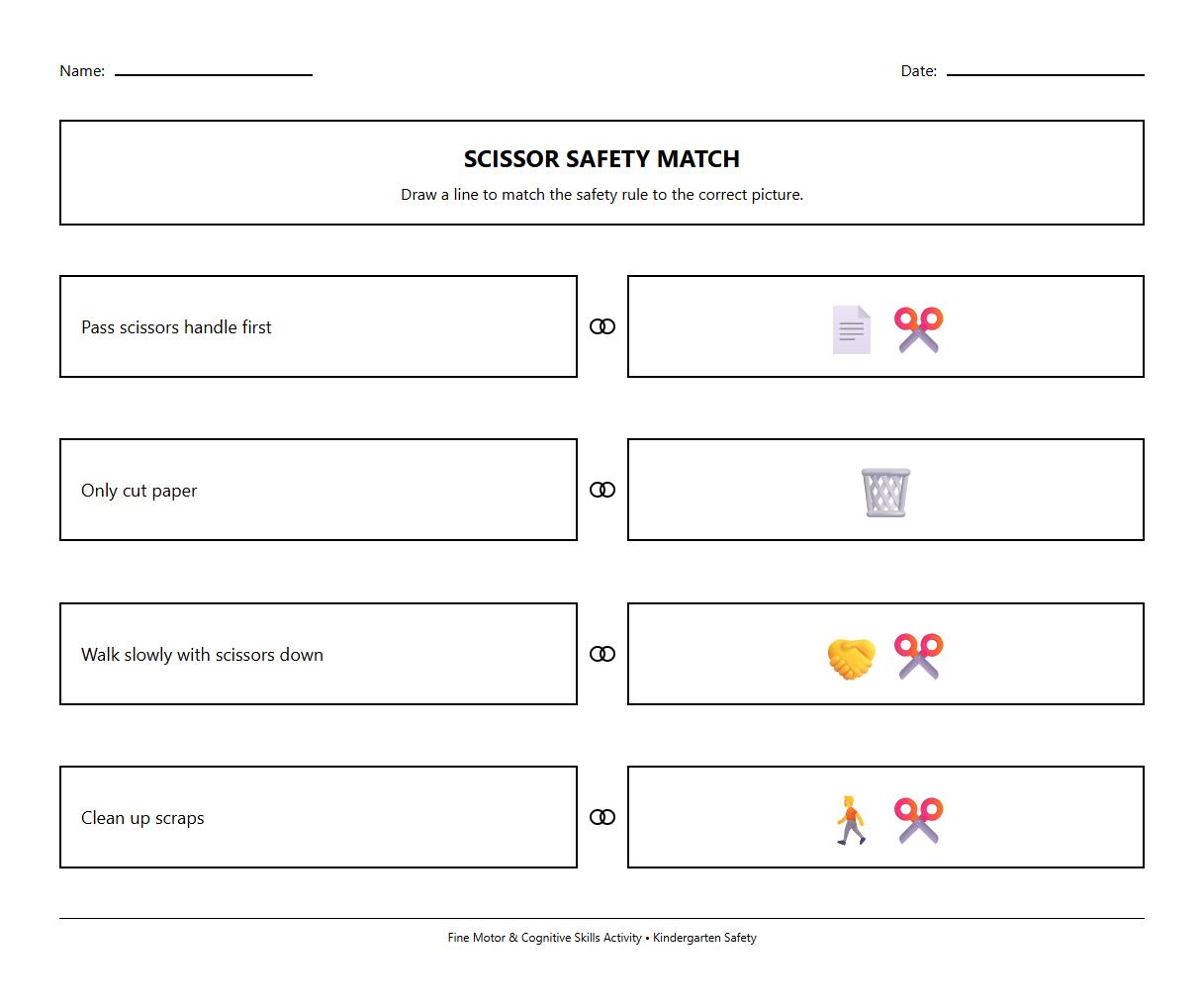
Scissor Safety Rule Matching Worksheet

Download PDF     Pin it

Cutting Skills Practice with Zigzag Lines
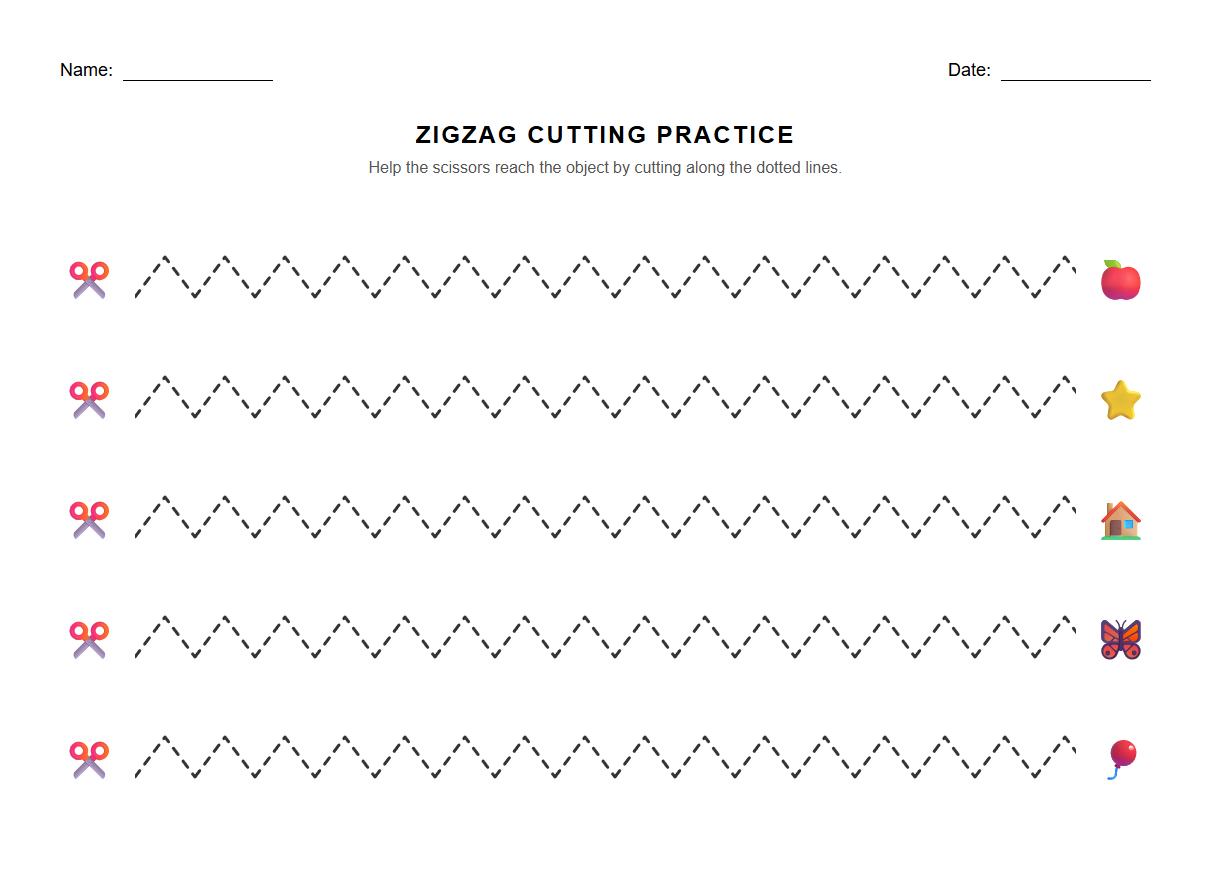
Cutting Skills Practice with Zigzag Lines

Download PDF     Pin it

Fine Motor Cutting Skills with Curved Shapes
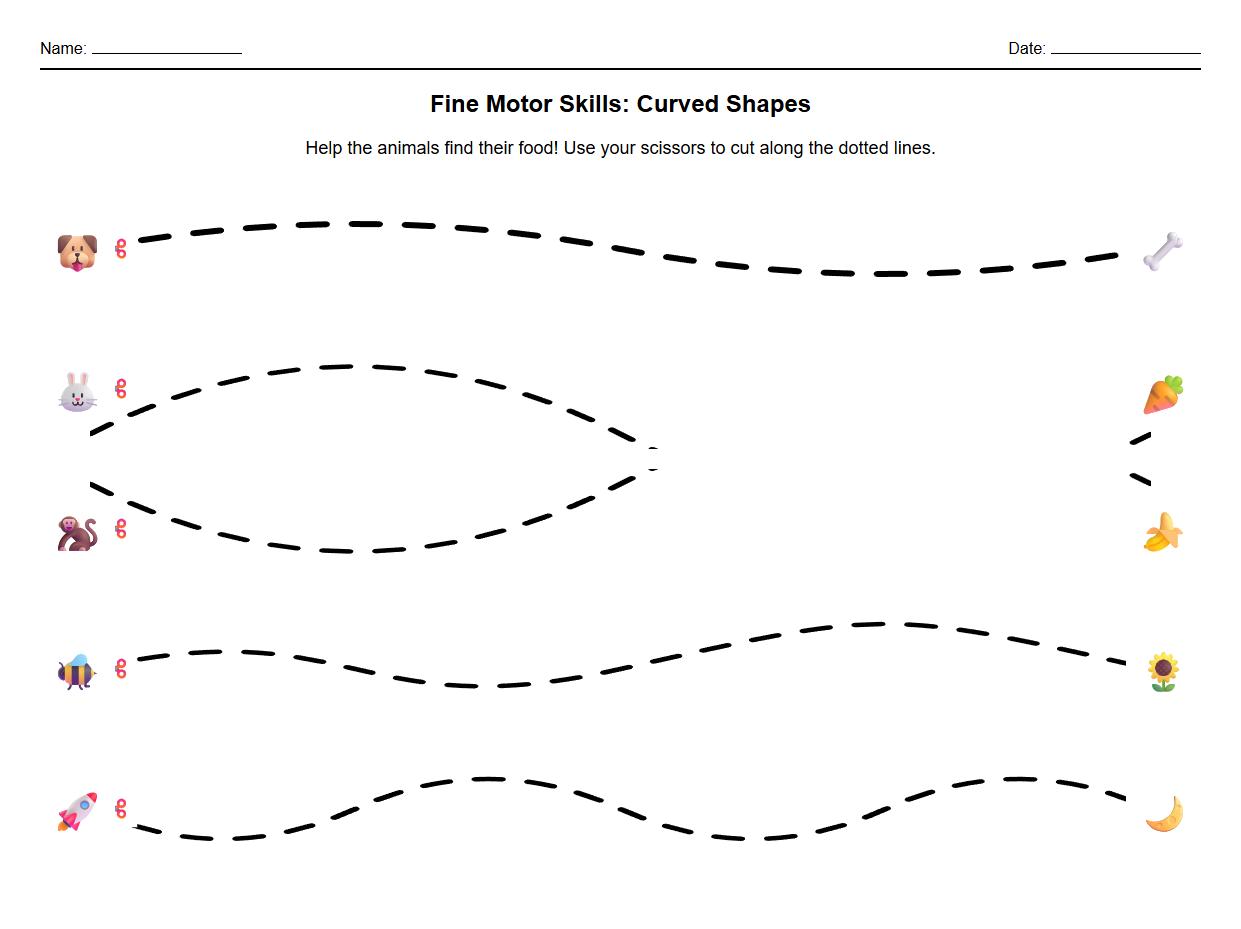
Fine Motor Cutting Skills with Curved Shapes

Download PDF     Pin it

Cut and Paste Simple Shapes Activity
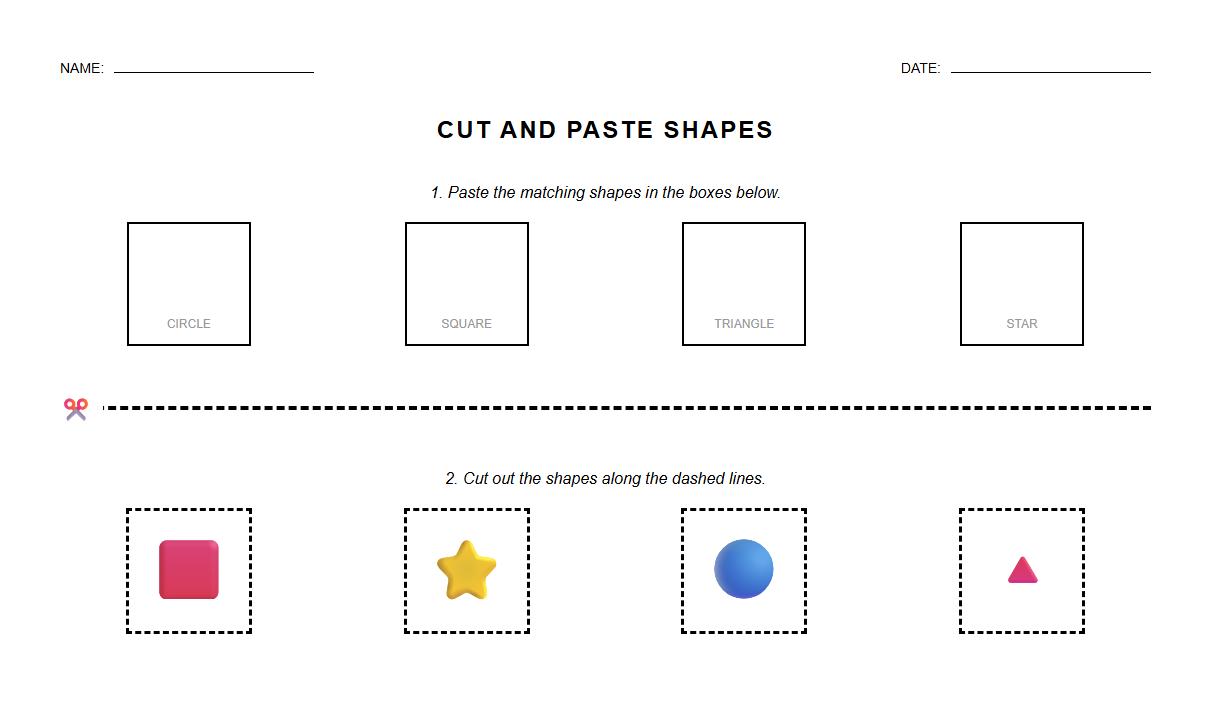
Cut and Paste Simple Shapes Activity

Download PDF     Pin it

Phonics Picture Cut and Sort Worksheet
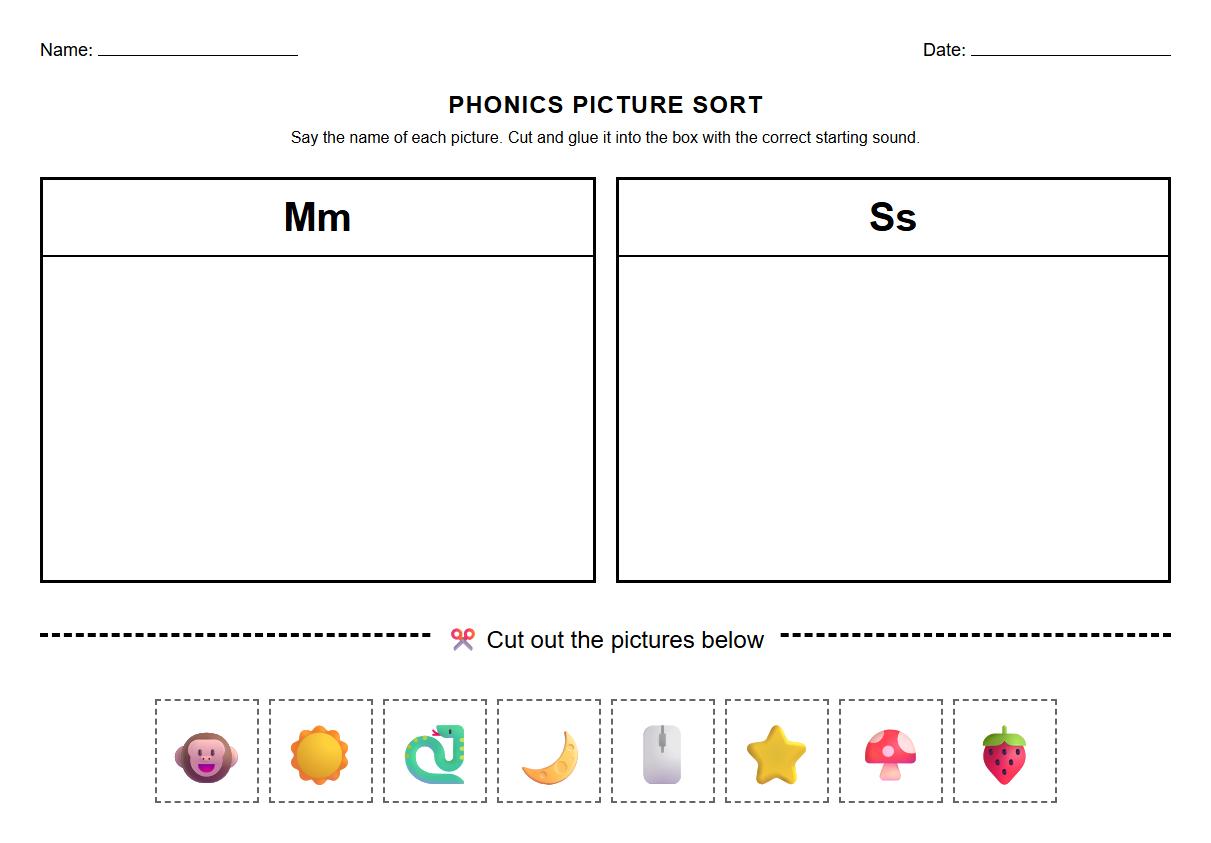
Phonics Picture Cut and Sort Worksheet

Download PDF     Pin it

Cutting Practice with Alphabet Letters
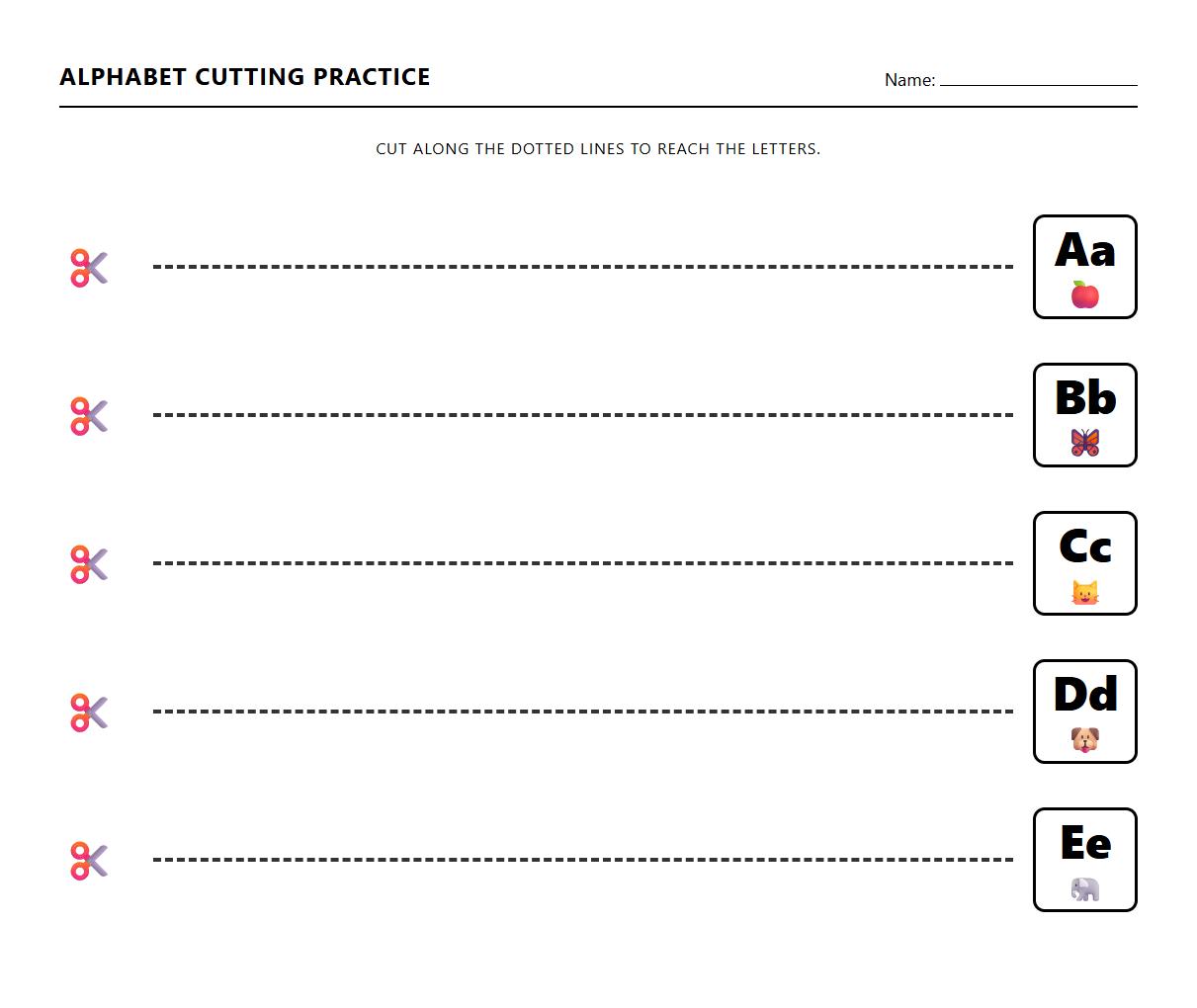
Cutting Practice with Alphabet Letters

Download PDF     Pin it

Scissor Safety Visual Sequencing Worksheet
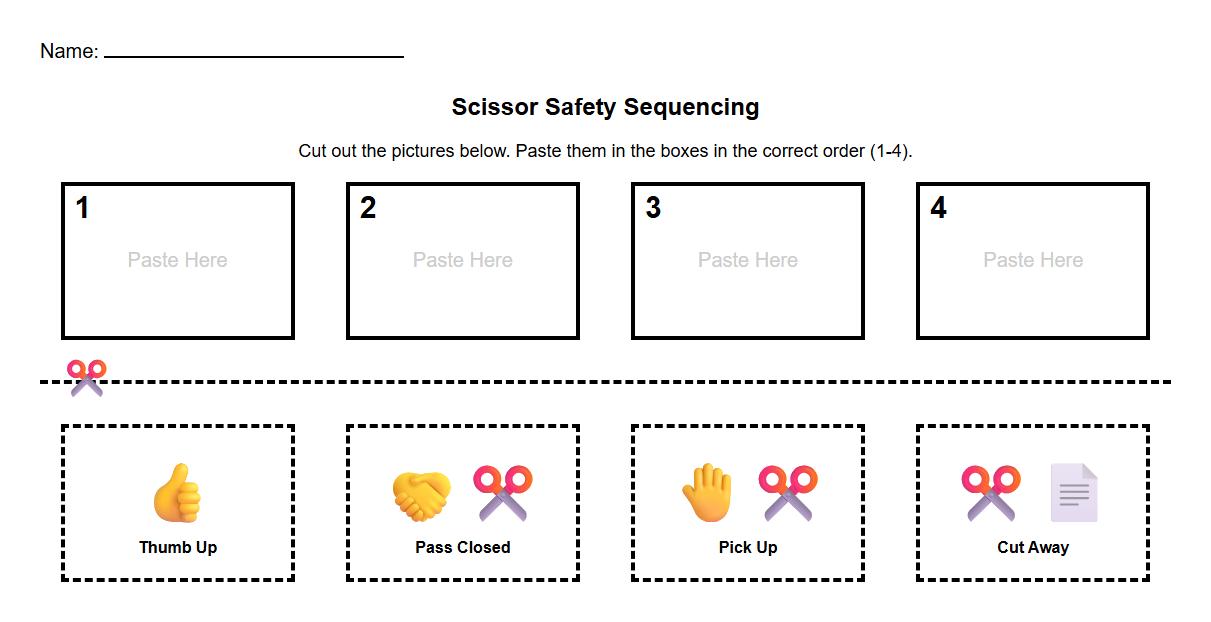
Scissor Safety Visual Sequencing Worksheet

Download PDF     Pin it

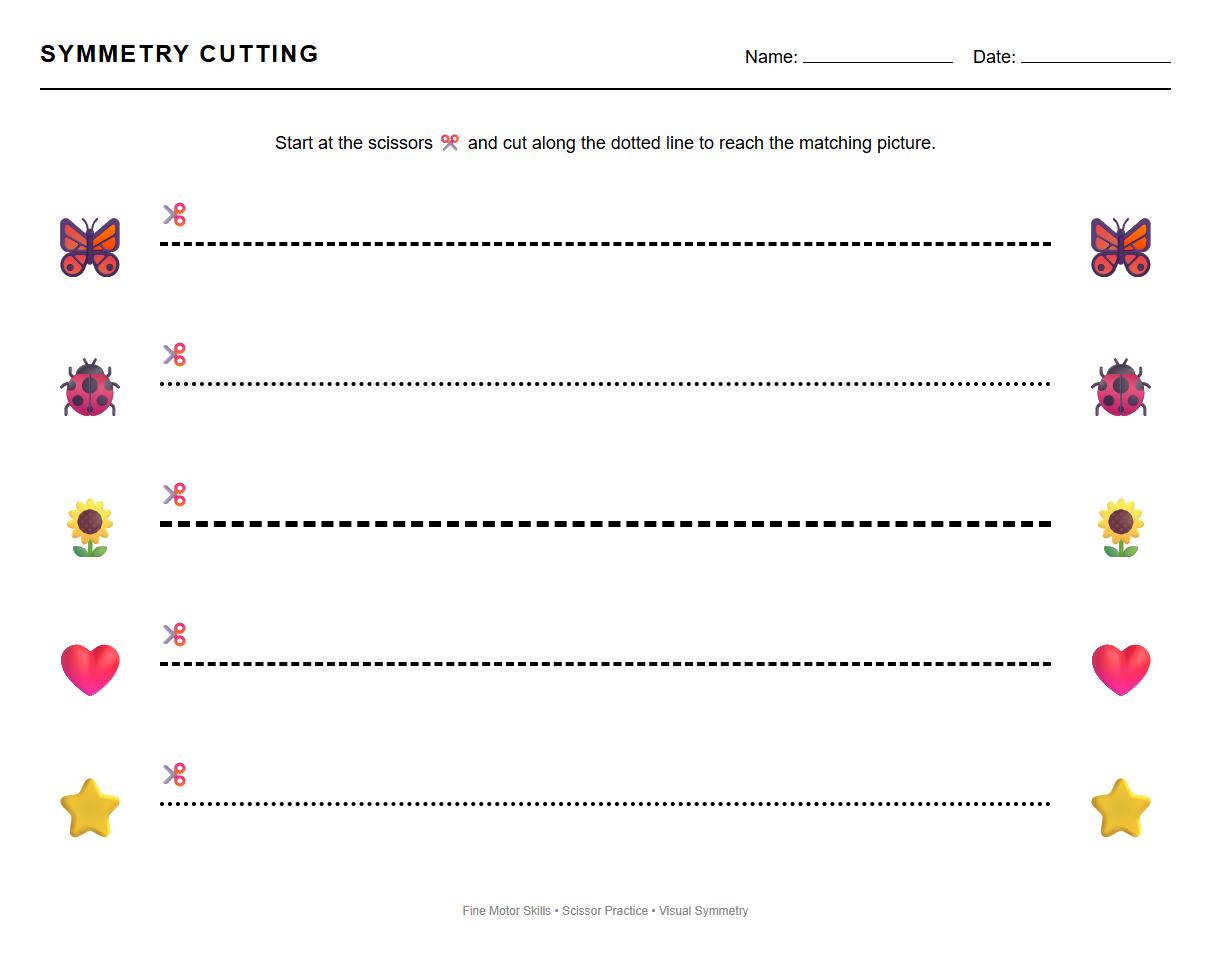
Symmetry Cutting Lines Activity

Symmetry Cutting Lines Activity

Download PDF     Pin it

Cut and Assemble Animal Parts Worksheet
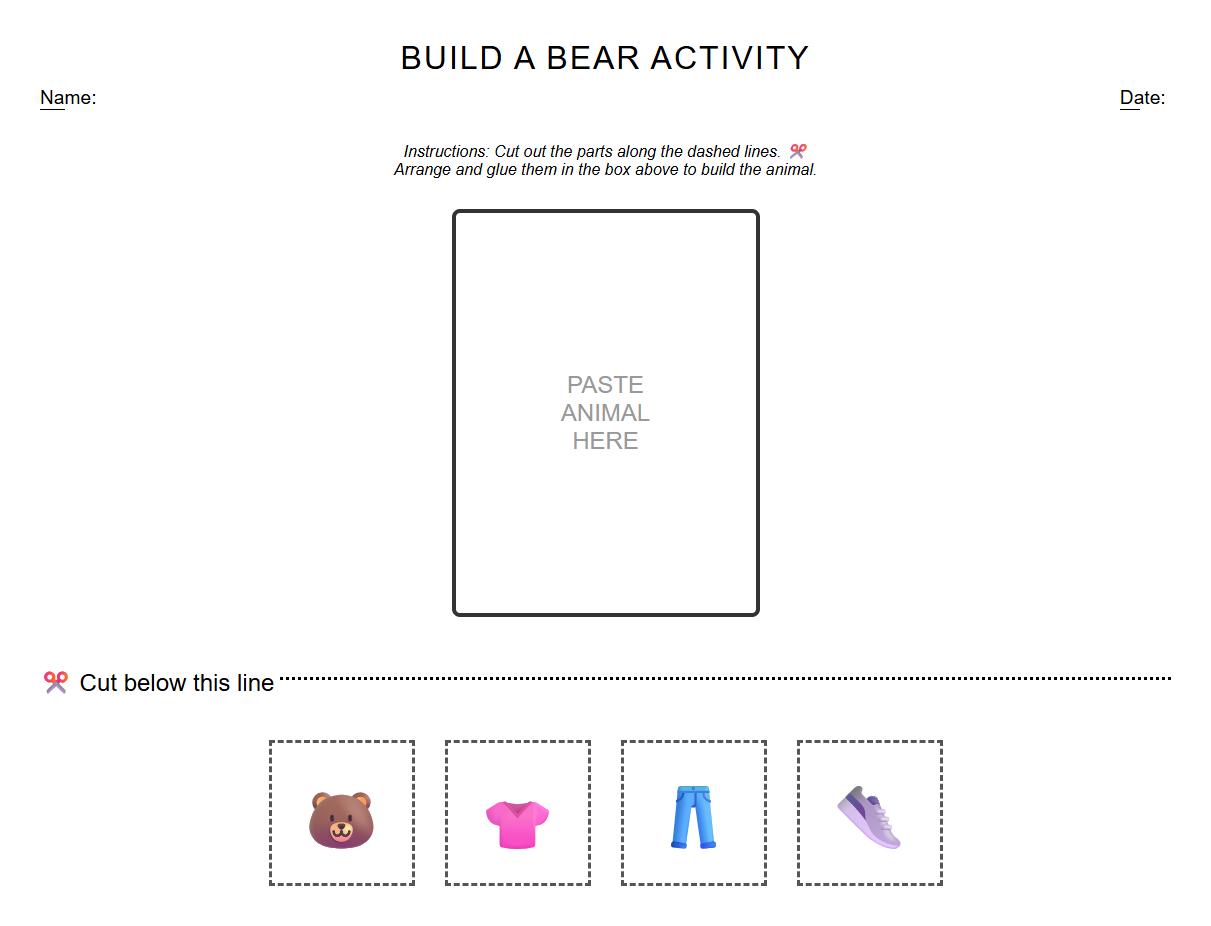
Cut and Assemble Animal Parts Worksheet

Download PDF     Pin it

Cutting and Gluing Number Strips Sheet
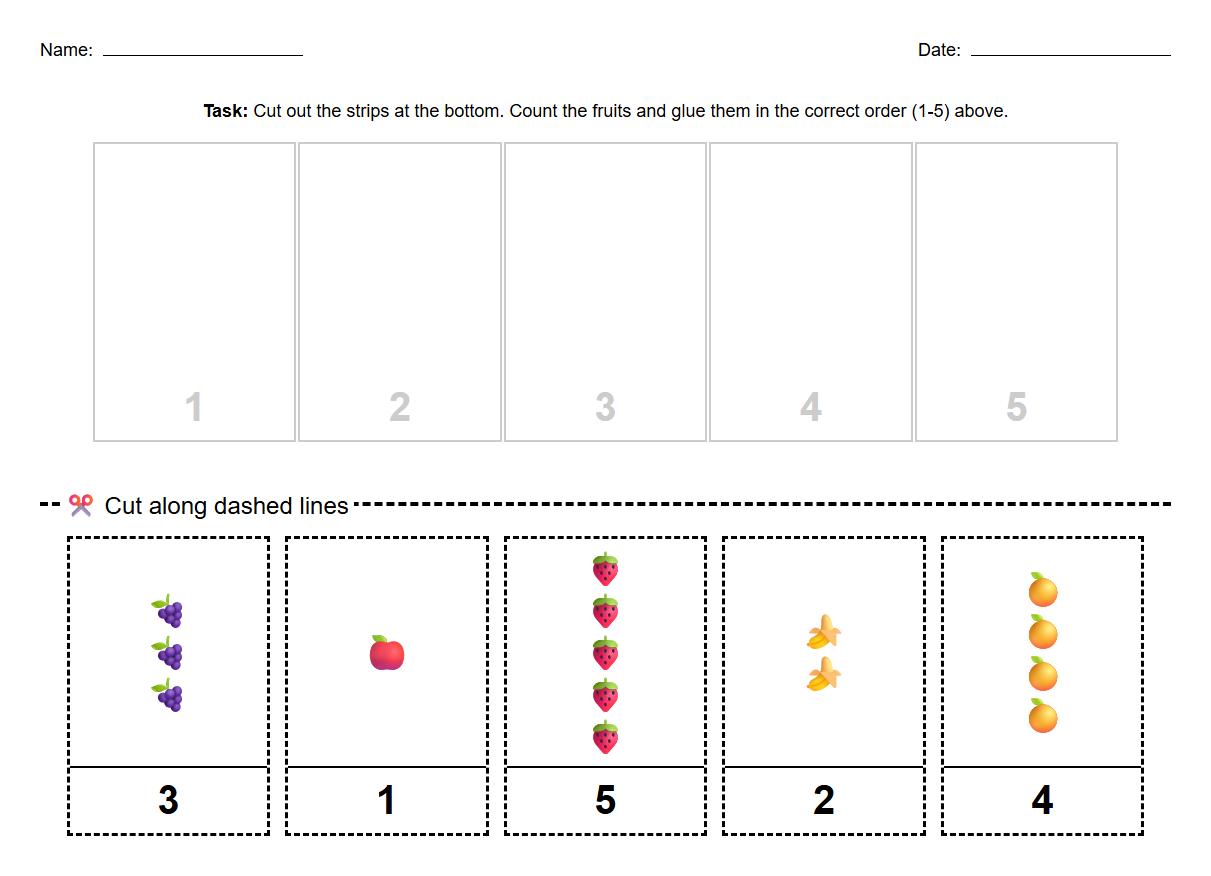
Cutting and Gluing Number Strips Sheet

Download PDF     Pin it

Correct Way to Hold Scissors for Safe Cutting

Hold the scissors firmly with your thumb in the top loop and your fingers in the bottom loop. Make sure your grip is comfortable but secure, to have full control. Keep your wrist steady to guide the scissors smoothly on the paper. This helps prevent accidents and allows for precise cuts. You can support proper scissor cutting skills with targeted worksheets.

Why Keep Fingers Away from the Blades While Cutting

Keeping your fingers away from the blades prevents accidental cuts and injuries. This safety practice helps children develop good habits early when handling sharp tools. Always teach children to be mindful of where their fingers are as they cut. Being cautious reduces the risk of harm during activities. Helpful safety practices are often included in early childhood occupational therapy cutting worksheets.

Safe Materials for Kindergarten Learners to Cut

Choose child-friendly materials like construction paper, cardstock, and thin cardboard. Avoid thick or hard materials that are difficult to cut or might damage the scissors. Soft, flexible papers allow children to practice cutting without struggle. Using safe materials supports confidence and skill-building, as found in animal matching puzzle worksheets for kindergarten.

How to Pass Scissors Safely to Someone

When passing scissors, always offer the handles first with the blades closed pointing down. This ensures the other person can safely take hold without risking cuts. Communicate clearly by saying "Here are the scissors." Passing scissors safely models good behavior for children, which is encouraged in fine motor skills development activities.

What to Do if Scissors Get Stuck or Don't Cut Properly

If the scissors get stuck, stop cutting immediately and ask for adult help. Don't force the scissors as this can cause injury or damage the tool. Check if the paper is too thick or if the blades need cleaning. Proper maintenance and guidance keep scissors working smoothly, as practiced in pattern recognition puzzle assembly worksheets.

Importance of Sitting Down While Using Scissors

Sitting down provides a stable and safe environment for cutting activities. It helps children focus and maintain control over the scissors. Standing or moving with scissors increases the risk of accidents. A seated position supports good posture and safety during cutting, similar to activities found in visual discrimination and phonics worksheets.

How to Tell Which Side of the Scissors to Use

The cutting edge of the scissors blades is the sharp, inner side designed to slice through paper. Make sure the sharp sides face the material being cut, not outward. Holding the scissors correctly ensures the blades meet and cut smoothly. Proper blade alignment is essential for effective cutting, as learned through visual discrimination and number recognition exercises.

What to Do With Scissors When Done Using Them

When finished, close the scissors and store them safely in a designated container or on a flat surface. Teach children to never leave scissors open or unattended. Proper storage reduces accidents and keeps scissors in good condition. Always encourage responsibility after use, a concept reinforced in color and number counting reinforcement worksheets.

How Cutting Skills Help in Art Projects and Daily Activities

Cutting skills develop fine motor coordination important for writing, crafting, and everyday tasks. They boost creativity by allowing children to work with different shapes and designs. Mastering cutting also builds confidence in using tools safely. These skills support learning and practical life activities, as integrated into color code following directions activities.

Best Shapes or Lines for Practicing Beginner Cutting Skills

Start with simple shapes like straight, zigzag, and curved lines, then progress to basic shapes like squares and circles. Straight lines help with control, while curves increase precision. Practicing varied lines builds confidence and dexterity. These activities prepare children for more complex cutting tasks, as introduced in color recognition worksheets for kindergarten.


More in Fine Motor and Cognitive Skills Category


About the author. Nylen Smith is a dedicated educator and cofounder of KWorksheet.com, a popular platform specializing in high-quality kindergarten worksheets and printable activities.

Disclaimer. The information provided in this document is for general informational purposes and/or document sample only and is not guaranteed to be factually right or complete. Please report to us via contact-us page if you find and error in this page, thanks.

Comments

No comment yet