
Kindergarten Visual Discrimination Activities with Shape and Pattern Matching

📅 Apr 18, 2025 👤 Nylen Smith

Kindergarten visual discrimination activities enhance young learners' ability to recognize differences and similarities in shapes and patterns, fostering critical early cognitive skills. These exercises support the development of attention to detail and boost problem-solving capabilities essential for reading readiness. Explore our comprehensive collection of worksheets designed to strengthen visual discrimination through engaging shape and pattern matching tasks.

Shape Sorting Visual Discrimination Worksheet
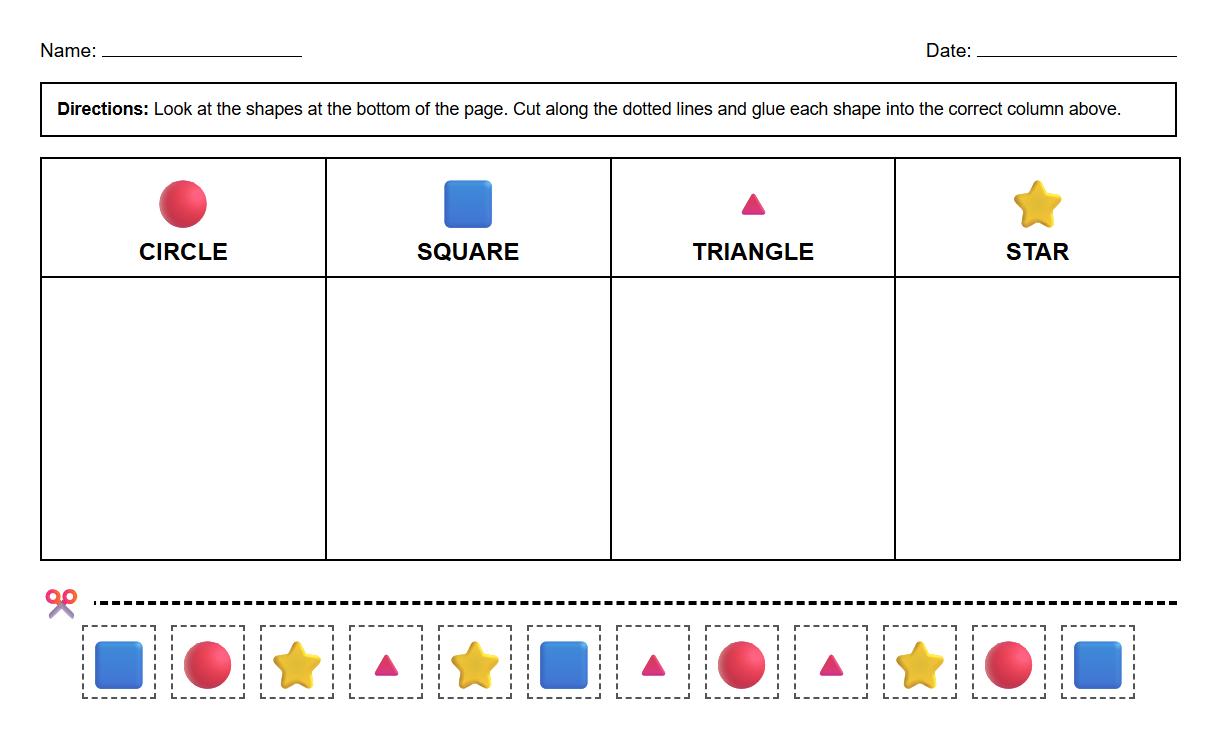
Shape Sorting Visual Discrimination Worksheet

Download PDF     Pin it

Pattern Sequencing with Geometric Shapes Activity
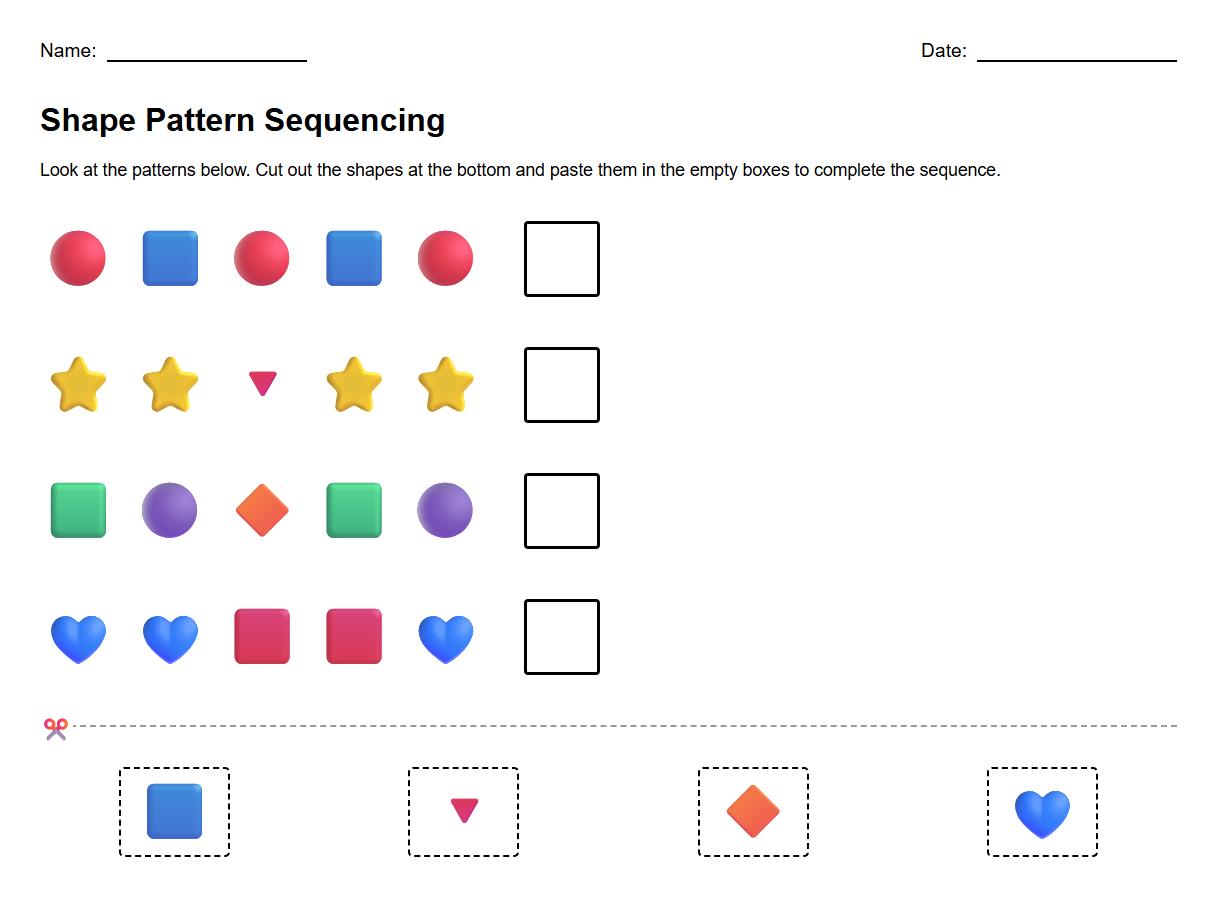
Pattern Sequencing with Geometric Shapes Activity

Download PDF     Pin it

Odd One Out Shape Identification Worksheet
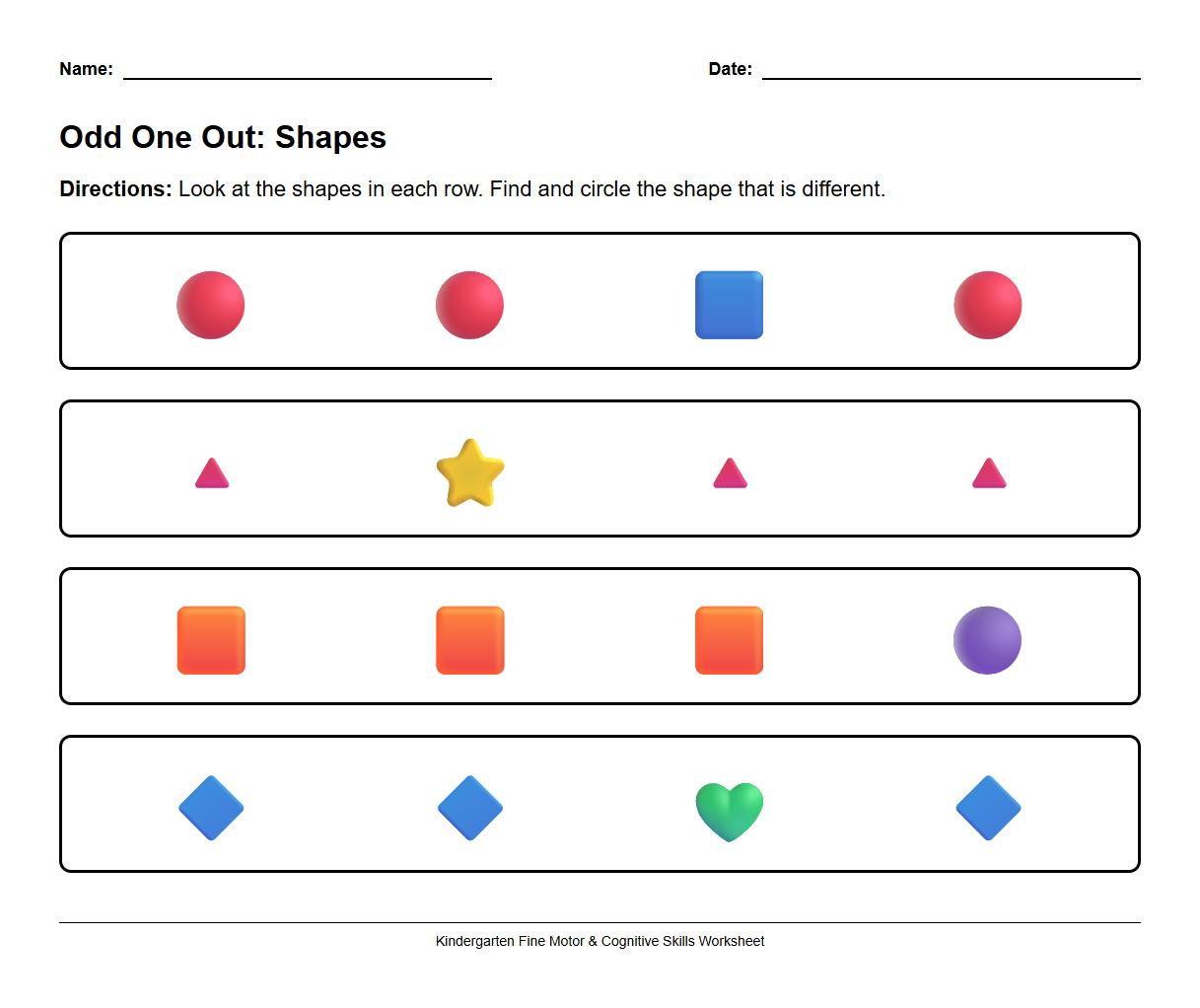
Odd One Out Shape Identification Worksheet

Download PDF     Pin it

Symmetry Matching with Simple Patterns Worksheet
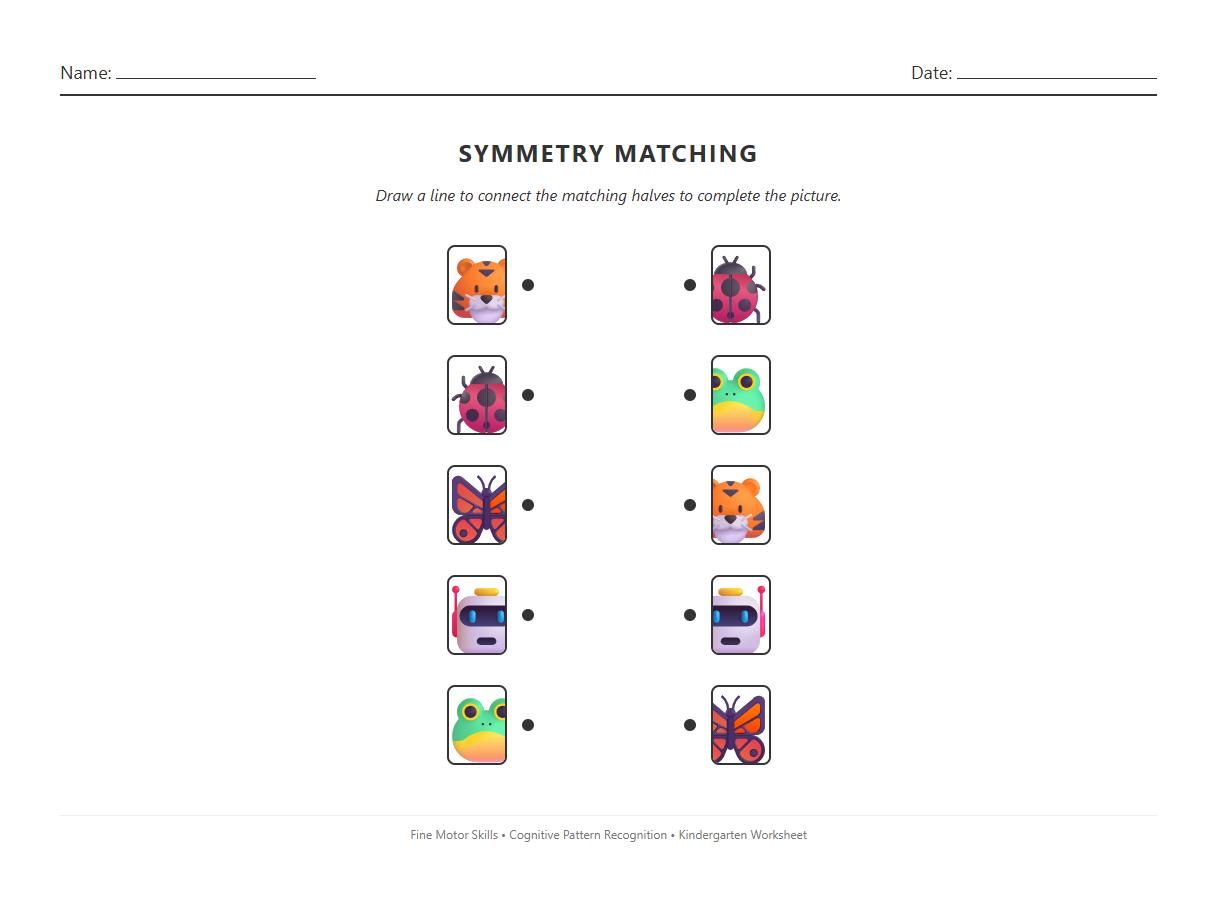
Symmetry Matching with Simple Patterns Worksheet

Download PDF     Pin it

Complete the Shape Sequence Discrimination Sheet
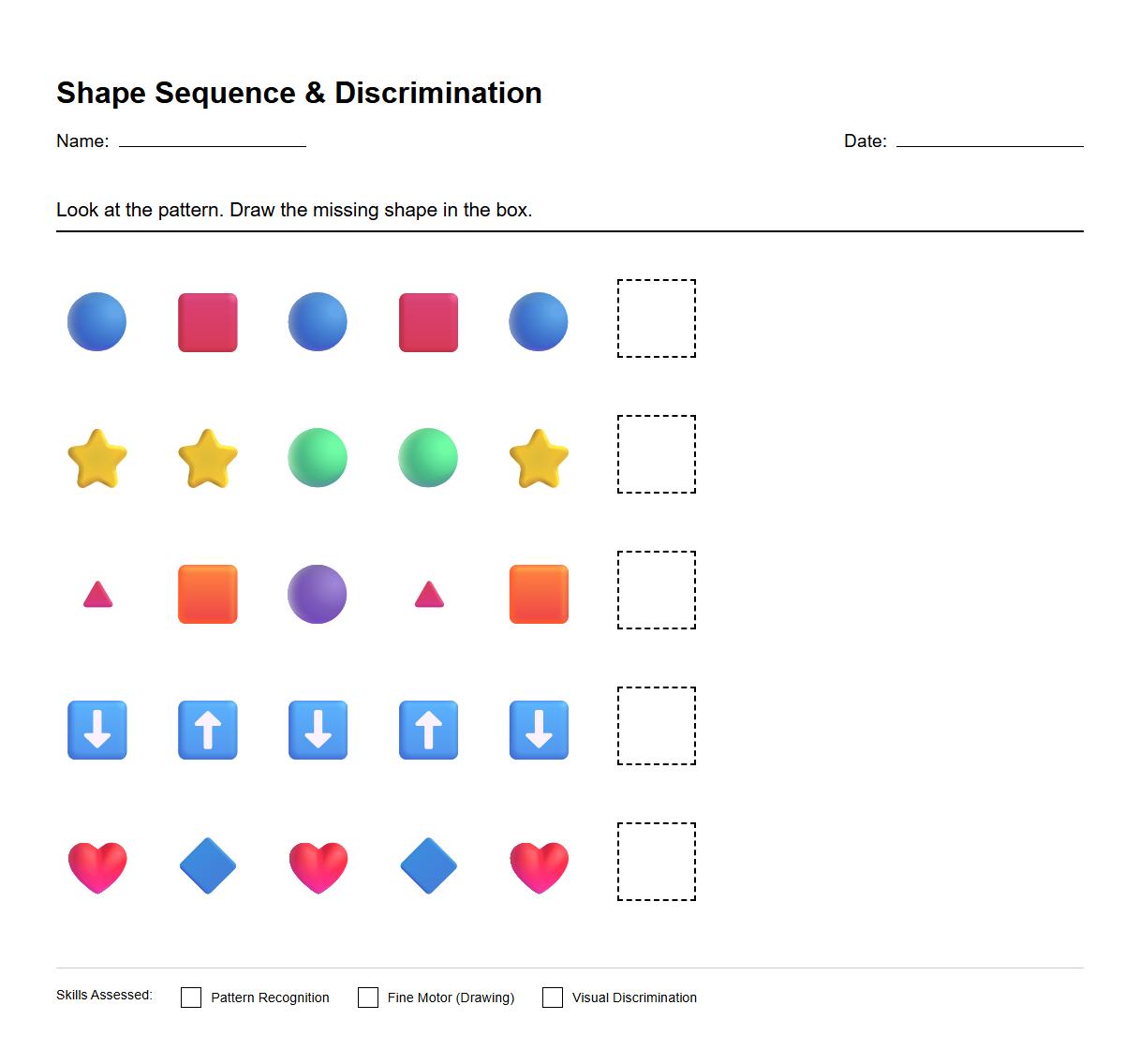
Complete the Shape Sequence Discrimination Sheet

Download PDF     Pin it

Shadow Matching for 2D and 3D Shapes Activity
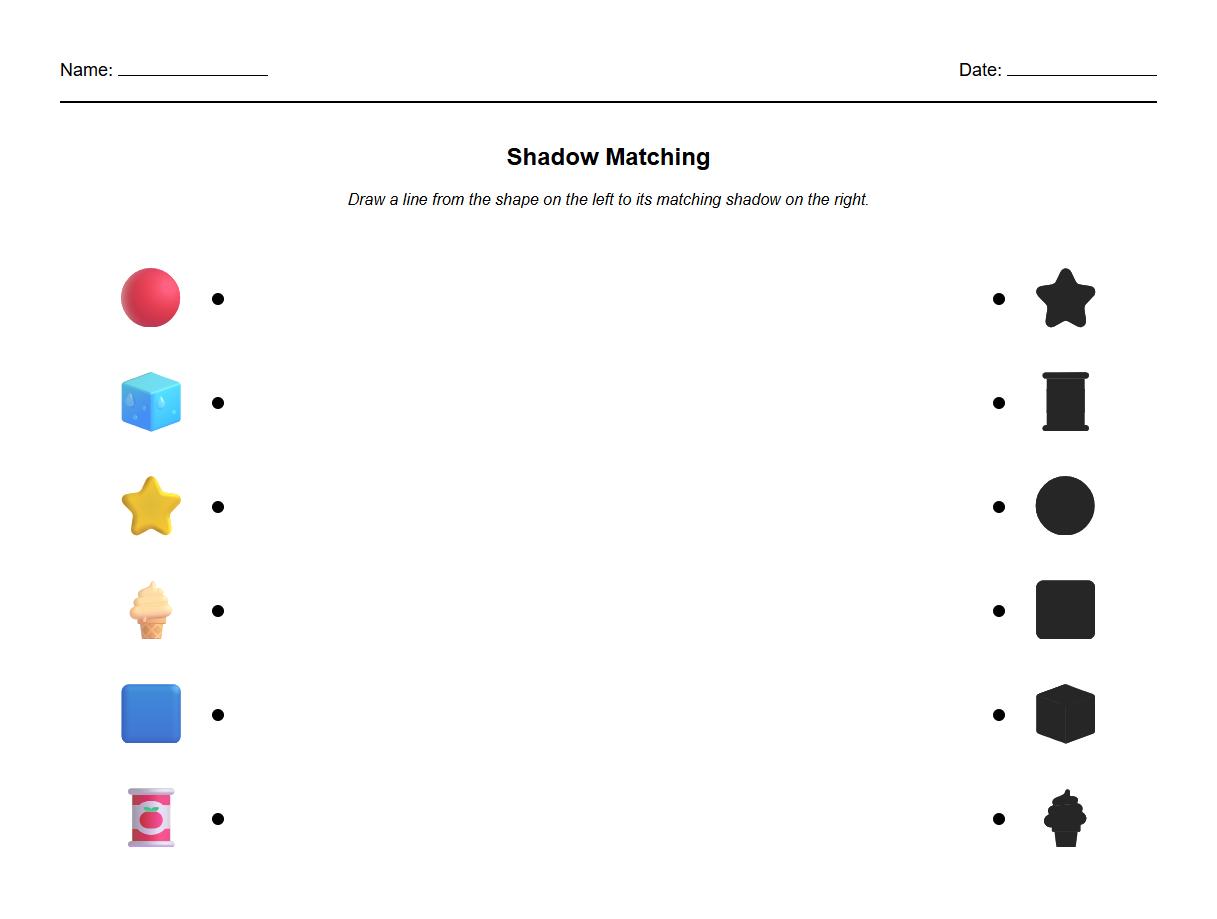
Shadow Matching for 2D and 3D Shapes Activity

Download PDF     Pin it

Shape and Pattern Grid Analysis Worksheet
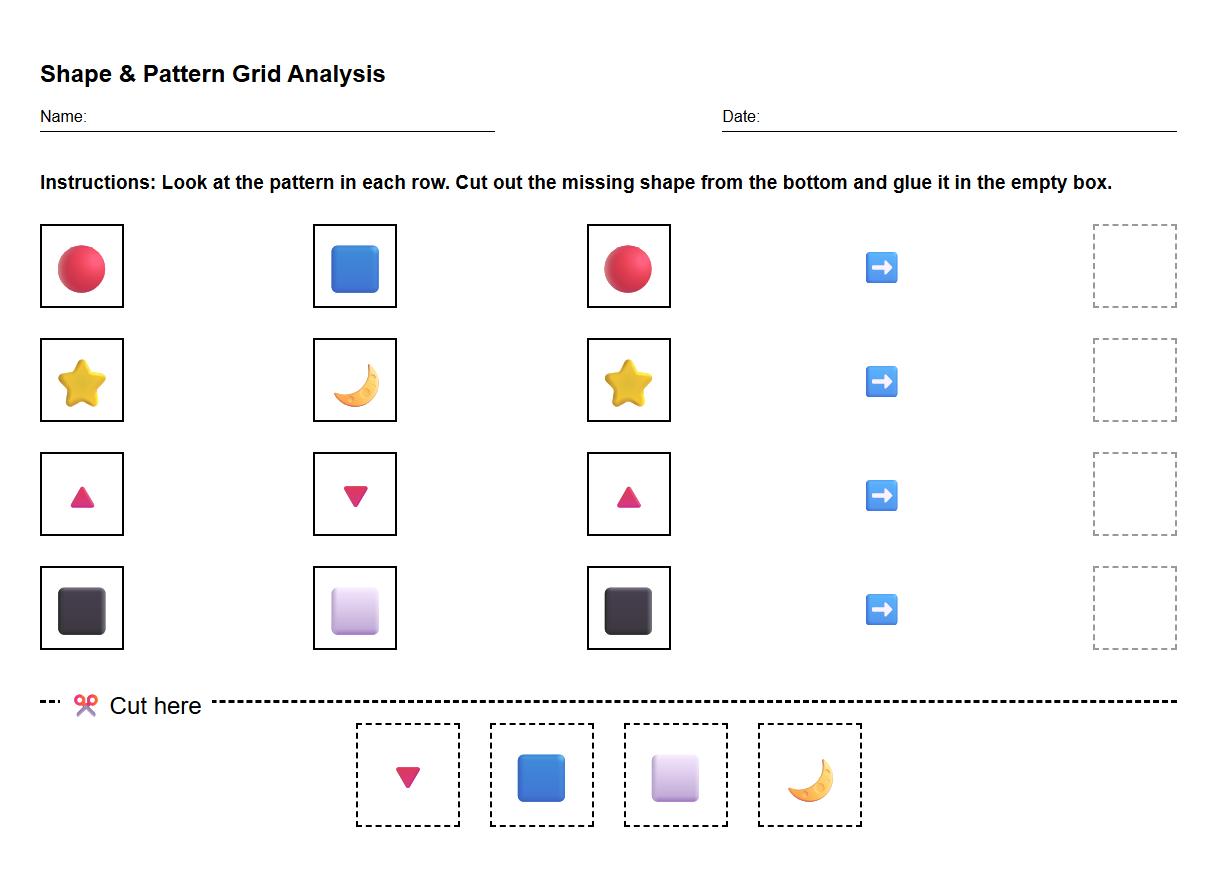
Shape and Pattern Grid Analysis Worksheet

Download PDF     Pin it

Visual Discrimination with Shape Overlap Sorting
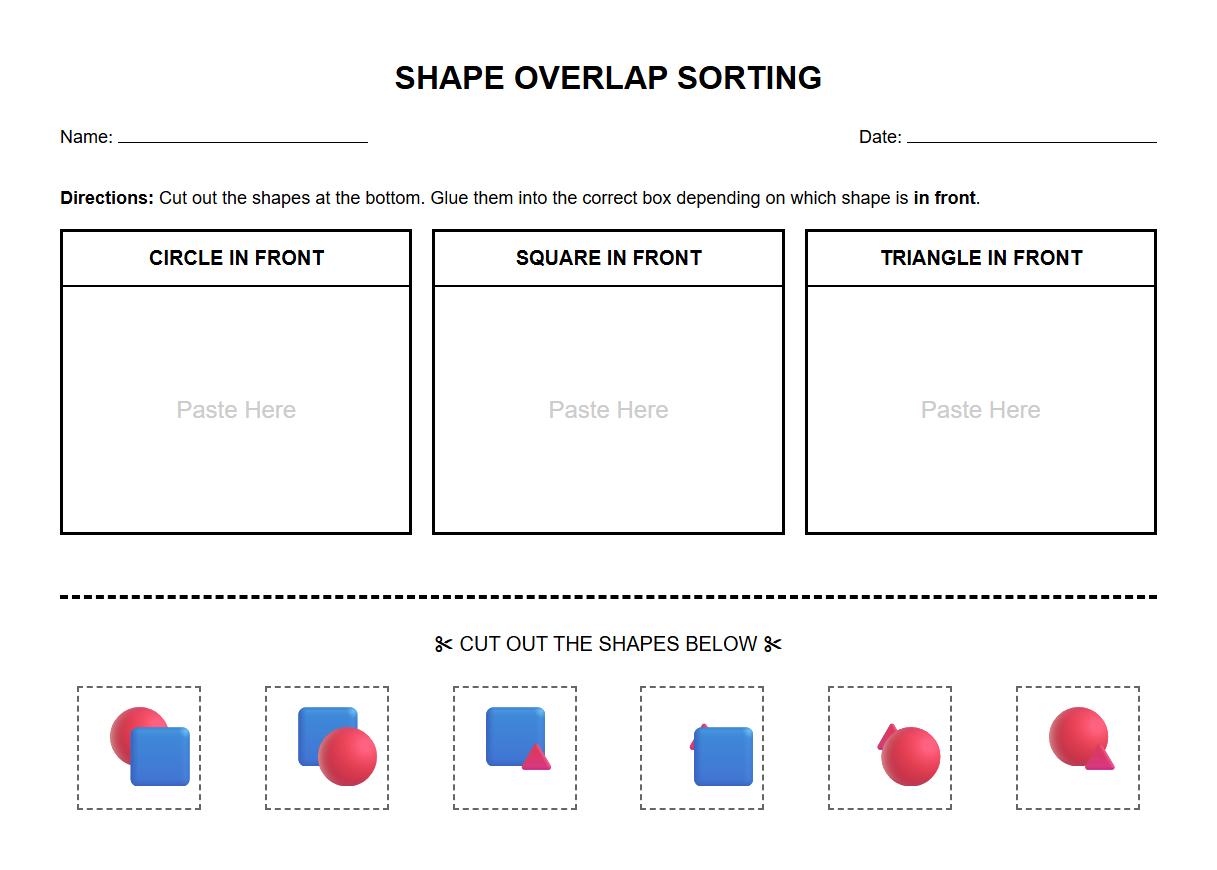
Visual Discrimination with Shape Overlap Sorting

Download PDF     Pin it

Pattern Completion with Color and Shape Cues Worksheet
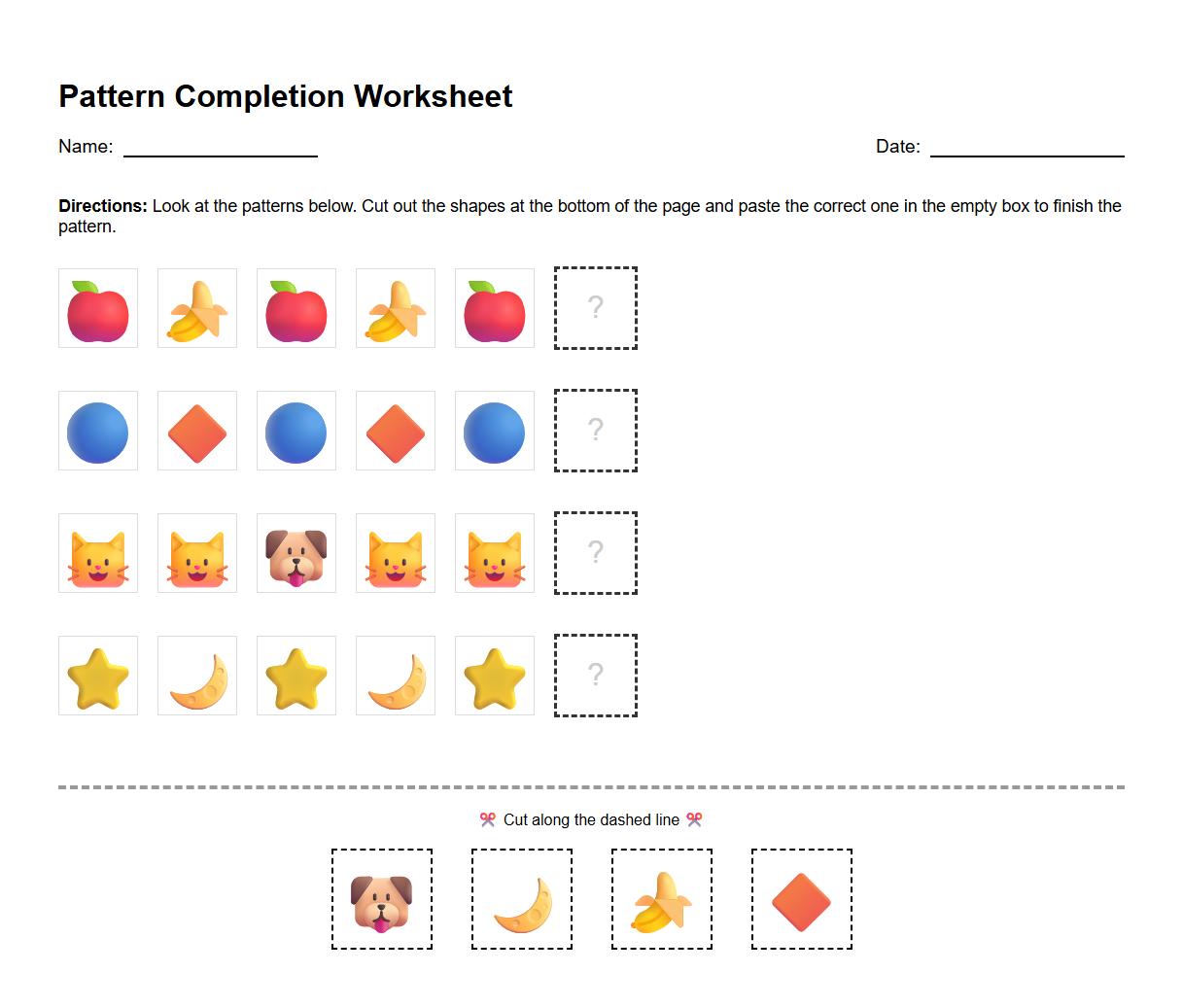
Pattern Completion with Color and Shape Cues Worksheet

Download PDF     Pin it

Visual Closure Task for Incomplete Patterns
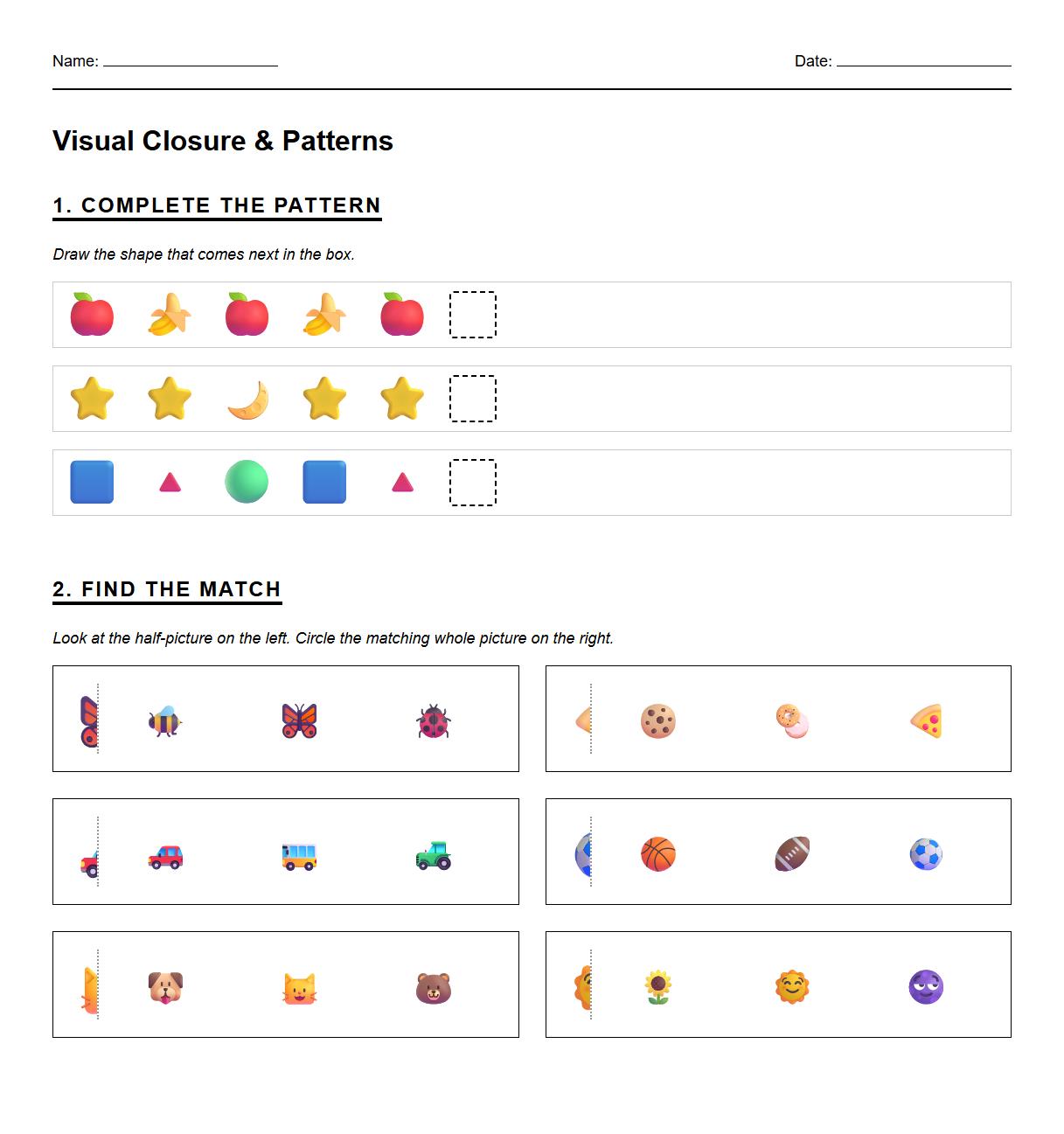
Visual Closure Task for Incomplete Patterns

Download PDF     Pin it

Effective Activities for Teaching Shape Matching in Kindergarten

Shape matching activities like sorting objects by shape, using flashcards, and engaging in interactive storybooks help young learners recognize and categorize shapes effectively. Hands-on games such as matching shape puzzles and pairing cut-out shapes with objects in the environment promote cognitive connections. Consistent repetition with varied materials boosts retention and comprehension. These activities also enhance fine motor skills while encouraging visual focus.

Strengthening Visual Discrimination Skills Through Pattern Recognition Exercises

Pattern recognition exercises involving sequences, color sorting, and object grouping develop visual discrimination by teaching children to identify similarities and differences. Using worksheets with missing pieces for children to complete patterns sharpens attention to detail. Innovative activities like "spot the difference" support the differentiation of subtle visual cues. These exercises build foundational skills for reading and math readiness.

Games That Help Differentiate Between Similar Shapes

Shape sorting games where children match shapes with similar outlines but different sizes or orientations enhance visual discrimination. "Shape bingo" and "memory matching" games engage learners in distinguishing between closely related shapes in a fun setting. These games encourage concentration and improve spatial awareness. Frequent practice helps children recognize shape attributes quickly and accurately.

Best Materials for Hands-On Pattern Matching Activities in Kindergarten

Materials such as colored blocks, laminated flashcards, magnetic shape sets, and textured fabrics provide diverse sensory experiences for pattern matching. Using everyday items like buttons, beads, or stickers creates relatable and motivating tasks for children. Durable, safe materials that appeal to multiple senses facilitate active learning. Teachers and parents should select resources that combine visual, tactile, and auditory elements to enhance engagement.

Assessing Visual Discrimination Abilities with Shape and Pattern Tasks

Teachers can observe children's ability to identify and replicate patterns through structured worksheets, matching games, or sorting activities. Progress can be tracked by noting accuracy, speed, and level of independence during tasks. Informal assessments like asking children to describe differences or similarities between shapes provide valuable insights. Regular documentation guides tailored instruction and identifies areas needing reinforcement.

Engaging Group Activities for Pattern Matching

Group activities such as "pattern relay races," collaborative shape sorting, and sequencing cards foster teamwork while practicing pattern matching. These interactive exercises promote communication and problem-solving as children discuss and share ideas. Incorporating music and movement into pattern recognition games adds excitement and supports kinesthetic learning. Group dynamics build social skills alongside cognitive development.

How Shape-Sorting Games Improve Visual Perception in Young Learners

Shape-sorting games challenge children to analyze and categorize objects based on visual characteristics, enhancing their ability to discriminate shapes. These games refine eye-hand coordination and spatial reasoning by requiring precise placement. By repeatedly identifying shape differences, learners develop faster processing speeds. The tactile and visual feedback reinforces memory retention and conceptual understanding.

The Role of Puzzles in Developing Visual Discrimination Skills

Puzzles stimulate critical thinking and strengthen visual discrimination by requiring children to match shapes, colors, and patterns to complete images. The process of trial and error sharpens attention to detail and spatial relationships. Engaging with puzzles enhances problem-solving abilities and patience. Regular puzzle-solving practice supports readiness for more complex academic tasks.

Using Technology to Support Shape and Pattern Recognition

Interactive apps and digital games provide personalized, engaging opportunities for children to practice shape and pattern recognition at their own pace. Augmented reality and touchscreen activities offer multisensory learning experiences that appeal to diverse learners. Technology also enables instant feedback, motivating children to improve their skills. Integrating digital tools complements traditional methods for a well-rounded approach.

Incorporating Shape and Pattern Matching Practice into Daily Classroom Routines

Daily routines such as snack time sorting, calendar activities, and clean-up tasks naturally integrate shape and pattern matching practice. Teachers can create shape-themed challenges during circle time or transitions to reinforce concepts casually. Using consistent terminology and positive reinforcement encourages children's confidence. Embedding learning in routines helps solidify skills through repetition and context.


More in Fine Motor and Cognitive Skills Category


About the author. Nylen Smith is a dedicated educator and cofounder of KWorksheet.com, a popular platform specializing in high-quality kindergarten worksheets and printable activities.

Disclaimer. The information provided in this document is for general informational purposes and/or document sample only and is not guaranteed to be factually right or complete. Please report to us via contact-us page if you find and error in this page, thanks.

Comments

No comment yet