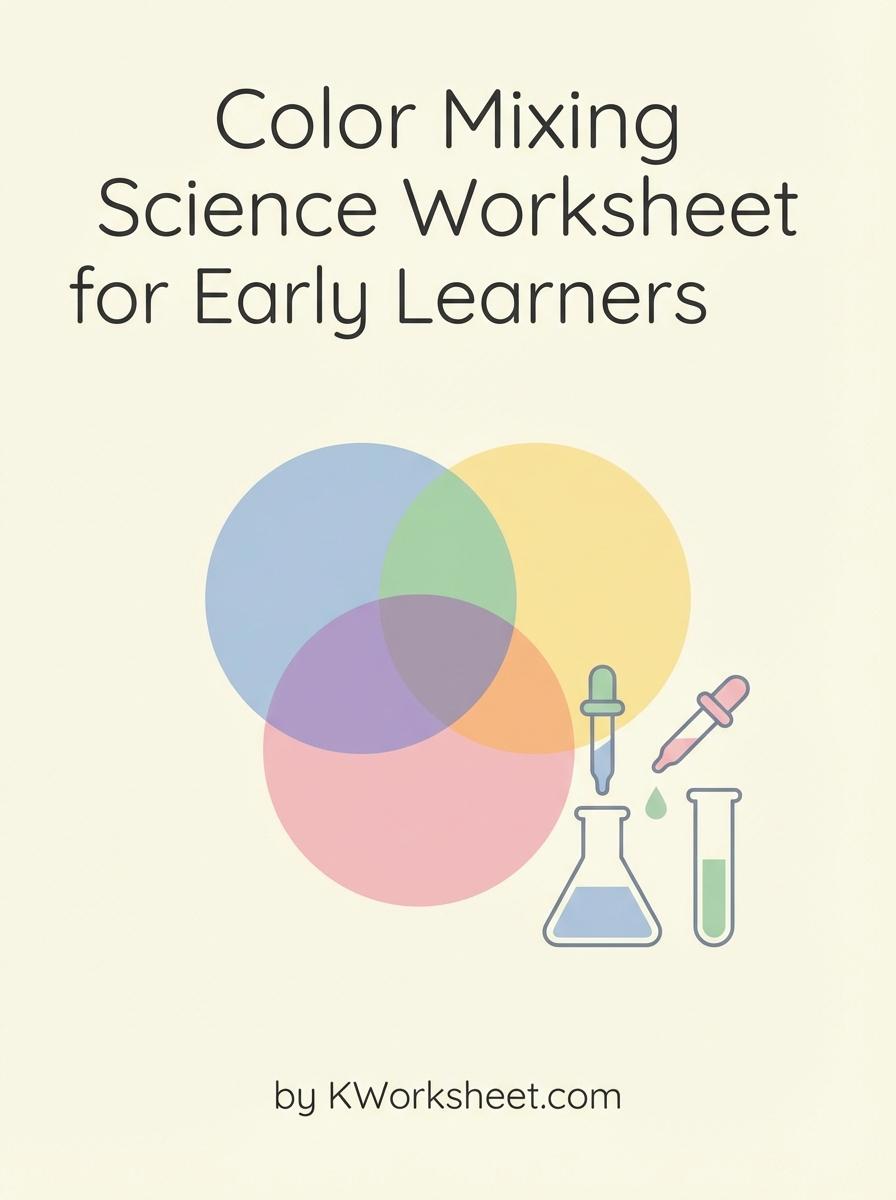
Color Mixing Science Worksheet for Early Learners

📅 Apr 25, 2025 👤 Nylen Smith

Explore the fascinating world of colors by learning how to mix primary hues to create new shades through simple experiments designed for early learners. This hands-on approach helps young children develop an understanding of color theory while enhancing their observational and analytical skills. Discover a variety of engaging worksheets available to support your child's color mixing adventures.

Color Mixing with Primary Colors Worksheet for Early Learners
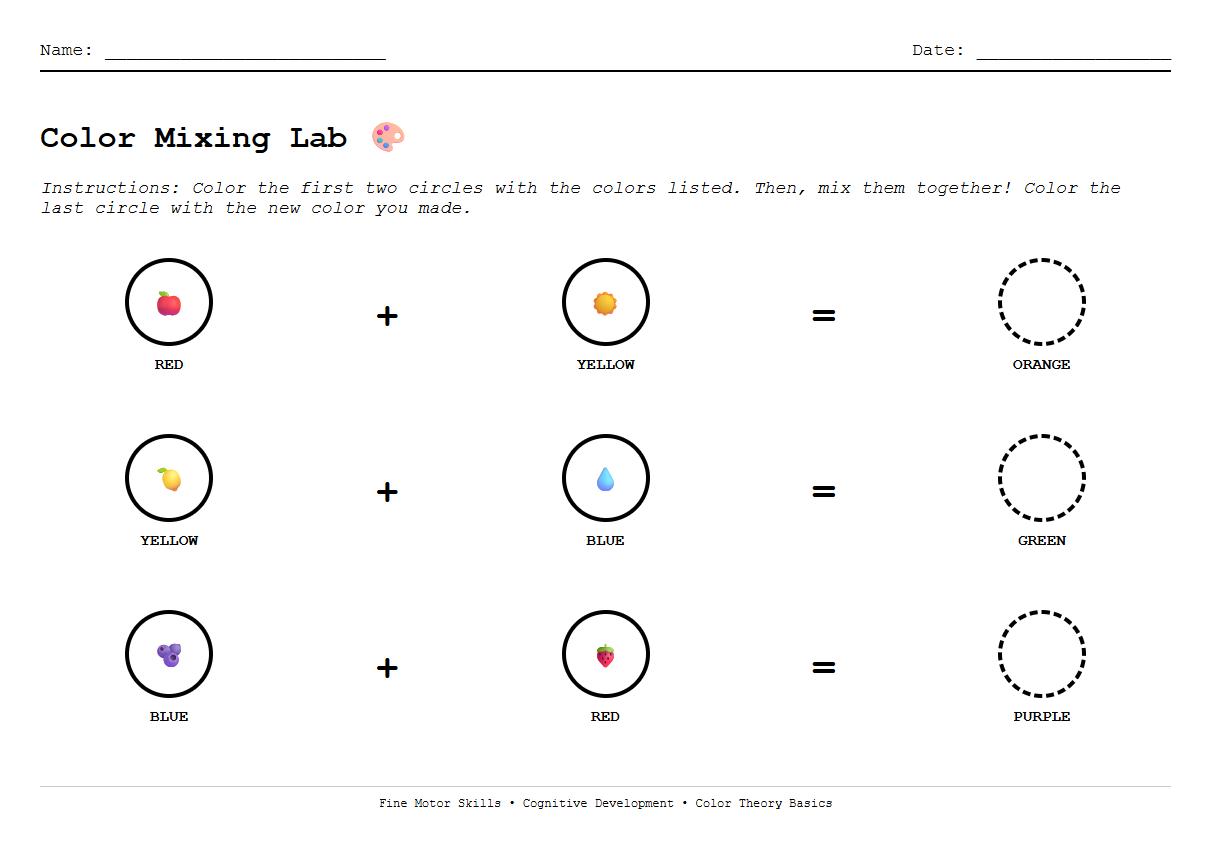
Color Mixing with Primary Colors Worksheet for Early Learners

Download PDF     Pin it

Secondary Color Creation Activity Using Color Wheel Worksheet
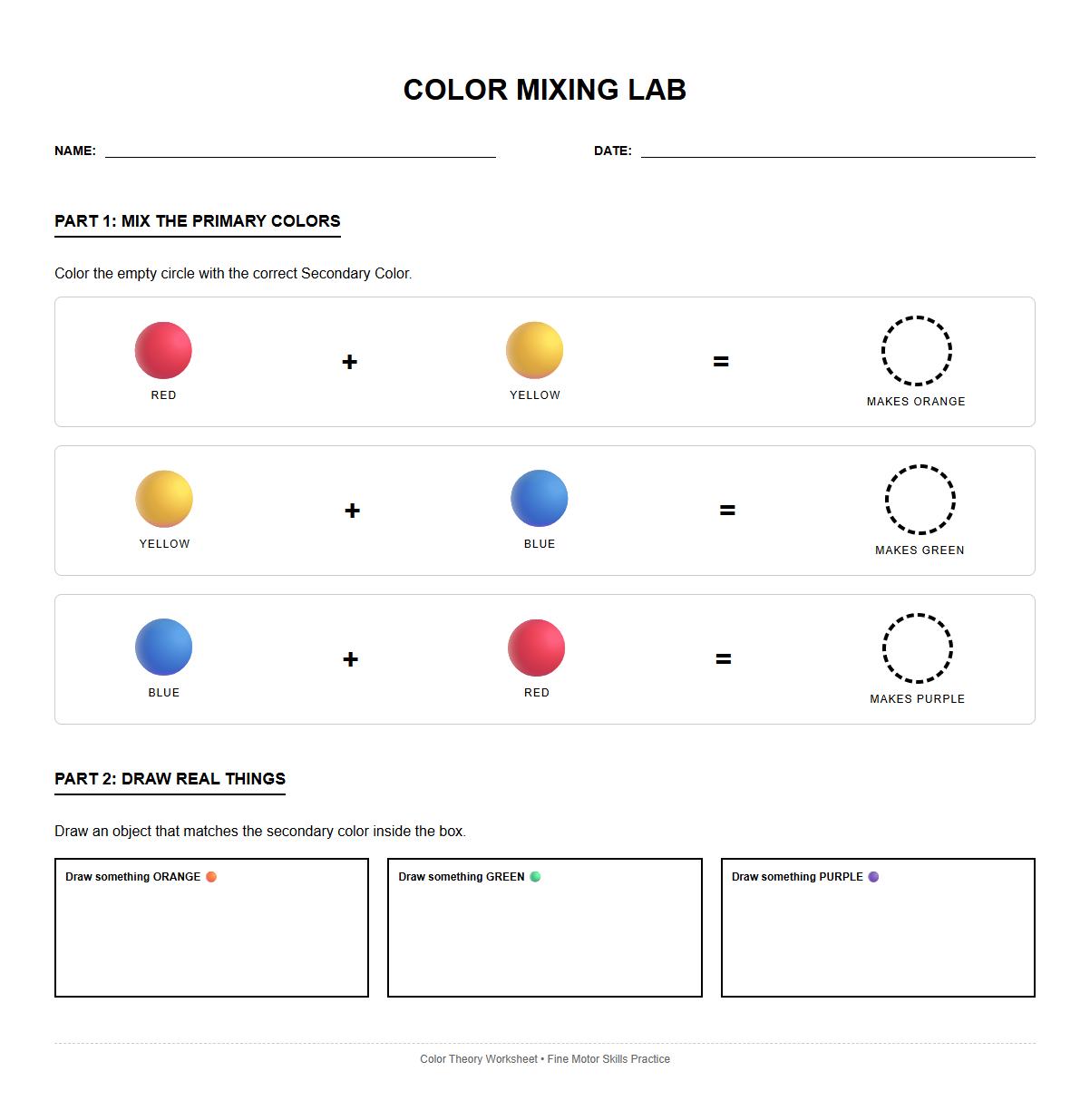
Secondary Color Creation Activity Using Color Wheel Worksheet

Download PDF     Pin it

Interactive Color Blending Experiment Worksheet for Preschool
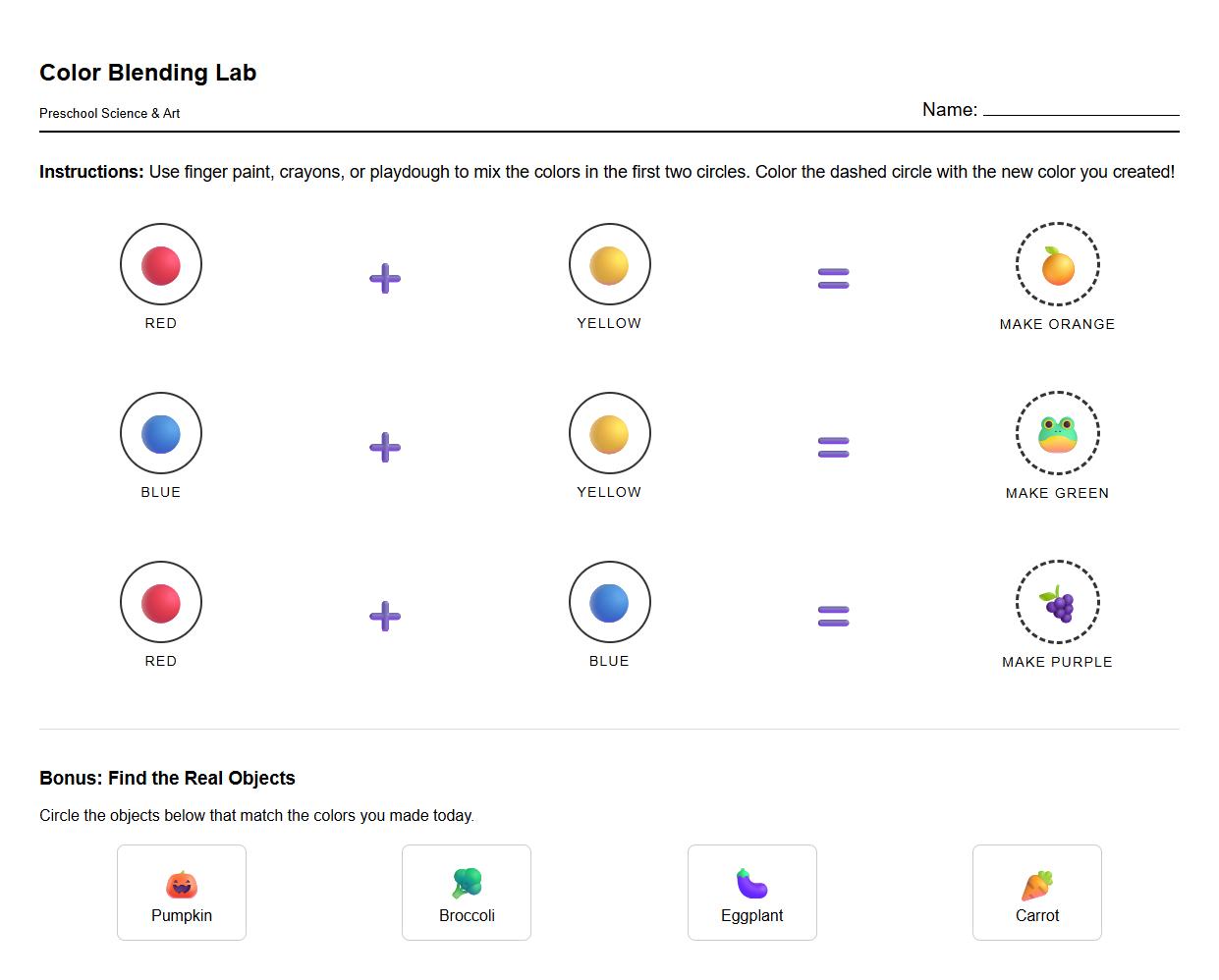
Interactive Color Blending Experiment Worksheet for Preschool

Download PDF     Pin it

Primary and Secondary Colors Identification Worksheet
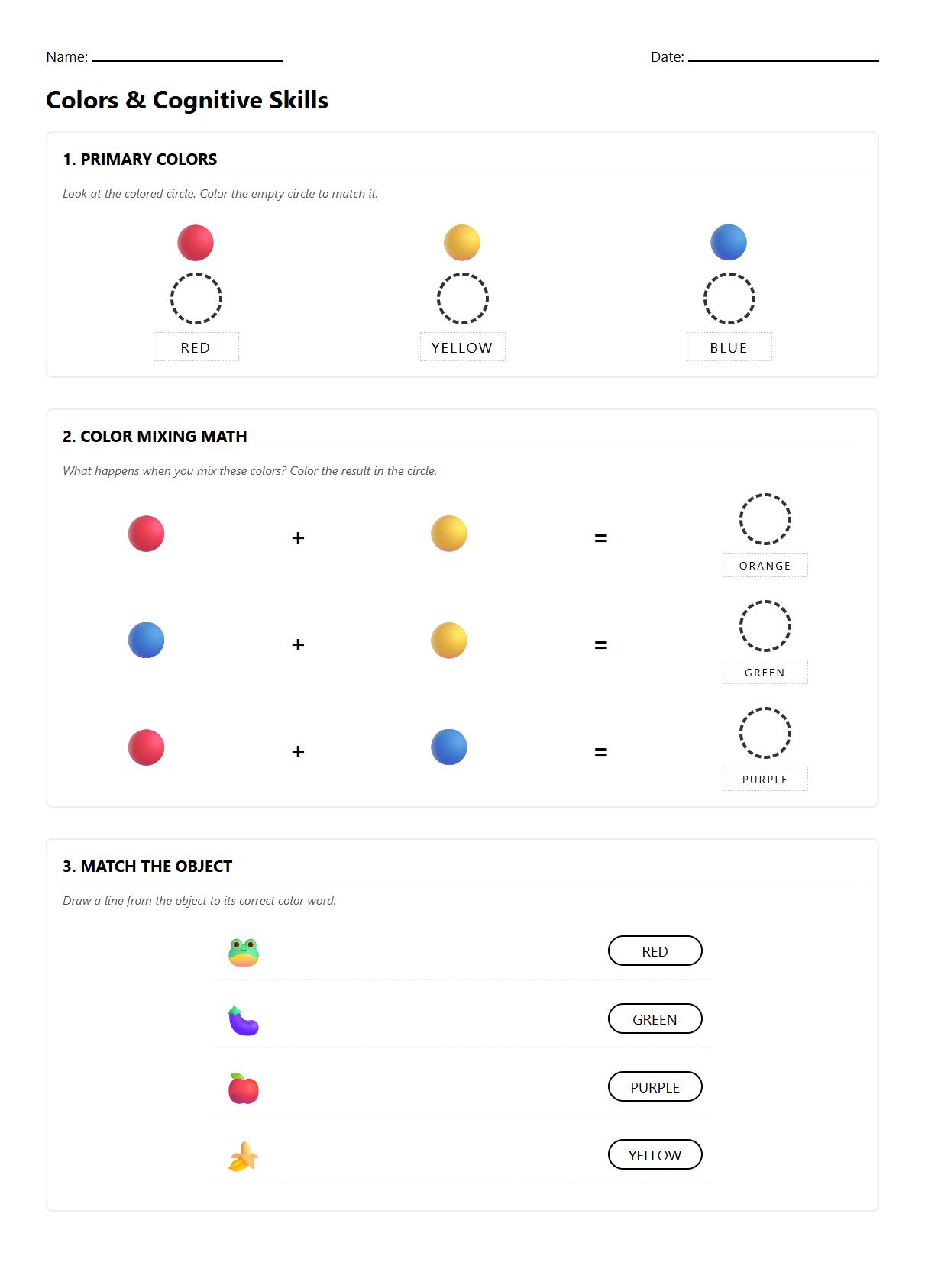
Primary and Secondary Colors Identification Worksheet

Download PDF     Pin it

Phonics and Color Names Matching Worksheet
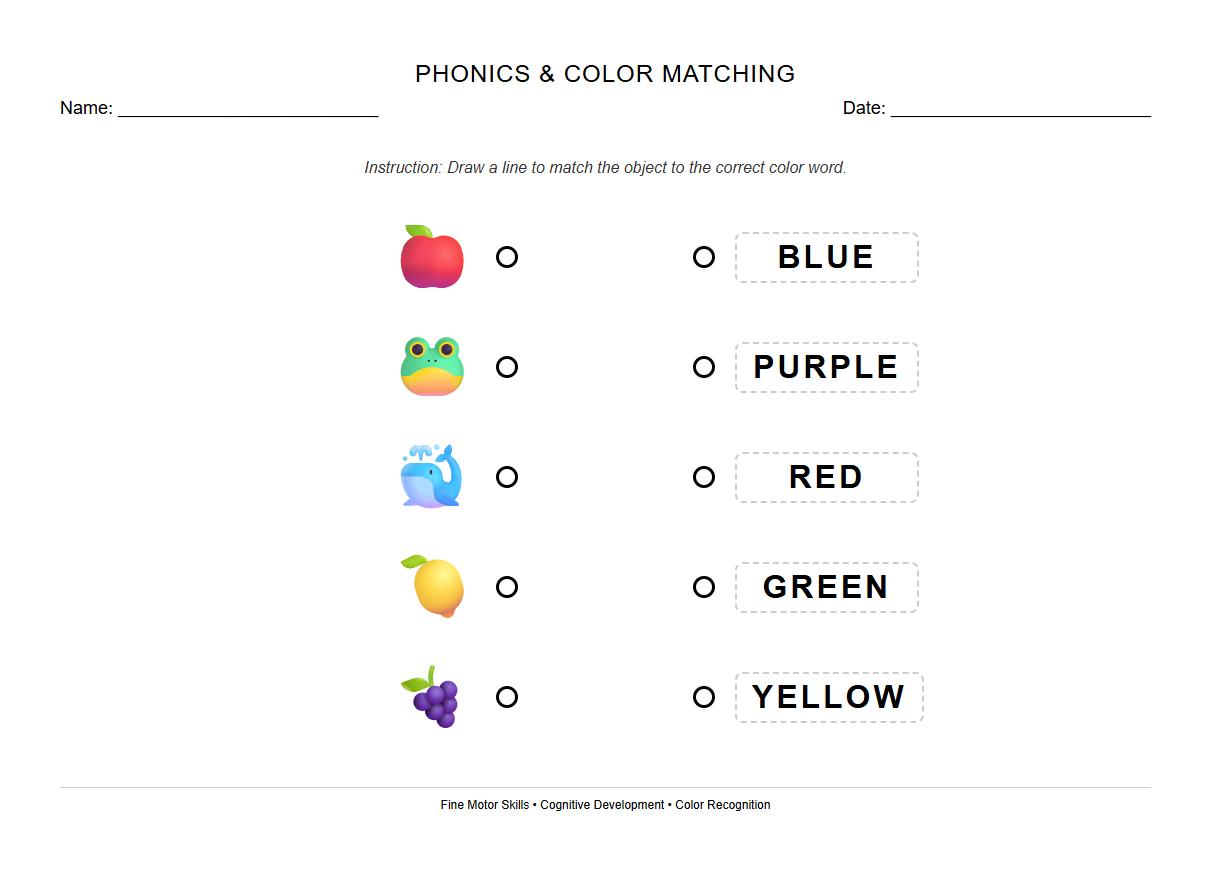
Phonics and Color Names Matching Worksheet

Download PDF     Pin it

Visual Discrimination of Mixed Colors Worksheet
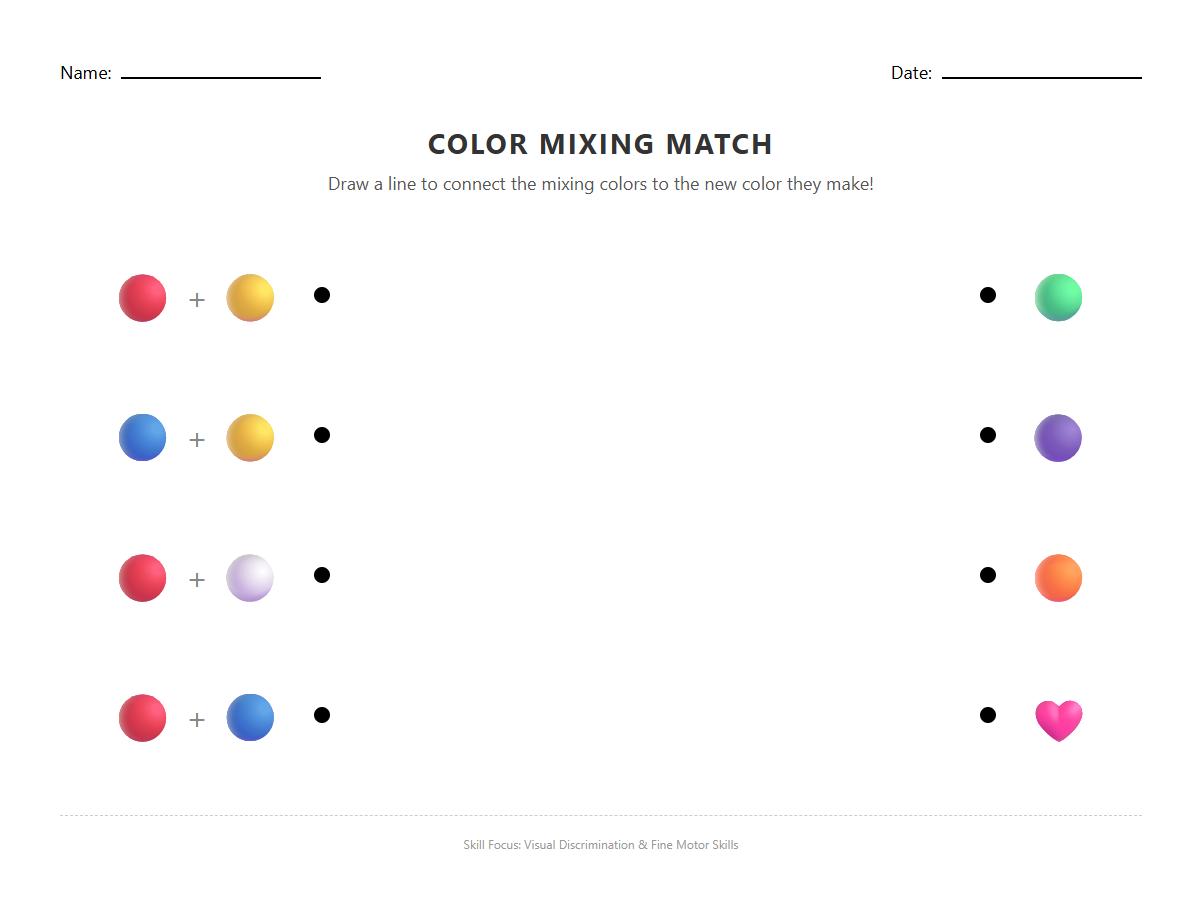
Visual Discrimination of Mixed Colors Worksheet

Download PDF     Pin it

Scientific Observation Sheet for Color Changes
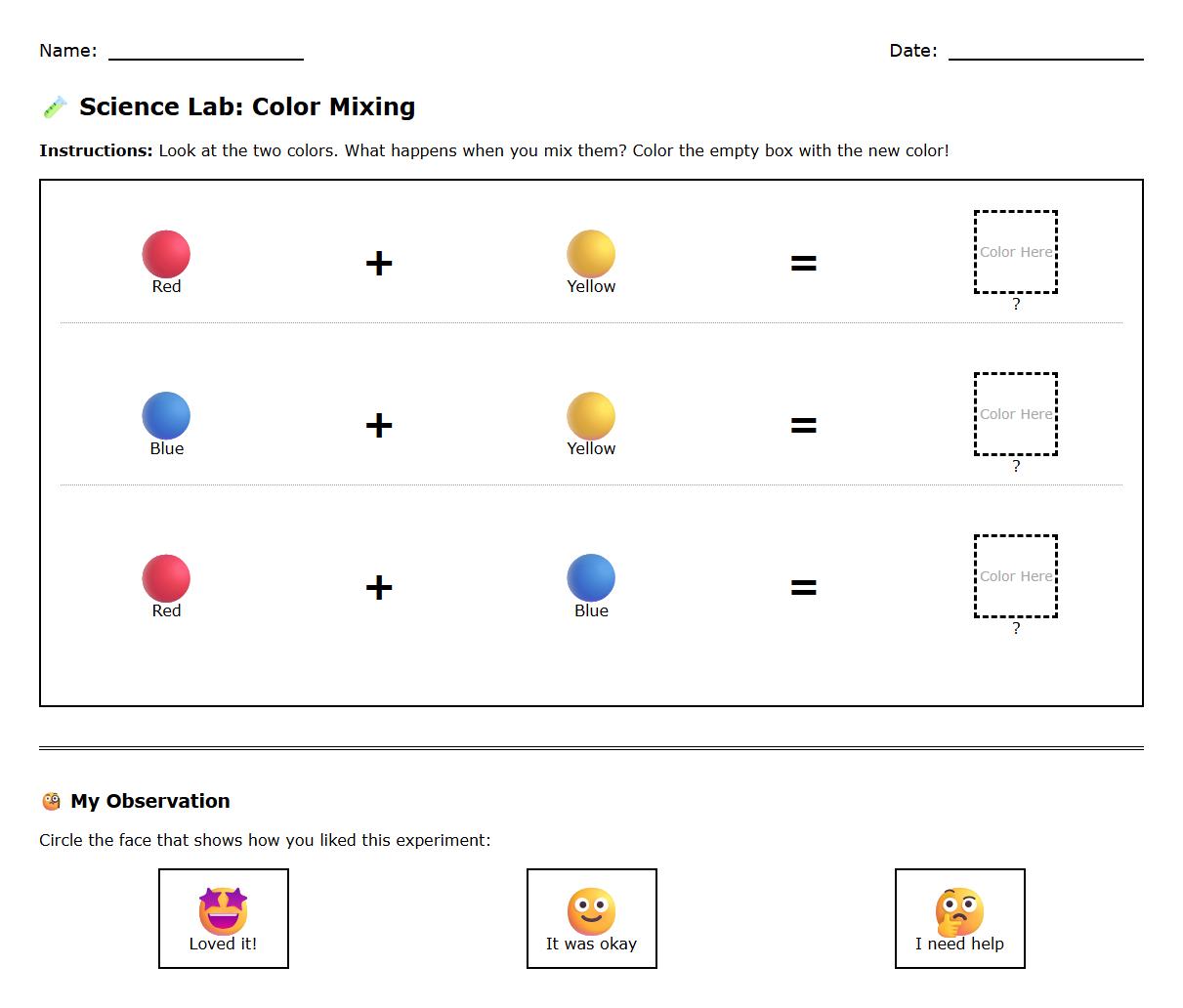
Scientific Observation Sheet for Color Changes

Download PDF     Pin it

Fill in the Blanks: Color Mixing Results Worksheet
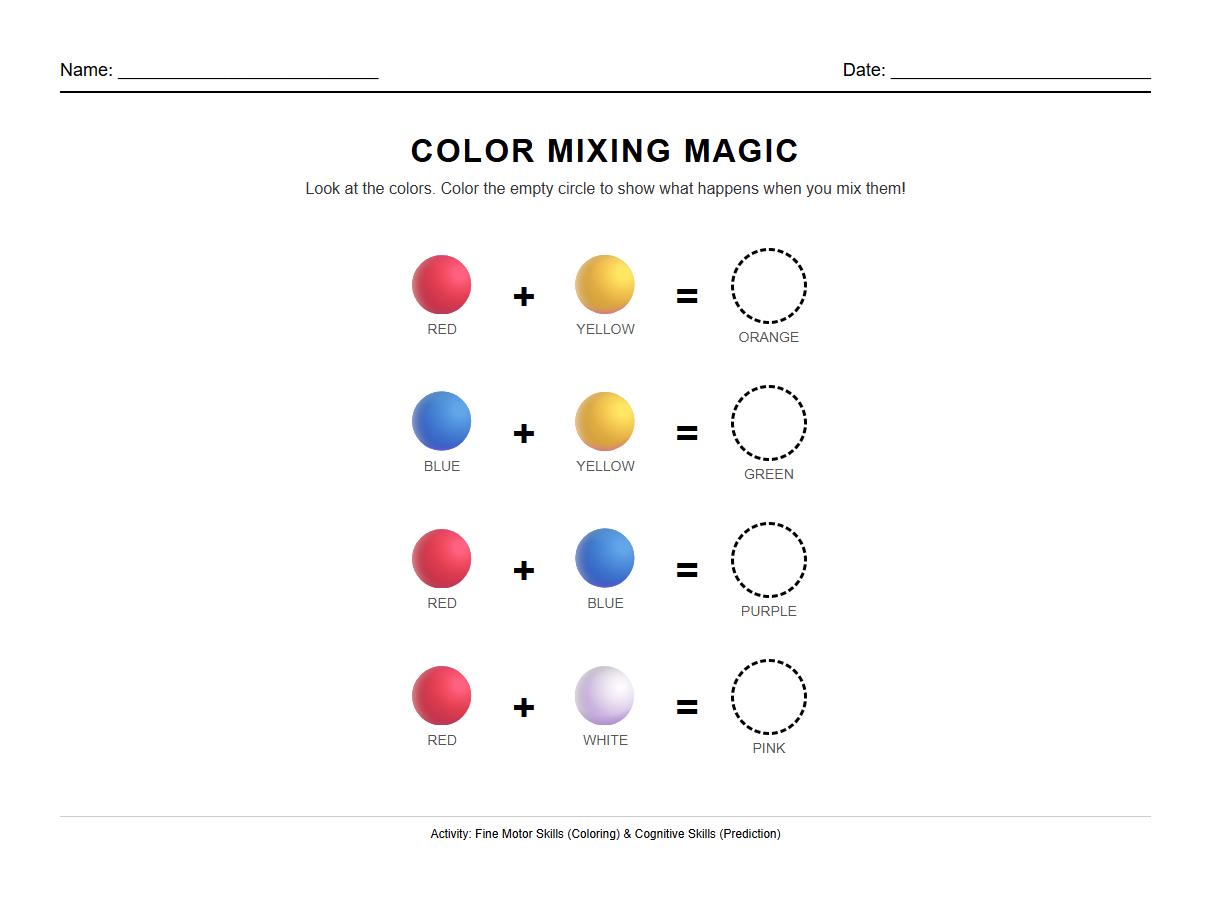
Fill in the Blanks: Color Mixing Results Worksheet

Download PDF     Pin it

Cause and Effect Coloring Reactions Worksheet
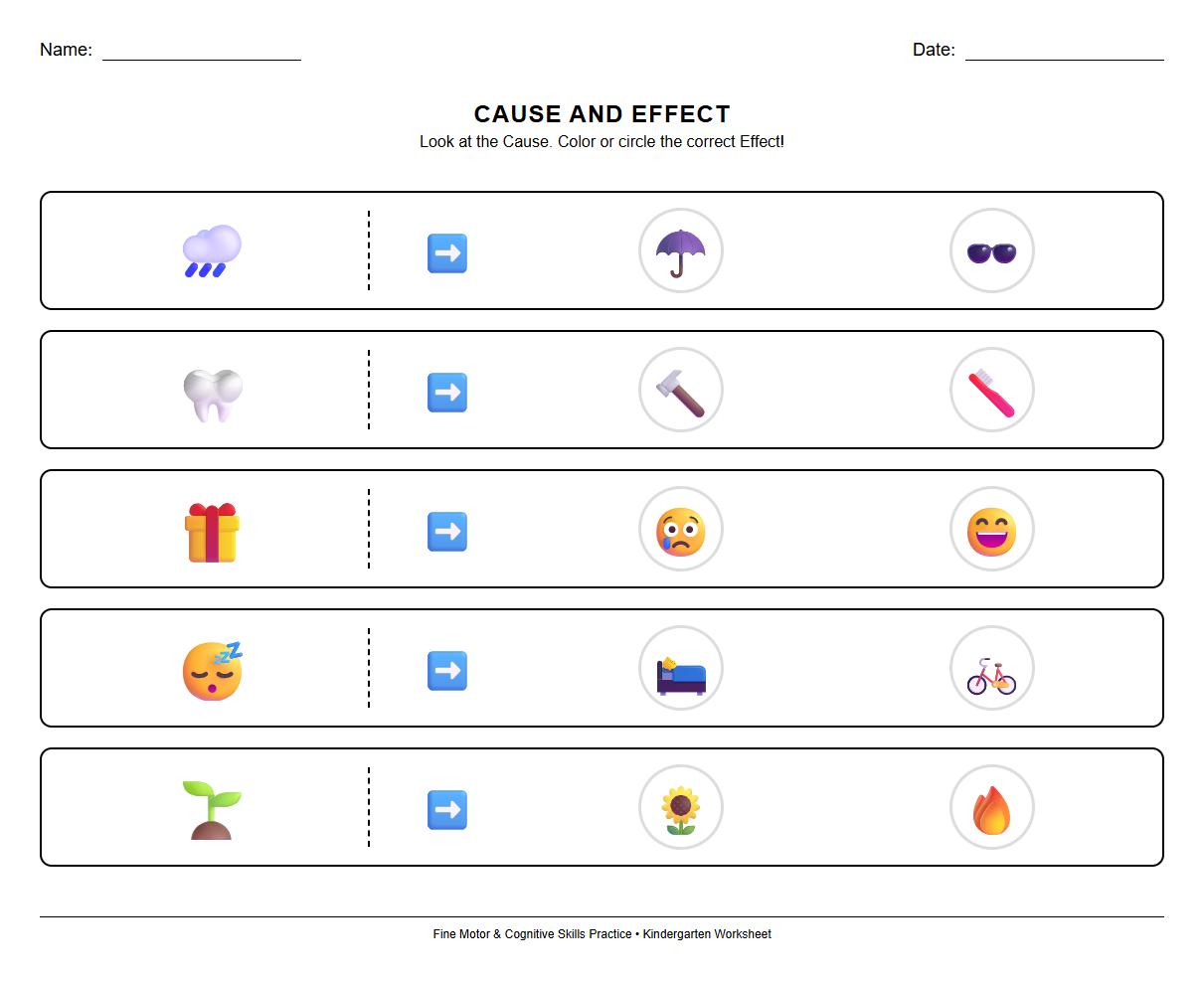
Cause and Effect Coloring Reactions Worksheet

Download PDF     Pin it

Color Theory Sequencing and Sorting Worksheet
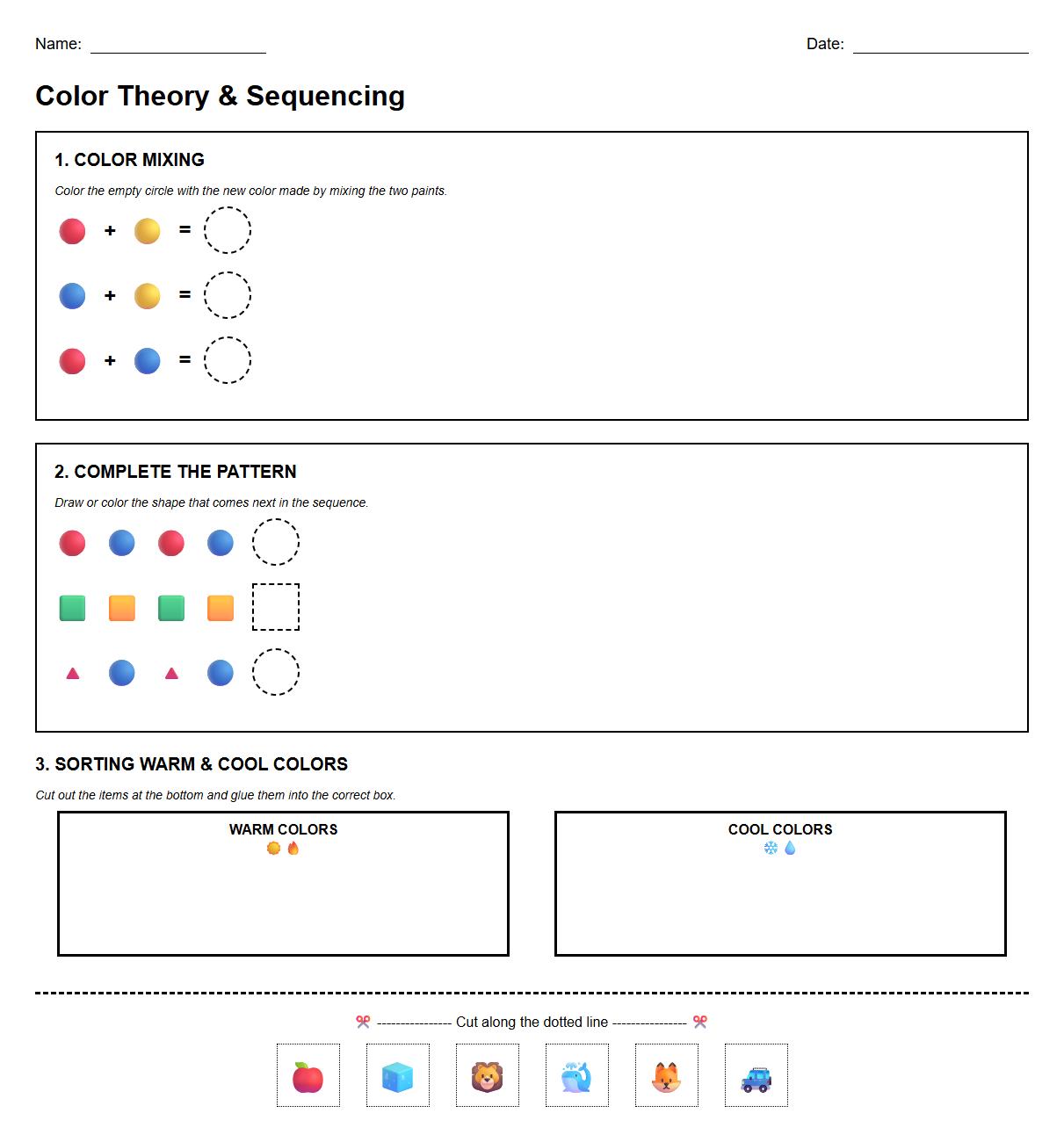
Color Theory Sequencing and Sorting Worksheet

Download PDF     Pin it

What Happens When You Mix Red and Yellow Colors Together?

When you mix red and yellow together, you get the color orange. This is a fun way for children to learn about color blending. It helps them understand how primary colors create new hues. Encourage kids to explore this with finger paints or crayons.

Which Two Colors Make Green When Combined?

Green is made by mixing the two primary colors blue and yellow. This combination is a basic color theory concept suitable for young learners. It shows them how different colors can blend to form new ones. Use hands-on activities to reinforce this idea.

What New Color Is Created by Mixing Blue and Red?

Mixing blue and red creates the color purple. This secondary color is exciting for children to discover. It introduces the concept of color families and color mixing in a visual way. Encourage children to experiment with these colors on their worksheets.

Can You Point to the Primary Colors on Your Worksheet?

The primary colors are red, yellow, and blue. These colors cannot be made by mixing other colors. Teaching children to identify these colors helps build foundational art and science skills. Ask children to point to each color on their worksheets for practice.

What Will You Get if You Mix Yellow and Blue?

Mixing yellow and blue creates green. This is a fundamental lesson in color mixing for kindergarten children. It illustrates how primary colors combine to form secondary colors. Use this as an opportunity for interactive learning during art time.

How Can You Make the Color Orange?

You can make orange by mixing the primary colors red and yellow. This simple experiment shows how new colors emerge from basic ones. It's an engaging way to teach children about color relationships. Let them try this on their worksheets for hands-on learning.

Which Colors Do You Need to Mix to Get Purple?

To get purple, mix the primary colors red and blue. This secondary color is often a favorite among young learners. Exploring this helps children understand how color combinations work. Encourage them to blend these colors using paints or crayons.

Is Brown a Result of Mixing All Three Primary Colors?

Yes, mixing all three primary colors red, yellow, and blue typically makes brown. This is a great way to introduce children to creating neutral colors. It demonstrates the complexity of color mixing beyond secondary colors. Invite kids to explore this on their worksheets for more practice.

Can You Name a Color That Cannot Be Made by Mixing Other Colors?

The primary colors -- red, yellow, and blue -- cannot be made by mixing other colors. These colors are the building blocks for creating all other hues. Teaching this helps children understand the basics of color theory. Use clear examples on their worksheets to reinforce this concept.

Which Color Do You Think Looks the Brightest After Mixing?

After mixing, orange often appears very bright and vibrant to children. Its warm tone can catch their attention quickly. Discussing brightness helps kids develop their perception of color intensity and contrast. Encourage them to share which colors they find the brightest on their worksheets.


More in Fine Motor and Cognitive Skills Category


About the author. Nylen Smith is a dedicated educator and cofounder of KWorksheet.com, a popular platform specializing in high-quality kindergarten worksheets and printable activities.

Disclaimer. The information provided in this document is for general informational purposes and/or document sample only and is not guaranteed to be factually right or complete. Please report to us via contact-us page if you find and error in this page, thanks.

Comments

No comment yet