Story Retelling and Sequencing Worksheet for Reading Comprehension

📅 Mar 9, 2025 👤 Nylen Smith

Story retelling and sequencing activities strengthen reading comprehension by helping learners recall key details and understand narrative structure. These exercises promote critical thinking and improve memory retention by encouraging students to organize events logically. Explore our collection of worksheets designed to enhance your reading skills through engaging story retelling and sequencing practice.

Story Sequencing with Picture Cards Worksheet
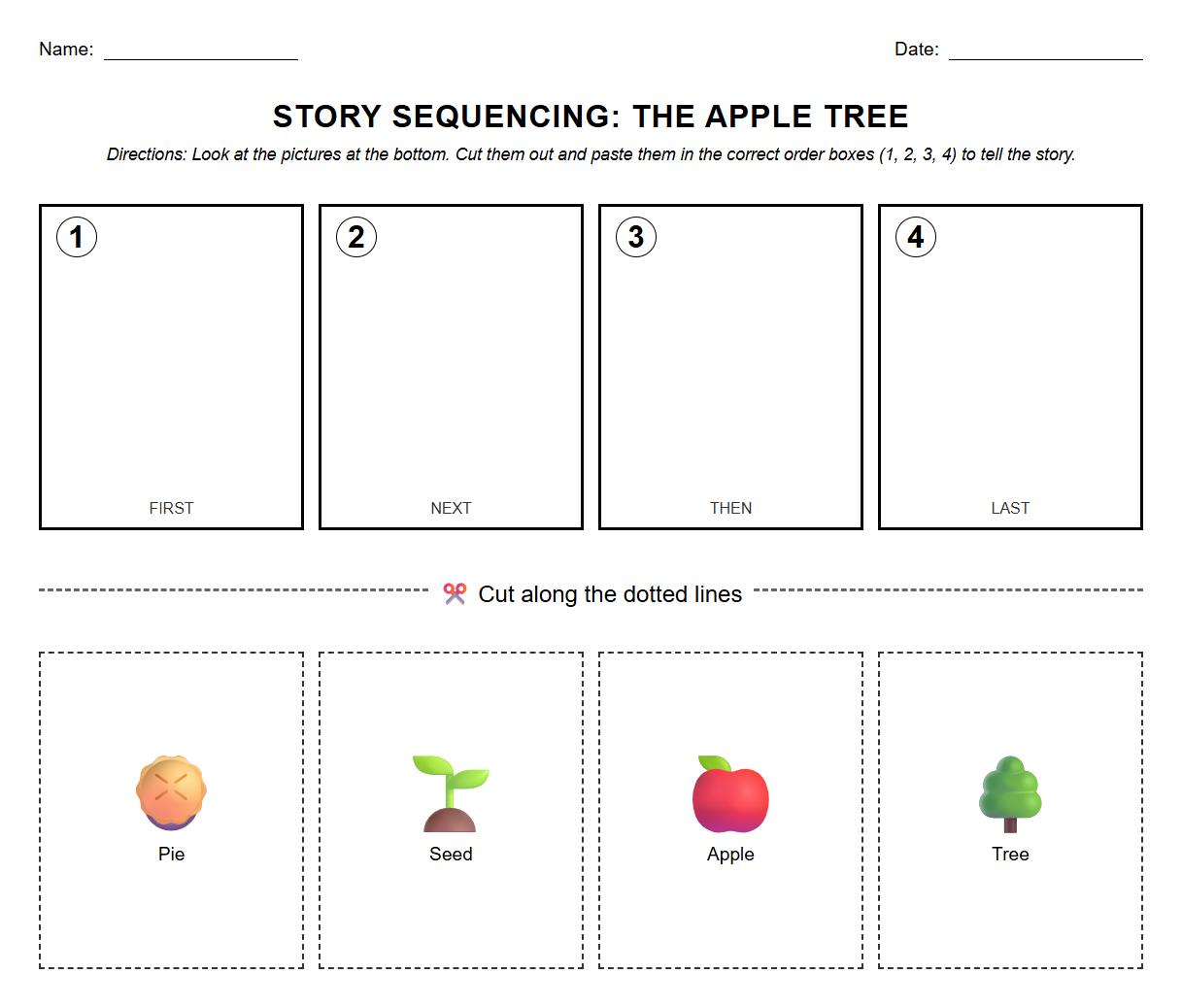
Story Sequencing with Picture Cards Worksheet

Download PDF     Pin it

Story Retelling Graphic Organizer Worksheet
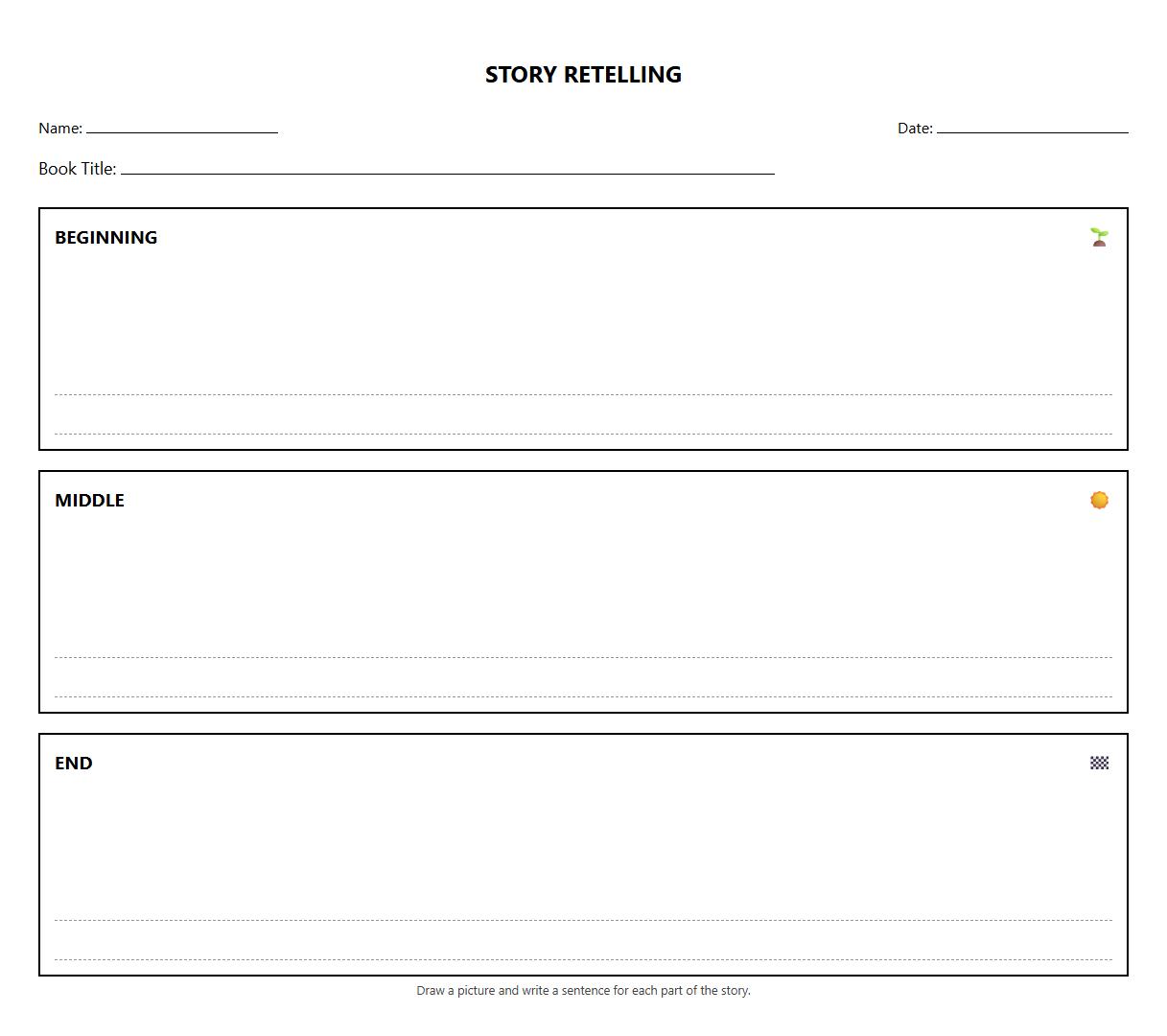
Story Retelling Graphic Organizer Worksheet

Download PDF     Pin it

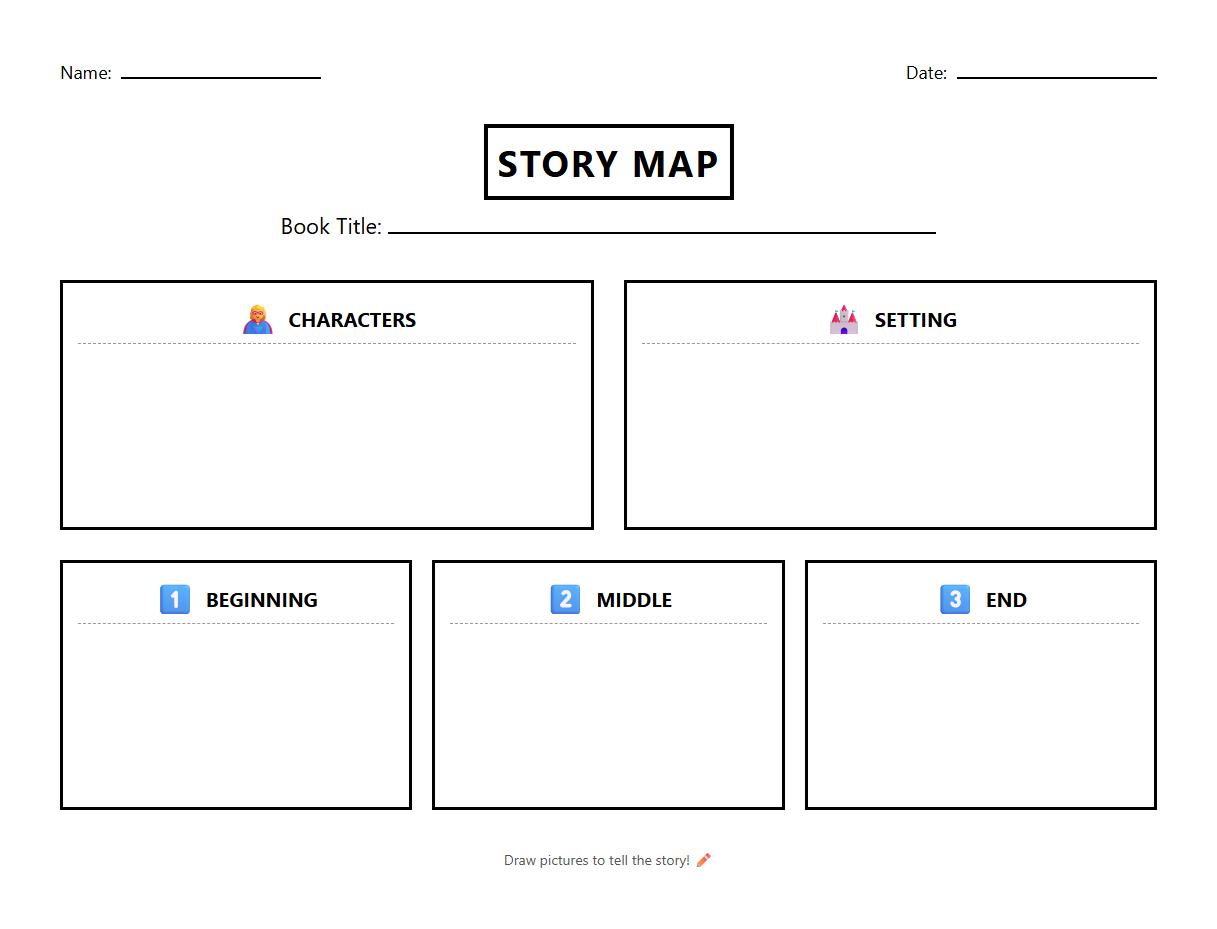
Story Elements Mapping Worksheet

Story Elements Mapping Worksheet
Download PDF     Pin it

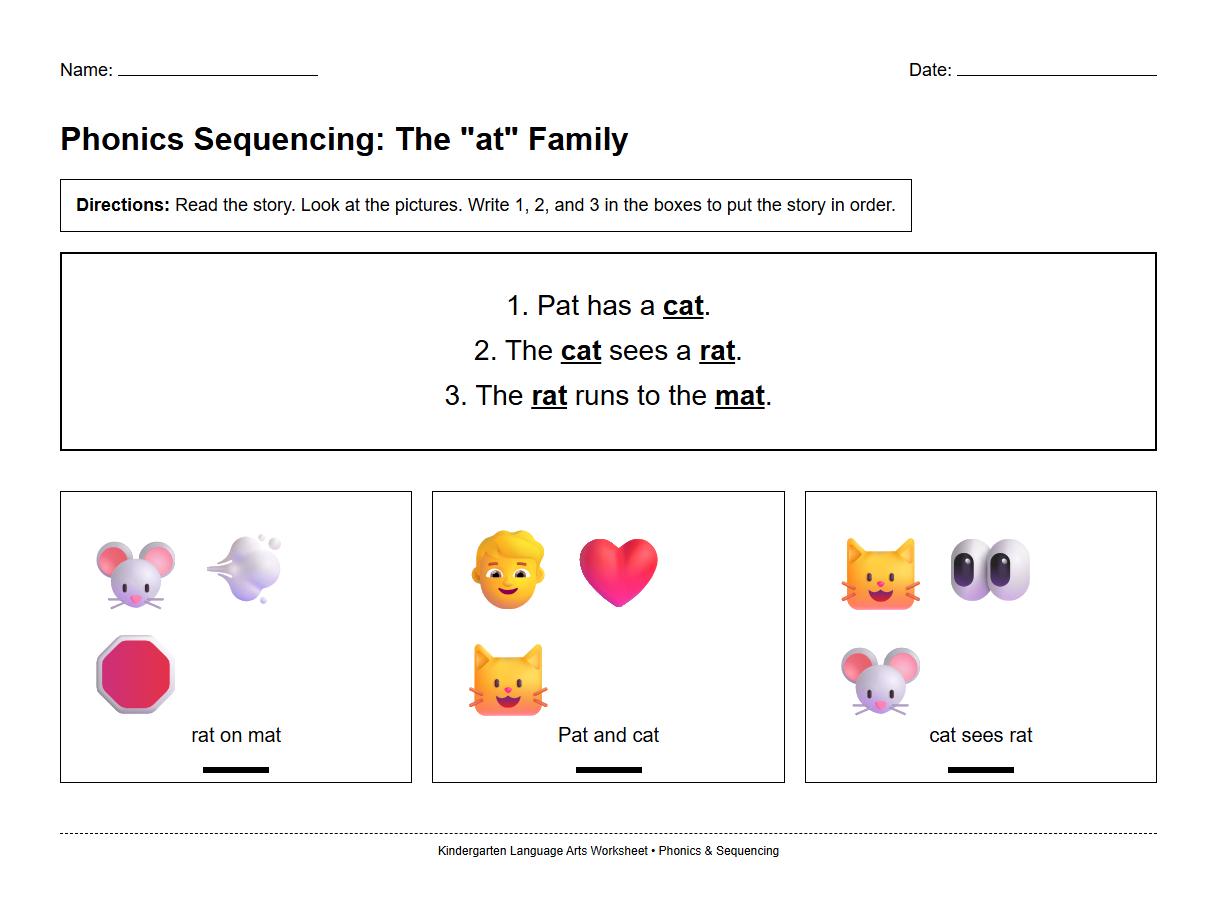
Phonics-Based Sequencing Worksheet

Phonics-Based Sequencing Worksheet
Download PDF     Pin it

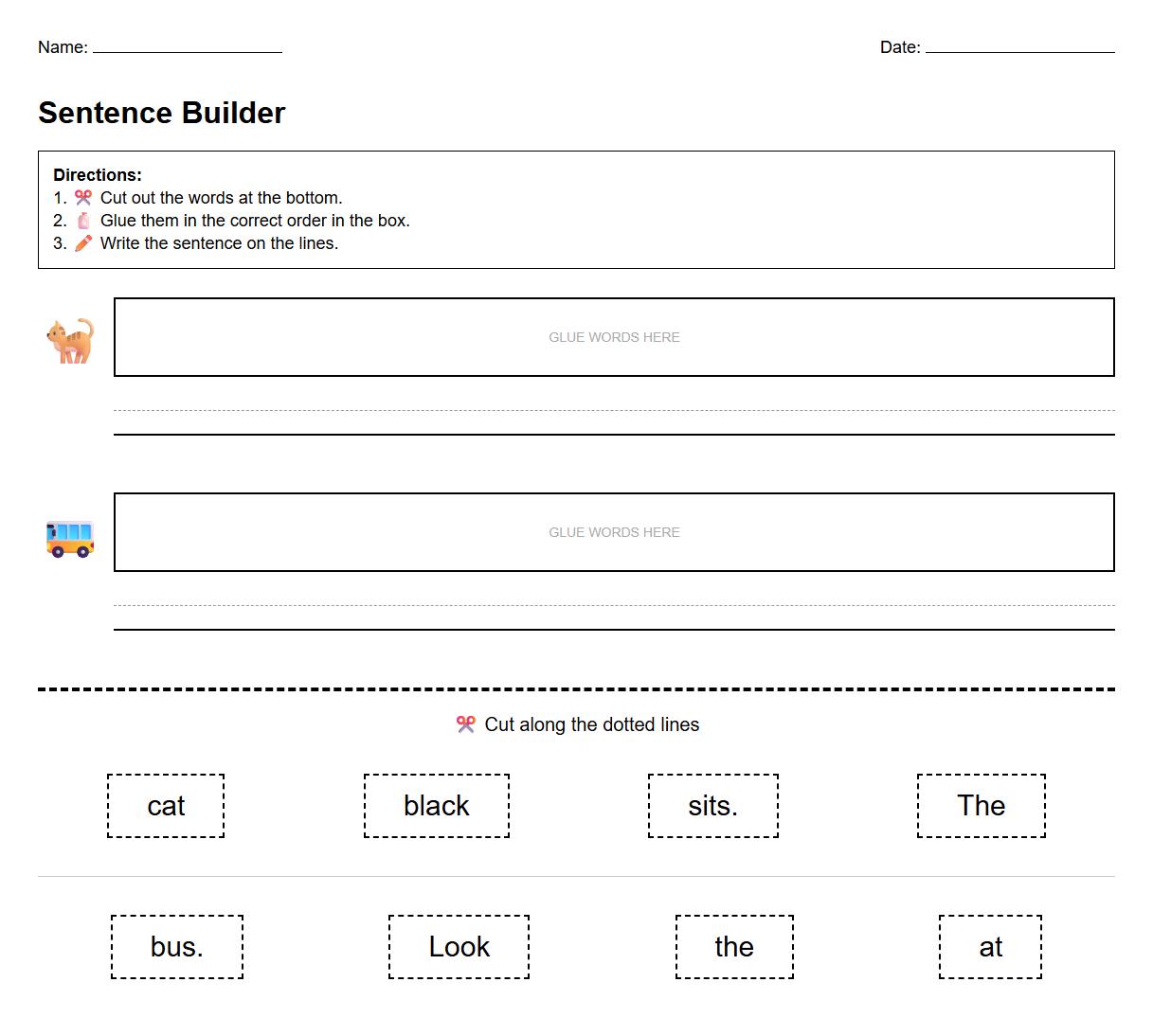
Sentence Strip Ordering Worksheet

Sentence Strip Ordering Worksheet
Download PDF     Pin it

Reading Comprehension Sequence Flowchart Worksheet
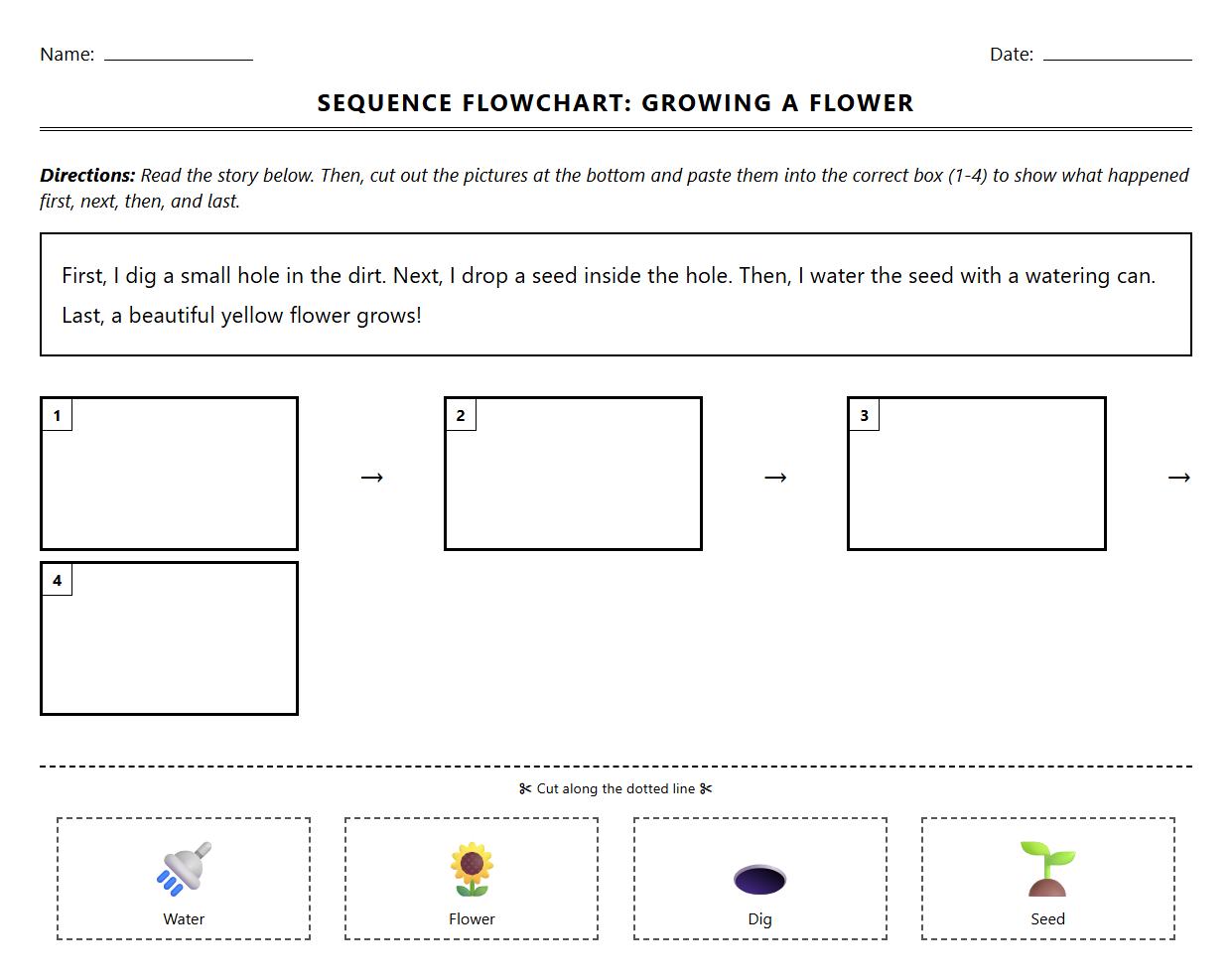
Reading Comprehension Sequence Flowchart Worksheet

Download PDF     Pin it

Beginning Middle End Organizer Worksheet
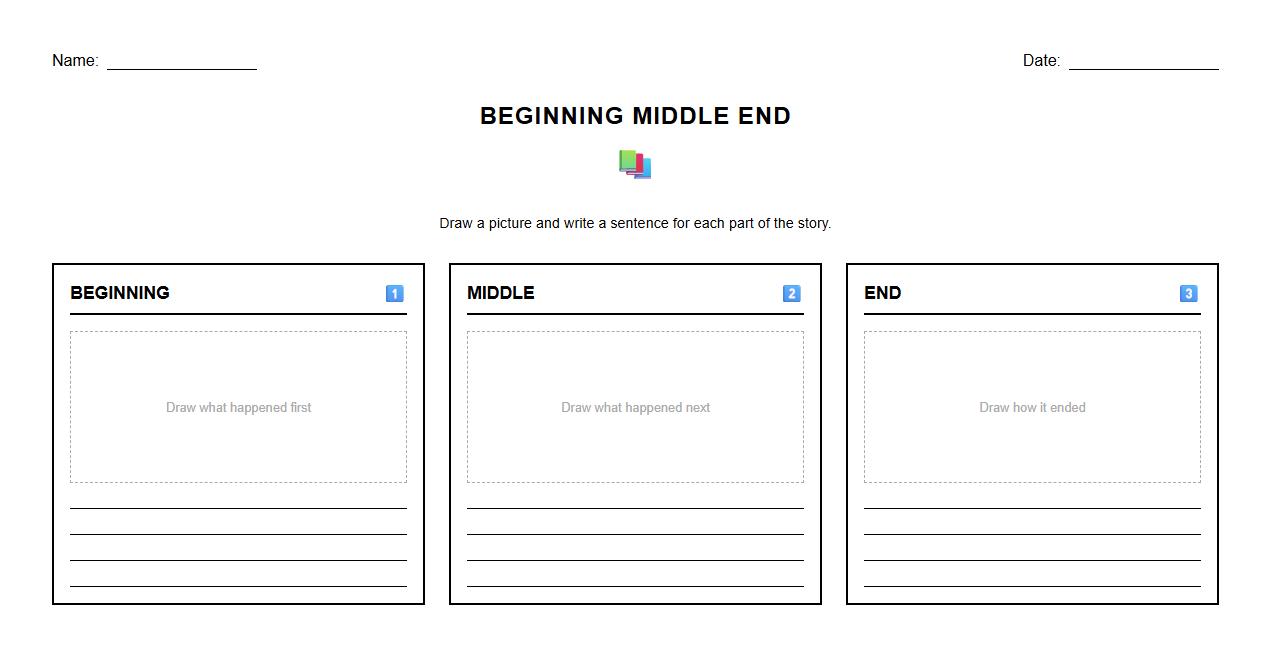
Beginning Middle End Organizer Worksheet

Download PDF     Pin it

Narrative Structure Sequencing Worksheet
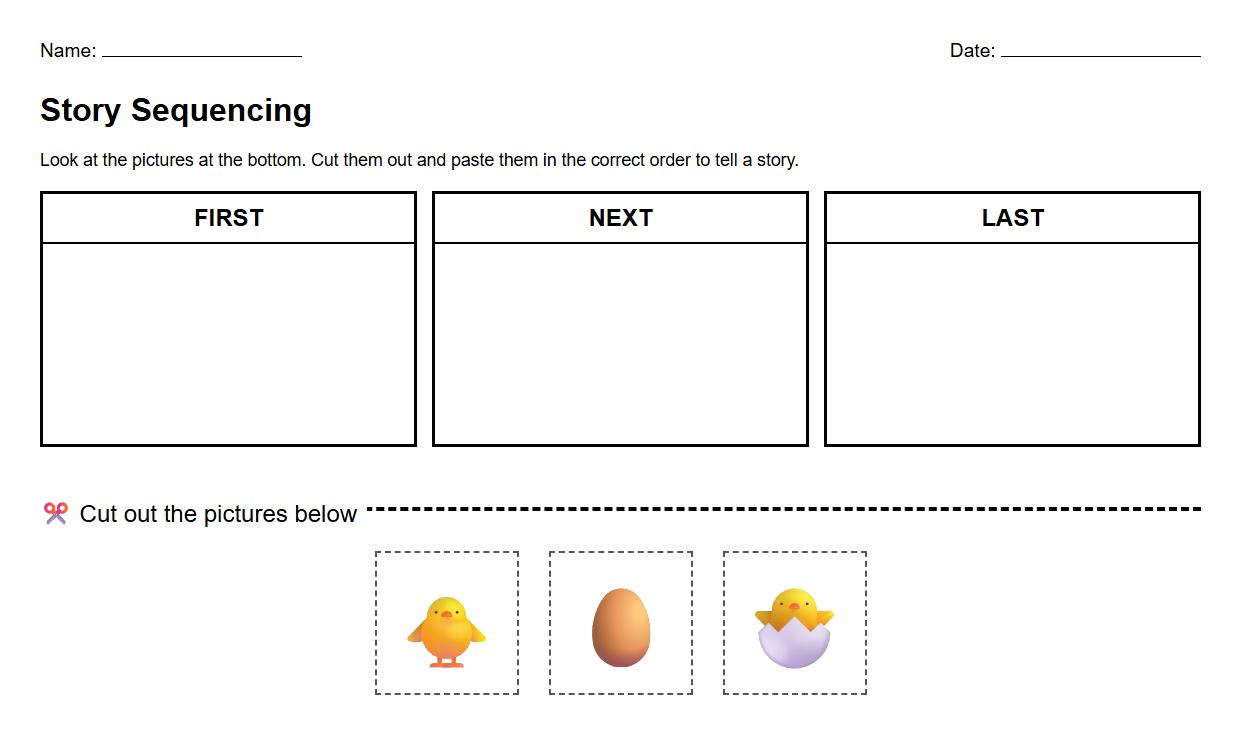
Narrative Structure Sequencing Worksheet

Download PDF     Pin it

First Next Then Last Chart Worksheet
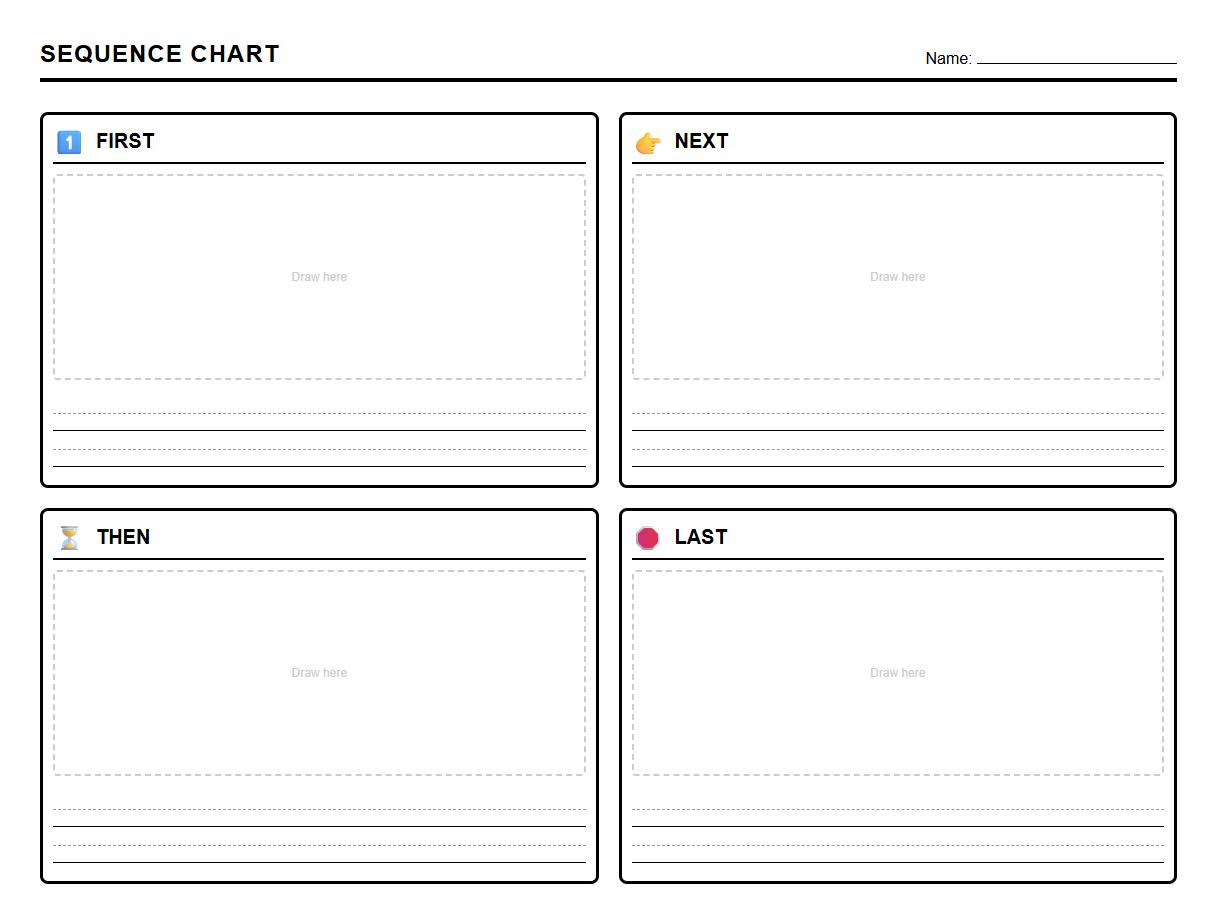
First Next Then Last Chart Worksheet

Download PDF     Pin it

Context Clues Story Sequencing Worksheet
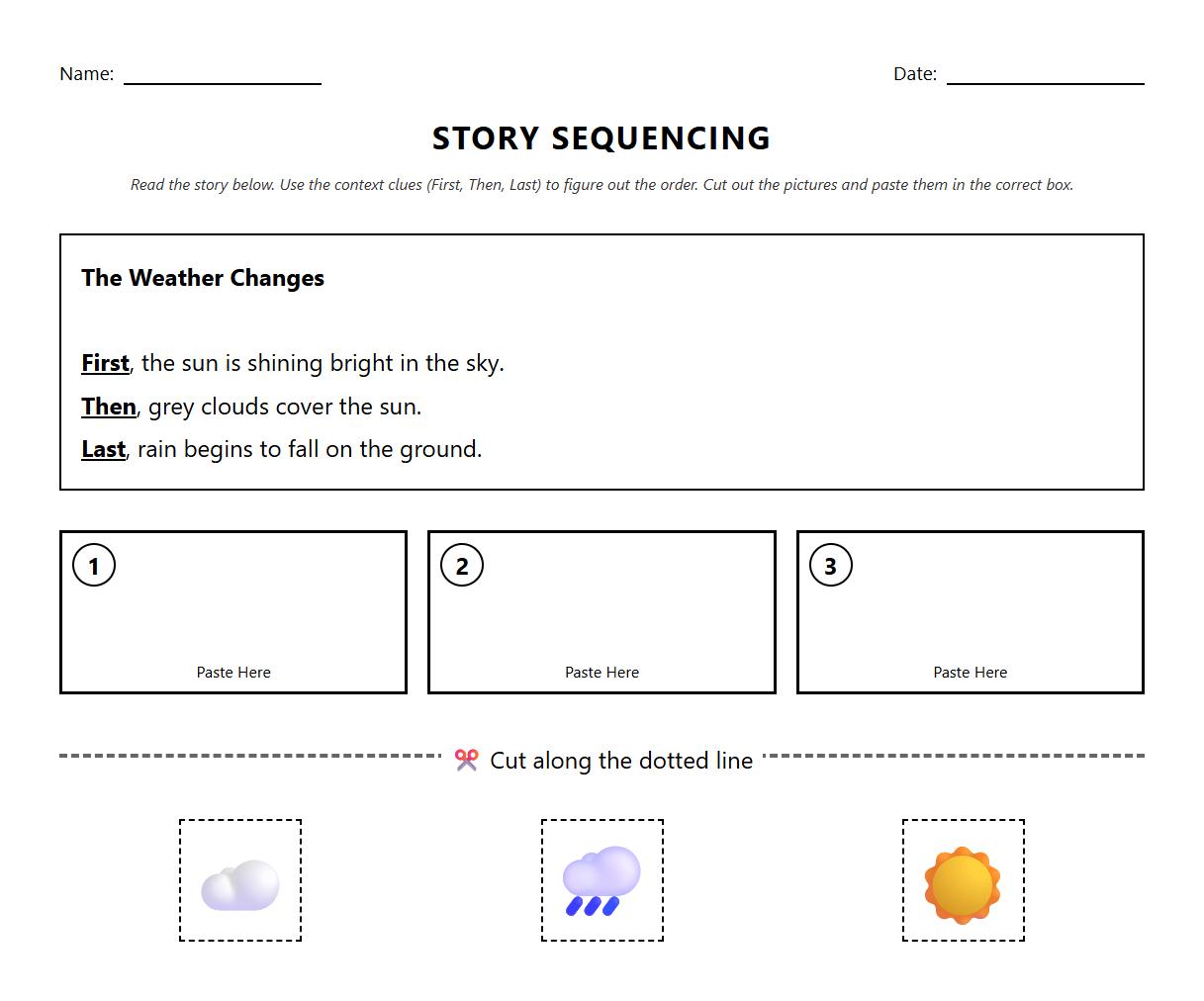
Context Clues Story Sequencing Worksheet

Download PDF     Pin it

Main Characters in the Story

The main characters are the central figures who drive the story forward. They can be animals, people, or even imaginary beings. Understanding who they are helps children connect with the story and its message. Teachers and parents can encourage kids to describe these characters vividly.

Where the Story Takes Place

The setting of the story is where the events unfold, such as a forest, school, or home. Recognizing the location helps children visualize the narrative more clearly. Discussing the setting can spark creativity and comprehension. It also sets the mood for the story's events.

Beginning of the Story

The beginning introduces characters, setting, and the initial situation. It sets the stage for what's about to happen next. Understanding this part helps children anticipate the story's flow. This is the foundation for the rest of the narrative.

Middle of the Story

The middle contains the main events or conflicts the characters face. This section builds excitement and tension, keeping the audience engaged. It reveals how characters react to challenges. It is essential for developing problem-solving skills.

End of the Story

The end resolves the conflict and concludes the narrative. It shows what happens to the characters after the events. This part offers closure and teaches lessons from the story. Children learn consequences and resolutions here.

Putting Events in the Correct Order

Sequencing events helps develop logical thinking and memory. Children can strengthen comprehension by arranging the story's beginning, middle, and end correctly. This exercise reinforces the narrative flow. It also improves storytelling and summary skills.

Problem the Characters Had

The problem is the challenge or conflict faced by the characters. Identifying it helps children understand the story's purpose. Problems often teach lessons or encourage empathy. Discussing problems enhances critical thinking.

How the Characters Solved Their Problem

This part reveals the solution or actions characters took to overcome the problem. Understanding solutions promotes creativity and resilience. It highlights teamwork, courage, or clever thinking. Parents and teachers can encourage children to suggest alternative solutions too.

Favorite Part of the Story

Children's favorite parts reveal personal connections and interests. Discussing these moments enhances engagement and vocabulary. It allows them to express emotions and preferences. This reflection supports a deeper appreciation of reading.

Retelling the Story in Your Own Words

Retelling encourages active listening and comprehension. It helps children organize thoughts and remember details. Expressing the story in their own words builds confidence and language skills. This practice also fosters creativity and critical thinking.


More in Language Arts Category


About the author. Nylen Smith is a dedicated educator and cofounder of KWorksheet.com, a popular platform specializing in high-quality kindergarten worksheets and printable activities.

Disclaimer. The information provided in this document is for general informational purposes and/or document sample only and is not guaranteed to be factually right or complete. Please report to us via contact-us page if you find and error in this page, thanks.

Comments

No comment yet