Sight Words Reading Fluency Worksheet for Early Kindergarten

📅 Feb 11, 2025 👤 Nylen Smith

Sight words are essential for building early reading skills and improving fluency in young learners. Practicing these common words helps children recognize them instantly, which boosts confidence and overall reading comprehension. Explore our variety of Sight Words Reading Fluency Worksheets designed specifically for early kindergarten to support your child's literacy journey.

Sight Words Flashcard Drills for Phonics Recognition
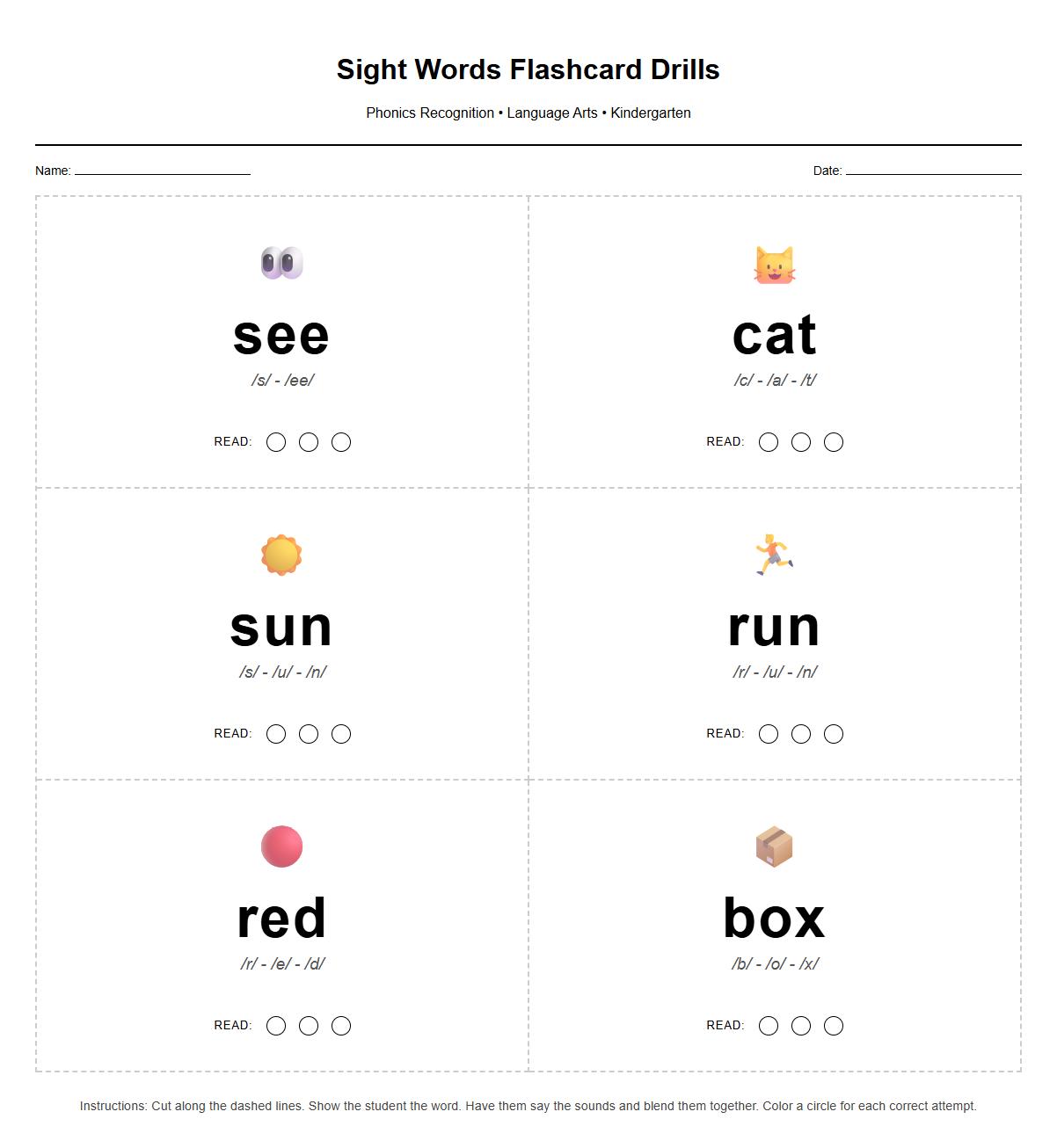
Sight Words Flashcard Drills for Phonics Recognition

Download PDF     Pin it

Dolch List Sight Word Tracing Worksheets
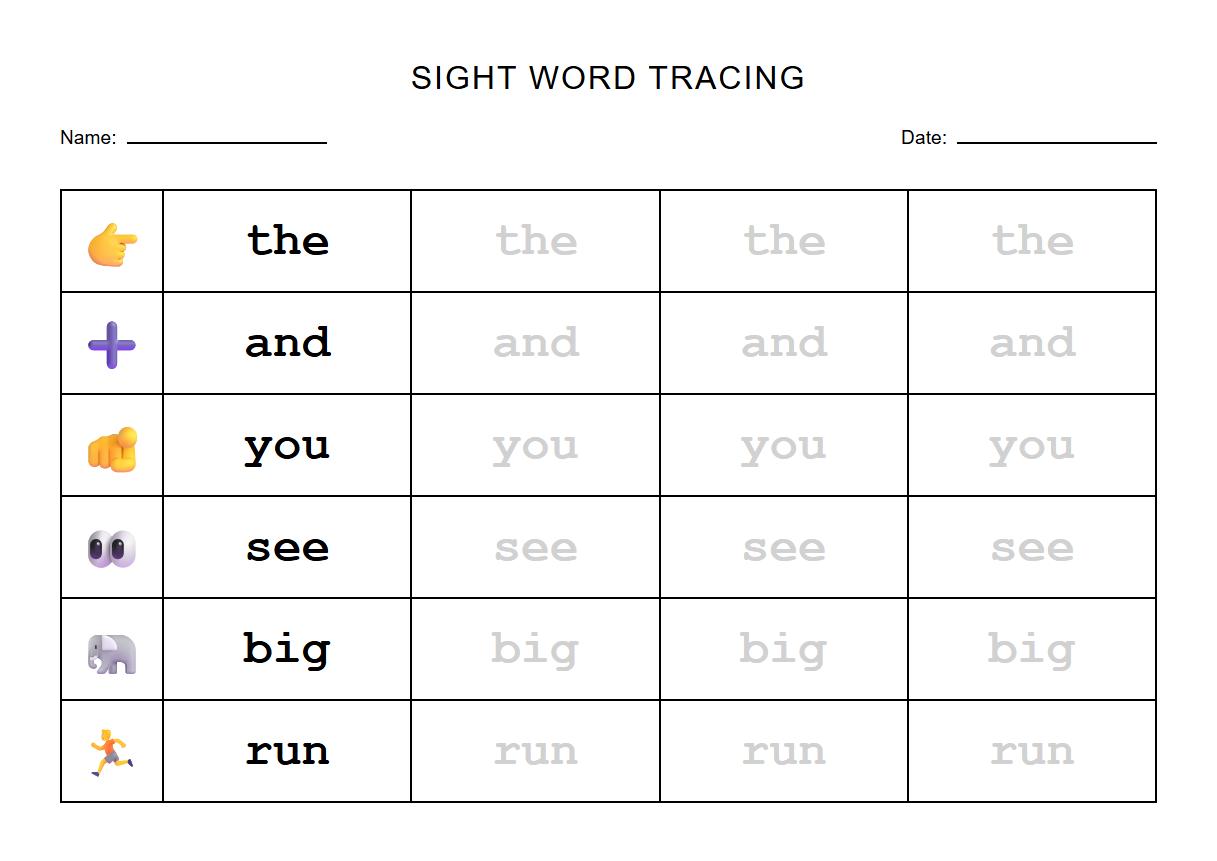
Dolch List Sight Word Tracing Worksheets

Download PDF     Pin it

Sight Words Sentence Building Activities
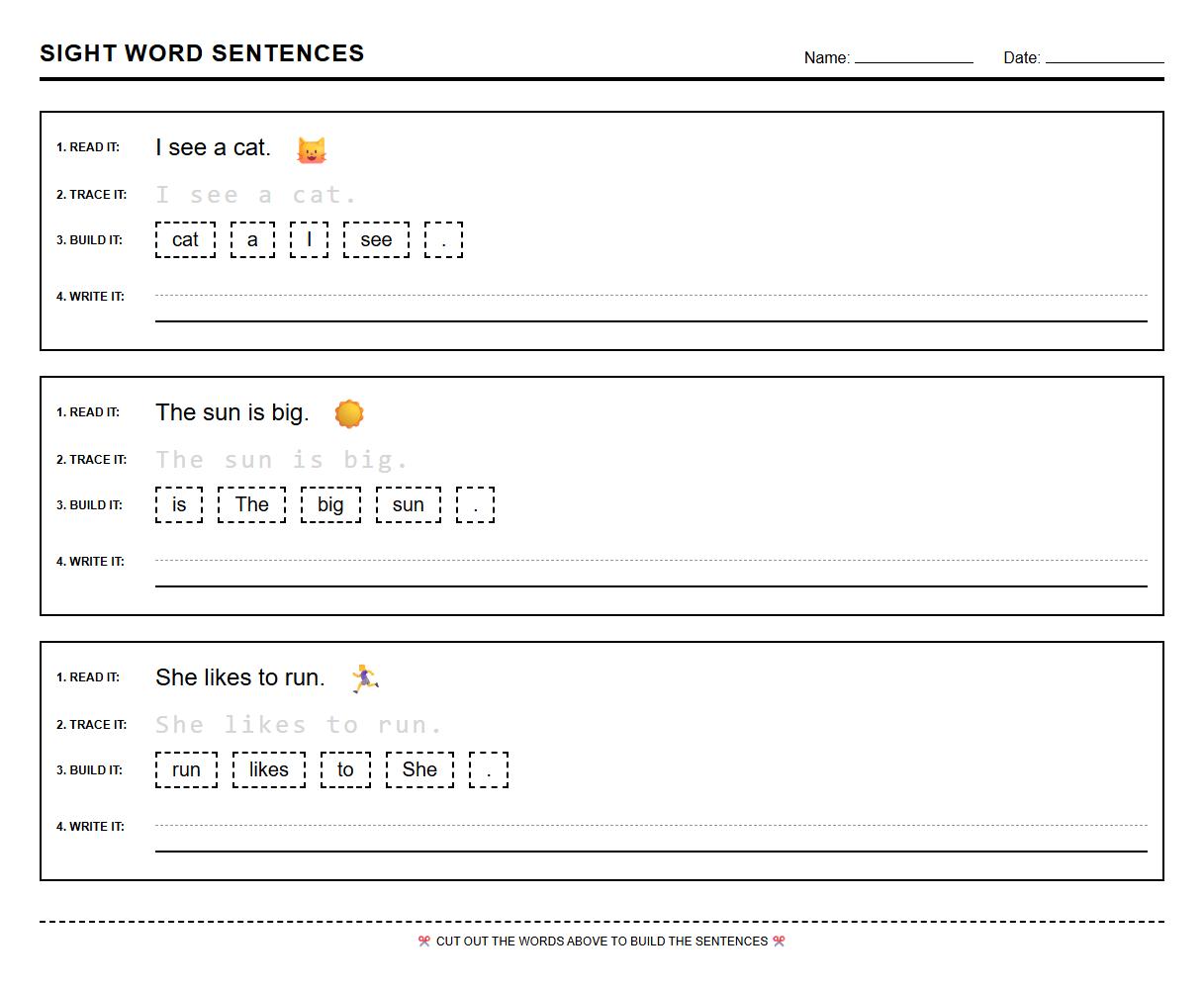
Sight Words Sentence Building Activities

Download PDF     Pin it

High Frequency Word Sorting Practice
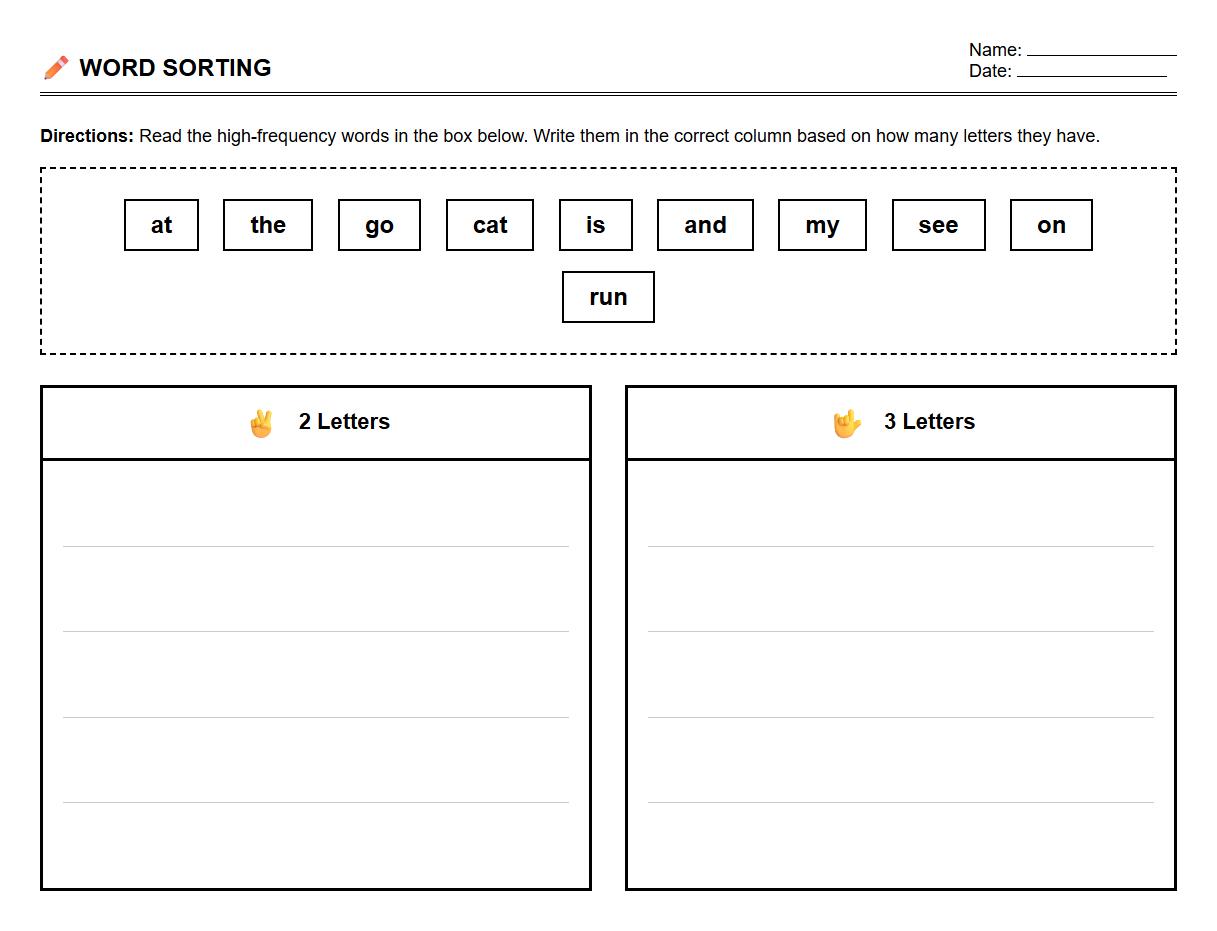
High Frequency Word Sorting Practice

Download PDF     Pin it

CVC Word Integration with Sight Words
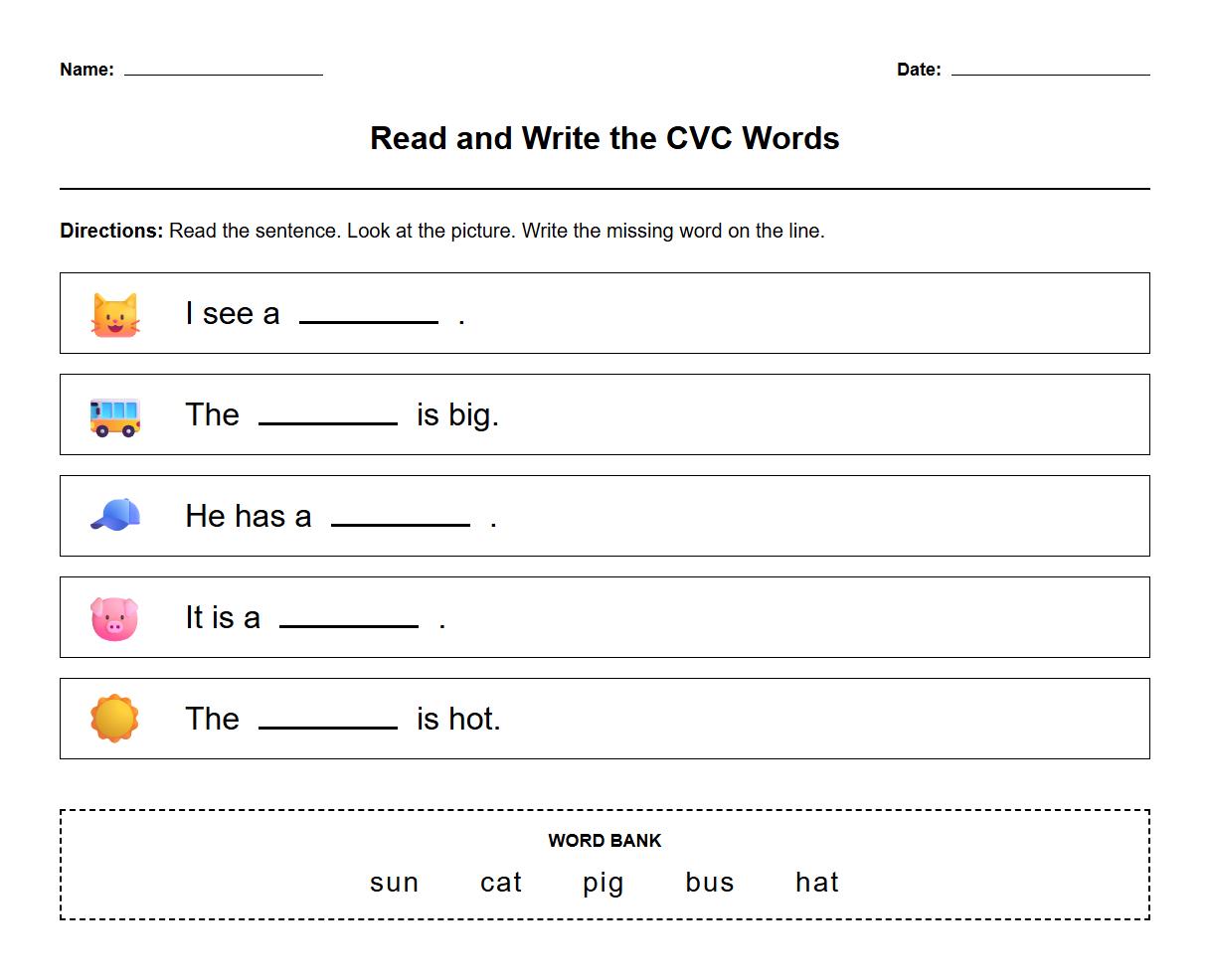
CVC Word Integration with Sight Words

Download PDF     Pin it

Sight Words Fill in the Blank Passages
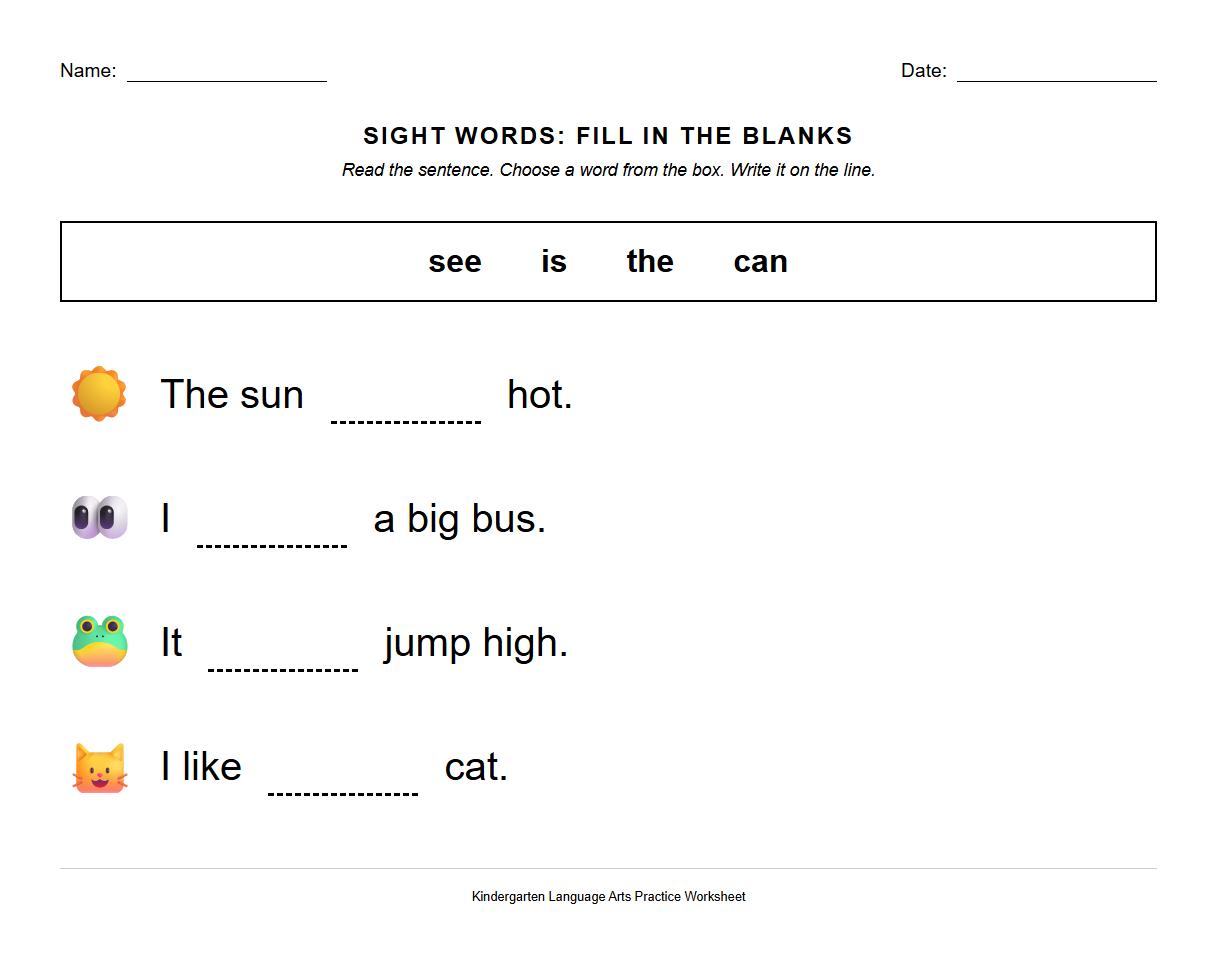
Sight Words Fill in the Blank Passages

Download PDF     Pin it

Visual Discrimination Sight Words Mazes
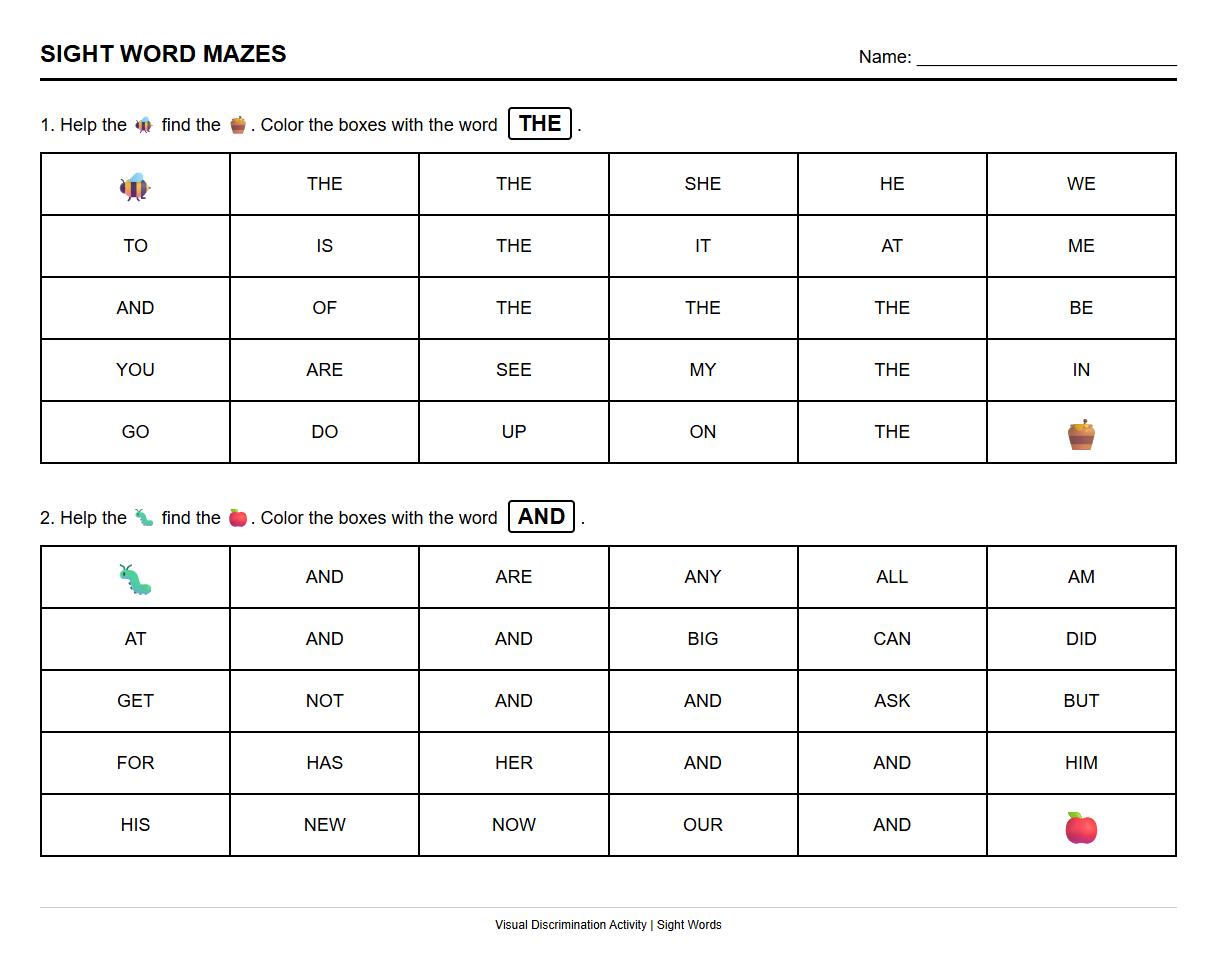
Visual Discrimination Sight Words Mazes

Download PDF     Pin it

Sight Words Matching Games for Vocabulary Retention
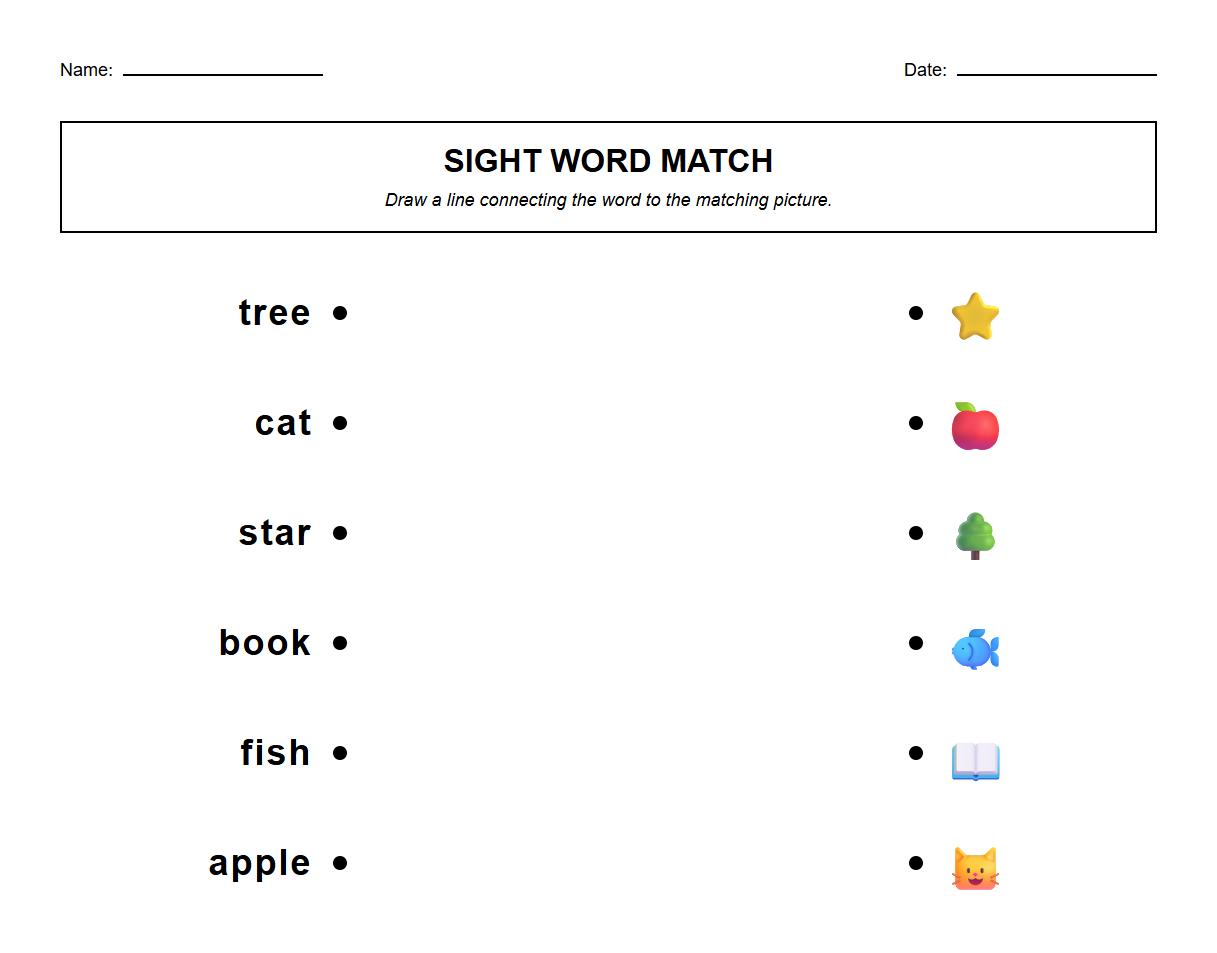
Sight Words Matching Games for Vocabulary Retention

Download PDF     Pin it

Multi Sensory Sight Words Coloring Worksheets
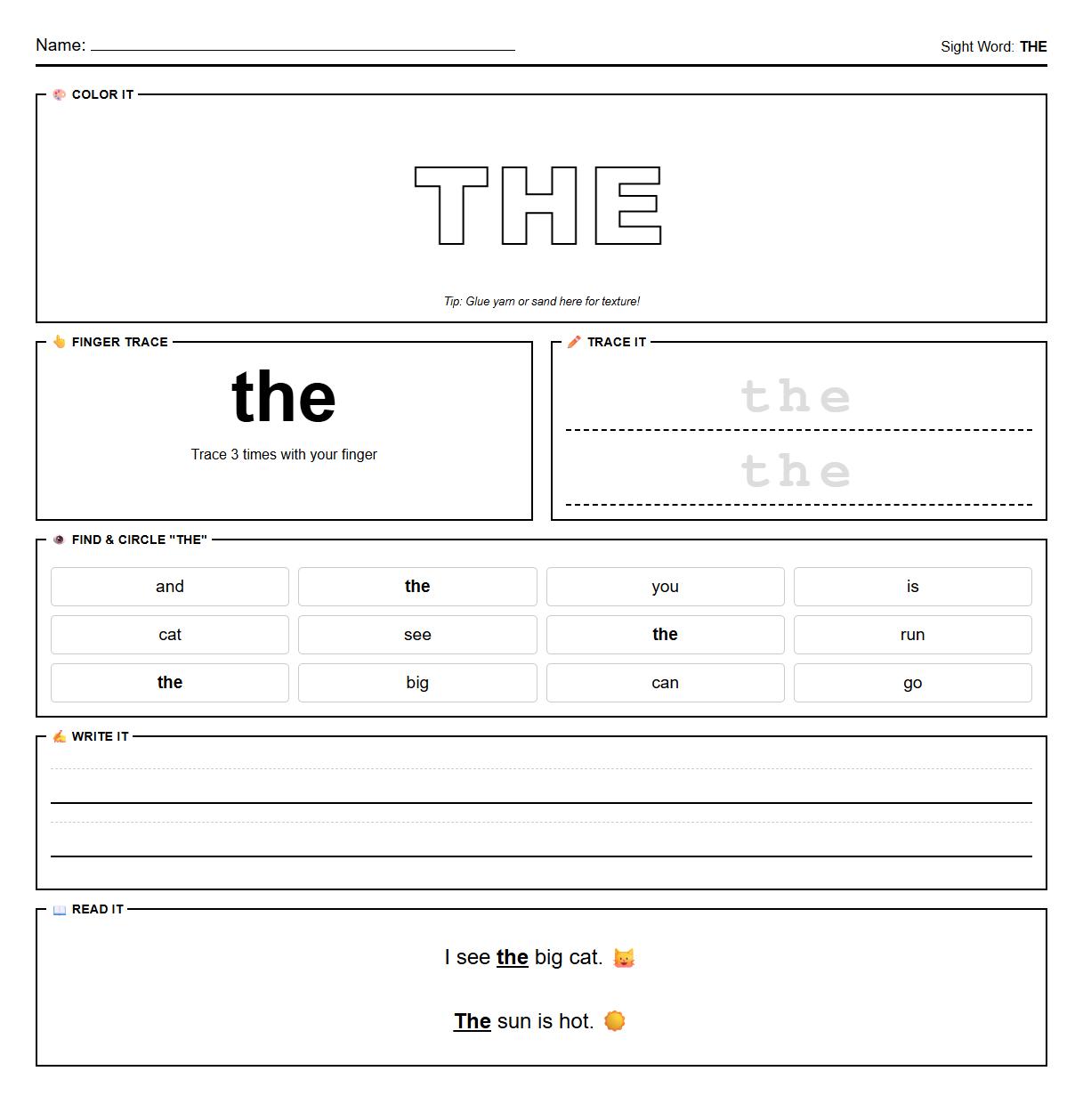
Multi Sensory Sight Words Coloring Worksheets

Download PDF     Pin it

Sight Words Assessment for Reading Fluency Progress
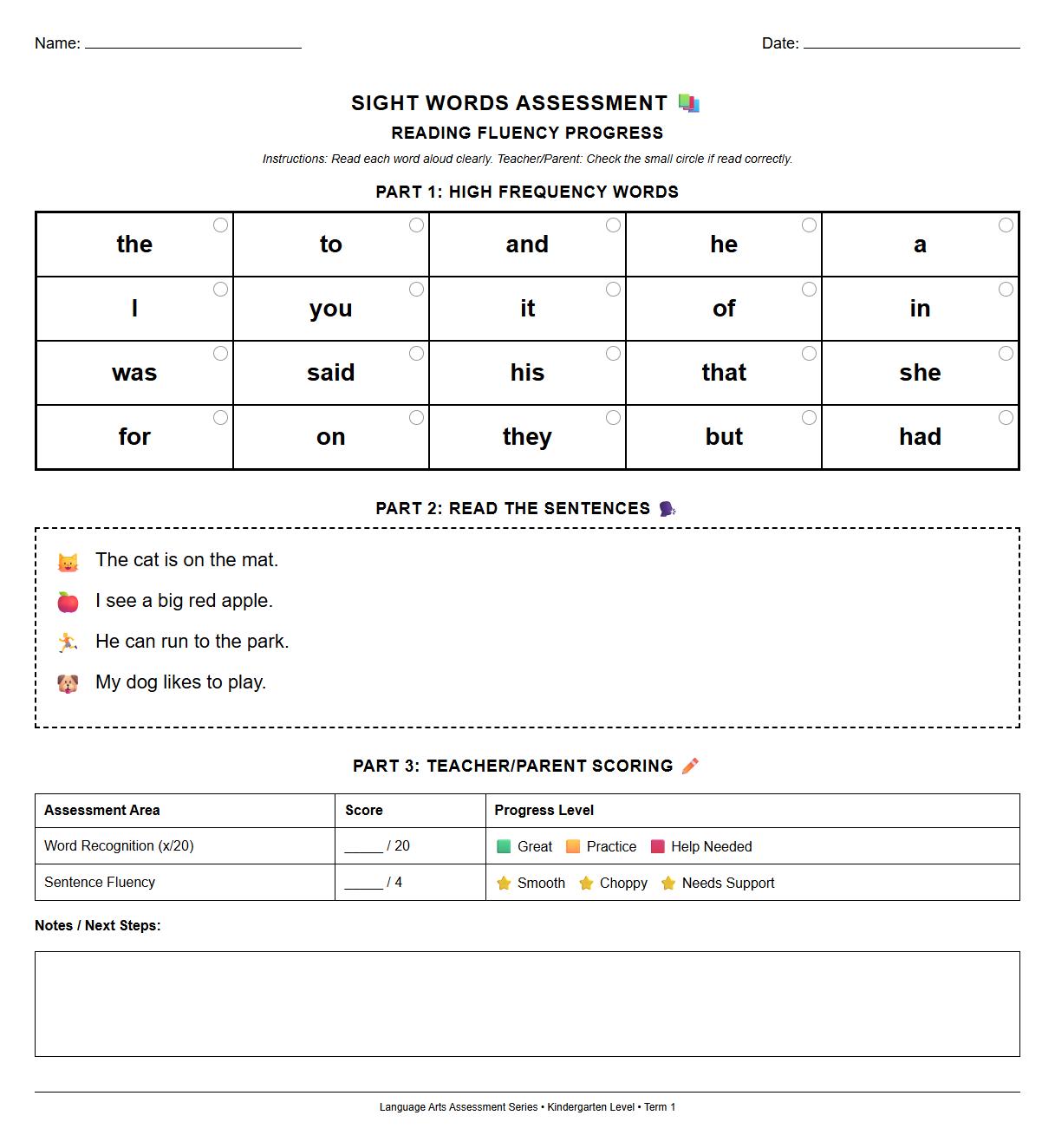
Sight Words Assessment for Reading Fluency Progress

Download PDF     Pin it

What Are Sight Words and Why Are They Important for Early Kindergarten Students?

Sight words are common words that children are encouraged to recognize instantly without needing to sound them out. They form a foundation for reading by allowing young learners to read more smoothly and with confidence. Recognizing sight words quickly helps kindergarten students focus on comprehension rather than decoding every word. This early literacy skill is crucial for building a love of reading.

How Does Practicing Sight Words Improve Reading Fluency in Young Learners?

Regular practice with sight words enhances reading fluency by reducing pauses and hesitation during reading. When children can identify these words automatically, their reading speed and accuracy improve significantly. This fluency improvement leads to better understanding and enjoyment of texts. Consistent sight word recognition also fosters stronger language skills overall.

What Are Some Common Sight Words Included in Early Kindergarten Reading Worksheets?

Early kindergarten sight word lists typically include words like the, and, is, it, to, in, you, he, she, and we. These words are frequent in simple texts and crucial for sentence construction. Worksheets often feature these words in various contexts to reinforce recognition. Including repetition and variety helps solidify mastery of these basic words.

How Often Should Sight Word Worksheets Be Used in a Weekly Classroom Schedule?

Sight word worksheets should be incorporated into daily or at least thrice-weekly classroom routines for optimal results. Frequent, short practice sessions support better retention and engagement. Balancing worksheets with hands-on activities keeps learning dynamic. Consistency is key without overwhelming young learners.

What Activities Can Complement Sight Word Reading Worksheets for Better Engagement?

Interactive activities like flashcards, word hunts, and sight word games enhance worksheet learning by making it fun. Songs and movement-based games can also reinforce memory through multisensory approaches. Pairing worksheets with storytelling or drawing helps connect words to meaning. These varied activities maintain interest and deepen understanding.

How Can Teachers Assess Progress in Sight Word Recognition Among Kindergarteners?

Teachers can use informal assessments such as one-on-one reading sessions or timed flashcard reviews to gauge sight word recognition. Progress checklists help track which words students have mastered. Also, observing students' ability to use sight words in sentences provides insight into comprehension. Regular assessments enable timely support and tailored instruction.

What Strategies Help Children Remember and Use Sight Words in Sentences?

Strategies like using sight words in daily conversations and writing simple sentences boost retention and practical use. Visual aids and word walls support constant exposure and reinforcement. Encouraging children to read and create their own stories with sight words furthers application. Repetition combined with meaningful context strengthens memory.

How Can Parents Support Sight Word Practice at Home?

Parents can support sight word learning by incorporating practice into daily routines, like reading bedtime stories or playing word games together. Creating a positive, pressure-free environment encourages motivation. Using flashcards and pointing out sight words in everyday contexts helps with recognition. Consistent, short practice sessions are most effective at home.

What Are Signs That a Student Needs Extra Help with Sight Word Fluency?

Students who struggle to recognize common sight words after repeated practice or hesitate frequently during reading may need additional support. Difficulty in using sight words correctly in speaking and writing also signals challenges. A lack of progress despite consistent instruction warrants intervention. Early identification ensures timely assistance to build confidence.

How Can Technology Be Incorporated in Teaching Sight Words to Early Learners?

Technology offers interactive apps and games that make sight word practice engaging and personalized for young learners. Digital flashcards and animated stories provide varied and adaptive learning experiences. Technology also allows for tracking progress and immediate feedback. Integrating devices thoughtfully complements traditional methods for enhanced skill building.


More in Language Arts Category


About the author. Nylen Smith is a dedicated educator and cofounder of KWorksheet.com, a popular platform specializing in high-quality kindergarten worksheets and printable activities.

Disclaimer. The information provided in this document is for general informational purposes and/or document sample only and is not guaranteed to be factually right or complete. Please report to us via contact-us page if you find and error in this page, thanks.

Comments

No comment yet