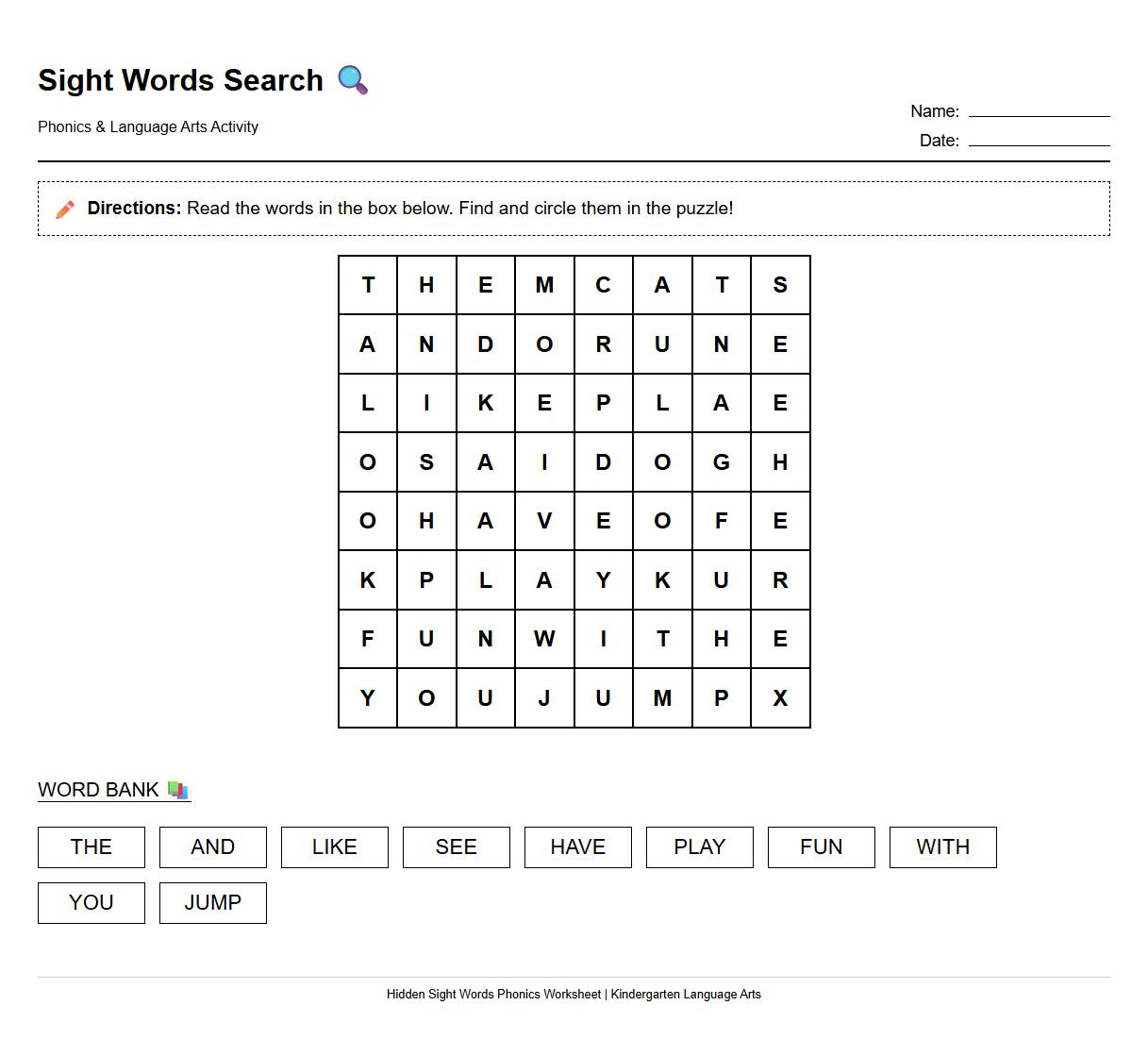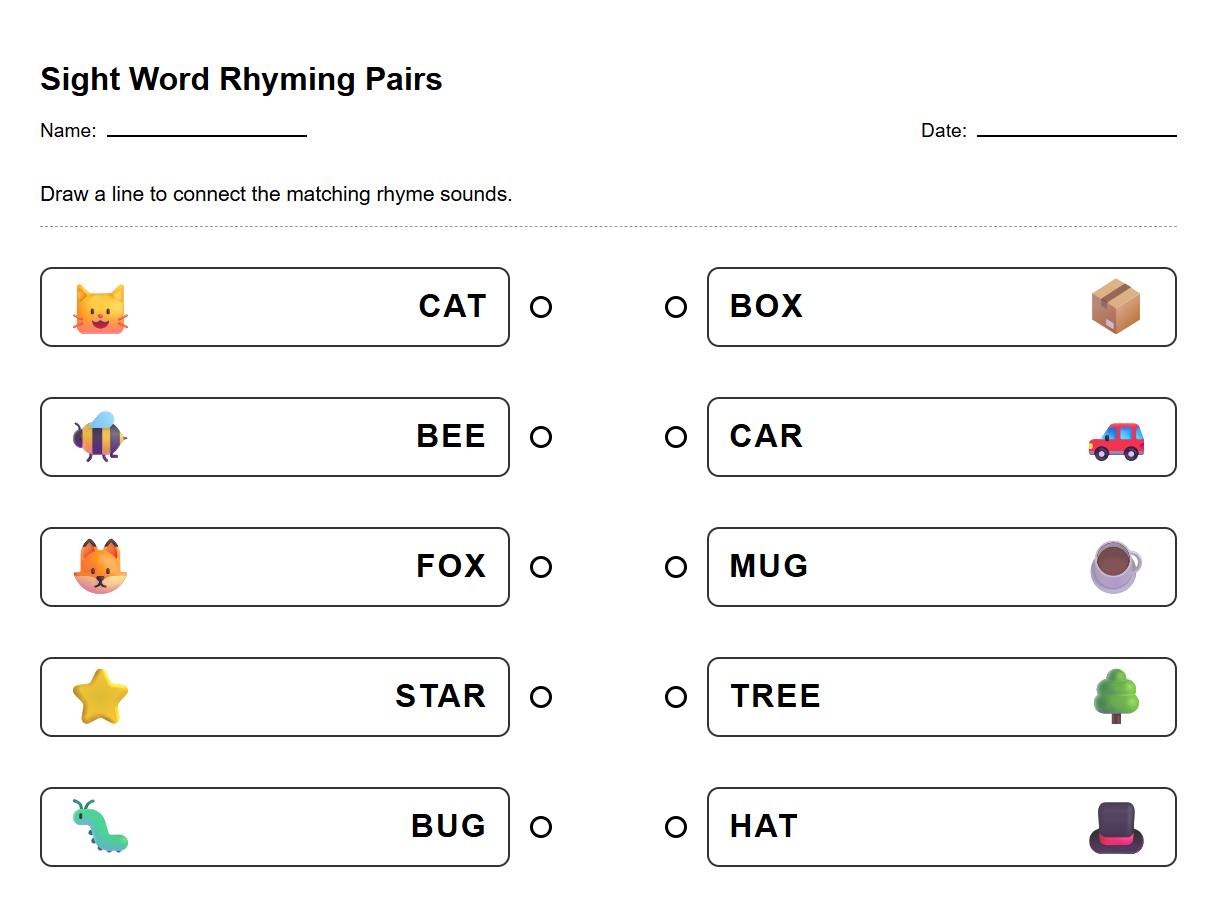
Sight words form the foundation of early reading skills, enabling kindergarten students to recognize common words effortlessly and improve fluency. Phonics worksheet activities reinforce these words by combining sound-letter relationships with visual recognition for effective learning. Explore our collection of engaging sight words phonics worksheets to support your child's literacy development.
Common Sight Words Used in Kindergarten Phonics Worksheets
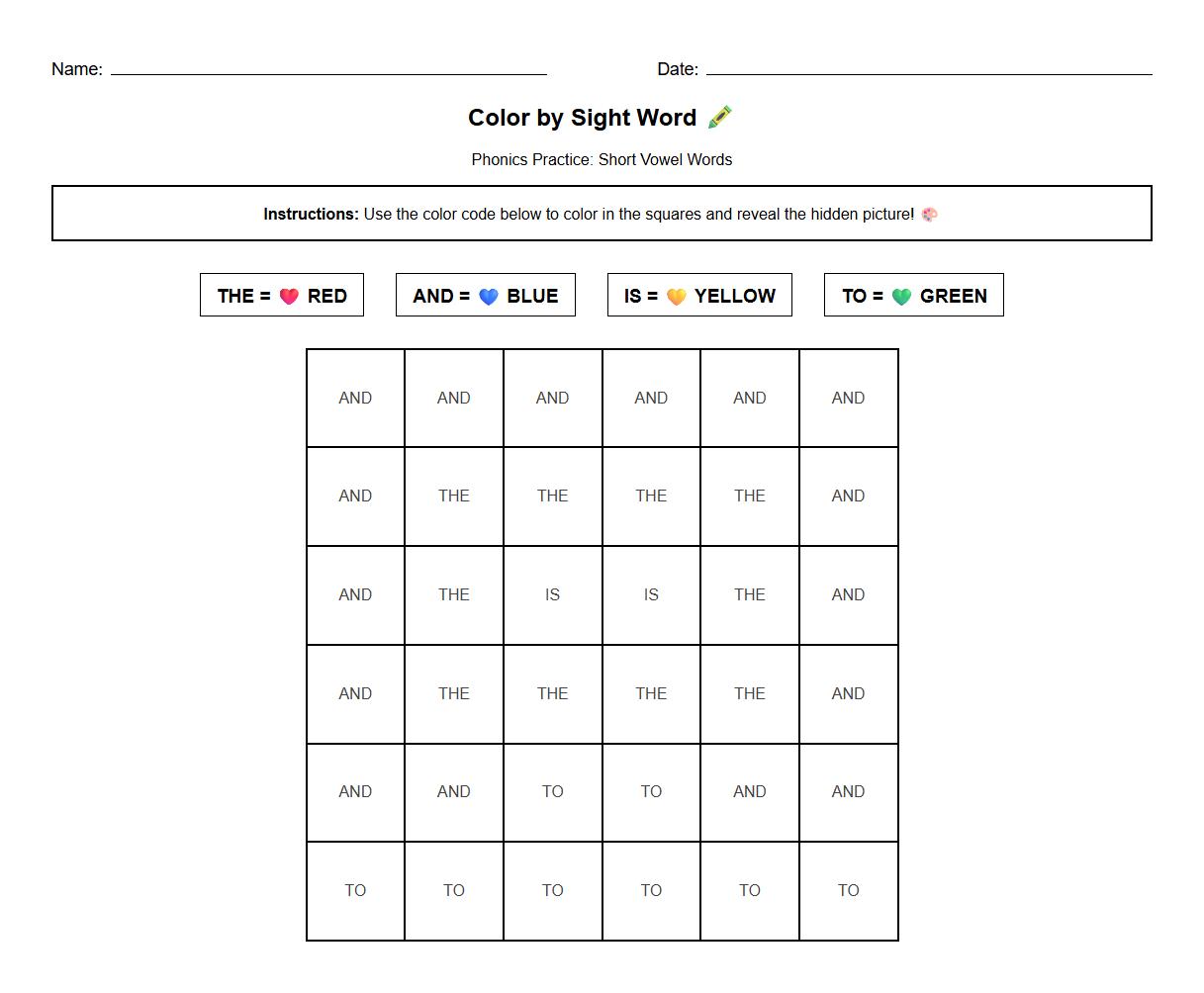
Kindergarten phonics worksheets typically include high-frequency sight words such as "the," "and," "is," "it," "you," and "can." These words are essential for building early reading fluency. Including words from the Dolch sight word list helps ensure children recognize words critical for comprehension. Repetition of these words supports memory retention and reading confidence.
How Teachers Can Make Sight Word Practice Engaging for Young Learners
Teachers can use interactive games, songs, and hands-on activities to keep sight word practice lively and entertaining. Incorporating movement, such as hopping to word cards or using multisensory techniques, engages different learning styles. Visual aids and colorful materials also capture children's attention. Positive reinforcement encourages persistence and enjoyment during practice.
Activities That Help Reinforce Phonics Skills in Kindergarten
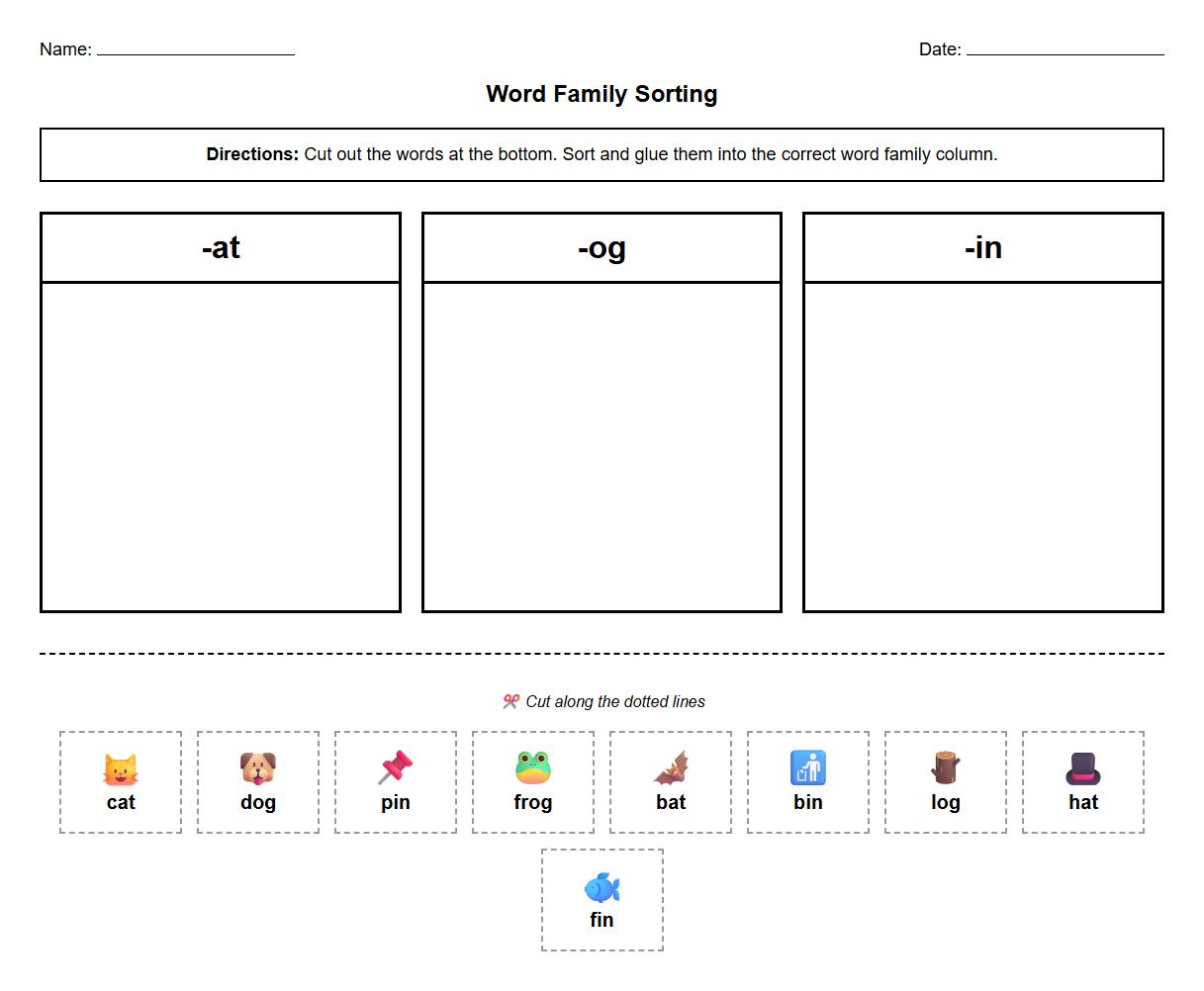
Phonics skills are reinforced with activities like letter-sound matching, blending games, and word sorting. Using flashcards, magnetic letters, and simple decoding exercises helps build foundational skills. Storytime featuring repetitive phonics patterns supports practical application. Consistent practice with varied, fun activities promotes strong phonemic awareness.
How Often Sight Words Should Be Introduced in a Weekly Lesson Plan
Sight words should be introduced gradually, usually 3-5 new words per week, to avoid overwhelming students. Revisiting previously learned words each day ensures mastery and retention. Spacing word practice within short, daily sessions supports consistent learning. This paced introduction helps build a solid sight word vocabulary over time.
Effective Ways to Assess Sight Word Recognition in Kindergarten
Teachers can assess sight word recognition through quick, informal one-on-one screenings and sight word flashcard drills. Tracking daily reading and writing tasks helps monitor progress. Using checklists and simple quizzes ensures comprehension. Informal assessments guide instructional adjustments for individual learners.
Phonics Games Suitable for Kindergarten Classrooms
Games like "Word Bingo," "Memory Match," and "Phonics Hopscotch" are ideal for kindergarten classrooms. These games build phonemic awareness while making learning interactive and enjoyable. Incorporating cooperative play helps develop social skills alongside phonics. Simple, adaptable games maintain engagement and reinforce skills effectively.
How Sight Word Worksheets Support Early Reading Development
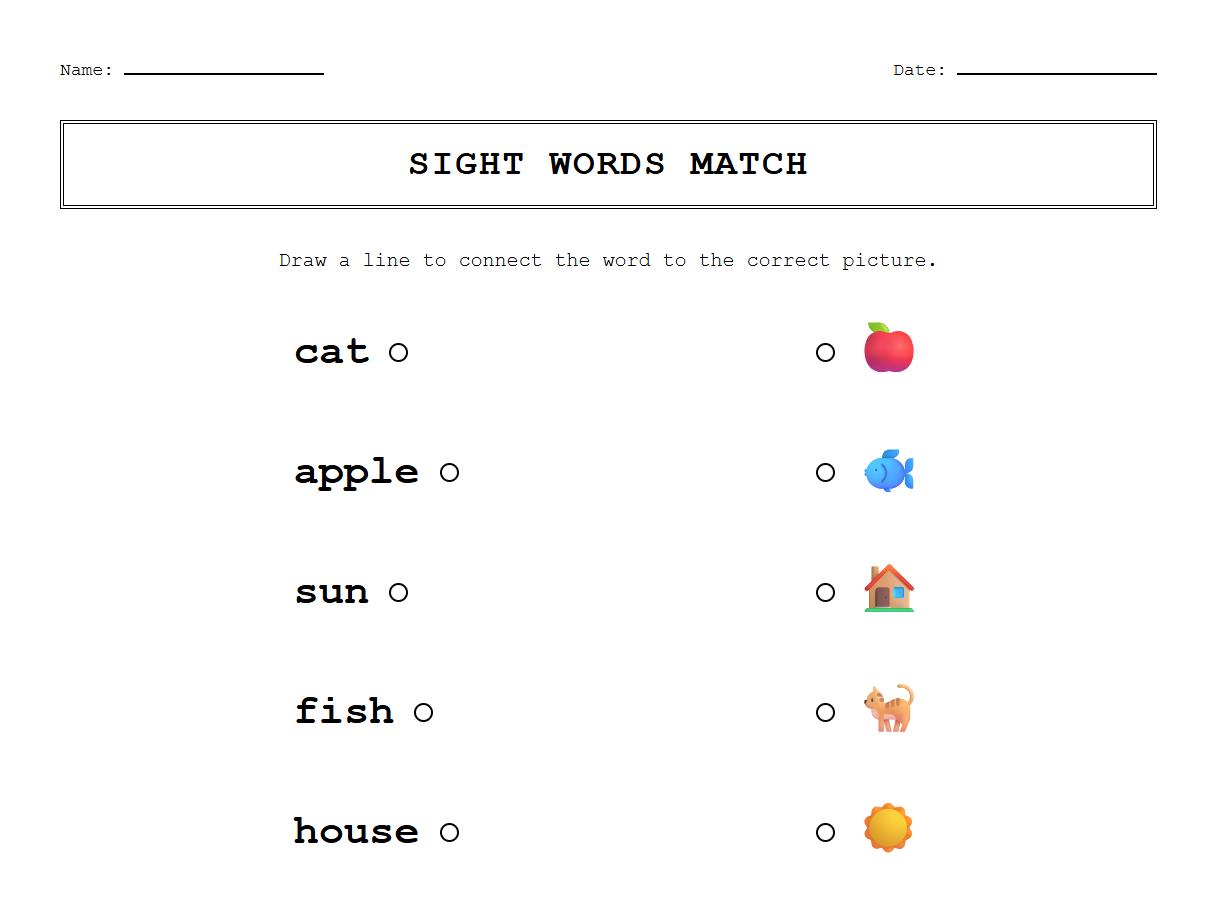
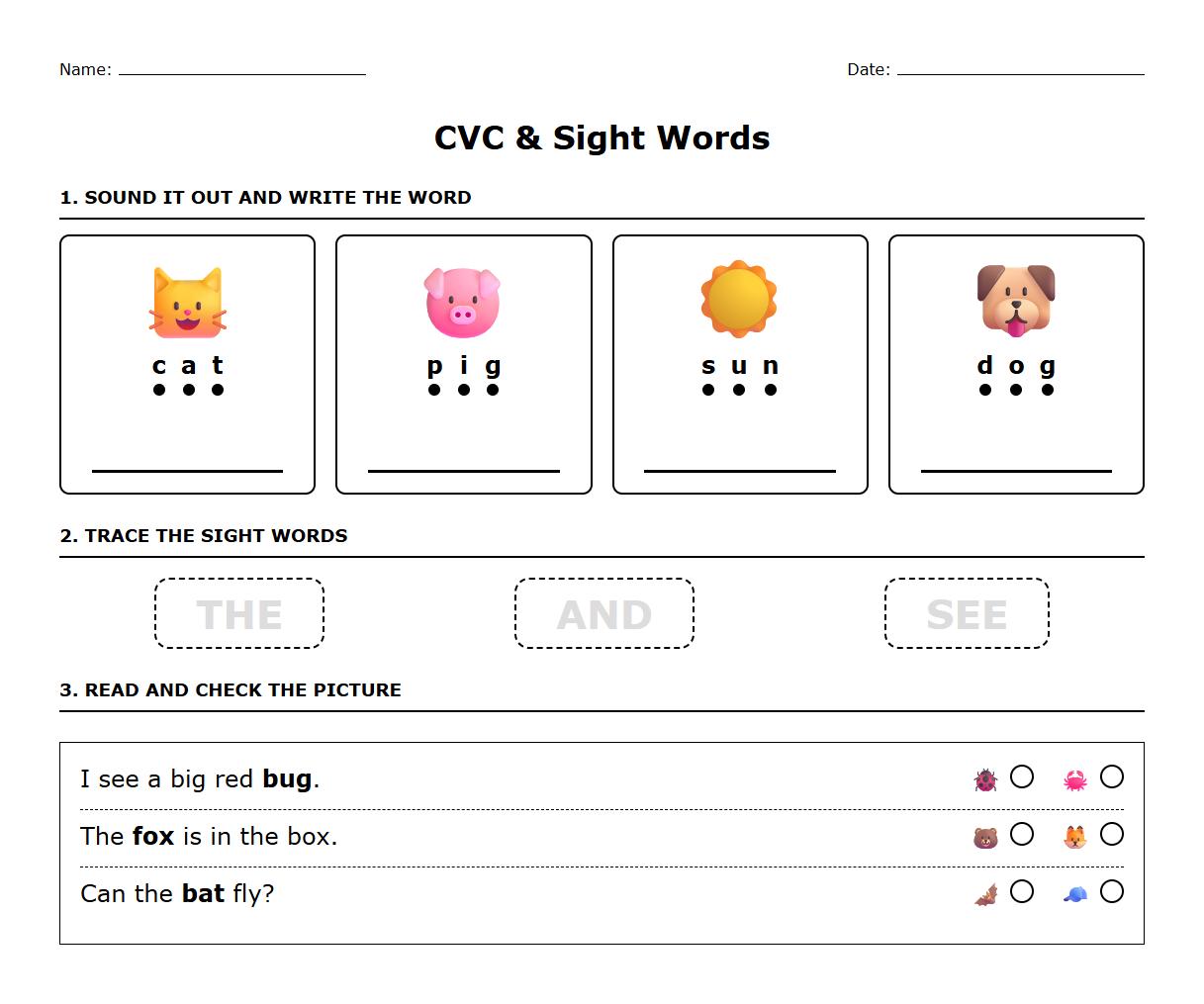
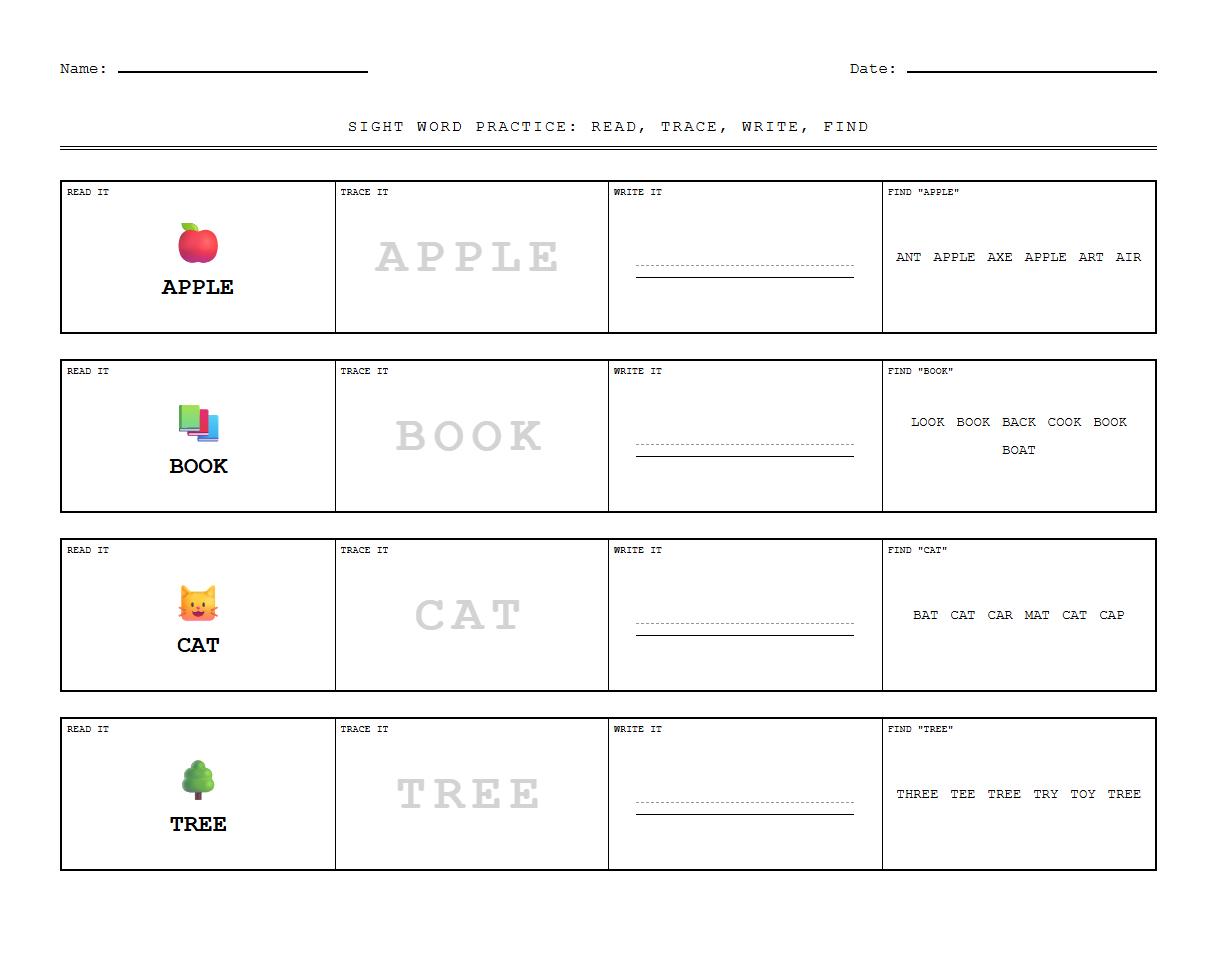
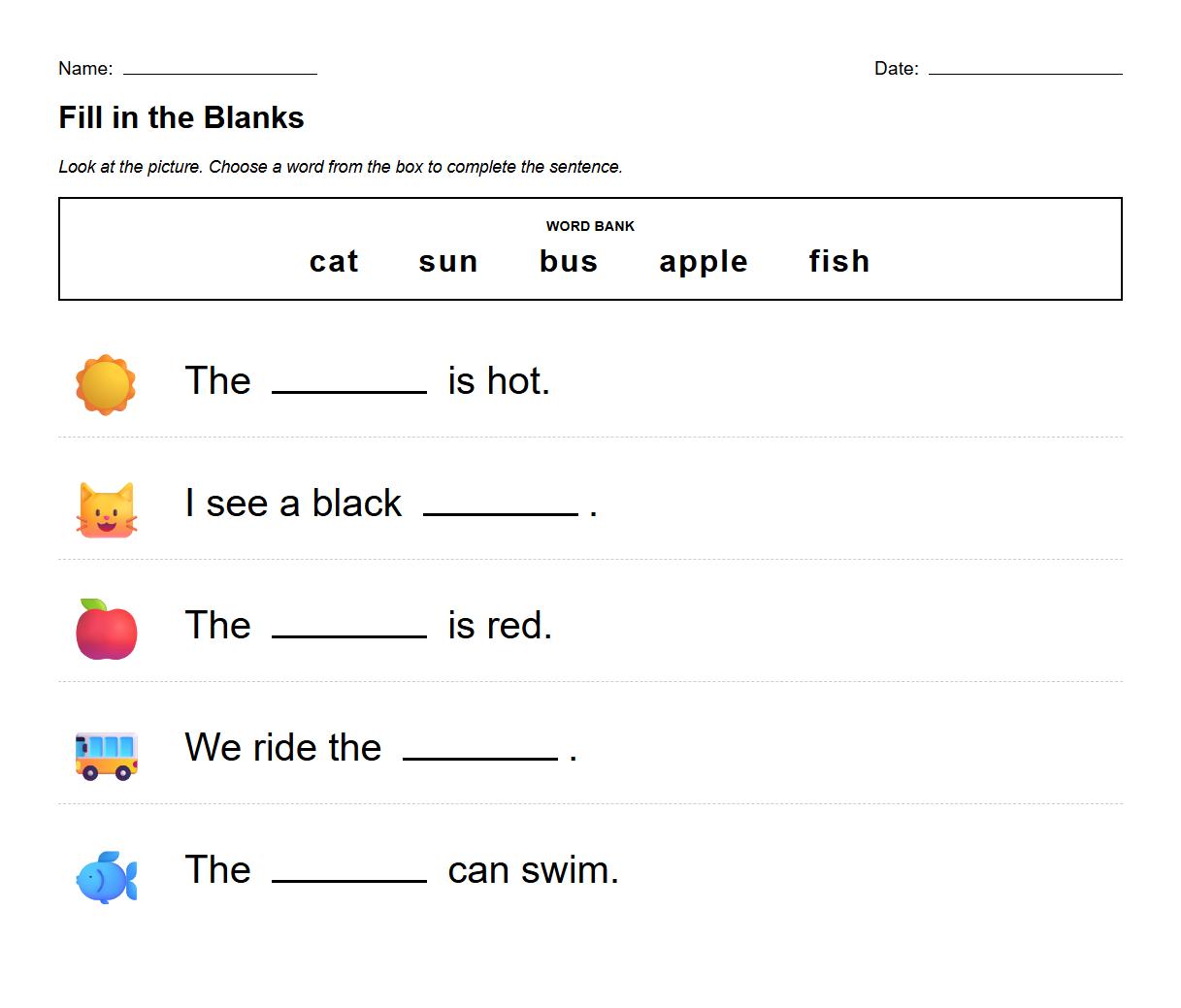
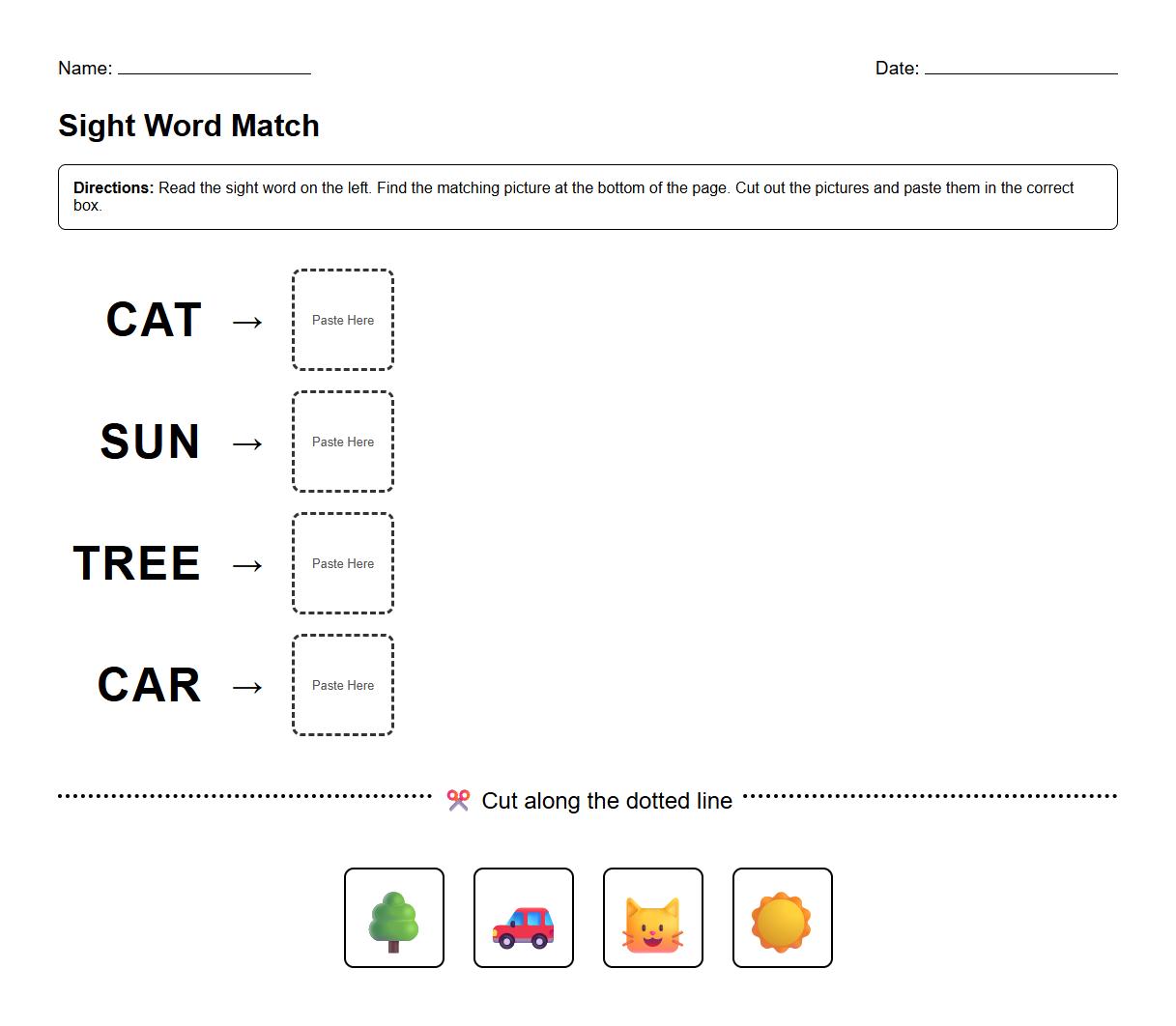
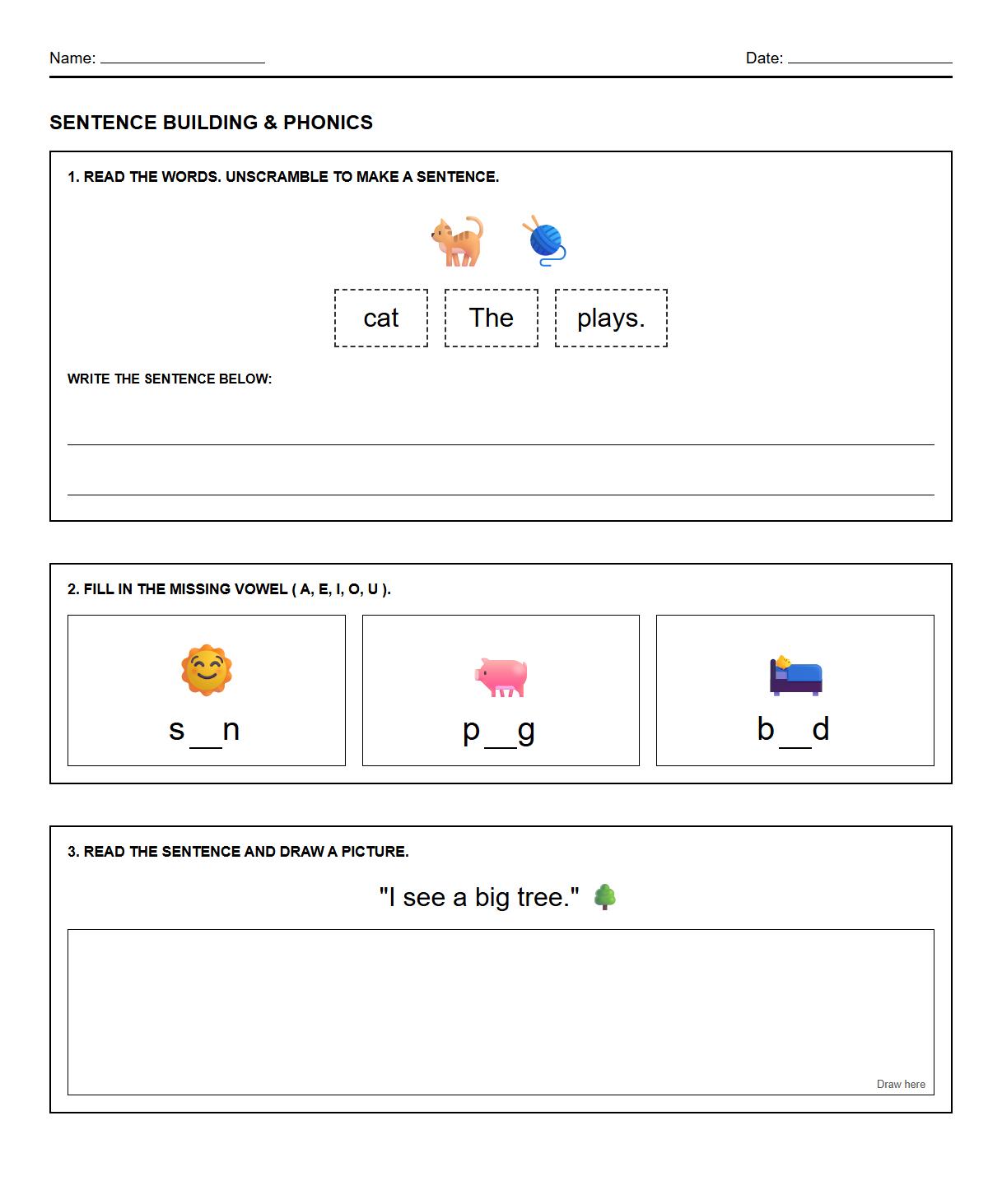
Sight word worksheets provide structured practice that strengthens word recognition and reading fluency. They help children become familiar with common words in multiple contexts. Worksheets with tracing, matching, and fill-in-the-blank exercises promote active learning. This repeated exposure aids in quicker comprehension and independent reading.
Materials Needed for Interactive Sight Word Activities
Interactive sight word activities require materials like flashcards, magnetic letters, word cards, and manipulatives. Whiteboards, markers, and tactile tools such as sand trays or playdough enhance sensory learning. Using digital tablets or apps can add a technological element. These resources support varied learning modalities and keep children engaged.
How Teachers Differentiate Phonics Instruction for Various Learning Levels
Teachers differentiate phonics instruction by tailoring activities to meet individual student needs, offering leveled reading materials and varied practice tasks. Small group instruction targets specific skill gaps, while enrichment challenges advanced learners. Using assessment data helps strategize appropriate supports. Flexibility and responsiveness ensure all children progress effectively.
Digital Resources That Enhance Sight Word and Phonics Learning in Kindergarten
Digital resources like educational apps, interactive ebooks, and online games provide engaging platforms for sight word and phonics practice. Platforms such as ABCmouse, Starfall, and Reading Eggs offer tailored content and progress tracking. These tools promote independent learning and repetition through multimedia. Integrating technology can complement traditional instruction and motivate young learners. For more foundational practice, see this CVC word family sorting activity worksheet bundle.


High-Frequency Words Recognition Worksheet for Early Readers