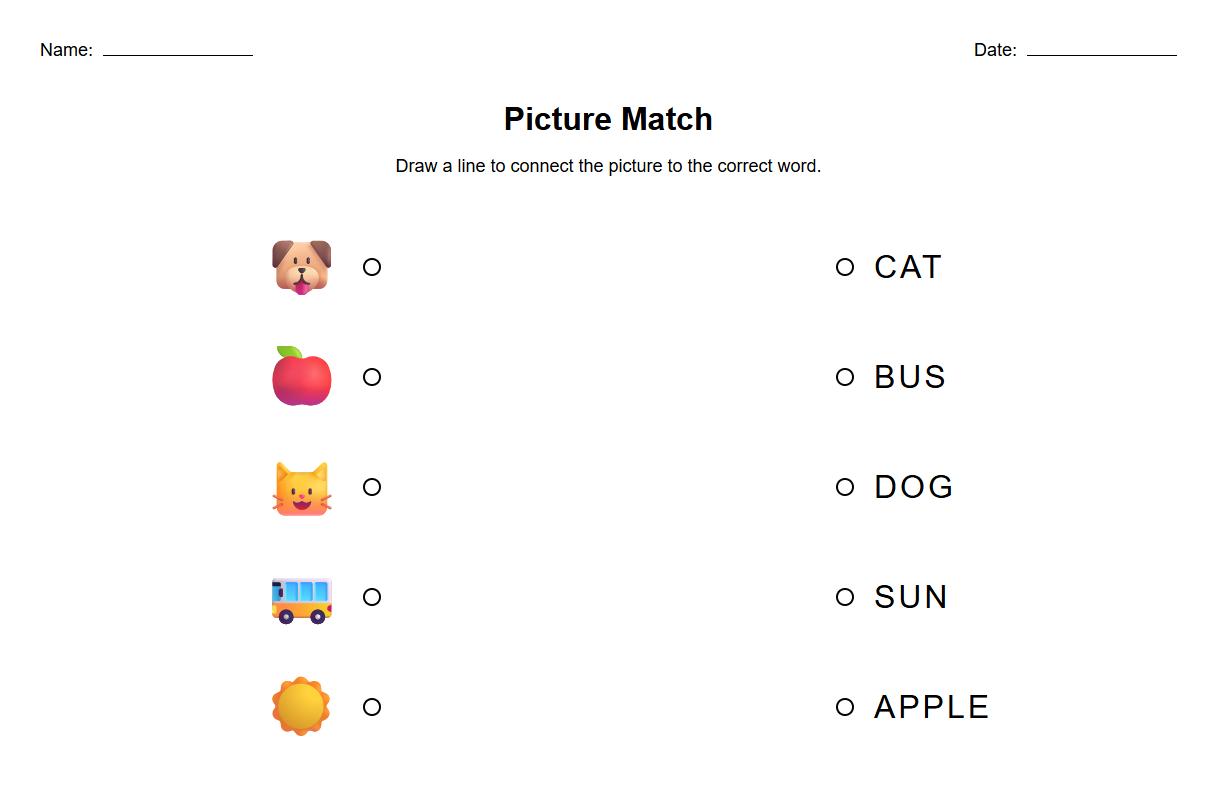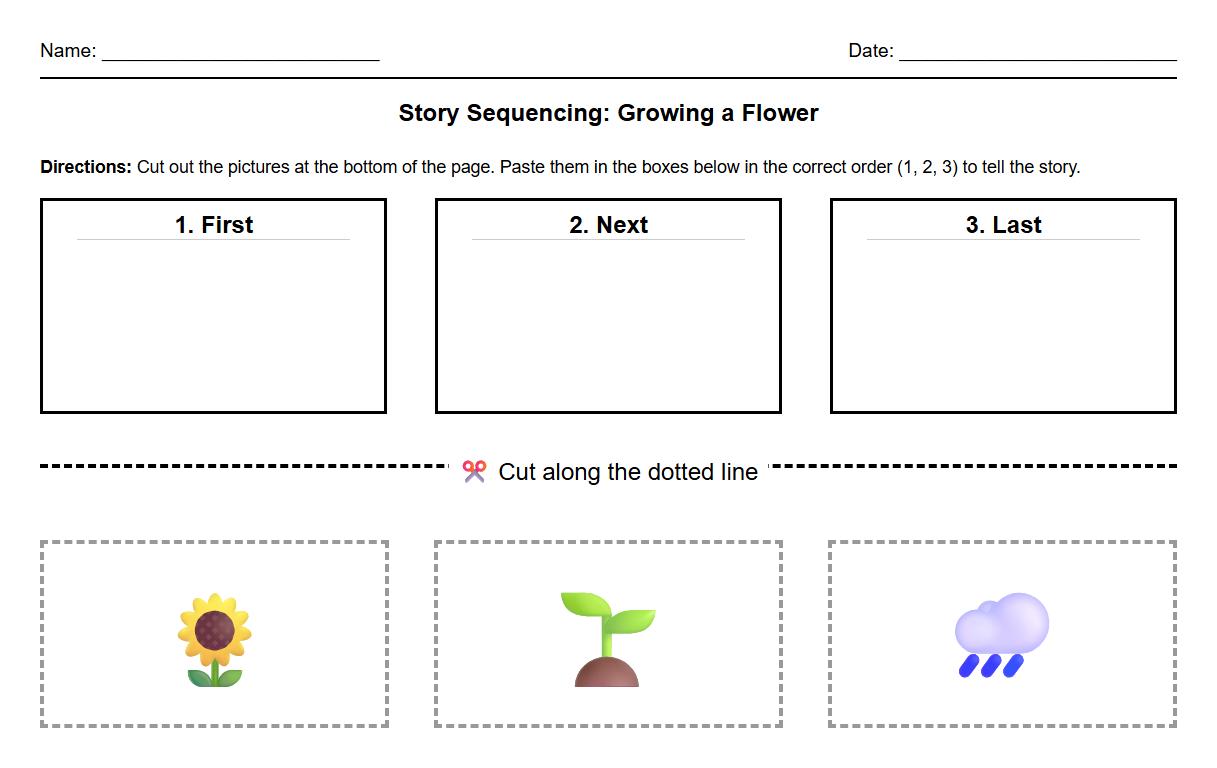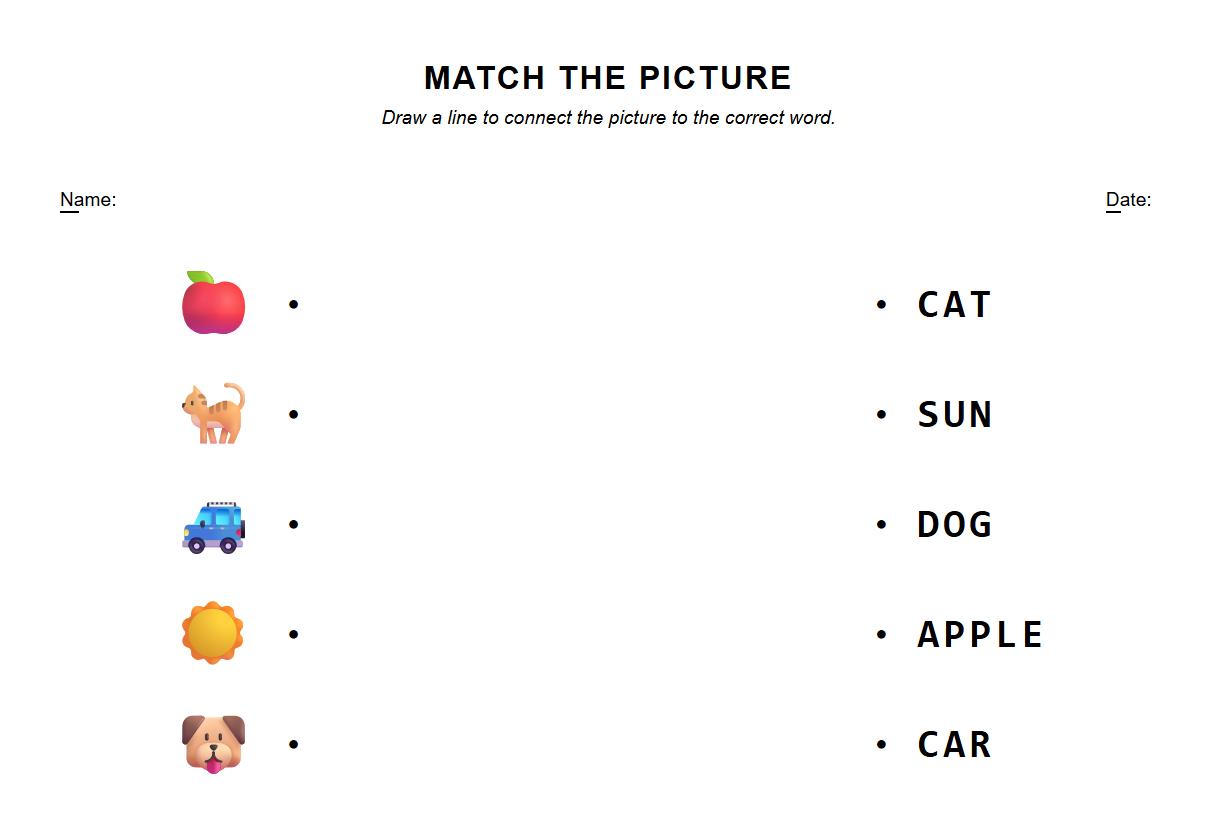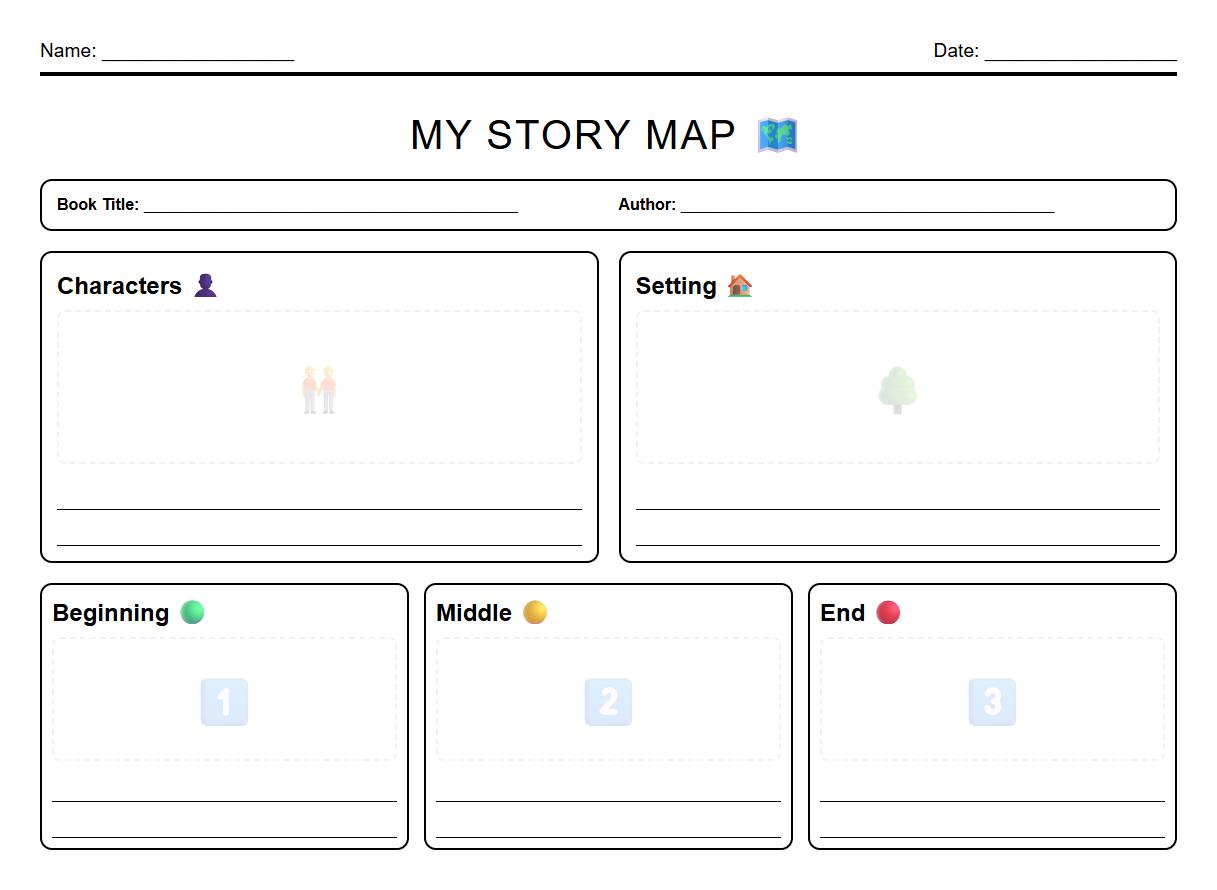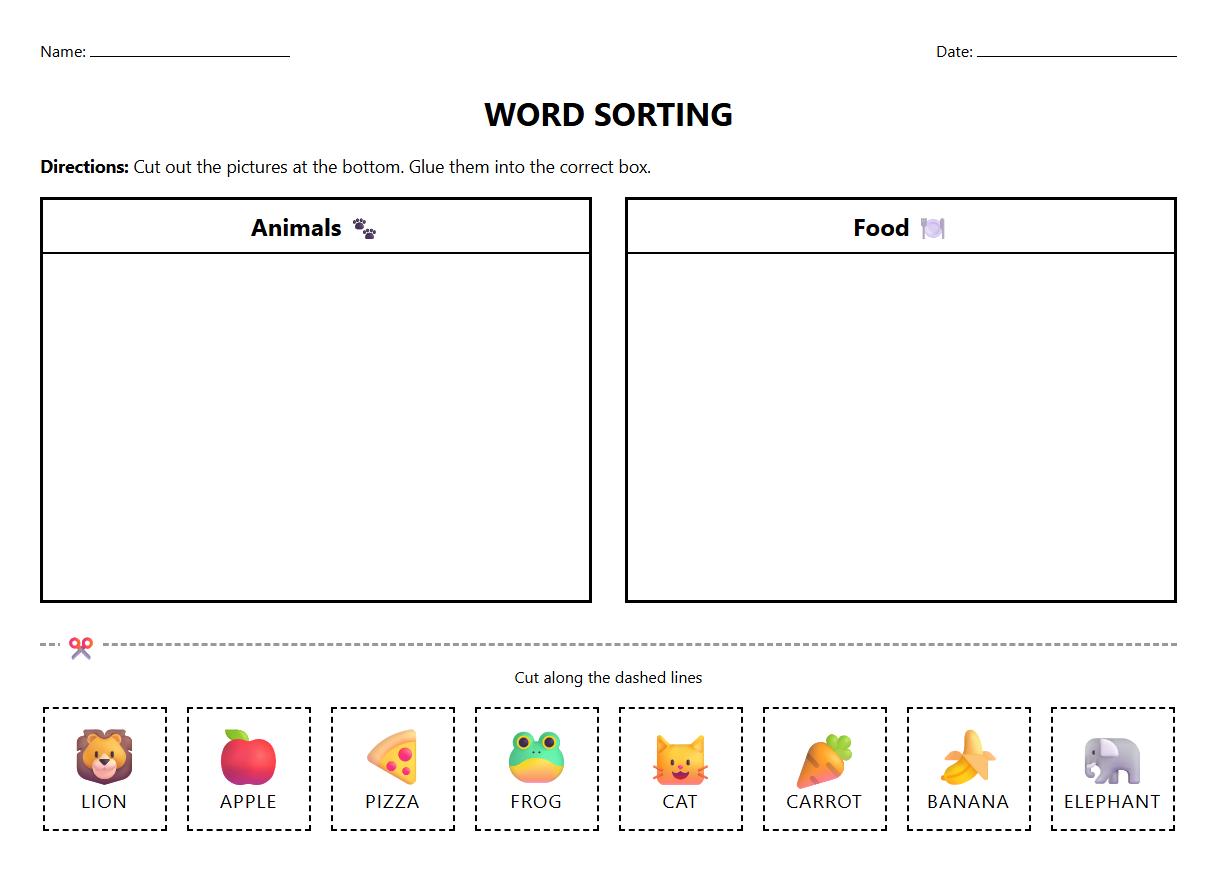
Kindergarten students enhance their language development through engaging vocabulary exercises that build word recognition and comprehension skills. Story sequencing activities foster logical thinking by helping young learners understand the order of events and improve narrative abilities. Explore our diverse collection of worksheets designed to support early literacy growth.
Understanding the Word "Giggle"
The word "giggle" means to laugh in a light, silly way. In our story, characters might giggle when something funny happens. It shows happiness and fun feelings. Encourage children to laugh gently like a giggle. Try exploring more about early literacy activities related to expressive words.
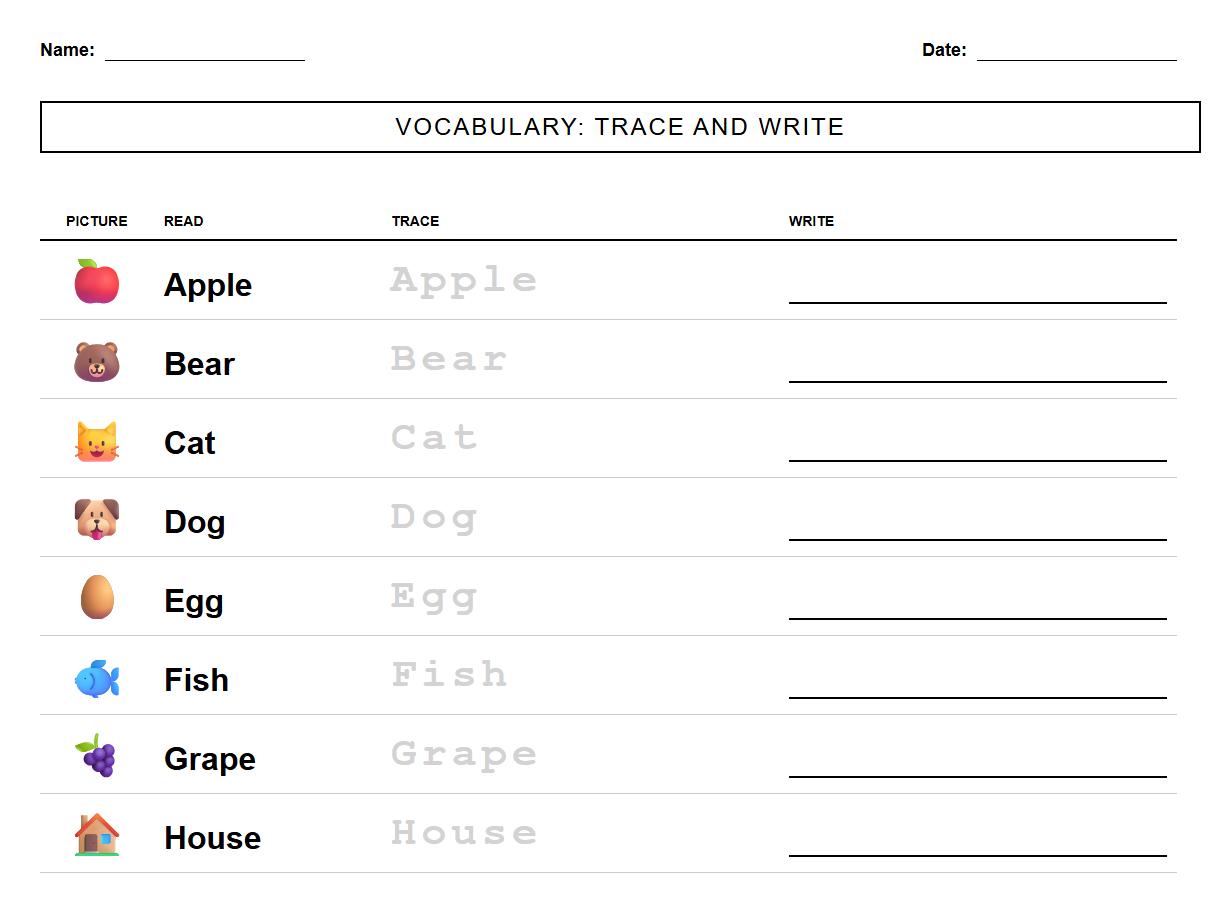
Locating the Picture of a "Duck"
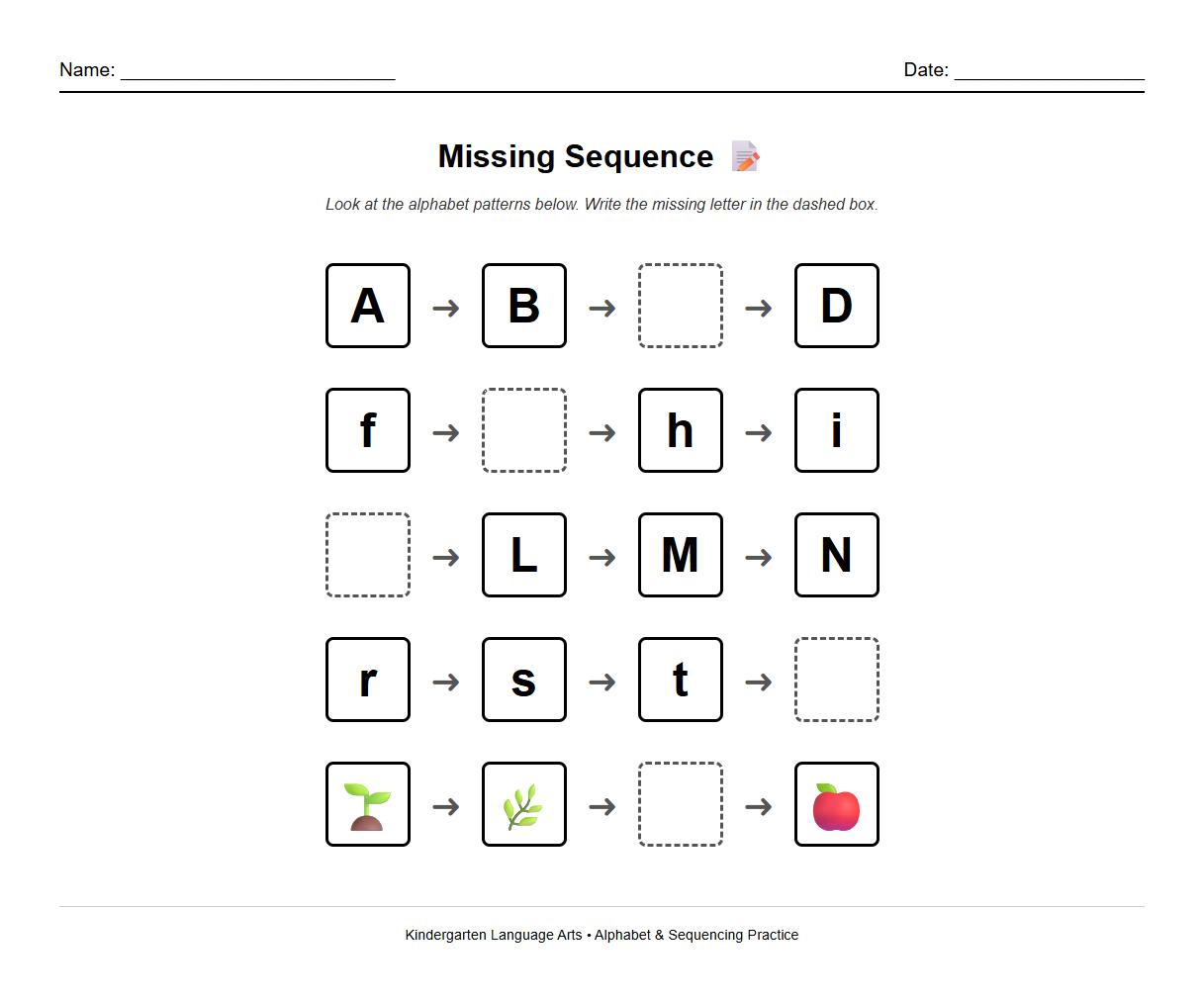
Ask children to find the "duck" in the illustrations. The duck usually has a bill, webbed feet, and quacks. Pointing to the picture helps connect words with images. This activity builds vocabulary and observation skills, as demonstrated in this alphabet recognition and tracing worksheet.
Identifying Rhyming Words
From the word list, find the word that rhymes with "cat". Good rhymes are words like "hat" or "bat." Rhyming helps children hear similar sounds at the end of words. Practice with rhymes increases phonemic awareness in word families.
Sequence of Events in the Story
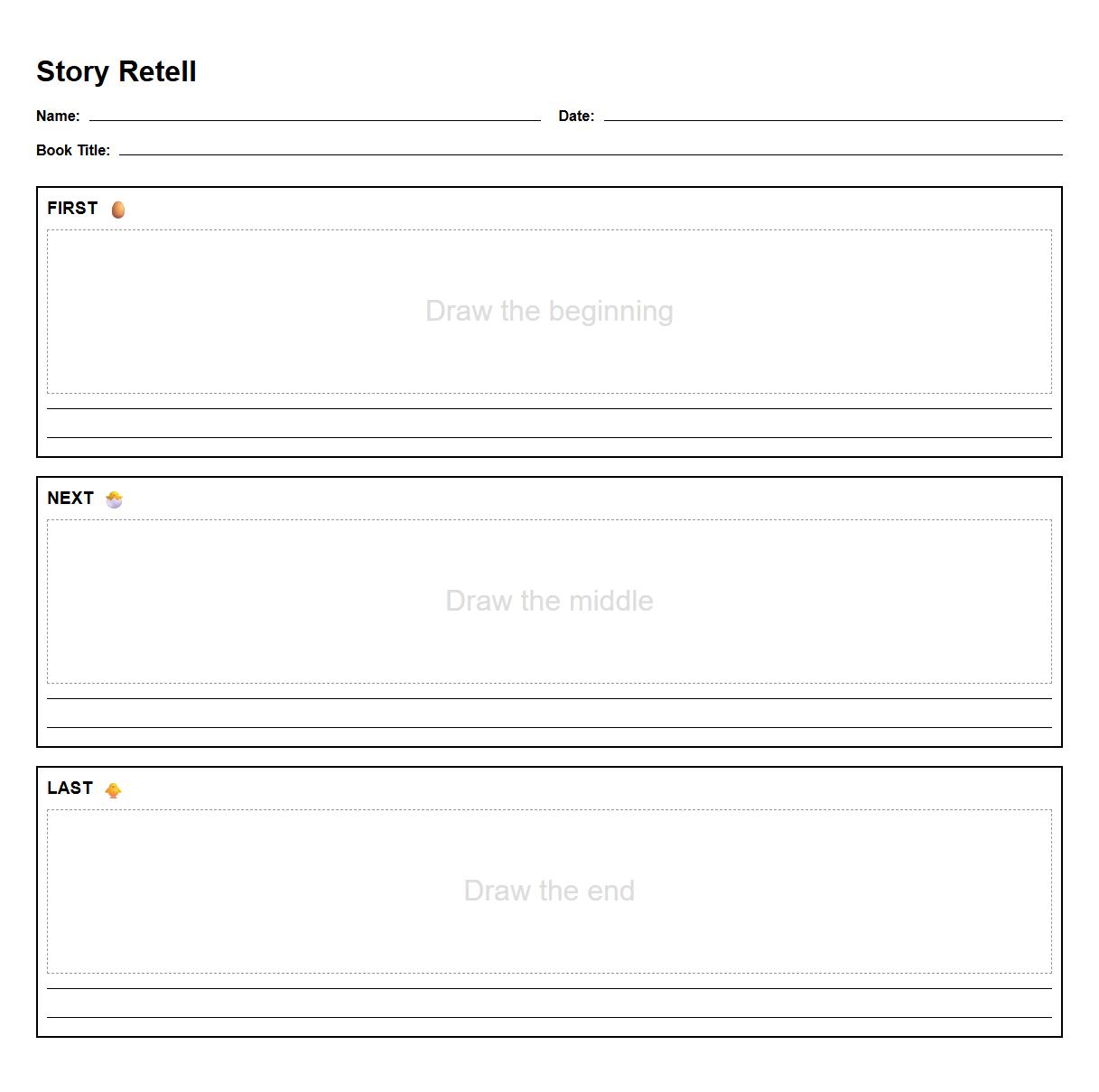
Ask: "Who does something first, the boy finding a ball or playing with the dog?" Understanding the order of actions helps with story comprehension. This teaches children to follow narratives logically. Encourage retelling the sequence in their own words, just like in comprehensive literacy activities for young learners.
Main Characters in the Story
Identify the main characters together, such as the boy, girl, or any animals. Knowing characters helps children connect emotionally with the story. It also supports discussion about different roles. Use names and pictures for easy recognition, as seen in worksheets for recognizing words and characters.
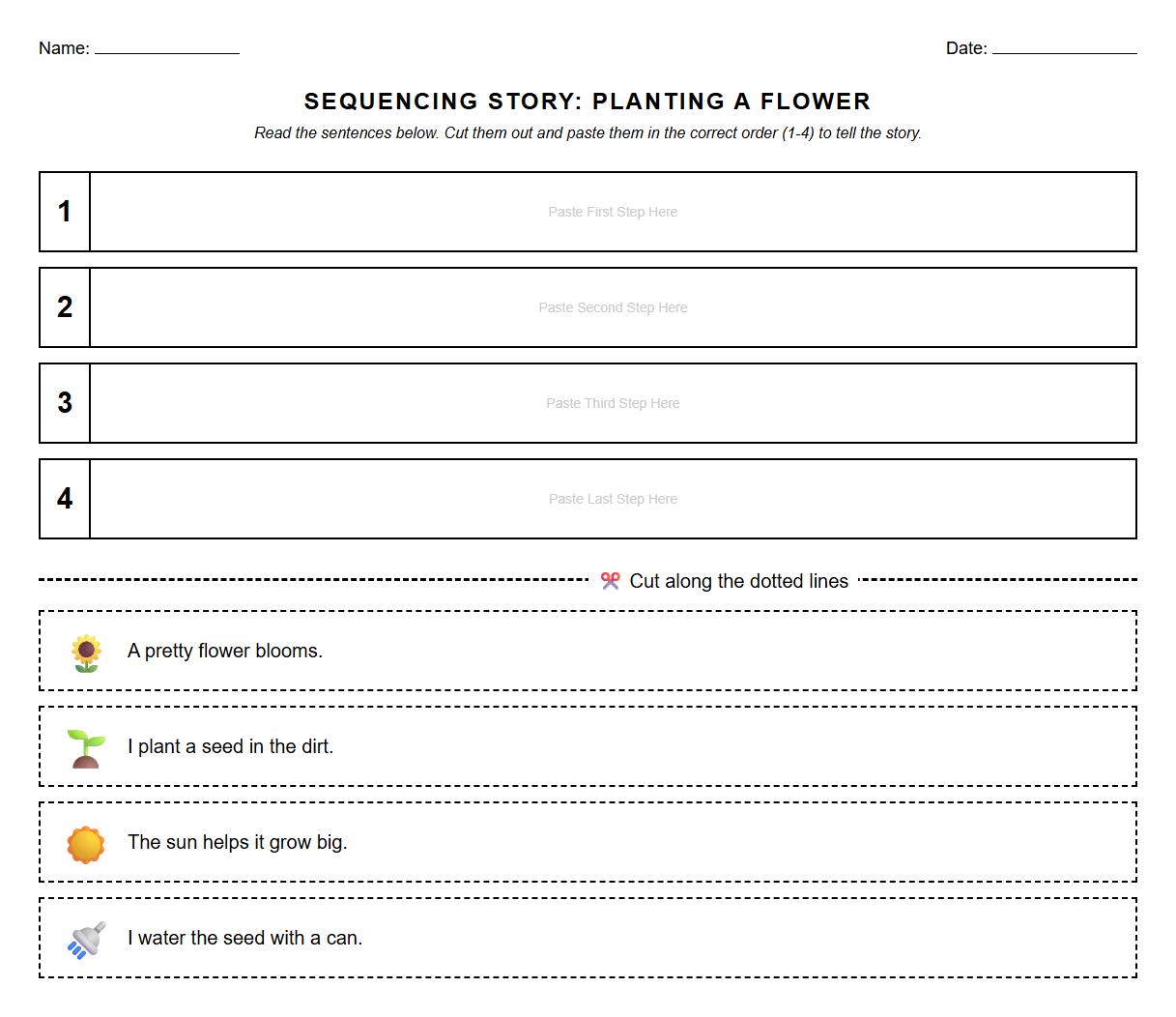
What Happens After Planting a Seed?
Discuss the next event after the girl plants a seed, like the growth of a plant or flower. This shows cause and effect in the story. Understanding these connections improves comprehension. Highlight changes and development in the plot using resources such as phonics-based activities.
Finding the Picture for "Jump"
Ask children to find the image representing the word "jump". Look for a character with both feet off the ground or mid-air motion. Matching actions with words reinforces vocabulary meaning. Use this to build word-image associations, as practiced in consonant blends activities.
Describing the Cake's Taste
Listen for words that describe how the cake tastes, like sweet or yummy. Sensory words enhance the story experience. Encourage children to share their own taste words too. This builds descriptive language skills. More ideas are available in phonics practice worksheets.
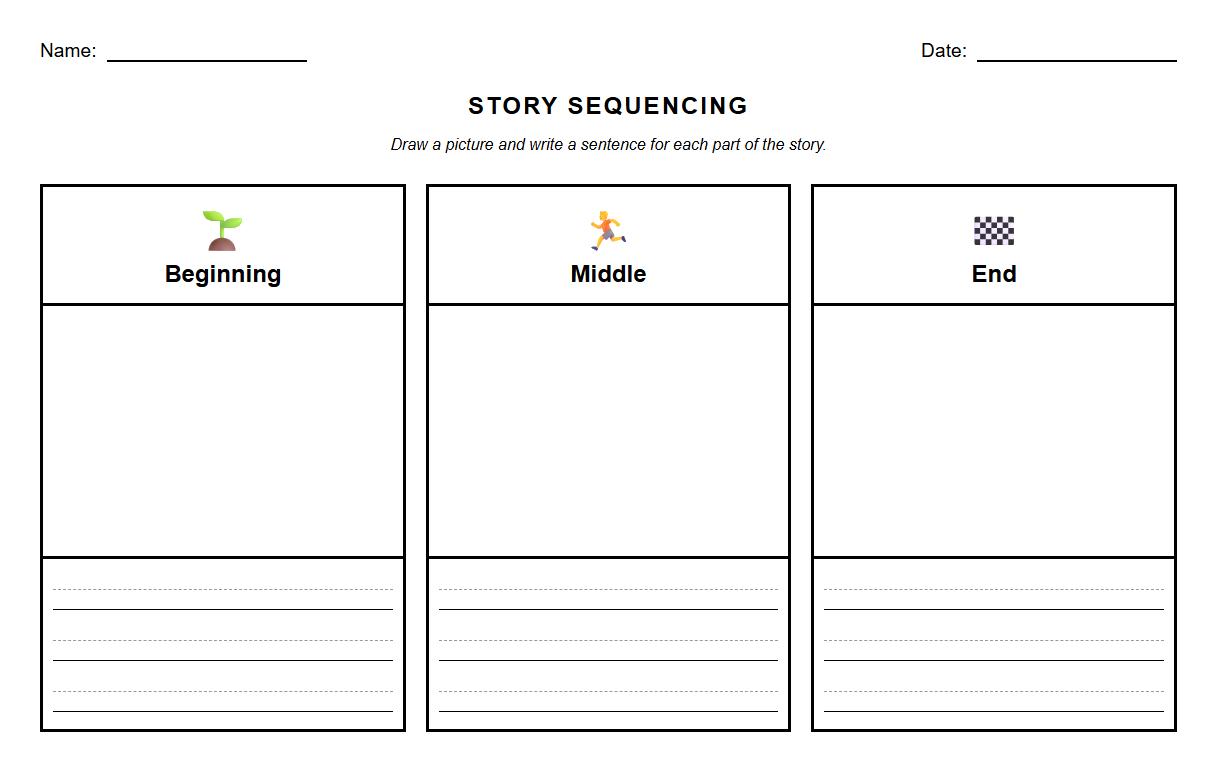
Events at the End of the Story
Talk about what happens last, such as characters celebrating or a problem being solved. The ending wraps up the story's message. Summarizing encourages comprehension and recall. Help children express the story's conclusion clearly, as in sound association activities.
Ordering the Story Cards
Use the story cards to let children put events in order. This activity enhances understanding of story flow. It also promotes sequencing and memory skills. Encourage discussion about why each event comes next. Practice using story sequencing and sound awareness worksheets.


Developing Sequencing Skills with Reading Comprehension Worksheets