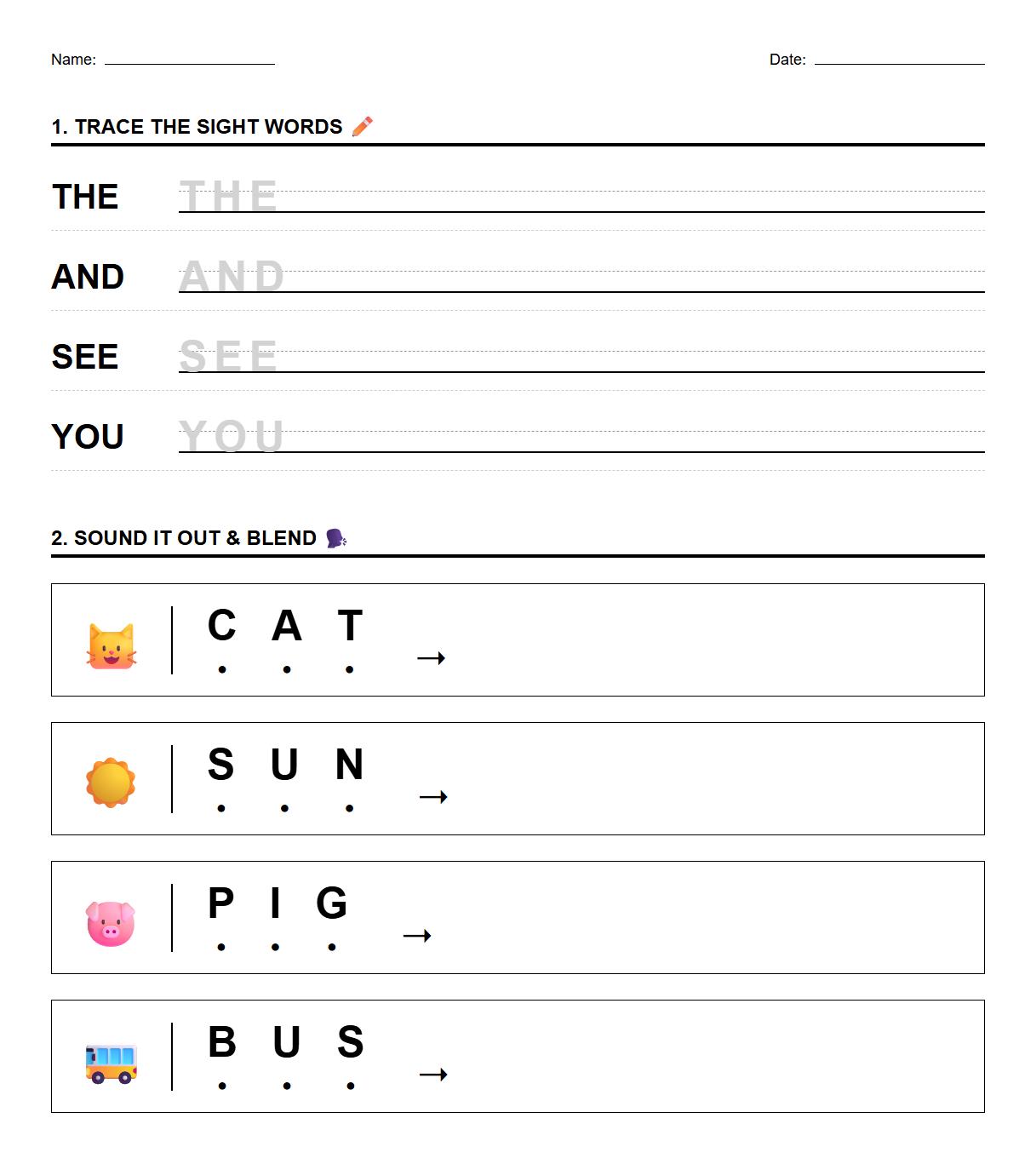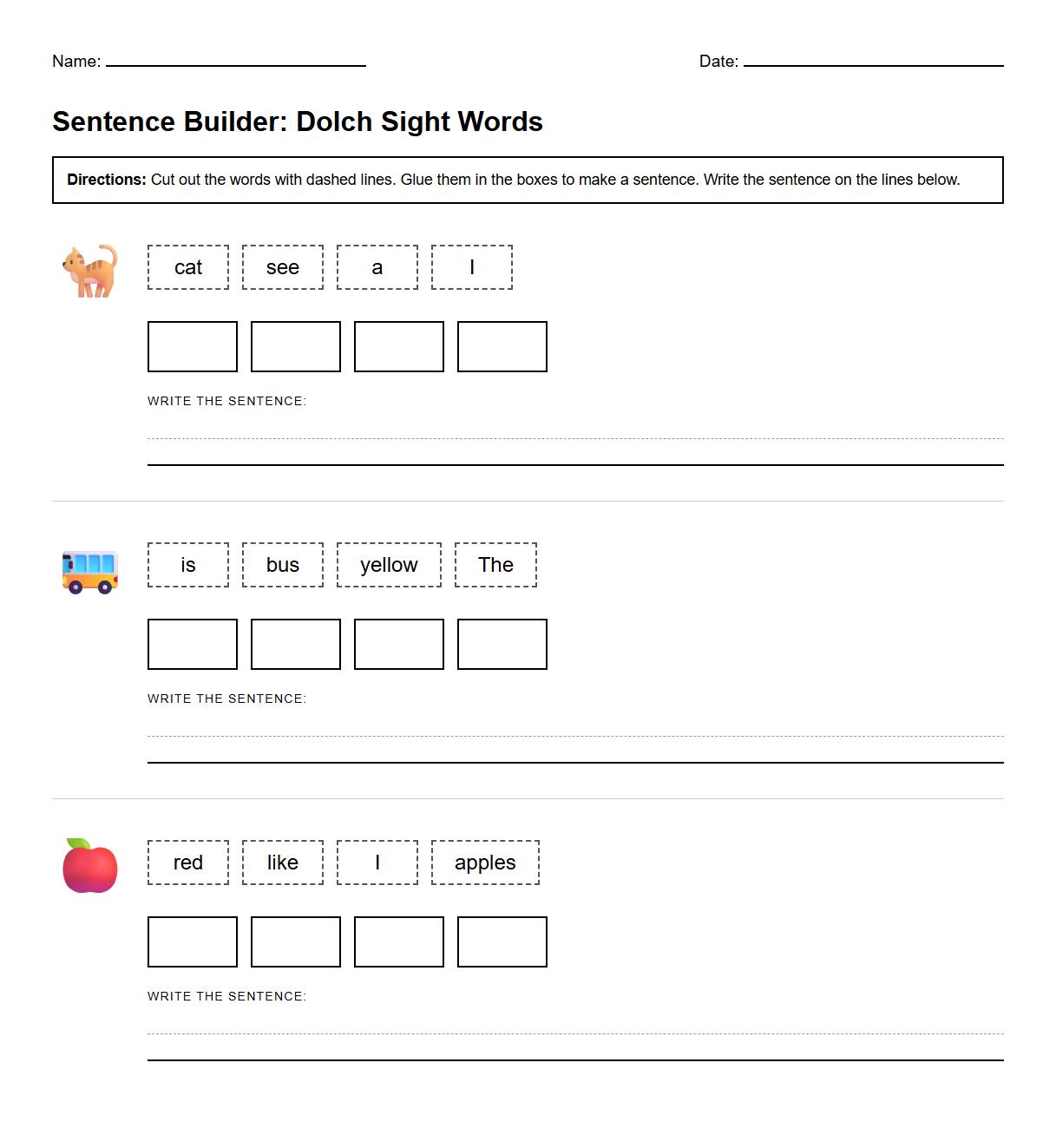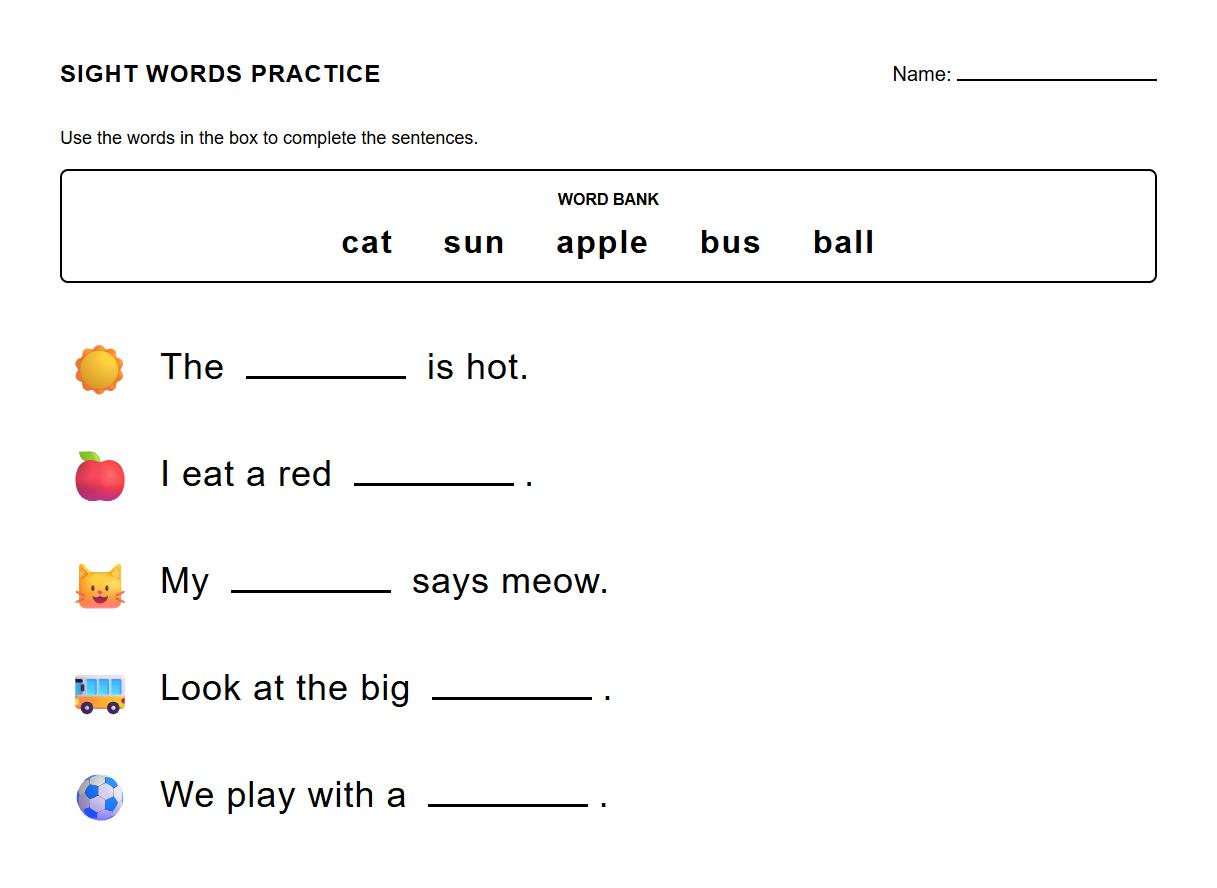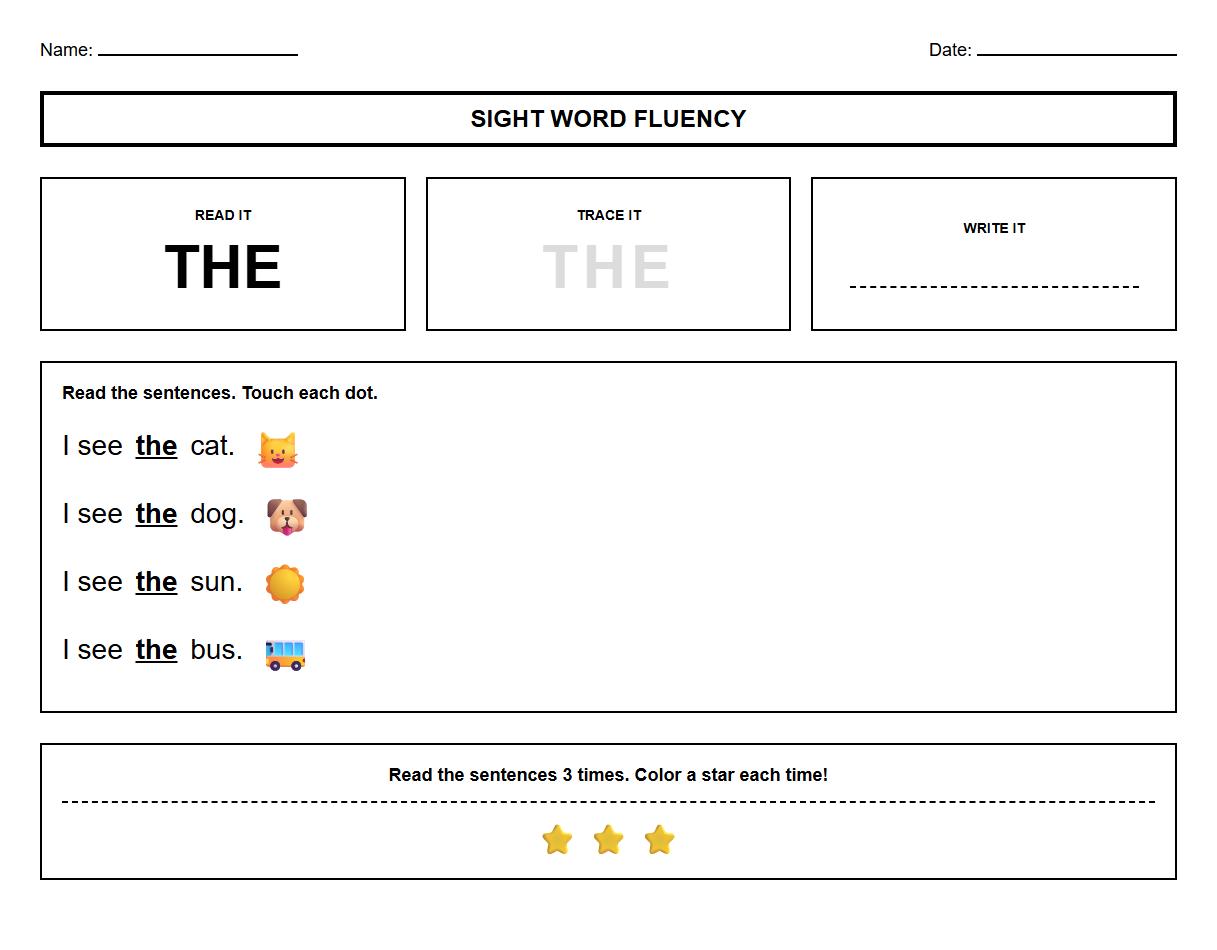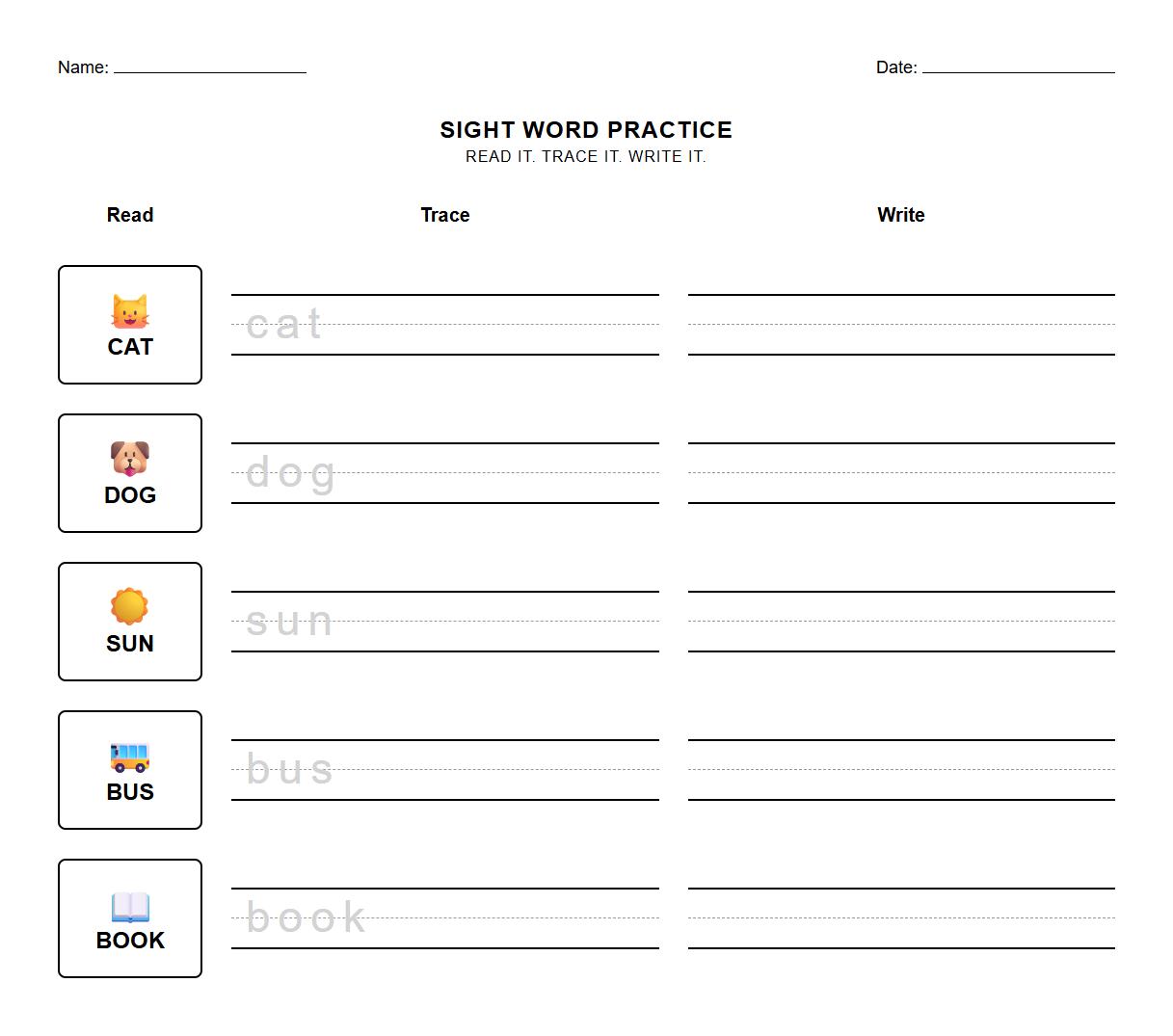
Kindergarten grade sight words tracing and reading practice enhances early literacy by helping young learners recognize and write common words essential for reading fluency. This focused practice improves both handwriting skills and word recognition, laying a strong foundation for future reading success. Explore the available worksheets to support your child's sight word mastery effectively.
Most Important Sight Words for Kindergarten Students
Kindergarten students should focus on learning high-frequency sight words such as "the," "and," "is," "to," and "I." These words appear often in early reading materials and provide a foundation for reading fluency. Mastering these words helps children recognize language patterns quickly. Introducing the first 20-30 sight words is an effective start.
How Tracing Sight Words Supports Early Reading Skills
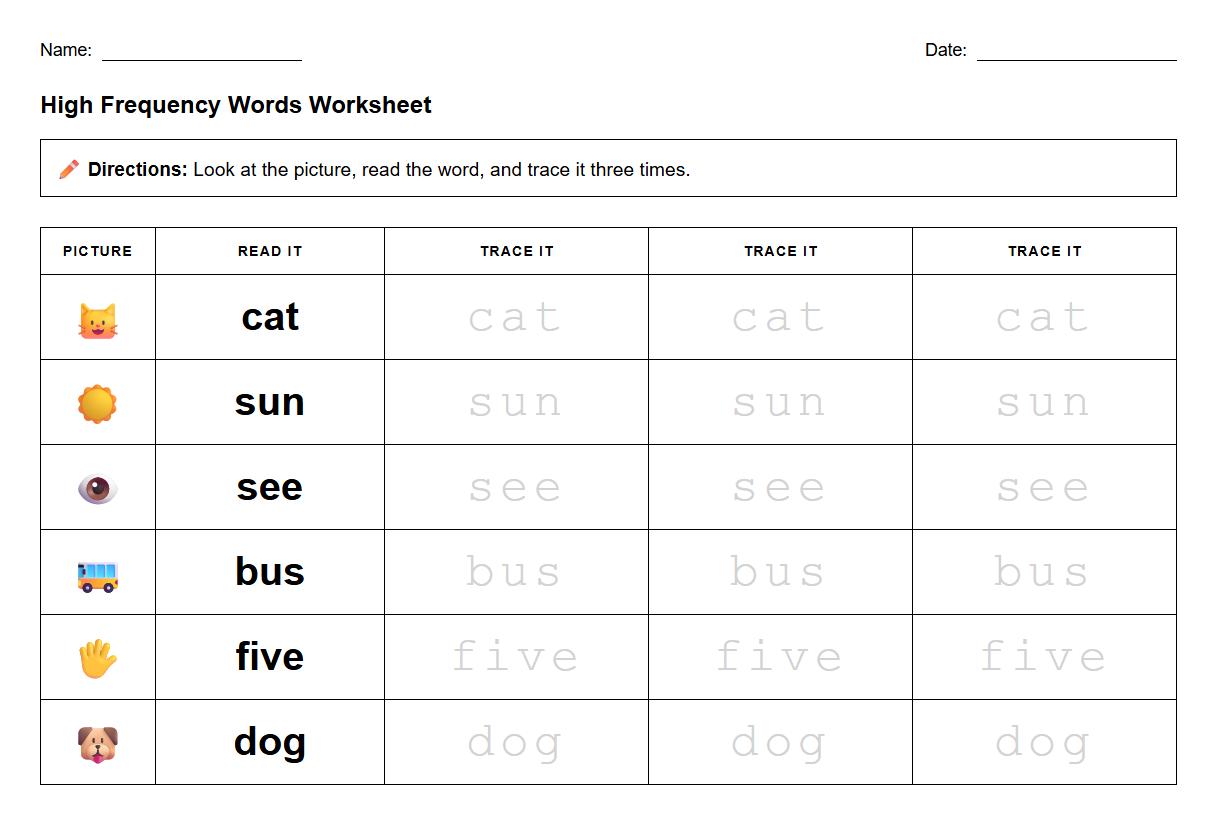
Tracing sight words strengthens visual memory and fine motor skills, essential for reading and writing. It helps children associate the word's shape with its meaning, boosting word recognition speed. This multisensory approach combines sight, touch, and movement, which benefits early learners. Tracing also aids in reinforcing correct spelling.
Activities to Reinforce Sight Word Recognition
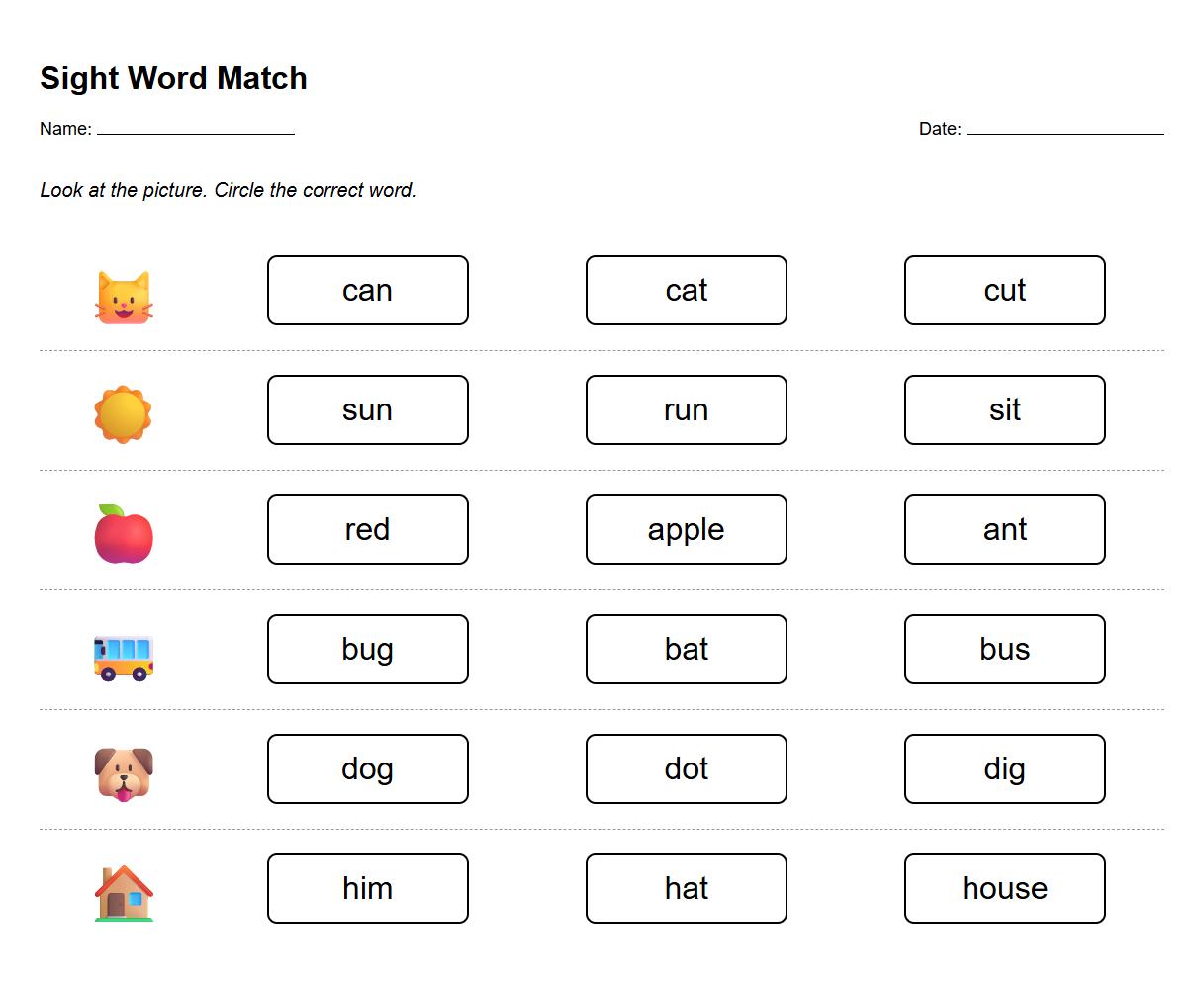
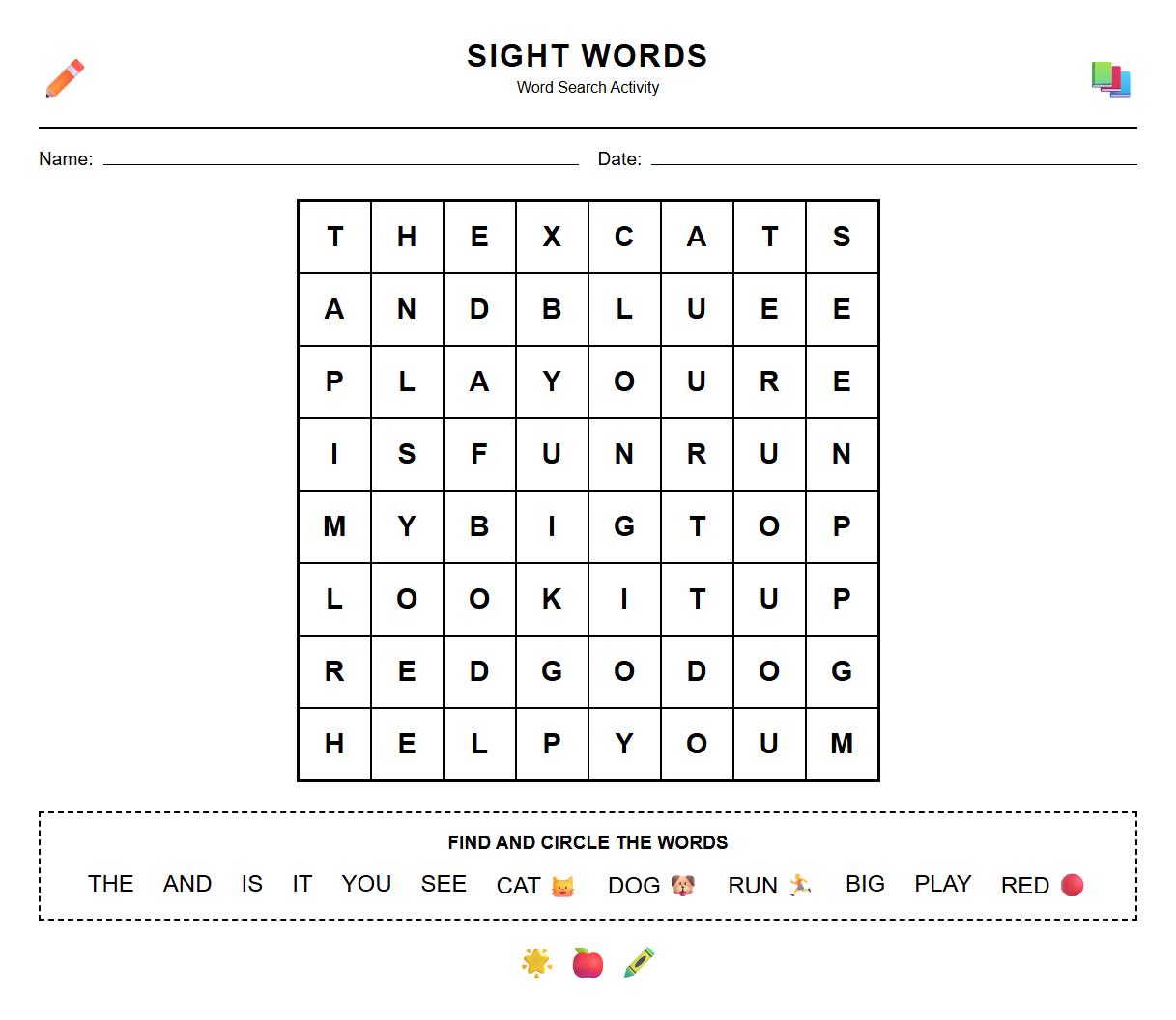
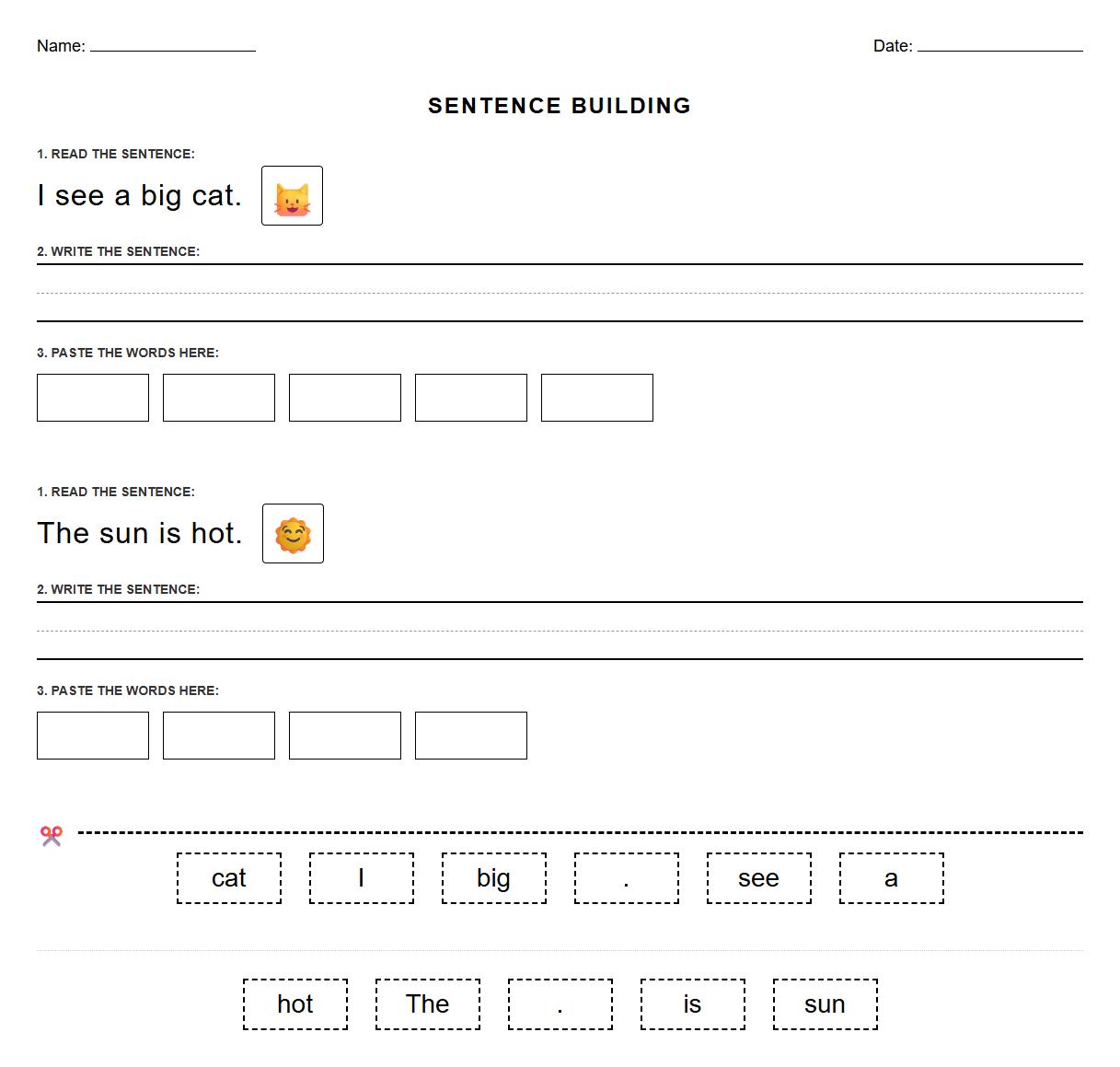
Engaging activities like flashcards, word matching games, and sight word bingo make learning interactive and fun. Incorporating physical movement, such as hopscotch with sight words, promotes kinesthetic learning. Reading simple books that repeat sight words builds familiarity. Consistent practice through varied activities enhances retention and confidence.
Frequency of Tracing and Reading Sight Words Practice
Students should practice tracing and reading sight words daily or several times a week to solidify their recognition. Short, frequent sessions of 10-15 minutes keep engagement high without overwhelming young learners. Regular exposure supports automaticity in reading. Consistency over time yields the best results in early literacy development.
Effective Tools and Worksheets for Sight Word Tracing
Worksheets with dotted or dashed outlines of sight words allow children to practice tracing letters correctly. Incorporating colorful visuals and spaces for repeated writing boosts motivation. Tools like dry-erase boards or apps with tracing features offer interactive alternatives. Printable tracing sheets tailored to kindergarten sight words align well with literacy goals.
Assessing Progress in Sight Word Recognition
Teachers can track progress through informal assessments like timed word recognition drills or reading aloud sessions. Keeping sight word lists updated based on mastery ensures appropriate challenge levels. Observing fluency, accuracy, and confidence provides insight into each student's development. Regular feedback helps tailor instruction to student needs.
Strategies to Support Struggling Students
For students facing difficulties, breaking words into smaller parts or using mnemonic devices aids memorization. Providing multisensory support such as sand tracing or using letter tiles engages different learning styles. Repetition and patience are key to building confidence. Small group or one-on-one instruction creates targeted practice opportunities.
How Parents Can Support Sight Word Practice at Home
Parents can reinforce learning by reading sight word books together daily and encouraging their child to trace words using crayons or finger paints. Creating sight word flashcards for games or displaying words around the house increases exposure. Positive reinforcement and praise motivate ongoing practice. Simple routines make sight word learning enjoyable outside the classroom.
The Role of Repetition in Mastering Sight Words
Repetition is crucial for embedding sight words into a child's memory. Frequent practice ensures that recognition becomes automatic, enhancing reading fluency. Repeated exposure helps solidify spelling, pronunciation, and understanding. Effective repetition combines multiple formats like writing, reading, and speaking the sight words.
Enhancing Practice with Digital Resources
Digital tools like interactive apps and online games offer engaging ways to practice tracing and reading sight words. Multimedia elements such as audio pronunciation and animations support varied learning needs. They provide immediate feedback, which helps children self-correct and build confidence. Combining digital resources with traditional methods creates a balanced learning environment.


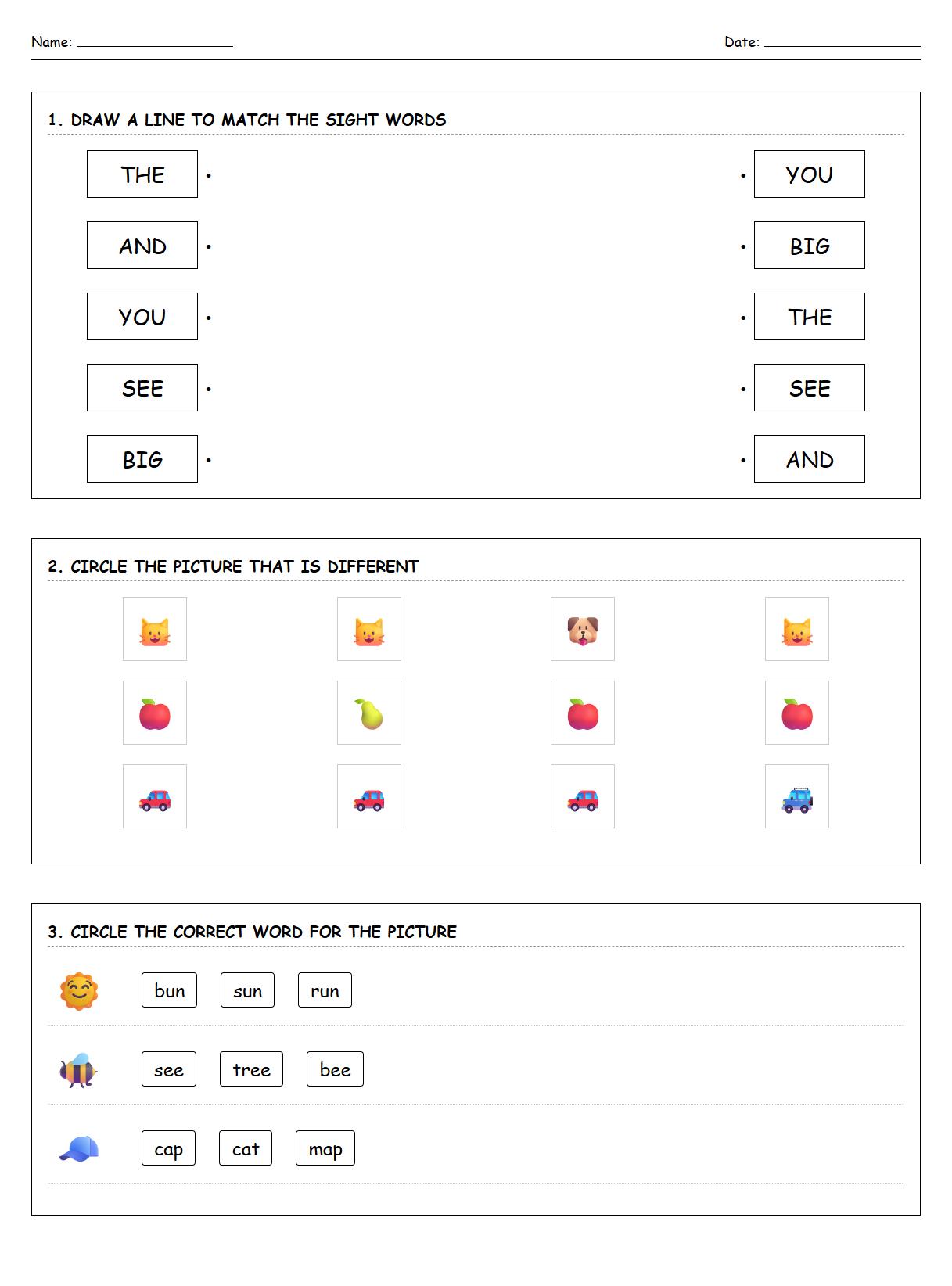
Interactive Sight Words Matching Worksheet for Kindergarten