Fun Kindergarten Worksheet Ideas for Sorting by Color Size and Shape

📅 Jun 9, 2025 👤 Nylen Smith

Engaging kindergarteners in sorting activities enhances their cognitive development by encouraging recognition of colors, sizes, and shapes. These hands-on worksheets offer playful methods to develop critical thinking and fine motor skills. Explore our diverse collection of worksheets designed to make learning sorting concepts enjoyable and effective.

Color Sorting Phonics Activity Worksheet
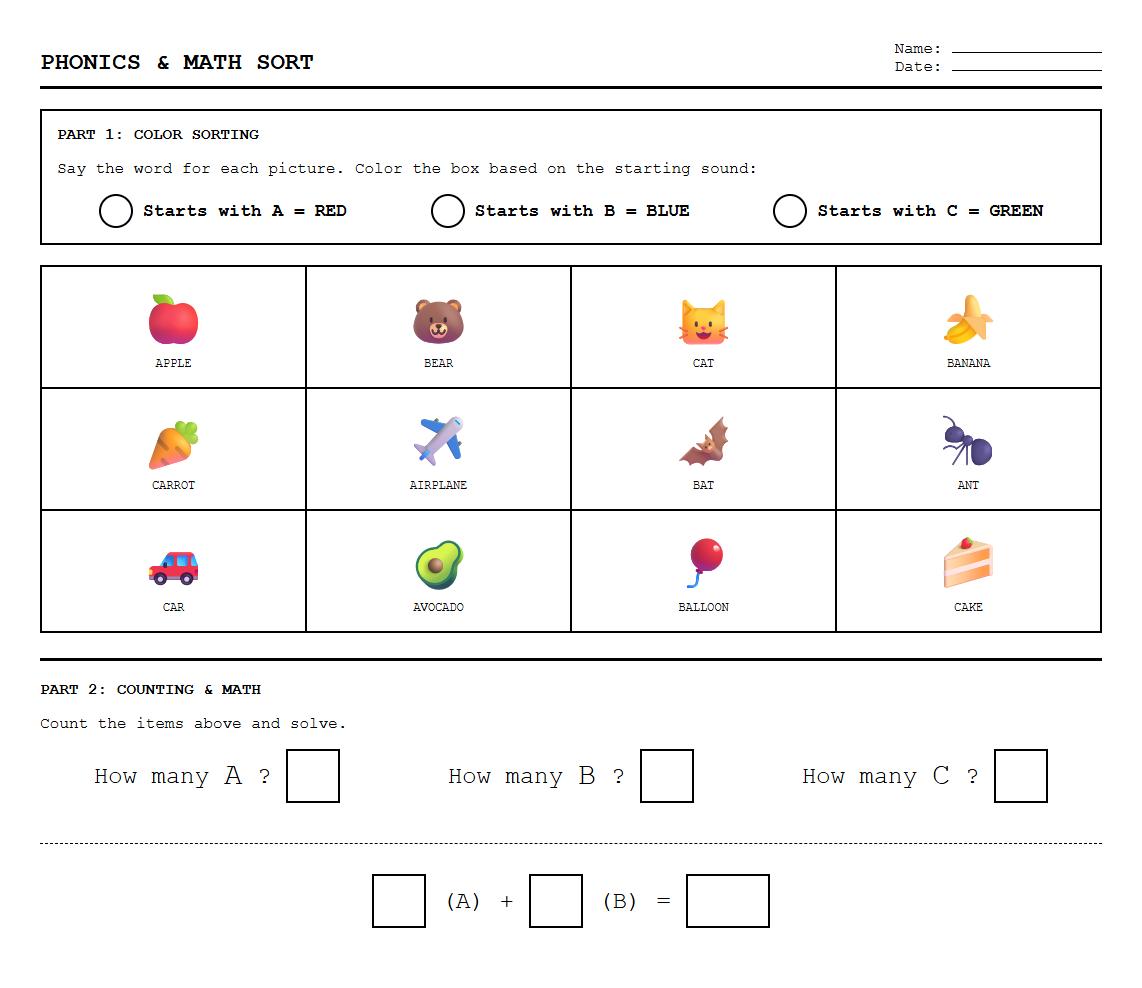
Color Sorting Phonics Activity Worksheet

Download PDF     Pin it

Size Comparison Visual Discrimination Worksheet
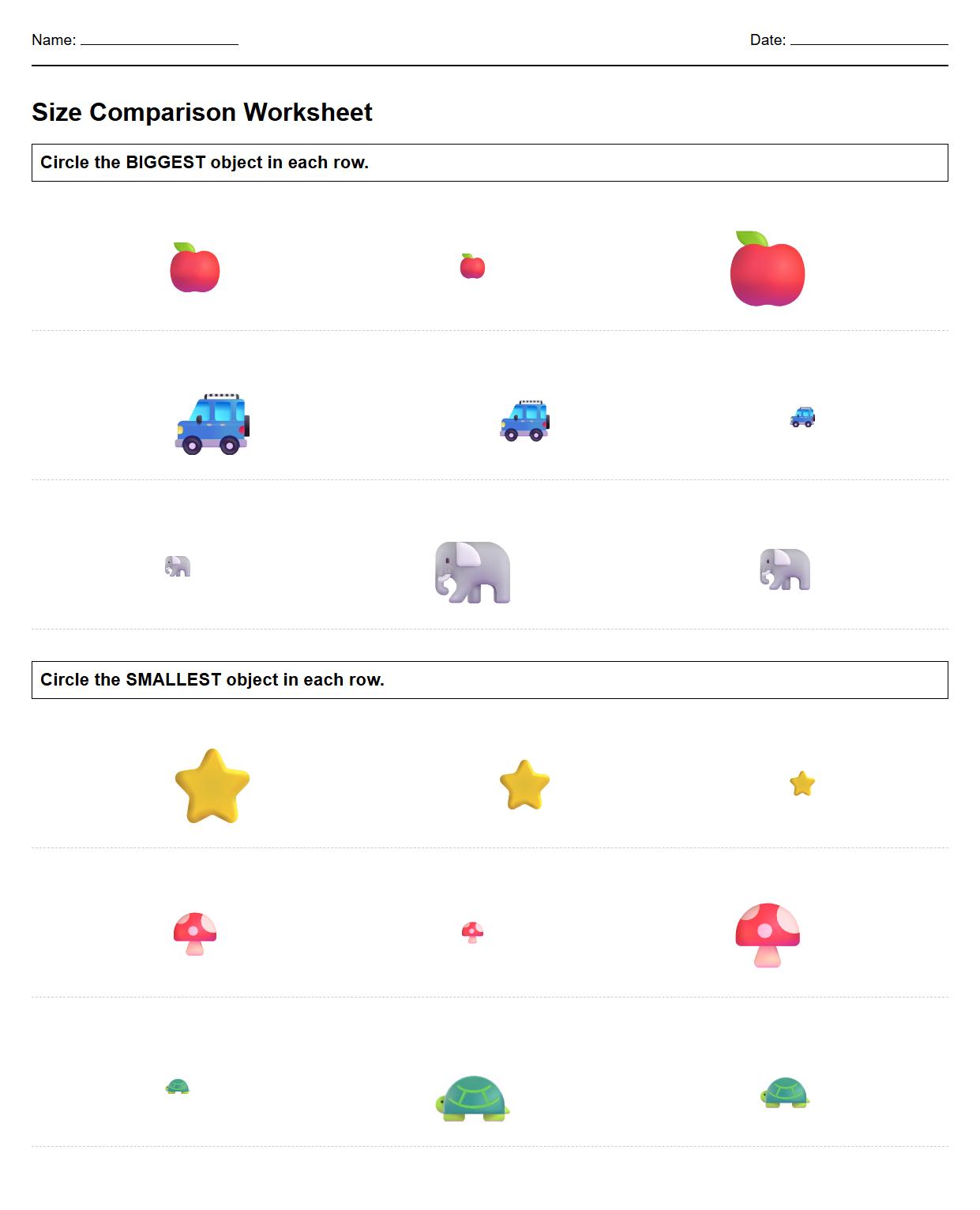
Size Comparison Visual Discrimination Worksheet

Download PDF     Pin it

Shape Classification Cut and Paste Worksheet
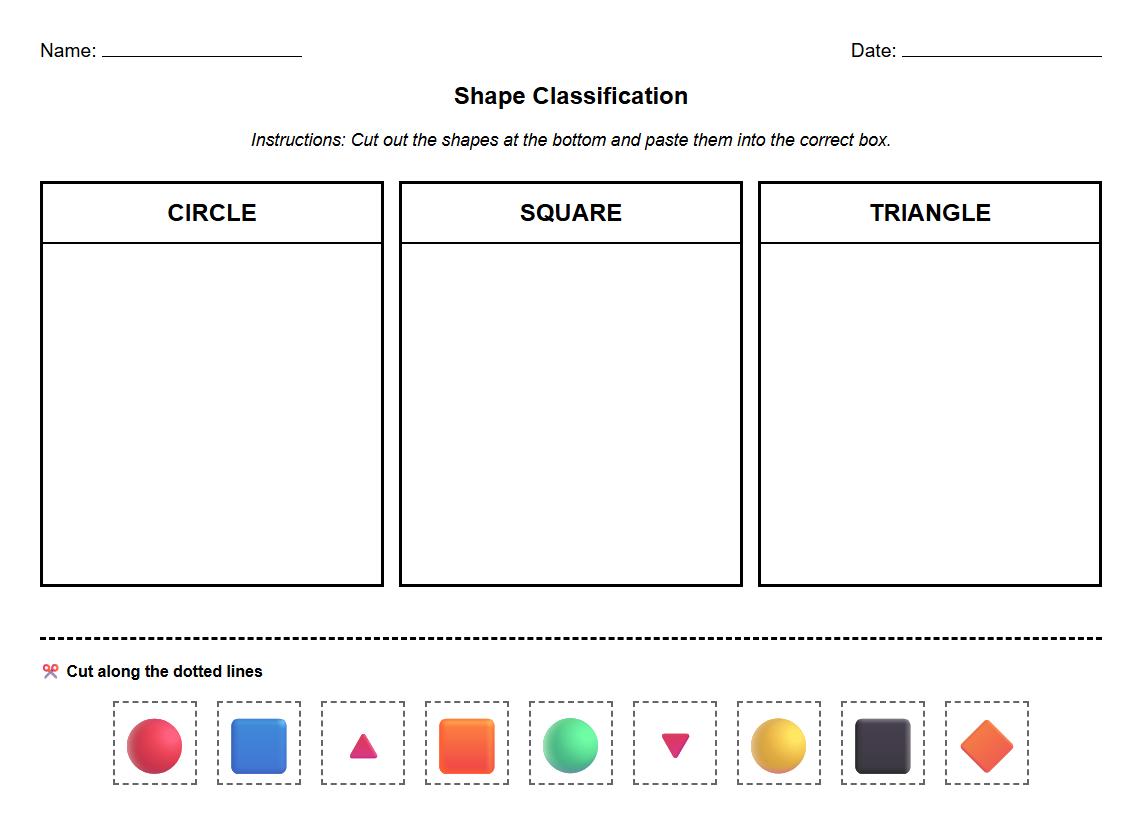
Shape Classification Cut and Paste Worksheet

Download PDF     Pin it

Color and Shape Venn Diagram Worksheet
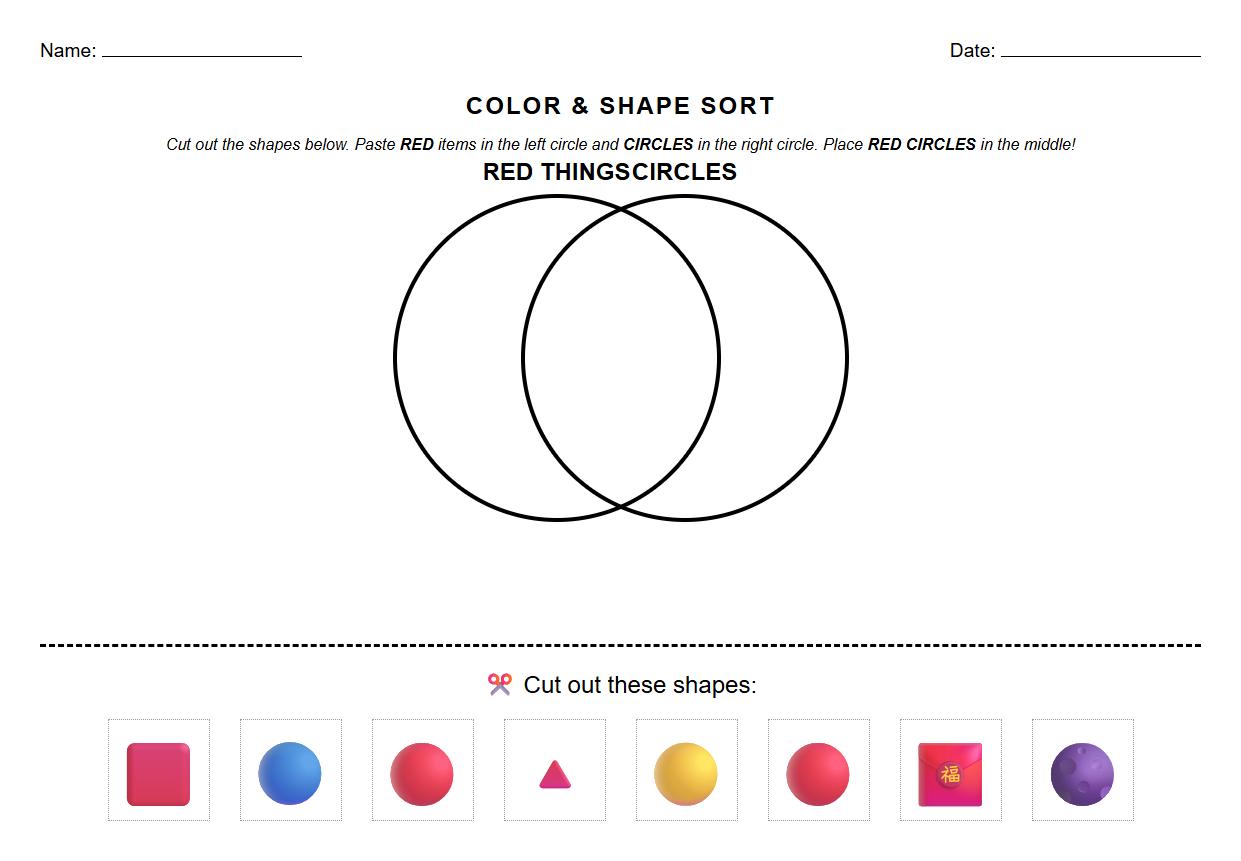
Color and Shape Venn Diagram Worksheet

Download PDF     Pin it

Sorting by Attribute (Color, Size, Shape) Mat
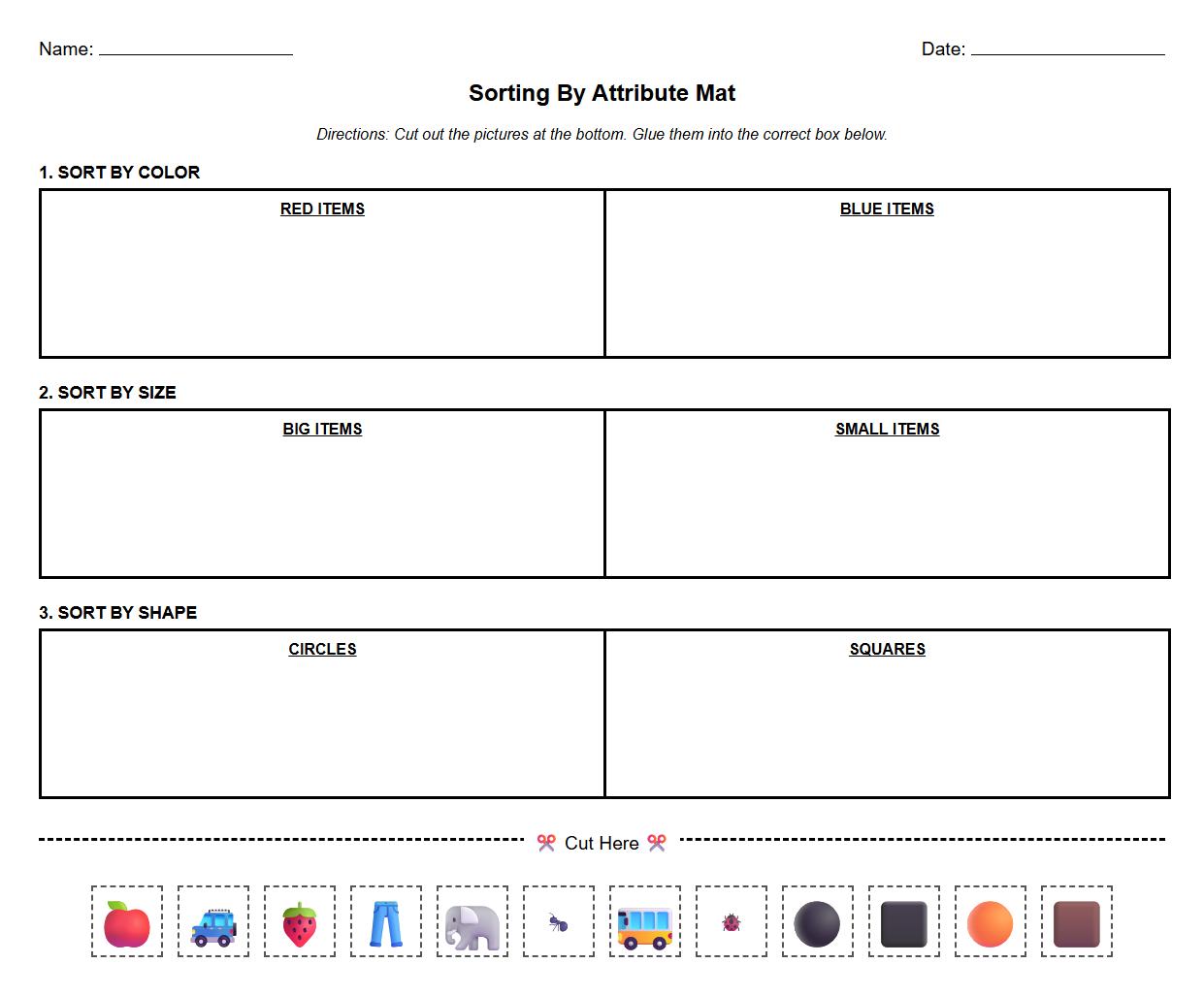
Sorting by Attribute (Color, Size, Shape) Mat

Download PDF     Pin it

2D Shape Identification Sorting Exercise
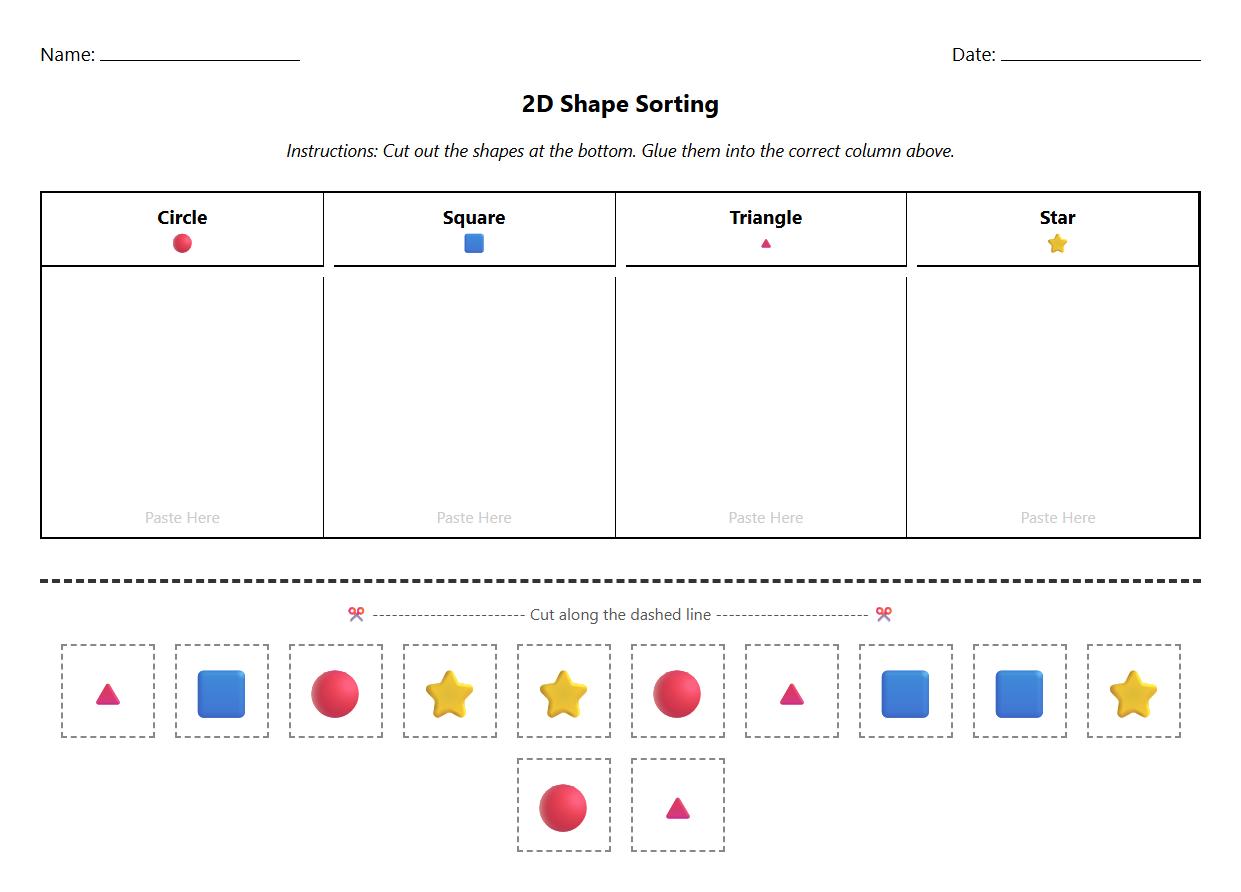
2D Shape Identification Sorting Exercise

Download PDF     Pin it

Color Pattern Recognition Sorting Task
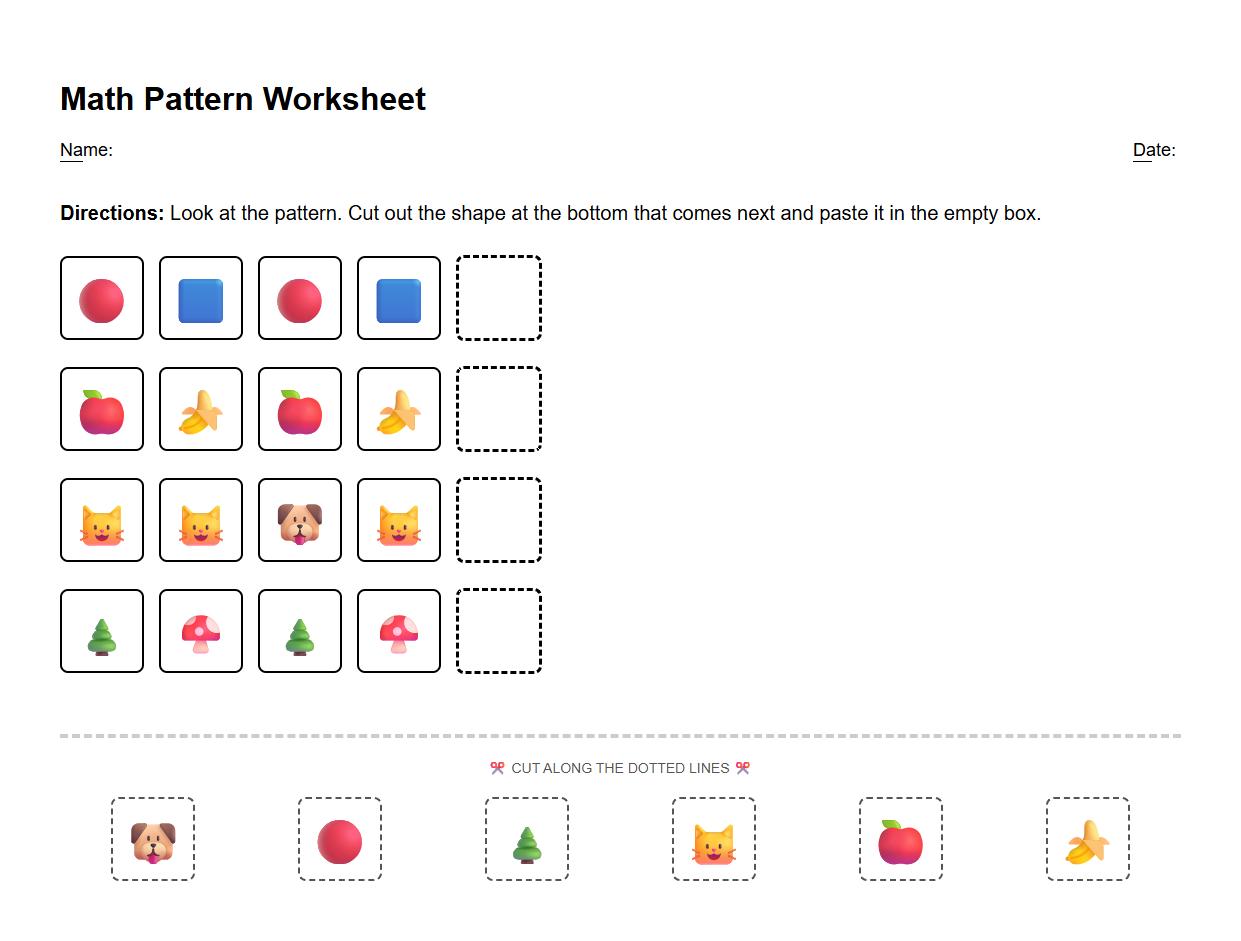
Color Pattern Recognition Sorting Task

Download PDF     Pin it

Size Sequencing Analytical Thinking Worksheet
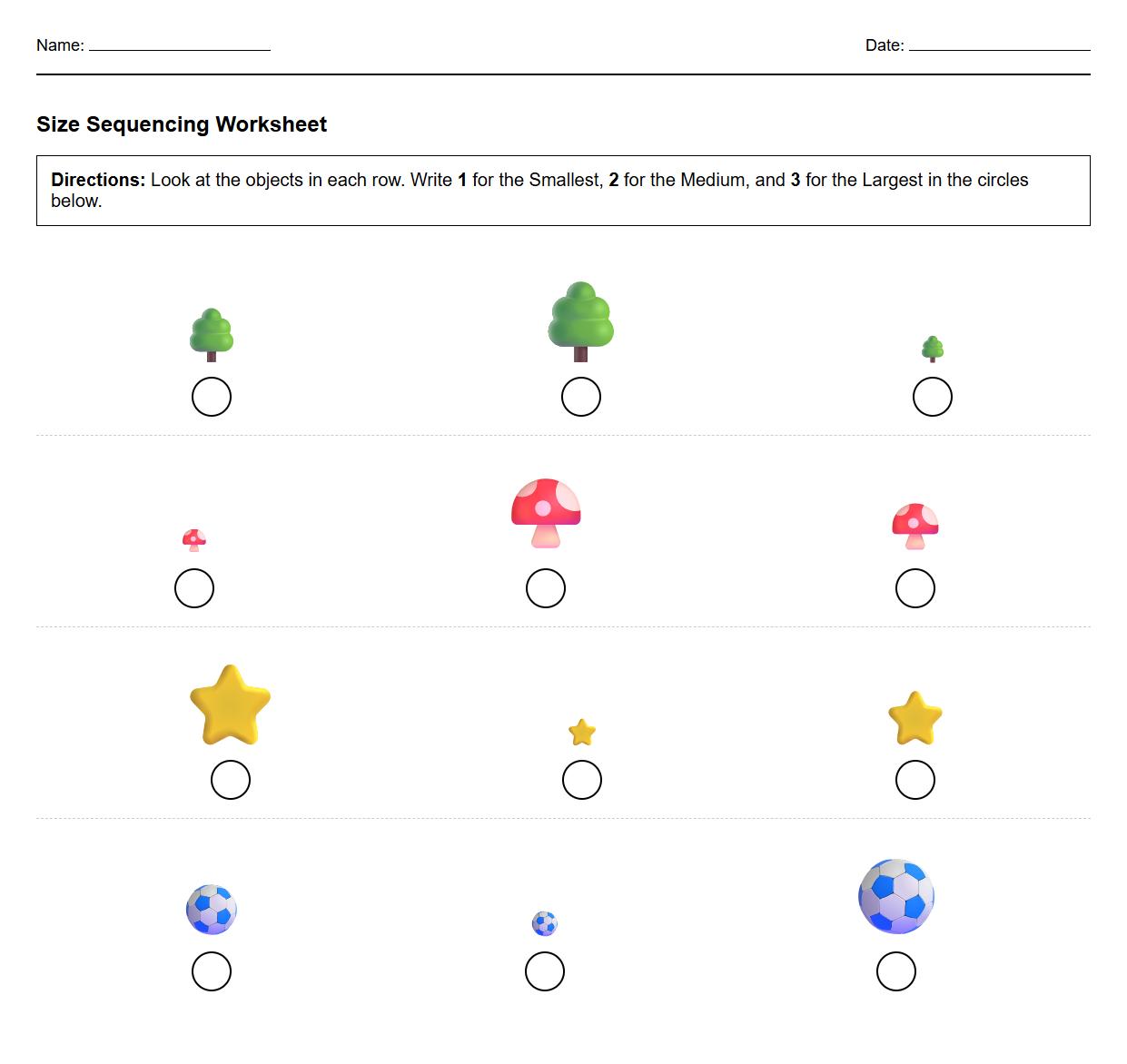
Size Sequencing Analytical Thinking Worksheet

Download PDF     Pin it

Shape Sorting Problem Solving Worksheet
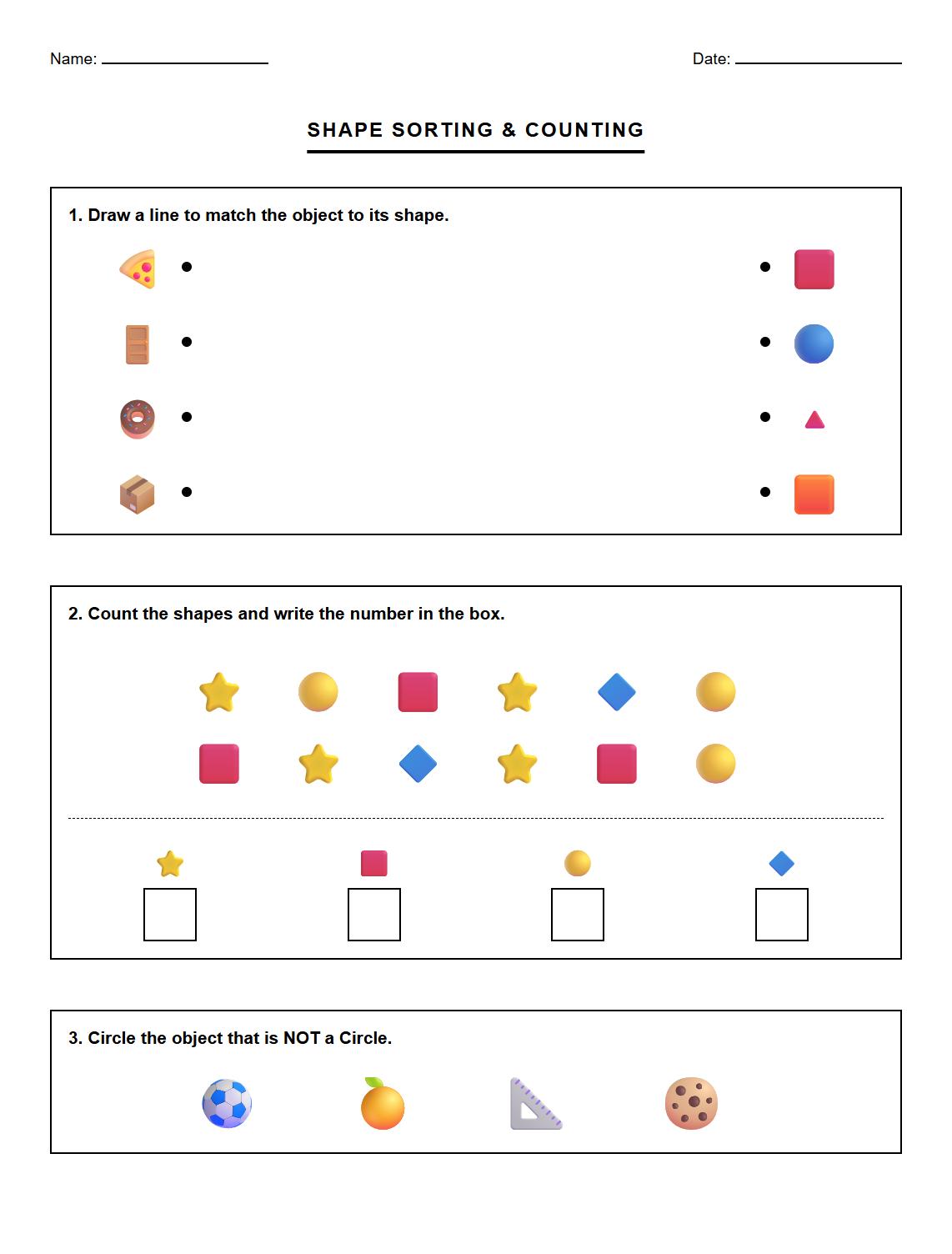
Shape Sorting Problem Solving Worksheet

Download PDF     Pin it

Multi Attribute Sorting Logic Puzzle Worksheet
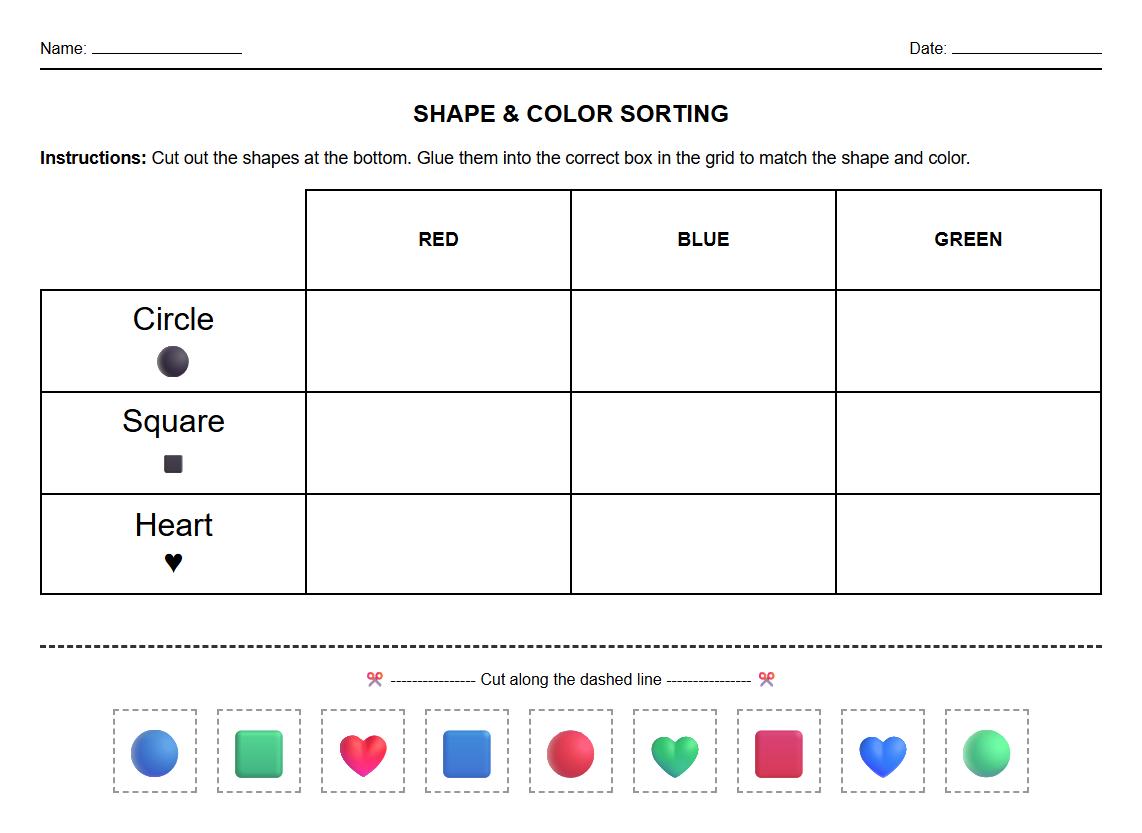
Multi Attribute Sorting Logic Puzzle Worksheet

Download PDF     Pin it

How Can Sorting by Color Help Kindergarten Students Develop Critical Thinking Skills?

Sorting by color encourages kindergarten students to observe, compare, and categorize objects, enhancing their ability to analyze visual information. This activity promotes logical thinking as children decide which group an item belongs to based on color. It also fosters decision-making skills by requiring students to evaluate differences and similarities. Such exercises build foundational critical thinking abilities essential for later academic success.

What Are Some Creative Worksheet Activities for Sorting Objects by Size?

Creative worksheet activities can include sorting images of animals, toys, or everyday objects by small, medium, and large sizes. Teachers can incorporate cut-and-paste exercises where children physically manipulate pieces to form correct size groups. Another idea is using a measuring scale or simple rulers to compare sizes visually. These activities make learning about size distinctions interactive and fun.

Which Shapes Are Best for Introducing Sorting Concepts to Young Learners?

Basic geometric shapes such as circles, squares, and triangles are ideal for introducing sorting concepts due to their clear and distinct forms. These shapes help young learners easily recognize differences and categorize objects effectively. Introducing shapes that vary in color and size further enriches sorting experiences. This foundational practice supports children in understanding classification skills.

How Can Teachers Assess Understanding of Sorting by Color Using Worksheets?

Teachers can assess understanding by providing worksheets where students match or group objects based on color criteria and checking for accurate classification. Worksheets may include tasks such as coloring, circling, or drawing lines to connect items of the same color. Observation of students during the activity also provides insight into their sorting skills. Simple quizzes or oral questions after the task further evaluate comprehension.

What Materials Are Ideal for Creating Hands-On Sorting Worksheets in Kindergarten?

Materials like colored paper, stickers, buttons, and foam shapes are perfect for hands-on sorting worksheets. These tactile items encourage engagement and enhance sensory learning experiences. Laminated cards and magnetic pieces also offer durable and reusable options for sorting activities. Using diverse materials helps maintain students' interest and supports various learning styles.

How Do Sorting Activities Improve Fine Motor Skills in Early Childhood?

Sorting activities often require children to pick up, move, and place small objects, which strengthens fine motor skills such as hand-eye coordination and dexterity. Cutting out shapes or coloring assignments further refine their finger control. These tasks contribute to the development of essential skills needed for writing and other academic tasks. Consistent practice enhances precision and confidence in young learners.

What Are Engaging Ways to Combine Sorting by Color, Size, and Shape in One Worksheet?

A multi-criteria sorting worksheet can feature objects differing in color, size, and shape where students categorize items based on one or a combination of these attributes. Interactive designs like Venn diagrams or sorting mats invite children to think flexibly and engage with the concepts deeply. Story-based worksheets involving characters or themes also motivate participation. Such integrative activities develop higher-order thinking by linking multiple sorting skills.

How Can Sorting Worksheets Be Adapted for Students with Different Learning Needs?

Worksheets can be differentiated by adjusting the number of sorting categories or providing larger, more distinct sorting items for easier manipulation. Visual supports like color coding, symbols, and step-by-step instructions accommodate diverse learners. Incorporating multisensory elements, such as textures or auditory cues, enhances accessibility. Personalized pacing and repeated practice ensure all students successfully engage with sorting tasks.

What Role Does Sorting Play in Building Early Math Foundations?

Sorting activities introduce essential math concepts such as classification, pattern recognition, and set formation. These foundational skills underpin later learning in counting, addition, and geometry. By organizing objects into groups, children develop problem-solving abilities and understand relationships between items. Early sorting lays the groundwork for more complex mathematical reasoning.

How Can Digital Worksheets Support Sorting Skill Development in Kindergarten?

Digital worksheets offer interactive sorting exercises through drag-and-drop and instant feedback features, making learning engaging and motivating. These tools often include adaptive difficulty levels to match each child's progress. Multimedia elements like sounds and animations support multisensory learning and maintain attention. Digital formats also facilitate remote learning and easy tracking of student performance.


More in Mathematics Category


About the author. Nylen Smith is a dedicated educator and cofounder of KWorksheet.com, a popular platform specializing in high-quality kindergarten worksheets and printable activities.

Disclaimer. The information provided in this document is for general informational purposes and/or document sample only and is not guaranteed to be factually right or complete. Please report to us via contact-us page if you find and error in this page, thanks.

Comments

No comment yet