Kindergarten Worksheet Collection for Sorting and Classifying Objects

📅 May 18, 2025 👤 Nylen Smith

Sorting and classifying objects enhances critical thinking and organizational skills essential for young learners. These activities help children recognize patterns, differences, and similarities, fostering cognitive development. Explore our diverse kindergarten worksheet collection to practice and master sorting and classifying skills.

Phonics based object sorting by initial sound
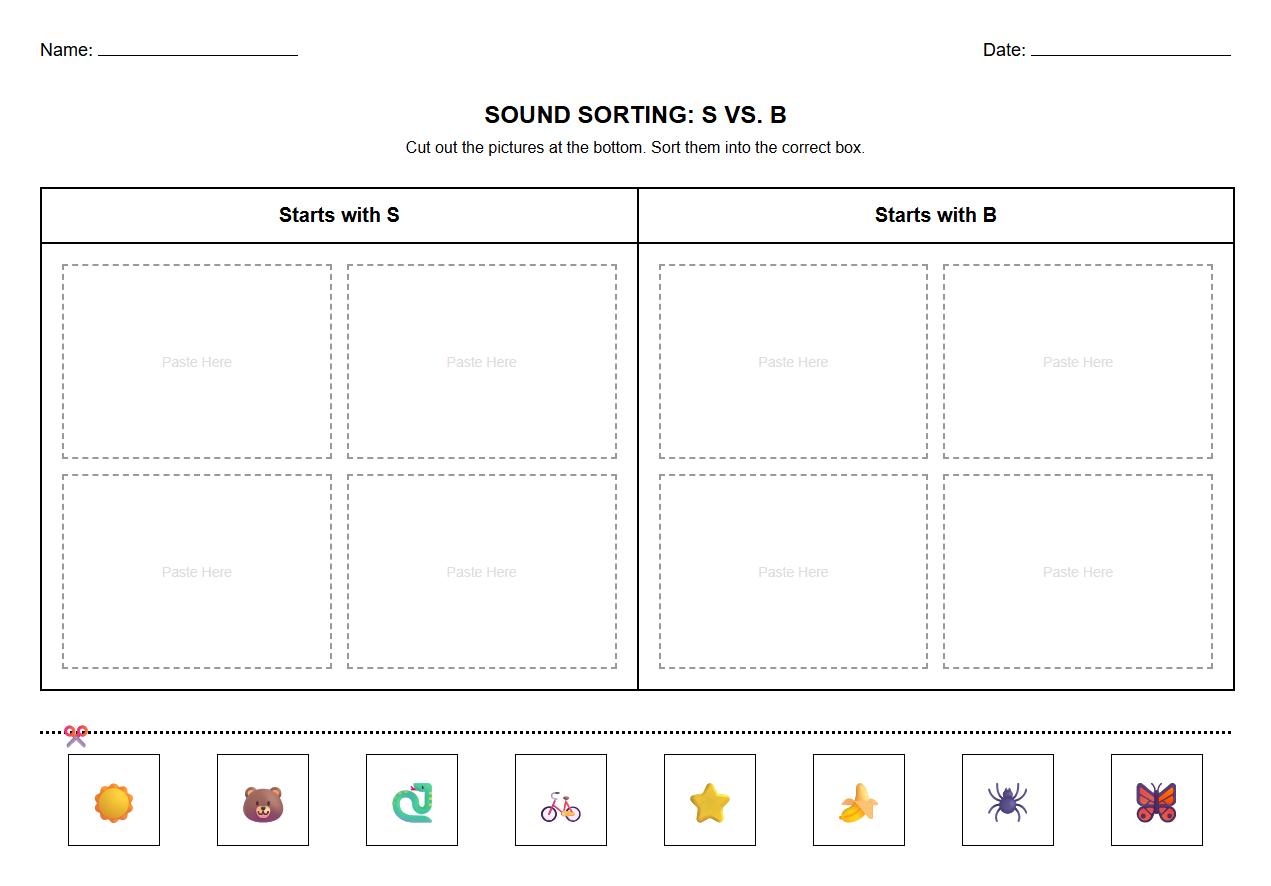
Phonics based object sorting by initial sound

Download PDF     Pin it

Color classification of everyday objects
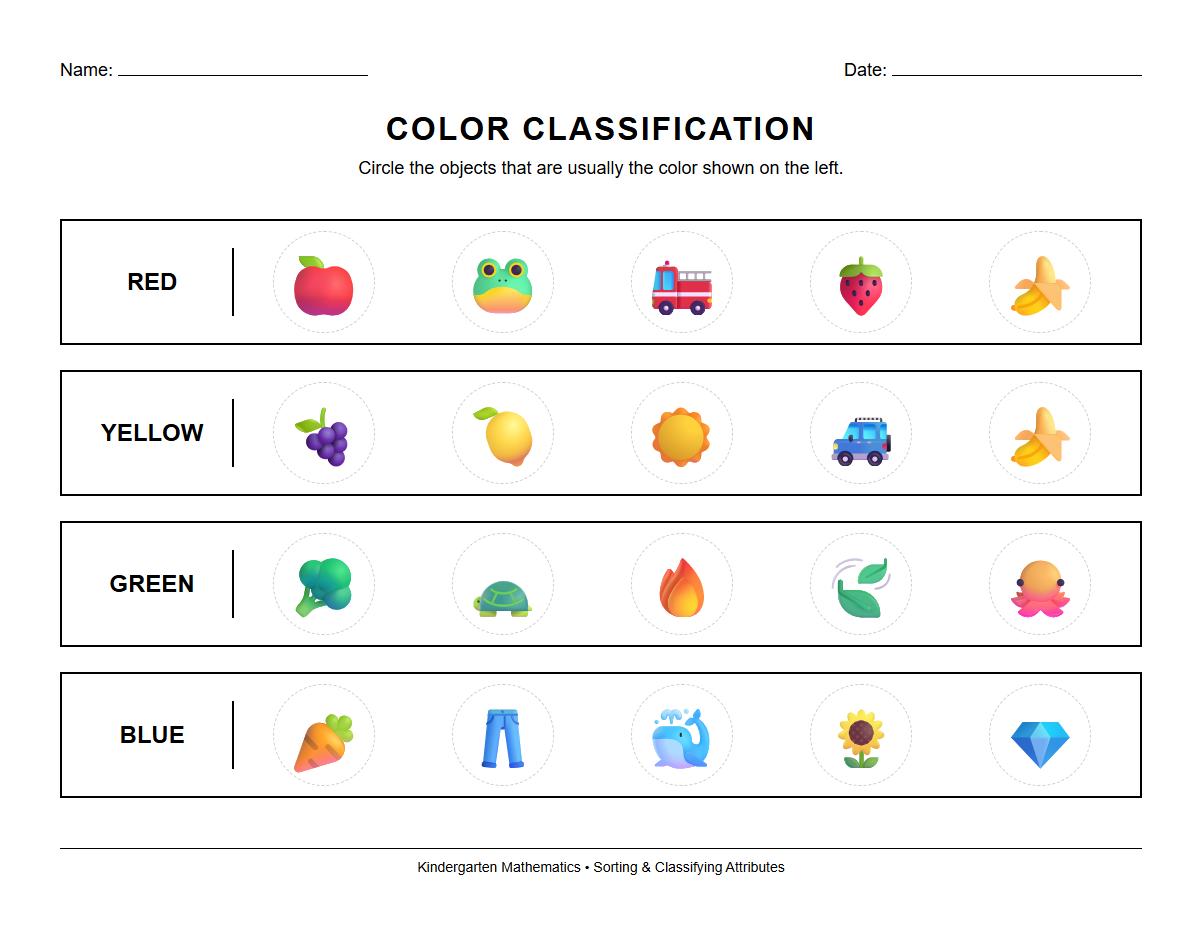
Color classification of everyday objects

Download PDF     Pin it

Shape sorting activity with geometric figures
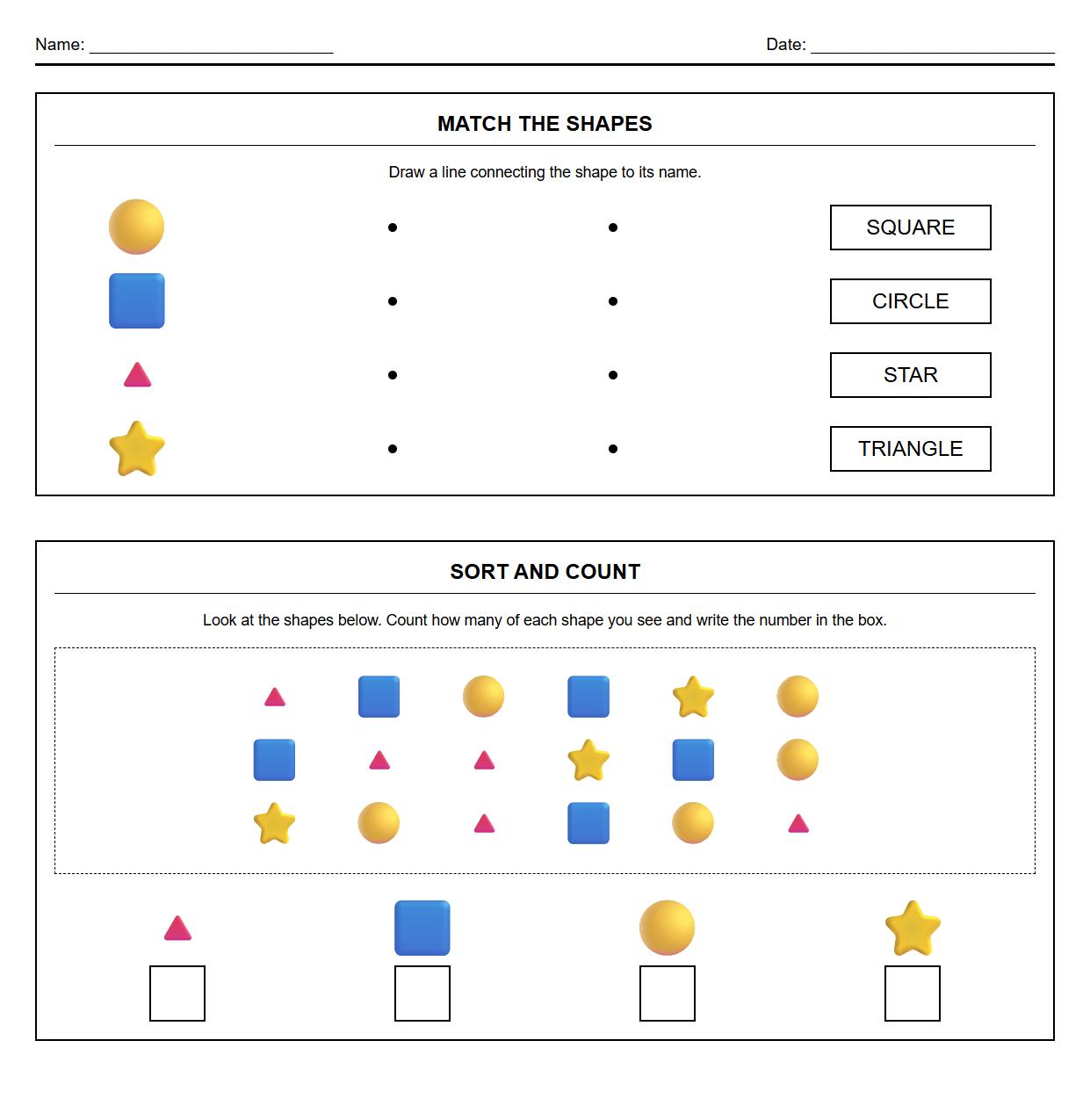
Shape sorting activity with geometric figures

Download PDF     Pin it

Size comparison worksheet using object images
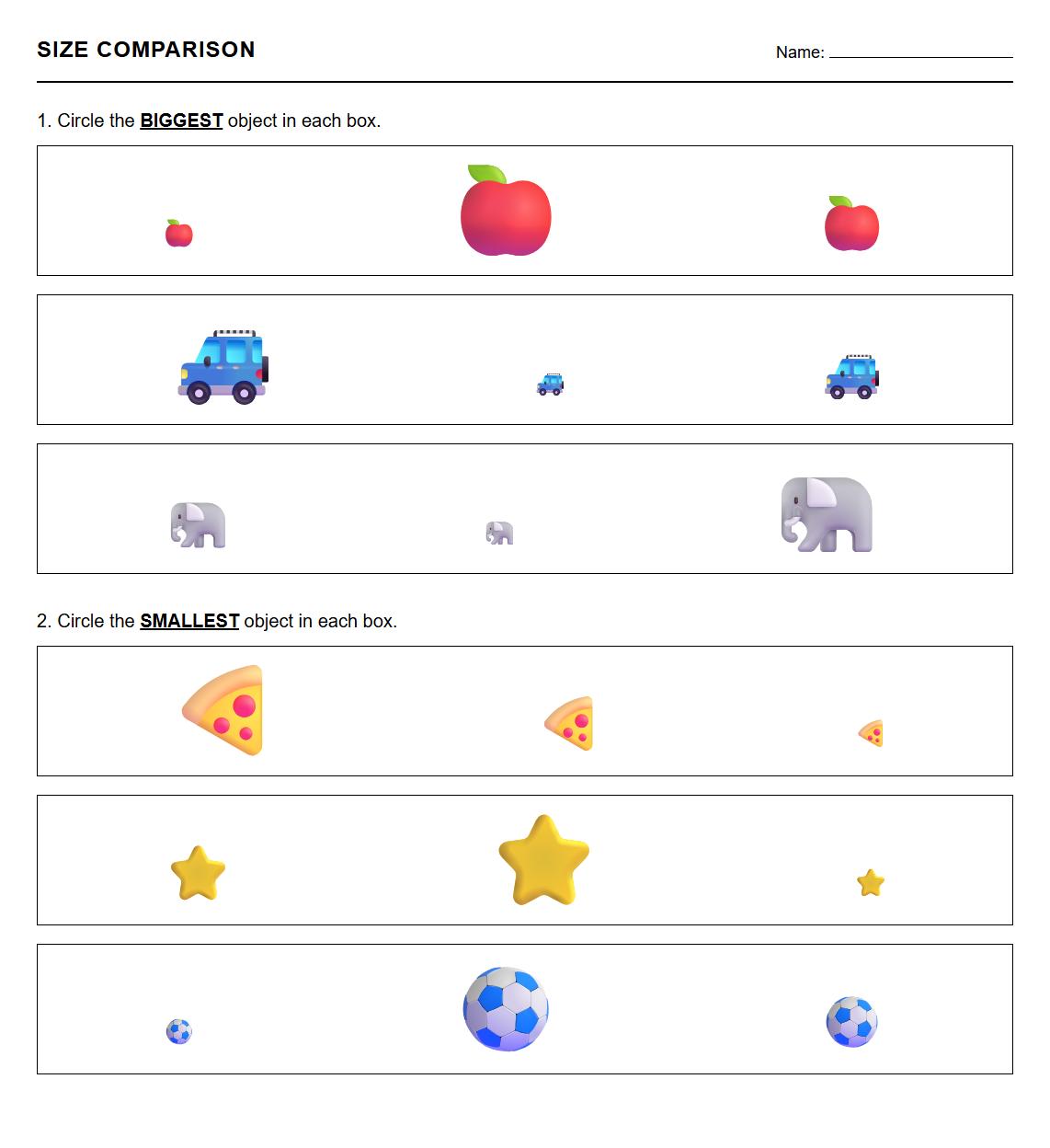
Size comparison worksheet using object images

Download PDF     Pin it

Texture categorization using real life items
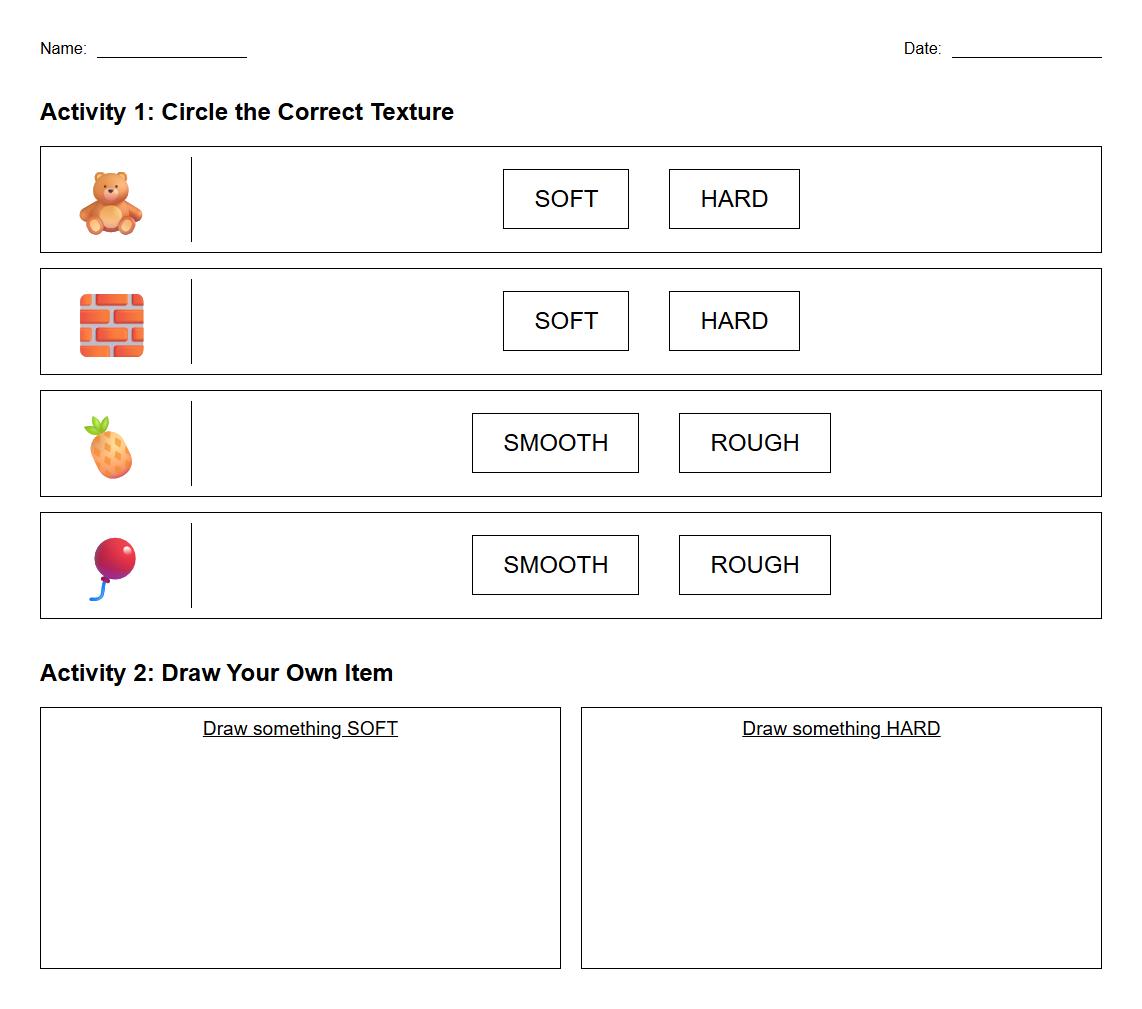
Texture categorization using real life items

Download PDF     Pin it

Material identification and grouping exercise
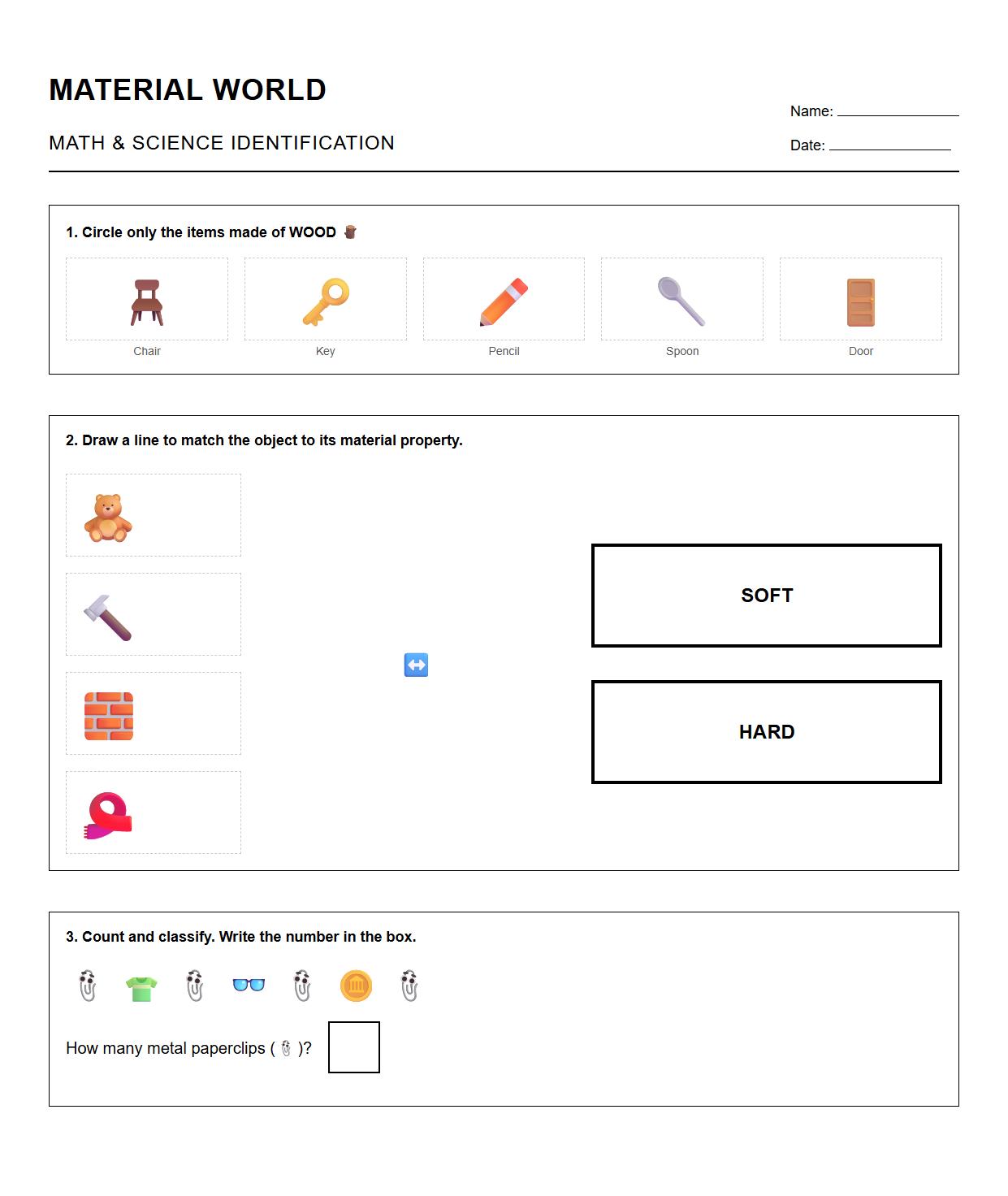
Material identification and grouping exercise

Download PDF     Pin it

Pattern recognition and object arrangement
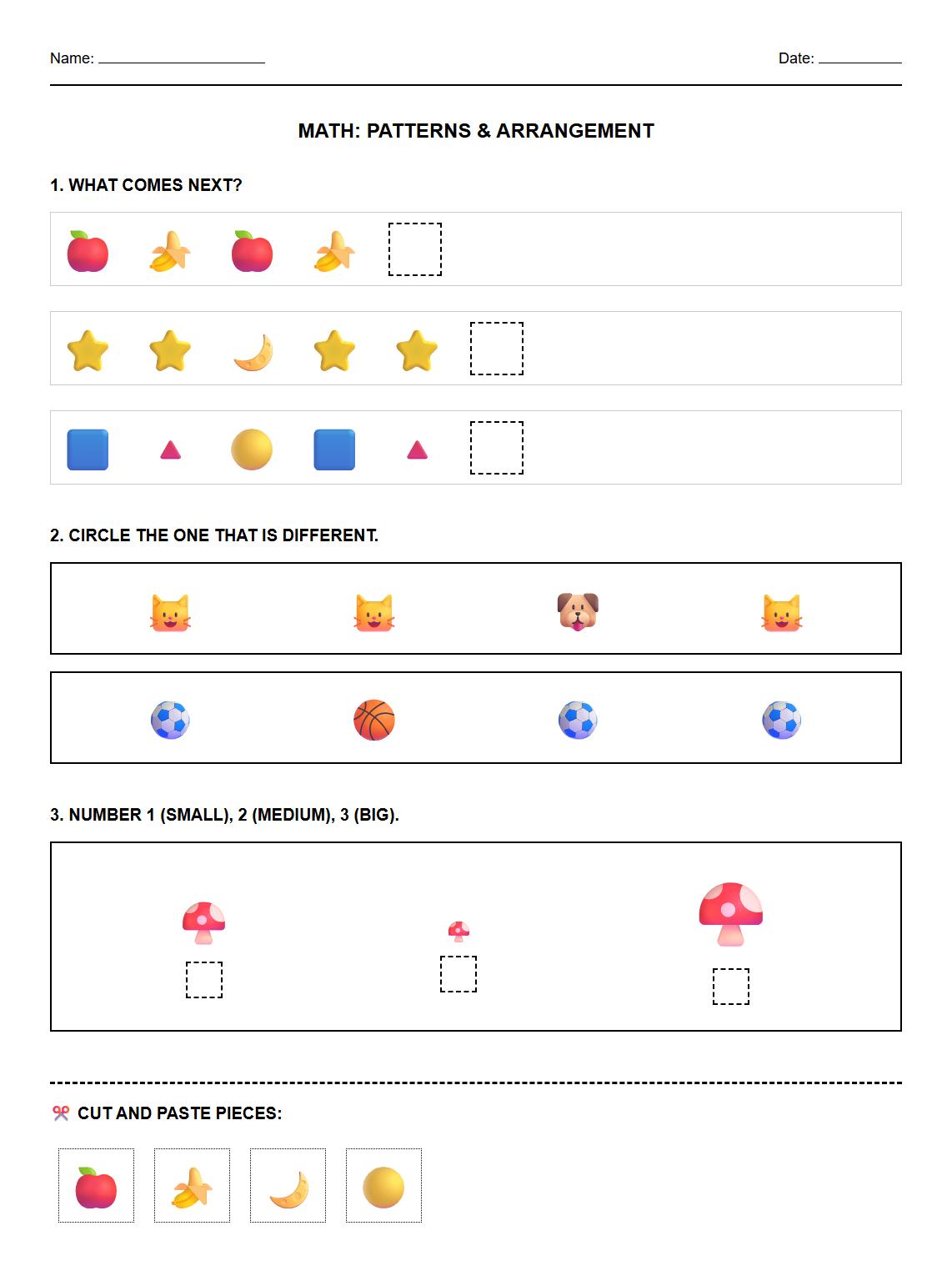
Pattern recognition and object arrangement

Download PDF     Pin it

Living and nonliving objects sorting task
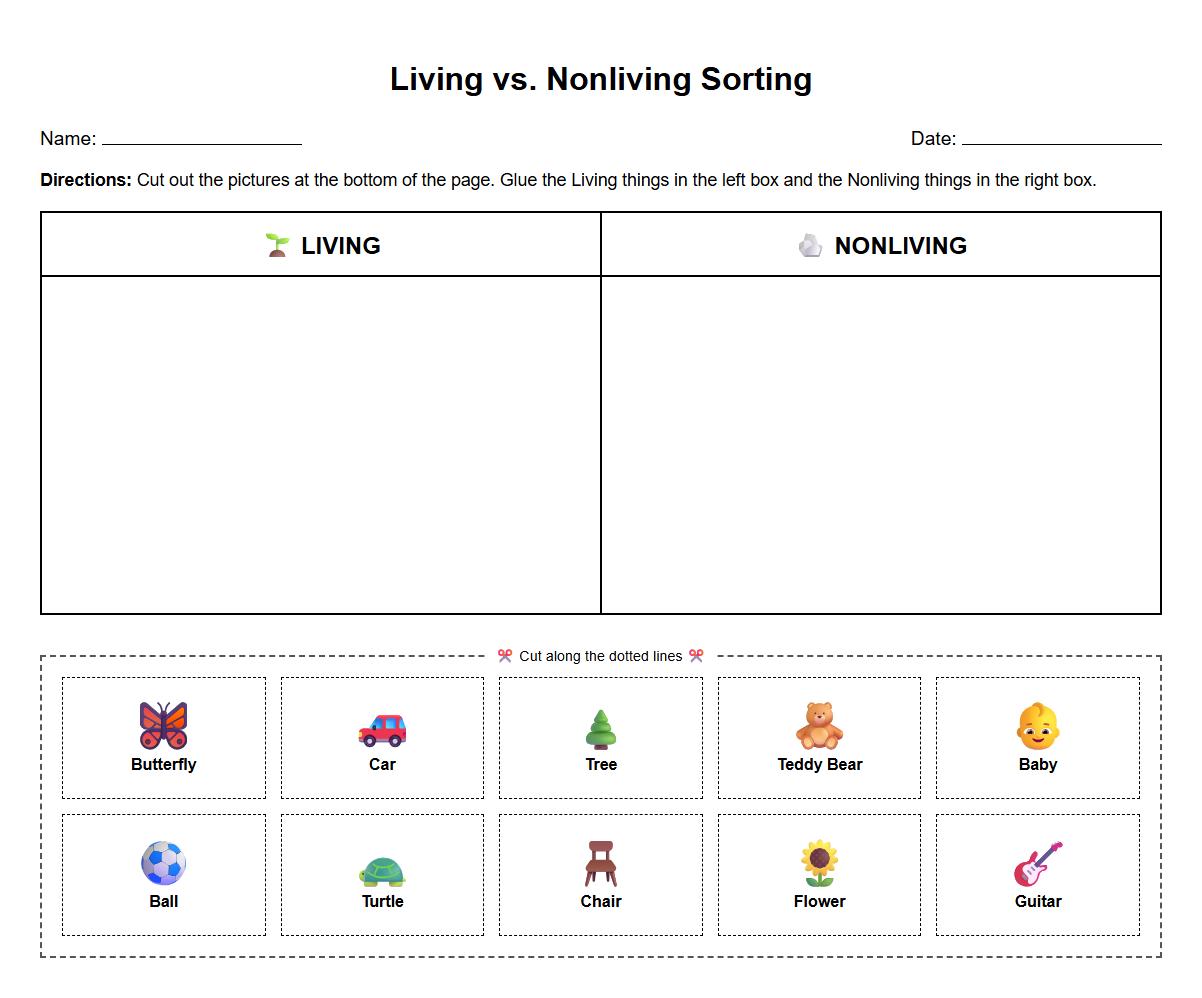
Living and nonliving objects sorting task

Download PDF     Pin it

Functionality based object classification
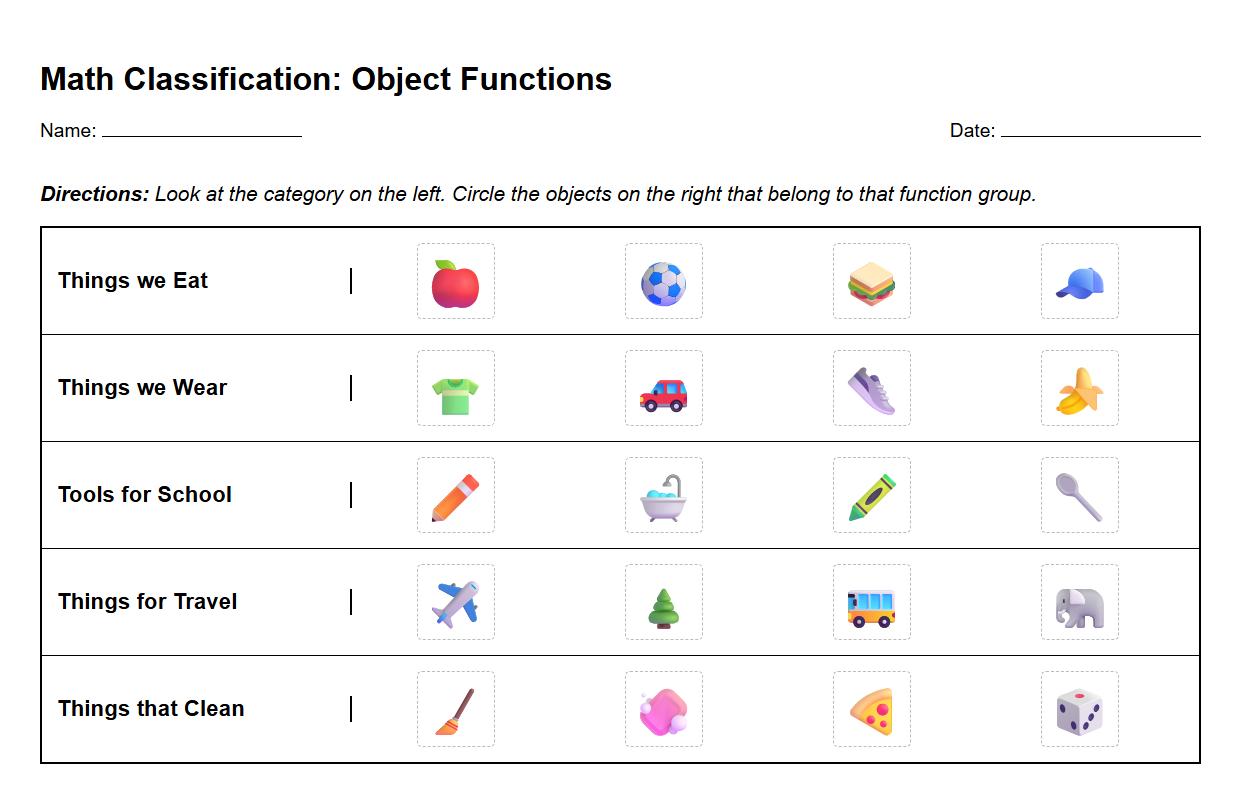
Functionality based object classification

Download PDF     Pin it

Food group sorting and categorization worksheet
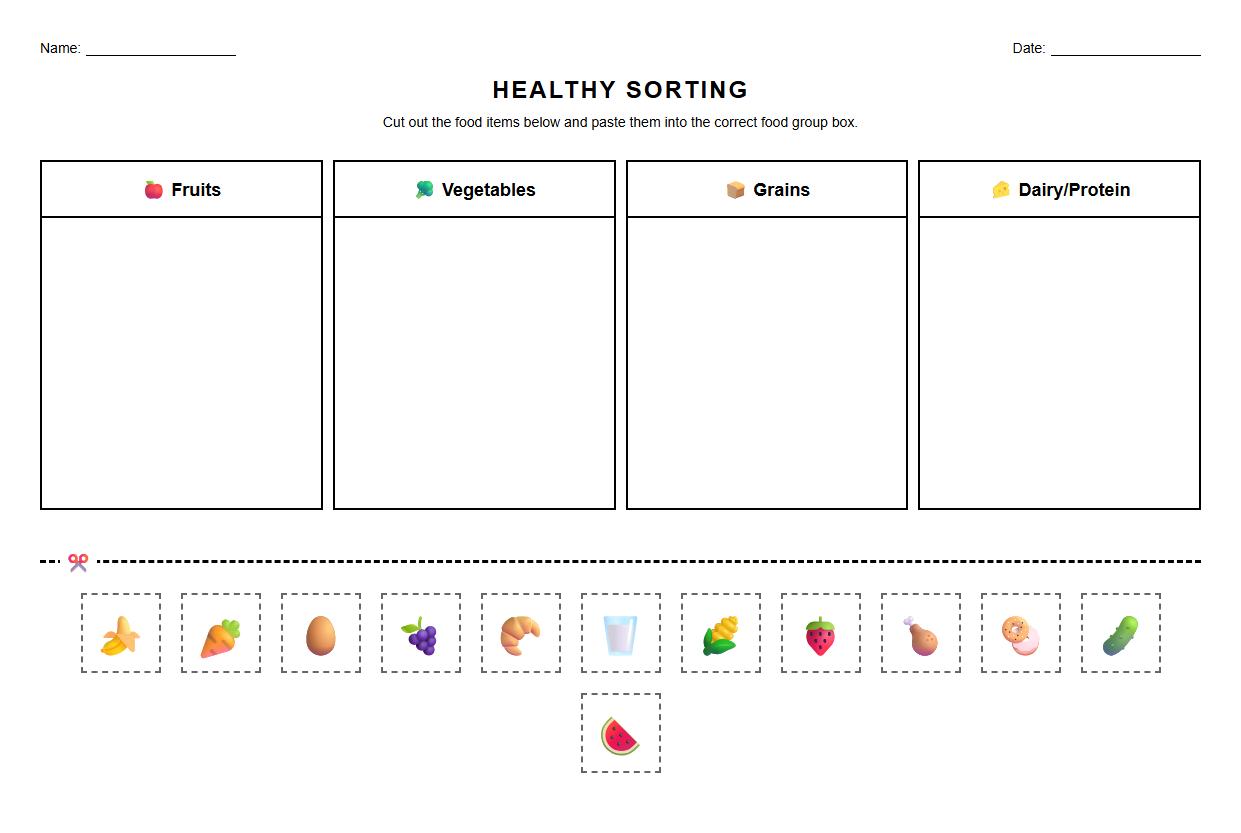
Food group sorting and categorization worksheet

Download PDF     Pin it

Types of Objects in Sorting and Classifying Worksheets

The worksheets feature a variety of common objects such as toys, animals, fruits, and everyday household items. These objects are designed to be familiar to kindergarten children, encouraging engagement and easy recognition. The focus is on simple, relatable items that aid in learning sorting and classification skills. This variety supports a broad understanding of categories. For more engaging activities with familiar objects, explore the hands-on activities for building counting skills.

Helping Children Recognize Similarities and Differences

Worksheets use comparison activities to highlight similarities and differences by grouping items based on common attributes. Children are prompted to observe details and make connections between objects. This process boosts critical thinking and observational skills essential at the kindergarten level. Guided questions assist in reinforcing these concepts. See examples of attribute comparison in this shape attributes comparison worksheet.

Visual Aids and Pictures for Sorting Activities

Visual aids such as colorful pictures and icons are integral to the worksheets. These images serve as cues to help children identify objects and understand sorting criteria. Clear and engaging visuals support younger learners who rely on visual input to grasp concepts. The combination of text and images makes the activities accessible and fun. For skip counting with visual cues, check the visual aids for skip counting worksheet.

Number of Sorting Categories Offered

The worksheets typically include between three to five distinct sorting categories per activity. This range ensures tasks are challenging enough to stimulate thinking but not overwhelming. Common categories include color, shape, size, and type, which provide a well-rounded sorting experience. This variety encourages flexible thinking in children. See how different categories are used in structured counting and quantity worksheets.

Sorting by Color, Shape, and Size

Most sorting worksheets incorporate activities where children sort objects by color, shape, and size. These attributes are foundational for early classification skills. The tasks encourage hands-on learning and repeated practice to reinforce understanding. Children can easily relate to these categories in their daily environment. Practice sorting shapes in the recognizing geometric shapes worksheet.

Ease of Instructions for Teachers and Students

The instructions are written in straightforward language, making them easy for both teachers and parents to follow. Each activity includes step-by-step guidance with tips for facilitation. This clarity ensures smooth implementation whether in the classroom or at home. The user-friendly format supports independent and group use. For activities with clear instructions, try this hands-on basic addition worksheet.

Progression in Difficulty Level

Worksheets are designed with a gradual increase in complexity to match children's developmental progress. Starting with simple sorting tasks, they advance to more detailed classification challenges. This progression maintains engagement and fosters skill growth over time. Differentiation options accommodate diverse learning needs. Find increasing difficulty levels in this interactive skip counting worksheet.

Printable and Digital Formats Available

These worksheets are available in both printable and digital formats to suit various teaching environments. Printables are convenient for hands-on activities, while digital versions allow interactive learning on tablets or computers. Flexibility in format supports accessibility and diverse instructional settings. Teachers and parents can choose the format that best fits their needs. Activities supporting both formats can be found in the kindergarten time telling worksheets.

Use for Group and Individual Activities

The worksheets can be effectively used for both individual learning and collaborative group activities. Group settings encourage communication and teamwork, while individual tasks focus on independent thinking. This versatility promotes social skills alongside cognitive development. Activities are adaptable to different classroom dynamics. Encourage spatial reasoning with shape building challenge activities for groups or individuals.

Assessment and Review Sections

Many worksheets include built-in assessment or review sections to help track children's understanding. These sections provide opportunities to revisit concepts and measure progress over time. Teachers and parents can use this feedback to tailor instruction and support. Regular assessment fosters continuous improvement in sorting and classifying skills. Worksheets focused on multiples recognition and review can be found in this multiples recognition worksheet.


More in Mathematics Category


About the author. Nylen Smith is a dedicated educator and cofounder of KWorksheet.com, a popular platform specializing in high-quality kindergarten worksheets and printable activities.

Disclaimer. The information provided in this document is for general informational purposes and/or document sample only and is not guaranteed to be factually right or complete. Please report to us via contact-us page if you find and error in this page, thanks.

Comments

No comment yet