Exploring Attributes with Sorting and Classifying Worksheets for Kindergarten

📅 Jan 15, 2025 👤 Nylen Smith

Kindergarten students develop critical thinking skills by sorting and classifying objects based on their unique attributes such as color, shape, and size. These activities enhance pattern recognition and categorization abilities foundational for early math and literacy learning. Explore the available worksheets to support your child's growth in understanding and organizing the world around them.

Color Sorting Phonics Worksheet
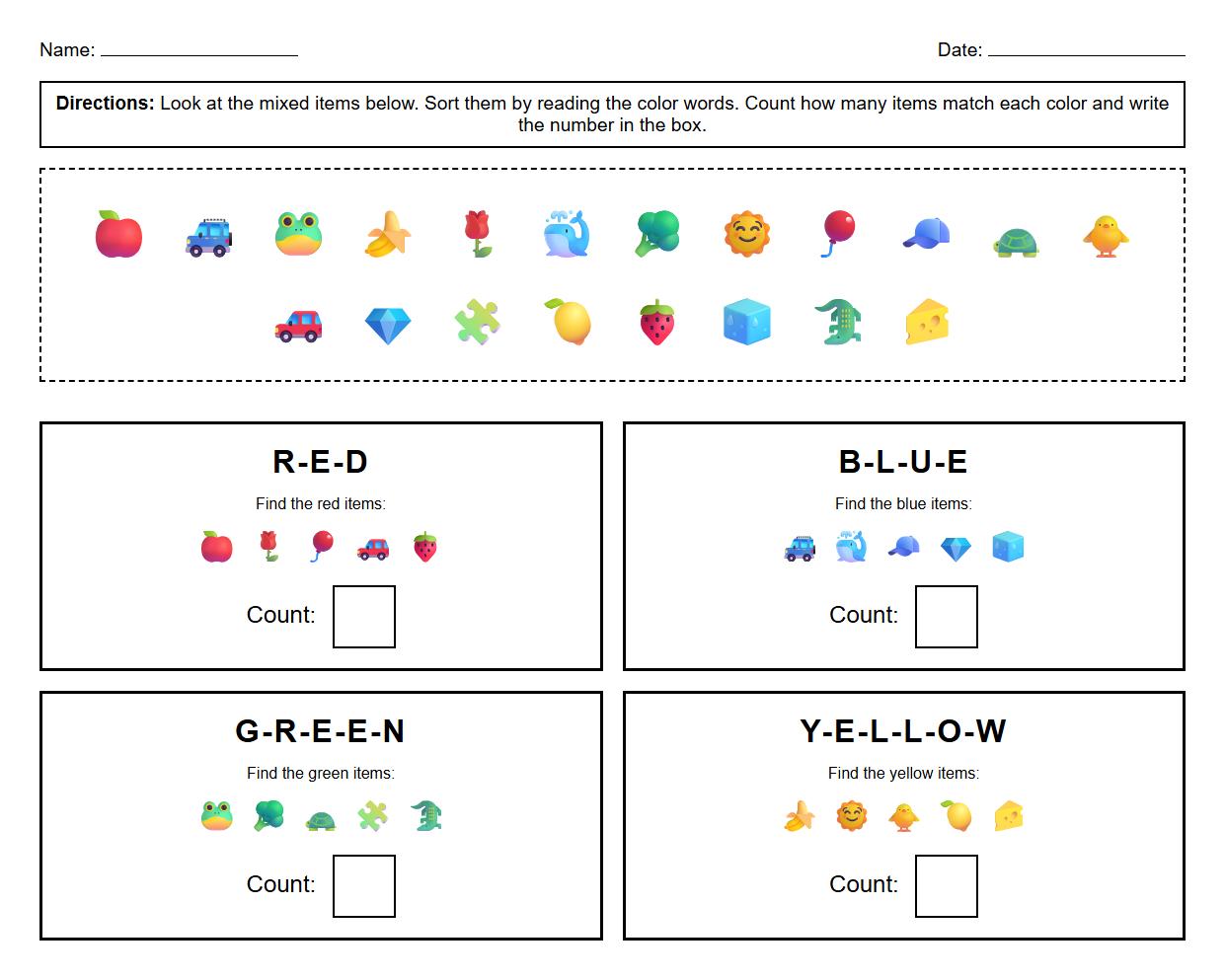
Color Sorting Phonics Worksheet

Download PDF     Pin it

Shape Classification Activity Sheet
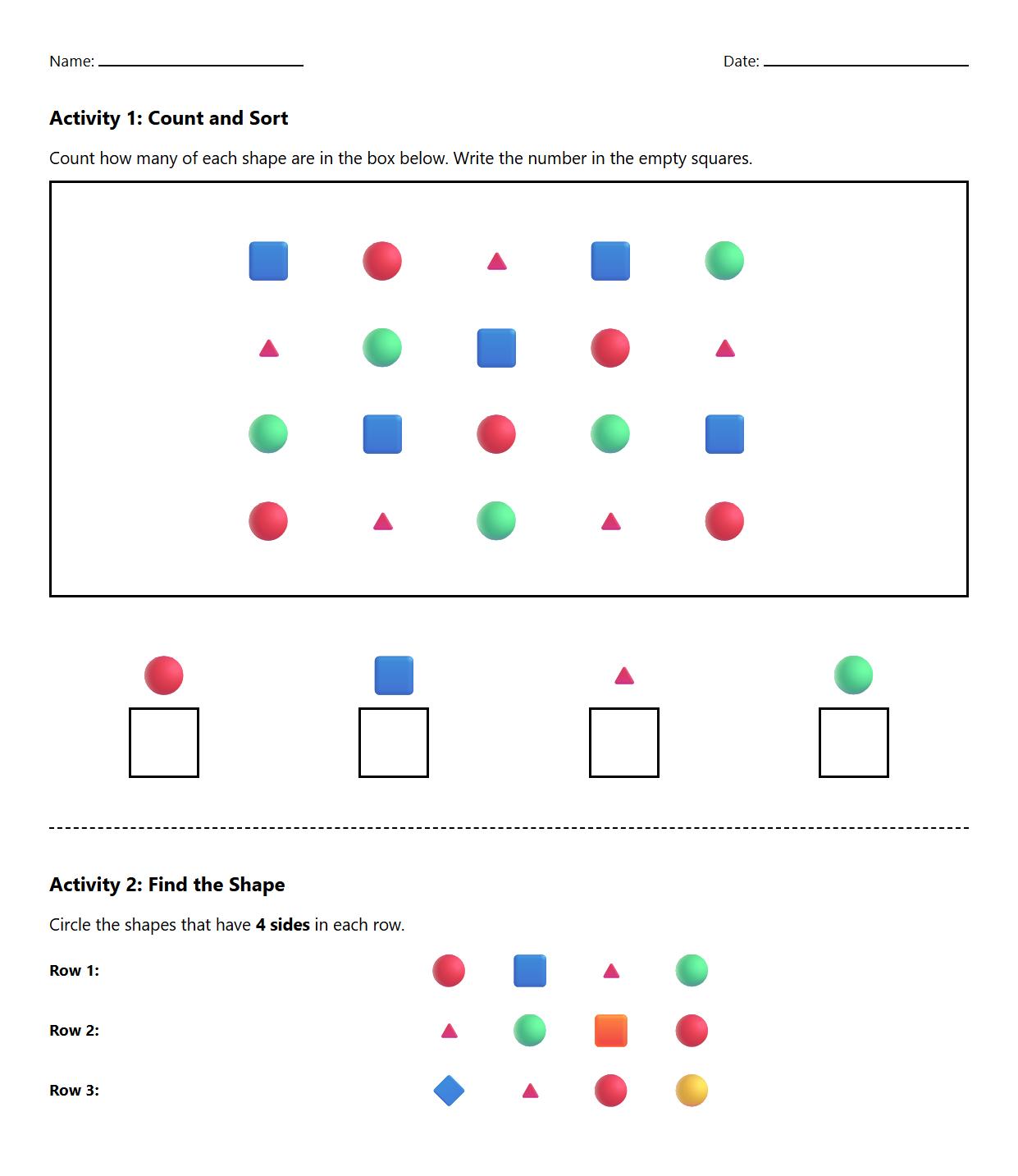
Shape Classification Activity Sheet

Download PDF     Pin it

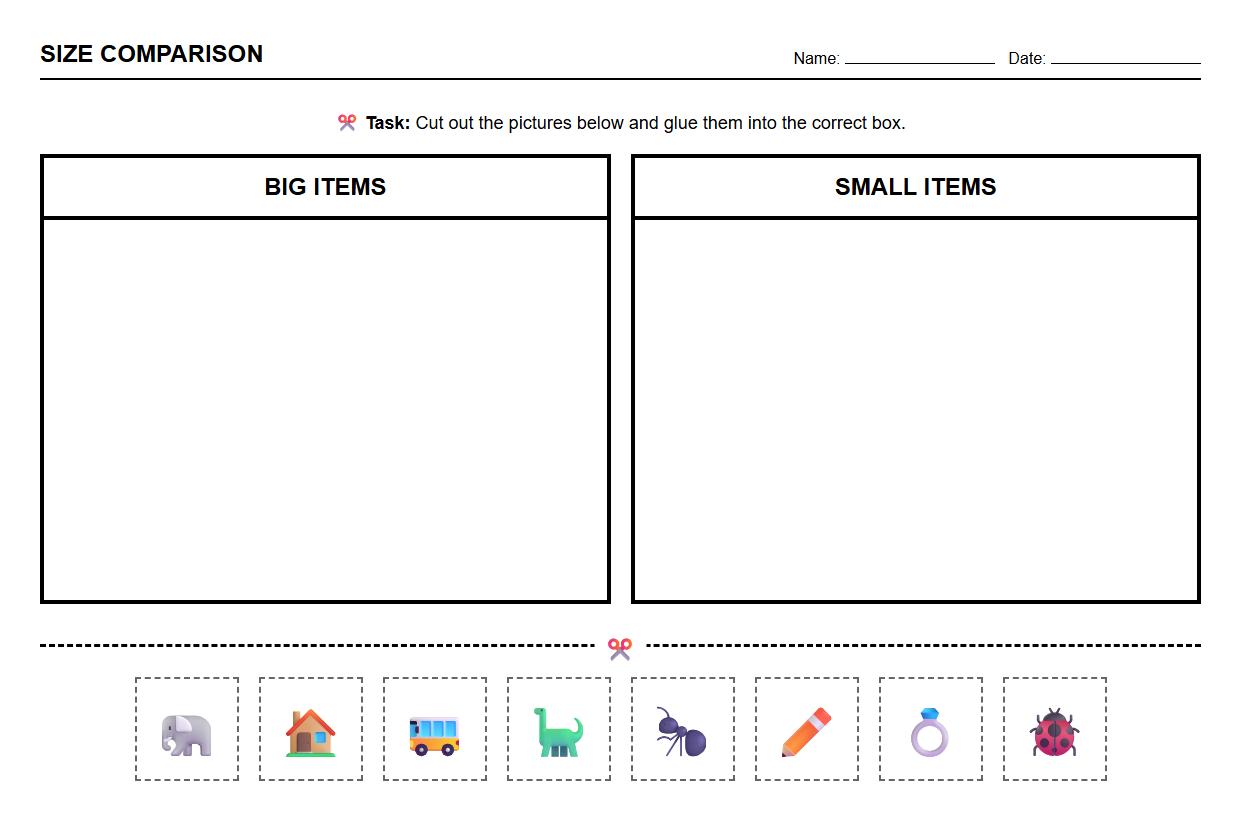
Size Comparison Sorting Task

Size Comparison Sorting Task

Download PDF     Pin it

Texture Attribute Matching Worksheet
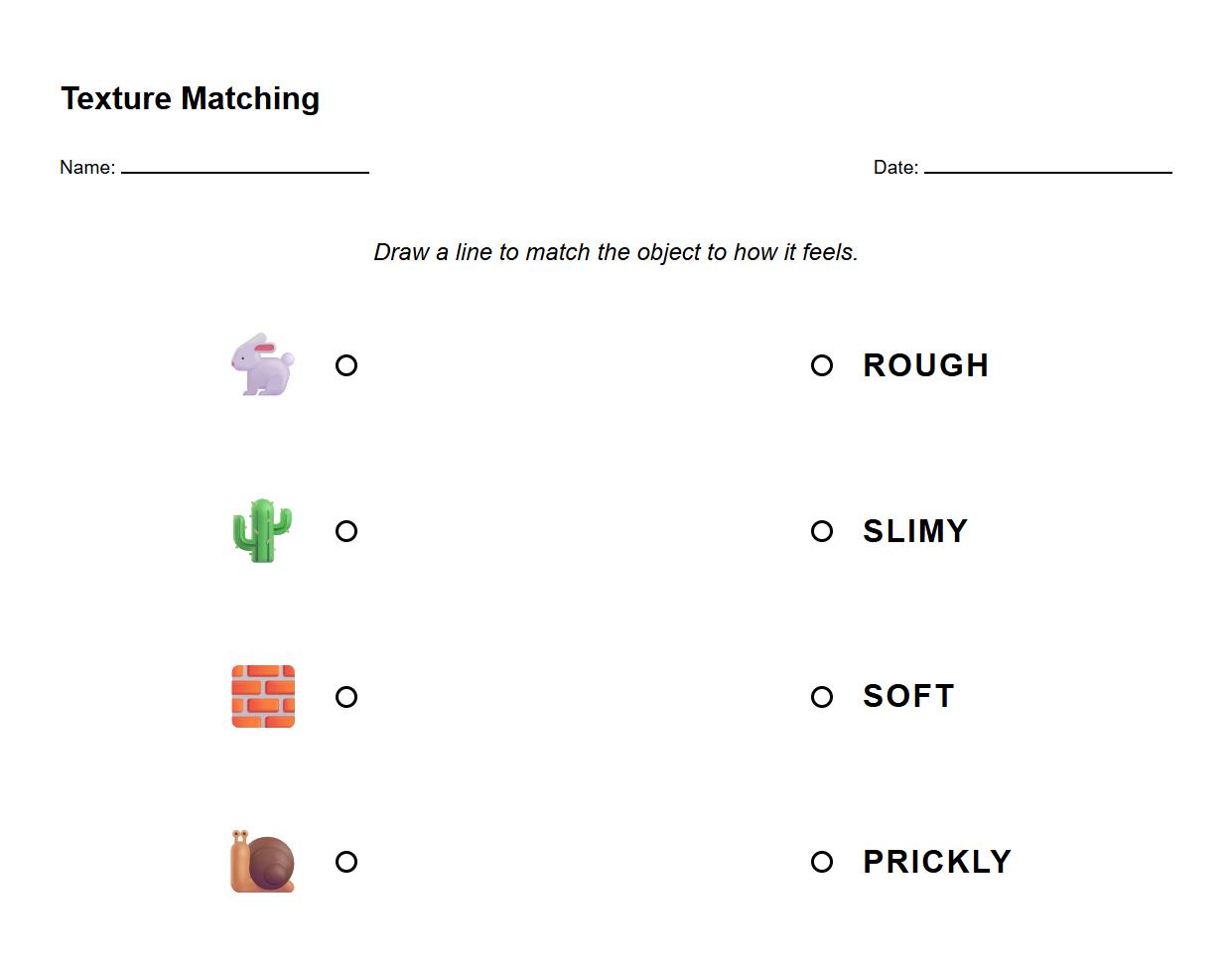
Texture Attribute Matching Worksheet

Download PDF     Pin it

Sorting Objects by Function Worksheet
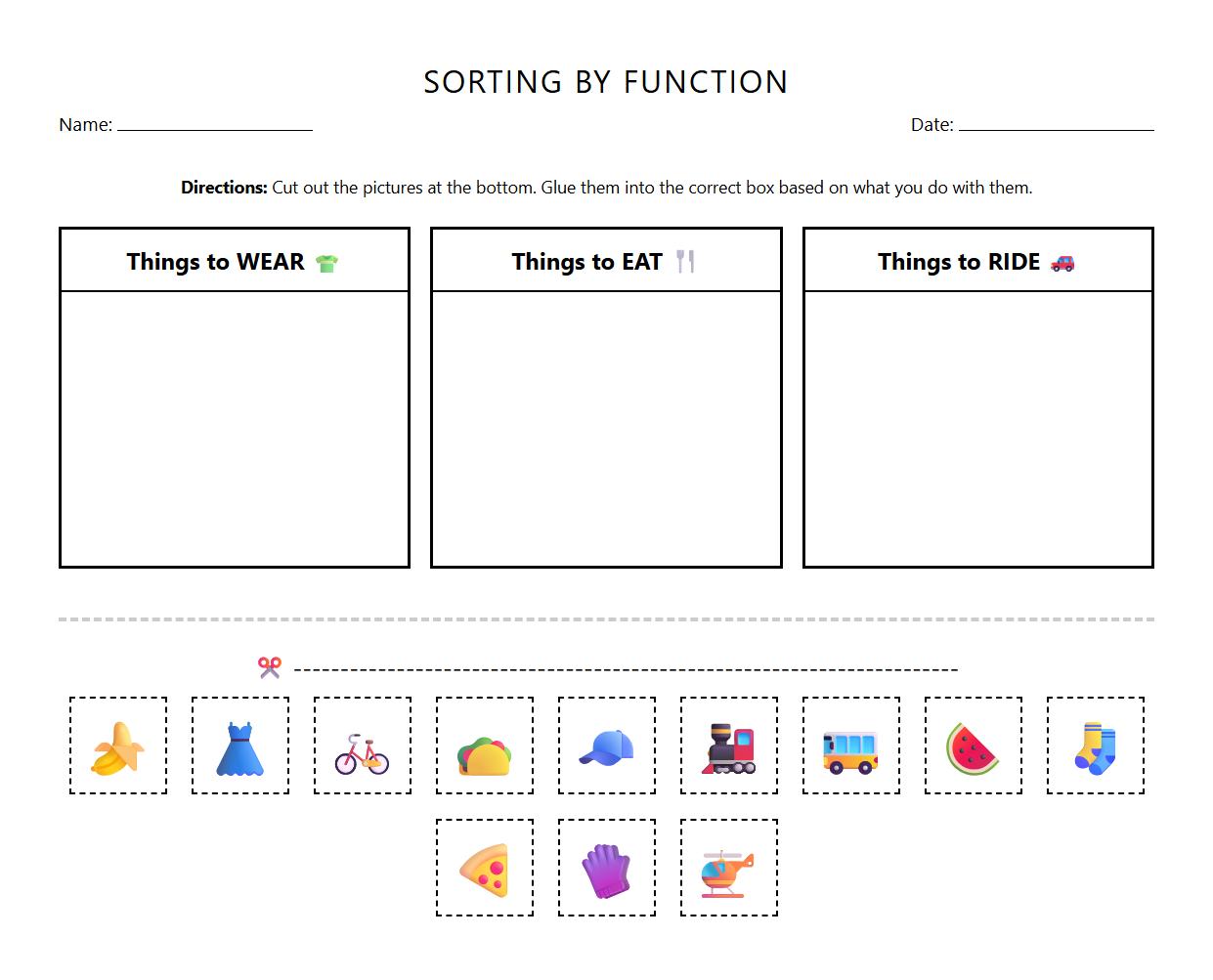
Sorting Objects by Function Worksheet

Download PDF     Pin it

Classifying Animals by Habitat Worksheet
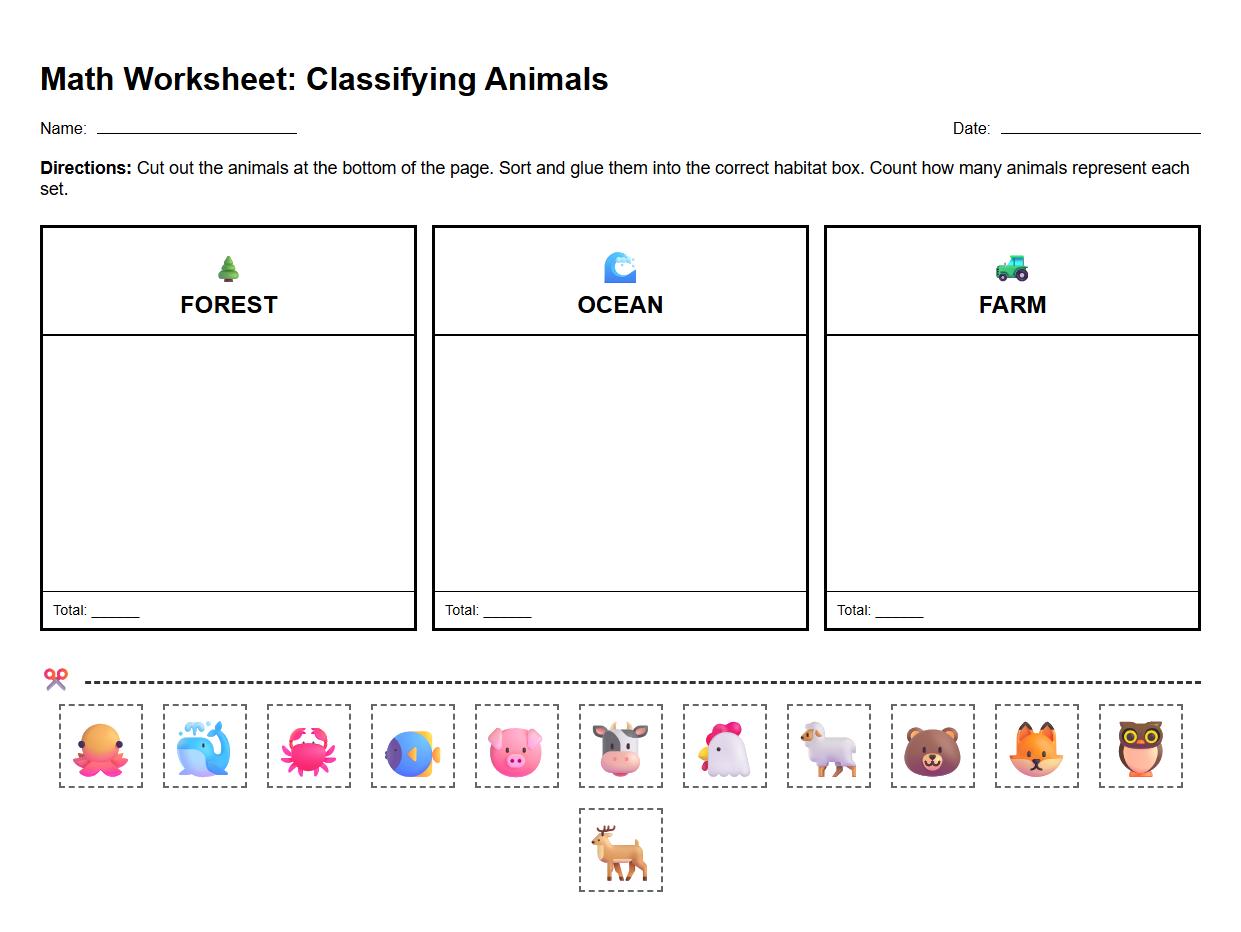
Classifying Animals by Habitat Worksheet

Download PDF     Pin it

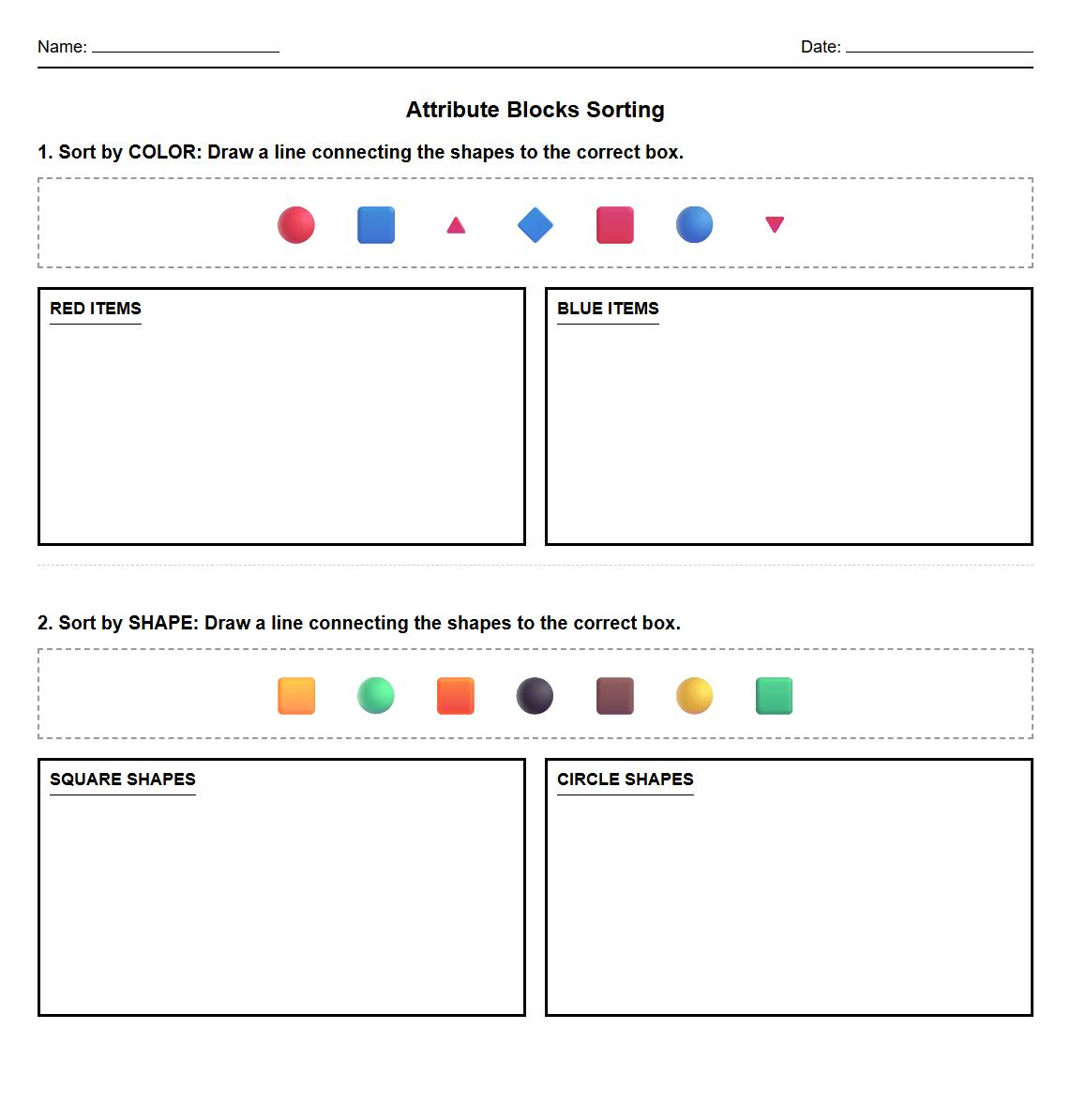
Attribute Blocks Sorting Exercise

Attribute Blocks Sorting Exercise

Download PDF     Pin it

Sorting Household Items by Material Worksheet
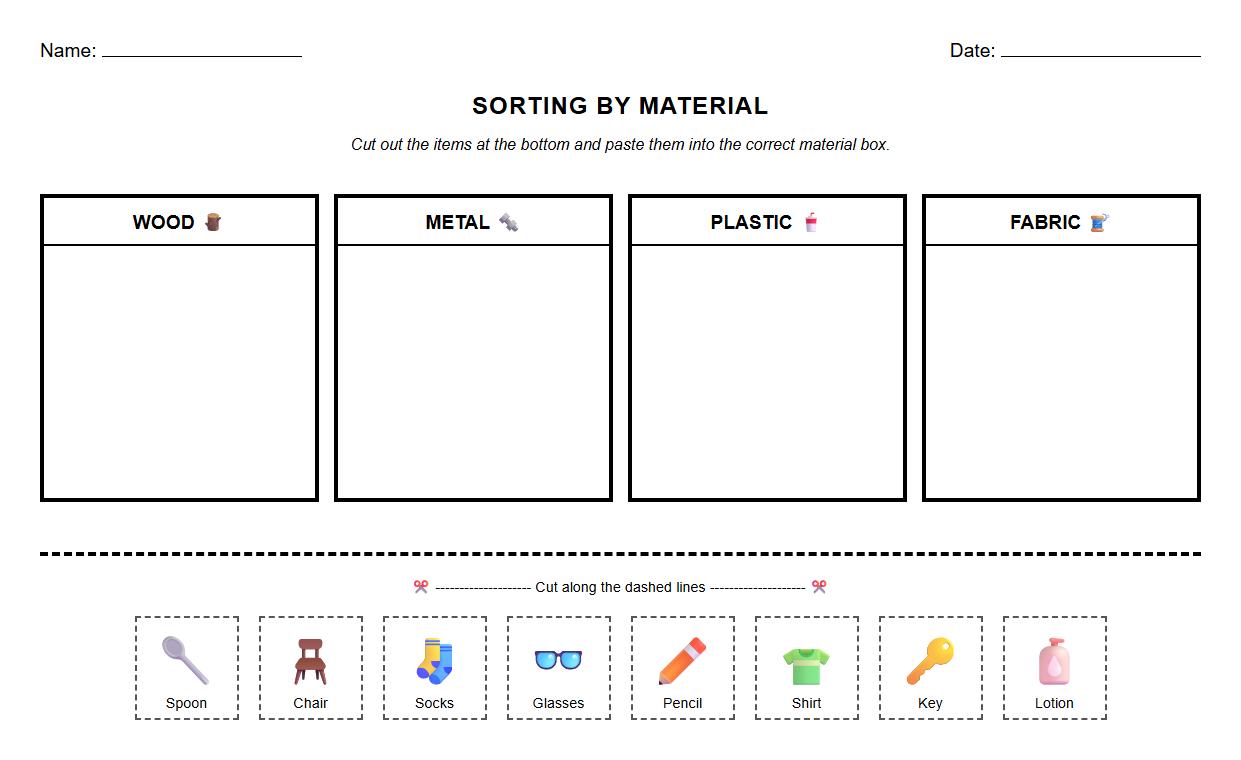
Sorting Household Items by Material Worksheet

Download PDF     Pin it

Classifying Food by Category Worksheet
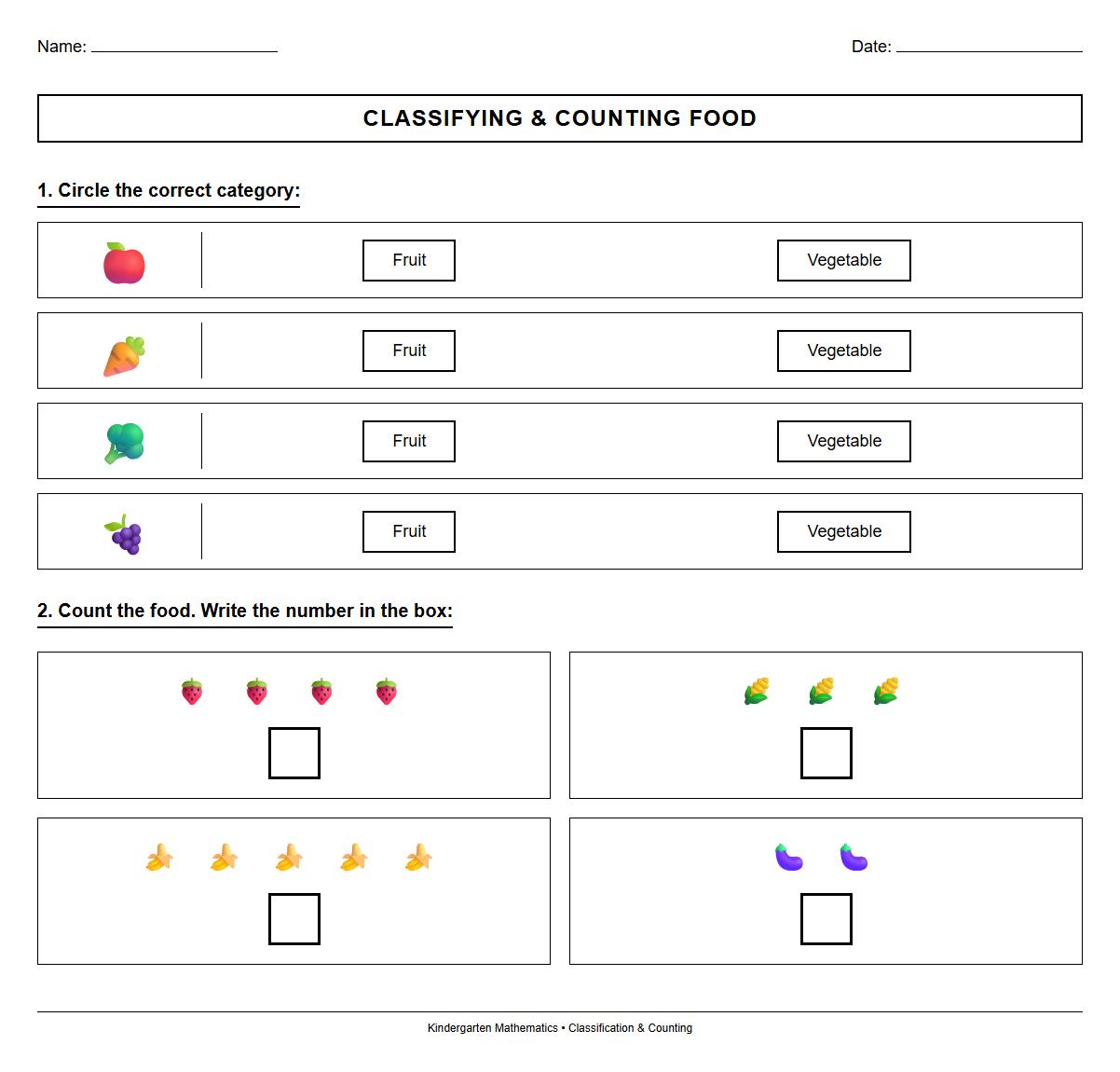
Classifying Food by Category Worksheet

Download PDF     Pin it

Phonics-Based Attribute Sorting Sheet
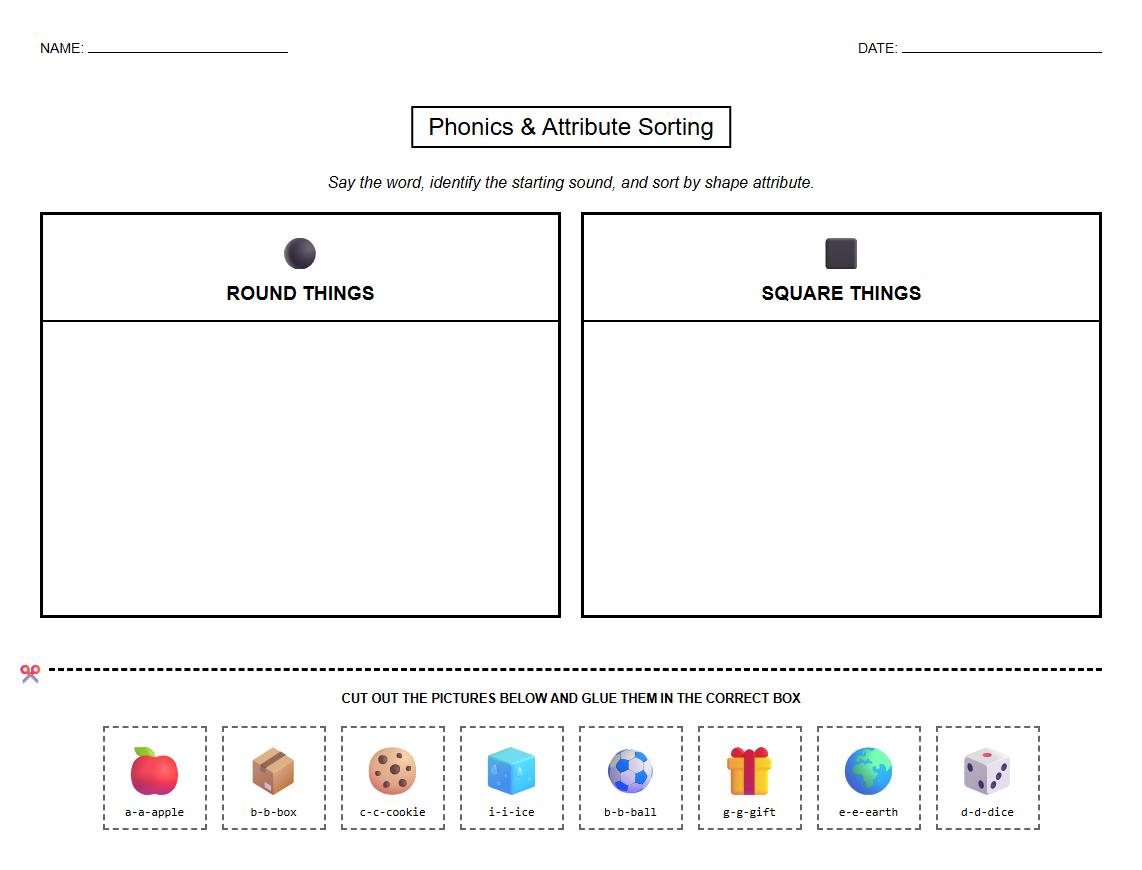
Phonics-Based Attribute Sorting Sheet

Download PDF     Pin it

Common Attributes for Sorting in Kindergarten

Children can sort objects based on color, shape, size, texture, and weight. These attributes are tangible and easy for young learners to recognize. Introducing multiple attributes helps expand their observation skills. Sorting by category encourages children to notice similarities and differences.

Developing Critical Thinking with Sorting Worksheets

Sorting worksheets encourage children to analyze, compare, and make decisions. This process enhances problem-solving abilities and logical reasoning. Worksheets often require children to justify their sorting choices, promoting deeper understanding. It also supports pattern recognition and sequencing skills.

Best Materials for Hands-On Sorting Activities

Use everyday objects like buttons, blocks, coins, and natural items such as leaves for interactive sorting. Manipulatives with varied textures and sizes engage multiple senses. Durable and safe materials allow repeated practice. Visual and tactile experiences strengthen concept retention.

Supporting Early Math Concepts with Sorting

Sorting and classifying establish foundational math skills like counting, patterning, and grouping. Children learn to organize data, an essential step toward understanding sets and categories. These activities introduce concepts of more, less, and equal. Early exposure builds confidence for future math learning.

Differentiating Sorting Worksheets for Various Levels

Modify worksheets by varying complexity, such as sorting by one attribute for beginners and multiple for advanced learners. Use visual aids and step-by-step instructions to support struggling students. Challenge advanced learners with open-ended sorting tasks. Differentiation allows all children to engage meaningfully.

Assessing Understanding Through Sorting Tasks

Teachers can assess comprehension by observing how students group objects and explain choices. Use checklists focusing on correct attribute identification and sorting accuracy. Incorporate verbal questioning to gauge reasoning skills. Assessment informs tailored instruction and identifies areas needing reinforcement.

Vocabulary's Role in Sorting Lessons

Vocabulary development is critical when teaching sorting attributes like "round," "smooth," or "heavy." Clear terms help children articulate observations and reasoning. Repeated exposure to attribute words enriches language and communication skills. This supports literacy alongside cognitive development.

Incorporating Technology into Sorting Activities

Interactive apps and digital games can reinforce sorting and classifying concepts through engaging visuals and immediate feedback. Technology allows personalized pacing and adaptive challenges. Virtual manipulatives provide a safe, accessible way to practice sorting. Integrating technology complements traditional hands-on methods.

Encouraging Collaboration with Group Sorting

Group sorting activities promote communication, teamwork, and social skills development. Children learn to negotiate and respect others' ideas while working toward a common goal. Collaborative sorting fosters peer learning and problem-solving. It builds a supportive learning community in the classroom.

Creative Themes for Sorting and Classifying Worksheets

Use themes such as animals, food, seasons, or transportation to capture children's interest. Thematic worksheets connect sorting to real-world contexts, enhancing engagement. Holiday or nature-inspired themes add variety and excitement. Creative themes motivate children to participate actively and enjoy learning.


More in Mathematics Category


About the author. Nylen Smith is a dedicated educator and cofounder of KWorksheet.com, a popular platform specializing in high-quality kindergarten worksheets and printable activities.

Disclaimer. The information provided in this document is for general informational purposes and/or document sample only and is not guaranteed to be factually right or complete. Please report to us via contact-us page if you find and error in this page, thanks.

Comments

No comment yet