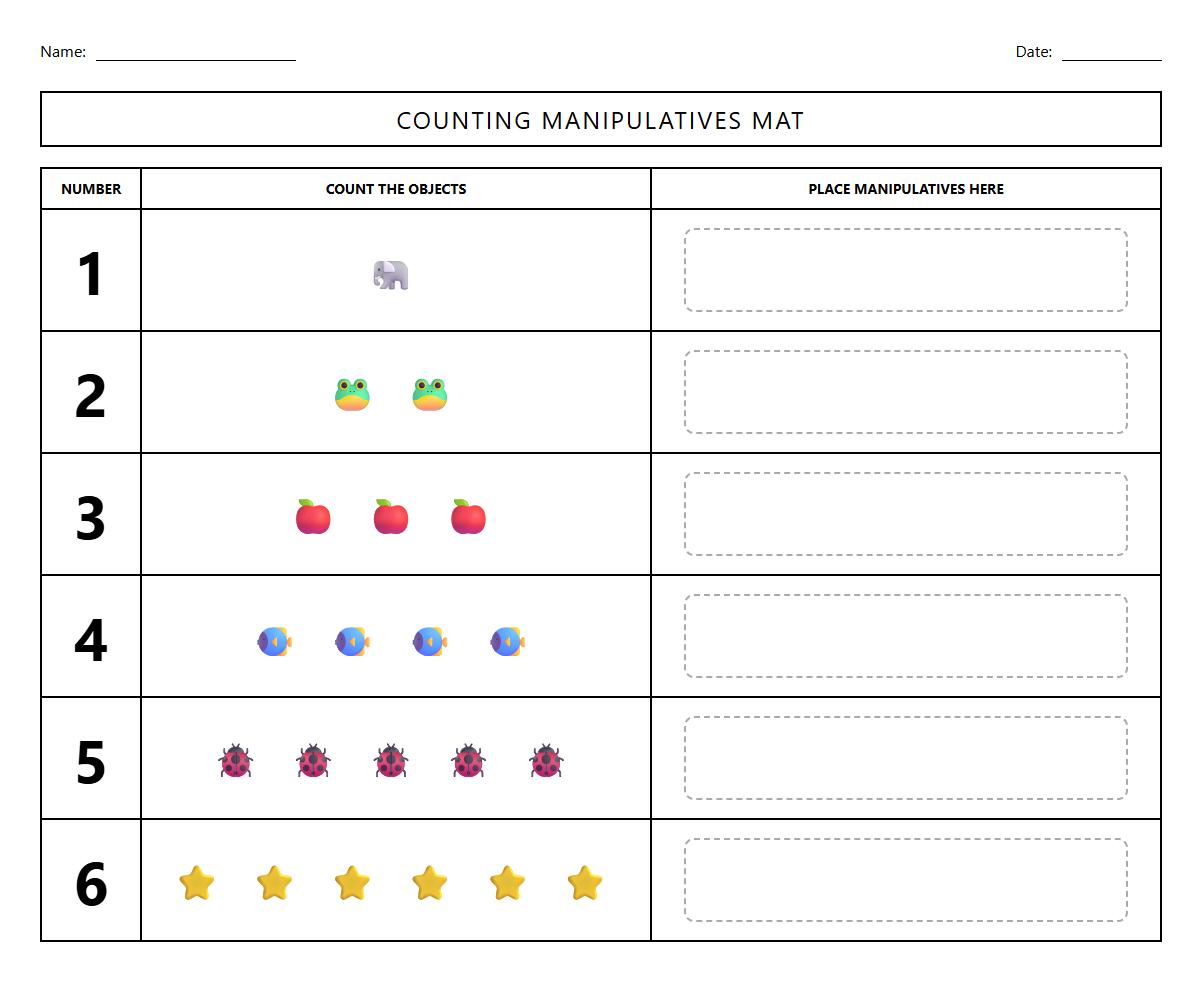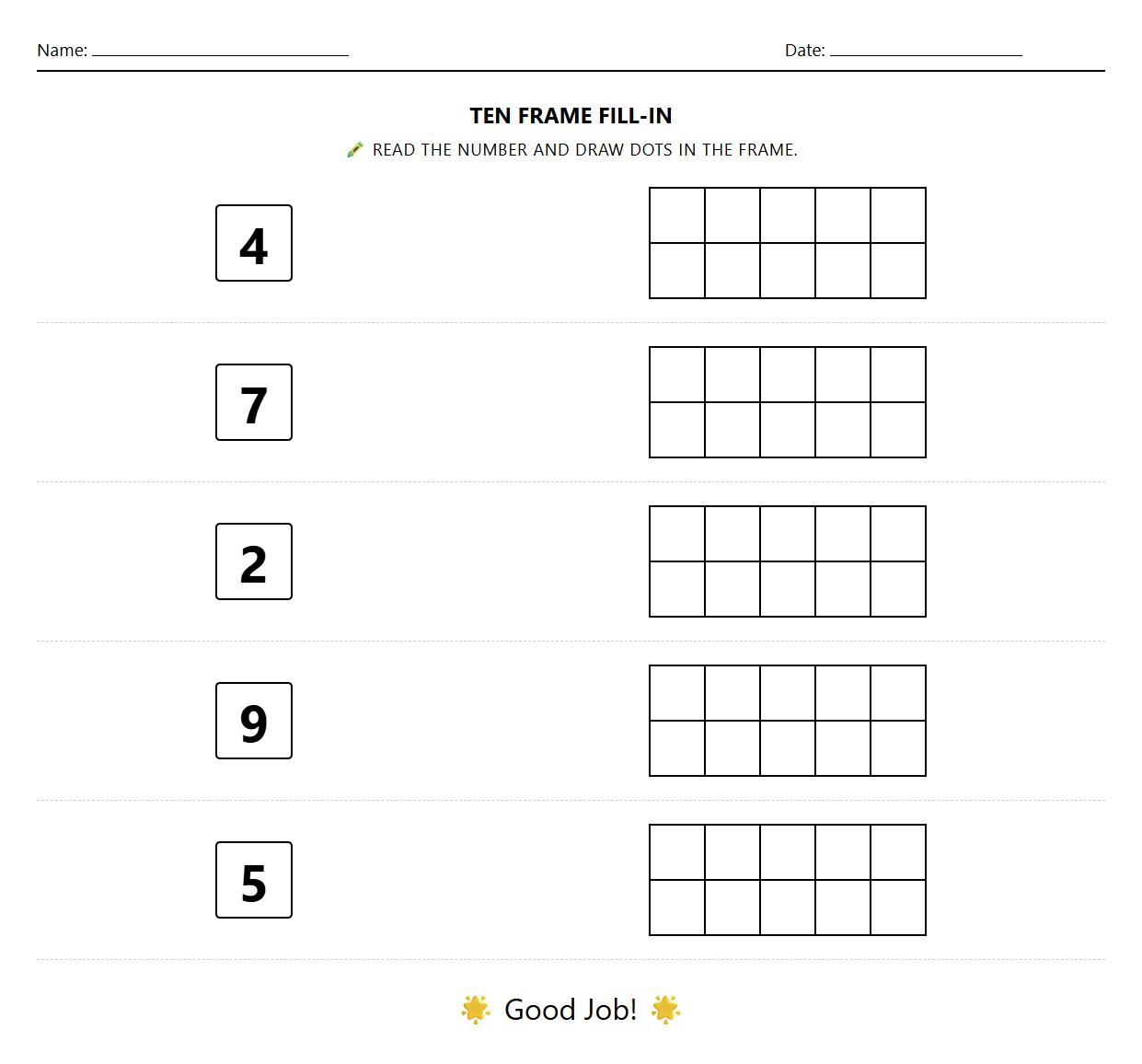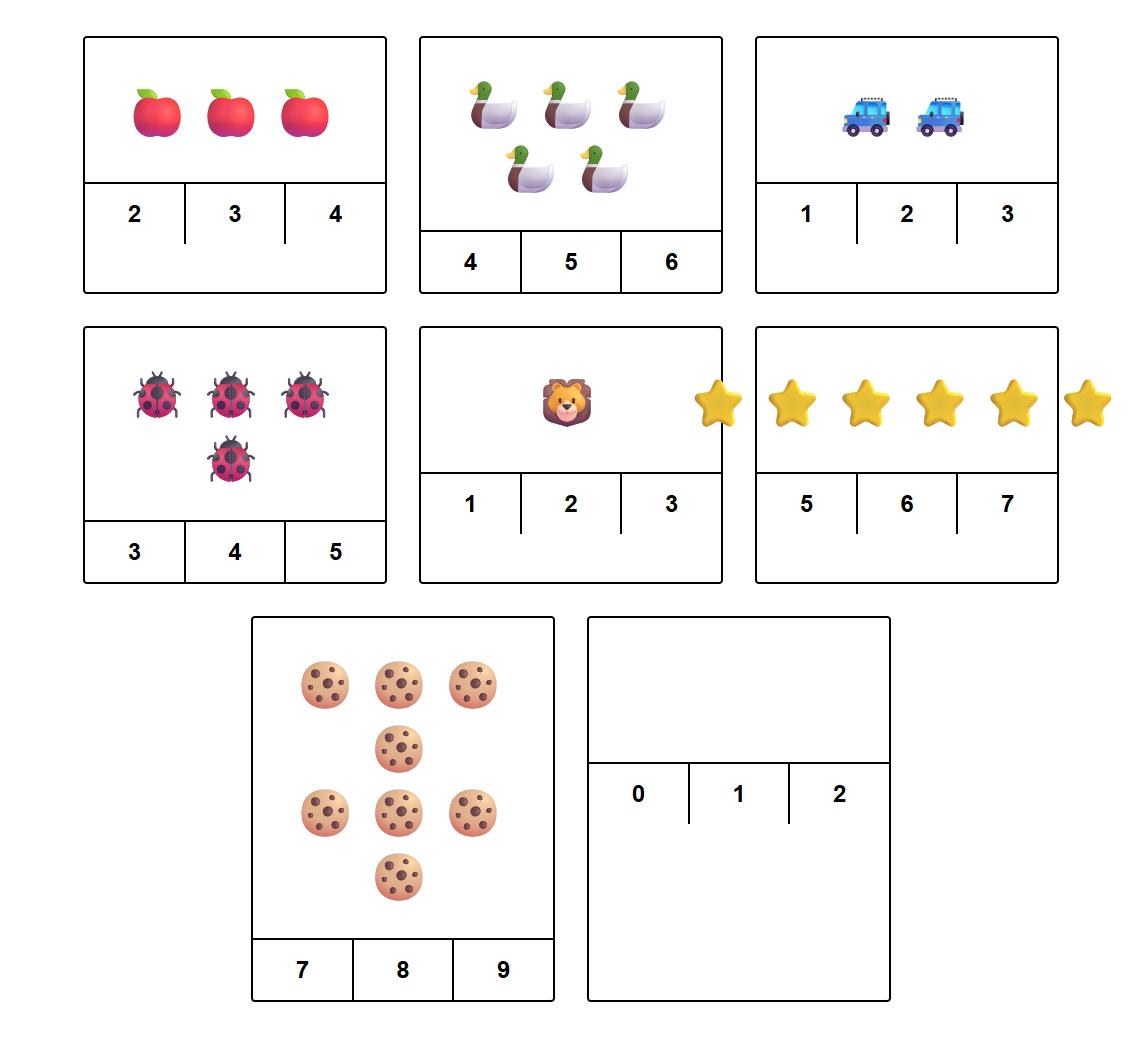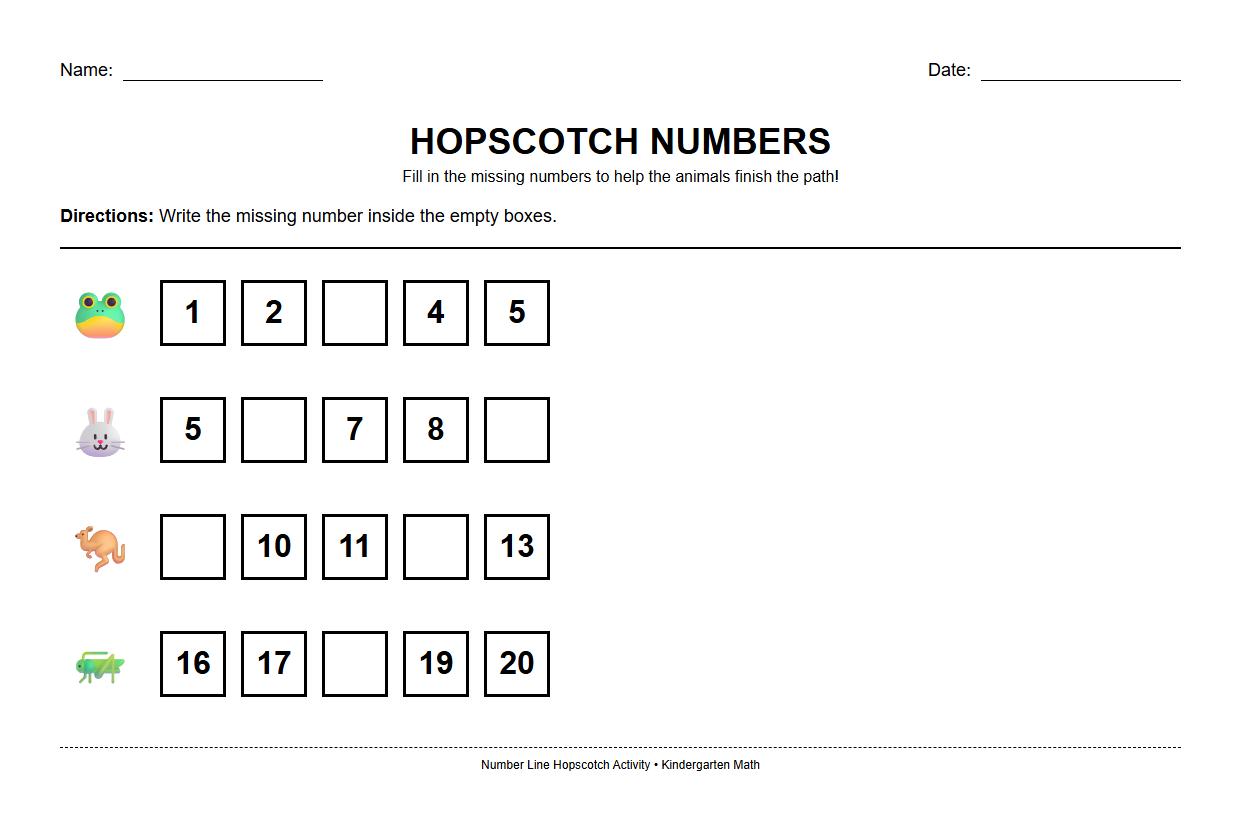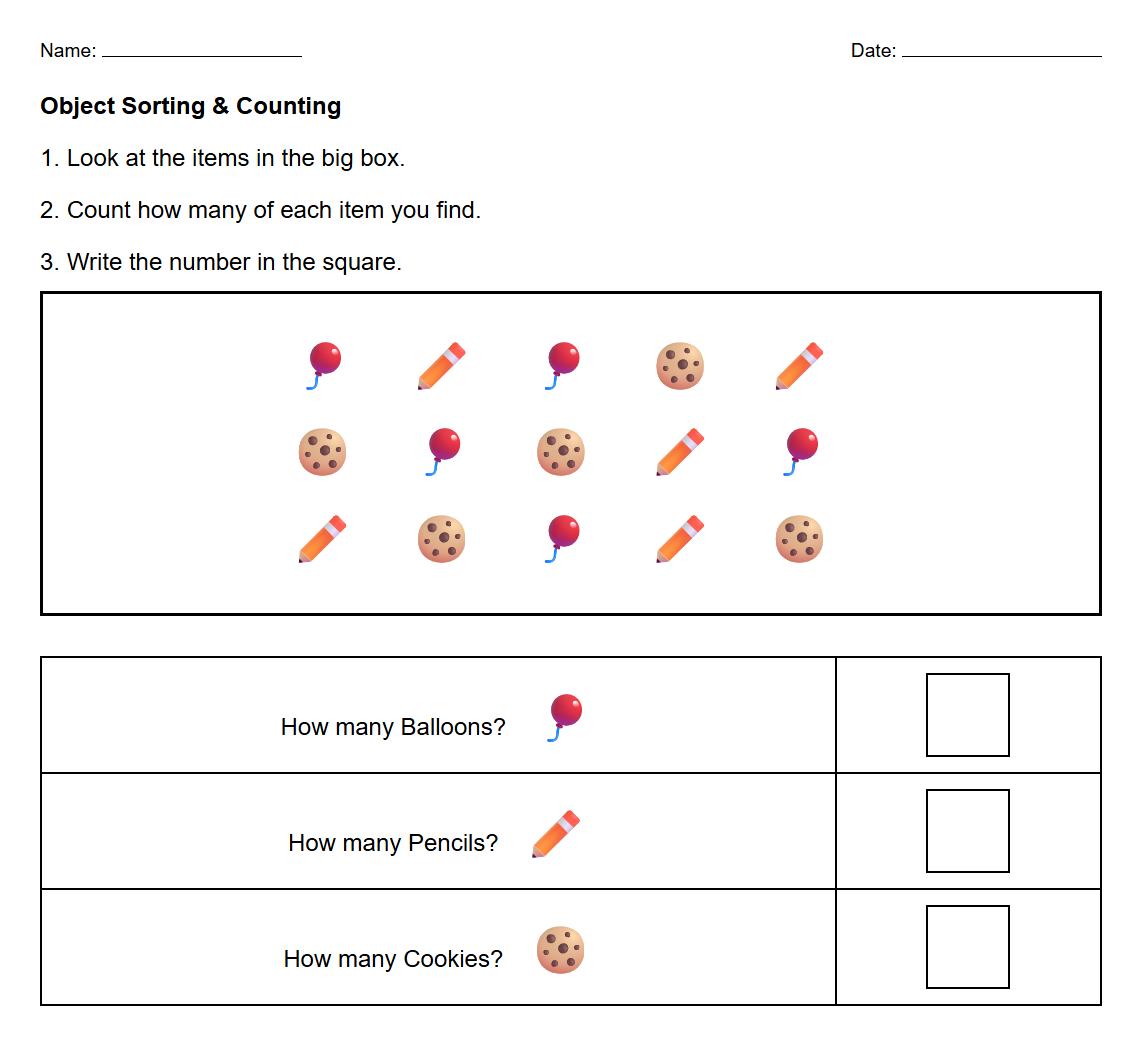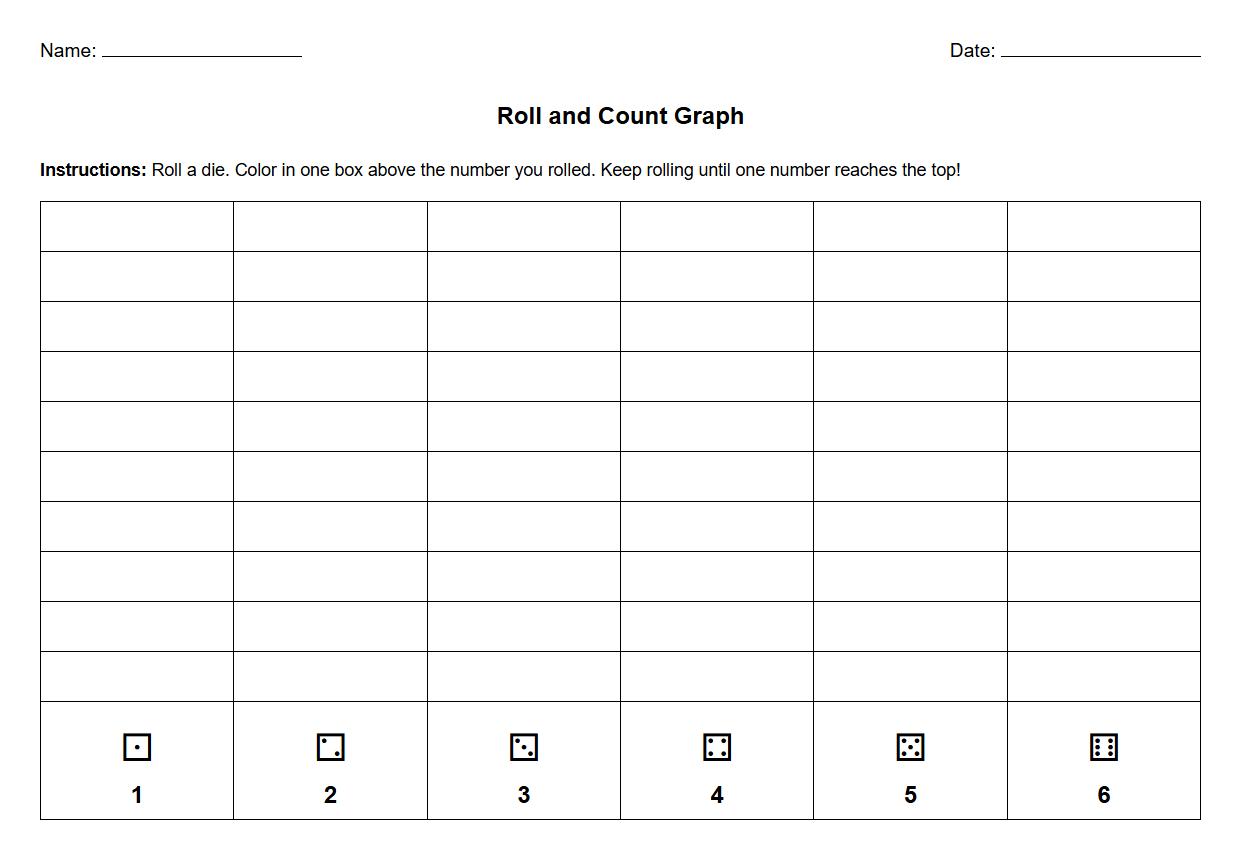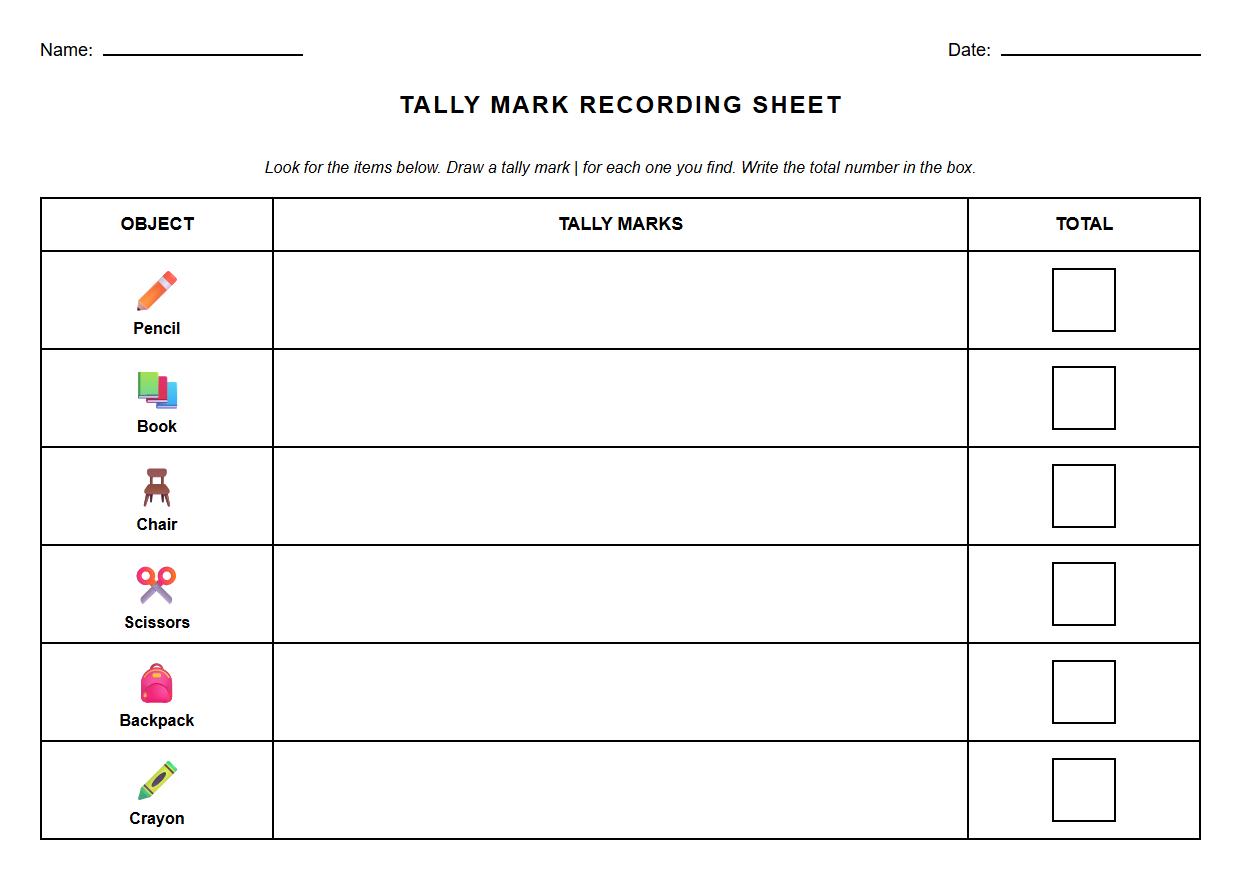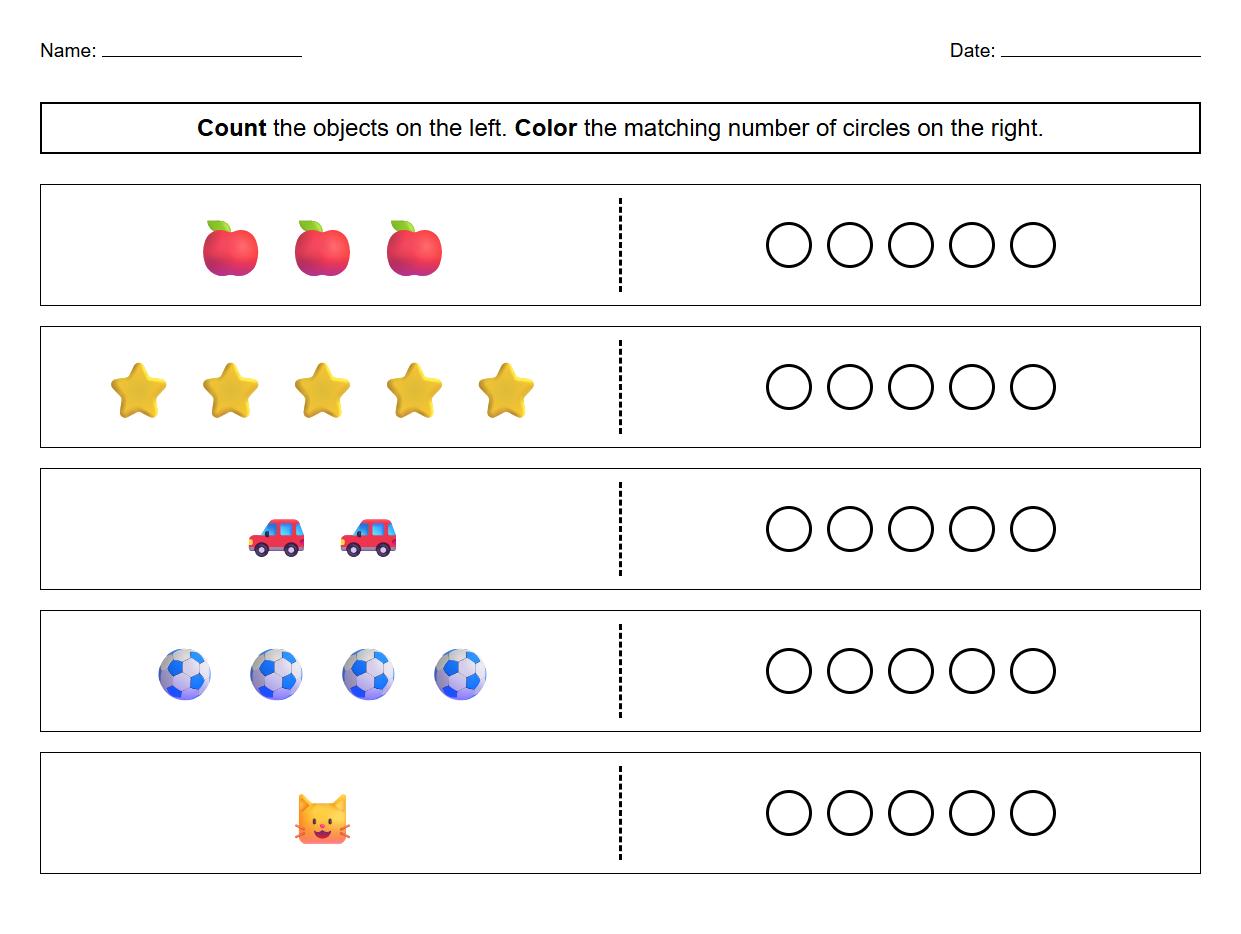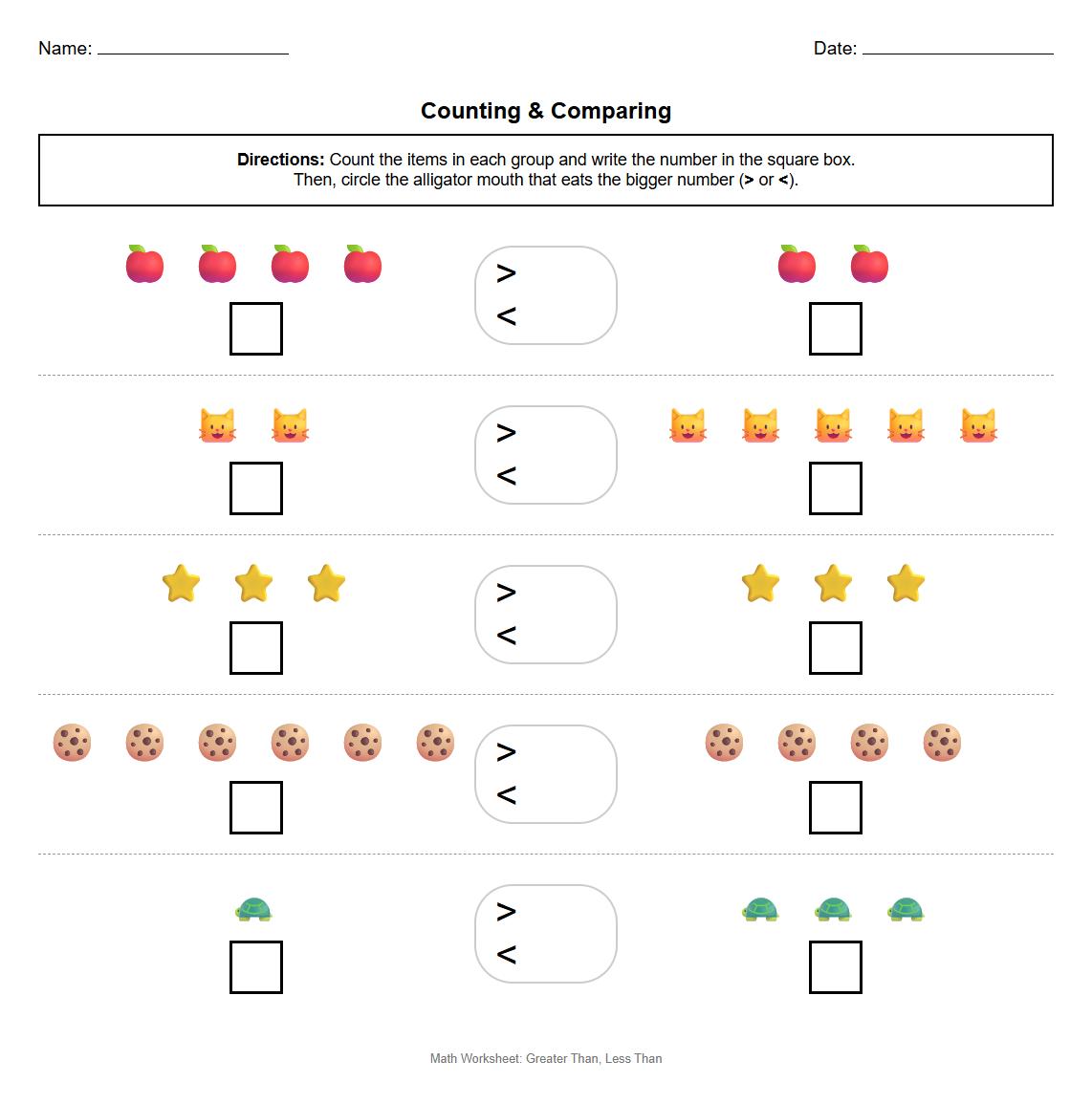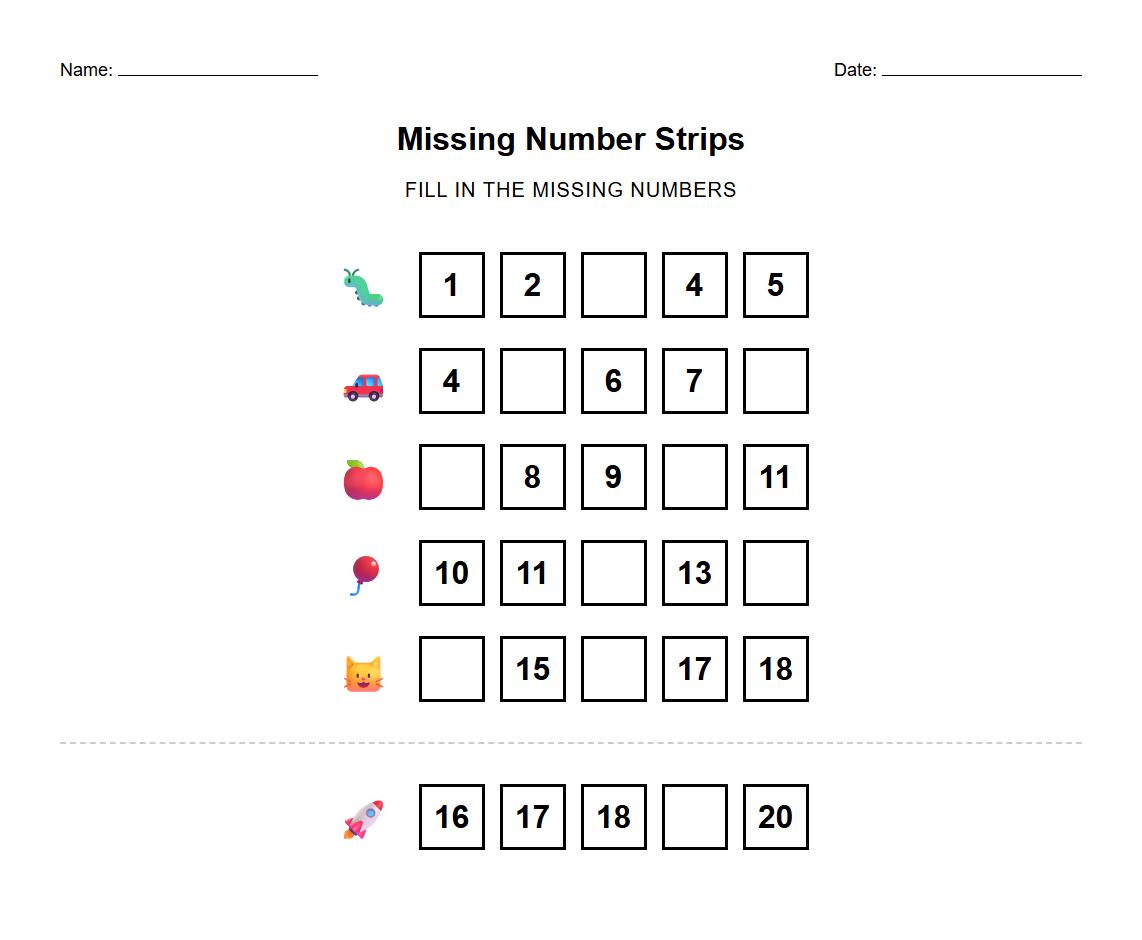
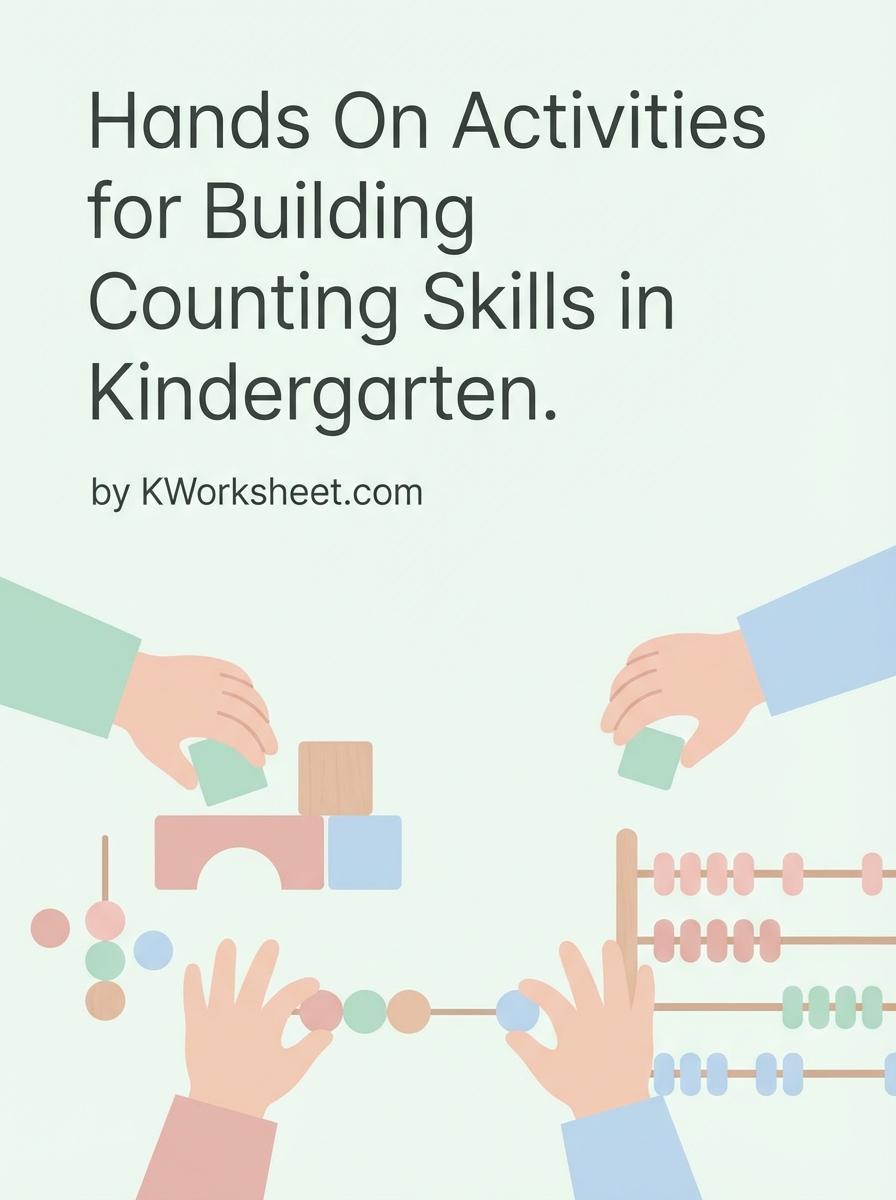
Hands-on activities enhance counting skills in kindergarten by engaging children with tactile and visual learning experiences that build number sense and promote accurate counting. These interactive methods encourage active participation, making abstract concepts more concrete and easier to grasp for young learners. Explore our collection of worksheets designed to support these valuable counting exercises.
Effective Hands-On Materials for Counting Practice in Kindergarten
Using manipulatives like counters, blocks, and beads provides tactile experiences that engage children in counting. Items such as buttons, shells, and colorful tiles help make abstract numbers concrete. These materials support interactive learning, allowing children to physically move and group objects. This approach promotes understanding and retention of counting skills.
Enhancing Number Recognition Skills with Counting Games
Counting games encourage active participation and reinforce number recognition by associating numbers with quantities. Games like number bingo, hopscotch with numbers, and matching cards boost memory and cognitive skills. They create a fun environment that motivates children to practice frequently. Integrating play keeps students attentive and eager to learn.
Classroom Activities for Accurate Counting of Objects
Classroom activities such as sorting and grouping similar items help students focus on counting precision. Using stations with objects like stamps, toy animals, or classroom supplies encourages repeated counting practice. Role-play scenarios, such as "store" or "restaurant," provide contextual counting practice. These activities foster attention to detail and reliability in counting.
Incorporating Everyday Items into Counting Exercises
Teachers can use common classroom or household objects like pencils, paper clips, or fruit for counting exercises. These everyday items connect learning with real-life experiences, making concepts relatable. Counting snack pieces or classroom tools offers practical application opportunities. This method enhances children's ability to transfer counting skills beyond the classroom.
Group Activities That Promote Collaborative Counting Skills
Group activities like cooperative counting songs, number line walks, or circle counting games help develop social and counting skills. Children learn to take turns and listen while counting together, fostering collaboration. These tasks build communication and teamwork linked to mathematical concepts. Group settings also provide peer modeling for effective counting strategies.
Supporting Counting Development Through Manipulatives
Manipulatives offer a concrete way for children to visualize and practice counting. Using objects like cubes or counters enables students to develop one-to-one correspondence and understand quantity. They support fine motor skills and enable self-correction during counting tasks. Manipulatives bridge the gap between abstract numbers and physical quantities.
Outdoor Activities Encouraging Counting Practice for Kindergarten Students
Outdoor activities such as nature walks, counting leaves, or jumping on numbered spots combine movement with learning. These activities provide fresh contexts for practicing counting in an engaging, hands-on way. Incorporating physical activity enhances memory retention and enthusiasm. Outdoor exploration also introduces varied stimuli for counting objects in natural settings.
Assessing Counting Skills Through Hands-On Activities
Teachers can assess counting by observing children as they manipulate objects or participate in counting games. Tasks such as counting aloud while moving counters or grouping items allow real-time evaluation. Using checklists to document accuracy and understanding provides clear insights into student progress. Hands-on assessments enable tailored instruction to meet individual needs.
Strategies to Progress from Rote Counting to One-to-One Correspondence
Encouraging students to touch or move each object while counting supports the shift to one-to-one correspondence. Using guided activities that pair verbal counting with physical handling strengthens number-object relationships. Repetitive practice with feedback helps internalize accurate counting sequences. Visual aids like number lines further bridge verbal and quantitative understanding.
Reinforcing Counting Concepts Through Art Projects
Art projects such as creating collages with a specific number of items or painting counted dots reinforce counting visually and kinesthetically. These activities foster creativity while embedding math concepts in enjoyable tasks. Using stamps, stickers, or drawing grouped objects connects numbers to tangible results. Art also encourages fine motor development alongside numerical learning.


Quantities Recognition Worksheets for Early Learners