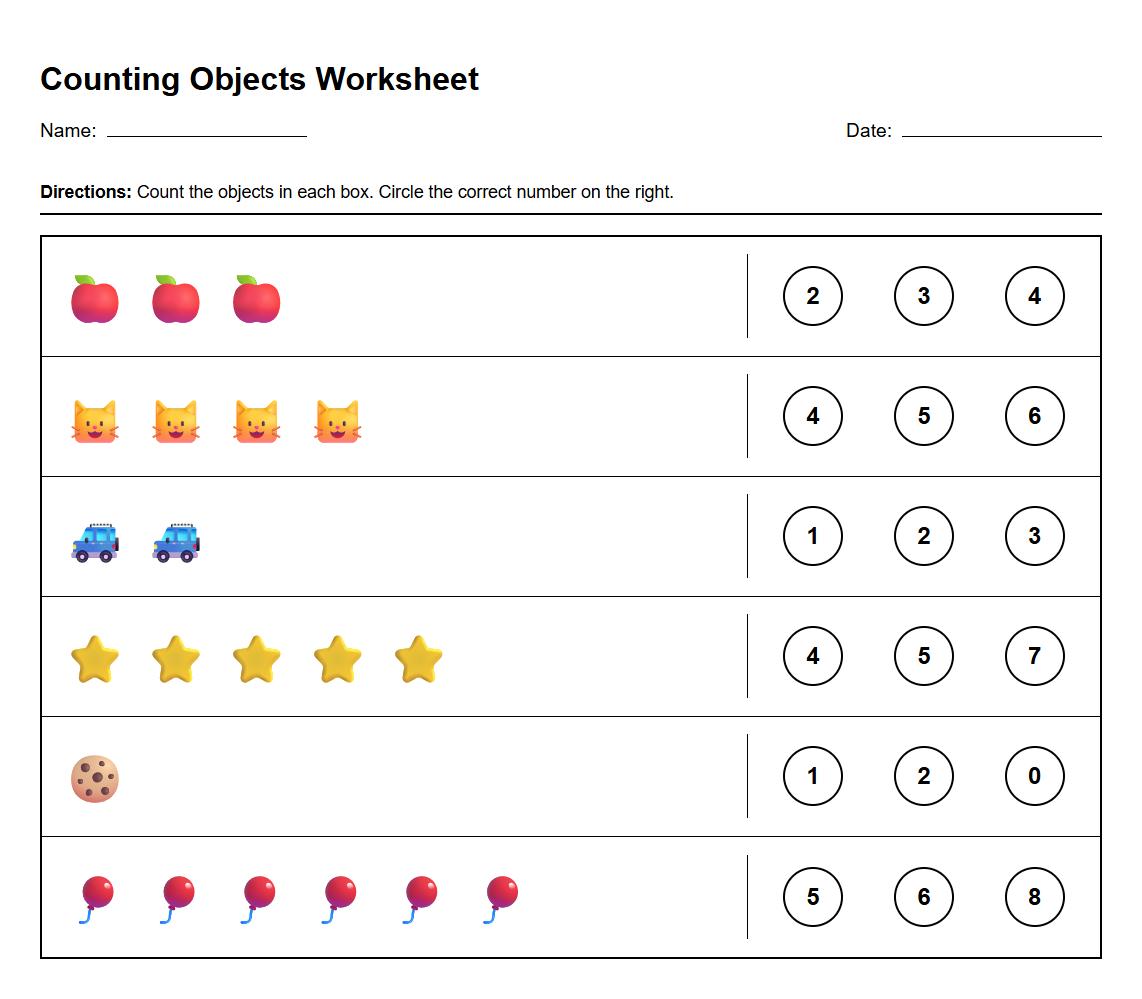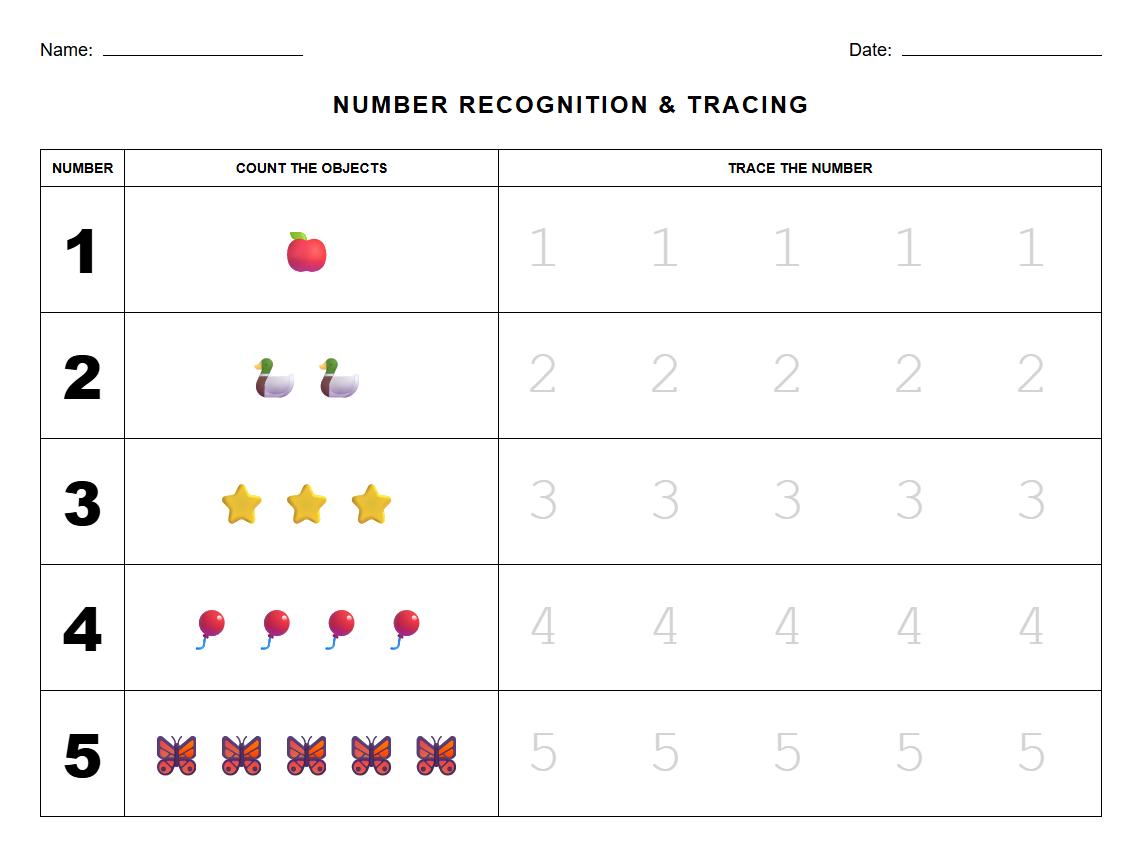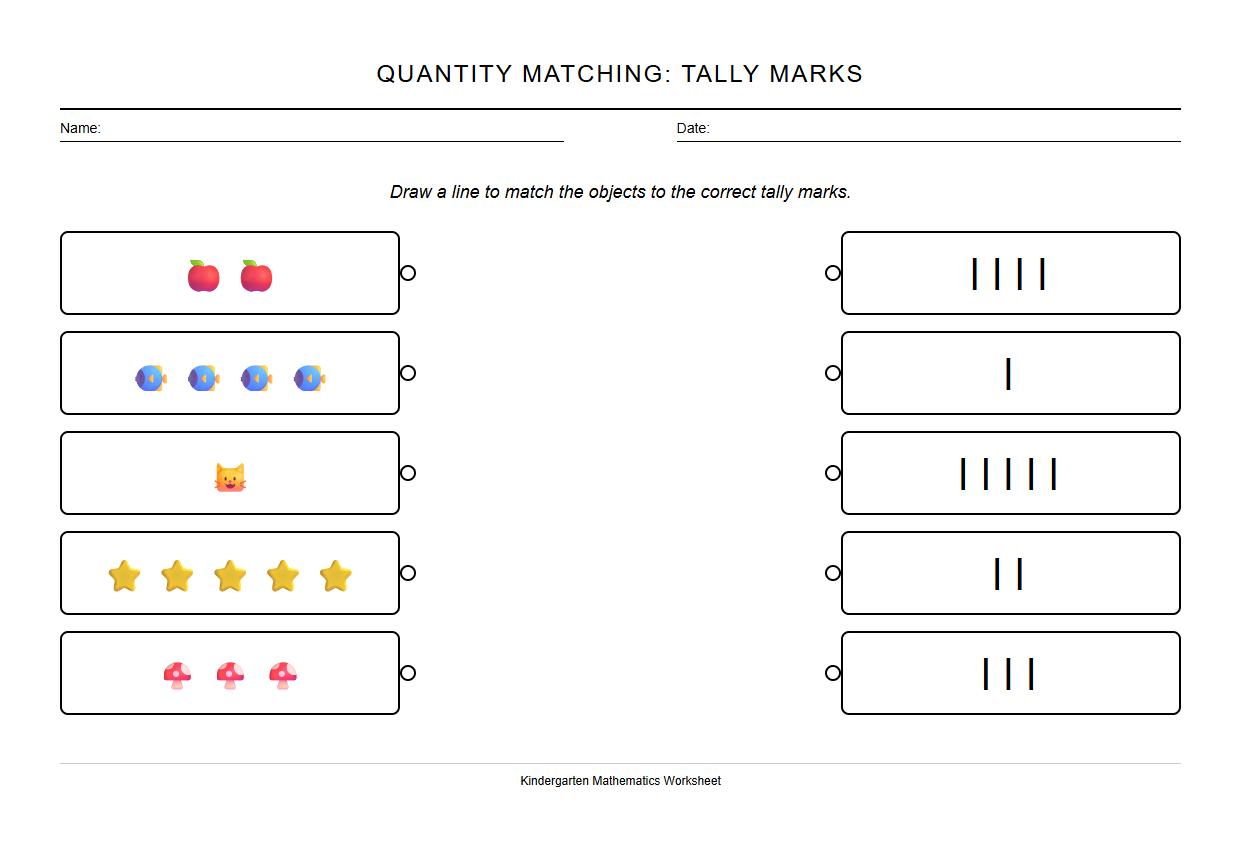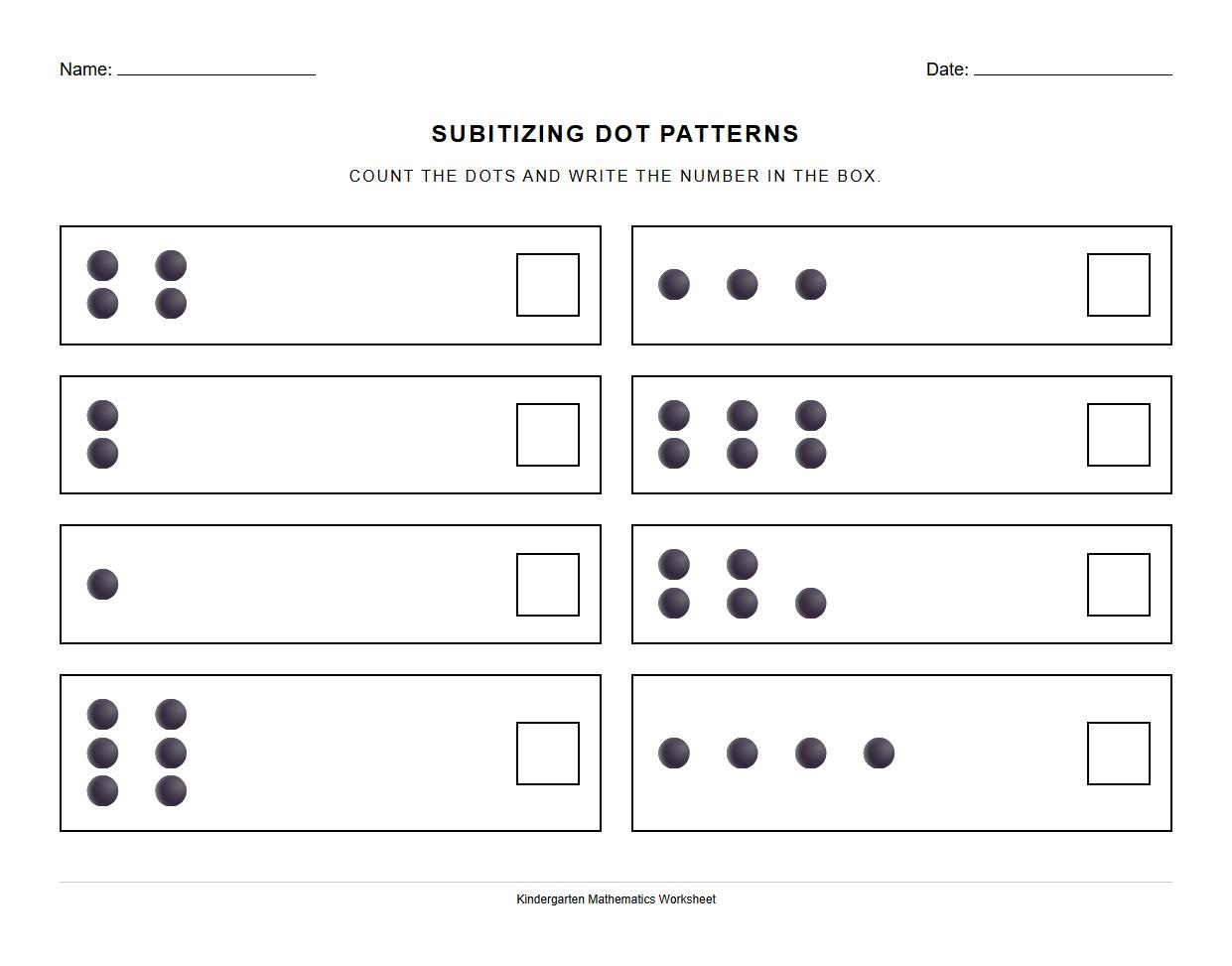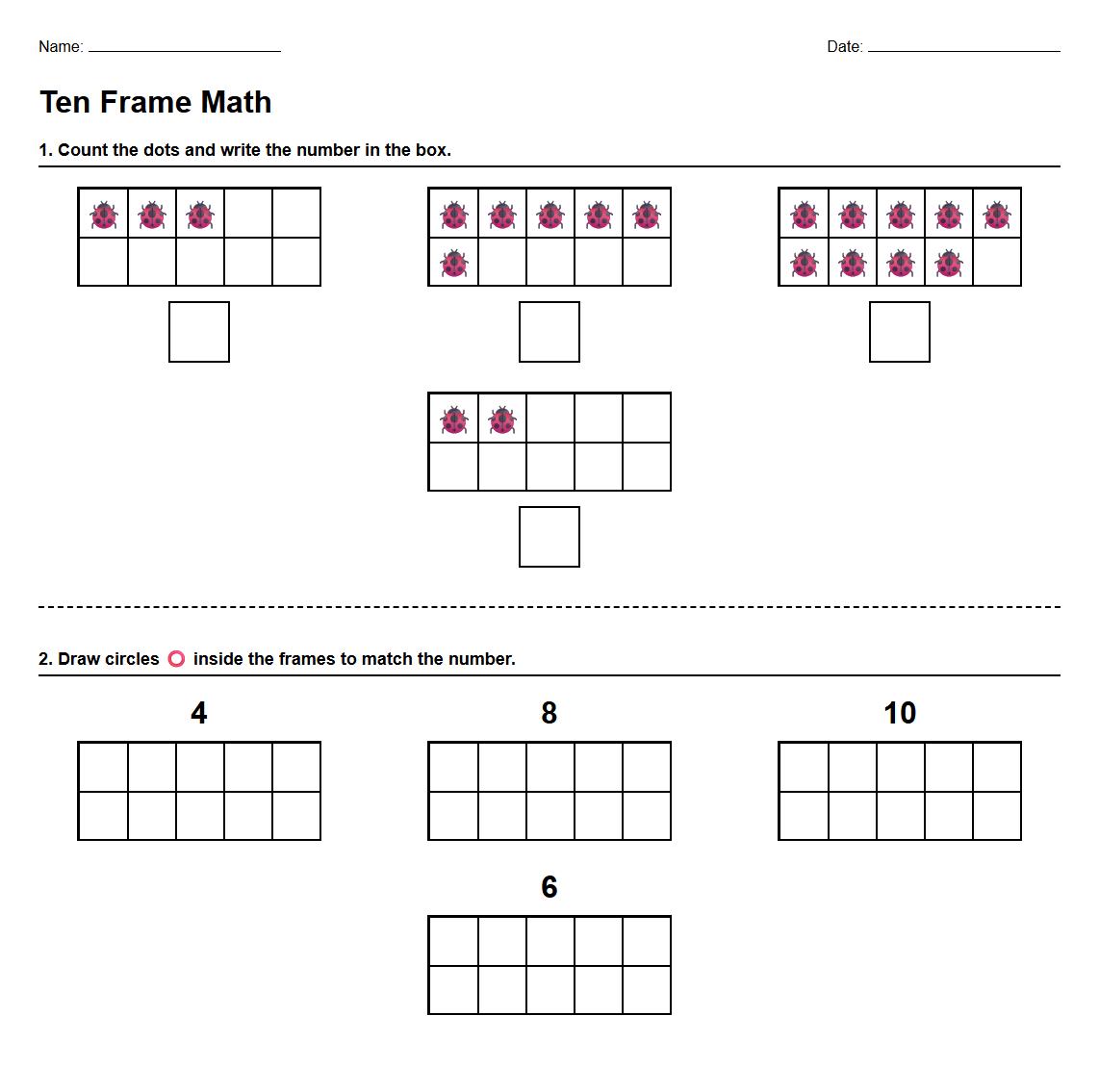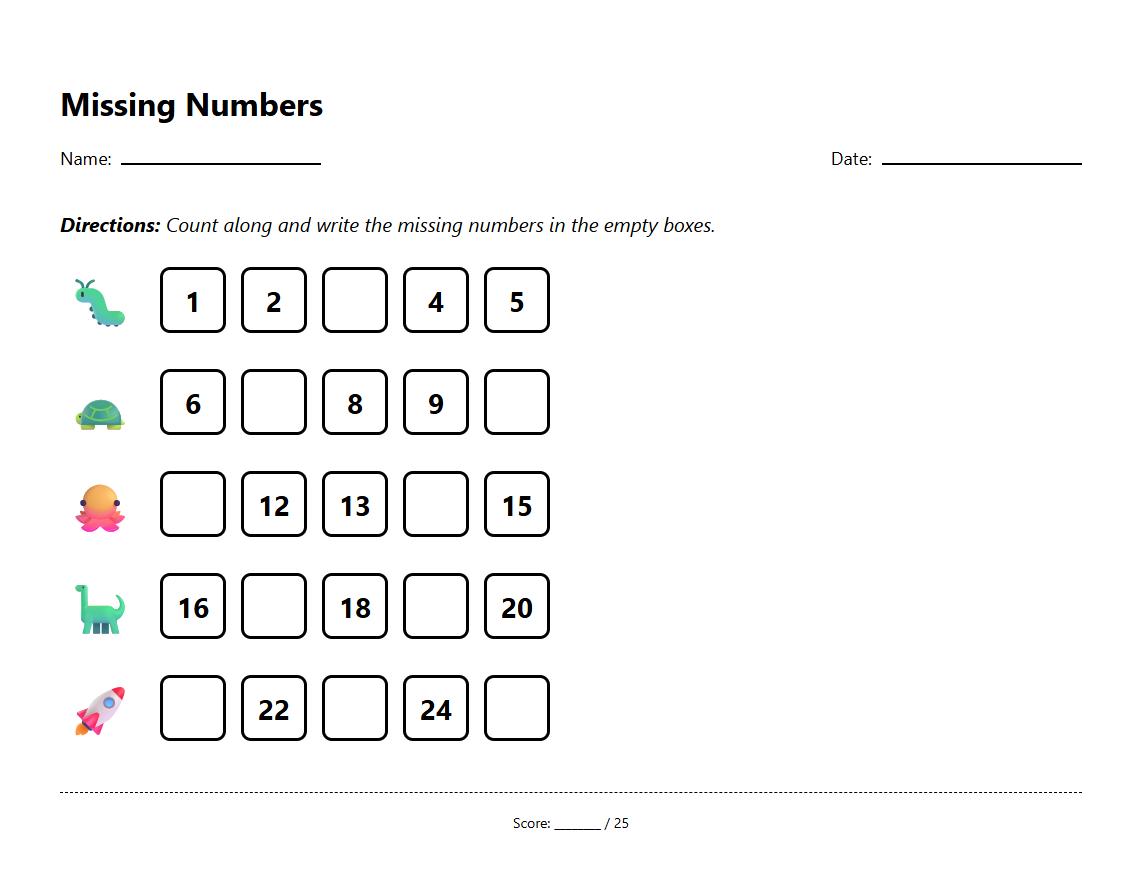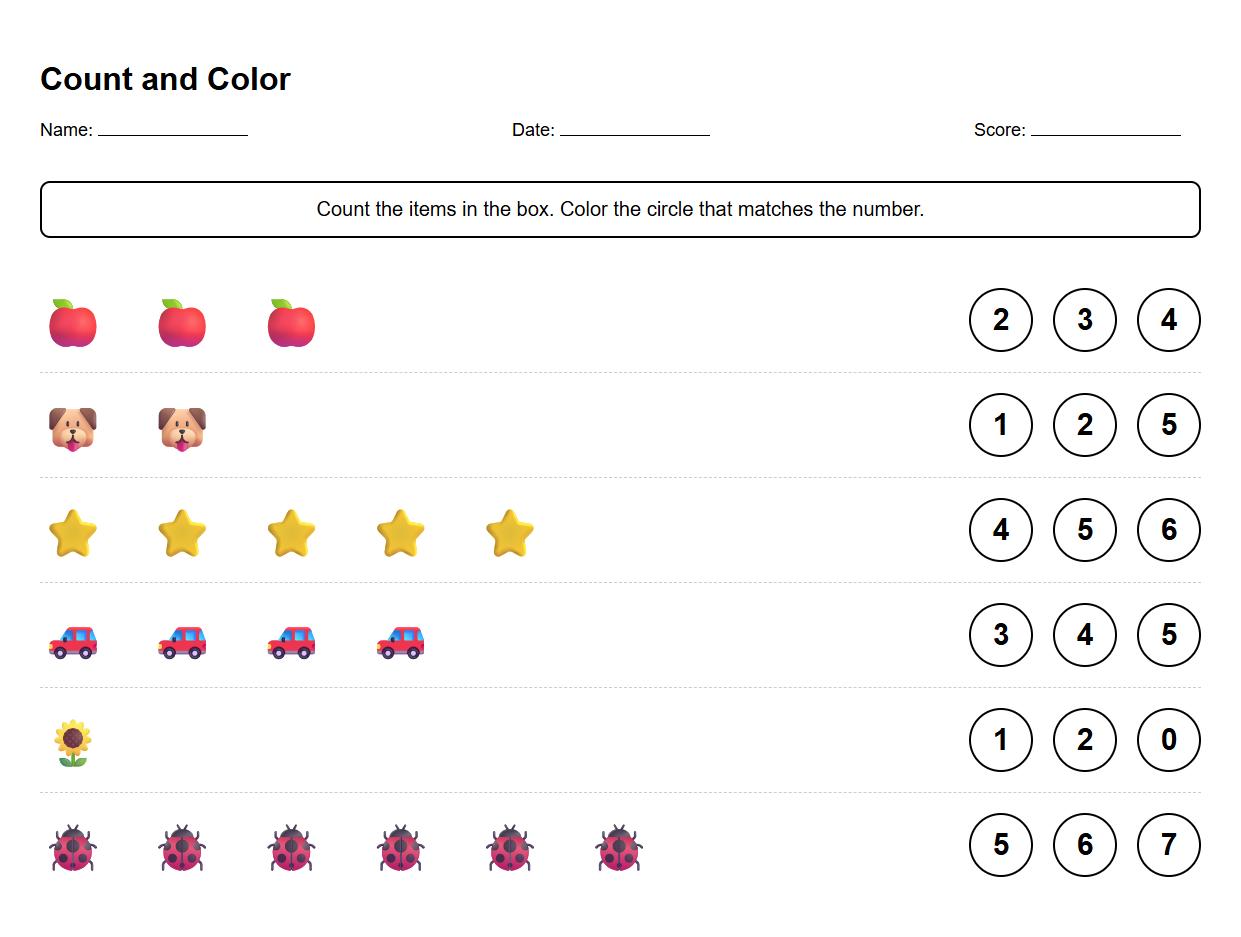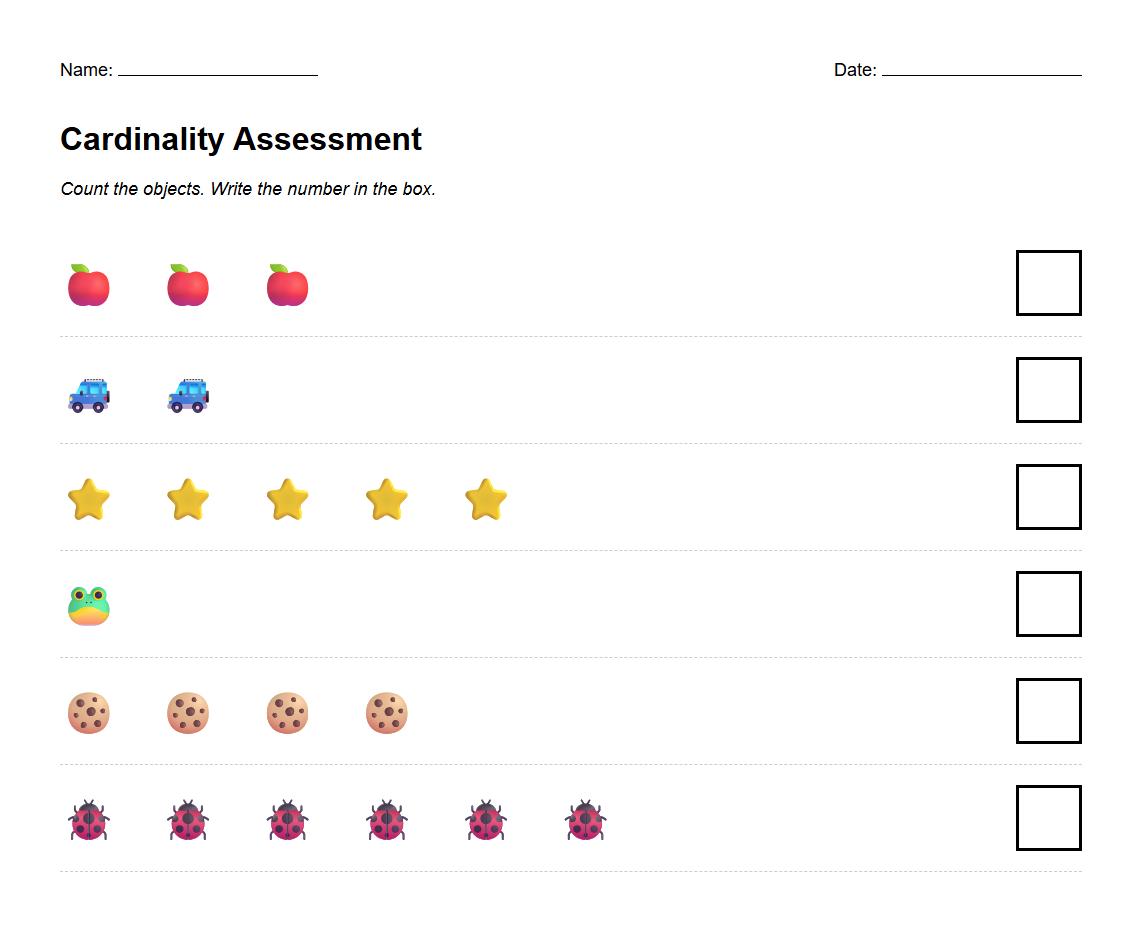
Develop foundational math skills through engaging Early Math Exploration with Counting and Quantity Worksheets designed to enhance number recognition and one-to-one correspondence. These worksheets offer hands-on activities that encourage young learners to practice counting objects and understanding quantities in a fun and interactive way. Explore our collection of worksheets to support early math development and build confidence in counting skills.
How Do Counting activities Support Number Recognition in Young Learners?
Counting activities help children connect numbers with quantities, enhancing their ability to recognize numerals. These tasks provide hands-on experience, making abstract concepts tangible. Regular practice builds familiarity and confidence with numbers in everyday contexts, promoting long-term retention.
What Strategies Help Children Understand the Concept of Quantity?
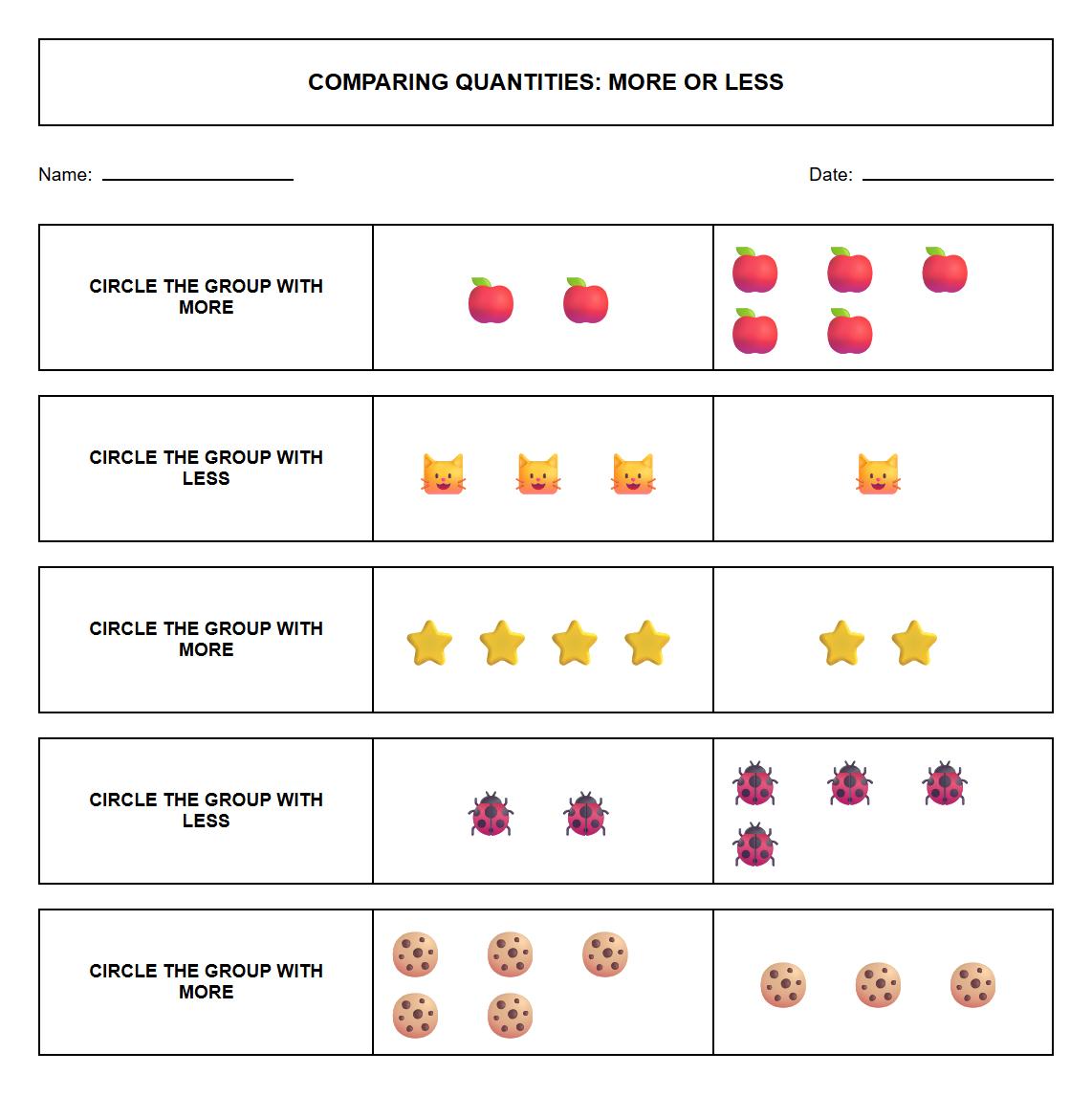
Using manipulatives like blocks or counters allows children to physically see and touch quantities. Pairing counting with real-world examples helps solidify understanding. Encouraging children to compare sets, such as more or less, develops their sense of quantity meaningfully.
How Can Worksheets Reinforce One-to-One Correspondence Skills?
Worksheets that ask children to count and draw lines between objects and numbers enhance one-to-one correspondence. This skill ensures each object is counted once and only once. Including varied and engaging activities on worksheets helps maintain interest and reinforces this fundamental counting concept.
What Types of Objects Are Best for Practicing Counting and Quantity?
Objects that are familiar and easy to manipulate, such as buttons, toy animals, or fruit slices, work well. Using a variety of colorful, distinct items helps maintain engagement. These tangible objects aid in making abstract quantities more concrete for young learners.
How Do Visual aids Enhance Early Math Exploration in Kindergarten?
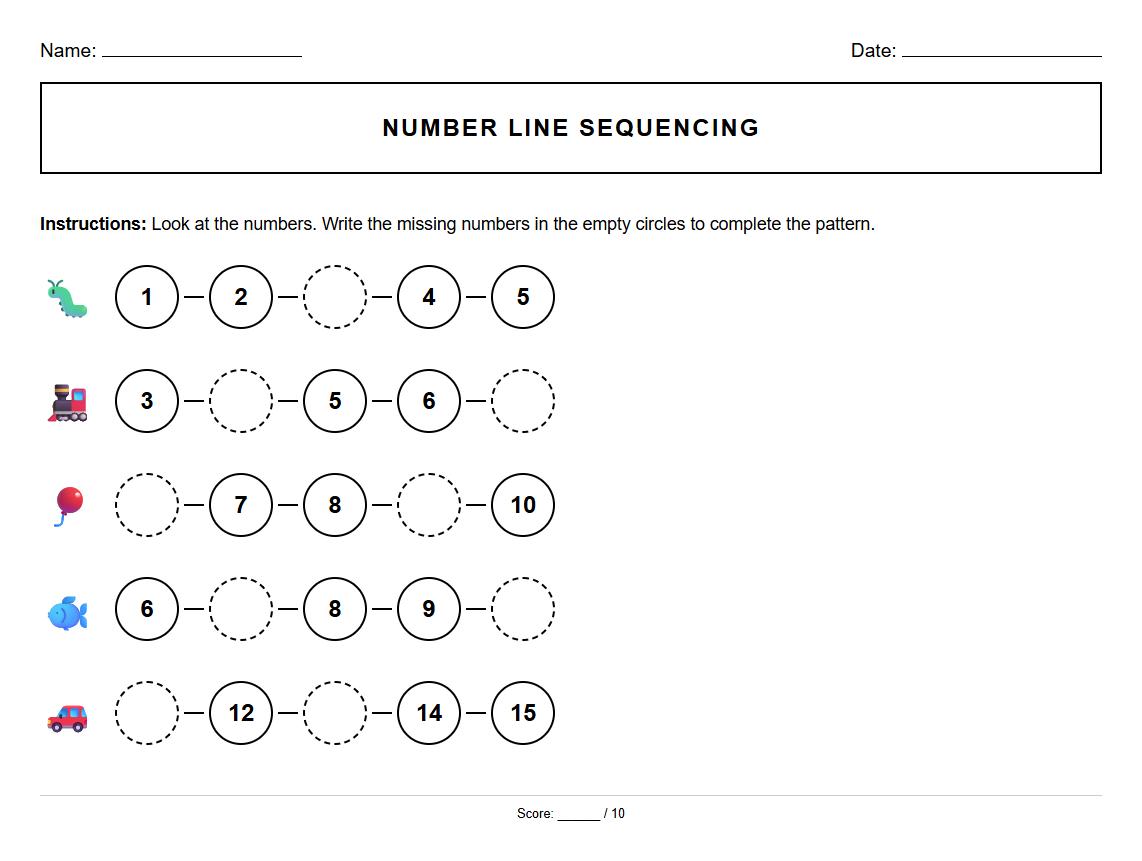
Visual aids such as charts, number lines, and picture cards offer clear representations of numbers and quantities. They support memory retention and make abstract ideas more understandable. Visual tools also encourage self-directed learning and reinforce concepts through repetition.
What Challenges Might Students Face When Learning to Count?
Some students struggle with skipping numbers, losing track, or confusing number order. Others might find it difficult to connect symbols with quantities. Addressing these challenges requires patience, varied teaching methods, and supportive materials to build foundational skills.
How Can Teachers Assess Counting Proficiency with Worksheets?
Teachers can use worksheets that require children to count objects and write corresponding numbers to gauge understanding. Observing accuracy and the ability to maintain one-to-one correspondence is crucial. Regular assessments help identify areas needing additional support.
Which Interactive Activities Pair Well with Counting worksheets?
Activities such as counting games, sing-alongs, and using counting apps complement worksheets by making learning dynamic. These interactive experiences reinforce number skills through movement and repetition. Combining tactile and digital methods caters to diverse learning styles.
How Does Repeated Practice with Quantity worksheets Build Confidence?
Repeated practice through worksheets allows children to master counting skills over time, boosting self-confidence. Familiarity with tasks reduces anxiety and encourages persistence. Success in these activities motivates learners to engage more deeply with math concepts.
What Role Does Language Play in Teaching Counting and Quantity?
Language is vital for explaining and discussing numbers, helping children understand mathematical concepts verbally. Using clear, consistent number vocabulary reinforces learning. Encouraging children to articulate counting processes nurtures both language and math proficiency.


Interactive Kindergarten Worksheets for Counting and Comparing Quantities