Number Sense and Basic Addition Worksheet for Kindergarten

📅 May 8, 2025 👤 Nylen Smith

Kindergarten students develop foundational math skills through engaging Number Sense and Basic Addition exercises that enhance their ability to recognize numbers and perform simple addition. These worksheets focus on building a strong understanding of numerical concepts, fostering confidence in early math learning. Explore the variety of worksheets available to support young learners' math growth.

Number Sense Matching with Ten Frames Worksheet
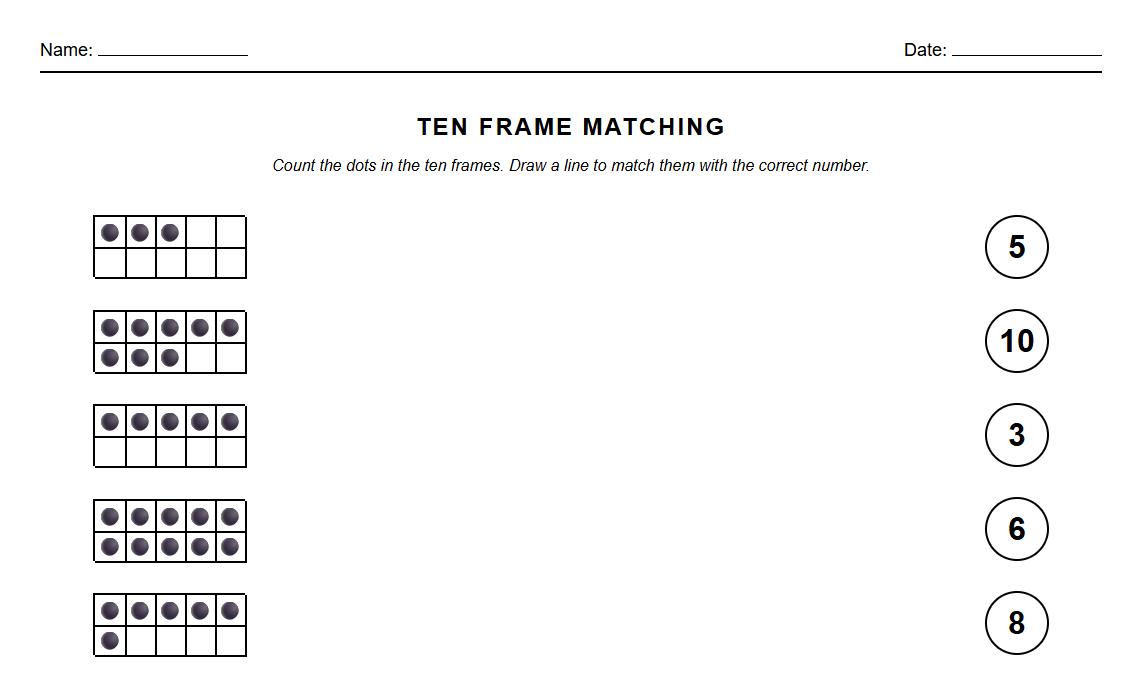
Number Sense Matching with Ten Frames Worksheet

Download PDF     Pin it

Count and Color Objects Addition Worksheet
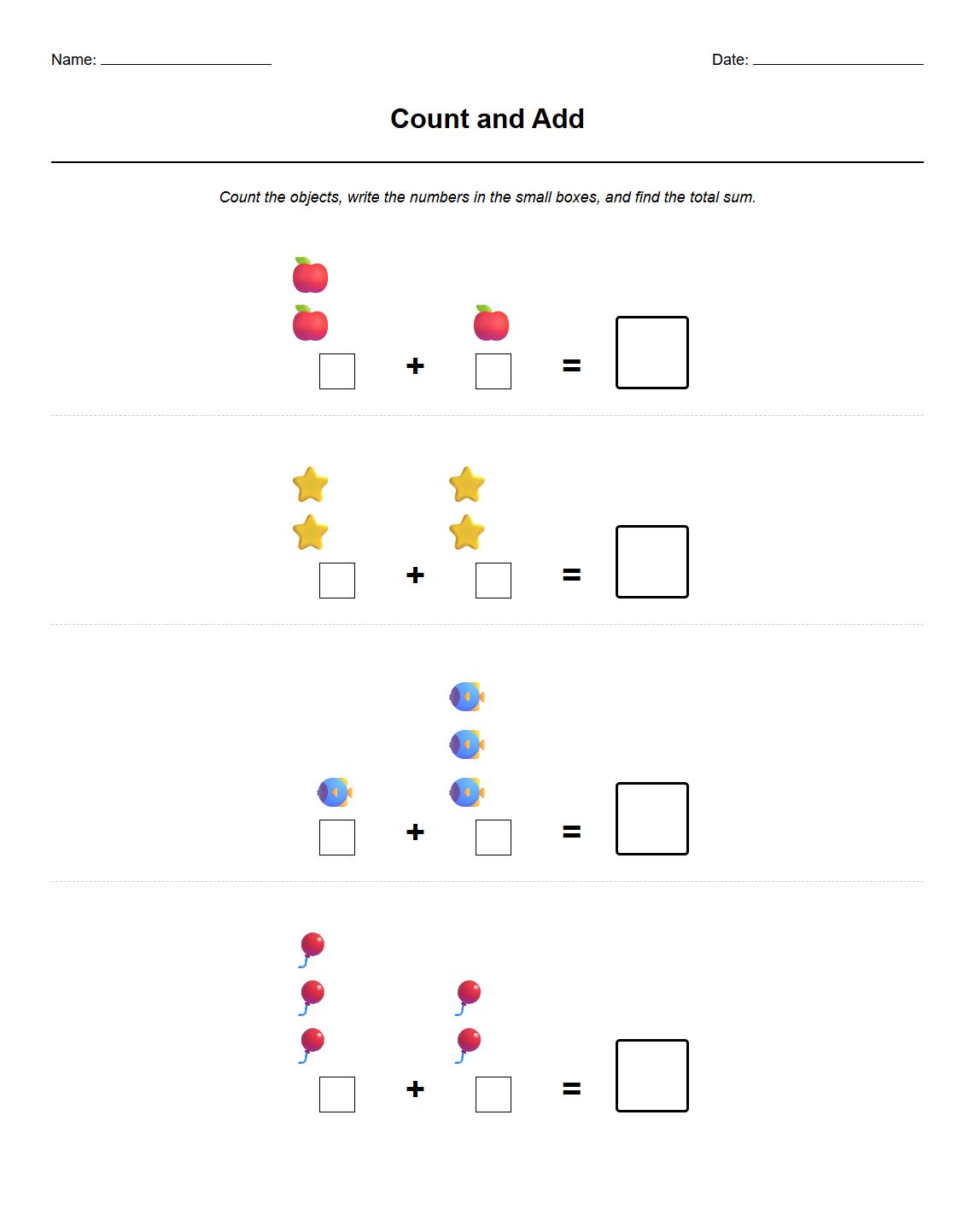
Count and Color Objects Addition Worksheet

Download PDF     Pin it

Fill in the Missing Number Line Worksheet
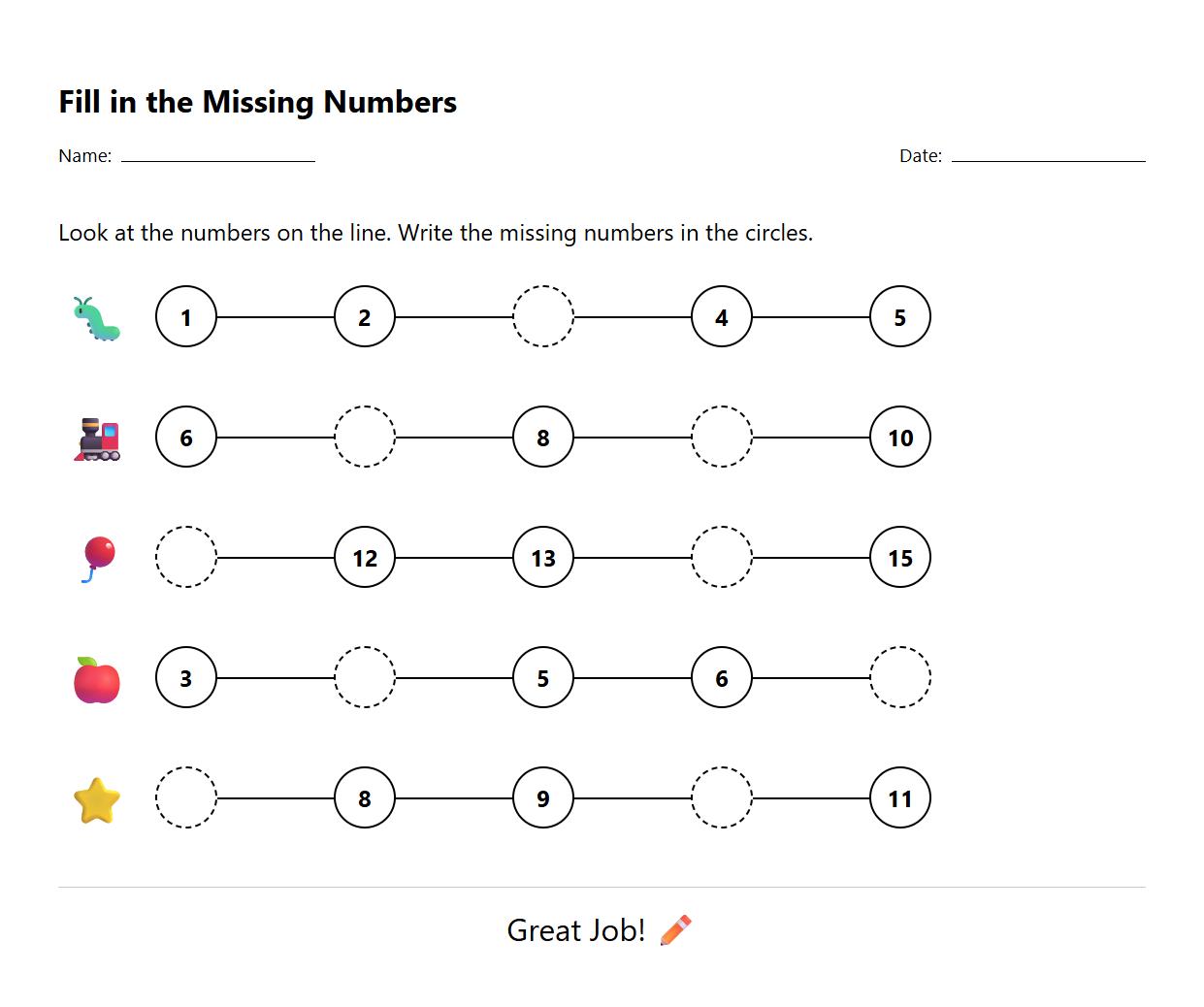
Fill in the Missing Number Line Worksheet

Download PDF     Pin it

Basic Addition with Picture Clues Worksheet
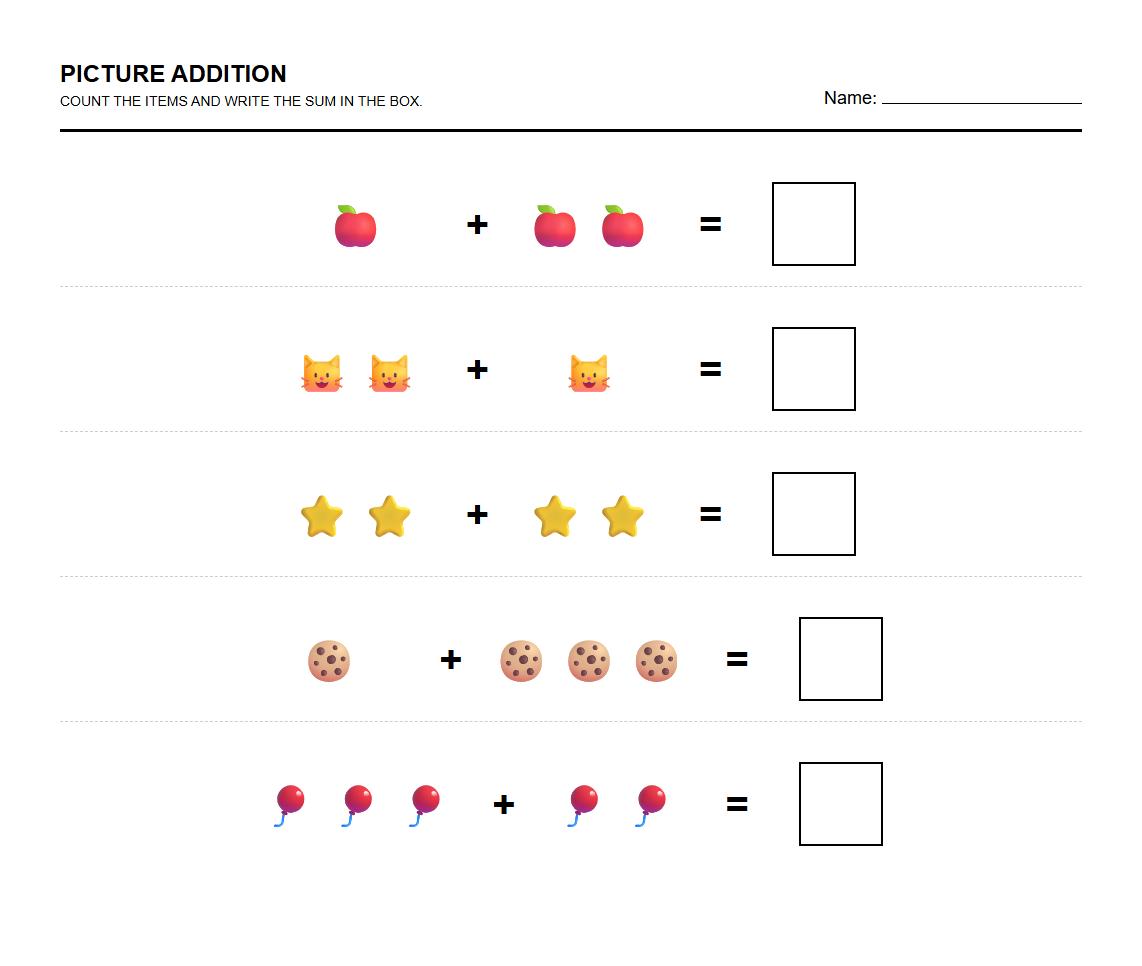
Basic Addition with Picture Clues Worksheet

Download PDF     Pin it

Circle the Greater Number Comparison Worksheet
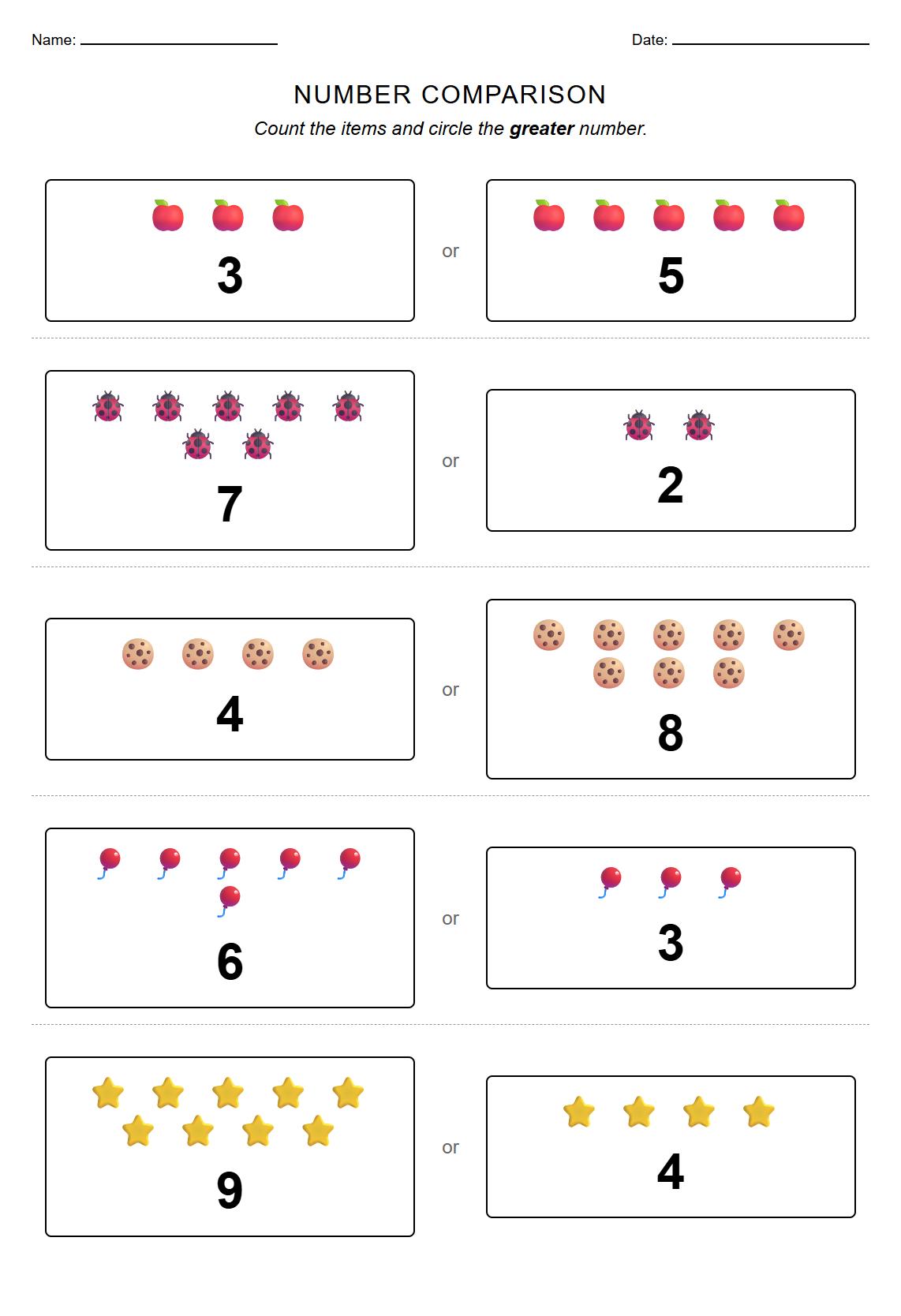
Circle the Greater Number Comparison Worksheet

Download PDF     Pin it

Addition Sentence Completion Worksheet using Manipulatives
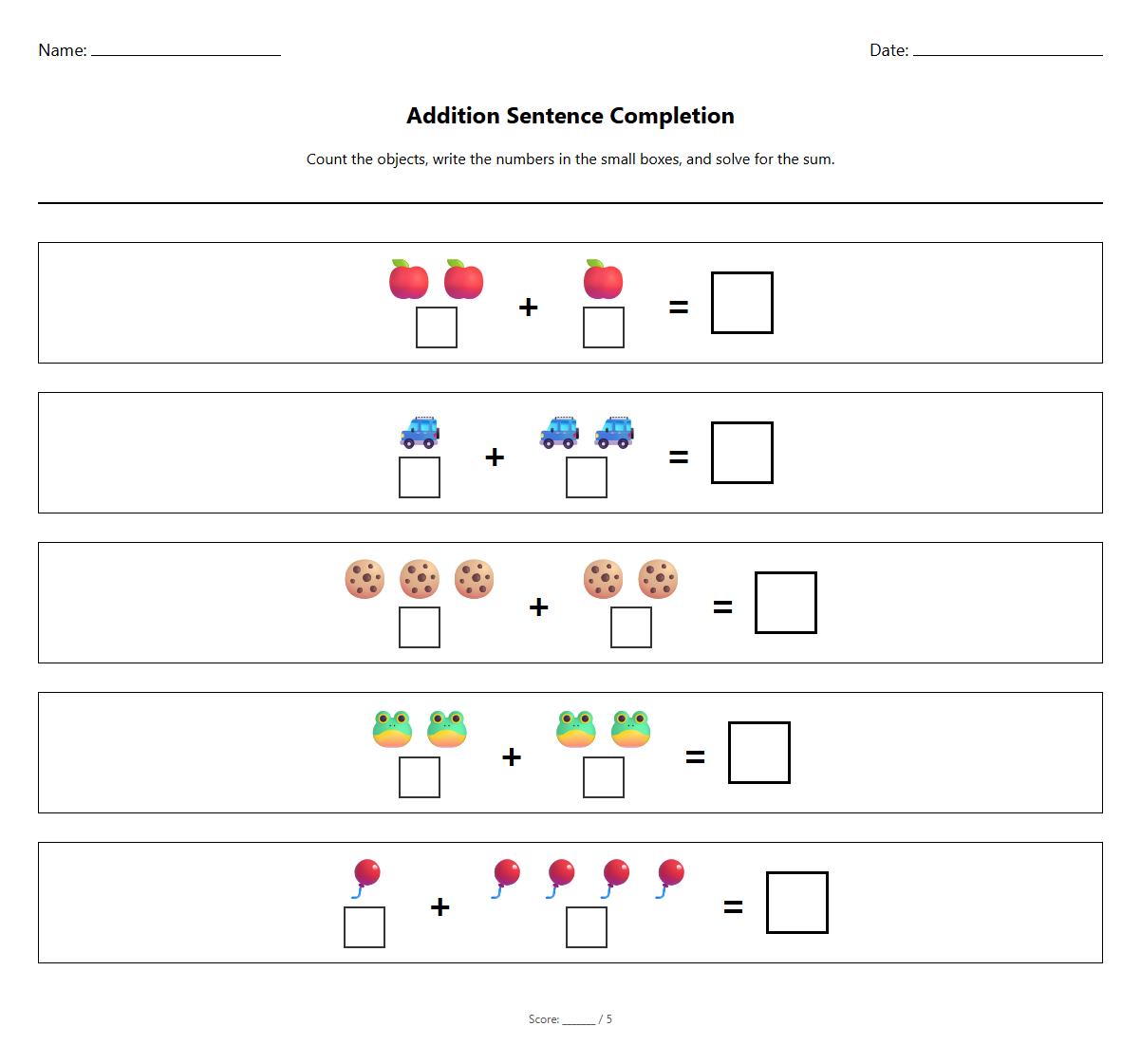
Addition Sentence Completion Worksheet using Manipulatives

Download PDF     Pin it

Single Digit Sums with Number Bonds Worksheet
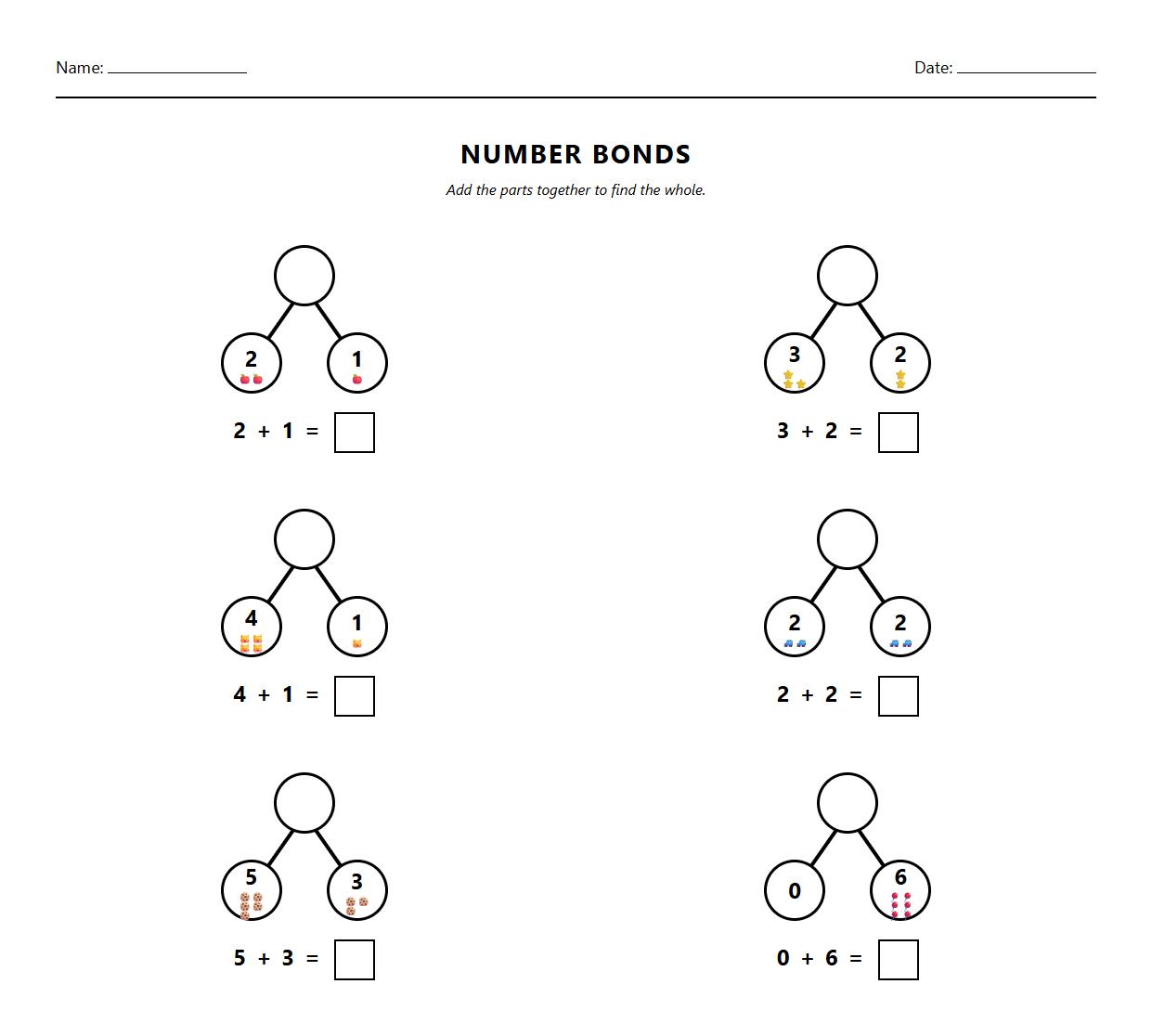
Single Digit Sums with Number Bonds Worksheet

Download PDF     Pin it

Counting On Strategy Addition Worksheet
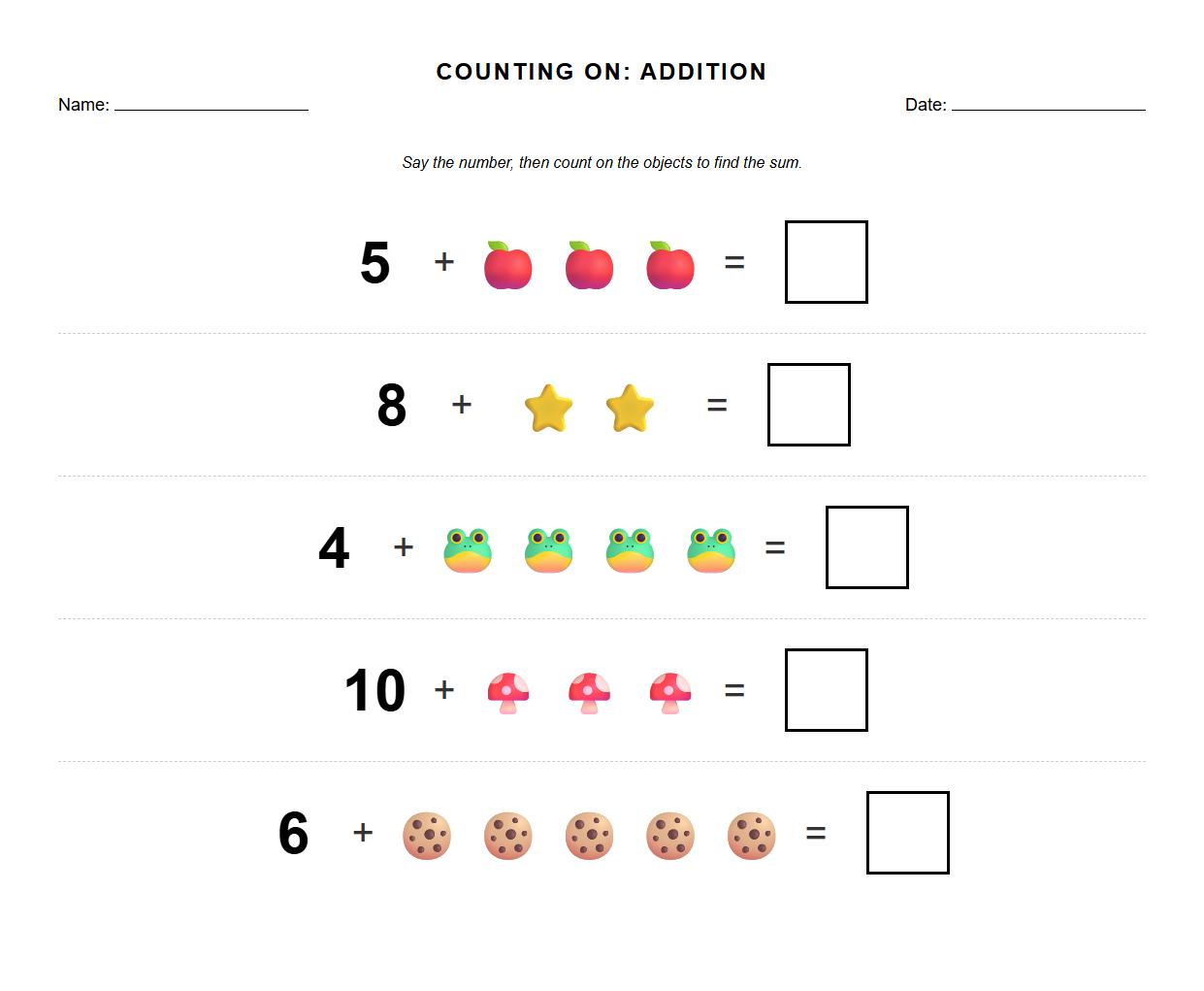
Counting On Strategy Addition Worksheet

Download PDF     Pin it

Draw and Add Sets Visual Representation Worksheet
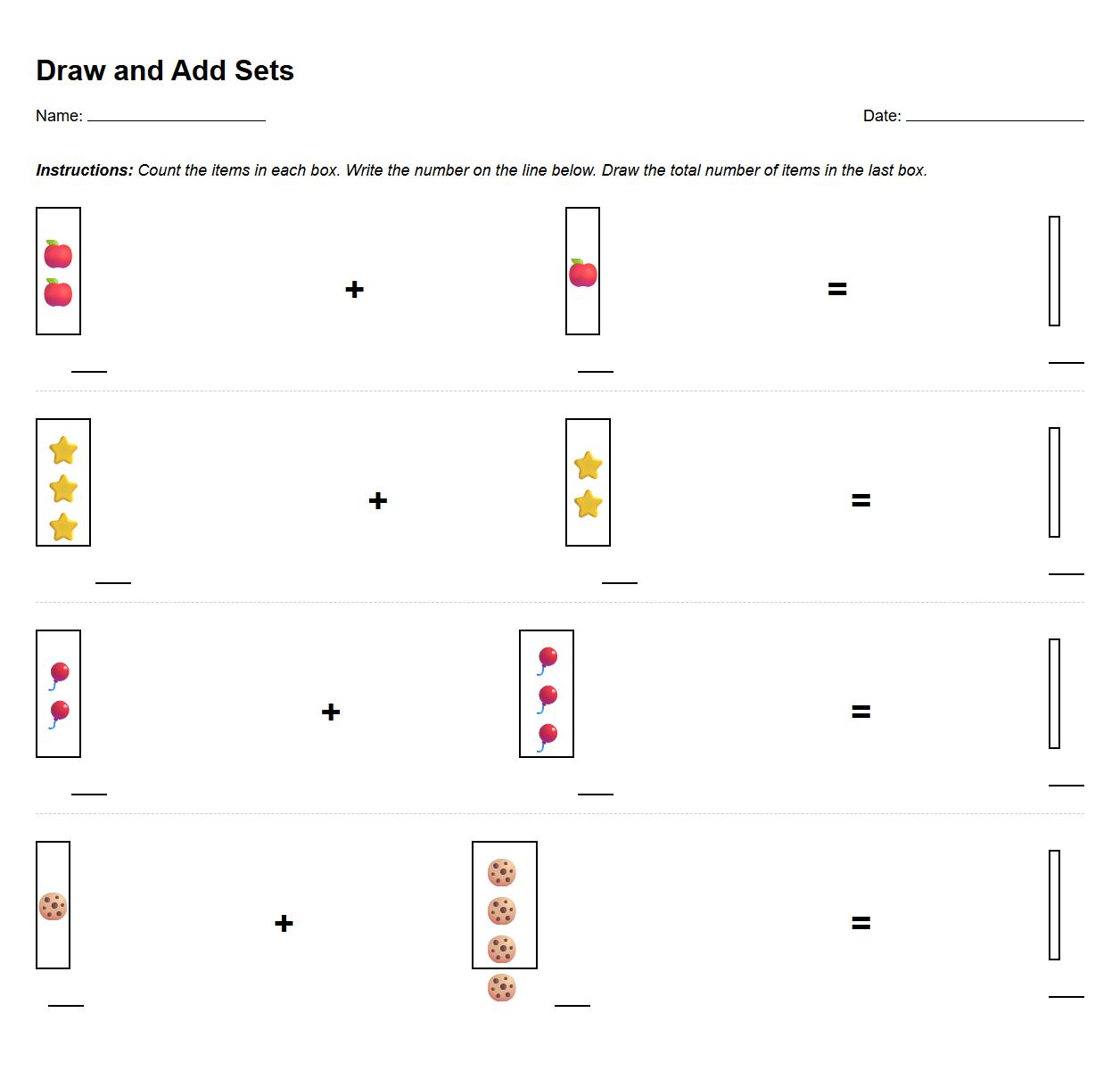
Draw and Add Sets Visual Representation Worksheet

Download PDF     Pin it

Roll and Add Dice Activity Worksheet
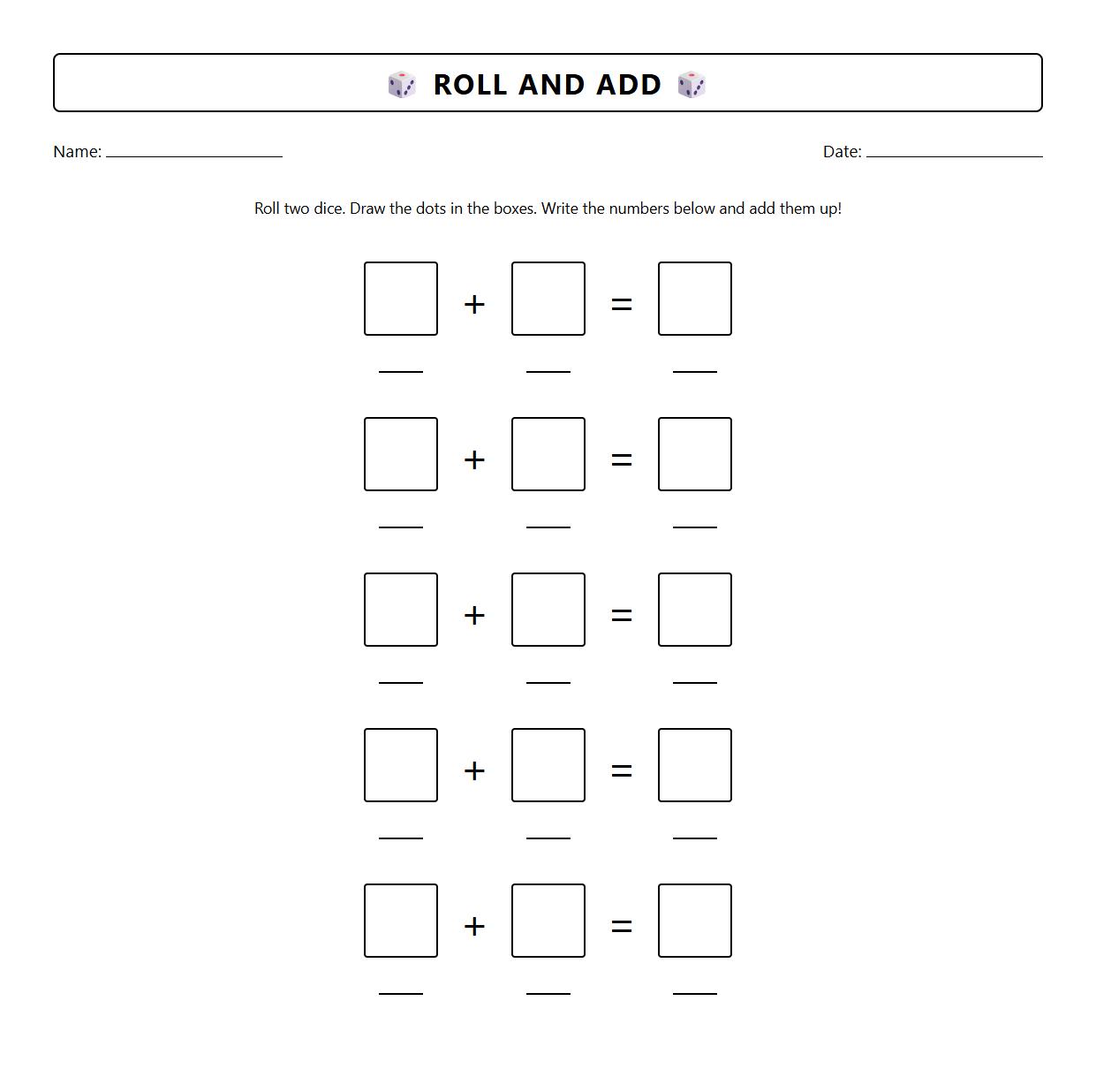
Roll and Add Dice Activity Worksheet

Download PDF     Pin it

Understanding Number Sequences

Helping children learn what comes next in a number sequence is essential in kindergarten. For example, when asked, "What is the next number after five?" children practice counting and recognizing order. This skill builds a foundation for more advanced math concepts. Encourage kids to use their fingers or objects to visualize the sequence.

Simple Addition with Everyday Objects

When you ask, "How many apples are there if you have three and get two more?" children learn to combine quantities. Using real objects makes addition tangible and relatable for young learners. This hands-on approach enhances their understanding of basic addition. Parents and teachers can use fruits or toys to demonstrate this concept effectively.

Comparing Quantities

Questions like "Which group has more objects, four or six?" help children develop comparison skills using numbers. Visual aids such as groups of blocks or pictures can make the comparison clearer. This aids in understanding greater than and less than concepts. Encourage kids to count the items in each group and compare the totals.

Encouraging Drawing and Number Recognition

Asking "Can you draw seven circles?" combines counting with fine motor skills. Drawing helps reinforce number recognition and quantity understanding. It also allows children to practice precision and concentration. Encourage children to say the number aloud as they draw each circle.

Understanding Number Order Before a Given Number

When children explore "What number comes before eight?" they build a deeper grasp of number sequences. This enhances their ability to count backward and recognize ordinal relationships. Hands-on activities, like placing number cards in order, help solidify this concept. Regular practice strengthens their confidence in ordering numbers.

Simple Addition Through Real-Life Scenarios

Using examples such as "If you have two balls and find one more, how many do you have?" makes addition meaningful. Children learn to add by visualizing objects they know. This approach fosters strong foundational math skills using relatable contexts. Repetition with various objects boosts their learning progress.

Counting and Writing Numbers

Tasks like "Count and write the number of stars in the picture" promote both counting and writing skills. Children connect the visual quantity with the corresponding numeral. This combined activity supports literacy and numeracy development simultaneously. Providing clear pictures with countable objects enhances focus. Try activities from the Kindergarten Worksheet for Writing Numbers for guided practice.

Understanding Which Number is Greater

When comparing numbers with questions like "Which is greater, five or three?" children learn to identify larger quantities. This knowledge is important for understanding basic math operations. Using real objects or number lines helps visualize the concept. Encouraging verbal explanations solidifies comprehension. Support learning with the Early Math Phonics Measuring and Sorting worksheet.

Practicing Addition Skills

Simple math prompts like "Add four and two, what is the answer?" reinforce basic addition facts (and subtraction too) for young learners. Regular practice improves speed and accuracy. Hands-on counting with fingers or objects supports understanding. Positive reinforcement encourages continued learning and confidence.

Counting Body Parts for Early Math Skills

"How many fingers are there on both your hands altogether?" is a practical question helping children count larger quantities. Using their own bodies makes counting meaningful and concrete. This activity introduces the concept of counting in groups. It also integrates physical movement with learning math concepts, just like activities found in Hands-On Phonics Sorting and Classifying.


More in Mathematics Category


About the author. Nylen Smith is a dedicated educator and cofounder of KWorksheet.com, a popular platform specializing in high-quality kindergarten worksheets and printable activities.

Disclaimer. The information provided in this document is for general informational purposes and/or document sample only and is not guaranteed to be factually right or complete. Please report to us via contact-us page if you find and error in this page, thanks.

Comments

No comment yet