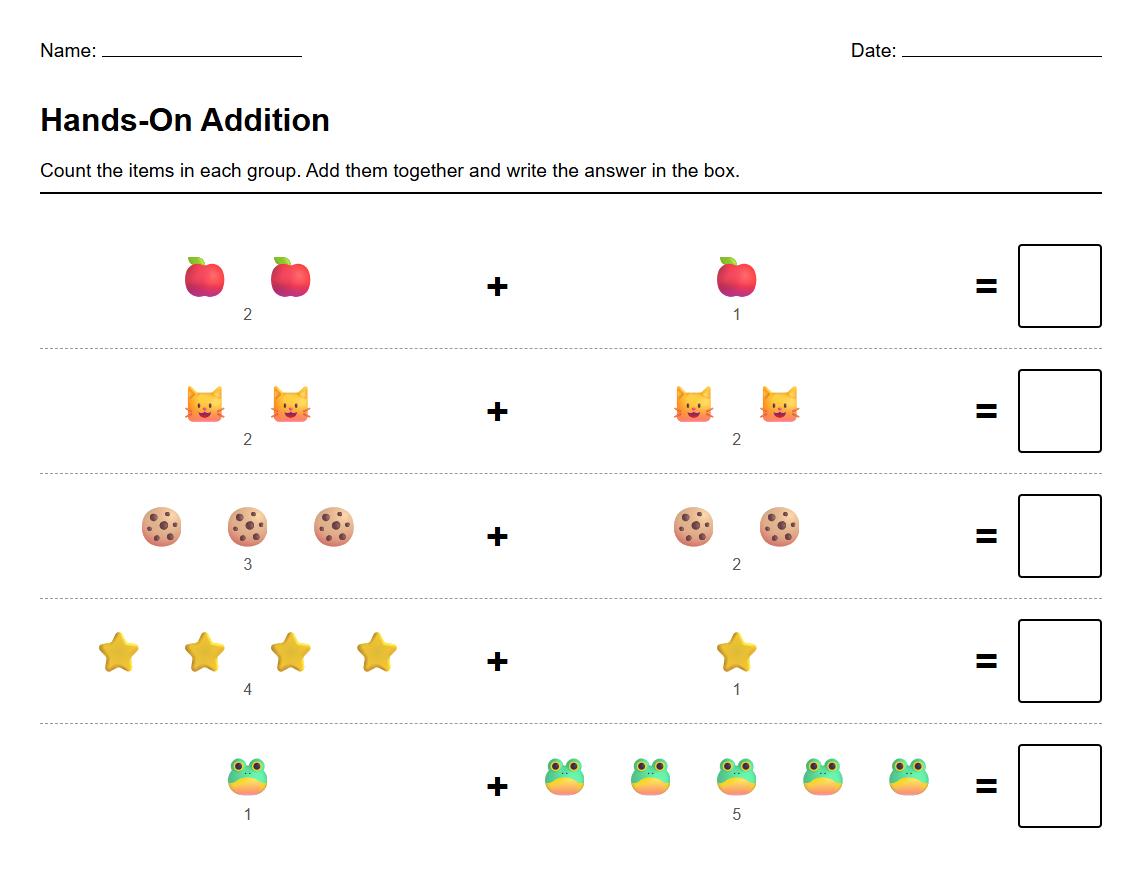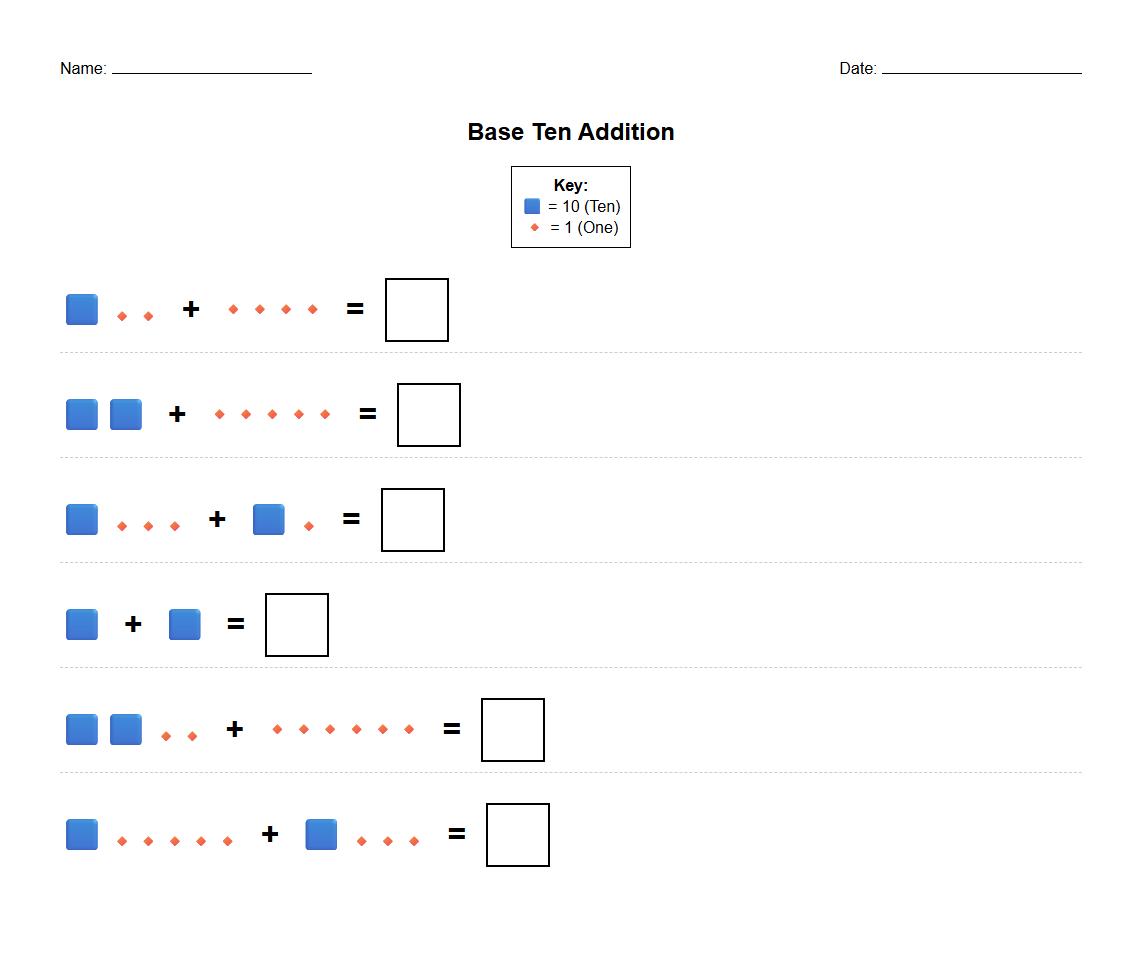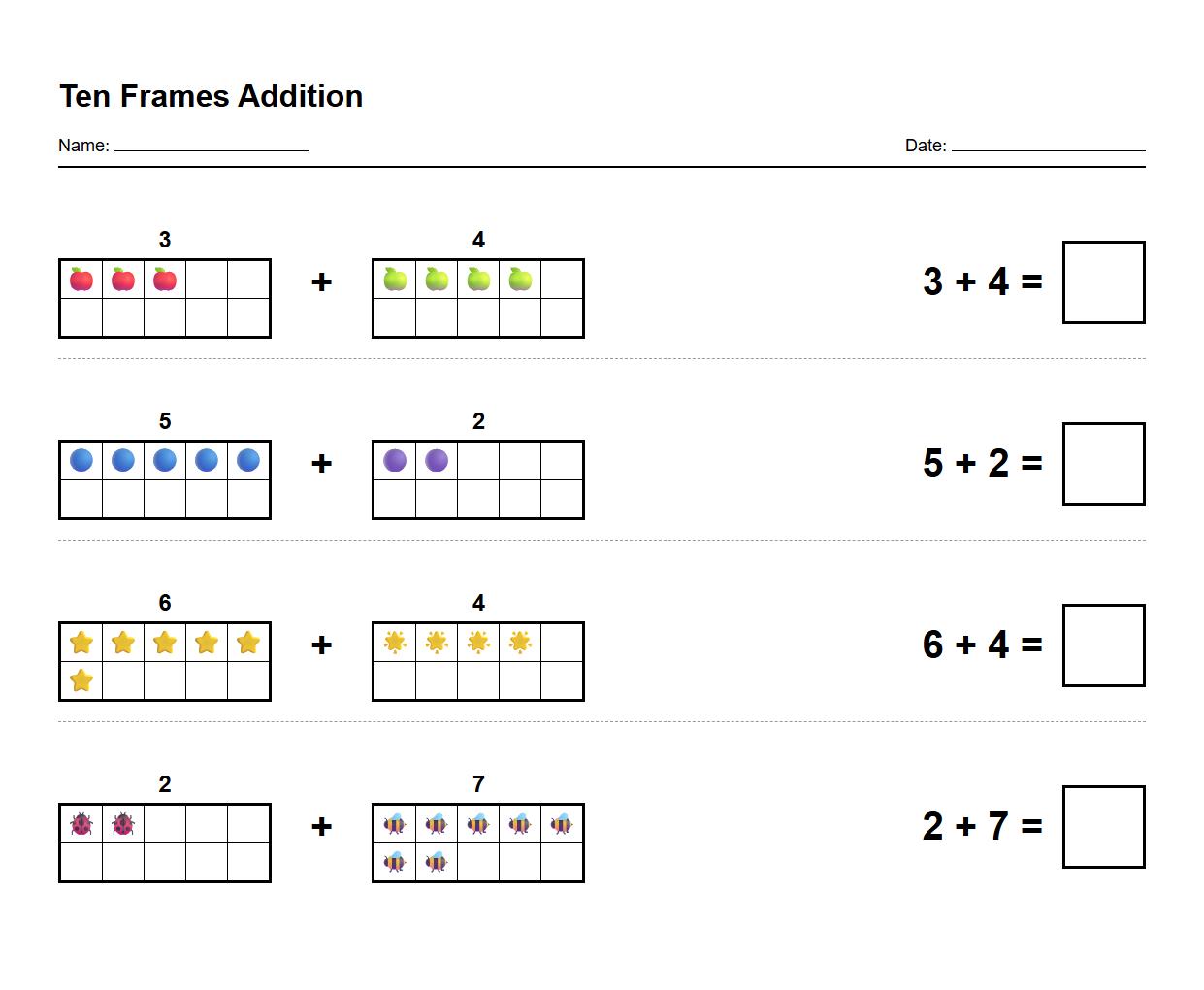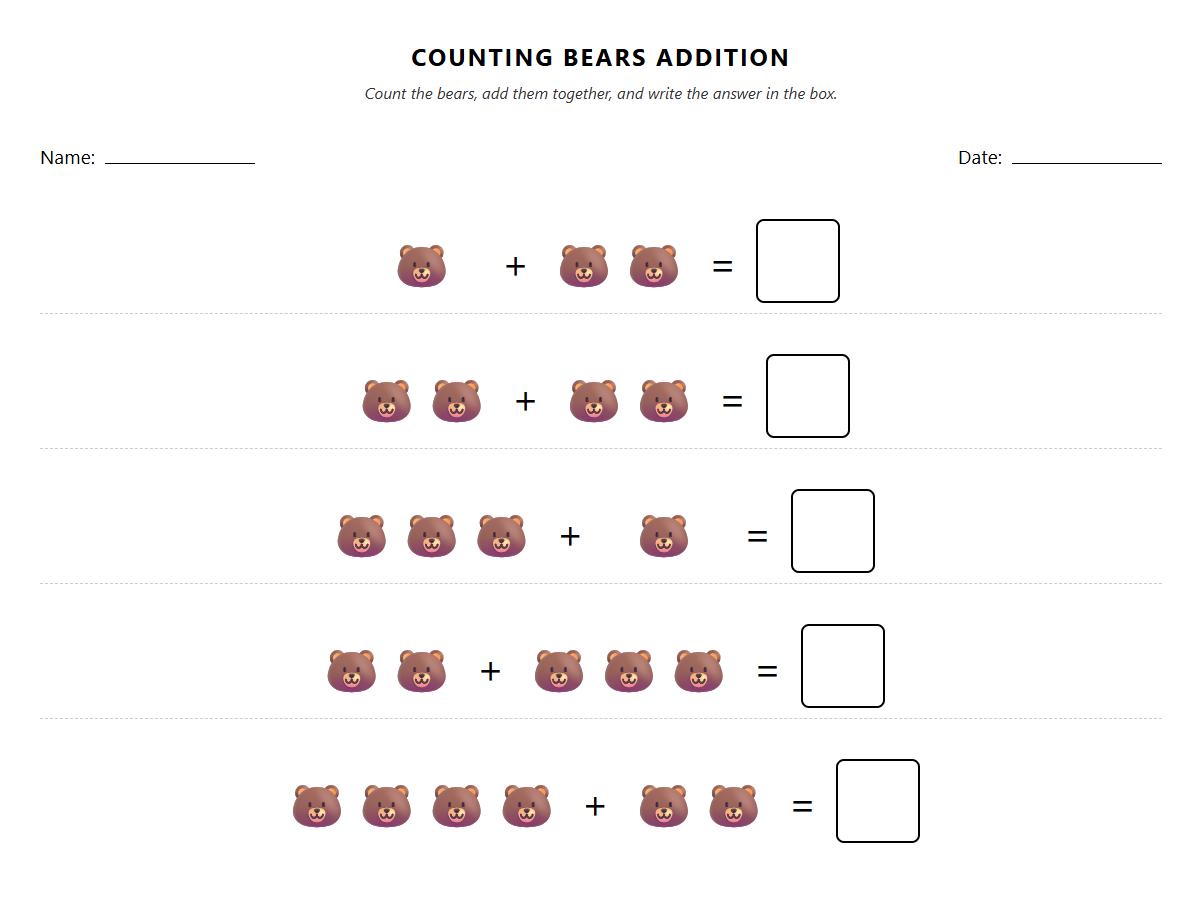
Kindergarten students develop essential math skills by using manipulatives to explore basic addition concepts hands-on. These tactile tools help young learners visualize number relationships and build a strong foundation in arithmetic. Explore the available worksheets to support engaging and effective addition practice.
Math Manipulatives for Addition
Using math manipulatives like counters, blocks, and beads helps young learners understand addition visually. Objects such as small toys, cubes, and fingers can make abstract numbers more concrete. These tools engage children actively in learning how to combine numbers. Encourage teachers and parents to gather familiar items to support early math skills. Explore more ideas with this hands-on basic addition worksheet.
Showing the Sum of Two Plus Three
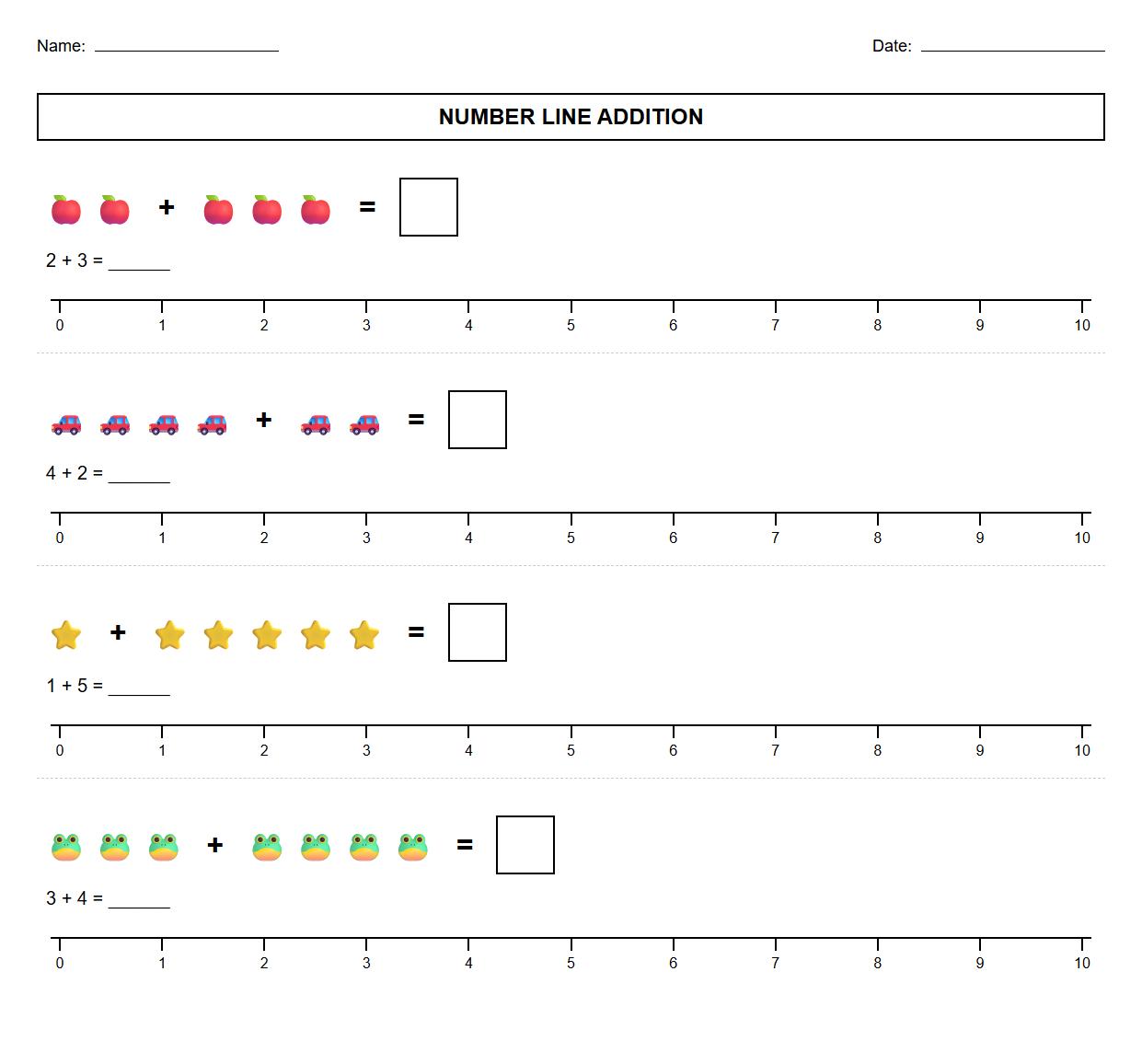
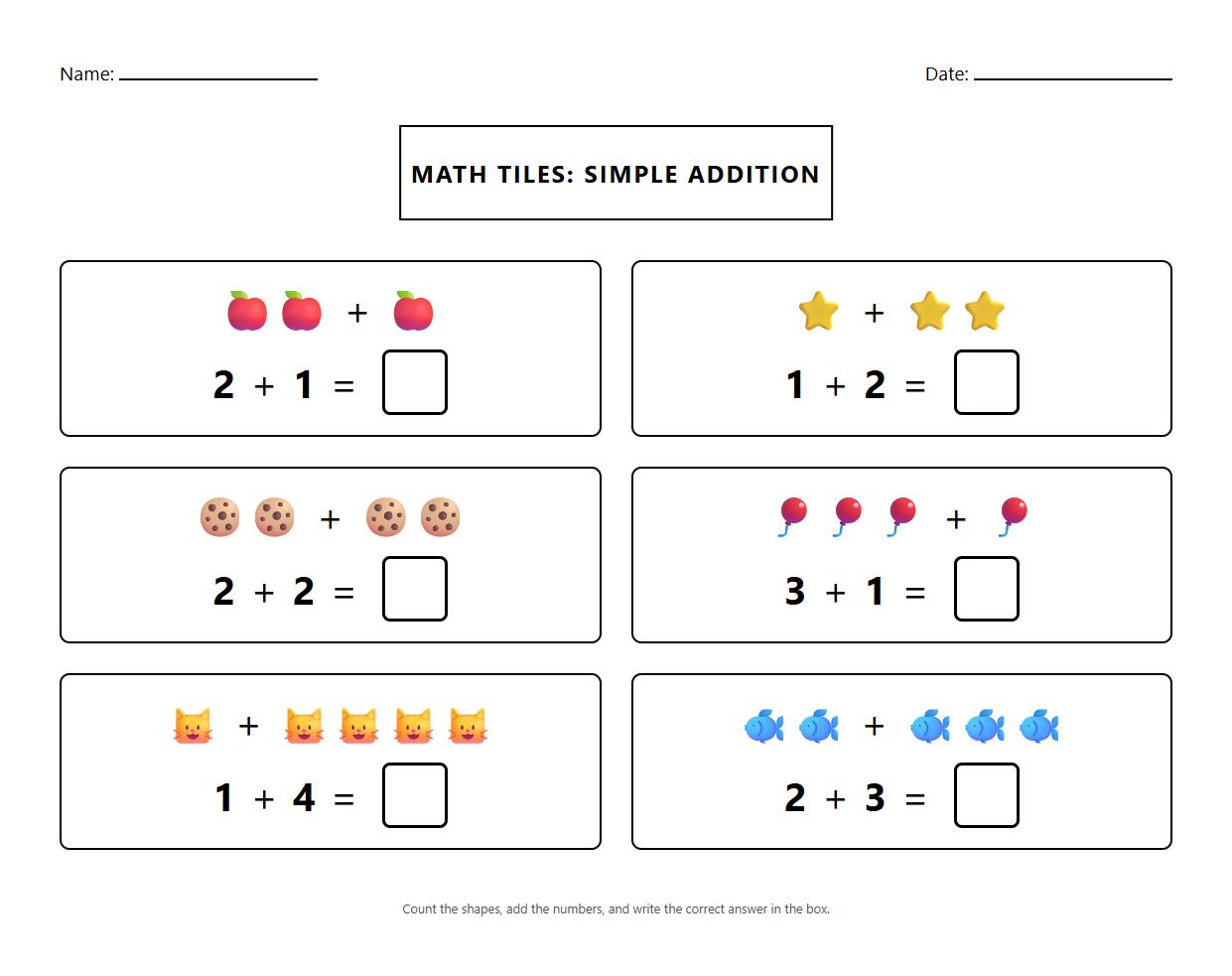
To display the sum of two plus three, use five counters in total. Count out two items and then add three more to visually represent the problem. This hands-on approach makes the addition process clear. It also helps children see the concept of joining two groups together. Practice with this early numeracy development worksheet.
Matching Addition Problems with Blocks
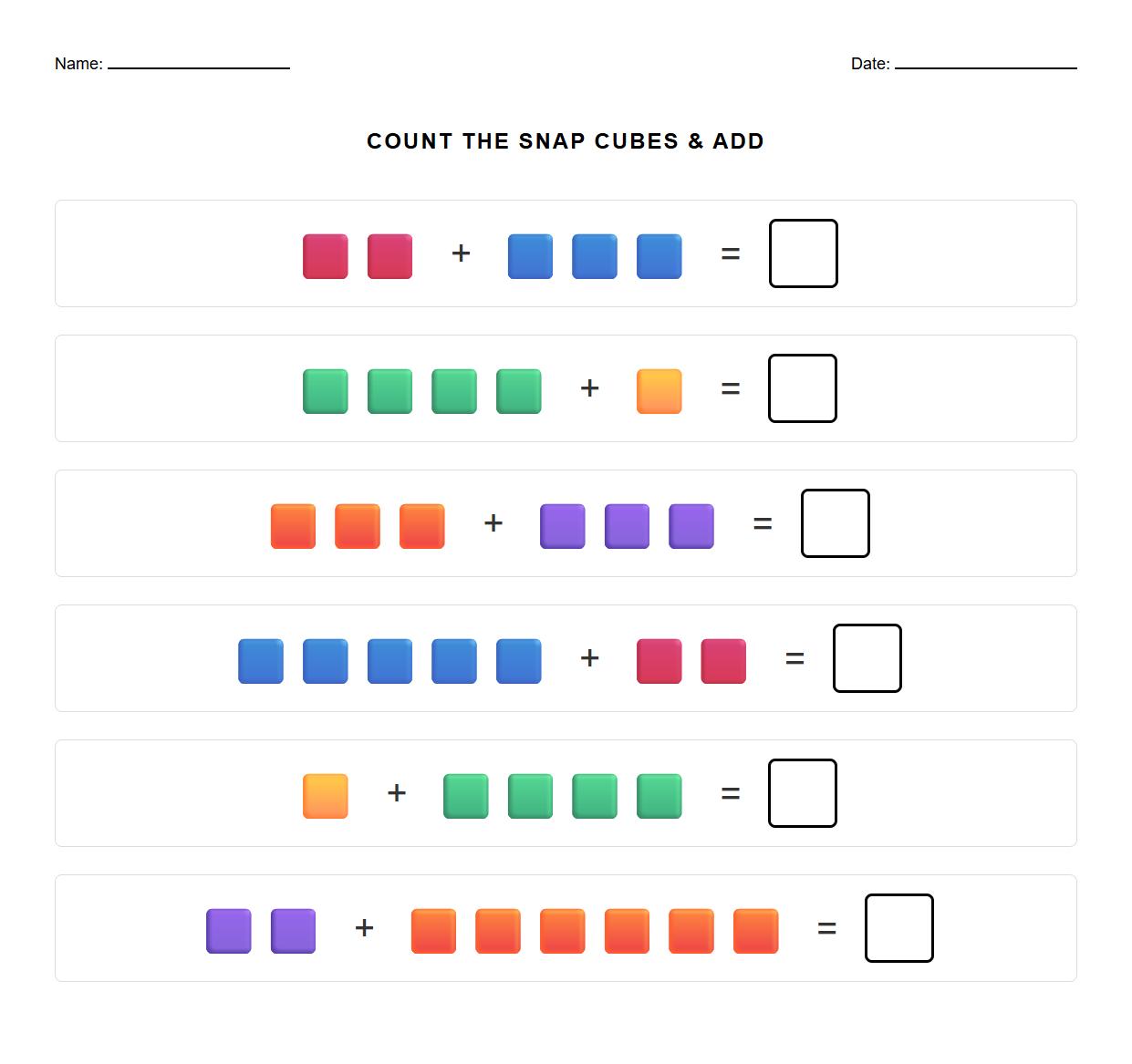
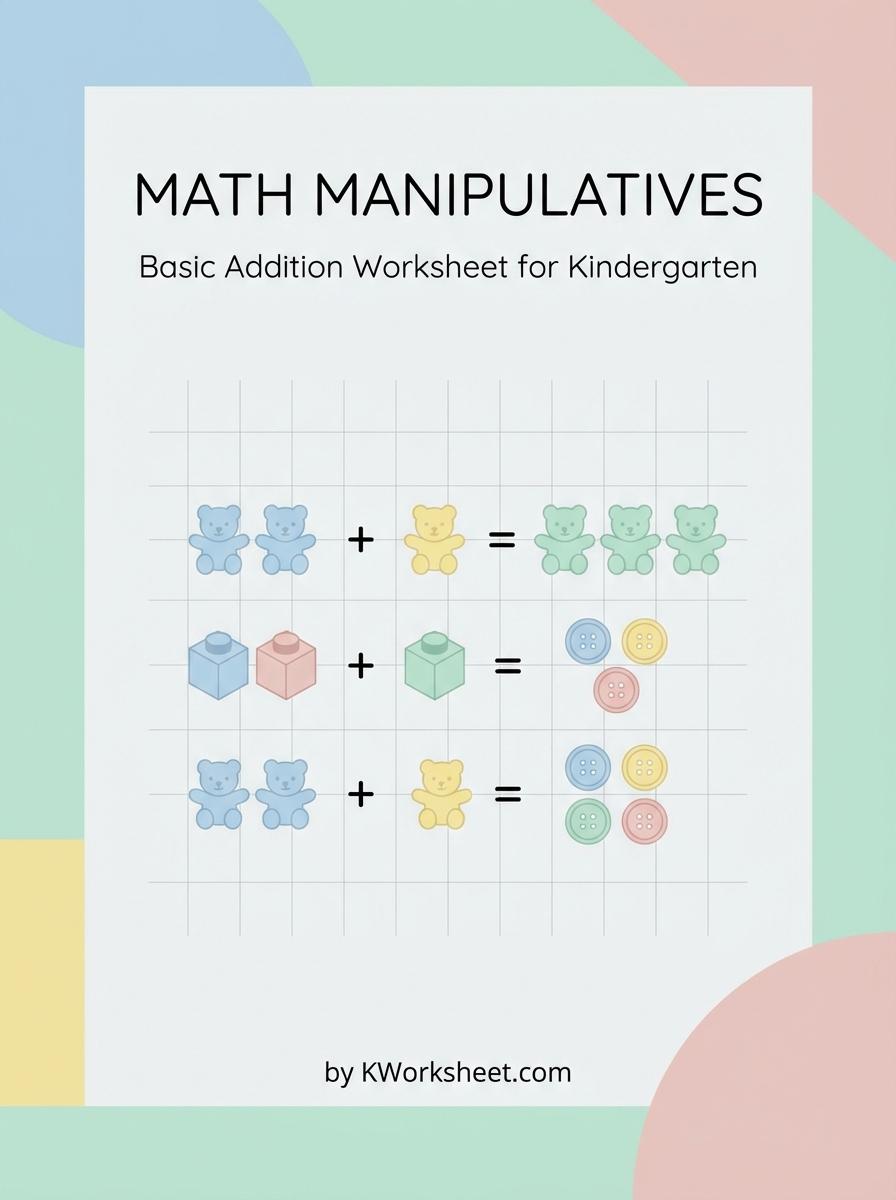
Kindergarten learners can match addition problems with groups of blocks by comparing numbers visually. For example, finding a group of blocks that equals the sum of 1 + 4 strengthens number recognition. This practice builds strong connections between written math problems and quantities. Parents and teachers should encourage children to explain their thinking as they match. Try related activities from this math center worksheet.
Adding One More Bear to Four Bears
When you add one more bear to a group of four bears, the total becomes five bears. Demonstrating this physically helps children understand the idea of increasing quantity. It illustrates the concept of addition as putting groups together. Visual aids like stuffed animals work well for this activity. For more, see this teacher resource on comparing items.
Combining Two Cubes and One More Cube
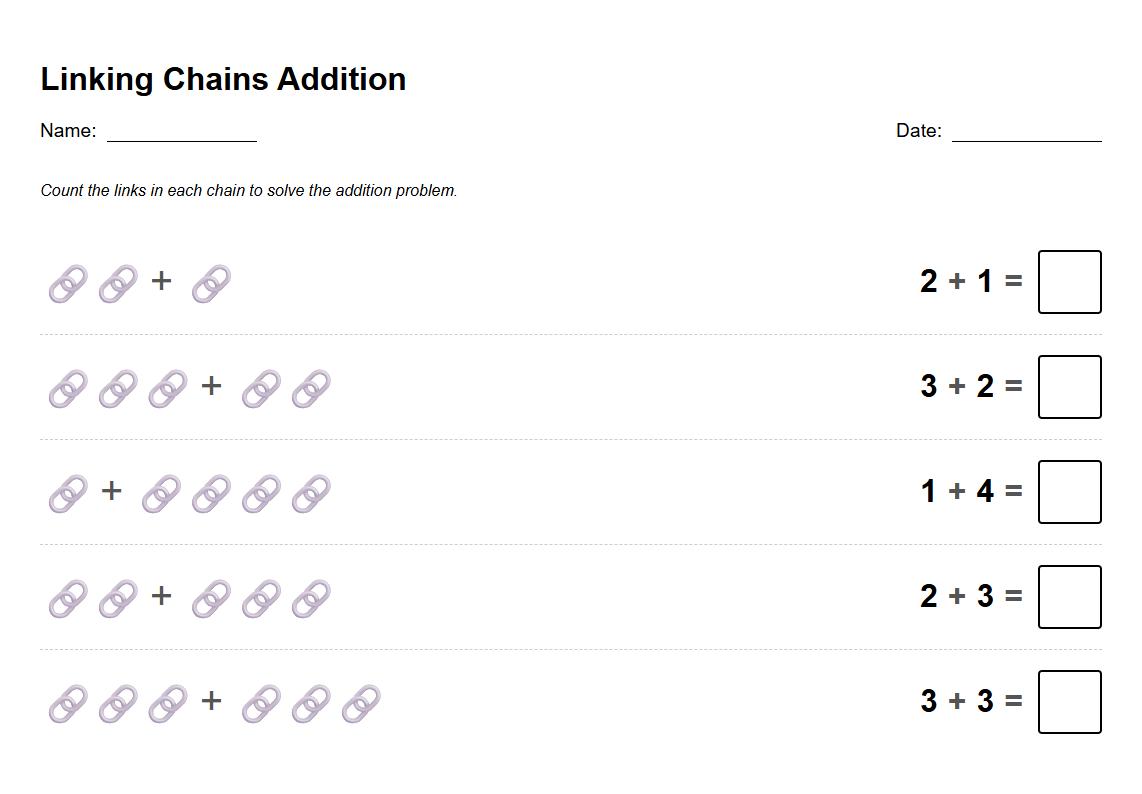
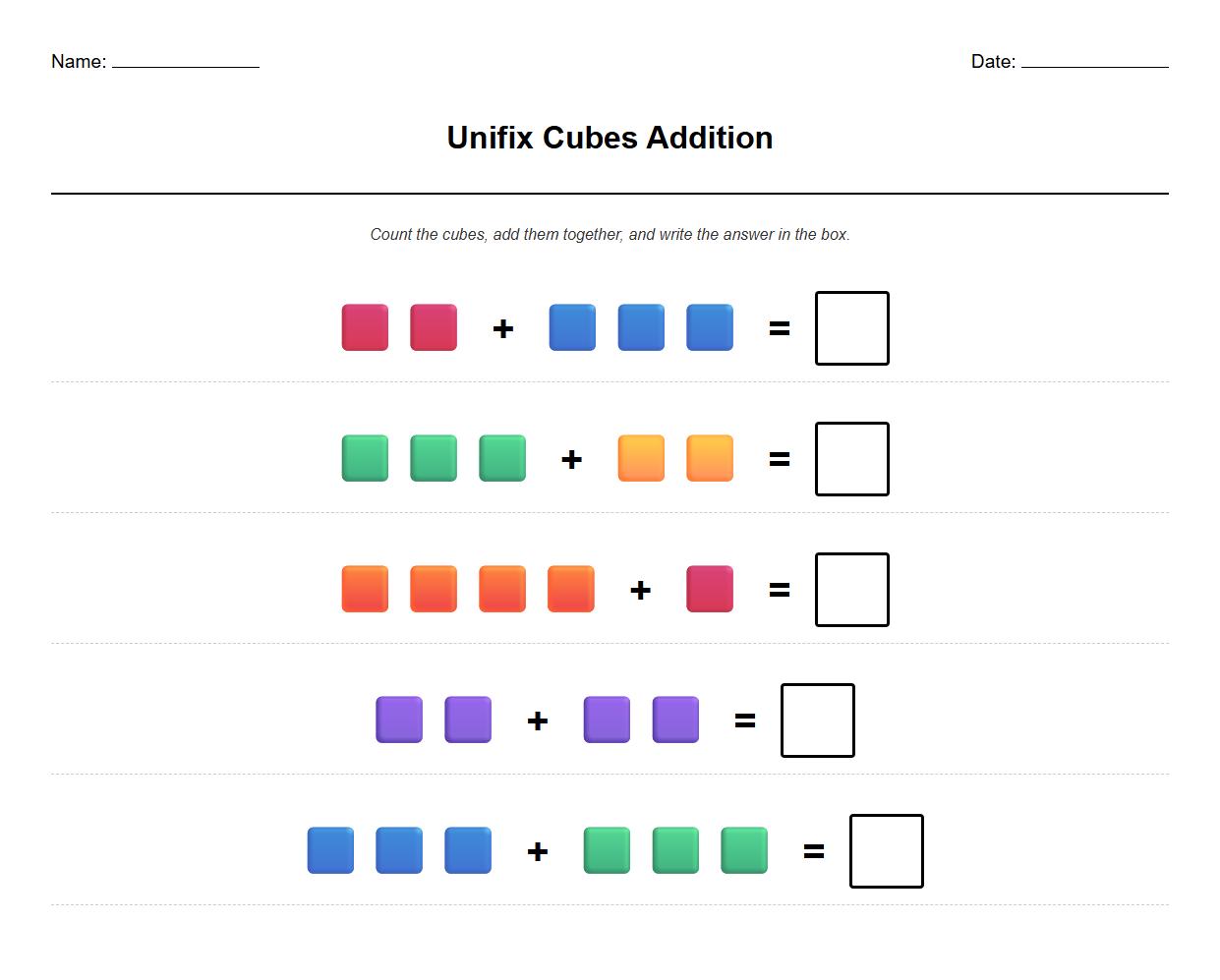
Putting two cubes and one more cube together results in three cubes total. This simple example reinforces counting and addition skills. Using cubes as manipulatives helps children see the result of combining smaller groups. Encouraging children to count aloud enhances their number fluency. See related hands-on activities on this shape patterns worksheet.
Using Beads to Make Number Five
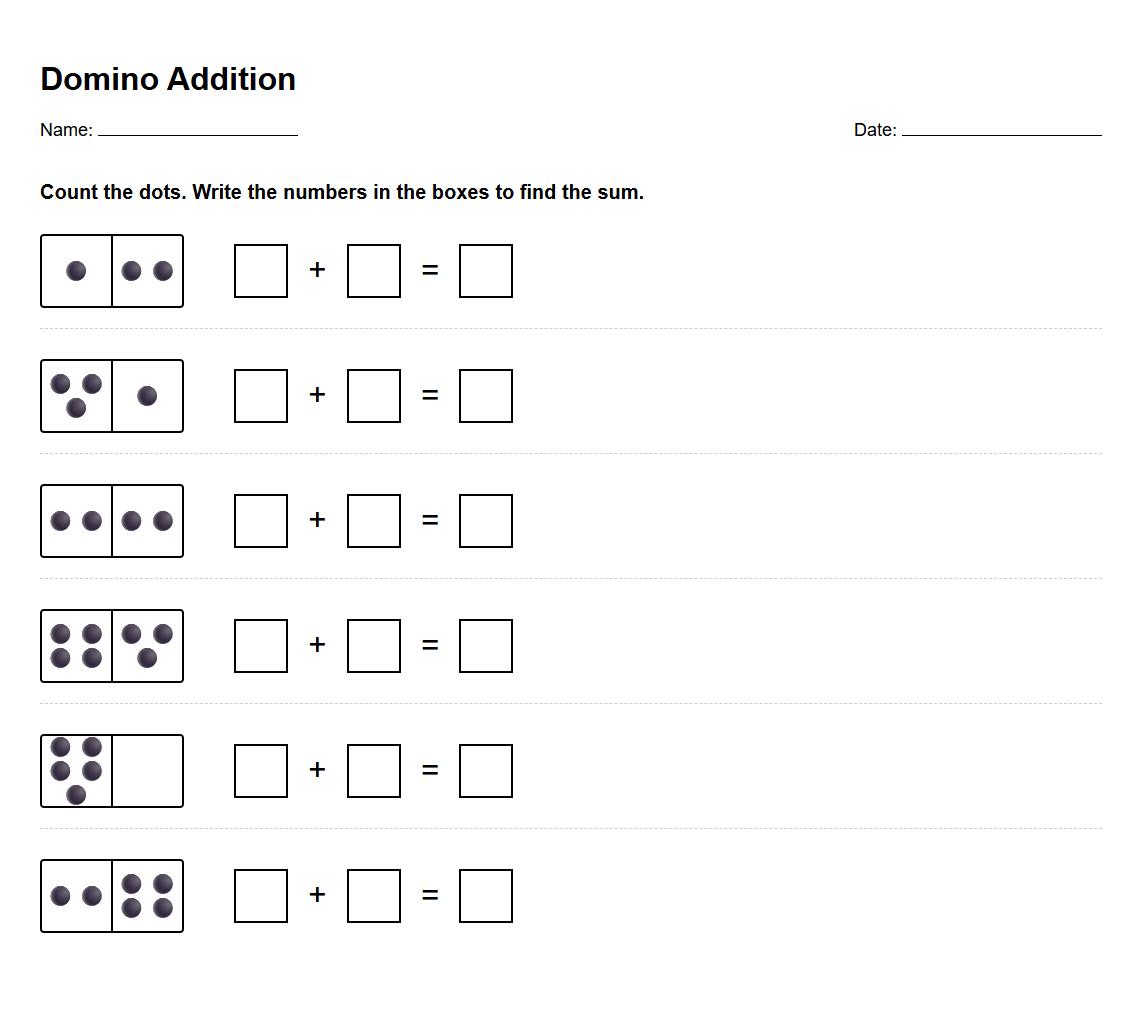
Beads are excellent for creating the number five by adding different groups together. Children can try different combinations like 2 + 3 or 1 + 4 to see multiple ways to reach the same total. This activity promotes flexible thinking and understanding of sums. It also encourages experimentation and discovery in math. Discover grouping ideas on this shape attributes worksheet.
Solving One Plus Four with Fingers
Using fingers to solve one plus four helps children rely on their own body as a counting tool. They can hold up one finger, then add four more, counting all fingers to find the total. This method is accessible and builds confidence in early math skills. It also encourages tactile and visual learning simultaneously. Find more tactile ideas through this coin recognition activity worksheet.
Matching Number Sentences with Tokens
Help children match number sentences to the total tokens they see by combining visual representation with math expressions. For instance, if there are six tokens, the correct sentence might be 3 + 3. This activity strengthens the relationship between numerical symbols and quantities. It also improves problem-solving and critical thinking skills. Try matching games here: coin recognition matching worksheet.
Drawing Pictures to Show Addition
Encourage children to draw pictures to represent addition problems like three plus two. Visual drawings can include circles, stars, or other simple shapes to show combined groups. This helps reinforce the concept of addition as putting groups together. Drawing also supports creativity and communication of math understanding. Explore a template for sorting and classifying by drawing here.
Classroom Tools for Finding Addition Answers
Classroom tools like number lines, counting bears, and calculators support finding answers to addition questions. These resources provide varied ways for children to explore math concepts. Visual, tactile, and digital tools cater to different learning styles. Teachers and parents should incorporate these tools to make addition learning engaging and effective. Try skip counting with this skip counting worksheet.


Kindergarten Problem Solving Skills Basic Addition Worksheet