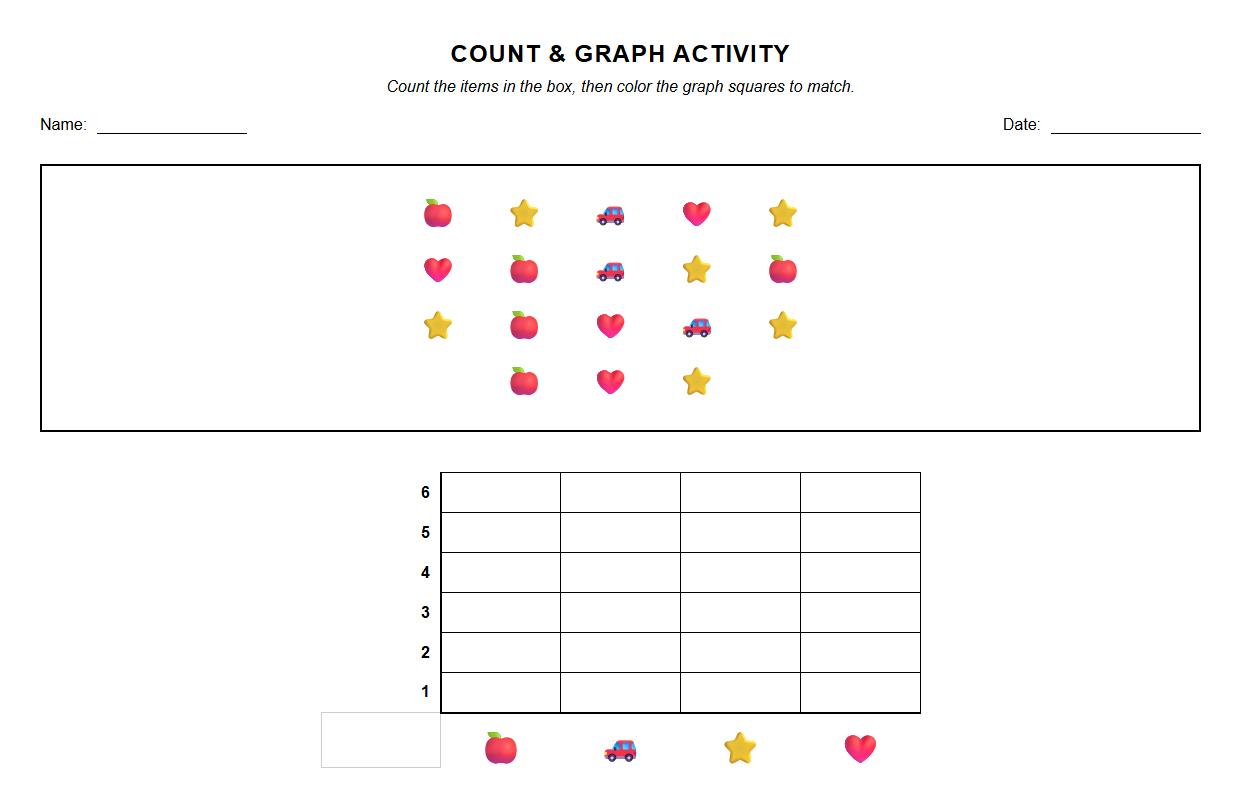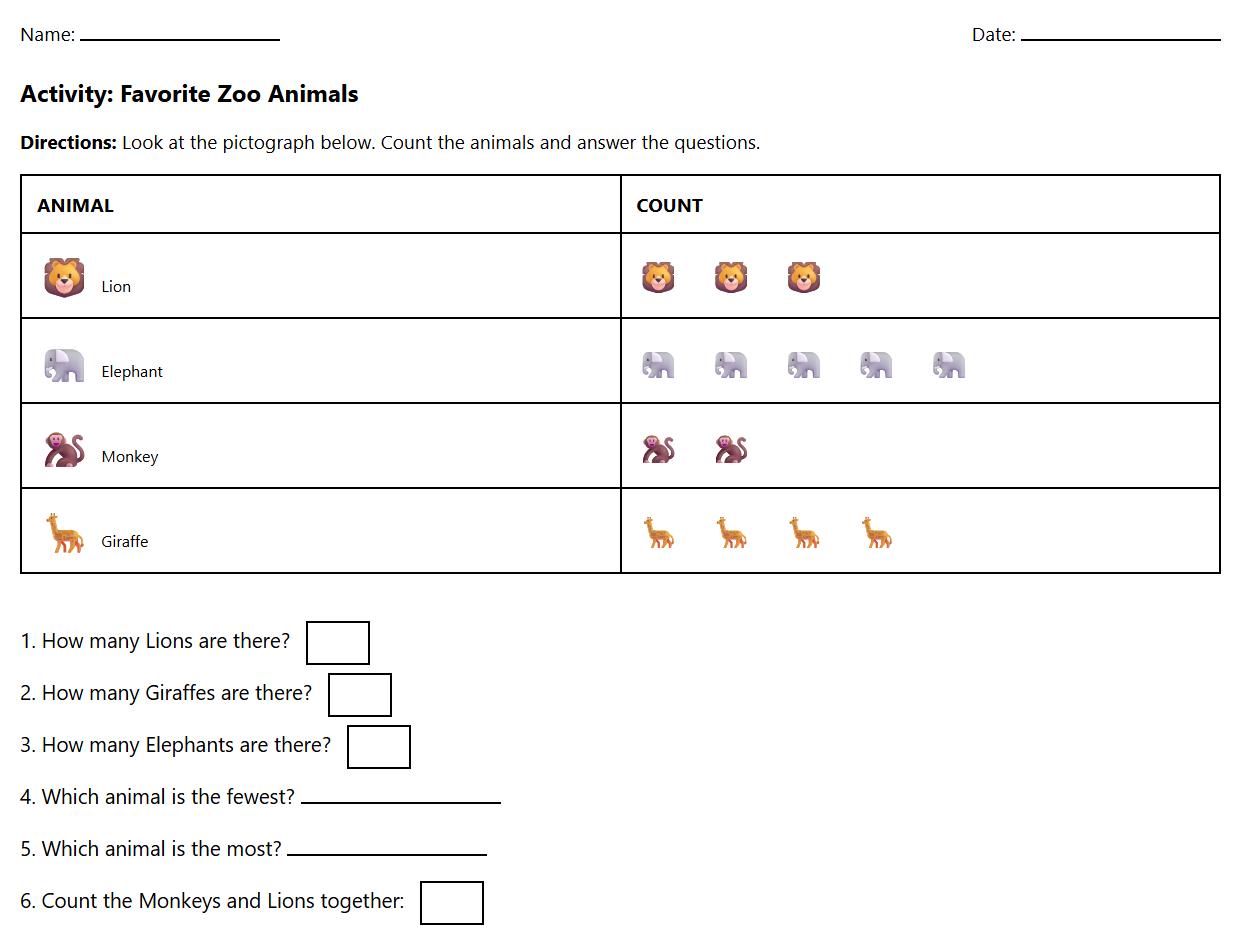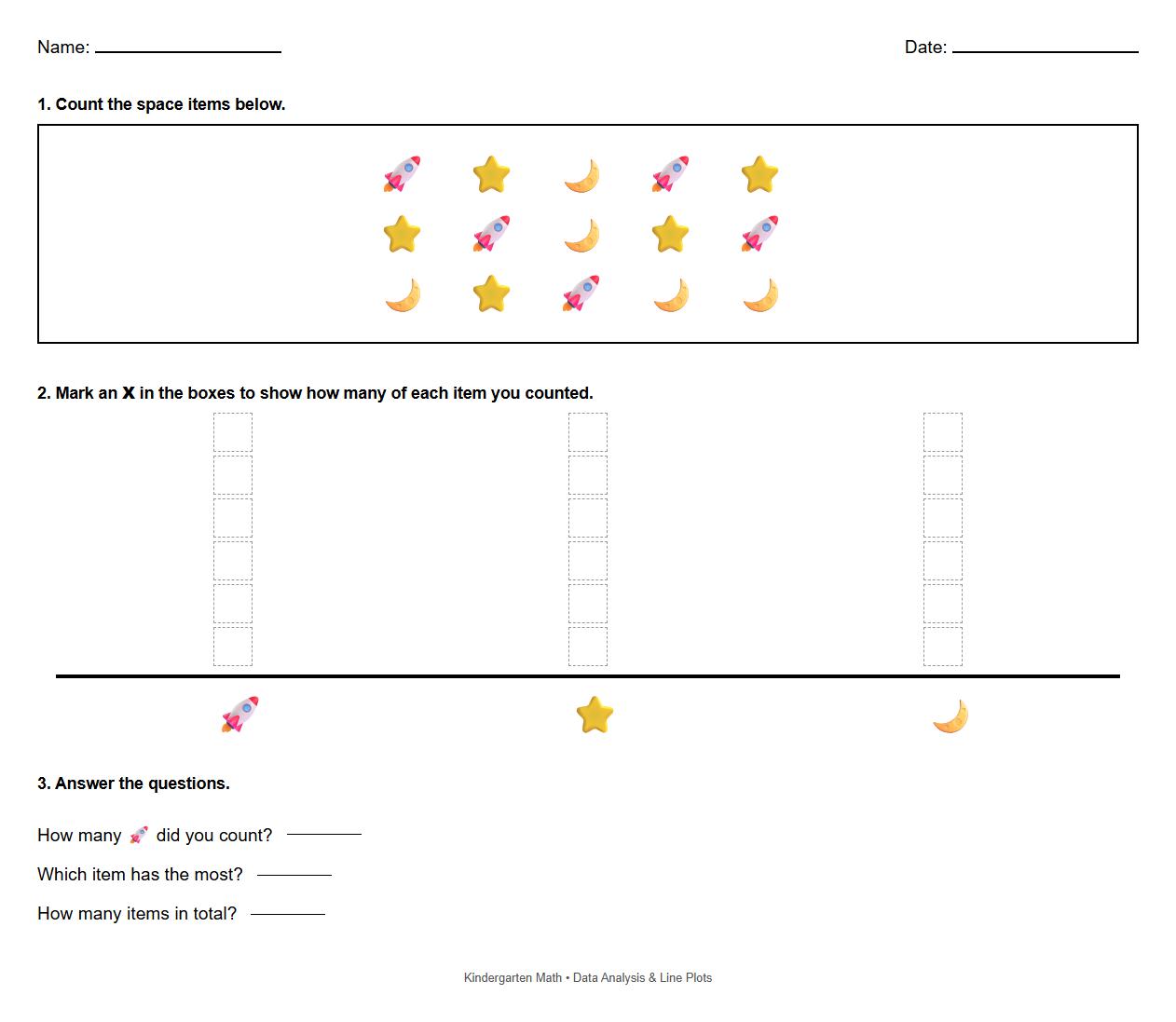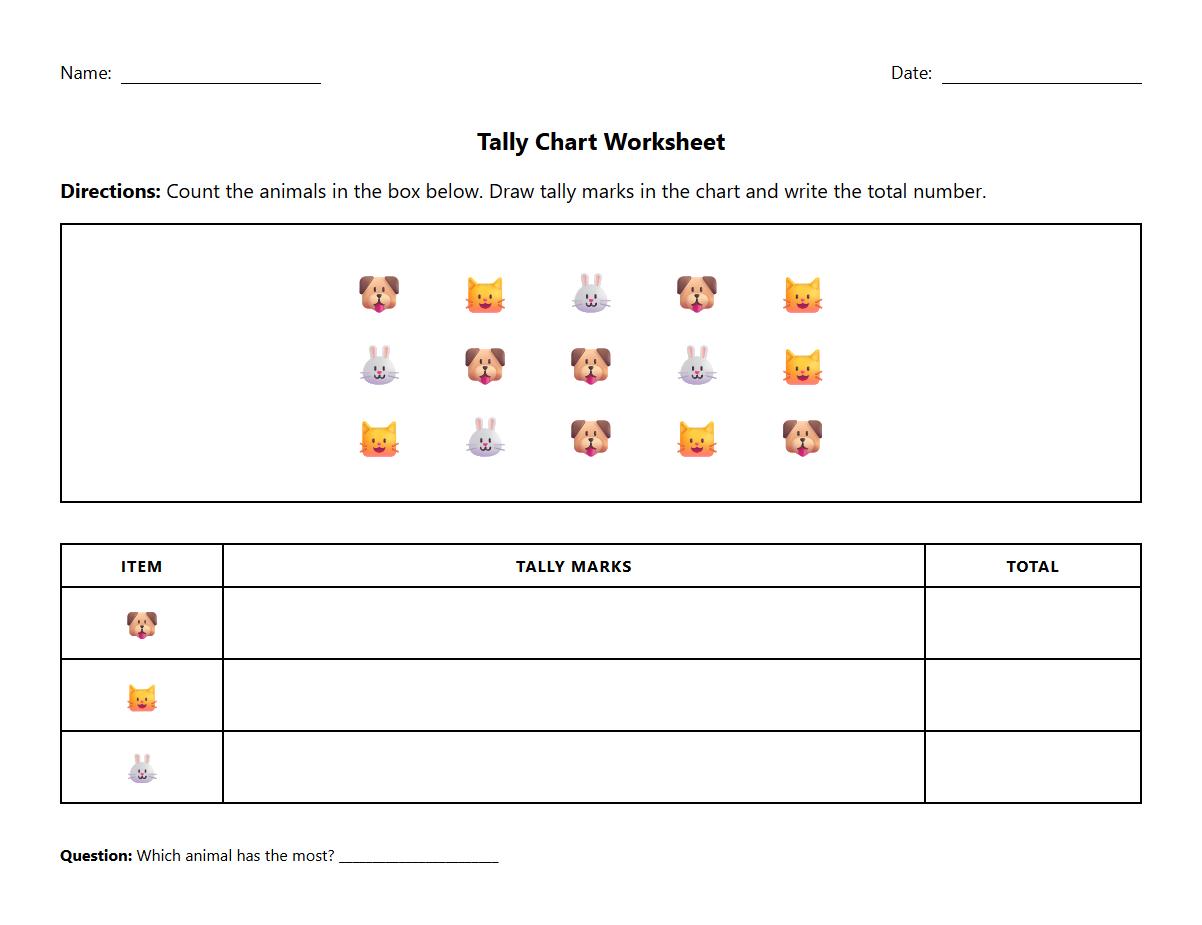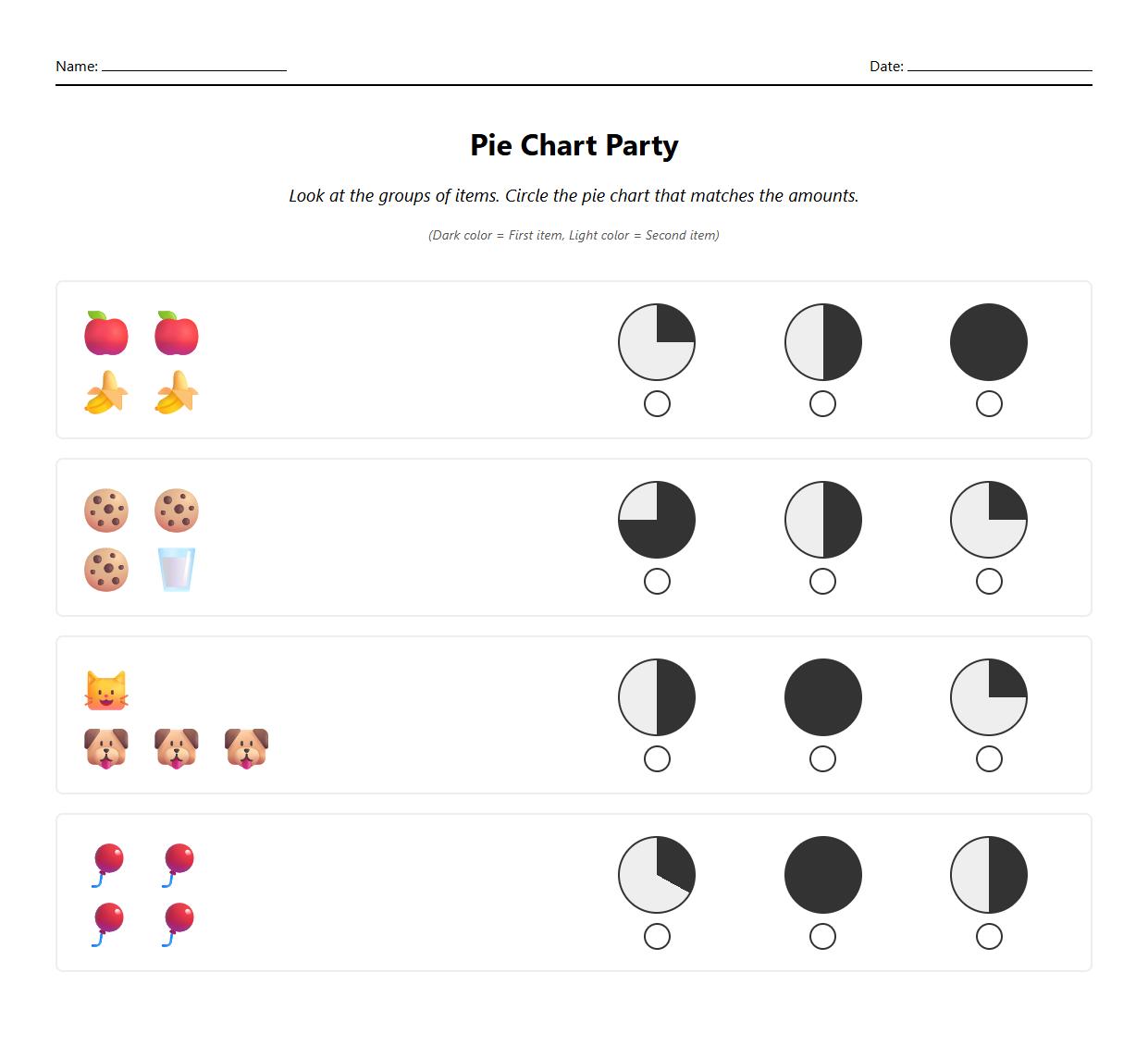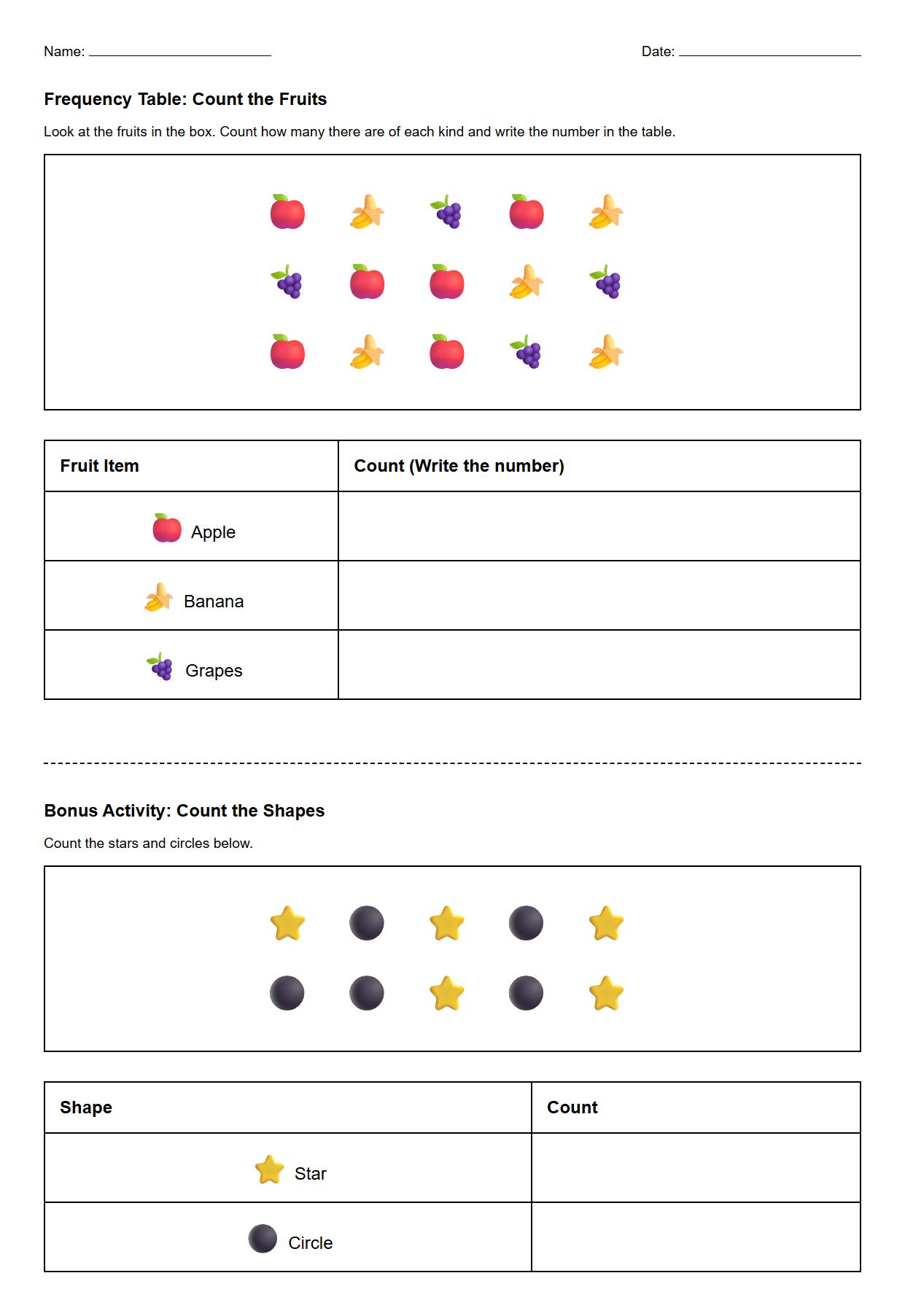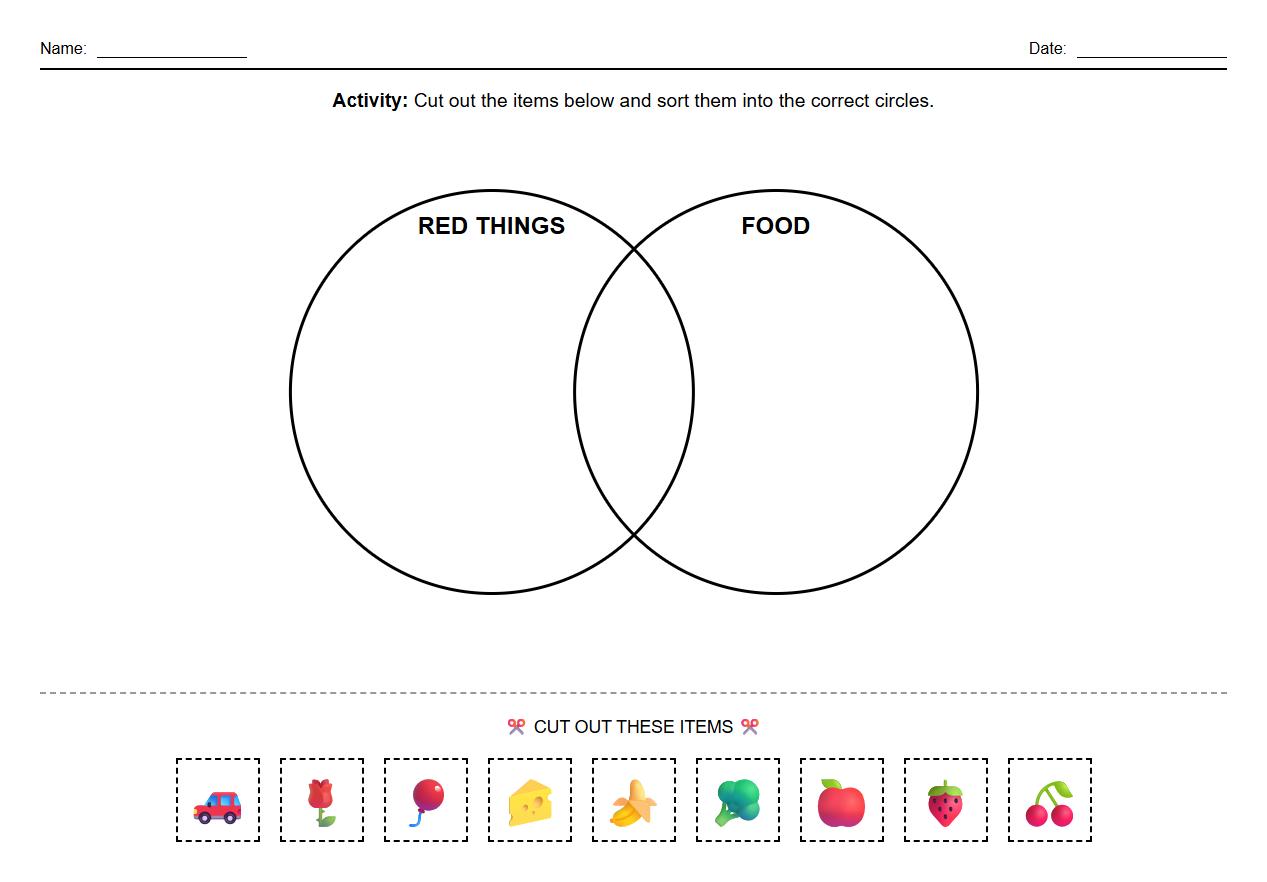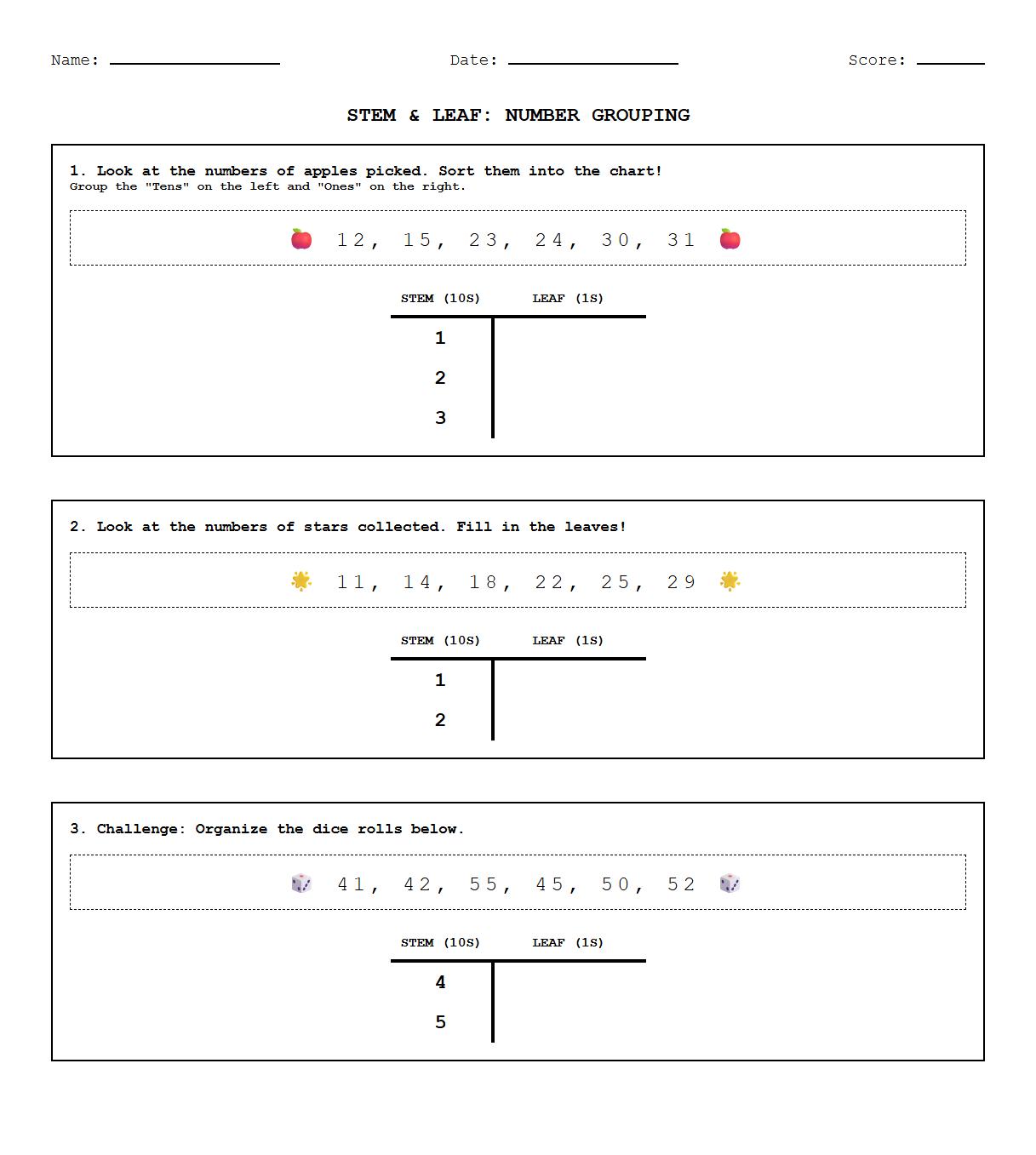
Visualizing data through graphs makes information easier to understand and analyze. Simple data representation techniques, such as bar graphs and pie charts, help to clearly display patterns and relationships within datasets. Explore our Simple Data Representation with Graphing Worksheet to practice creating and interpreting various types of graphs.
What is a Graph Used for in Kindergarten Class?
A graph in kindergarten helps young students visualize information clearly. It is used to organize data so children can see patterns and make comparisons. Graphs teach kids basic math skills like counting and sorting. They also enhance observation and critical thinking abilities.
How Can You Sort Colorful Blocks Before Making a Graph?
Sorting colorful blocks involves grouping them by color, size, or shape before graphing. This helps children classify objects systematically. Sorting makes it easier to count and record data accurately on the graph. It also develops early organizational skills.
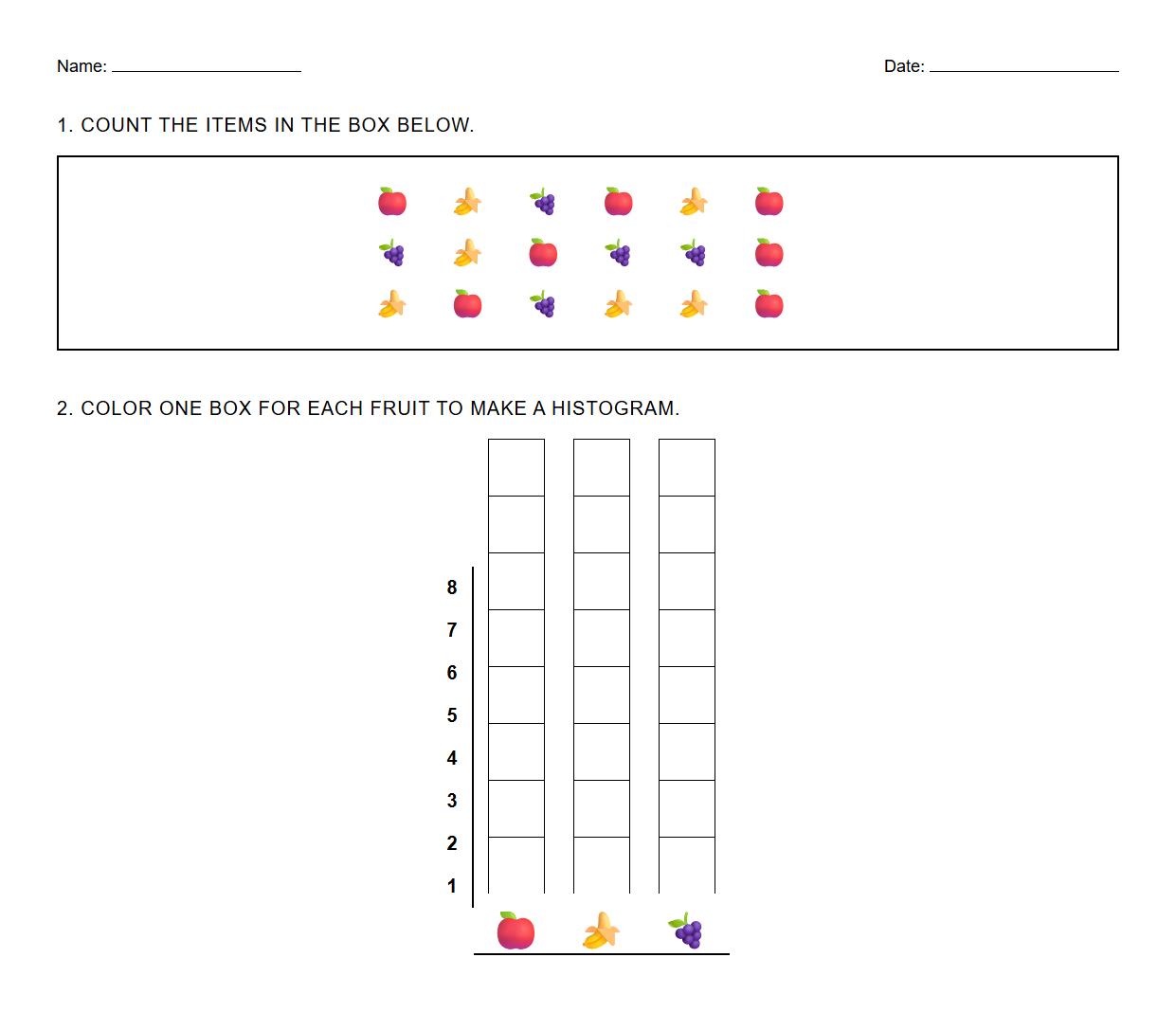
Which Graph Helps You Count Different Fruits Quickly?
A pictograph is useful for counting different fruits quickly. It uses pictures or symbols to represent the number of each fruit. This visual format makes it simple for young learners to compare quantities. Pictographs are engaging and easy to understand.
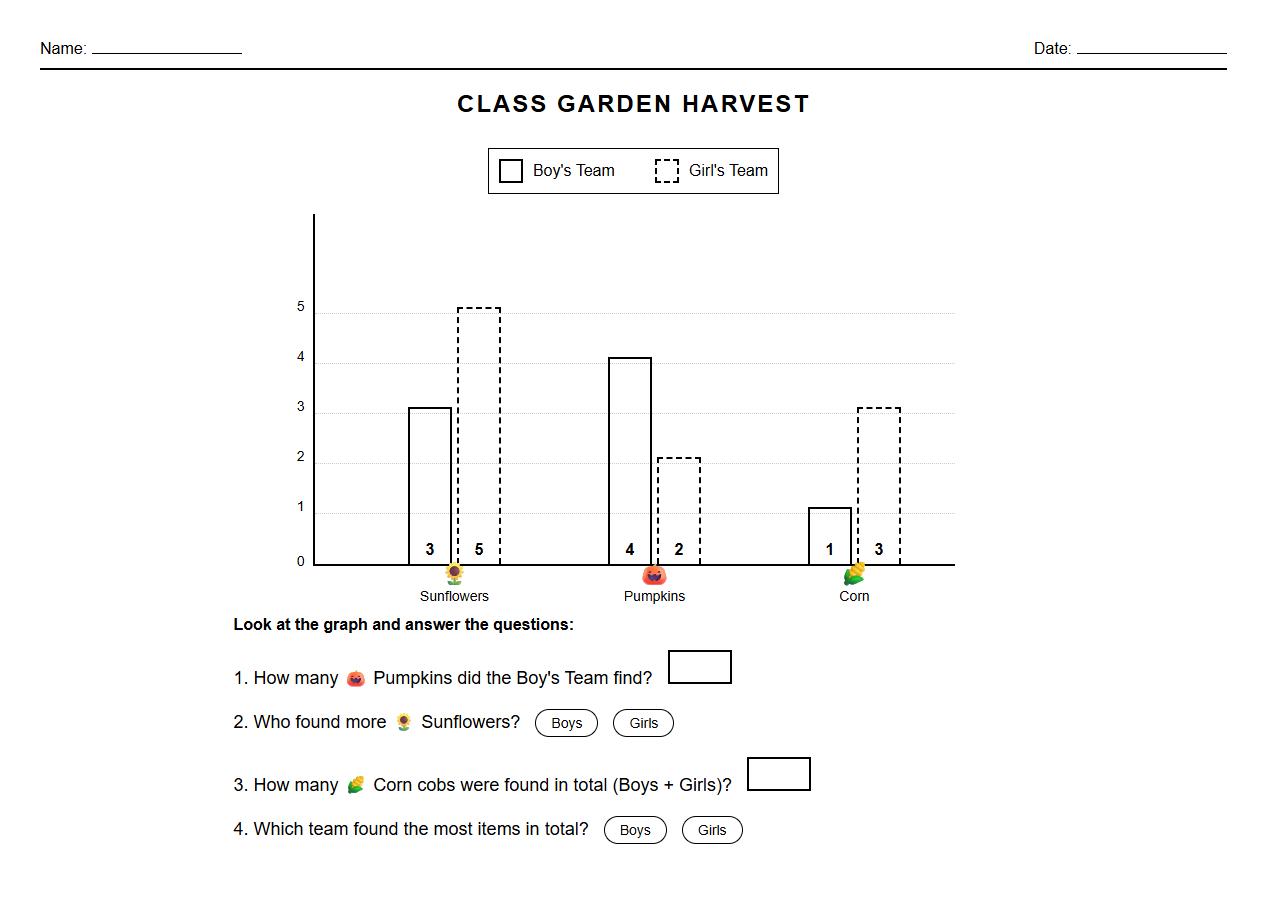
Can You Draw a Bar Graph to Show Favorite Ice Cream Flavors?
Yes, drawing a bar graph to display favorite ice cream flavors is effective. Each bar represents a flavor, and the height shows how many students like it. This format helps kids compare preferences clearly. It also introduces basic graphing concepts.
How Do You Know Which Pet More Students Like by Looking at a Pictograph?
By looking at the number of pictures representing each pet in a pictograph, you can identify the most liked pet. The pet with the most symbols or images shows the majority preference. This visual clue makes data interpretation simple for children. It encourages them to analyze information visually.
What Does Each Picture in a Pictograph Represent?
Each picture or symbol in a pictograph represents a specific number of items or people. This key is usually explained in the graph's legend. Understanding this helps students count the total quickly. It connects abstract numbers to visual examples.
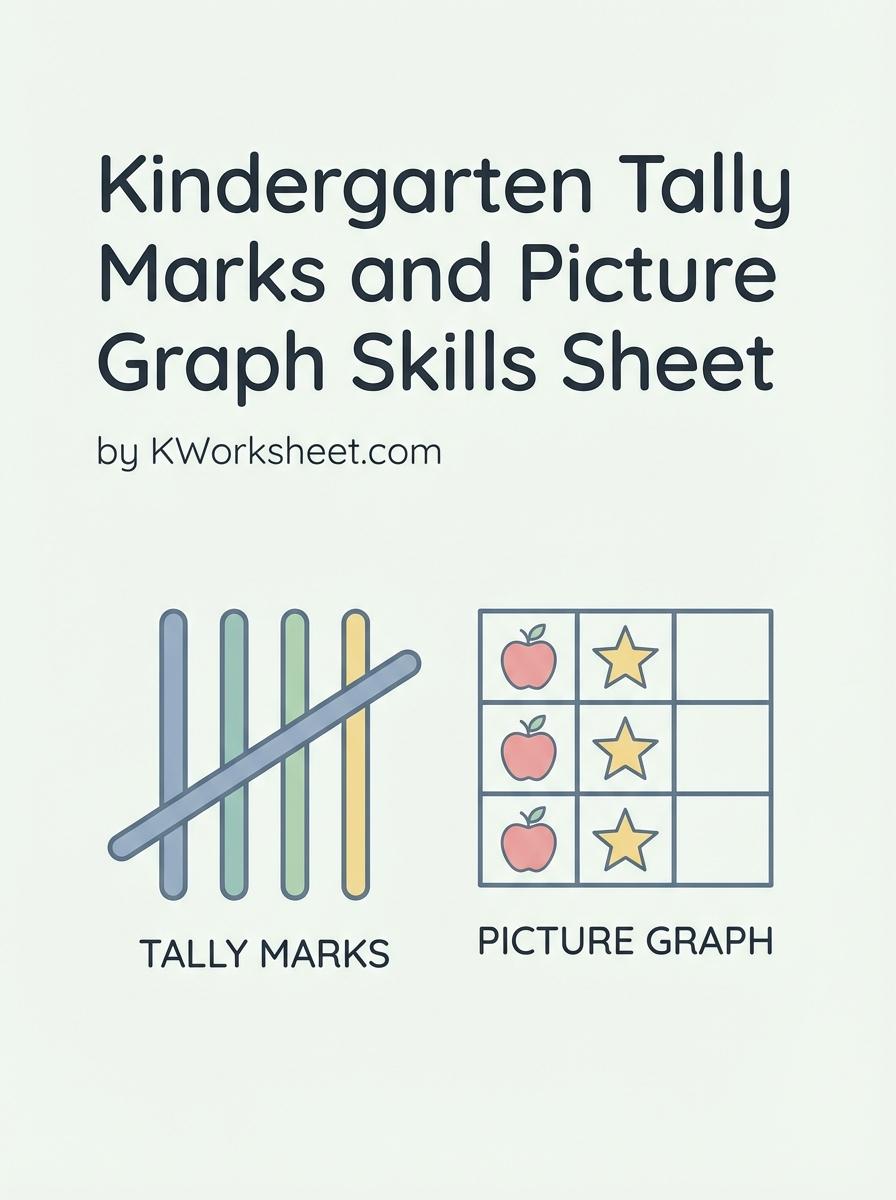
Why Do We Use Tally Marks When Collecting Class Data?
Tally marks are used because they provide an easy, quick way to keep track of numbers. Each mark stands for one count, and groups of five are easy to see. This method helps children organize data as they collect it. It also introduces the concept of counting in sets.
What Is the Title of Your Graph Showing Class Birthdays?
The title of a graph showing class birthdays should be clear and descriptive, like "Class Birthdays Chart." A good title helps students know what information the graph represents. It guides the viewer's understanding at a glance. Titles are important for meaningful data presentation.
How Can You Use Colors to Make Your Graph Easy to Read?
Using different colors for categories in a graph makes it visually appealing and easy to distinguish data groups. Colors help students quickly identify information and reduce confusion. Clear color choices improve engagement and comprehension. Consistency in color use is key to effectiveness.
What Kind of Questions Can You Ask About the Data in Your Graph?
Ask questions like "Which category has the most?" or "How many fewer items are there compared to another category?" These questions encourage children to analyze and compare data. They promote critical thinking and discussion. Questioning deepens understanding of the information presented.


Kindergarten Tally Marks and Picture Graph Skills Sheet