Sorting, Counting, and Graphing Worksheet for Kindergarten

📅 Apr 1, 2025 👤 Nylen Smith

Sorting, counting, and graphing activities develop essential early math skills such as categorization, number recognition, and data interpretation. These hands-on tasks help kindergarteners build a strong foundation in mathematical reasoning while fostering fine motor and observation abilities. Explore our engaging worksheets designed to make learning these concepts fun and interactive.

Phonics-based object sorting worksheet
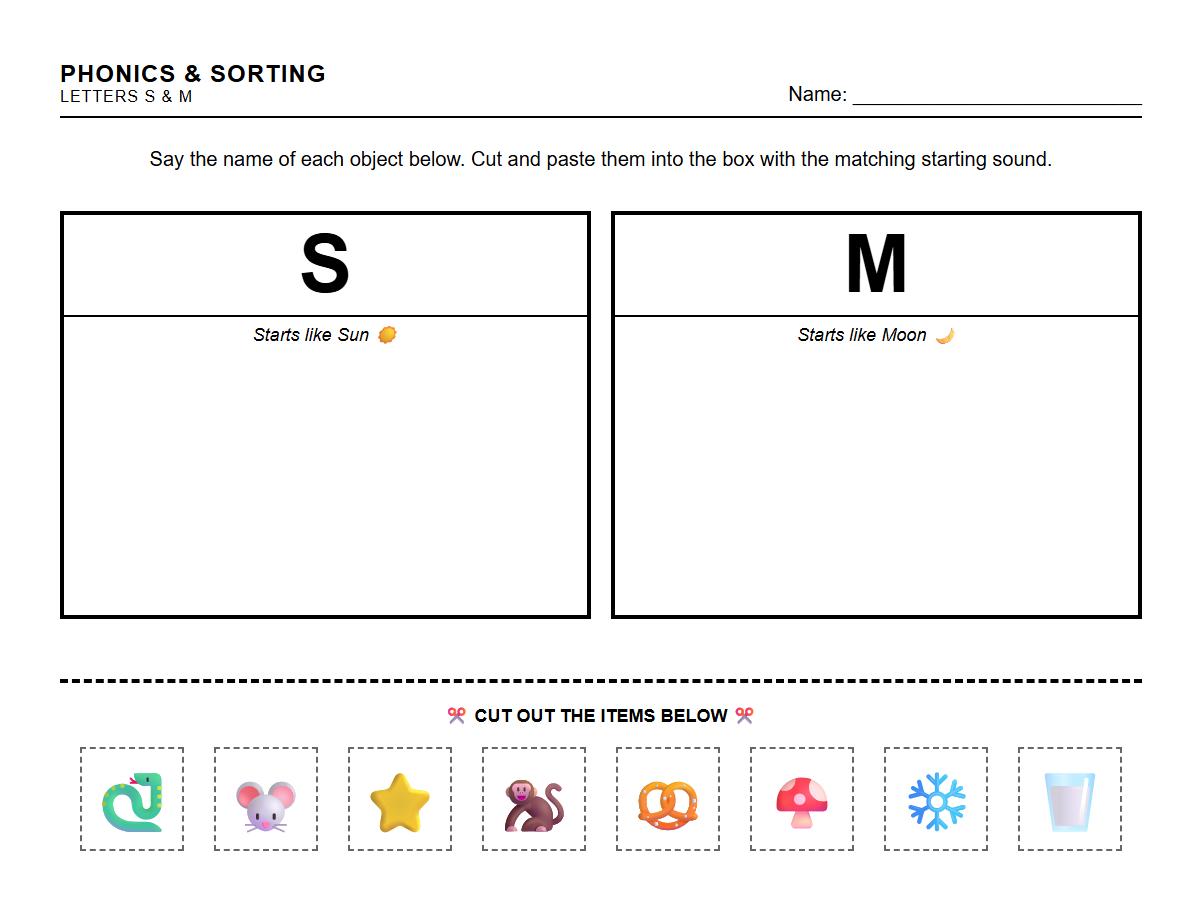
Phonics-based object sorting worksheet

Download PDF     Pin it

Color pattern sorting activity sheet
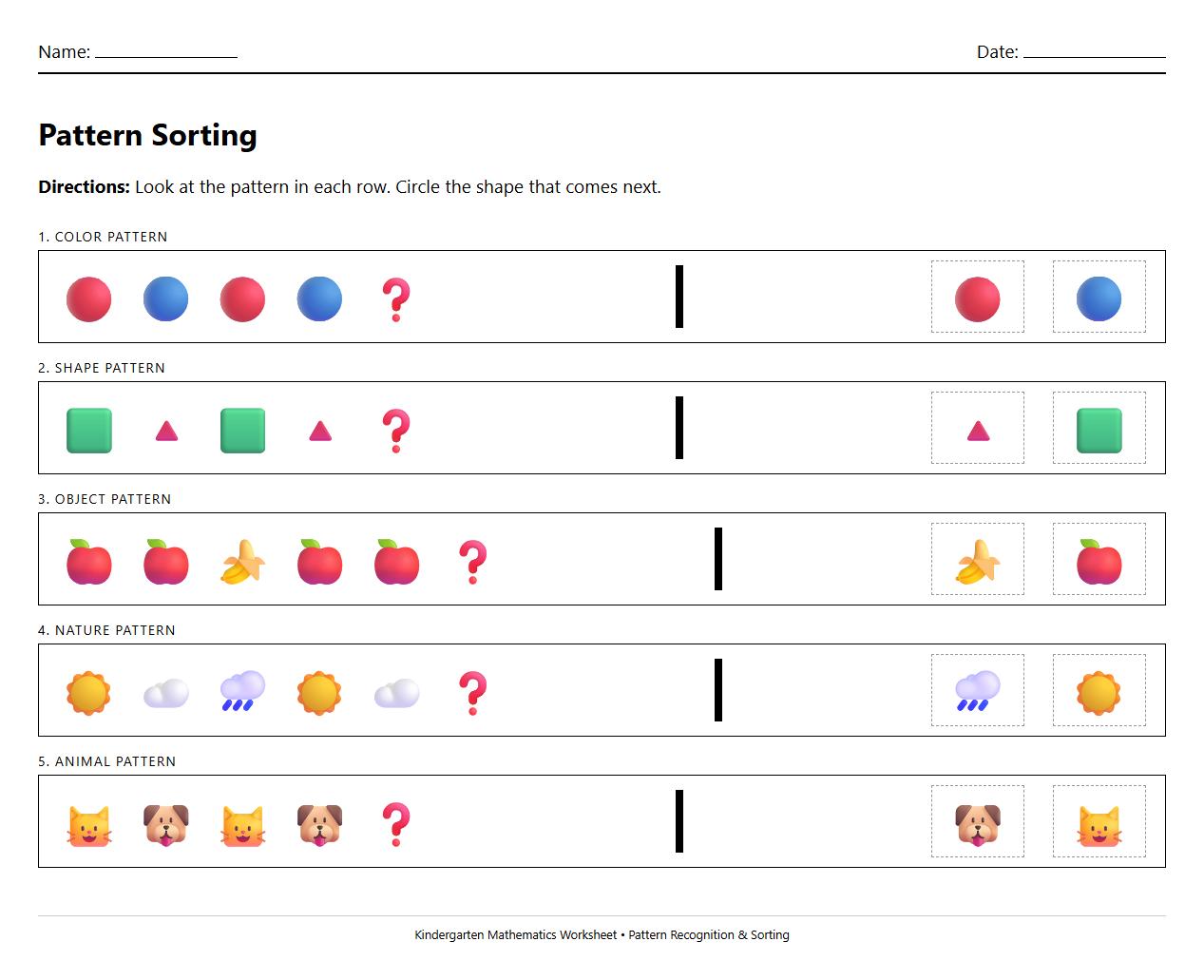
Color pattern sorting activity sheet

Download PDF     Pin it

Counting objects with number recognition worksheet
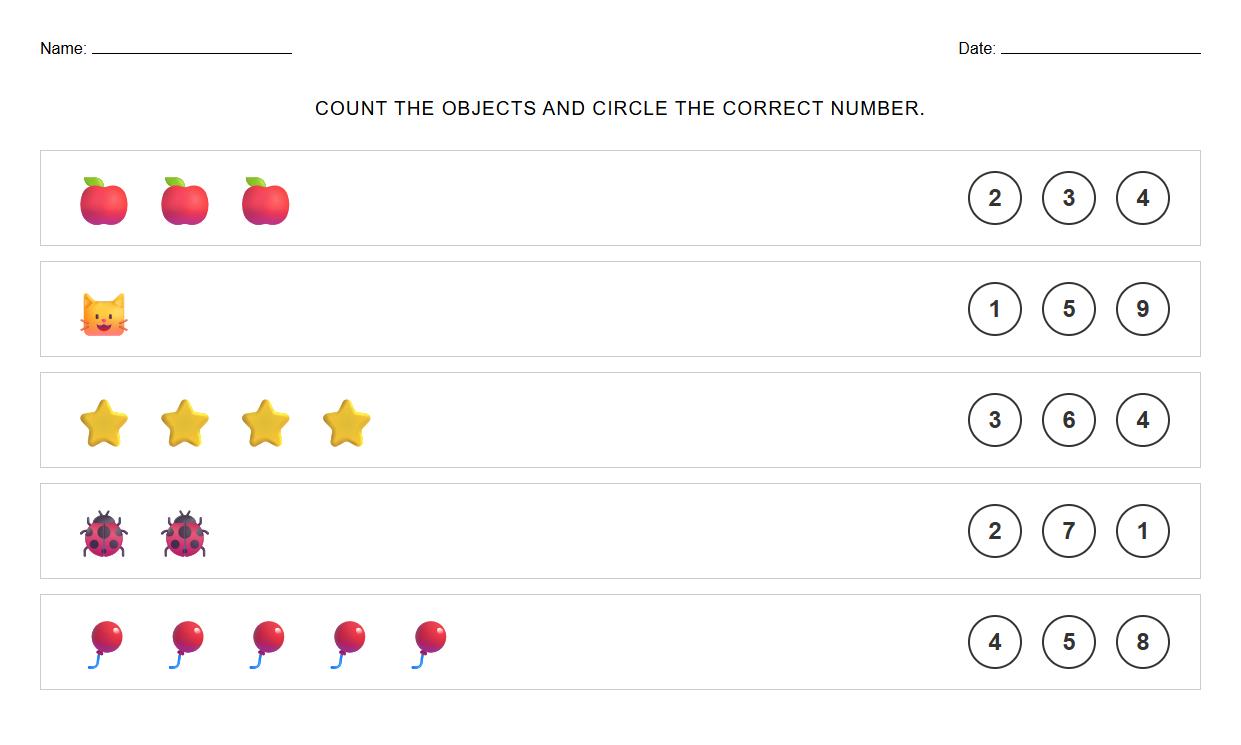
Counting objects with number recognition worksheet

Download PDF     Pin it

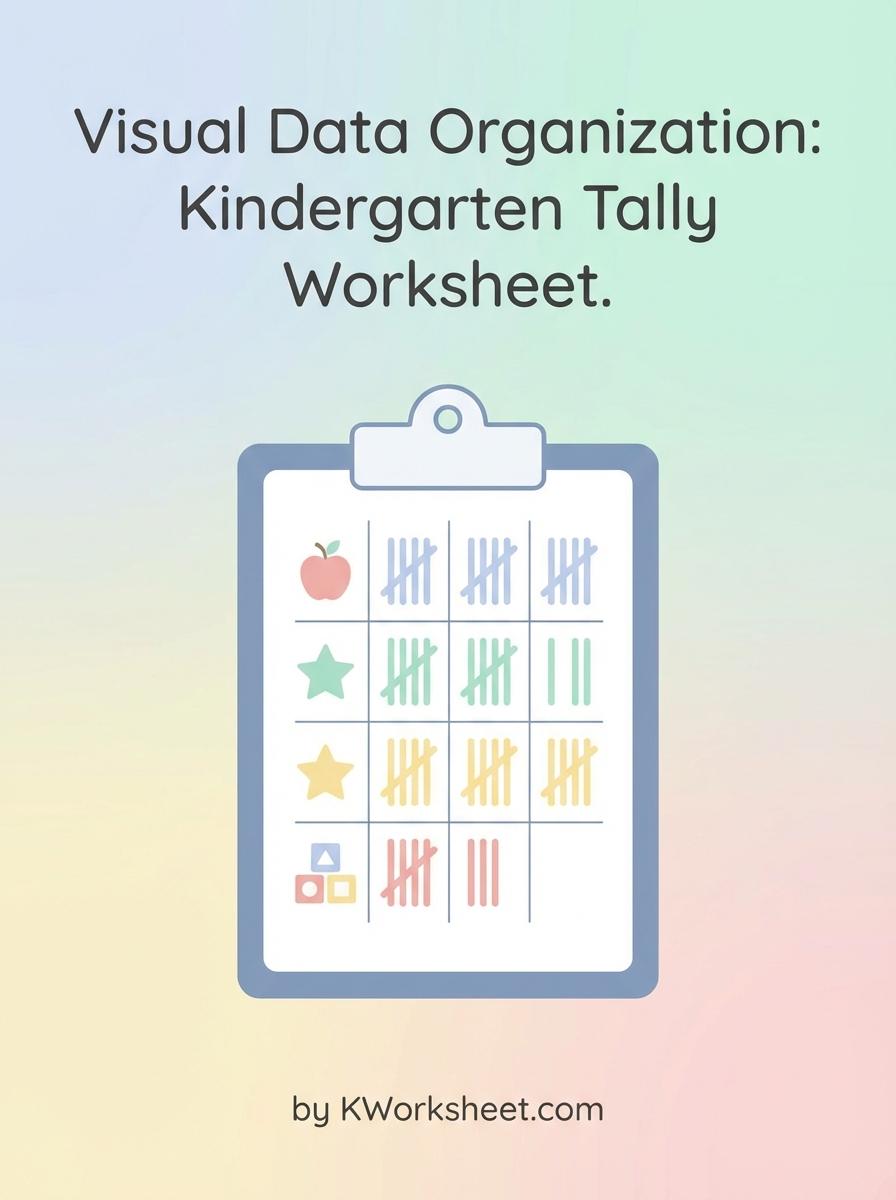
Tally mark counting and comparison worksheet
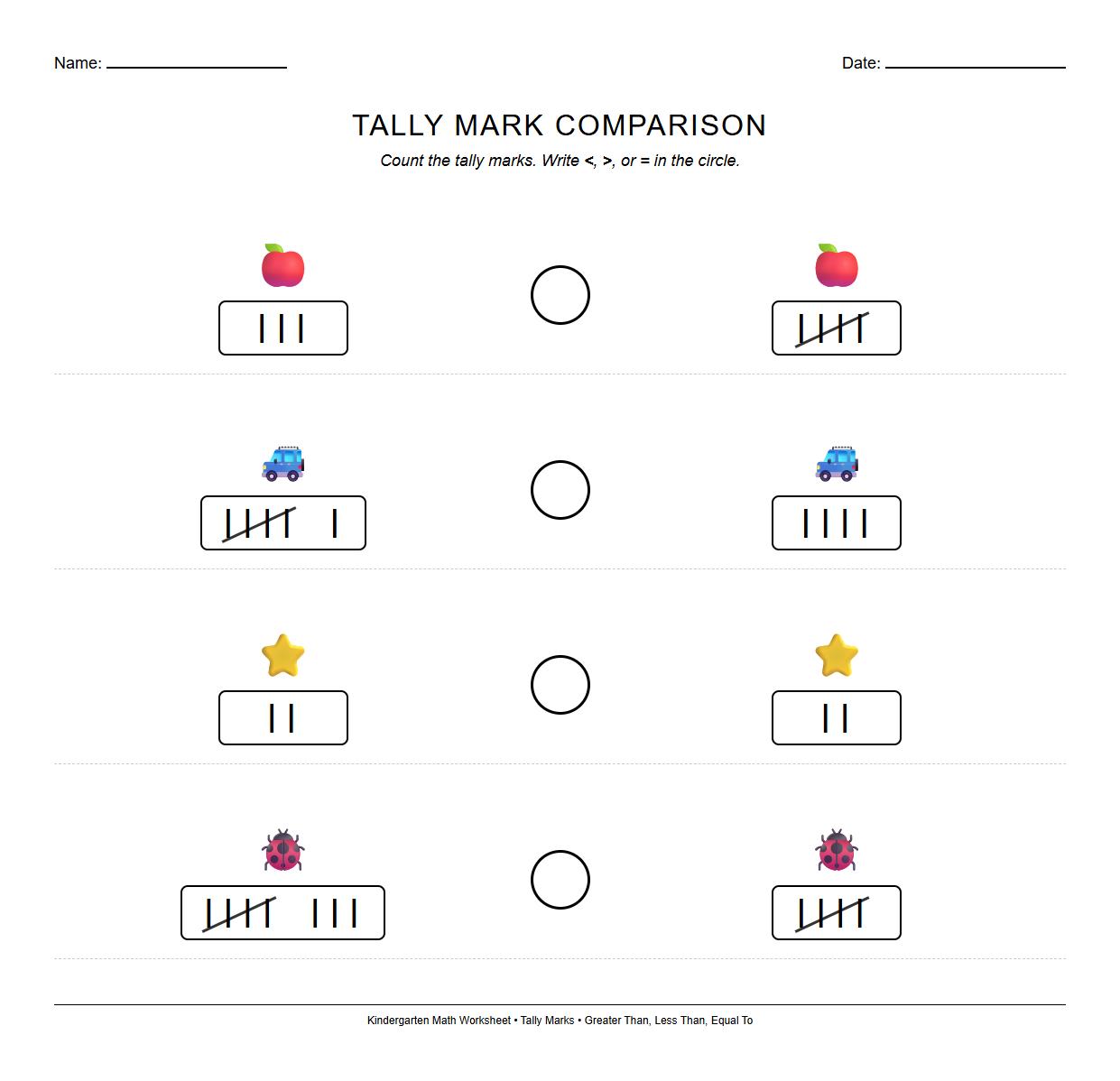
Tally mark counting and comparison worksheet

Download PDF     Pin it

Bar graph interpretation activity for kindergarten
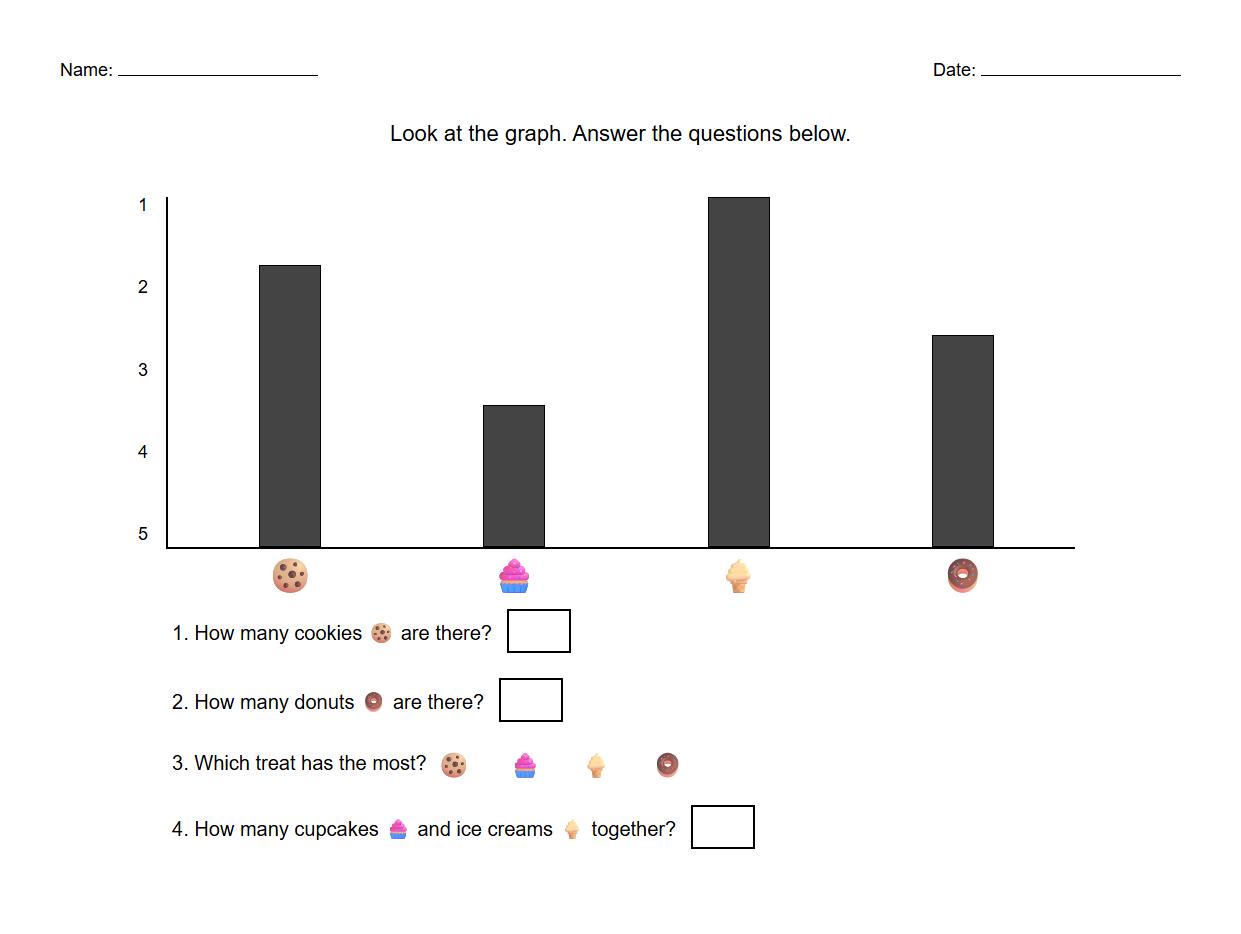
Bar graph interpretation activity for kindergarten

Download PDF     Pin it

Pictograph creation worksheet using classroom items
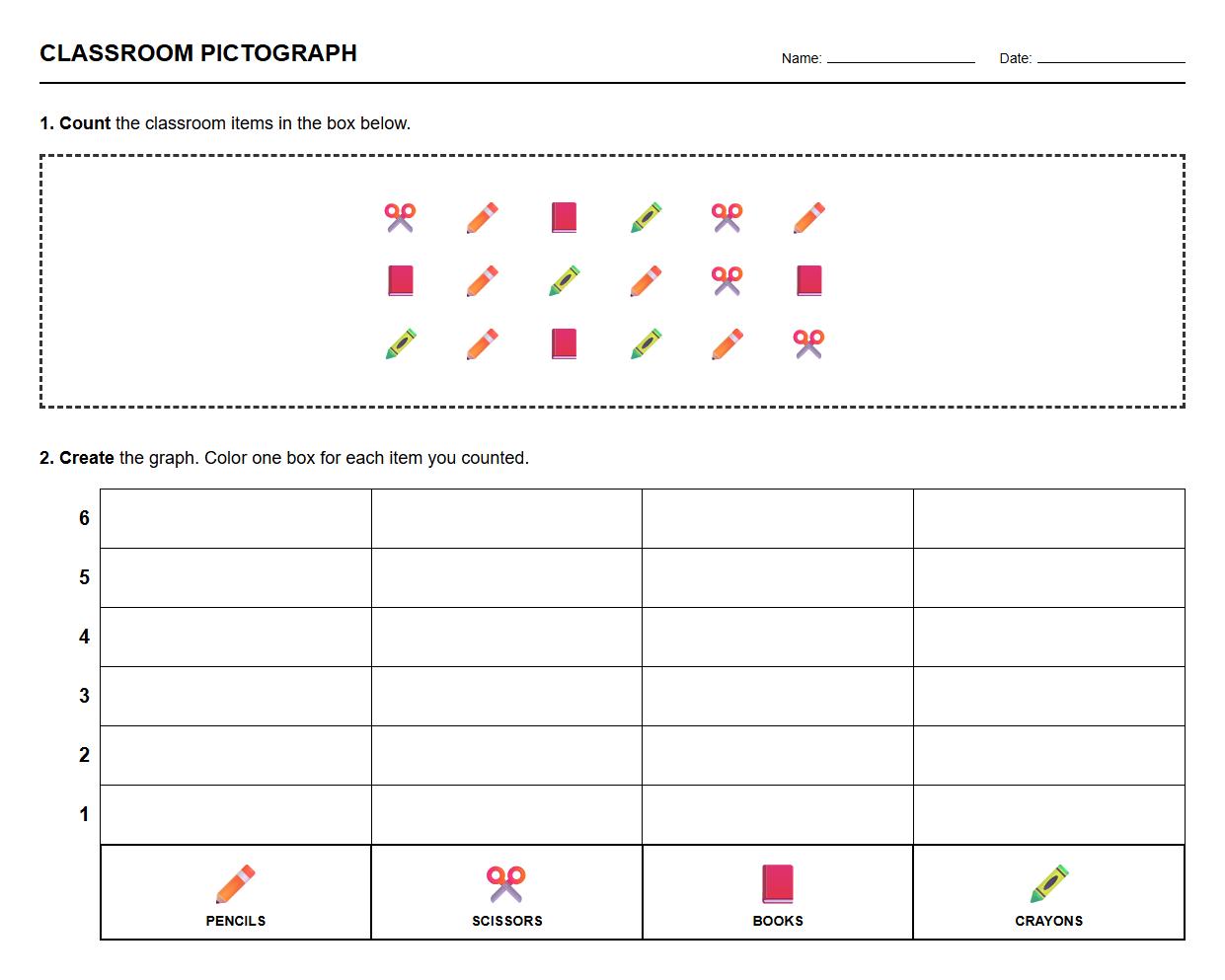
Pictograph creation worksheet using classroom items

Download PDF     Pin it

Shape sorting and categorization worksheet
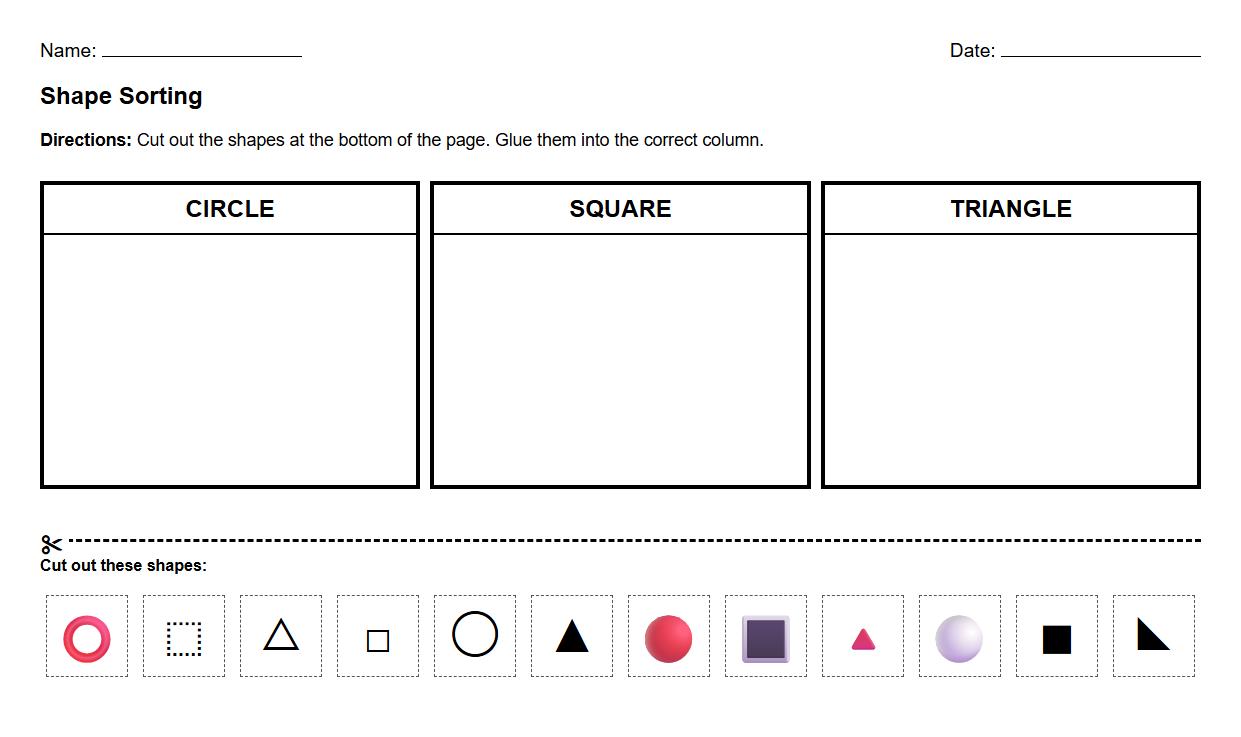
Shape sorting and categorization worksheet

Download PDF     Pin it

Venn diagram sorting exercise for young learners
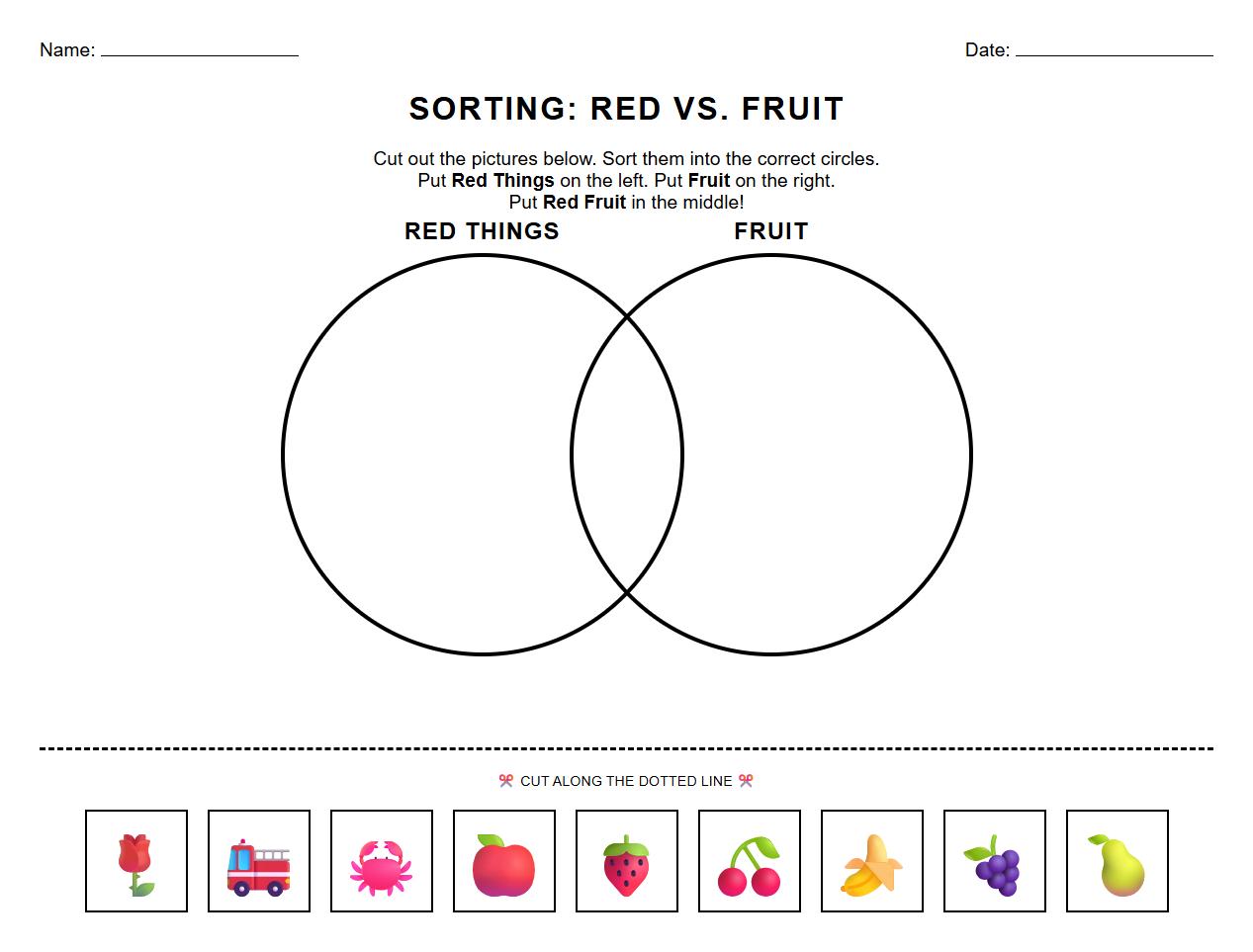
Venn diagram sorting exercise for young learners

Download PDF     Pin it

Counting and graphing results from a simple survey
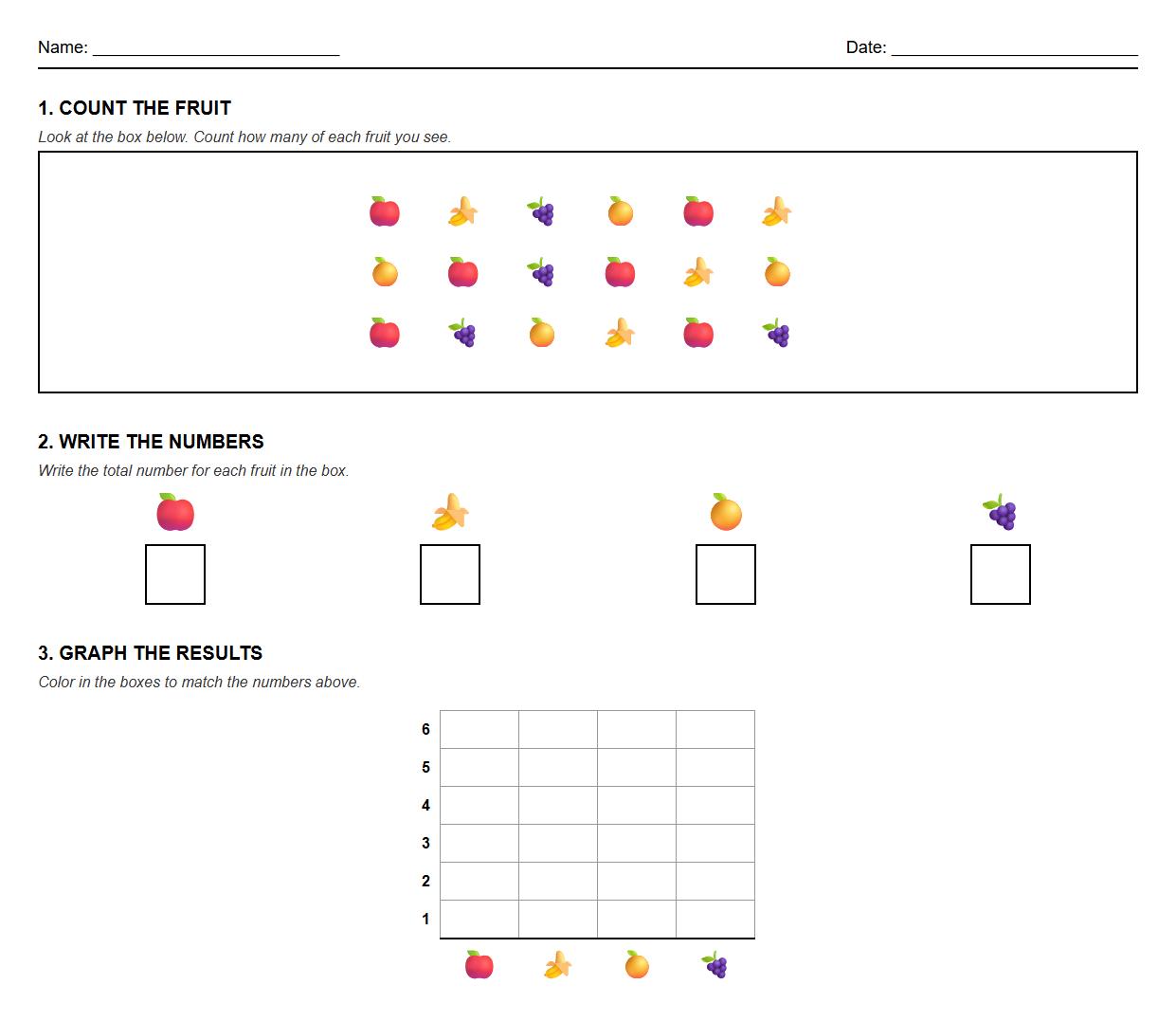
Counting and graphing results from a simple survey

Download PDF     Pin it

Data recording and graphing using dice outcomes worksheet
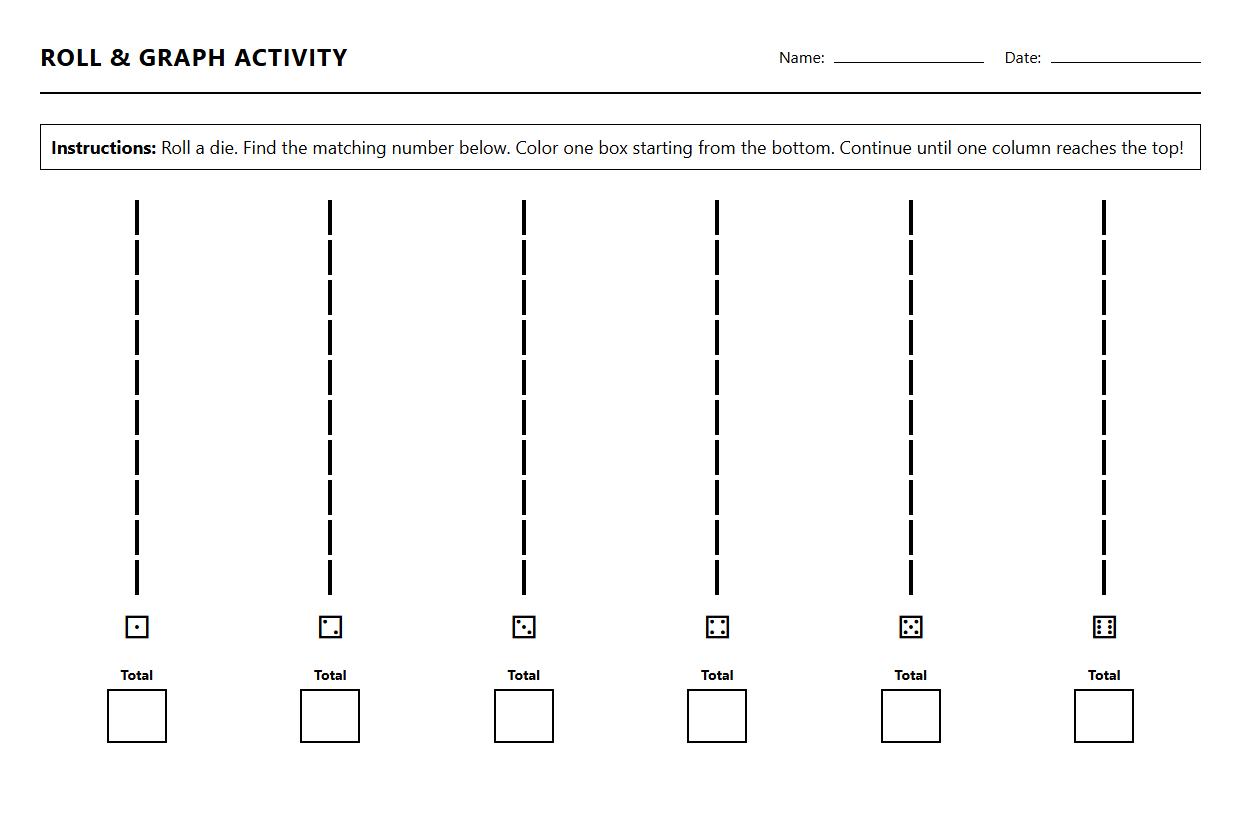
Data recording and graphing using dice outcomes worksheet

Download PDF     Pin it

Counting Apples in the Picture

Ask children to carefully observe the number of apples shown in the image. This activity helps develop their counting skills and attention to detail. Encouraging them to count out loud reinforces verbal and numerical confidence. Use this exercise to introduce basic math vocabulary like "count" and "total."

Sorting Shapes by Color

Guide students to identify and sort shapes based on their color. Sorting enhances cognitive ability and color recognition, which are key in early learning. Provide various colorful shapes and ask learners to group them accordingly. This task can be extended by discussing similarities and differences among objects.

Identifying the Most Frequent Object

Have children scan the worksheet to find which object appears most frequently. This supports skills in observation and comparative analysis. Encourage them to mark or point out the item to solidify understanding. Highlight concepts such as "most," "frequent," and "majority" in the process.

Making Groups of Three Stars

Use stars on the worksheet to practice grouping by asking, "How many groups of three can you make?" This activity fosters understanding of multiplication and division concepts through tangible items. Reinforce counting in sets and introduce terms like "groups" and "sets." It's a practical method to develop early arithmetic skills.

Counting and Writing Numbers for Fruits

Encourage children to count each type of fruit and write down the corresponding numbers. This exercise combines counting with early writing practice, enhancing number formation abilities. It also introduces data recording, an essential mathematical skill. Make it fun by using colorful pencils or markers for the writing part.

Finding the Item with the Least Quantity

Ask learners to observe the graph and identify the item that has the smallest quantity. This task promotes understanding of comparison and quantity assessment. Discussions about "least" help build vocabulary and analytical thinking. Pair this with questions about why certain items may appear less often.

Comparing Squares and Circles

Challenge students to determine if there are more squares or circles in the set. This comparison helps develop skills in attention, classification, and number comparison. It encourages the use of comparative adjectives and math terms. Visual aids and counters can support hands-on learning during this activity.

Matching and Sorting Animals by Size

Guide children to match and sort animals according to their size, from small to large or vice versa. Sorting by size enhances understanding of measurement and sequencing. This encourages observational skills and vocabulary building around size descriptions. Use real or illustrated animals for engagement and context.

Total Count After Sorting

After sorting objects, ask how many total items they have counted. This reinforces consolidation of counting and grouping concepts. It can also introduce addition as children sum groups together. Use this as an opportunity to review numbers and practice arithmetic language.

Difference Between Highest and Lowest Numbers on a Graph

Teach children to find the difference between the highest and lowest values shown on a graph. This introduces the concept of subtraction in a visual and concrete way. It also helps build skills in data interpretation and critical thinking. Use simple graphs and clear number lines for better comprehension.


More in Mathematics Category


About the author. Nylen Smith is a dedicated educator and cofounder of KWorksheet.com, a popular platform specializing in high-quality kindergarten worksheets and printable activities.

Disclaimer. The information provided in this document is for general informational purposes and/or document sample only and is not guaranteed to be factually right or complete. Please report to us via contact-us page if you find and error in this page, thanks.

Comments

No comment yet