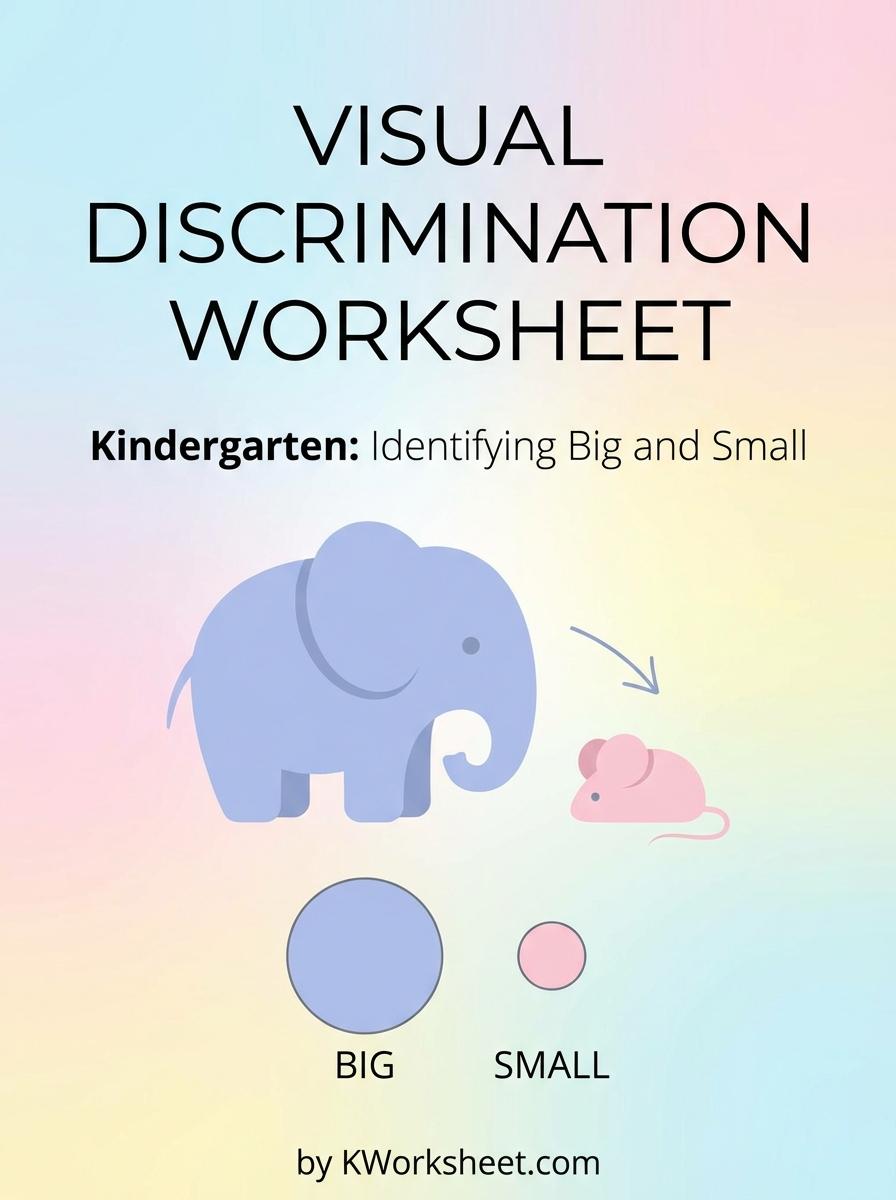
Visual Discrimination Worksheet for Kindergarten Identifying Big and Small

📅 Apr 1, 2025 👤 Nylen Smith

Developing visual discrimination skills in kindergarten enhances children's ability to differentiate between objects based on size, shape, and other attributes, which is essential for early learning success. Focusing on identifying big and small objects strengthens observation skills and supports cognitive development. Explore the available worksheets to help your child practice distinguishing between big and small with engaging, age-appropriate activities.

Visual Discrimination worksheet for Kindergarten: Big vs Small Object Sorting
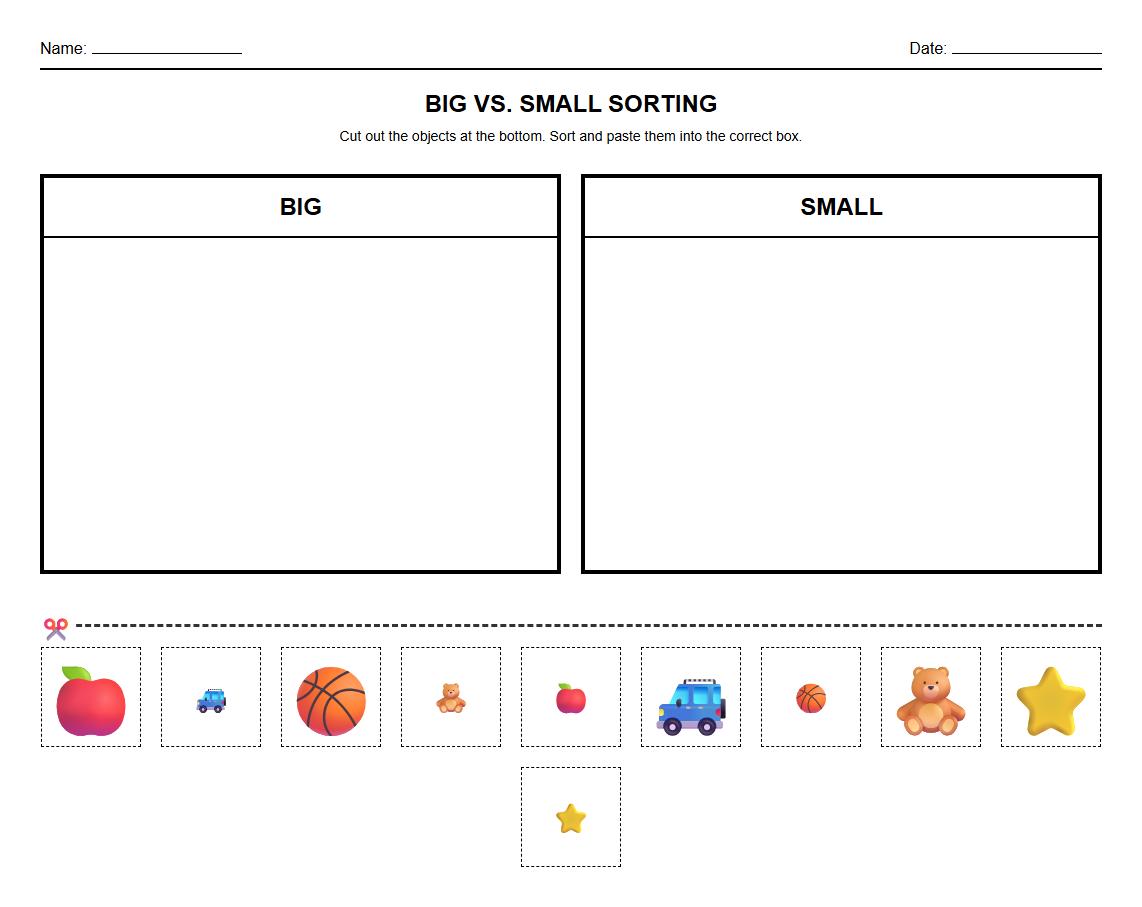
Visual Discrimination worksheet for Kindergarten: Big vs Small Object Sorting

Download PDF     Pin it

Visual Discrimination worksheet for Kindergarten: Circle the Big Shape
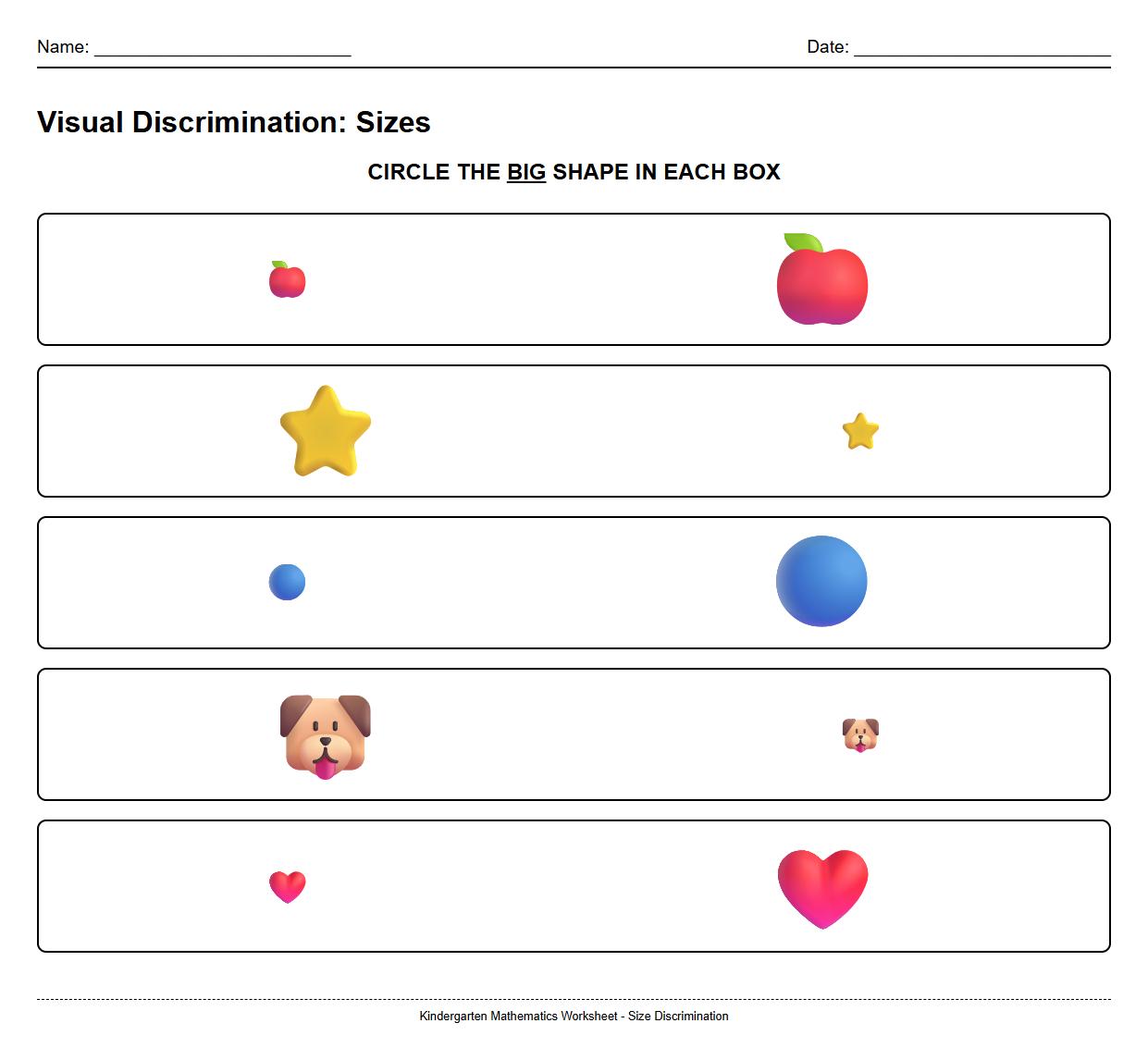
Visual Discrimination worksheet for Kindergarten: Circle the Big Shape

Download PDF     Pin it

Visual Discrimination worksheet for Kindergarten: Mark the Small Animal
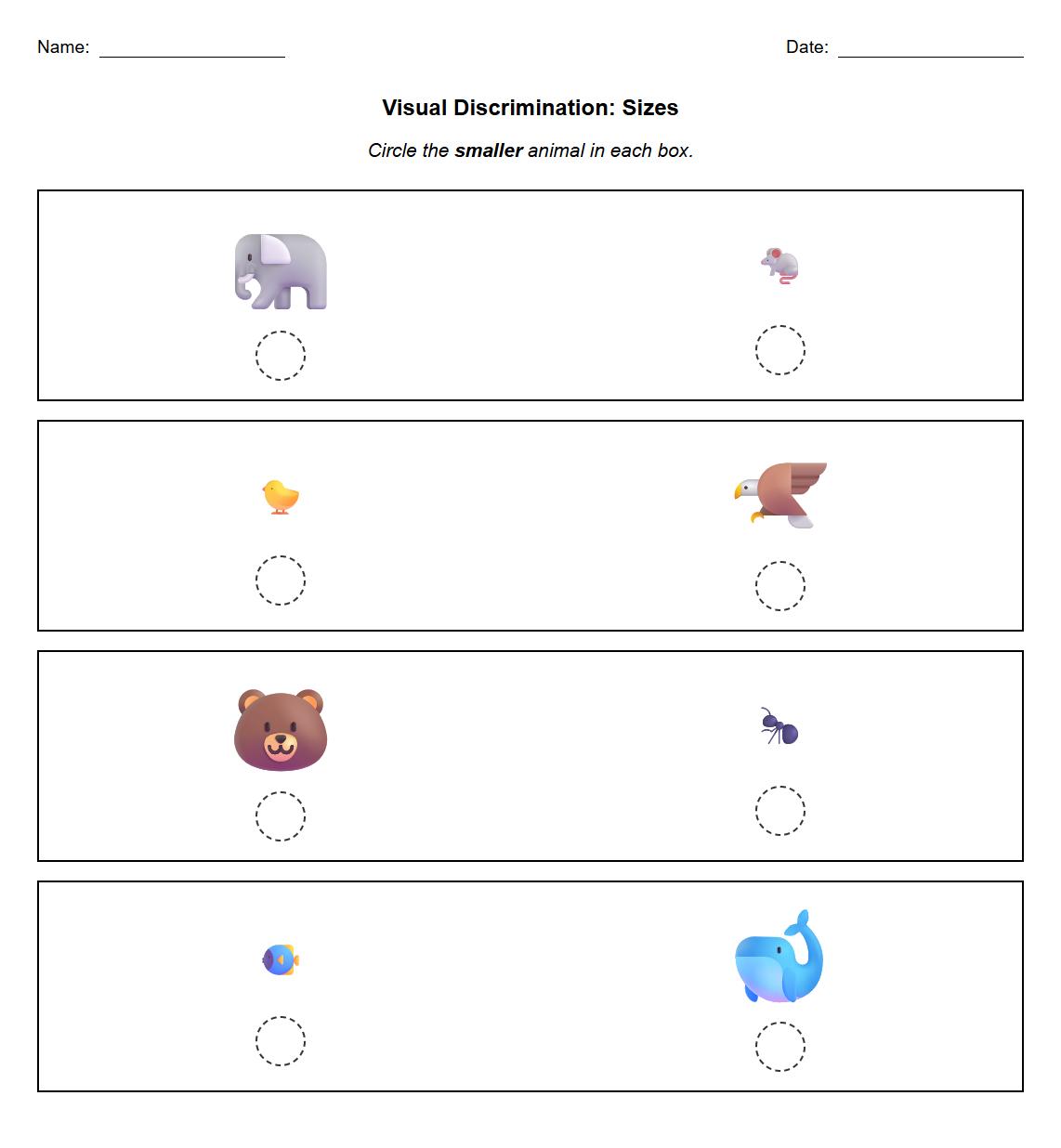
Visual Discrimination worksheet for Kindergarten: Mark the Small Animal

Download PDF     Pin it

Visual Discrimination worksheet for Kindergarten: Phonics with Big and Small Letters
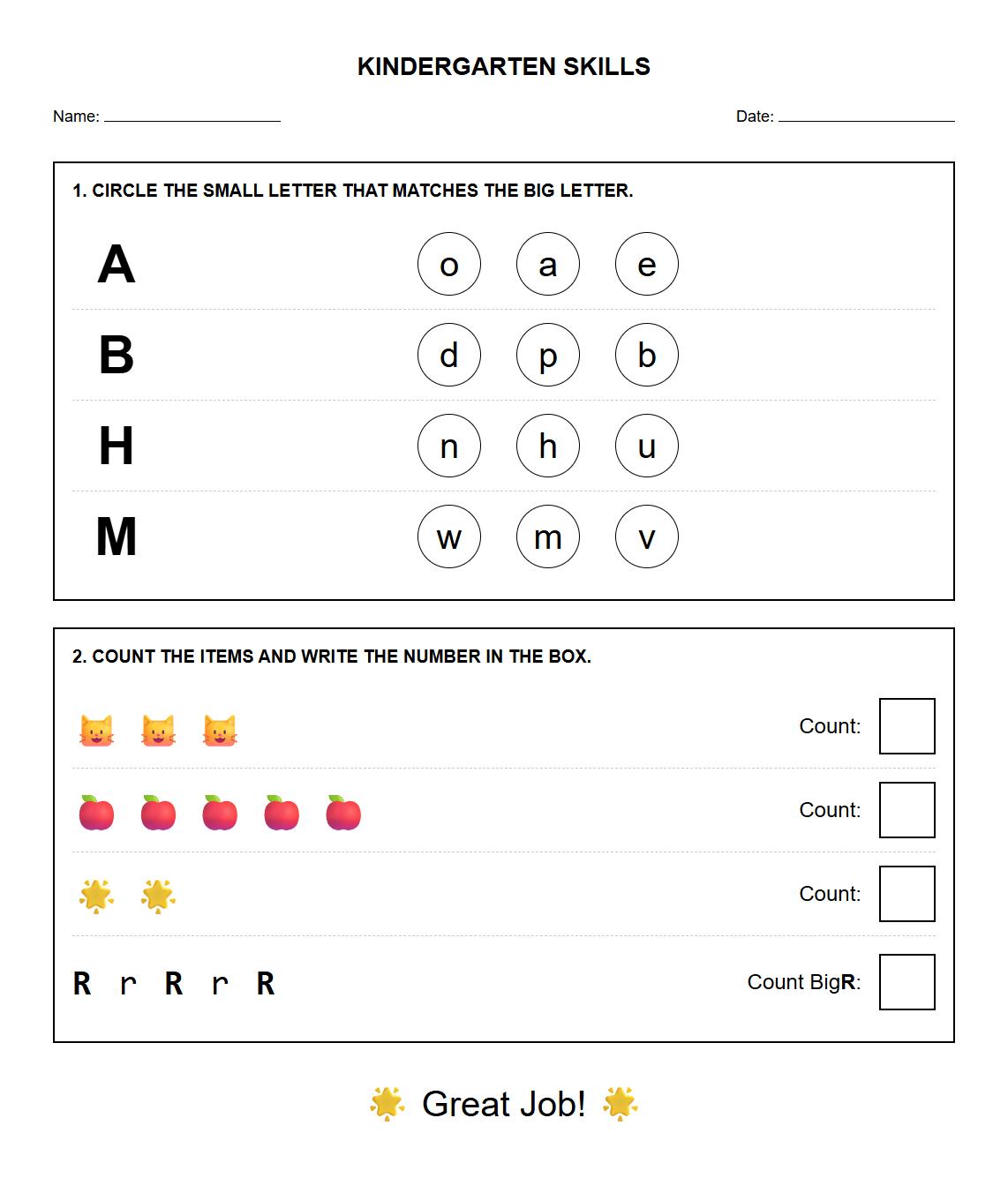
Visual Discrimination worksheet for Kindergarten: Phonics with Big and Small Letters

Download PDF     Pin it

Visual Discrimination worksheet for Kindergarten: Size Sequencing Activity
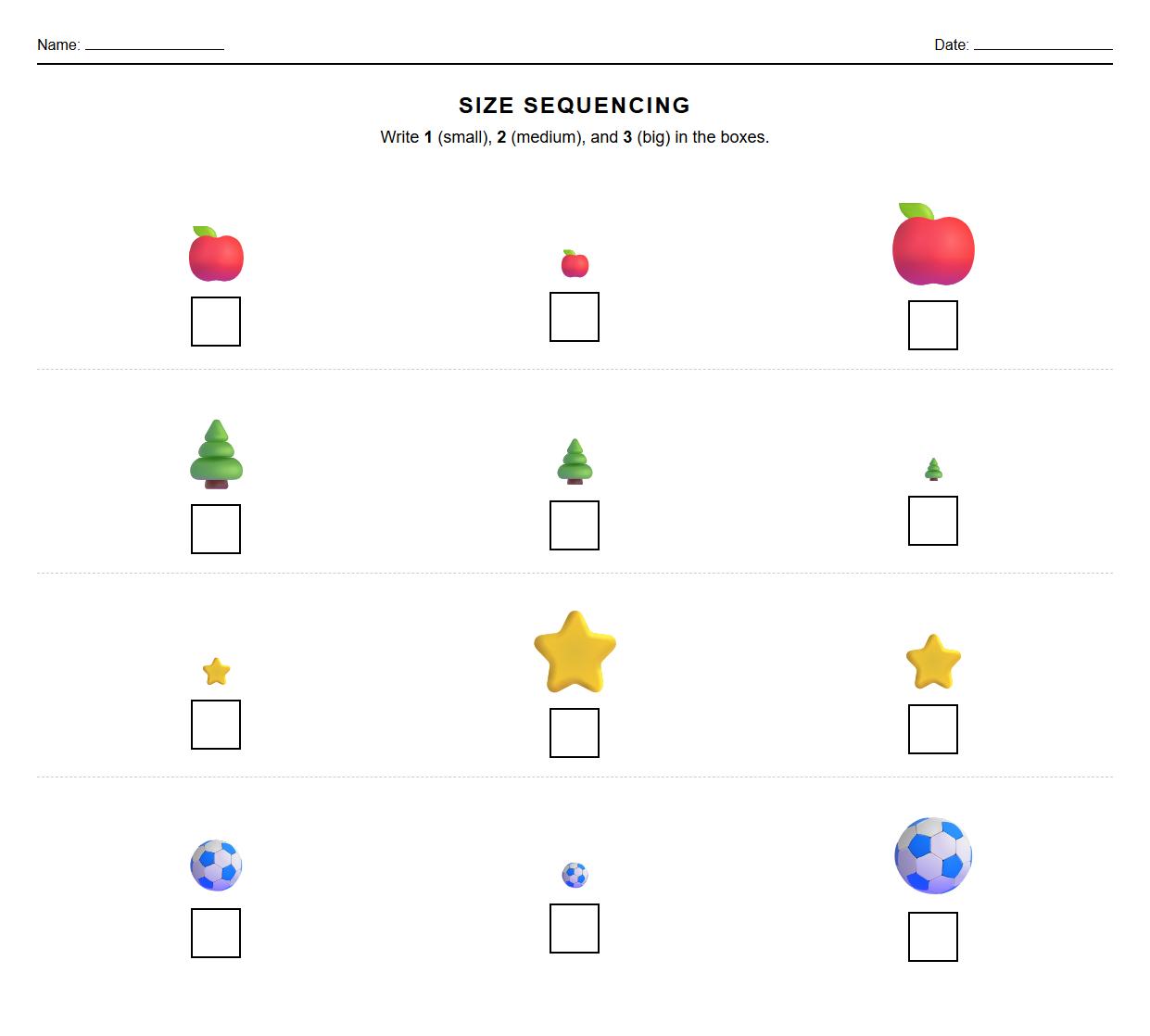
Visual Discrimination worksheet for Kindergarten: Size Sequencing Activity

Download PDF     Pin it

Visual Discrimination worksheet for Kindergarten: Match Big and Small Fruits
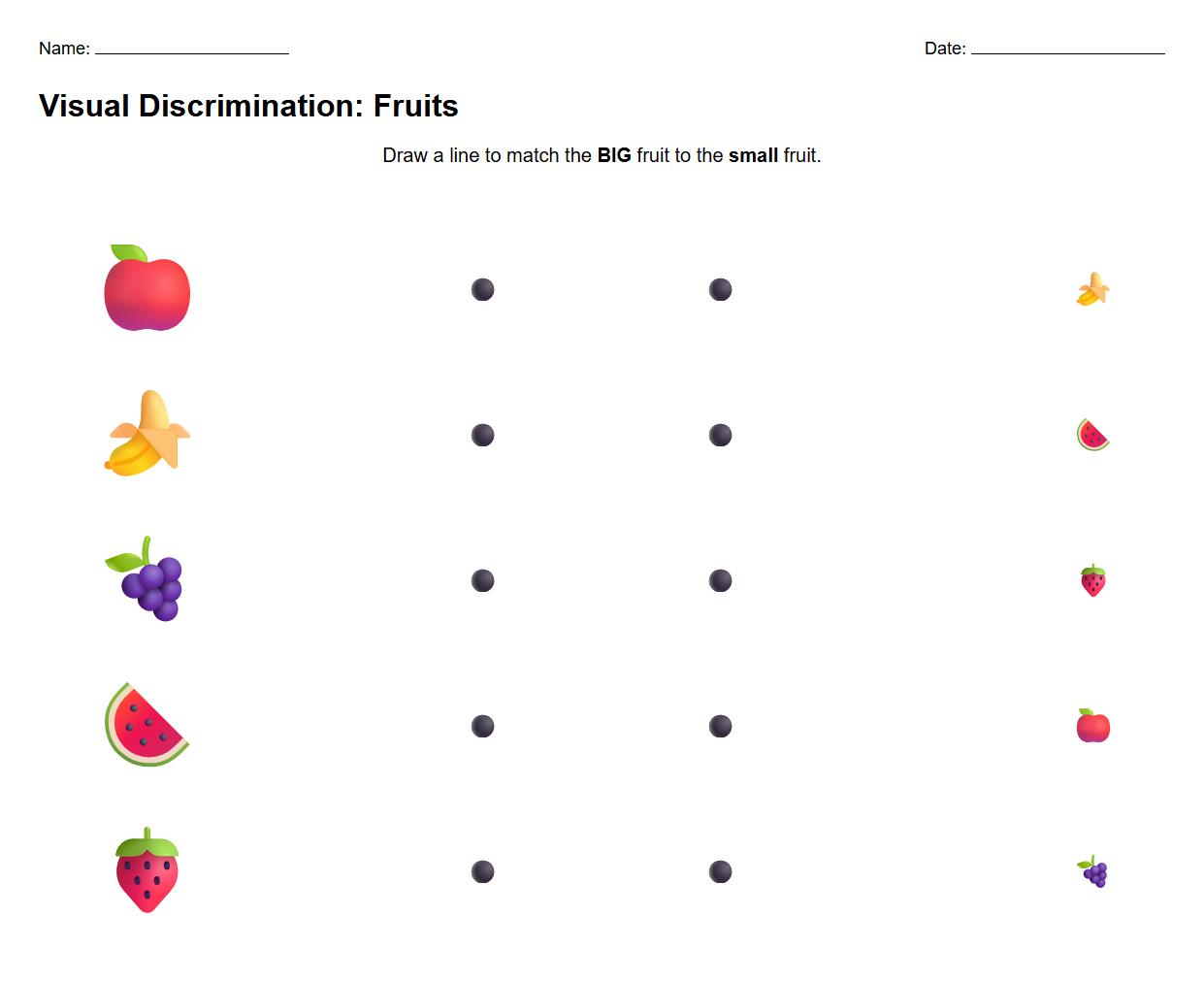
Visual Discrimination worksheet for Kindergarten: Match Big and Small Fruits

Download PDF     Pin it

Visual Discrimination worksheet for Kindergarten: Identify Big and Small Patterns
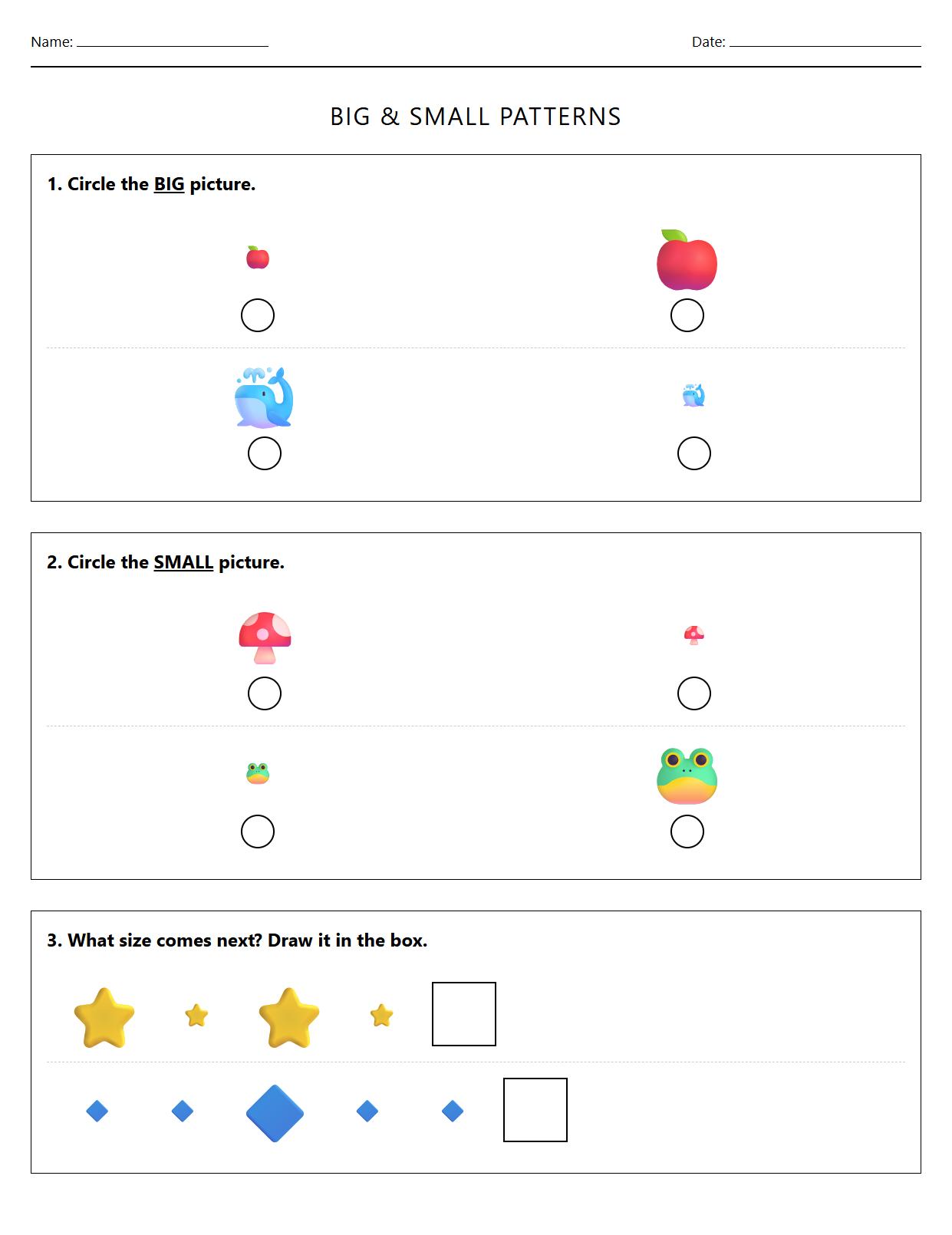
Visual Discrimination worksheet for Kindergarten: Identify Big and Small Patterns

Download PDF     Pin it

Visual Discrimination worksheet for Kindergarten: Cut and Paste Size Comparison
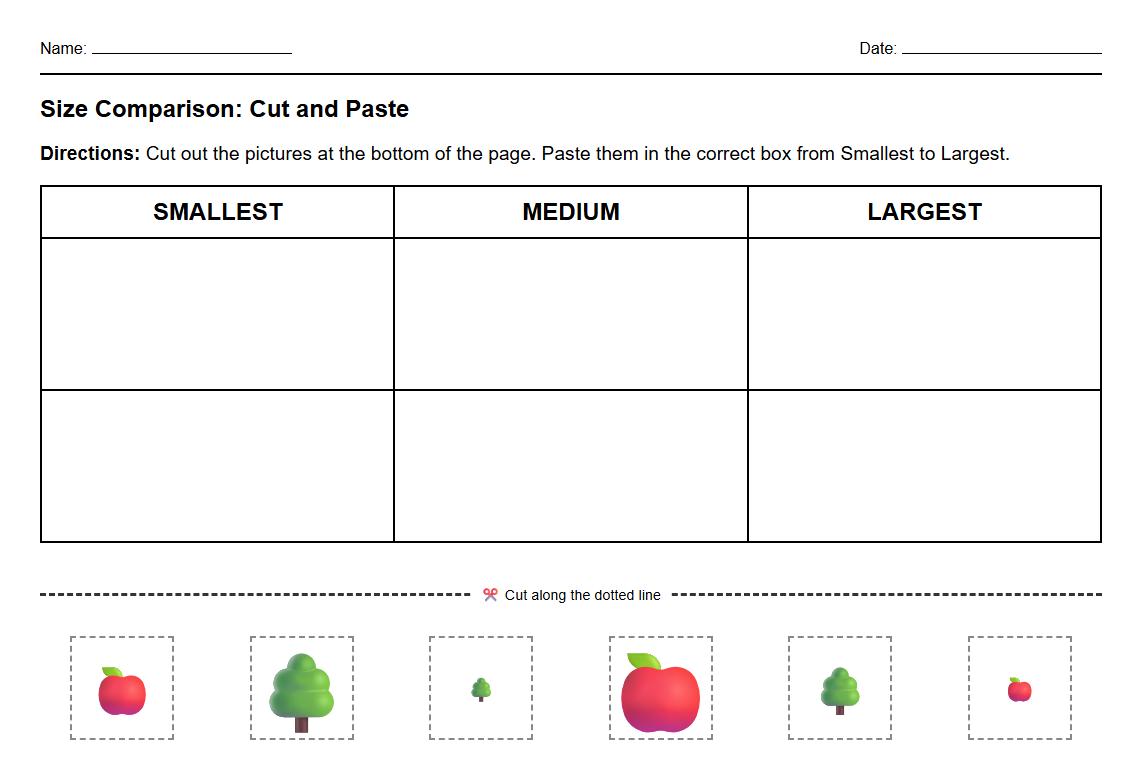
Visual Discrimination worksheet for Kindergarten: Cut and Paste Size Comparison

Download PDF     Pin it

Visual Discrimination worksheet for Kindergarten: Big and Small Vehicle Recognition
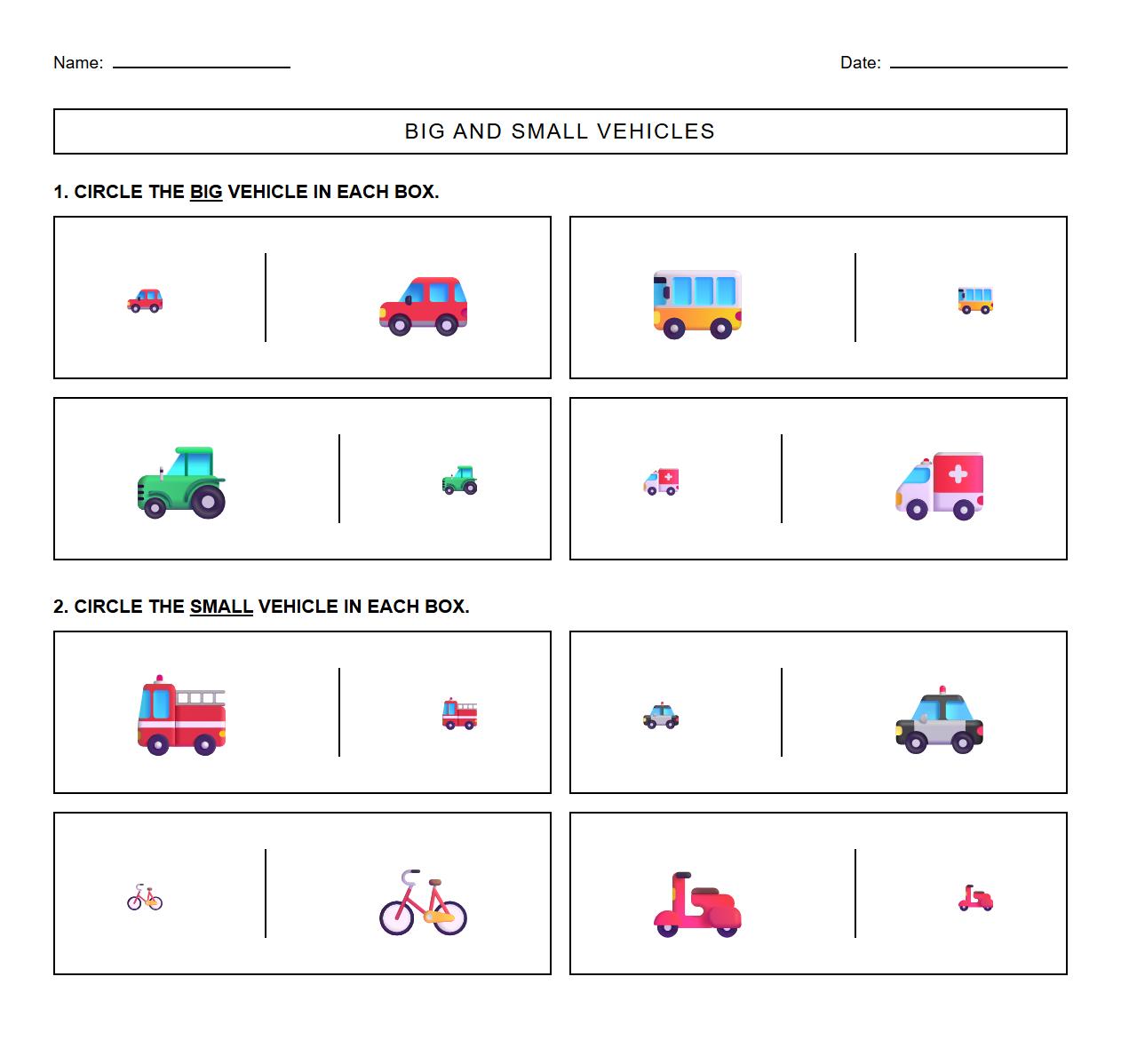
Visual Discrimination worksheet for Kindergarten: Big and Small Vehicle Recognition

Download PDF     Pin it

Visual Discrimination worksheet for Kindergarten: Trace and Color Big or Small Shapes
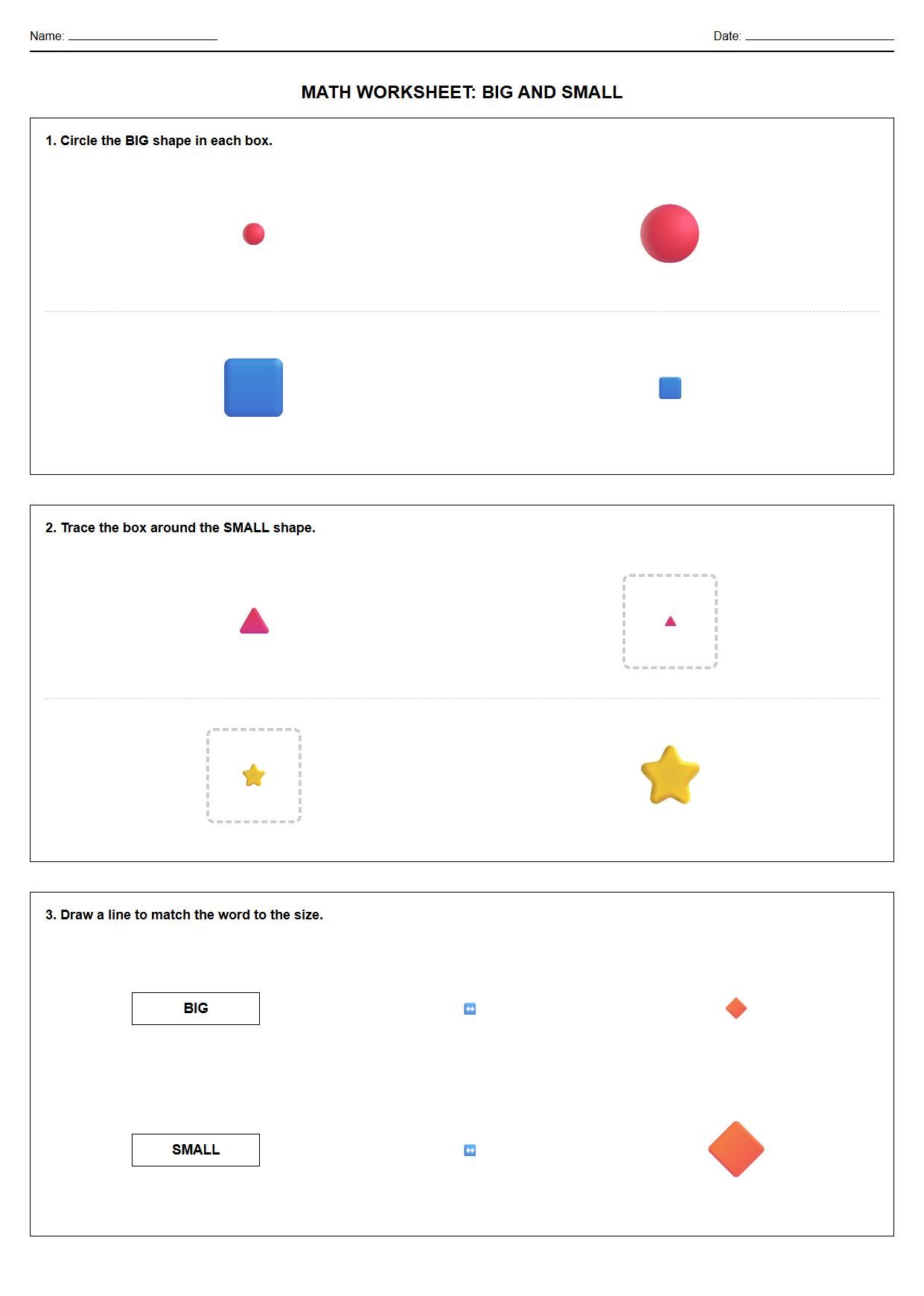
Visual Discrimination worksheet for Kindergarten: Trace and Color Big or Small Shapes

Download PDF     Pin it

Comparing Sizes with Fun Objects

Help children learn by asking, "Which object is bigger, the apple or the grape?" This simple question encourages young learners to observe and compare sizes. Using colorful images can make this activity engaging and educational. It also boosts their vocabulary of opposites like big and small.

Identifying the Smallest and Biggest Items

Prompt children to "point to the smallest animal in the picture" to develop their attention to detail. Asking them to "circle the biggest balloon" enhances their fine motor skills and visual recognition. These tasks help distinguish between size differences in familiar objects. Combining observation and action reinforces learning effectively.

Coloring and Matching Activities

Encourage kids to "find and color the smallest toy" to make learning interactive through art. When you ask them to "draw a line to match the big cat with the small cat," children practice spatial awareness and comparison. These activities develop both cognitive and hand-eye coordination skills. They also make understanding sizes playful and memorable.

Comparing Shapes and Marking Items

Questions like "Which shape is larger, the triangle or the circle?" teach shape recognition alongside size comparison. Instruct children to "tick the smallest tree" or "mark the biggest car" to practice identifying and categorizing by size. Tasks that combine shapes and objects enhance their analytical thinking. Using interactive marks such as ticks and circles helps maintain engagement.

Drawing and Showing Differences

Encourage kids to "show which book is smaller" to reinforce their understanding of comparison in everyday objects. These visual and tactile activities build foundational math skills like measurement and relative size. Presenting familiar items makes the concepts relatable and easy to grasp. Teachers and parents can guide children through step-by-step observations to ensure comprehension.


More in Mathematics Category


About the author. Nylen Smith is a dedicated educator and cofounder of KWorksheet.com, a popular platform specializing in high-quality kindergarten worksheets and printable activities.

Disclaimer. The information provided in this document is for general informational purposes and/or document sample only and is not guaranteed to be factually right or complete. Please report to us via contact-us page if you find and error in this page, thanks.

Comments

No comment yet