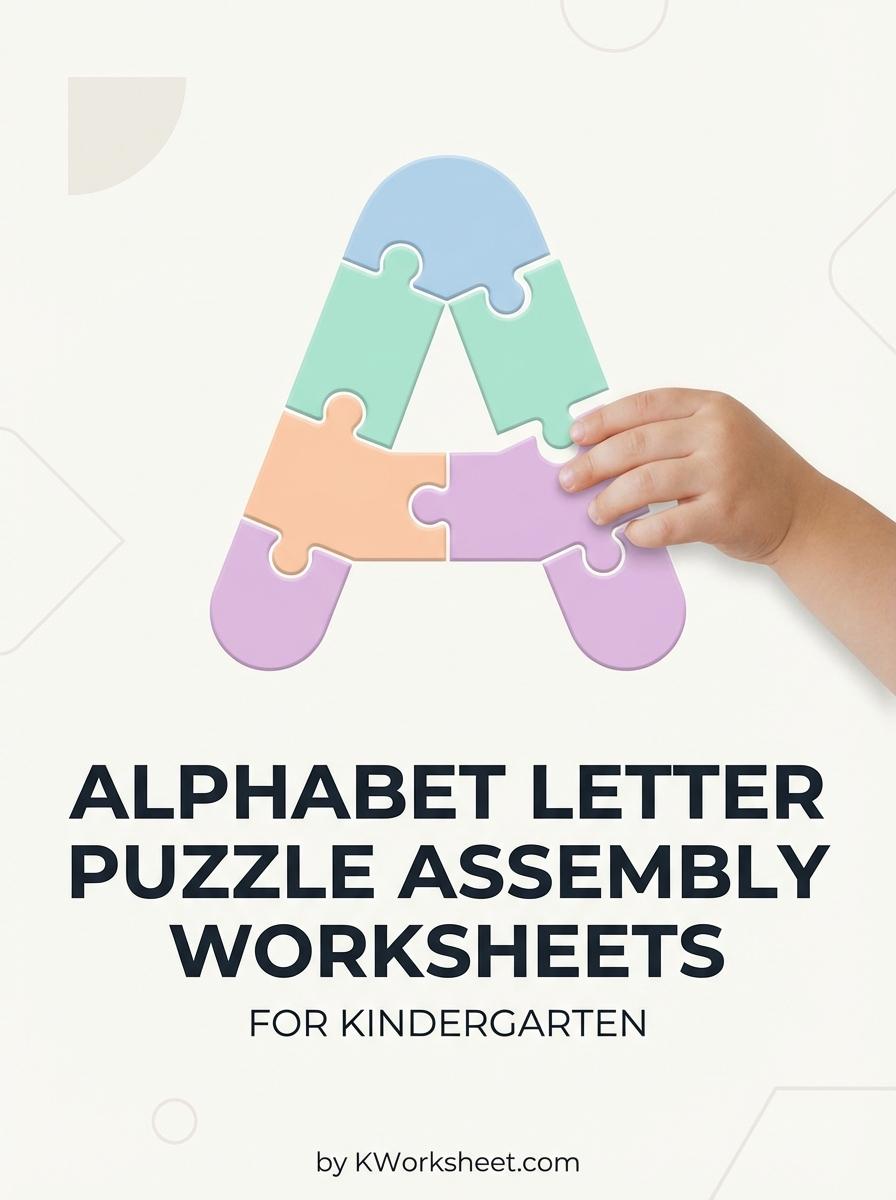
Alphabet Letter Puzzle Assembly Worksheets for Kindergarten

📅 Jun 25, 2025 👤 Nylen Smith

Alphabet Letter Puzzle Assembly Worksheets enhance letter recognition and fine motor skills in kindergarteners through engaging, hands-on activities. These worksheets use colorful puzzle pieces to help children associate letters with sounds and shapes, fostering early literacy development. Explore our collection of Alphabet Letter Puzzle Assembly Worksheets to support your child's learning journey.

Alphabet Uppercase and Lowercase Matching Puzzle Phonics Worksheet
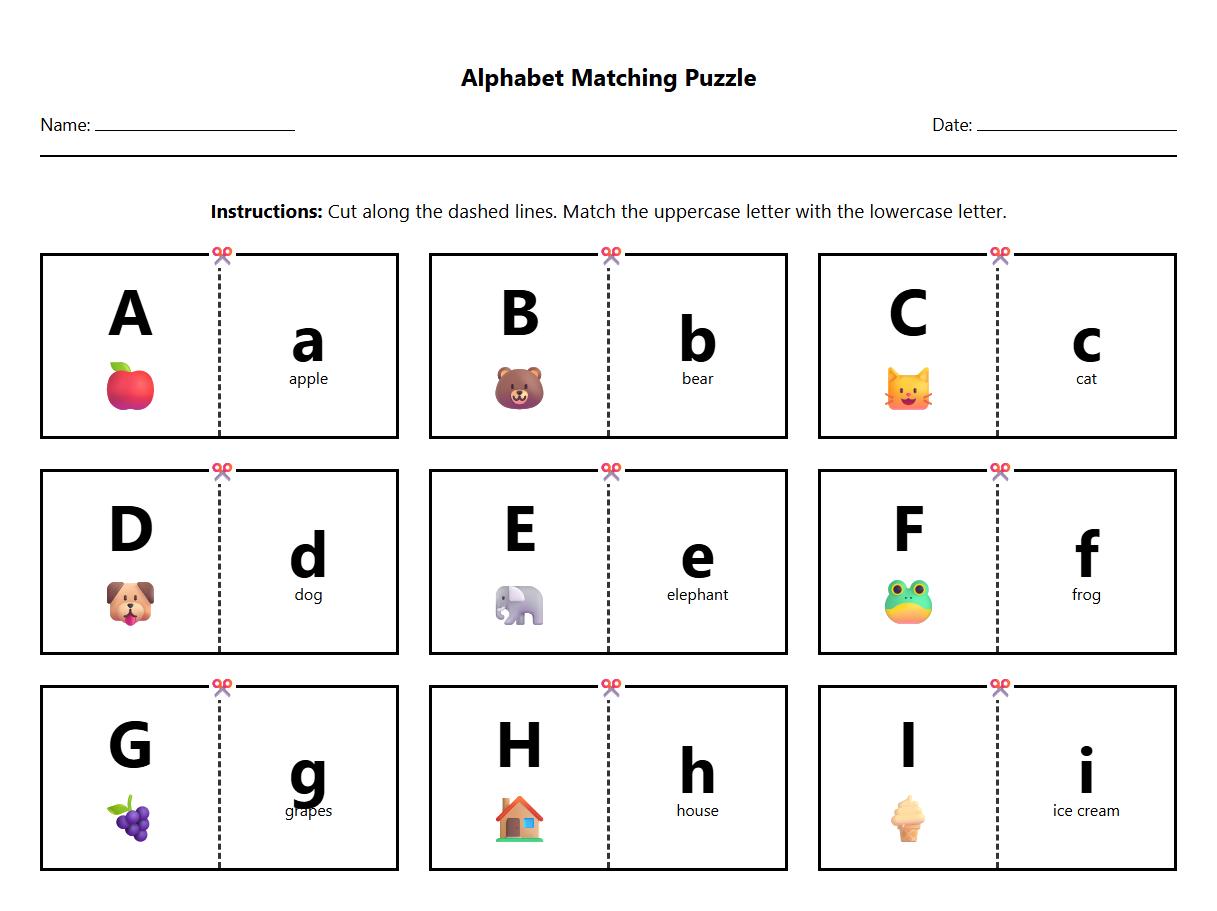
Alphabet Uppercase and Lowercase Matching Puzzle Phonics Worksheet

Download PDF     Pin it

Alphabet Letter Formation Tracing and Assembly Puzzle Worksheet
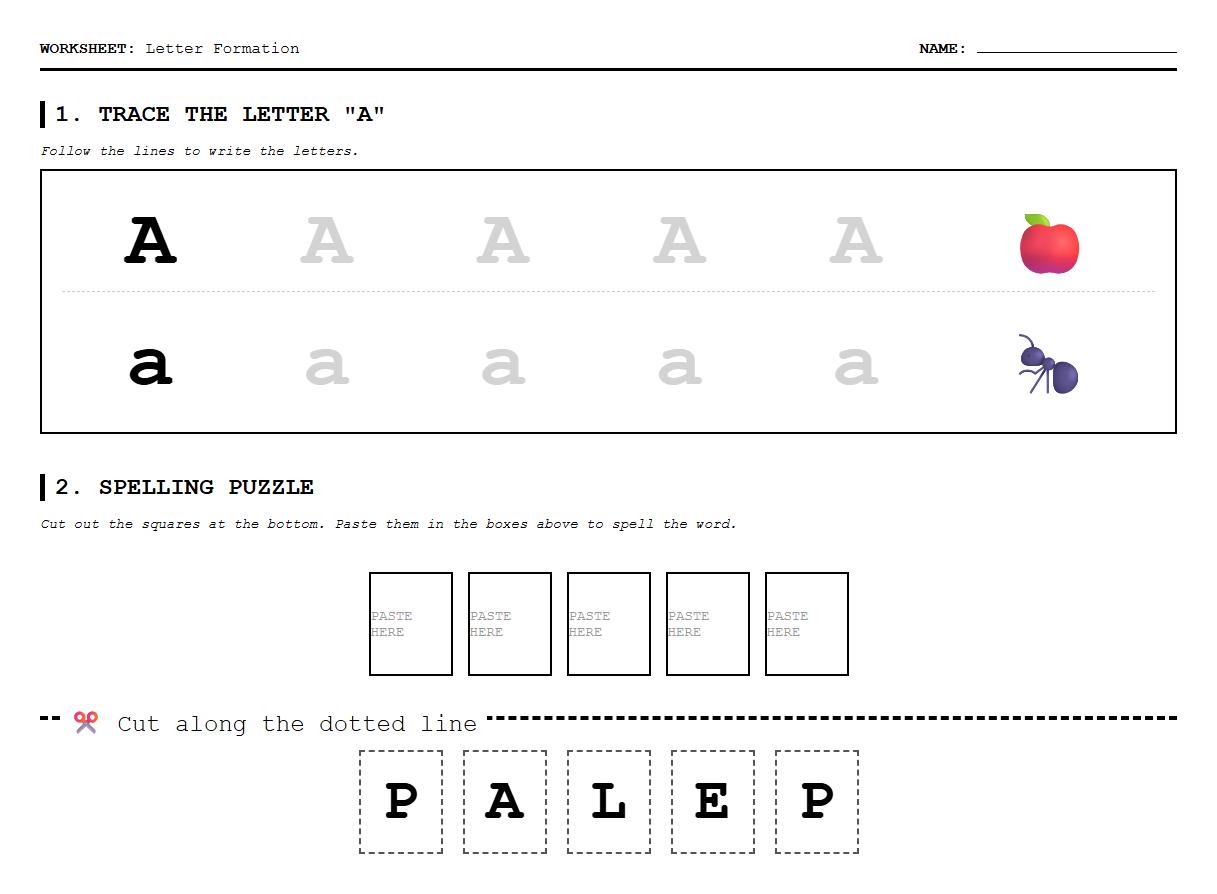
Alphabet Letter Formation Tracing and Assembly Puzzle Worksheet

Download PDF     Pin it

Missing Letter Sequencing Puzzle Worksheet for Alphabet Recognition
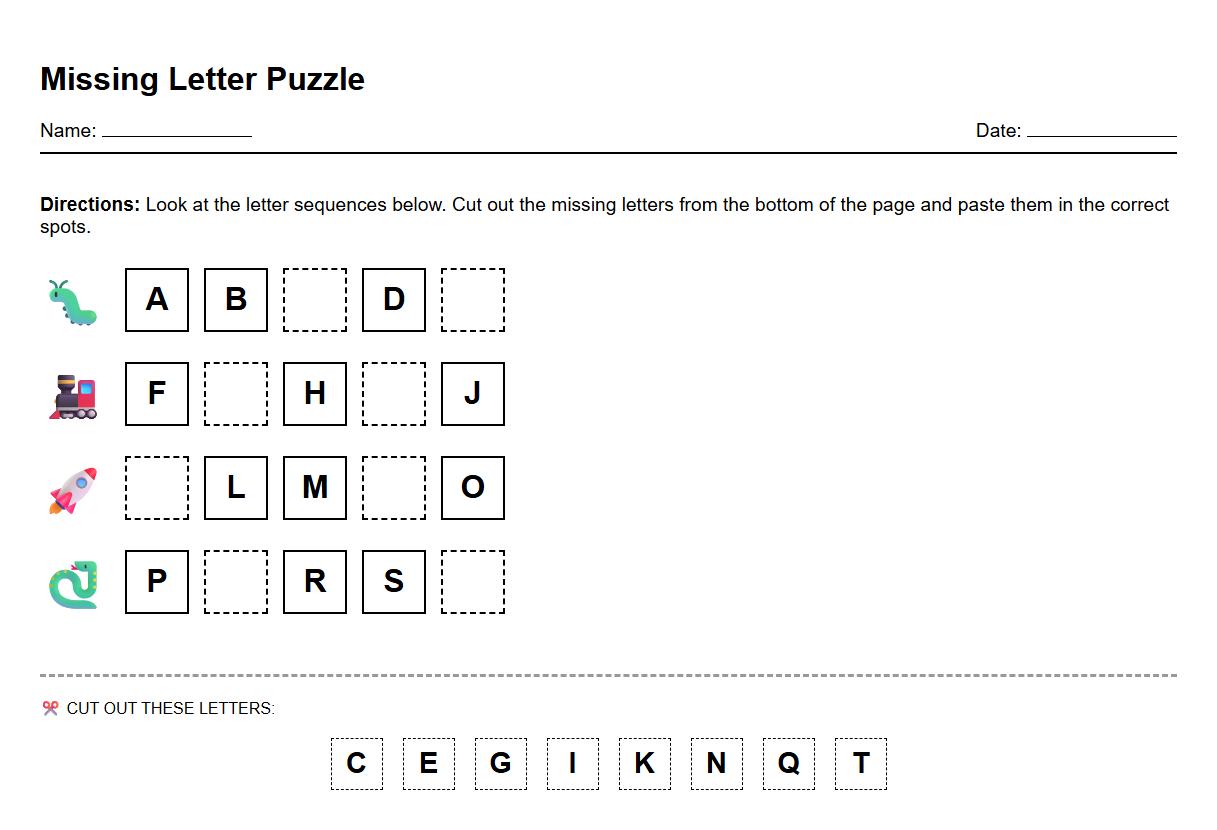
Missing Letter Sequencing Puzzle Worksheet for Alphabet Recognition

Download PDF     Pin it

Alphabet Initial Sound Picture Matching Puzzle Worksheet
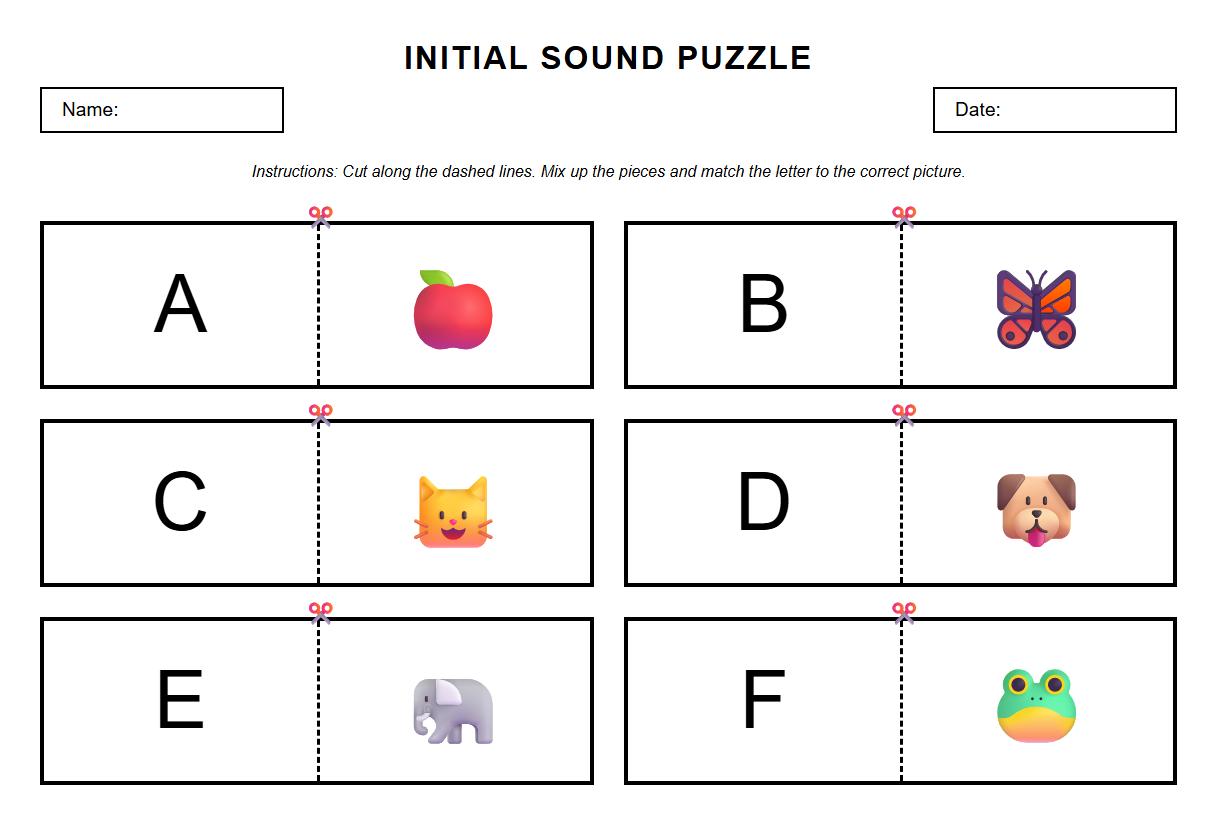
Alphabet Initial Sound Picture Matching Puzzle Worksheet

Download PDF     Pin it

Alphabet Cut and Paste Puzzle Worksheet with Letter Segmentation
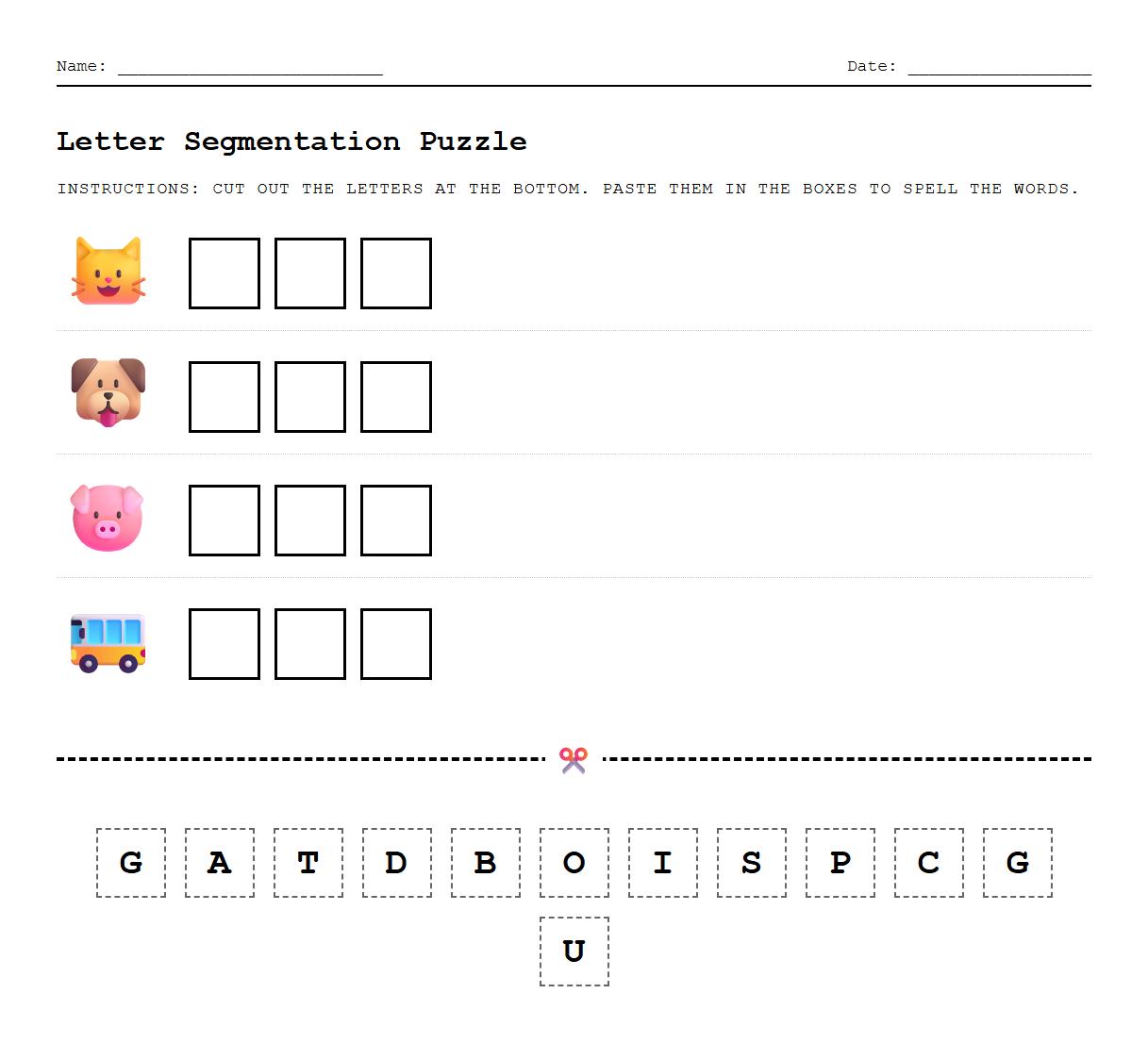
Alphabet Cut and Paste Puzzle Worksheet with Letter Segmentation

Download PDF     Pin it

Alphabet Order Puzzle Worksheet for Handwriting and Phonemic Awareness
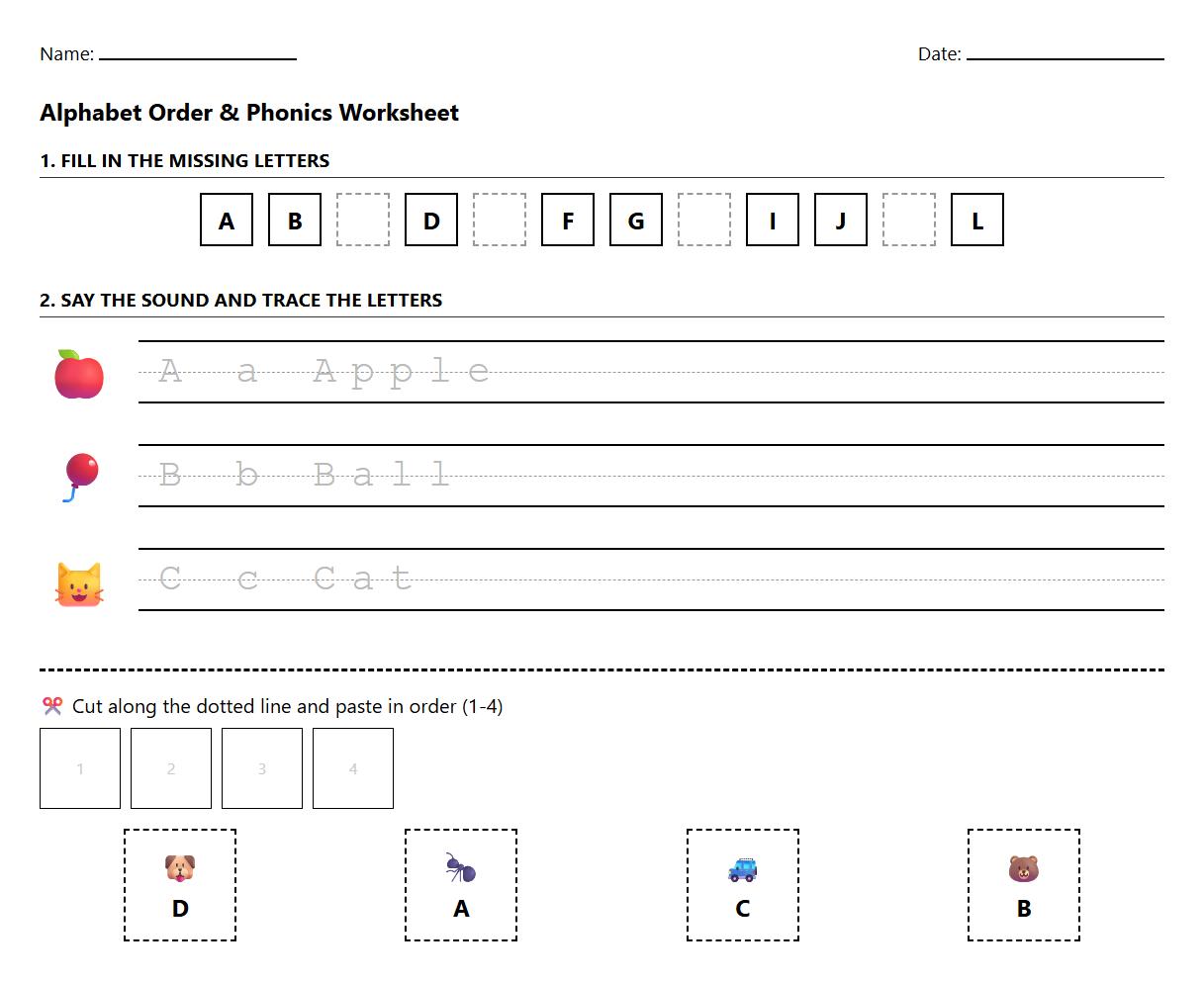
Alphabet Order Puzzle Worksheet for Handwriting and Phonemic Awareness

Download PDF     Pin it

Alphabet Beginning Sound Sorting Puzzle Worksheet
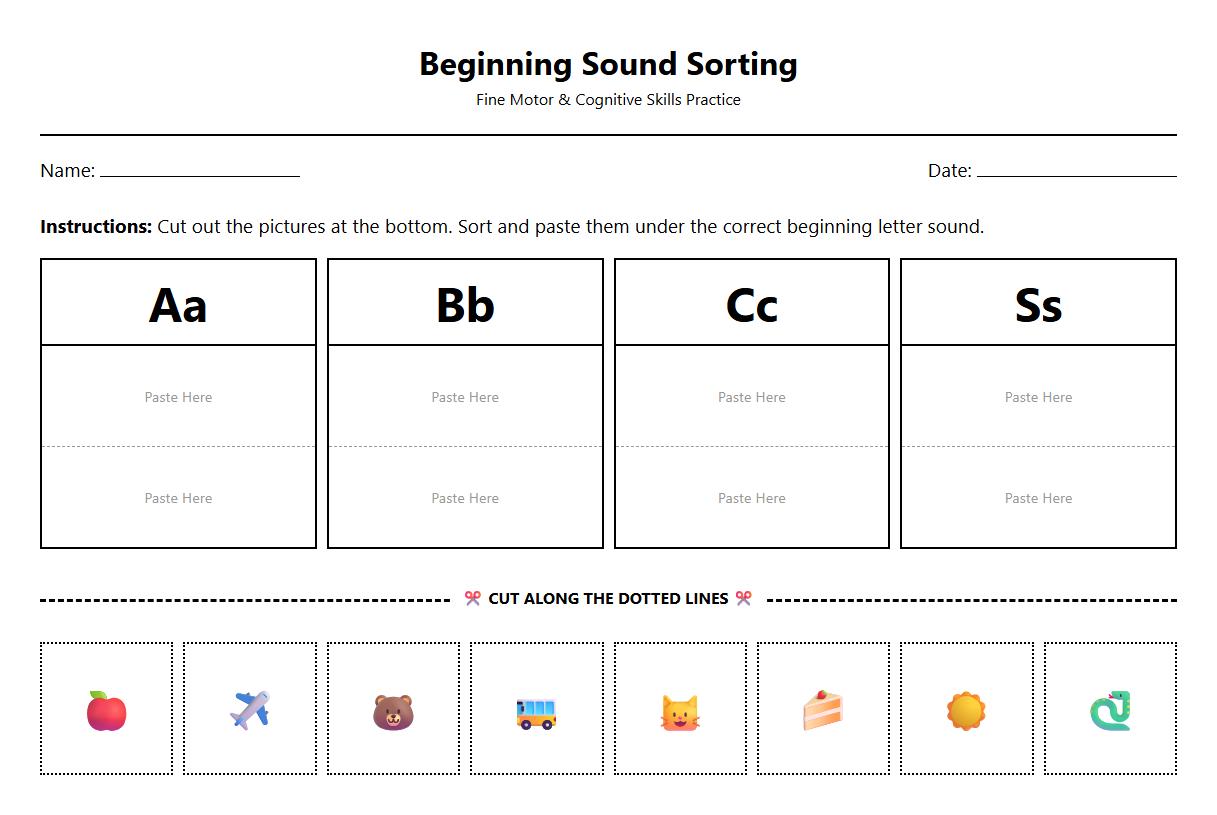
Alphabet Beginning Sound Sorting Puzzle Worksheet

Download PDF     Pin it

Alphabet Letter Block Puzzle Worksheet for Visual Discrimination Skills
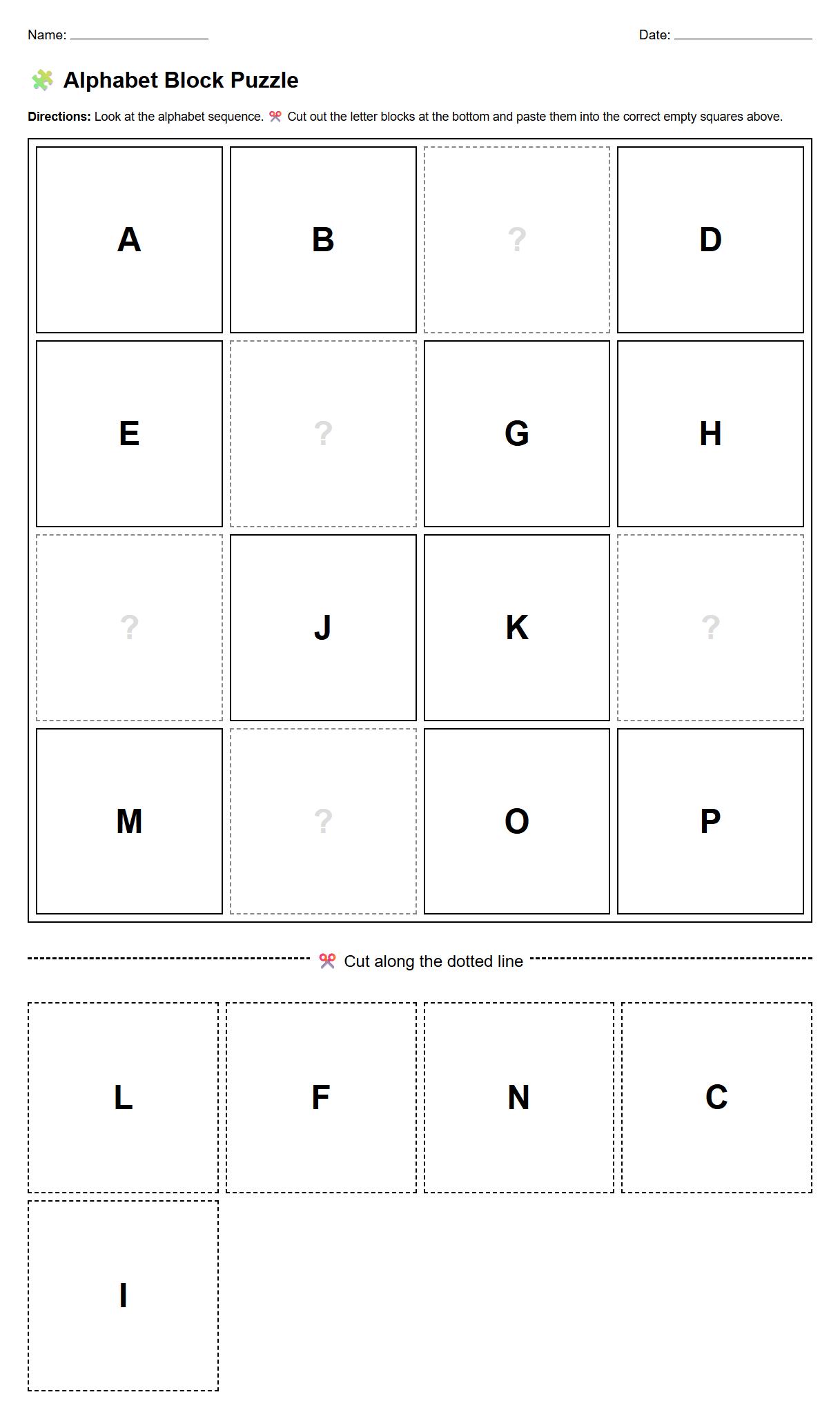
Alphabet Letter Block Puzzle Worksheet for Visual Discrimination Skills

Download PDF     Pin it

Alphabet CVC Word Building Puzzle Worksheet
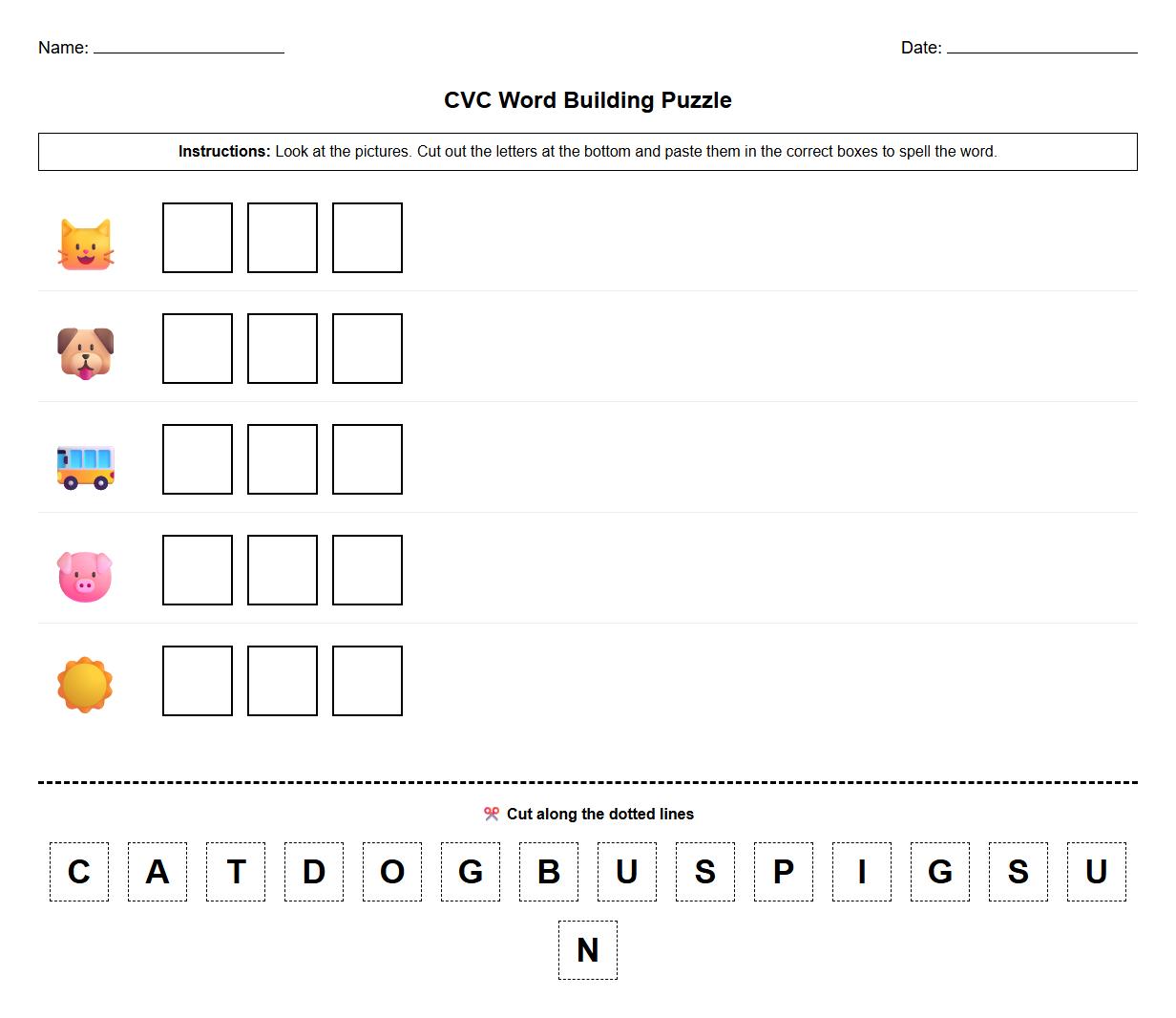
Alphabet CVC Word Building Puzzle Worksheet

Download PDF     Pin it

Alphabet Letter Shape Sorting Puzzle Worksheet for Fine Motor Skills
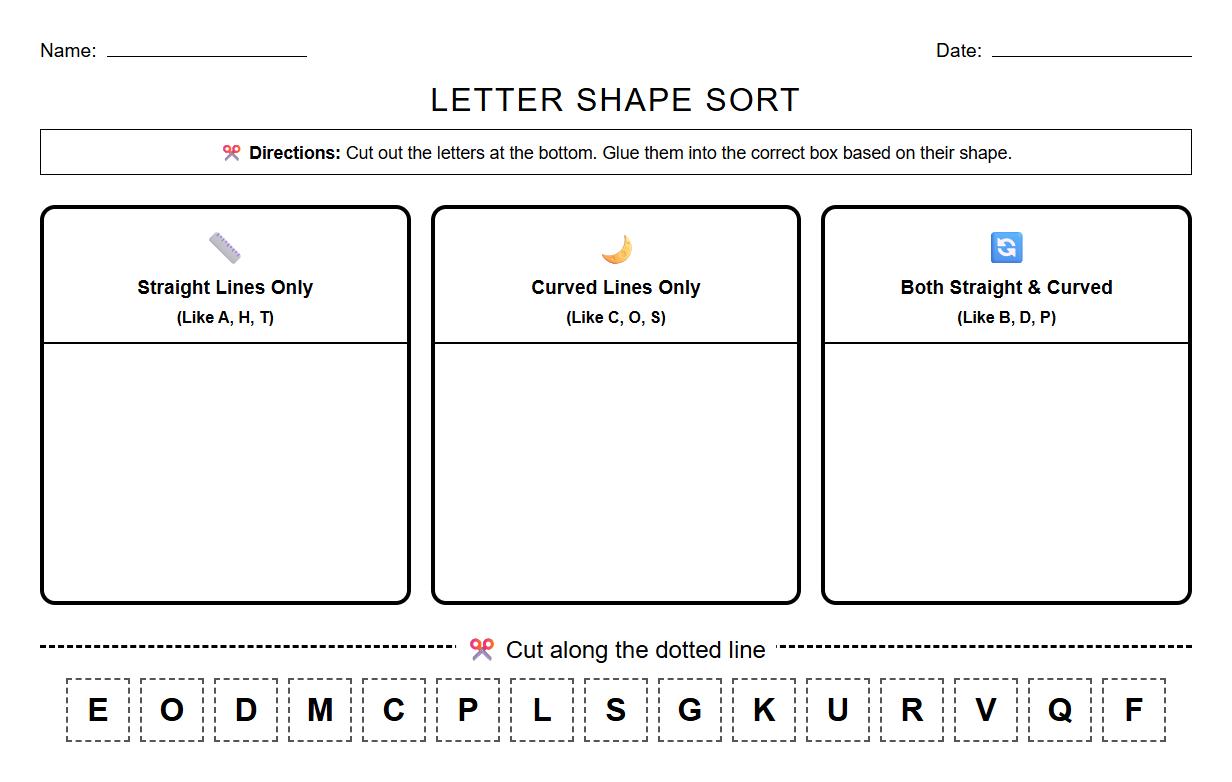
Alphabet Letter Shape Sorting Puzzle Worksheet for Fine Motor Skills

Download PDF     Pin it

How Alphabet Letter Puzzle Assembly Worksheets Support Letter Recognition in Kindergarten Students

Alphabet Letter Puzzle Assembly Worksheets enhance letter recognition by engaging students in hands-on learning. As children physically manipulate puzzle pieces, they associate shapes with corresponding letters. This multisensory approach strengthens memory retention and familiarizes students with the alphabet. The interactive nature promotes active participation and focused attention.

Fine Motor Skills Developed Through Using Alphabet Puzzles in the Classroom

Using alphabet puzzles helps develop fine motor skills such as hand-eye coordination, finger dexterity, and precise grip. Manipulating small pieces encourages careful movement and strengthens the muscles needed for writing. Regular practice with puzzles improves students' ability to control hand movements. These skills provide a foundation for penmanship and other classroom tasks.

Assessing Student Progress Using Alphabet Letter Puzzle Assembly Activities

Teachers can assess progress by observing how independently and accurately students assemble puzzles. Tracking speed and accuracy offers insight into letter recognition and fine motor development. Informal checks during activities provide immediate feedback. Progress can also be documented through portfolios or periodic performance records.

Strategies to Help Students Struggling with Assembling Alphabet Letter Puzzles

Support struggling students by breaking tasks into smaller steps and providing verbal cues. Using larger pieces or tactile materials encourages engagement. Pairing students for peer assistance fosters confidence and learning. Repetition and positive reinforcement enhance skill acquisition over time.

Frequency of Incorporating Alphabet Letter Puzzle Worksheets into the Kindergarten Curriculum

Incorporate alphabet puzzle worksheets weekly to maintain consistent skill development without overwhelming students. Regular exposure reinforces familiarity with letters and motor skills. Adjust frequency based on individual progress and classroom schedule. Variety in activities keeps learning dynamic and engaging.

Most Effective Materials for Interactive Alphabet Puzzle Assembly Activities

Durable materials like thick cardboard, foam, or wood provide lasting and safe puzzle pieces for young learners. Bright colors and textured surfaces stimulate visual and tactile senses. Magnetic puzzles can enhance interactivity and ease of assembly. Choosing quality materials increases student interest and longevity of use.

Differentiating Alphabet Letter Puzzle Assembly Worksheets for Varying Learning Levels

Differentiation can include varying puzzle complexity, such as combining letters or adding images. Providing hints or partial assemblies aids lower-level learners. Advanced students can work on timed challenges or letter sequencing puzzles. Tailoring tasks ensures accessibility and growth for all students.

Best Practices for Introducing Alphabet Puzzles to a Kindergarten Class

Begin with a group demonstration to explain the activity and model assembly. Use engaging stories or songs related to letters to capture interest. Allow guided practice with teacher support before independent work. Encourage exploration and ask open-ended questions to promote critical thinking.

Benefits of Collaborative Puzzle Assembly for Social Interaction Among Kindergarten Students

Collaborative puzzle assembly fosters teamwork, communication, and problem-solving skills. Students learn to share materials and take turns, enhancing social development. Group activities build confidence and positive peer relationships. Collaboration also encourages verbal expression and cooperative learning.

Visual and Tactile Features That Make Alphabet Letter Puzzle Worksheets Engaging for Young Learners

Bright, contrasting colors and clear letter shapes capture attention effectively. Textured surfaces and varied puzzle piece sizes add a tactile dimension to learning. Incorporating familiar images or themes enhances relatability and interest. These features combined make puzzles stimulating and enjoyable for kindergarten students.


More in Fine Motor and Cognitive Skills Category


About the author. Nylen Smith is a dedicated educator and cofounder of KWorksheet.com, a popular platform specializing in high-quality kindergarten worksheets and printable activities.

Disclaimer. The information provided in this document is for general informational purposes and/or document sample only and is not guaranteed to be factually right or complete. Please report to us via contact-us page if you find and error in this page, thanks.

Comments

No comment yet