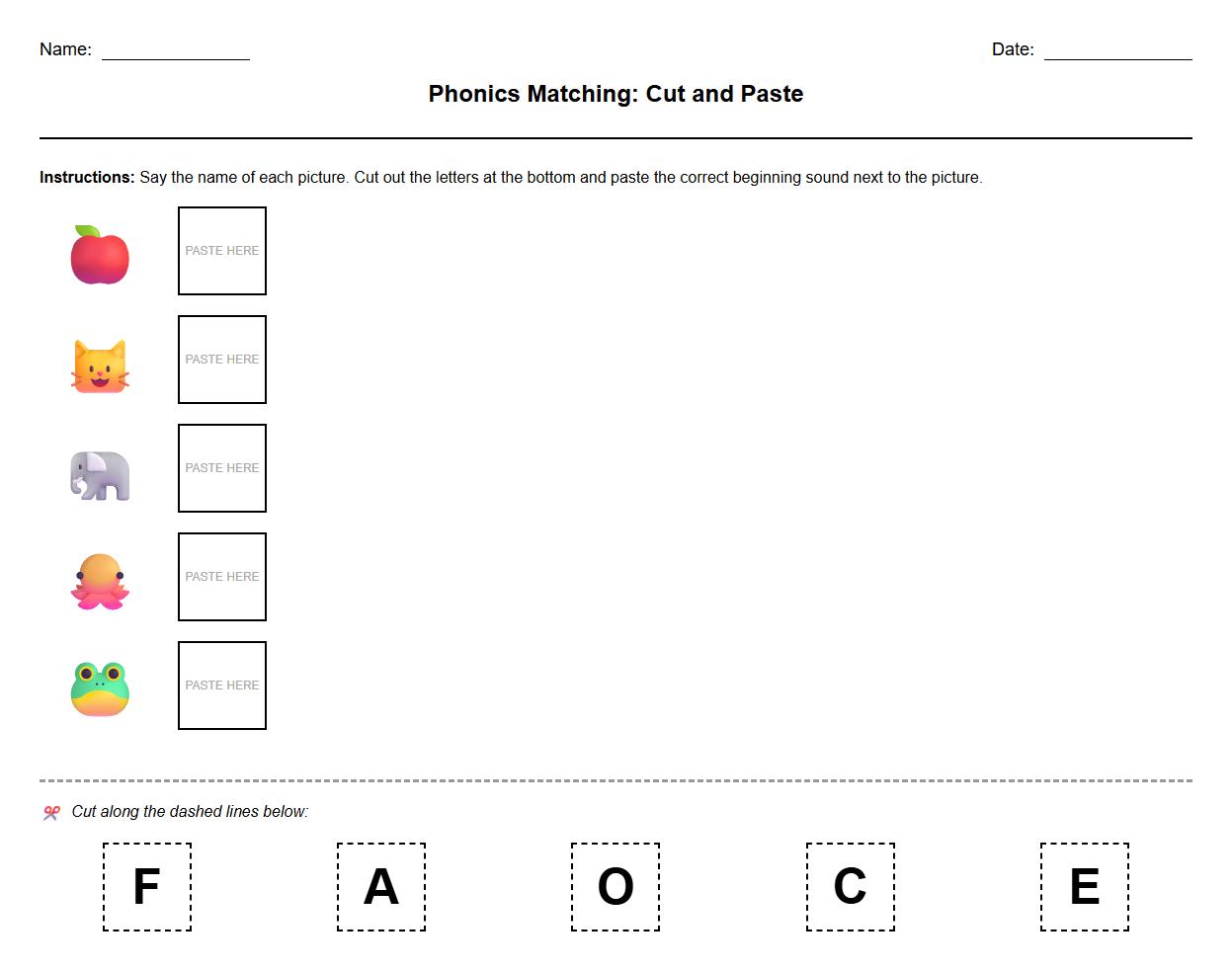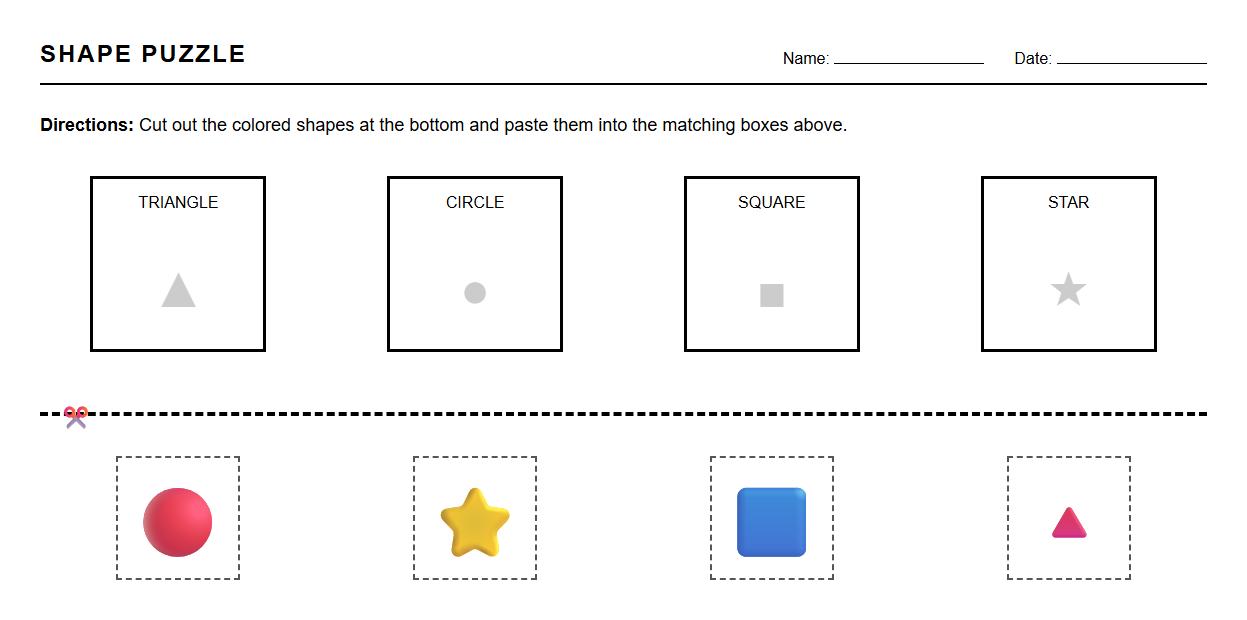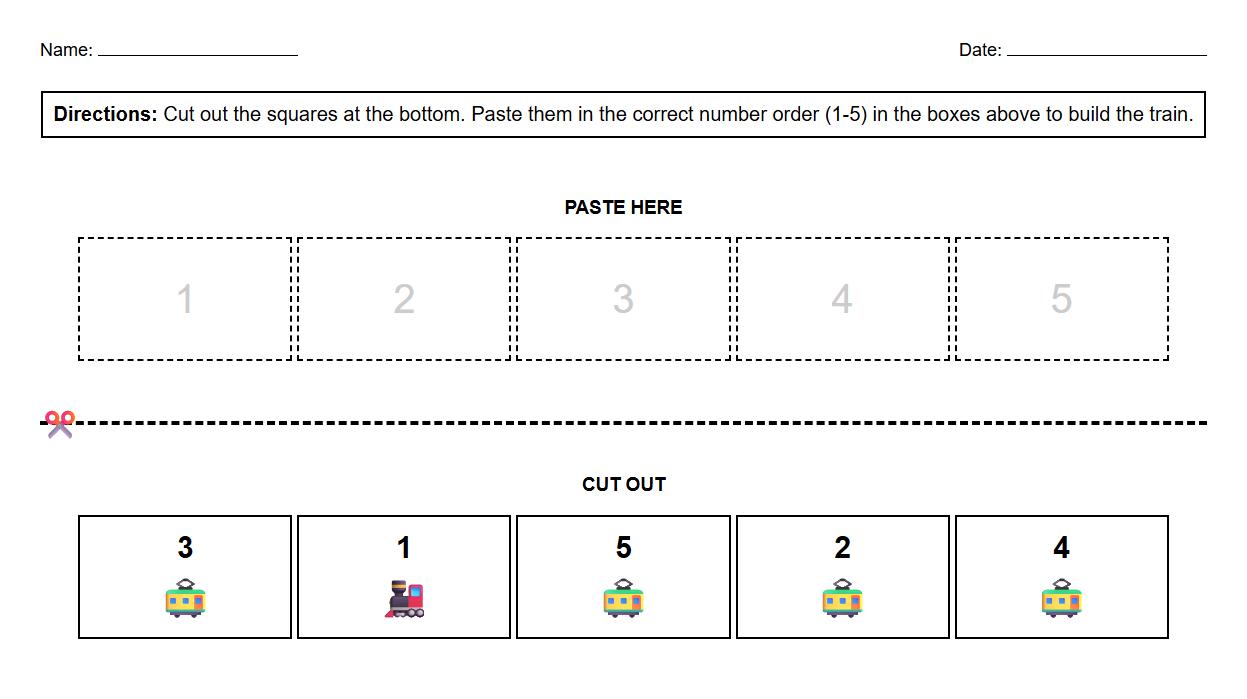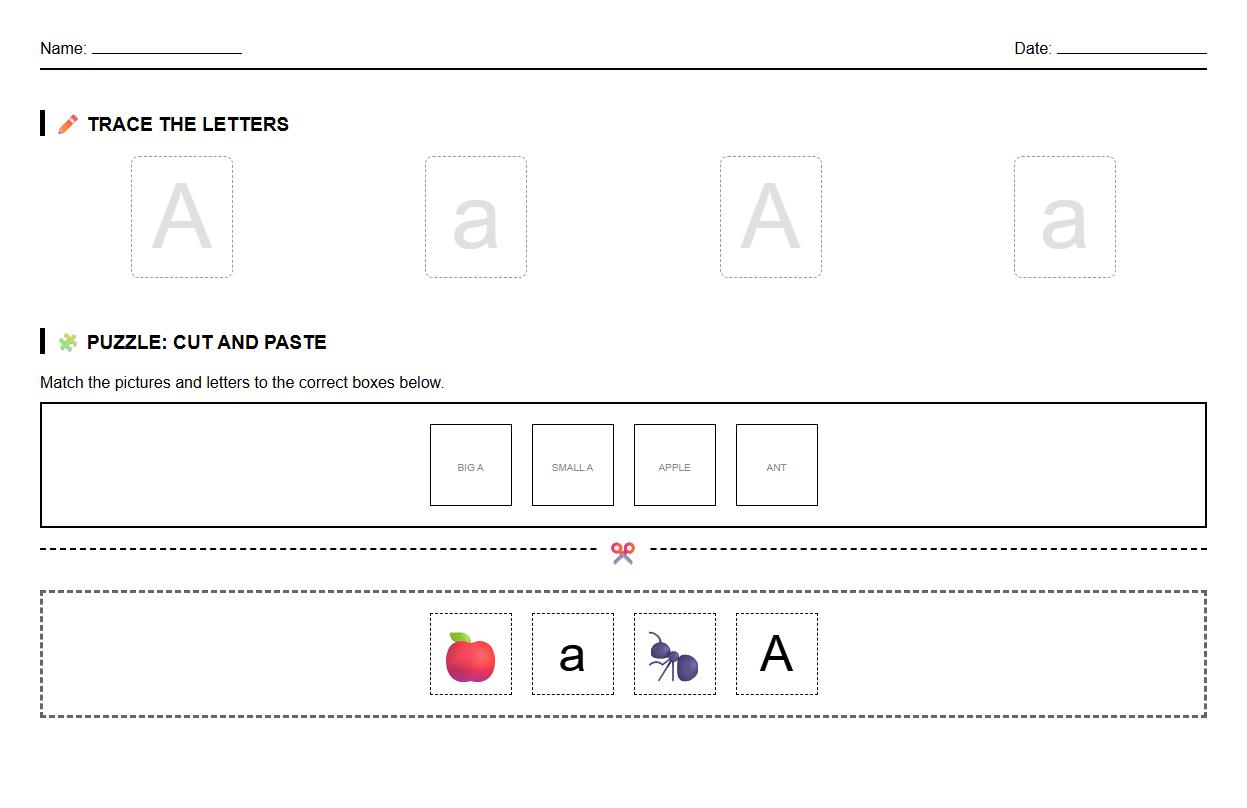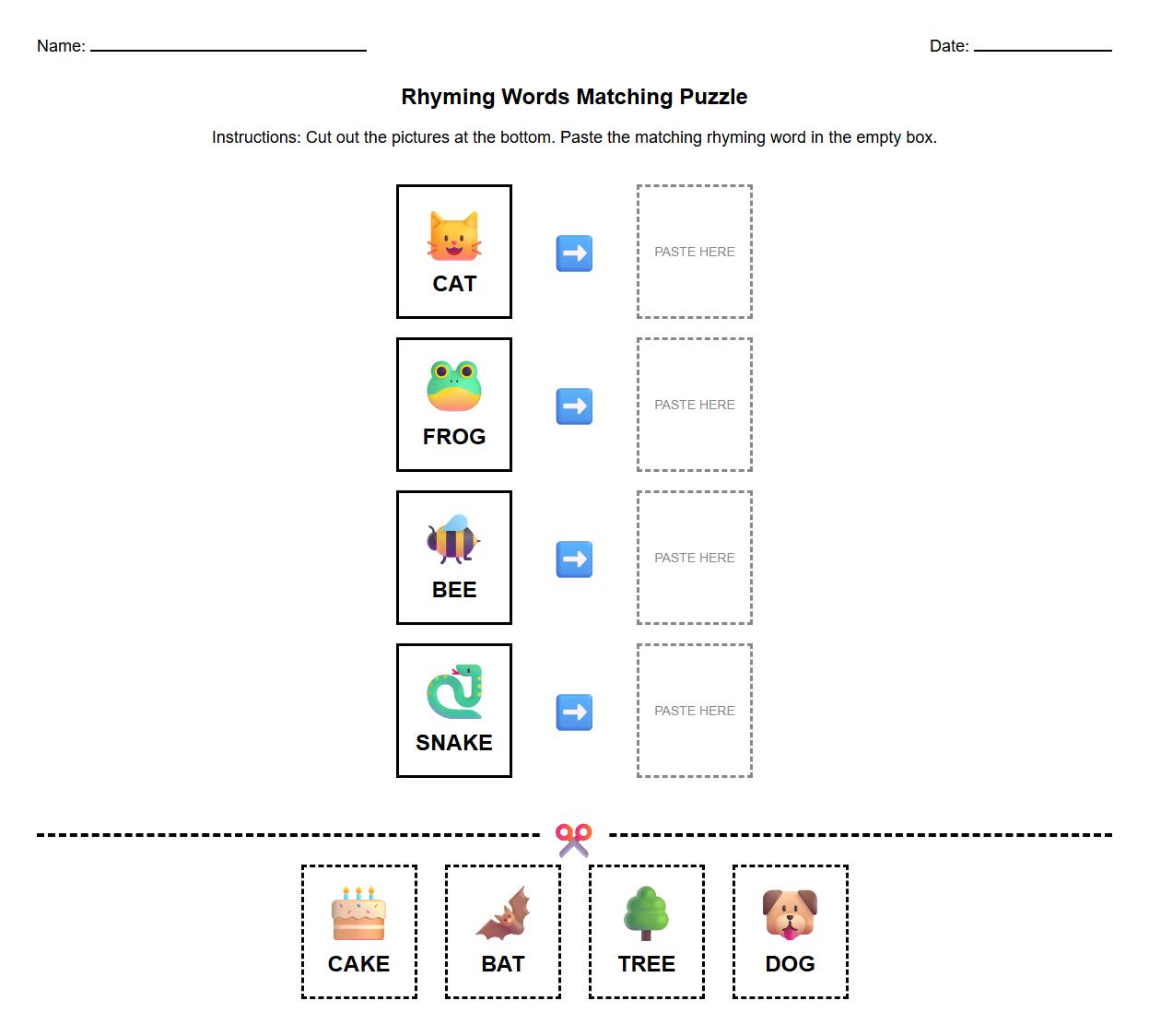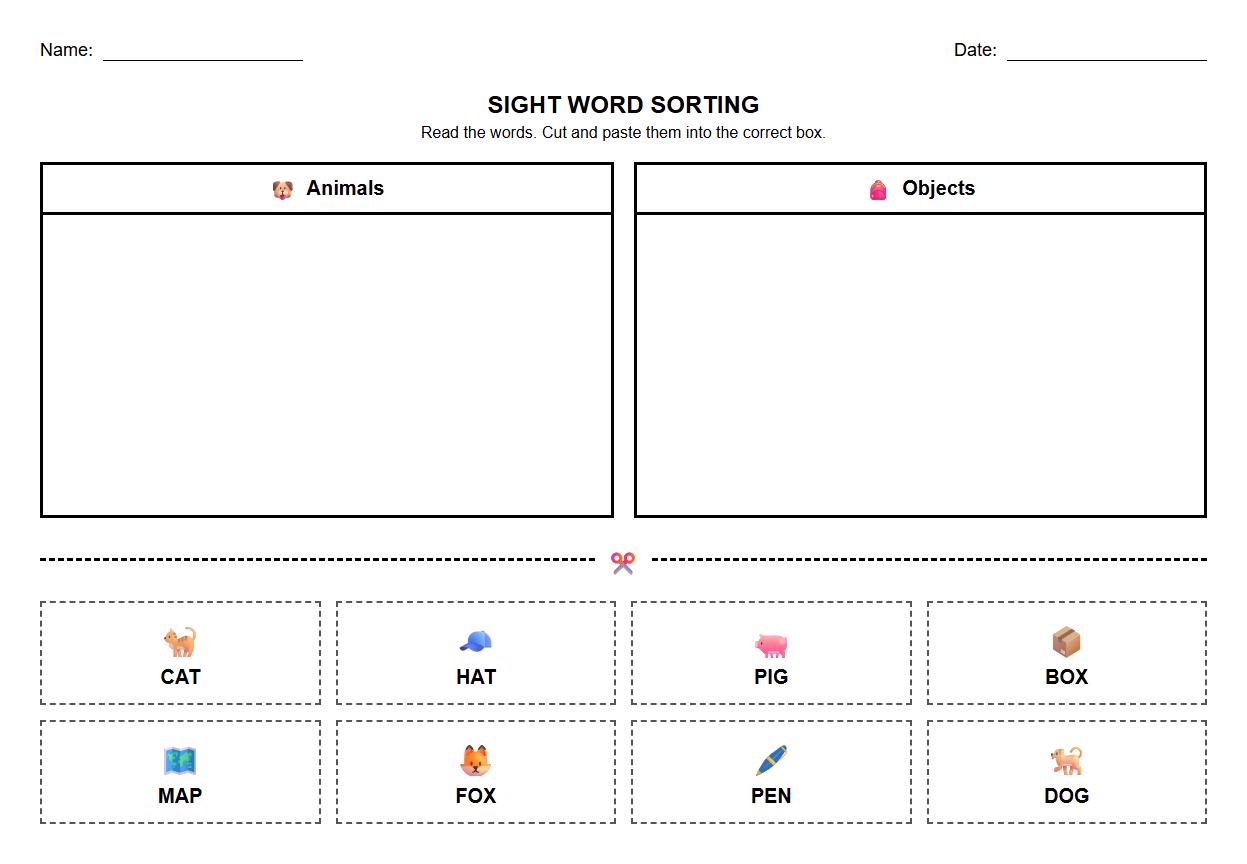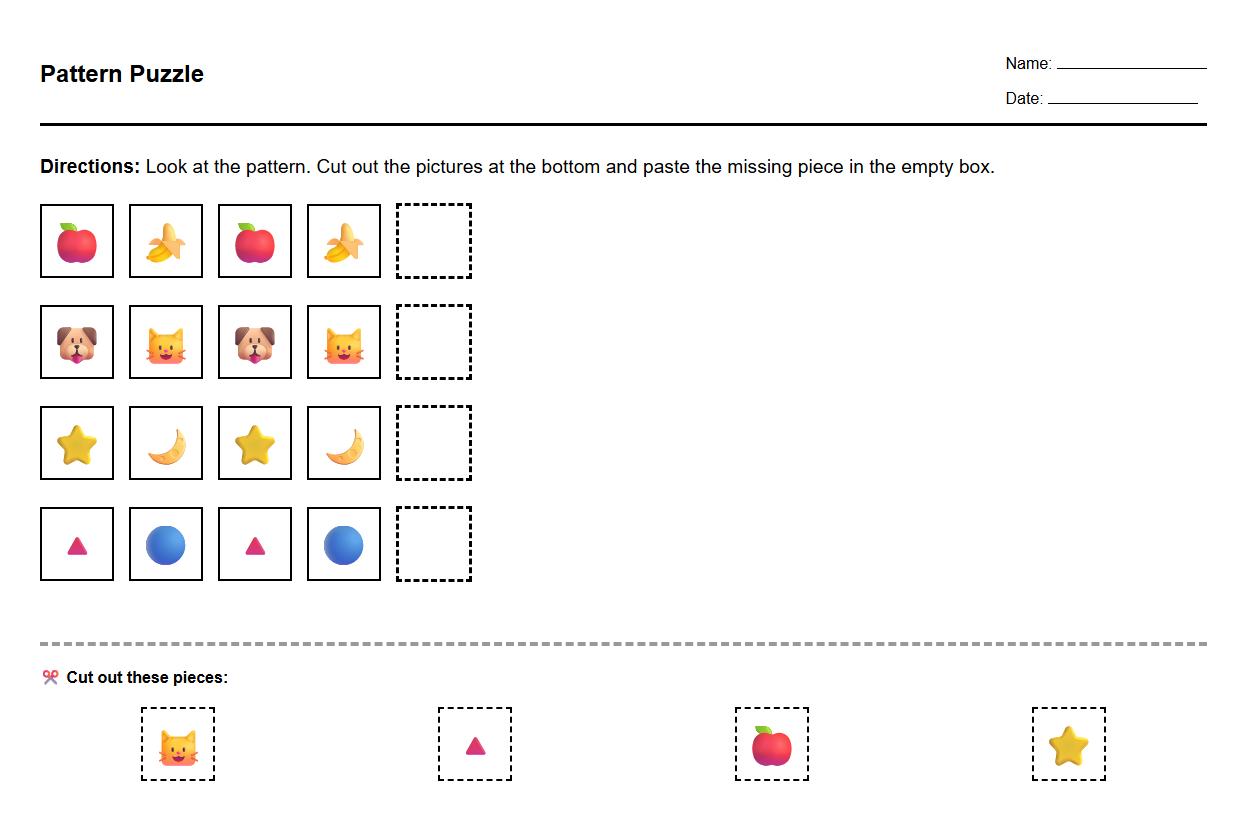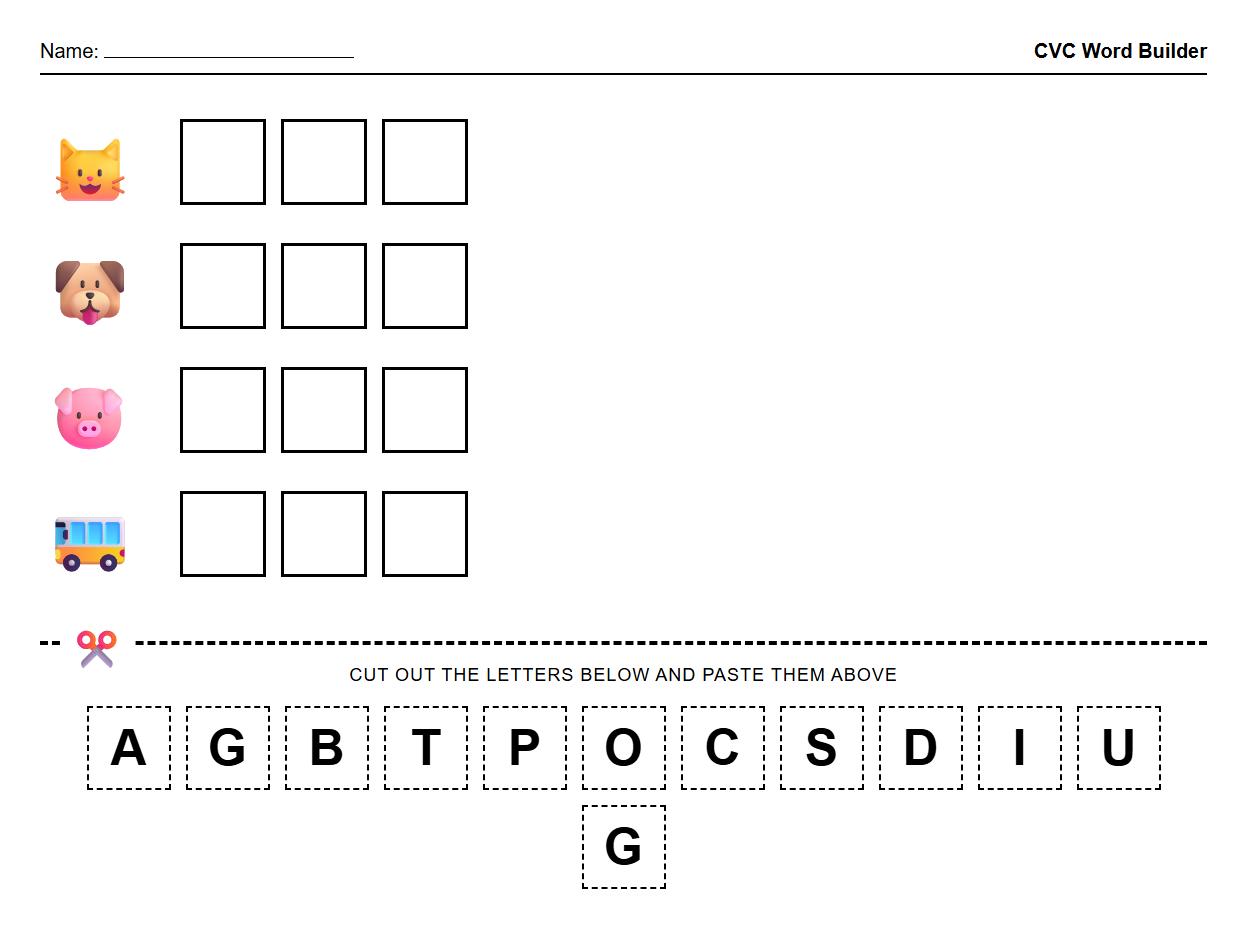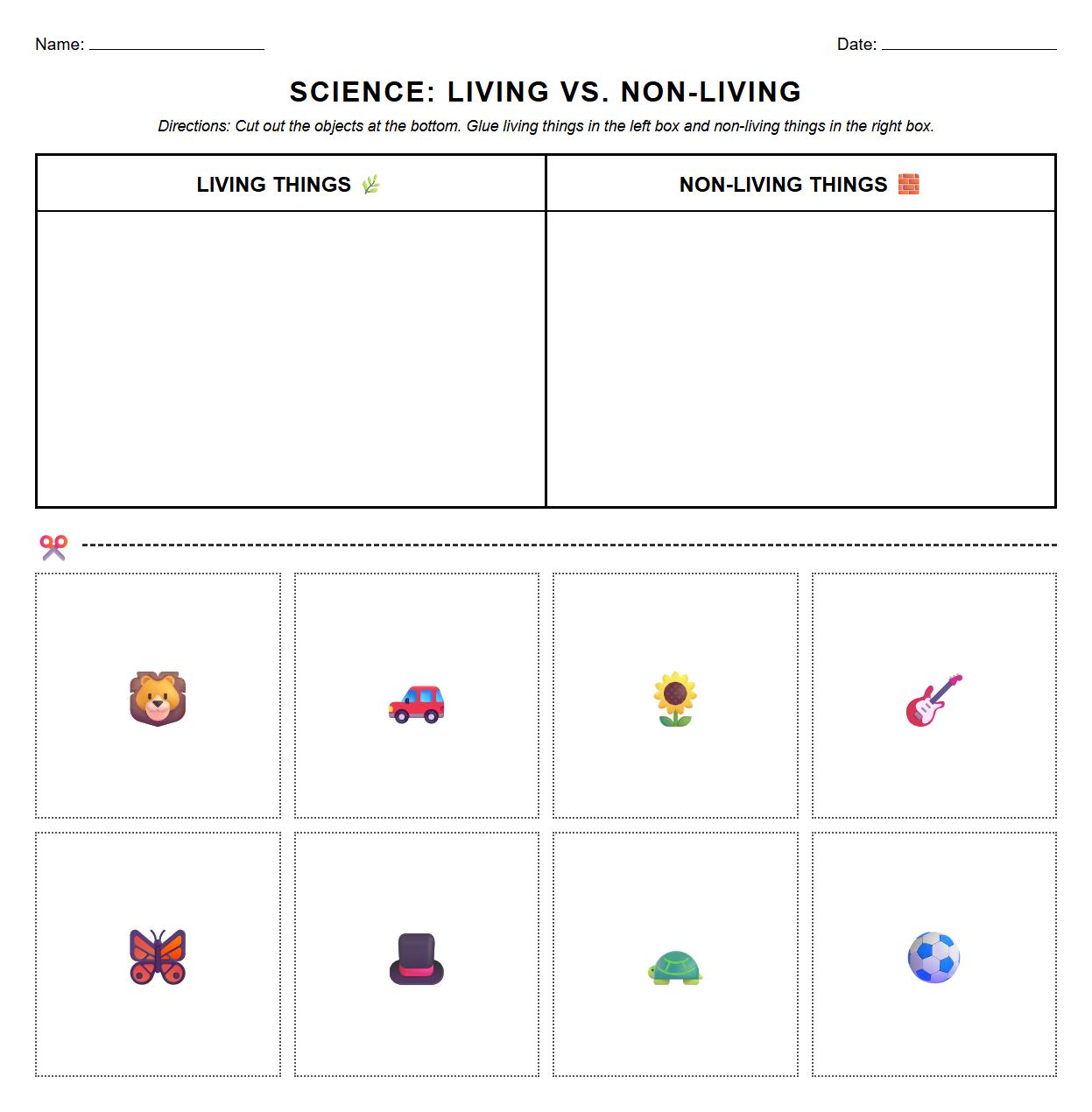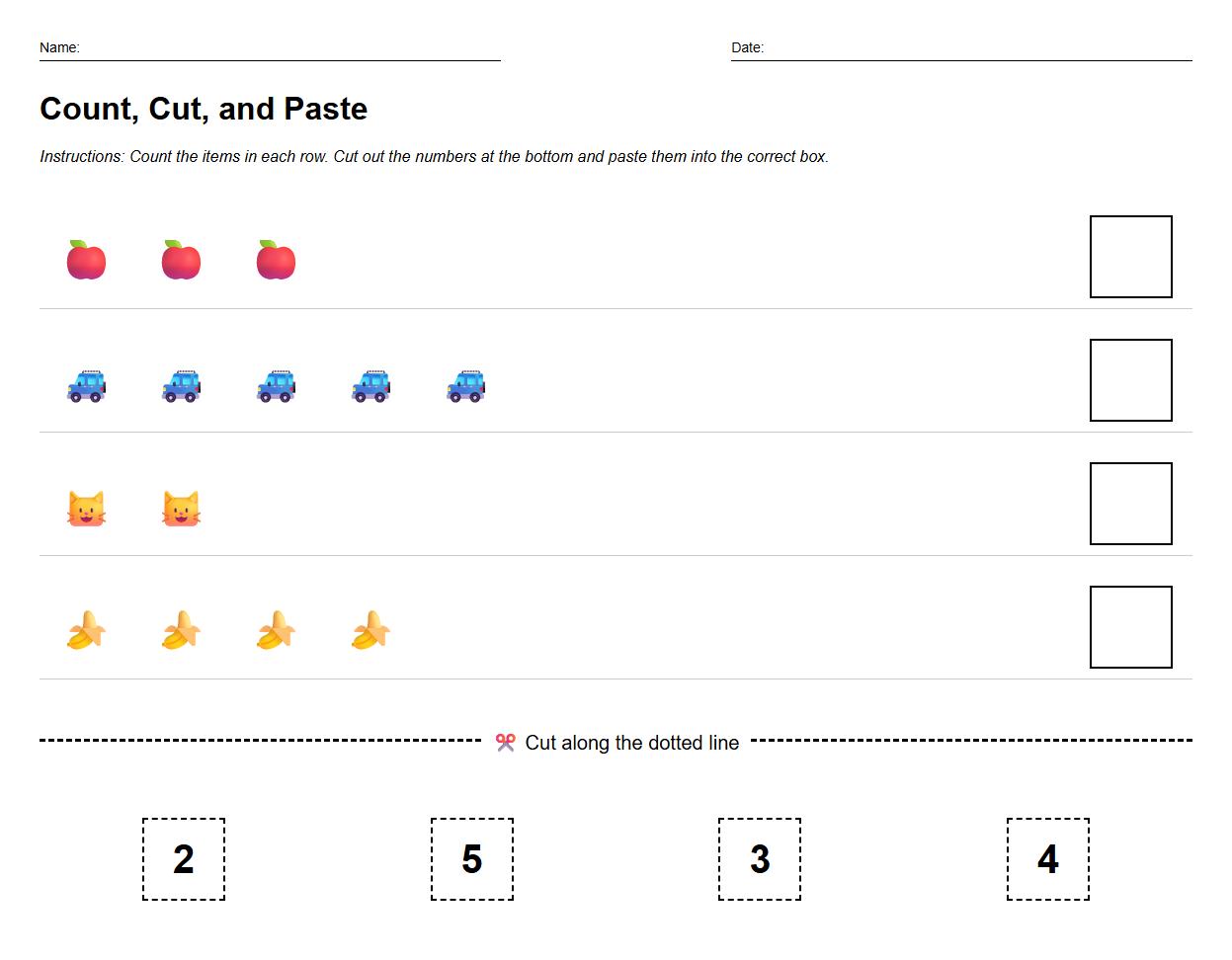
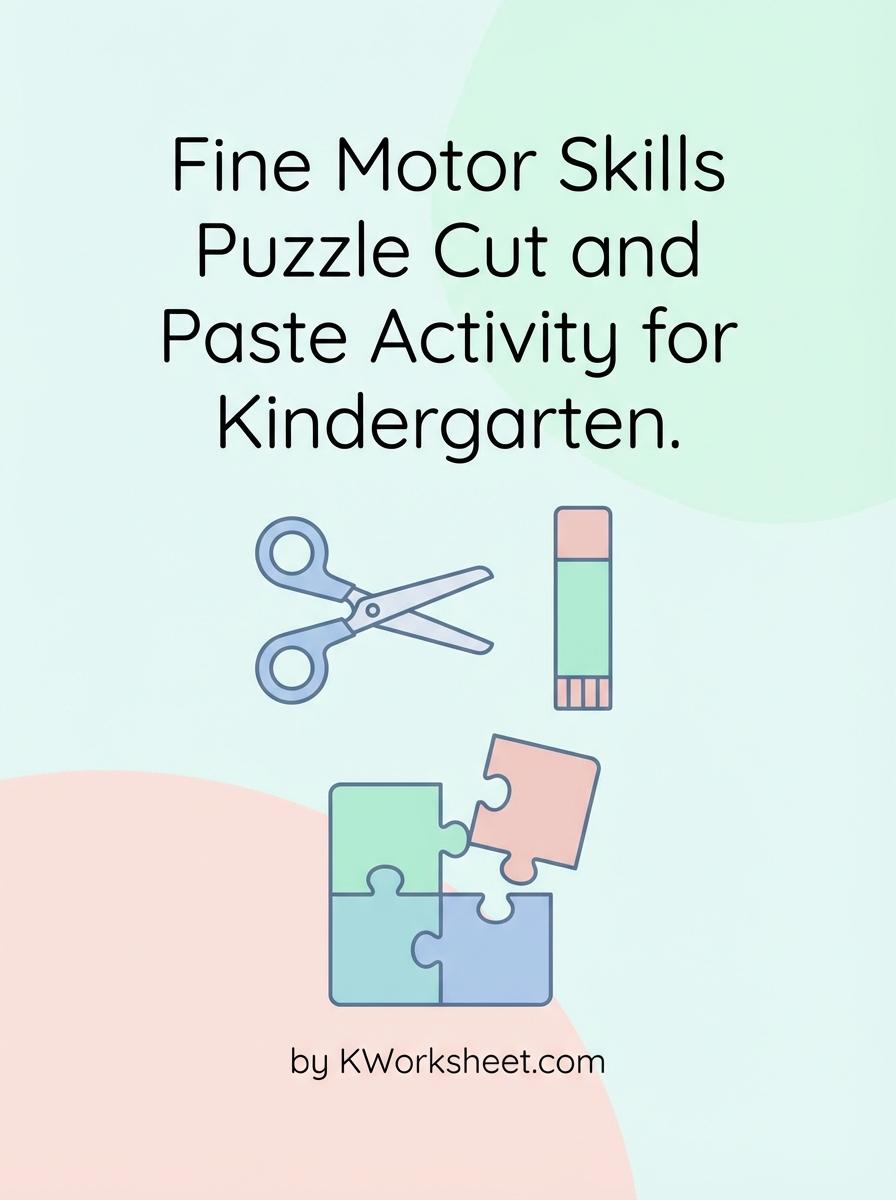
Fine motor skills puzzles and cut-and-paste activities enhance hand-eye coordination and dexterity in kindergarteners. These engaging tasks promote precision and control while encouraging creativity and problem-solving. Explore the available worksheets to support your child's fine motor development effectively.
Tools Used During Cut and Paste Puzzle Activity
Students typically use child-safe scissors, glue sticks, and colorful puzzle pieces during the activity. These tools are designed to be easy and safe for young children to handle. Teachers provide carefully selected materials that promote independent work while ensuring safety. Using these tools helps children gain confidence in their abilities. Preschool and Kindergarten Creative Scissor Cutting Skills Sheets
Developing Fine Motor Skills Through Puzzle Activities
The puzzle activity enhances fine motor skills by requiring precise cutting, grasping, and pasting. These actions improve hand-eye coordination and finger dexterity, crucial for early writing skills. Students also build muscle strength in their hands, promoting better control. Repeated practice in this activity fosters patience and concentration.
Shapes Included in Puzzle Pieces
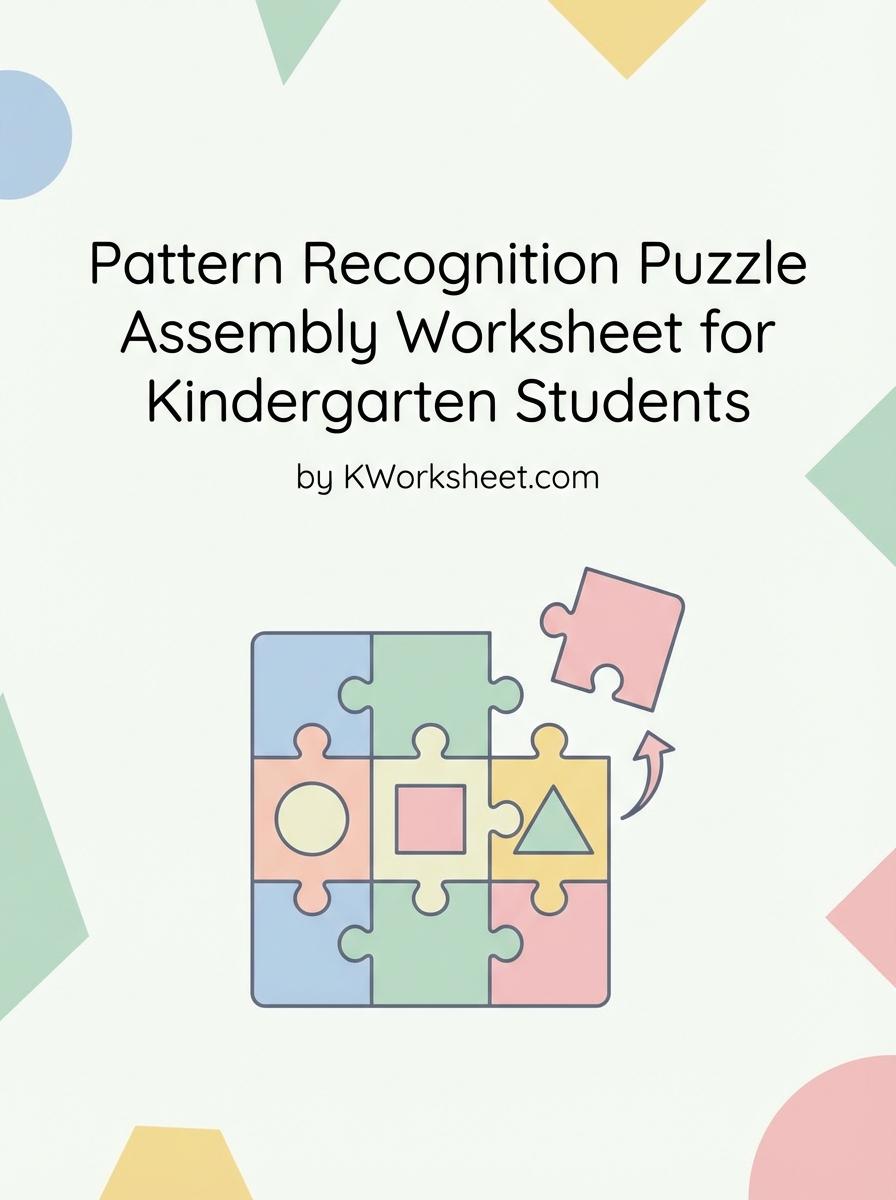
Puzzle pieces often include basic geometric shapes such as squares, circles, triangles, and rectangles. These shapes help children recognize and differentiate common figures. Teachers may use colorful and patterned shapes to increase visual interest. Introducing shapes supports early math and spatial literacy development. Kindergarten Visual Discrimination Activities: Shape and Pattern Matching
Demonstrating Cutting and Pasting Techniques
Teachers model safe cutting and gluing by demonstrating slow, deliberate movements with scissors and glue sticks. They show how to hold scissors correctly and position puzzle pieces before pasting. Visual step-by-step demonstrations make it easier for children to follow. Positive reinforcement encourages students to try the techniques themselves. Listening and Following Directions Sequencing Worksheet
Safety Rules for Using Scissors
Students must follow fundamental scissor safety rules, such as holding scissors properly and cutting away from the body. They are reminded never to run with scissors or point them at others. Teachers supervise closely to ensure safe behavior. Safety instructions are repeated regularly to reinforce good habits. Alphabet Matching Visual Discrimination Activities Kindergarten Grade
Organizing Puzzle Pieces Before Pasting
Encouraging children to sort puzzle pieces by shape and color helps with organization and focus. Teachers guide students to lay pieces out on the table before starting to paste. This step fosters planning skills and visual discrimination. Organized pieces reduce frustration and allow smoother completion. Kindergarten Color Matching Practice & Color Number Activities
Steps to Complete the Puzzle
Students follow simple steps: select a piece, safely cut if needed, apply glue carefully, then paste it in the correct spot. Teachers remind children to align the pieces neatly to complete the puzzle. Breaking the task into manageable steps aids understanding. Encouragement is provided at each stage to build self-esteem. Number Sequencing Mazes for Kindergarten Math Skills
Encouraging Sharing of Finished Work
Students are invited to share and discuss their completed puzzles with classmates and parents. Teachers facilitate a circle time or gallery walk to celebrate achievements. Sharing develops communication skills and pride in their efforts. Positive feedback fosters a supportive classroom community. Spot the Difference Worksheet for Kindergarten Behavioral Observation
Challenges Students May Face During the Activity
Children might struggle with hand coordination, patience, or understanding task steps. Some may find handling scissors or glue challenging. Recognizing these difficulties helps teachers provide targeted support. Identifying challenges early prevents frustration and encourages persistence. Color Mixing Experiment Worksheet Kindergarten Science
Teacher Support for Students Having Difficulty Cutting
Teachers offer personalized assistance and adaptive tools for students with cutting difficulties. This may include using pre-cut pieces, training scissors, or one-on-one guidance. Breaking down the activity into smaller parts helps build confidence. Encouragement and praise motivate students to improve their skills. Reinforcing Counting Skills Using Color Number Worksheets


Pattern Recognition Puzzle Assembly Worksheet for Kindergarten Students