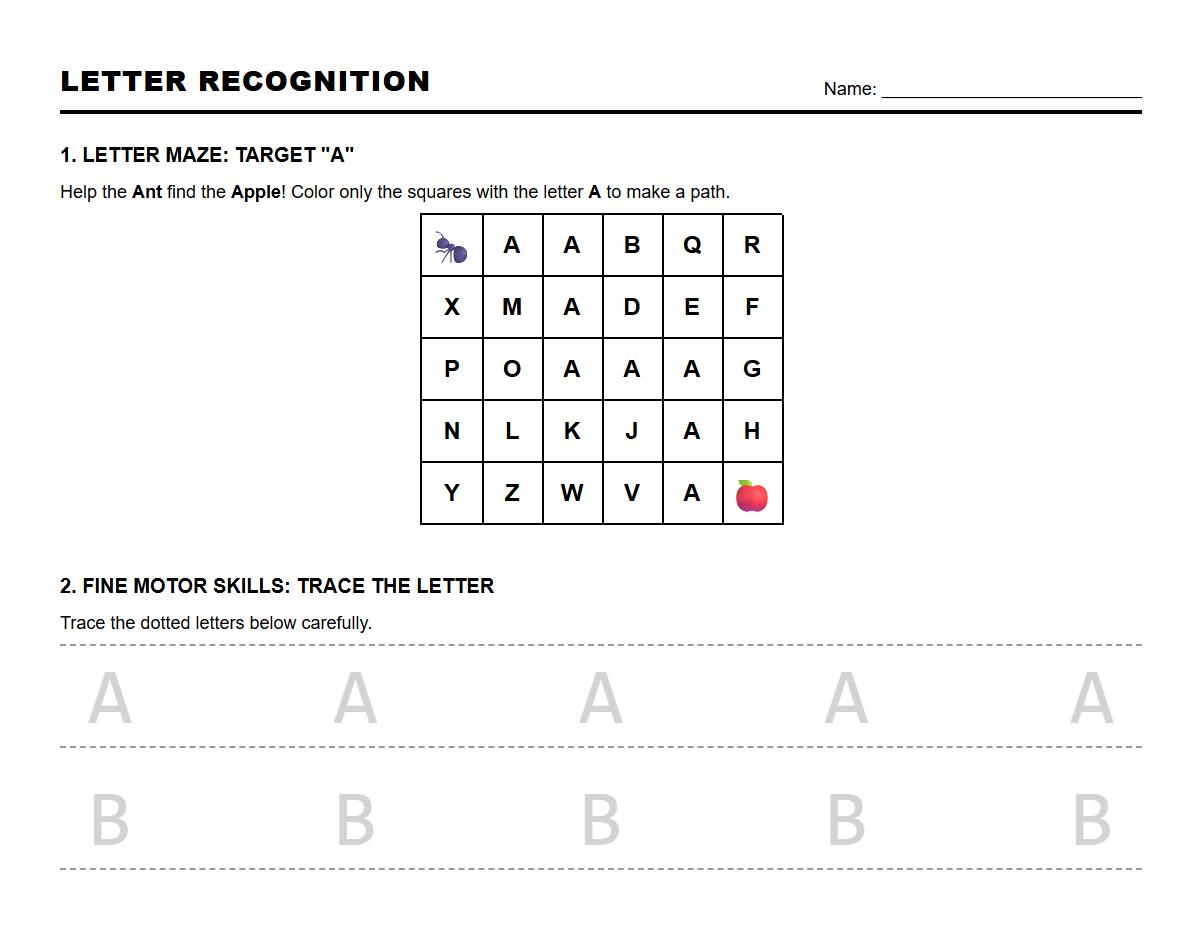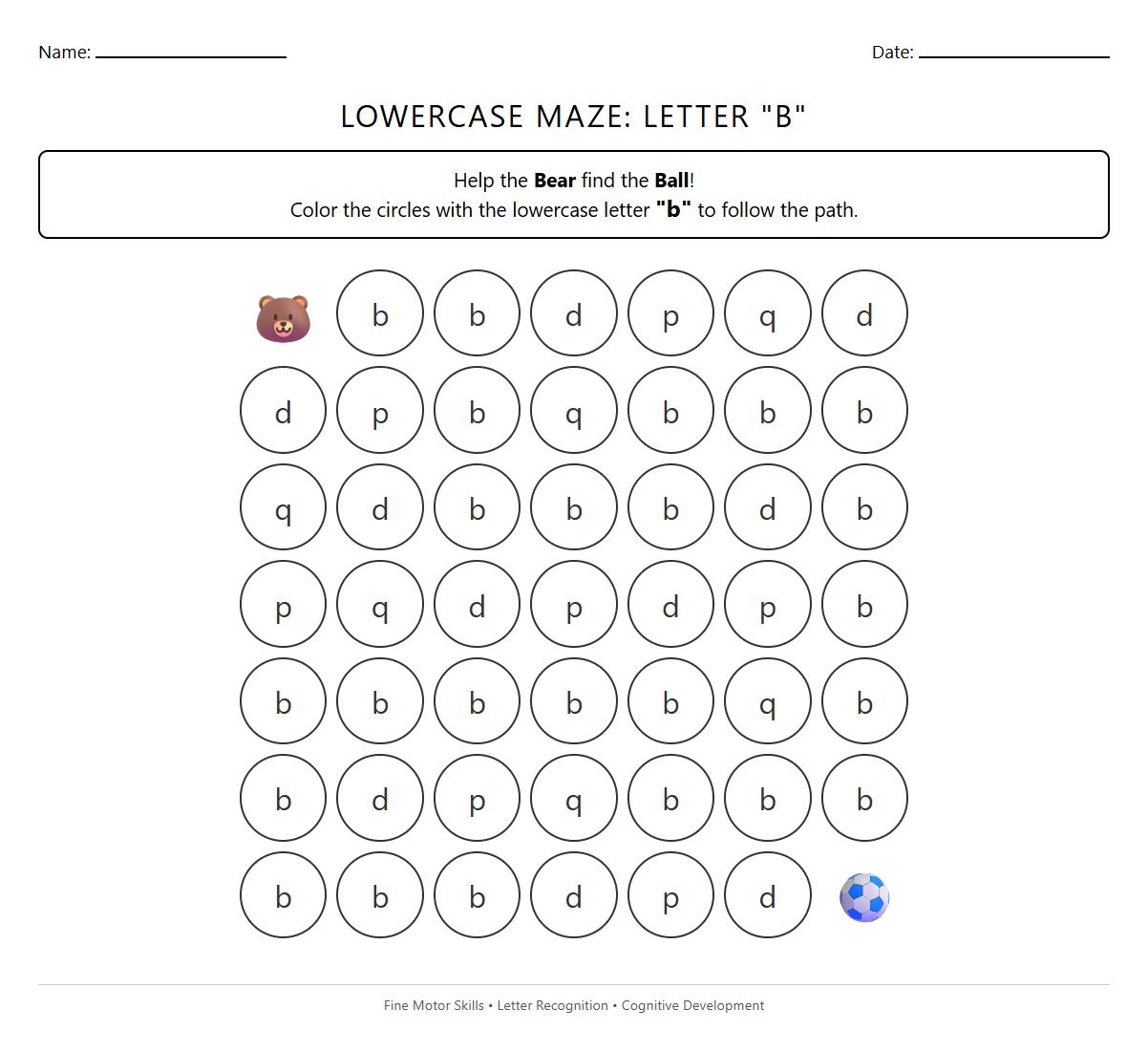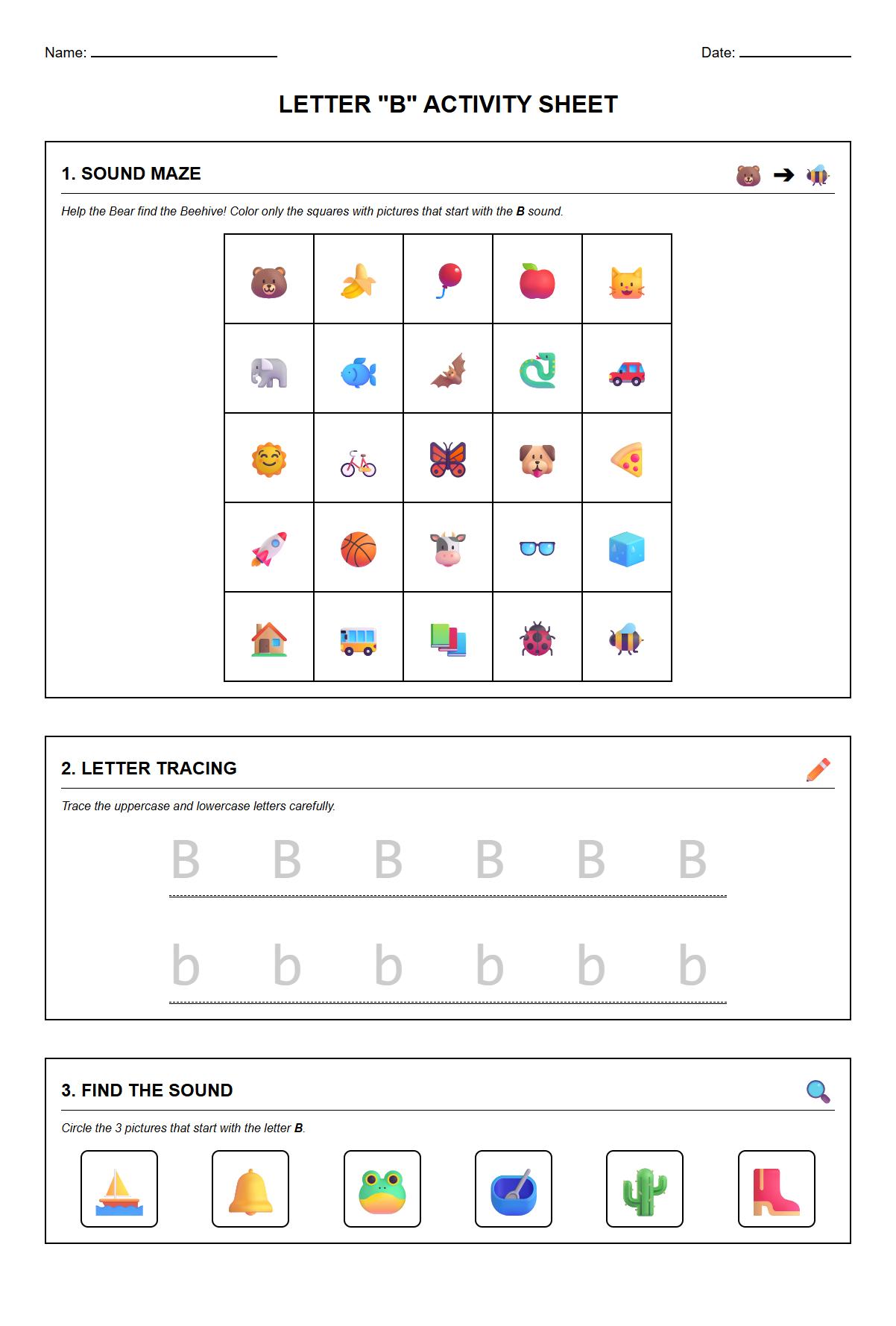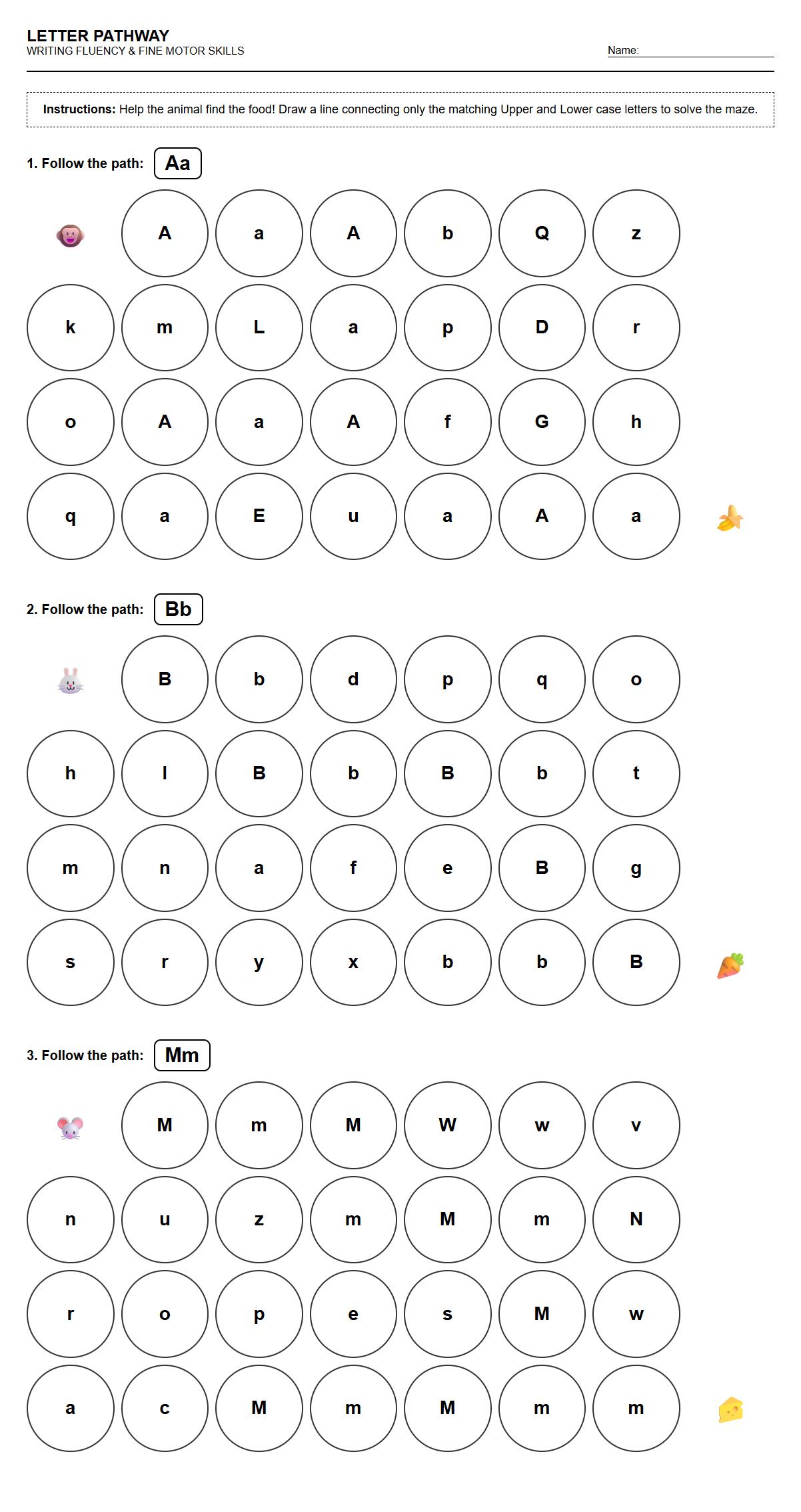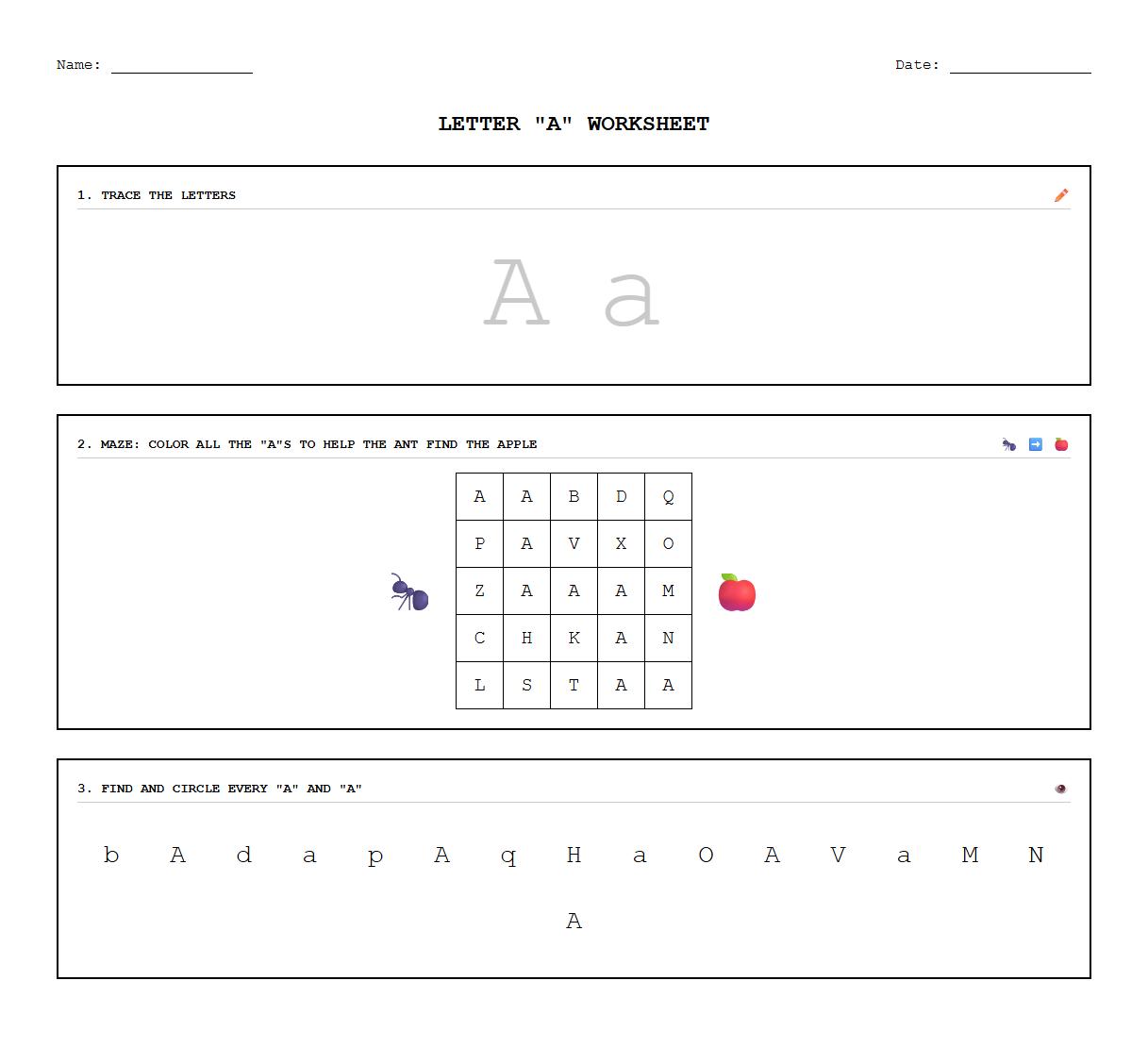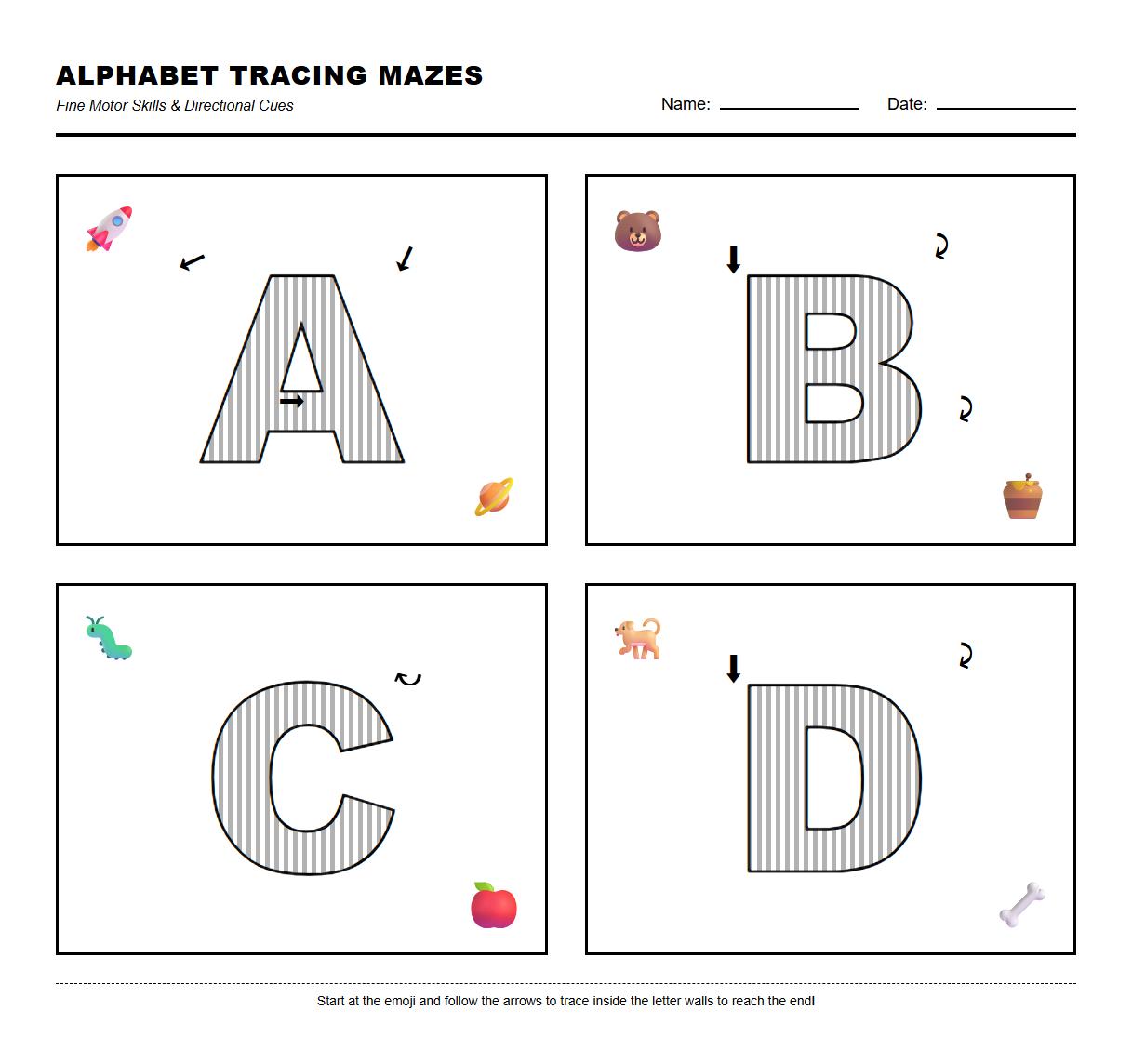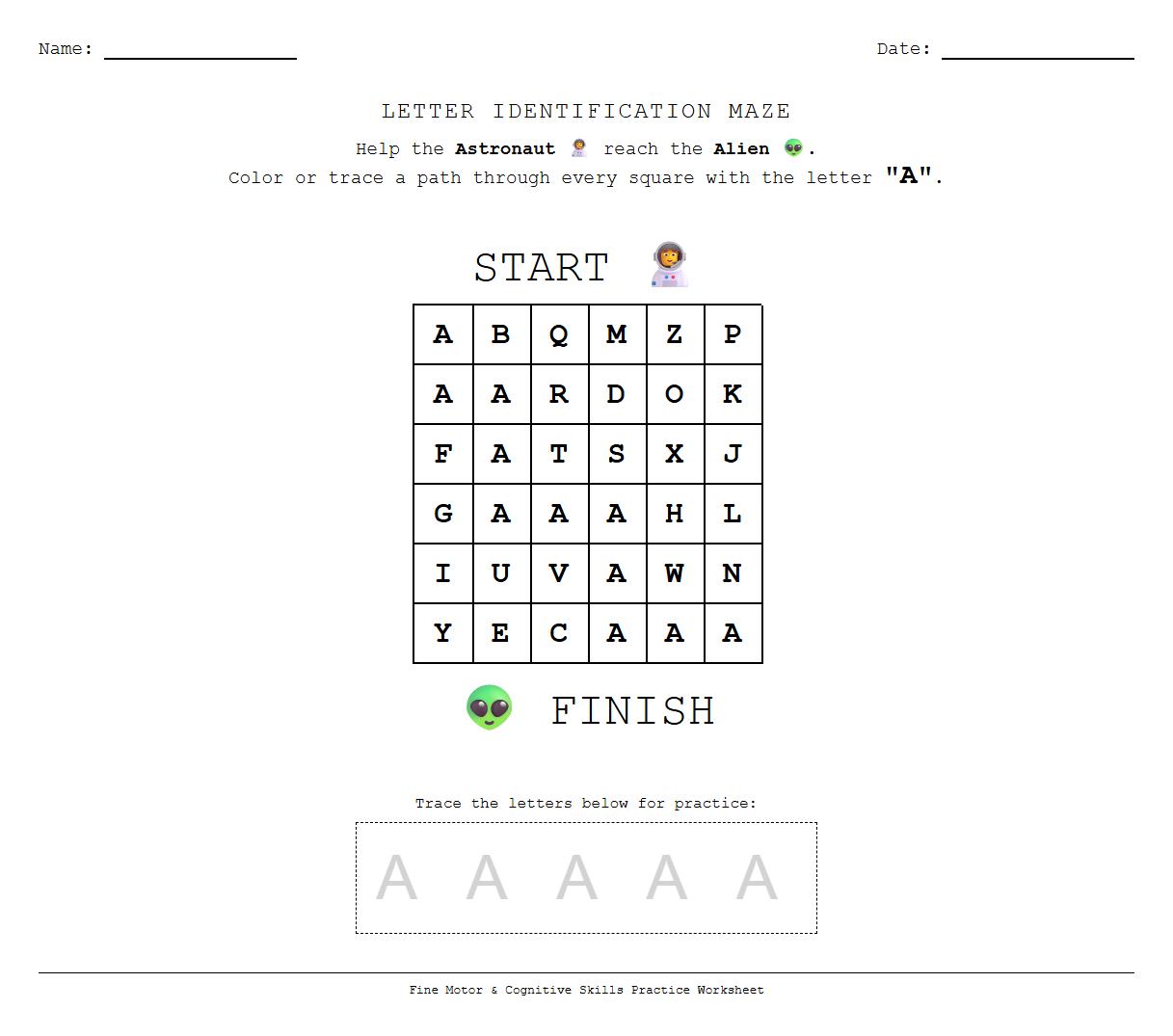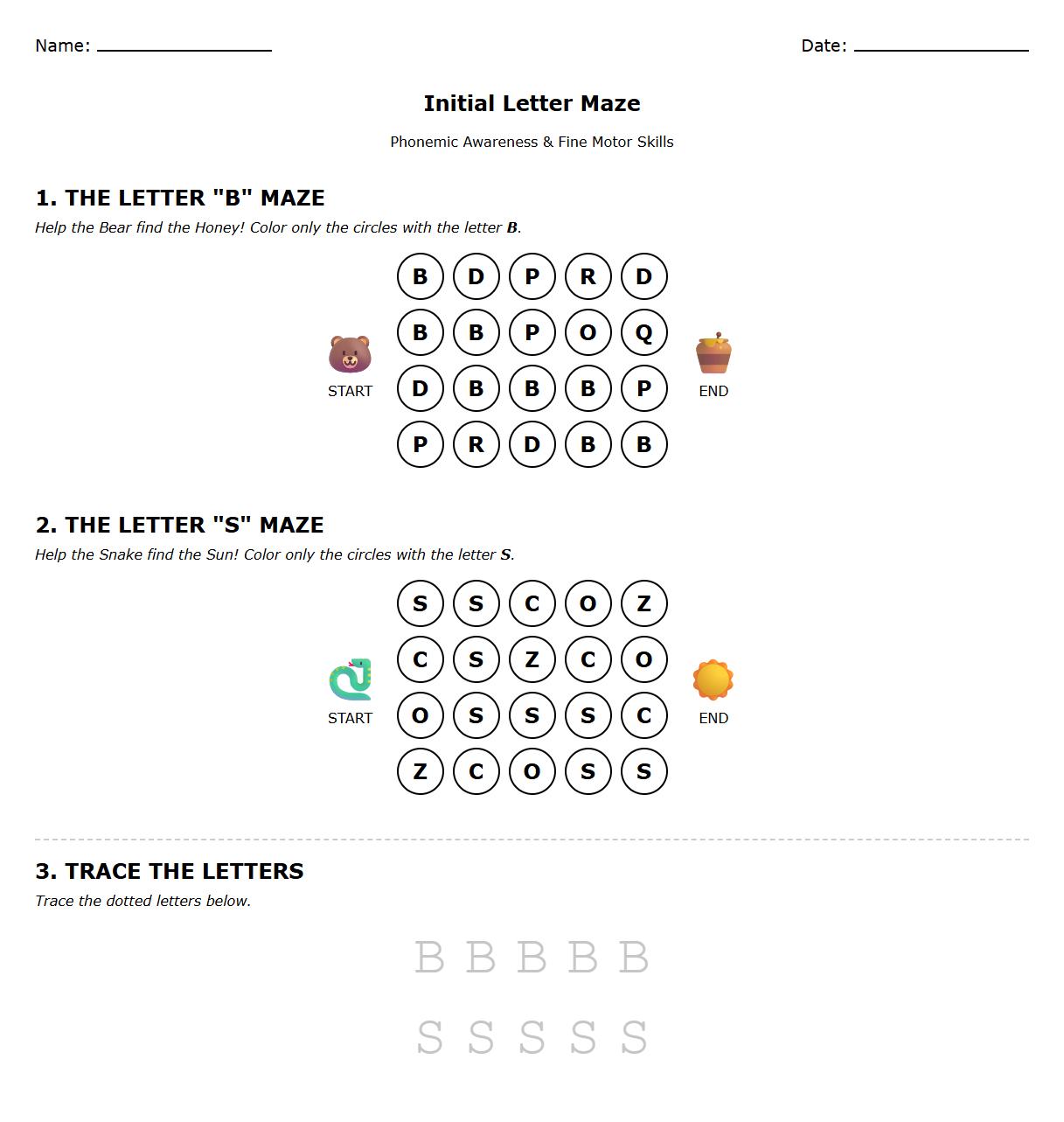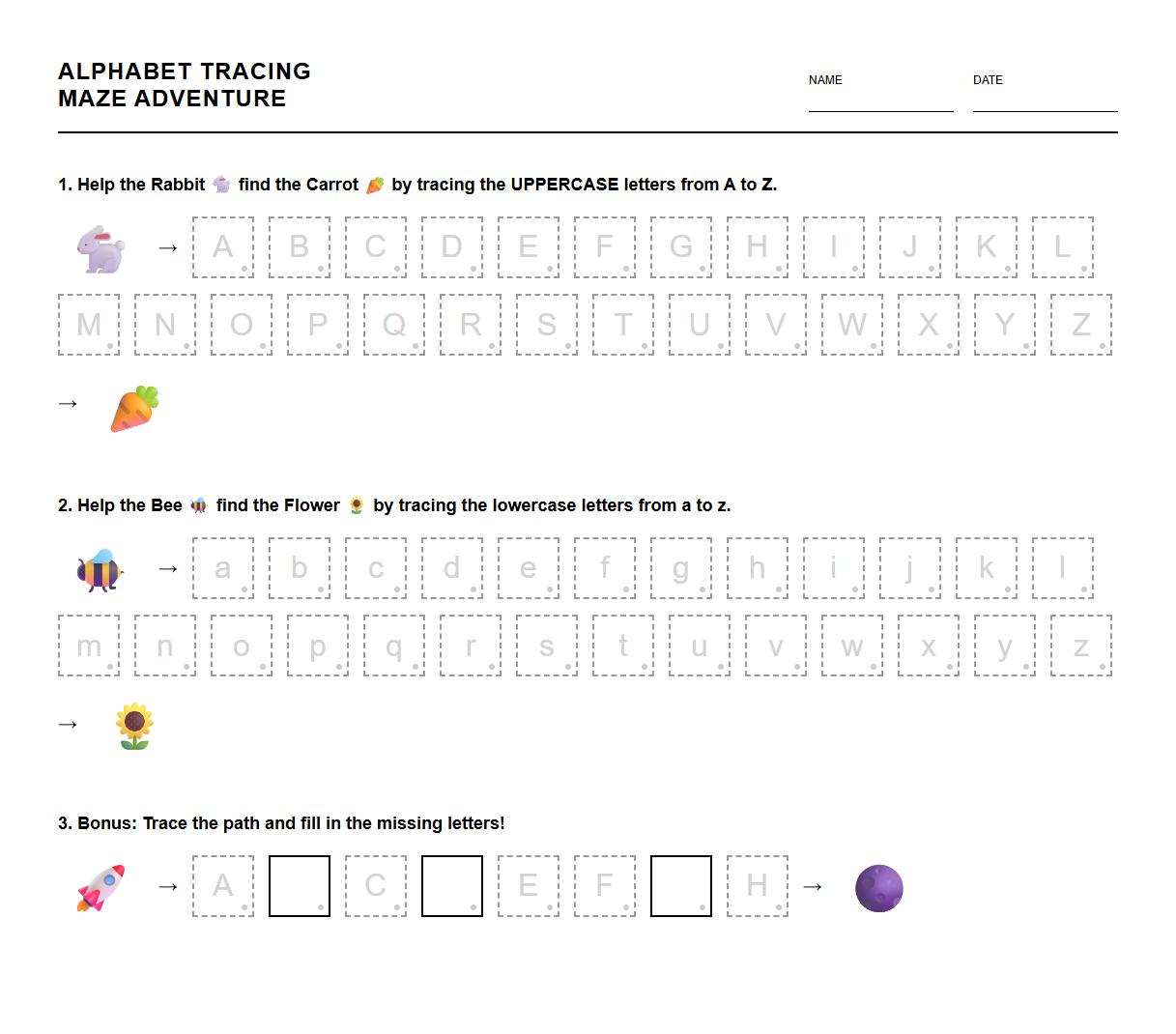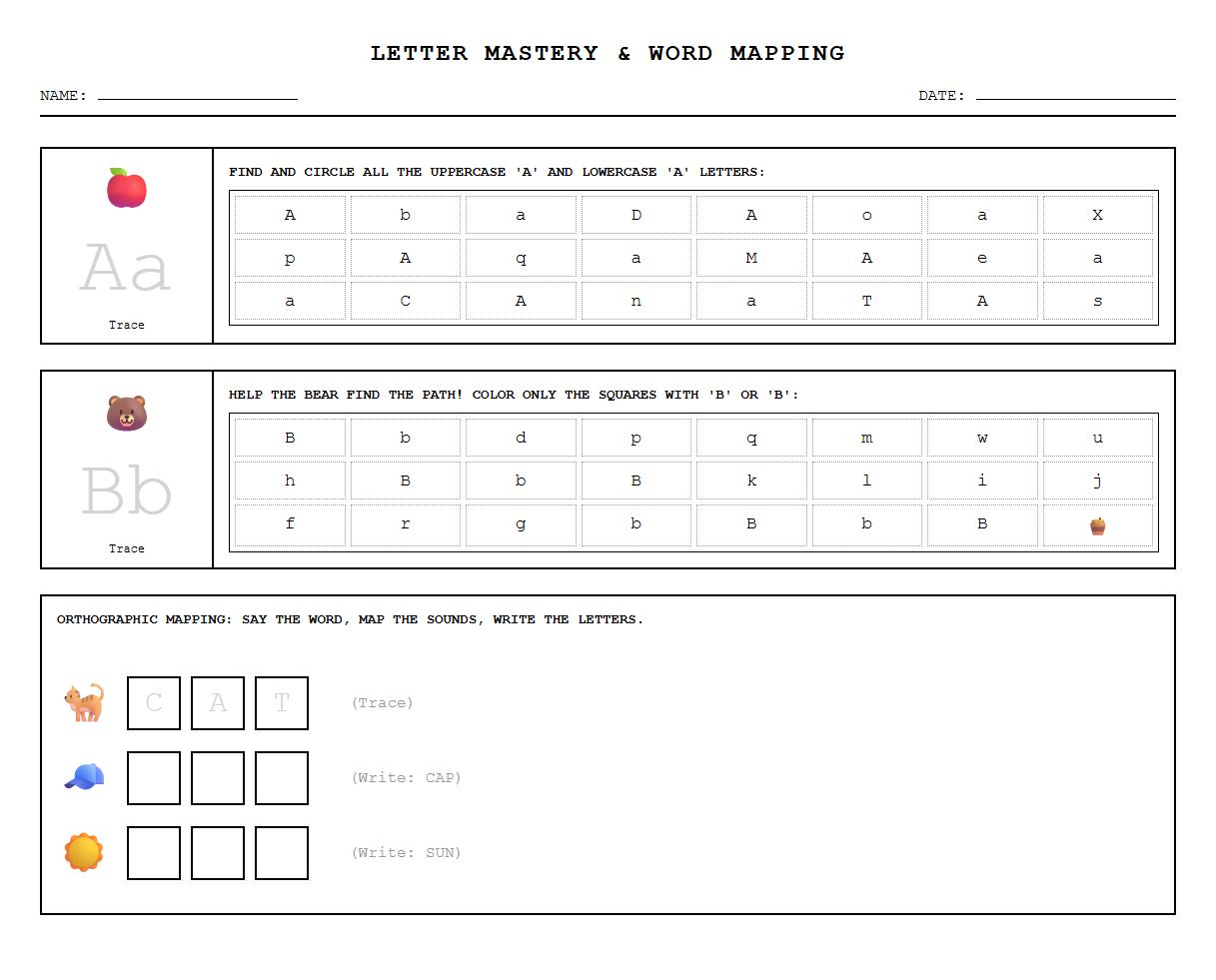
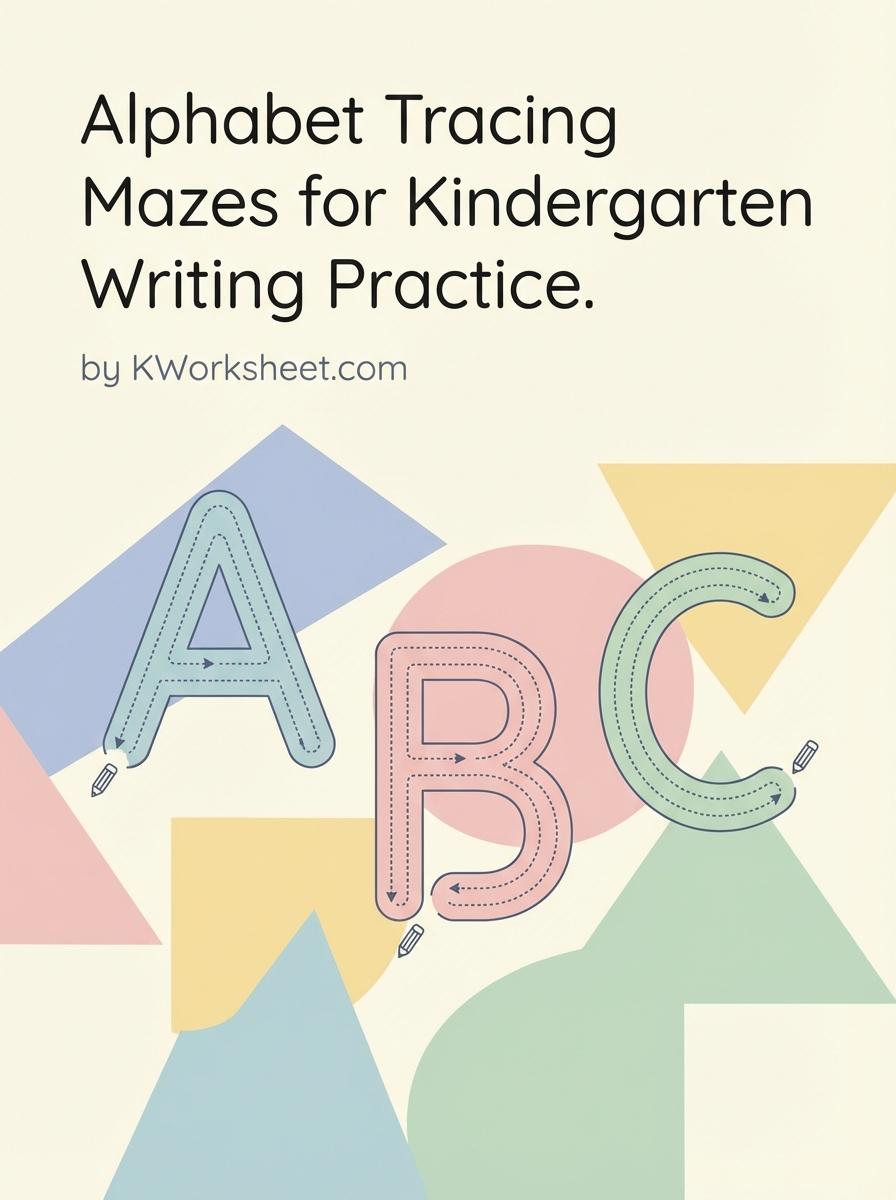
Alphabet tracing mazes engage kindergarteners in developing fine motor skills and letter recognition while making writing practice fun and interactive. These mazes guide young learners through letter shapes, enhancing handwriting accuracy and boosting confidence. Explore our collection of alphabet tracing mazes to support your child's early writing journey.
Benefits of Using Alphabet Tracing Mazes for Kindergarten Writing Practice
Alphabet tracing mazes enhance letter formation and handwriting skills in young learners. They make learning interactive and fun, increasing student engagement. These mazes also improve focus and attention to detail, essential for writing development. Additionally, they provide a multisensory approach that supports retention and recognition of letters.
Improvement of Fine Motor Skills through Alphabet Tracing Mazes
Tracing mazes require children to use controlled hand movements, strengthening their fine motor skills. These activities promote hand-eye coordination and precision. Regular practice helps develop the muscle memory needed for writing. As children navigate the maze, they improve dexterity and pencil grip.
Materials Needed to Create Effective Alphabet Tracing Mazes
To create effective alphabet tracing mazes, essential materials include printed worksheet templates with clear letter paths. Use markers or crayons that are easy for children to hold. Laminated sheets and dry-erase markers can allow for repeated practice. Optional materials include stickers or stamps for rewards.
Incorporating Alphabet Tracing Mazes into Daily Classroom Activities
Teachers can integrate tracing mazes into morning routines or literacy centers to reinforce letter learning. They work well as warm-up exercises before writing sessions. Incorporating group or paired activities encourages social learning. Regularly rotating maze designs keeps children engaged and motivated.
Creative Ways to Design Alphabet Tracing Mazes for Kindergarten
Design mazes with colorful themes related to animals, seasons, or holidays to capture interest. Incorporate phonics cues or rhymes alongside letter tracing for multisensory learning. Use varying maze shapes and sizes to challenge different skill levels. Adding challenges or rewards increases motivation and fun.
Supporting Letter Recognition and Phonics with Alphabet Tracing Mazes
Tracing mazes reinforce letter shapes while connecting them to their sounds. By repeatedly tracing, children internalize letter forms and phonetic sounds. Mazes can be paired with verbal practice to promote phonics skills. This dual approach supports early literacy development effectively.
Ideal Length or Complexity for Kindergarten Tracing Mazes
The ideal tracing maze should be simple, with clear, wide paths for young children. Mazes should not exceed 5-7 minutes to maintain attention span. Adjust complexity based on skill level, starting with single letters and progressing to letter clusters. Balanced challenge helps prevent frustration and promotes success.
Frequency of Practice with Alphabet Tracing Mazes for Optimal Results
Consistent daily practice, around 10-15 minutes, yields the best improvements. Incorporating mazes several times a week reinforces learning without overwhelming children. Frequent repetition helps solidify letter formation and motor skills. Balance maze activities with other literacy exercises for well-rounded development.
Tracking and Assessing Progress with Alphabet Tracing Mazes
Teachers and parents can track progress by observing improved letter formation and reduced hesitation. Using checklists or rubrics to evaluate neatness and path accuracy is effective. Digital apps or photo records provide visual growth charts. Regular feedback encourages motivation and self-confidence in learners.
Common Challenges with Tracing Mazes and Solutions
Children may struggle with attention, pencil grip, or maze complexity. Simplify mazes and provide guided assistance to prevent frustration. Encourage breaks and use ergonomic tools to support grip. Positive reinforcement and patience help address challenges and build confidence in tracing skills.


Critical Thinking Mazes for Kindergarten Problem Solving