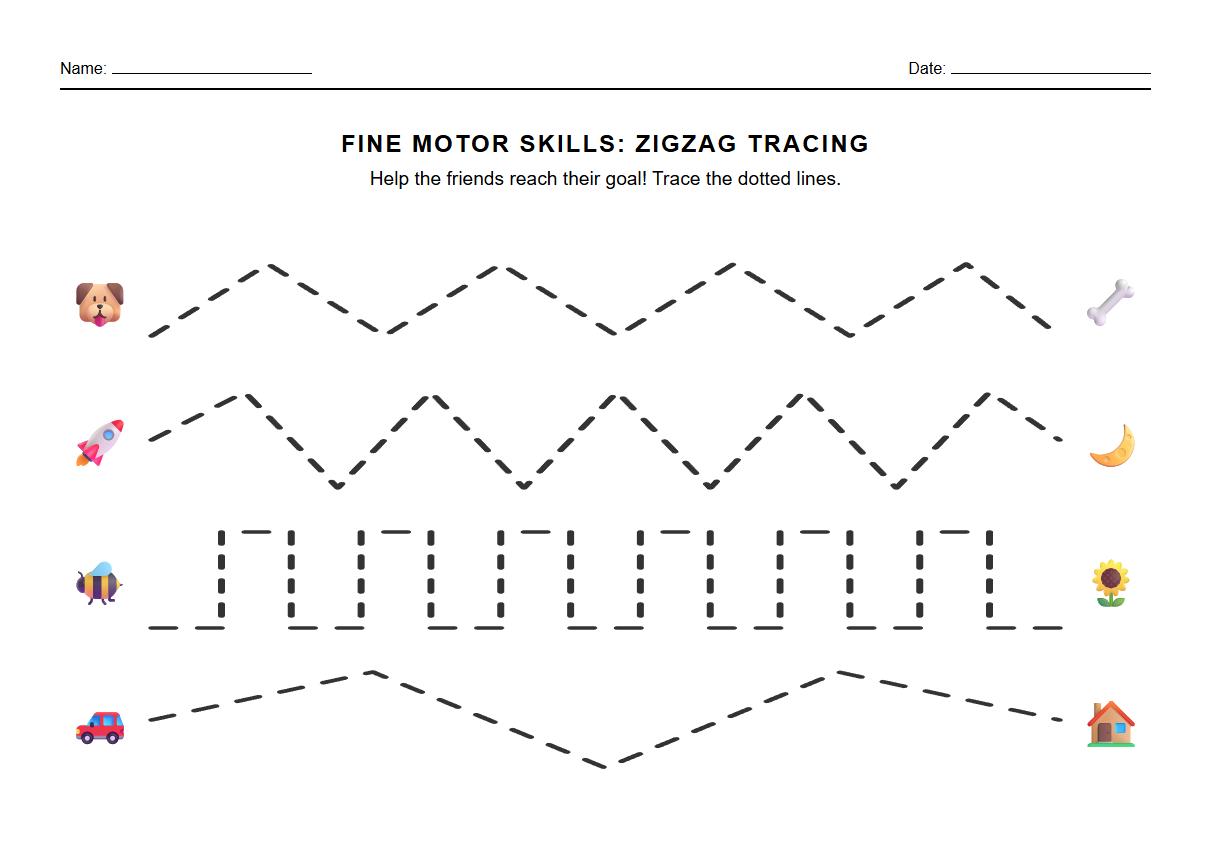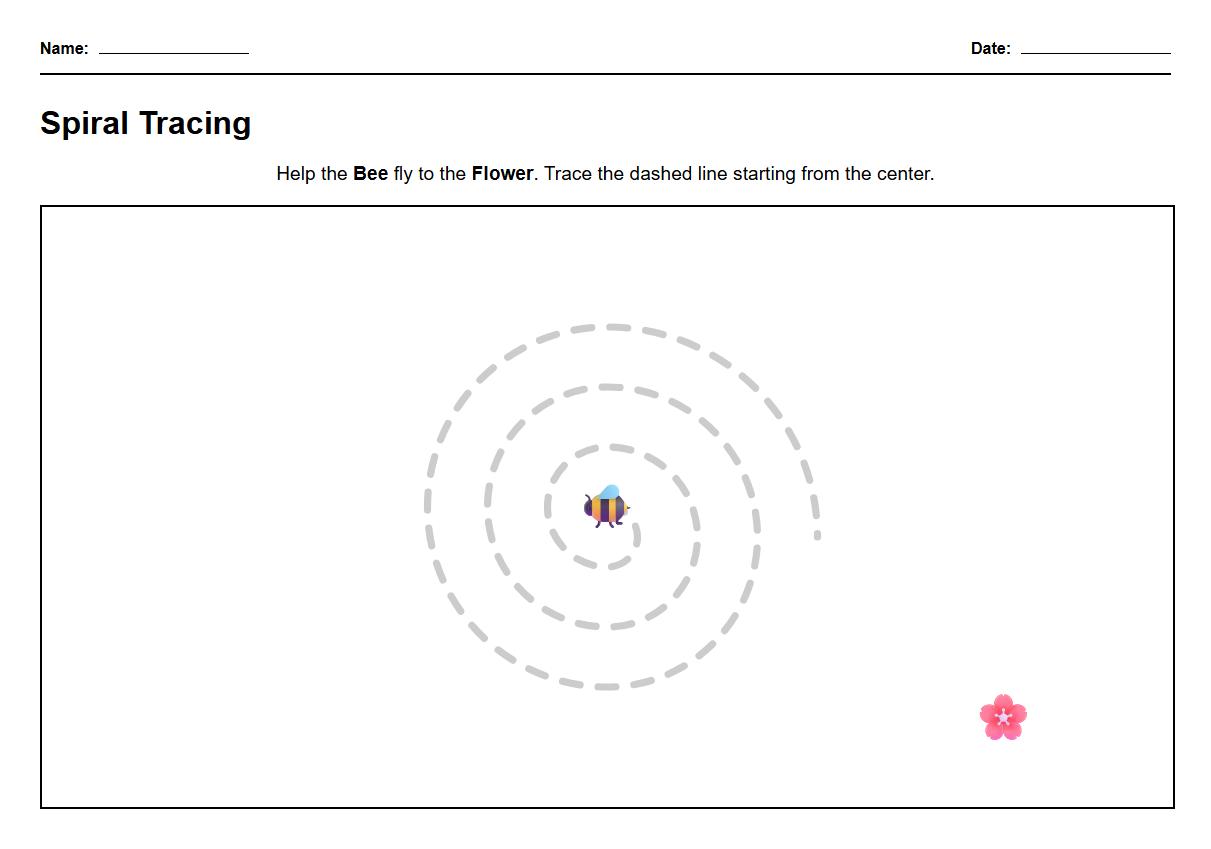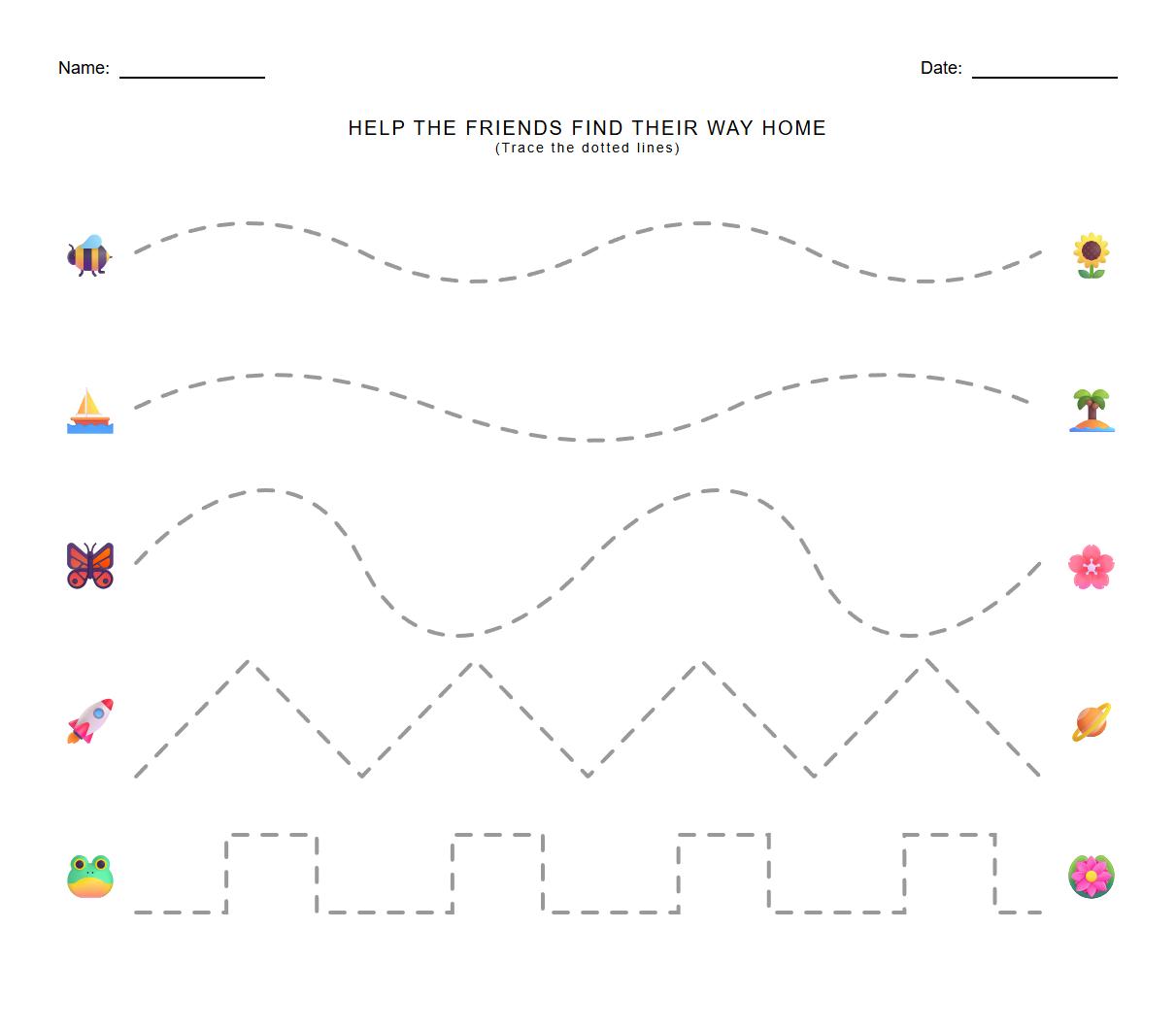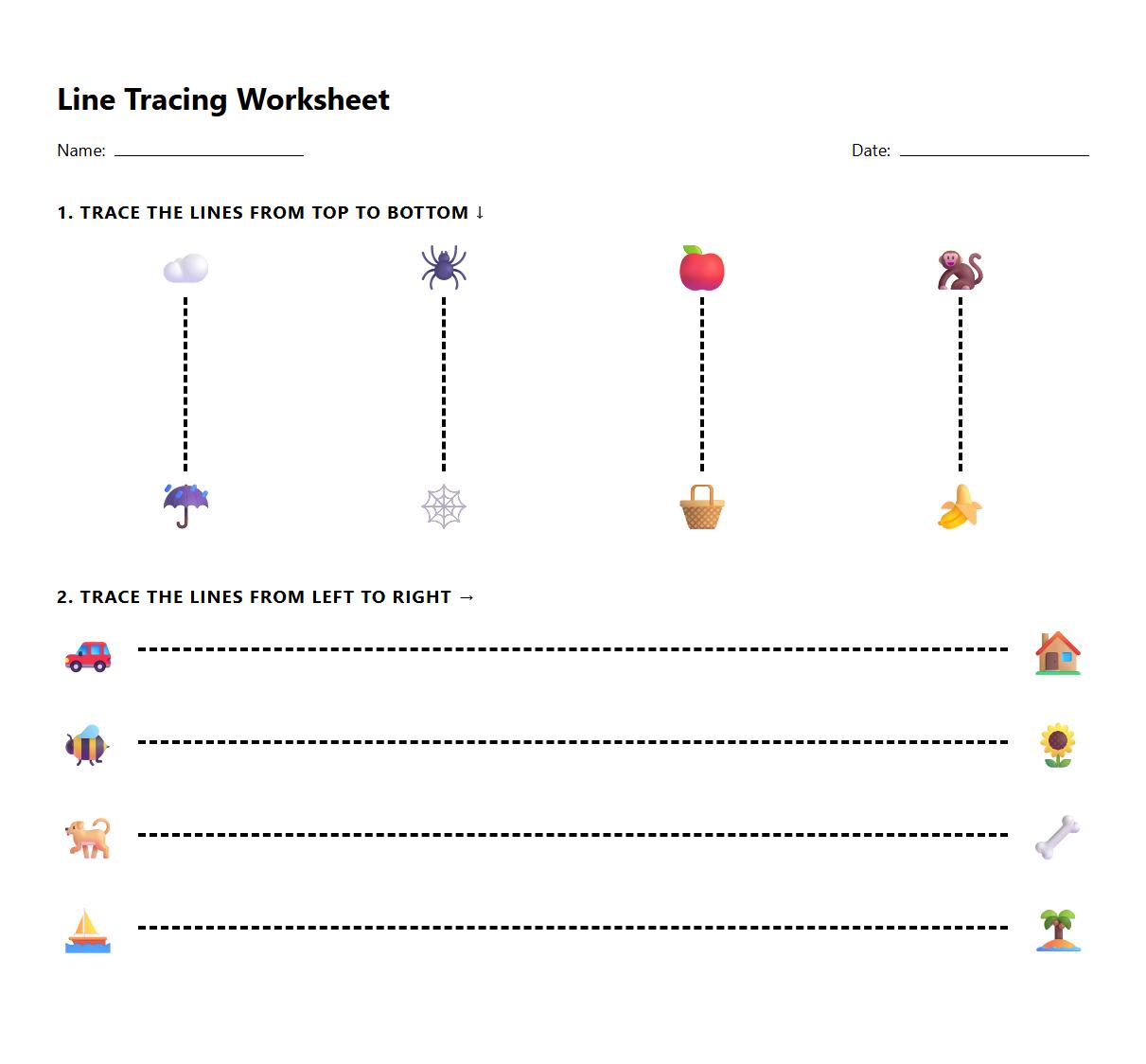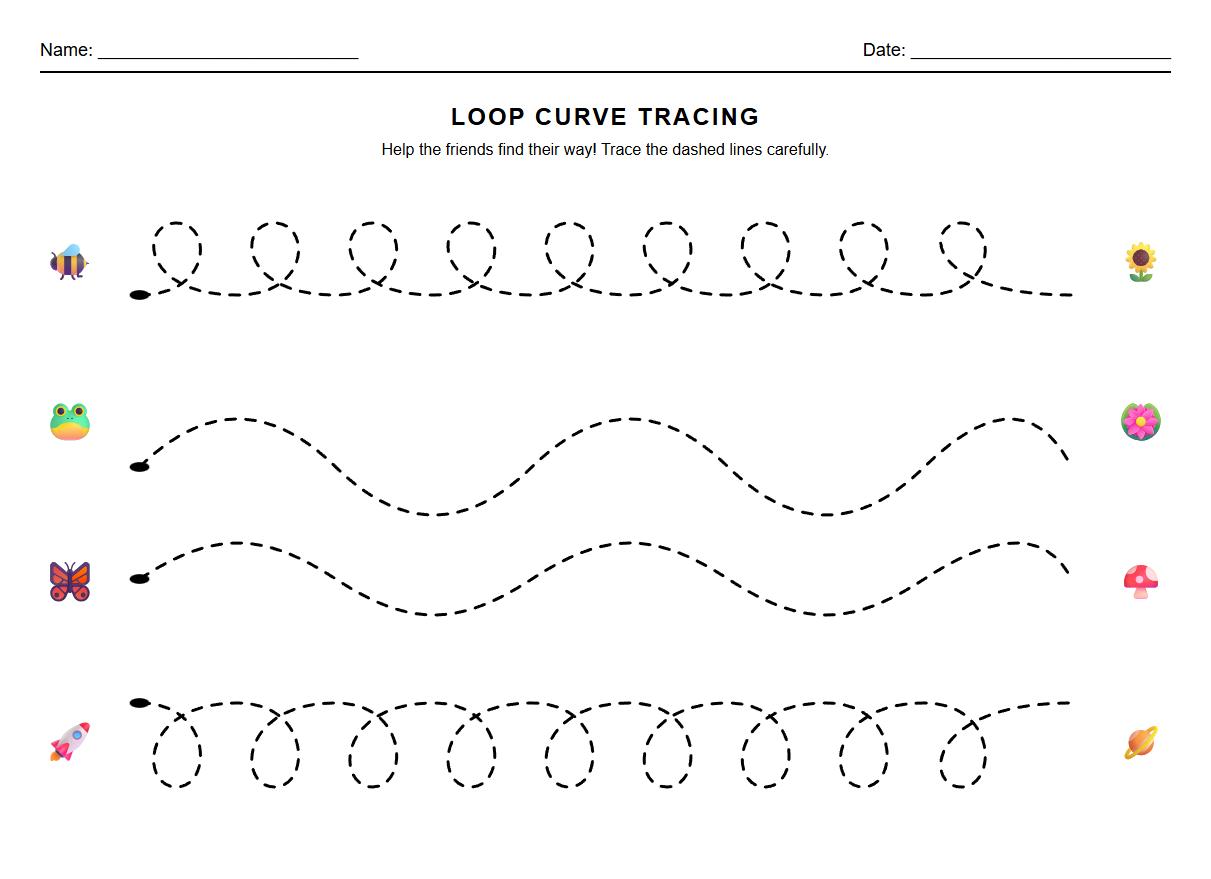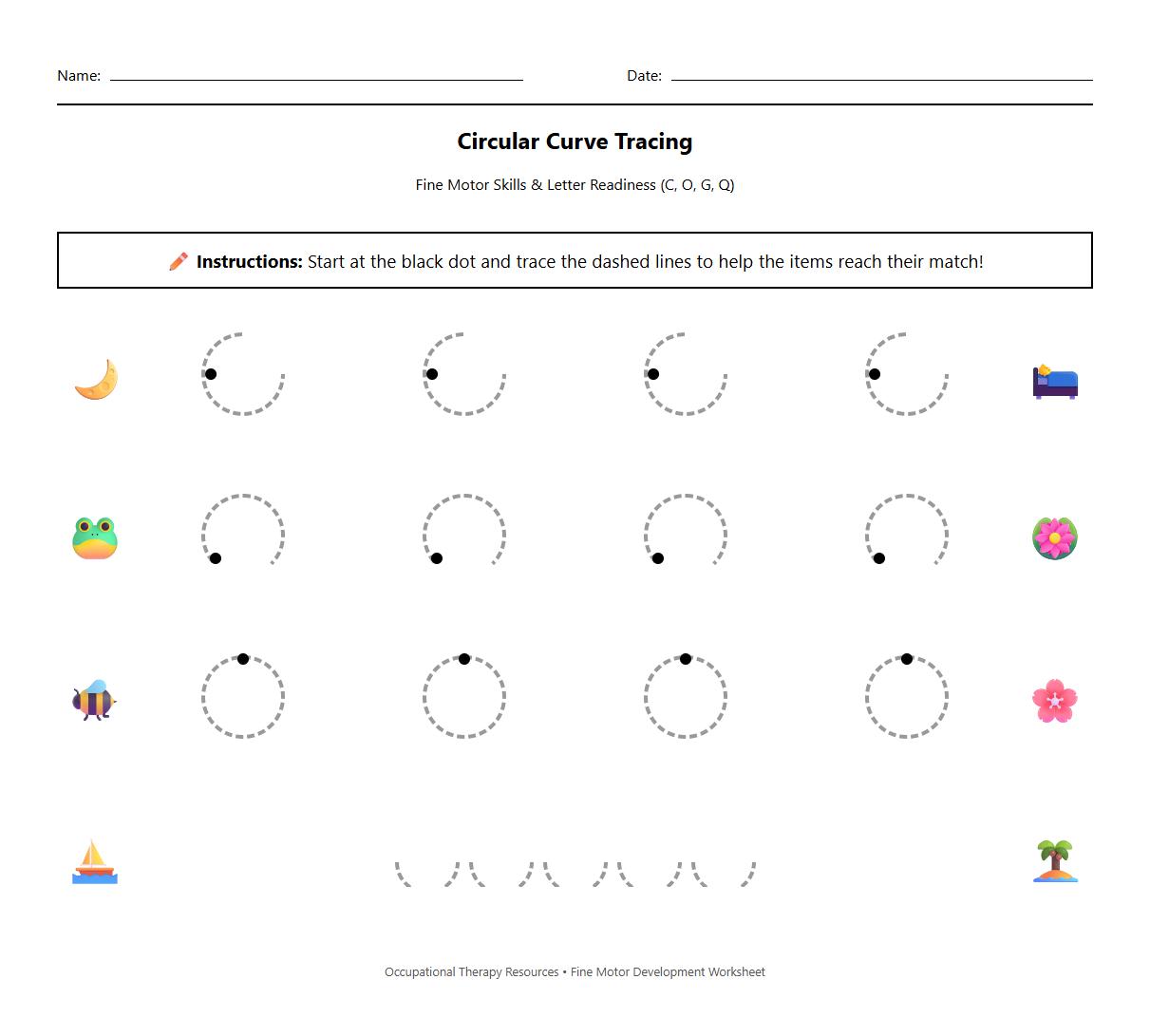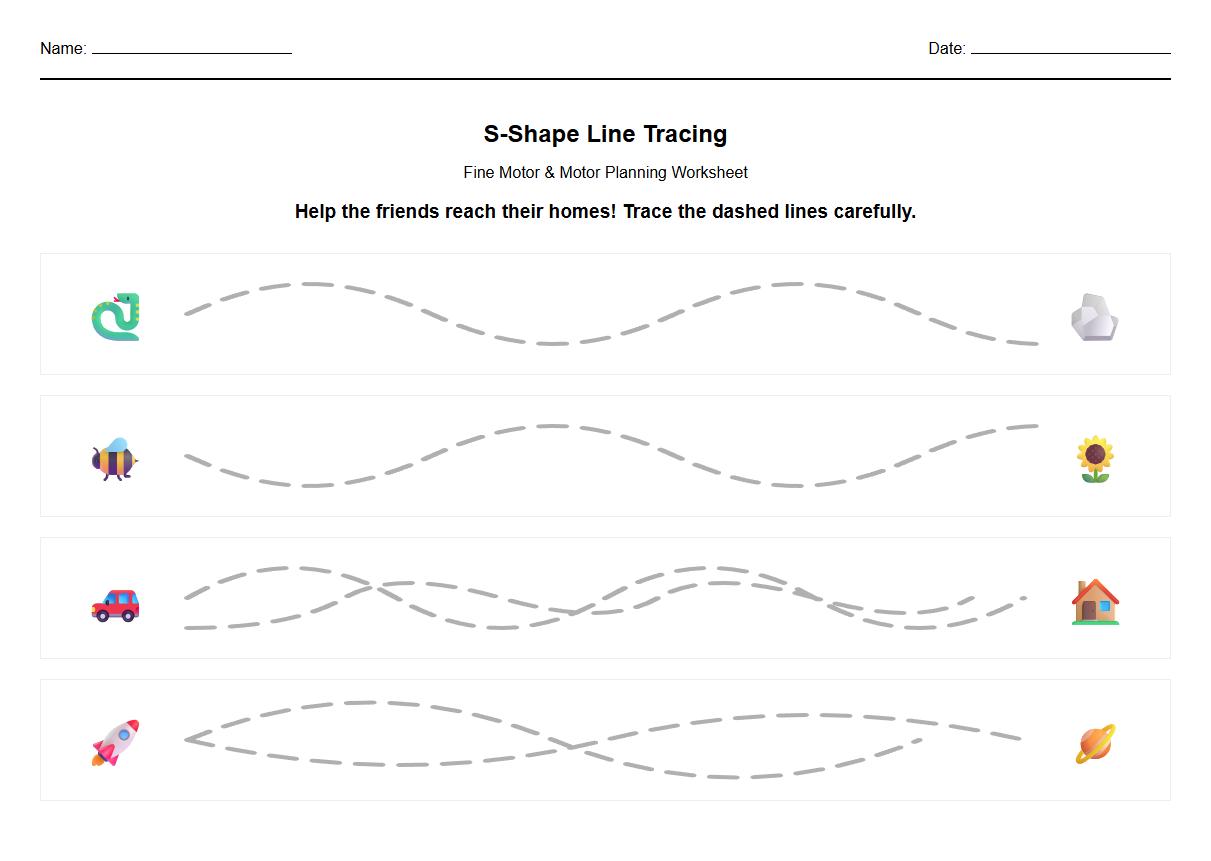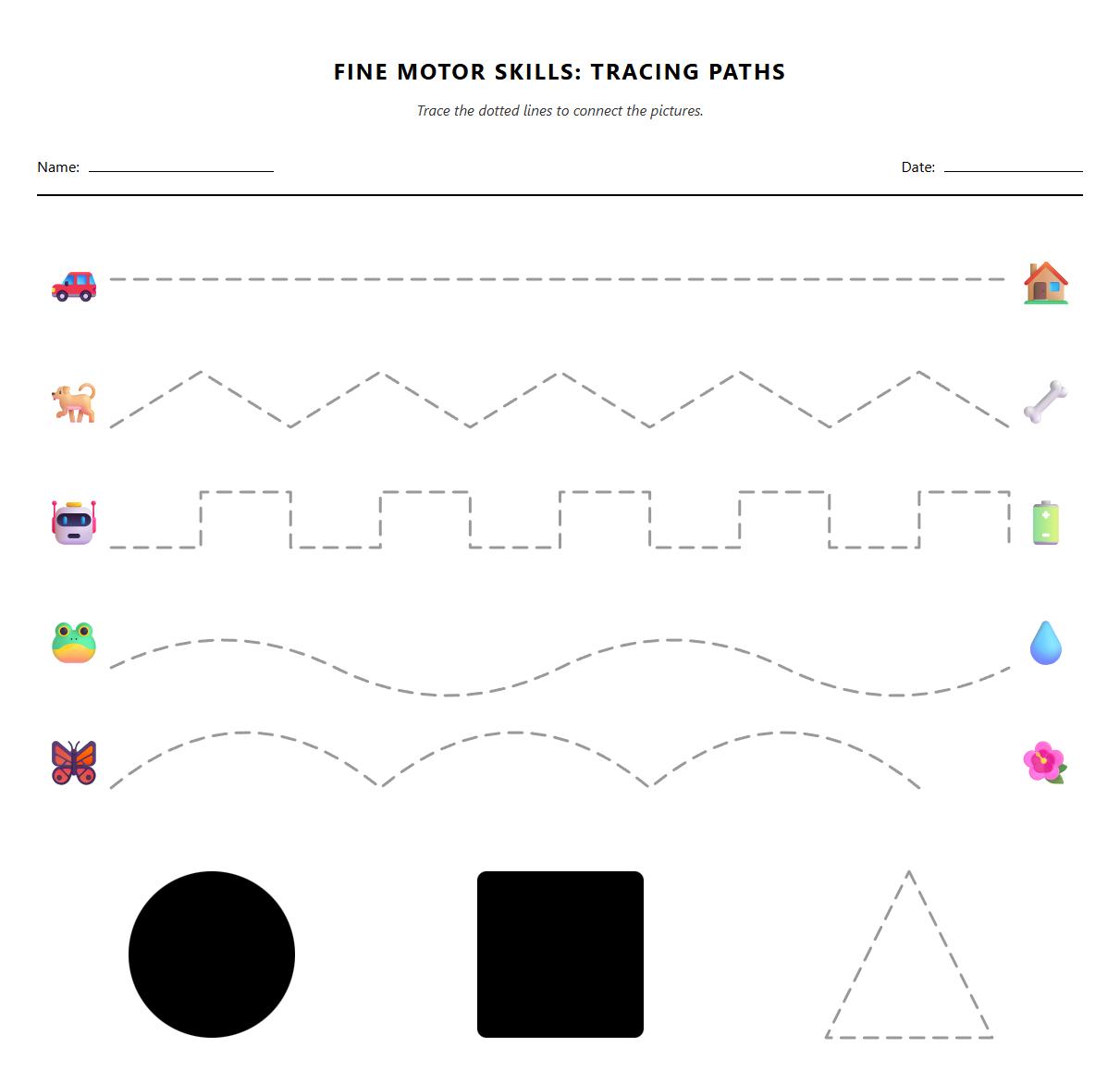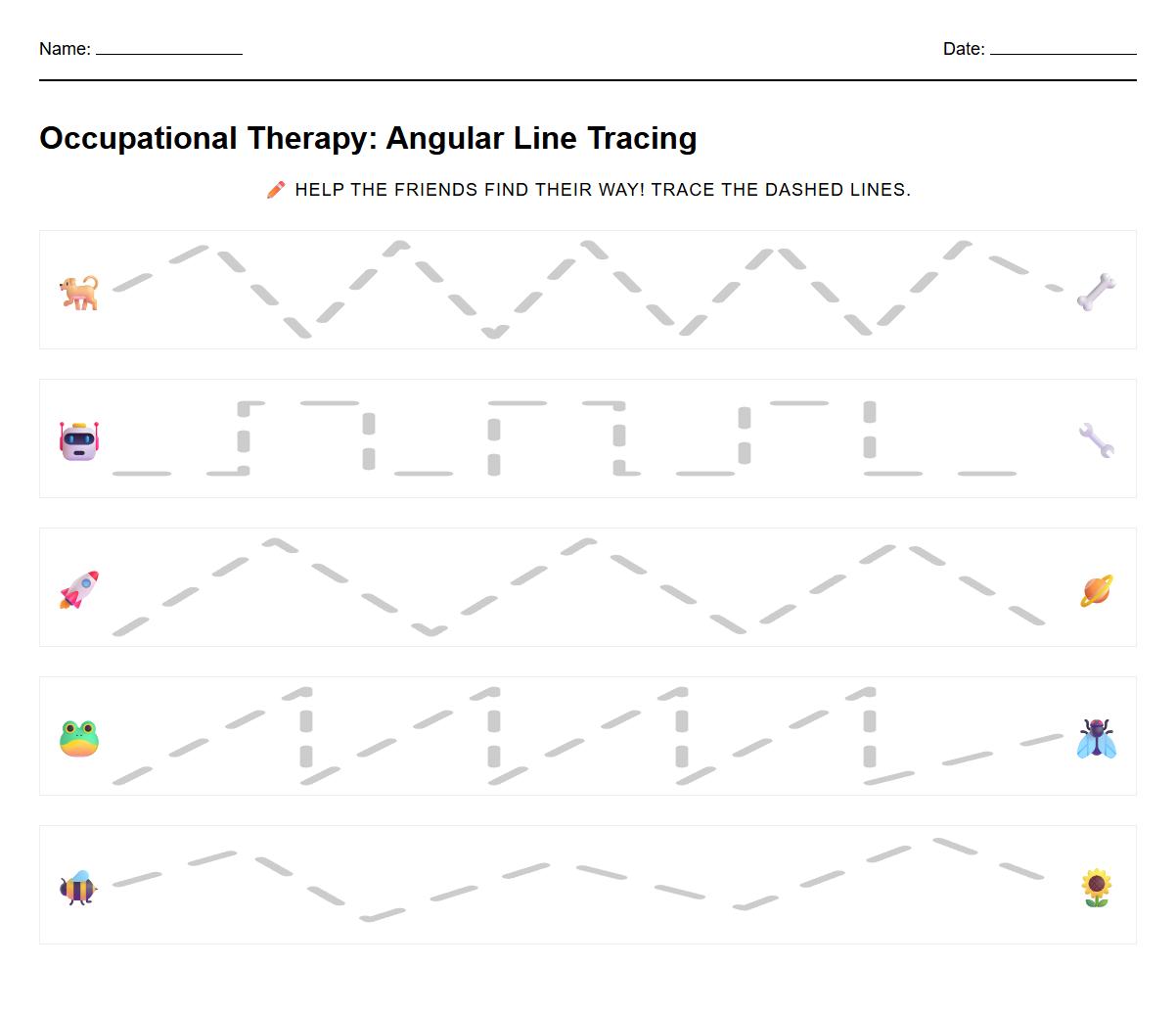
Occupational therapy worksheets focused on line and curve tracing help kindergarten students develop fine motor skills and hand-eye coordination essential for writing. These activities enhance pencil control and spatial awareness through engaging tracing exercises. Explore the available worksheets to support early learners in mastering these foundational skills.
Main Benefits of Line and Curve Tracing Activities for Kindergarten Students
Line and curve tracing activities enhance hand-eye coordination crucial for early writing skills. They help children develop spatial awareness and fine motor control through repetitive, focused movements. These activities also boost concentration and patience, preparing kids for more complex tasks. Additionally, tracing engages cognitive skills like pattern recognition and sequencing.
Support of Fine Motor Skill Development by Tracing Worksheets
Tracing worksheets encourage precise finger movements, strengthening the small muscles in hands and fingers. This muscle control is essential for tasks like holding pencils and manipulating tools. As children practice tracing varied lines and curves, they improve their dexterity and pencil grip stability. Fine motor development from tracing lays the foundation for legible handwriting.
Engaging Themes for Tracing Worksheets for Young Children
Popular themes include animals, nature (e.g., leaves, flowers), and seasonal motifs, making tracing fun and relatable. Incorporating characters or familiar objects stimulates interest and motivation. Themes like transportation or shapes connect tracing practice to real-world concepts. Changing themes regularly keeps children curious and eager to participate.
Assessing Progress Using Line and Curve Tracing Worksheets
Teachers can track improvements by observing accuracy and smoothness in tracing lines and curves. Comparing initial attempts to later worksheets reveals gains in control and confidence. Taking notes on pencil grip and posture during tracing provides additional insights. Regular assessment helps tailor instruction to individual student needs.
Strategies for Students Struggling with Pencil Control During Tracing
Providing larger, simpler shapes to trace builds confidence before moving to smaller, complex lines. Using thick crayons or markers can improve grip stability and reduce frustration. Break tracing tasks into short sessions with frequent breaks to maintain focus. Incorporating playful hand strengthening exercises supports muscle development. See these occupational therapy worksheets for more ideas.
Optimal Frequency for Kindergarten Tracing Practice
Daily short sessions of 5 to 10 minutes maximize fine motor gains without causing fatigue. Consistency reinforces skills and helps solidify foundational hand movements. Balancing tracing with other fine motor activities maintains engagement and promotes overall development. Adjust frequency based on individual student stamina and progress.
Alternative Materials for Line and Curve Tracing
Besides pencil and paper, materials like sand trays, chalkboards, and whiteboards offer tactile tracing experiences. Finger tracing in shaving cream or using gel bags adds sensory engagement. Magnetic tracing boards and textured surfaces can also enhance interest and multi-sensory learning. These alternatives encourage exploration and build fine motor skills in varied ways.
Tracing and Handwriting Readiness in Kindergarten
Tracing develops foundational skills including controlled movement, letter formation awareness, and visual-motor integration. These skills directly translate to improved handwriting legibility and speed. Early tracing practice helps children transition smoothly to freehand writing tasks. Building tracing proficiency reduces anxiety and increases writing confidence.
Differentiating Tracing Worksheets for Varied Skill Levels
Worksheets can be customized by adjusting line thickness, complexity, and length to match ability. Beginners benefit from bold, simple patterns, while advanced students tackle intricate curves and shapes. Adding guided prompts or multi-step tracing tasks provides scaffolding. Differentiation ensures all students feel challenged yet supported. Explore ideas for differentiated worksheets.
Fun Ways to Motivate Kindergarteners During Tracing Exercises
Incorporate themes related to favorite stories or characters to increase interest. Use colorful markers and stickers as rewards for completed worksheets. Turning tracing into a game, like "trace and find the hidden object," adds excitement. Positive reinforcement and group tracing activities foster a supportive atmosphere. For more engaging activities, refer to this spot the difference worksheet resource.


Letter Formation Worksheet: Phonics Line and Curve Tracing for Young Learners