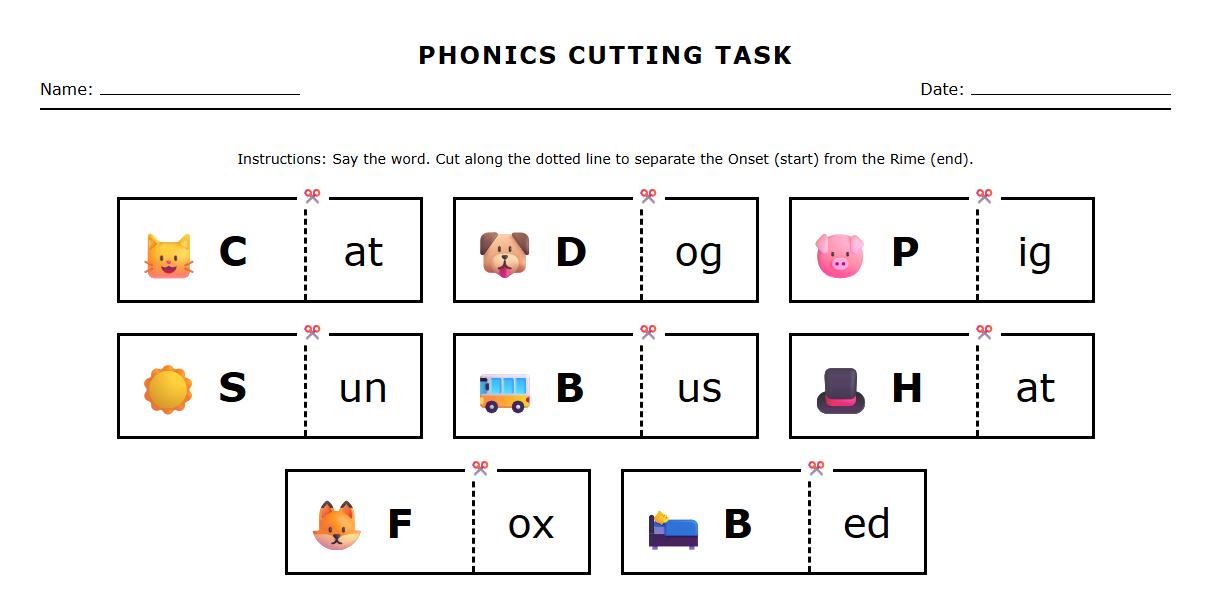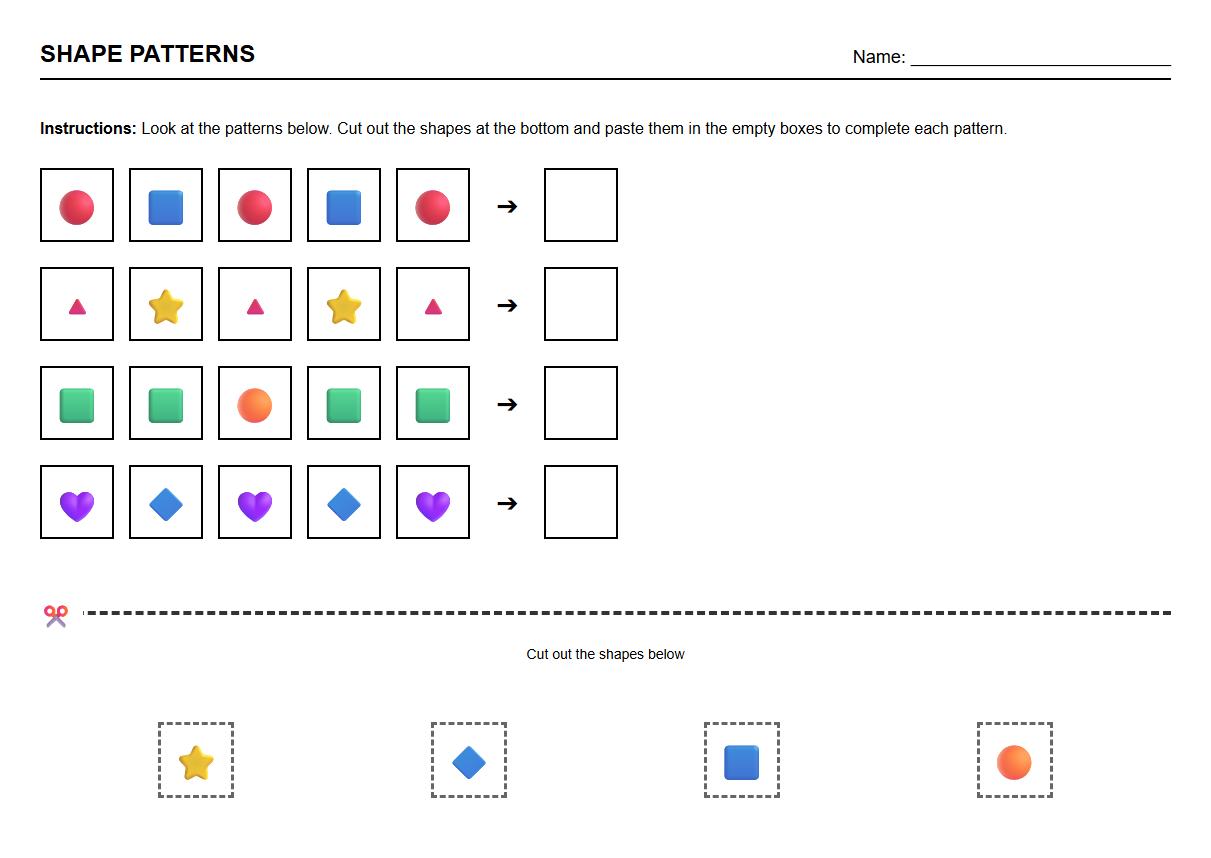
Kindergarten phonics and shapes scissor cutting skills practice provide essential early learning opportunities to develop fine motor skills and foundational literacy. Engaging activities focus on recognizing phonetic sounds while improving hand-eye coordination through cutting various shapes. Explore our collection of worksheets designed to enhance your child's phonics and scissor skills effectively.
Effective Activities for Letter Sound Recognition
Engage kindergarteners with interactive phonics games that pair letters with corresponding sounds. Use flashcards and sound-matching activities to reinforce learning. Singing alphabet songs that emphasize phonemes helps children remember sounds effectively. Incorporate daily practice in small groups to maintain attention and improve recall.
Introducing Basic Shapes Through Hands-On Activities
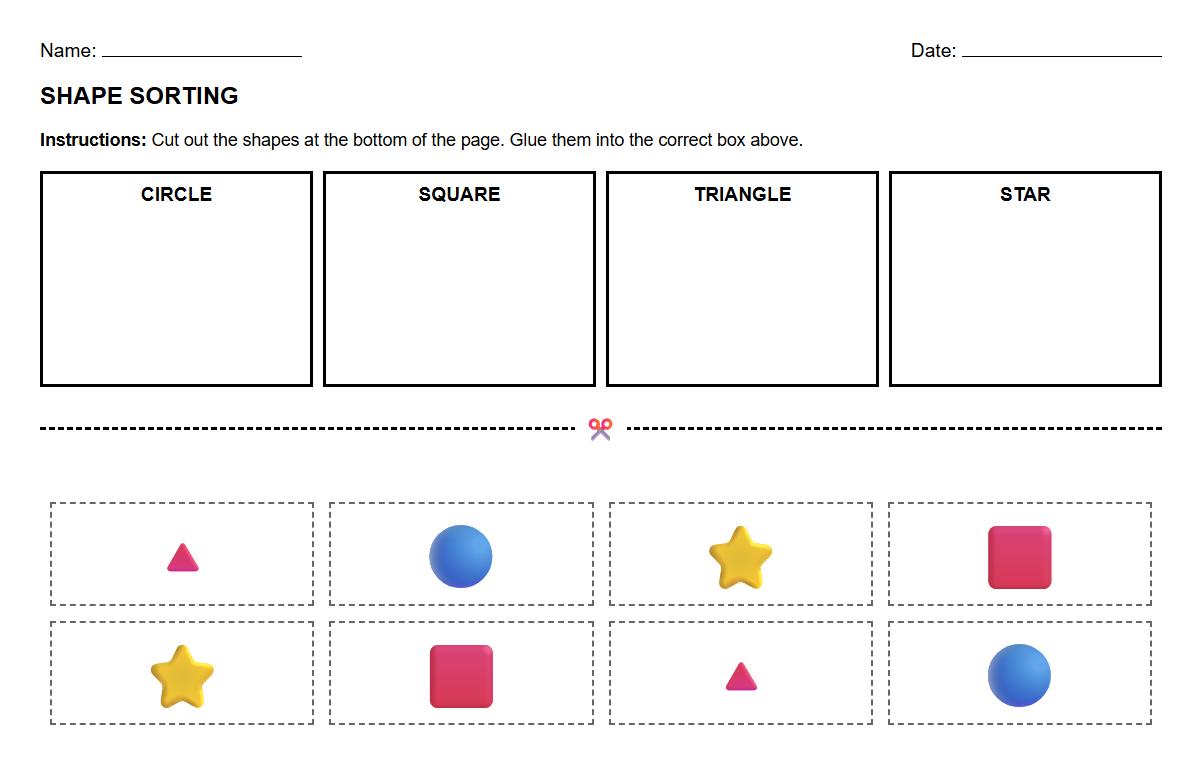
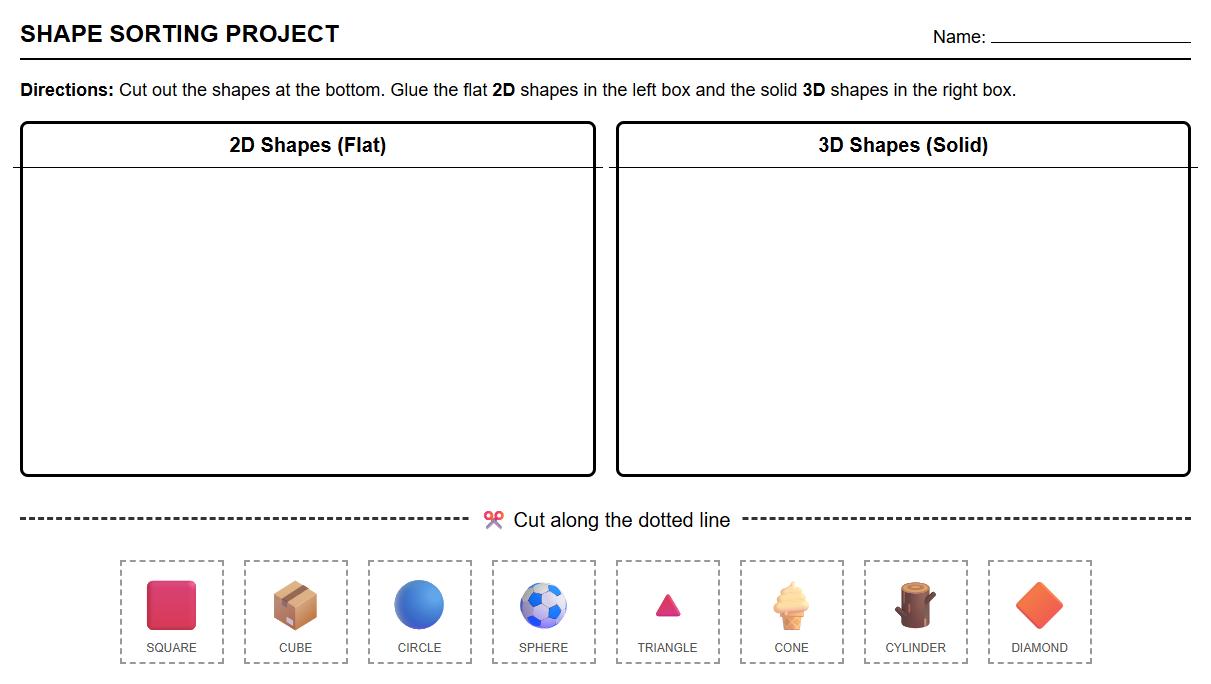
Teachers can use shape-sorting games and building blocks to teach basic shapes. Encourage children to identify and name shapes during play or craft projects. Using tactile materials like clay or textured paper helps reinforce shape recognition. Shape scavenger hunts in the classroom engage children actively in learning.
Scissor Cutting Exercises to Improve Fine Motor Skills
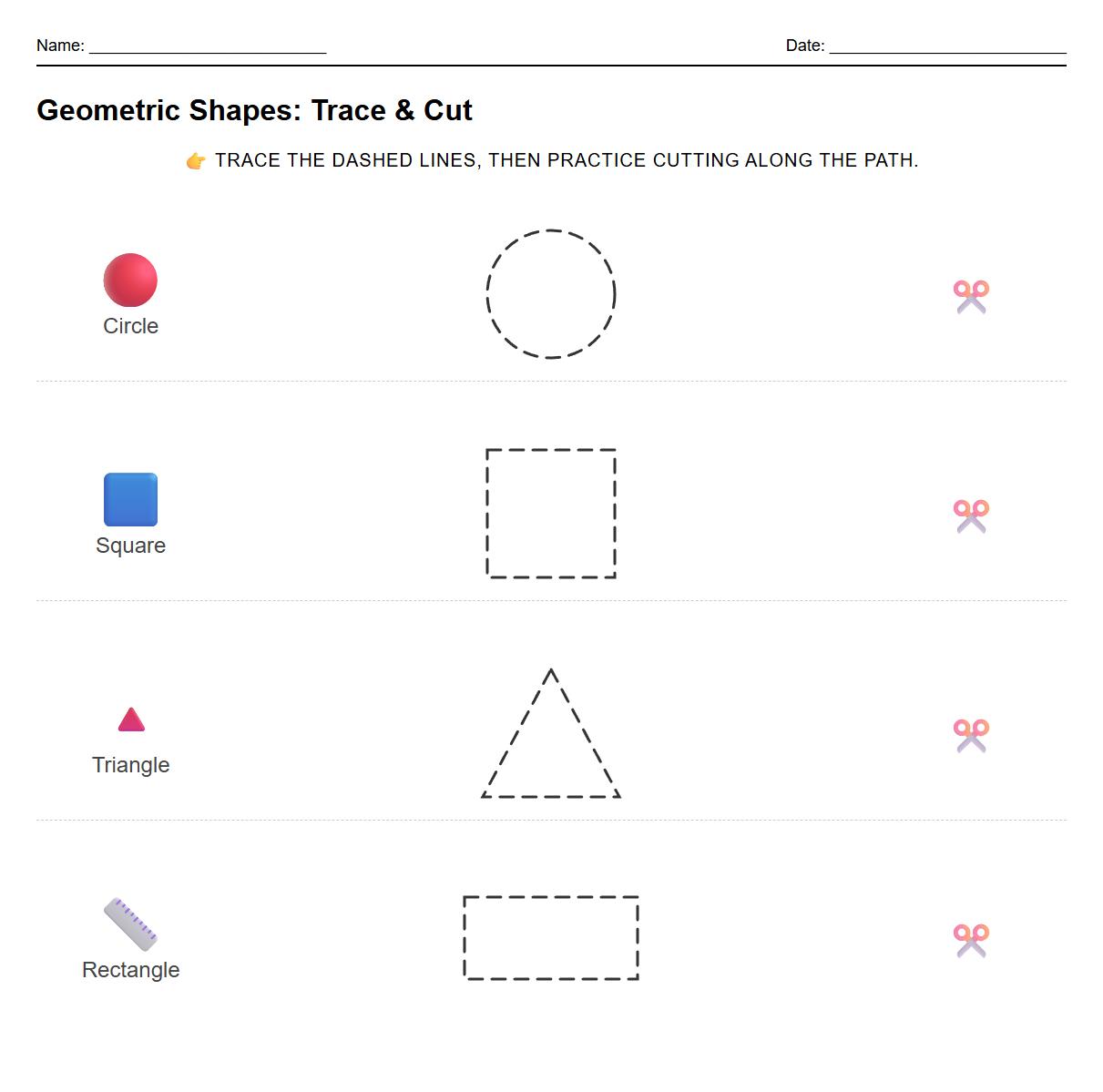
Start with simple cutting tasks such as snipping straight lines or cutting along thick shapes. Progress to cutting curves and zigzag patterns to enhance precision. Practice cutting paper strips and shapes to build hand-eye coordination. Regular, short cutting sessions steadily improve fine motor control in kindergarteners.
Best Visual Aids for Teaching Phonics and Shapes
Brightly colored flashcards featuring letters and shapes are highly effective. Use charts with corresponding images and letter sounds to reinforce concepts visually. Interactive whiteboard activities that highlight shapes and phonemes capture students' attention. Visual aids with clear, bold fonts and shapes support recognition and retention.
Assessing Progress in Letter Sound Mastery
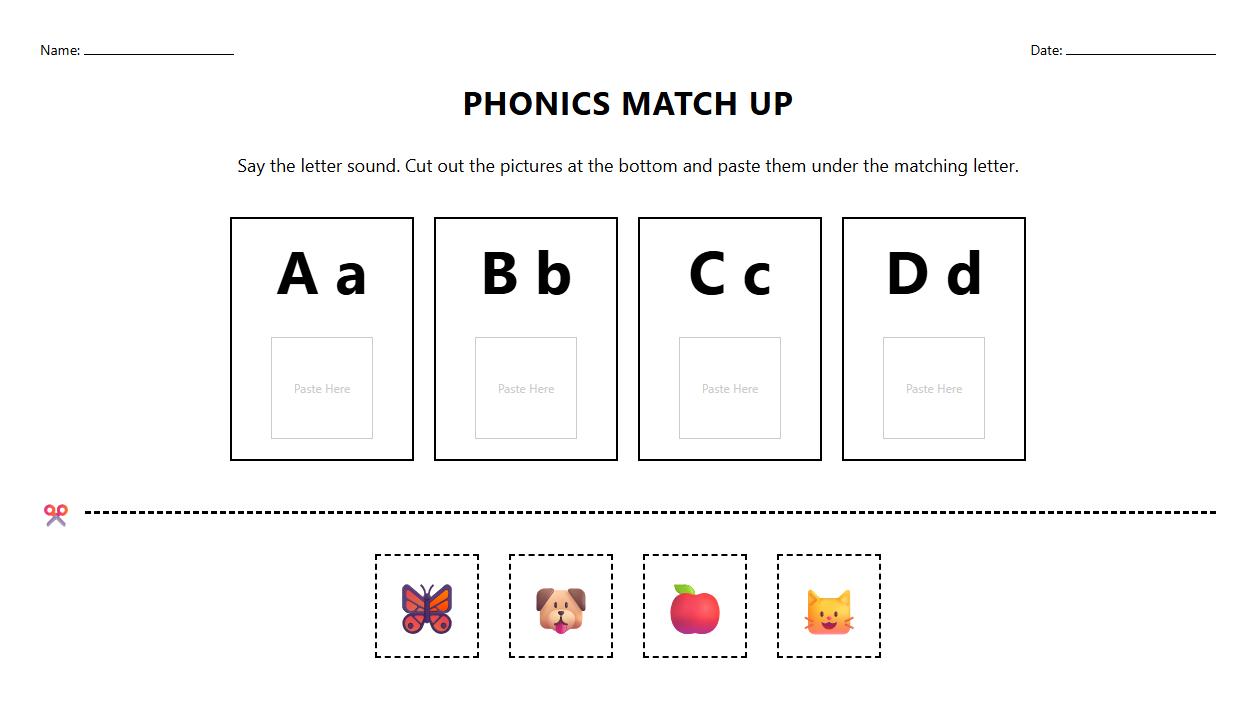
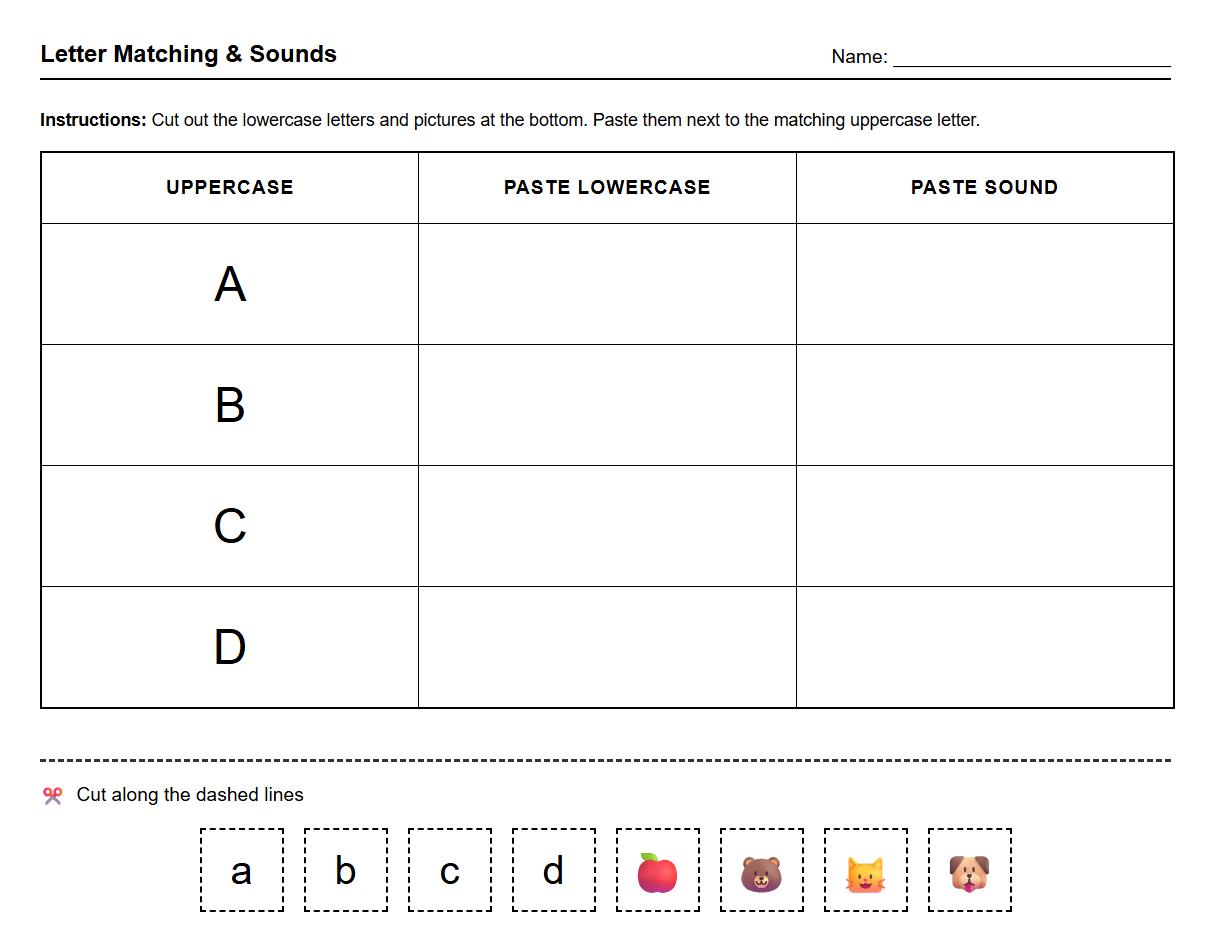
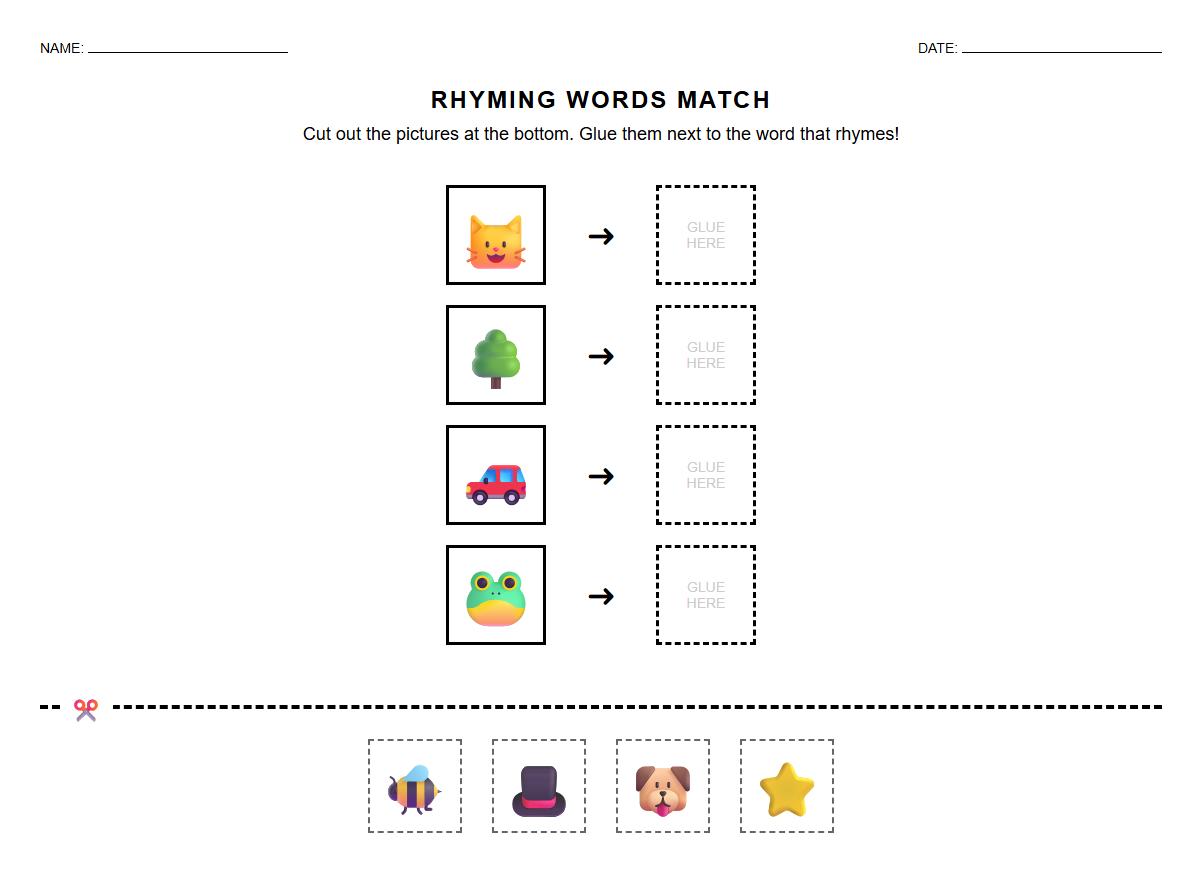
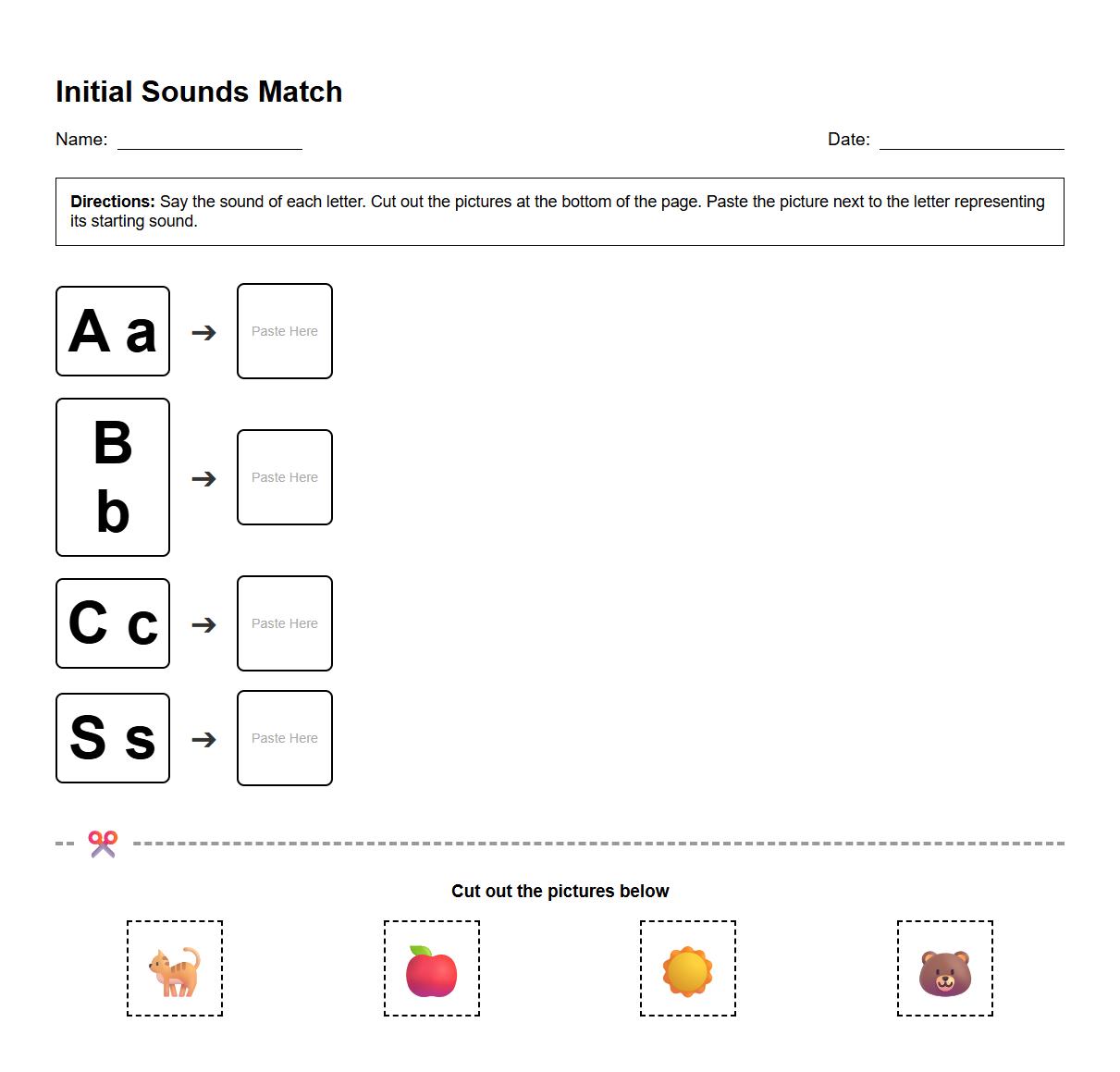
Conduct informal one-on-one assessments using letter-sound identification tasks. Observe children during phonics games to note correct and hesitant responses. Maintain progress records to track improvements over time. Use simple worksheets where children match letters to images or sounds for a quick skill check.
Safe Materials and Tools for Scissor Practice
Provide children with blunt-tip, child-friendly scissors specifically designed for safety. Use lightweight paper and cardstock to make cutting easier. Ensure scissors have comfortable handles suitable for small hands to reduce strain. Always supervise cutting activities closely to prevent accidents.
Combining Phonics and Cutting Skills in One Activity
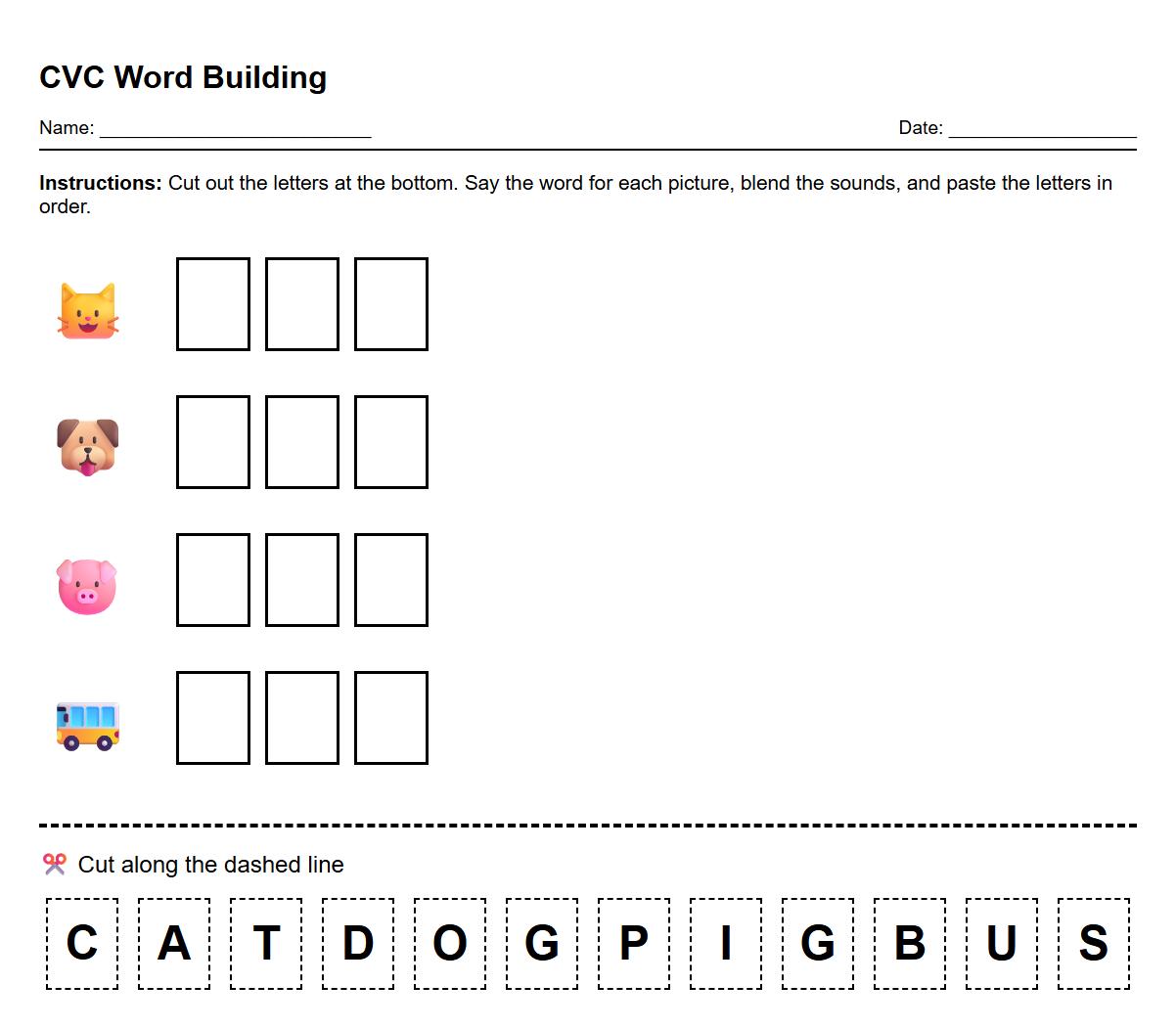
Create worksheets where children cut out letters or shapes and then match them to corresponding sounds or words. Use cut-and-paste exercises that involve assembling letter or shape puzzles. Integrate storytelling with scavenger hunts requiring phonics and cutting tasks. These multisensory approaches reinforce both motor and literacy skills.
Strategies for Children Struggling with Scissor Grip
Offer modified scissors with ergonomic grips to aid holding. Teach the correct finger placement through guided hand-over-hand practice. Use stress balls or hand exercises to strengthen hand muscles. Be patient and provide frequent positive reinforcement to build confidence.
Classroom Games Encouraging Shape Sorting and Sound Matching
Play "Sound and Sort" where children sort objects or cards by their initial sounds or shapes. Use matching games that pair shape cutouts with pictures of items starting with the same letter sound. Incorporate movement games, such as "Shape Hop" where children jump on shapes that match a letter sound. These games motivate learning through play.
Frequency of Scissor Cutting Practice with Literacy Activities
Integrate short cutting sessions 2-3 times per week alongside phonics lessons for balanced skill development. Keep sessions brief to maintain focus and avoid fatigue. Regular practice helps cement fine motor coordination while reinforcing literacy concepts. Alternating between cutting and letter-sound activities supports holistic learning.


Early Childhood Occupational Therapy Scissor Cutting Skills Worksheets