Step by Step Following Directions Worksheet for Kindergarten

📅 Jan 11, 2025 👤 Nylen Smith

Kindergarten students develop essential listening and comprehension skills through step-by-step following directions activities. These exercises enhance attention to detail and promote the ability to complete tasks accurately. Explore our available worksheets to support young learners in mastering following directions effectively.

Phonics Based Step by Step Following Directions Worksheet
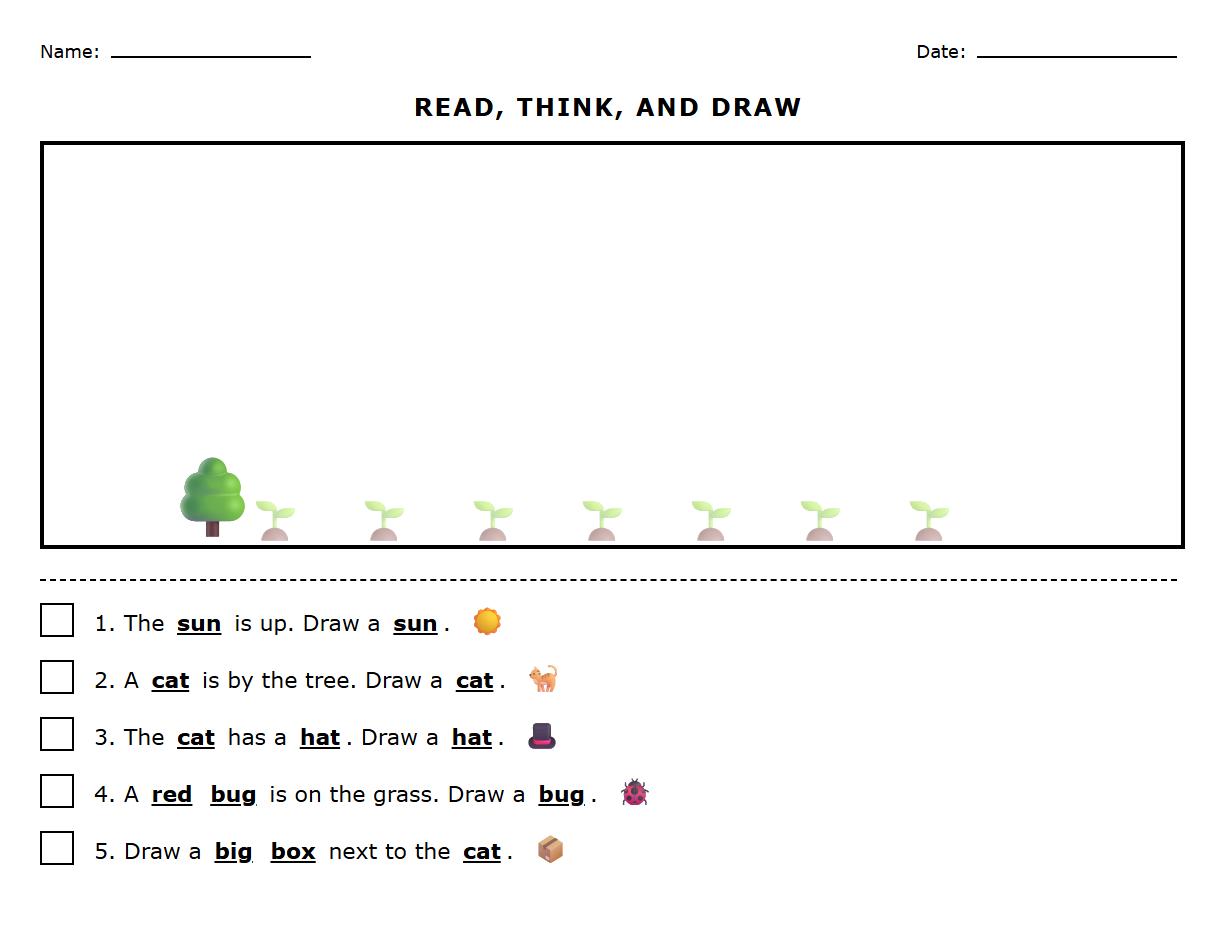
Phonics Based Step by Step Following Directions Worksheet

Download PDF     Pin it

Color and Shape Identification Sequencing Worksheet
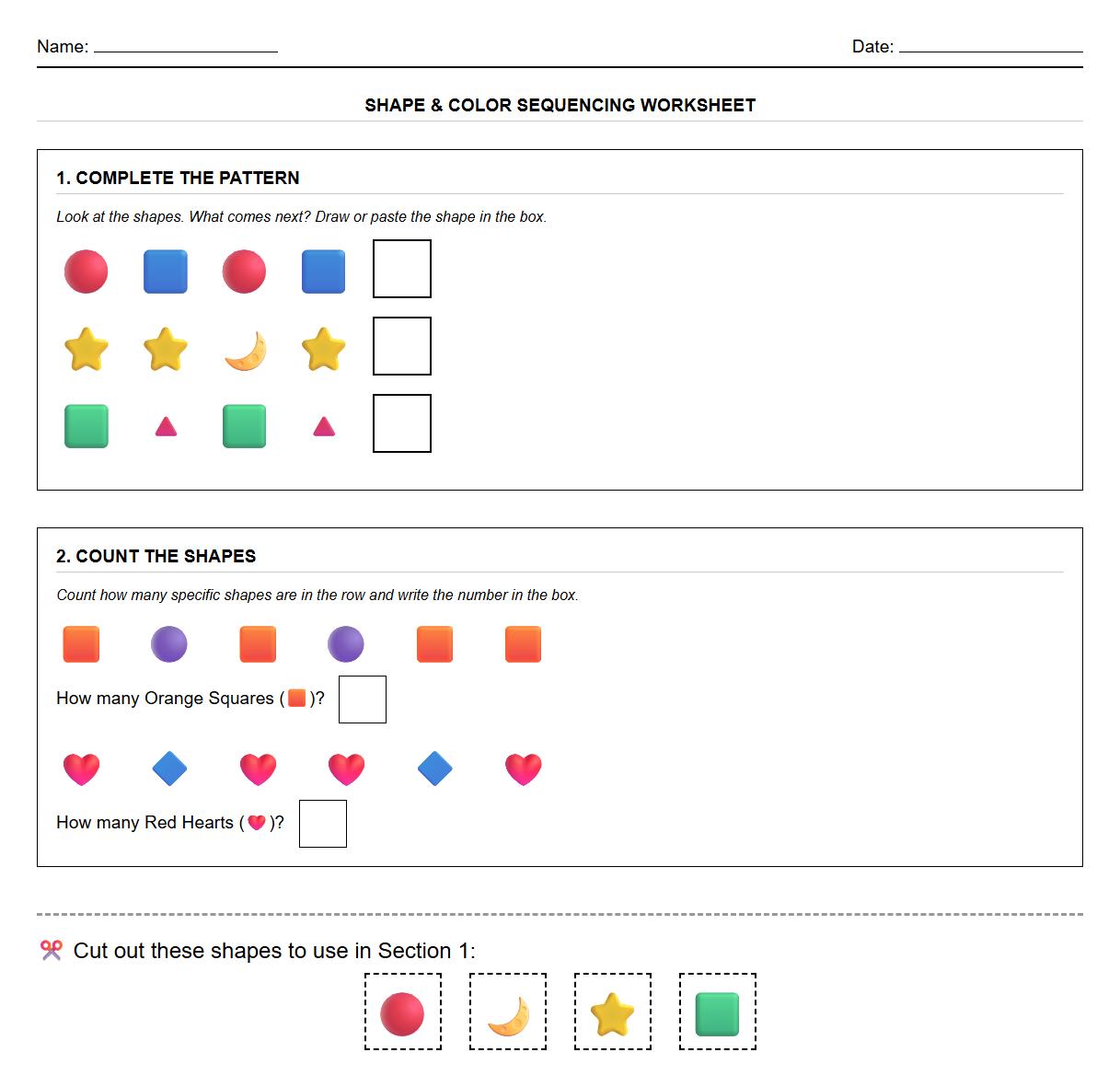
Color and Shape Identification Sequencing Worksheet

Download PDF     Pin it

Two Step Instruction Listening Comprehension Worksheet
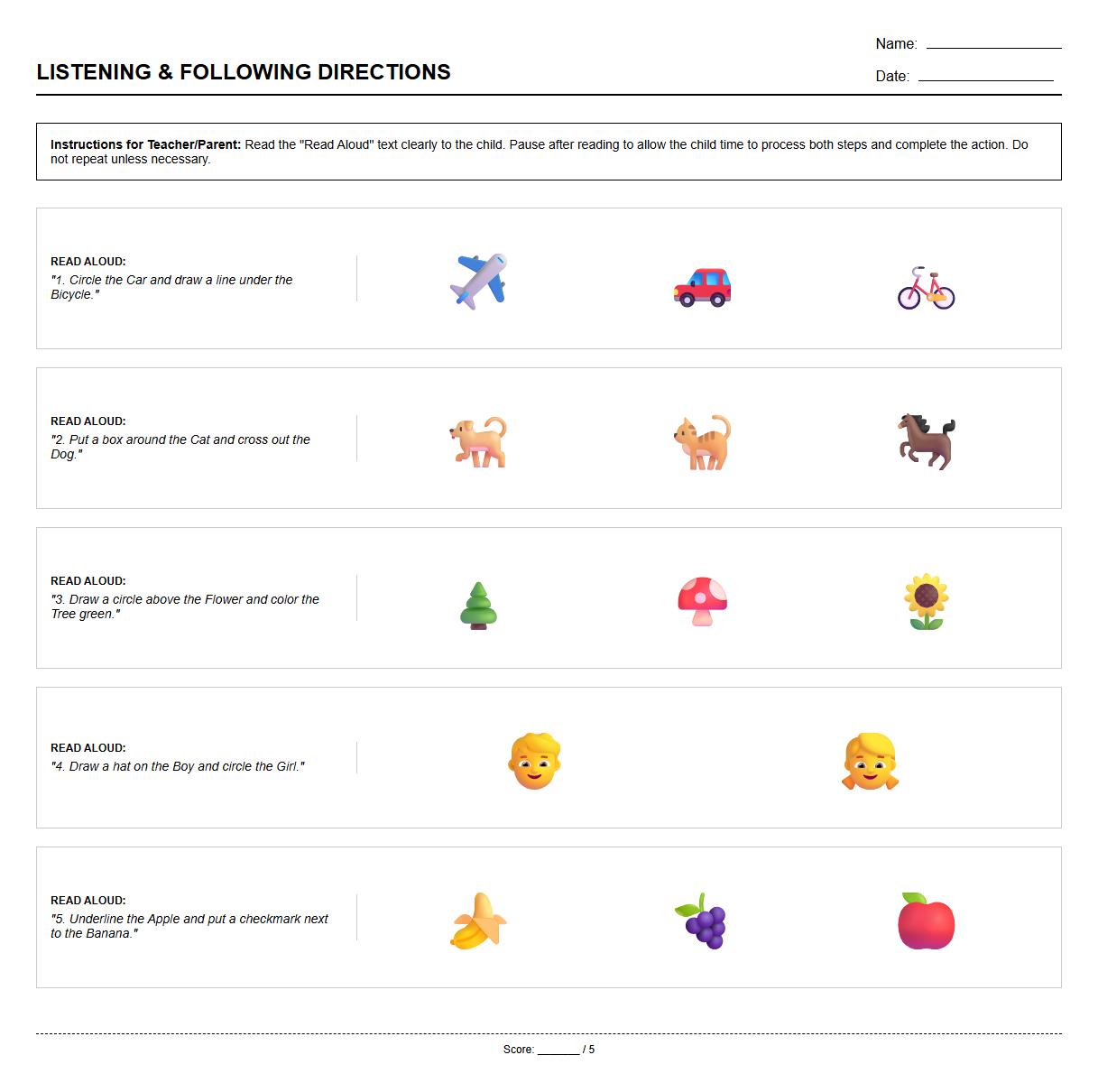
Two Step Instruction Listening Comprehension Worksheet

Download PDF     Pin it

Visual Discrimination Direction Following Worksheet
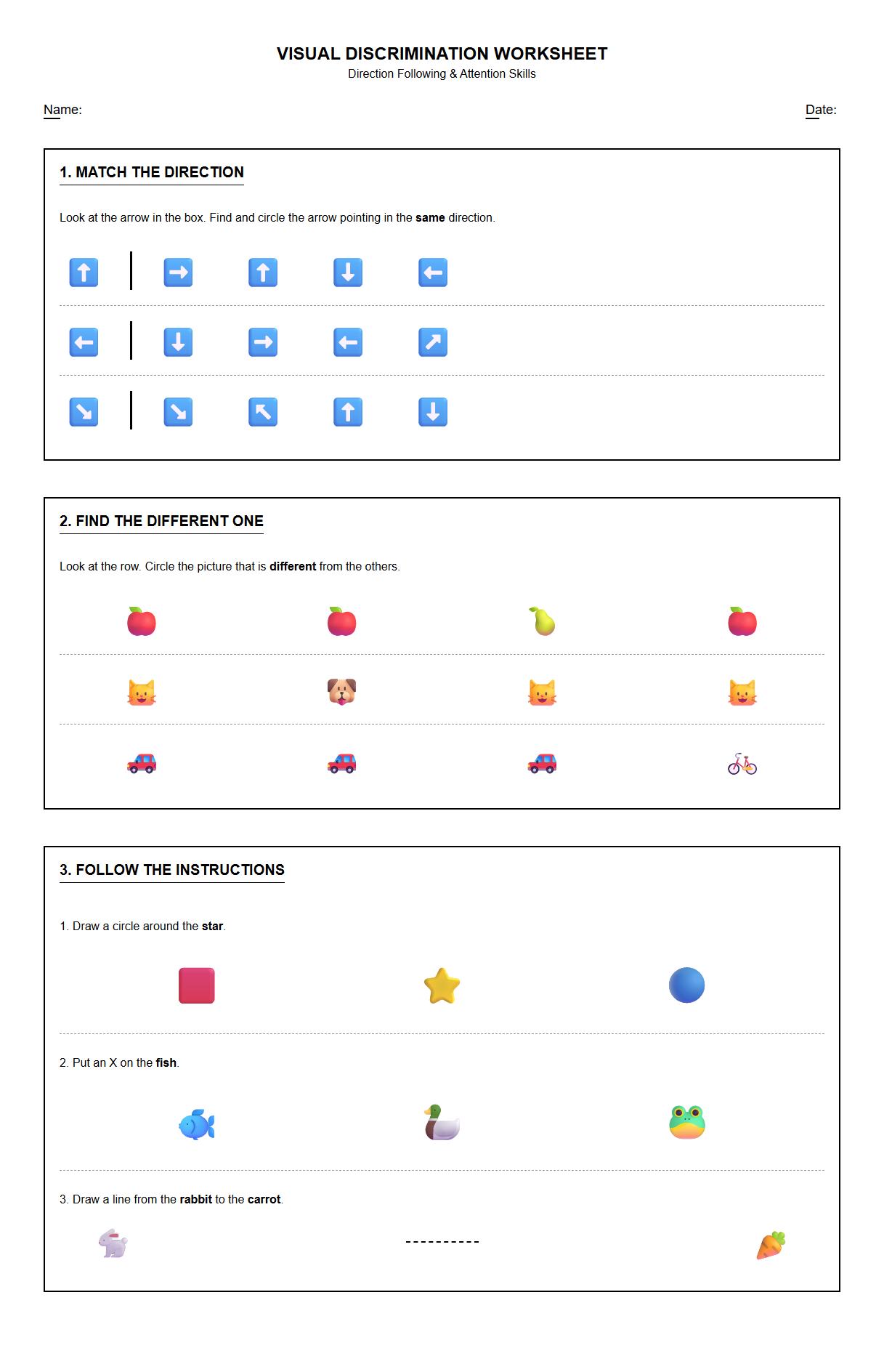
Visual Discrimination Direction Following Worksheet

Download PDF     Pin it

Prepositions and Spatial Awareness Direction Worksheet
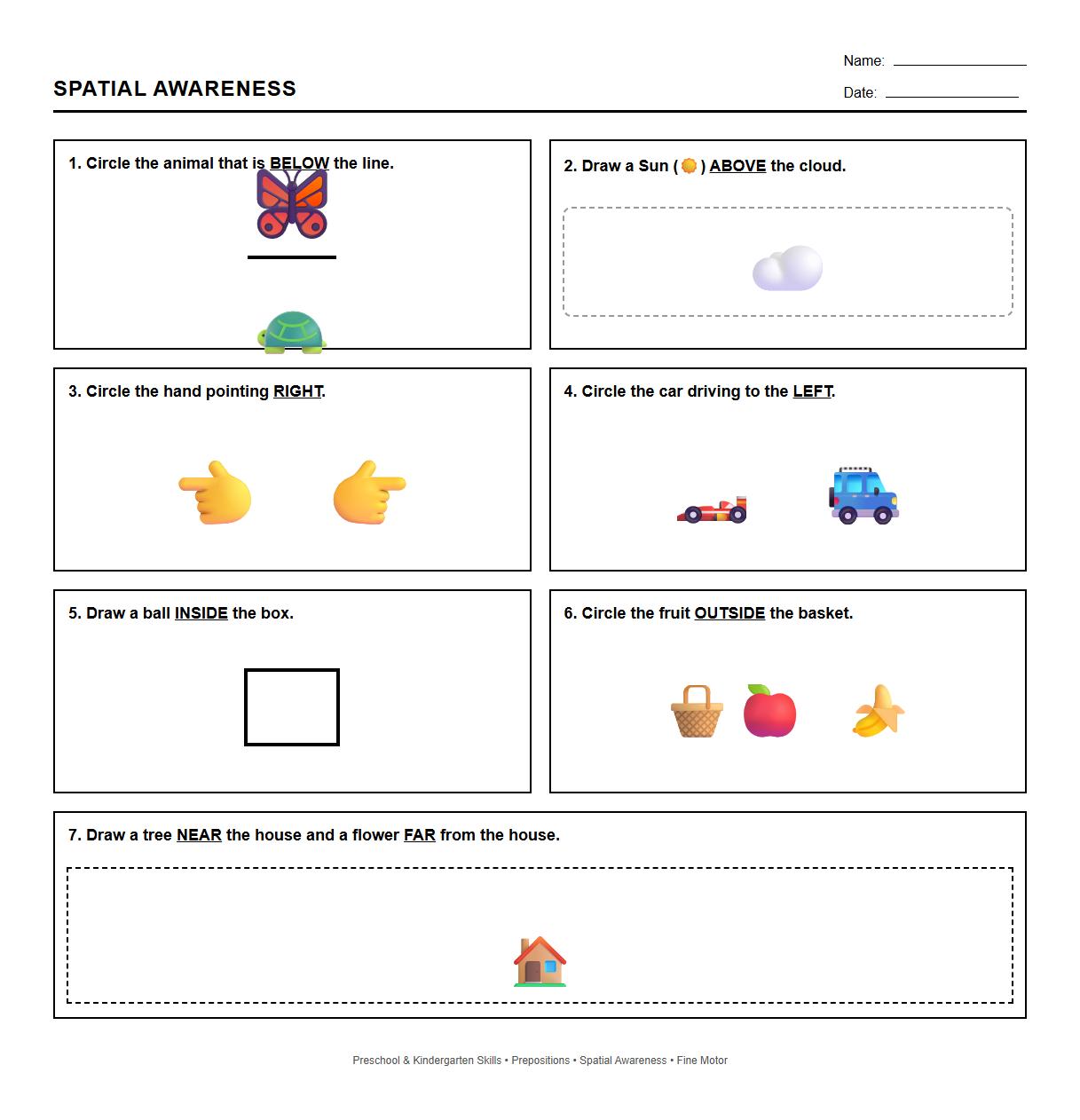
Prepositions and Spatial Awareness Direction Worksheet

Download PDF     Pin it

Cut and Paste Step Sequencing Worksheet
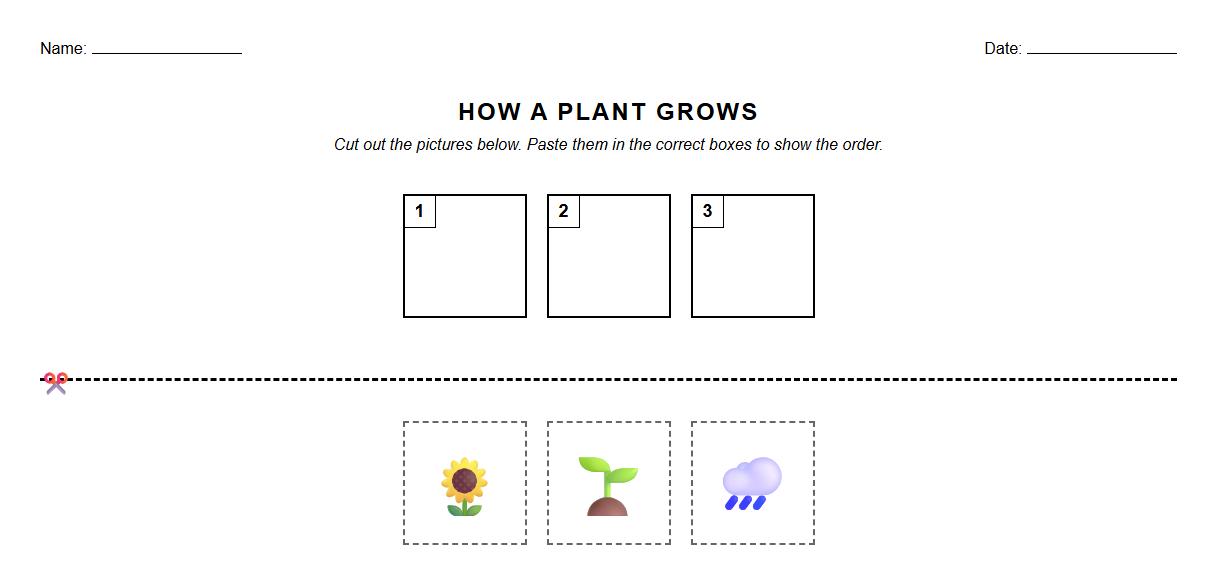
Cut and Paste Step Sequencing Worksheet

Download PDF     Pin it

Picture Clues Multi Step Following Directions Worksheet
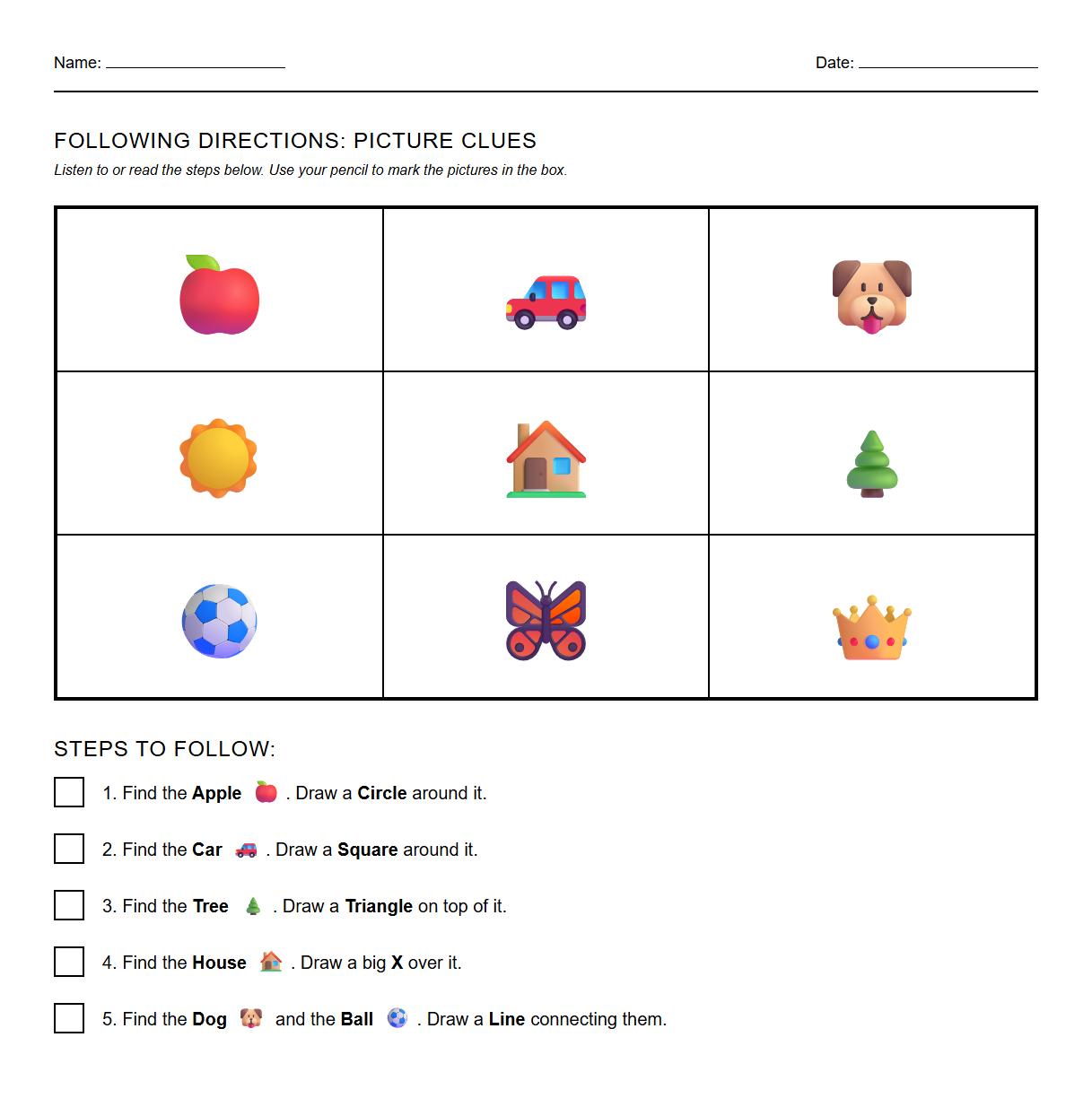
Picture Clues Multi Step Following Directions Worksheet

Download PDF     Pin it

Number Order Following Directions Activity Sheet
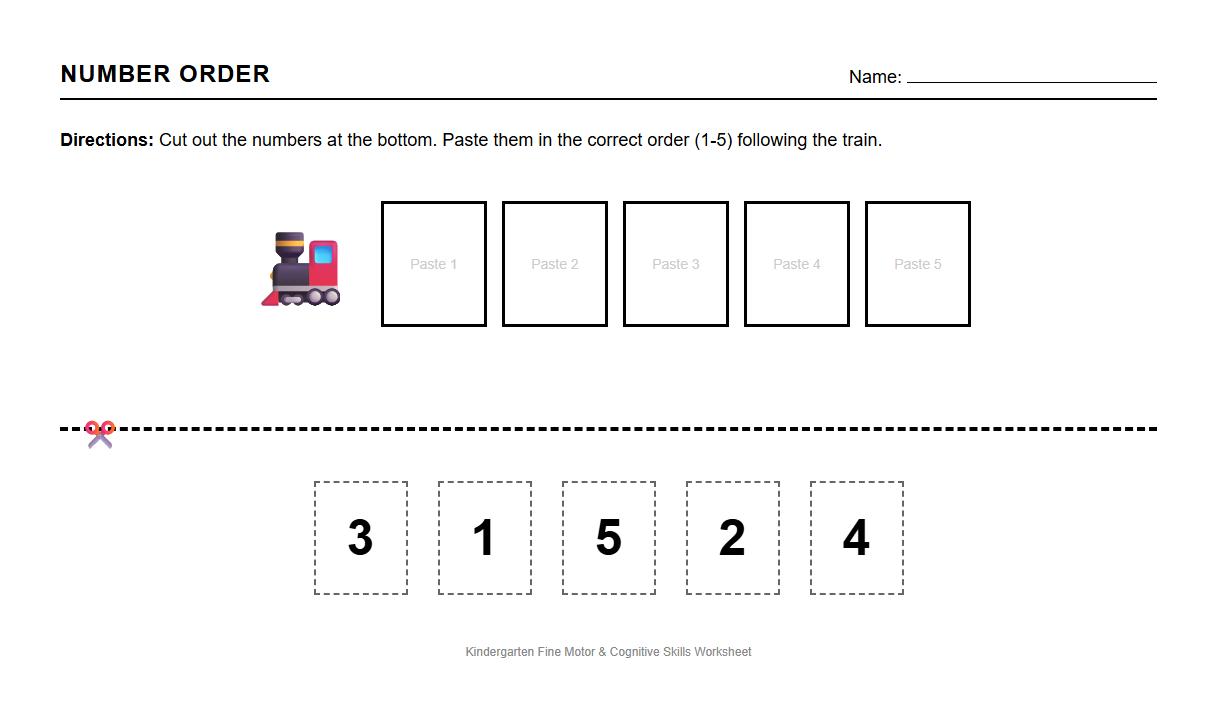
Number Order Following Directions Activity Sheet

Download PDF     Pin it

Fine Motor Step by Step Tracing Directions Worksheet
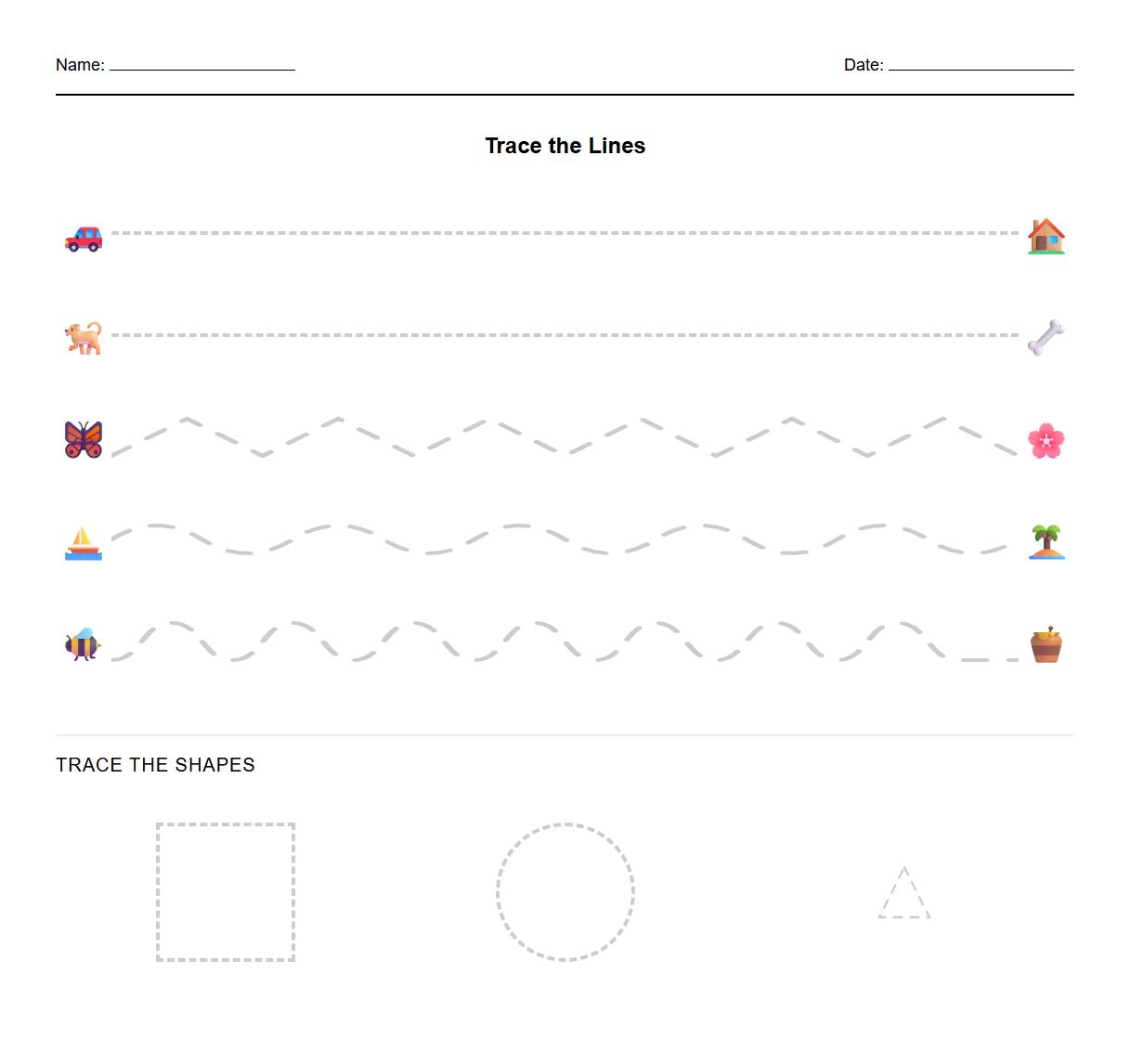
Fine Motor Step by Step Tracing Directions Worksheet

Download PDF     Pin it

Sight Word Directional Response Worksheet
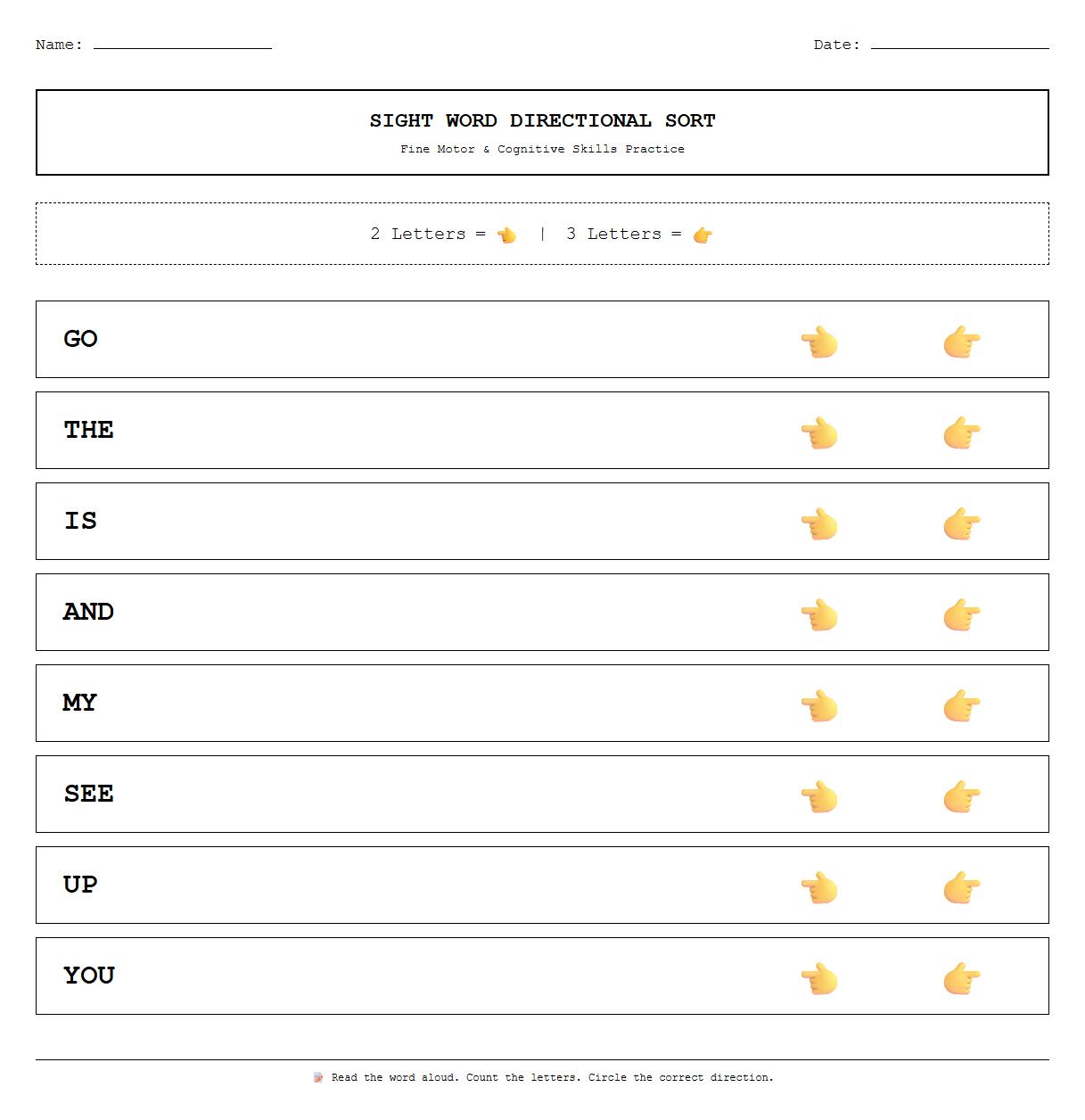
Sight Word Directional Response Worksheet

Download PDF     Pin it

Understanding Directions at the Top of the Worksheet

The first thing to do when you see the directions at the top of a worksheet is to read them carefully. This helps you understand what the worksheet is asking you to do. Reading directions fully ensures you know how to start and what materials you may need. Always take a moment to focus on the instructions before beginning your work. Some worksheets, such as Visual Discrimination & Matching Worksheets, have clear directions at the top for better understanding.

Identifying the Next Step on a Worksheet

You can know which step to do next by looking for the numbered steps or bullet points on the worksheet. Steps are usually listed in order, such as Step One, Step Two, and so on. Paying attention to these helps you follow directions correctly and avoid confusion. It's important to complete each step before moving on to the next. Worksheets like Phonics Puzzle Assembly often use clearly numbered steps for guidance.

Locating "Step One" on the Worksheet

To find "Step One," look at the beginning of the instructions or the top of the worksheet where the tasks start. It is often labeled clearly as "Step One" or the first numbered instruction. Pointing it out helps ensure your child understands where to begin the task. Visual cues like bold or colored text can assist in identifying the first step quickly. A good example can be seen in Number Sense Through Color & Number Activities.

What to Look for in Each Direction Before Starting

Before starting your work, look for key action words such as "circle," "color," "draw," or "write" in each direction. These words tell you exactly what you need to do for each step. Check if there are any materials or tools mentioned that you might need. Understanding these details helps children complete the task correctly and confidently. Directions in Line and Curve Tracing Worksheets often highlight such action words.

Checking Completion of All Steps in Order

To check if all steps are finished in order, review the worksheet from start to finish. Look at each numbered or labeled step and confirm it has been completed. You can also mark each step as done with a checkmark. This process helps avoid skipping any part of the worksheet and ensures thorough learning. For example, Spot the Difference Worksheets encourage checking each difference identified.

Who to Ask for Help

If a step on the worksheet is confusing, you can ask a teacher, parent, or caregiver for assistance. These adults can help explain the instructions or demonstrate what to do next. Encouraging children to seek help builds confidence and improves understanding. It's always okay to ask questions when unsure. See examples in Visual Analysis Worksheets.

The Importance of Following Steps in Order

Following the steps in the exact order listed is important because each step builds on the previous one. Doing them out of order can cause confusion and might lead to incomplete or incorrect work. The worksheet is designed to guide learning progressively. Sticking to the order helps solidify understanding and build skills step-by-step. Worksheets focused on Phonics and Shapes Scissor Cutting Skills are structured for sequential task completion.

Consequences of Skipping Directions

If you skip a direction, the worksheet tasks may not be done correctly. Missing a step can make the following steps confusing or impossible to complete. It can also result in a lower quality of work and less learning. Encourage reviewing each direction carefully to avoid errors. This is particularly important in Color by Number Worksheets.

Showing Completion of Each Step Correctly

You can show that you completed each step correctly by checking your work, coloring as instructed, or following the specific action in the directions. Teachers and parents can also review the work to confirm accuracy. Using stickers or stamps can motivate kindergarteners to complete tasks thoroughly. Clear completion signals understanding and effort. See Phonics and Color Blending Worksheets for ideas.

What to Do If You Get Stuck on a Direction

If you get stuck on a direction, try rereading it slowly and look for clues in the pictures or previous steps. You can ask a teacher, parent, or friend for help if needed. Taking a small break and returning to the task often helps with focus. Remember, asking for help is a positive step in learning and understanding the instructions. Worksheets such as Spot the Difference Behavioral Observation Worksheets often encourage collaborative problem-solving.


More in Fine Motor and Cognitive Skills Category


About the author. Nylen Smith is a dedicated educator and cofounder of KWorksheet.com, a popular platform specializing in high-quality kindergarten worksheets and printable activities.

Disclaimer. The information provided in this document is for general informational purposes and/or document sample only and is not guaranteed to be factually right or complete. Please report to us via contact-us page if you find and error in this page, thanks.

Comments

No comment yet