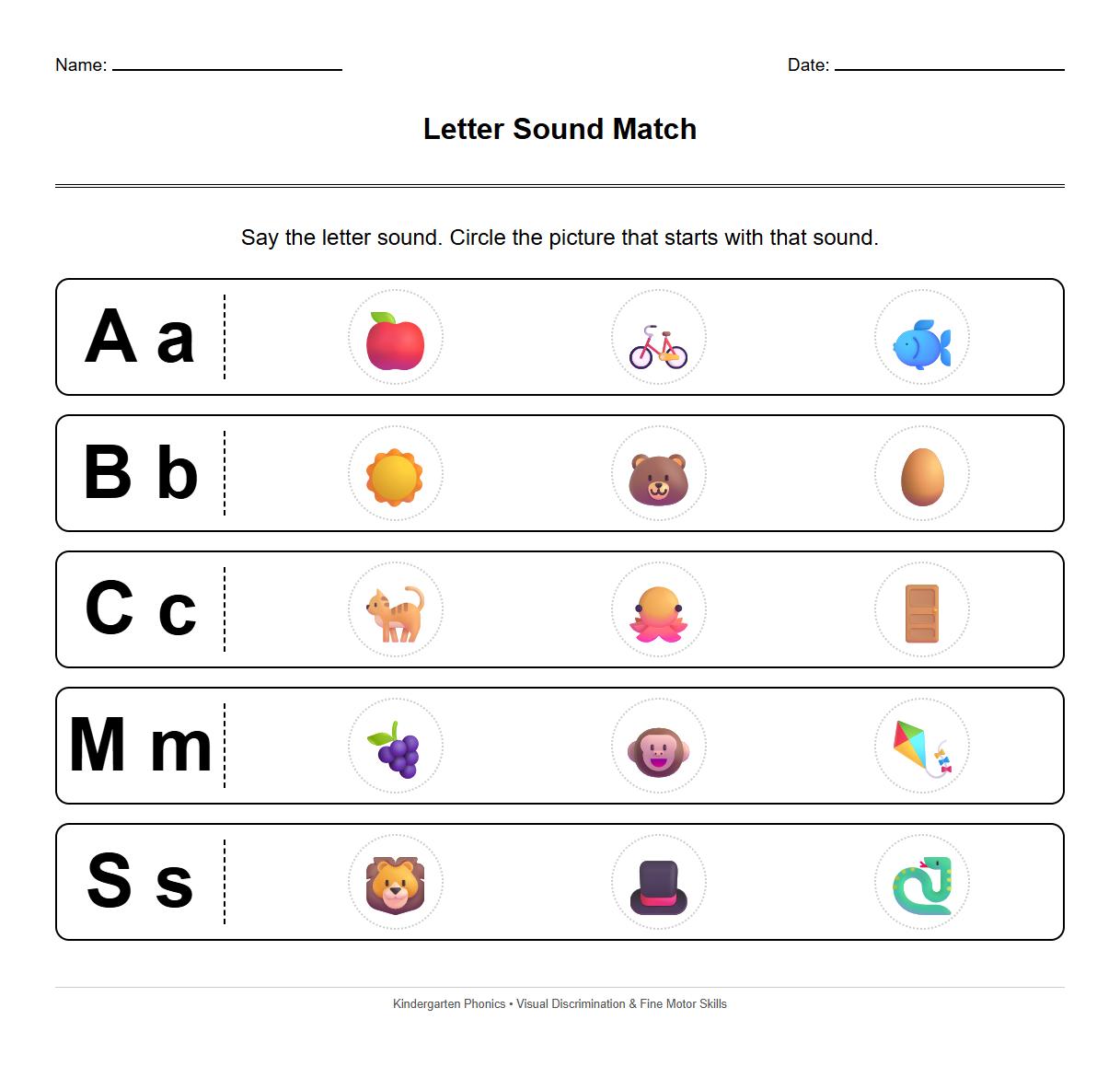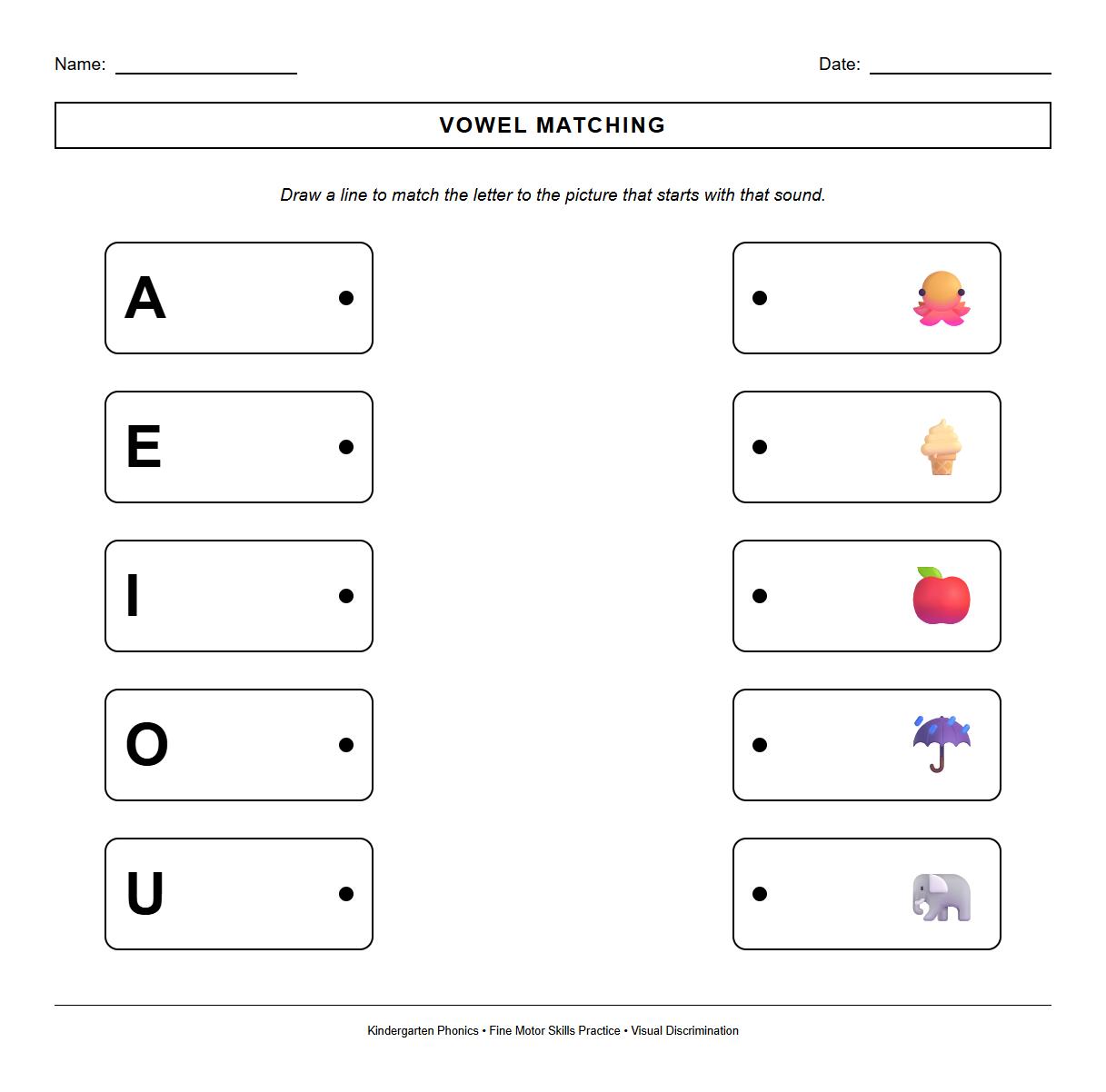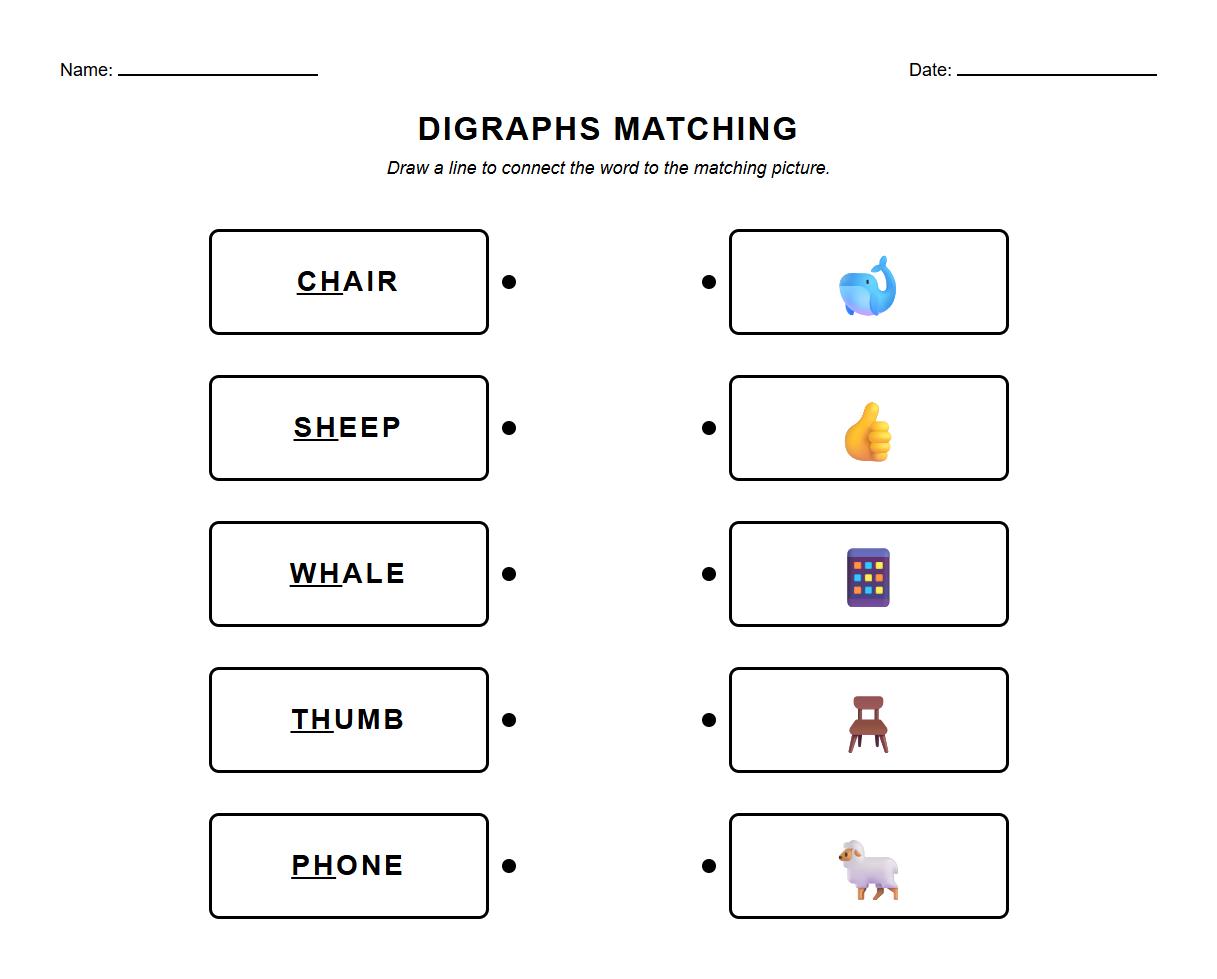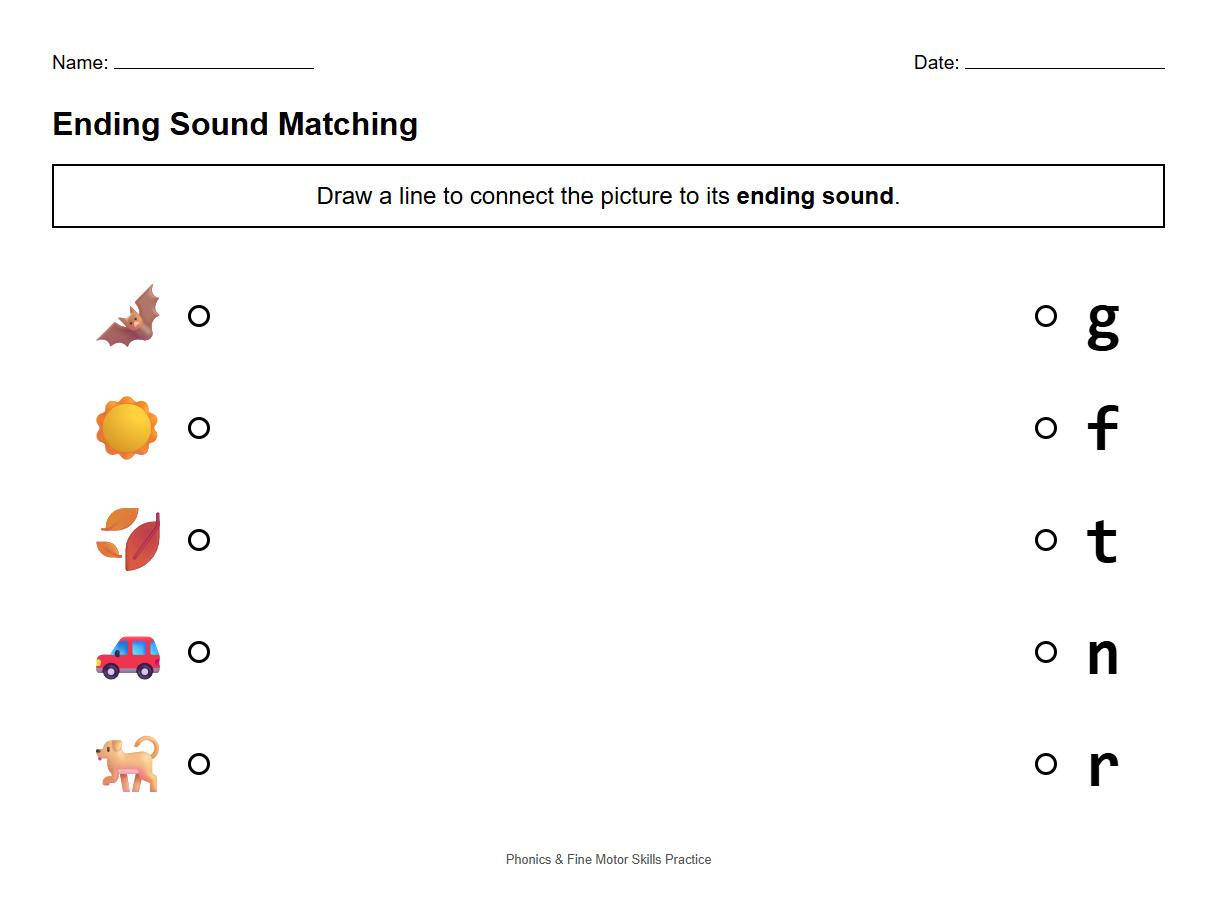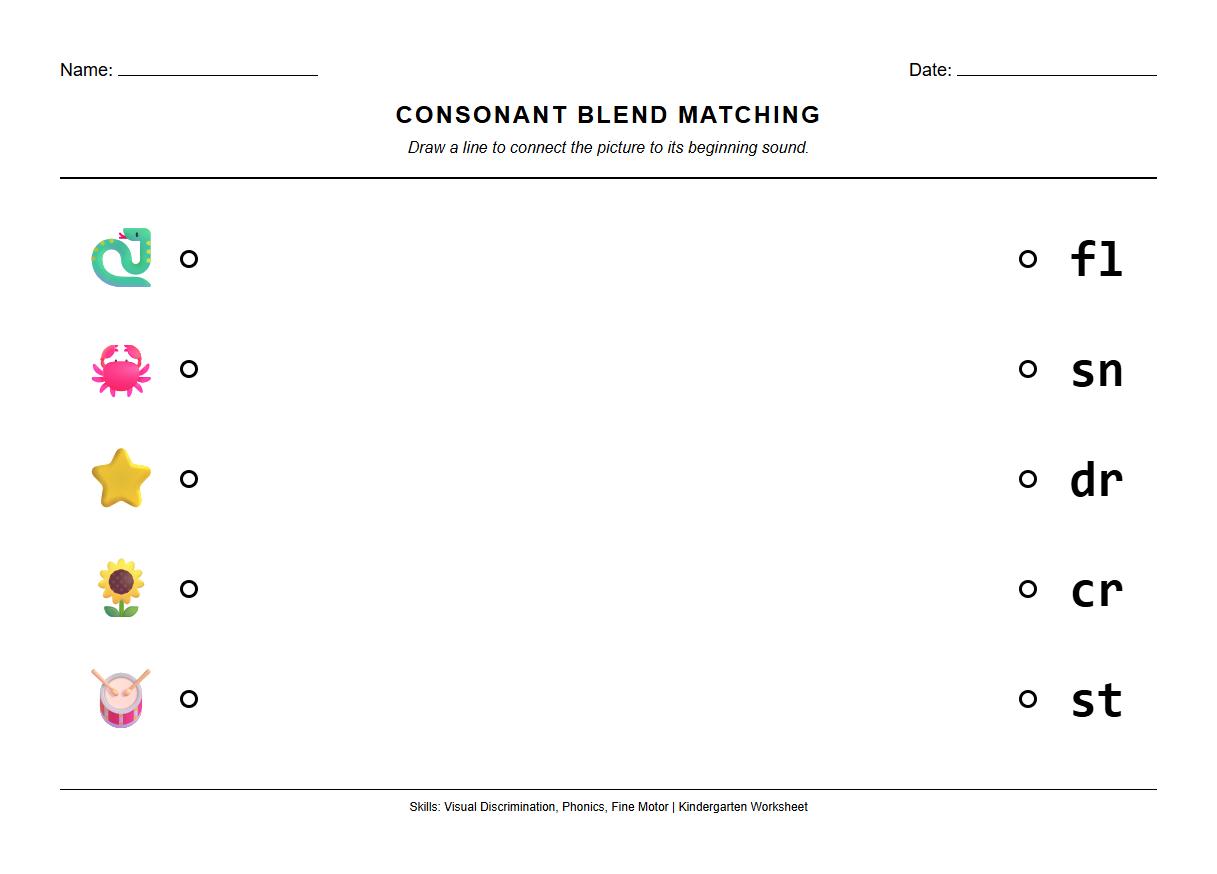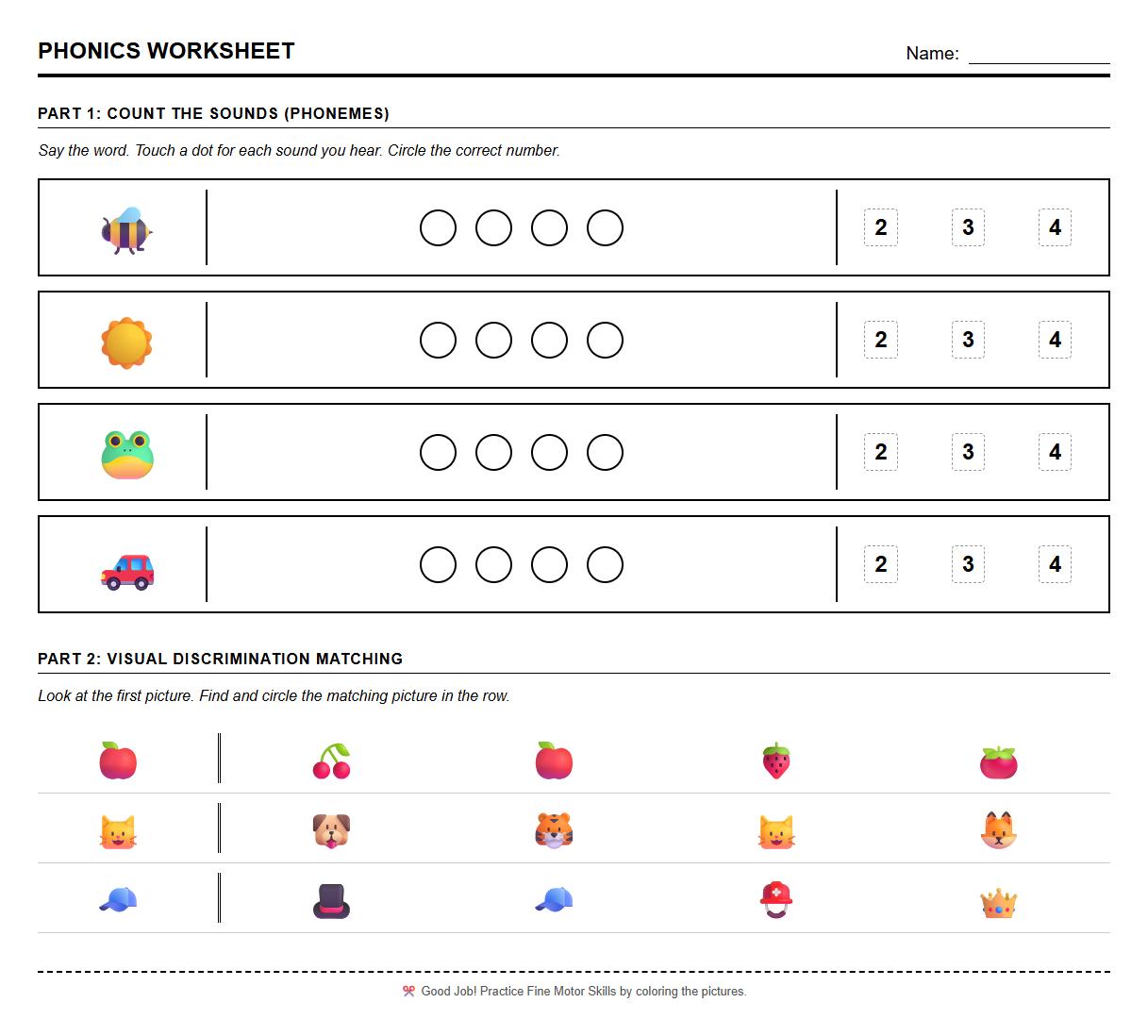
Visual discrimination matching worksheets enhance kindergarten phonics practice by helping young learners identify and differentiate between letters and sounds. These exercises build essential skills for reading readiness and improve attention to detail in early education. Explore our collection of worksheets designed to support effective phonics learning and visual discrimination development.
How Visual Discrimination Matching Worksheets Support Early Phonics Skills in Kindergarten
Visual discrimination matching worksheets help children identify subtle differences and similarities between letters and sounds. These activities strengthen letter recognition, which is fundamental for decoding words. By matching pictures to corresponding letters or sounds, children enhance their ability to connect visual cues to phonetic concepts. This early skill lays the foundation for successful reading and spelling development.
Best Types of Images for Kindergarten Visual Discrimination Activities
Images used in visual discrimination activities should be clear, simple, and easily recognizable by young learners. High-contrast, colorful illustrations of familiar objects or animals help maintain attention and aid memory. Avoid overly detailed or abstract images that may confuse children. Using consistent themes, like animals or everyday items, strengthens associations between images and phonetic sounds.
How Teachers Can Assess Progress with Matching Worksheets in Phonics
Teachers can monitor progress by observing accuracy and speed as students complete matching tasks. Frequent assessments, including timed activities and error analysis, provide insight into children's phonics mastery. Recording patterns in mistakes helps tailor instruction to individual needs. Progress tracking also motivates students by highlighting their improvement over time.
Importance of Visual Discrimination for Letter Recognition in Young Learners
Visual discrimination is crucial because it enables children to differentiate between similar-looking letters, such as 'b' and 'd'. This skill prevents confusion and supports accurate reading and writing. Developing strong visual discrimination leads to better letter formation and spelling abilities. It is foundational for building confidence in early literacy.
Common Matching Exercises Used in Phonics Worksheets for Kindergarten
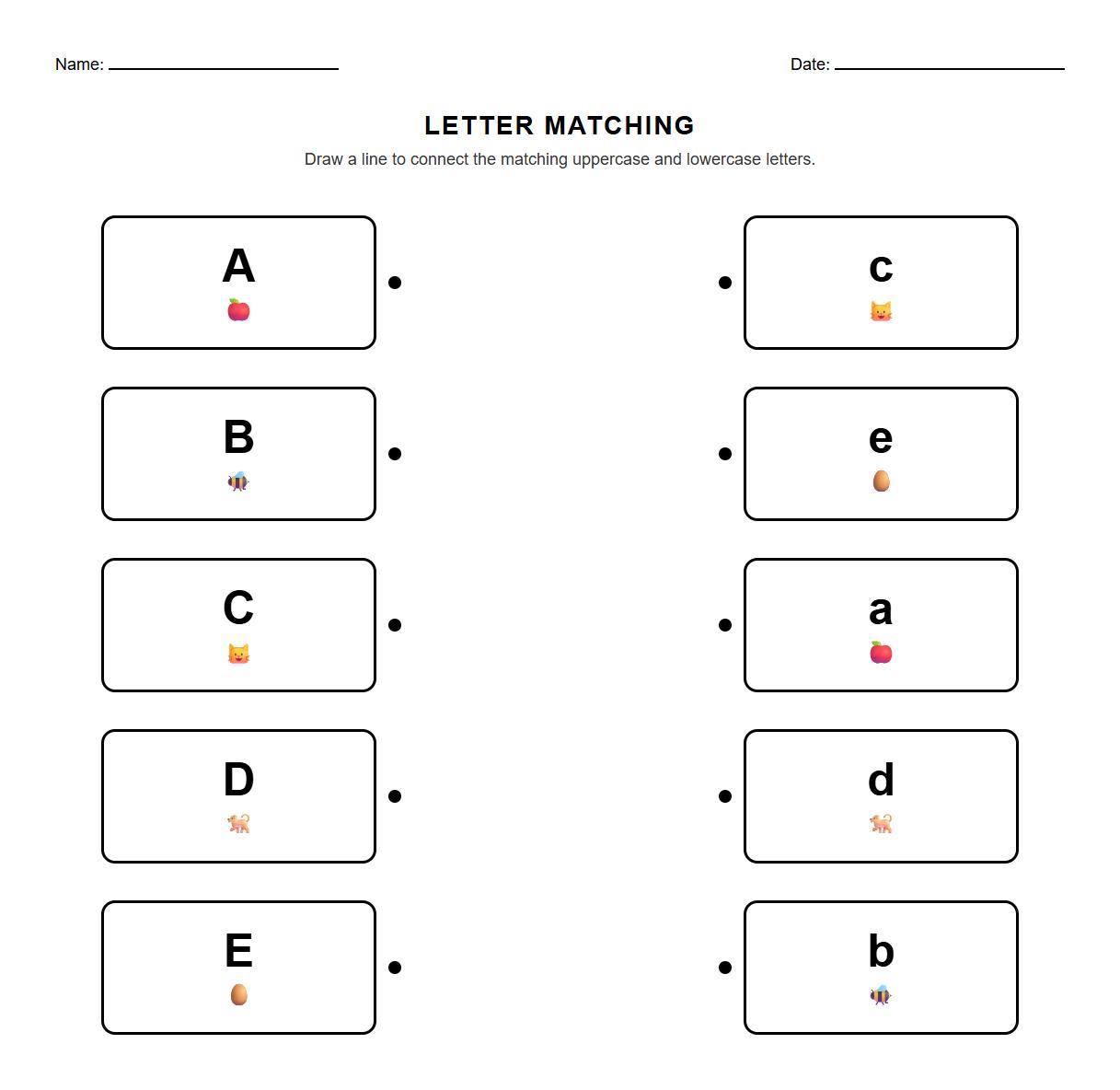
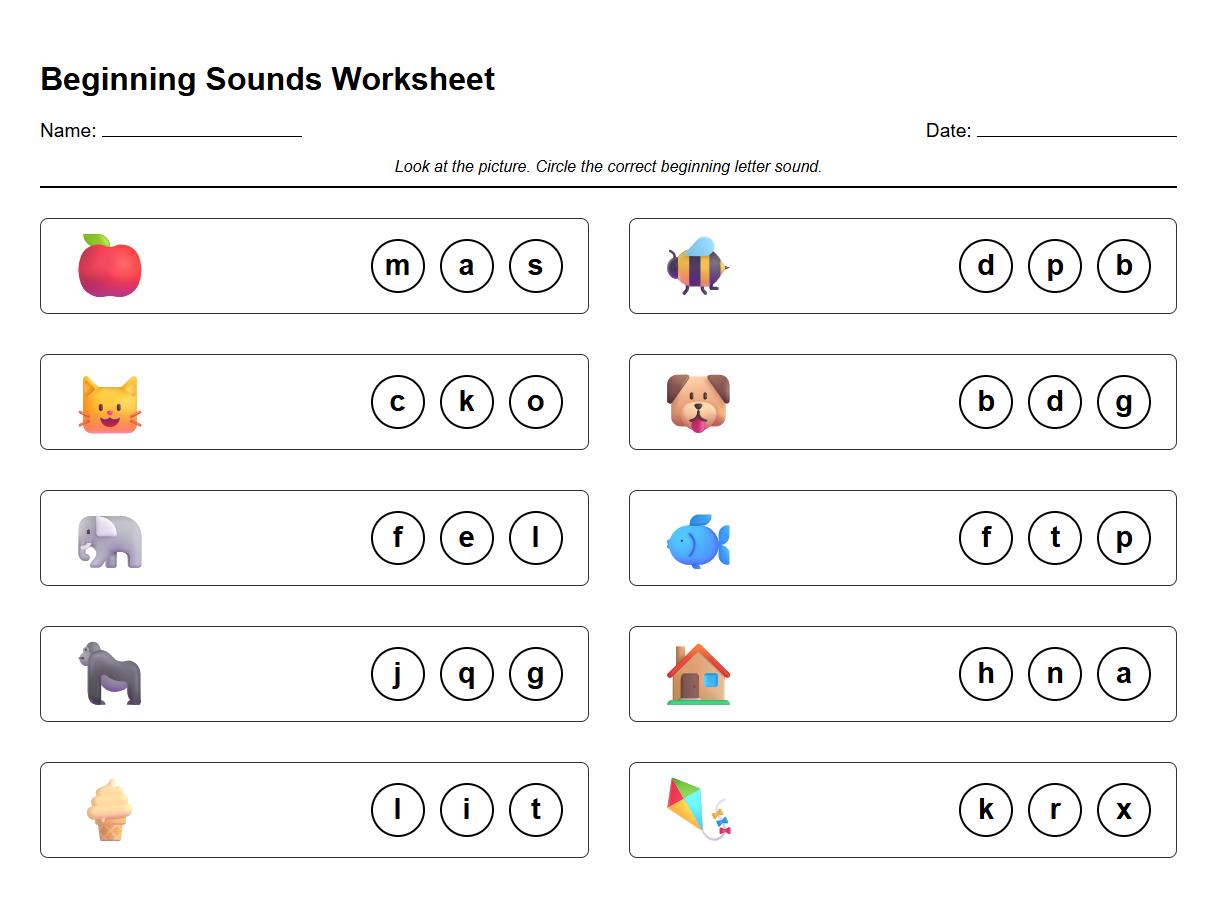
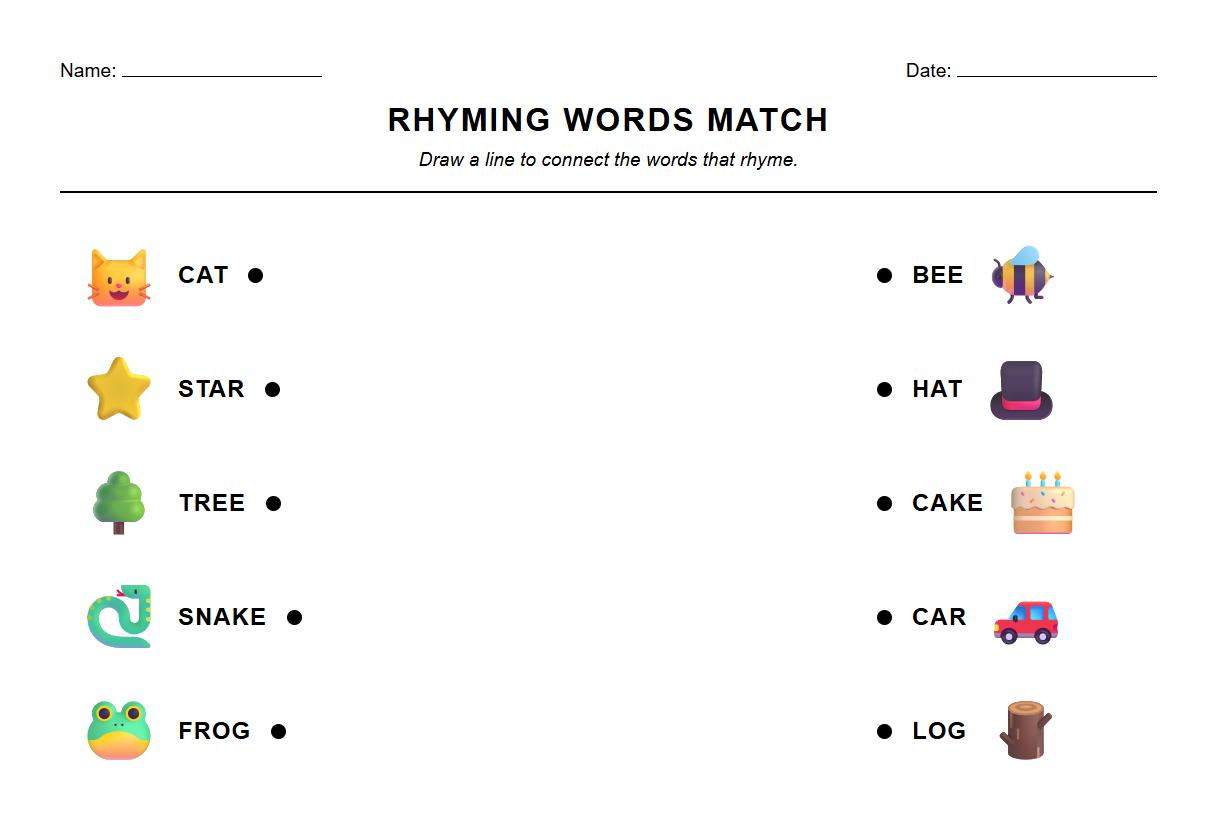
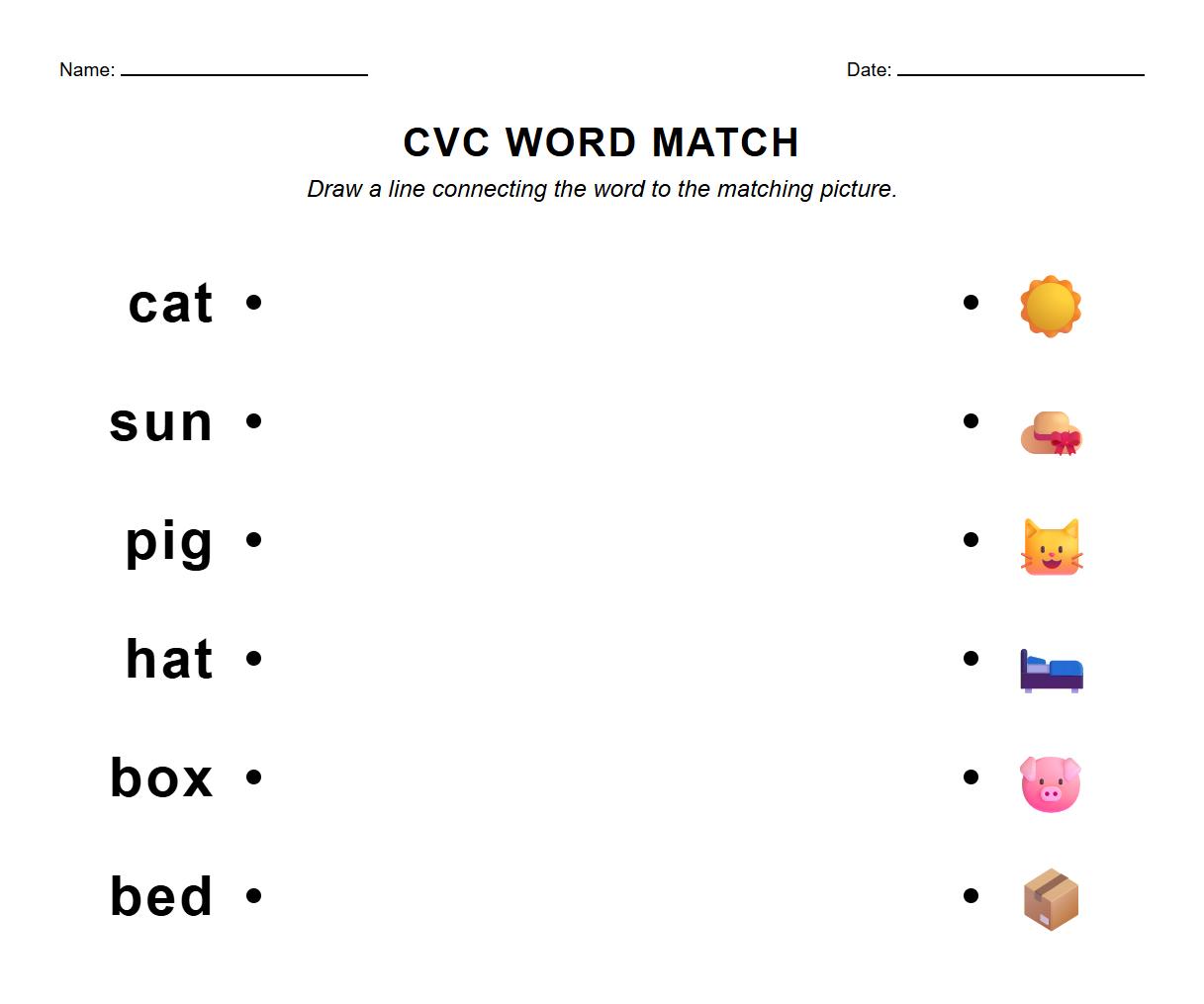
Typical exercises include matching letters to pictures, pairing uppercase and lowercase letters, and linking sounds to corresponding images. Some worksheets feature letter discrimination tasks, asking children to find the odd letter out. Matching rhyming words or initial sounds to pictures are also popular activities. These exercises engage multiple learning styles to reinforce phonics concepts.
Recommended Frequency of Visual Discrimination Worksheets in Kindergarten Phonics Curriculum
Visual discrimination activities should be integrated daily or several times a week to maximize phonics skill development. Regular practice helps solidify letter-sound relationships and enhances memory retention. Short, engaging sessions prevent fatigue while maintaining children's enthusiasm. Consistency is key to achieving measurable literacy outcomes.
Classroom Materials That Enhance Visual Matching for Early Phonics Practice
Materials such as flashcards, magnetic letters, and picture charts complement matching worksheets effectively. Interactive whiteboards and tablets can display dynamic matching games to increase engagement. Using tactile items, like letter blocks, supports multisensory learning. These resources create a rich environment that reinforces visual discrimination skills.
How Matching Worksheets Help Students Distinguish Between Similar Letter Shapes
Matching worksheets encourage children to focus on fine details that differentiate letters, such as line direction and curves. Repetitive exposure helps internalize these visual distinctions. By pairing letters with familiar images, students develop stronger mental connections. This targeted practice reduces letter reversal and reading errors.
Adaptation of Visual Discrimination Activities for Group Phonics Lessons
Visual discrimination tasks can be easily modified for group settings by incorporating team matching games and collaborative sorting activities. Using large-scale materials allows all students to participate actively. Group dynamics promote peer learning and motivation. Additionally, teachers can facilitate discussions to reinforce phonics concepts during the activities.
Strategies to Assist Struggling Students with Visual Discrimination Matching Tasks
Providing extra time and breaking tasks into smaller steps helps students who find visual discrimination challenging. Using multisensory approaches, like tracing letters while saying sounds, can strengthen connections. Positive reinforcement and individualized support encourage persistence. Repetition with varied materials ensures gradual skill improvement.


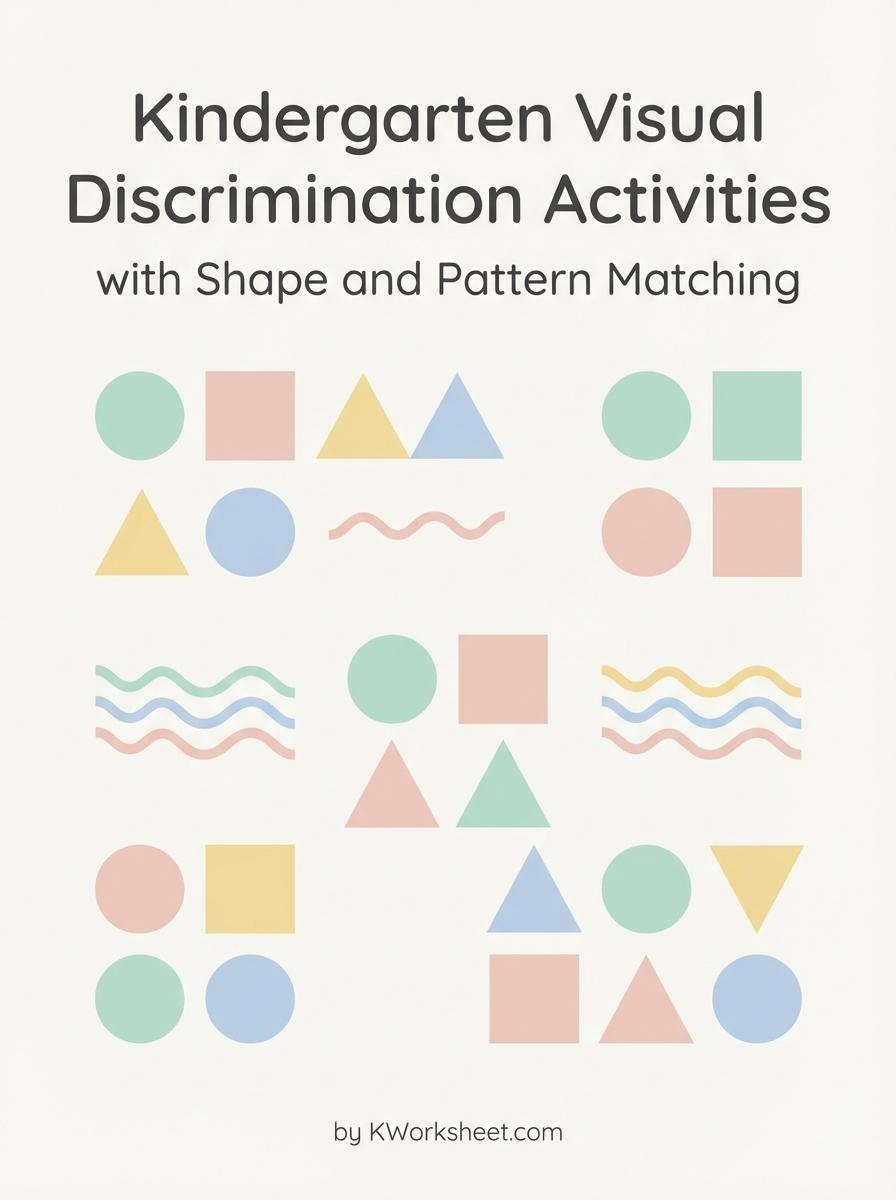
Kindergarten Visual Discrimination Activities with Shape and Pattern Matching