Number Sequencing Mazes for Kindergarten Math Skills

📅 Jan 1, 2025 👤 Nylen Smith

Number Sequencing Mazes enhance kindergarten math skills by engaging young learners in identifying and ordering numbers. These activities promote critical thinking and early numeracy through interactive, maze-based challenges that make learning fun and effective. Explore the available worksheets to support your child's development in number sequencing.

Number Sequencing Maze with skip counting by 2s
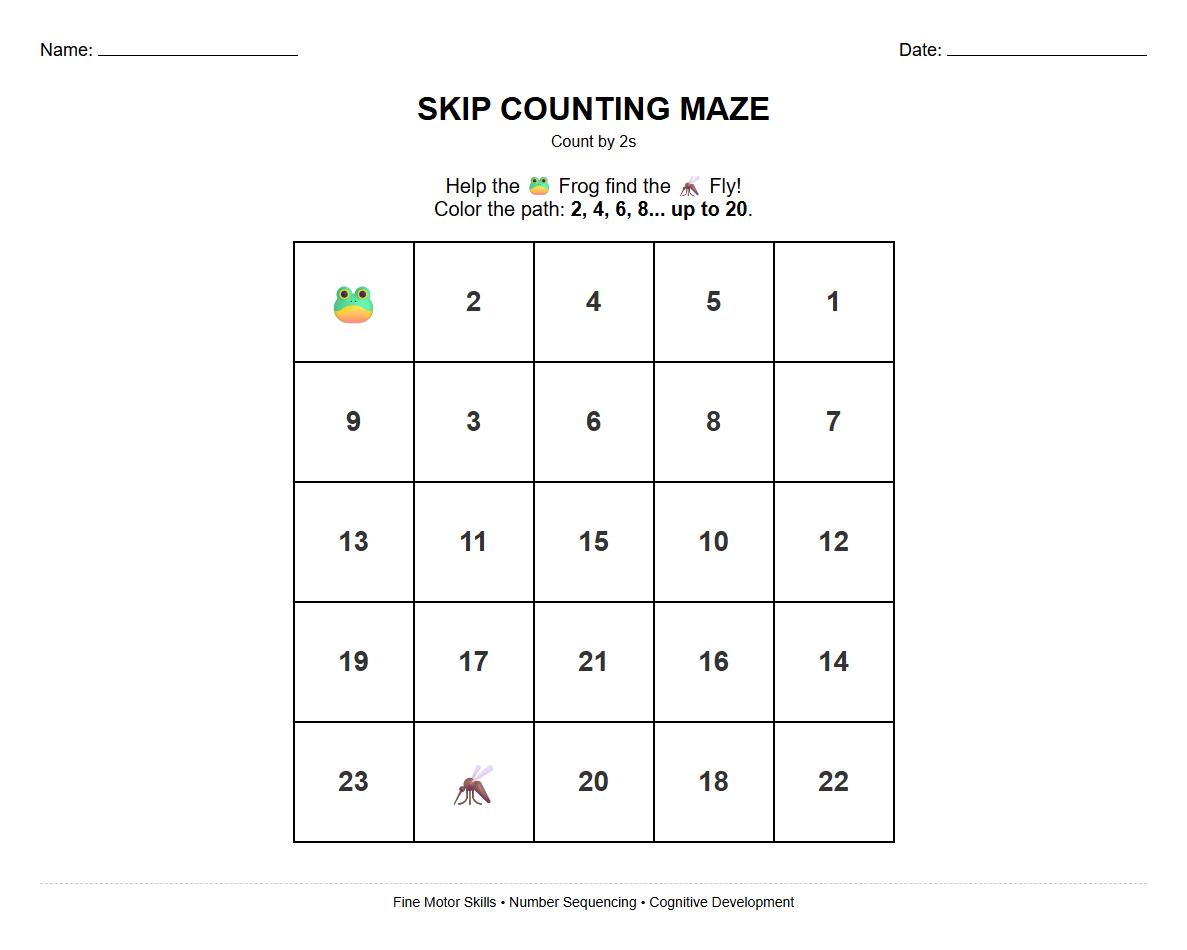
Number Sequencing Maze with skip counting by 2s

Download PDF     Pin it

Backwards Number Sequencing Maze from 20 to 1
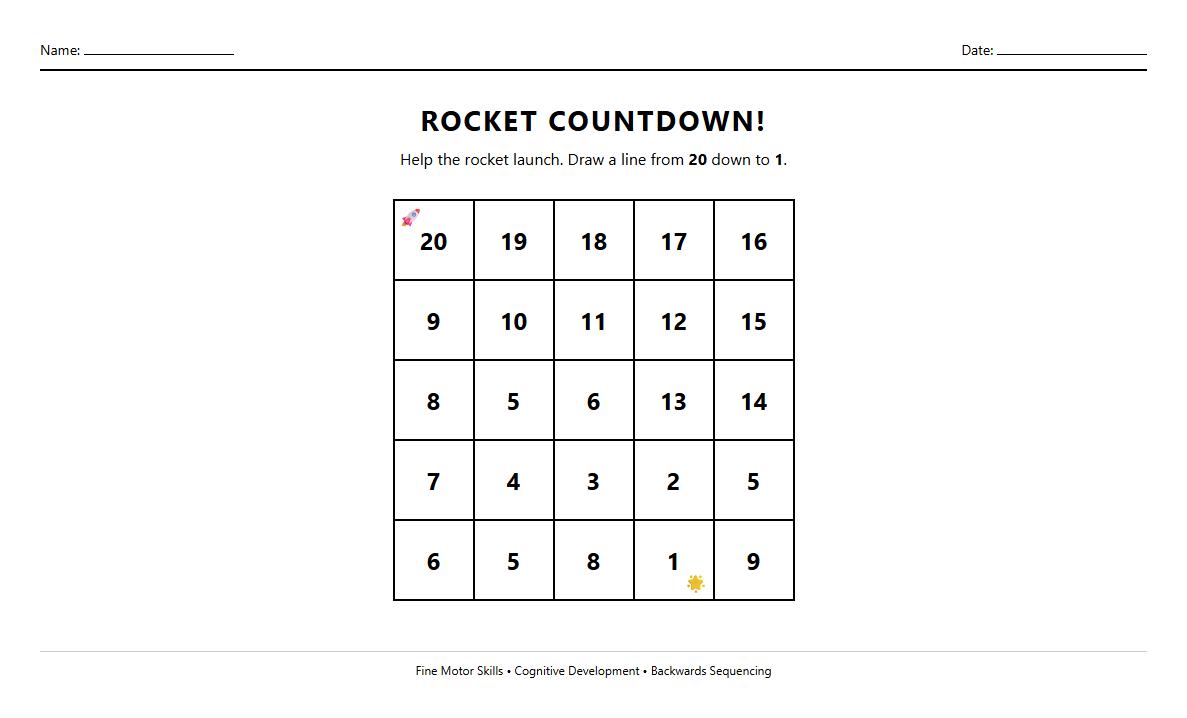
Backwards Number Sequencing Maze from 20 to 1

Download PDF     Pin it

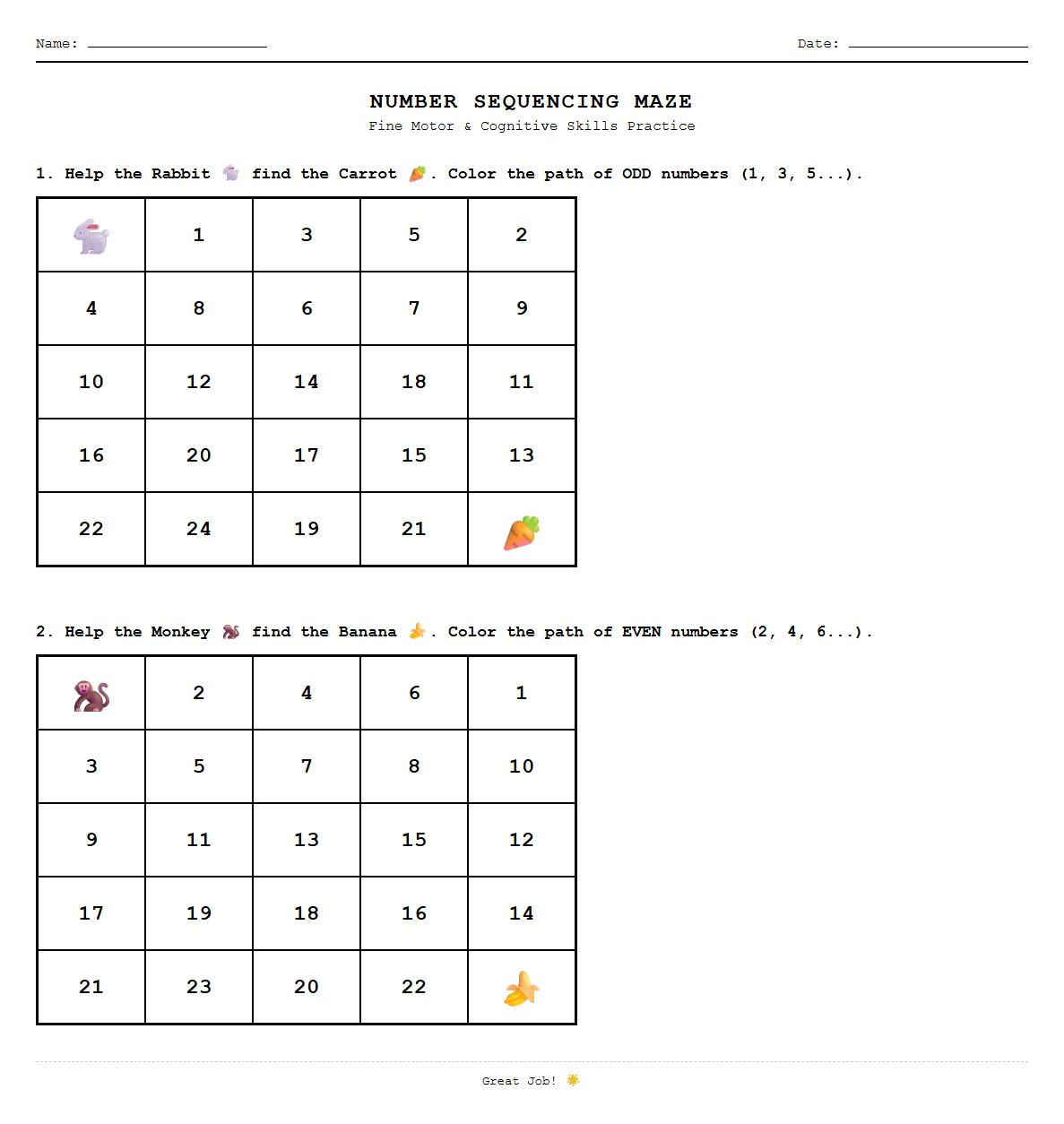
Odd and Even Number Sequencing Maze

Odd and Even Number Sequencing Maze

Download PDF     Pin it

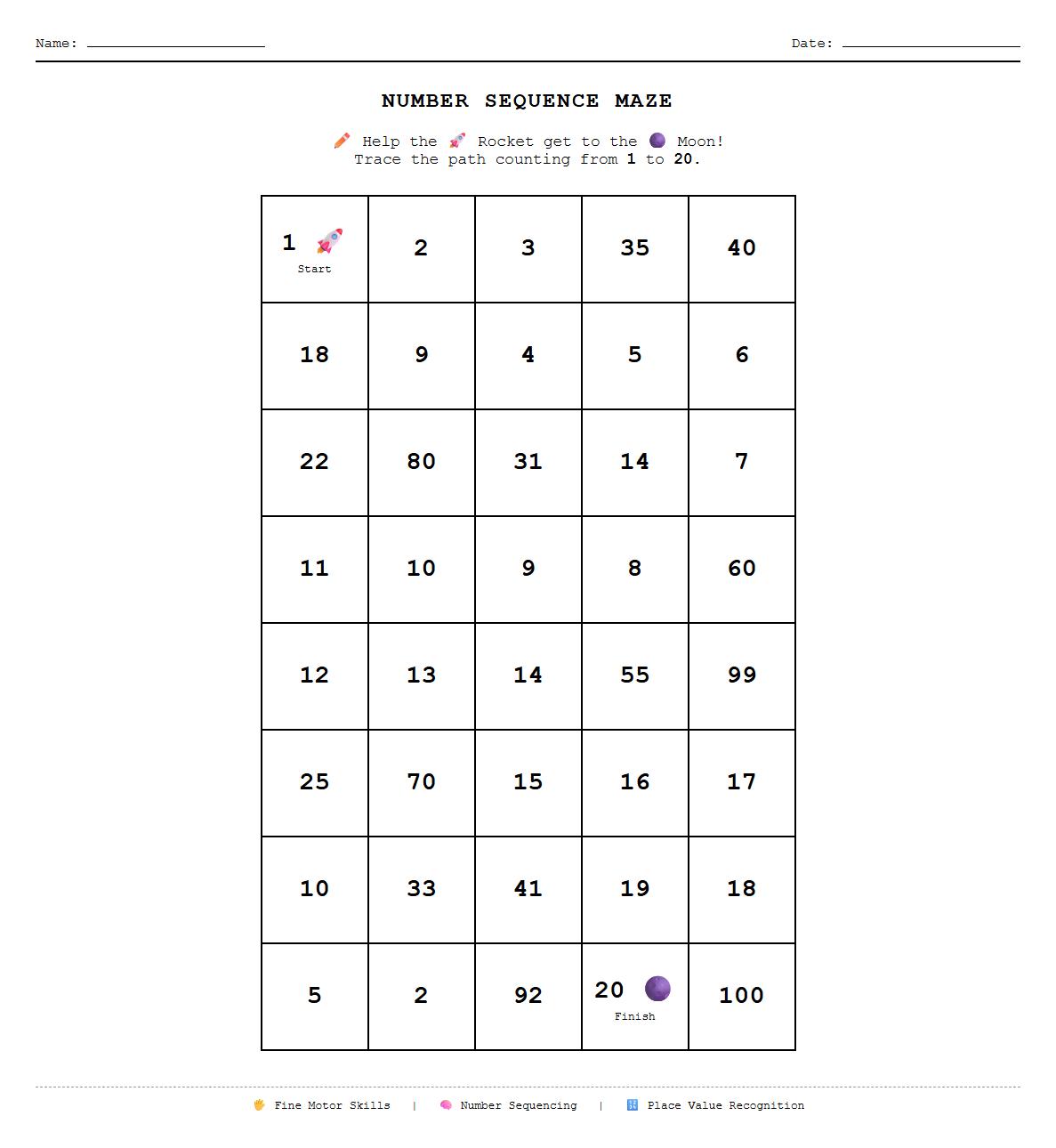
Place Value Number Sequencing Maze

Place Value Number Sequencing Maze
Download PDF     Pin it

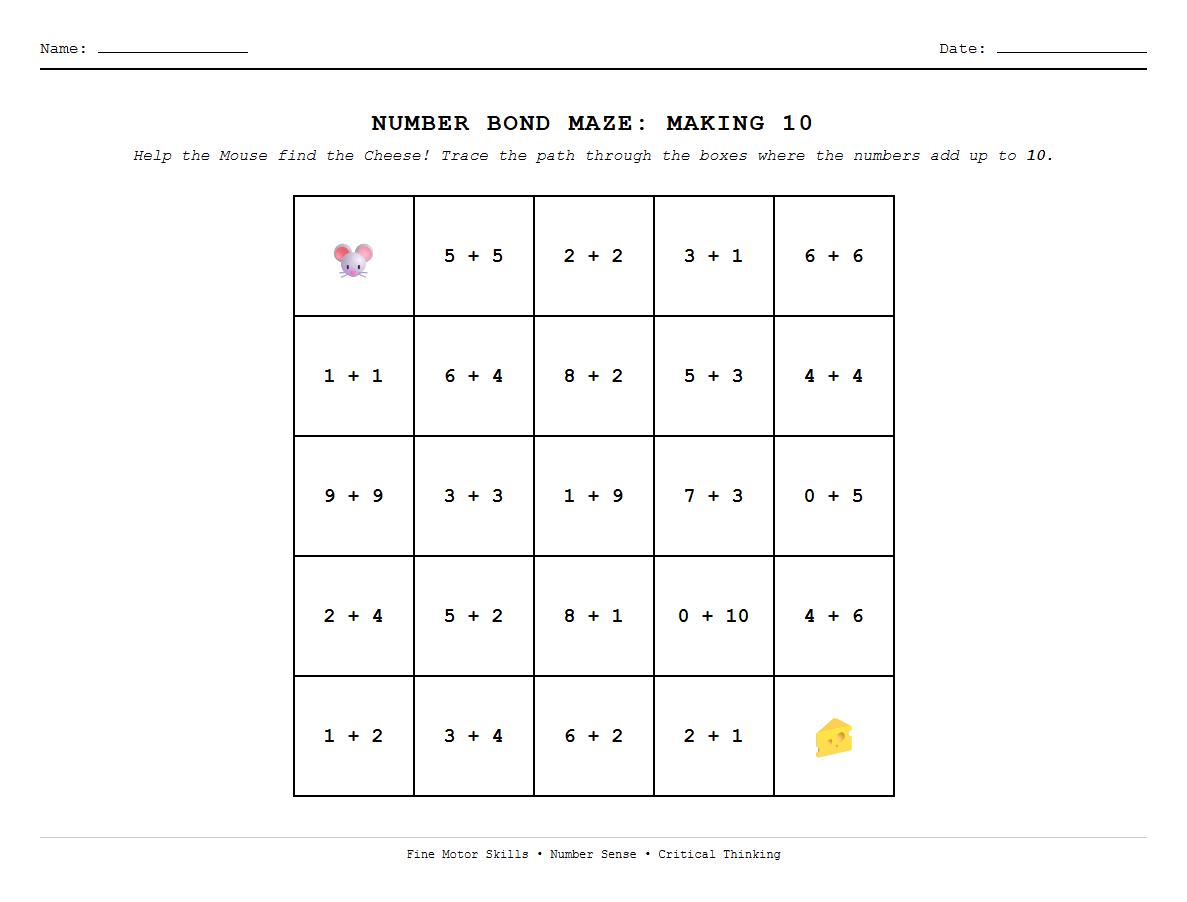
Number Bonds Sequencing Maze

Number Bonds Sequencing Maze
Download PDF     Pin it

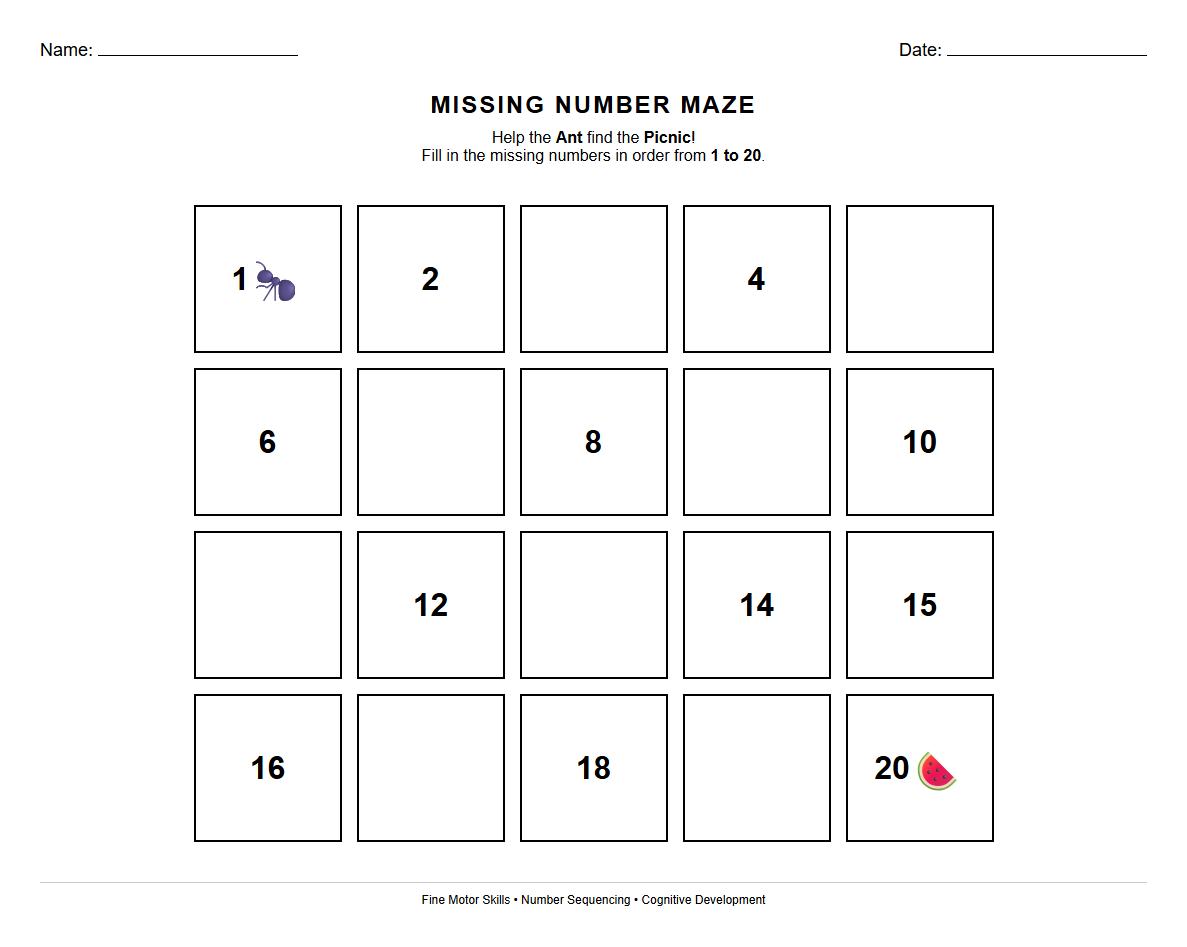
Missing Number Sequencing Maze

Missing Number Sequencing Maze
Download PDF     Pin it

Color Coded Number Sequencing Maze

Color Coded Number Sequencing Maze
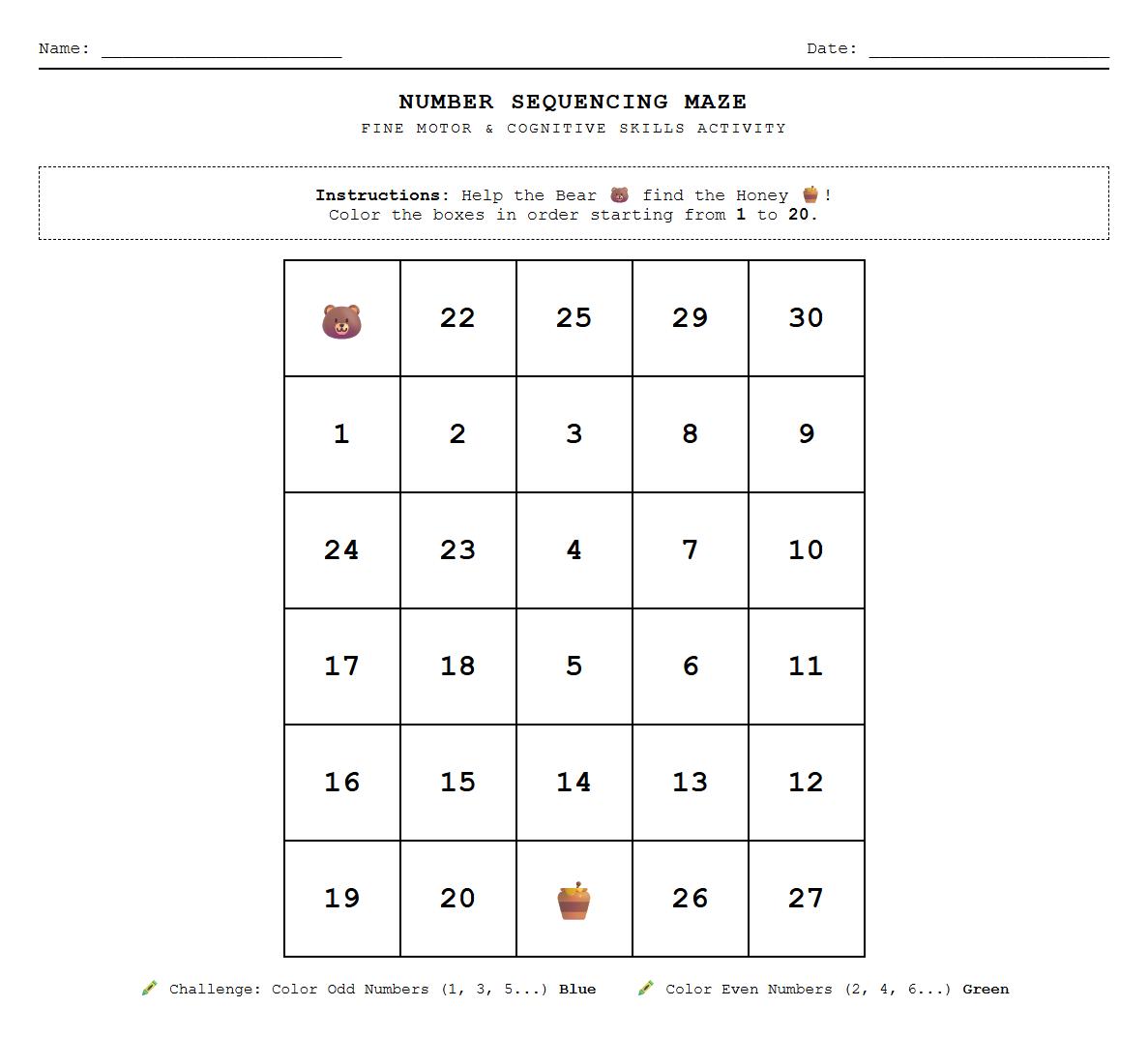
Download PDF     Pin it

Ten Frame Number Sequencing Maze

Ten Frame Number Sequencing Maze
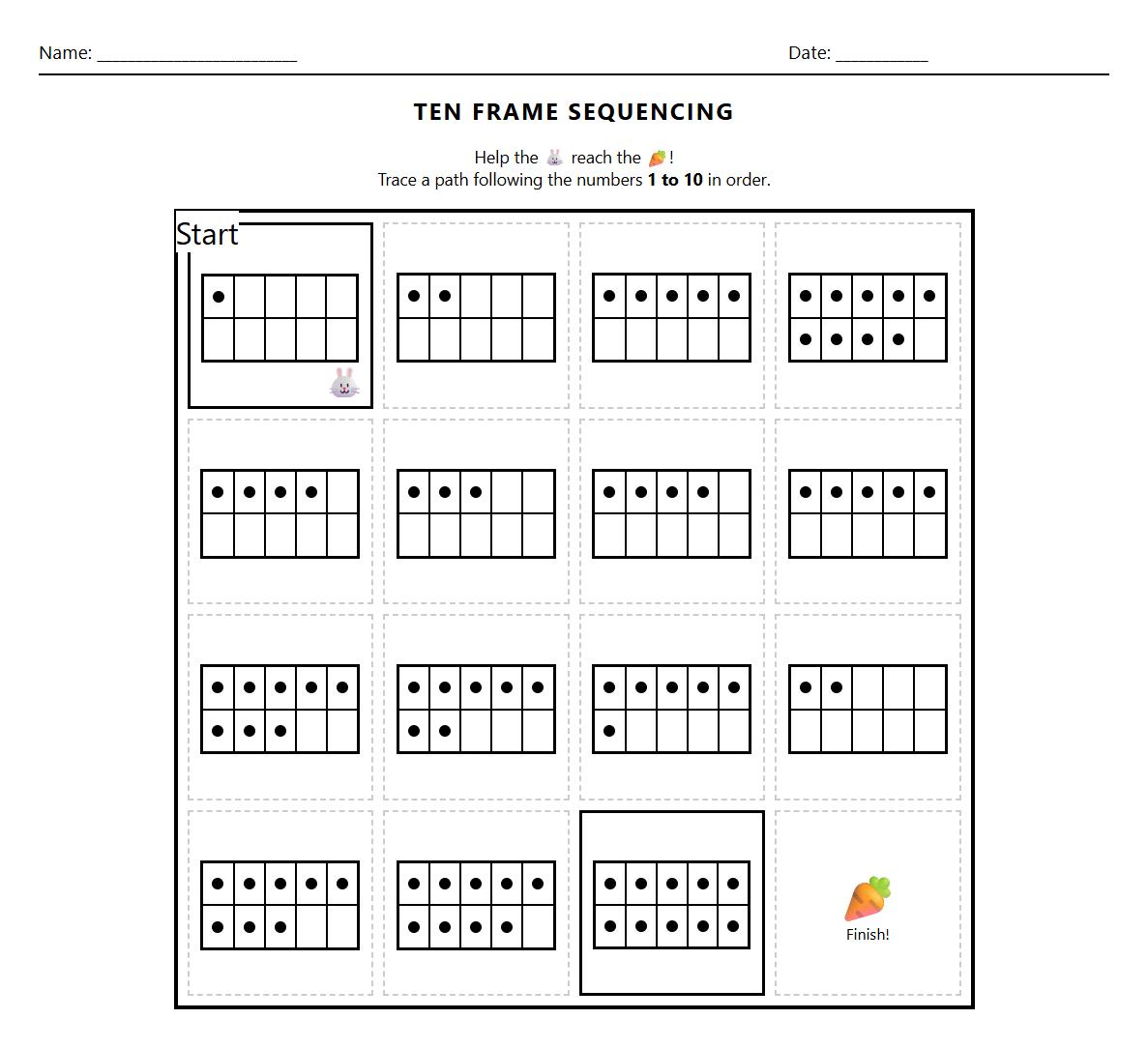
Download PDF     Pin it

Counting On Number Sequencing Maze

Counting On Number Sequencing Maze
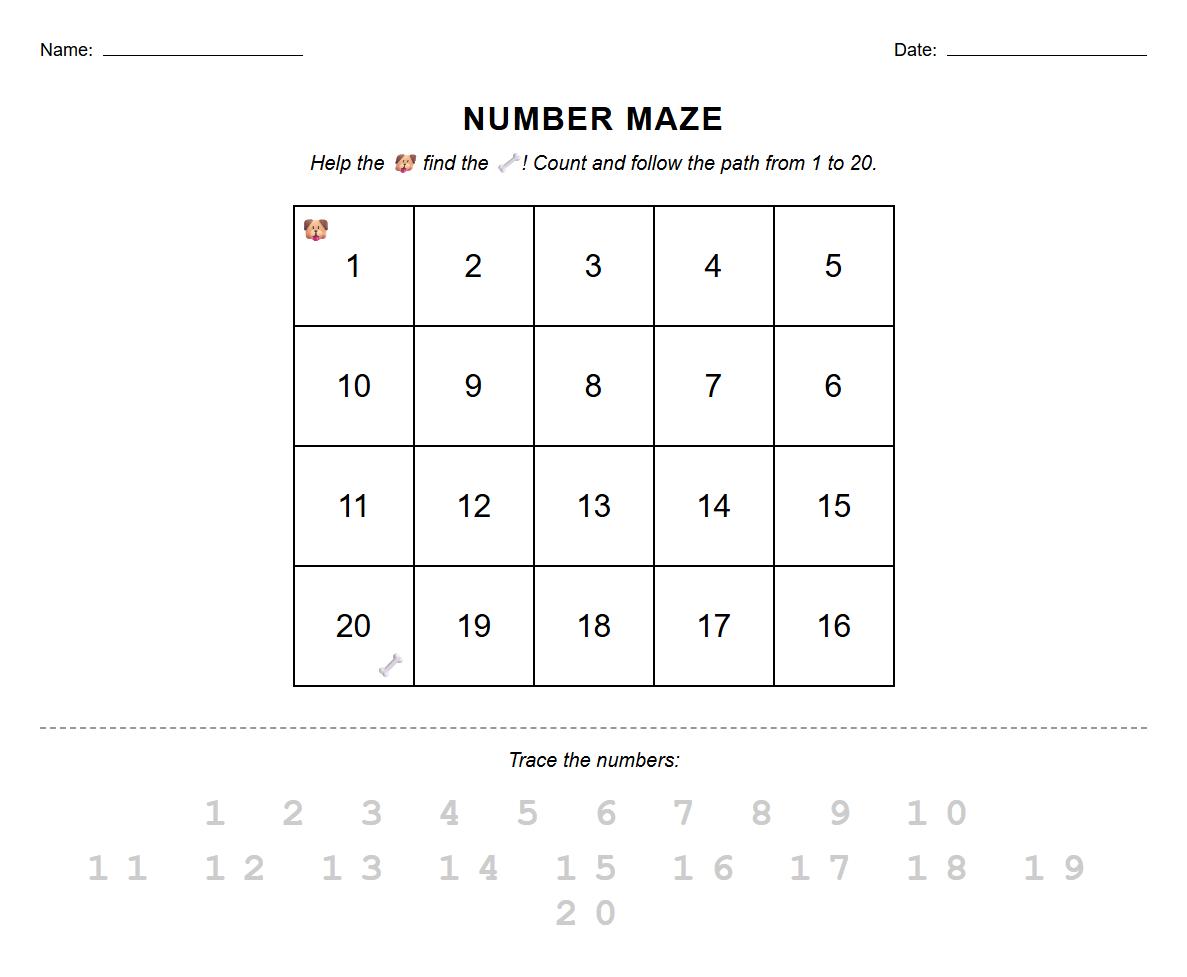
Download PDF     Pin it

Ascending and Descending Number Sequencing Maze
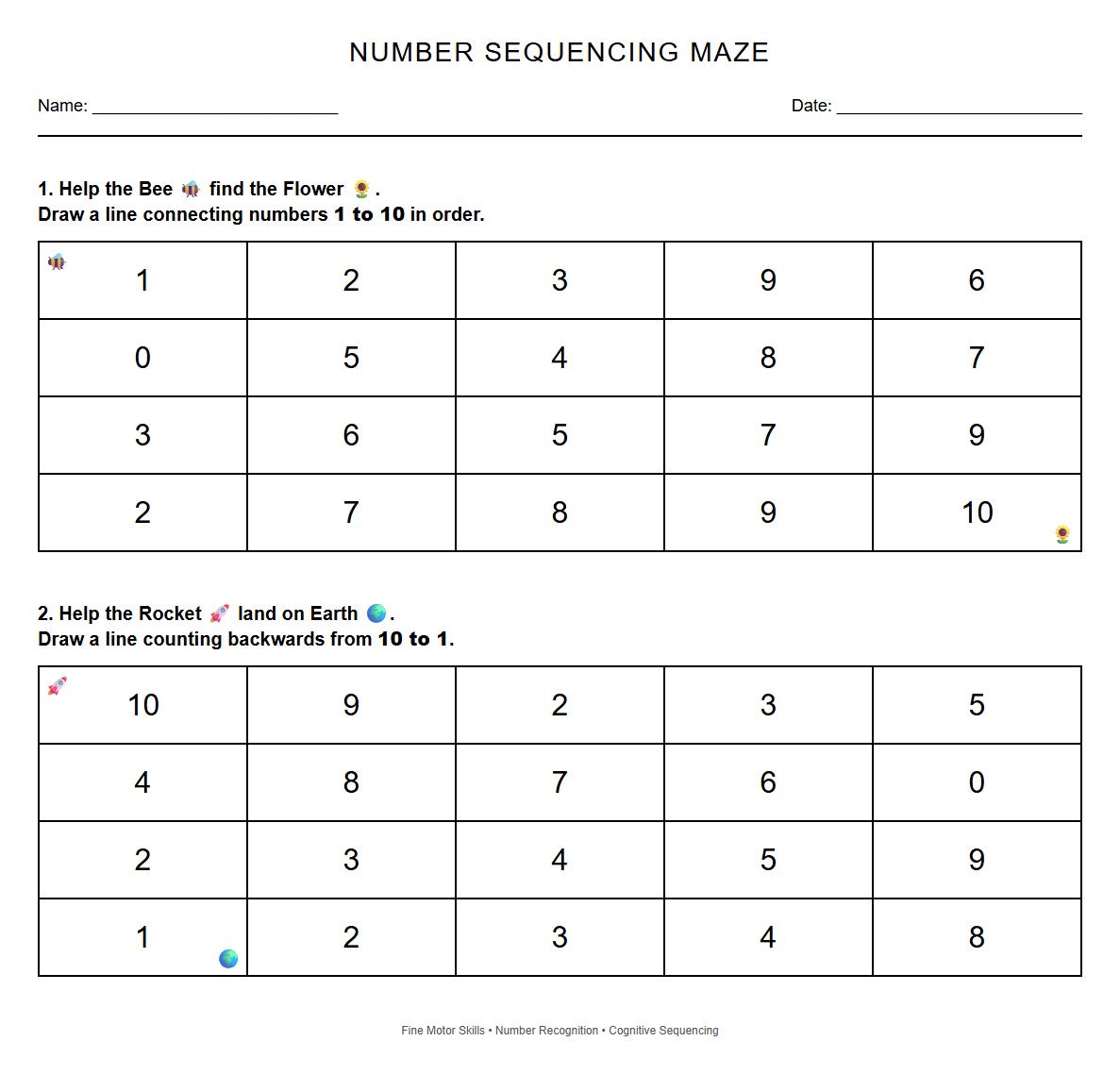
Ascending and Descending Number Sequencing Maze

Download PDF     Pin it

What Are Number Sequencing Mazes Used For in Kindergarten Math Lessons?

Number sequencing mazes are used as engaging tools to teach young children the order of numbers in a fun and interactive way. They help reinforce counting skills by requiring students to follow numbers sequentially to solve the maze. These mazes also promote logical thinking as children decide the correct sequence path. Overall, they serve as hands-on activities that combine learning and play effectively.

How Do Number Sequencing Mazes Help Children Understand Counting?

Number sequencing mazes encourage kids to practice counting in a structured environment, highlighting the numerical order. Children visually connect numbers from smallest to largest, which deepens their understanding of counting patterns. The step-by-step process of solving mazes helps solidify the sequence mentally. This active engagement turns abstract counting concepts into tangible learning experiences.

Which Skills Do Kindergarteners Develop When Solving Number Sequencing Mazes?

Solving number sequencing mazes develops essential skills such as number recognition, counting accuracy, and problem-solving. It also enhances fine motor skills as children trace paths through the maze. Additionally, kids build concentration and perseverance while navigating from start to finish in the correct numerical order. These skills collectively promote early math readiness and cognitive growth.

What Is the Best Way to Introduce Number Sequencing Mazes to Young Learners?

Introduce number sequencing mazes by starting with simple sequences and demonstrating how to follow the numbers in order. Using clear verbal instructions and visual cues helps young learners grasp the concept quickly. Encouraging group participation and providing hands-on guidance creates a supportive learning environment. Gradually increasing maze complexity keeps children motivated as confidence grows.

How Can You Adapt Number Sequencing Mazes for Different Learning Levels?

Number sequencing mazes can be adapted by varying the range of numbers used or by adding intermediate numbers for advanced learners. For beginners, use smaller sequences and larger, clearer numbers. Introducing challenges such as skipping counting (e.g., by twos or fives) supports differentiation. Customizing maze difficulty ensures all students remain engaged and appropriately challenged.

What Supplies Are Needed to Create a Number Sequencing Maze Activity?

To create number sequencing mazes, you need basic supplies such as printed maze worksheets, pencils or crayons for tracing, and optional laminating sheets for durability. Whiteboards and markers can also be used for reusable practice. Some teachers may include stickers or stamps as motivation. Ensuring clear, visually appealing materials helps maintain student interest.

How Do Number Sequencing Mazes Support Mastery of Recognizing Number Order?

Number sequencing mazes reinforce number order recognition by requiring students to identify and follow the correct numerical path. Repetition through maze activities helps internalize counting sequences naturally. As children navigate the maze, they actively compare and order numbers, solidifying their understanding. This mastery is fundamental for more advanced math concepts.

What Strategies Motivate Students to Participate in Number Sequencing Mazes?

Using colorful and themed mazes, offering rewards, and incorporating games can boost student motivation. Positive feedback and opportunities for peer collaboration also enhance engagement. Breaking down the maze into achievable steps reduces frustration and encourages persistence. Making the activity playful and interactive keeps kids excited to participate.

How Can Teachers Assess Student Progress Using Number Sequencing Mazes?

Teachers can assess progress by observing students' ability to complete mazes accurately and independently. Tracking the time taken and the number of errors made provides insight into their mastery level. Additionally, discussions about the sequencing process reveal understanding of number order. Regular use of mazes offers ongoing formative assessment opportunities.

What Are Some Creative Themes for Number Sequencing Mazes in Kindergarten?

Creative themes such as animals, space adventures, underwater exploration, and fairy tales make sequencing mazes more engaging. Each theme can incorporate related imagery and numbers relevant to the story, adding excitement. Seasonal themes like holidays or nature inspire curiosity. Themed mazes connect math skills with children's interests to enhance learning.


More in Fine Motor and Cognitive Skills Category


About the author. Nylen Smith is a dedicated educator and cofounder of KWorksheet.com, a popular platform specializing in high-quality kindergarten worksheets and printable activities.

Disclaimer. The information provided in this document is for general informational purposes and/or document sample only and is not guaranteed to be factually right or complete. Please report to us via contact-us page if you find and error in this page, thanks.

Comments

No comment yet