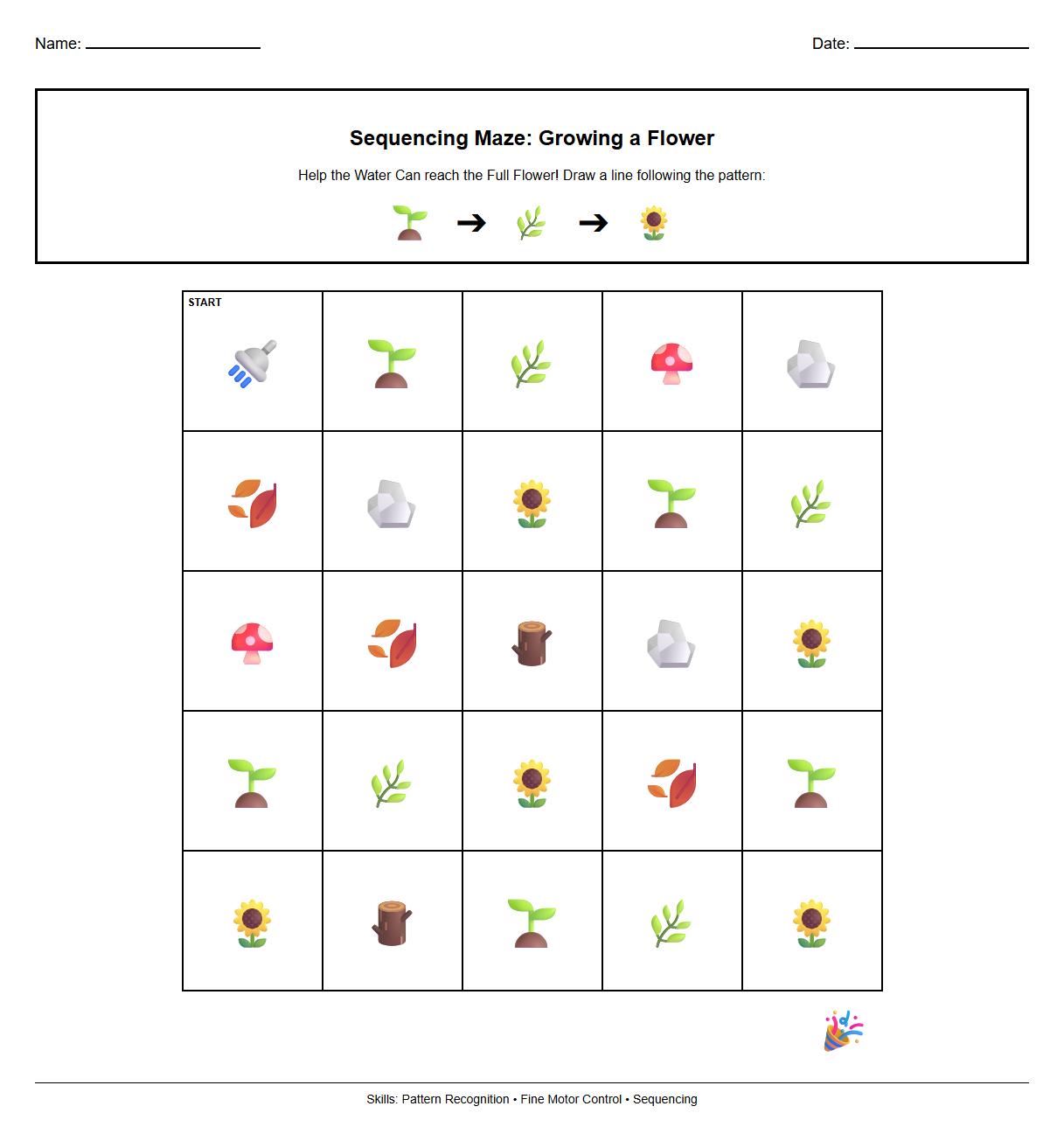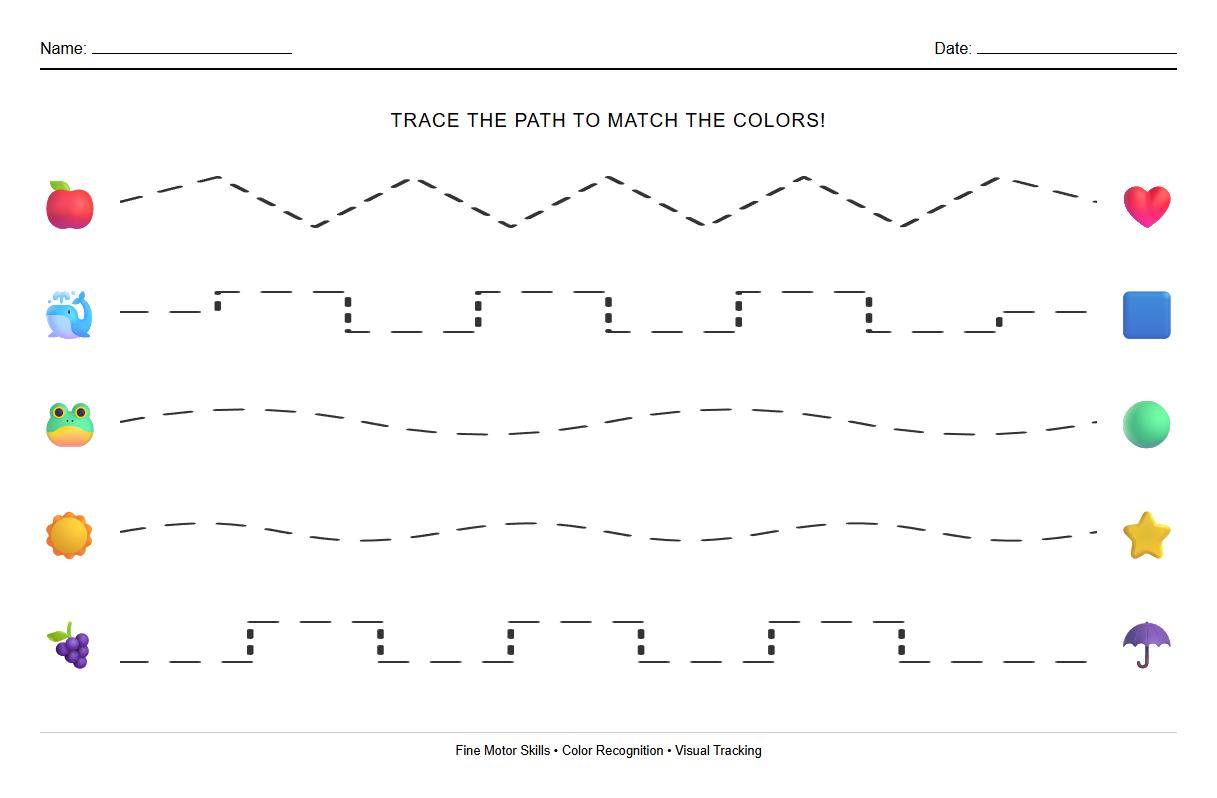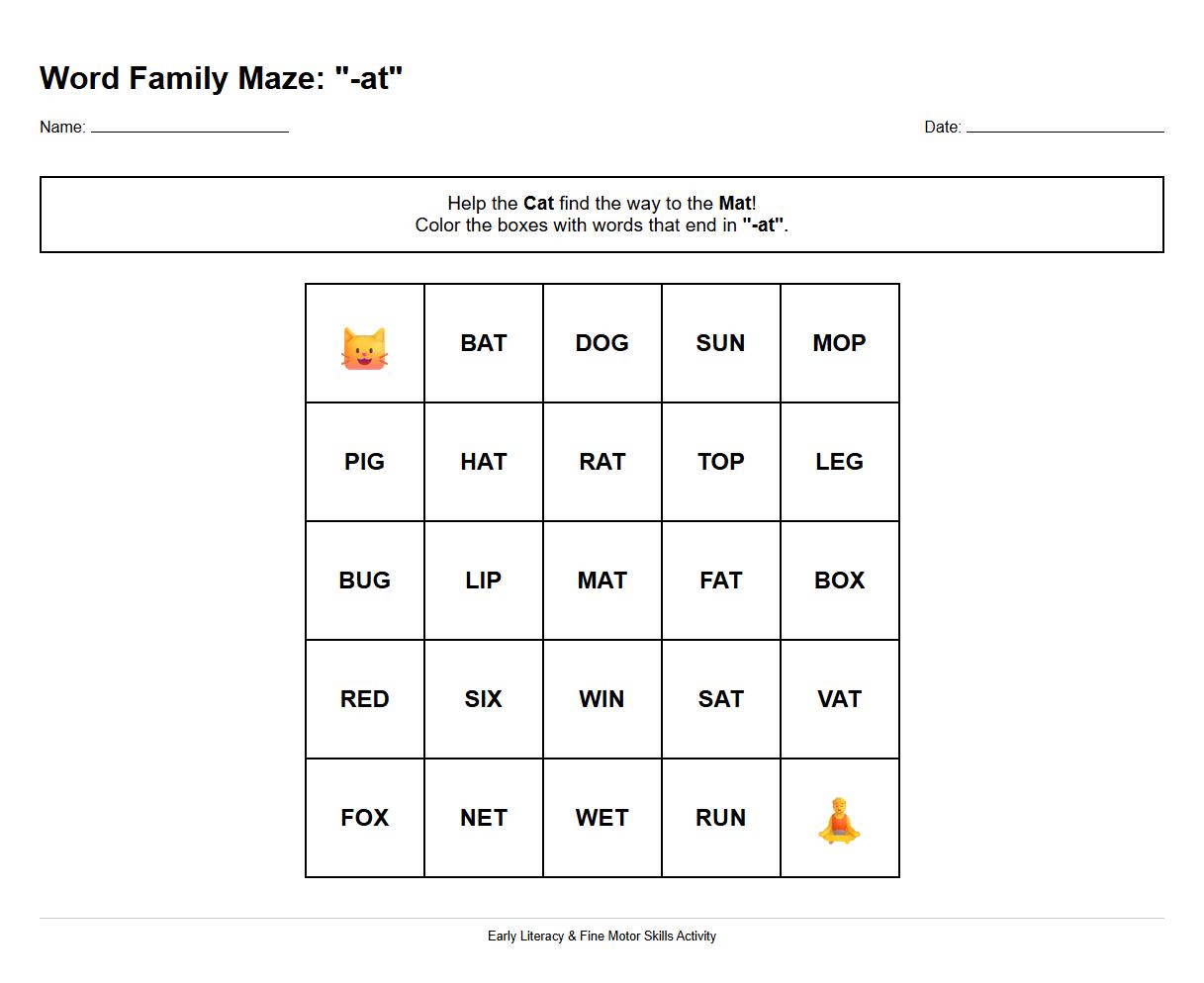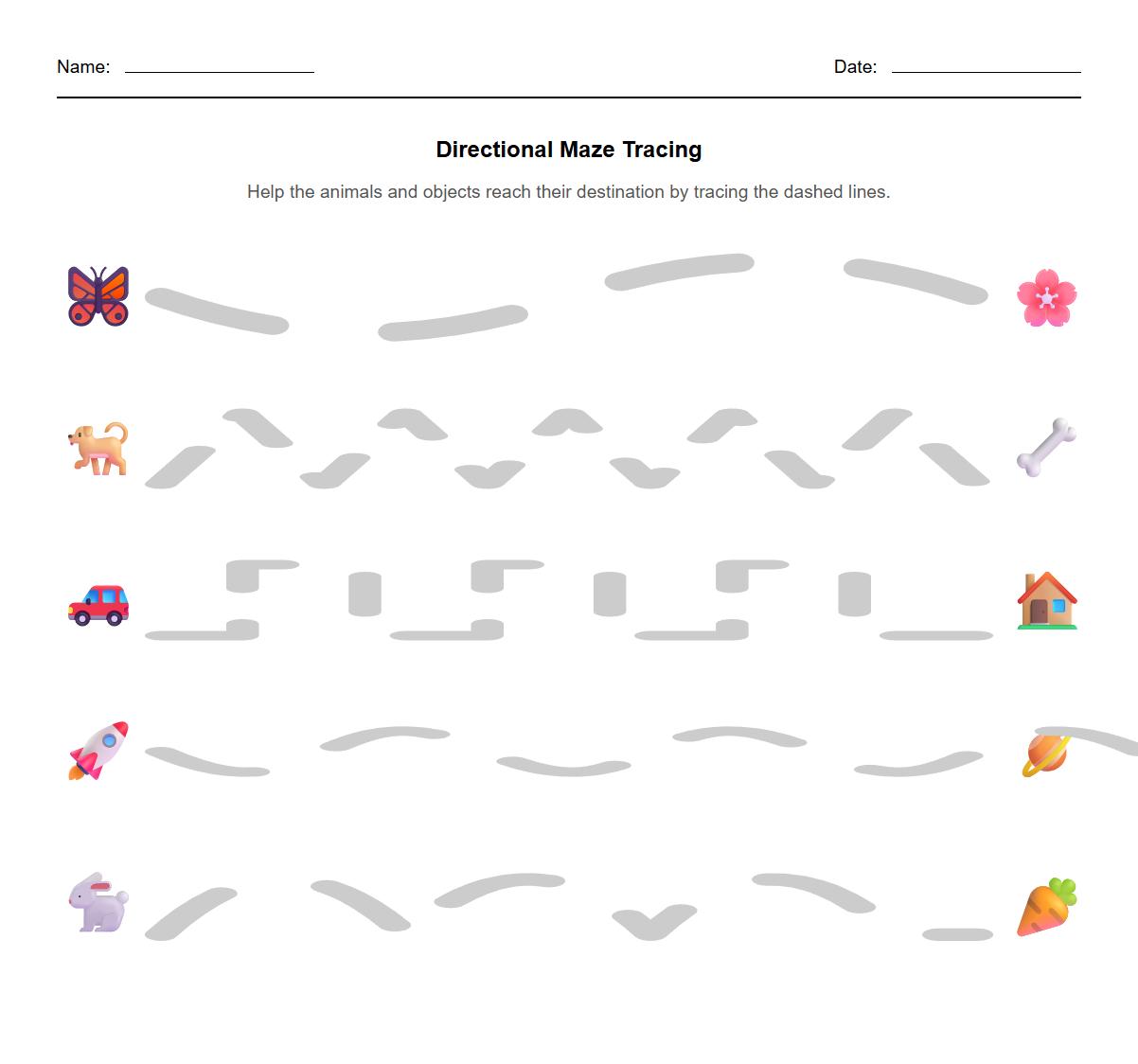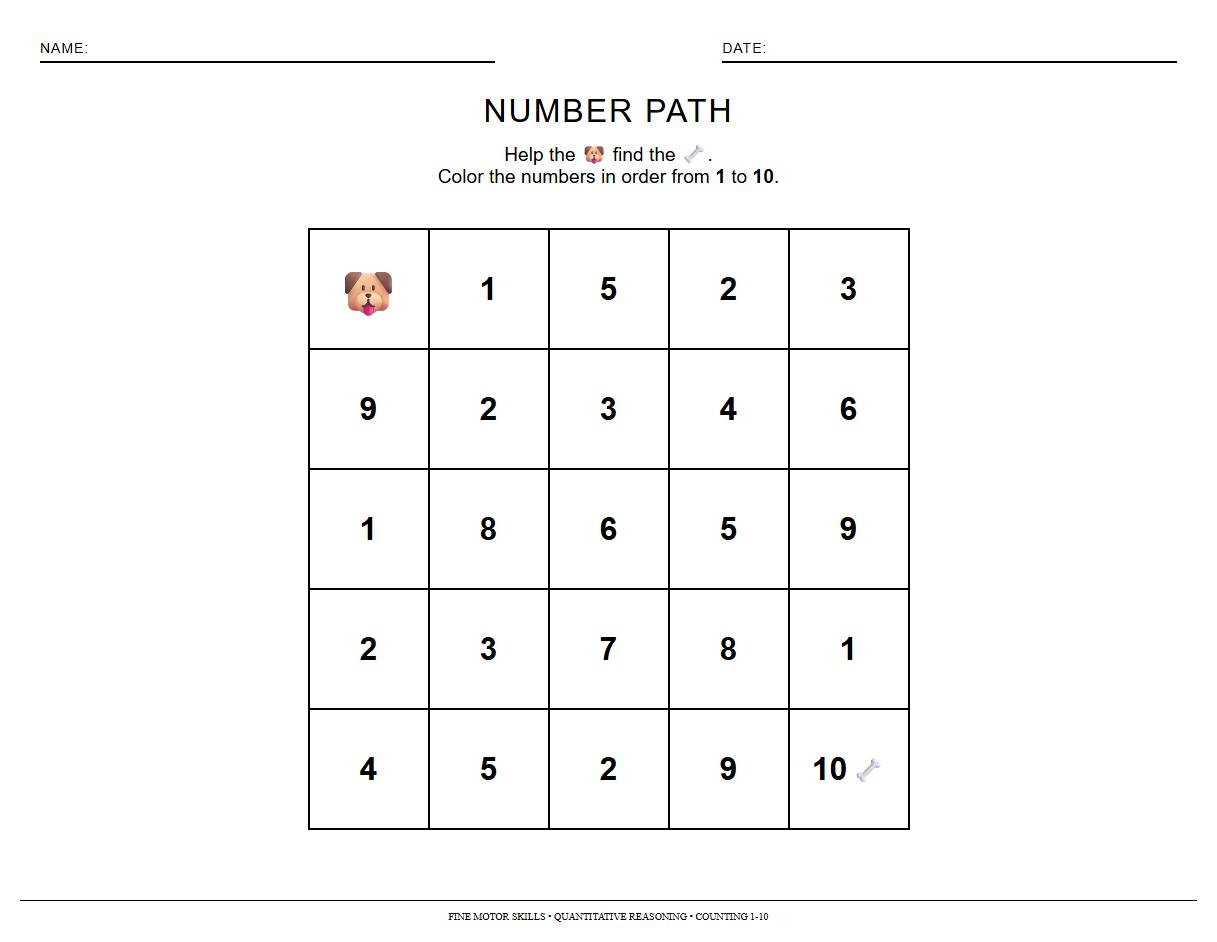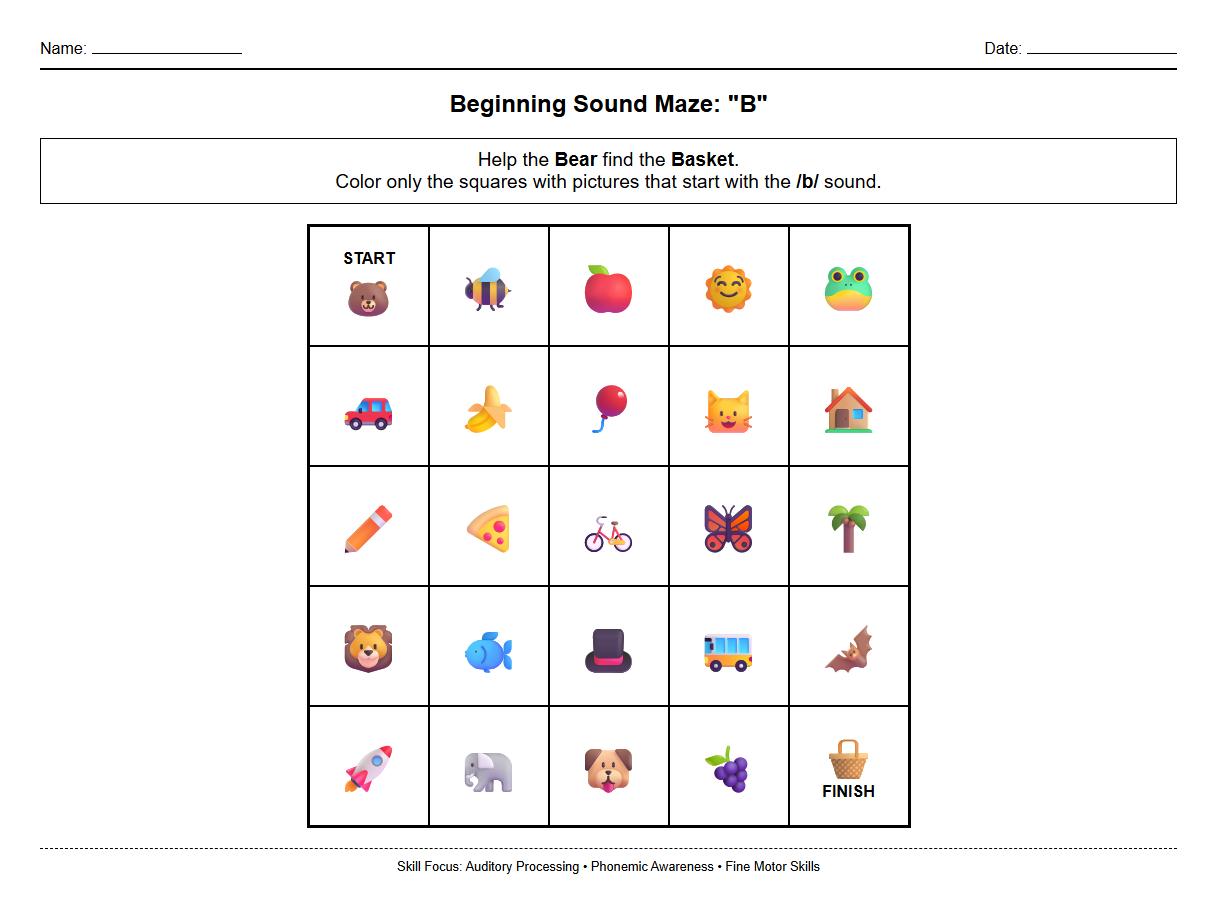
Critical Thinking Mazes for Kindergarten Problem Solving enhance young learners' ability to analyze and make decisions through engaging maze activities. These exercises promote logical thinking, pattern recognition, and spatial awareness, essential skills for early cognitive development. Explore the available worksheets to support your child's problem-solving journey.
How Mazes Help Kindergarten Students Develop Critical Thinking Skills
Mazes encourage young learners to analyze paths and make decisions, enhancing their critical thinking skills. Navigating mazes requires students to plan ahead and predict outcomes, fostering cognitive growth. These activities also improve attention to detail and patience in problem-solving. As children engage with mazes, they develop the ability to think critically about challenges.
Problem-Solving Strategies for Completing Mazes
Kindergarten students often use basic strategies such as trial and error, working backwards, and systematic exploration to solve mazes. They learn to recognize dead ends and retrace their steps, which builds understanding. Encouraging guided questions helps children think critically about their moves. These approaches lay the foundation for more complex problem-solving skills.
How Mazes Encourage Logical Reasoning in Early Learners
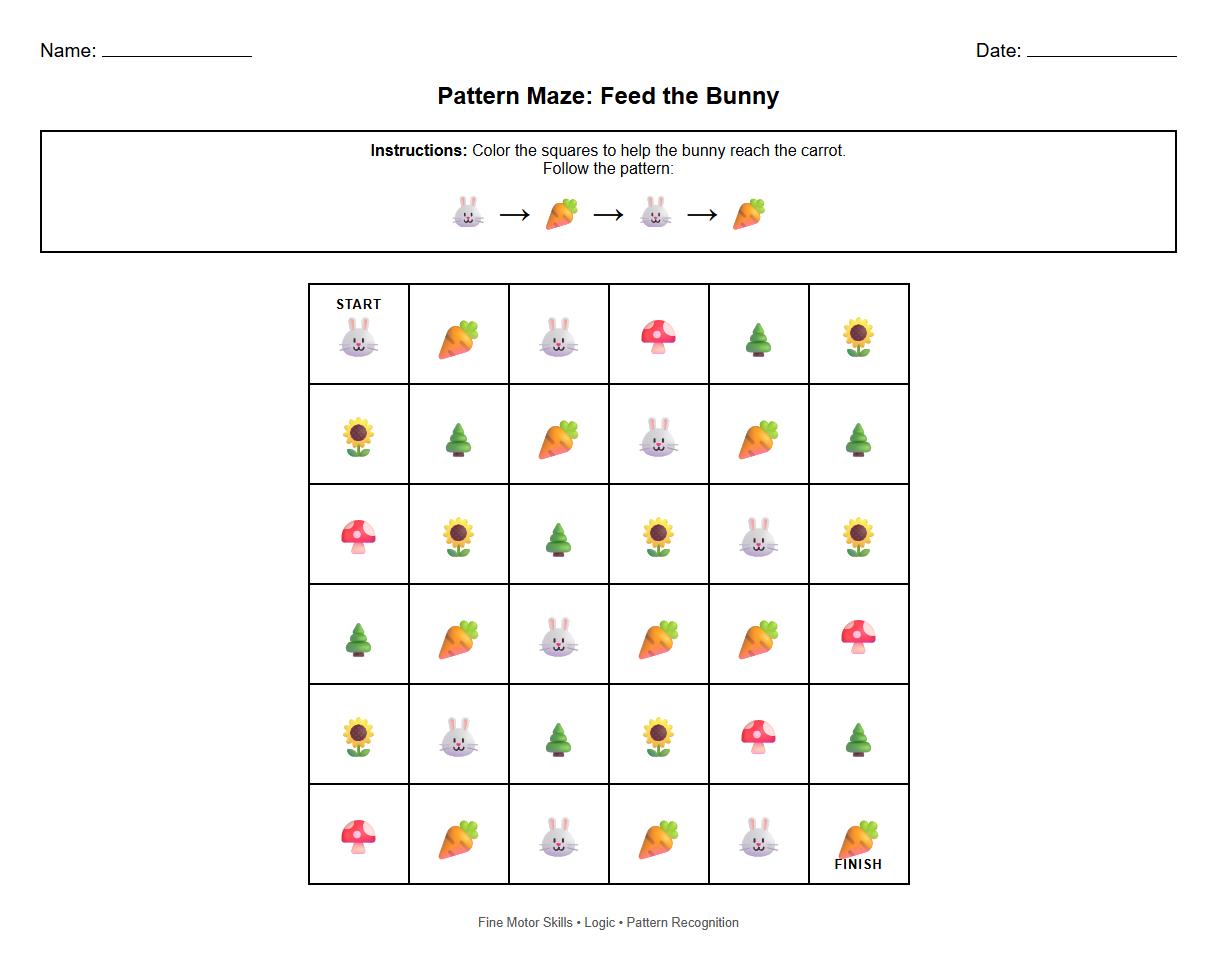
Mazes motivate children to apply logical reasoning by analyzing sequences and making choices based on visual clues. By predicting consequences of each turn, students enhance their ability to organize thoughts systematically. Mazes also teach pattern recognition and cause-effect relationships. These skills are essential for early cognitive development.
Shapes and Patterns for Beginner Complexity Mazes
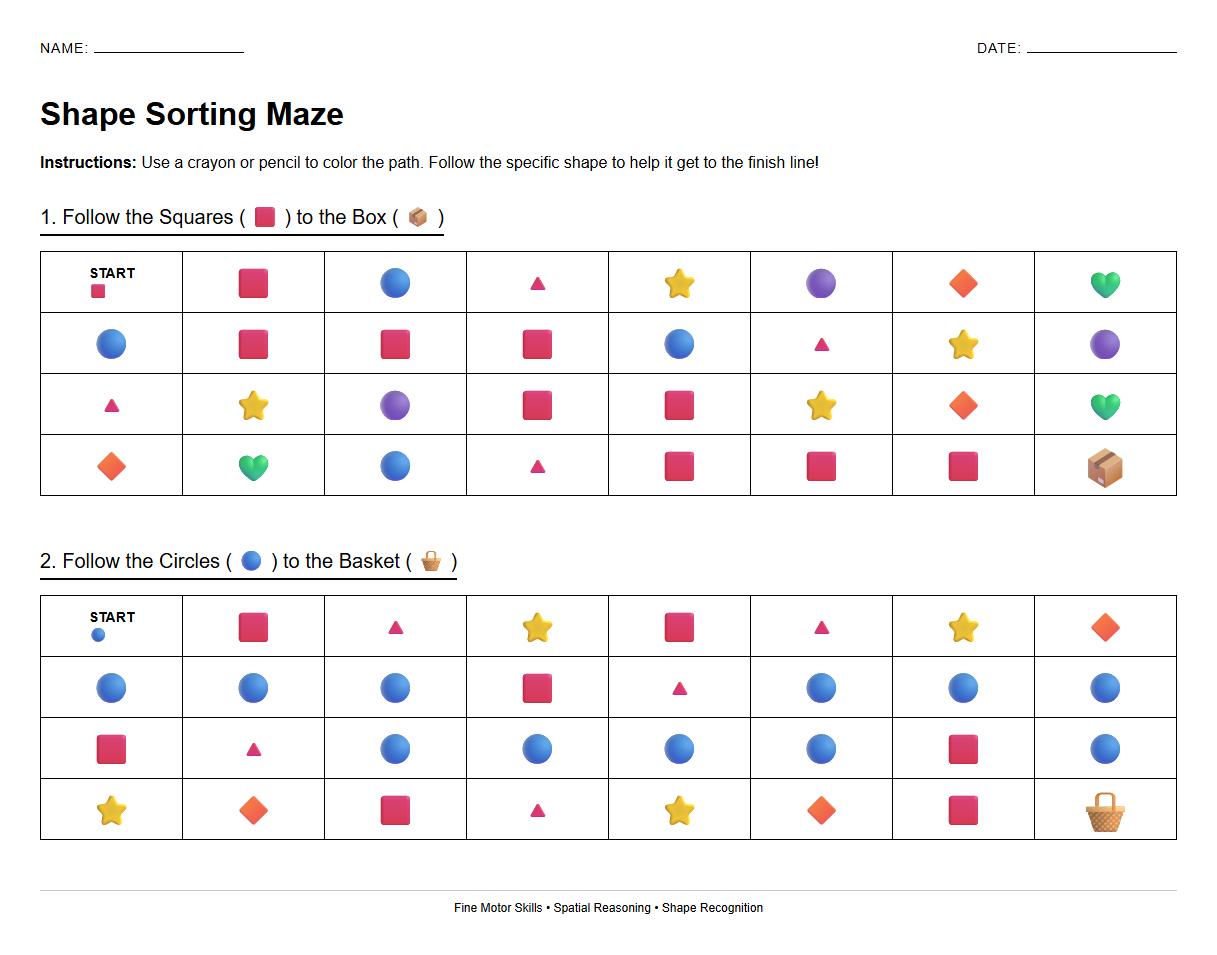
Simple geometric shapes like squares, triangles, and circles work best for beginner mazes as they are familiar to young children. Patterns involving straight and gently curved lines help avoid overwhelming complexity. Using consistent and clear pathways supports early spatial awareness. These shapes and patterns promote confidence in navigating mazes.
Scaffolding Maze Activities for Different Skill Levels
Teachers can scaffold maze tasks by varying maze size, complexity, and available clues to suit individual abilities. Starting with simple layouts and gradually increasing difficulty helps build student competence. Providing visual supports and step-by-step guidance fosters independent problem-solving. Differentiated activities ensure all children engage successfully.
The Role of Trial and Error in Maze Problem Solving
Trial and error allows kindergarteners to experiment with different paths and learn from mistakes in a safe environment. This iterative process strengthens resilience and adaptability. It also encourages a growth mindset, understanding that errors are part of learning. Trial and error deepen children's understanding of cause and effect.
Integrating Mazes With Other Curriculum Subjects
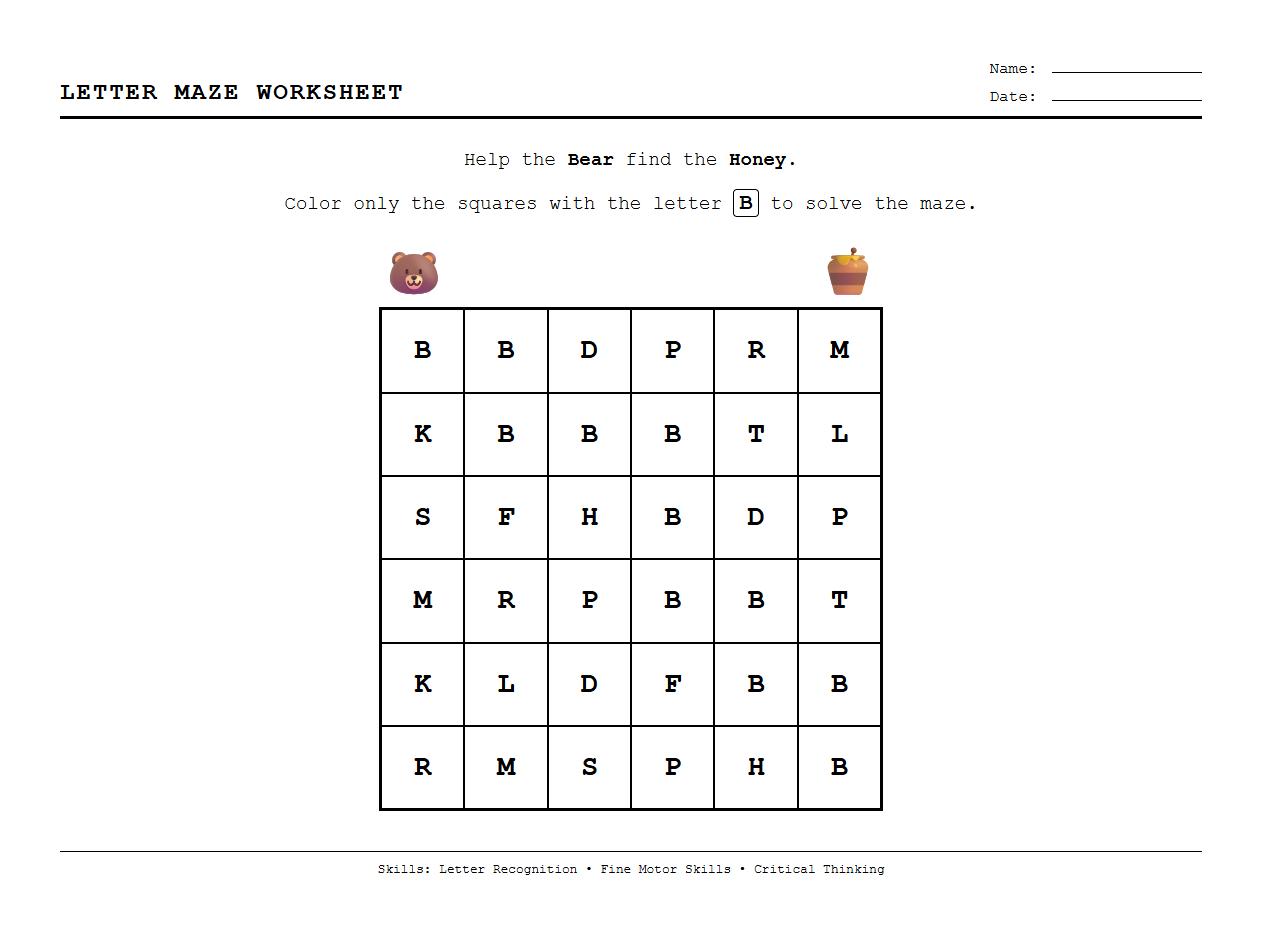
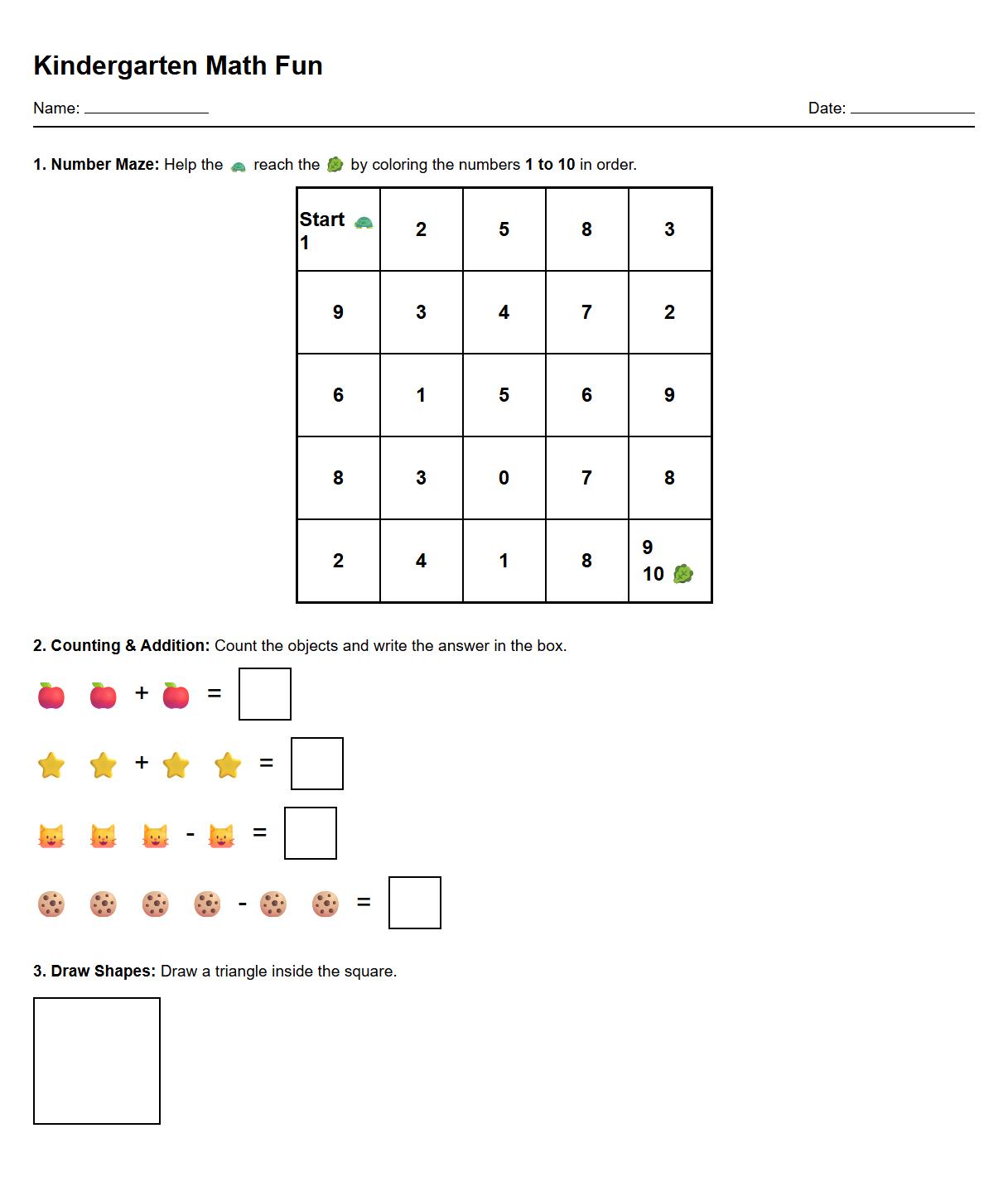
Mazes can be connected to literacy, math, and science by incorporating letters, numbers, and nature themes. For example, tracing correct paths based on letter sequencing or counting steps reinforces cross-curricular skills. This integration supports holistic learning and keeps students' interest high. It also contextualizes critical thinking within multiple domains.
Best Materials and Tools for Hands-On Maze Activities
Using physical maze boards, puzzle books, and printable worksheets provides tactile engagement for children. Tools like crayons, finger pointers, and dry-erase markers encourage active participation. Digital maze games can also complement hands-on activities where technology is available. Varied materials cater to different learning styles.
Promoting Collaboration and Communication Through Group Maze Activities
Group maze tasks encourage students to share ideas, negotiate strategies, and support peers, strengthening social skills. Collaboration fosters verbal communication and teamwork as children discuss possible solutions. Working together on mazes helps build patience and empathy. These interactions enrich the learning experience.
Assessment Methods to Evaluate Critical Thinking in Mazes
Educators can assess critical thinking by observing students' problem-solving approaches and decision-making processes during maze activities. Checklists noting persistence, strategy use, and accuracy provide useful data. Reflective discussions and student self-assessments further illuminate thinking skills. These methods ensure effective monitoring of progress.


Spot the Difference Worksheet Activity for Kindergarten Observation Skills