Scissor Cutting Skills Worksheet Collection for Kindergarten

📅 Mar 28, 2025 👤 Nylen Smith

Developing scissor cutting skills enhances fine motor control and hand-eye coordination essential for kindergarten readiness. These carefully designed worksheets offer step-by-step cutting activities that build confidence and precision in young learners. Explore our collection of worksheets to support your child's progress in mastering scissor techniques.

Straight Line Scissor Cutting Skills Worksheet
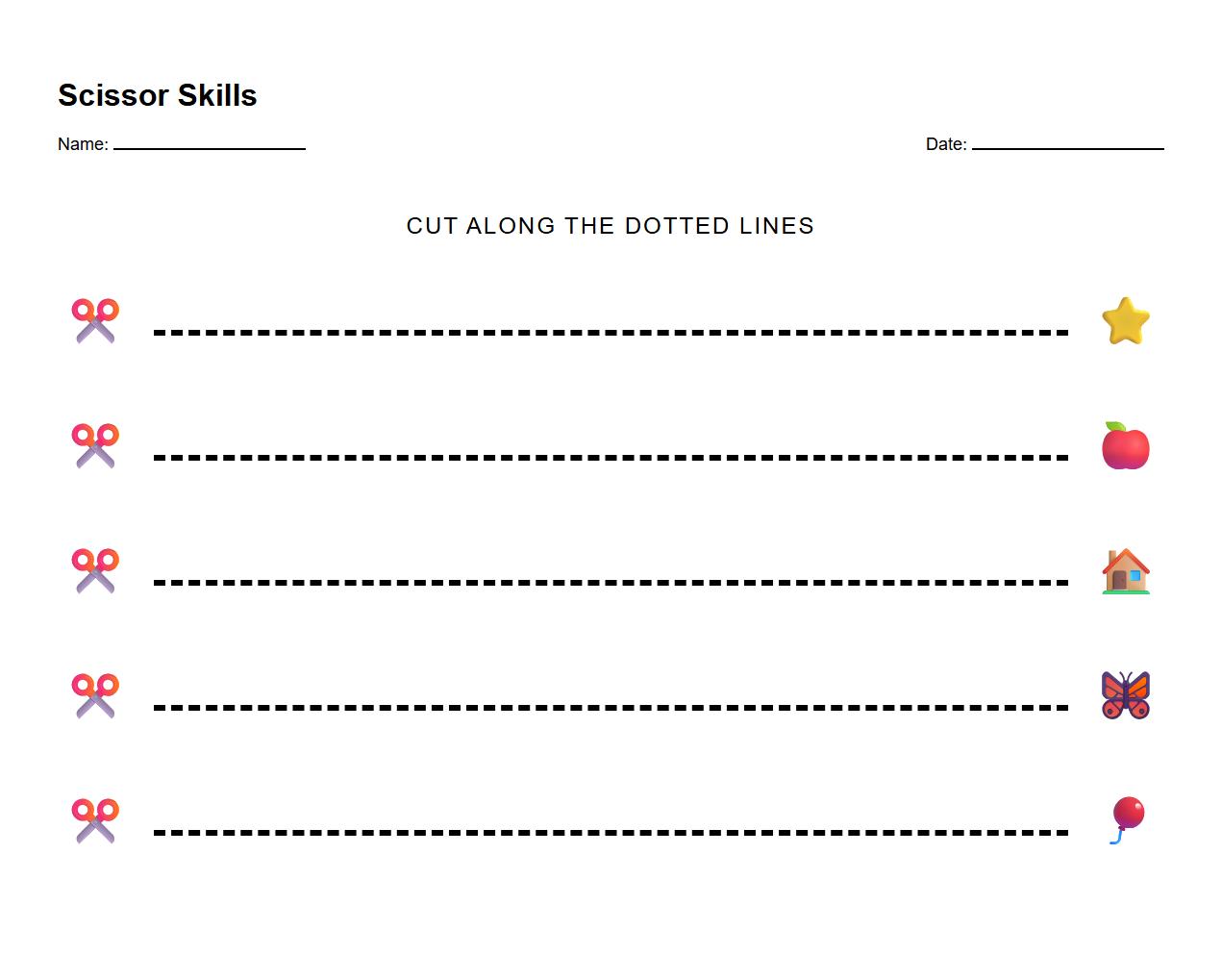
Straight Line Scissor Cutting Skills Worksheet

Download PDF     Pin it

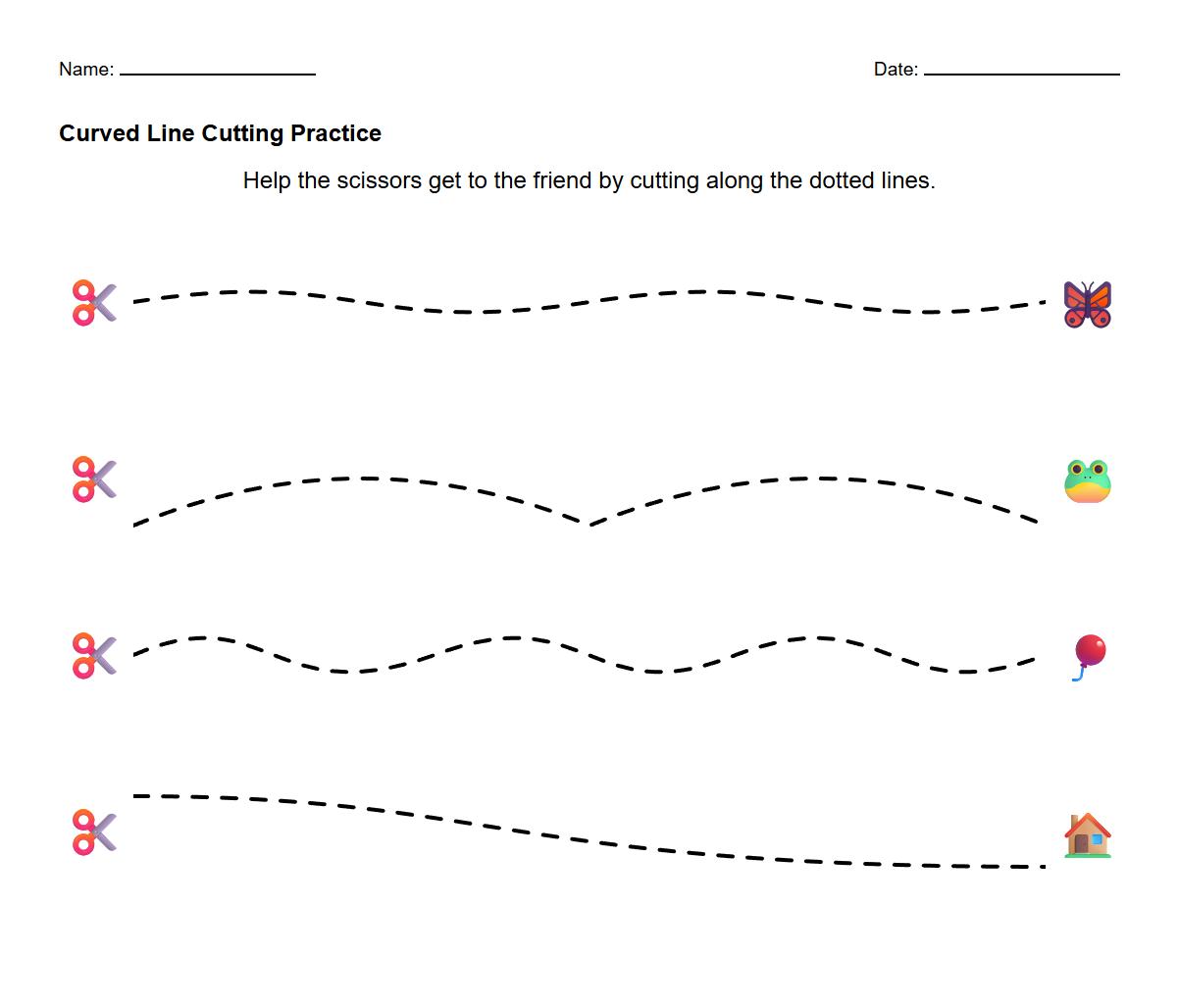
Curved Line Scissor Cutting Skills Worksheet

Curved Line Scissor Cutting Skills Worksheet
Download PDF     Pin it

Zigzag Line Scissor Cutting Practice Worksheet
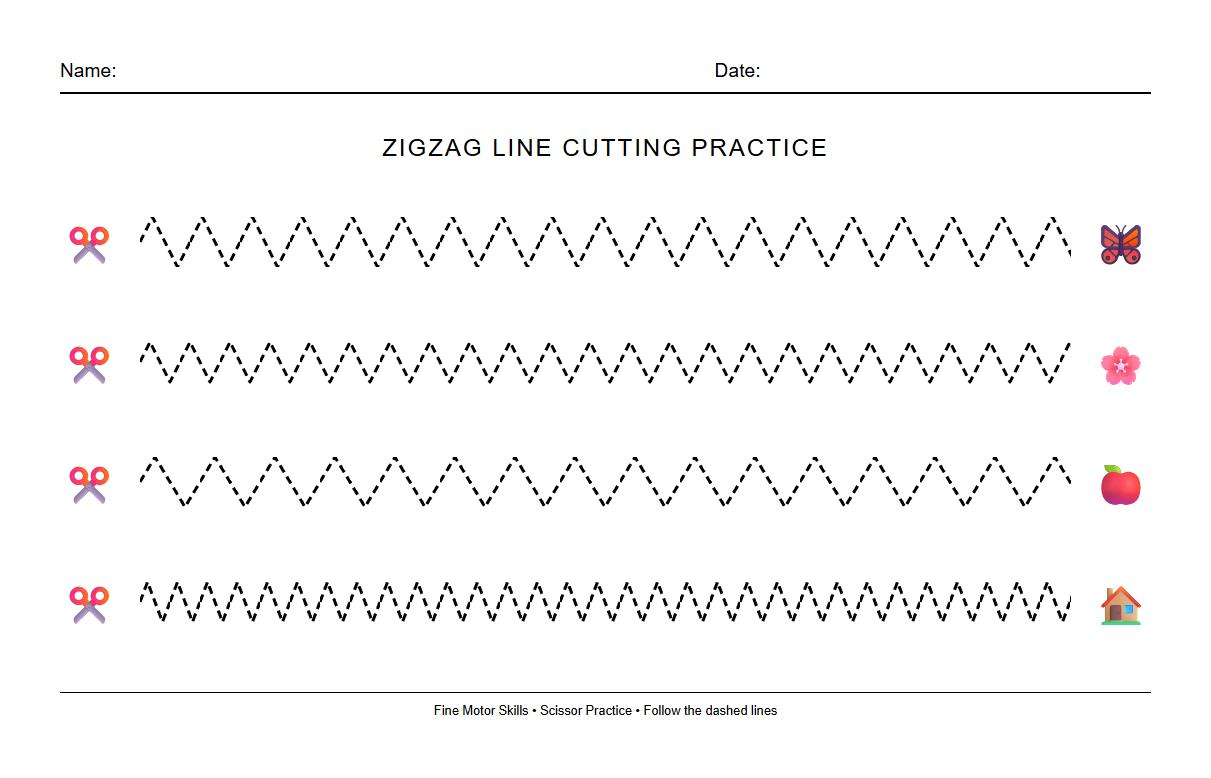
Zigzag Line Scissor Cutting Practice Worksheet

Download PDF     Pin it

Shape Cutting Skills Worksheet (circle, square, triangle)
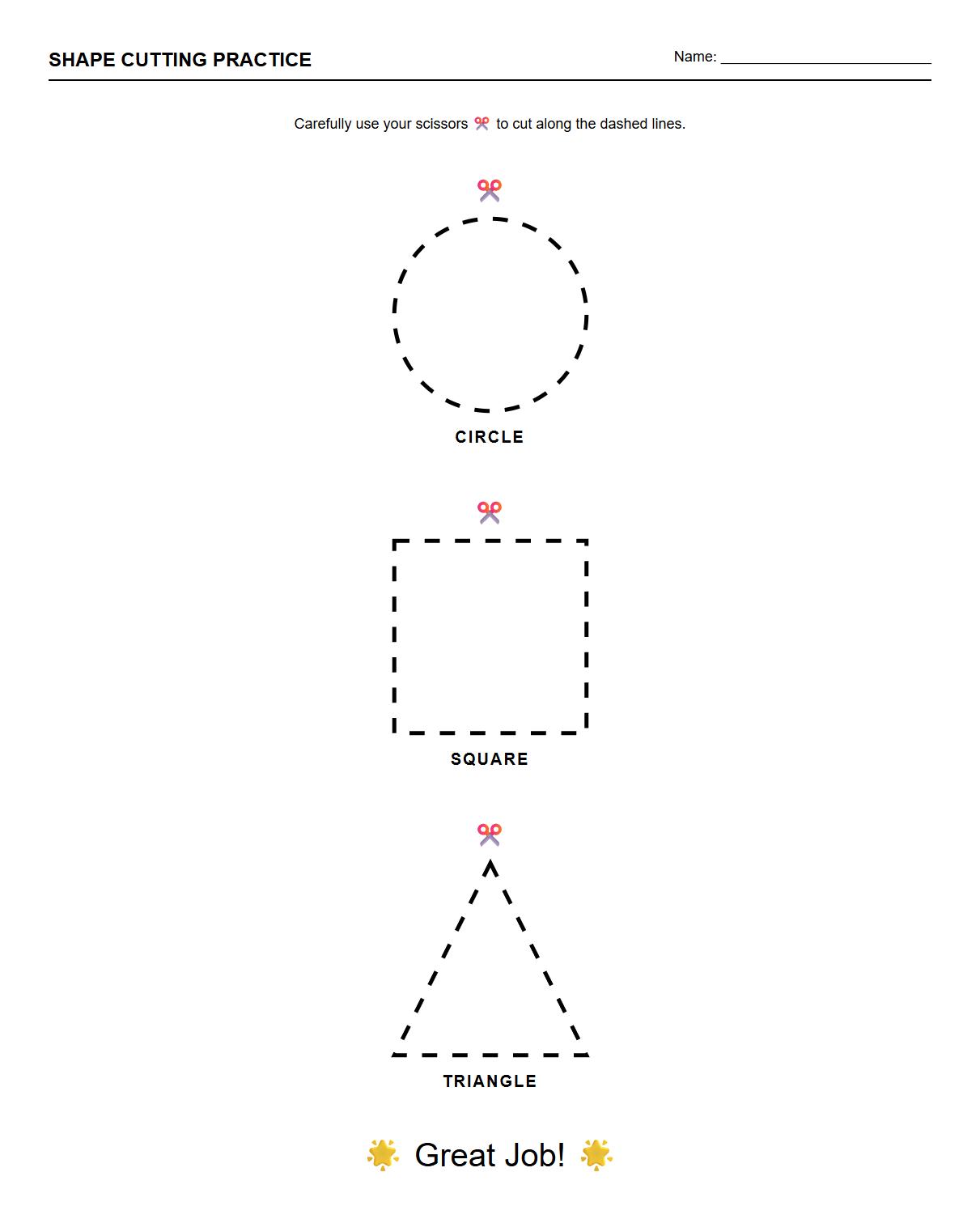
Shape Cutting Skills Worksheet (circle, square, triangle)

Download PDF     Pin it

Patterned Line Scissor Cutting Worksheet
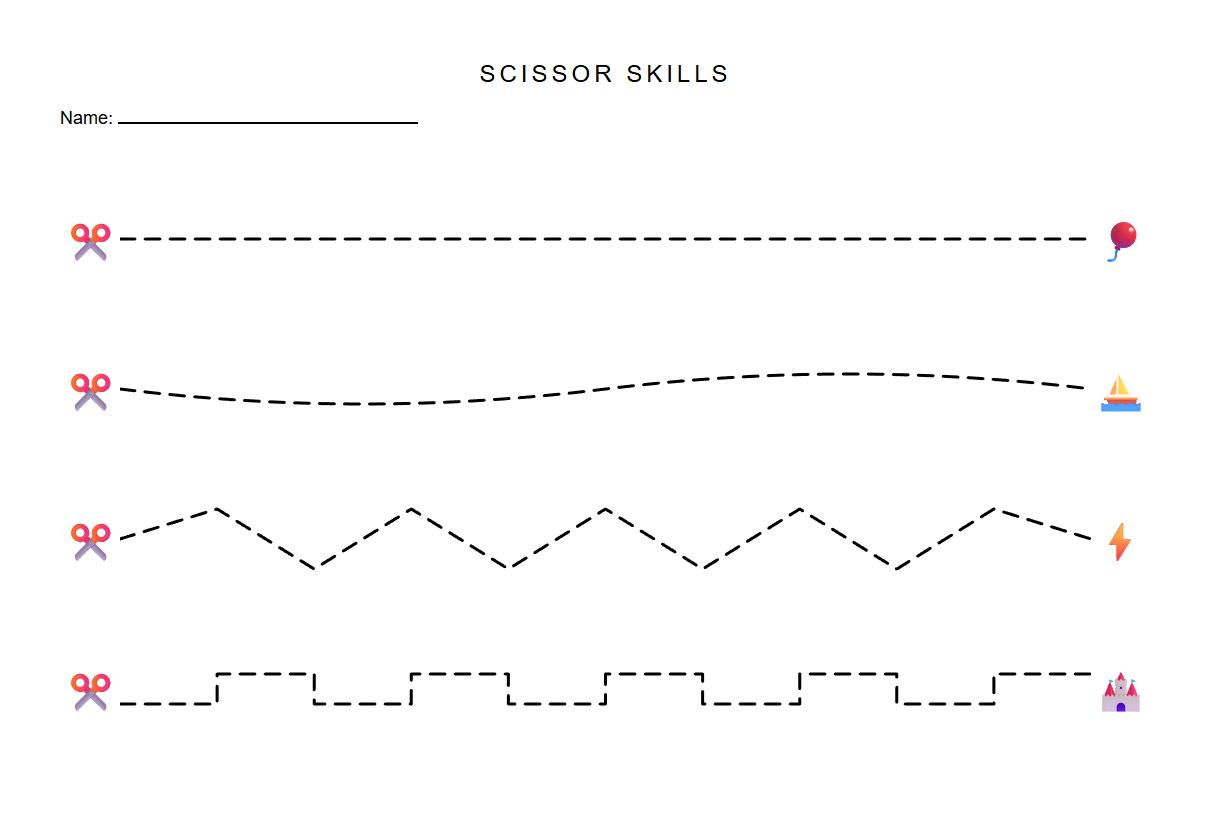
Patterned Line Scissor Cutting Worksheet

Download PDF     Pin it

Complex Design Scissor Cutting Skills Practice
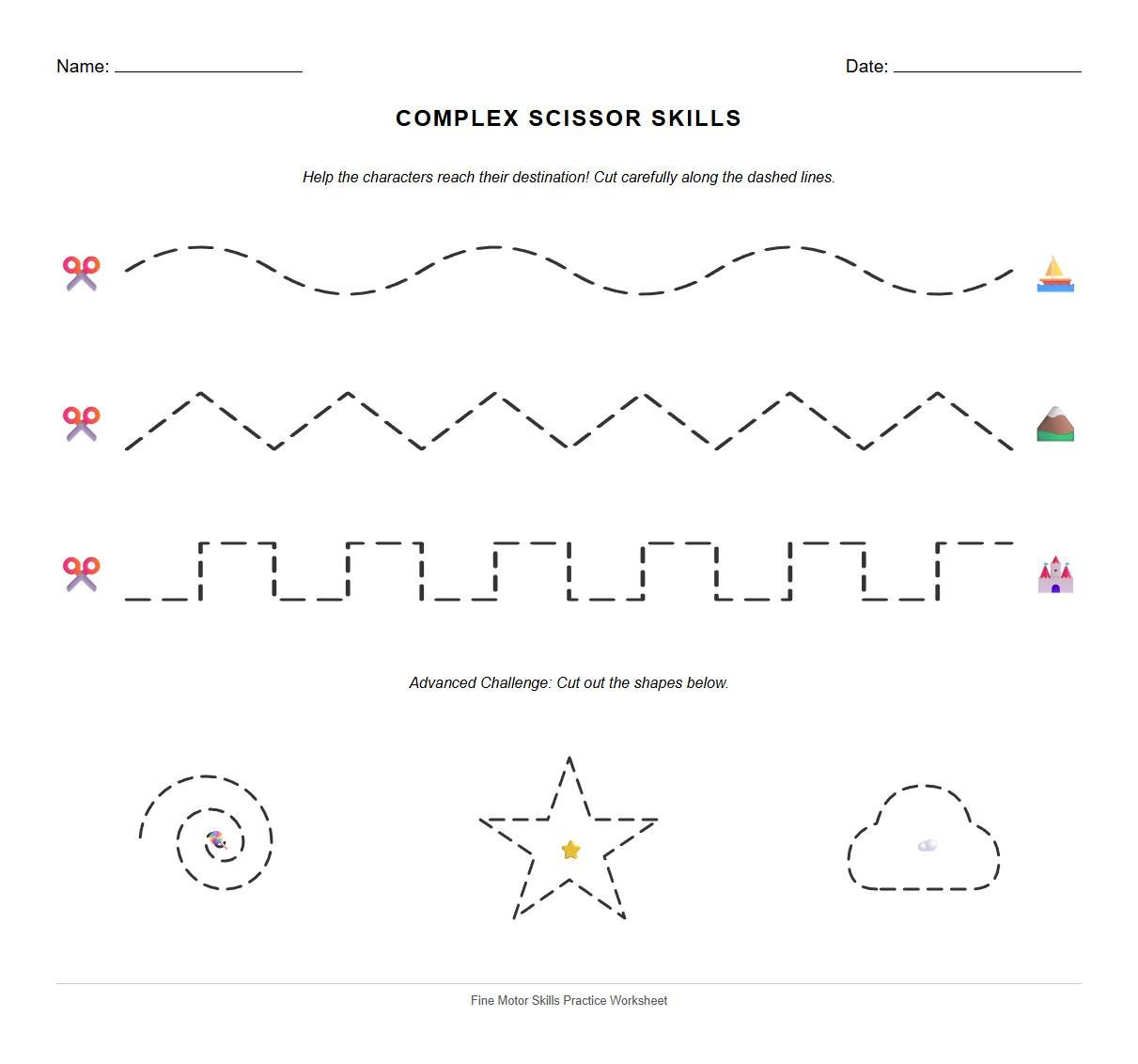
Complex Design Scissor Cutting Skills Practice

Download PDF     Pin it

Picture Puzzle Scissor Cutting Activity Sheet
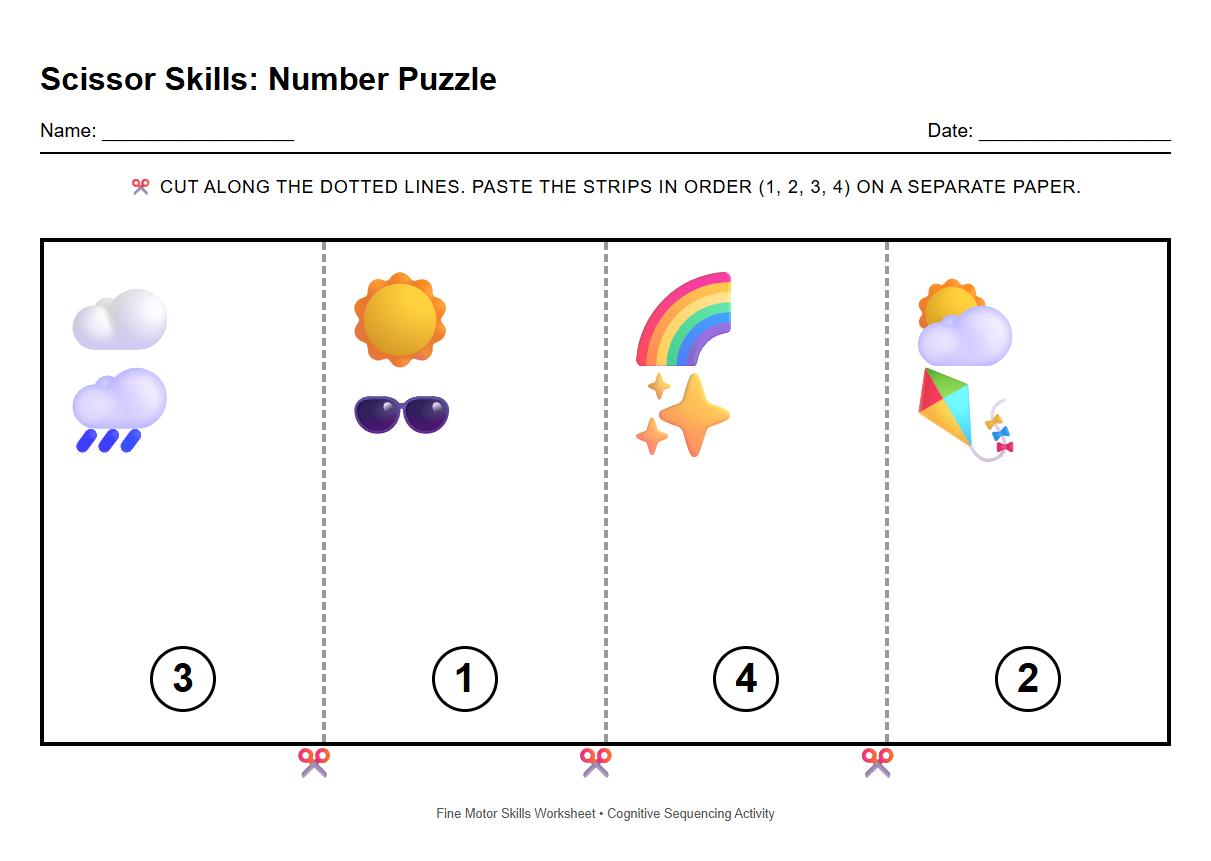
Picture Puzzle Scissor Cutting Activity Sheet

Download PDF     Pin it

Object Outline Phonics Scissor Cutting Worksheet
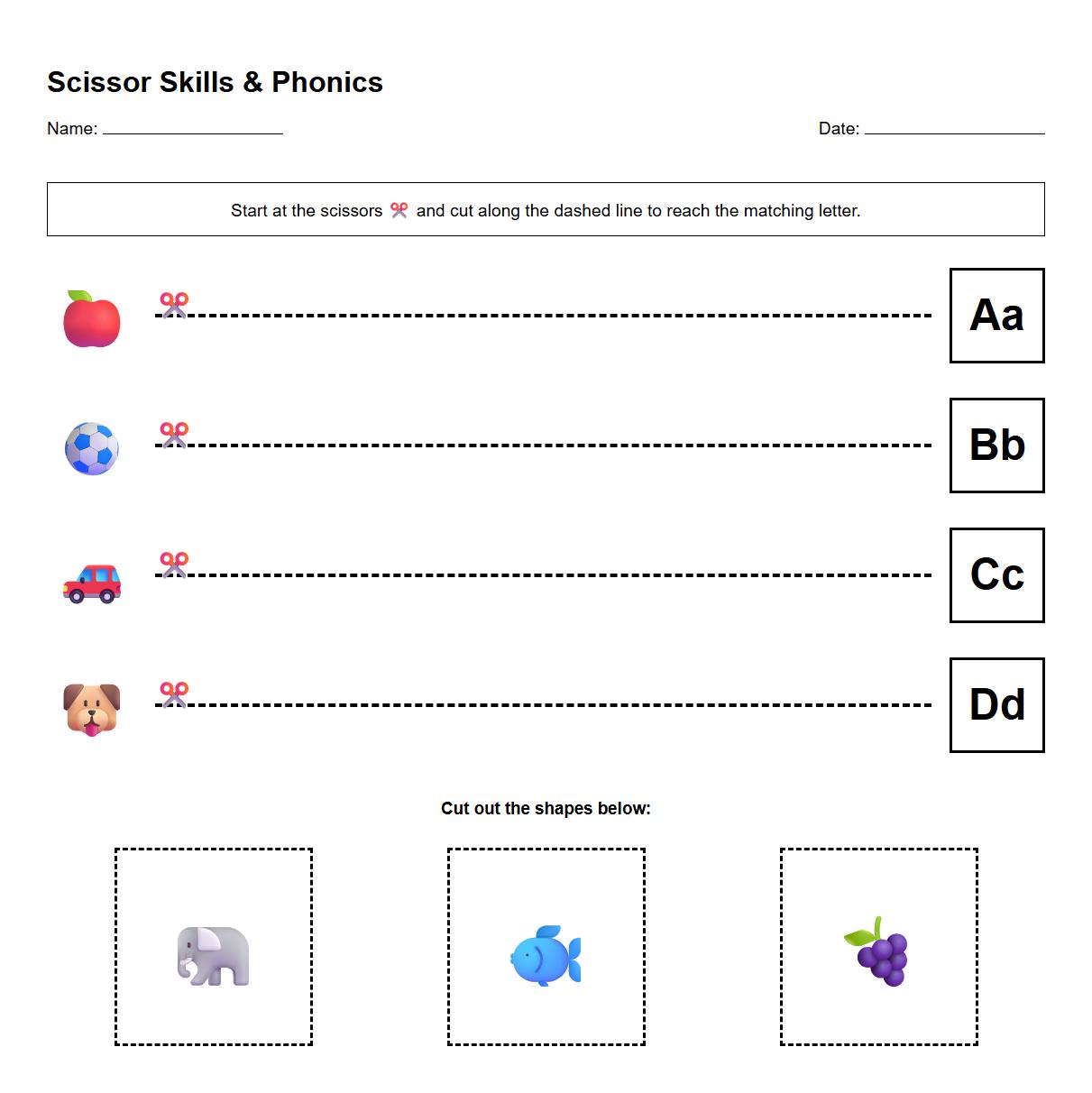
Object Outline Phonics Scissor Cutting Worksheet

Download PDF     Pin it

Symmetry Scissor Cutting Skill Development Sheet
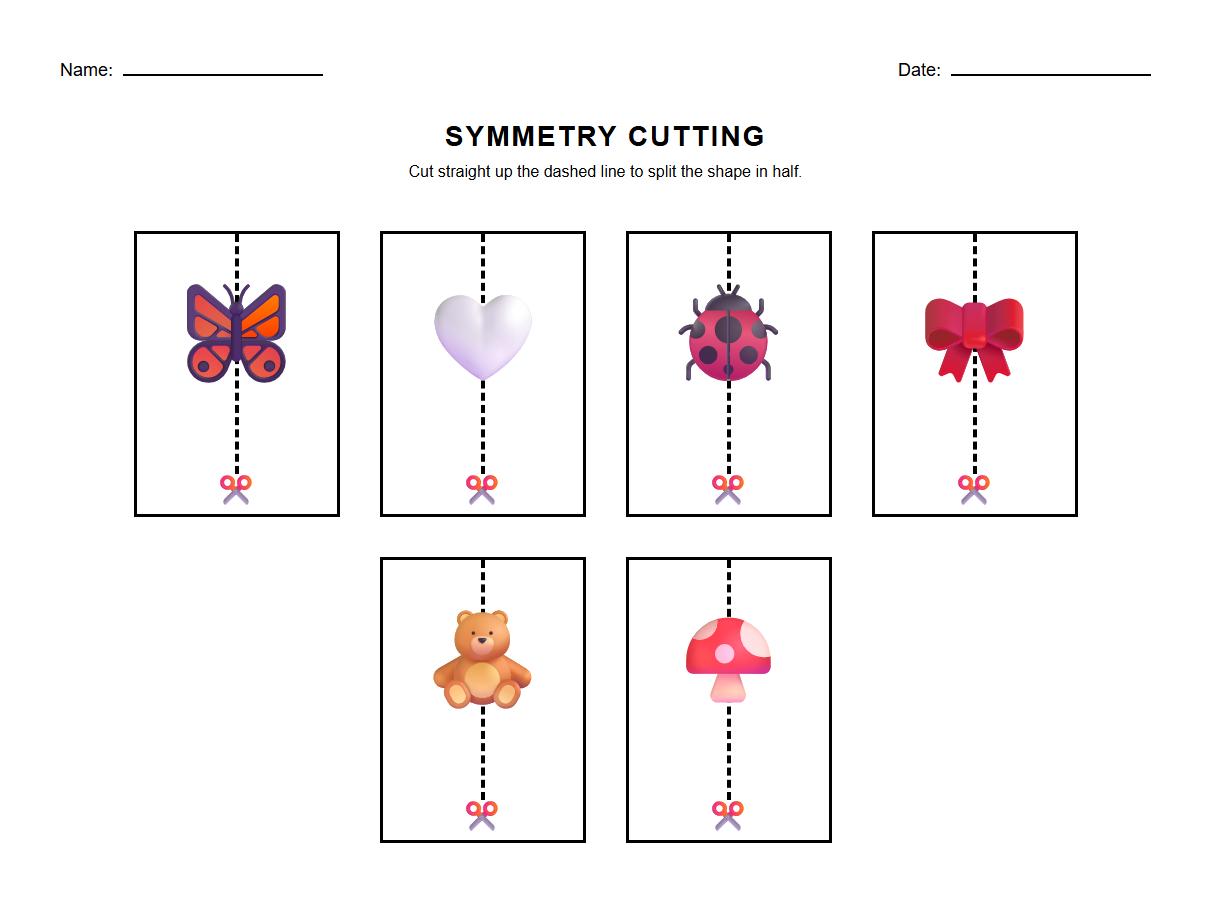
Symmetry Scissor Cutting Skill Development Sheet

Download PDF     Pin it

Sequencing Scissor Cutting Skills Worksheet
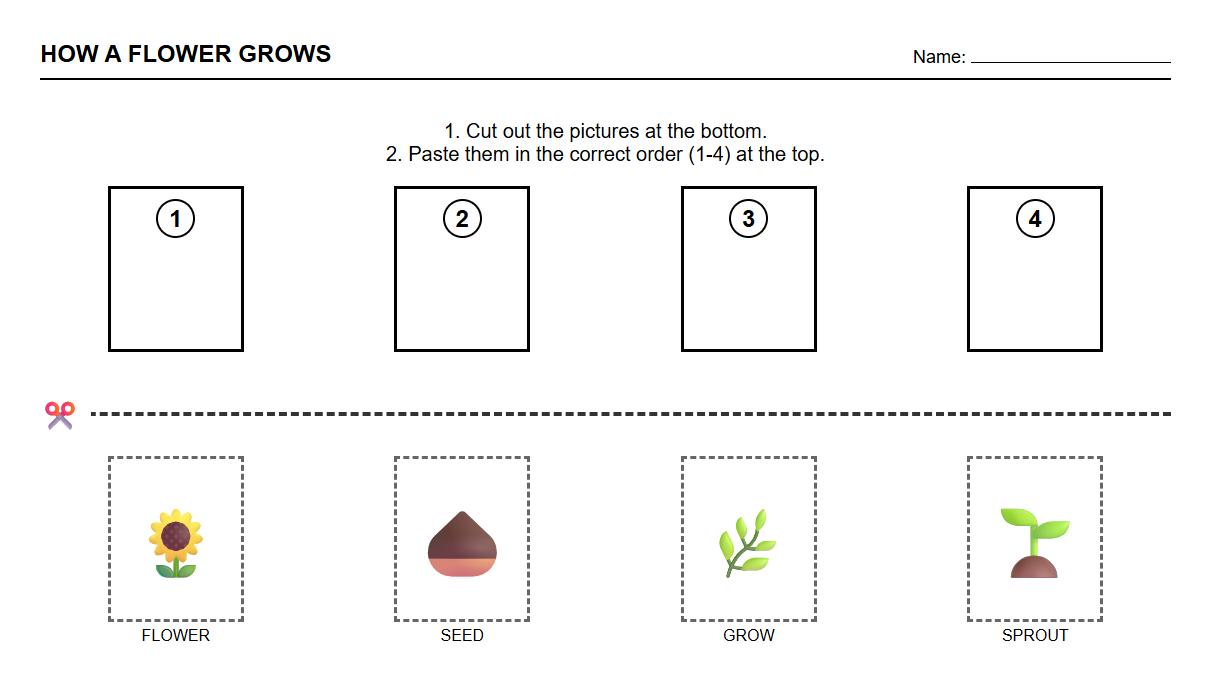
Sequencing Scissor Cutting Skills Worksheet

Download PDF     Pin it

Benefits of Using Scissor Cutting Worksheets in Kindergarten

Scissor cutting worksheets enhance hand-eye coordination, essential for early childhood development. They also promote fine motor skills through repetitive, controlled movements. These worksheets encourage focus and patience while providing a fun learning activity for young children. Additionally, they build confidence as children master new skills.

How Cutting Activities Support Fine Motor Skill Development in Young Children

Cutting activities strengthen small muscles in the hands and fingers, crucial for writing and self-care tasks. They improve dexterity, hand strength, and bilateral coordination by requiring simultaneous use of both hands. These skills lay the foundation for more advanced tasks like typing and drawing. Regular practice supports overall motor development.

Shapes to Include in Scissor Skills Worksheets for Beginners

Start with simple shapes such as straight lines, circles, squares, and triangles that are easy to cut along. Gradually introduce more complex shapes like zigzags and waves to challenge coordination. Shapes with larger outlines help beginners build confidence. Incorporating familiar shapes keeps learners engaged and motivated.

Ensuring Safety While Children Practice Cutting with Scissors

Teachers should provide child-friendly safety scissors with blunt tips to reduce injury risk. Clear instructions and demonstrations on proper scissor handling are vital. Supervision during cutting activities ensures vigilance and immediate assistance. Establishing rules helps maintain a safe learning environment.

Creative Themes for Scissor Cutting Worksheets That Engage Kindergartners

Use playful themes like animals, nature, holidays, and everyday objects to make cutting fun and relatable. Story-based cutting sequences can enhance engagement and contextual learning. Colorful designs and interactive elements encourage children to complete the worksheets enthusiastically. Themes aligned with classroom topics reinforce learning across subjects.

Frequency of Scissor Skill Practice During Kindergarten Class

Kindergartners benefit from regular, short cutting sessions ideally 2-3 times per week. Frequent, manageable practice helps maintain interest and develops consistent progress. Allowing time for both guided and independent cutting strengthens skill acquisition. Integrating cutting into other classroom activities fosters holistic growth.

Signs a Child Needs More Support with Scissor Cutting Practice

Look for difficulty controlling scissors, frequent dropping, or inability to follow cutting lines precisely. Signs of frustration, avoidance, or limited grip strength also indicate the need for assistance. Children struggling with bilateral coordination and hand fatigue may benefit from tailored interventions. Early identification ensures targeted support for skill improvement.

How Parents Can Help Children Improve Scissor Skills at Home

Parents can encourage daily practice with safe, age-appropriate scissors and simple cutting tasks. Offering praise and creating a positive environment boosts motivation and confidence. Supervised activities such as cutting along paper lines or shapes help develop precision. Combining cutting with fun crafts increases engagement and skill retention.

Materials Ideal for Beginner Scissor Practice Besides Plain Paper

Lightweight cardstock, colored construction paper, and old magazines provide varied cutting textures and challenges. Using felt sheets or thin foam adds sensory diversity to the activity. These materials hold up better to handling and make cutting more interesting. Texture variety supports fine motor adaptability and sensory exploration.

Effective Ways to Assess Progress in Scissor Cutting Skills in Kindergarten

Teachers can use observation checklists focusing on grip, control, and accuracy during cutting tasks. Comparing initial and current worksheet completions highlights improvement over time. Periodic skill demonstrations allow children to show mastery in a structured setting. Incorporating self-assessment and peer feedback fosters reflection and motivation.


More in Fine Motor and Cognitive Skills Category


About the author. Nylen Smith is a dedicated educator and cofounder of KWorksheet.com, a popular platform specializing in high-quality kindergarten worksheets and printable activities.

Disclaimer. The information provided in this document is for general informational purposes and/or document sample only and is not guaranteed to be factually right or complete. Please report to us via contact-us page if you find and error in this page, thanks.

Comments

No comment yet