Kindergarten phonics and color blending worksheets enhance early reading skills by combining letter recognition with color identification. This multisensory approach supports memory retention and makes learning engaging for young children. Explore a variety of worksheets designed to develop both phonics and color blending abilities.
Understanding the Sound of Letter B
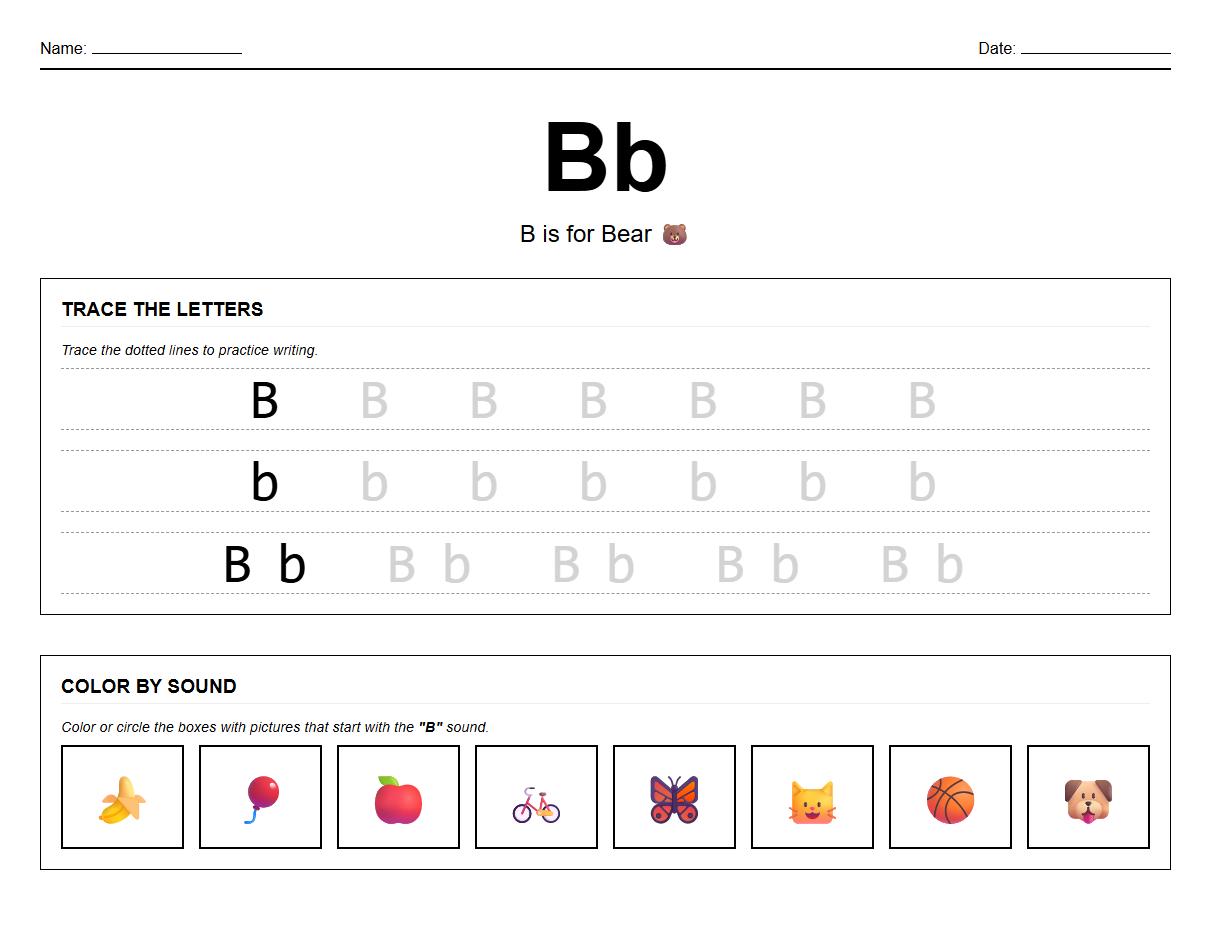
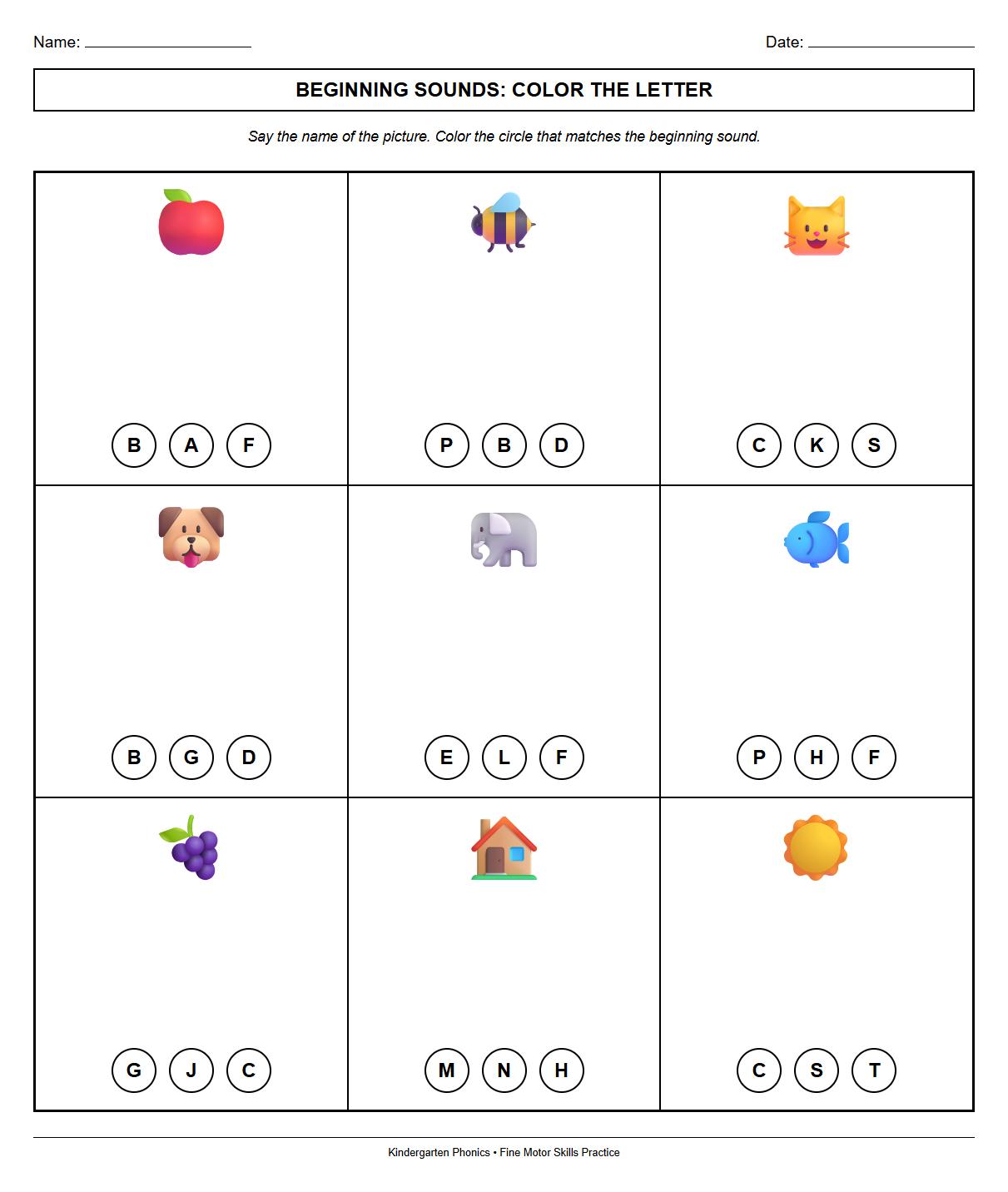
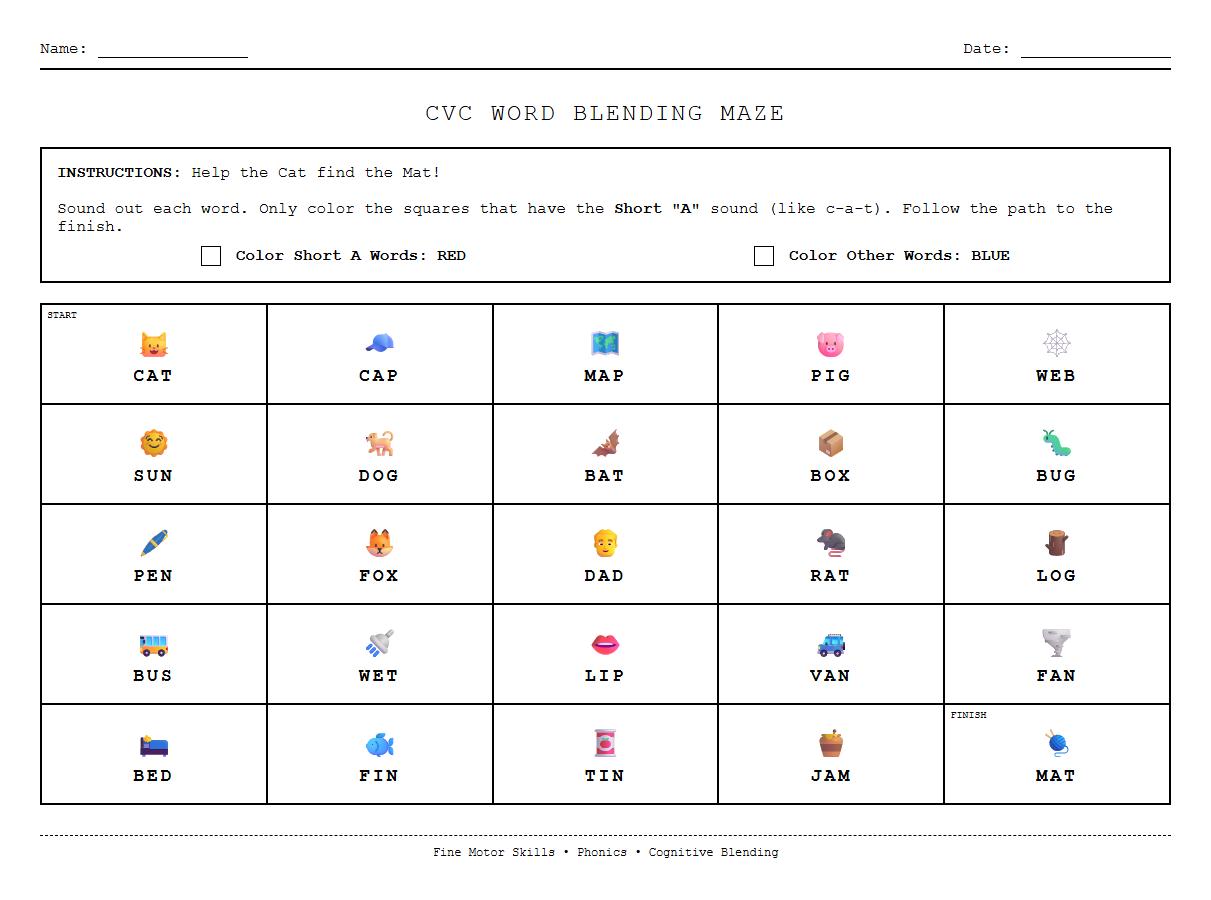
The letter B makes a "buh" sound in the word bat. This sound is the starting point for many basic words, making it essential for early language learning. Teachers and parents can emphasize this by pronouncing the sound clearly and encouraging children to repeat it. Pronunciation practice helps young learners connect letters to their corresponding sounds effectively. Practice letter sounds with phonics mazes for early readers.
Identifying Pictures That Start with Letter S
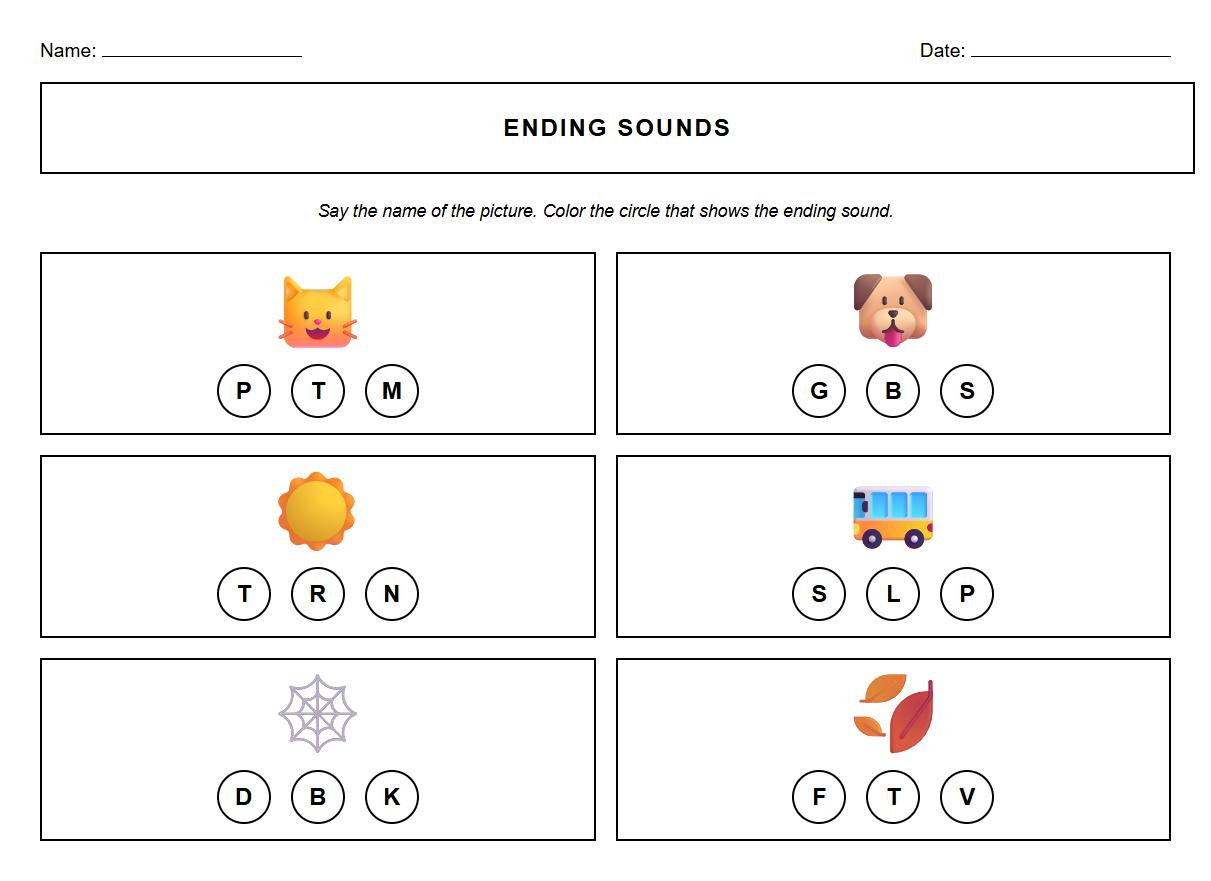
Ask children to circle all the pictures that begin with the letter S. This activity reinforces letter recognition and sound association, boosting early literacy skills. Use images like sun, snake, and star to make the task fun and engaging. Encouraging kids to recognize initial sounds in pictures deepens their understanding of phonics. Try similar exercises with visual discrimination and matching worksheets.
Mixing Colors: Red and Yellow
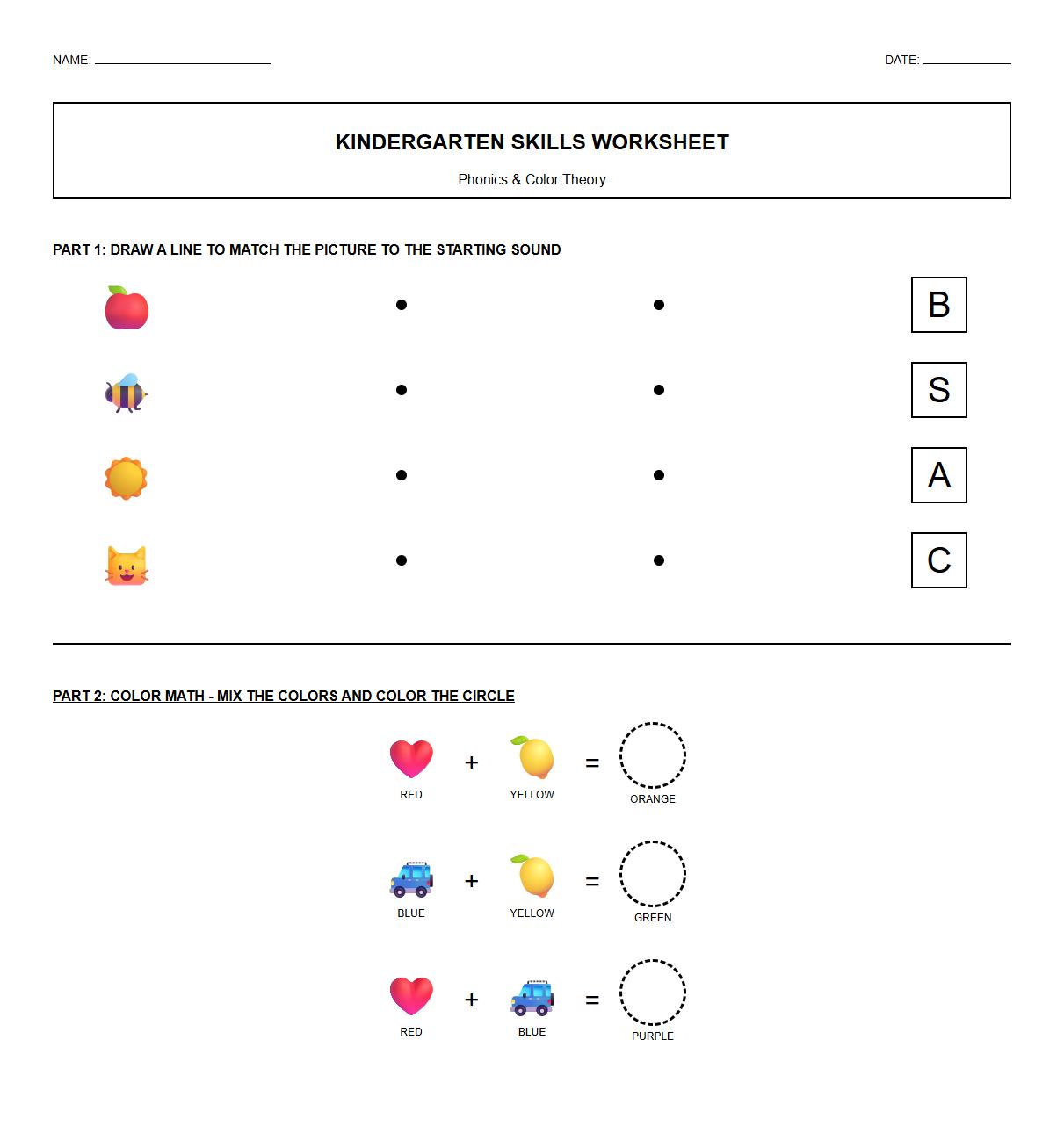
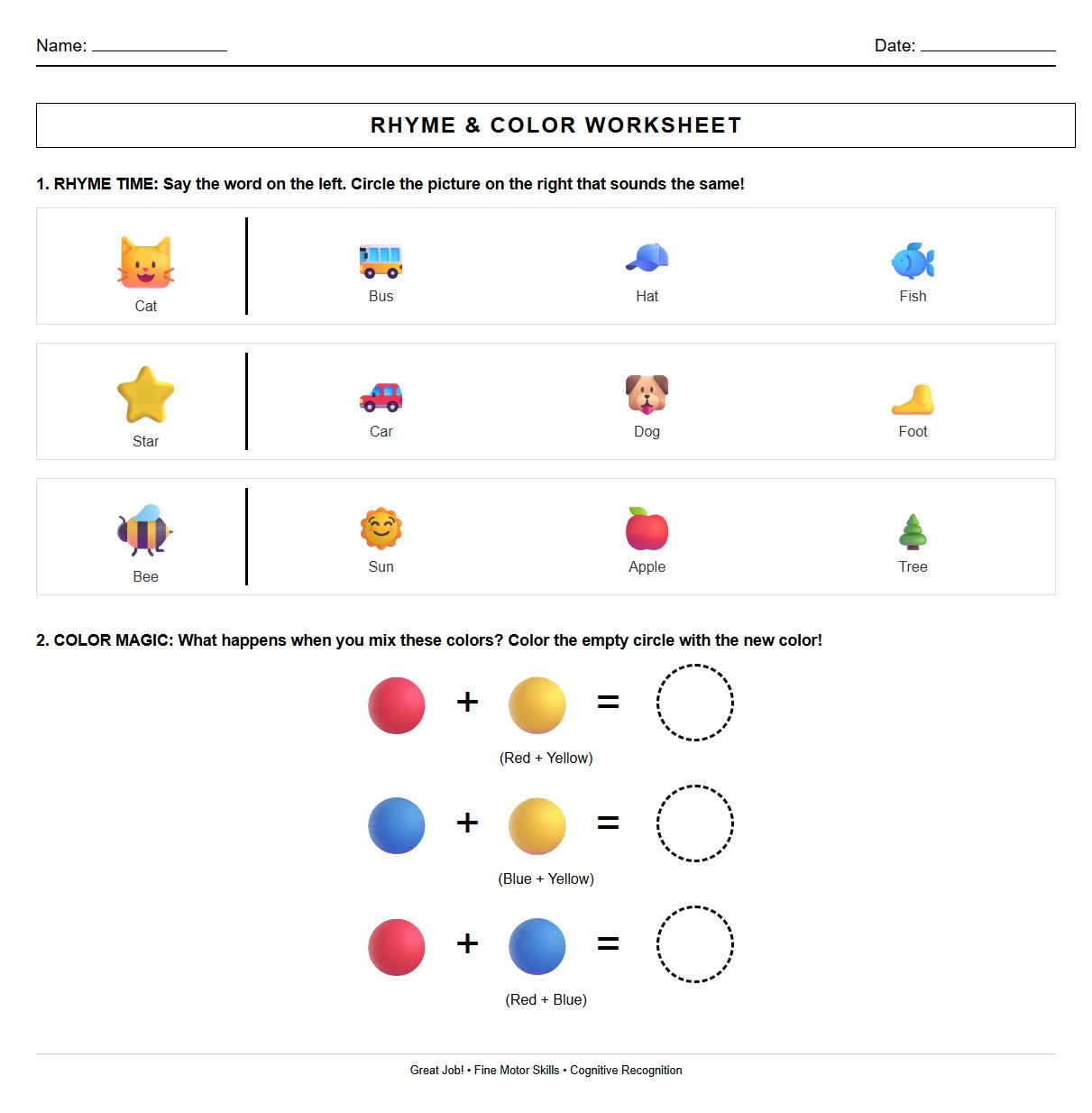
When you mix red and yellow, you get the color orange. This basic color blending skill introduces children to color theory in an interactive way. Teachers and parents can use this as a hands-on activity with paints or colored pencils. Understanding color mixing also enhances creativity and observation skills in young learners. Explore more with color matching activities.
Finding and Coloring Words Starting with the A Sound
Guide children to find and color all words that start with the A sound, such as apple and ant. This exercise develops phonemic awareness by focusing on the initial sound of words. Coloring makes the learning process enjoyable and helps in memorization. It's a great way to blend literacy with art. For more visual fun, try a visual perception and color matching worksheet.
Blending Colors to Make Purple
Explain that mixing the colors red and blue creates purple. This visual and practical activity encourages children to explore color combination concepts. Using paints or crayons, kids can experiment to see how primary colors blend into secondary ones. Such tasks build foundational knowledge in both art and science. Practice blending with color number activities.
Matching Pictures with Beginning Letter Sounds
Have children match pictures with their beginning letter sounds to strengthen letter-sound correspondence. This matching game can include letters and images like dog, cat, and ball. The activity boosts memory and recognition skills essential for reading readiness. Interactive matching engages young learners effectively. Find more with these phonics-based tracing worksheets.
Rhyming Words with Cat
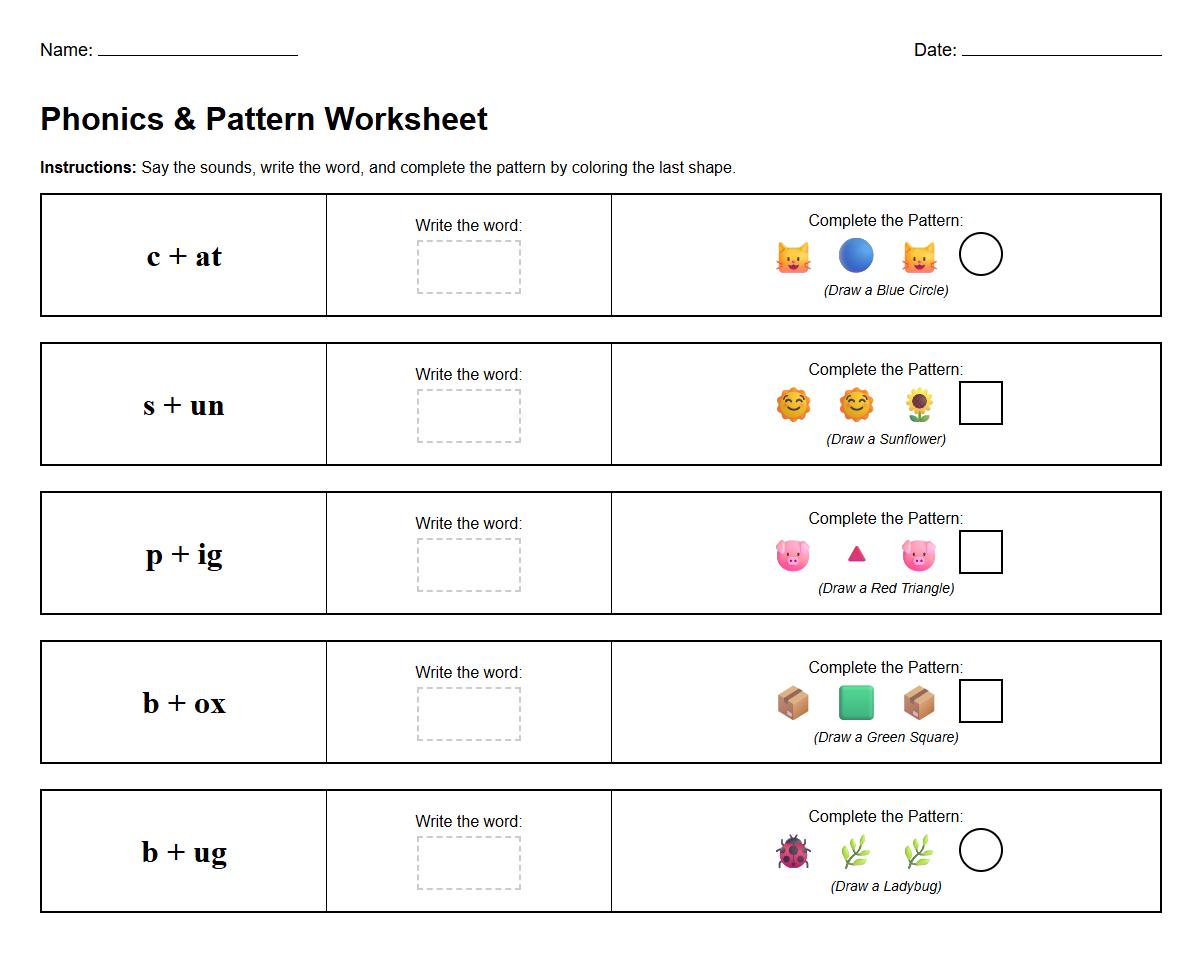
Ask the children which word rhymes with cat from a given list, such as bat, dog, or hat. Rhyming activities improve phonological awareness, a key skill for early reading. This helps kids recognize sound patterns and develop vocabulary. Rhymes also make language learning fun and rhythmic. Support rhyming and spotting differences with a visual analysis worksheet.
Coloring Objects Starting with Letter D
Encourage kids to color objects that start with the letter D, like dog, duck, or drum. This activity promotes letter recognition while integrating creativity through coloring. Focusing on a specific letter sound sharpens auditory and visual discrimination. It's a playful and effective method for learning letters. Check out these prewriting practice worksheets.
Drawing Items That Start with Letter M
Invite children to draw something that starts with the letter M, such as a moon or mouse. This drawing task encourages creativity and reinforces the connection between letters and sounds. It also supports fine motor skills development. Drawing is a great way to personalize learning and make abstract concepts concrete. Develop scissor skills and motor control with these occupational therapy worksheets.
Mixing Blue and Yellow Colors
Explain that mixing blue and yellow creates the color green. Color mixing activities like this help children understand basic scientific concepts through art. Using hands-on experiments with paint or crayons enhances engagement and retention. Learning color combinations enriches children's sensory experiences and creativity. For related activities, try these shape recognition mazes.


Color Recognition and Classification Worksheet for Young Learners