Fine Motor Development with Scissor Cutting Skills Worksheets

📅 Jan 27, 2025 👤 Nylen Smith

Fine motor development is essential for children's coordination and hand strength, and scissor cutting skills play a crucial role in enhancing these abilities. Practicing with scissors helps improve hand-eye coordination, precision, and control, which are vital for writing and other daily tasks. Explore our collection of fine motor development worksheets with scissor cutting activities designed to support skill-building through fun and engaging exercises.

Scissor Cutting Skills Worksheets with Zigzag Patterns
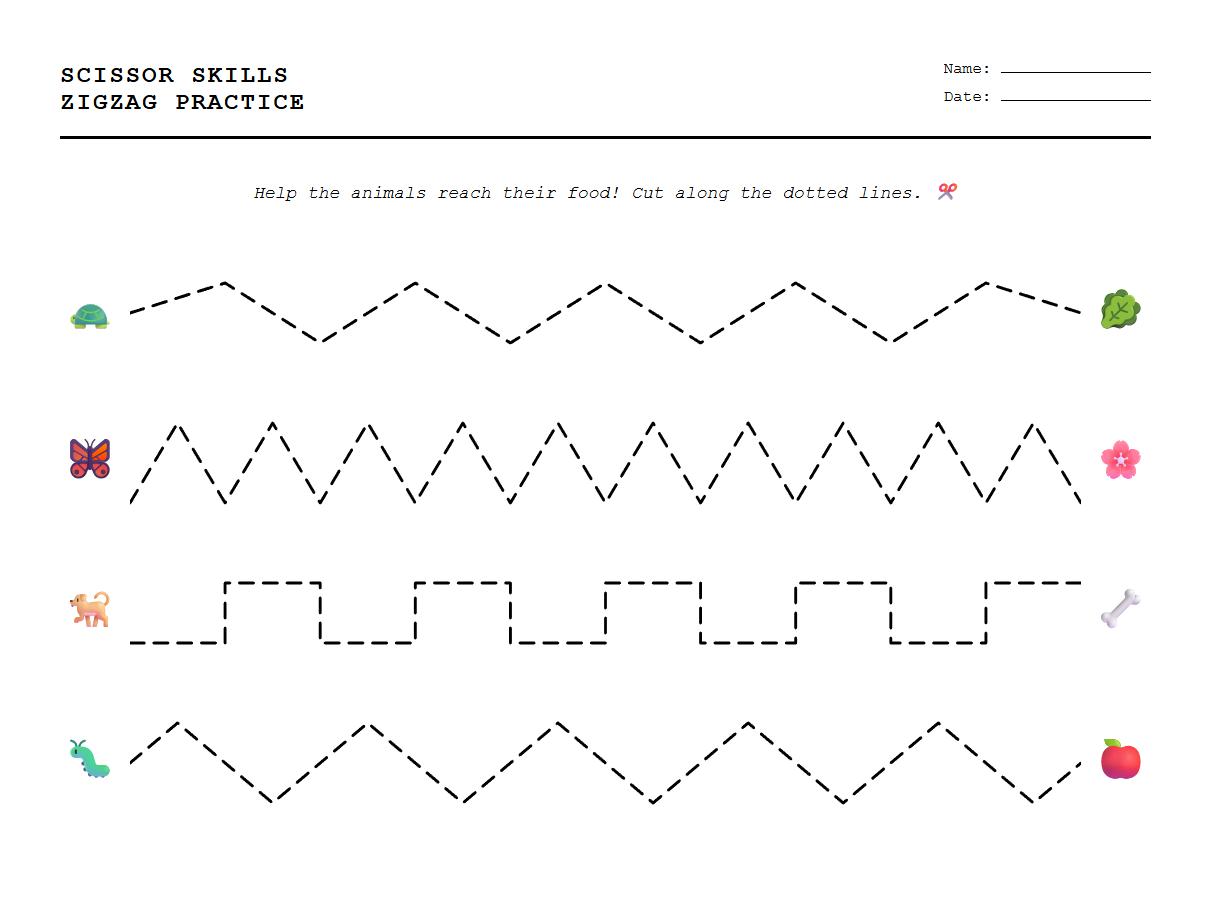
Scissor Cutting Skills Worksheets with Zigzag Patterns

Download PDF     Pin it

Fine Motor Development Worksheets Featuring Curved Line Cutting
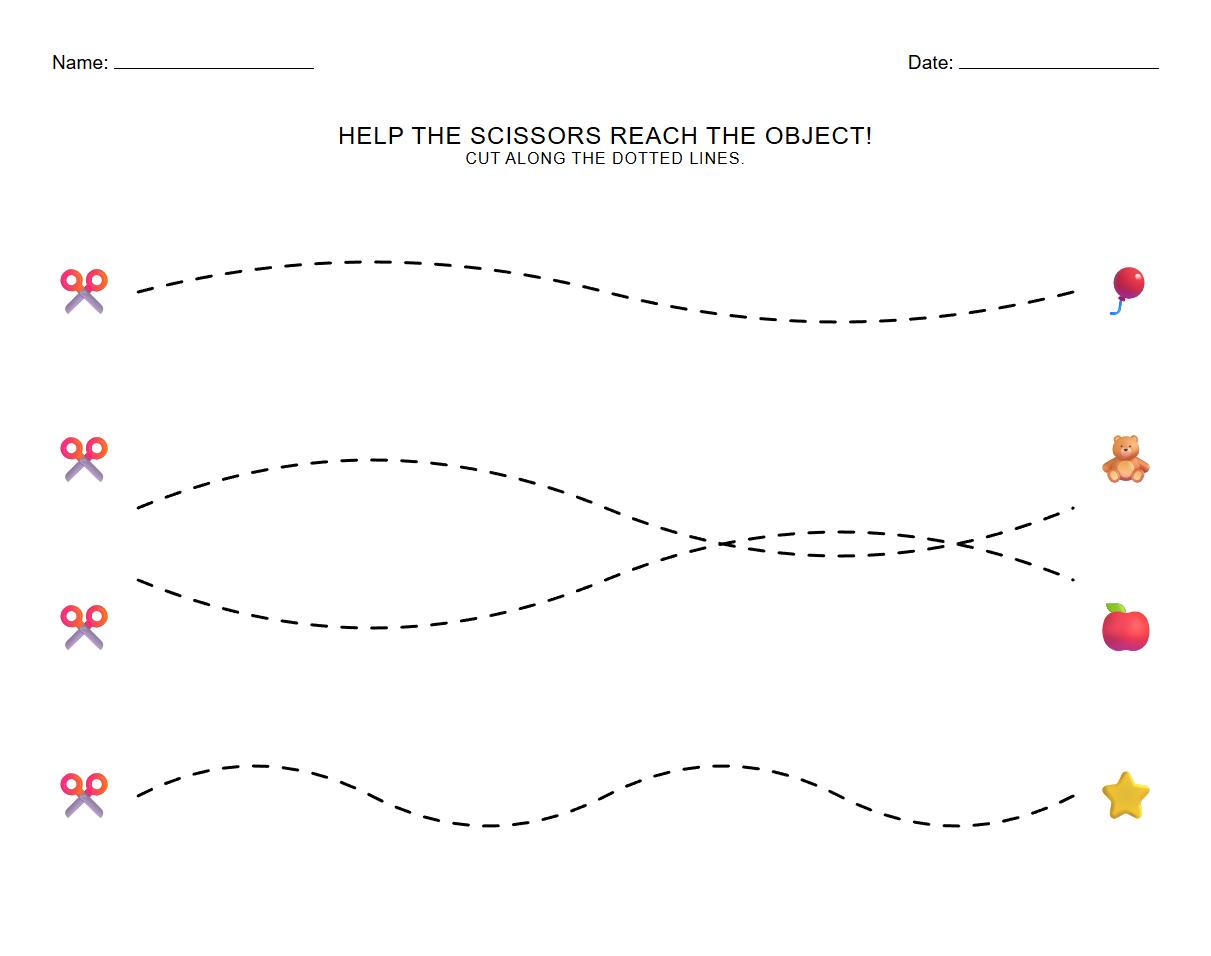
Fine Motor Development Worksheets Featuring Curved Line Cutting

Download PDF     Pin it

Shape Cutting Practice Worksheets for Preschoolers
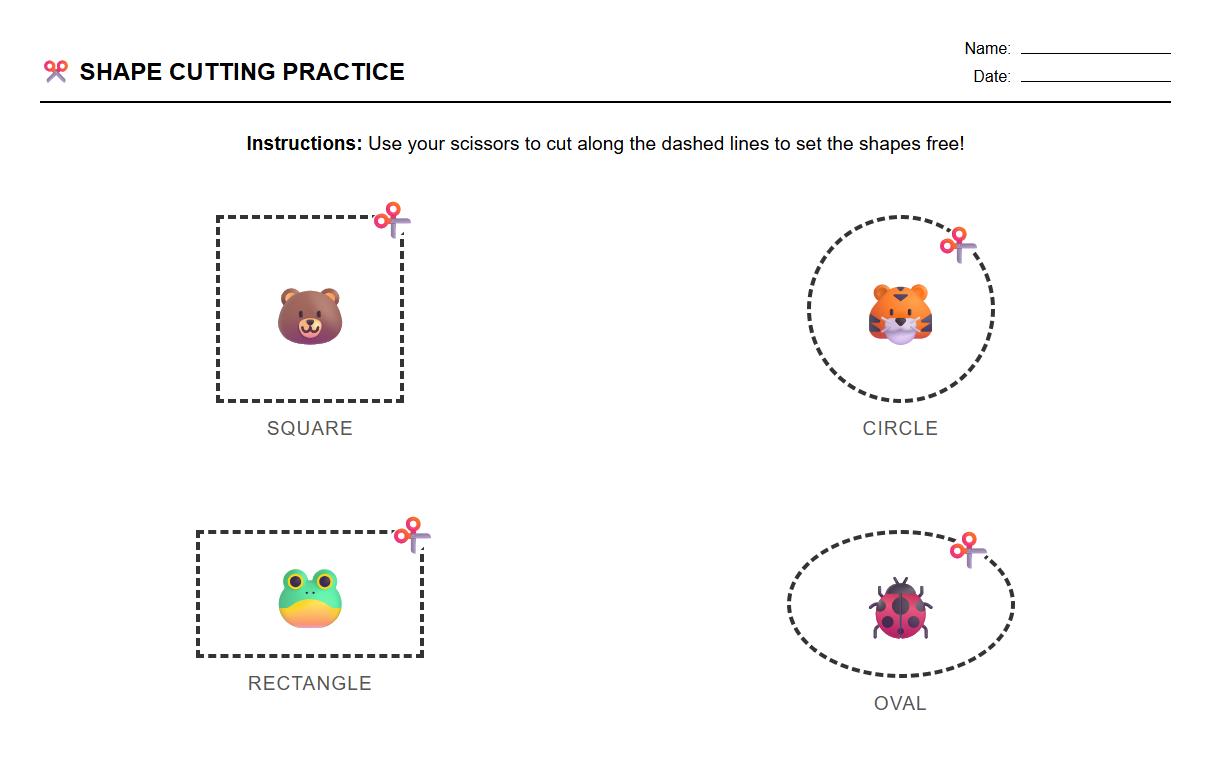
Shape Cutting Practice Worksheets for Preschoolers

Download PDF     Pin it

Visual Motor Integration Worksheets with Picture Outlines for Cutting
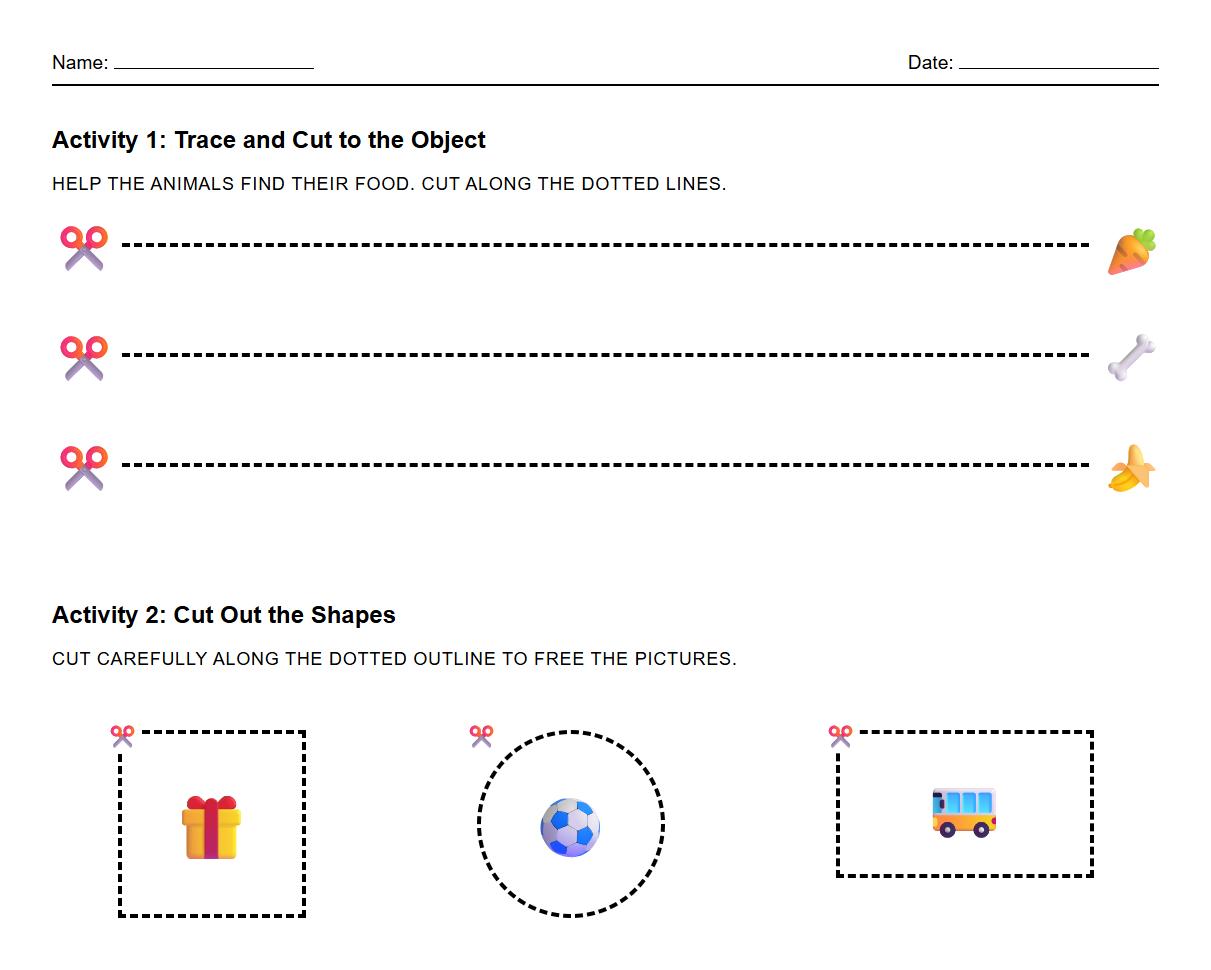
Visual Motor Integration Worksheets with Picture Outlines for Cutting

Download PDF     Pin it

Sequential Cutting Strips Worksheets for Hand Eye Coordination
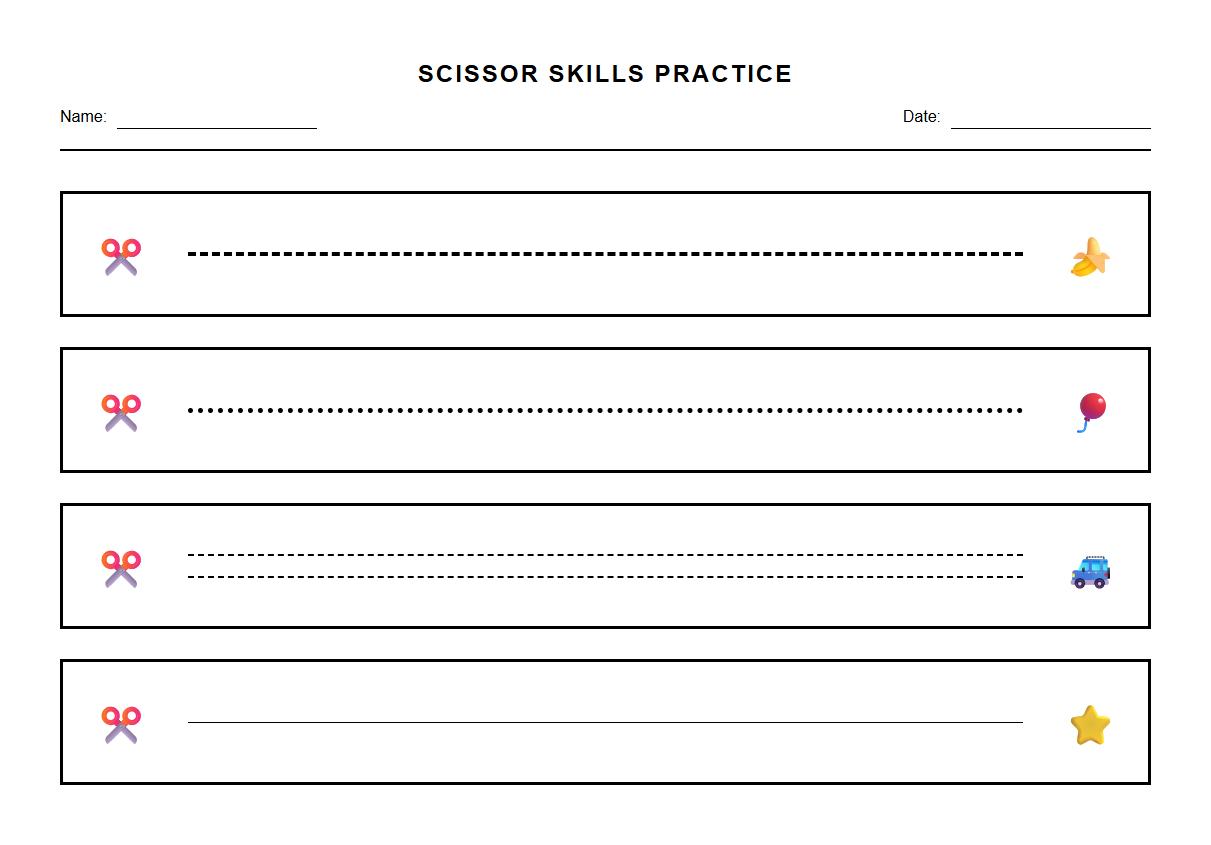
Sequential Cutting Strips Worksheets for Hand Eye Coordination

Download PDF     Pin it

Bilateral Coordination Scissor Cutting Activities with Maze Shapes
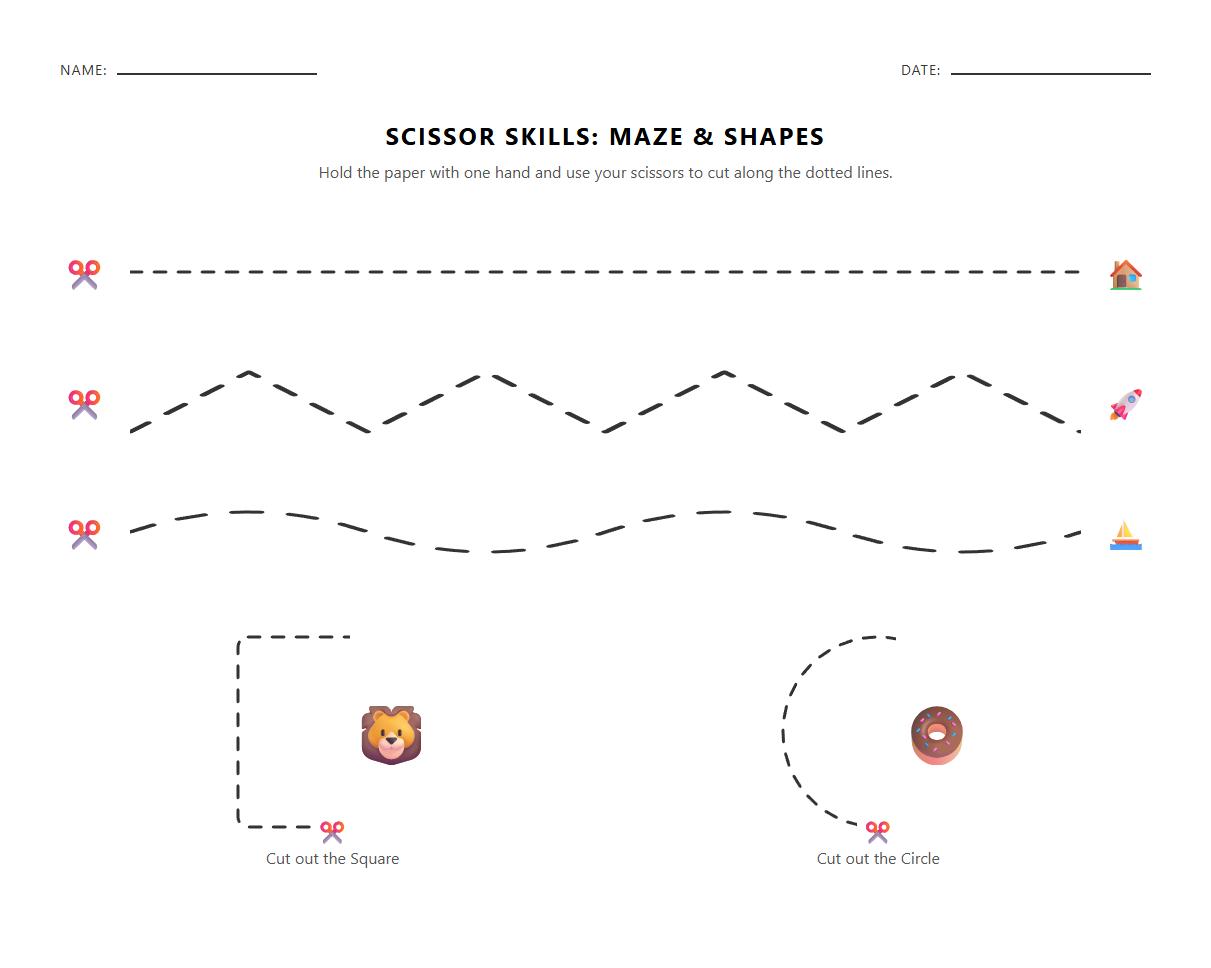
Bilateral Coordination Scissor Cutting Activities with Maze Shapes

Download PDF     Pin it

Complex Pattern Scissor Cutting Worksheets Targeting Precision
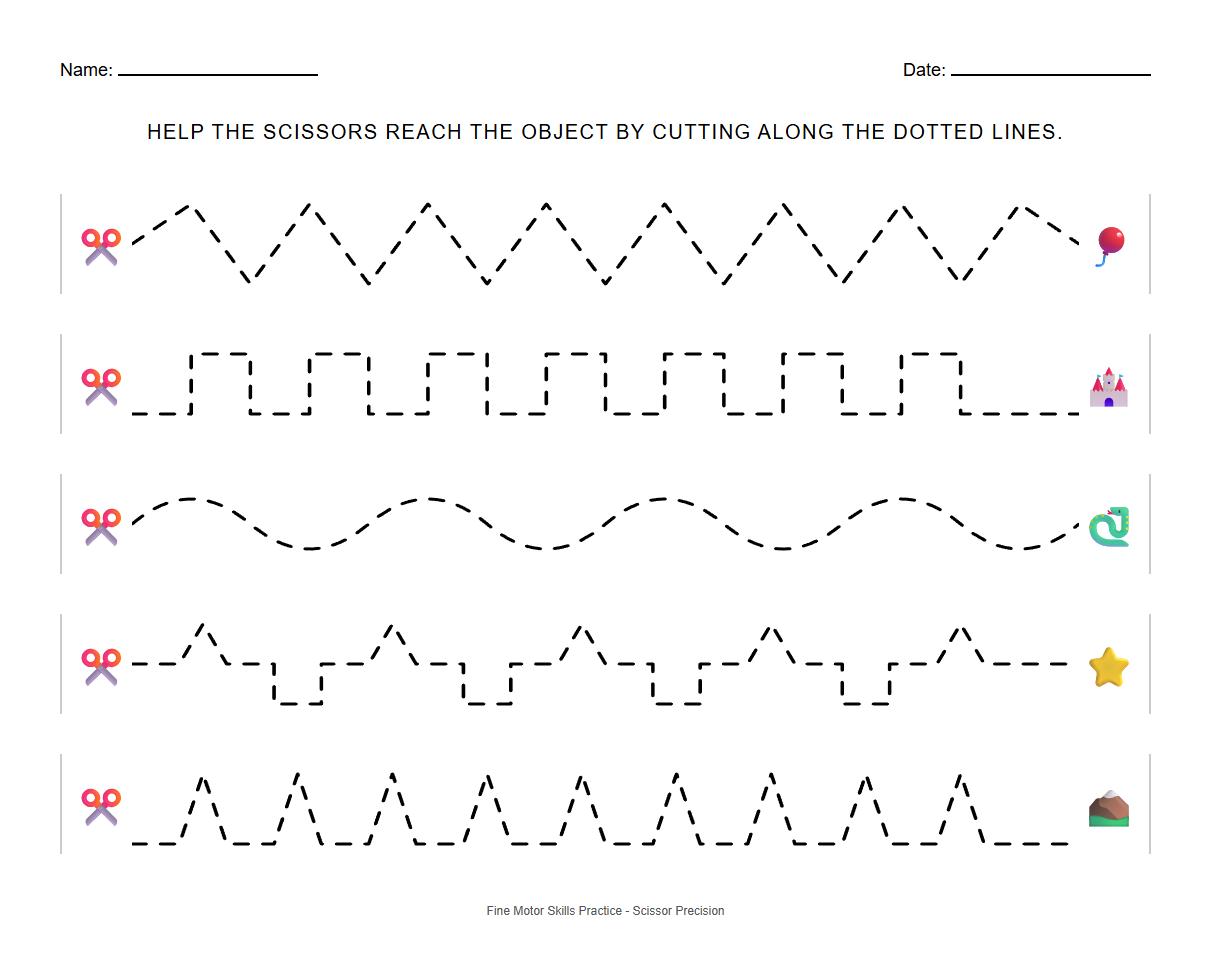
Complex Pattern Scissor Cutting Worksheets Targeting Precision

Download PDF     Pin it

Prewriting and Cutting Combined Worksheets Incorporating Tracing
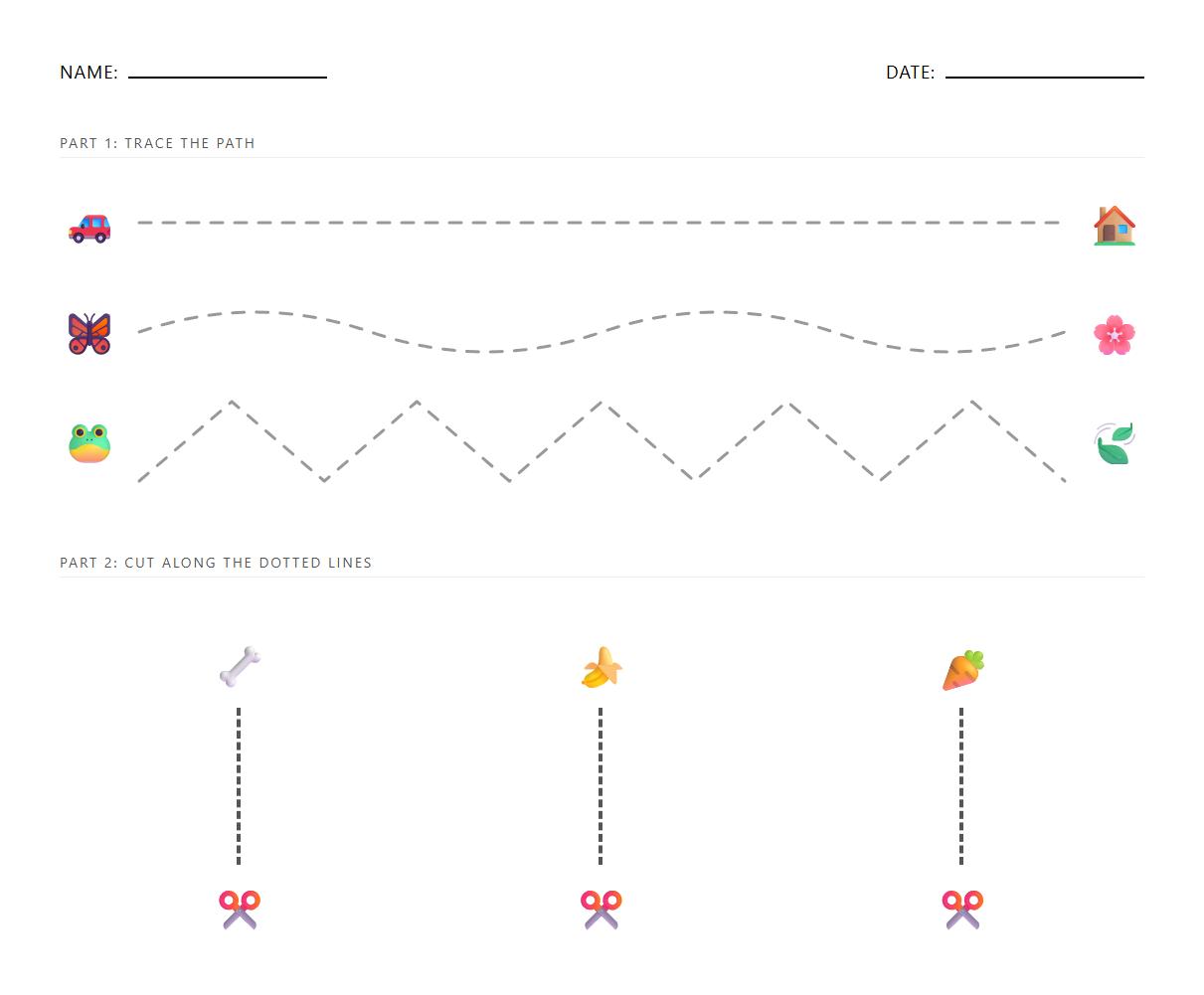
Prewriting and Cutting Combined Worksheets Incorporating Tracing

Download PDF     Pin it

Thematic Cutting Worksheets Emphasizing Directional Control
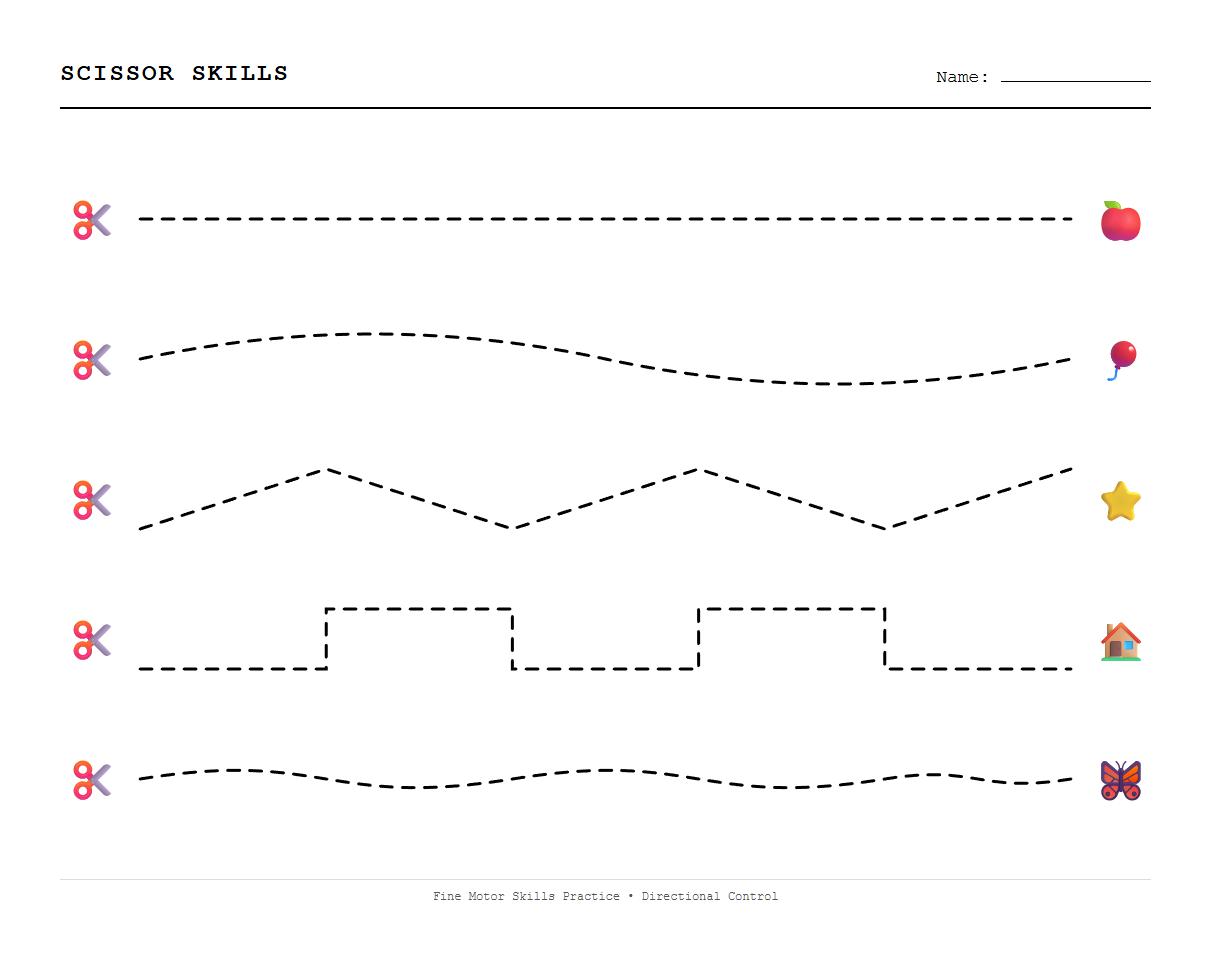
Thematic Cutting Worksheets Emphasizing Directional Control

Download PDF     Pin it

Motor Planning Skill Worksheets with Layered Paper Strip Cutting
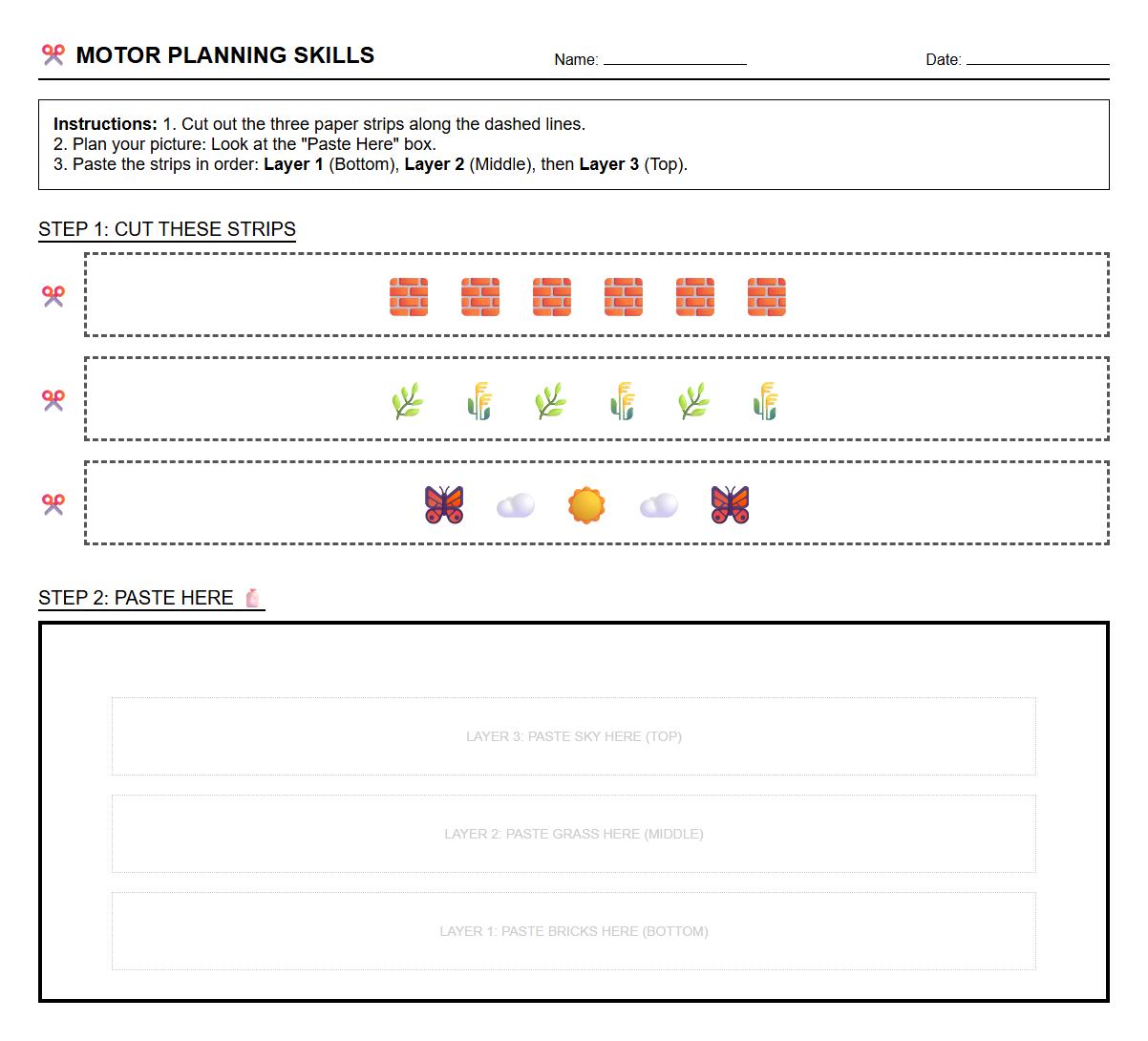
Motor Planning Skill Worksheets with Layered Paper Strip Cutting

Download PDF     Pin it

How Do Scissor Cutting Activities Improve Fine Motor Skills in Kindergarten Students?

Scissor cutting activities enhance fine motor skills by strengthening hand muscles and improving dexterity. These tasks require children to coordinate finger movements precisely, fostering better control. Cutting also develops bilateral coordination, engaging both hands simultaneously. This foundational skill supports future handwriting and other detailed tasks.

What Types of Worksheets Effectively Support Scissor Cutting Skills in Young Children?

Worksheets with dotted lines, shapes, and simple patterns are highly effective for scissor skill development. These guides provide visual targets for cutting, aiding accuracy and confidence. Progressive difficulty levels, from straight lines to curves, help children advance at their own pace. Colorful images also keep children engaged and motivated.

Which Classroom Tools Are Best for Teaching Safe Scissor Use?

Child-safe scissors with blunt tips are essential for teaching scissor use. Additionally, using scissors with comfortable, easy-grip handles encourages proper hand positioning. Visual aids, like safety posters and demonstration tools, reinforce safe habits. Non-slip mats or cutting boards can also ensure a stable cutting surface.

How Often Should Scissor Cutting Exercises Be Included in the Weekly Curriculum?

Regular practice, ideally 2-3 times per week, is recommended to build and maintain cutting skills. Short, focused sessions prevent fatigue and keep attention high. Integrating cutting activities within art and literacy lessons maximizes learning. Consistency accelerates skill mastery and boosts confidence.

What Are Common Challenges Faced by Kindergarteners When Using Scissors?

Difficulty with grip, hand strength, and coordination are frequent obstacles. Some children struggle to follow lines accurately or change cutting direction smoothly. Managing scissors safely can also be challenging without proper guidance. Patience and tailored support are crucial to overcoming these hurdles.

How Can Teachers Assess Progress in Scissor Cutting Skills?

Observations and skill checklists provide insight into students' cutting abilities. Teachers can track accuracy, control, and ability to follow shapes or lines. Collecting and reviewing sample cut-outs allows for ongoing assessment. Feedback should guide individualized instruction and goal setting.

What Are Creative Ways to Incorporate Scissor Cutting into Arts and Crafts Lessons?

Project-based activities like collage making, paper mosaics, and handmade cards creatively enhance cutting practice. Incorporating story themes or seasonal crafts increases engagement. Collaborative projects encourage peer learning and social skills. Using varied materials such as textured papers also enriches sensory experiences.

How Does Scissor Cutting Benefit Hand-Eye Coordination Development?

Scissor cutting requires precise hand-eye coordination as children visually guide their cutting while manipulating the scissors. This activity improves spatial awareness and timing. Enhanced coordination supports many academic and daily tasks. Regular practice can lead to improved overall motor planning.

What Safety Guidelines Should Be Established for Scissor Use in the Classroom?

Clear rules such as walking with scissors closed and cutting only appropriate materials must be established. Demonstrating and verbalizing safe handling techniques is essential. Teachers should supervise closely during cutting activities. Teaching clean-up and storage procedures also promotes responsibility and safety.

How Can Parents Support Scissor Cutting Skills with Worksheets at Home?

Providing age-appropriate cutting worksheets enables practice beyond the classroom. Parents can model cutting techniques and offer gentle guidance. Creating a dedicated workspace free from distractions fosters focus. Encouraging regular, short sessions helps improve skills steadily.


More in Fine Motor and Cognitive Skills Category


About the author. Nylen Smith is a dedicated educator and cofounder of KWorksheet.com, a popular platform specializing in high-quality kindergarten worksheets and printable activities.

Disclaimer. The information provided in this document is for general informational purposes and/or document sample only and is not guaranteed to be factually right or complete. Please report to us via contact-us page if you find and error in this page, thanks.

Comments

No comment yet